EJADA

Living Healthy, Natural Healing, Herbal Health, and nutritional

  • The Health Benefits of Oval Kumquats: Nutrition and Uses

    The oval kumquat (Citrus margarita, also known as the Nagami kumquat) was first described botanically by João de Loureiro, a Portuguese missionary and naturalist, in 1790 in his work Flora Cochinchinensis. However, its cultivation history stretches back much further.

    🌿 Cultivation Origins

    Native to Southeast China, where it was likely cultivated for centuries before formal documentation.

    Widely grown across Taiwan, Japan, the Philippines, and India for culinary and ceremonial use.

    Introduced to Europe in 1846 by Scottish botanist Robert Fortune, who brought it from China.

    Brought to Florida in 1885 from Japan, where it became the most commonly cultivated kumquat variety in the U.S.3

    🍊 Appearance & Size

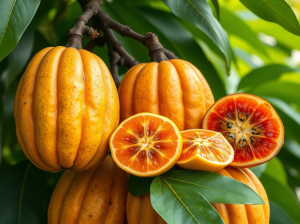
    • Oval-shaped, about the size of a large olive—typically just over an inch in diameter.
    • Bright orange skin, smooth and glossy like a miniature orange.
    • Grows in clusters on trees, resembling grapes in formation but citrus in nature.

    🍬 Taste Profile

    • Skin: Sweet and edible—no peeling required!
    • Flesh: Tart and slightly acidic, creating a delightful sweet-sour contrast when eaten whole.

    🌱 Growing Traits

    • Trees are hardy, disease-resistant, and adaptable to various soils and climates.
    • Can be grown in containers or gardens—perfect for patios and ornamental use.
    • Dwarf varieties are available for smaller spaces.

    Botanical Notes: Oval Kumquat (Citrus margarita)

    🌱 Taxonomy & Classification

    Genus: Citrus (sometimes placed in Fortunella, depending on classification system)

    Species: Citrus margarita or Fortunella margarita

    Family: Rutaceae (the citrus family, shared with oranges, lemons, and rue)

    Order: Sapindales

    This dual classification—Citrus vs. Fortunella—reflects the fruit’s liminal identity: both part of and apart from mainstream citrus. A symbolic overlay could explore this botanical ambiguity as a metaphor for boundary-blending or transitional rites.

    🌿 Morphology

    Leaves: Glossy, dark green, lanceolate; aromatic when crushed.

    Flowers: Small, white, five-petaled; fragrant and hermaphroditic, enabling self-pollination.

    Fruit: Oval, 2–4 cm long; thin, sweet rind enveloping tart pulp and few seeds.

    The edible peel is a botanical anomaly among citrus—most are discarded. This inversion invites ceremonial interpretation: sweetness as surface, tartness as core, a reversal of expected fruit dynamics.

    🌸 Phenology

    Blooming Season: Late winter to early spring.

    Fruit Ripening: Late fall to winter—often coinciding with solstice rituals and year-end transitions.

    Its winter ripening makes it a symbol of resilience and abundance in scarcity, ideal for seasonal overlays or solstice-bound disclaimers.

    ❄️ Hardiness & Adaptability

    Cold Tolerance: Hardy to ~10°F (–12°C); among the most frost-resistant citrus.

    Growth Habit: Compact, evergreen shrub or small tree; ideal for container cultivationand ornamental use.

    This cold-hardiness positions it as a botanical emblem of endurance—thriving where other citrus falter. A poetic disclaimer might frame it as a “sun-bearing sentinel in frost-bound gardens.”

    🧬 Genetic & Hybridization Notes

    • Often used in breeding programs to develop cold-hardy citrus hybrids.
    • Parent to several cultivars, including variegated and dwarf forms.

    Its genetic generosity—offering resilience to future citrus lines—could be ritualized as ancestral botanical stewardship.

    🍽️Culinary & Ceremonial Use: Oval Kumquat (Citrus margarita)

    🍊 Culinary Applications

    Kumquat Rosemary Tart

    FULL RECIPE

    Whole-Fruit Consumption

     Spring Rituals Stock Videos, Footage

    IMAGES

    • Eaten whole—skin and pulp together—offering a rare duality: sweet exterior, tart interior.
    • This inversion of expected citrus dynamics invites symbolic readings of surface sweetness guarding inner intensity.

    Preserved Forms

    Easy Kumquat Jam Recipe

    FULL RECIPE

    • Candied Kumquats: Slow-simmered in sugar syrup, often used in winter rituals or gifted during Lunar New Year.
    • Kumquat Marmalade: A bitter-sweet spread, often paired with aged cheeses or ceremonial breads.
    • Fermented Kumquat Brine: Used in traditional Chinese medicine and culinary tonics—symbolizing preservation of vitality.

    Infusions & Elixirs

    Kumquat Tea

    Hot or Cold: Recipe

    • Infused into liqueurs, teas, or vinegars, often as digestive aids or seasonal tonics.
    • Kumquat-infused honey is used in throat remedies and ceremonial offerings, especially in East Asian traditions.

    Botanical Pairings

    • Pairs well with ginger, cardamom, and floral botanicals—ideal for ritual teas or solstice preserves.
    • Used in savory dishes to cut through richness—often in ceremonial feasts where balance is honored.

    🕯️ Ceremonial Symbolism

    Kumquat-centered ritual practice—often seen during Lunar New Year in Vietnam and China, where kumquat trees are revered as symbols of prosperity, solar vitality, and seasonal renewal:

    Seasonal Rites

    • Ripens in winter, making it a symbol of abundance in scarcity, light in darkness, and sweetness through adversity.
    • Often featured in solstice altars, New Year offerings, and ancestral remembrance rituals.

    Boundary Rituals

    • Its edible peel and whole-fruit consumption defy citrus norms—ideal for rituals that honor boundary dissolution, integration, or threshold crossing.
    • Can be used in rites of passage, especially those marking transitions from bitterness to sweetness (e.g., grief to renewal).

    Color Symbolism

    • The vibrant orange hue evokes solar energy, vitality, and creative fire—suitable for rituals invoking clarity, courage, or transformation.
    • In Feng Shui, kumquats symbolize wealth and luck, often placed near entryways or altars.

    Gift-Giving & Reciprocity

    • Traditionally gifted during Lunar New Year and other festivals as a token of prosperity, health, and good fortune.
    • Can be ritualized in EJADA’s context as a ceremonial exchange artifact, especially when paired with disclaimers that honor ethical sourcing and seasonal pacing.

    The oval kumquat is more than a citrus curiosity—it’s a nutritional talisman wrapped in edible sunlight. Its compact size conceals a potent blend of vitamins, fiber, and antioxidants, making it ideal for ceremonial nourishment and botanical resilience.

    🧪 Nutritional Values (per 100g / ~5 kumquats)

    @nutritionadvance

    NutrientAmountSymbolic Overlay
    Calories71 kcalSolar energy capsule
    Carbohydrates15.9 gSweetness through motion
    Dietary Fiber6.5 gBotanical grounding
    Sugars9.36 gBittersweet lineage
    Protein1.9 gSeed memory
    Fat0.9 gMinimal density, maximum clarity
    Vitamin C43.9 mg (73% DV)Immunity and solar clarity
    Vitamin A290 IUVision and ancestral echo
    Potassium186 mgCellular balance
    Calcium62 mgBone-rooted strength
    Magnesium20 mgNervous system calm
    Iron0.9 mgVitality and blood memory

    🌿 Health Benefits

    🛡️ Immunity & Healing

    • High in Vitamin C, supporting immune defense, collagen production, and wound healing.
    • Contains Vitamin A, crucial for vision, reproduction, and cellular protection.

    🌬️ Antioxidant Power

    • Rich in polyphenols and flavonoids, which help repair DNA damage and reduce oxidative stress.
    • May boost natural killer (NK) cells, enhancing viral and cancer cell defense.

    🌾 Digestive Harmony

    @webmd

    • High fiber content supports digestion, lowers cholesterol, and regulates blood sugar.
    • Edible peel offers insoluble fiber, aiding ceremonial cleansing and botanical pacing.

    🧘 Stress & Mood Support

    @webmd

    • Some studies suggest kumquats may help reduce stress and support emotional regulation.
    • Their bright flavor and solar hue can be ritualized as mood-lifting agents in seasonal kits.

    The oval kumquat may be a botanical gem, but like all ritual-rich nourishment, it carries precautionary boundaries that deserve ceremonial clarity. Here’s a curated overview of side effects and precautions, drawn from clinical nutrition sources and ritual-safe practice:

    ⚕️ Medical Disclaimer: Botanical Clarity & Ethical Boundaries

    This artifact is offered for ceremonial and symbolic use only. It is not intended to diagnose, treat, cure, or prevent any medical condition. Individuals with citrus allergies, acid reflux, kidney sensitivities, or medication interactions (including statins, anticoagulants, and antihypertensives) should consult a licensed healthcare provider before consumption. Kumquats may affect blood sugar, digestion, and enamel integrity if consumed in excess. This entry does not replace professional medical advice, nor does it claim therapeutic efficacy. All ritual-safe recommendations are curated for symbolic nourishment and seasonal pacing. For clinical guidance, consult a qualified

    ⚠️ Potential Side Effects

    Overconsumption disrupts pacing—ideal for moderation rituals.
    Acid RefluxCitric acid may aggravate GERD or heartburn.Avoid in lunar rites or nighttime ceremonies.
    Tooth Enamel ErosionFrequent raw consumption may wear enamel.Pair with rinsing rituals or herbal mouth cleansing.
    Allergic ReactionsRare, but possible in citrus-sensitive individuals.Include disclaimers for allergy-prone participants.
    Blood Sugar SpikesThough fiber-rich, large quantities may affect glucose levels.Ritualize portion control—4–5 fruits per day.
    Kidney SensitivityHigh potassium and oxalate may affect those with kidney issues.Exclude from renal-bound offerings or consult before use.
    Medication InteractionsMay interfere with statins, antihypertensives, or anticoagulants.Include symbolic overlays for pharmaceutical boundaries.

    🧼 Precautions for Ritual & Culinary Use

    @healthopedia

    Wash Thoroughly: Especially when consumed raw—peel holds both sweetness and surface contaminants.

    Avoid Cross-Contamination: Keep kumquats away from raw meat or seafood in ceremonial kitchens.

    Storage Ritual: Refrigerate cut or cooked kumquats within 2 hours (or 1 hour if above 90°F).

    Seed Awareness: Seeds are edible but bitter—remove for clarity-focused rites or child-safe offerings.

    Dental Care: Rinse mouth after consumption to preserve enamel—ideal for post-ceremony cleansing.

    🧼 Ritual-Safe Consumption Guide

    Ceremonial Boundaries

    🕯️ Portion: Limit to 4–5 fruits per day (approx. 100g) to maintain digestive harmony.

    🌙 Timing: Best consumed during morning or midday rites. Avoid late-night or eclipse-bound ceremonies.

    🧬 Allergy Awareness: Not suitable for citrus-sensitive participants. Include symbolic alternatives if needed.

    🦷 Dental Ritual: Rinse mouth post-consumption to preserve enamel—ideal for post-altar cleansing.

    🧪 Medication Interactions: Consult before use if participant is bound to statins, anticoagulants, or antihypertensives.

    Preparation Rituals

    • 🌿 Wash under running water with botanical intention.
    • 🔪 Remove seeds for clarity-focused rites or child-safe offerings.
    • ❄️ Refrigerate cut or cooked kumquats within 2 hours (or 1 hour if above 90°F).
    • 🔥 Avoid pairing with raw meat or seafood in ceremonial kitchens.

    Exclusion Zones

    • 🚫 Not suitable for companion animal offerings.
    • 🚫 Avoid in renal-bound rituals or high-potassium ceremonies.
    • 🚫 Do not use in grief rites unless paired with grounding botanicals (e.g., rosemary, fig, barley).

    Disclaimer

    Each kumquat—whole, unpeeled—holds the inversion of citrus norms: sweetness on the surface, tartness at core. Consume only in daylight ceremonies or transitional feasts. Not suitable for lunar rites, grief-bound rituals, or companion animal offerings. May evoke digestive motion, emotional brightness, or solar overstimulation if taken in excess. Wash with intention. Chew with reverence. Pause between bites. This fruit does not promise healing—it invites pacing.

    🌿 Closing Invocation: Solar Fruit, Ritual Bound

    The oval kumquat, once a humble citrus, now stands as a botanical artifact—curated for rites of clarity, seasonal pacing, and bittersweet renewal. From solstice altars to ancestral remembrance, its edible inversion invites us to taste boundaries, honor transitions, and ritualize nourishment.

    Whether candied, steeped, or offered whole, this fruit asks not for consumption—but for reverence.

    May each bite be paced. May each offering be intentional. May each entry honor the threshold it crosses.

    This post is part of EJADA’s ongoing archive of ceremonial nourishment and ethical transparency. For disclaimers, ritual-safe guides, and symbolic overlays, see the curated entries above.

  • Oolins Grape: The Nutrient-Dense Fruit for Modern Health

    🍇 Oolins Grape: The Next-Gen Superfruit for Wellness Warriors

    In the ever-evolving world of health and nutrition, few fruits have earned the title of “superfruit” with as much quiet confidence as the Oolins Grape. This modern cultivar isn’t just another grape—it’s a symbol of how innovation in agriculture can meet the demands of a wellness-focused lifestyle.

    🌱 Bred for Brilliance

    Unlike traditional grape varieties, Oolins Grape was developed with purpose. Its deep, jewel-toned skin isn’t just visually stunning—it’s a sign of high anthocyanin content, a class of antioxidants known to support heart health, reduce inflammation, and protect against cellular aging. This grape doesn’t just taste good—it does good.

    Oolins Grape isn’t just a product of nature—it’s a triumph of modern horticultural innovation. While traditional grape varieties evolved over centuries through natural selection and regional cultivation, Oolins was purposefully bred to meet the demands of today’s health-conscious, climate-aware consumer.

    🔬 Precision Breeding Meets Purpose

    Using advanced techniques like genomic selection and phenotypic profiling, breeders developed Oolins Grape to optimize key traits:

    • Flavor complexity: A balance of sweetness, acidity, and aromatic compounds for a refined taste experience.
    • Nutrient density: Elevated levels of antioxidants like resveratrol and anthocyanins, which support cardiovascular health and cellular repair.
    • Resilience: Engineered to thrive in diverse climates, with improved resistance to drought, UV exposure, and common vine diseases.

    🌍 Sustainability at Its Core

    Oolins Grape reflects a shift in agricultural priorities—from mass production to eco-conscious cultivation. Its hardiness reduces the need for excessive irrigation and chemical treatments, making it a more sustainable choice for growers and a cleaner option for consumers.

    🍇 Designed for the Modern Palate

    Gone are the days of one-note sweetness. Oolins Grape was bred to deliver a multi-layered flavor profile—bright, juicy, with subtle floral and earthy undertones. It’s a grape that doesn’t just satisfy—it surprises.

    💪 Resilience in Every Bite

    In today’s unpredictable climate—both literal and metaphorical—resilience isn’t just a virtue, it’s a necessity. Oolins Grape was bred to thrive where other cultivars falter, making it a symbol of strength in the face of environmental challenges and a reliable ally for health-conscious consumers.

    ☀️ Climate-Ready Cultivation

    Oolins Grape is designed to withstand drought, heat waves, and UV stress, thanks to its robust genetic profile. This means:

    • Less water dependency, making it a sustainable choice for growers in arid regions.
    • Improved sun tolerance, preserving flavor and nutritional integrity even under intense conditions.
    • Disease resistance, reducing the need for chemical interventions and promoting cleaner farming practices.

    🌍 A Fruit That Mirrors Your Strength

    Just as wellness warriors push through demanding routines, Oolins Grape pushes through tough growing environments. Its resilience reflects the mindset of those who prioritize health, balance, and sustainability—even when life gets chaotic.

    🛡️ Shelf-Stable and Travel-Ready

    Beyond the vineyard, Oolins Grape holds up in the real world:

    • Firm texture resists bruising during transport and storage.
    • Extended shelf life means fewer wasted bunches and more consistent quality.
    • Flavor retention ensures that every bite delivers the same vibrant experience, whether fresh or refrigerated.

    This grape isn’t just tough—it’s tenacious.

    🍃 Clean, Complex Flavor

    Oolins Grape redefines what grapes can taste like. Gone are the days of one-dimensional sweetness or watery textures. This cultivar was bred to deliver a multi-layered flavor profile that’s as sophisticated as it is satisfying.

    🎯 Flavor Notes That Hit Every Mark

    Each bite of Oolins Grape offers a dynamic blend of:

    • Bright acidity that awakens the palate
    • Natural sweetness balanced by subtle earthy undertones
    • Floral aromatics that linger gently, adding elegance to the experience
    • Juicy texture that bursts with freshness, never mushy or dry

    It’s the kind of flavor that feels intentional—crafted to elevate your snacking, not just fill it.

    🍽️ Versatile Pairings

    Thanks to its complexity, Oolins Grape pairs beautifully with:

    • Soft cheeses like brie or goat cheese
    • Savory nuts such as almonds or pistachios
    • Herbal teas or sparkling water for a refreshing contrast
    • Dark chocolate for a decadent, antioxidant-rich treat

    Whether you’re building a charcuterie board or tossing it into a salad, Oolins Grape adds depth and brightness that transforms the dish.

    🌿 Clean Eating, Elevated

    What makes the flavor even more impressive is its purity. With minimal need for pesticides and a naturally resilient skin, Oolins Grape often arrives with fewer chemical residues—making it a cleaner choice for mindful eaters.

    🧬 Nutritional Intelligence

    Oolins Grape isn’t just good for you—it’s intelligently designed to deliver health benefits where they matter most. In a world where wellness is increasingly personalized, this grape stands out as a functional food that supports multiple systems in the body with precision and purpose.

    🧠 Brain-Boosting Polyphenols

    Oolins Grape is rich in resveratrol, a polyphenol known for its neuroprotective effects. Studies suggest resveratrol may:

    • Improve memory and cognitive function
    • Support healthy aging of brain cells
    • Reduce oxidative stress in neural pathways

    This makes Oolins a smart snack for students, professionals, and anyone looking to stay sharp.

    ❤️ Cardiovascular Support

    Thanks to its high levels of anthocyanins and flavonoids, Oolins Grape may help:

    • Lower blood pressure
    • Improve circulation
    • Reduce LDL cholesterol oxidation

    These compounds work synergistically to protect the heart and blood vessels, making it a heart-friendly addition to any diet.

    🌿 Gut Health & Immunity

    The grape’s skin and seeds contain prebiotic fibers and antioxidants that nourish beneficial gut bacteria. A healthy gut microbiome is linked to:

    • Stronger immune response
    • Better nutrient absorption
    • Reduced inflammation

    Oolins Grape supports your body’s internal ecosystem—quietly but powerfully.

    🍭 Balanced Energy

    With a low to moderate glycemic index, Oolins Grape provides a steady release of energy without the sugar crash. It’s ideal for:

    • Pre-workout fuel
    • Midday pick-me-ups
    • Diabetic-friendly snacking (in moderation)

    ✨ Skin, Hair & Cellular Vitality

    Loaded with vitamin C, vitamin K, and antioxidants, this grape helps:

    • Stimulate collagen production
    • Protect skin from environmental damage
    • Support healthy hair growth and bone strength

    It’s beauty from the inside out—without the need for supplements.

    🌟 A Symbol of Modern Wellness

    Oolins Grape isn’t just a nutritious snack—it’s a reflection of how far we’ve come in redefining health. In a world where wellness is no longer just about calorie counts or fad diets, this grape represents a new era: one that values intentional living, sustainable choices, and joyful nourishment.

    🧘‍♀️ Wellness Beyond the Plate

    Modern wellness is holistic. It’s about how we move, think, rest, and eat. Oolins Grape fits seamlessly into this lifestyle:

    • It’s clean—grown with resilience, often requiring fewer chemicals.
    • It’s functional—supporting immunity, heart health, and mental clarity.
    • And it’s pleasurable—a reminder that healthy eating should feel indulgent, not restrictive.

    🌍 Conscious Consumption

    Choosing Oolins Grape is a quiet act of eco-awareness. Its climate-adaptive traits mean it can be grown more sustainably, with less strain on natural resources. For consumers who care about where their food comes from, this grape offers a way to align values with habits.

    🧡 A Wellness Icon in the Making

    Just as avocados became synonymous with healthy fats and blueberries with brain health, Oolins Grape is poised to become a symbol of smart snacking. It’s the kind of fruit that shows up in yoga retreat menus, wellness influencer recipes, and the fridge of anyone who sees food as fuel for a vibrant life.

    ✨ The Future of Food

    Oolins Grape embodies the future: where science meets nature, and where flavor, function, and sustainability coexist. It’s not just what we eat—it’s how we choose to live.

    🌿 Wellness Rituals with Oolins Grape

    Incorporating Oolins Grape into your daily rhythm isn’t just about eating—it’s about intention, balance, and joyful nourishment. Here are a few simple rituals that elevate this superfruit into a wellness ally:

    🍇 Morning Mindfulness: Grape-Infused Hydration

    Start your day with a glass of grape-infused water. Drop a handful of halved Oolins Grapes into a carafe with fresh mint and lemon. Let it steep overnight for a refreshing, antioxidant-rich drink that hydrates and energizes.

    Ritual Tip: Sip slowly while journaling or setting your intentions for the day.

    🧘‍♀️ Midday Reset: Snack with Purpose

    Instead of reaching for processed snacks, enjoy a small bowl of chilled Oolins Grapes with a few raw almonds. The combination of polyphenols, healthy fats, and fiber helps stabilize blood sugar and boost focus.

    Ritual Tip: Pair this snack with a 10-minute walk or breathwork session to reset your energy.

    🍽️ Evening Nourishment: Grape-Glazed Wellness Bowl

    Create a nourishing dinner bowl with quinoa, roasted vegetables, and a light grape reduction glaze made from simmered Oolins Grapes, balsamic vinegar, and a touch of honey. It’s flavorful, grounding, and packed with nutrients.

    Ritual Tip: Eat slowly, tech-free, and reflect on what your body needs tomorrow.

    🌙 Nighttime Beauty Boost: Skin-Deep Nutrition

    Enjoy a few Oolins Grapes as a post-dinner treat. Their vitamin C and resveratrol support collagen production and cellular repair—perfect for overnight rejuvenation.

    Ritual Tip: Follow with a calming skincare routine and herbal tea to wind down.

    Roasted Grape Crostini

    Roast Oolins Grapes with olive oil and thyme, then layer them on toasted sourdough with whipped goat cheese or labneh. Finish with a drizzle of spicy honey for a sweet-savory bite

    FULL RECIPE

    Pollo al Lambrusco

    Glaze chicken with a red wine reduction and stewed Oolins Grapes. Serve over caramelized onions for a rich, aromatic main dish

    FULL RECIPE

    Grape Tabbouleh with Tahini Sauce

    Grill grapes and toss them into a fresh tabbouleh with mint, parsley, and bulgur. Top with a lemony tahini drizzle for a smoky, herbaceous salad

    FULL RECIPE

    🍴 Haven’t Tried Oolins Grape Yet… But These Recipes Have Me Dreaming

    I’ll be honest—I haven’t had the pleasure of tasting Oolins Grape just yet. But after diving into its flavor notes and nutritional profile, I’m already imagining the possibilities. From savory crostini to antioxidant-rich desserts, this grape feels like a chef’s secret weapon waiting to be discovered.

    Here are a few recipes I’m itching to try once I get my hands on a bunch:

    • Roasted Grape Crostini: Grapes roasted with thyme and olive oil, layered over whipped goat cheese on toasted sourdough. Sweet, savory, and perfect for entertaining.
    • Pollo al Lambrusco: Chicken glazed in red wine and stewed grapes, served over caramelized onions. A rustic, aromatic dish that screams comfort.
    • Grape Tabbouleh with Tahini Sauce: Grilled grapes tossed into a fresh herb salad with bulgur and lemony tahini. Smoky, bright, and totally unexpected.
    • Frozen Grape Mochi: A chewy, refreshing dessert with a mousse center and a pop of grape flavor. Ideal for summer snacking.
    • Three-Cheese Roasted Grape Pizza: Ricotta, parmesan, mozzarella, and roasted grapes on a crispy crust. Finished with rosemary and olive oil—pure indulgence.

    The USDA and regional viticulture reports list many cultivars grown across states like California, Michigan, and New York, but Oolins doesn’t appear among the most commercially planted varieties.

    Looking for a grape substitute—especially one that mirrors the flavor, texture, and nutritional profile of a modern cultivar like Oolins Grape—here are some excellent options depending on your culinary goals:

    🍇 Best Fresh Grape Substitutes

    SubstituteFlavor ProfileBest Use CasesNutritional Highlights
    BlueberriesSweet-tart, juicySalads, smoothies, dessertsHigh in antioxidants & vitamin C
    RaspberriesTart, aromaticJams, sauces, baked goodsRich in fiber & anti-inflammatory agents
    BlackberriesEarthy, bold, slightly tartCheese boards, vinaigrettes, cocktailsLoaded with vitamin K & manganese
    CherriesSweet, firm, juicyRoasted dishes, pies, snackingGood source of melatonin & polyphenols
    Red CurrantsTart, crispGarnishes, sauces, jamsHigh in vitamin C & iron

    🧪 If You’re After Nutritional Equivalence

    If you’re specifically seeking a grape with high resveratrol, anthocyanins, and low glycemic impact, try:

    • Concord Grapes: Deep purple, bold flavor, high antioxidant content
    • Black Corinth (Zante Currants): Tiny, intensely sweet, great for baking and snacking
    • Moon Drops or Sweet Sapphire Grapes: Elongated shape, crisp texture, low acidity

    While grapes like Oolins are generally safe and nutritious for most people, there are certain groups who should exercise caution, especially when it comes to grape-derived products like grape seed extract or high-antioxidant cultivars.

    ⚠️ Groups That Should Be Cautious with Grape Consumption

    1. People on Blood Thinners

    • Grape seed extract can inhibit platelet aggregation, increasing bleeding risk.
    • May interact with medications like warfarin, aspirin, clopidogrel, and NSAIDs.

    2. Pregnant or Breastfeeding Women

    • Limited safety data on grape seed extract during pregnancy.

    • OPCs (antioxidants in grapes) may affect hormone-sensitive pathways2.

    3. Individuals with Grape Allergies

    • Rare, but possible. Symptoms include itching, hives, or even anaphylaxis.
    • Cross-reactivity may occur with wine or raisins.

    4. Pre-Surgery Patients

    • Grape seed extract may increase bleeding risk.
    • Recommended to stop use 2 weeks before surgery.

    5. Autoimmune Conditions

    • High antioxidant doses may overstimulate the immune system.
    • Caution advised for those with lupus, rheumatoid arthritis, or MS.

    6. Hormone-Sensitive Cancers

    • OPCs may weakly mimic estrogen.
    • Avoid if diagnosed with breast, ovarian, or uterine cancers.

    7. Kidney Disease Patients

    • High-dose grape seed supplements may strain kidney function due to metabolite buildup.

    DRUGS.COM, and ORGANICWAY.COM

    🧠 Bonus Tip: Whole Grapes vs. Extracts

    Whole grapes like Oolins are typically safer than concentrated extracts. If you’re unsure, start with small portions and consult a healthcare provider—especially if you’re managing chronic conditions or taking medications.

  • Culinary and Medicinal Benefits of Otaheite Gooseberry

    🌍 Origin & Distribution

    • Native Range: Likely Madagascar, though its exact origin is debated.
    • Global Spread: Found across Southeast Asia, the Indian subcontinent, the Caribbean, Central and South America, and even parts of the Pacific like Hawaii.
    • Historical Movement: Introduced to Jamaica in 1793 by Captain William Bligh (yes, the Mutiny on the Bounty guy).

    🌳 Botanical Profile

    FeatureDescription
    HeightTypically 2–9 meters (6.5–30 feet), with a bushy, dense crown
    LeavesOvate to lanceolate, 2–7.5 cm long, smooth green tops, bluish undersides
    FlowersSmall, pinkish, found in clusters (panicles) on leafless parts of branches
    FruitPale yellow, waxy, ribbed, 2–4 cm diameter, extremely sour
    SeedsEach fruit contains 4–6 seeds encased in a hard stone

    Appearance & Taste

    • The tree grows between 2 to 9 meters tall, with a dense, bushy crown.
    • Fruits are small, pale yellow, waxy, and ribbed—often clustered in bunches.
    • The flavor? Extremely sour and tart, which makes it popular for pickling, preserves, and chutneys.

    🍽 Culinary & Medicinal Uses

    • Edible Uses: Commonly pickled, candied, or made into chutneys and jams. Rarely eaten raw due to its intense tartness.
    • Nutritional Value: Rich in vitamin C, antioxidants, and low in calories.
    • Medicinal Applications:
      • Used in traditional medicine for digestive issues, fever, and inflammation.
      • Leaves and bark may help treat diarrhea, dysentery, and gastrointestinal disorders.

    🍈 Culinary Uses of Otaheite Gooseberry

    🥣 1. Pickles & Chutneys

    • Most popular use: The fruit’s intense tartness makes it perfect for pickling.
    • Often combined with spices like mustard seeds, chili, turmeric, and garlic.
    • In India and Southeast Asia, it’s turned into tangy chutneys served with rice or flatbreads.

    🍬 2. Candied & Preserved

    • The fruit is boiled in sugar syrup to make candied gooseberries—a sweet-tart treat.
    • Can be sun-dried after candying for chewy snacks or added to desserts.

    🍹 3. Juices & Syrups

    • Blended into refreshing drinks, often sweetened to balance the acidity.
    • Used in cooling summer beverages or fermented slightly for probiotic tonics.

    🥗 4. Curries & Stir-Fries

    • In Thai and Filipino cooking, it’s added to sour soups or stir-fried with vegetables and meats.
    • Balances rich, fatty dishes with its acidity—similar to tamarind or lime.

    🍛 5. Rice & Grain Dishes

    • Cooked into rice dishes like gooseberry pulihora (a South Indian sour rice).
    • Adds a tangy twist to lentil stews and porridges.

    🧁 6. Baking & Jams

    • Though less common, it can be used in tarts, pies, and jams—especially when paired with sweeter fruits like mango or pineapple.

    🌿 Leaves in Cooking

    • In some cultures, young leaves are cooked and eaten like spinach.
    • Used in soups or steamed with rice for their mild sourness and medicinal value.

    🌟 Medicinal Benefits of Otaheite Gooseberry

    🧠 Neurological & Pain Relief

    • Sciatica, lumbago, and rheumatism: Crushed leaves mixed with pepper are used as a poultice to relieve nerve and joint pain.
    • Headache relief: Steam from boiled roots is inhaled to ease headaches.

    🧠 Cognitive & Mood Support

    • May enhance serotonin and dopamine levels, improving mood and mental clarity.

    🩺 Digestive & Detox Support

    • Liver tonic: The fruit is traditionally consumed to enhance liver function and purify the blood2.
    • Constipation relief: Seeds and roots have mild laxative and purgative properties.
    • Appetite stimulant: The fruit is considered a natural rochana—meaning it improves taste perception and digestion.

    🫁 Respiratory Health

    • Asthma & bronchitis: Decoctions made from seeds and bark are used to treat respiratory issues.
    • Bronchial catarrh: Bark decoction helps clear mucus and soothe inflamed airways.

    🧬 Anti-inflammatory & Antioxidant

    • Anti-inflammatory: Leaf extracts show significant anti-inflammatory activity, useful for conditions like psoriasis and arthritis.
    • Antioxidant: Rich in compounds like kaempferol and caffeic acid, which help fight oxidative stress.

    🦴 Bone & Skin Health

    • Healthy bones: Nutrient-rich profile supports bone strength.
    • Skin conditions: Leaves are used to treat itching, smallpox, and gum infections.

    🧪 Other Notable Effects

    Antibacterial & antiviral: Ethanol extracts show promise against bacteria like E. coli and S. aureus, and may have antiviral properties.

    Diuretic: Promotes urine flow, aiding in detoxification.

    Hypoglycemic & hypolipidemic: Leaf extracts may help manage blood sugar and cholesterol levels.

    ✅ Safe Preparation Guidelines

    When it comes to herbal remedies, safety is everything 🌿. The Otaheite Gooseberry (Phyllanthus acidus) has potent medicinal properties, but it also contains parts that can be toxic if misused. Here’s how to prepare and use it responsibly:

    🍃 Leaves

    Use: For skin conditions (itching, boils, gum infections), inflammation, and fever.

    Preparation:

    Topical Poultice: Crush fresh leaves and mix with a little warm water. Apply directly to the affected area.

    Tea/Infusion: Boil 5–10 fresh leaves in 1 cup of water for 5–10 minutes. Strain and drink once daily.

    Caution: Avoid high doses or prolonged use without guidance, especially if pregnant or breastfeeding.

    🍈 Fruit

    Use: Liver tonic, antioxidant boost, appetite stimulant.

    Preparation:

    Raw or Pickled: Eat small amounts raw or pickled.

    Juice: Blend fruit with water and strain. Drink in moderation due to high acidity.

    Caution: Excessive consumption may cause stomach irritation due to its sourness.

    🌿 Bark & Roots

    Use: Traditionally used for bronchial issues, headaches, and digestive problems.

    Preparation:

    Decoction: Boil a small piece (1–2 grams) of dried bark/root in 2 cups of water until reduced by half. Drink 1/4 cup once daily.

    Caution: Root bark is considered toxic in high doses—it may cause severe abdominal pain, fatigue, or worse. Always consult a qualified herbalist or healthcare provider before using.

    🌱 Seeds

    Use: Mild laxative, respiratory support.

    Preparation:

    Powdered Form: Dry and grind seeds. Use a pinch mixed with honey or warm water.

    Caution: Use sparingly; seeds contain compounds that may be harsh on the digestive system.

    ⚠️ General Safety Tips

    Start small: Always begin with low doses to test for allergic reactions or sensitivity.

    Avoid mixing: Don’t combine with prescription medications unless approved by a doctor.

    Consult professionals: Especially important for children, pregnant women, or those with chronic conditions.

    Use fresh or properly dried parts: Avoid moldy or spoiled plant material.

    ⚠️ Medicinal Use Disclaimer

    The information provided about Phyllanthus acidus is intended for educational and informational purposes only. While traditional medicine systems such as Ayurveda and Unani have used this plant for centuries, and scientific studies have begun to explore its pharmacological potential2, these remedies:

    Are not a substitute for professional medical advice, diagnosis, or treatment.

    Have not been evaluated or approved by regulatory bodies like the FDA for therapeutic use.

    May cause adverse effects if used improperly, especially in high doses or combined with other medications.

    Should not be used during pregnancy, breastfeeding, or in children without consulting a qualified healthcare provider.

    Always consult a licensed medical professional before starting any herbal treatment, especially if you have existing health conditions or are taking prescription medications.

    🥣 Pickled Otaheite Gooseberries

    By Minh Hayes | A childhood favorite with a spicy twist

    FULL RECIPE

    Gooseberry Crumble

    1h 30m · 6 servings

    FULL RECIPE

    🧬 Nutritional Composition

    This fruit is a nutritional gem, especially when used in functional foods or traditional remedies.

    According to recent studies, the fruit is rich in

    Vitamin C: Boosts immunity, supports collagen production, and acts as a powerful antioxidant.

    Dietary Fiber: Aids digestion, promotes gut health, and helps regulate blood sugar levels.

    Phenolic Compounds: Includes gallic acid, kaempferol, and quercetin, which have antioxidant and anti-inflammatory properties.

    Flavonoids & Tannins: Help combat oxidative stress and may reduce the risk of chronic diseases.

    🥗 Bonus: Low-Calorie & Hydrating

    • Naturally low in calories and high in water content—great for hydration and weight management.

    🌿 Cultivation & Care

    Climate: Thrives in warm, humid tropical and subtropical zones.

    Soil: Prefers well-drained, organically rich soils.

    Propagation: Can be grown from seeds or cuttings.

    Watering: Needs regular watering but dislikes waterlogged conditions.

    Pests: Susceptible to aphids, mealybugs, and fungal infections if not properly maintained.

    This tree isn’t just a botanical curiosity—it’s a cultural traveler, a culinary staple, and a medicinal ally.

    🧾 Otaheite Gooseberry: The Final Takeaway

    The Otaheite Gooseberry (Phyllanthus acidus) is more than just a tart tropical fruit—it’s a botanical treasure with:

    Culinary versatility: From pickles and chutneys to jams and juices, it adds bold flavor to traditional dishes across Asia, the Caribbean, and beyond.

    Medicinal depth: Used in folk remedies for everything from liver health and inflammation to respiratory and digestive support.

    Nutritional value: Packed with vitamin C, antioxidants, and fiber, it supports immunity, heart health, and detoxification.

    Cultural richness: A plant with global roots and local stories, often passed down through generations.

    Whether you’re growing it, cooking with it, or exploring its healing properties, the Otaheite Gooseberry invites curiosity and creativity. It’s sour, yes—but in the best possible way.

  • Otaheite Apple: Origins, Cultivation, and Health Benefits

    🌺 Origins of the Otaheite Apple

    The Otaheite Apple has deep roots in Southeast Asia and the Pacific Islands, where it was cultivated by Austronesian peoples from prehistoric times. These early seafarers valued the tree for its edible fruit and beautiful blossoms, and they carried it across the Pacific as a canoe plant, introducing it to remote islands as part of their migration and settlement.

    Its name “Otaheite” comes from Tahiti, which was historically known by that name. The fruit was likely introduced to the Caribbean in the 18th century, possibly by French or British explorers during the colonial era. In Jamaica, it became a beloved staple, thriving in the island’s tropical climate and embedding itself in local culture and cuisine.

    While the Otaheite Apple (also known as Syzygium malaccense, Malay apple, or Jamaican apple) doesn’t have widely documented formal ritual celebrations, it holds a deep cultural significance in places like Jamaica, Tahiti, and other parts of the Caribbean and Pacific Islands.

    🌿 Cultivation Timeline

    Prehistoric Era: Cultivated by Austronesians in tropical Asia and Oceania

    18th Century: Introduced to the Caribbean, including Jamaica, from Tahiti

    1793: Captain Bligh is credited with bringing the fruit to Jamaica

    From ancient canoe voyages to Caribbean backyards, the Otaheite Apple has traveled far and wide

    🌿 Physical Description

    Shape: Bell-shaped or pear-like, with a smooth, symmetrical form.

    Skin: Thin and glossy, ranging from deep crimson to bright red, sometimes with pink or reddish-green hues.

    Flesh: Crisp, white, and juicy with a soft, spongy texture that almost melts in your mouth.

    Seed: Contains a single large, dark brown seed at the center.

    🍽️ Flavor Profile

    Taste: Mildly sweet with a subtle tanginess.

    Texture: A cross between a pear and watermelon—light, hydrating, and tender.

    Aroma: Delicate floral scent, especially when ripe.

    🌺 Cultural & Symbolic Roles

    In Jamaica, the fruit is often tied to childhood memories, community sharing, and seasonal abundance. It’s common for families to gather around trees during harvest time, and while not a formal ritual, this communal experience carries a celebratory spirit.

    Harvest traditions in rural areas may involve informal gatherings, storytelling, and sharing of the fruit, especially when the trees are in full bloom and bearing fruit.

    In Polynesian cultures, where the fruit originated, it was one of the canoe plants—species carried by early voyagers to new islands. These plants were often revered and used in ceremonial plantings or offerings, especially when establishing new settlements.


    Polynesian Cultural 

    🍎 Symbolism

    The fruit’s vibrant red color and floral aroma often symbolize life, vitality, and tropical abundance.

    In some folklore, the tree is considered protective or spiritually significant, though specific rituals vary by region and are often orally passed down.

    🌿 Nutritional Benefits of Otaheite Apple

    The Otaheite Apple (Syzygium malaccense), also known as Jamaican apple or Malay rose apple, is a tropical superfruit that’s as nourishing as it is refreshing 🍎🌿. Let’s break down its nutritional profile and the health benefits that make it a standout addition to any diet:

    Macronutrients & Composition

    Water Content: ~91% — excellent for hydration and detoxification.

    Calories: ~100 kcal per 100g — low-calorie, ideal for weight management.

    Dietary Fiber: Promotes satiety, regulates blood sugar, and supports digestive health.

    🌟 Vitamins & Their Benefits

    VitaminFunction & Benefit
    Vitamin CBoosts immunity, supports collagen production, and acts as a powerful antioxidant2.
    Vitamin AEssential for vision, immune function, and skin health3.
    Thiamine (B1)Supports nerve function and helps convert food into energy.
    Riboflavin (B2)Aids in metabolizing fats and proteins; supports cellular energy.
    Niacin (B3)Promotes healthy skin, nerves, and digestion.

    🧪 Minerals & Their Benefits

    MineralFunction & Benefit
    CalciumStrengthens bones and teeth; supports muscle and nerve function.
    IronVital for red blood cell production and oxygen transport3.
    PhosphorusKey for DNA/RNA synthesis and cellular repair.
    PotassiumRegulates blood pressure and heart rhythm; balances fluids.

    🛡️ Antioxidants & Phytochemicals

    Carotene: Supports eye health and immune function; has anti-inflammatory properties.

    Polyphenols & Flavonoids: Help combat oxidative stress and may reduce the risk of chronic diseases.

    Anthocyanins: Found in the deep red skin; known for anti-aging and anti-inflammatory effects.

    💚 Additional Health Benefits

    Anti-inflammatory & Antibacterial: May help with skin conditions like acne and reduce internal inflammation.

    Natural Fever Relief: Traditionally used as a cooling beverage to reduce fever.

    Digestive Aid: High fiber content supports gut health and regularity.

    Weight Management: Low in calories and high in fiber, making it ideal for healthy snacking.

    This fruit isn’t just a tropical indulgence—it’s a nutritional powerhouse.

    The Otaheite Apple (Syzygium malaccense) is more than just a tropical treat—it’s a nutritional powerhouse with a wide range of health benefits.

    Here’s a deeper look at what makes it so good for you

    🧠 1. Brain & Nerve Support

    • Thiamine (Vitamin B1) and Niacin (Vitamin B3) help convert food into energy and support healthy nerve function.
    • Riboflavin (Vitamin B2) aids in metabolizing fats and proteins, fueling brain activity.

    💪 2. Bone & Muscle Health

    • Calcium strengthens bones and teeth, and supports muscle contractions.
    • Phosphorus is essential for DNA/RNA synthesis and maintaining cellular structure.

    ❤️ 3. Cardiovascular Benefits

    • Potassium helps regulate blood pressure and supports heart rhythm.
    • Iron is vital for red blood cell production and oxygen transport.

    🛡️ 4. Immune System Boost

    • Vitamin C and Vitamin A enhance immune defenses by promoting white blood cell function and protecting against infections.
    • These vitamins also help produce T cells, which fight viruses and regulate immune responses.

    🌟 5. Antioxidant Protection

    • Rich in flavonols, phenolic compounds, carotenoids, and Vitamin C, which neutralize free radicals and reduce oxidative stress.
    • May help lower the risk of chronic diseases like cancer and heart disease.

    👁️ 6. Eye Health

    • Carotene and Vitamin A support vision and protect the eyes from age-related degeneration.

    🍽️ 7. Digestive Wellness

    • High fiber content promotes regular bowel movements, reduces constipation, and helps regulate blood sugar.
    • Fiber also contributes to satiety, aiding in weight management.

    💧 8. Hydration & Detox

    • Composed of 91% water, making it excellent for hydration and natural detoxification.
    • Can be consumed raw or as a refreshing beverage to cool the body and relieve fever.

    🔥 9. Anti-Inflammatory & Antibacterial

    • Contains compounds with anti-inflammatory and antibacterial properties, which may help with skin conditions like acne.

    This fruit truly earns its place among tropical superfoods

    10 Benefits

    Elevated Vegan Dutch Apple Pie The Best Vegan Apple Pie Recipe.

    469 cals · 8 servings

    FULL RECIPE

    Apple Cobbler Made From Jamaican Otaheiti Apples Holiday & Seasonal Archives – Chef Samantha George

    FULL RECIPE

    Jamaican Otaheite Apple Drink Recipe – Refreshing and Tropical Delight

    Ingredients:

    • 9 large Otaheite apples
    • 3 cups filtered water
    • Sugar (granulated), to taste
    • Piece of ginger root
    • 2 green limes

    Instructions:

    1. Wash and deseed Otaheite apples.
    2. Cut apples and peel ginger, then chop into pieces.
    3. In a blender, blend apples and ginger in batches using 3 cups of water.
    4. Strain the apple-ginger mixture to obtain the juice.
    5. Sweeten the juice with granulated sugar to your liking.
    6. Add the juice of 2 green limes for a zesty kick.

    Vegan Otaheite Apple Jam

    Ingredients:

    • 4 cups chopped Otaheite apples
    • ½ cup maple syrup
    • Juice of 1 lemon
    • 1 tsp grated ginger

    Instructions: Simmer all ingredients over medium heat until thickened (about 30–40 minutes). Store in sterilized jars. No pectin needed—the apples naturally gel!

    The Otaheite Apple (Syzygium malaccense), also known as Jamaican apple or Malay apple, is available in the U.S.—but with some caveats

    Availability in the United States

    • Online Retailers: Specialty fruit shops like iHeartFruitBox offer seasonal pre-orders of Otaheite apples shipped from organic farms.
    • South Florida: The tree grows well in tropical zones like South Florida (USDA Zone 10b). Local growers and backyard enthusiasts cultivate it successfully.
    • California Restrictions: Due to agricultural regulations, this fruit cannot be shipped to California.
    • Seasonal Access: Because it’s a tropical fruit, availability is limited to harvest seasons—typically late spring through summer. Pre-orders are common, and delivery may take several weeks depending on ripening schedules.

    If you’re in a warm climate and want to grow your own

    🌱 Growing Your Own Otaheite Apple Tree

    If you’re in a tropical or subtropical climate, you’re in luck—it thrives in warmth and humidity.

    Basic Growing Tips:

    • Climate: Prefers tropical zones; USDA zones 10–11.
    • Soil: Well-drained, loamy soil with organic matter.
    • Sunlight: Full sun to partial shade.
    • Watering: Regular watering, especially in dry spells.
    • Propagation: Usually grown from seeds or cuttings.
    • Fruit Time: Trees can bear fruit in 3–5 years.

    Bonus Tip: The tree also makes a stunning ornamental plant thanks to its glossy leaves and pink blossoms.

    🍎⚠️ While the Otaheite Apple (Syzygium malaccense) is generally considered safe and nutritious for most people, there are a few groups who should be cautious or consult a healthcare provider before consuming it regularly

    🚫 Who Should Be Cautious

    1. People with Allergies to Myrtaceae Family

    • The Otaheite Apple belongs to the Myrtaceae family, which includes guava, cloves, and eucalyptus.
    • If you have known allergies to these plants, you may experience itching, swelling, or digestive upset.

    2. Individuals with Kidney Issues

    • The fruit contains potassium, which is normally beneficial—but in excess, it can be problematic for those with kidney disease or impaired kidney function.
    • High potassium levels can lead to hyperkalemia, a potentially serious condition.

    3. Diabetics (in large quantities)

    • Though relatively low in sugar compared to other tropical fruits, consuming large amounts may still affect blood glucose levels.
    • Diabetics should monitor their intake and pair it with fiber-rich or protein-based foods.

    4. Pregnant or Breastfeeding Women (if unwashed or unripe)

    • There’s no known toxicity, but like with any fruit, consuming unwashed or underripe versions may pose a risk of bacterial contamination or digestive discomfort.

    5. People on Certain Medications

    • If you’re taking diuretics, ACE inhibitors, or potassium-sparing drugs, the potassium content in Otaheite apples may interact with your medication.
    • Always check with a healthcare provider if you’re on a strict dietary regimen.

    🧪 General Safety Tips

    • Wash thoroughly before eating to remove pesticides or contaminants.
    • Avoid the seed—it’s large, hard, and not edible.
    • Moderation is key: Even healthy fruits can cause issues if consumed in excess.

    ✅ Final Takeaway

    The Otaheite Apple is a vibrant tropical fruit packed with hydration, antioxidants, vitamins, and minerals. From boosting immunity and digestion to supporting heart and skin health, it’s a delicious way to nourish your body—especially when enjoyed in moderation and as part of a balanced diet.

    ⚠️ Disclaimer

    This content is for informational purposes only and is not intended as medical advice. Always consult with a qualified healthcare provider before making changes to your diet, especially if you have underlying health conditions, allergies, or are taking medications that may interact with certain foods.

  • Health Benefits of Osteen Mangoes Revealed

    The Osteen mango has a rich and flavorful history rooted in Florida’s mango-growing legacy. Here’s the story behind this beloved cultivar:

    🌱 Origins

    The original Osteen mango tree grew from a seed planted in 1935 on the property of S.A. Osteen, who was the first County Commissioner of Brevard County, Florida.

    It was a seedling of the Haden mango, one of the earliest and most influential mango varieties in Florida. Later pedigree analysis confirmed this parentage.

    🏡 Family Legacy

    The mango was named after the Osteen family, who had lived in the Lotus subdivision on South Tropical Trail in Merritt Island since the late 19th century.

    The family played a significant role in the local community, and descendants still reside in the area today.

    🍈 Rise to Fame

    The tree first fruited in 1940, and its fruit was quickly recognized for its attractive color, excellent production, and sweet, mild flavor.

    It was eventually adopted as a commercial cultivar, especially popular in Europe, where its purple-blushed skin and fiberless flesh made it a market favorite.

    🥭 Nutritional Profile (per 100g of mango flesh)

    • Calories: ~60–70 kcal
    • Carbohydrates: ~15 g (mostly natural sugars)
    • Dietary Fiber: ~1.6 g
    • Vitamin C: ~36 mg (about 40% of daily value)
    • Vitamin A: ~54 µg (supports vision and immunity)
    • Potassium: ~168 mg (helps regulate blood pressure)
    • Folate (Vitamin B9): ~43 µg (important for cell function and pregnancy)
    • Antioxidants: Includes beta-carotene, polyphenols, and mangiferin

    💪 Health Benefits

    🛡️ How Osteen Mango Supports Your Immune System

    1. Vitamin C Powerhouse

    Osteen mangoes are packed with Vitamin C, a key nutrient that:

    Stimulates the production of white blood cells (your body’s infection fighters)

    Enhances the function of phagocytes, which engulf and destroy harmful invaders

    Acts as a potent antioxidant, protecting immune cells from oxidative damage

    2. Vitamin A for Mucosal Defense

    Rich in beta-carotene, which your body converts into Vitamin A

    Vitamin A helps maintain the integrity of mucosal barriers—like those in your respiratory and digestive tracts—making it harder for pathogens to enter

    3. Polyphenols and Mangiferin

    Mangoes contain polyphenolic compounds like mangiferin, which:

    Exhibit anti-inflammatory and antioxidant properties

    Help regulate immune responses and reduce chronic inflammation

    May enhance the activity of natural killer cells and T-cells, crucial for fighting viruses and abnormal cells

    4. Folate (Vitamin B9)

    Supports the production and function of DNA and RNA in immune cells

    Essential for the formation of new immune cells, especially during times of stress or illness

    5. Copper and Potassium

    Copper plays a role in the development of immune cells and the maintenance of immune function

    Potassium helps regulate fluid balance and cellular function, indirectly supporting immune health

    🧬 Bonus: Gut Health Connection

    The fiber in Osteen mangoes promotes a healthy gut microbiome

    A balanced gut flora is closely linked to a stronger immune system, as much of your immune activity originates in the gut

    In short, the Osteen mango is more than just a sweet treat—it’s a delicious way to fortify your body’s natural defenses.

    Eye Health in Osteen Mango

    Vitamin A & Beta-Carotene

    Mangoes are a top source of beta-carotene, which your body converts into Vitamin A.

    Vitamin A is essential for:

    Maintaining the cornea (the eye’s outer surface)

    Supporting night vision

    Preventing dry eyes and eye infections

    Deficiency in Vitamin A is one of the leading causes of preventable blindness worldwide.

    Lutein & Zeaxanthin

    These are carotenoids found in the retina, especially in the macula, the part of the eye responsible for central vision.

    Osteen mangoes contain both, and they:

    Filter harmful blue light

    Protect against macular degeneration and cataracts

    Improve visual contrast and reduce glare sensitivity

    Help eyes recover faster from bright light exposure

    Vitamin C

    Acts as a powerful antioxidant, protecting eye tissues from oxidative stress.

    Supports the health of blood vessels in the eyes, reducing risk of age-related macular degeneration and diabetic retinopathy.

    Copper & Folate

    Copper aids in the development of connective tissue in the eye.

    Folate supports cellular repair and regeneration, which is vital for maintaining healthy eye function.

    🧠 Bonus: Anti-Inflammatory Protection

    Mangoes contain mangiferin and other polyphenols that reduce inflammation, which can help prevent chronic eye conditions linked to oxidative damage.

    🥭 How to Maximize These Benefits

    Eat mangoes fresh and ripe to preserve their nutrient content.

    Pair with healthy fats (like avocado or nuts) to boost absorption of fat-soluble nutrients like Vitamin A and carotenoids.

    Include mango in smoothies, salads, or even salsas for a delicious way to support your vision.

    3. How Osteen Mango Benefits Heart Health

    Rich in Potassium

    Potassium helps regulate blood pressure by balancing sodium levels and relaxing blood vessel walls.

    A diet high in potassium is linked to a lower risk of stroke and heart disease.

    High in Antioxidants

    Osteen mangoes contain polyphenols, beta-carotene, and Vitamin C, which:

    Reduce oxidative stress on blood vessels

    Prevent LDL cholesterol (the “bad” kind) from oxidizing—a key step in plaque formation

    Support overall vascular health

    Anti-Inflammatory Effects

    Compounds like mangiferin (a unique antioxidant found in mangoes) have shown anti-inflammatory properties.

    Chronic inflammation is a major contributor to atherosclerosis, hypertension, and other heart conditions.

    Supports Healthy Cholesterol Levels

    The soluble fiber in mangoes may help lower total and LDL cholesterol by binding to cholesterol in the digestive tract and aiding its excretion.

    Fiber also helps regulate blood sugar, which is closely tied to heart health.

    Vitamin C for Arterial Health

    Vitamin C strengthens blood vessel walls and improves endothelial function (the lining of your arteries).

    It also helps reduce homocysteine levels, a compound linked to increased cardiovascular risk.

    🥭 Bonus: Weight Management & Heart Health

    Mangoes are naturally low in fat and calories, making them a heart-friendly snack.

    Their fiber content promotes satiety, helping with weight control—a key factor in maintaining heart health.

    4. Digestive Wellness

    Rich in Dietary Fiber

    Osteen mangoes contain both soluble and insoluble fiber.

    Soluble fiber helps regulate blood sugar and slows digestion, promoting satiety.

    Insoluble fiber adds bulk to stool, aiding in regular bowel movements and preventing constipation.

    This fiber also acts as a prebiotic, feeding beneficial gut bacteria and supporting a balanced microbiome.

    Natural Digestive Enzymes

    Mangoes contain amylase enzymes, which help break down complex carbohydrates into simple sugars.

    These enzymes support smoother digestion and reduce bloating after meals.

    Anti-Inflammatory Compounds

    The antioxidant mangiferin, found in mangoes, has been shown to reduce inflammation in the gut.

    This may help soothe symptoms of IBS, gastritis, or inflammatory bowel conditions.

    Hydration & Electrolytes

    Mangoes are high in water content, which supports hydration and helps soften stool.

    They also contain potassium, which aids in muscle contractions—including those in the digestive tract.

    Gut Barrier Protection

    Vitamin A and polyphenols in mangoes help maintain the integrity of the gut lining.

    A healthy gut barrier prevents “leaky gut” and reduces the risk of food sensitivities and systemic inflammation.

    🍽️ How to Maximize Digestive Benefits

    Eat mangoes ripe and fresh—they’re easier to digest and contain more active enzymes.

    Pair with probiotic-rich foods like yogurt to boost gut flora.

    Avoid overconsumption, especially if you’re sensitive to fructose or have IBS.

    5. Skin & Anti-Aging Benefits of Osteen Mango

    Vitamin C for Collagen Production

    Osteen mangoes are rich in Vitamin C, which is essential for the synthesis of collagen—the protein that keeps skin firm and elastic.

    Collagen production declines with age, leading to wrinkles and sagging. Vitamin C helps slow this process and promotes smoother, plumper skin.

    Beta-Carotene & Vitamin A

    The mango’s vibrant color comes from beta-carotene, which your body converts into Vitamin A.

    Vitamin A:

    Promotes cell turnover, helping shed dead skin cells and reveal fresh ones

    Reduces acne and hyperpigmentation

    Protects against UV damage and environmental stressors

    Polyphenols & Mangiferin

    Mangoes contain polyphenolic compounds like mangiferin, which have antioxidant and anti-inflammatory properties.

    These compounds:

    Neutralize free radicals that cause premature aging

    Reduce skin inflammation, redness, and irritation

    Support skin healing and regeneration

    Hydration & Skin Barrier Support

    Mangoes have high water content, which helps keep skin hydrated from the inside out.

    Proper hydration supports the skin barrier, preventing dryness, flakiness, and sensitivity.

    Vitamin E for Skin Repair

    Though in smaller amounts, mangoes contain Vitamin E, which:

    Helps repair damaged skin

    Improves skin texture and tone

    Protects against oxidative stress

    Bonus: Mango in Skincare Products

    Mango extracts are often used in natural skincare for their brightening and soothing effects.

    Mango butter (from the seed) is a popular ingredient in moisturizers due to its emollient and anti-aging properties.

    🍽️ How to Maximize These Benefits

    Eat mangoes fresh and ripe to preserve their nutrient content.

    Pair with healthy fats (like avocado or nuts) to boost absorption of fat-soluble vitamins.

    Use mango pulp in DIY face masks for a topical glow-up.

    6. Anti-Inflammatory Effects

    Inflammation is your body’s natural response to injury, infection, or stress. While short-term (acute) inflammation helps heal wounds and fight off illness, chronic inflammation can contribute to conditions like:

    Heart disease

    Diabetes

    Arthritis

    Autoimmune disorders

    Skin issues like eczema and psoriasis

    🥭 Anti-Inflammatory Power of Osteen Mango

    Mangiferin: The Star Compound

    Found in mangoes, especially in the peel and seed, mangiferin is a powerful polyphenol with proven anti-inflammatory effects.

    It works by:

    Inhibiting pro-inflammatory cytokines (chemical messengers that trigger inflammation)

    Reducing oxidative stress, which fuels chronic inflammation

    Supporting immune balance and cellular repair

    Vitamin C

    Acts as an antioxidant, neutralizing free radicals that damage cells and trigger inflammation.

    Helps reduce markers of inflammation like C-reactive protein (CRP).

    Beta-Carotene & Vitamin A

    These nutrients help regulate the immune system and reduce inflammatory responses.

    Vitamin A supports the integrity of mucosal barriers, which can prevent inflammatory triggers from entering the body.

    Polyphenols & Flavonoids

    Mangoes contain a variety of plant-based antioxidants that:

    Protect tissues from oxidative damage

    Reduce inflammation in the gut, joints, and skin

    May help lower the risk of chronic diseases linked to inflammation

    🧠 Bonus: Gut-Inflammation Connection

    • The fiber in Osteen mangoes supports a healthy gut microbiome.
    • A balanced gut flora helps regulate systemic inflammation and immune responses.

    🍽️ How to Maximize Anti-Inflammatory Benefits

    • Eat mangoes ripe and fresh to preserve antioxidant content.
    • Pair with healthy fats (like olive oil or nuts) to boost absorption of fat-soluble nutrients.
    • Consider using mango in anti-inflammatory recipes like turmeric-mango smoothies or mango-chia bowls.

      7. Key Cancer-Fighting Components in Osteen MangoCancer-Fighting Potential

      Mangiferin

      • A powerful polyphenol found in mangoes, especially in the peel and seed.
      • Known for its antioxidant, anti-inflammatory, and anti-tumor properties.
      • Studies suggest mangiferin may:
        • Inhibit cancer cell proliferation
        • Promote apoptosis (programmed cell death) in abnormal cells
        • Suppress tumor growth in cancers like breast, colon, and leukemia

      Beta-Carotene & Vitamin A

      Beta-carotene is a carotenoid antioxidant that helps neutralize free radicals.

      Free radicals can damage DNA and lead to mutations that trigger cancer.

      Vitamin A also supports immune surveillance, helping the body detect and destroy abnormal cells.

      Vitamin C

      A potent antioxidant that protects cells from oxidative stress.

      Helps regenerate other antioxidants like Vitamin E.

      May reduce inflammation and support collagen synthesis, which is vital for tissue repair and cellular integrity.

      Polyphenols & Flavonoids

      Mangoes contain a variety of plant-based compounds that have shown anti-cancer activity in lab studies.

      These compounds may:

      Block angiogenesis (formation of blood vessels that feed tumors)

      Interfere with cell signaling pathways that promote cancer growth

      Enhance the effectiveness of certain chemotherapy agents

      🥗 How to Maximize These Benefits

      Eat mangoes fresh and ripe to preserve antioxidant content.

      Include the flesh and pulp—while the peel contains high levels of mangiferin, it’s not typically consumed.

      Pair with other cancer-fighting foods like berries, cruciferous vegetables, and turmeric for synergistic effects.

      ⚠️ A Note on Research

      While mangoes show promise in preclinical studies, more human trials are needed to confirm their direct impact on cancer prevention or treatment. Still, incorporating Osteen mango into a balanced, antioxidant-rich diet is a delicious way to support overall cellular health.

        The Osteen mango, with its smooth texture and mild sweetness, makes it easy to incorporate into smoothies, salads, salsas, or just enjoy fresh.

          Osteen Mango Recipes

          Mango Float

          A no-bake dessert layered with graham crackers, whipped cream, and ripe mango slices.

          Full Recipe

          Indian Frozen Dessert

          A creamy frozen treat without condensed milk, perfect for summer.

          Mango Burfi (Indian Mango Fudge)

          A rich, creamy dessert made with mango pulp and milk solids (khoya).

          Ingredients:

          • Mango puree
          • Khoya (milk solids)
          • Sugar
          • Chopped almonds and cashews

          Mango-Habanero Salsa

          A sweet and spicy salsa perfect for grilled meats or chips.

          Ingredients:

          • Diced Osteen mango
          • Habanero pepper
          • Lime juice
          • Cilantro
          • Salt

          Instructions:

          1. Mix all ingredients in a bowl.
          2. Chill and serve with tacos, grilled chicken, or chips.

          🌍 Preservation & Cultivation

          • Osteen mango trees are part of the USDA’s germplasm repository in Miami and are also planted at the Miami–Dade Fruit and Spice Park in Homestead, Florida.
          • Though not as widely grown as some other varieties, it remains a cherished cultivar in Florida and abroad.

          ⚠️ Precautions When Eating Osteen Mango

          1. Allergic Reactions

          • Mangoes (including Osteen) belong to the same plant family as poison ivy.
          • The skin and sap contain urushiol, which can cause contact dermatitis in sensitive individuals.
          • If you’re allergic, avoid touching the skin and opt for peeled mango slices.

          2. Sugar Content

          • Mangoes are naturally high in fructose.
          • People with diabetes or those watching their blood sugar levels should consume in moderation.

          3. Pesticide Residue

          • Wash thoroughly before cutting, especially if not organic.
          • Consider peeling even if you don’t eat the skin, to avoid transferring residue from knife to flesh.

          4. Ripeness Matters

          • Unripe mangoes can be acidic and may cause stomach upset or indigestion.
          • Ripe Osteen mangoes are mild and sweet—perfect for sensitive stomachs.

          5. Storage Safety

          • Store at room temperature until ripe, then refrigerate.
          • Avoid keeping cut mango unrefrigerated for long periods—it can spoil quickly.

          🧼 Handling Tips

          • Use gloves if you’re sensitive to mango sap.
          • Clean knives and cutting boards immediately after use to prevent sticky residue and cross-contamination.

        • 🍓 Oso Grande Strawberry: Sweet Flavor, Serious Health Power

          🍓 Oso Grande Strawberry in a healthy living blog post that’s both informative and inviting.

          🍓 Oso Grande Strawberry: Sweet Flavor, Serious Health Power

          🍓 Oso Grande Strawberry: Sweet Flavor, Serious Health Power

          If you’re looking to add a burst of nutrition to your plate, the Oso Grande Strawberry is your new best friend. Known for its vibrant color, juicy texture, and bold flavor, this variety isn’t just delicious—it’s a powerhouse of wellness.

          Looking to boost your wellness with something naturally delicious? Meet the Oso Grande Strawberry—a vibrant, juicy variety that’s as nutritious as it is flavorful.

          🌱 A Cultivar with Credibility

          First cultivated in 1981 by the University of California, the Oso Grande Strawberry was born from a cross between the Parker and Cal 77.3-603 varieties. It first fruited in 1982 at the South Coast Field Station and was officially patented in 1989. Known for its high yield, large fruit size, and fine flavor, it quickly became a favorite among growers and health-conscious foodies alike. @ US PATENT

          🌿 Health Benefits That Pack a Punch

          🌟 Oso Grande Strawberry: A Nutritional Powerhouse

          These vibrant berries aren’t just sweet—they’re packed with nutrients that support your body from head to toe.

          💪 Immune System Support

          • Vitamin C: One cup delivers nearly 90 mg, helping your body fight off infections and repair tissues2
          • Antioxidants: Anthocyanins and flavonoids help neutralize free radicals and reduce oxidative stress

          ❤️ Cardiovascular Health

          • Potassium: Helps regulate blood pressure and supports heart function
          • Anthocyanins: Linked to reduced risk of heart attacks and improved vascular health
          • Cholesterol Control: Daily consumption may lower LDL (“bad”) cholesterol by up to 13%

          🧠 Brain & Mood Boost

          • Cognitive Function: Strawberries may improve processing speed and memory, especially in older adults
          • Mood Regulation: Folate (vitamin B9) supports neurotransmitter production, which can help stabilize mood

          🩺 Anti-Inflammatory & Healing

          • Vitamin C + Antioxidants: Reduce inflammation and promote skin healing—great for conditions like arthritis or post-workout recovery
          • Phytochemicals: Natural compounds that may help reduce the risk of chronic diseases, including certain cancers @MayoClinic

          🩸 Blood Sugar Friendly

          • Low Glycemic Index: Won’t spike blood sugar, making them ideal for people with diabetes or insulin sensitivity

          🧬 Cellular Health & Pregnancy Support

          • Folate: Crucial for DNA synthesis and repair, especially important during pregnancy
          • Fiber: Supports digestion and helps regulate blood sugar and cholesterol levels

          Whether you’re blending them into smoothies, tossing them into salads, or enjoying them fresh, Oso Grande strawberries are a delicious way to nourish your body and elevate your health.@ Ver Well Health

          🍓 Nutritional Benefits of Oso Grande Strawberries

          🧬 Rich in Vitamin C

          • One cup contains about 90 mg of vitamin C, exceeding your daily requirement.
          • Supports immune function, helps repair tissues, and acts as a powerful antioxidant to fight oxidative stress.

          ❤️ Heart Health Support

          • High in anthocyanins, flavonoids, and potassium—all linked to reduced blood pressure and improved vascular health.
          • Regular consumption may lower LDL cholesterol by up to 13%, reducing the risk of heart disease.

          🩺 Anti-Inflammatory & Healing

          • Combines vitamin C with antioxidant compounds to reduce inflammation from conditions like arthritis.
          • Promotes skin healing and may help with wound recovery.

          🧠 Brain & Cognitive Function

          • Early research suggests strawberries may improve processing speed and memory, especially in older adults.
          • Folate (vitamin B9) supports neurotransmitter production, which can help stabilize mood.

          🩸 Blood Sugar Friendly

          • Low glycemic index means they don’t spike blood sugar—ideal for people with diabetes or insulin sensitivity.

          👶 Pregnancy & Cellular Health

          • A cup provides 40 mcg of folate, about 10% of the daily recommended intake.
          • Folate is essential for DNA synthesis, cell repair, and healthy fetal development.

          🌾 Digestive Health

          • Contains 3 grams of dietary fiber per cup, supporting digestion and helping regulate blood sugar and cholesterol.

          🔢 Quick Nutrition Snapshot (per 1 cup):

          NutrientAmount
          Calories49
          Vitamin C~90 mg
          Folate~40 mcg
          Dietary Fiber~3 g
          Natural Sugar~7 g
          Protein~1 g
          Fat~0.5 g

          Whether fresh, frozen, or blended into smoothies, Oso Grande strawberries are a delicious way to fuel your body and elevate your health.

          🍓 Ceremonies Involving Strawberries

          1. Strawberry Ceremony (Wabanaki & Other Tribes)

          • Traditionally a coming-of-age ritual for girls after their first menstruation.
          • Symbolizes womanhood, renewal, and connection—strawberries are often called the “heart berry” due to their shape and spiritual meaning.
          • Participants spend time with mothers, grandmothers, and elders to learn about womanhood, childbirth, and emotional balance.
          • The ceremony emphasizes slowing down, self-care, and spiritual reflection.

          2. Strawberry Thanksgiving Ceremony (Haudenosaunee/Oneida Nations)

          • Celebrated when the first wild strawberries ripen, typically in mid-June.
          • Considered a gift from the Creator and the first fruit of the season.
          • Includes rituals like the Thanksgiving Address, Feather Dance, and sharing strawberry drink made with fresh berries and maple syrup3.
          • Strawberries are used in foods, teas, and medicines—believed to uplift the spirit and promote heart health.

          These ceremonies aren’t just about the fruit—they’re about honoring life, relationships, and the cycles of nature. @Oneida.gov

          🔥 From Ceremony to Kitchen: Strawberry Recipes That Heal

          🍓 Strawberry Drink (Haudenosaunee Strawberry Thanksgiving Ceremony)

          This simple, sacred drink is often served during the Strawberry Thanksgiving Ceremony, symbolizing gratitude and renewal.

          Ingredients:

          • 2 cups fresh strawberries (Oso Grande works beautifully)
          • 2–3 tablespoons maple syrup
          • 2 cups cold water

          Instructions:

          1. Mash strawberries until pulpy.
          2. Stir in maple syrup and water.
          3. Strain if desired, or serve rustic-style with pulp.
          4. Chill and serve during gatherings or moments of reflection.

          🍓 Strawberry Mousse (Traditional European Influence)

          Light and airy, this mousse is perfect for summer ceremonies or celebrations of abundance.

          Ingredients:

          • 200g ripe strawberries
          • 150ml double cream
          • 3 egg whites
          • 50g caster sugar

          Instructions:

          1. Mash strawberries with sugar until liquid.
          2. Whip cream until peaks form.
          3. Beat egg whites with a pinch of sugar until stiff.
          4. Fold cream and strawberries together, then gently fold in egg whites.
          5. Chill for 3+ hours before serving.

          🍓 Strawberry Shortcake (Celebratory Dessert)

          Often served at seasonal festivals or family gatherings, this dessert celebrates the sweetness of life.

          Ingredients:

          • Fresh strawberries
          • Homemade shortcake biscuits
          • Whipped cream

          Instructions:

          1. Slice strawberries and let them sit with a bit of sugar.
          2. Bake shortcake biscuits and let cool.
          3. Layer biscuit, strawberries, and whipped cream.
          4. Serve with joy and gratitude.

          These recipes aren’t just delicious—they’re rooted in tradition, celebration, and connection.

          Whether you’re blending them into smoothies, tossing them into salads, or enjoying them fresh off the vine, Oso Grande strawberries are a delicious way to live well. Your body—and your taste buds—will thank you.

          🌱 Growing Your Own

          Oso Grande strawberries thrive in well-drained sandy loam soil with a pH of 5.5–6.5. They need 6–8 hours of sunlight daily, and regular watering to keep the soil moist but not soggy. Whether in your garden or containers, they’re surprisingly easy to grow and incredibly rewarding.

          ⚠️ Who Should Avoid or Limit Strawberries

          1. People with Strawberry Allergies

          • Symptoms can range from mild (itching, hives, nausea) to severe (anaphylaxis).
          • Common signs include skin rashes, gastrointestinal distress, and respiratory issues.
          • If you suspect an allergy, consult an allergist before consuming strawberries.

          2. Individuals with Oral Allergy Syndrome (OAS)

          • People allergic to birch pollen may react to strawberries due to cross-reactivity.
          • Symptoms include itching or tingling in the mouth, lips, or throat after eating raw strawberries.

          3. Those Taking Certain Medications

          • Strawberries contain salicylates, which may interact with blood thinners like aspirin or warfarin.
          • Always check with your healthcare provider if you’re on medication that affects blood clotting.

          4. People with Kidney Disorders

          • Strawberries are high in potassium, which can be problematic for individuals with kidney disease who need to limit potassium intake.

          5. Infants Under 1 Year

          • Due to potential allergenic compounds and digestive sensitivity, strawberries are best introduced after 12 months unless advised otherwise by a pediatrician.

          6. Anyone Sensitive to Pesticides

          • Strawberries often rank high on the “Dirty Dozen” list for pesticide residue.
          • Opt for organic or thoroughly washed strawberries to reduce exposure.

          If you fall into any of these categories, it doesn’t mean strawberries are off-limits forever—but it’s wise to consult a healthcare professional before indulging.

          Disclaimer: The information provided in this post is for educational and informational purposes only and is not intended as medical advice. While Oso Grande strawberries offer many nutritional benefits, individuals with allergies, certain medical conditions, or those taking specific medications should consult a healthcare professional before making dietary changes. Always seek the advice of your physician or other qualified health provider with any questions you may have regarding a medical condition or dietary restrictions.

        • The Hidden Benefits of Osage Orange Tea

          Okay, now that I have shared my age at the time of my trip—which was just before my 67th birthday—let’s get back to our Journey of Fruits with the fascinating Osage Orange.

          Often mistaken for a citrus fruit because of its bumpy, bright green exterior, the Osage Orange is actually not an orange at all. Native to the central United States, this fruit has earned nicknames like hedge apple, horse apple, and even monkey brains due to its wild appearance.

          • Pest Repellent: Traditionally placed around homes and barns to deter insects and rodents.
          • Decorative Use: Its unique texture and vibrant color make it a favorite for fall décor.
          • Medicinal Potential: Contains compounds like flavonoids and tannins, used in folk remedies for their antioxidant and anti-inflammatory properties.

          The Osage Orange tree’s wood—known as bois d’arc—was prized by Native Americans for crafting bows. Its strength and flexibility made it ideal for hunting and warfare.

          While technically edible, the fruit is bitter and fibrous, making it unappealing for most people. It’s more admired for its utility and symbolism than its flavor.

          While the Osage Orange (also called hedge apple or horse apple) looks like it might be packed with nutrients, it’s not considered a healthy fruit for human consumption. Here’s why:

          • The fruit contains a milky sap that can cause gastrointestinal upset if ingested.
          • It has minimal nutritional value, mostly water and fiber, with very few essential nutrients.
          • The taste is bitter and unpleasant, and the texture is tough and spongy—not ideal for eating.
          • Contains 2,3,4,5-tetrahydroxystilbene (THS), a compound that may be toxic to pets and can cause digestive issues in humans if consumed in large amounts.
          • Despite this, it does have antioxidants like flavonoids and phenolic acids, which are beneficial in theory—but not enough to make it a recommended food.
          • Historically used for medicinal purposes, natural pest control, and woodcraft, not as a food source.

          So while it’s fascinating and full of folklore, the Osage Orange is not a healthy fruit to eat. It’s best admired for its cultural and practical uses rather than added to your diet.

          not all oranges are considered super fruits, though many do offer impressive health benefits. The term super fruit typically refers to fruits that are exceptionally rich in nutrients, antioxidants, and compounds that support disease prevention and overall wellness.

          While all oranges are healthy, certain varieties stand out more than others:

          • Blood Oranges: Packed with anthocyanins (a powerful antioxidant also found in berries), which give them their deep red color and extra anti-inflammatory benefits.
          • Cara Cara Oranges: These have a pinkish flesh and are rich in vitamin C, A, and lycopene—another antioxidant linked to heart health and cancer prevention.
          • Seville Oranges (used in marmalade): Though bitter, they contain high levels of flavonoids and are sometimes used in traditional medicine.

          • Navel and Valencia Oranges: Still excellent sources of vitamin C and fiber, but they don’t have the same concentration of unique antioxidants that push other fruits into the “super” category.

          To be considered a super fruit, a fruit typically needs to:

          • Be high in antioxidants (like polyphenols or flavonoids)
          • Offer anti-inflammatory benefits
          • Support heart health, immune function, or disease prevention
          • Be backed by scientific studies showing measurable health effects

          Some oranges are superstars, and others are solid team players in the fruit world.@ Healthline.com

          The Osage Orange is more of a curiosity than a culinary staple—but it does have a few niche uses in the kitchen, mostly involving its seeds, not the fruit itself.

          • The flesh of the fruit is bitter, fibrous, and exudes a milky latex that can irritate the skin and digestive tract.
          • Most people find the taste unpleasant, and there are reports of indigestion after eating it.
          • The seeds inside the fruit are edible once roasted.
          • Roasted Osage Orange seeds are said to have a nutty, savory flavor, similar to a mix of sunflower seeds and popcorn.
          • They’re not widely consumed, but some foragers and experimental chefs use them as a snack or garnish.
          • In traditional medicine, parts of the fruit have been used in infusions or extracts for their antioxidant and anti-inflammatory properties, though this is not common culinary practice.

          While the Osage Orange isn’t a fruit you’d slice up for a salad or bake into a pie, its seeds offer a small window into culinary use—especially for those who enjoy wild foraging or experimenting with unusual ingredients.

          While this fruit may look more like a botanical oddity than a health hero, studies are beginning to uncover its hidden potential. Recent research has shown that compounds found in Osage Orange—like pomiferin, osajin, and auriculasin—have antioxidant, anti-inflammatory, and even anticancer properties.

          @Natural Science

          • Inhibition of tumor growth: Certain isoflavones in the fruit may help block cancer cell proliferation and angiogenesis.
          • Oxidative stress reduction: These compounds can neutralize free radicals and reduce inflammation, which is linked to many chronic diseases.
          • Enzyme regulation: Osage Orange extracts have shown activity against enzymes like xanthine oxidase and phosphodiesterase 5A, which play roles in inflammation and cellular stress.

          Though it’s not ready for the spotlight as a mainstream health food, the Osage Orange is quietly building a resume in the world of natural medicine and pharmacology.@ Natural Science News

          A tea can be made from Osage Orange, though it’s definitely more of a folk remedy than a mainstream beverage.

          Made from dried fruit slices: The bumpy green fruit (often called hedge apple) can be sliced, dried, and steeped in hot water to create a mild, not unpleasant-tasting tea.

          Flavor profile: Slightly astringent with earthy undertones. It’s not sweet or citrusy like its name might suggest.

          Preparation tip: Use about a teaspoon of crumbled or ground dried fruit, steeped for 10–15 minutes. Some people prefer freeze-dried slices to preserve nutrients.

          Health note: While not toxic to most people, the fruit’s latex sap can cause irritation in rare cases. Always start with small amounts and consult a professional if you’re unsure.

          Rich in antioxidants like pomiferin and osajin

          Used in folk medicine for potential anti-inflammatory and immune-supporting benefits

          Some even use it as part of natural cancer-support regimens, though this is anecdotal and not medically confirmed

          It’s definitely a niche brew, but for those exploring wild or medicinal plants, Osage Orange tea offers a unique experience.

          Osage Orange Tea along with its known nutritional and medicinal benefits. While not a mainstream beverage, it’s cherished in folk medicine circles for its calming and antioxidant properties.

          Ingredients:

          • 1 teaspoon of dried Osage Orange fruit (freeze-dried or air-dried slices)
          • 1 cup of hot water (about 8 oz)
          • Optional: honey or mint for flavor

          Instructions:

          1. Prepare the fruit: If using fresh Osage Orange, slice thinly and dry thoroughly. Freeze-drying helps preserve nutrients.
          2. Steep: Crumble or grind about 1 teaspoon of dried fruit and steep in hot water for 10–15 minutes.
          3. Strain and serve: Remove solids and enjoy warm. Add honey or mint if desired.

          Note: Always start with small amounts to test your tolerance. The fruit contains latex sap, which may cause irritation in rare cases.

          Osage Orange (Maclura pomifera) contains several bioactive compounds that may offer health benefits:

          CompoundPotential Benefit
          PomiferinAntioxidant; studied for anti-cancer properties
          OsajinAnti-inflammatory and antimicrobial effects
          TriterpenesMay support immune function and reduce inflammation
          Prenylated flavonoidsShown to interact with cannabinoid and opioid receptors, possibly aiding in pain relief and mood regulation

          Some users report feeling calmer, more focused, and less anxious after drinking Osage Orange tea regularly. While these effects are anecdotal, they align with early studies on the fruit’s neuroactive compounds.

          • Some herbalists experiment with infusions or extracts from the fruit for its antioxidant and anti-inflammatory compounds, like pomiferin and osajin

          Yes, the Osage Orange is absolutely available in the United States—it’s actually native to the south-central region, especially Texas, Oklahoma, Arkansas, and parts of Missouri2. Over time, it’s been widely planted across North America as a natural fence line, windbreak, and ornamental tree, thanks to its dense wood and hardy nature.

          • Wild or rural areas: Often growing along old farm boundaries or country roads.
          • Farmers’ markets (seasonally): Especially in late summer through fall (peak season: September–October).
          • Specialty produce suppliers: Some online retailers list Osage Oranges, though availability can be limited.
          • Woodworking shops: The tree’s wood is prized for its strength and golden-orange hue, often sold as “Bodark” or “Bois d’arc” lumber.

          While the fruit itself isn’t commonly sold for eating, it’s often used for decorative purposes, natural pest control, or curiosity collections.

          The Osage Orange is absolutely available in the United States—it’s actually native to the south-central region, especially Texas, Oklahoma, Arkansas, and parts of Missouri. Over time, it’s been widely planted across North America as a natural fence line, windbreak, and ornamental tree, thanks to its dense wood and hardy nature.

          Osage Orange (also known as hedge apple) is not a conventional food item and should be approached with care. While some people use dried slices of the fruit to brew mild herbal tea, it is important to note the following:

          The fruit contains a milky latex sap, which may cause skin irritation or digestive discomfort in sensitive individuals.

          The flesh is bitter and fibrous, and not typically consumed in large quantities. Eating more than 1–2 tablespoons of the fruit may lead to stomach upset or diarrhea.

          The seeds, while technically edible when roasted, are not widely studied for safety or nutritional value.

          There is no official medical endorsement of Osage Orange tea for treating any health condition. Reported benefits are anecdotal and based on personal experiences.

          Always consult a qualified healthcare provider before using any wild or herbal remedy, especially if you have allergies, are pregnant, or are taking medications.

          While Osage Orange is not considered toxic to humans in small amounts, there are certain individuals who should avoid consuming any part of the fruit or tree, due to its chemical makeup and potential for irritation.

          • The fruit contains a milky latex sap that can cause skin irritation, rashes, or allergic reactions.
          • If you’re sensitive to latex (like from gloves or certain fruits), avoid handling or ingesting Osage Orange.
          • Due to its choking hazard, bitter taste, and potential for gastrointestinal upset, it’s best to keep this fruit out of reach of young children.
          • There is no safety data on Osage Orange consumption during pregnancy or lactation.
          • Herbal remedies with unknown effects should be avoided during these stages.
          • The fruit’s fibrous texture and bitter compounds (like THS – tetrahydroxystilbene) may cause stomach upset, nausea, or diarrhea.
          • Individuals with irritable bowel syndrome (IBS) or other digestive sensitivities should avoid consuming any part of the fruit, including seeds and tea infusions.
          • Osage Orange is potentially toxic to pets, especially dogs and cats, due to compounds like THS.
          • Keep the fruit and seeds away from animals.

          @everythingarboriculture

          Even though some parts of the Osage Orange (like roasted seeds) are technically edible, they are not recommended for regular consumption. Always consult a healthcare provider before trying wild or unfamiliar plants—especially if you have allergies, chronic conditions, or are taking medications.

          This content is for informational purposes only and does not constitute medical advice. The author is not responsible for any adverse effects resulting from the use of Osage Orange or its derivatives.

        • 🌍 🌟 A Side Trip Worth Sharing

          I know you might be wondering why I strayed from my usual posts—but let’s face it, life can get a little routine sometimes. And part of healthy living, at least in my book, comes down to the 4 F’s: Family, Food, Friends, and Faith.

          Because life isn’t just about checking boxes or staying on track. It’s about embracing the detours, the surprises, and the stories that make it all worthwhile.

          This moment is a reminder that joy lives in the unexpected, and that sharing it is part of the journey.

          🌍 My Journey to The Gambia

          For those who don’t know, I had the incredible opportunity to visit The Gambia, Africa—all thanks to my amazing daughter, who generously financed my round-trip fare and treated me to unforgettable experiences.

          We explored the Bijilo Monkey Park, where playful green monkeys and shy red colobus monkeys greeted us among towering baobabs and palm trees. Then came the Kachikally Crocodile Pool, a sacred site where my daughter and her husband actually touched a real crocodile—yes, really!

          The highlight? A mini safari in Senegal at the Fathala Wildlife Reserve. We crossed the border via the Banjul–Barra ferry, which was much taller than I expected. That’s when I learned something new about myself: I can get seasick!

          From monkeys to crocodiles to majestic safari animals, this trip was a whirlwind of nature, culture, and discovery. I’m beyond grateful to my daughter for making it all possible.

          I spent a month in The Gambia, and honestly—it wasn’t long enough. I loved every moment. The adventure was unforgettable, and it’s now one of the incredible experiences my daughter has made sure I could scratch off my living list.

          And let’s not forget the Attaya tea my son-in-law brewed each evening. It wasn’t just tea—it was a ritual, one he took great pride in sharing. The slow preparation, the careful pouring, the rich foam rising in the glass—it was all part of a tradition that speaks to connection, patience, and hospitality.

          Watching him prepare it was like witnessing a quiet ceremony, a moment where time slowed down and stories flowed freely. In The Gambia, Attaya is more than a drink—it’s a way of life. And I’m grateful to have been part of that rhythm, even for a little while.

          🍵 What Is Attaya?

          • Made from Chinese Gunpowder Green Tea
          • Brewed with lots of sugar, sometimes with mint leaves
          • Served in three rounds, each symbolizing a different kind of love:
            • First cup: Mother’s love
            • Second cup: Friendship, I never made it past the second cup because it is strong and sweet.
            • Third cup: Romantic love

          🫖 The Ritual

          • Typically prepared by young men in public spaces or homes
          • Tea is poured back and forth between cups and kettle to create a rich foam
          • The ceremony can last up to three hours, fostering conversation and connection

          Attaya isn’t just popular in The Gambia—it’s also cherished in neighboring countries like Senegal and Sierra Leone. It’s a symbol of hospitality, bonding, and daily rhythm.

          ✨ Scratching Off My Living List

          I spent a month in The Gambia, and honestly—it wasn’t long enough. I loved every moment. The adventure was unforgettable, and it’s now one of the incredible experiences my daughter has made sure I could scratch off my living list.

          Yes, I call it a living list—because “bucket list” sounds so final. What happens after you’ve done everything on your bucket list? I believe life should be a continuous journey of discovery, not a countdown. My living list is about embracing the now, celebrating the possible, and staying open to whatever comes next.

          From monkey parks to crocodile pools, from ferries that taught me I can get seasick to safaris that made me feel alive—this trip was a gift. And I’m so grateful.

          So here’s to the detours, the discoveries, and the moments that remind us what it means to truly live. Stay healthy and stay open to life. 💫

        • Ortanique: The Sweet-Tangy Citrus Superfruit You Need to Try

          The Ortanique is more than just a clever name—it’s a botanical marvel born from the sun-soaked orchards of Jamaica. Its name is a linguistic blend of ORange, TANgerine, and unIQUE, perfectly capturing both its genetic heritage and its standout character. This hybrid, known as a tangor, combines the sweetness of an orange with the zesty brightness of a tangerine, resulting in a fruit that’s not only delicious but also distinct in flavor, aroma, and appearance.

          Developed in the early 20th century by David Daniel Phillips, a pioneering Jamaican agriculturist, the Ortanique was officially recognized in 1939 by the Jamaica Agricultural Society. It was cultivated with export in mind, and quickly became a prized commodity shipped to places like Panama, London, New Zealand, and Australia. Its popularity wasn’t just due to taste—it also had excellent shelf life and could hold well on the tree, making it ideal for commercial farming.

          The fruit itself is slightly flattened at the top and bottom, with a thin, leathery rind that turns a vibrant yellow-orange when ripe. Inside, you’ll find 10 to 12 juicy segments bursting with a rich, aromatic sweetness that’s often seedless. It’s a favorite among Jamaicans and citrus lovers worldwide—not just for its flavor, but for its story: a symbol of agricultural innovation, cultural pride, and tropical abundance.

          And just to sweeten the tale: in 1966, an Ortanique plant was gifted to Emperor Haile Selassie by the Jamaican government, a gesture that elevated its status from local treasure to international ambassador of Jamaica’s farming excellence.

          🌿 Key Features of the Ortanique:

          Flavor: Sweet and tangy, with a strong citrus aroma.

          Appearance: Medium-sized, glossy rind that turns bright yellow-orange when ripe.

          Texture: Juicy flesh, often seedless when grown in tropical climates.

          Uses: Eaten fresh, juiced, added to fruit salads, or used in desserts like sorbets and preserves.

          🌍 Fun Fact

          The Ortanique was officially named in 1939 by Jamaican agriculturist David Daniel Phillips, who also developed the Ugli fruit. It was even gifted to Emperor Haile Selassie in 1966 as a symbol of Jamaica’s agricultural innovation.

          Ortanique (sometimes spelled “Ortanque”) is a citrus gem that adds a sweet-tangy punch to both savory and sweet dishes. Here are some standout recipes that showcase its vibrant flavor:

          ⚠️ Disclaimer

          This content is intended for informational purposes only and does not constitute medical advice. Always consult a qualified healthcare provider before making changes to your diet, especially if you have allergies, chronic health conditions, or are taking medications that may interact with citrus fruits.

          🥗 Ortanique Citrus Vinaigrette

          Perfect for salads or grilled vegetables.

          Ingredients:

          • Juice & zest of 2 Ortaniques
          • 2 tbsp white wine vinegar
          • 1 tsp Dijon mustard
          • ¼ cup extra virgin olive oil
          • Salt & pepper to taste

          Instructions: Whisk all ingredients until emulsified. Drizzle over mixed greens, toasted nuts, and crumbled goat cheese.

          🍗 Ortanique-Marinated Grilled Chicken

          A juicy, aromatic main course.

          Ingredients:

          • Juice of 3–4 Ortaniques
          • ⅓ cup olive or grapeseed oil
          • Fresh herbs (thyme, rosemary, parsley)
          • Salt & pepper
          • Chicken breasts or thighs

          Instructions: Combine marinade ingredients in a zip-top bag. Add chicken and refrigerate for 30 minutes to 3 hours. Grill until cooked through and garnish with Ortanique slices.

          🍰 Ortanique Glazed Pound Cake

          A citrusy twist on a classic dessert.

          Ingredients:

          • Juice & zest of 2 Ortaniques
          • 1 cup confectioners’ sugar
          • Pound cake (store-bought or homemade)

          Instructions: Poke holes in the cake with a toothpick. Pour glaze over the top and let it set. Serve with whipped cream and mint.

          🥤 Ortanique Milkshake

          A creamy treat for kids and adults alike.

          Ingredients:

          • Juice & zest of 1 Ortanique
          • 2 scoops vanilla ice cream
          • 1 scoop orange sherbet
          • ½ cup milk
          • ½ tsp vanilla extract

          Instructions: Blend until smooth. Pour into chilled glasses and enjoy.

          Ortanique is more than just a delicious citrus hybrid—it’s a nutritional powerhouse with a vibrant health profile.

          Here’s a full breakdown of the nutritional values for one medium-sized Ortanique fruit (approx. 100g serving)

          utrientAmount per Serving% Daily Value
          Calories47 kcal3%
          Total Fat0 g0%
          Saturated Fat0 g0%
          Trans Fat0 g0%
          Cholesterol0 mg0%
          Sodium2 mg0%
          Total Carbohydrate12 g5%
          Dietary Fiber2 g8%
          Sugars9 g13%
          Added Sugars0 g0%
          Protein1 g2%
          Vitamin C39 mg52%
          Vitamin A3 mcg0%
          Calcium3 mg0%
          Iron0.13 mg1%

          🌿 Highlights:

          • Vitamin C Superstar: With over 50% of your daily value, Ortanique is excellent for immune support and skin health.
          • Low in Calories & Fat: Great for weight-conscious diets.
          • Natural Sugars Only: No added sweeteners—just pure fruit goodness.
          • Fiber-Rich: Helps with digestion and keeps you feeling full.

          💊 Vitamin Content

          Vitamin C: Ortaniques are rich in vitamin C, which:

          • Boosts immune function
          • Promotes collagen production for healthy skin
          • Enhances iron absorption

          B Vitamins: Contains B-complex vitamins like B1 (thiamine) and B6, which:

          • Support energy metabolism
          • Aid nervous system function

          🌿 Health Benefits

          🛡️ 1. Immune System Boost

          Packed with vitamin C, Ortaniques help:

          • Stimulate white blood cell production
          • Strengthen your body’s defenses against infections
          • Speed up recovery from colds and minor illnesses

          💧 2. Hydration Hero

          With high water content, Ortaniques:

          • Help maintain fluid balance
          • Support kidney function
          • Keep skin plump and hydrated

          🧠 3. Antioxidant Protection

          Rich in flavonoids like hesperidin, they:

          • Combat oxidative stress
          • Reduce inflammation
          • May lower risk of chronic diseases like heart disease and cancer

          🩺 4. Heart Health

          Ortanique’s potassium and fiber content:

          • Help regulate blood pressure
          • Lower LDL (bad) cholesterol
          • Support healthy circulation

          🧘 5. Digestive Support

          With around 2 grams of fiber per fruit, Ortaniques:

          • Promote regular bowel movements
          • Support gut microbiome health
          • Help manage blood sugar levels

          ⚖️ 6. Weight Management

          Low in calories and naturally sweet:

          • Satisfy cravings without added sugars
          • Keep you full longer due to fiber
          • Ideal for snacking or juicing without guilt

          🌿 Bonus: Folate & B Vitamins

          These support:

          • Energy metabolism
          • Brain function
          • Healthy fetal development during pregnancy

          In short, Ortaniques are a delicious way to nourish your body while delighting your taste buds

          • Antioxidant Protection: Ortaniques are packed with antioxidants that help neutralize free radicals, reducing oxidative stress and cellular damage.
          • Digestive Support: Their juicy flesh contains dietary fiber, which:
            • Aids digestion
            • Helps regulate blood sugar
            • Promotes satiety
          • Hydration: Like other citrus fruits, Ortaniques have high water content, contributing to daily hydration and supporting kidney function.
          • Heart Health: The potassium and flavonoids in citrus fruits may help lower blood pressure and reduce inflammation.

          Here are the cited resources that support the nutritional values and health benefits of Ortanique (and citrus fruits more broadly)

          📚 Cited Sources

          Mammarancia – Tangor Ortanique Product Page Offers detailed information on Ortanique’s origin, nutritional properties (vitamin C, antioxidants, B vitamins), and culinary uses. View the product description and nutritional details

          Health.com – 8 Health Benefits of Oranges Explores how citrus fruits support hydration, digestion, immune health, and may reduce belly fat and disease risk. Read the full article on Health.com

          Healthline – Oranges: Nutrients, Benefits, Juice, and More Provides a comprehensive breakdown of orange nutrition, including vitamin C, fiber, flavonoids, and their role in heart health, immunity, and iron absorption. Explore the detailed guide on Healthline

          Medsafe – Fruit Interactions with Common Medicines – Medsafe Discusses how citrus fruits can affect drug metabolism, especially through CYP3A4 enzyme inhibition and P-glycoprotein interactions.

          🍽 Bonus Perk

          Their intense aroma and balanced sweetness make Ortaniques ideal for fresh eating, juicing, or adding a citrusy twist to desserts and savory dishes.

          ⚠️ Who Should Be Cautious with Ortanique

          1. People with Citrus Allergies

          • Symptoms may include itching, swelling, hives, or even anaphylaxis.
          • Citrus allergies are rare but can be triggered by compounds in the peel or juice.

          2. Individuals with Acid Reflux or GERD

          • The high acidity in Ortanique may worsen symptoms like heartburn or indigestion.
          • Best to consume in moderation or opt for low-acid fruits.

          3. Those Taking Certain Medications

          • Citrus fruits can interact with drugs like:
            • Statins (cholesterol-lowering medications)
            • Calcium channel blockers
            • Immunosuppressants
          • While grapefruit is the most notorious, it’s wise to check with a doctor before consuming large amounts of any citrus.

          4. People with Kidney Issues

          • Ortanique contains potassium, which can be problematic for those with kidney disease who need to limit potassium intake.

          5. Diabetics (in excess)

          • Though natural, Ortanique’s sugar content can spike blood glucose if consumed in large quantities.
          • Pairing with protein or fiber can help moderate the effect.

          Certain medications can interact with citrus fruits like Ortanique, due to compounds that affect how drugs are absorbed and metabolized in the body. While Ortanique hasn’t been studied as extensively as grapefruit, it shares similar biochemical traits—so caution is wise.

          Here’s a list of medications that may be affected by citrus fruit consumption, especially those containing furanocoumarins and flavonoids like naringin, which can inhibit the CYP3A4 enzyme responsible for drug metabolism.

          ⚠️ Medications to Watch

          @Medsafe.gov

          Medication TypeExamplesPotential Issue
          Statins (cholesterol)Atorvastatin, SimvastatinIncreased drug levels → muscle/liver issues
          Calcium Channel BlockersFelodipine, NifedipineElevated blood levels → low BP, dizziness
          ImmunosuppressantsCyclosporine, TacrolimusToxicity risk due to slowed metabolism
          AntihistaminesFexofenadineReduced absorption → less effective relief
          Blood Pressure MedsBeta-blockers (e.g., Atenolol)Decreased absorption → reduced efficacy
          AntibioticsCiprofloxacin, LevofloxacinLower absorption → weaker infection control
          Anti-anxiety medsBuspironeIncreased sedation or side effects
          Anti-arrhythmicsAmiodaroneRisk of toxicity due to elevated drug levels

          🧠 Why It Happens

          Citrus fruits like Ortanique may contain natural compounds that:

          • Inhibit CYP3A4 enzymes in the gut
          • Block P-glycoprotein transporters
          • Alter drug absorption rates

          These effects can lead to higher drug concentrations in the bloodstream or reduced effectiveness, depending on the medication.

          ✅ What You Can Do

          • Check with your doctor or pharmacist before adding Ortanique to your diet if you’re on any of the above medications.
          • Space out consumption: Avoid citrus within 2–4 hours of taking sensitive medications.
          • Opt for water when taking pills, unless advised otherwise.

          🧠 Pro Tip:

          If you’re unsure whether Ortanique is right for you, especially if you have a chronic condition or take daily medications, a quick chat with your healthcare provider can help tailor your diet safely.

          🍊 Final Thoughts

          The Ortanique is more than just a tropical treat—it’s a vibrant fusion of flavor and nutrition. From boosting immunity and supporting heart health to adding zest to your recipes, this citrus hybrid offers a delicious way to nourish your body. Whether you’re sipping it in a smoothie or savoring it fresh, Ortanique brings a burst of sunshine to your plate and your wellness routine.

        • Oroblanco Grapefruit: The Sweet Citrus Hybrid Explained

          Oroblanco, also known as “Sweetie” or “white gold”—is a citrus hybrid that combines the acidless pomelo with the Marsh grapefruit. Oroblanco was first cultivated in April 1958 by two geneticists, James W. Cameron and Robert Soost, at the University of California, Riverside. Their goal was to create a sweeter, less bitter alternative to traditional grapefruit by crossing an acidless pomelo with a Marsh grapefruit.

          🍈 Key Characteristics

          Flavor: Mild, sweet, and far less bitter than traditional grapefruit. It’s often described as tasting like grapefruit with sugar already added3.

          Appearance: Oblate shape with a thick rind that stays green even when ripe. The flesh is pale yellow and mostly seedless.

          Aroma: Citrusy and floral, with a juicy interior and low calorie count (around 40 calories per 100g).

          Growing Conditions: Requires less heat than other grapefruit varieties, making it suitable for cooler climates.

          🌍 Cultivation & Popularity

          Initially struggled in U.S. markets due to its green peel, which consumers mistook for unripe fruit.

          Gained popularity in Japan and Southeast Asia after Israeli growers rebranded it as “Sweetie” and marketed its sweetness and unique color.

          It wasn’t until 1980 that Oroblanco was officially released to growers, and it quickly gained traction—especially in international markets where its sweetness and unique green rind were embraced.

          Oroblanco’s cultural significance is subtle but fascinating—it’s a fruit that reflects global tastes, agricultural innovation, and marketing psychology. Here’s a deeper look at its cultural impact:

          🌏 Global Appeal & Rebranding

          Israel’s “Sweetie” Success: While Oroblanco struggled in U.S. markets due to its green peel (often mistaken for unripe fruit), Israeli growers rebranded it as “Sweetie” and marketed its sweetness and health benefits. This clever repositioning made it a hit in Japan, South Korea, and Southeast Asia, where consumers embraced its mild flavor and exotic appeal.

          Symbol of Agricultural Diplomacy: The fruit’s journey from California labs to Asian grocery stores is a quiet example of how agricultural products can bridge cultures and economies.

          🍽️ Culinary Integration

          In Japanese cuisine, Sweetie is often served chilled as a dessert or used in fruit salads, appreciated for its balance of sweetness and acidity.

          In Korean households, it’s sometimes juiced or paired with herbal teas, aligning with wellness trends.

          In Western kitchens, chefs use Oroblanco in sorbets, vinaigrettes, and seafood dishes, where its citrus notes enhance flavor without overpowering.

          🌿 Cultural Symbolism

          The name “Oroblanco” means “white gold” in Spanish—a nod to its pale flesh and premium taste. It evokes luxury and purity, which helped shape its upscale image in certain markets.

          Its development also reflects a cultural shift toward health-conscious eating—low calorie, high vitamin C, and antioxidant-rich.

          🧠 Marketing Psychology

          Oroblanco’s success abroad shows how color perception influences consumer behavior. In the West, green citrus was seen as unripe; in Asia, it was exotic and fresh.

          The renaming to “Sweetie” softened its image and made it more approachable, especially for children and older consumers.

          🍽️ Culinary Integration

          In Japanese cuisine, Sweetie is often served chilled as a dessert or used in fruit salads, appreciated for its balance of sweetness and acidity.

          In Korean households, it’s sometimes juiced or paired with herbal teas, aligning with wellness trends.

          In Western kitchens, chefs use Oroblanco in sorbets, vinaigrettes, and seafood dishes, where its citrus notes enhance flavor without overpowering.

          🌿 Cultural Symbolism

          The name “Oroblanco” means “white gold” in Spanish—a nod to its pale flesh and premium taste. It evokes luxury and purity, which helped shape its upscale image in certain markets.

          Its development also reflects a cultural shift toward health-conscious eating—low calorie, high vitamin C, and antioxidant-rich.

          Oroblanco is not just sweet—it’s nutritionally smart too. Here’s a breakdown of its nutritional profile per 174g serving (about one fruit):

          🥭 Oroblanco Nutritional Values

          NutrientAmount (per 174g)Notes
          Calories70 kcalLow-calorie, great for snacking
          Carbohydrates17.57 gMostly natural sugars
          Protein1.39 gSmall but present
          Fat0.17 gVirtually fat-free
          Vitamin CHighBoosts immunity and skin health
          FolateRichSupports cell function and pregnancy

          🍊 Highlights

          • Low in calories: Around 40 kcal per 100g
          • High in antioxidants: Especially Vitamin C
          • Hydrating: Like most citrus fruits, it’s water-rich
          • Digestive-friendly: Thanks to fiber and low acidity

          It’s a guilt-free treat that fits into most diets—whether you’re keto-curious, plant-based, or just trying to eat cleaner.

          Oroblanco (also known as Sweetie) offers a range of health benefits that are backed by nutritional science and cited sources.

          🍊 Cited Health Benefits of Oroblanco

          BenefitDescriptionSource
          Immune SupportHigh in Vitamin C, which boosts immune function and helps fight infections.NatureWord
          Skin & Gum HealthVitamin C also promotes collagen production, supporting healthy skin and gums.Greg App
          Digestive WellnessRich in dietary fiber, which aids digestion and promotes gut health.Greg App
          HydrationHigh water content helps maintain hydration, especially in warmer climates.Greg App
          Anti-inflammatory EffectsContains antioxidants and bitter compounds that may reduce inflammation.NatureWord
          Heart HealthModest amounts of potassium may help regulate blood pressure.NatureWord
          Weight ManagementLow in calories (about 70 per fruit), making it ideal for healthy snacking.Chef’s Pencil

          ⚠️ Caution

          • People on diabetes medication or with acid reflux/gastritis should consume Oroblanco in moderation due to its citrus acidity.

          Oroblanco Grapefruit Salad Recipe (Goi Buoi)

          The very old-school Vietnamese approach to making pomelo salad (goi buoi) is to peel the fruit to reveal their naked segments FULL RECIPE

          🍸 Oroblanco Cherry Martini

          A citrusy cocktail with a sweet cherry twist.

          Ingredients:

          • 2 oz vodka
          • 2 oz Oroblanco juice
          • 1 oz maraschino cherry juice
          • 1 oz triple sec
          • Ice, cherries, and Oroblanco slice for garnish

          Instructions:

          1. Shake all liquids over ice.
          2. Strain into a martini glass.
          3. Garnish with cherries and a citrus slice.

          Recipe from Grumpy’s Honeybunch

          🍬 Candied Oroblanco Peel

          Turn the thick rind into a sweet treat!

          Ingredients:

          • Oroblanco or pomelo peels
          • Sugar
          • Water

          Instructions:

          1. Peel and slice rind into strips.
          2. Boil and soak to mellow bitterness.
          3. Simmer in sugar syrup until translucent.
          4. Coat in sugar and dry.

          📎 Recipe from Viet World Kitchen

          while Oroblanco is generally safe and nutritious, there are a few groups who should be cautious or avoid it:

          ⚠️ People Who Should Limit or Avoid Oroblanco

          GroupReason
          People on diabetes medicationOroblanco contains natural sugars and may interact with blood sugar–regulating drugs.
          Individuals with acid reflux or gastritisCitrus acidity can aggravate symptoms like heartburn or stomach irritation.
          Babies on medicationOroblanco may interact with certain pediatric medications—consult a doctor before introducing it.
          Infants under 6 monthsCitrus fruits are not recommended before solids are introduced due to choking risk and acidity.
          Anyone with citrus allergiesThough rare, citrus allergies can cause skin reactions, digestive issues, or respiratory symptoms.

          👶 Baby-Specific Notes

          • Oroblanco can cause harmless skin rashes or diaper irritation due to its acidity.
          • Citrus membranes and seeds are choking hazards—always remove them before serving to young children.

          If you’re managing a specific health condition or medication, it’s always smart to check with a healthcare provider before adding new citrus fruits to your diet

          🍈 Oroblanco: Nature’s Sweet Citrus Hybrid

          Oroblanco, also known as “Sweetie,” is a citrus fruit born from innovation and embraced across cultures. Developed in 1958 by geneticists at UC Riverside, it blends the sweetness of an acidless pomelo with the tang of Marsh grapefruit. Its green peel and pale flesh defy expectations, offering a low-calorie, antioxidant-rich treat that’s as versatile in the kitchen as it is refreshing to eat.

          From Vietnamese salads and candied peels to martinis and wellness routines, Oroblanco has earned its place as a global favorite. But like all citrus fruits, it’s not for everyone—those with acid sensitivity, citrus allergies, or certain medications should consult a healthcare provider before indulging.

          ⚠️ Disclaimer

          The information provided in this post is for general educational and culinary purposes only. It is not intended as medical advice, diagnosis, or treatment. Always consult a qualified healthcare professional before making dietary changes, especially if you have existing health conditions or are taking medication.

        • Orlando Tangelo: Nutritional Facts and Recipes

          The Orlando tangelo was first cultivated in 1911 by Dr. Walter Tennyson Swingle of the United States Department of Agriculture (USDA). It’s a hybrid between Duncan grapefruit and Dancy tangerine, originally known as the “Lake tangelo” before being renamed to avoid confusion.

          This variety gained popularity for its early maturity, cold tolerance, and pleasant flavor, especially in Florida where it became a standout citrus crop by the mid-20th century. Its trees are easily recognized by their cup-shaped leaves, and the fruit itself is juicy, mildly sweet, and not easily peeled, making it a favorite for fresh consumption.

          The Orlando tangelo is a citrus hybrid that blends the best traits of its parents—Duncan grapefruit and Dancy tangerine—into a fruit that’s juicy, sweet, and visually distinctive.

          Here’s a breakdown of its key characteristics:

          🍊 Fruit Appearance & Taste

          • Shape: Round to slightly flattened (subglobose), no neck
          • Size: Medium to large, typically 2¾ to 3 inches in diameter
          • Color: Bright orange rind and flesh
          • Rind: Thin, slightly pebbled, and tightly adherent—not easy to peel
          • Flesh: Tender, very juicy, mildly sweet flavor
          • Seeds: Varies—can be seedless in isolated blocks, but up to 35 seeds per fruit with cross-pollination

          🌿 Tree & Growth Traits

          • Leaves: Distinctive cup-shaped foliage
          • Vigor: Moderately vigorous, less so than Minneola
          • Cold Tolerance: More cold-hardy than Minneola tangelo
          • Pollination: Self-incompatible; requires cross-pollination from varieties like Temple, Robinson, or Sunburst for good yields

          📅 Seasonality

          • Ripening Season: Early—typically November to January
          • Harvest Regions: Grown in Florida, California, and Arizona

          🧬 Parentage

          • Hybrid of Duncan grapefruit × Dancy tangerine
          • Sibling to Minneola and Seminole tangelos

          🥗 Culinary Uses

          • Excellent for snacking, fruit salads, and garnishes
          • Rich in vitamin C and dietary fiber

          It’s a standout among tangelos for its early maturity, pleasant flavor, and recognizable foliage, making it a favorite in citrus-growing regions

          The Orlando tangelo is not just a treat for your taste buds—it’s a powerhouse of nutrients with impressive health perks.

          Here’s a breakdown of what makes it so beneficial.

          🧪 Nutritional Profile (per 100g)

          NutrientAmountBenefit
          Calories47 kcalLow-calorie, great for snacking
          Carbohydrates12 gQuick energy source
          Sugars9 gNatural sweetness
          Dietary Fiber2 gAids digestion
          Protein0.8 gMinor but useful for cell repair
          Fat0.2 gVirtually fat-free
          Vitamin C44 mg (73% DV)Boosts immunity, skin health
          Vitamin A200 IUSupports vision and immune function
          Potassium180 mgRegulates blood pressure
          Calcium40 mgStrengthens bones and teeth
          Magnesium10 mgSupports muscle and nerve function
          Folate16 mcgImportant for cell division

          💪 Health Benefits

          Immune Boosting: High vitamin C helps fight infections and supports immune defense.

          Skin Glow-Up: Antioxidants combat free radicals, slowing aging and promoting healthy skin.

          Digestive Support: Fiber improves gut health and regularity.

          Heart Health: Potassium helps manage blood pressure and reduce cardiovascular risk.

          Hydration Hero: High water content keeps you refreshed and hydrated.

          Weight-Friendly: Low in calories and high in fiber, it promotes satiety and supports weight management.

          Tangelos like Orlando are a smart choice for anyone looking to add a flavorful, nutrient-rich fruit to their diet

          Tangelos bring a bright, citrusy punch to both sweet and savory dishes. Here are some delicious recipes to make the most of their juicy flavor:

          🍰 1. Whole Tangelo Cake

          A moist, fruity cake that uses the entire fruit—peel and all—for maximum flavor. FULL RECIPE

          🧁 2. Tangelo Muffins with Citrus Glaze

          Light, sweet muffins with a tangy glaze—perfect for breakfast or snacks. FULL RECIPE

          🍮 3. Tangelo Jam

          A sweet-tart spread that’s perfect on toast, yogurt, or even cake. FULL MENU

          🍊 4. Tangelo Creamsicles

          A refreshing, healthy dessert that’s a twist on the classic orange creamsicle. FULL RECIPE

          5.🍗 Tangelo Garlic Chicken

          A juicy, oven-roasted chicken glazed with a tangelo-honey-garlic sauce. FULL RECIPE

            6. 🥩 Asian-Inspired Tangelo Pork Chops

            Tender pork chops marinated in tangelo juice, soy sauce, and five-spice, then pan-fried and topped with a tangelo-ginger glaze. FULL RECIPE

            🐟 Tangelo-Rosemary Sea Salt Rub for Grilled Fish

            Use tangelo zest mixed with rosemary and sea salt to season fish, shrimp, or chicken before grilling.

            Quick Method:

            • Pulverize zest and rosemary in a food processor
            • Mix with sea salt and olive oil
            • Rub onto protein and grill until tender

            7.🥗 Tangelo Citrus Salad with Feta & Mint

            A refreshing salad that combines tangelo segments with savory ingredients.

            Ingredients:

            • Tangelo slices
            • Crumbled feta cheese
            • Fresh mint leaves
            • Arugula or baby spinach
            • Olive oil, salt, pepper, and a splash of tangelo juice

            Tip: Add grilled shrimp or chicken for a protein boost.

            Many of the savory dishes made with tangelos are quite nutritious, especially when balanced with lean proteins, healthy fats, and fresh vegetables.

            🍗 Tangelo Garlic Chicken

            Nutrition Highlights:

            • Calories: ~633 kcal per serving
            • Protein: 38g – great for muscle repair
            • Vitamin C: 20mg – supports immunity
            • Potassium: 655mg – helps regulate blood pressure
            • Fat: 43g – mostly from olive oil and chicken skin

            Health Notes:

            • High in protein and flavor, but also higher in sodium and fat due to soy sauce and skin-on chicken.
            • To lighten it up: use skinless chicken breasts and low-sodium soy sauce.

            🥩 Asian-Inspired Tangelo Pork Chops

            Nutrition Highlights:

            • Calories: ~561 kcal
            • Protein: 52g – excellent for satiety
            • Vitamin C: 7.9mg – modest boost
            • Sodium: 1699mg – quite high
            • Sugar: 20g – mostly from brown sugar and juice

            Health Notes:

            • Rich in protein and flavor, but watch the sodium and sugar.
            • Pairing with steamed veggies and swapping white rice for brown rice or quinoa improves the nutritional profile.

            🥗 Tangelo Citrus Salads

            Nutrition Highlights:

            • Typically low in calories (150–250 kcal per serving)
            • High in vitamin C, fiber, and antioxidants
            • Often includes healthy fats from olive oil, nuts, or cheese
            • Vegan or vegetarian-friendly options available

            Health Notes:

            • These are among the most nutrient-dense dishes, especially when paired with leafy greens, beets, or goat cheese.
            • Great for hydration, digestion, and immune support.

            🧠 Overall Tangelo Benefits:

            • Rich in vitamin C, folate, and potassium
            • Low in calories and fat
            • Supports immunity, skin health, digestion, and heart function
            • Can help with weight management and hydration

            So yes—these dishes can be very nutritional, especially when prepared mindfully

            While tangelos are generally safe and nutritious for most people, there are certain groups who should limit or avoid them due to specific health concerns or sensitivities.

            ⚠️ Groups That Should Be Cautious with Tangelos

            GroupReason for Caution
            People with Acid Reflux or GERDThe high acidity can worsen heartburn and digestive discomfort.
            Individuals with Citrus AllergiesRare, but possible—may cause itching, swelling, or stomach upset.
            Patients on Certain MedicationsLike grapefruit, tangelos may interact with drugs such as statins, calcium channel blockers, and some blood pressure meds.
            People with Kidney DiseaseHigh potassium levels in tangelos may be risky for those with impaired kidney function.
            Migraine Sufferers Sensitive to CitrusCitrus fruits can trigger migraines in some individuals.
            Children with Sensitive TeethThe acidity may erode enamel if consumed frequently without proper dental care.

            🧠 Tips for Safe Enjoyment

            Moderation: 1–2 tangelos per day is generally safe for most adults.

            Dental Care: Rinse your mouth with water after eating to protect enamel.

            Medication Check: If you’re on regular prescriptions, consult your doctor before adding tangelos to your diet.

            Allergy Testing: Introduce tangelos gradually if you have a history of food sensitivities.

            Tangelos are packed with vitamin C, fiber, and antioxidants—but like any food, they’re best enjoyed with awareness of your body’s needs.

            Let’s bring it home with a citrus gem that’s often overlooked: the Orlando tangelo 🍊.

            This sweet, juicy hybrid—born from a tangerine and a grapefruit—offers a mellow tang and a smooth, easy-to-peel skin that makes it a delight for snacking. Unlike its more tart cousin, the Minneola, the Orlando tangelo leans into a gentler flavor profile, making it perfect for those who want citrus without the sharp bite.

            But it’s not just about taste. Orlando tangelos are packed with vitamin C, potassium, and antioxidants, supporting immunity, heart health, and glowing skin2. Their high water content also makes them a refreshing choice for hydration and weight management.

            So whether you’re tossing slices into a salad, blending them into a smoothie, or just enjoying them fresh from the peel, the Orlando tangelo deserves a second look—and maybe a permanent spot in your fruit bowl.

            Disclaimer

            The information provided in this post is for general educational and informational purposes only. While the Orlando tangelo offers numerous nutritional benefits, individual health conditions may affect how citrus fruits are tolerated. Always consult with a qualified healthcare provider before making significant changes to your diet or if you have concerns about food sensitivities, allergies, or medical conditions.

          • Orin Apples: Cultivation, Uses, and Nutritional Value

            The Orin apple was first cultivated in 1948 by Tadanosuke Otusk, an independent apple breeder based in Kuwaori, Fukushima, Japan. It was one of several seedlings developed at the Aomori Apple Experiment Station near Kuroishi City, resulting from a cross between Golden Delicious and Indo apples.

            Interestingly, another seedling from that same breeding experiment became the well-known Mutsu (Crispin) apple. So you could say that 1948 was a pretty fruitful year for Japanese apple innovation 🍏.

            Parentage: A cross between Golden Delicious and Indo apples.

            Appearance: Pale yellow to green skin, often with a slight russeting. Medium to large in size.

            Flavor: Exceptionally sweet with hints of pear, pineapple, and honey. Low acidity makes it smooth and mellow.

            📅 Cultivation & Harvest

            Harvest Season: Typically harvested in late October to early November.

            Growing Regions: While native to Japan, Orin apples are now grown in parts of the U.S. (like Washington State) and other temperate regions.

            Storage: Keeps well for several months when refrigerated, retaining its crispness and flavor.

            🍽️ Uses of Orin Apples

            Fresh Eating: Their juicy, tropical flavor (often described as pear- or pineapple-like) makes them perfect for snacking straight out of the fridge. @ Holistichealth

            Salads: Add crunch and sweetness to green or fruit salads. They hold their shape well and don’t brown quickly.

            Baking: Ideal for pies, tarts, crisps, and muffins. Their sweetness means you can reduce added sugar in recipes. @Holistishealth

            Sauces & Butters: Make smooth applesauce or rich apple butter with a mellow, aromatic twist.

            Savory Dishes: Slice them into coleslaw, serve with pork chops, or use as a sweet contrast in meatloaf. @specialtyproduce

            Cheese Pairings: Excellent with sharp cheeses like cheddar or creamy ones like Brie.

            Juicing: Their tropical notes make for a naturally sweet and refreshing juice.

            They’re also a favorite among chefs for their ability to enhance both sweet and savory dishes

            Orin apples aren’t just delicious, they’re packed with health perks that make them a smart addition to your diet 🍏💪

            🌿 Health Benefits of Orin Apples

            Rich in Dietary Fiber Orin apples contain pectin, a soluble fiber that supports digestion, helps regulate blood sugar, and may lower cholesterol levels.

            Low in Calories One medium Orin apple has around 80 calories, making it a satisfying snack without the guilt.

            Vitamins A & C These vitamins help boost your immune system, promote healthy skin, and support eye health

            Potassium Content Potassium helps maintain healthy blood pressure and supports heart function.

            Antioxidant-rich Orin apples contain compounds that help fight oxidative stress, which may reduce the risk of chronic diseases like cancer and heart disease.

            Dental Hygiene Boost Chewing apples stimulates the gums and increases saliva flow, which can help reduce tooth decay—earning apples the nickname “Nature’s toothbrush”.

            Whether you eat them fresh, bake them into a pie, or toss them into a salad, Orin apples offer a sweet way to stay healthy

            Nutritional value of Orin apples, which makes them not just tasty but also a smart choice for your health 🍏💚:

            🧬 Orin Apple: Nutritional Highlights

            NutrientBenefit
            Vitamin CBoosts immune system, supports skin health
            Dietary FiberAids digestion, helps regulate blood sugar and cholesterol
            Vitamin ASupports vision, immune function, and skin health
            CalciumEssential for strong bones and teeth
            IronVital for red blood cell production and oxygen transport
            PotassiumHelps regulate blood pressure and supports heart health
            AntioxidantsProtect cells from oxidative stress, may reduce risk of chronic diseases
            PhytochemicalsMay have anti-inflammatory and anti-cancer properties
            Quercetin (in skin)A powerful antioxidant that may support brain health and reduce inflammation

            Calories: ~80 per medium apple

            Fat: 0g

            Cholesterol: 0mg

            Sodium: Trace amounts

            Best Nutrition Tip: Eat them unpeeled to get the full benefit of fiber and antioxidants.

            Orin apples are especially great if you’re looking for a naturally sweet fruit that’s low in acidity and high in health perks.

            🍎 Orin Apple & Cheddar Grilled Sandwich

            Ingredients:

            • 1 Orin apple, thinly sliced
            • 2 slices sourdough or whole grain bread
            • 2–3 slices sharp cheddar cheese
            • 1 tbsp butter
            • Optional: honey mustard or fig jam for extra flavor

            Instructions:

            Butter one side of each bread slice.

            On the unbuttered side, layer cheddar cheese and apple slices.

            Add a swipe of honey mustard or fig jam if desired.

            Close the sandwich and grill on a skillet over medium heat until golden brown and cheese is melted (about 3–4 minutes per side).

            Slice and serve warm.

            🍎 Orin Apple Crisp Recipe

            🧂 Ingredients:

            • 4 Orin apples, peeled and sliced
            • 2 tbsp lemon juice
            • 1/2 cup granulated sugar
            • 1 tsp cinnamon
            • 1/4 tsp nutmeg
            • 1 tbsp flour

            🍯 Crisp Topping:

            • 3/4 cup rolled oats
            • 1/2 cup brown sugar
            • 1/2 cup flour
            • 1/2 tsp cinnamon
            • 1/4 tsp salt
            • 1/2 cup unsalted butter, cold and cubed

            🔥 Instructions:

            Preheat oven to 350°F (175°C).

            In a bowl, toss apple slices with lemon juice, sugar, cinnamon, nutmeg, and flour.

            Spread the apple mixture in a greased 8×8-inch baking dish.

            In another bowl, mix oats, brown sugar, flour, cinnamon, and salt.

            Cut in the butter until the mixture resembles coarse crumbs.

            Sprinkle topping evenly over apples.

            Bake for 35–40 minutes until golden and bubbly.

            Serve warm with vanilla ice cream or whipped cream.

            Here’s a cozy and aromatic Homemade Orin Apple Butter recipe that brings out the best in this sweet, tropical-flavored apple 🍏✨

            🍎 Homemade Orin Apple Butter

            🧂 Ingredients:

            • 4 lbs Orin apples (peeled, cored, and sliced)
            • 1/2 cup water
            • 1/2 cup brown sugar (adjust to taste)
            • 1/4 cup granulated sugar
            • 1 tsp ground cinnamon
            • 1/4 tsp ground cloves
            • 1/4 tsp ground nutmeg
            • 1 tsp vanilla extract
            • 1 tbsp lemon juice (optional, for brightness)

            🔥 Instructions:

            1. Cook the Apples In a large pot or Dutch oven, combine apples and water. Simmer over medium heat until apples are soft (about 20–30 minutes).
            2. Blend Use an immersion blender or transfer to a food processor to puree the apples until smooth.
            3. Add Flavor Return the puree to the pot. Stir in sugars, spices, vanilla, and lemon juice.
            4. Slow Cook Simmer uncovered on low heat for 1.5 to 2 hours, stirring occasionally. The mixture will thicken and darken into a rich, caramel-like spread.
            5. Cool & Store Let cool, then transfer to sterilized jars. Store in the fridge for up to 3 weeks or freeze for longer shelf life.

            This apple butter is perfect on toast, pancakes, biscuits, or even swirled into oatmeal.

            Orin apples are generally safe and beneficial for all age groups, from toddlers to seniors 🍏👶👵. Their naturally sweet, low-acid profile makes them especially gentle on sensitive stomachs and palates.

            👶 Children

            • Easy to digest and naturally sweet—great for picky eaters.
            • Can be served peeled and sliced, or cooked into applesauce.
            • Rich in fiber and vitamin C for growing bodies.

            🧑 Adults

            A healthy snack for work or post-workout.

            Supports heart health and digestion thanks to pectin and potassium.

            Versatile in both sweet and savory dishes.

            👵 Seniors

            Soft texture when baked or stewed makes them easy to chew.

            Low acidity is gentle on aging digestive systems.

            Helps maintain blood pressure and cholesterol levels.

            ⚠️ A Few Considerations

            Babies under 1 year: Always cook apples before serving to reduce choking risk.

            Diabetics: Orin apples are sweet, so portion control is key—but their fiber helps slow glucose absorption.

            Allergies: Rare, but some people with birch pollen allergies may react to raw apples (oral allergy syndrome). Cooking usually resolves this.

            🍏 Final Thoughts

            Whether you’re slicing them into salads, baking them into crisps, or simmering them into velvety apple butter, Orin apples offer a naturally sweet, tropical twist that elevates everyday meals. Their low acidity, crisp texture, and rich nutritional profile make them a favorite across all age groups. From Japan’s orchards to your kitchen table, Orin apples are a delicious way to nourish your body and delight your taste buds.

            ⚠️ Disclaimer

            This post is intended for informational and educational purposes only. Nutritional values and health benefits are based on general sources and may vary depending on individual health conditions and dietary needs. Always consult a qualified healthcare provider or nutritionist before making significant changes to your diet or relying on food for medical purposes.