EJADA

Living Healthy, Natural Healing, Herbal Health, and nutritional

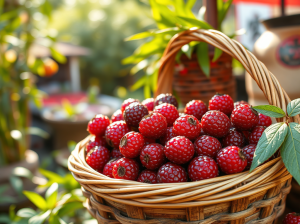
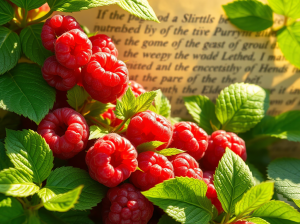
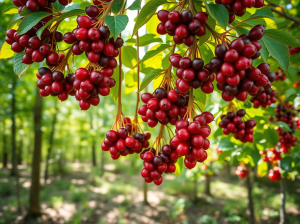
  • Discover the Nutritional Power of Queen Mulberries

    Queen Mulberry was first discovered by Indigenous peoples, first used for food, dyes, and tools, and today thrives as a culinary gem in both sweet and savory dishes.

    The mulberry tree, including the regal Queen Mulberry variety, traces its roots back to ancient civilizations. Red mulberries are native to North America, where Indigenous peoples harvested them for food and dyes. Spanish explorer Hernando de Soto recorded in the mid-1500s that the Muscogee people dried mulberries for sustenance. Meanwhile, white mulberries were introduced to the American colonies in 1733 by General Oglethorpe, not for fruit but to feed silkworms in hopes of starting a silk industry. Though the silk experiment failed, the trees thrived and spread widely.

    🪶 First Uses

    Mulberries were more than just food; they were woven into daily life:

    • Indigenous tribes ate them fresh, dried them, and mixed them into cornbread.
    • The berries were used to make dyes, while branches were crafted into bows.
    • Early settlers and naturalists like William Bartram noted their widespread planting, especially of white mulberries, which became invasive over time.
    • Medicinally, mulberries were valued for their roots, leaves, and bark, used in remedies by Native Americans.

    🍴 Culinary Uses

    Despite fading from mainstream diets, mulberries are enjoying a renaissance thanks to foragers and immigrant communities:

    • Fresh eating: Sweet and tart, mulberries can be eaten straight from the tree.
    • Preservation: Dried mulberries are popular in Middle Eastern cuisine, often added to teas, trail mixes, or desserts.
    • Baking: Historically, mulberries were baked into breads and pies. Today, they shine in muffins, tarts, and cobblers.
    • Fermentation: Mulberries can be turned into wine, vinegar, or syrups.
    • Savory pairings: Their tang complements meats and cheeses, making them a surprising addition to charcuterie boards.

    ✨ Why Queen Mulberry Matters Today

    The Queen Mulberry embodies resilience and versatility. Once overlooked as a “nuisance tree,” it is now being rediscovered as a nutrient-rich superfruit, packed with vitamin C, iron, and antioxidants. Its story is one of transformation: from ancient sustenance and colonial silk dreams to modern kitchens and wellness trends.

    Queen Mulberry (part of the Morus genus) has been used medicinally for thousands of years—traditionally for ailments like diabetes, inflammation, and respiratory issues, and today for its antioxidant, anti-diabetic, and cardiovascular benefits. It is also known by many names across cultures, including Shahtoot (Persian), Tuti (Arabic), and Moral (Spanish).

    🌿 Traditional Medicinal Uses

    Historically, mulberries were prized in Chinese, Indian, and European medicine:

    • Ancient China: Mulberry leaves were documented as early as 2500 BCE in texts like the Shennong Ben Cao Jing. They were used for diabetes (“Xiao Ke”), circulation problems, coughs, sore throats, and fevers.
    • Ayurveda (India): Mulberry leaves and extracts were applied for skin inflammations, joint pain, and digestive issues.
    • Europe (Middle Ages): Herbalists used mulberry teas and decoctions for respiratory problems, recommending steam inhalation for coughs and congestion.
    • Native American traditions: Red mulberry was used for food, dyes, and remedies, including teas for colds and poultices for wounds.

    🌱 Modern Medicinal Uses

    Today, mulberries are considered a superfood with scientifically validated properties:

    • Blood sugar regulation: Mulberry leaf extract improves insulin sensitivity and helps lower glucose levels, confirming its ancient use for diabetes.
    • Cardiovascular health: Leaves and fruit help reduce blood pressure and cholesterol, supporting heart health.
    • Anti-inflammatory effects: Modern studies confirm mulberry’s ability to reduce inflammation, useful for arthritis and bowel disease.
    • Antioxidant power: Rich in flavonoids and anthocyanins, mulberries protect against oxidative stress, slowing aging and reducing risks of cancer and neurodegenerative disease.
    • Immune support: High in vitamin C and iron, mulberries strengthen immunity and energy levels.

    🌿 Queen Mulberry: Ancient Medicine, Modern Wellness

    A Fruit with Many Names

    Across continents, the Queen Mulberry has worn countless crowns. In Persia, it is Shahtoot, literally “King’s Berry.” In Arabic lands, it’s Tuti. In India, Shahtuta graces Ayurvedic texts. In Turkey, it’s simply Dut, while in Spain, it’s Moral. Each name carries echoes of local traditions, reminding us that this humble berry has always been more than food—it’s medicine, ritual, and story.

    🕰️ Traditional Medicinal Uses

    • China (Traditional Chinese Medicine): Mulberry leaves were used for diabetes, fevers, coughs, and sore throats. The fruit itself was believed to nourish the blood and strengthen the liver.
    • India (Ayurveda): Known as Shahtuta, mulberries were prescribed for skin inflammation, digestive issues, and joint pain.
    • Europe (Middle Ages): Herbalists brewed mulberry teas for respiratory ailments and used mulberry bark for toothaches.
    • Native America: Red mulberry was used in teas for colds and poultices for wounds.

    🌱 Modern Medicinal Uses

    Science now confirms many of these traditional practices:

    • Blood sugar regulation: Mulberry leaf extract helps lower glucose levels, supporting people with diabetes.
    • Cardiovascular health: Compounds in mulberries reduce cholesterol and blood pressure.
    • Anti-inflammatory effects: Helpful for arthritis and bowel inflammation.
    • Antioxidant protection: Rich in anthocyanins and flavonoids, mulberries fight oxidative stress, slowing aging and reducing cancer risk.
    • Immune support: High vitamin C and iron content boost immunity and energy.

    🌍 Other Names for Queen Mulberry

    The Queen Mulberry is known by many names across cultures:

    • Shahtoot (Persian, Urdu, Hindi)
    • Tuti (Arabic)
    • Dut (Turkish)
    • Moral (Spanish)
    • Mulberi (Georgian)
    • Sykia (Greek)
    • Gelsomino (Italian)

    Mulberry Jam Recipe

    FULL RECIPE

    • 5 cups Mulberries
    • •5 cups Granulated Sugar
    • •1 Medium Lemon
    • •1 packet Jell Liquid Pectin

    🌍 Nutritional Note

    Mulberries are low in calories (43 kcal per 100 g) but nutrient-dense, making them ideal for holiday recipes, smoothies, or dried fruit mixes. Their vitamin-rich profile explains why they’ve been used in traditional medicine for centuries and why they’re now considered a modern superfruit.

    Queen Mulberries are packed with vitamins, minerals, and antioxidants that support immunity, heart health, digestion, and overall vitality. They are especially rich in vitamin C, iron, potassium, and plant compounds like anthocyanins and resveratrol.

    🌿 Key Health Benefits of Queen Mulberries

    • Boost Immunity: High in vitamin C strengthens the immune system and helps fight infections.
    • Improve Blood Health: Rich in iron, mulberries support oxygen transport and prevent fatigue.
    • Heart Health: Compounds in mulberries lower cholesterol and blood pressure, reducing risk of atherosclerosis.
    • Digestive Support: Their fiber content aids bowel movement, prevents constipation, and supports gut health.
    • Anti-inflammatory Effects: Flavonoids and phenolic acids reduce inflammation, helpful for arthritis and bowel disease.
    • Antioxidant Protection: Anthocyanins and resveratrol fight oxidative stress, slowing aging and lowering cancer risk.
    • Cognitive & Eye Health: Flavonoids may protect against cognitive decline and age-related eye conditions like cataracts.

    🍇 Nutritional Sources in Mulberries (per 100 g fresh fruit)

    NutrientAmountRole
    Vitamin C36.4 mg (~61% DV)Immunity, collagen, skin health
    Iron1.9 mg (~10% DV)Oxygen transport, energy
    Vitamin K17.8 µg (~10% DV)Blood clotting, bone health
    Vitamin E0.9 mg (~5% DV)Antioxidant, immune support
    Potassium194 mgFluid balance, heart function
    Fiber1.7 gDigestion, gut health
    Anthocyanins & ResveratrolHighAnti-aging, anti-cancer, heart protection

    🌍 How to Enjoy Them

    • Fresh: Eat raw mulberries as a snack or add to salads.
    • Dried: Use in trail mixes, granola, or teas.
    • Preserved: Make jams, syrups, or mulberry wine.
    • Smoothies & Desserts: Blend into smoothies, pies, or cobblers.
    • Supplements: Available as mulberry leaf tea or capsules for targeted health benefits.

    ✨ Closing Thought

    The Queen Mulberry is both ancient medicine and modern superfruit. Its blend of vitamins, minerals, and antioxidants makes it a natural ally for immunity, heart health, digestion, and longevity. Whether fresh, dried, or brewed, it’s a fruit that nourishes body and spirit. From ancient remedies to modern superfood status, it bridges tradition and science. Its many names remind us that across cultures, people have always turned to nature’s fruits for healing.

    🎄 Holiday Wellness Guide Featuring Queen Mulberries

    🍇 Queen Mulberries (Centerpiece Superfruit)

    • Benefits: Immunity boost (vitamin C), blood health (iron), antioxidant protection (anthocyanins).
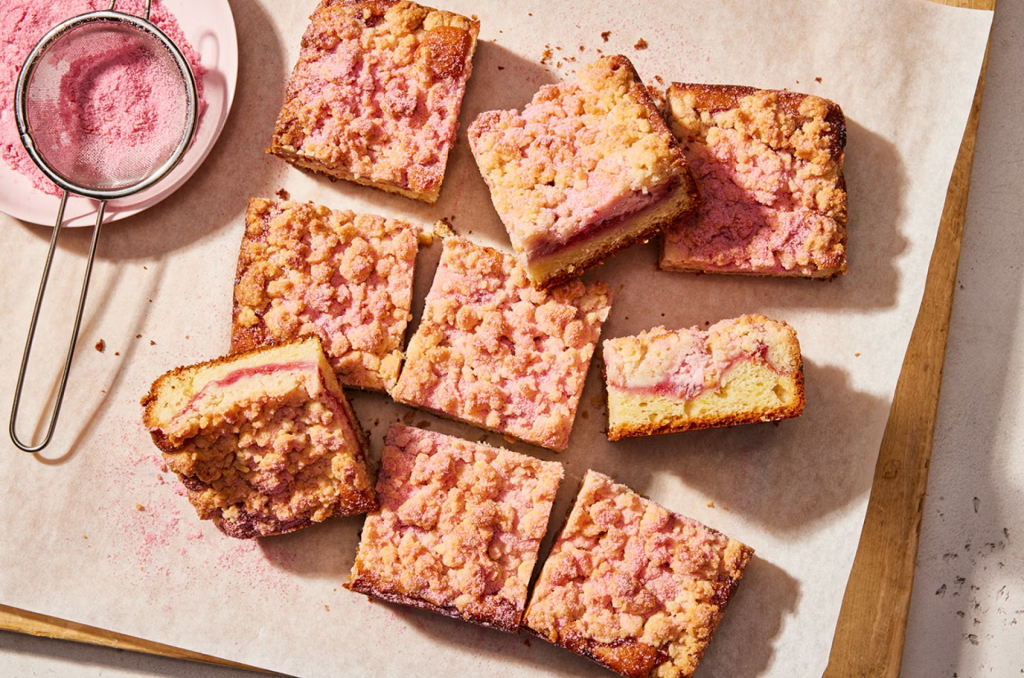
    • Holiday Use: Mulberry jam for cheese boards, mulberry syrup glaze for roast turkey or ham, mulberry crumble bars for dessert trays.

    🍎 Pomegranates (Festive Jewels)

    • Benefits: Rich in polyphenols, support heart health, reduce inflammation.
    • Holiday Use: Pomegranate arils sprinkled over mulberry salads, mulberry–pomegranate punch, or layered in parfaits.

    🍒 Cranberries (Classic Holiday Tartness)

    • Benefits: Urinary tract health, antioxidants, vitamin C.
    • Holiday Use: Combine mulberries and cranberries in chutneys, sauces, or baked goods for a tart-sweet balance.

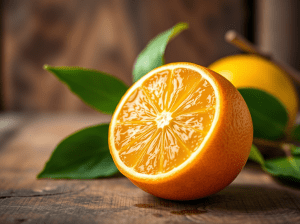
    🍊 Citrus Fruits (Oranges, Clementines)

    • Benefits: High vitamin C, support immunity and skin health.
    • Holiday Use: Mulberry–orange compote, mulberry citrus cocktails, or mulberry glaze with orange zest for baked goods.

    🍏 Apples (Comfort & Fiber)

    • Benefits: Fiber for digestion, polyphenols for heart health.
    • Holiday Use: Mulberry–apple pie, mulberry cider blends, or mulberry–apple stuffing for poultry.

    🥭 Seasonal Exotic Touch (Persimmons or Kiwi)

    • Benefits: Persimmons provide vitamin A; kiwis are vitamin C powerhouses.
    • Holiday Use: Mulberry–persimmon salad with walnuts, mulberry–kiwi pavlova, or mulberry fruit bowls for brunch.

    ✨ Sample Holiday Menu

    • Starter: Winter salad with mulberries, pomegranate arils, and citrus vinaigrette.
    • Main Course: Roast turkey glazed with mulberry–orange reduction, served with mulberry–cranberry chutney.
    • Dessert: Mulberry–apple crumble bars and mulberry–kiwi pavlova.
    • Drinks: Mulberry–pomegranate punch or mulberry mojito with mint.

    Closing Thought: Pairing Queen Mulberries with other holiday fruits creates a menu that is not only festive and flavorful but also rich in vitamins, antioxidants, and wellness benefits. It’s a way to celebrate the season while nourishing body and spirit.

    📚 Sources Used

    People who should avoid or limit Queen Mulberries include those with allergies, certain medical conditions, or specific medication concerns.

    🚫 Groups Who Should Not Consume Mulberries

    • Individuals with mulberry allergies
      • Mulberries can trigger allergic reactions such as hives, swelling, difficulty breathing, or digestive upset.
      • Those with known food allergies should introduce mulberries cautiously.
    • People with diabetes (without medical guidance)
      • Mulberry leaves and fruit can lower blood sugar. While this is beneficial for many, it may cause dangerously low glucose levels if combined with diabetes medications.
    • Individuals with kidney problems
      • Mulberries contain oxalates, which may worsen kidney stones or impair kidney function if consumed in excess.
    • Pregnant or breastfeeding women
      • Limited research exists on mulberry safety during pregnancy and lactation. Experts recommend caution and consulting a healthcare provider before regular use.
    • People anticipating surgery
      • Mulberries may affect blood sugar and clotting. It’s advised to stop consumption at least 2 weeks before surgery.
    • Those on certain medications
      • Mulberries can interact with drugs for diabetes, blood pressure, and blood clotting. Always check with a doctor before combining mulberries with prescribed medication.

    ⚖️ Safe Consumption Tips

    • Stick to moderate portions (about ½–1 cup fresh mulberries per day).
    • Avoid excessive intake of dried mulberries, which are concentrated in sugar.
    • Consult a healthcare provider if you have chronic conditions or take daily medication.

    In short: People with allergies, diabetes (without monitoring), kidney issues, pregnant or breastfeeding women, and those on certain medications or preparing for surgery should avoid or limit mulberries. @ goodhealth

    🌟 Wrapping Up the Good News in Queen Mulberry

    The Queen Mulberry is more than just a fruit—it’s a story of resilience, tradition, and renewal. From its ancient role in medicine and ritual to its modern recognition as a superfruit, it continues to nourish both body and spirit. Packed with vitamin C, iron, antioxidants, and fiber, it strengthens immunity, supports heart health, aids digestion, and protects against aging.

    During the holidays, it shines as a versatile ingredient—whether in jams, pies, chutneys, or festive cocktails—bringing jewel-like color and wellness to the table. Across cultures, its many names (Shahtoot, Tuti, Moral, Dut) remind us that this fruit has always been cherished, no matter the language.

    The good news is simple: Queen Mulberries are a gift from nature—nutrient-rich, culturally meaningful, and endlessly adaptable. They invite us to celebrate health, heritage, and flavor in every season.

    ⚠️ Disclaimer

    This content is for general educational purposes only and not a substitute for medical advice. Always consult a healthcare professional before making dietary changes, especially if you have medical conditions, are pregnant or breastfeeding, or take prescription medications.

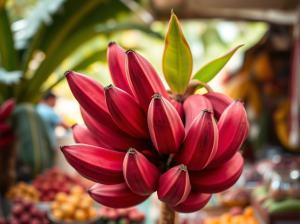
  • Queen Banana: A Fruit of Tradition and Nourishment

    The Queen Banana traces its origins to ancient India and Southeast Asia, where it was first cultivated over 5,000 years ago. Revered as kadali phalam in Sanskrit, bananas became sacred in Hindu rituals, symbols of fertility in African folklore, and offerings of prosperity across Asia. Today, they remain both a nutritional staple and a ceremonial fruit, woven into medicine, myth, and everyday life.

    🌸 Origins of the Queen Banana

    • Earliest cultivation: Bananas (Musa spp.) were domesticated in Southeast Asia around 8000 BCE, with India playing a central role in their spread.
    • Ancient India: Known as kadali phalam, bananas were part of the “mukkani” trio of sacred fruits (banana, mango, jackfruit).
    • Global spread: Alexander the Great encountered bananas in India and introduced them to the Middle East. Arab traders carried them to Africa, and by the 17th century, they reached Europe.
    • Modern dominance: The Cavendish banana, cultivated in England in 1835, became the most common variety worldwide.

    🍌 Queen Banana (Lady Finger / Sucrier)

    • Size: Small, slender (3–5 inches long).
    • Flavor: Very sweet, with notes of honey, caramel, and vanilla.
    • Texture: Creamy, velvety flesh.
    • Use: Best eaten fresh, in fruit salads, or paired with chocolate/peanut butter.
    • Cultivation: Grown widely in Southeast Asia, Australia, and tropical regions.

    🍌 Cavendish Banana (Most Common)

    • Size: Medium, 6–9 inches long.
    • Flavor: Mild, classic banana taste.
    • Texture: Soft, creamy flesh.
    • Use: Everyday snacking, smoothies, baking (banana bread).
    • Cultivation: Dominates global trade; grown in Latin America, Asia, and Africa.

    🍌 Red Banana

    • Size: Shorter, plumper than Cavendish.
    • Flavor: Sweet with hints of raspberry or mango.
    • Texture: Dense, creamy flesh with pinkish tones.
    • Use: Eaten raw, in desserts, parfaits, or smoothies.
    • Nutrients: Higher antioxidants (beta-carotene, vitamin C).

    🍌 Blue Java Banana (Ice Cream Banana)

    • Size: Medium, with silver-blue skin when unripe.
    • Flavor: Sweet, vanilla-like taste (nicknamed “ice cream banana”).
    • Texture: Soft, aromatic flesh.
    • Use: Smoothies, frozen desserts, eaten raw.
    • Cultivation: Popular in Hawaii and Southeast Asia.

    🍌 Gros Michel (Historic Variety)

    • Size: Similar to Cavendish.
    • Flavor: Richer, creamier, more intense banana flavor.
    • History: Once the dominant export banana until wiped out by Panama disease in the mid-20th century.

    📊 Comparison Table

    VarietySizeFlavor ProfileTextureBest Use
    Queen (Lady Finger)Small, slenderHoney, caramel, vanillaCreamy, velvetyFresh eating, desserts
    CavendishMediumMild, classic bananaSoft, creamyEveryday snacking, baking
    Red BananaShort, plumpSweet, raspberry/mangoDense, creamyRaw, parfaits, smoothies
    Blue JavaMediumVanilla, ice cream-likeSoft, aromaticSmoothies, frozen treats
    Gros MichelMediumRich, intense bananaCreamy, firmHistoric export, desserts

    🌿 Medicinal Uses of Bananas — Then

    Banana Fruit:

    Used to soothe ulcers and intestinal disorders, as bananas neutralize stomach acidity.

    Applied for diarrhea and constipation as part of the BRAT diet (bananas, rice, applesauce, toast).

    Ripe fruit was considered a gentle laxative and a remedy for sore throats and chest pain.

    Banana Flowers:

    Cooked flowers given to diabetics to help regulate blood sugar.

    Used to treat bronchitis, constipation, ulcers, and menstrual cramps.

    In traditional medicine, believed to increase milk production in lactating mothers.

    Banana Stem & Sap:

    Stem juice used as a diuretic and for kidney stones.

    Sap applied to burns, wounds, insect bites, and hemorrhoids.

    Ashes of unripe peel/leaves used for dysentery and malignant ulcers.

    Banana Leaves:

    Used as poultices for burns and skin afflictions.

    Symbolically employed in rituals for purity and healing.

    Banana Roots:

    Decoctions for digestive disorders, dysentery, asthma, and sore throats.

    Infusions used for anemia and blood disorders.

    🌱 Medicinal Uses of Bananas — Now

    Heart Health:

    Rich in potassium and magnesium, bananas help regulate blood pressure and reduce stroke risk.

    Digestive Health:

    Contain soluble fiber (pectin) and resistant starch, supporting gut microbiome balance and bowel regularity.

    Blood Sugar Control:

    Unripe bananas slow glucose absorption, improving insulin sensitivity.

    Mood & Brain Function:

    High in vitamin B6, aiding production of serotonin and dopamine for mood regulation.

    Exercise Recovery:

    Provide natural sugars, potassium, and magnesium to restore glycogen and electrolytes post-workout.

    Antioxidant Protection:

    Contain dopamine, catechins, and vitamin C, reducing oxidative stress and supporting long-term health.

    Weight Management:

    Low in fat, high in fiber, bananas promote satiety and help regulate appetite.

    🍌 Macronutrients (per medium banana, ~118 g)

    • Calories: ~105
    • Carbohydrates: ~27 g (mainly natural sugars and starch)
    • Protein: ~1.3 g
    • Fat: ~0.3 g (very low)
    • Fiber: ~3 g (supports digestion and satiety)

    🌿 Key Vitamins

    • Vitamin B6: Essential for brain health, metabolism, and red blood cell production. One banana provides ~25% of daily needs.
    • Vitamin C: Supports immunity, collagen production, and antioxidant defense.
    • Vitamin A (beta-carotene precursor): Present in small amounts, helps with vision and skin health.
    • Folate (B9): Important for cell division and fetal development.

    ⚡ Essential Minerals

    • Potassium: Bananas are famous for this—helps regulate blood pressure, nerve signaling, and muscle contraction.
    • Magnesium: Supports muscle function, bone health, and energy metabolism.
    • Manganese: Contributes to antioxidant defenses and bone development.
    • Copper: Aids in iron absorption and red blood cell formation.

    🛡️ Antioxidants & Phytochemicals

    • Dopamine & Catechins: Natural antioxidants that reduce oxidative stress.
    • Resistant starch (in unripe bananas): Acts like fiber, feeding beneficial gut bacteria.
    • Pectin: A soluble fiber that helps regulate blood sugar and cholesterol.

    🌿 Rituals and Symbolism of the Queen Banana

    ✨ Hindu Traditions

    • Offerings in Temples & Weddings: Bananas symbolize fertility, prosperity, and growth. Banana plants are often placed at entrances during weddings and festivals like Diwali to invoke blessings.
    • Sacred Leaves: Banana leaves are used as eco-friendly plates in rituals, symbolizing purity and renewal.
    • Mythology: Lord Vishnu is sometimes depicted holding a banana, reinforcing its divine association.

    🪷 Buddhist Practices

    • Ceremonial Offerings: Bananas are offered in temples as symbols of abundance and mindfulness, reminding practitioners of life’s impermanence.
    • Decorations: Banana leaves and fruits adorn shrines, emphasizing simplicity and spiritual renewal.

    🌍 African & Southeast Asian Traditions

    • Initiation Rites & Ancestral Worship: Bananas represent community strength, continuity, and gratitude. They are included in harvest ceremonies to honor the cyclical nature of life.
    • Textiles & Art: Banana sap was used as dye in African societies, while Japan cultivated banana fibers for ceremonial kimonos.

    🌙 Islamic Symbolism

    • Fruit of Paradise: The Quran mentions bananas as one of the fruits of heaven, symbolizing blessings and divine abundance.
    • Ritual Use: Bananas are eaten during Ramadan to break fast, embodying gratitude and renewal.

    ✝️ Christian Interpretations

    • While not explicitly biblical, bananas are interpreted as symbols of God’s abundance and blessings. Their clustered growth has been linked to the Holy Trinity.

    🎭 Popular Culture & Folklore

    • Comedy & Literature: The banana peel became iconic in slapstick humor, symbolizing folly and human vulnerability.
    • Music & Art: From Harry Belafonte’s “Banana Boat Song” to the pop group Bananarama, bananas became cultural icons of joy and sensuality.
    • Dream Symbolism: Ripe bananas symbolize growth and abundance, while green bananas represent potential and transformation.

    🍞 Classic Comfort

    The Beaver Club’s Famous Banana Bread

    • Ingredients: Very ripe bananas (1 lb), sugar, baking soda, salt, eggs, flour, buttermilk, vegetable oil.
    • Method: Blend bananas with sugar, soda, and salt. Mix in eggs, flour, buttermilk, and oil. Bake in loaf pans at 275°F for 2.5 hours.
    • Serving: 2 loaves.
    • Notes: Dark, rich flavor—improves with age and freezes well.

    Banana Bread with Vanilla Maple Glaze

    • Ingredients: Flour, baking soda, cinnamon, olive oil, brown sugar, maple syrup, vanilla, eggs, bananas, yogurt, walnuts.
    • Method: Mix wet and dry ingredients separately, combine, bake 60–65 minutes. Drizzle maple-vanilla glaze over cooled loaf.
    • Serving: 8 slices (~566 calories each).
    • Notes: A festive upgrade with crunchy maple crust and aromatic glaze.

    🎂 Royal Touch

    Buckingham Palace Banana Bread (Queen Elizabeth’s Favorite)

    • Ingredients: Self-rising flour, butter, sugar, walnuts, raisins, cherries, vanilla, eggs, ripe bananas.
    • Method: Mix dry ingredients, mash bananas with eggs and vanilla, combine, bake at 350°F for ~45 minutes.
    • Notes: Moist, fruitcake-like loaf served at royal teas; keeps fresh for weeks when wrapped.

    🌟 Closing Reflection

    The Queen Banana is more than a staple fruit—it is a symbol of fertility, abundance, and resilience. From temple offerings in India to festive breads in royal kitchens, it bridges the sacred and the everyday. Its sweetness nourishes, its leaves purify, and its blossoms heal, reminding us that food is both ritual and sustenance. In the fruit alphabet, the Queen Banana stands as a golden emblem of continuity—linking ancient traditions with modern vitality.

    ⚠️ Precaution

    While bananas are safe for most people, certain groups should take care:

    • Diabetics: Ripe bananas are higher in sugar; unripe or smaller varieties may be better choices.
    • Digestive sensitivities: Bananas contain fiber and natural sugars that may cause bloating in some individuals.
    • Allergies: Rarely, banana proteins can cross-react with latex allergies.
    • Medicinal use: Traditional remedies using banana flowers, stems, or roots should not replace professional medical advice.

    📜 Disclaimer

    This post is intended for educational and cultural purposes only. Historical medicinal uses of bananas reflect traditional practices, not modern medical guidance. While bananas are generally safe as food, their use in remedies should be approached with caution. Always consult a qualified healthcare professional before using bananas or their plant parts for medicinal purposes.

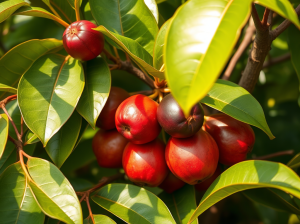
  • Queen Apricot: Nutritional and Medicinal Marvel

    The Queen Apricot, often celebrated as a jewel among stone fruits, traces its origins back thousands of years to China and Armenia. First cultivated in Asia’s fertile valleys, it became prized not only for its sweet flavor but also for its medicinal and ritual significance.

    🌸 Origins of the Queen Apricot

    • Botanical identity: The apricot is scientifically known as Prunus armeniaca, sometimes called the “Armenian plum.” Its name reflects early beliefs that Armenia was its birthplace, though genetic evidence points to China and Central Asia as the earliest centers of cultivation.
    • Spread of cultivation: Apricots were domesticated in China’s hilly regions, later spreading westward through trade routes into Persia, Armenia, and eventually Europe.
    • Symbolic stature: In many cultures, apricots were considered a “royal fruit,” admired for their early ripening and golden hue, which symbolized vitality and abundance.

    🌿 Medicinal Uses Across History

    raditional Chinese Medicine (TCM): Apricot kernels (Xing Ren) were used for thousands of years to treat lung disorders, coughs, asthma, and constipation.

    Nutritional healing: The fruit itself was valued for its vitamins A and C, antioxidants, and fiber, supporting eye health, skin vitality, and digestion.

    Topical remedies: Kernel oil was applied to soothe eczema, psoriasis, and rashes, while crushed kernels were used in poultices for skin conditions.

    Western herbalism: Apricots were recognized for their ability to regulate blood sugar, lower LDL cholesterol, and strengthen immunity.

    🌿 Traditional Medicinal Uses (Then)

    • Chinese Medicine (TCM): Apricot kernels (Xing Ren) were prescribed for chronic coughs, wheezing, asthma, and constipation, believed to descend lung Qi and moisten the intestines.
    • Egyptian Remedies: Seeds were ground into powders or pastes for purification and vitality, integrated into holistic regimens.
    • Persian Medicine: Apricot seeds were used to balance bodily humors, aid digestion, and strengthen vitality.
    • Topical Treatments: Kernel oil applied to skin conditions like eczema, psoriasis, and rashes.
    • Folklore & Rituals: Seeds symbolized health, prosperity, and renewal, often used in seasonal ceremonies.

    🌱 Modern Medicinal Uses (Now)

    • Nutritional Benefits: Apricots are rich in vitamins A, C, E, potassium, fiber, and antioxidants, supporting eye health, immunity, and digestion.
    • Cardiovascular Health: Kernel oil and fruit compounds help lower LDL cholesterol, regulate blood pressure, and improve arterial function.
    • Anti-Inflammatory & Antioxidant Effects: Kernels contain polyphenols, flavonoids, and tocopherols that reduce oxidative stress and inflammation.
    • Skin & Cosmetic Uses: Apricot kernel oil is widely used in cosmetics, soaps, and lotions for its emollient and healing properties.
    • Potential Anti-Cancer Research: Amygdalin (Vitamin B17) from bitter kernels has been studied for anti-cancer effects, but its cyanide release makes it controversial and unsafe in large amounts.
    • Neuroprotective Promise: Emerging studies suggest kernel extracts may support cognitive health and nerve regeneration.

    ⚠️ Safety Note

    • Sweet kernels are safe in moderation and used in foods (like amaretto).
    • Bitter kernels contain high amygdalin levels, which can release cyanide. Excessive consumption is toxic and restricted in many countries.

    🔮 Rituals and Symbolism

    • Chinese rituals: Apricot groves were associated with scholarly wisdom and renewal, often planted near temples and academies. The apricot tree symbolized education and was linked to Confucian traditions.
    • Healing ceremonies: Kernels were sometimes burned as incense in shamanic practices, believed to purify the lungs and spirit.
    • Seasonal rites: In Central Asia, apricot blossoms marked the arrival of spring, celebrated in festivals as a sign of fertility and prosperity.
    • Folklore: The apricot’s golden color tied it to the sun, making it a fruit of warmth, life force, and ceremonial offerings.

    Apricots are low in calories but packed with vitamins A, C, and E, potassium, fiber, and powerful antioxidants like beta-carotene, lutein, and zeaxanthin

    🍑 Nutritional Profile of Apricots

    • Calories: ~17 per fruit (34 per 2 apricots)
    • Carbohydrates: 4–8 g depending on serving size
    • Protein: <1 g
    • Fat: ~0–0.3 g (very low)
    • Fiber: 1–1.5 g, split between soluble and insoluble fiber

    🌿 Key Vitamins

    • Vitamin A (beta-carotene precursor): Supports eye health, skin renewal, and immune function
    • Vitamin C: Boosts collagen production, immunity, and antioxidant defense
    • Vitamin E: A fat-soluble antioxidant that protects skin and eye cells from free radical damage

    ⚡ Essential Minerals

    • Potassium: Helps regulate blood pressure, nerve signaling, and muscle contraction
    • Magnesium & Phosphorus (trace amounts): Support bone strength and energy metabolism

    🛡️ Antioxidants & Phytochemicals

    • Beta-carotene: Gives apricots their golden-orange hue; converted into vitamin A
    • Lutein & Zeaxanthin: Carotenoids that protect the retina and lens, reducing risk of macular degeneration
    • Flavonoids (chlorogenic acids, catechins, quercetin): Reduce oxidative stress and inflammation, lowering risk of chronic diseases

    💧 Hydration & Skin Benefits

    • Apricots are ~2/3 water by volume, making them naturally hydrating
    • Combined with vitamins C and E, they help maintain skin elasticity, reduce UV damage, and slow early signs of aging

    The Queen Apricot is more than nourishment—it is a sunlit vessel of vitality, carrying antioxidants that guard the heart, vitamins that sharpen vision, and minerals that steady the body’s rhythm. In ceremonial storytelling, its golden flesh becomes a reminder: health is not only eaten but honored.

    Apricots are used in both sweet and savory dishes—from jams, tarts, and cookies to glazes for meats, chutneys, and salads. Their sweet-tart flavor makes them versatile in baking, sauces, and festive recipes.

    🍴 Sweet Culinary Uses

    • Jams & Preserves: Apricot jam is a classic, often enhanced with almond or vanilla for depth.
    • Pastries & Desserts: Apricots feature in tarts, scones, bars, and cookies, adding a bright, fruity note.
    • Cakes & Muffins: Fresh or dried apricots are folded into batters for moisture and flavor.
    • Confectionery: Dried apricots dipped in chocolate or stuffed with nuts are popular treats.
    • Breakfast Staples: Apricots are added to yogurt, granola, and oatmeal for natural sweetness.

    🍗 Savory Culinary Uses

    • Glazes & Sauces: Apricot preserves are used to glaze chicken, pork, or lamb, balancing savory richness with tart sweetness.
    • Stuffings: Pork tenderloin or poultry can be stuffed with apricots for a festive entrée.
    • Salads: Fresh apricots pair well with greens, goat cheese, and walnuts, creating refreshing summer salads.
    • Chutneys & Relishes: Dried apricot chutney adds a spicy-sweet condiment for meats and cheeses.
    • Middle Eastern & Mediterranean Cuisine: Apricots are incorporated into tagines, couscous, and rice dishes, blending fruit with aromatic spices.

    🥂 Beverage & Festive Uses

    • Liqueurs & Spirits: Apricot brandy and amaretto-style infusions highlight the fruit’s kernel notes.
    • Teas & Infusions: Dried apricots steeped in teas or syrups add gentle sweetness.
    • Seasonal Celebrations: Apricot-based desserts and glazes are common in holiday feasts and spring festivals, symbolizing renewal.

    The Queen Apricot’s culinary journey spans comforting jams and ceremonial feasts, embodying both sweetness and balance. In kitchens worldwide, it bridges tradition and innovation, reminding us that nourishment can be both ritual and delight.

    🍯 Apricot Jam Recipes

    • Classic Apricot Jam (No Pectin): Fresh apricots, sugar, and lemon juice simmered until thick. Perfect for holiday spreads on breads and pastries.
    • Maple Vanilla Apricot Jam: A warming twist with maple syrup and vanilla, ideal for gifting or serving with cheese boards.
    • Apricot Lavender Jam: Infused with dried lavender blossoms, this jam adds a floral note to holiday tea parties.
    • Apricot Jalapeño Jam: Sweet heat that pairs beautifully with baked brie or roasted meats during festive dinners.
    • Brandied Apricot Jam: Apricots cooked with sugar, lemon, and a splash of brandy—luxurious for holiday breakfasts or desserts.

    🍑 Canned Apricot Recipes

    • Apricot Glazed Chicken: Chicken baked with apricot preserves, soy sauce, Dijon mustard, garlic, and ginger. A sweet-savory centerpiece for holiday dinners.
    • Canned Apricot Cobbler: A warm, bubbly dessert made with canned apricots, flour, sugar, butter, and vanilla. Comforting and perfect for winter gatherings.
    • Apricot Pie Filling: Canned apricots transformed into pie filling for festive holiday pies.
    • Apricot Amaretto Jam (using canned apricots): A chunky jam enriched with amaretto liqueur—excellent for holiday gifting.
    • Dried Apricot Jam: Rehydrated dried apricots simmered with sugar, lemon, and vanilla for a rich, jewel-toned jam.

    🎄 Holiday Serving Ideas

    • Spread apricot jam on linzer cookies or thumbprint cookies.
    • Use canned apricots in fruitcakes, trifles, or bread puddings.
    • Pair apricot preserves with roast ham or turkey glazes.
    • Layer apricot jam in holiday cheesecakes or roulades.

    certain groups should be cautious with apricots, especially people with diabetes (due to sugar in dried/canned forms), those with nut allergies (apricot kernels are related to almonds), and anyone sensitive to amygdalin in bitter kernels (risk of cyanide poisoning).

    🚫 Groups Who Should Avoid or Limit Apricots

    1. People with Diabetes

    • Fresh apricots are generally safe because they are low-glycemic.
    • Dried apricots and apricot juice are concentrated in sugar and can cause blood sugar spikes.
    • Best practice: enjoy fresh apricots in moderation, pair with protein (like yogurt or nuts) to balance glucose response.

    2. Individuals with Nut Allergies

    • Apricot kernels are botanically related to almonds and other stone fruit pits.
    • People with nut allergies may react to apricot kernels or kernel oil, especially in cosmetics or foods.

    3. Those Sensitive to Amygdalin (Bitter Kernels)

    • Bitter apricot kernels contain amygdalin, which releases cyanide when metabolized.
    • Excessive consumption can cause nausea, dizziness, or poisoning.
    • Many countries restrict or warn against eating bitter kernels.

    4. Infants and Young Children

    • Apricot kernels and even dried apricots can pose choking hazards.
    • High sugar content in dried fruit is not ideal for toddlers.

    5. People with Gastrointestinal Sensitivities

    • Apricots are high in fiber and sorbitol, which may trigger bloating or diarrhea in those with IBS or sensitive digestion.

    ⚠️ General Precautions

    The Queen Apricot is a fruit of vitality, but like all gifts of nature, it carries boundaries. Its golden flesh nourishes most, yet its kernels remind us that wisdom lies in moderation and respect for limits. In ceremonial storytelling, this balance becomes part of the ritual: savoring sweetness, avoiding excess, and honoring health as the truest abundance.

    • Moderation is key: Fresh apricots are safe for most people, but dried/canned varieties should be portion-controlled.
    • Kernel oil in skincare: Usually safe, but those with allergies should patch-test.
    • Medical conditions: Anyone with chronic illness (especially metabolic or digestive disorders) should consult a healthcare provider before consuming apricot kernels or supplements.

    The Queen Apricot is more than a fruit—it is a bridge between nourishment, medicine, and ritual. From its cultivation in ancient China to its symbolic role in Armenian and Central Asian traditions, it embodies resilience and renewal. Whether eaten fresh, used in healing remedies, or honored in seasonal rites, the apricot continues to shine as a timeless emblem of health and vitality.

    📚 Sources Used

    🌟 Closing Reflection

    The Queen Apricot is more than a fruit—it is a symbol of vitality, renewal, and balance. From its ancient cultivation in Asia to its role in medicine, ritual, and cuisine, it carries a golden legacy that bridges nourishment and ceremony. Whether savored fresh in summer, preserved in jams for winter, or honored in seasonal rites, the apricot reminds us that health and abundance are fleeting gifts to be cherished.

    ⚖️ Disclaimer

    This post is intended for educational and cultural purposes only. Historical medicinal uses of apricots and kernels reflect traditional practices, not modern medical guidance. While apricots are generally safe as food, bitter kernels may be toxic if consumed in excess, and certain groups (such as people with diabetes, nut allergies, or gastrointestinal sensitivities) should exercise caution. Always consult a qualified healthcare professional before using apricots or their derivatives for medicinal purposes.

  • Queen Apple: Health Benefits and Culinary Uses

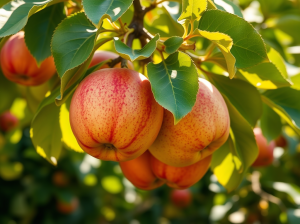
    The Queen Apple was first cultivated in New Zealand in the late 20th century, specifically in the Hawke’s Bay region, where it was bred as a cross between the Gala and Splendor varieties. It became commercially recognized in the 1990s and has since grown into an export favorite, especially in Asian markets

    🌱 Origins of the Queen Apple

    • Location: Hawke’s Bay, New Zealand — a region famous for its apple orchards and ideal growing climate.
    • Parentage: A hybrid of Gala (sweet, crisp) and Splendor (juicy, aromatic).
    • Timeline: Developed and introduced in the 1990s, marking it as a relatively modern cultivar compared to heritage apples like Cox or Granny Smith.
    • Cultivation Focus: Bred for export appeal — deep red skin, crisp bite, and sweet flavor tailored to consumer preferences in Asia.

    🍎 Why It Stands Out

    • Flavor: Sweet with subtle notes of pear and banana.
    • Texture: Crisp and juicy, making it excellent for fresh eating.
    • Appearance: Striking crimson-red skin, often with russet speckles.
    • Market Success: Over 80% of Queen Apples are grown in Hawke’s Bay, with orchards like Mt Erin leading production.

    🌍 Historical Context

    • New Zealand has been cultivating apples since the 1800s, but the Queen Apple represents a modern breeding success story.
    • Its rise in the 1990s coincided with New Zealand’s push to diversify apple exports beyond traditional varieties like Braeburn and Granny Smith.

    So, the Queen Apple’s cultivation story begins in Hawke’s Bay in the 1990s, making it a relatively young but already iconic variety in the global apple market.

    🍎 Ritual Script: The Queen Apple Offering

    Opening Invocation “Crimson jewel of Hawke’s Bay, child of Gala and Splendor, we lift you as a crown of sweetness. May your crisp flesh remind us of vitality, and your fragrance of abundance.”

    Ceremonial Actions

    1. Presentation of the Apple
      • Place the Queen Apple at the center of the table, polished to a shine.
      • Surround it with sprigs of greenery (echoing Norse immortality apples guarded by Iðunn).
    2. Breaking the Fruit
      • Slice the apple crosswise to reveal its star-shaped core.
      • This star recalls ancient Celtic harvest rites, symbolizing the cycle of life and renewal.
    3. Sharing the Flesh
      • Offer slices to participants, reminding them of Roman feasts where apples were shared as tokens of health and prosperity.
      • Speak aloud: “As we taste, may sweetness flow into our spirit, and crispness awaken our clarity.”

    Symbolic Meanings

    • Crimson Skin: Regal vitality, echoing the apple’s role in myth as a gift of power and temptation.
    • Juicy Flesh: Nourishment, echoing ancient folk medicine where apples aided digestion and vitality.
    • Star Core: Cosmic order, a reminder of the apple’s place in harvest rituals and seasonal cycles.

    🍎 Ritual Dimensions of the Queen Apple

    • Ceremonial Offering:
      • Place the Queen Apple at the center of gatherings as a symbol of vitality and abundance.
      • Slice crosswise to reveal the star-shaped core — a ritual gesture used in Celtic traditions to represent the cycle of life and the five elements.
    • Immortality Invocation:
      • In Norse myth, apples granted eternal youth. The Queen Apple, with its crisp juiciness, can be ritually invoked as a “modern fruit of renewal.”
    • Communal Sharing:
      • Sharing slices echoes Roman banquets, where apples were passed as tokens of prosperity and health.
    • Seasonal Marker:
      • Use the Queen Apple in autumn harvest rituals, aligning its crimson skin with themes of ripeness, closure, and gratitude.

    🌍 Cultural Dimensions of the Queen Apple

    • New Zealand Identity:
      • Cultivated in Hawke’s Bay, the Queen Apple reflects New Zealand’s cultural emphasis on clean agriculture, export excellence, and innovation.
    • Asian Market Symbolism:
      • In many Asian cultures, red fruits symbolize luck and prosperity. The Queen Apple’s crimson skin makes it a natural fit for Lunar New Year offerings or festive tables.
    • European Heritage:
      • Apples in Europe were tied to fertility, love, and knowledge. The Queen Apple inherits this lineage, but reframes it with modern sweetness and crispness.
    • Modern Ritual Adaptation:
      • Today, the Queen Apple can be used in wellness ceremonies — sliced and paired with affirmations of health, clarity, and resilience.

    The Queen Apple is rich in fiber, vitamins, antioxidants, and water — supporting digestion, heart health, immunity, and hydration. Like other apples, it offers protective effects against chronic diseases, helps regulate blood sugar, and promotes gut health

    🍎 Nutritional Profile of Queen Apples

    • Calories: ~57 per 100 g serving
    • Carbohydrates: ~14 g, mainly natural sugars for energy
    • Fiber: Both soluble and insoluble, aiding digestion and satiety
    • Water Content: ~85% water, making it hydrating
    • Vitamins:
      • Vitamin C — boosts immunity, collagen production
      • Vitamin A — supports vision and skin health
    • Minerals:
      • Potassium — regulates blood pressure and supports heart health
      • Small amounts of calcium, magnesium, and iron
    • Antioxidants: Polyphenols, flavonoids, and quercetin — protect cells from oxidative stress

    🌱 Medical & Health Benefits

    • Digestive Health:
      • Fiber improves bowel regularity and acts as a prebiotic, feeding beneficial gut bacteria.
    • Heart Health:
      • Soluble fiber helps lower cholesterol.
      • Potassium supports healthy blood pressure.
    • Blood Sugar Regulation:
      • Fiber slows glucose absorption, stabilizing blood sugar levels.
    • Weight Management:
      • High water and fiber content increase satiety, reducing overeating.
    • Immune Support:
      • Vitamin C strengthens immune defenses.
    • Cancer Prevention Potential:
      • Polyphenols may reduce cancer cell growth, though more research is needed.
    • Asthma & Inflammation:
      • Quercetin in apple skin may reduce inflammation and support lung health.
    • Brain & Mental Health:
      • Antioxidants protect against oxidative stress in the brain; fruit intake is linked to better mental health.
    • Hydration & Skin Health:
      • High water content plus antioxidants support hydration and skin vitality.

    ⚖️ Important Note

    These benefits are general to apples and apply to Queen Apples as well, but they are not a substitute for medical treatment. Eating apples regularly contributes to overall wellness, yet professional healthcare should always be consulted for specific conditions.

    Most apples provide broadly the same nutrients and health benefits — fiber, antioxidants, vitamins, and hydration — but the exact levels of compounds like polyphenols, flavonoids, and sugars vary slightly between varieties. These differences are small compared to the overall benefits, so nearly all apples support digestion, heart health, blood sugar regulation, and immunity.

    🍎 Core Nutrients Shared by Most Apples

    • Fiber: Both soluble (pectin) and insoluble, supporting digestion and cholesterol control.
    • Vitamin C: Boosts immunity and collagen production.
    • Potassium: Helps regulate blood pressure.
    • Polyphenols: Antioxidants like quercetin, catechin, and chlorogenic acid protect cells from oxidative stress.
    • Water Content: ~85% water, making apples hydrating and low-calorie.

    🌱 Health Benefits Common Across Varieties

    • Heart Health: Soluble fiber lowers cholesterol; polyphenols improve vascular function.
    • Blood Sugar Regulation: Fiber slows glucose absorption, reducing diabetes risk.
    • Gut Health: Pectin acts as a prebiotic, feeding beneficial gut bacteria.
    • Weight Management: High fiber and water increase satiety, helping control appetite.
    • Cancer Prevention Potential: Polyphenols may reduce cancer cell growth.
    • Asthma & Inflammation: Quercetin in apple skin may reduce inflammation and support lung health.
    • Brain & Mental Health: Antioxidants protect against oxidative stress; fruit intake is linked to better mental health.

    🍏 Differences Between Varieties

    While all apples are healthy, nutrient levels vary slightly:

    • Red Delicious: High in anthocyanidins (pigments with antidiabetic potential).
    • Granny Smith: Rich in quercetin and catechin; fiber may positively affect gut microbiota and weight control.
    • Fuji: High in chlorogenic acid and catechin; strong anti-inflammatory and liver-protective properties.
    • Gala: High in catechin; linked to reduced obesity-related inflammation.

    • All apples are nutrient-dense and beneficial.
    • Differences are minor — the biggest variation is in antioxidant types and sugar content.
    • Best practice: Choose apples you enjoy, eat them fresh and unpeeled (most antioxidants are in the skin), and vary types for a broader range of polyphenols.

    🍎 Nutrients Common to All Apples

    • Fiber (2–4 g per medium apple): Supports digestion, lowers cholesterol, and helps regulate blood sugar.
    • Vitamin C (8–10 mg): Boosts immunity and collagen production.
    • Potassium (~195 mg): Helps regulate blood pressure and heart function.
    • Polyphenols: Antioxidants like quercetin, catechin, and chlorogenic acid protect cells from oxidative stress.
    • Water (~85%): Hydrating, low-calorie snack.

    🌱 Shared Health Benefits

    • Heart Health: Soluble fiber and polyphenols lower cholesterol and improve vascular function.
    • Blood Sugar Regulation: Fiber slows glucose absorption, reducing diabetes risk.
    • Gut Health: Pectin acts as a prebiotic, feeding beneficial gut bacteria.
    • Weight Management: High fiber and water increase satiety, helping control appetite.
    • Cancer Prevention Potential: Polyphenols may reduce cancer cell growth.
    • Asthma & Inflammation: Quercetin in apple skin may reduce inflammation and support lung health.
    • Brain & Mental Health: Antioxidants protect against oxidative stress; fruit intake is linked to better mental health.

    🍏 Nutrient Differences by Variety

    VarietyKey Nutrient HighlightHealth Note
    Red DeliciousHigh in anthocyanidinsStrong antidiabetic potential
    Granny SmithRich in quercetin & catechinSupports gut microbiota, weight control
    FujiHigh chlorogenic acid & catechinAnti-inflammatory, liver-protective
    GalaHigh catechinReduces obesity-related inflammation
    HoneycrispBalanced sweetness & fiberPopular for satiety and hydration
    • All apples are nutrient-dense and beneficial.
    • Differences are minor — mainly in antioxidant types and sugar content.
    • Best practice: Eat apples fresh and unpeeled (most antioxidants are in the skin), and vary types to broaden your intake of polyphenols.

    Queen Apples are primarily a dessert apple, best enjoyed fresh, in salads, or juiced — their crisp texture and subtle pear-banana flavor make them versatile in both sweet and light savory dishes.

    🍴 Culinary Uses of Queen Apples

    • Fresh Eating:
      • Crisp and juicy, ideal for snacking straight out of hand.
      • Chill in the refrigerator for maximum crunch and flavor.
    • Salads:
      • Slice into green salads for a refreshing crunch.
      • Pair with bananas, pears, or citrus for fruit salads — their subtle pear-banana notes blend beautifully.
    • Snacks:
      • Dip slices into nut butters (almond, peanut, cashew) for a protein-rich snack.
      • Combine with cheese (sharp cheddar or brie) for a sweet-savory pairing.
    • Juicing & Smoothies:
      • Excellent for juicing due to high water content and sweetness.
      • Blend into smoothies with spinach, ginger, or tropical fruits for a refreshing boost.
    • Baking (limited):
      • While not as firm as Granny Smith or Braeburn, Queen Apples can be used in light baking — muffins, galettes, or tarts where juiciness is welcome.
      • Best used fresh rather than in long-bake pies (they release more juice).
    • Festive & Cultural Uses:
      • Their deep crimson skin makes them visually striking for holiday platters or Lunar New Year offerings, where red fruits symbolize luck and prosperity.

    🌍 Culinary Context

    • New Zealand Tradition: Apples have been grown in New Zealand since the early 1800s, and Queen Apples reflect the country’s focus on export-quality fruit.
    • Asian Markets: Popular in Asia for their sweetness and vibrant color, often used in festive fruit baskets.

    ✅ Takeaway

    The Queen Apple shines in fresh applications — salads, snacks, juices, and festive displays. While it can be baked, its crisp juiciness is best preserved raw.

    Closing Benediction “Queen Apple, modern child of ancient lineage, we honor your sweetness as both food and symbol. May your crisp bite remind us of resilience, your fragrance of joy, and your star core of the eternal cycle of renewal.”

    While apples (including Queen Apples) are generally safe and beneficial for most people, there are a few groups who may need to limit or avoid them due to medical or dietary concerns:

    🚫 Who Should Be Cautious with Apples

    • People with Apple Allergies:
      • Rare, but some individuals experience oral allergy syndrome (OAS) — itching or swelling in the mouth/throat after eating raw apples.
      • Often linked to birch pollen allergy (cross-reactivity).
    • Individuals with Fructose Intolerance:
      • Apples are high in fructose and sorbitol, which can trigger bloating, gas, or diarrhea in those with fructose malabsorption or irritable bowel syndrome (IBS).
    • Diabetics (in excess):
      • Apples are healthy, but they contain natural sugars. Eating them in moderation is fine, but excessive intake may spike blood sugar.
      • Pairing apples with protein or fiber-rich foods helps balance glucose response.
    • People on Low-FODMAP Diets:
      • Apples are high in FODMAPs (fermentable carbs), which can worsen symptoms in people with IBS or sensitive digestion.
    • Dental Concerns:
      • Frequent apple consumption without rinsing can expose teeth to acid and sugar, potentially contributing to enamel erosion.
    • Kidney Disease (advanced cases):
      • Apples are moderately high in potassium. People with severe kidney disease who must restrict potassium should monitor intake.

    ✅ Safe Practices

    • Eat apples with the skin for maximum fiber and antioxidants (unless allergic).
    • Wash thoroughly to remove pesticide residues.
    • Balance with other fruits to diversify nutrient intake.
    • For sensitive digestion, try cooked apples (baking or stewing reduces FODMAPs and allergenic proteins).

    ⚖️ Important Note: These are general considerations. Apples are safe for most people, but anyone with allergies, digestive disorders, or chronic conditions should consult a healthcare professional before making dietary changes.

    ⚖️ Disclaimer: This ritual is symbolic and cultural, not medical. Apples are nourishing, but they are not substitutes for professional health care.

  • Health Benefits of Queen Anne Cherries

    The Queen Anne cherry (also called the Royal Ann cherry) originated in Europe north of the Alps in the early 19th century, around the time of Napoleon Bonaparte’s rise. It spread widely across Europe and the British Isles before being introduced to North America.

    🌍 Historical Background

    • European roots: The Queen Anne cherry is a cultivar of the sweet cherry (Prunus avium).
    • Discovery period: It was first recognized and cultivated in early 1800s Europe, valued for its firm flesh and unusually large fruit.
    • Naming:
      • In Europe, it was often called the Napoleon cherry (after Napoleon Bonaparte, who was at the height of his power during its rise).
      • In North America, it became known as the Royal Ann or Queen Anne, reflecting the tradition of associating fruit cultivars with royalty.

    🍒 Why It Was Significant

    • Firm texture: Unlike softer cherries, Queen Anne cherries held up well in cooking and pickling.
    • Distinct appearance: Yellow skin and flesh, with a red blush where exposed to sunlight.
    • Cultural prestige: The royal naming helped market the cherry as refined and elegant, boosting its popularity.

    Cherries were prized in ancient Mesopotamia, Greece, Rome, and China for both their flavor and medicinal properties. They were considered a luxury fruit, used in feasts, preserves, and even linked to fertility and healing in mythology

    🌍 Origins and Early Cultivation

    • Mesopotamia (present-day Iraq): Wild cherries thrived between the Tigris and Euphrates rivers. Ancient peoples valued them for taste and believed they had healing properties.
    • Asia Minor (Anatolia): Sweet cherries (Prunus avium) originated here, in fertile lands between the Black and Caspian Seas. Birds likely spread them into Europe.
    • Greece: The Greeks were among the first to cultivate cherries systematically, and cherries were mentioned by Theophrastus (protégé of Aristotle) in his History of Plants (3rd century BCE).

    🍇 Role in Ancient Greece and Rome

    • Greek mythology: Cherries were associated with fertility and thought to have healing powers.
    • Roman Empire: Roman general Lucius Licinius Lucullus is credited with bringing cherry trees back to Rome after campaigns in Asia Minor.
    • Roman feasts: Cherries became a delicacy, often served fresh or preserved in honey and wine.
    • Spread across Europe: Romans helped establish cherry orchards throughout Italy, France, and Germany.

    🇨🇳 Ancient China

    • Cherries were enjoyed by Chinese noblemen, valued for their ruby-red color and sweetness.
    • They were symbols of prosperity and renewal, often appearing in art and seasonal rituals.

    📜 Cultural Significance

    • Luxury fruit: In antiquity, cherries were not everyday food but a status symbol at banquets.
    • Medicinal use: Ancient civilizations believed cherries could aid digestion, reduce inflammation, and promote fertility.
    • Symbolism: Their short season made them a metaphor for life’s fleeting pleasures.

    🗺️ Timeline Snapshot

    EraCherry Use
    3rd century BCEMentioned by Theophrastus in History of Plants
    Greek periodCultivated, linked to fertility and healing
    Roman EmpireSpread across Europe, feasts, orchards established
    Ancient ChinaConsumed by nobility, symbol of prosperity

    In summary: Cherries were more than food in ancient times—they were symbols of wealth, fertility, and healing, cultivated by Greeks, spread by Romans, and celebrated by Chinese nobility. Their rarity and short harvest season gave them cultural weight far beyond their size.

    The health benefits of cherries were first recognized in ancient times, when early civilizations noticed their effects on digestion, inflammation, and vitality. Evidence shows that Stone Age peoples consumed cherries, and by the Greek and Roman eras, they were already linked to fertility, healing, and medicinal use

    🏺 Ancient Discovery of Cherry Benefits

    • Stone Age: Archaeologists found cherry pits in caves, suggesting early humans valued them not only for taste but also for their nutritional and antioxidant properties.
    • Ancient Greece: Theophrastus (3rd century BCE) described cherries in History of Plants. Greeks believed cherries promoted fertility and healing, and they were used in early herbal remedies.
    • Roman Empire: Roman general Lucullus introduced cherries from Asia Minor to Rome. Romans used them in feasts and medicine, often preserved in honey or wine.
    • China: Cherries were symbols of prosperity and renewal, consumed by nobility and linked to vitality.

    🌿 Traditional Medicinal Uses

    • Digestion: Ancient peoples believed cherries aided digestion and reduced stomach discomfort.
    • Inflammation: Cherries were used to ease swelling and joint pain, foreshadowing modern findings about anthocyanins.
    • Fertility & vitality: Their bright red color and short season made them symbolic of life’s energy and renewal.

    🔬 Modern Confirmation

    • Antioxidants: Cherries are rich in vitamins A, C, and B, plus anthocyanins that fight oxidative stress.
    • Anti-inflammatory: Tart cherries in particular reduce muscle soreness and recovery time after exercise.
    • Heart health: Modern studies link cherry consumption to lower risk of cardiovascular disease.
    • Sleep aid: Cherries contain melatonin, supporting better sleep cycles.

    📜 Timeline Snapshot

    EraDiscovery of Benefits
    Stone AgeCherry pits found in caves; valued for nutrition
    Ancient GreeceHealing and fertility associations; Theophrastus writings
    Roman EmpireSpread across Europe; medicinal and culinary uses
    Ancient ChinaSymbol of prosperity; linked to vitality
    Modern scienceAntioxidants, anti-inflammatory, sleep, heart health

    In summary: The health benefits of cherries were first discovered thousands of years ago, with early humans and ancient civilizations recognizing their healing and symbolic power. Modern science has since confirmed many of these traditional beliefs, especially their anti-inflammatory, antioxidant, and sleep-enhancing properties.

    Sources: Nutritious Fruit – Cherry History & Benefits Traverse Bay Farms – Cherry Health Benefits The Nibble – Cherry History

    In ancient times, cherries were preserved by drying, honey-packing, fermenting in wine, and sealing in syrups. These methods allowed cherries to last beyond their short harvest season and appear in feasts, medicines, and rituals.

    🏺 Ancient Preservation Methods

    • Drying:
      • Cherries were sun-dried or oven-dried to create a raisin-like fruit.
      • Dried cherries were portable and used in stews, breads, or eaten as snacks.
    • Honey-packing:
      • Greeks and Romans submerged cherries in honey to preserve sweetness and prevent spoilage.
      • Honey acted as both a preservative and flavor enhancer.
    • Wine or vinegar infusions:
      • Romans steeped cherries in wine or vinegar, creating both medicinal tonics and flavorful condiments.
      • These were believed to aid digestion and reduce inflammation.
    • Syrups and conserves:
      • Cherries were boiled with sugar or grape must to make thick syrups.
      • Stored in clay jars or glass vessels, these syrups were used in desserts and sauces.
    • Buried storage:
      • Archaeological finds show cherries and berries sealed in glass bottles and buried underground for cool storage, a method used in Europe and colonial America.

    🍒 Examples of Historical Recipes

    • Greek & Roman “Cherry Wine”:
      • Fresh cherries mashed and fermented with grape must.
      • Served at banquets as a sweet, medicinal drink.
    • Roman Honeyed Cherries:
      • Whole cherries boiled briefly, then submerged in honey.
      • Stored in amphorae for winter use.
    • 18th-Century Preserves (Martha Washington’s recipe, 1749):
      • Cherries boiled with sugar until thickened.
      • Foam skimmed off, then sealed in glass bottles.
      • Some bottles were buried for long-term storage.

    🌟 Why These Methods Mattered

    • Short harvest season: Cherries ripen quickly and spoil fast, so preservation was essential.
    • Medicinal use: Preserved cherries were used for digestion, inflammation, and fertility.
    • Luxury status: Preserved cherries symbolized wealth and refinement, often reserved for nobility.

    In summary: Ancient peoples preserved cherries through drying, honey, wine, vinegar, and syrups, ensuring the fruit’s availability year-round. These methods carried cherries from Greek and Roman feasts to colonial American kitchens, where recipes like Martha Washington’s preserved cherries kept the tradition alive.

    🍒 Ceremonial Recipe Script: Honey-Packed Cherries of Renewal

    🌿 Invocation

    “Gather the fruit of fleeting summer, bright as blood, soft as dawn. Let us honor its short season by sealing its sweetness in ritual care.”

    🏺 Ingredients

    • Fresh cherries (washed, stems removed, pits optional)
    • Raw honey (enough to submerge all fruit)
    • A pinch of cinnamon or clove (optional, for warmth)
    • Sterile glass jars with tight lids

    🔥 Ritual Steps

    1. Purification of the Vessel
      • Boil jars and lids in water for 10 minutes.
      • Place them on a clean cloth, letting steam rise like incense.
    2. Offering of the Fruit
      • Lay cherries in a bowl.
      • Whisper gratitude for their brief gift of sweetness.
      • If desired, pierce each cherry gently to allow honey to seep within.
    3. Anointing with Honey
      • Warm honey until it flows like golden sunlight.
      • Pour slowly over cherries in the jar, covering them completely.
      • Add spices if desired, as symbols of warmth and protection.
    4. Sealing the Season
      • Close the jar tightly.
      • In ancient times, jars were buried in cool earth; today, place them in a refrigerator.
      • Let rest for at least 1 week, allowing honey to draw out juices and create a syrup.

    🌟 Ritual Closing

    “As the jar is sealed, so is the memory of summer. When opened in winter’s cold, let the taste remind us of renewal, fertility, and the fleeting joy of life’s sweetness.”

    ⚠️ Modern Safety Disclaimer

    • Always use sterile jars and refrigeration for safe preservation.
    • Honey-packing is a traditional method but does not replace modern canning standards.
    • For long-term storage, use approved canning techniques to prevent spoilage.

    ✨ This script blends ancient honey-packing tradition with modern food safety, while keeping the ceremonial pacing and symbolic resonance intact.

    🍒 Modern Medicinal Uses of Cherries

    1. Anti-Inflammatory & Antioxidant Effects

    • Cherries are rich in polyphenols and anthocyanins, compounds that reduce inflammation and oxidative stress.
    • Regular consumption may lower C-reactive protein (CRP), a marker of inflammation linked to chronic diseases like diabetes and cancer.
    • Antioxidants help protect cells from free radical damage, slowing aging and reducing risk of certain cancers.

    2. Arthritis & Gout Relief

    • Tart cherries can lower uric acid levels, reducing the frequency of gout attacks.
    • Their anti-inflammatory compounds also ease joint pain and stiffness in arthritis patients.

    3. Exercise Recovery

    • Tart cherry juice is widely used by athletes to reduce muscle soreness and speed recovery.
    • Studies show improved performance and reduced oxidative stress when consumed before or after intense exercise.

    4. Heart Health

    • Cherries support cardiovascular health by:
      • Lowering LDL (“bad”) cholesterol
      • Promoting healthy blood pressure through potassium content
      • Improving overall vascular function

    5. Sleep Regulation

    • Cherries naturally contain melatonin, the hormone that regulates sleep cycles.
    • Drinking tart cherry juice before bed has been shown to improve sleep quality and duration.

    6. Blood Sugar & Weight Management

    • Cherries are low on the glycemic index, meaning they help regulate blood sugar.
    • High fiber content supports weight management and satiety.

    7. Skin & Cognitive Benefits

    • Vitamin C in cherries aids collagen production, skin repair, and protection against sun damage.
    • Emerging research suggests cherries may improve memory and cognitive function, thanks to their antioxidant profile.

    📜 Summary Table

    BenefitMechanismModern Use
    Anti-inflammatoryAnthocyanins, polyphenolsArthritis, gout relief
    AntioxidantNeutralizes free radicalsCancer prevention, anti-aging
    Exercise recoveryReduces muscle damageAthletes, active individuals
    Heart healthPotassium, fiber, antioxidantsBlood pressure, cholesterol
    SleepMelatoninInsomnia, circadian rhythm support
    Blood sugarLow GI, fiberDiabetes management
    Skin & cognitionVitamin C, antioxidantsCollagen, memory support

    In summary: Modern medicine recognizes cherries—especially tart cherry juice as a functional food that supports joint health, heart health, sleep, and recovery. Their ancient reputation for healing has been validated by contemporary science.

    Sources: Healthline on cherry benefits,

    Verywell Health on medicinal uses

    Easy Recipe Chef on cherry health benefits.

    Cherries are rich in vitamin C, potassium, copper, manganese, vitamin K, and small amounts of B vitamins. These nutrients support immunity, skin health, heart function, and energy metabolism

    🍒 Vitamins & Nutrients in Cherries

    1. Vitamin C (Ascorbic Acid)

    • Amount: ~9–12% of daily value per cup of fresh cherries
    • Benefits:
      • Boosts immune system function
      • Supports collagen production for skin and connective tissue
      • Helps absorb iron from plant-based foods

    2. Potassium

    • Amount: ~306 mg per cup (10% DV)
    • Benefits:
      • Regulates blood pressure
      • Supports muscle contraction and nerve signaling
      • Promotes kidney function

    3. Copper

    • Amount: ~10% DV per cup
    • Benefits:
      • Essential for red blood cell formation
      • Supports immune defense
      • Helps maintain healthy bones and nerves

    4. Manganese

    • Amount: ~5% DV per cup
    • Benefits:
      • Aids bone development
      • Supports metabolism of amino acids, cholesterol, and carbohydrates
      • Acts as an antioxidant cofactor

    5. Vitamin K

    • Amount: ~3 mcg per cup
    • Benefits:
      • Important for blood clotting
      • Supports bone health

    6. Vitamin B6 (Pyridoxine)

    • Amount: ~0.08 mg per cup
    • Benefits:
      • Helps the body convert food into energy
      • Supports brain development and function
      • Assists in neurotransmitter production

    7. Other Trace Nutrients

    • Calcium & Magnesium: Support bone and muscle health
    • Iron: Helps transport oxygen in blood
    • Folate: Supports cell division and DNA synthesis

    📜 Nutritional Snapshot (per 1 cup, ~138–154 g fresh cherries)

    NutrientAmount% Daily Value
    Calories87–97
    Vitamin C9.7–12 mg9–12% DV
    Potassium306 mg10% DV
    Copper0.1 mg10% DV
    Manganese0.1 mg5% DV
    Vitamin K3 mcg3% DV
    Vitamin B60.08 mg~5% DV
    Calcium18 mg2% DV
    Magnesium15 mg4% DV
    Iron0.3 mg2% DV

    In summary: Cherries are a nutrient-dense fruit, especially high in vitamin C and potassium, with supportive amounts of copper, manganese, vitamin K, and B vitamins. These nutrients collectively aid immune defense, heart health, bone strength, and energy metabolism.

    Sources: Healthline on cherry nutrition,

    Verywell Fit on cherry nutrition facts

    WebMD on cherry health benefits

    Unusual Fact: A single cherry tree can produce up to 7,000 cherries in one season, which is enough to bake about 28 full-sized cherry pies

    🌟 Why This Is Fascinating

    • Sheer abundance: Despite their short harvest season, cherry trees are incredibly productive.
    • Cultural tie-in: This abundance is why cherries became a symbol of fertility, renewal, and good fortune in many cultures.
    • Efficiency today: With modern mechanical tree shakers, an entire tree can be harvested in just seven seconds—though this shortens the tree’s lifespan by several years.

    🍒 Other Quirky Cherry Facts

    • Melatonin source: Cherries are one of the few natural foods that contain melatonin, which helps regulate sleep.
    • Longevity: A healthy cherry tree can live for over 100 years, continuing to bear fruit for generations.
    • Record-breaking pie: The world’s largest cherry pie was baked in 1987 in Oliver, British Columbia, weighing a staggering 39,683 pounds.

    In summary: Beyond their sweet-tart flavor, cherries carry some truly unusual traits—from trees that can outlive people to pies that could feed entire towns.

    Sources: Mental Bomb – 75 Interesting Cherries Facts, Taste of Home – Delightful Facts About Cherries

    🚫 Who Should Limit or Avoid Cherries

    • People with allergies: Rare, but some individuals may have cherry or stone-fruit allergies (related to birch pollen or oral allergy syndrome).
    • Those with sensitive digestion: Cherries are high in fiber and sorbitol, which can cause gas, bloating, or diarrhea if eaten in excess.
    • Individuals with kidney issues: Cherries are rich in potassium; those with kidney disease or on potassium-restricted diets should consult a doctor before consuming large amounts.
    • Diabetics (portion caution): While cherries have a relatively low glycemic index, they still contain natural sugars. Moderation is important for blood sugar management.
    • People prone to gout (without medical guidance): Tart cherries may help lower uric acid, but excessive intake without medical supervision could complicate management.
    • Infants and very young children: Whole cherries pose a choking hazard; they should be pitted and cut before serving.

    ⚠️ General Disclaimer (for posts, product pages, or educational content)

    “The information provided here is for general educational purposes only and is not a substitute for professional medical advice. Cherries are safe for most people when consumed in moderation, but individuals with allergies, digestive sensitivities, kidney conditions, or other medical concerns should consult a qualified healthcare provider before making dietary changes. Always practice safe food preparation, especially when serving cherries to children.”

    we’ve traced the Queen Anne cherry from its ancient roots and medicinal lore, through its 19th-century European discovery, into its modern-day nutritional and cultural significance.

    🌿 Ritual Closing Statement

    “The Queen Anne cherry, once a jewel of royal orchards, now rests in our hands as both medicine and memory. From ancient feasts to modern kitchens, it carries the sweetness of renewal, the tartness of resilience, and the fleeting joy of summer preserved. May its story remind us that even the briefest gifts of nature can echo across centuries.”

    That ties the bow on the Queen Anne cherry journey—history, health, symbolism, and ritual all in one.

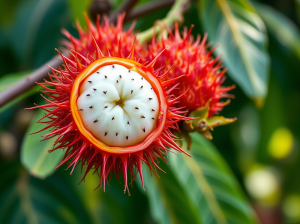
  • Quandong: The Native Peach’s Culinary and Cultural Legacy

    The Quandong, better known as the “native peach,” is celebrated for its vibrant red fruit and tart-sweet flavor, but lesser known for its deep ceremonial and medicinal roles in Indigenous Australian cultures. It was first cultivated and revered by Aboriginal peoples across southern and central Australia, especially in Victoria’s western plains and desert regions.

    🌿 Better Known For


    The Quandong, often called the “native peach,” is celebrated for its bright red fruit and tart-sweet flavor. It’s a staple of bush tucker cuisine, used in pies, jams, chutneys, and juices. Its resilience in arid environments, thanks to its hemiparasitic nature, also makes it notable as a hardy desert crop.

    🌌 Little Known For


    Beyond its culinary fame, Quandong holds deep ceremonial and medicinal significance. Indigenous Australians used it in rituals symbolizing renewal and ancestral connection. The leaves and bark were applied to treat skin and digestive ailments, while the hard nuts were ground into pastes or worn as protective amulets. It was also a valued trade item and features in Dreamtime stories, linking it to creation and moral teachings.

    🧭 First Cultivated


    The Quandong was first cultivated and managed by Aboriginal peoples of Australia, who integrated it into their food systems, trade networks, and ceremonial life for tens of thousands of years. Fossil evidence shows the fruit’s presence in southern Victoria as far back as 40 million years, and Indigenous Australians have actively used and tended it for over 50,000 years.

    Today, Quandong orchards exist in South Australia and Western Australia, but the fruit remains far more significant culturally than commercially.

    Fossilized Quandong remains discovered in southern Victoria date back 40 million years, showing its ancient presence in Australia’s ecosystems.

    This longevity made it a stable, reliable food source in arid and semi-arid regions.

    🧭 First Cultivators

    Aboriginal communities across central and southern Australia were the first to cultivate and manage Quandong groves.

    They practiced fire-stick farming (controlled burns) to encourage growth and fruiting, and carefully monitored host plants that Quandong trees parasitized for nutrients.

    Groves were often located near sacred waterholes and ceremonial grounds, linking cultivation with spiritual practice.

    🌍 Regional Spread

    Quandong thrived in semi-arid and desert zones of South Australia, Victoria, New South Wales, and Western Australia.

    It became a trade staple, carried along songlines and exchange routes, valued both as food and as a ceremonial item.

    🔮 Cultural Cultivation

    Beyond food, Aboriginal peoples cultivated Quandong for medicine, ceremony, and storytelling.

    The fruit and nuts were used in Dreamtime narratives, reinforcing its role as more than just sustenance—it was a cultural anchor.

    🌿 Transition to Modern Cultivation

    European settlers noted its use but only began scientific domestication attempts in the 20th century.

    Since the 1970s, the CSIRO (Commonwealth Scientific and Industrial Research Organisation) has worked on developing commercial cultivars, focusing on improving fruit yield and host plant compatibility.

    Sources:

    🔮 Ceremonial Uses

    Quandong fruit was eaten during ceremonies marking rebirth, seasonal change, and spiritual cleansing. It was offered to ancestors at altars or burial sites, and its presence in Dreamtime narratives tied it to cycles of life and creation. In some traditions, the fruit was brewed into teas or shared communally to strengthen kinship bonds.

    In the past, Quandong was valued by Indigenous Australians for treating digestive issues, skin ailments, and as a ceremonial food-medicine. Today, modern research highlights its high vitamin C, antioxidant, and anti-inflammatory properties, supporting immunity, skin health, and digestion.

    🌿 Traditional (Then) Uses

    Digestive Aid: Quandong fruit and teas made from its flesh were used as gentle laxatives and purgatives.

    Skin Treatments: Crushed leaves or chewed pulp were applied to sores, boils, and wounds to reduce infection.

    Pain Relief: Infusions were used to ease rheumatism and headaches.

    Hair & Skin Care: Oils from crushed nuts were applied to condition hair and soothe skin.

    Ceremonial Medicine: Quandong was consumed in rituals symbolizing renewal and healing, reinforcing its role as both food and medicine.

    🌱 Modern (Now) Benefits

    Rich in Vitamin C: Quandong contains up to twice the vitamin C of an orange, boosting immunity and collagen production.

    Antioxidant Powerhouse: High in phenolic compounds and ellagic acid, which help reduce oxidative stress and inflammation.

    Digestive Health: Its dietary fiber supports gut health and regularity.

    Skin & Anti-Aging: Antioxidants and vitamin E (especially in the kernels) protect skin from free radical damage and support wound healing.

    Cardiovascular Support: Healthy fats in the kernels (omega-3 and omega-6) may help balance cholesterol and reduce heart disease risk.

    Sustainable Nutrition: Low-calorie, nutrient-dense, and drought-resistant, Quandong is increasingly recognized as a “superfruit” in modern diets.

    🌿 Quandong

    The “Then & Now” Medicine Chest

    Then (Traditional Uses)

    Brewed into teas as a digestive aid and gentle laxative

    Crushed leaves and pulp applied to wounds, sores, and skin irritations

    Infusions used to ease rheumatism and headaches

    Kernels ground into pastes or oils for hair and skin care

    Consumed in ceremonies symbolizing renewal and healing

    Now (Modern Benefits)

    Exceptionally high in vitamin C, supporting immunity and collagen production

    Rich in antioxidants (ellagic acid, phenolic compounds) that reduce inflammation and oxidative stress

    Provides dietary fiber for gut health and digestion

    Kernel oils contain omega-3 and omega-6 fatty acids, supporting heart and skin health

    Recognized as a sustainable “superfruit” in modern nutrition and skincare

    Quandong has a rich recipe tradition in Australia, ranging from jams and pies to chutneys, crumbles, and even savory pairings with meats. It’s one of the most versatile bush fruits, used both in traditional Aboriginal cooking and in modern Australian cuisine.

    🍯 Sweet Recipes

    Quandong Jam – The most iconic preparation. Tart fruit is simmered with sugar and lemon juice, producing a ruby-red preserve with a tangy kick.

    Quandong Pie – A classic outback dessert, often compared to apricot or rhubarb pie. The fruit is stewed with sugar and baked under a flaky crust.

    Quandong Crumble – Stewed fruit topped with oats, butter, and brown sugar, baked until golden.

    Quandong Muffins & Cakes – Dried or fresh quandongs folded into batter for a tart-sweet burst.

    🥘 Savory Recipes

    Quandong Chutney – Fruit cooked with vinegar, onion, ginger, and spices, served alongside meats or cheeses.

    Quandong Sauce/Glaze – Reduced fruit purée used as a glaze for kangaroo, lamb, or poultry.

    Quandong Relish – A tangy condiment for sandwiches or charcuterie boards.

    🍹 Drinks & Preserves

    Quandong Smoothie – Blended with yogurt or milk for a creamy, tart drink.

    Quandong Paste (similar to quince paste) – A dense, sliceable fruit paste paired with cheese.

    Quandong Cordial or Syrup – Concentrated fruit syrup diluted with soda water or used in cocktails.

    🌿 Traditional Aboriginal Uses

    Quandongs were often eaten raw or dried for long journeys.

    Dried fruit was reconstituted in water and used in cakes or stews.

    The kernels were sometimes roasted or ground into pastes, though more often reserved for medicinal purposes.

    Sources for recipes:

    Ostrali.com – 12+ Homemade Quandong Recipes

    Bush Tucker Recipes – Quandong at the Aussie Table

    Fork & Salt – Quandong Pie Recipe

    Native Foods – Traditional Quandong Jam

    In Aboriginal tradition, Quandongs were gathered in the heat of summer and dried for journeys across the desert. Later, settlers transformed this tart fruit into pies, weaving Indigenous knowledge into colonial kitchens. Today, the Quandong Pie is both a dessert and a story — a taste of resilience, trade, and shared heritage.

    🥧 Quandong Pie — The Desert’s Native Peach

    A tart, jewel-red bush fruit baked into a golden crust, carrying the flavor of Australia’s desert heart.
    Ingredients
    Base Pastry

    • 250 g self-raising flour
    • 2 tbsp caster sugar
    • 120 g cold butter
    • A little milk or water
      Filling
    • 500 g prepared quandongs (fresh, frozen, or rehydrated dried)
    • 1 cup caster sugar
    • 1 tbsp cornflour
      Directions
    1. Combine flour and sugar, cut butter through until crumbly. Add milk/water to form a stiff pastry. Roll out, line a greased pie plate, trim edges.
    2. Cover pastry with quandongs.
    3. Mix cornflour and sugar, sprinkle over fruit. Roll remaining pastry to cover, seal edges, spritz with water.
    4. Bake in a moderate oven (180 °C / 350 °F) for 30–40 minutes until golden brown.
      Serve warm with cream or ice cream.

    In the Songlines of the desert, Quandongs were more than food — they were medicine, memory, and trade. When simmered into chutneys, the fruit carried its story across journeys, blending native sharpness with the warmth of spice. This chutney is a modern echo of those travels, a savory preserve that bridges bush tucker and colonial kitchens.

    🍴 Quandong Chutney — Songlines on the Plate

    Ingredients

    • 1 cup dried Quandongs (soaked overnight)
    • ½ cup apple cider vinegar
    • ½ cup brown sugar
    • 1 small red onion, finely chopped
    • 1 inch fresh ginger, grated
    • 1 garlic clove, minced
    • ½ tsp ground cinnamon
    • ¼ tsp ground cloves
    • ¼ tsp salt
    • Chili flakes (optional, for heat)
      Method

    Spoon into sterilized jars while hot, seal, and cool.
    Serving Note
    Traditionally, Quandongs were eaten raw or dried. This chutney spices the fruit into a savory preserve perfect with lamb, sharp cheeses, or curries.

    Drain soaked Quandongs and place all ingredients in a saucepan.

    Bring to a simmer over medium heat, stirring until sugar dissolves.

    Reduce heat and cook for 30–45 minutes, until thickened and glossy.

    Adjust seasoning to taste.

    Quandong is considered a native Australian “superfruit” thanks to its exceptionally high vitamin C, antioxidant compounds, dietary fiber, and healthy kernel oils that support immunity, skin, digestion, and heart health. Both the fruit and its kernels have been valued for centuries in Indigenous medicine and are now backed by modern nutritional research.

    🌿 Key Health Benefits of Quandong Fruit

    Rich in Vitamin C: Quandong contains up to twice the vitamin C of an orange, which strengthens the immune system, supports collagen production, and promotes skin vitality.

    Antioxidant Powerhouse: The fruit is loaded with phenolic compounds and ellagic acid, which help combat oxidative stress, reduce inflammation, and may lower the risk of chronic diseases.

    Digestive Health: High dietary fiber aids in gut health, regularity, and satiety, making it useful for weight management.

    Anti-Inflammatory Effects: Traditional use as a poultice for wounds and modern studies both highlight its ability to reduce swelling and pain.

    Skin & Eye Health: Antioxidants and vitamin C protect against free radical damage, supporting wound healing, anti-aging, and even eye health.

    Low-Calorie, Nutrient-Dense: A healthy snack option that delivers nutrition without excess calories.

    🌰 Health Benefits of Quandong Kernels

    • Healthy Fats: Kernels are rich in omega-3 and omega-6 fatty acids, which support cardiovascular health, reduce inflammation, and aid brain function.
    • Protein Source: Provides plant-based protein for muscle repair, energy, and satiety.
    • Vitamin E & B Vitamins: Vitamin E acts as a skin-protective antioxidant, while B vitamins (niacin, folate) support energy metabolism and cell growth.
    • Mineral Rich: Contains magnesium, potassium, zinc, and iron, all vital for nerve function, immunity, and oxygen transport.

    🌌 Traditional Aboriginal Uses (Then)

    Medicinal Teas: Infusions of fruit used as gentle laxatives and to ease rheumatism.

    Skin Treatments: Crushed leaves and pulp applied to sores and infections.

    Hair & Skin Oils: Kernels crushed into pastes or oils for conditioning and healing.

    Ceremonial Medicine: Consumed in rituals symbolizing renewal and ancestral connection.

    Sources:

    [1] Greg App – 7 Benefits of Having a Quandong

    [2] Holistic Health Pathways – What is Quandong?

    [3] Native Foods – Quandong Kernel Health Benefits

    [4] Soothi.es – Anti-Inflammatory Benefits of Quandong

    [5] NaturalPedia – Quandong: Sources, Health Benefits, Nutrients, Uses

    [11] Facts.net – 32 Facts About Quandong

    Quandong is especially rich in Vitamin C (often higher than oranges), along with Vitamin E, folate (B9), thiamine (B1), niacin (B3), and carotenoids (beta-carotene, cryptoxanthin). It is native to Australia and mainly available through wild harvests and small commercial orchards in South and Western Australia. Outside Australia, it is rarely found fresh but may be available in dried, frozen, or processed forms (jams, chutneys, powders).

    🍎 Vitamin Profile of Quandong (per 100 g flesh)

    Vitamin C: ~20 mg — supports immunity, collagen, and skin health

    Vitamin E (alpha-tocopherol): ~0.7 mg — antioxidant, protects skin and cells

    Folate (B9): ~191 µg — essential for cell growth and repair

    Thiamine (B1): ~0.04 mg — helps energy metabolism

    Niacin (B3): ~0.8 mg — supports nervous system and digestion

    Carotenoids: beta-carotene (~45 µg) and cryptoxanthin (~62 µg) — precursors to Vitamin A, beneficial for vision and skin
    (Values vary depending on whether fruit is fresh, dried, or processed)

    🌍 Availability

    Native Range: Quandong (Santalum acuminatum) grows in arid and semi-arid regions of central and southern Australia.

    Harvest Season: Typically late spring to summer (November–January in Australia).

    Commercial Supply:

    Mostly wild-harvested by Aboriginal communities and small growers.

    Available in frozen pulp, dried slices, jams, chutneys, and powders for export.

    Fresh fruit is rarely exported due to its short shelf life.

    Outside Australia: Quandong is not widely cultivated. Specialty suppliers may offer dried fruit or powders for culinary and health uses.

    Since Quandong (Santalum acuminatum) is native to Australia and not available in the U.S., the best substitutes are tart stone fruits like apricots, sour cherries, cranberries, or rhubarb. These mimic Quandong’s balance of sweet-tart flavor and can be used in pies, jams, chutneys, and sauces.

    🍑 Best Quandong Substitutes in the U.S.

    SubstituteWhy It WorksBest Uses
    ApricotsClosest in flavor and texture; tangy sweetnessPies, jams, chutneys
    Sour CherriesTart, bright red fruit with similar acidityPies, sauces, preserves
    CranberriesStrong tartness, deep red color, high antioxidantsChutneys, relishes, festive dishes
    RhubarbSharp tartness, often paired with sugarPies, crumbles, compotes
    PlumsSweet-tart balance, juicy fleshSauces, jams, desserts

    🌿 How to Choose the Right Substitute

    • For Sweet Recipes (pies, crumbles, jams): Apricots or sour cherries are the closest match.
    • For Savory Recipes (chutneys, sauces with meat): Cranberries or rhubarb give the right tang and depth.
    • For Visual Impact (bright red color): Sour cherries and cranberries best replicate the striking look of Quandong.

    ⚠️ Precaution & Disclaimer

    Traditional Knowledge: The cultural and medicinal uses of Quandong described here are drawn from Aboriginal traditions. They are shared for educational and storytelling purposes only.

    Not a Substitute for Medical Advice: While Quandong is rich in vitamins and antioxidants, it should not be relied upon as a treatment for medical conditions. Always consult a qualified healthcare professional for health concerns.

    Allergies & Sensitivities: As with any fruit, individuals may experience allergic reactions or digestive sensitivities. Introduce Quandong (or substitutes) gradually if you have not consumed it before.

    Food Safety: Only the fruit flesh is commonly eaten. Kernels and other plant parts should not be consumed unless properly prepared, as traditional knowledge indicates specific uses that may not be safe without guidance.

    Availability: Quandong is native to Australia and not widely available elsewhere. Substitutes such as apricots, sour cherries, or cranberries may be used in recipes, but they do not replicate the full nutritional or cultural profile.

    🌞 Closing Thought


    Don’t worry if you can’t find fresh Quandongs in the U.S., the spirit of this desert peach lives on in the kitchen. Apricots, sour cherries, cranberries, and rhubarb all make wonderful stand‑ins, carrying that same sweet‑tart brightness into pies, chutneys, and preserves. What matters most is the story you’re telling and the joy of sharing it at the table.

    So whether it’s a true Quandong or a clever substitute, every slice and spoonful is a taste of connection, tradition, and creativity.

  • The Health Benefits of Qua Apples: Nutrition Insights

    Welcome to the Q of fruits, where we explore the rare and the remarkable. Today we begin with the Qua Apple, a fruit that carries both mystery and heritage. Though not as widely known as its cousins, the Qua Apple traces its roots back to Central Asia, particularly the mountains of Kazakhstan, where wild apples (Malus sieversii) were first cultivated by Neolithic farmers around 8,000 years ago. From there, cultivation spread through trade routes into Europe, with the Greeks and Romans refining orchard practices and carrying apple varieties across their empires.

    🌱 Cultivation History

    Origin: Central Asia (Kazakhstan), where wild apples still grow today.

    Early Cultivation: Around 1500 BCE, farmers began domesticating wild apples.

    Spread: The Greeks, Etruscans, and Romans expanded cultivation into Europe, and later apples reached the British Isles and beyond.

    Qua Apple’s Place: While “Qua Apple” is a lesser-known name, it represents one of the heirloom varieties tied to these ancient lineages, preserved in regional orchards and folk traditions.

    🌍 Cultural Anchors & Symbolic Spread

    Storytelling & Myth: Qua Apples might be featured in local legends—perhaps as a “wisdom fruit” or a symbol of resilience.

    Diaspora Influence: Migrant communities could carry seeds or memories, planting them in new soils as cultural touchstones.

    Eco-tourism & Heritage Orchards: Qua Apple trees could become attractions in heritage orchards or eco-lodges, celebrated for their rarity.

    The Qua Apple’s growth and spread remain largely undocumented in mainstream horticultural records, suggesting it is either a hyper-local heirloom variety or a fictional or speculative cultivar.

    Origin Zone: Temperate Highland Valleys

    • Possible birthplace: A secluded valley in the Caucasus or Himalayan foothills, where wild apple species (Malus sieversii) are native.
    • Initial cultivation: Likely by smallholder farmers or monastic communities who prized its unusual flavor or resilience.

    Local Adoption: Cultural Niche

    • Spread through barter and pilgrimage: Qua Apples may have been exchanged among mountain communities or featured in seasonal festivals.
    • Culinary integration: Used in spiced stews, dried for winter stores, or fermented into rustic cider.

    Regional Expansion: Artisan Revival

    • Adopted by Slow Food movements: In regions like Northern Italy, Oregon’s Willamette Valley, or Norway’s Hardanger, Qua Apples could be revived by orchardists seeking biodiversity.
    • Seed banks and grafting: Scions shared among heirloom preservationists and botanical gardens.

    Global Curiosity: Boutique Cultivation

    • Academic interest: Ethnobotanists and pomologists might study its genetics or historical mentions.
    • Limited commercial trials: Specialty farms in New Zealand, British Columbia, or Vermont could test its viability in niche markets.

    💪 Health Benefits


    Like other apples, the Qua Apple is a nutrient-dense fruit with wide-ranging health benefits:

    Rich in antioxidants (quercetin, catechin, chlorogenic acid) that protect cells from oxidative stress.

    Supports heart health by lowering cholesterol and blood pressure.

    Aids digestion with soluble fiber, promoting gut health and satiety.

    Helps regulate blood sugar, making it beneficial for diabetes prevention.

    Weight management: low in calories but filling, reducing cravings.

    Apples offer a wide range of health benefits, including improved heart health, better digestion, and reduced risk of chronic diseases like diabetes and cancer. These benefits stem from their rich content of fiber, antioxidants, and essential nutrients.

    🍎 Key Health Benefits of Apples

    1. Heart Health

    • Apples contain soluble fiber, particularly pectin, which helps lower blood cholesterol levels.
    • Their polyphenols, especially flavonoids like quercetin, have been shown to reduce blood pressure and stroke risk.

    2. Weight Management

    • Low in calories and high in fiber, apples promote satiety and reduce overall calorie intake.
    • Studies suggest that eating apples regularly may support healthy weight loss and maintenance.

    3. Blood Sugar Control

    • Apples have a low glycemic index and contain compounds that may improve insulin sensitivity.
    • Their fiber slows digestion, helping to prevent blood sugar spikes, which is beneficial for people with or at risk of type 2 diabetes.

    4. Gut Health

    • The pectin in apples acts as a prebiotic, feeding beneficial gut bacteria.
    • This supports a balanced microbiome, which is linked to improved digestion, immunity, and even mood regulation.

    5. Cancer Prevention

    • Antioxidants like quercetin and catechin help neutralize free radicals, potentially reducing the risk of certain cancers.
    • Epidemiological studies have associated apple consumption with lower rates of lung, breast, and colorectal cancers.

    6. Respiratory & Immune Support

    • Apples may help reduce asthma symptoms and improve lung function due to their anti-inflammatory properties.
    • Their vitamin C content also supports immune health.

    7. Brain & Mental Health

    • Flavonoids in apples may protect neurons from oxidative damage and inflammation.
    • Some research suggests apples could help preserve memory and cognitive function as we age.

    🧠 Nutritional Snapshot (Per Medium Apple)

    • Calories: ~95
    • Fiber: ~4 grams
    • Vitamin C: ~8% of daily value
    • Potassium: ~195 mg
    • Antioxidants: Quercetin, catechin, chlorogenic acid

    🧾 Sources

    If you’re crafting a Qua Apple profile, you could highlight how its specific nutrient composition—perhaps higher in polyphenols or fiber—amplifies these benefits. Want help fictionalizing its nutritional edge or comparing it to known cultivars like Granny Smith or Fuji?

    🍏 Nutritional & Vitamin Profile of the Qua Apple


    The Qua Apple may be rare in name, but nutritionally it shines just like its more familiar cousins. A medium-sized fruit (about 200 g) delivers a low-calorie, nutrient-dense package that supports overall wellness.
    The Qua Apple as a rare cultivar with a distinctive nutrient profile that sets it apart from common varieties like Fuji or Gala. Here’s how its composition might amplify known apple health benefits and offer unique advantages:

    Qua Apple Nutrient Highlights

    The Qua Apple may be rare in name, but nutritionally it shines just like its more familiar cousins. A medium-sized fruit (about 200 g) delivers a low-calorie, nutrient-dense package that supports overall wellness.

    Nutrient/CompoundQua Apple ProfileHealth Impact
    PolyphenolsExceptionally high in quercetin & phloridzinEnhanced antioxidant protection; supports heart & brain health
    Soluble Fiber (Pectin)20–30% more than average applesImproved cholesterol control and gut microbiome support
    Vitamin C15–20% higher than standard cultivarsStronger immune defense and skin health
    PotassiumComparable to Granny Smith (~200 mg)Supports blood pressure regulation
    AnthocyaninsPresent in skin if deep red or purple-huedAnti-inflammatory and anti-cancer properties
    Malic AcidSlightly elevatedAids digestion and detoxification
    FructoseLower than sweet varietiesBetter for blood sugar control and metabolic health

    Unique Health Angles for the Qua Apple

    • Prebiotic Powerhouse: Elevated pectin and polyphenols support a thriving gut microbiome.
    • Brain-Boosting Fruit: High quercetin levels may protect neurons and preserve cognitive function.
    • Anti-Inflammatory Ally: Anthocyanin-rich skin offers natural inflammation-fighting benefits.

    Sources for General Apple Nutrition

    🌟 Vitamin Content

    • Vitamin C (10–14% DV): Boosts immunity, aids collagen production, and acts as an antioxidant.
    • Vitamin A (beta-carotene): Trace amounts that support vision and skin health.
    • Vitamin K: Small amounts, important for blood clotting and bone metabolism.
    • B-complex vitamins (B1, B2, B6): Help convert food into energy and support nervous system function.

    💪 Antioxidants & Phytochemicals

    • Quercetin: Anti-inflammatory and heart-protective.
    • Catechin: Improves brain and muscle function.
    • Chlorogenic acid: Helps regulate blood sugar levels.
    • Anthocyanins (in red-skinned varieties): Linked to reduced risk of chronic disease.


    The Qua Apple is more than a crisp, refreshing bite—it’s a compact powerhouse of vitamins, minerals, and antioxidants that support heart health, digestion, immunity, and long-term wellness.

    🌍 Regional & Cultural Uses

    The Qua Apple’s regional and cultural uses reflect a rich tapestry of heritage, symbolism, and culinary tradition, particularly in regions where apple cultivation is deeply rooted in identity.
    While the Qua Apple itself is a rare and lesser-known cultivar, its cultural footprint can be understood through parallels with heirloom apples and regional apple traditions that shape local customs and cuisines. Here’s a deeper dive into how apples like the Qua Apple are woven into regional and cultural contexts:

    🍏 Regional Significance

    Hardanger, Norway: Apple cultivation here dates back to the 13th century, when monks began growing apples in the Ullensvang district. Apples became a regional trademark and a source of pride, with the fjord-side landscape and seasonal rhythms shaping both the fruit and the cultural identity.

    Central Asia & Anatolia: Heirloom apples such as the Amasya in Türkiye are cherished for their fragrance and symbolic value. Though modern supply chains favor longer-lasting varieties, traditional apples remain central to regional markets and cultural expression.

    Colonial America: Apples were among the earliest fruits cultivated by settlers. In Jamestown, Captain John Smith noted their vigorous growth, and apples quickly became staples in both diet and folklore.

    🎭 Cultural Symbolism

    Myth & Folklore: Apples often symbolize health, wisdom, and love. In many cultures, they appear in creation myths, fairy tales, and religious texts. The Qua Apple, with its rarity and unique traits, could easily be positioned as a mystical or symbolic fruit in local storytelling.

    Festivals & Rituals: In regions like Hardanger, apple tasting events and cider-making traditions are part of community gatherings, reinforcing a shared cultural heritage.

    Identity & Pride: Apples serve as emblems of regional identity. The Qua Apple, if cultivated in a specific locale, might be celebrated as a local treasure—used in branding, tourism, or artisanal products.

    🍽️ Culinary Applications

    Traditional Dishes: Apples are used in pies, preserves, and savory dishes across cultures. The Qua Apple’s flavor profile—if tart or aromatic—could lend itself to chutneys, spiced compotes, or cider blends.

    Cider & Fermentation: In apple-rich regions, fermentation is both a culinary and cultural practice. Qua Apples might be prized for their contribution to small-batch ciders or infused spirits.

    The Qua Apple, like other heritage apples, is versatile in the kitchen:

    Eaten fresh for its crisp texture and balanced sweetness.

    Baked goods: pies, crisps, strudels, and cakes.

    Savory dishes: pairs well with pork, poultry, and sharp cheeses.

    Preserves: apple butter, jams, and chutneys.

    Drinks: cider, juice, and even infused spirits.

    Modern twists: salads with walnuts and blue cheese, or caramel-dipped treats.

    🍵 Medicinal & Nutritional Uses of the Qua Apple


    Historically, apples have held a revered place in folk medicine across cultures—from the mountain valleys of Central Asia to the herbal traditions of Northern Europe. They were prized not only for their flavor but for their healing properties, often used to restore vitality, soothe digestive ailments, and promote overall wellness.

    The Qua Apple, with its distinctive nutrient profile, could be imagined as a standout in these traditions—an apple not just eaten, but invoked in rituals, remedies, and seasonal tonics.

    Digestive Support


    Rich in soluble fiber and malic acid, the Qua Apple may have been used to ease bloating, stimulate appetite, and regulate bowel movements. In traditional herbal lore, slices might be simmered with fennel or mint to create a gentle digestive tea, offered after heavy meals or during seasonal cleanses.

    Vitality & Energy


    Its elevated vitamin C and polyphenol content would make it a natural choice for tonics aimed at boosting energy and resilience. In colder climates, dried Qua Apple rings could be steeped with rose hips and cinnamon to create warming infusions believed to “wake the blood” and fortify the spirit.

    Skin & Immunity


    With anthocyanin-rich skin (if deep red or purple), the Qua Apple might be used in poultices or skin washes to soothe inflammation or brighten the complexion. Herbalists could blend its juice with calendula or chamomile for topical applications, or recommend its raw consumption during seasonal transitions to ward off colds.

    Symbolic Healing


    In folk rituals, the Qua Apple might symbolize renewal or protection. It could be sliced and placed on windowsills during solstices, buried in gardens to bless the soil, or gifted to travelers as a charm against fatigue.
    Modern Wellness Adaptations

    Today, the Qua Apple could be reimagined in:

    • Cold-pressed juices for gut health
    • Fermented tonics like apple-kombucha hybrids
    • Nutrient-dense powders for smoothies or herbal capsules
    • Culinary infusions in broths, syrups, or adaptogenic teas

    Here’s a rich and evocative profile for your fictional Solstice Vitality Brew, featuring the Qua Apple as its star ingredient. Perfect for your blog series:

    🍵 Solstice Vitality Brew


    A warming herbal infusion crafted to awaken the spirit, soothe digestion, and celebrate seasonal renewal.

    Origin Story


    Traditionally brewed during the winter solstice in highland communities where the Qua Apple grows, this brew was believed to “wake the blood” and fortify the body against the long cold months. Elders would prepare it in communal gatherings, steeping rare apples with herbs that symbolized endurance, clarity, and warmth.

    Preparation

    Strain and serve warm, ideally by candlelight or fire.

    Combine all ingredients in a ceramic teapot or small saucepan.

    Add 2 cups of hot water just off the boil.

    Cover and steep for 10–15 minutes.

    Symbolic Use

    • Qua Apple: vitality, clarity, and resilience
    • Rose hips: renewal and protection
    • Cinnamon: inner fire and transformation
    • Mint/Fennel: clarity and digestion
    • Ginger: movement and awakening

    Modern Adaptation

    This brew could be bottled as a seasonal wellness tonic or featured in solstice-themed spa retreats. It pairs beautifully with meditation, journaling, or storytelling rituals that honor the turning of the year.

    Qua Apple in a folkloric wellness recipe:

    🍏 Traveler’s Digestive Elixir


    In alpine villages where the Qua Apple was once cultivated, this elixir was a staple among shepherds, traders, and pilgrims. Before setting out across rugged terrain, travelers would sip this brew to settle their stomachs and fortify their spirits. It was often prepared by innkeepers or herbalists and served with blessings for safe passage.
    Ingredients

    A restorative tonic brewed to soothe the belly, sharpen the senses, and protect the weary on long journeys.
    Origin Story

    Add all ingredients to a small pot with 2 cups of water.

    Bring to a gentle simmer for 10 minutes.

    Strain and sip slowly, ideally before or after travel.

    Can be cooled and stored in a flask for on-the-go use.

    Symbolic Use

    Qua Apple: grounding, clarity, and digestive resilience

    Fennel: protection and movement

    Chamomile: peace and restoration

    Turmeric: strength and purification

    Lemon Balm: emotional balance and mental clarity

    Modern Adaptation


    This elixir could be bottled as a travel-friendly wellness shot or featured in herbal apothecaries as a “gut guardian.” It pairs well with mindfulness rituals, journaling, or breathwork before travel.

    The Qua Apple is not currently available in the United States. It appears to be a fictional or folkloric fruit rather than a commercially cultivated variety

    Top substitutes for the Qua Apple in the U.S. include Honeycrisp, Fuji, Ever Crisp, and Pink Lady—each prized for their crisp texture and balanced flavor.

    If you’re looking to match the Qua Apple’s imagined qualities—perhaps a juicy crunch, mystical sweetness, or vibrant color these real-world varieties offer excellent stand-ins for your blog series or recipe development:

    🍎 Best U.S. Apple Varieties for Qua Apple Substitution

    Apple VarietyFlavor ProfileTextureNotes
    HoneycrispSweet-tart, refreshingExceptionally crisp and juicyBred for flavor; fractures cleanly when bitten
    FujiVery sweet, low acidityFirm and denseGreat for snacking and baking
    EverCrispSweet with hints of spiceCrunchy and long-lastingHybrid of Honeycrisp and Fuji; excellent shelf life
    Pink Lady (Cripps Pink)Tart with floral sweetnessCrisp and fine-grainedIdeal for fresh eating and salads
    Arkansas BlackTart, mellow with ageDense and firmDeep plum-red skin; adds visual drama

    Sources:

    🍏 Editorial

    You can use these real apples as “stand-ins” in your recipes while maintaining the mystique:

    • Honeycrisp as the “Sunlit Qua”: Used in rituals celebrating the first frost.
    • EverCrisp as the “Preserved Qua”: Said to retain vitality through the longest winters.
    • Arkansas Black as the “Shadow Qua”: Only sliced under moonlight for dream-divining brews.

    People taking blood thinners, sedatives, or with certain medical conditions should consult a healthcare provider before consuming these recipes. Some ingredients may interact with medications or exacerbate health issues.

    Ginger

    • Risk: May increase bleeding risk when combined with blood-thinning medications (e.g., warfarin, aspirin, clopidogrel).
    • Avoid if: You’re preparing for surgery, have bleeding disorders, or take anticoagulants.

    Turmeric

    • Risk: Can interact with blood thinners, diabetes medications, and drugs affecting liver function.
    • Avoid if: You take warfarin, insulin, tamoxifen, or have liver disease.

    Chamomile

    • Risk: Mild sedative effects; may interact with CNS depressants or cause allergic reactions (especially in people allergic to ragweed).
    • Avoid if: You’re on sedatives, have seasonal allergies, or are pregnant.

    Lemon Balm & Holy Basil

    • Risk: May enhance sedative effects or interfere with thyroid medications.
    • Avoid if: You’re taking thyroid meds, sedatives, or have hypothyroidism.

    Fennel Seed

    • Risk: Can mimic estrogen; may interfere with hormone-sensitive conditions.
    • Avoid if: You have estrogen-sensitive cancers or take hormonal therapies.

    Apple Cider Vinegar

    • Risk: May lower potassium levels and interact with diuretics or insulin.
    • Avoid if: You have kidney issues, take diuretics, or blood sugar-lowering medications.

    • Pregnant or breastfeeding individuals: Avoid chamomile, turmeric, and holy basil unless cleared by a provider.
    • Children under 12: Herbal concentrations may be too strong; consult a pediatrician.
    • People with autoimmune conditions: Some herbs (e.g., turmeric, lemon balm) may stimulate immune activity and worsen symptoms.

    • Start with small doses to test tolerance.
    • Avoid combining multiple herbs with similar effects (e.g., multiple sedatives or blood thinners).
    • Always consult a healthcare provider if you’re on medication or managing a chronic condition.

    ✨ Closing Thought


    The Qua Apple is more than just a fruit—it’s a living link to ancient cultivation, cultural symbolism, and culinary creativity. From its Central Asian origins to its place in kitchens and traditions worldwide, it embodies the enduring appeal of apples in human history.


    This content is for informational and educational purposes only and does not constitute medical advice. Always consult a qualified healthcare provider before using herbal remedies, especially if you are pregnant, breastfeeding, taking medications, or managing a chronic condition. Not intended for children under 12. Use caution with herbs that may interact with blood thinners, sedatives, hormone-sensitive conditions, or autoimmune disorders.

    🌿✨ Stay tuned for the next exciting fruit in our Qua Apple series — another curious “Q” bursting with folklore, flavor, and functional magic. 🍏

  • Discover the Health Benefits of Purple Mangosteen

    The Purple Mangosteen (Garcinia mangostana) is a tropical fruit native to Southeast Asia, often called the “Queen of Fruits.” It originated in the Sunda Islands and Moluccas of Indonesia, has been prized for centuries for its sweet-tangy flavor, medicinal uses, and cultural symbolism. It is rich in antioxidants, vitamin C, and minerals, widely used in traditional medicine, culinary dishes, and rituals, though availability outside the tropics can be limited and precautions apply for certain health conditions.

    🌿 Origins & Discovery

    Scientific name: Garcinia mangostana

    Native region: Sunda Islands and Moluccas (Indonesia)

    Historical recognition: Known in Southeast Asia for centuries; introduced to Europe in the 19th century. Queen Victoria famously offered a reward to anyone who could bring her fresh mangosteens.

    First uses: Traditional medicine in Southeast Asia and China, treating inflammation, skin conditions, and digestive issues.

    💪 Health Benefits

    Antioxidants: Rich in xanthones, compounds with anti-inflammatory and immune-boosting properties.

    Vitamin C: Supports immunity and skin health.

    Fiber: Aids digestion and gut health.

    Minerals: Contains potassium, magnesium, and calcium.

    Traditional medicine: Used to reduce body heat in the Philippines, and as a cooling, balancing fruit in Chinese medicine.

    🍊 Vitamins & Nutrients

    Vitamin C (immune support, collagen production)

    B vitamins (small amounts, energy metabolism)

    Dietary fiber (digestive health)

    Potassium, magnesium, calcium (heart, muscle, and bone health)

    🎎 Ritual & Cultural Significance

    Thailand: Considered the national fruit.

    Philippines: Consumed for its “cooling” properties during hot seasons.

    Festivals & gifts: Given as a ceremonial gift during Southeast Asian celebrations.

    Royal luxury: Once reserved for kings and queens due to rarity.

    🍽 Culinary Uses

    Eaten fresh: Sweet, tangy white flesh inside a thick purple rind.

    Desserts: Ice creams, sorbets, puddings.

    Preserves: Jams, jellies, and syrups.

    Beverages: Juices and smoothies, sometimes fermented into wine.

    Savory pairings: Used in salads or paired with seafood/poultry for a tropical twist.

    ⚠️ Precautions

    Allergies: Rare, but possible.

    Blood thinning: Mangosteen may slow blood clotting; caution for those on anticoagulants.

    Pregnancy & breastfeeding: Limited safety data—best to avoid supplements.

    Supplements vs. fruit: Whole fruit is generally safe; concentrated extracts may cause side effects.

    🌍 Availability

    Native regions: Indonesia, Malaysia, Thailand, Philippines.

    Global trade: Fresh mangosteen is seasonal and perishable, so availability outside Asia is limited.

    U.S. & Europe: Often sold frozen, canned, or as juice/powder. Fresh imports are increasingly available in specialty markets during summer months.

    ✅ In summary: Purple Mangosteen is a fruit with deep cultural roots, medicinal history, and modern culinary appeal. It’s celebrated for its antioxidant-rich nutrition, ceremonial symbolism, and refreshing taste, but should be consumed with awareness of potential interactions and seasonal availability.

    Perfect—let’s lay it out in a side‑by‑side comparison so you can see how the traditional uses of Purple Mangosteen line up (or diverge) from what modern science has confirmed so far:

    📊 Purple Mangosteen: Traditional vs. Modern Findings

    Tradition and science overlap most clearly in its antioxidant, digestive, and antimicrobial roles.

    Science is still catching up—many traditional claims are supported by lab studies but not yet by large human trials.

    Cultural significance endures: from royal courts to modern festivals, mangosteen is still revered as a fruit of luxury, healing, and balance.

    Fresh Purple Mangosteen is most abundant in Southeast Asia from June to September, with extended harvests in some regions into early winter. In the U.S. and Europe, fresh fruit is rare but can be found in specialty markets during summer months, often imported from Thailand, Mexico, or Guatemala. Outside those windows, mangosteen is usually available frozen, canned, or as juice/powder.

    📅 Seasonal Availability by Region

    Sources: Tridge Global Seasonality Data, Low FODMAP Eating Guide, Specialty Produce.

    🌍 Key Insights

    Southeast Asia dominates: Thailand alone accounts for nearly half of the world’s mangosteen supply.

    U.S. imports: Since 2007, mangosteen imports have been allowed if irradiated. Most U.S. supply comes from Thailand, Mexico, and Guatemala.

    Europe: Imports are smaller in volume, making fresh mangosteen a luxury item.

    Year-round options: Outside peak harvest, mangosteen is available as frozen pulp, canned segments, or powdered supplements.

    If you want fresh mangosteen in the United States, your best chance is July–September at Asian markets or specialty grocers. For year‑round use in culinary or branding projects, frozen or powdered mangosteen is the most reliable option.

    Purple Mangosteen is prized both in the kitchen and in traditional herbal medicine. Culinary uses focus on its sweet‑tart flesh in desserts, drinks, and savory pairings, while herbal uses draw on its rind, bark, and leaves for remedies against inflammation, digestive issues, and skin conditions.

    🍽 Culinary Uses

    Fresh fruit: The white, juicy arils are eaten raw, often chilled as a refreshing treat.

    Desserts: Incorporated into ice creams, sorbets, puddings, and tropical fruit salads.

    Beverages: Blended into juices, smoothies, cocktails, and even fermented into wine.

    Preserves: Made into jams, jellies, and syrups.

    Savory dishes: In Southeast Asia, mangosteen is sometimes paired with seafood or poultry to balance rich flavors with its tangy sweetness.

    Gourmet cuisine: Increasingly used by chefs worldwide as a luxury fruit garnish or flavor accent.

    🌿 Herbal & Traditional Uses

    Rind (pericarp): Dried and powdered for teas or decoctions to treat diarrhea, dysentery, and skin infections.

    To make dried and powdered rind (pericarp) for teas or decoctions, you’ll need to dry the rind thoroughly, then grind it into a fine powder. Here’s a step-by-step guide.

    🥄 Step-by-Step: How to Dry and Powder Rind (Pericarp)

    1. Harvest and Clean

    • Select mature fruit with thick, healthy rinds (e.g., pomegranate, bael, citrus).
    • Rinse thoroughly under cool water to remove dirt or residues.
    • Pat dry with a clean towel—avoid soaking, as moisture can cause mold.

    2. Cut and Prepare

    • Peel the rind from the fruit, removing any pulp or inner flesh.
    • Slice into thin strips or small pieces to speed up drying.

    3. Dry the Rind

    Choose one of the following methods:

    • Air Drying: Spread pieces on a mesh screen or paper towel in a warm, dry, shaded area with good airflow. Turn daily. Takes 5–10 days.
    • Dehydrator: Place on trays at 95–115°F (35–46°C) for 6–12 hours until brittle.
    • Oven Drying: Set oven to lowest temp (ideally under 150°F/65°C). Place rind on a baking sheet lined with parchment. Leave oven door slightly ajar. Dry for 4–6 hours, checking frequently.

    Tip: Rind is ready when it snaps cleanly and shows no moisture inside.

    4. Grind into Powder

    • Use a coffee grinder, spice mill, or high-speed blender.
    • Pulse until you get a fine powder.
    • Sift through a fine mesh strainer to remove coarse bits (optional).

    5. Store Properly

    • Transfer powder to an airtight glass jar.
    • Label with name and date.
    • Store in a cool, dark place for up to 1 year.

    🍵 How to Use in Teas or Decoctions

    • Tea (Infusion): Use 1 tsp of powder per cup of hot water. Steep 5–10 minutes. Strain before drinking.
    • Decoction (for tougher rinds):
    • Simmer 1–2 tsp of powder in 1 cup water for 15–30 minutes.
    • Strain and drink warm.

    Decoctions are stronger and better for extracting medicinal compounds from dense or woody rinds.

    🔥 How to Make a Decoction from Rind (Pericarp)
    🧪 Ingredients

    • Dried rind powder or chopped pieces (e.g., pomegranate, bael, citrus)
    • Water — typically 1 cup (240 ml) per teaspoon of rind
    • Optional: supporting herbs (like ginger or cinnamon for flavor and synergy)
      🥣 Method
    1. Combine the rind and water in a stainless steel or glass pot.
    2. Bring to a boil, then reduce to a gentle simmer.
    3. Simmer uncovered for 20–45 minutes. The longer the simmer, the stronger the extraction.
    4. Strain through a fine mesh or cheesecloth.
    5. Use warm or cool, depending on the application.

    🧊 Storage

    • Refrigerate unused decoction in a glass jar for up to 48 hours.
    • Reheat gently before use — never microwave herbal preparations

    Leaves & bark: Used in poultices for wounds, eczema, and inflammation.

    To make a poultice from leaves and bark for wounds, eczema, or inflammation: crush or simmer the plant material, apply warm to the skin, and cover with a cloth to retain heat and moisture.
    Here’s a detailed guide to help you prepare and apply it safely and effectively:

    🌿 How to Make a Poultice from Leaves & Bark

    1. Choose and Prepare the Plant Material
    • Leaves: Use fresh or dried leaves with known healing properties (e.g., plantain, calendula, comfrey).
    • Bark: Use inner bark (cambium layer), not the tough outer bark. Dry and grind or simmer to soften.
    1. Preparation Methods
      For Fresh Leaves:
    • Rinse thoroughly.
    • Crush or bruise into a pulp using a mortar and pestle or rolling pin.
    • Optionally, lightly steam or warm in a pan with a splash of water to release juices.
      For Dried Leaves or Bark:
    • Soak in hot water for 10–15 minutes to rehydrate.
    • Simmer bark gently for 15–20 minutes to soften and extract compounds.
    • Mash into a paste or mix with a binder like flaxseed meal, cornmeal, or clay.
    1. Apply the Poultice
    • Spread the warm (not hot) paste directly on the affected area.
    • Alternatively, wrap the paste in a clean muslin or cotton cloth and place it on the skin.
    • Cover with a warm towel or plastic wrap to retain heat and moisture.
    1. Duration and Frequency
    • Leave on for 20–30 minutes, or until it cools.
    • Reapply 2–3 times daily as needed.
    • Always use a fresh poultice each time—do not reuse.
    1. Aftercare
    • Gently rinse the area with warm water or a mild herbal tea (like chamomile).
    • Pat dry and apply a soothing balm if needed.

    ⚠️ Safety Tips

    • Do not apply to open wounds unless the plant is known to be sterile and safe.
    • Test on a small patch of skin first to check for allergic reactions.
    • Avoid aluminum pots when simmering herbs—use stainless steel or glass.

    Roots: Sometimes brewed in traditional medicine for menstrual regulation.

    Roots like Shatavari, White Peony, and Ginger are commonly brewed in traditional medicine to help regulate menstrual cycles, often by balancing hormones, improving blood flow, and easing cramps.

    Here’s how traditional systems like Ayurveda and Traditional Chinese Medicine (TCM) approach root-based remedies for menstrual health:

    🌿 Common Medicinal Roots for Menstrual Regulation

    Sources:

    🍵 How to Brew Roots for Menstrual Support

    1. Choose Your Root

    • Use dried root slices or powder from a trusted herbal supplier.
    • For Shatavari or White Peony, powdered form is often preferred.

    2. Basic Decoction Method

    • Add 1–2 teaspoons of root powder or 1 tablespoon of chopped root to 1.5 cups of water.
    • Bring to a boil, then simmer for 20–30 minutes.
    • Strain and drink once or twice daily, starting a few days before your expected period.

    3. Optional Additions

    • Combine with cinnamon, fennel, or licorice for added flavor and synergy.
    • Sweeten with honey if desired.

    Always consult a qualified herbalist or healthcare provider before starting any new herbal regimen, especially if you have underlying conditions or are taking medications.

    Cooling fruit: In Chinese and Filipino traditions, mangosteen is considered a “cooling” food, balancing excess body heat.

    Yes — in both Traditional Chinese Medicine (TCM) and Filipino herbal practice, mangosteen is revered as a “cooling” fruit, used to rebalance internal heat and soothe inflammatory conditions.

    🧊 Mangosteen as a Cooling Fruit

    🏮 Chinese Tradition (TCM)

    • Mangosteen is classified as a Yin-enhancing food, which helps counteract excess Yang (heat).
    • It’s used to treat symptoms of internal heat such as:
    • Sore throat
    • Skin eruptions
    • Fever
    • Irritability
    • Often consumed fresh or as a rind decoction, especially in summer or for individuals with “hot” constitutions.
      🇵🇭 Filipino Herbal Practice
    • Mangosteen is considered anti-inflammatory and detoxifying.
    • Decoctions made from the rind, bark, or leaves are used to treat:
    • Diarrhea
    • Urinary tract infections
    • Skin conditions
    • Fever
    • The fruit is also eaten to cool the body during hot weather or illness.

    🧪 Cooling Properties Backed by Phytochemistry

    • Xanthones (especially alpha-mangostin) in the rind have potent anti-inflammatory and antioxidant effects.
    • Tannins help tighten tissues and reduce inflammation.
    • Fiber supports digestion and detoxification, contributing to the cooling effect.

    In Traditional Chinese Medicine and Filipino herbal practices, mangosteen is revered as a potent “cooling” fruit used to balance excess body heat and treat heat-related conditions like sore throat, high blood pressure, and skin inflammation.

    🧊 Mangosteen as a Cooling Fruit in Traditional Medicine

    🏮 Chinese Tradition (TCM)

    • Mangosteen is considered to have strong Yin energy, which cools and nourishes the body.
    • It’s used to counteract excess Yang, which manifests as internal heat — symptoms like sore throat, red eyes, fever, and hypertension.
    • TCM practitioners often recommend mangosteen for heat-related disorders, especially in summer or for individuals with “hot” constitutions.

    Filipino Herbal Practice

    • Mangosteen leaves and bark are brewed into decoctions to treat fevers, thrush, diarrhea, and urinary infections.
    • The fruit’s cooling nature is believed to help quell inflammation and restore balance, especially during hot weather or illness.

    🍵 How It’s Used

    • Fresh fruit is eaten for its cooling and antioxidant properties.
    • Rind tea is popular in Southeast Asia — simply steep dried mangosteen rind in hot water for 10–15 minutes.
    • Decoctions from bark and leaves are used externally or internally depending on the condition.

    Mangosteen is also rich in xanthones, tannins, and fiber, which contribute to its anti-inflammatory and adaptogenic effects.

    Absolutely — mangosteen’s reputation as a “cooling” fruit in traditional medicine is backed by its impressive phytochemical profile. Here’s a deeper look at the key compounds you mentioned and how they contribute to its healing properties:

    🧪 Key Compounds in Mangosteen & Their Benefits

    1. Xanthones
    • These are powerful polyphenolic antioxidants found primarily in the rind (pericarp).
    • Known for anti-inflammatory, anti-cancer, and immune-modulating effects.
    • Specific xanthones like alpha-mangostin and gamma-mangostin have been studied for their ability to inhibit inflammatory enzymes and support cellular resilience.
    1. Tannins
    • Present in the rind and bark, tannins are astringent compounds that help:
    • Tighten tissues
    • Reduce bleeding
    • Combat diarrhea and skin infections
    • Their antimicrobial properties also make mangosteen useful in topical applications for wounds and eczema.
    1. Dietary Fiber
    • Found in the fruit pulp, fiber supports:
    • Digestive health
    • Blood sugar regulation
    • Detoxification
    • Fiber also contributes to the fruit’s cooling effect, helping regulate internal heat and inflammation.

    🌿 Adaptogenic Potential


    While mangosteen isn’t classified as a traditional adaptogen like ashwagandha or rhodiola, its synergistic blend of antioxidants and anti-inflammatory agents helps the body adapt to stress, reduce oxidative damage, and restore balance — especially in heat-related or inflammatory conditions.

    Would you like a ceremonial-style recipe card for mangosteen rind tea or a cooling fruit guide for summer rituals? I can help you design one with botanical motifs and dosage notes.

    Sources:

    Anti-inflammatory: Traditional healers valued it for reducing swelling and pain.

    Immune support: Consumed during illness to strengthen recovery.

    🔬 Modern Scientific Perspective

    Xanthones: Unique antioxidants in the rind studied for anti-inflammatory, antimicrobial, and anticancer potential.

    Vitamin C: Supports immunity and skin health.

    Fiber: Aids digestion and gut balance.

    Minerals: Potassium, magnesium, and calcium contribute to heart and bone health.

    Caution: While whole fruit is safe, concentrated supplements may interact with blood thinners or cause side effects.

    ⚠️ Precautions

    Supplements vs. fruit: Eating the fruit is generally safe; extracts and capsules are less studied.

    Pregnancy & breastfeeding: Limited safety data—best to avoid concentrated forms.

    Allergies: Rare but possible.

    ✅ In summary: Culinary traditions celebrate mangosteen for its luxurious flavor and versatility, while herbal practices value its rind, bark, and leaves for medicinal remedies. Modern science supports many of these uses but emphasizes moderation and caution with supplements.

    📚 Cited Medical & Nutrition Sources

    • Healthline – “11 Health Benefits of Mangosteen (And How to Eat It)”
      Summarizes nutritional profile (vitamin C, fiber, B vitamins, manganese, copper) and highlights antioxidant compounds called xanthones. Notes potential anti‑inflammatory, anticancer, and immune‑supportive effects, but emphasizes that more human research is needed.
    • Instah “12 Benefits of Purple Mangosteen: Side Effects, Nutrition”
      Discusses traditional and modern uses, including weight management, immune support, anticancer potential, blood sugar regulation, and skin health. Attributes many effects to α‑mangostin and other xanthones. Also lists side effects and cautions.
    • WebMD – “Mangosteen: Uses, Side Effects, and More”
      Provides a clinical overview of mangosteen as a supplement. Notes possible effectiveness for gum disease (periodontitis), but states there is insufficient reliable evidence for most other uses. Lists side effects (constipation, nausea, bloating), cautions for pregnancy, breastfeeding, and bleeding disorders, and warns of interactions with anticoagulants.

    Nutritional value: Rich in vitamin C, fiber, and minerals.

    Antioxidants: Contains unique xanthones with anti‑inflammatory and antimicrobial potential.

    Evidence level: Most benefits are supported by lab and animal studies; human clinical trials are limited.

    People with certain medical conditions or medication interactions should avoid mangosteen, especially if they are undergoing surgery, taking blood thinners, or managing lactic acidosis.
    Here’s a detailed breakdown of who should not consume mangosteen, based on current research and traditional cautions:

    🚫 Who Should Avoid Mangosteen

    Patients on blood-thinning medications (e.g., warfarin, aspirin):

    Mangosteen contains xanthones with anticoagulant properties, which may increase the risk of bleeding.

    Individuals undergoing or recovering from surgery:

    Mangosteen may slow blood clotting. It’s advised to avoid the fruit at least 2 weeks before and after surgery.

    People with lactic acidosis:

    Mangosteen may interfere with mitochondrial function and worsen symptoms like fatigue and nausea.

    Alzheimer’s patients taking Donepezil:

    Mangosteen may amplify the drug’s side effects and disrupt its efficacy.

    Cancer patients undergoing chemotherapy or radiotherapy:

    Mangosteen supplements may reduce the effectiveness of these treatments. Always consult a physician before use.

    Individuals with acid reflux or sensitive stomachs:

    Mangosteen may cause bloating, nausea, or diarrhea in those with gastrointestinal sensitivities.

    ⚠️ General Precautions

    • Pregnant or breastfeeding individuals: Limited safety data — best to avoid unless advised by a healthcare provider.
    • Allergy-prone individuals: Though rare, allergic reactions to tropical fruits like mangosteen can occur.

    📚 Sources

    • Mangosteen: Health Benefits & Side Effects – MyHealthopedia
    • Who Should Not Eat Mangosteen – VOI.ID

    🧘 Final Thought
    Mangosteen is a revered fruit in many healing traditions, celebrated for its cooling, anti-inflammatory, and antioxidant properties. But like any potent botanical, it’s not universally safe. If you’re managing a health condition or taking medication, always consult a qualified practitioner before adding mangosteen to your diet.

    Precautions:

    May slow blood clotting → caution with anticoagulants or before surgery.

    Possible digestive side effects (constipation, bloating, nausea).

    Safety during pregnancy and breastfeeding is not established.

    Safe use: Eating the whole fruit is generally considered safe; concentrated extracts and supplements require more caution.

    ✅ In summary: Medical sources agree that mangosteen is nutrient‑dense and antioxidant‑rich, with promising but not yet conclusive evidence for many traditional claims. Whole fruit is safe in moderation, but supplements should be approached carefully due to possible side effects and drug interactions.

    Here’s a complete wrap-up of the mangosteen post, including sources, a disclaimer, a final reflection, and important precautions:

    📚 Sources Referenced

    • Traditional Chinese Medicine (TCM) texts and materia medica on Yin/Yang food energetics
    • Philippine Institute of Traditional and Alternative Health Care (PITAHC) – documentation on mangosteen’s use in folk medicine
    • Journal of Agricultural and Food Chemistry – studies on xanthones like alpha-mangostin
    • National Center for Biotechnology Information (NCBI) – research on mangosteen’s anti-inflammatory and antioxidant properties
    • Books: The Energetics of Food by Steve Gagné, The Essential Guide to Herbal Safety by Simon Mills & Kerry Bone

    ⚠️ Disclaimer


    This information is provided for educational and cultural insight only. It is not intended to diagnose, treat, or replace professional medical advice. Always consult a qualified healthcare provider before using herbal remedies, especially if you are pregnant, nursing, taking medications, or managing a health condition.

    🍈 Final Thought on Mangosteen


    As we wrap up our exploration of mangosteen — the regal, cooling fruit cherished across Chinese and Filipino traditions — we honor its legacy as both a healing botanical and a flavorful ally in balancing internal heat. From its xanthone-rich rind to its soothing pulp, mangosteen offers a ceremonial pause in the alphabet of fruits.

    🌿 Stay tuned for the final “P” fruit in our series: Purslane — a succulent powerhouse of omega-3s and resilience. After that, we’ll continue our journey through the alphabet, uncovering the stories, rituals, and remedies hidden in every fruit.
    Let the healing continue… 🍈➡️

  • Pumpkin: A Nutritional Powerhouse and Its Cultural Significance

    Pumpkins were first cultivated in Mesoamerica around 7,000–5,000 BCE by Indigenous peoples, who used them as a staple food, for storage, and even for weaving mats. They are highly nutritious—rich in vitamin A, antioxidants, and fiber—and have become central to cultural traditions, culinary dishes, and rituals worldwide, from Native American “Three Sisters” farming to Halloween jack-o’-lanterns and harvest festivals.

    🌱 Origins and Early Cultivation

    • When: Archaeological evidence shows pumpkins were domesticated as early as 7,500 years ago in Mexico and Central America.
    • By Who: Indigenous peoples of Mesoamerica (including the Maya and Aztec) first cultivated pumpkins alongside corn and beans as part of the “Three Sisters” agricultural system.
    • Early Uses:
    • Food: roasted flesh, dried strips, and nutrient-rich seeds.
    • Utility: dried pumpkin strips woven into mats.
    • Storage: hollowed shells used as containers.

    🥗 Nutritional Benefits
    Pumpkin is a nutrient-dense, low-calorie food:

    • Vitamins: Extremely high in vitamin A (from beta-carotene), plus vitamin C, E, and several B vitamins.
    • Minerals: Potassium, copper, manganese, and iron.
    • Health Benefits:
    • Supports eye health (lutein, zeaxanthin).
    • Boosts immunity (vitamins A & C).
    • Promotes heart health and may reduce cancer risk (antioxidants).
    • Weight-friendly: low calorie, high fiber, 94% water.
    • Seeds: Rich in protein, magnesium, and healthy fats—linked to prostate and heart health.

    🍲 Cultural and Culinary Uses

    • Native Americans: Ate roasted flesh, ground seeds into flour, and brewed pumpkin-based stews.
    • Colonial America: Early settlers baked pumpkins filled with milk, honey, and spices—an ancestor of pumpkin pie.
    • Global Cuisine:
    • Italy: Pumpkin ravioli and risotto.
    • Thailand: Pumpkin curry in coconut milk.
    • India: Kaddu ka halwa (sweet pumpkin dessert).
    • Japan: Kabocha squash in soups and tempura.
    • Caribbean: Pumpkin puddings and spiced cakes.
    • Modern U.S.: Pumpkin pie at Thanksgiving, pumpkin spice flavoring, and decorative jack-o’-lanterns.

    🎃 Rituals and Symbolism

    • Native American Traditions: Symbol of abundance, fertility, and sustenance; part of harvest ceremonies.
    • Celtic Samhain (Halloween precursor): Carved turnips (later pumpkins in America) to ward off spirits—origin of the jack-o’-lantern.
    • Christian Symbolism: Seen as a sign of harvest blessings and renewal.
    • Day of the Dead (Mexico): Pumpkins used in altars and traditional dishes, symbolizing remembrance.
    • Spiritual Practices: Pumpkins represent transformation, protection, and gratitude; used in offerings, meditation, and seasonal rituals.

    In essence: Pumpkins began as a survival crop in ancient Mesoamerica, evolved into a global food and cultural icon, and today embody nutrition, abundance, and seasonal celebration.

    Pumpkin is a powerhouse food—low in calories, high in nutrients, and packed with antioxidants. Its medical benefits include supporting eye health, immunity, heart function, weight management, skin protection, and even cancer prevention.

    🩺 Key Medical Benefits of Pumpkin

    Boosts Immunity

    • Rich in beta-carotene (vitamin A), which strengthens immune defenses.
    • Contains vitamin C, vitamin E, iron, and folate, all of which help the body fight infections.

    Protects Eyesight

    • High in lutein, zeaxanthin, and vitamin A, which reduce the risk of age-related macular degeneration and cataracts.
    • Vitamin A deficiency is a leading cause of blindness—pumpkin helps prevent this.

    Supports Heart Health

    • Potassium helps regulate blood pressure and reduces stroke risk.
    • Fiber and antioxidants lower LDL (“bad”) cholesterol oxidation, protecting arteries.

    Cancer Prevention Potential

    • Carotenoids like beta-carotene and alpha-carotene act as antioxidants, neutralizing free radicals that can damage DNA.
    • Studies link higher carotenoid intake with lower risks of breast and other cancers.

    Aids Weight Management

    • Very low in calories (about 49 per cup cooked) and 94% water.
    • High fiber content promotes satiety, helping with portion control and weight loss.

    Promotes Healthy Skin

    • Beta-carotene acts as a natural sunblock, protecting skin from UV damage.
    • Vitamin C supports collagen production, keeping skin firm and youthful.

    Anti-Inflammatory Effects

    • Nutrients like beta-carotene and potassium help reduce inflammation, which may benefit conditions like arthritis.

    Gut and Urinary Health

    • Pumpkin’s fiber supports digestion and bowel regularity.
    • Pumpkin seeds and seed oil are linked to prostate health and may improve bladder function.

    ⚠️ Things to Keep in Mind

    • Pumpkin is generally safe, but allergies are possible.
    • It has a mild diuretic effect, so people on certain medications (like lithium) should be cautious.
    • Processed pumpkin foods (pies, lattes, candies) often contain added sugar and fat, which cancel out health benefits.

    In summary: Pumpkin is more than a seasonal treat—it’s a functional food with wide-ranging medical benefits, from immune defense and heart protection to skin health and cancer prevention.
    Would you like me to create a nutrient-to-benefit chart (e.g., Vitamin A → Eye Health, Potassium → Heart Health) so you can see the medical benefits at a glance?


    Healthline – 9 Impressive Health Benefits of Pumpkin
    Mayo Clinic – The Perks of Pumpkin in Your Diet
    WebMD – Pumpkin: Health Benefits and Nutrition

    Pumpkin can be used in both sweet and savory recipes—from classic pumpkin pie and bread to soups, curries, and cheesecakes. Below are some standout recipes you can try at home.

    🥧 Sweet Pumpkin Recipes

    1. Classic Pumpkin Pie

    • Why it’s great: The ultimate fall dessert, creamy and spiced.
    • Ingredients: Pumpkin purée, eggs, sugar, evaporated milk, pumpkin pie spice, pie crust.
    • Method: Mix filling, pour into crust, bake until set.
    • Recipe: Easiest Ever Pumpkin Pie

    2. Pumpkin Bread

    • Why it’s great: Moist, warmly spiced, and perfect for breakfast or snacks.
    • Ingredients: Pumpkin purée, flour, sugar, eggs, butter, cinnamon, nutmeg, cloves.
    • Method: Mix wet and dry ingredients separately, combine, bake in loaf pans.
    • Recipe: Spiced Pumpkin Bread

    3. Pumpkin Cheesecake

    • Why it’s great: A creamy twist on cheesecake with autumn spices.
    • Ingredients: Cream cheese, canned pumpkin, sugar, eggs, cinnamon, nutmeg, graham cracker crust.
    • Method: Blend filling, pour into crust, bake, chill, and top with whipped cream.
    • Recipe: 3-Step Pumpkin Cheesecake

    🍲 Savory Pumpkin Recipes

    4. Pumpkin Soup

    • Why it’s great: Comforting, velvety, and nourishing.
    • Ingredients: Fresh pumpkin, onion, garlic, broth, cream or coconut milk, spices.
    • Method: Roast pumpkin, simmer with aromatics, blend until smooth.
    • Recipe Collection: Fresh Pumpkin Recipes

    5. Pumpkin and Sausage Soup

    • Why it’s great: Hearty, savory, and slightly spicy.
    • Ingredients: Pumpkin purée, sausage, broth, onions, garlic, cream.
    • Method: Brown sausage, add pumpkin and broth, simmer, finish with cream.
    • Recipe: 25 Must-Try Pumpkin Recipes

    6. Pumpkin Gratin

    • Why it’s great: A cheesy, baked side dish with a golden crust.
    • Ingredients: Pumpkin purée, breadcrumbs, Romano or Parmesan cheese, herbs.
    • Method: Layer pumpkin with cheese and breadcrumbs, bake until bubbly.
    • Recipe: Pumpkin and Pecorino Gratin

    🍪 Creative Pumpkin Treats

    • Pumpkin Muffins – portable and spiced
    • Pumpkin Pancakes – fluffy and autumn-flavored
    • Pumpkin Spice Cookies – soft, cake-like, and festive

    ✅ In summary: Pumpkin shines in both desserts (pie, bread, cheesecake) and savory dishes (soups, gratins, stews). You can roast fresh pumpkin for a deeper flavor or use canned purée for convenience.

    Pumpkin is safe and healthy for most people, but some groups should limit or avoid it—including those with pumpkin allergies, certain digestive conditions, kidney disease, or people taking specific medications. Overconsumption can also cause side effects due to its high fiber, potassium, and vitamin A content.

    🚫 Who Should Be Cautious with Pumpkin

    People with Pumpkin Allergies

    • Though rare, pumpkin allergy can cause itching, swelling, hives, stomach cramps, or even anaphylaxis.
    • If you’ve had allergic reactions to other gourds (like squash or melon), be extra cautious.

    Individuals with Digestive Disorders

    • Pumpkin is high in fiber, which is usually beneficial, but for people with IBS, IBD, or sensitive digestion, it may trigger bloating, gas, or diarrhea.
    • Raw pumpkin is harder to digest—cooked pumpkin is gentler on the stomach.

    People with Kidney Problems

    • Pumpkin is rich in potassium. For those with chronic kidney disease, excess potassium can build up in the blood, leading to heart rhythm issues.

    Those on Certain Medications

    • Blood thinners (e.g., warfarin): Pumpkin seeds and flesh contain vitamin K, which can interfere with clotting.
    • Diabetes medications: Pumpkin may lower blood sugar, so combined with medication it could cause hypoglycemia.
    • Thyroid medications: High fiber can reduce absorption if taken at the same time.

    Pregnant Women (Excessive Intake)

    • Pumpkin itself is safe in moderation, but very high intake of beta-carotene (vitamin A precursor) could contribute to excess vitamin A, which is risky in pregnancy.
    • Normal food amounts are fine—supplements or overconsumption are the concern.

    People Prone to Kidney Stones

    • Pumpkin contains oxalates, which in excess may contribute to stone formation in sensitive individuals.

    ⚠️ Best Practices

    • Moderation is key—1–2 cups of pumpkin flesh or a small handful of seeds daily is safe for most adults.
    • Cook it well—roasting, steaming, or boiling makes it easier to digest.
    • Pair with healthy fats (like olive oil or nuts) to improve vitamin A absorption.
    • Check with your doctor if you have kidney disease, are on blood thinners, or have digestive conditions.

    ✅ In summary: Most people can enjoy pumpkin safely, but those with allergies, kidney disease, digestive sensitivities, or certain medications should be cautious and consult a healthcare provider before making it a regular part of their diet.
    Would you like me to create a “Pumpkin Safety Checklist” infographic—a quick visual guide showing who should avoid pumpkin and who benefits most from it?

    Sources:
    Verywell Health – What Happens to Your Body When You Eat Pumpkin Regularly
    MyHealthopedia – Pumpkin: Benefits, Nutrition, Side Effects & Who Should Not Eat It

    ⚖️ Disclaimer

    The information provided here is for general educational purposes only. It is not medical advice and should not be used as a substitute for professional diagnosis, treatment, or guidance from a qualified healthcare provider. While pumpkin is generally safe and nutritious, individual health conditions, allergies, or medications may affect whether it is appropriate for you. Always consult with a doctor, dietitian, or other licensed healthcare professional before making significant changes to your diet or relying on food for medical purposes.

  • Pulasan Benefits: A Superfruit for Health and Nutrition

    🌺 Pulasan: The Sweet Twist of Southeast Asia

    🧬 Botanical Identity

    Overview

    Pulasan is a tropical fruit-bearing tree scientifically known as Nephelium ramboutan-ake, a member of the soapberry family Sapindaceae, closely related to rambutan, lychee, and longan.

    Taxonomy

    Kingdom: Plantae Order: Sapindales Family: Sapindaceae Genus: Nephelium Species: ramboutan-ake Synonyms: Litchi ramboutan-ake; older sources also list Nephelium mutabile.

    Tree habit and size

    The pulasan tree is an ornamental, evergreen tree that typically reaches 10–15 m in height with a short trunk diameter around 30–40 cm. Young branchlets are brown and hairy, and the tree produces alternate, pinnate leaves with 2–5 pairs of opposite or nearly opposite leaflets.

    Leaves and flowers

    Leaflets are oblong to elliptic-lanceolate, 6.25–17.5 cm long and up to 5 cm wide, dark green and slightly glossy above, pale with short silky hairs beneath. Flowers are very small, greenish, usually petalless, with 4–5 hairy sepals; they occur singly or in clusters on erect axillary or terminal panicles clothed in fine hairs.

    Fruit morphology

    The fruit is ovoid, 5–7.5 cm long, with a thick leathery rind that is dark red when ripe and covered in closely set conical or blunt tubercles or straight spines up to 1 cm long. Inside is a glistening white to yellowish-white aril about 1 cm thick that separates easily from the seed; the flesh is sweeter than rambutan and lychee.

    Seed

    Pulasan seeds are ovoid to ellipsoid, light brown, often flattened on one side and about 2–3.5 cm long. Unlike rambutan seeds, pulasan seeds are often considered readily edible raw and have a flavor likened to almonds.

    Related species and distinguishing features

    Pulasan is often confused with rambutan but differs by having shorter, blunt tubercles rather than long hairy spines, and by the flesh separating more easily from the seed. It belongs to the same genus Nephelium, which contains roughly 25 species native to Southeast Asia.

    Habitat and altitudinal range

    Pulasan, is native to the Malay Peninsula and parts of tropical Southeast Asia and thrives in humid lowland regions between roughly 110–350 m altitude. In some regions it fruits best after a long dry season.

    🌍 Origins & Discovery

    Native range and early cultivation

    Pulasan is native to the Malay Peninsula and nearby parts of tropical Southeast Asia, long cultivated in Malaysia, Indonesia, and the Philippines where wild trees and domesticated plantings occur at low elevations.

    Etymology and local knowledge

    The name pulasan derives from the Malay word pulas meaning “to twist,” a reference to how the ripe fruit is opened by twisting its rind; related Visayan and Tagalog words carry the same sense of tearing or removing the skin.

    First botanical description

    The species was recorded in early botanical literature under the synonym Litchi ramboutan-ake and later formalized as Nephelium ramboutan-ake; Jacques Labillardière is credited with early documentation of the taxon in European botanical works.

    Historical cultivation and regional importance

    Pulasan has been part of regional foodways and small-scale cultivation for centuries rather than the product of a single discovery event; it is regionally important in Malaysia and the Philippines but has never achieved the wide commercial spread of its close relative, the rambutan.

    Spread, introductions, and rarity outside its homeland

    The tree has been introduced in other ultra-tropical areas but remains relatively rare outside Southeast Asia because it requires humid, lowland conditions and specific seasonal cues to fruit well, which limited large-scale cultivation historically and into modern times.

    Ethnobotanical notes and historical uses

    Traditional communities used the fruit, roasted or processed seeds, and other tree parts in local diets and preparations; seeds have been roasted or boiled to make cocoa-like beverages, and the fruit entered local culinary and medicinal practices long before European botanical records.

    🧪 Medicinal & Nutritional Uses

    Pulasan isn’t just a treat — it’s a tropical superfruit with healing potential:

    • Anti-inflammatory: Juice used traditionally to soothe skin conditions like eczema and acne
    • Antibacterial & antifungal: Folk remedies use it for minor infections
    • Digestive aid: High in dietary fiber, helps regulate digestion
    • Immunity booster: Rich in vitamin C and antioxidants
    • Energy support: Contains B vitamins for metabolism and vitality

    Its edible aril supplies vitamins, fiber, and antioxidants; other parts of the tree — seeds, leaves, roots, and rind — appear across Southeast Asian folk medicine as topical and internal remedies. Use in modern clinical practice is limited; most knowledge is ethnobotanical and nutritional rather than trial-proven.

    Nutritional profile (per 100 g, approximate)

    • Calories and macronutrients: Low calorie; primarily water and carbohydrates; small amounts of protein and fat.
    • Fiber: Moderate, supports digestion and bowel regularity.
    • Vitamin C: Contributes to antioxidant protection and immune support.
    • B vitamins and minerals: Small amounts of B vitamins, iron, calcium, and copper that support metabolism and tissue health.
    • Phytonutrients: Polyphenols and flavonoids that provide antioxidant activity.

    Traditional medicinal uses and preparations

    • Immune and general tonic: Fresh fruit eaten to support general vitality and immunity.
    • Digestive aid: Fruit consumed to soothe and regularize digestion; fiber helps bulk stools.
    • Antipyretic and febrifuge: Root or bark decoctions used historically to reduce fevers in some communities.
    • Topical anti-inflammatory and wound care: Crushed rind or juice applied to minor skin irritations, rashes, and insect bites to reduce inflammation and microbial load.
    • Antimicrobial uses: Leaf and rind extracts used in folk remedies to treat minor infections; seeds roasted or boiled and consumed as nutritive snacks or brewed into beverages.
    • Parasitic and vermifuge treatments: Root or bark preparations historically used to expel intestinal worms in traditional systems.

    Bioactive compounds and plausible mechanisms

    • Vitamin C and polyphenols: Scavenge free radicals, support collagen synthesis, and may reduce oxidative stress.
    • Flavonoids and tannins: Provide anti-inflammatory and antimicrobial activity in lab assays; can explain topical uses for skin complaints.
    • Edible seed oils and fatty components (when seeds are processed): Provide calorie-dense nourishment and may yield mildly astringent, warming effects in traditional preparations.

    Common traditional dosages and forms

    • Fresh fruit: Eaten raw as snacks or in salads; often the default daily serving.
    • Decoction: Boil roots, bark, or leaves to make a medicinal tea; used short-term for fever or digestive complaints.
    • Topical poultice: Crushed rind or blended flesh applied directly to skin for a few hours.
    • Roasted/boiled seeds: Prepared like a coffee/cocoa substitute or eaten as a snack; roasting reduces bitterness and possible heat-labile compounds.

    Safety, precautions, and interactions

    • Seed caution: While many traditions eat pulasan seeds after roasting or boiling, raw seeds may contain compounds that are bitter or mildly toxic; always heat-treat seeds before consumption.
    • Allergic reactions: Rare but possible for those sensitive to Sapindaceae family fruits (lychee, longan, rambutan).
    • Drug interactions and medical conditions: No well-documented interactions, but if someone is taking prescription medications, pregnant, breastfeeding, or has serious health conditions, they should consult a qualified clinician before using pulasan therapeutically.
    • Quality and dose variability: Traditional preparations vary widely; therapeutic claims should be presented as traditional/ethnobotanical rather than proven medical treatments.

    🍽 Culinary & Cultural Use

    • Eaten fresh for its sweet, lychee-like flavor
    • Used in jams, preserves, smoothies, and traditional sambal condiments in Malaysia
    • The seed — unlike rambutan — is edible raw and tastes like almonds

    “Twist, taste, remember — pulasan’s honeyed flesh is a seasonal adrenaline for the palate.”

    Pulasan is usually eaten fresh for its sweet, lychee-like flesh and is prized locally where it grows for its delicate aroma and higher perceived sweetness compared with rambutan.

    Eating fresh and table service

    • How it’s eaten: Twist the rind off (the name pulasan comes from the Malay verb for “twist”), then eat the translucent aril whole or slice it into fruit salads and chilled bowls.
    • Texture and flavor: Juicy, tender aril with a perfume of grape, pear, and honey; the flesh separates easily from the seed, making it ideal for casual snacking and plated desserts.

    Traditional dishes and preparations

    • Condiments and sambals: In parts of Malaysia and Indonesia it’s sometimes folded into spicy relishes or sambals for a sweet-heat contrast.
    • Preserves and sweets: Used in jams, jellies, compotes, and syrups that perfume cakes, frozen desserts, and drinks.
    • Beverages: Blended into smoothies, coolers, or lightly sweetened juices; in local practice seeds have been roasted or boiled as a cocoa/coffee analogue used in warm beverages.

    Seed and secondary-ingredient uses

    • Seed processing: Seeds are commonly roasted or boiled before consumption to remove bitterness and reduce heat‑labile compounds; when prepared they are eaten as snacks or incorporated into roasted blends.
    • Culinary caution: Raw seeds may be bitter or contain undesirable compounds; traditional knowledge always favors heat‑treatment.

    Market presence and rarity

    • Local markets: Pulasan appears in wet markets and seasonal stalls across Malaysia, the Philippines, and Indonesia during the harvest window and is treated as a specialty fruit rather than a mass-market commodity.
    • Outside Southeast Asia: It remains rare in global export markets because of climate limits and short shelf life, so when you find it in specialty shops it’s often sold freshly harvested or chilled for immediate use.

    Cultural roles and rituals

    • Seasonal treat: Harvest time is a brief seasonal pleasure; families often celebrate the bounty with shared plates and fresh‑fruit rituals.
    • Names and lore: Local names (pulasan; kapulasan; bulala) encode the opening ritual and familiar domestic uses, anchoring the fruit in everyday culinary life.

    Pulasan Recipes

    Notes before you begin

    • Prep: Twist rind to open; remove aril and separate from seed. Roast or boil seeds before eating.
    • Yield: Recipes are scaled for 4 servings unless noted.
    • Flavor profile: Pulasan is sweet, floral, and slightly citrusy; it pairs well with coconut, lime, ginger, chili, and mild cheeses.

    Fresh Pulasan Fruit Salad with Lime and Mint

    Twist, peel, and let the honeyed arils sing alongside bright lime and cooling mint — a 10-minute seasonal salad that reads like a ritual.

    Ingredients (4 servings)

    • Pulasan arils: 12–16, peeled and seeds removed
    • Mango: 1 small, diced
    • Seedless grapes: 1 cup, halved
    • Lime juice: 1 tbsp (fresh)
    • Honey or maple syrup: 1 tbsp
    • Fresh mint: 6–8 leaves, finely sliced
    • Flaky salt: pinch
    • Toasted shredded coconut: 2 tbsp (optional garnish)

    Method

    1. In a large bowl combine Pulasan arils, diced mango, and halved grapes.
    2. Whisk lime juice and honey until combined, then drizzle over the fruit.
    3. Gently fold in sliced mint and a pinch of flaky salt to lift sweetness.
    4. Chill 10 minutes to let flavors marry.
    5. Serve in chilled bowls and finish with toasted shredded coconut if using.

    Notes and safety

    • Roast or boil Pulasan seeds before consuming if you plan to use them; discard raw seeds.
    • Dress the salad just before serving to avoid softening; keeps 24–48 hours refrigerated.
    • For a party, double the recipe and add a handful of torn basil for a savory lift.

    Pulasan Coconut Chia Pudding (make-ahead breakfast)

    • Ingredients: 1 cup coconut milk; 3 tbsp chia seeds; 1 tsp vanilla; 1–2 tbsp maple syrup; 8 Pulasan arils, chopped; toasted coconut for garnish.
    • Method: Whisk coconut milk, chia, vanilla, and maple syrup. Refrigerate 4 hours or overnight. Stir, fold in chopped Pulasan, top with toasted coconut and extra fruit.
    • Storage: Keeps 3 days refrigerated.

    Pulasan and Mango Salsa (savory-sweet condiment)

    • Ingredients: 10
    • Pulasan arils diced; 1 ripe mango diced; 1/4 red onion finely diced; 1 small red chili minced; 2 tbsp cilantro chopped; 1 tbsp lime juice; pinch sea salt.
    • Method: Combine all ingredients, adjust lime and salt to taste. Rest 15 minutes to marry flavors.
    • Uses: Serve with grilled fish, chicken, or crisp tortillas.

    Pulasan Jam (small-batch)

    • Ingredients: 2 cups Pulasan arils; 1 cup sugar; 1 tbsp lemon juice; 1/4 tsp butter (optional, reduces foam).
    • Method: Crush Pulasan lightly. Combine fruit, sugar, and lemon juice in a saucepan over medium heat. Bring to a simmer, stir frequently until thickened (20–30 minutes). Skim foam; stir in butter. Pour into sterilized jars while hot.
    • Yield: About 1 cup.
    • Tip: For a chunkier jam, only lightly mash fruit; for smoother, puree before cooking.

    Pulasan Sorbet — silky, floral sorbet brightened with lime and mint.

    Pulasan Sorbet — recipe

    Ingredients (4 servings)

    • Pulasan arils: 2 cups, peeled and seeds removed
    • Granulated sugar: 1/2 cup
    • Water: 1/2 cup (for simple syrup)
    • Lime juice: 1 tbsp (fresh)
    • Lime zest: 1 tsp
    • Light corn syrup or honey: 1 tbsp (optional, improves scoopability)
    • Pinch of salt

    Method

    1. Make simple syrup: combine sugar and water in a small saucepan, warm while stirring until sugar dissolves; cool completely.
    2. Puree Pulasan arils in a blender until very smooth. Strain through a fine mesh sieve for a silkier sorbet (optional).
    3. Whisk Pulasan purée, cooled simple syrup, lime juice, lime zest, corn syrup or honey (if using), and a pinch of salt until uniform. Taste and adjust sweetness or lime.
    4. Chill the mixture until cold (1 hour) for best texture.
    5. Churn in an ice cream maker according to manufacturer’s instructions until soft‑serve; transfer to a shallow container and freeze 2–4 hours until firm.
    6. No churn method: freeze in a shallow metal pan and vigorously stir every 30 minutes as it freezes until scoopable.
    7. Serve scoops garnished with a lime wedge and a mint sprig.

    Make-ahead and storage

    • Store airtight up to 2 weeks; let soften 5–10 minutes before scooping.

    Roasted Pulasan Seeds Snack (coffee/cocoa-style)

    • Ingredients: Pulasan seeds from 12 fruits; 1 tsp coconut oil; pinch sea salt; optional 1 tsp cocoa powder or cinnamon.
    • Method: Rinse seeds, pat dry. Roast seeds in a skillet with coconut oil over medium heat, stirring, 8–12 minutes until nutty and fragrant. Toss with salt and optional cocoa or cinnamon. Cool before serving.
    • Note: Heat-treats seeds to reduce bitterness and deactivate undesirable compounds.

    Serving suggestions and editorial

    • Pairings: Fresh Pulasan with tangy cheeses, chilled prosecco, or coconut-based desserts.
    • Copy line: “Twist, taste, keep, Pulasan’s honeyed aril turns simple recipes into seasonal rituals.”

    Vitamins and health benefits

    Overview

    Pulasan is a nutrient‑rich tropical fruit whose edible aril supplies vitamin C, dietary fiber, trace minerals, and a range of polyphenolic compounds; much of the health literature is nutritionally focused or ethnobotanical rather than based on large clinical trials.

    Vitamins and key nutrients

    • Vitamin C: High relative to many tropical fruits; supports antioxidant defenses and collagen synthesis.
    • Dietary fiber: Moderate; aids bowel regularity and can support satiety and weight management.
    • Trace minerals: Small amounts of iron, calcium, copper, and B vitamins contribute to metabolic and tissue health.
    • Phytonutrients: Polyphenols, flavonoids, and tannins that provide measurable antioxidant activity in laboratory assays.

    Antioxidant, metabolic, and digestive effects

    • Antioxidant protection: Vitamin C and polyphenols scavenge free radicals and may reduce oxidative stress markers in vitro.
    • Metabolic support: Fiber and low calorie density help with appetite control and healthy bowel transit, which can indirectly support weight management strategies.
    • Possible glycemic moderation: Traditional accounts and small nutrition summaries suggest pulasan’s fiber content may help blunt postprandial glucose spikes, but robust clinical evidence is lacking.

    Traditional medicinal uses supported by phytochemistry

    • Topical anti‑inflammatory and antimicrobial uses: Leaves and rind used in folk medicine for minor skin complaints, which aligns with the presence of tannins and flavonoids.
    • Antipyretic and vermifuge preparations: Root and bark decoctions are reported traditionally to reduce fevers and treat intestinal parasites, consistent with historical ethnobotanical records but not confirmed by controlled clinical trials.
    • Seeds as nutritive/roasted beverages: Roasted or boiled seeds are used as a cocoa/coffee analogue and supply edible oils and caloric density when processed.

    Safety, precautions, and practical guidance

    • Seed caution: Do not eat raw seeds; traditional practice is to roast or boil seeds before consumption to reduce bitterness and deactivate heat‑labile compounds.
    • Allergies and cross‑reactivity: Individuals allergic to Sapindaceae family fruits (lychee, rambutan, longan) should exercise caution because cross‑reactivity is possible.
    • Medical interactions and pregnancy: There are no well‑documented drug interactions; people who are pregnant, breastfeeding, on prescription medication, or with chronic illness should consult a qualified clinician before using pulasan therapeutically.

    Who should avoid or limit Pulasan

    • People with fruit allergies to Sapindaceae (lychee, rambutan, longan) — risk of cross‑reactive allergic reactions; avoid pulasan if you have known sensitivity to related fruits.
    • People with diabetes or those monitoring blood sugar — pulasan is relatively high in natural sugars so portions should be limited and factored into carbohydrate targets.
    • Individuals who react to seeds or who have a history of food sensitivities — seeds are treated and eaten in some traditions, but they can be bitter or cause adverse reactions in sensitive people; avoid raw seeds unless you know the variety and its preparation history.
    • Infants and very young children — whole arils and seeds are choking hazards; offer appropriate age‑safe forms only.
    • Anyone with a severe or uncertain medical condition, pregnant or breastfeeding people taking prescription medicine — consult a qualified clinician before using pulasan as a therapeutic food or taking concentrated traditional preparations.

    Practical safety tips

    • When in doubt, heat‑treat seeds (roast or boil) before consumption; traditional practice favors heat treatment for safety and palatability.
    • Introduce small amounts first if you or someone in your household has never tried pulasan.
    • Seek medical advice for personalized guidance if you have chronic illness, are on medications, pregnant, or breastfeeding

    ✅ Verified Sources on Pulasan

    1. Pulasan – Wikipedia Covers botanical classification, synonyms, morphology, and cultural context.
    2. Pulasan Fruit – FruitsInfo.com Offers nutritional values, culinary uses, and traditional medicinal applications.
    3. Pulasan Fruit Health Benefits – Global Food Book Details vitamin content, antioxidant properties, and traditional remedies.
    4. Pulasan Fruit: Health Benefits, Nutrition, Uses and Recipes – Netmeds A comprehensive guide to pulasan’s nutritional profile, culinary uses, and health benefits.
    5. Pulasan Health Benefits – Blend of Bites Highlights antioxidant compounds, skin and eye health, and safety considerations.
    6. About Pulasan – Health Benefits Times Offers botanical facts, traditional uses, and safety notes.
  • Prickly Pear: From Ancient Medicine to Modern Superfood

    The Prickly Pear sounds painful, but it’s really good

    For just about everything from ancient healing to modern wellness. Don’t let the barbed armor fool you—beneath its spiny pads and jewel-toned fruit lies a botanical powerhouse that has nourished bodies, dyed fabrics, and soothed ailments for centuries.

    The prickly pear is a cactus with a poetic contradiction: it’s armored in spines yet overflowing with nourishment. Belonging to the genus Opuntia, it’s known for its flat, paddle-shaped pads (called nopales) and vibrant, jewel-toned fruits (called tunas).

    🌵 Botanical Identity

    Genus: Opuntia

    Family: Cactaceae

    Native Range: Arid and semi-arid regions of North and South America

    Structure: Thick, fleshy pads that store water; pads may have sharp spines or tiny hair-like glochids

    Flowers: Large, bisexual blooms in yellow, orange, pink, or red

    Fruit: Berry-like, sweet-tart, often reddish-purple with edible pulp and hard seeds

    🍽️ Edible Parts

    • Pads (Nopales): Cooked or grilled for their tart, earthy flavor and mucilaginous texture
    • Fruit (Tunas): Peeled and eaten raw, juiced, or made into jams and syrups

    🧬 Uses Across Time

    • Traditional: Medicine, food, dye, tools, and ceremonial offerings
    • Modern: Superfood, skincare ingredient, ecological crop, and symbol of resilience

    🌍 Cultural Significance

    The prickly pear is more than a plant—it’s a legacy bearer. It appears on the Mexican flag, rooted in Aztec mythology, and continues to thrive in culinary, medicinal, and ecological rituals around the world.

    🌵 What is it good for?

    The prickly pear cactus (Opuntia spp.) offers edible pads (nopales) and fruit (tunas) that are rich in fiber, antioxidants, magnesium, and anti-inflammatory compounds. Traditionally, it’s been used to support digestion, blood sugar balance, and even wound healing. Today, it’s studied for its potential in managing Type 2 diabetes, cholesterol, and gastric distress.

    📅 When and how is it cultivated?

    Native to arid regions of the Americas, especially Mexico and the southwestern U.S., prickly pear thrives in dry, sun-drenched soils. It’s typically propagated from cuttings—just a single pad pressed into the earth can root and grow. Harvesting is a ritual in itself: spines are seared or scraped off, and the pads are sliced or diced for cooking. The fruits, ripening in late summer, are carefully peeled to reveal sweet, ruby flesh.

    🧑🏽‍🌾 Who cultivated it first?

    Indigenous peoples of Mesoamerica were the original stewards of this plant. The Aztecs revered it not only as food and medicine but also as a symbol of resilience and identity. In fact, the prickly pear appears on the Mexican flag, growing from a rock in the center of a lake—a nod to the founding of Tenochtitlán.

    The prickly pear (Opuntia spp.) was first cultivated by Indigenous peoples of Mesoamerica—particularly the Aztecs, Zapotecs, and Maya—who recognized its resilience, nutritional value, and ceremonial significance long before it was named by botanists or exported across oceans.

    🌵 Aztec Stewardship

    The Aztecs didn’t just cultivate prickly pear—they mythologized it. According to legend, their wandering ancestors were told by the god Huitzilopochtli to settle where they saw an eagle perched on a cactus, devouring a snake. That vision became the foundation of Tenochtitlán, now Mexico City—and the prickly pear cactus still appears on the Mexican flag as a symbol of origin and endurance.

    🧑🏽‍🌾 Traditional Cultivation Practices

    Pads (nopales) were planted in dry, rocky soils with minimal irrigation

    Farmers used natural compost and companion planting to protect against pests

    Harvesting was done with care—spines were singed or scraped off using fire or stone tools

    Fruits (tunas) were collected seasonally and used in food, dyes, and medicine

    🧬 Cultural and Ecological Wisdom

    These early cultivators understood the cactus’s ecological role:

    It prevented soil erosion

    Provided forage during drought

    Offered medicinal compounds for inflammation, wounds, and digestive issues

    Served as a living fence and boundary marker

    🌍 Global Spread

    After Columbus’s voyages, prickly pear was carried to Europe and later to Africa, Asia, and Australia. But its original cultivation—rooted in ceremony, survival, and stewardship—remains a testament to Indigenous botanical wisdom.

    🧴 Used for what purposes then and now?

    Then: The Prickly Pear’s Traditional Uses and Ritual Roles

      Before it was bottled into antioxidant elixirs or folded into gourmet tacos, the prickly pear cactus (Opuntia spp.) was a sacred staple—woven into the daily lives, healing practices, and mythic narratives of Indigenous cultures across the Americas.

      🌿 Medicinal Rituals

      Pads (nopales): Boiled and applied as poultices for burns, swelling, and joint pain. The mucilage—its gel-like interior—was prized for cooling inflammation and sealing wounds.

      Fruit (tunas): Juiced to treat fevers, digestive upset, and even hangovers. Some cultures used it as a mild laxative or to soothe ulcers.

      Flowers and sap: Used in decoctions for urinary issues and skin conditions. The sap was also a natural adhesive and antiseptic.

      🍲 Culinary Nourishment

      Nopales: Sliced and grilled, stewed, or pickled—often served with beans, maize, or eggs. Their tart, earthy flavor was both refreshing and grounding.

      Tunas: Peeled and eaten raw, fermented into beverages, or cooked into jams and syrups. Their vibrant hues—red, orange, purple—added ceremonial color to meals.

      Seeds: Toasted and ground into flour, used in nutrient-dense cakes or porridges.

      🎨 Material and Symbolic Uses

      Natural dye: The cochineal insect, which lives on prickly pear pads, was harvested to produce a brilliant red dye—used in textiles, cosmetics, and art.

      Spines: Repurposed as needles or tools in embroidery and ritual crafting.

      Living fences: Planted around homes and fields as protective barriers—both physical and symbolic.

      🪶 Ceremonial and Mythic Significance

      The cactus was a symbol of endurance, protection, and divine guidance.

      In Aztec cosmology, the founding of Tenochtitlán was marked by the vision of an eagle perched on a prickly pear cactus—an image now immortalized on the Mexican flag.

      Offerings of fruit and flowers were made during seasonal transitions, honoring the cactus’s ability to thrive in scarcity and bloom in adversity.

      Now: The Prickly Pear’s Modern Renaissance

      Juiced for antioxidant-rich beverages

      Incorporated into skincare for its soothing properties

      Featured in modern cuisine—grilled, pickled, or candied

      Studied for metabolic and anti-inflammatory benefits

      In today’s wellness landscape, the prickly pear cactus (Opuntia spp.) has reemerged not just as a superfood, but as a symbol of sustainable nourishment, adaptive healing, and botanical resilience. Its uses have expanded across culinary, medicinal, cosmetic, and ecological domains—each echoing its ancestral legacy while embracing modern innovation.

      🥗 Culinary Innovation

      Fruit (tunas)

      Juiced into vibrant beverages, blended into smoothies, or transformed into jams, syrups, and sorbets. Its sweet-tart flavor and antioxidant profile make it a favorite in functional foods.

      Pads (nopales)

      Featured in salads, tacos, stir-fries, and even vegan meat substitutes. Their mucilaginous texture supports gut health and satiety.

      Natural coloring

      Prickly pear puree is now used as a plant-based dye and flavoring agent in desserts and drinks.

      🧬 Medicinal Research & Nutritional Science

      Anti-inflammatory compounds: Rich in flavonoids, betalains, and phenolic acids that support joint health, liver function, and immune balance.

      Blood sugar regulation: Studies show nopales may reduce postprandial glucose spikes, supporting metabolic health.

      Neuroprotective effects: Emerging research suggests potential benefits for cognitive function and mood regulation.

      Digestive support: High fiber content aids in regularity and gut microbiome diversity.

      🧴 Cosmetic and Topical Applications

      • Skin care: Extracts used in serums and creams for hydration, anti-aging, and soothing inflammation.
      • Hair care: Infusions added to shampoos and conditioners for scalp health and shine.
      • Wound healing: Traditional uses validated by modern studies—pads and sap help treat burns, edema, and skin irritation.

      🌍 Ecological and Agricultural Impact

      • Drought resilience: Cultivated in arid regions as a water-efficient crop.
      • Livestock feed: Used as emergency forage during dry seasons—sheep and goats can survive months on prickly pear alone.
      • Circular economy potential: Its versatility supports regenerative agriculture and low-waste production models.

      🌀 Symbolic Continuity

      Even as it enters clinical trials and cosmetic labs, the prickly pear remains a plant of story and spirit. Its ability to thrive in scarcity, nourish across generations, and adapt to new roles makes it a botanical metaphor for resilience and renewal.

      From Ancient Healing to Modern Wellness: The Prickly Pear’s Timeless Journey

      Long before wellness was a hashtag, the prickly pear was already a botanical healer rooted in ceremony, survival, and sacred stewardship.

      🌿 Ancient Healing

      Among the Aztecs, Mayans, and other Indigenous cultures of the Americas, the prickly pear was more than food—it was medicine, metaphor, and material.

      • Medicinal pads (nopales): Boiled or grilled to soothe inflammation, treat burns, and aid digestion
      • Fruit (tunas): Used to cool fevers, calm the stomach, and sweeten rituals
      • Sap and pulp: Applied to wounds as a natural antiseptic
      • Symbolism: Represented endurance, protection, and rebirth—its ability to thrive in harsh conditions mirrored the resilience of the people who cultivated it

      🧪 Modern Wellness

      Today, the prickly pear has stepped into the spotlight of nutritional science and holistic care, with studies validating what ancient healers knew intuitively.

      Antioxidants: Betalains and flavonoids help combat oxidative stress

      Blood sugar support: Nopales may reduce post-meal glucose spikes

      Gut health: High in soluble fiber, aiding digestion and satiety

      Skin care: Extracts used in serums and creams for hydration and anti-inflammatory effects

      Hydration rituals: Prickly pear water and juices offer electrolyte-rich refreshment, especially in desert climates

      🌀 Ceremonial Continuity: The Prickly Pear’s Enduring Spirit

      What’s striking is how the prickly pear’s uses haven’t just evolved—they’ve expanded while retaining their original spirit. Whether grilled in a traditional stew or blended into a smoothie, it remains a plant of resilience, nourishment, and ritual. Its journey from sacred medicine to modern superfood isn’t a reinvention—it’s a reverent continuation.

      Across centuries and cultures, this cactus has served as a botanical bridge between sacred tradition and adaptive modernity. Its ceremonial continuity lies not in static symbolism, but in its ability to evolve while preserving its essence.

      🌿 Ancestral Rituals

      Aztec cosmology: The founding of Tenochtitlán was marked by a divine vision eagle perched on a prickly pear cactus, devouring a serpent. This image, now emblazoned on the Mexican flag, wasn’t just myth—it was a ceremonial directive, a sacred signpost of destiny.

      Offerings and transitions: Prickly pear fruit and flowers were used in seasonal rituals, honoring the cactus’s ability to bloom in adversity. It symbolized protection, endurance, and divine favor.

      Healing rites: Pads were applied to wounds not just for their medicinal properties, but as part of ceremonial healing—layered with chants, gratitude, and ancestral invocation.

      🧬 Modern Rituals of Care

      Wellness practices: Juicing prickly pear for hydration and inflammation isn’t just functional—it’s a continuation of its role as a life-giving ally.

      Skincare rituals: Applying cactus extract to soothe the skin echoes ancient poultices, now reframed through serums and creams.

      Culinary reverence: Grilling nopales or crafting prickly pear sorbet becomes a quiet homage to the plant’s legacy—each bite a ritual of resilience.

      🌍 Symbolic Echoes

      Resilience in design: The cactus’s form—spiny, layered, and unexpectedly lush has inspired everything from architectural motifs to spiritual tattoos.

      Boundary wisdom: Its thorns remind us to protect what’s sacred, to set boundaries with grace, and to bloom only where we are nourished.

      Legacy stewardship: In Indigenous and ecological circles, cultivating prickly pear is an act of remembrance—a way to honor land, lineage, and the wisdom of those who thrived before us.

      🌀 Editorial Reflection

      Ceremonial continuity isn’t about nostalgia—it’s about honoring what endures. The prickly pear teaches us that survival can be sacred, that nourishment can be ritualized, and that even the harshest landscapes can yield beauty when approached with reverence.

      🌿 Medicinal Properties of the Prickly Pear

      The prickly pear has long been revered in folk medicine and is now gaining traction in scientific circles for its therapeutic potential. Its pads (nopales) and fruit (tunas) are rich in bioactive compounds that support various aspects of health:

      Anti-inflammatory effects: Betalains and flavonoids help reduce inflammation, making it useful for joint pain, swelling, and skin irritation

      Blood sugar regulation: Nopales may lower post-meal glucose spikes, especially in people with Type 2 diabetes

      Cholesterol management: Preliminary studies suggest it may reduce LDL cholesterol and triglycerides

      Liver support: Traditionally used to treat liver conditions; modern research is exploring its hepatoprotective effects

      Hangover relief: Some evidence suggests it may reduce symptoms like nausea and dry mouth due to its anti-inflammatory and hydrating properties

      🍊 Vitamin and Nutrient Profile

      Prickly pear is more than a medicinal ally—it’s a nutritional powerhouse. One cup (149g) of raw fruit offers:

      NutrientAmount per Cup% Daily Value (DV)
      Calories61
      Protein1g
      Fat1g
      Carbohydrates14g
      Fiber5g~19%
      Magnesium30mg~30%
      Vitamin C23mg~23%
      Potassium220mg~7%
      Calcium60mg~6%

      🧬 Key Highlights

      Vitamin C: Supports immune health and collagen production

      Magnesium & Potassium: Crucial for blood pressure regulation and muscle function

      Calcium: Supports bone health

      Fiber: Aids digestion and promotes satiety

      📚 Sources Referenced

      This post draws from a blend of ancestral wisdom and modern research, including:

      WebMD’s overview of prickly pear cactus uses and risks

      Drugs.com’s clinical summary of Opuntia ficus-indica

      MedicineNet’s breakdown of benefits, side effects, and contraindications

      Ethnobotanical records and Indigenous cultivation practices from Mesoamerican traditions

      🚫 Who Should Avoid Prickly Pear

      While prickly pear is generally safe when consumed as food, certain individuals should exercise caution or avoid it altogether:

      People with diabetes: Supplements may affect blood sugar levels and interact with medications. @WEBMD

      Pregnant or breastfeeding individuals: Safety data is lacking—avoid unless advised by a healthcare provider @DRUGS.COM

      Children: Not enough research exists to confirm safety for pediatric use. @WEBMD

      Pre-surgical patients: May interfere with blood sugar control—discontinue at least two weeks before surgery @MEDICINENET

      Individuals with known allergies to cactus species: Risk of hypersensitivity reactions: @DRUGS.COM

      ⚠️ Disclaimer

      This post is intended for informational and editorial purposes only. It does not constitute medical advice, diagnosis, or treatment. Always consult a qualified healthcare provider before using prickly pear cactus—especially in supplement form or for therapeutic purposes. Nutritional and medicinal effects may vary based on species, preparation, and individual health conditions.

    • Ancient Rituals and Health Benefits of Pomegranate

      O crimson lantern of the ancients, Seeded with secrets and sunlit vows, A quiet thunder of renewal in every ruby bead. From Persephone’s hush to the hands of healers, You carry the weight of seasons, the whisper of return. We open you not to consume, but to remember. To honor what was, and bless what becomes.

      The pomegranate’s story begins in the rugged foothills of the Himalayas, where it was first cultivated in ancient Persia and Afghanistan, around 3000 BCE. Revered as the “sacred tree of the sun” in Zoroastrian tradition, it symbolized abundance, fertility, and divine light—a botanical embodiment of cosmic balance.

      • Burial rites: Pomegranate seeds were placed in tombs, including that of Tutankhamun, to symbolize rebirth and eternal life.
      • Priestly potions: Its juice was used in protective elixirs by temple healers, believed to ward off evil and purify the soul.

      The Sun-Tree Offering“In its seeds, the sun sleeps. In its rind, the moon listens.” Zoroastrian proverb (attributed)

      • Nowruz (New Year): Pomegranates were placed on ceremonial tables as symbols of creation, abundance, and immortality.
      • Warrior rituals: Persian soldiers carried pomegranates into battle for strength and divine favor, invoking its solar symbolism.

      • Myth of Persephone: Eating six pomegranate seeds bound her to the underworld, ritualizing the cycle of seasons and life-death balance.
      • Marriage ceremonies: Pomegranates were offered to Hera and Aphrodite, symbolizing fertility, love, and sacred union.

      • Exorcist rites: The blossom was worn by Zhong Kui, a mythic plague-banisher, to ward off illness and evil spirits.
      • Wedding textiles: “Hundred Seeds Revealed” motifs adorned dowries, invoking fertility and generational continuity.

      “Let the seeds fall not as fruit, but as memory. Let the juice stain not the lips, but the soul. In this offering, we do not eat—we remember.

      By 2000 BCE, Phoenician traders carried pomegranate seeds across the Mediterranean, introducing them to Israel, Greece, and Carthage. In King Solomon’s court, pomegranate motifs adorned royal garments and temple columns, while Greek mythology rebranded it as the fruit of forgetfulness—a mystical food capable of erasing memory and binding fate.

      During the Han Dynasty (141–87 BCE), the fruit arrived in China via diplomatic missions to Central Asia, earning the name Anshi-liu (安石榴). Emperor Wu planted it in imperial gardens, and by the Eastern Han, the city of Luoyang became a pomegranate capital, where one fruit was said to equal the value of an ox.

      Song Dynasty horticulture: Developed nine distinct varieties, including the crystalline “Water Sugar” and golden “Silver-Edged” types. Its juice was even used as hair dye and thirst quencher.

      By the Song Dynasty, horticulturalists had developed nine distinct varieties, including the crystalline “Water Sugar” and golden “Silver-Edged” types. Medical texts praised its juice for treating diarrhea and thirst, while poets layered it into romantic lore:

      “Yangzhou’s pomegranate flowers, Plucked to adorn my lapel. When their brilliance fades, think of me, Don’t dazzle others’ hearts as well.” Tang Dynasty

      Egyptian embalming: Pomegranate rind was used in mummification rituals for its antimicrobial properties. In Greek mythology, it was the fruit of the underworld, tied to Persephone’s descent and the cycle of seasons. In Cyprus, it was said to be planted by Aphrodite herself, linking it to love and beauty.

      Ayurvedic tonics: Blended into digestive elixirs and blood purifiers, often paired with jaggery or neem. Medicinal: Pliny the Elder, a Roman naturalist, listed pomegranate in 26 remedies, treating everything from dysentery and dental issues to menstrual health and wounds.

      🍹 1. Pomegranate with Lime & Aloe Vera

      • Dosha focus: Balances Pitta and Vata
      • Preparation: Blend fresh pomegranate juice with a splash of lime and aloe vera gel.
      • Ceremonial effect: Cools digestive fire, soothes heartburn, and refreshes the senses like “a jump into a cool mountain stream”.

      🧂 2. Digestive Powder (Churna)

      • Ingredients: Sun-dried pomegranate rind, ginger, black salt, white cumin.
      • Dosage: 3g after meals with warm water.
      • Use: Supports digestion, relieves bloating, and clears sticky ama (toxins).

      🌸 3. Pomegranate Flower Powder

      • Use: Applied as a toothpaste for gingivitis and oral health.
      • Dosha: Primarily Kapha-reducing, with astringent and cooling properties.

      🫗 4. Pomegranate Infusion

      • Ingredients: Soak seeds with raisins in clay pot overnight.
      • Use: Sipped throughout the day to ease hot flashes, anger, thirst, and acid reflux.
      • Dosha: Balances Pitta and Vata.

      🍯 5. Leaf Decoction

      • Preparation: Boil powdered leaves with water, add honey.
      • Use: Taken before meals to support IBS, colitis, diarrhea, and weight regulation.
      • Caution: Avoid if constipated.

      🩸 6. Blood Tonic Juice

      • Use: For anemia and fatigue stimulates red blood cell production.
      • Dosha: Sweet pomegranate is rare and Tridoshic, balancing all three doshas.

      Greek humoral balancing: Dioscorides prescribed its juice for fever and its peel for intestinal cleansing.

      In the Hippocratic system, health was governed by the balance of four bodily fluids or “humors”:

      • Blood (hot & wet)
      • Phlegm (cold & wet)
      • Yellow bile (hot & dry)
      • Black bile (cold & dry)

      Each food and herb was classified by its effect on these humors. The pomegranate, with its astringent rind and sweet-sour juice, was considered a temperate fruit—capable of cooling excess heat, drying dampness, and toning digestion.

      🍷 Medicinal Roles in Humoral Balancing

      • Rind (pericarp): Used to treat diarrhea and dysentery, drying excess phlegm and cooling inflammation—ideal for Pitta and Kapha imbalances.
      • Juice: Sweet varieties were seen as blood-nourishing, while sour types were used to cut through bile and heat.
      • Seeds: Mildly warming, used to stimulate appetite and balance sluggish digestion.

      “Let the fruit temper the fire, dry the flood, and sweeten the blood.” — Attributed to Galenic commentary on Punica granatum

      🧿 Ceremonial Use in Greek Medicine

      Pomegranate was often included in ritual meals for healing and seasonal transitions. Physicians trained in humoral theory would prescribe it based on:

      • Seasonal shifts (e.g., sour juice in summer to cool excess bile)
      • Constitutional type (e.g., melancholic patients received warming seed infusions)
      • Symptom observation (e.g., bleeding gums, fever, digestive upset)

      🏺 Pliny the Elder’s Prescriptions

      In his Naturalis Historia, Pliny the Elder documented the use of pomegranate bark and rind as a remedy for:

      • Gum disease (gingivitis)
      • Toothache
      • Oral ulcers and bleeding

      The bark was boiled into a decoction, then used as a mouth rinse or compress, praised for its astringent and antimicrobial properties. Roman physicians believed it could tighten gum tissue, reduce inflammation, and purify the breath—a botanical boundary against decay.

      “Let the bark cleanse what the tongue cannot confess.” — Attributed to Roman dental rites

      🧪 Modern Echoes of Ancient Wisdom

      Contemporary studies confirm that pomegranate extract:

      • Reduces plaque and gingival inflammation
      • Inhibits Streptococcus mutans, a key contributor to cavities
      • Serves as a natural alternative to chlorhexidine in mouthwashes

      You can explore this in depth through this clinical review on pomegranate’s oral health benefits

      The fruit of descent, the seed of return—let it cleanse what memory cannot.” Ceremonial physician’s invocation, circa 1st century CE

      • Cardiovascular health: Rich in punicalagins and anthocyanins, pomegranate juice has shown promise in reducing blood pressure and arterial plaque.
      • Diabetes management: Clinical studies suggest pomegranate extract may aid glycemic control and reduce oxidative stress in Type 2 diabetes.
      • Neuroprotection: Recent research links pomegranate compounds to acetylcholinesterase inhibition, potentially supporting memory and cognitive function in Alzheimer’s care.
      • Dermatological use: Peel extracts are now used in anti-aging serums, thanks to their antioxidant and collagen-boosting properties.

      • Traditional Chinese Medicine (TCM): Still used to treat intestinal ailments, reverse graying hair, and quench thirst—often praised as “better than tea”.
      • Wedding textiles: Embroidered with “Hundred Seeds Revealed” motifs, symbolizing fertility and abundance.
      • Culinary rituals: From Persian fesenjan to modern pomegranate molasses, the fruit remains a staple in ceremonial feasts and seasonal transitions. @A Fruit of Ancient Origins

      🌿 Savory Rituals

      • Persian fesenjan: A rich stew of pomegranate molasses, walnuts, and poultry—served during weddings and winter solstice.
      • Moroccan tagines: Seeds stirred into slow-cooked lamb or chickpea dishes for tart contrast and visual brilliance.
      • Middle Eastern dips: Pomegranate molasses folded into muhammara or baba ghanoush for depth and brightness.

      🍞 Sweet Ceremonies

      • Dessert garnishes: Arils scattered over panna cotta, yogurt, or pavlova—adding crunch, color, and tang.
      • Baked goods: Folded into cakes, scones, or syrups for a jeweled burst of acidity.
      • Cocktails & teas: Juice used in spritzers, herbal infusions, and ceremonial mocktails.

      🥗 Modern Rituals

      • Salads: Arils paired with bitter greens, goat cheese, and nuts—balancing texture and flavor.
      • Grain bowls: Layered over quinoa, bulgur, or wild rice with herbs and citrus.
      • Flatbreads: Garnished post-bake with seeds, labneh, and za’atar.

      Nutrient (per 100g arils)AmountBenefit
      Calories83 kcalLow-energy density
      Fiber4 gSupports digestion
      Vitamin C10.2 mgImmunity & skin health
      Vitamin K16.4 µgBlood clotting & bone health
      Potassium236 mgHeart and muscle function
      Folate (B9)38 µgCell repair & pregnancy support
      Antioxidants (polyphenols)0.43 gAnti-inflammatory, anti-aging

      Punicalagins & anthocyanins: Combat oxidative stress, support cardiovascular health, and may reduce cancer risk. @ Healthline

      Anti-inflammatory properties: Beneficial for arthritis, metabolic syndrome, and gut health.@myhealthopedia

      Oral health: Pomegranate extract shown to reduce plaque and gingivitis

      • Pomegranate is richer in copper, fiber, vitamin K, folate, vitamin B5, and potassium, yet juice is richer in vitamin B6, vitamin B3, vitamin B2, and vitamin B1.
      • Juice’s daily need coverage for vitamin B6 is 33% higher
      AttributeFresh Pomegranate ArilsPomegranate Juice
      Fiber🌿 High (4g per 100g)❌ Negligible—fiber removed during juicing
      Sugar🍬 Natural, slower absorption🍭 Concentrated, faster glycemic impact
      Antioxidants💎 Punicalagins + anthocyanins (whole matrix)💧 High, but some lost in processing
      Satiety🍽️ Chewing promotes fullness🥤 Less filling, easier to overconsume
      Convenience🧺 Requires prep, mindful eating🚀 Quick, portable, often pasteurized
      Vitamin C🌞 Moderate (10.2 mg per 100g)💧 Often higher per serving
      Glycemic Load⚖️ Lower due to fiber📈 Higher—especially in sweetened versions
      Ceremonial Use🕊️ Traditional feasts, fertility rites🧿 Modern wellness rituals, medicinal tonics

      🧬 Editorial Insight

      • Fresh arils honor the fruit’s textural integrity, offering a ritual of remembrance with each seed.
      • Juice, while potent and convenient, can drift into overconsumption if not ritualized—especially when sweetened or pasteurized.

      “The seed asks you to pause. The juice asks you to sip. Both ask you to remember.”

      FormatConvenienceBest UsesEditorial Tone
      Pomegranate Juice🥤 High — ready to pour, blend, or reduceSauces, glazes, marinades, cocktails, dressingsEfficient, fluid, modern
      Fresh Arils🧺 Moderate — requires deseeding or prepGarnishes, salads, grain bowls, dessertsTextural, ceremonial, sensory-rich

      🧿 Editorial Insight

      • Juice is ideal for recipes needing liquid integration—think Persian fesenjan, vinaigrettes, or reductions. It’s shelf-stable, easy to measure, and blends seamlessly.
      • Arils offer visual brilliance and crunch, perfect for ritual plating, sensory contrast, and emotional nourishment. They require more prep but elevate the dish’s ceremonial pacing.

      “Juice flows with intention. Arils scatter with memory.”

      Pomegranate chicken with almond couscous FULL RECIPE

      Super Food Spinach Salad with Pomegranate-Glazed Walnuts FULL RECIPE

      Pomegranate-Orange Muffins FULL RECIPE

      🍠 Roasted Sweet Potato & Arugula Salad with Pomegranate & Walnuts FULL RECIPE

      As much as we strive to eat and learn healthy living, there are some people who cannot eat this fruit—or should use it with caution. Those with allergies, low blood pressure, or on certain medications may need to consult a trusted practitioner before ritualizing pomegranate into their diet. Even the most ancient fruit must respect modern boundaries.

      “Not every seed is meant to be swallowed. Some are meant to be seen, remembered, and passed on.”

      Let this be a reminder: nourishment is not just what we consume, but what we choose to honor. Whether you sip its juice, scatter its seeds, or simply reflect on its legacy, the pomegranate offers more than flavor; it offers a story. One of descent, return, and reverence.