EJADA

Living Healthy, Natural Healing, Herbal Health, and nutritional

  • Horse Chestnut, Horsetail, and Horseradish

    When it comes to natural remedies, horse chestnut, horsetail, and horseradish are three powerful plants that have been used for centuries for their medicinal properties. Let’s delve into the uses and benefits of these herbal remedies.

    What are the Uses of Horse Chestnut?

    Horse chestnut, also known as Aesculus hippocastanum, is commonly used to improve blood circulation and treat varicose veins. The active compound in horse chestnut, aescin, has anti-inflammatory and vasoprotective properties, making it a popular choice for those suffering from venous insufficiency.

    What are the Benefits of Horsetail?

    Horsetail, or Equisetum arvense, is a plant rich in silica, which is essential for healthy bones, skin, and hair. It is often used to promote wound healing, strengthen bones, and improve skin health. Horsetail is also known for its diuretic properties, making it a natural remedy for urinary tract infections and kidney stones.

    What are the Medicinal Qualities of Horseradish?

    Horseradish, a pungent root vegetable, is not only a flavorful addition to dishes but also a potent medicinal herb. It is rich in antioxidants, vitamin C, and essential minerals like potassium and calcium. Horseradish is known for its antibacterial and expectorant properties, making it a popular remedy for respiratory infections and congestion.

    In conclusion, horse chestnut, horsetail, and horseradish each offer unique medicinal qualities that can benefit various aspects of health. Whether you are looking to improve circulation, strengthen bones, or boost your immune system, these herbal remedies have a long history of use in traditional medicine. As with any natural remedy, it is important to consult with a healthcare professional before incorporating them into your wellness routine.
  • Healthy Living

    Holy Basil

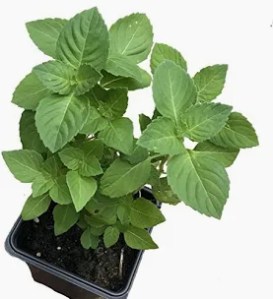
    Holy Basil, also known as Tulsi, is a sacred plant in Hindu culture with a wide range of common household and medicinal uses. Let’s delve into the various ways this herb can benefit your health and well-being.

    What are the common household uses of Holy Basil?

    1. Aromatic Herb: Holy Basil is often used in cooking to add a unique flavor to dishes, especially in Indian cuisine.

    2. Natural Insect Repellent: The strong scent of Holy Basil can help repel insects, making it a great addition to your garden or home.

    3. Air Purifier: Holy Basil is believed to purify the air and remove toxins, creating a fresh and clean environment.

    What are the medicinal uses of Holy Basil?

    1. Stress Relief: Holy Basil is known for its adaptogenic properties, helping the body cope with stress and anxiety.

    2. Immune Booster: The herb is rich in antioxidants and can help boost the immune system, protecting the body from infections.

    3. Respiratory Health: Holy Basil is used in traditional medicine to treat respiratory conditions like asthma and bronchitis.

    How can you incorporate Holy Basil into your daily routine?

    1. Herbal Tea: Enjoy a soothing cup of Holy Basil tea to relax and unwind after a long day.

    2. Essential Oil: Use Holy Basil essential oil in aromatherapy to promote mental clarity and focus.

    3. Herbal Remedies: Explore the world of Ayurveda and traditional medicine to discover the healing properties of Holy Basil.

    With its rich history and numerous benefits, Holy Basil is truly a versatile herb that can enhance both your home and your health. Consider incorporating this sacred plant into your daily routine for a natural and holistic approach to well-being.

  • Healthy Living

    Horehound

    Horehound, also known as Marrubium vulgare, is a plant that has been used for centuries for its medicinal properties. But what exactly is horehound best used for, and what precautions should be taken when using it alongside other medicines?

    Benefits of Horehound

    Horehound is commonly used to treat respiratory conditions such as coughs, colds, and bronchitis. It has expectorant properties, which means it helps to loosen mucus and make it easier to cough up. This can provide relief for those suffering from chest congestion and respiratory issues.

    Additionally, horehound has anti-inflammatory and antioxidant properties, making it a popular choice for soothing sore throats and reducing inflammation in the respiratory tract. It can also help to boost the immune system, making it a valuable herb during cold and flu season.

    Precautions and Interactions

    While horehound can offer many benefits, it is important to use it cautiously, especially when taking other medications. Horehound may interact with certain medications, including blood thinners, diabetes medications, and sedatives. It is always best to consult with a healthcare provider before using horehound, especially if you are taking other medications.

    Furthermore, horehound should not be used by pregnant or breastfeeding women, as there is limited research on its safety in these populations. It is also not recommended for children under the age of 2. Like any herbal supplement, it is important to use horehound in moderation and follow the recommended dosage guidelines.

    In conclusion, horehound can be a valuable herb for treating respiratory conditions and boosting the immune system. However, it is essential to use it responsibly and be aware of any potential interactions with other medications. By following precautions and consulting with a healthcare provider, you can safely incorporate horehound into your wellne

    Toxicology. As a flavoring agent and essential oil, horehound has been granted generally recognized as safe (GRAS) status by the US Food and Drug Administration (FDA).

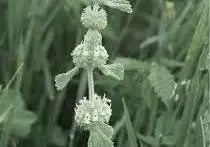
    (Horehound is native to Europe and Asia and has been naturalized to other areas, including the United States.(USDA 2021) It is a perennial, aromatic herb of the mint family. The plant grows to approximately 1 m in height and has oval leaves covered with white, woolly hairs. Horehound bears small, white flowers in dense whorls, which bloom from June to August.(Duke 2002Robles-Zepeda 2011) READMORE: HOREHOUND

  • Healthy Living

    Ho She Wu

    Ho She Wu, also known as Polygonum multiflorum, is a traditional Chinese herb that has been used for centuries for its various health benefits. This herb is known for its ability to promote hair growth, improve liver function, and boost overall vitality.

    What are the Key Benefits of Ho She Wu?

    1. Hair Growth: Ho She Wu is often used to promote hair growth and prevent premature graying. It is believed to nourish the hair follicles and stimulate hair growth.

    2. Liver Health: This herb is known for its liver-protecting properties. It can help detoxify the liver and improve its function, leading to better overall health.

    3. Anti-Aging: Ho She Wu is rich in antioxidants, which can help combat the signs of aging. It can help reduce oxidative stress and protect the body from damage caused by free radicals.

    How to Incorporate Ho She Wu into Your Routine

    Ho She Wu can be consumed in various forms, including capsules, powders, and teas. It is important to follow the recommended dosage instructions and consult with a healthcare professional before adding this herb to your routine.

    Whether you are looking to improve your hair health, support your liver function, or boost your overall vitality, Ho She Wu may be a beneficial addition to your wellness routine.

    “At high concentrations, they generate oxidative stress, a deleterious process that can damage all cell structures (110). Oxidative stress plays a major part in the development of chronic and degenerative ailments such as cancer, arthritis, aging, autoimmune disorders, and cardiovascular and neurodegenerative diseases.” 

    Free Radicals

  • Healthy Living

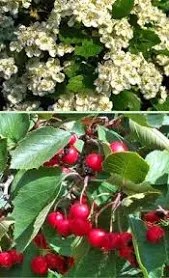
    Hawthorn, a plant native to Europe, Asia, and North America, has been used for centuries for its medicinal properties. In this blog post, we will explore the various uses of hawthorn, precautions to take when using it, and some little-known facts about this powerful herb.

    What are the Common Uses of Hawthorn?

    Hawthorn is commonly used to support heart health. Studies have shown that hawthorn can help improve blood flow to the heart and reduce the risk of heart disease. It is also used to lower blood pressure, reduce cholesterol levels, and improve overall cardiovascular health.

    Are There Any Precautions to Take When Using Hawthorn?

    While hawthorn is generally considered safe for most people, there are some precautions to keep in mind. It is important to consult with a healthcare provider before using hawthorn, especially if you are pregnant, breastfeeding, or taking any medications. Some people may experience side effects such as dizziness, nausea, or digestive issues when taking hawthorn.

    Little Known Facts About Hawthorn

    Did you know that hawthorn berries are edible and can be used to make jams, jellies, and wine? Hawthorn leaves and flowers are also used in herbal teas and tinctures. Additionally, hawthorn is rich in antioxidants, which can help protect the body from oxidative stress and inflammation.

    Another interesting fact about hawthorn is that it is often referred to as the “heart herb” due to its beneficial effects on cardiovascular health. In traditional Chinese medicine, hawthorn is used to promote digestion and improve circulation.

    Overall, hawthorn is a versatile herb with a wide range of uses and benefits. By understanding its uses, precautions, and little-known facts, you can incorporate hawthorn into your wellness routine with confidence.

    “Hawthorn has been studied in people with heart failure (a condition in which the heart is unable to pump enough blood to other organs in the body). More studies are needed to understand how effective it may be. A number of studies conclude that hawthorn significantly improved heart function. Studies also suggest that the herb can enhance a person’s ability to exercise following heart failure: read more Mount Sinai

  • Healthy Living

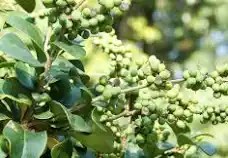
    Guggul, also known as Commiphora wightii, is a resin derived from the mukul myrrh tree. This powerful substance has been used in traditional Ayurvedic medicine for centuries due to its numerous health benefits.

    What is Guggul?

    Guggul contains bioactive compounds called guggulsterones, which have been shown to have anti-inflammatory and antioxidant properties. These compounds help support overall health and well-being.

    What are the Benefits of Guggul?

    1. Cholesterol Management: Studies have shown that guggul can help lower LDL cholesterol levels and increase HDL cholesterol levels, promoting heart health.

    2. Weight Management: Guggul has been found to support weight loss by increasing metabolism and promoting fat burning.

    3. Anti-inflammatory Effects: Guggul can help reduce inflammation in the body, making it beneficial for conditions such as arthritis and other inflammatory disorders.

    4. Thyroid Health: Guggul has been shown to support thyroid function and may help regulate hormone levels in the body.

    How to Incorporate Guggul into Your Routine

    Guggul supplements are widely available in the form of capsules or tablets. It is recommended to follow the dosage instructions provided on the product packaging or consult with a healthcare professional before starting any new supplement regimen.

    Overall, guggul is a natural remedy with a wide range of health benefits. Whether you are looking to improve your cholesterol levels, support weight loss, or reduce inflammation, guggul may be a valuable addition to your wellness routine.

    Guggul according to Healthline “Guggul is the gum resin obtained from a variety of plants native to India, Bangladesh, and Pakistan. Some of the major species include Commiphora wightii, Commiphora gileadensis, Commiphora mukul, Boswellia serrata, and Boswellia sacra. All species are a part of the Burseraceae family, also known as the incense family.” https://www.healthline.com/nutrition/guggul

  • Healthy Living

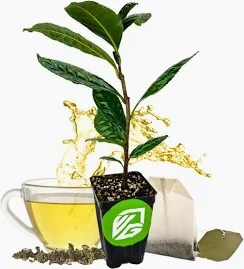
    Continuing with the ABC’s of herbs we now come to my favorite Green Tea but did you know that this popular beverage offers more than just a refreshing taste?

    Antioxidant Powerhouse

    Green tea is rich in antioxidants, particularly catechins, which help protect cells from damage and reduce inflammation in the body. Studies have shown that these antioxidants may help lower the risk of chronic diseases such as heart disease and cancer.

    Boosts Brain Function

    The caffeine and amino acid L-theanine in green tea can have synergistic effects on brain function. They can improve mood, reaction time, and memory, making green tea a great choice for a mid-afternoon pick-me-up.

    Supports Weight Loss

    Green tea has been shown to boost metabolism and increase fat burning, making it a popular choice for those looking to shed a few extra pounds. The combination of caffeine and antioxidants in green tea can help with weight management when combined with a healthy diet and exercise.

    Improves Heart Health

    Drinking green tea regularly has been linked to a lower risk of heart disease. The antioxidants in green tea can help lower cholesterol levels and improve blood flow, reducing the risk of heart attacks and strokes.

    Enhances Skin Health

    The antioxidants in green tea can also benefit your skin. They can help protect against sun damage, reduce inflammation, and improve the overall health and appearance of your skin. Some studies have even shown that green tea can help with acne and other skin conditions.

    Next time you reach for a cup of tea, consider choosing green tea for its numerous health benefits. Whether you enjoy it hot or iced, green tea is a delicious and nutritious addition to your daily routine.

    “Green tea comes from unoxidized leaves of the Camellia sinensis bush. It is one of the least processed types of tea, containing the most antioxidants and beneficial polyphenols.

    Some research suggests green tea may positively affect weight loss, liver disorders, type 2 diabetes, Alzheimer’s disease, and more” according to Medical News Today

    Green Tea Health Benefits

  • Healthy Living

    Gotu Kola

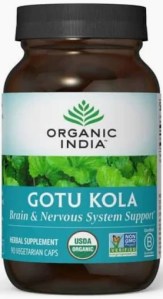
    Gotu Kola, also known as Centella Asiatica, is a small herbaceous plant that has been used for centuries in traditional medicine. It is native to Asia and is commonly found in wetlands and marshy areas. The plant has several other names in different regions, reflecting its widespread use and popularity.

    What is Gotu Kola?

    Gotu Kola is a perennial plant that belongs to the Apiaceae family. It is characterized by its small, fan-shaped leaves and delicate pink or white flowers. The plant is rich in triterpenoids, which are believed to have various health benefits. Gotu Kola is commonly used in herbal remedies and dietary supplements.

    Other Names of Gotu Kola

    Gotu Kola is known by different names in various cultures. In India, it is called “Brahmi,” which is derived from the name of the Hindu god Brahma, the creator of the universe. In China, it is known as “Ji Xue Cao,” which translates to “herb of life.” In Sri Lanka, it is referred to as “Gotu Kola,” which means “conical leaf.”

    Other names for Gotu Kola include “Indian Pennywort,” “Tiger Grass,” and “Mandukaparni.” These names reflect the plant’s diverse uses and cultural significance across different regions.

    Uses of Gotu Kola

    Gotu Kola has been used in traditional medicine for a variety of purposes. It is believed to have anti-inflammatory, antioxidant, and neuroprotective properties. The plant is often used to improve cognitive function, reduce anxiety, and promote wound healing.

    Gotu Kola is also used in skincare products for its potential benefits in reducing the appearance of scars and promoting collagen production. Additionally, the plant is used in culinary dishes in some cultures for its nutritional value and unique flavor.

    In conclusion, Gotu Kola is a versatile plant with a long history of use in traditional medicine. Its various names and uses reflect its importance in different cultures around the world. Whether you know it as Brahmi, Ji Xue Cao, or Tiger Grass, Gotu Kola continues to be valued for its potential health benefits and therapeutic properties.

    According to WebMD , “A few studies have found that gotu kola creams or ointments might prevent scarring and help with wound healing and psoriasis. These creams may help reduce stretch marks during pregnancy. Again, more research is needed to know for sure.

    https://www.webmd.com/diet/health-benefits-gotu-kola

  • Goldenseal

    Goldenseal, a popular herbal supplement, has been used for centuries due to its potential health benefits. As a product expert, it’s important to understand both the side effects and lesser-known uses of this powerful plant.

    What are the Side Effects of Goldenseal?

    While Goldenseal is generally considered safe for most people when taken in appropriate doses, there are some potential side effects to be aware of. These can include digestive issues such as nausea, vomiting, and diarrhea. In some cases, allergic reactions may occur, leading to symptoms like itching, swelling, or difficulty breathing.

    Are There Any Lesser-Known Uses for Goldenseal?

    Aside from its more well-known uses, such as supporting immune health and promoting digestive wellness, Goldenseal has a variety of lesser-known applications. For example, some research suggests that Goldenseal may have antimicrobial properties, making it a potential natural remedy for certain infections. Additionally, it has been used topically to help with skin conditions like eczema and acne.

    Furthermore, Goldenseal may also have anti-inflammatory properties, which could make it beneficial for conditions involving inflammation, such as arthritis. As a product expert, it’s important to educate consumers on these potential uses to help them make informed decisions about incorporating Goldenseal into their wellness routine.

    How Can Consumers Safely Incorporate Goldenseal into Their Routine?

    For those interested in trying Goldenseal, it’s essential to do so safely and responsibly. Always follow the recommended dosage guidelines provided on the product packaging or by a healthcare professional. It’s also important to be aware of any potential interactions with medications or existing health conditions before starting a new supplement regimen.

    As a product expert, it’s crucial to provide accurate information about the side effects and lesser-known uses of Goldenseal to ensure that consumers can make informed choices about their health and wellness. By understanding the potential benefits and risks associated with this herbal supplement, individuals can incorporate it into their routine with confidence.

  • Healthy Living

    Hoelen

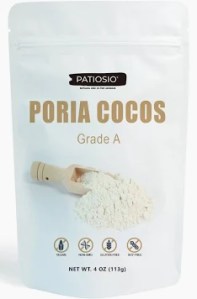
    Hoelen, also known as Poria Cocos, is a type of fungus that grows on the roots of old pine trees. It has been used for centuries in traditional Chinese medicine for its various health benefits.

    What is Hoelen used for?

    Hoelen is primarily used to promote diuresis, which means it helps the body get rid of excess fluids. This can be beneficial for conditions such as edema, bloating, and water retention. It is also believed to have calming properties and is often used to help with insomnia and anxiety.

    How long has Hoelen been used?

    Hoelen has a long history of use in traditional Chinese medicine, dating back over 2,000 years. It is considered a staple herb in many herbal formulas due to its versatile properties.

    What are the other lesser known names for Hoelen?

    Aside from being known as Hoelen or Poria Cocos, this fungus is also referred to as Fu Ling in Chinese medicine. In Japan, it is called Bukuryo, while in Korea, it is known as Bogamshin.

    In conclusion, Hoelen is a versatile herb with a long history of use in traditional medicine. Its diuretic and calming properties make it a valuable addition to herbal formulas aimed at promoting overall health and well-being.

    (Various studies of this fungus have demonstrated its marked anti-inflammatory activity in different experimental models of acute and chronic inflammation. It is widely used as a constituent of many preparations in Asian medicine, but the number of research papers on its clinical properties is insufficient for establishing its efficacy and safety from a scientific point of view.) READ MORE : https://pubmed

  • Healthy Living

    Gangula

    Have you noticed that most Herbs are used to reduce imflamation which has been reported as the number one reason for pain, well if that is the case there are a lot of choices and here is one more.

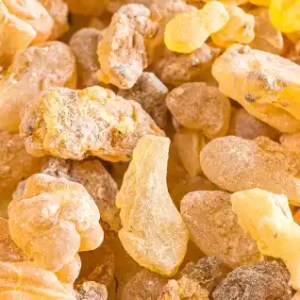
    Gangula, also known as Indian Frankincense, has been used for medicinal purposes for centuries. This resin is derived from the Boswellia tree and has a long history of being used in traditional medicine.

    What are the best uses of Gangula?

    Gangula is commonly used to reduce inflammation and pain in conditions such as arthritis. It has anti-inflammatory properties that can help alleviate joint pain and improve mobility. Additionally, Gangula is used to support respiratory health and may help with conditions like asthma and bronchitis.

    How long has Gangula been used for medicinal purposes?

    Gangula has been used for medicinal purposes for over 5,000 years. Ancient civilizations such as the Egyptians, Greeks, and Romans utilized Gangula for its healing properties. In traditional Ayurvedic medicine, Gangula has been a staple for treating various ailments for centuries.

    Today, modern research is starting to catch up with the traditional uses of Gangula. Studies have shown that the compounds found in Gangula have potent anti-inflammatory and antioxidant effects, making it a valuable natural remedy for a variety of health issues.

    This is a difficult one but I have found that Gangula is also use as part of Ayurveda or Ayurvedic medicine is a system of traditional medicine native to India. Treatment options are varied and can include yoga, acupuncture, herbal medicine, massage therapy and dietary changes. Cases of lead poisoning as a result of taking Ayurvedic treatments imported from India have been reported in Victoria. https://www.betterhealth.vic.gov

    For centuries, people have smelled the strong aroma of Indian frankincense at religious ceremonies and cultural events. Traditional healers also use it to treat health conditions like indigestioncoughing and other breathing problems, and even recovery from childbirth.

  • Ginkgo, also known as Ginkgo biloba, is a unique tree species that has been around for millions of years. This ancient tree is often referred to as a “living fossil” due to its resilience and longevity. But what makes Ginkgo so special?

    Rich in Antioxidants

    Ginkgo is packed with antioxidants, which are compounds that help protect the body from damage caused by harmful molecules known as free radicals. These antioxidants can help reduce inflammation and improve overall health.

    Enhances Cognitive Function

    Studies have shown that Ginkgo may improve cognitive function, including memory, focus, and attention span. It is believed that Ginkgo helps increase blood flow to the brain, which can enhance mental performance.

    Supports Cardiovascular Health

    Ginkgo has been found to have positive effects on cardiovascular health by improving circulation and reducing blood clotting. This can help lower the risk of heart disease and stroke.

    May Reduce Anxiety

    Some research suggests that Ginkgo may have anxiolytic properties, meaning it could help reduce symptoms of anxiety and stress. By promoting relaxation and reducing cortisol levels, Ginkgo may help improve overall well-being.

    Improves Eye Health

    Ginkgo is also known for its potential benefits for eye health. It may help protect the eyes from age-related macular degeneration and improve vision by increasing blood flow to the eyes.

    Overall, Ginkgo is a powerful natural supplement with a wide range of potential health benefits. Whether you’re looking to boost your brain function, support your heart health, or simply improve your overall well-being, Ginkgo may be a valuable addition to your daily routine

    Ginkgo Biloba

    What is Ginkgo Biloba?

    “Ginkgo biloba is an herbal supplement derived from the leaves of the Asian ginkgo tree. Although raw or dried ginkgo leaves have been used for centuries in Chinese herbal medicine, most modern ginkgo biloba supplements use ginkgo biloba extracts (GBE), a much more potent form of ginkgo. Ginkgo biloba has antioxidant, blood-thinning, and circulation-enhancing properties that account for its beneficial effects on cognitive function, mood, and whole-body circulation. Ginkgo extracts are usually standardized to have a consistent level of flavonoids and terpenoids, two key active ingredients with antioxidant properties. Ginkgo Biloba