EJADA

Living Healthy, Natural Healing, Herbal Health, and nutritional

  • KIMCHI

    Kimchi is a traditional Korean dish made from fermented vegetables, most commonly cabbage and radishes, seasoned with a variety of spices. But did you know that kimchi has uses beyond just being a delicious side dish? Let’s explore the various ways kimchi can be used for both culinary and medicinal purposes.

    What are the Culinary Uses of Kimchi?

    Kimchi is a staple in Korean cuisine, often served as a side dish to complement main meals. Its tangy, spicy flavor adds a unique kick to dishes and can be enjoyed on its own or mixed into various recipes. Kimchi can be used in stir-fries, soups, stews, and even as a topping for burgers or tacos. The possibilities are endless!

    What are the Medicinal Uses of Kimchi?

    Aside from its culinary uses, kimchi also offers various health benefits. Due to the fermentation process, kimchi is rich in probiotics, which are beneficial for gut health. Probiotics help maintain a healthy balance of gut bacteria, aiding in digestion and boosting the immune system. Additionally, kimchi is packed with vitamins A, B, and C, as well as antioxidants, making it a nutritious addition to your diet.

    Where was Kimchi First Used and for What Purpose?

    Kimchi has a long history in Korean culture, dating back thousands of years. It was originally created as a way to preserve vegetables during the harsh winter months when fresh produce was scarce. The fermentation process not only preserved the vegetables but also enhanced their flavor and nutritional value. Over time, kimchi became a beloved dish in Korean cuisine and is now enjoyed worldwide.

    Kimchi make your own

    Solar Safe

  • Have you ever considered the impact of the medications you take on your overall health? The side effects of prescriptions can sometimes outweigh the benefits, leading to a cycle of dependency on medication. That’s why the blog formerly known as [Previous Blog Name] has been rebranded to Living Healthy. This new name reflects a commitment to promoting a holistic approach to health and wellness.

    What is Living Healthy?

    Living Healthy is all about taking control of your health through lifestyle choices, nutrition, and natural remedies. By focusing on maintaining a healthy body and mind, you can potentially reduce the need for prescription medications that come with a host of side effects.

    Consult Your Physician

    Before making any changes to your medication regimen or incorporating new herbs into your routine, it’s essential to consult with your physician. Your doctor can provide guidance on how to safely transition to a more holistic approach to wellness.

    The Power of Herbs

    Herbs have been used for centuries to promote health and well-being. Incorporating herbs into your daily routine can help support your body’s natural functions and boost your overall health. From turmeric to ginger to garlic, there are a variety of herbs that can benefit your health.

    Living Healthy is not about abandoning modern medicine, but rather complementing it with natural remedies and lifestyle changes. By taking a proactive approach to your health, you can reduce your reliance on medications and improve your overall well-being.

  • Khella, also known as Ammi Visnaga, is a plant native to the Mediterranean region and has been used for centuries in traditional medicine. But what exactly is Khella and how is it used?

    What is Khella?

    Khella is a flowering plant that belongs to the Apiaceae family. It has been historically used in various cultures for its medicinal properties. The plant contains active compounds such as khellin and visnagin, which are believed to have therapeutic effects.

    How is Khella Used?

    Khella is commonly used to support respiratory health and improve conditions such as asthma and bronchitis. It is believed to help relax the smooth muscles in the airways, making it easier to breathe. Khella can be consumed in various forms, including as a tea, tincture, or supplement.

    When was Khella First Used?

    The use of Khella dates back to ancient Egypt, where it was used to treat various ailments. The plant has a long history of use in traditional medicine, with references to its medicinal properties found in ancient texts.

    Benefits of Khella

    Research has shown that Khella may have anti-inflammatory and bronchodilator effects, making it a potential natural remedy for respiratory conditions. Some studies suggest that Khella may help reduce asthma symptoms and improve lung function.

    Overall, Khella is a fascinating plant with a rich history of medicinal use. Whether you are looking to support your respiratory health or explore natural remedies, Khella may be worth considering.

    (“It is a major constituent of the plant Visnaga daucoides, also known as Ammi Visnaga and as bishop’s weed. Once purified, khellin exists as colorless, odorless, bitter-tasting needle-shaped crystals and is classified as a gamma-pyrone, a furanochromone derivative. In the early 20th century, researchers searched for khellin analogs with lower toxicity and better efficacy. Several drugs were discovered through this research, such as amiodarone and cromolyn sodium, which are used in current medical practice. Efloxate is also mentioned as an analog. READ MORE https://www.ebi.ac.uk/ “)

  • Healthy Living

    Kefir, a fermented milk drink, has been enjoyed for centuries for its unique taste and potential health benefits. But what are the different ways kefir has been used throughout history? Let’s explore the various uses of kefir and how it has evolved over time.

    Traditional Consumption

    Originally hailing from the Caucasus Mountains, kefir was traditionally consumed by the local tribes. They believed in its healing properties and used it as a staple in their diet. The tangy, slightly effervescent drink was enjoyed on its own or mixed with other ingredients for added flavor.

    Medicinal Purposes

    In addition to being a dietary staple, kefir was also used for its medicinal properties. It was believed to aid in digestion, boost the immune system, and promote overall well-being. Some cultures even used kefir as a natural remedy for various ailments.

    Culinary Applications

    As kefir gained popularity around the world, it found its way into various culinary creations. From smoothies and salad dressings to baked goods and marinades, kefir became a versatile ingredient in the kitchen. Its tangy flavor and creamy texture added a unique twist to traditional recipes.

    Modern Uses

    Today, kefir is enjoyed by people all over the world for its probiotic properties and potential health benefits. It is commonly used as a base for smoothies, a topping for granola, or even as a substitute for buttermilk in baking. With its growing popularity, kefir continues to be a staple in many households.

    Potential Lactose Intolerance

    While kefir is often touted as a dairy product that is easier to digest due to its probiotic content, individuals who are severely lactose intolerant may still experience discomfort or digestive issues when consuming kefir. It’s important to be aware of your own tolerance levels and consult with a healthcare provider if you have concerns.

    High-Calorie Content

    Depending on the type of kefir and any added ingredients, this fermented drink can be calorie-dense. For individuals watching their calorie intake, especially those on a weight loss journey, it’s essential to be mindful of the portion sizes and overall caloric impact of consuming kefir regularly.

    Potential Allergies

    Some individuals may have allergies to specific components of kefir, such as dairy proteins or other ingredients used in the fermentation process. If you have a known allergy or experience any adverse reactions after consuming kefir, it’s crucial to discontinue use and seek guidance from a healthcare professional.

    Interactions with Medications

    As with any food or supplement, kefir may interact with certain medications. If you are taking prescription medications, especially those that require specific dietary considerations, it’s advisable to consult with your healthcare provider before adding kefir to your daily routine to avoid any potential interactions.

    While kefir offers numerous health benefits, it’s essential to be aware of the potential disadvantages and consider your individual health needs and circumstances before incorporating it into your diet. By staying informed and making informed choices, you can enjoy the benefits of kefir while minimizing any potential drawbacks.

    From its humble beginnings in the Caucasus Mountains to its widespread use today, kefir has come a long way. Whether enjoyed for its taste, health benefits, or culinary versatility, kefir remains a beloved drink with a rich history. Kefir, a fermented milk drink known for its probiotic benefits, has gained popularity in recent years for its potential health advantages. However, are there any drawbacks to incorporating kefir into your diet? Let’s delve into the potential disadvantages of using kefir.

    Drink your way to good health. Kefir contains millions of probiotics, which are bacteria with potential health benefits. It’s also low in lactose and packed with vitamins and minerals that are good for your body. Scientists have found a range of possible health benefits of kefir, including improved cholesterol, blood sugar control, and gut health. READ MORE: Kefir also known as ZOE


  • Healthy Living KELP

    You may have seen this marine plant at the beach. Kelp is a type of large, brown seaweed that grows in shallow, nutrient-rich saltwater near coastal fronts around the world. It differs slightly in color, flavor, and nutrient profile from the type you may see in sushi rolls,

    read more HEALTHLINE.COM

    Kelp, a type of seaweed, is a nutrient-rich marine plant that offers a wide range of health benefits. From supporting thyroid function to providing essential vitamins and minerals, kelp is a versatile ingredient that can be easily incorporated into your diet.

    What health benefits does kelp offer?

    Kelp is a rich source of iodine, which is essential for thyroid health and hormone regulation. It also contains antioxidants, vitamins A, C, E, and K, as well as minerals like calcium, magnesium, and iron. These nutrients work together to support overall health and well-being.

    How can you best use kelp?

    One of the best ways to incorporate kelp into your diet is by adding it to soups, salads, or stir-fries. You can also use kelp flakes as a seasoning or sprinkle them over dishes for a boost of flavor and nutrition. Another popular option is to enjoy kelp in the form of snacks like kelp chips or seaweed salad. For those looking to reap the benefits of kelp without the taste, kelp supplements are available in the form of capsules or powders. These supplements offer a convenient way to ensure you are getting an adequate amount of iodine and other nutrients found in kelp.

    Overall, kelp is a versatile ingredient that can enhance the nutritional value of your meals while providing a range of health benefits. Whether you choose to cook with it or take it as a supplement, incorporating kelp into your diet is a simple and effective way to support your overall health.

  • Healthy Living

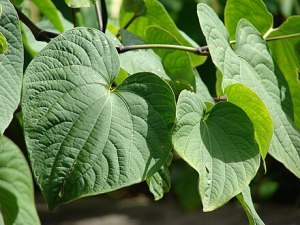
    Have you heard of Kava and wondered about its potential health benefits? Let’s dive into the world of this unique plant and explore the science behind its use.

    What is Kava?

    Kava, also known as Piper methysticum, is a plant native to the South Pacific islands. The root of the kava plant has been used for centuries by Pacific Island cultures for its sedative and anesthetic properties.

    How Does Kava Work?

    Kava contains compounds called kavalactones, which are believed to be responsible for its calming effects. These compounds interact with neurotransmitters in the brain, such as GABA and dopamine, to promote relaxation and reduce anxiety.

    What are the Health Benefits of Kava?

    Research has shown that kava may offer several health benefits, including:

    • Reducing anxiety: Kava has been used traditionally to help alleviate symptoms of anxiety and stress.
    • Improving sleep: The sedative properties of kava may help promote better sleep quality.
    • Relieving pain: In some cultures, Kava has been used as a natural pain reliever.
    • Supporting mental health: Some studies suggest that kava may have potential benefits for conditions like depression and PTSD.

    Are There Any Risks?

    While kava has been used safely for centuries in traditional medicine, there have been reports of liver toxicity associated with its use. It’s important to consult with a healthcare provider before using kava, especially if you have liver problems or are taking medications that affect the liver.

    Overall, kava is a fascinating plant with a long history of traditional use and potential health benefits. As with any herbal supplement, it’s essential to use caution and seek guidance from a healthcare professional before incorporating it into your wellness routine.

    (KAVA/Kava)

    Kava or kava kava (Piper methysticumLatin ‘pepper’ and Latinized Greek ‘intoxicating’) is a crop of the Pacific Islands.[1] The name kava is from Tongan and Marquesan, meaning ‘bitter’;[1] other names for kava include ʻawa (Hawaiʻi),[2] ʻava (Samoa), yaqona or yagona (Fiji),[3] sakau (Pohnpei),[4] Seka (Kosrae),[5] and malok or malogu (parts of Vanuatu).[6] Kava is consumed for its sedating effects throughout the Pacific Ocean cultures of Polynesia, including Hawaii and VanuatuMelanesia, some parts of Micronesia, such as Pohnpei and Kosrae, and the Philippines.

    The root of the plant is used to produce a drink with sedativeanesthetic, and euphoriant properties. Its active ingredients are called kavalactones.[7] A 2003 systematic review concluded it had a small effect for treating short-term anxiety.[8]

  • Healthy Living

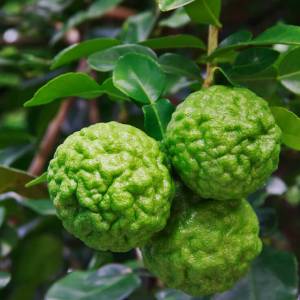
    Kaffir lime leaves are a staple in Southeast Asian cuisine, known for their unique flavor and aromatic qualities. But did you know that these leaves also offer a range of health benefits? Let’s explore the various advantages of incorporating kaffir lime leaves into your diet.

    Rich in Antioxidants

    Kaffir lime leaves are packed with antioxidants, which help protect your cells from damage caused by free radicals. These antioxidants can help reduce inflammation and lower the risk of chronic diseases such as heart disease and cancer.

    Boosts Digestive Health

    The compounds found in kaffir lime leaves have been shown to aid digestion and promote gut health. They can help alleviate symptoms of indigestion, bloating, and gas, making them a great addition to dishes that may be harder on the stomach.

    Supports Immune Function

    With their high vitamin C content, kaffir lime leaves can help boost your immune system and ward off illnesses. Vitamin C is essential for the production of white blood cells, which are key players in fighting off infections.

    Improves Skin Health

    The antioxidants in kaffir lime leaves can also benefit your skin. They help protect against UV damage, reduce signs of aging, and promote a healthy complexion. Adding kaffir lime leaves to your diet may help you achieve glowing, radiant skin.

    Enhances Mental Clarity

    The refreshing scent of kaffir lime leaves has been shown to have a calming effect on the mind, promoting mental clarity and focus. Incorporating these leaves into your meals or teas can help reduce stress and improve cognitive function.

    Overall, kaffir lime leaves are not only a flavorful addition to your cooking but also offer a range of health benefits. Consider adding these versatile leaves to your dishes to reap the many advantages they have to offer.

  • Is cannabis healthy? This question has sparked much debate and controversy in recent years. Let’s delve into the scientific research to uncover the potential health benefits of this plant.

    Understanding the Components of Cannabis

    Cannabis contains over 100 different cannabinoids, with two of the most well-known being THC (tetrahydrocannabinol) and CBD (cannabidiol). These compounds interact with the body’s endocannabinoid system, which is crucial in regulating various physiological processes.

    The Potential Health Benefits

    Research suggests that cannabis may have several health benefits, including pain relief, reducing inflammation, and alleviating symptoms of conditions such as epilepsy, multiple sclerosis, and anxiety disorders. Some studies have also shown promise in using cannabis for cancer treatment.

    Managing Chronic Pain

    One of the most well-documented benefits of cannabis is its ability to alleviate chronic pain. Many individuals with conditions such as arthritis, fibromyalgia, and migraines have reported significant pain relief after using cannabis-based products.

    Addressing Mental Health Concerns

    Another area of interest is the potential of cannabis in managing mental health disorders. Some studies have suggested that CBD, in particular, may help reduce symptoms of anxiety, depression, and PTSD.

    Conclusion

    While more research is needed to fully understand the health benefits of cannabis, the existing evidence points to its potential therapeutic properties. As with any medicinal substance, it is essential to consult with a healthcare professional before incorporating cannabis into your wellness routine.

    Get Your Cannabis On and WeeLax collection

    WeeLax and have fun

  • Are you ready to embark on a journey of discovery and excitement? Look no further than EJADA SM, where quality meets uniqueness in every product. With a commitment to providing up-to-date merchandise every day, EJADA SM is your go-to destination for a thrilling shopping experience.

    What sets EJADA SM apart?

    EJADA SM is not your average online store. We are constantly evolving and changing our offerings to keep things fresh and exciting. From drinkware to sustainable aprons, color-changing mugs to shirts, we have something for everyone. And now, introducing our latest collection, WeeLax, designed for the cannabis lover in you. Our new arrivals are added frequently, so make sure to check back often to discover the latest additions.

    Why choose EJADA SM?

    At EJADA SM, your satisfaction is our number one goal. We strive to provide you with products that not only meet but exceed your expectations. Our commitment to quality and uniqueness sets us apart from the rest. When you shop with us, you’re not just buying a product, you’re investing in an experience.

    Take the plunge and explore EJADA SM

    Don’t settle for the ordinary. Embrace the thrill of the unknown and explore the world of EJADA SM. Whether you’re looking for a new favorite mug or a stylish shirt, we have something that will ignite your sense of adventure. So why wait? Dive in and discover the magic of EJADA SM today.

    Shop Now and save $5.00 now

  • Kale is a nutrient-dense leafy green that has gained popularity in recent years for its numerous health benefits. From vitamins and minerals to antioxidants, kale is a powerhouse of nutrition that can boost your overall well-being.

    What are the Health Benefits of Kale?

    Kale is packed with vitamins A, C, and K, as well as minerals like calcium and iron. It is also rich in antioxidants, which help protect your cells from damage caused by free radicals. Studies have shown that incorporating kale into your diet can help lower cholesterol levels, reduce the risk of heart disease, and even improve digestion.

    How Can You Incorporate Kale into Your Diet?

    There are countless ways to enjoy kale, whether raw in salads, sautéed as a side dish, or blended into smoothies. Try massaging kale with olive oil and lemon juice to soften its texture and enhance its flavor. You can also bake kale chips for a crunchy and satisfying snack, or add chopped kale to soups and stews for an extra boost of nutrients.

    For a refreshing and nutritious meal, try a kale and avocado salad with a lemon vinaigrette dressing. The creamy avocado pairs perfectly with the earthy flavor of kale, creating a delicious and satisfying dish. You can also incorporate kale into your morning routine by adding it to your favorite breakfast smoothie for a nutrient-packed start to your day.

    Conclusion

    With its impressive array of health benefits and versatility in the kitchen, kale is a must-have ingredient for anyone looking to improve their overall health and well-being. Whether you enjoy it raw, cooked, or blended, incorporating kale into your diet is a simple and delicious way to boost your nutrient intake and support your overall health.

    Shop EJADA Now and take 5.00 off any order of $20.00 or more, buy one of our designs or customize your own at no extra charge New Arrivals

  • Healthy Living

    Jiaogulan

    Accordinng to WebMD “Jiaogulan, People commonly use Jiaogulan for high cholesterol, diabetes, liver diseaseobesity, and many other conditions, but there is no good scientific evidence supporting most of these uses.

    Don’t confuse Jiaogulan with miracle fruit, or with aloe or gymnema, which are also sometimes called miracle plants. Also, don’t confuse Jiaogulan with other plants that are called ginseng, including American ginseng, blue cohosh, canaigre, codonopsis, eleuthero, Panax ginseng, and Panax notoginseng. These are not the same.”)

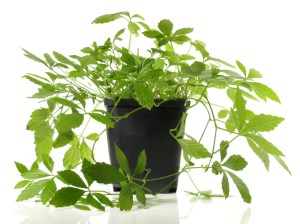
    Jiaogulan, also known as the “immortality herb,” has been used for centuries in traditional Chinese medicine for its numerous health benefits. Originally grown in the mountainous regions of China, this herb has gained popularity worldwide for its adaptogenic properties.

    What are the best uses of Jiaogulan today?

    1. Boosting the immune system: Jiaogulan is rich in antioxidants and can help strengthen the immune system, making it a great addition to your daily routine.

    2. Managing stress: As an adaptogen, Jiaogulan can help the body adapt to stress and promote a sense of calm and well-being.

    3. Supporting cardiovascular health: Studies have shown that Jiaogulan may help lower cholesterol levels and support heart health.

    How was Jiaogulan originally used?

    Jiaogulan was traditionally used in China to promote longevity, improve digestion, and increase energy levels. It was also used to treat respiratory conditions, such as coughs and bronchitis.

    Additionally, Jiaogulan was consumed as a tea to help detoxify the body and promote overall wellness.

    Whether you are looking to boost your immune system, manage stress, or support your cardiovascular health, Jiaogulan may be the herb you’ve been searching for. With its rich history and proven benefits, incorporating Jiaogulan into your daily routine could be the key to a healthier, more balanced life.

    The newest way to lose weight without a diet plan is Java Burn, I don’t just write about these things I write about is also what I recommend to family and friends, and I recommend this one to you because it is the best fat burner of 2024.

    If you like coffee this will be easy to incorporate into your morning routine Java Burn

    Shop EJADA Now !

  • Healthy Living

    Jasmine has been used for centuries for its medicinal properties. It is known by various names in different cultures, such as “Jasminum” in Latin and “Yasmin” in Arabic. This fragrant flower is native to tropical and subtropical regions of Eurasia, Australasia, and Oceania.

    How long has Jasmine been used for medicinal purposes?

    Jasmine has a long history of medicinal use dating back to ancient times. In traditional Chinese medicine, jasmine is believed to have cooling properties and is used to treat various ailments such as headaches, insomnia, and anxiety. In Ayurvedic medicine, jasmine is used to calm the mind and promote relaxation.

    What other names is Jasmine known by?

    Aside from its common name, jasmine is known by different names in various cultures. In India, it is called “Chameli” or “Mogra,” while in Thailand, it is known as “Malila.” The diverse names reflect the widespread use and appreciation of jasmine across different regions.

    In which country is Jasmine used most?

    Jasmine is widely used in China, India, and Thailand for its medicinal properties and aromatic qualities. In China, Jasmine tea is a popular beverage known for its calming effects and delicate flavor. In India,Jasmine flowers are used in religious ceremonies and traditional medicine. In Thailand, Jasmine garlands are commonly worn for good luck and as offerings in temples.

    Overall, Jasmine’s rich history and cultural significance make it a valuable plant with a wide range of medicinal and cultural uses.

    Shop Unique Products WeeLax 18+