EJADA

Living Healthy, Natural Healing, Herbal Health, and nutritional

  • Living Healthy

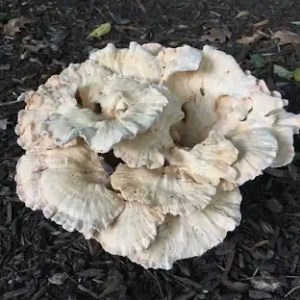
    Maitake, also known as “hen of the woods,” is a type of mushroom that has been used for centuries in traditional medicine. But what are the herbal uses for Maitake, and how can it benefit your health?

    Immune System Support

    One of Maitake’s most well-known herbal uses is its ability to support the immune system. Studies have shown that Maitake mushrooms contain compounds that can help stimulate the immune system, making them more effective at fighting infections and diseases.

    Blood Sugar Regulation

    Another herbal use of maitake is its potential to help regulate blood sugar levels. Research has shown that Maitake mushrooms may have a positive impact on insulin sensitivity, making it a potential natural remedy for those with diabetes or pre-diabetes.

    Antioxidant Properties

    Maitake mushrooms are also rich in antioxidants, which can help protect the body from oxidative stress and damage caused by free radicals. By incorporating Maitake into your diet, you may be able to reduce inflammation and lower your risk of chronic diseases.

    Cholesterol Management

    Some studies suggest that Maitake mushrooms may have a positive effect on cholesterol levels. By consuming Maitake regularly, you may be able to lower LDL cholesterol levels and improve your overall heart health.

    In conclusion, Maitake mushrooms have a variety of herbal uses that can benefit your health in numerous ways. Whether you are looking to boost your immune system, regulate blood sugar, or improve your heart health, incorporating Maitake into your diet may be a natural and effective solution.

  • Lungwort, scientifically known as Pulmonaria, is a genus of flowering plants in the Boraginaceae family. While it is commonly referred to as Lungwort, it also goes by other names such as Bethlehem Sage, Soldiers and Sailors, and Jerusalem Cowslip.

    What are the traditional uses of Lungwort?

    Lungwort has a long history of medicinal use dating back to ancient times. Traditionally, it was used to treat respiratory conditions such as coughs, bronchitis, and asthma due to its mucilaginous and expectorant properties. It was also believed to have anti-inflammatory and astringent effects.Historical Uses

    Throughout history, lungwort has been used for various medicinal purposes. In ancient times, it was believed to be effective in treating lung ailments due to its lung-shaped leaves, hence its name. Lungwort was also used to treat wounds, stomach issues, and even as a diuretic.

    Medicinal Properties

    Modern research has shown that lungwort contains compounds with potential health benefits, including antioxidants and anti-inflammatory properties. These properties may help support respiratory health, reduce inflammation, and promote overall well-being.

    Cultural Significance

    Lungwort has also played a role in folklore and superstition. In some cultures, it was believed that lungwort could protect against evil spirits and bring good luck. The plant was often used in rituals and ceremonies to ward off negativity and promote positive energy.

    Current Applications

    Today, lungwort is primarily grown for its ornamental value in gardens and landscapes. Its unique foliage and early spring blooms make it a popular choice for shady areas. While its medicinal uses are less common now, lungwort continues to be appreciated for its beauty and historical significance.

    As we reflect on the history of lungwort, we gain a deeper appreciation for this remarkable plant and its enduring legacy. Whether admired for its folklore, medicinal properties, or aesthetic appeal, lungwort remains a fascinating botanical specimen with a storied past.

    What are the lesser-known uses of Lungwort?

    Aside from its traditional uses, Lungwort has some lesser-known applications. Recent studies have shown that Lungwort may have antioxidant properties, helping to combat oxidative stress in the body. Additionally, some research suggests that Lungwort may have antimicrobial effects, making it potentially useful in fighting off certain infections.

    Furthermore, Lungwort is sometimes used in herbal teas and tinctures for its purported health benefits. It is important to note that while Lungwort has a rich history of use in traditional medicine, more research is needed to fully understand its potential benefits and risks.

    In conclusion, Lungwort, with its various common names and traditional uses, offers a fascinating glimpse into the world of herbal medicine. Whether you are interested in exploring its historical significance or its potential modern applications, Lungwort is a plant worth learning more about.

  • Living Healthy

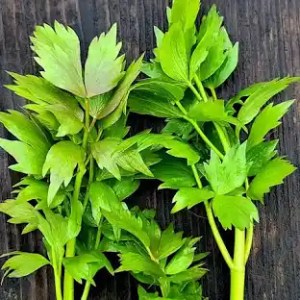
    Lovage, also known as Levisticum officinale, is a perennial herb that belongs to the parsley family. It has been used for centuries in traditional medicine and culinary practices due to its numerous health benefits.

    What are the key benefits of Lovage?

    1. Rich in antioxidants: Lovage contains high levels of antioxidants, which help protect the body from oxidative stress and reduce the risk of chronic diseases.

    2. Anti-inflammatory properties: The compounds found in lovage have anti-inflammatory effects, which can help reduce inflammation in the body and alleviate symptoms of conditions like arthritis.

    3. Digestive aid: Lovage has been used to improve digestion and relieve digestive issues such as bloating, gas, and indigestion.

    4. Immune system support: The vitamins and minerals in lovage, such as vitamin C and zinc, can help boost the immune system and protect against infections.

    How can Lovage be incorporated into your diet?

    Lovage can be used in a variety of ways in cooking. The leaves stems, and seeds of the plant can be added to soups, stews, salads, and sauces to enhance flavor and provide health benefits. Lovage can also be brewed into tea or used as a seasoning in dishes.

    Are there any precautions to consider when using Lovage?

    While lovage is generally safe for most people when consumed in moderate amounts, it is important to note that some individuals may be allergic to the plant. Pregnant women should also avoid consuming lovage in large quantities, as it may stimulate uterine contractions.

    In conclusion, lovage is a versatile herb with a wide range of health benefits. By incorporating lovage into your diet, you can support your overall health and well-being. Remember to consult with a healthcare provider before making any significant changes to your diet or lifestyle.

  • Long pepper, also known as Piper longum, is a flowering vine that is native to India. It has been used for centuries in Ayurvedic medicine for its numerous health benefits. But what exactly is long pepper and how can it benefit your health?

    What is Long Pepper?

    Long pepper is a spice that comes from the fruit of the Piper longum plant. It is closely related to black pepper but has a milder taste and a slightly sweet aroma. The spice is typically used in Indian and Southeast Asian cuisines to add flavor to dishes.

    Health Benefits of Long Pepper

    1. Digestive Health: Long pepper has been traditionally used to aid digestion and improve gut health. It can help stimulate the digestive enzymes in the stomach, promoting better digestion and reducing bloating.

    2. Anti-inflammatory Properties: Long pepper contains compounds that have anti-inflammatory properties, which can help reduce inflammation in the body and alleviate symptoms of conditions like arthritis.

    3. Respiratory Health: Long pepper is known for its ability to support respiratory health. It can help clear congestion, reduce coughing, and improve breathing.

    4. Antioxidant Benefits: Long pepper is rich in antioxidants, which can help protect the body from oxidative stress and reduce the risk of chronic diseases.

    5. Immune Support: The compounds found in long pepper can help boost the immune system, making it more effective at fighting off infections and illnesses.

    How to Incorporate Long Pepper into Your Diet

    Long pepper can be used in a variety of ways to reap its health benefits. It can be added to curries, soups, stews, and marinades to add flavor and depth to dishes. You can also find long pepper supplements in the form of capsules or powders for easy consumption.

    Overall, long pepper is a powerful spice with numerous health benefits. Whether you use it in your cooking or as a supplement, incorporating long pepper into your routine can help support your overall health and well-being.

  • Living Healthy

    Licorice is a popular herb that has been used for centuries in traditional medicine. But is any form of licorice actually healthy? Let’s dive into the science behind this intriguing plant.

    What is Licorice?

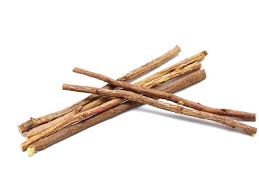
    Licorice, scientifically known as Glycyrrhiza glabra, is a plant native to Europe and Asia. The root of the licorice plant contains compounds that give it a distinct sweet flavor. These compounds, such as glycyrrhizin, are responsible for many of licorice’s potential health benefits.

    Health Benefits of Licorice

    Research suggests that licorice may have several health benefits. It has been used in traditional medicine to soothe gastrointestinal issues, such as indigestion and heartburn. Licorice also has anti-inflammatory properties that may help with conditions like sore throat and cough.

    Furthermore, licorice root extract has been studied for its potential to support liver health. Some studies suggest that certain compounds in licorice may help protect the liver from damage and promote its detoxification processes.

    Potential Risks of Licorice

    While licorice has potential health benefits, it’s essential to consume it in moderation. Excessive consumption of licorice, especially in the form of black licorice candy, can lead to health issues. Glycyrrhizin, the compound responsible for licorice’s sweetness, can cause potassium levels to drop, leading to high blood pressure and other complications.

    Individuals with high blood pressure, heart conditions, or kidney issues should be cautious when consuming licorice. It’s always best to consult with a healthcare provider before adding licorice to your diet, especially if you have any underlying health concerns.

    Black licorice has been a popular treat for centuries, but is it really the best choice for your health? Let’s take a closer look at the potential benefits and drawbacks of consuming black licorice.

    What Makes Black Licorice Unique?

    Black licorice gets its distinct flavor from the root of the licorice plant, which contains a compound called glycyrrhizin. This compound is known for its sweet taste and potential health benefits.

    Potential Health Benefits of Black Licorice

    Some studies suggest that glycyrrhizin in black licorice may have anti-inflammatory and antioxidant properties. It has also been used in traditional medicine to soothe digestive issues and respiratory problems.

    Potential Drawbacks of Black Licorice

    While black licorice may offer some health benefits, it is important to consume it in moderation. Excessive consumption of glycyrrhizin can lead to potassium imbalances, high blood pressure, and other health issues.

    Conclusion

    While black licorice may have some potential health benefits, it is essential to enjoy it in moderation. As with any treat, it is crucial to balance indulgence with a healthy diet and lifestyle. Remember to consult with a healthcare professional before making any significant changes to your diet.

  • Living Healthy

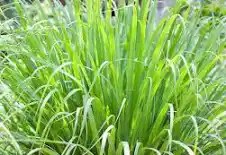
    Lemon Grass, also known as Cymbopogon, is a popular herb used in various culinary and medicinal applications. But what exactly do you know about the uses of lemon grass?

    Culinary Delights

    One of the most common uses of lemon grass is in cooking. Its citrusy flavor and aroma make it a popular ingredient in Asian cuisine, particularly in Thai, Vietnamese, and Indonesian dishes. Lemon grass is often used in soups, curries, stir-fries, and marinades to add a refreshing and zesty twist to the flavor profile.

    Medicinal Benefits

    Besides its culinary uses, lemongrass is also known for its medicinal properties. It is rich in antioxidants and contains compounds that have anti-inflammatory and antibacterial properties. Lemon grass tea is a popular remedy for digestive issues, colds, and flu. It is also used in aromatherapy for its calming and stress-relieving effects.

    Insect Repellent

    Did you know that lemongrass is a natural insect repellent? The strong citrus scent of lemongrass is effective in keeping mosquitoes, flies, and other insects at bay. Many insect repellent products on the market contain lemongrass essential oil as a key ingredient.

    Skincare

    Lemon grass is also used in skincare products for its astringent and antiseptic properties. It is believed to help reduce acne, control oil production, and tone the skin. Lemon grass essential oil is often added to soaps, lotions, and creams for its refreshing scent and skin-beneficial properties.

    With its versatile uses in cooking, medicine, insect repellent, and skincare, lemon grass is truly a multi-functional herb that offers a wide range of benefits. Whether you’re looking to add a burst of flavor to your dishes or seeking natural remedies for common ailments, lemon grass is a valuable addition to your pantry.

    Technically Lemon Grass is naturalized in only one county in Florida, but you can find it in many yards and landscaping, and in several warm states and northern flower pots.

    Lemon Grass

  • Healthy Living

    Gelsemium is an Asian and North American genus of flowering plants belonging to the family Gelsemiaceae. The genus contains three species of shrubs to straggling or twining climbers. Two species are native to North America, and one to China and Southeast Asia.

    In his classic early 20th century work on psychotropic drugs Phantastica, German pharmacologist Louis Lewin recounts the curious and tragic case – seemingly unique in the literature – of an individual who became addicted (in a manner far more often associated with opiates) to a Gelsemium preparation:

    during a severe attack of rheumatism a man took a large quantity of an alcoholic tincture of Gelsemium sempervirens a plant which is liable to act on the brain and the medulla oblongata. Noticing an appreciable result he continued to take it, and finally became a slave to the drug. He gradually augmented the quantity, and reached 30 gr. of the tincture in one dose. Slowly he became paleagitated, and discontented. He wasted away. Hallucination set in, and his state grew worse until disorders of the intelligence appeared. As he continued to increase the doses he fell into idiocy and died in a state of mental confusion

    Gelsemium Alleged Poisoning

    Could this be the mixture behind the Dr. Jekyll Mr Hyde transformaion?

    Got off track yet? Let’s get you back on track with the 21-Day Diet Smoothie

  • Living Healthy

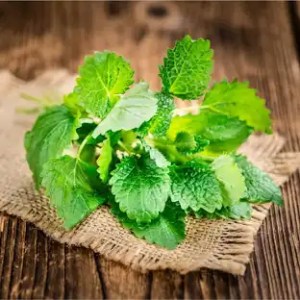
    Lemon Balm is another herb that starts with the letter L and can thrive in high altitudes. This herb is part of the mint family and is known for its lemony scent and flavor. Lemon balm is often used in teas, as well as in aromatherapy for its calming effects. Have you heard of lemon balm? Lemon Balm is a powerhouse when it comes to health benefits. Let’s dive into the world of lemon balm and discover why it’s a must-have in your herbal arsenal.

    Lemon balm, also known as Melissa officinalis, is a fragrant herb that is commonly used in cooking and herbal medicine. However, some lesser-known uses for lemon balm may surprise you. In this blog post, we will explore some of the rare known uses for lemon balm.

    What is Lemon Balm?

    Lemon Balm, also known as Melissa officinalis, is a perennial herb from the mint family. It has a mild lemon scent and is commonly used in culinary dishes, teas, and herbal remedies.

    Health Benefits of Lemon Balm

    1. Calming Effects: Lemon balm has been shown to have calming and stress-relieving properties, making it a popular choice for promoting relaxation and reducing anxiety.

    2. Digestive Aid: This herb can help soothe digestive issues such as bloating, gas, and indigestion, thanks to its carminative properties.

    3. Antioxidant Power: Lemon balm is rich in antioxidants, which can help protect cells from damage caused by free radicals and oxidative stress.

    1. Natural Insect Repellent

    Did you know that lemon balm can be used as a natural insect repellent? The strong lemon scent of the plant is effective at keeping mosquitoes, flies, and other insects at bay. Simply crush a few leaves and rub them on your skin to help ward off pesky bugs.

    2. Stress Relief

    Lemon balm has been traditionally used to help reduce stress and anxiety. The calming properties of the herb can help promote relaxation and improve mood. Consider brewing a cup of lemon balm tea or adding a few drops of lemon balm essential oil to a diffuser for a soothing effect.

    3. Digestive Aid

    Due to its carminative properties, lemon balm can help soothe digestive issues such as bloating, gas, and indigestion. Drinking lemon balm tea after a meal may help promote healthy digestion and alleviate discomfort.

    4. Skin Care

    Lemon balm contains antioxidants and anti-inflammatory compounds that can benefit the skin. Applying a cooled lemon balm tea compress to the skin may help reduce inflammation, redness, and irritation. It can also be used in homemade skincare products for a refreshing boost.

    5. Sleep Aid

    Lemon balm is known for its mild sedative properties, making it a popular choice for promoting restful sleep. Drinking a cup of lemon balm tea before bedtime may help calm the mind and body, leading to a more peaceful night’s rest.

    Next time you have a surplus of lemon balm in your garden, consider trying out some of these unique uses for this versatile herb. From natural insect repellent to stress relief, lemon balm has a wide range of benefits beyond its traditional culinary and medicinal uses.

    Final Thoughts

    Adding lemon balm to your daily routine can provide a range of health benefits, from promoting relaxation to supporting digestion. Consider incorporating this versatile herb into your wellness regimen and experience the wonders of lemon balm for yourself.

    Lemon Balm According to Webmd
  • Living Healthy

    When it comes to high-mountain herbs, the diversity of plant life can be truly fascinating. But are there any specific herbs that thrive in high altitudes and start with the letter L? Let’s delve into this botanical exploration. What are the benefits of high mountain tea?

    “Comparable to green teas, high mountain oolongs have high levels of polyphenols. Polyphenols protect the body from stressors and may help protect against various forms of cancer, heart disease, and inflammation. High mountain oolongs also contain L-theanine, an amino acid known to reduce anxiety and help you relax. HIgh Mountain Tea Sep 23, 2020″

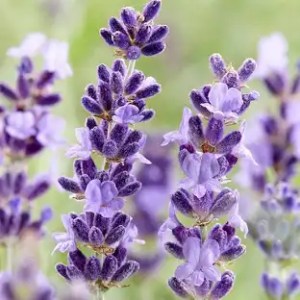
    1. Lavender

    Lavender, known for its calming aroma and beautiful purple flowers, is a versatile herb that can be found in high mountain regions. It is often used in aromatherapy, culinary dishes, and skincare products.1. Culinary Delight

    Did you know that lavender can be used in cooking? Its floral and slightly sweet flavor can add a unique twist to both savory and sweet dishes. From lavender-infused honey to lavender lemonade, the culinary possibilities are endless.

    2. Natural Insect Repellent

    Lavender’s strong scent is a natural deterrent for insects. By placing dried lavender sachets in your closet or drawers, you can keep moths and other pests at bay without the use of harsh chemicals.

    3. Sleep Aid

    Lavender has long been used for its relaxing properties, making it an ideal natural sleep aid. Try placing a few drops of lavender essential oil on your pillow or using a lavender-scented linen spray to promote a restful night’s sleep.

    4. Headache Relief

    For those prone to headaches, lavender may offer relief. Applying diluted lavender oil to the temples or inhaling its aroma can help alleviate tension and promote relaxation, potentially easing headache symptoms.

    5. Laundry Freshener

    Add a few drops of lavender essential oil to a damp washcloth and toss it in the dryer with your clothes for a natural and refreshing alternative to synthetic fabric softeners. Your laundry will come out smelling fresh and clean.

    These are just a few of the many little-known uses of lavender. Whether you’re looking to enhance your cooking, create a calming atmosphere, or repel insects naturally, lavender is a versatile herb with a wide range of benefits.

    The common name of Lavandula is Lavender is found on the Iberian Peninsula and around the entirety of the Mediterranean coastline (including the Adriatic coast, the Balkans, the Levant, and coastal North Africa), in parts of Eastern and Southern Africa and the Middle East, as well as in South Asia and on the Indian subcontinent.[3] read more Lavandula

  • Living Healthy

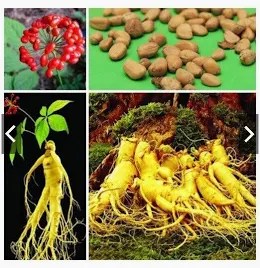
    With this post I am finished with the letter K of herbs and now will continue with the letter L in my next post, in this post you will learn about Korean Ginseng

    Ginseng, a popular herbal remedy, comes in various forms, each with its unique properties and benefits. Let’s delve into the different kinds of Ginseng and explore the wonders of Korean Ginseng.

    What are the types of Ginseng?

    There are several types of Ginseng, with the most common being American Ginseng (Panax quinquefolius) and Asian Ginseng (Panax ginseng). Within Asian Ginseng, there are further distinctions between Chinese Ginseng and Korean Ginseng.

    What are the benefits of Ginseng?

    Ginseng is known for its adaptogenic properties, which help the body cope with stress and promote overall well-being. Some potential benefits of Ginseng include:

    • Boosting energy levels
    • Improving cognitive function
    • Enhancing immune system
    • Reducing inflammation
    • Supporting heart health

    What makes Korean Ginseng special?

    Korean Ginseng, also known as Panax ginseng, is highly prized for its potent effects. It is believed to have a higher concentration of active compounds compared to other types of Ginseng. Korean Ginseng is often used to improve stamina, enhance mental clarity, and boost overall vitality.

    Whether you prefer American Ginseng, Chinese Ginseng, or the powerhouse Korean Ginseng, incorporating this herbal remedy into your routine may offer a myriad of health benefits.

    “Ginseng has been used for improving overall health. It has also been used to strengthen the immune system and help fight off stress and disease. There are different types of ginseng. Asian ginseng (from Chinese and Korean sources) has been used for unclear thinking, diabetes, and male erectile dysfunction. American ginseng has been used for diabetes and for reducing the risk of the common cold and flu.” Read More;” according to Webmd

  • Living Healthy

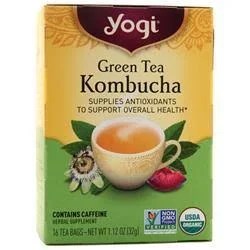
    Kombucha

    Kombucha is a fermented tea that has been used for centuries for its potential health benefits. But what exactly is it used to treat and where did it originate?

    What is Kombucha used to treat?

    Kombucha is often touted for its probiotic properties, which can help promote a healthy gut microbiome. This can lead to improved digestion, better immune function, and even potential weight loss. Some studies suggest that kombucha may also have antioxidant and antimicrobial properties, which could help protect against certain diseases.

    What are the health benefits of Kombucha?

    Some of the potential health benefits of kombucha include improved digestion, increased energy levels, and a strengthened immune system. The probiotics found in kombucha can help balance the gut microbiome, leading to better overall health. Additionally, the antioxidants in kombucha may help reduce inflammation and protect against chronic diseases.

    When was Kombucha first used and in what country?

    Kombucha is believed to have originated in China over 2,000 years ago. It was known as the “Tea of Immortality” and was prized for its health benefits. From China, kombucha spread to Japan, Russia, and eventually Europe and the United States. Today, kombucha is enjoyed worldwide for its unique taste and potential health benefits.

    (“Kombucha is a fizzy, fermented drink typically made with either green or black tea. Although it is sometimes referred to as kombucha mushroom tea, it is not made with fungi. The “mushroom” is something called a symbiotic colony of bacteria and yeast, or SCOBY. When added to sweet tea and fermented, it creates healthful bacteria and B vitamins.”)

    Kombucha: Read more WebMD

    Kombucha is a fermented, lightly effervescent, sweetened black tea drink. Sometimes the beverage is called kombucha tea to distinguish it from the culture of bacteria and yeast. Juice, spices, fruit, or other flavorings are often added. Kombucha is thought to have originated in China, where the drink is traditional.

    The Centers for Disease Control recommends that four ounces of kombucha can be safely consumed one to three times a day. Overconsumption can lead to headache, nausea, gastrointestinal distress, or ketoacidosis. Kombucha Do’s and Don’ts

  • Living Healthy

    Most everyone knows about Kiwifruit – that little green fruit with a fuzzy outside. But are you sure you really know the health benefits?

    What makes Kiwifruit so healthy?

    Kiwifruit is packed with essential nutrients like Vitamin C, Vitamin K, Vitamin E, and fiber. In fact, just one serving of kiwifruit provides over 100% of your daily Vitamin C needs!

    How does Kiwifruit benefit your health?

    Research has shown that consuming kiwifruit can help improve digestion, boost the immune system, and even support heart health. The fiber in kiwifruit can aid in digestion and promote gut health, while the high levels of Vitamin C can help strengthen the immune system.

    Are there any other benefits?

    Studies have also suggested that kiwifruit may have anti-inflammatory properties, which can help reduce the risk of chronic diseases. Additionally, the antioxidants found in kiwifruit can help protect against oxidative stress and cell damage.

    So, next time you’re looking for a healthy snack, consider reaching for a kiwifruit. Not only is it delicious, but it’s also packed with essential nutrients that can benefit your overall health.

    ( ‘Kiwi fruit is the source of serotonin that may help with better sleep. It may help with sleep disturbances, may help the onset of sleep, and may reduce waking time. Kiwifruit contains vitamin K, which plays a role in blood clotting and might also help in vitamin D absorption by the body.’ KIWIFRUIT read more)