EJADA

Living Healthy, Natural Healing, Herbal Health, and nutritional

  • Healthy Living

    Miura Pauma?

    Have you heard of Miura Pauma? This powerful herb has been used for centuries for its various health benefits. Let’s dive into what makes Miura Pauma so special.

    What is Miura Pauma?

    Miura Pauma, also known as “potency wood,” is a plant native to the Amazon rainforest. It has a long history of traditional use as an aphrodisiac and tonic for overall health and wellness.

    Benefits of Miura Pauma

    Studies have shown that Miura Pauma may help improve sexual function in both men and women. It is believed to enhance libido, increase stamina, and support overall sexual health. In addition to its aphrodisiac properties, Miura Pauma is also used to support cognitive function, reduce stress, and boost energy levels.

    How to Use Miura Pauma

    Miura Pauma can be consumed in various forms, including capsules, powders, and tinctures. It is often taken as a supplement to support sexual health and overall well-being. It is recommended to follow the dosage instructions provided by the manufacturer or consult with a healthcare professional before use.

    Where to Find Miura Pauma

    Miura Pauma supplements can be found in health food stores, online retailers, and specialty shops. When purchasing Miura Pauma, be sure to choose a reputable brand that sources high-quality ingredients.

    Overall, Miura Pauma is a potent herb with a wide range of potential health benefits. Whether you’re looking to enhance your sexual health, reduce stress, or boost your energy levels, Miura Pauma may be a valuable addition to your wellness routine.

    (Muira Pauma is a bush that grows in the Amazon region. The wood and root are used to make medicine. Muira Pauma is used for sexual disorders, increasing sexual desire in healthy people, menstrual disorders, joint pain, and other conditions, but there is no good scientific evidence to support these uses.Web MD).

  • Healthy Living

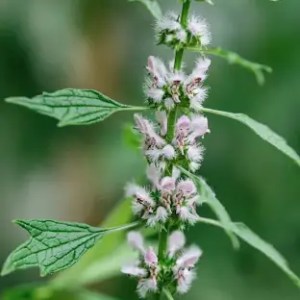
    Have you heard of Mother Wort? This herb, scientifically known as Leonurus cardiaca, has been used for centuries for its medicinal properties. Let’s explore the benefits of this powerful plant.

    What are the Health Benefits of Mother Wort?

    Mother Wort is known for its calming effects on the nervous system. It can help reduce anxiety, stress, and promote relaxation. Studies have shown that Mother Wort can also help with menstrual issues, such as cramps and irregular periods.

    How Does Mother Wort Work?

    Mother Wort contains compounds that have a sedative effect on the body. These compounds help to relax the muscles and calm the mind, leading to a sense of overall well-being. Mother Wort can be consumed as a tea, tincture, or capsule for maximum benefits.

    Are There Any Side Effects?

    While Mother Wort is generally safe for most people, some individuals may experience side effects such as dizziness or upset stomach. It is always recommended to consult with a healthcare provider before adding any new supplement to your routine.

    Overall, Mother Wort is a powerful herb with a long history of medicinal use. Whether you are looking to reduce stress, improve menstrual health, or simply relax, Mother Wort may be a beneficial addition to your wellness routine.

  • Healtthy Living

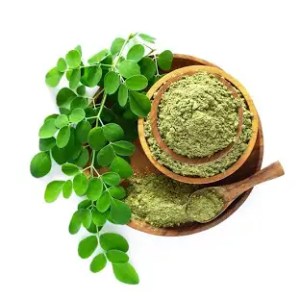
    I found some more herbs that bedinn with the letter M, Have you hearrd of Moringa, also known as the “miracle tree,” is a powerhouse of nutrients and health benefits. This superfood has gained popularity in recent years for its incredible nutritional profile and medicinal properties.

    What makes Moringa so special?

    Moringa is packed with essential vitamins and minerals, including vitamin C, vitamin A, calcium, and potassium. It is also a rich source of antioxidants, which help protect the body from oxidative stress and inflammation.

    How can Moringa benefit your health?

    Studies have shown that Moringa can help lower blood sugar levels, reduce inflammation, and improve heart health. It is also known to boost the immune system, promote healthy digestion, and support overall well-being.

    How to incorporate Moringa into your diet?

    You can enjoy the benefits of Moringa by adding Moringa powder to smoothies, salads, soups, or even baked goods. You can also brew Moringa tea or take Moringa supplements for a convenient way to boost your nutrient intake.

    With its impressive nutritional profile and numerous health benefits, Moringa is a valuable addition to any diet. Consider incorporating this superfood into your daily routine to support your health and well-being.

  • Are you looking to add a touch of elegance and charm to your home decor? Look no further than the exquisite star, circle, or heart-shaped SUBORN Ornaments. These stunning pieces are not only visually appealing but also crafted with precision and care.

    What makes these ornaments special?

    Each SUBORN Ornament is meticulously designed to bring a sense of sophistication to any space. The intricate details and unique shapes make them stand out from traditional decor pieces. Whether you choose the star, circle, or heart shape, you can be sure that these ornaments will add a touch of luxury to your home.

    Why shop early?

    While these SUBORN Ornaments are typically priced at $13.50, we are offering them at a special price of $8.00. However, we are only selling five of each design at this discounted rate. This limited availability ensures that your decor will be truly unique and exclusive.

    Don’t miss out on this opportunity to elevate your home decor with these exquisite SUBORN Ornaments. Shop early to secure your favorite design at a special price before they sell out!

  • Healthy Living

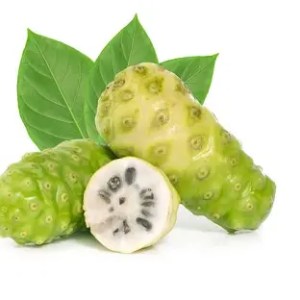
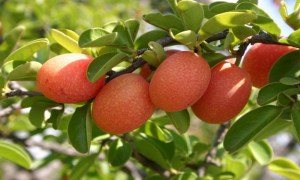
    Morinda, also known as Noni, is a tropical fruit that has been used for centuries for its medicinal properties. But when was Morinda first used and for what purposes?

    Historical Origins

    The use of Morinda dates back thousands of years, with records showing its presence in ancient Indian Ayurvedic texts and Polynesian traditional medicine. The fruit was revered for its ability to boost the immune system, aid in digestion, and promote overall well-being.

    Traditional Uses

    In various cultures, Morinda was used to treat a wide range of ailments, including infections, inflammation, and skin conditions. It was also believed to have anti-inflammatory, antioxidant, and analgesic properties, making it a versatile remedy for many health issues.

    Modern Applications

    Today, Morinda is commonly consumed as a dietary supplement in the form of juice, capsules, or powder. It is touted for its high levels of vitamins, minerals, and antioxidants, which can support immune function, improve digestion, and reduce inflammation.

    Research has also shown that Morinda may have potential benefits for cardiovascular health, skin health, and even cancer prevention. While more studies are needed to fully understand its mechanisms of action, the historical uses of Morinda continue to inspire its modern applicaticatios.

    When it comes to health supplements, it’s important to know if they are approved by medical professionals. Morinda, a popular health supplement, has been a topic of discussion among consumers. But is Morinda approved by doctors?

    Understanding Morinda

    Morinda is a plant-based supplement that is known for its potential health benefits. It is rich in antioxidants, vitamins, and minerals that can support overall well-being. Many people turn to Morinda for its reported anti-inflammatory and immune-boosting properties.

    Doctor’s Perspective

    While Morinda may have some health benefits, it’s essential to consult with a healthcare professional before adding any supplement to your routine. Doctors can provide personalized advice based on your individual health needs and medical history.

    Research and Evidence

    There is ongoing research on the potential benefits of Morinda, but it’s crucial to rely on scientific evidence and clinical studies. Doctors typically recommend supplements that have been rigorously tested and proven to be safe and effective.

    It’s important to note that not all doctors may be familiar with Morinda specifically. However, they can offer guidance on whether incorporating Morinda into your wellness routine is appropriate for you.

    Conclusion

    While Morinda may have some potential health benefits, it’s essential to seek guidance from a healthcare professional before using it. Doctors can provide personalized advice and ensure that Morinda is safe and suitable for your individual health needs Remember, always prioritize your health and well-being by consulting with a doctor before making any significant changes to your supplement regimen.

  • Untitled post 3876

    HO Ho Ho Mistletoe Did You Know

    Is mistletoe just for holidays or are there proven health benefits? Let’s dive into the scientific research to uncover the truth behind this festive plant.

    What is Mistletoe?

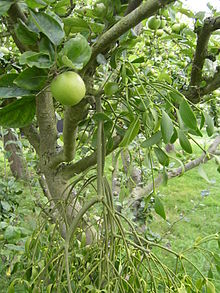
    Mistletoe is a plant that grows on the branches of trees, particularly in the winter months. It has been used for centuries in traditional medicine practices for its potential health benefits.

    Proven Health Benefits

    Research has shown that mistletoe contains compounds that may have anti-inflammatory and immune-boosting properties. These properties could potentially help with conditions such as arthritis and autoimmune diseases.

    Cancer Treatment

    One of the most well-known uses of mistletoe is in cancer treatment. Studies have shown that mistletoe extract may help improve the quality of life for cancer patients by reducing side effects of chemotherapy and radiation therapy.

    Heart Health

    Some studies suggest that mistletoe may have a positive impact on heart health by lowering blood pressure and improving circulation. These cardiovascular benefits could be attributed to the plant’s antioxidant properties.

    How to Incorporate Mistletoe

    Mistletoe can be consumed in various forms, including teas, tinctures, and supplements. It is important to consult with a healthcare provider before adding mistletoe to your health regimen, especially if you are pregnant, nursing, or have underlying health conditions.

    While mistletoe is often associated with holiday traditions, its potential health benefits extend far beyond the festive season. By exploring scientific research and consulting with a healthcare professional, you can unlock the full potential of mistletoe for your well-being.

    (“The name mistletoe originally referred to the species Viscum album (European mistletoe, of the family Santalaceae in the order Santalales); it is the only species native to the British Isles and much of Europe. A related species with red rather than white fruits, Viscum cruciatum, occurs in Southwest Spain and Southern Portuga”)

    Read more: https://en.wikipedia.org/wiki/Mistletoe

  • Untitled post 3870

     Milk Thistle-Mink

    This unique plant has been gaining popularity in the health and wellness industry for its numerous benefits. Let’s dive into what exactly Milk Thistle-Mink is and how it can support your well-being.

    What is Milk Thistle-Mink?

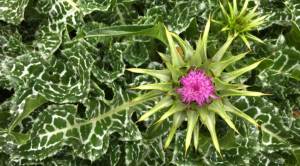
    Milk Thistle-Mink, scientifically known as Silybum marianum, is a flowering herb that belongs to the daisy family. It is native to the Mediterranean region but is now grown all over the world for its medicinal properties. The plant has distinctive purple flowers and spiky leaves with white veins.

    Health Benefits of Milk Thistle-Mink

    Research has shown that Milk Thistle-Mink contains a compound called silymarin, which is known for its antioxidant and anti-inflammatory properties. This powerful compound can help protect the liver from toxins and promote overall liver health. In fact, studies have shown that Milk Thistle-Mink may help improve liver function and reduce inflammation.

    Additionally, Milk Thistle-Mink has been used traditionally to support digestive health. It may help alleviate symptoms of indigestion, bloating, and gas. Some studies suggest that Milk Thistle-Mink can also aid in detoxification and support a healthy immune system.

    How to Incorporate Milk Thistle-Mink into Your Routine

    Milk Thistle-Mink is commonly available in supplement form, such as capsules, tablets, or liquid extracts. It is important to follow the recommended dosage on the product label or consult with a healthcare provider before adding Milk Thistle-Mink to your routine.

    Some people also enjoy brewing Milk Thistle-Mink tea by steeping the dried herb in hot water. This can be a soothing and relaxing way to reap the benefits of this powerful plant.

    Whether you are looking to support your liver health, aid digestion, or boost your overall well-being, Milk Thistle-Mink may be a beneficial addition to your daily routine. Consider incorporating this herbal remedy into your regimen and experience the potential benefits for yourself.

    Milk Thistle-Mink, also known as Milk Thistle or Silybum Marianum, is a plant that has been used for centuries for its various health benefits. Let’s explore the benefits and history of this powerful herb.

    What are the health benefits of Milk Thistle-Mink?

    Milk Thistle-Mink is known for its liver-protecting properties. It contains a compound called silymarin, which has antioxidant and anti-inflammatory effects. Studies have shown that Milk Thistle-Mink can help promote liver health by reducing inflammation and oxidative stress.

    Additionally, Milk Thistle-Mink may help lower cholesterol levels, improve insulin resistance, and support overall heart health. Some studies suggest that it may also have anti-cancer properties, although more research is needed in this area.

    How long has Milk Thistle-Mink been used?

    Milk Thistle-Mink has been used for over 2,000 years as a traditional herbal remedy. It was historically used to treat liver and gallbladder disorders, as well as to protect the liver from toxins and pollutants.

    In modern times, Milk Thistle-Mink is commonly used as a dietary supplement to support liver function and overall health. It is available in various forms, including capsules, tinctures, and teas.

    What are the common names for Milk Thistle-Mink?

    Milk Thistle-Mink is also known by other common names, including Blessed Milk Thistle, Marian Thistle, and Scotch Thistle. These names refer to the plant’s white-veined leaves and the milky sap that is released when the leaves are crushed.

    Whether you call it Milk Thistle-Mink or one of its other names, this herb has a long history of use for its health benefits. Consider incorporating Milk Thistle-Mink into your wellness routine to support your liver and overall health.

    (“Some people apply milk thistle directly to the skin for skin damage caused by radiation. In foods, milk thistle leaves and flowers are eaten as a vegetable for salads and a substitute for spinach. The seeds are roasted for use as a coffee substitute. Don’t confuse milk thistle with blessed thistle (Cnicus benedictus). Read more WebMD Milk Thistle-Mint “)

  • I use several resources to find Healthy Living options and this one has me confused. I already posted this one but, and I found some more useful information on Maite.

    Have you ever heard of Maite sauce? If not, you’re in for a treat. Maite sauce is a flavorful condiment that originates from the Basque region of Spain. It is a versatile sauce that can be used in a variety of dishes to add a burst of flavor.

    (Most modern fish sauces contain only fish and salt, usually made from anchovy, shrimp, mackerel, or other strong-flavored, high-oil fish. Some variants add herbs and spices. For modern fish sauces, fish or shellfish are mixed with salt at a concentration of 10% to 30%. read more about Maite Fish Sauce)

    What is Maite Sauce Made of?

    Maite sauce is typically made from a combination of roasted red peppers, tomatoes, garlic, onions, and a variety of herbs and spices. The ingredients are blended together to create a smooth and savory sauce that is perfect for dipping, marinating, or drizzling over your favorite dishes.

    How is Maite Sauce Used?

    Maite sauce can be used in a multitude of ways in the kitchen. It can be used as a marinade for meats, a dipping sauce for bread or vegetables, or even as a topping for grilled fish or vegetables. The possibilities are endless when it comes to incorporating Maite sauce into your cooking. This sauce is different from the sauce that uses small fish as in my last post.

    What Makes Maite Sauce Unique?

    One of the things that sets Maite sauce apart from other condiments is its rich and complex flavor profile. The combination of roasted red peppers, tomatoes, and spices creates a sauce that is both sweet and savory, with a hint of smokiness. It adds a depth of flavor to any dish it is used in.

    Additionally, Maite sauce is a healthier alternative to many other condiments on the market. It is typically low in calories and fat, making it a great option for those looking to eat healthier without sacrificing flavor.

    Where Can You Find Maite Sauce?

    While Maite sauce may not be as widely available as other condiments, you can often find it in specialty grocery stores or online. Some restaurants may also feature dishes that are made with Maite sauce, so be sure to keep an eye out for it on menus.

    Next time you’re looking to add a burst of flavor to your dishes, consider trying Maite sauce. Its unique flavor profile and versatility make it a must-have condiment in any kitchen.

  • Have you ever heard of the Maite plant? This unique plant is native to the tropical regions of South America and is known for its various medicinal properties. Let’s dive into what makes the Maite plant so special.

    What is the Maite Plant?

    The Maite plant, scientifically known as Piper aduncum, is a species of plant in the Piperaceae family. It is a perennial shrub that can grow up to 10 meters tall and is characterized by its heart-shaped leaves and small white flowers.

    Medicinal Properties

    The Maite plant has been traditionally used by indigenous communities for its medicinal properties. Studies have shown that the plant contains compounds with antimicrobial and anti-inflammatory properties, making it valuable in traditional medicine practices.

    Cultivation and Uses

    The Maite plant is relatively easy to cultivate and can thrive in tropical climates with high humidity. It is often used in traditional medicine to treat various ailments such as skin infections, respiratory issues, and digestive problems.

    Additionally, the Maite plant is also used in landscaping and agroforestry practices due to its ornamental value and ability to attract beneficial insects.

    Conclusion

    In conclusion, the Maite plant is a fascinating species with a rich history of traditional medicinal uses. Its antimicrobial and anti-inflammatory properties make it a valuable asset in natural medicine practices. Whether you are interested in its medicinal properties or simply want to add a unique plant to your garden, the Maite plant is definitely worth exploring.

    Cultivation and Uses

    The Maite plant is relatively easy to cultivate and can thrive in tropical climates with high humidity. It is often used in traditional medicine to treat various ailments such as skin infections, respiratory issues, and digestive problems.

    Additionally, the Maite plant is also used in landscaping and agroforestry practices due to its ornamental value and ability to attract beneficial insects.

    Maite Is A Sauce

    Have you ever heard of Maite sauce? If not, you’re in for a treat. Maite sauce is a flavorful condiment that originates from the Basque region of Spain. It is a versatile sauce that can be used in a variety of dishes to add a burst of flavor.

    Maite is a fermented fish sauce that is made from anchovies or other small fish. The fish is combined with salt and fermented for several months to develop its rich umami flavor. The resulting sauce is dark brown in color and has a strong, salty taste.

    How is Maite Used?

    Maite is commonly used as a seasoning or condiment in Filipino dishes. It is often added to soups, stews, and stir-fries to enhance the flavor of the dish. Maite can also be used as a dipping sauce for grilled meats or seafood.

    Benefits of Maite

    Maite is a rich source of umami flavor, which can enhance the taste of dishes. It also contains essential nutrients such as protein and omega-3 fatty acids. Additionally, the fermentation process used to make Maite can promote gut health by introducing beneficial bacteria into the digestive system.

    Maite, a type of seaweed commonly found in Asian cuisine, offers a variety of health benefits due to its nutrient-rich composition. Let’s explore some of the main advantages of incorporating maite into your diet.

    Rich in Essential Vitamins and Minerals

    Maite is a great source of essential vitamins and minerals, including vitamin K, vitamin C, iron, and calcium. These nutrients are crucial for maintaining overall health and well-being.

    Supports Thyroid Function

    Maite contains high levels of iodine, a mineral that is essential for proper thyroid function. Including maite in your diet can help support a healthy thyroid and metabolism.

    Boosts Immune System

    The antioxidants found in Maite can help boost your immune system and protect your body from harmful free radicals. A strong immune system is essential for fighting off infections and diseases.

    Promotes Heart Health

    Maite is a good source of omega-3 fatty acids, which are known for their heart-healthy benefits. Consuming Maite regularly can help lower cholesterol levels and reduce the risk of heart disease.

    Aids in Weight Management

    Due to its low calorie and fat content, Maite can be a great addition to a weight management plan. The fiber in Maite can also help you feel full and satisfied, reducing the urge to overeat.

    Maite is a versatile and flavorful ingredient that can elevate the taste of your favorite Filipino dishes. Whether you’re a seasoned chef or just starting to explore Filipino cuisine, Maite is a must-have in your pantry.
  • Healthy Living

    Have you ever wondered about the origins of those fluffy, sweet treats we call marshmallows? While most people associate marshmallows with roasting over a campfire, the history of this confection is actually quite fascinating. Let’s delve into the roots of marshmallows and discover why they are more than just a tasty snack.

    What is the origin of the marshmallow?

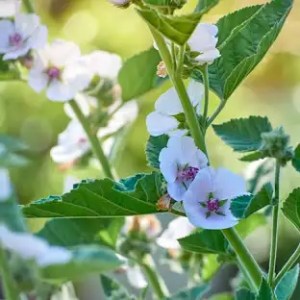
    The root of the marshmallow plant, known as Althaea officinalis, has been used for centuries for its medicinal properties. Ancient Egyptians used the sap from the marshmallow plant to make a sweet treat that was reserved for the gods and royalty. This early version of marshmallows was a far cry from the mass-produced treats we enjoy today.

    How did marshmallows evolve over time?

    Fast forward to the 19th century, when French confectioners discovered a way to create marshmallow candy using the sap from the marshmallow plant, egg whites, and sugar. This new version of marshmallows was a hit, and the sweet treat quickly gained popularity across Europe and the United States.

    Marshmallow plant benefits according to WebMD Marshmallow

    “The marshmallow (Althea officinalis) is a plant. The leaves and the roots are sometimes used to make medicine. Marshmallow is sometimes used to form a protective layer on the skin and lining of the digestive tract. It also contains chemicals that might decrease cough and fight infections.”

    Why are marshmallows now primarily used for roasting?

    Today, marshmallows are most commonly associated with roasting over an open flame. This tradition dates back to the early 20th century when campers began roasting marshmallows over campfires to create the iconic s’mores. The heat from the fire caramelizes the sugar in the marshmallow, creating a gooey, delicious treat that is beloved by people of all ages.

    So, the next time you enjoy a roasted marshmallow, take a moment to appreciate the rich history and evolution of this beloved confection. From its ancient medicinal roots to its modern-day roasting tradition, marshmallows are truly a special treat with a fascinating history.

  • Healthy  Living


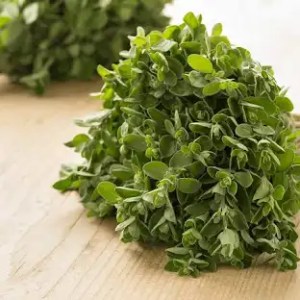
    Marjoram is a popular herb in the Mediterranean region known for its aromatic and culinary uses. But did you know that marjoram also offers a range of proven health benefits? Let’s delve into the science behind this versatile herb.

    Rich in Antioxidants

    Marjoram is packed with antioxidants, such as rosmarinic acid and carvacrol, which help protect the body from oxidative stress and inflammation. These compounds have been linked to a reduced risk of chronic diseases like heart disease and cancer.

    Anti-Inflammatory Properties

    Studies have shown that marjoram possesses anti-inflammatory properties that can help alleviate symptoms of inflammatory conditions like arthritis. By reducing inflammation in the body, marjoram may contribute to overall health and well-being.

    Supports Digestive Health

    Marjoram has been traditionally used to aid digestion and soothe gastrointestinal issues. Its carminative properties can help relieve gas, bloating, and indigestion. Incorporating marjoram into your diet may promote better digestive health.

    Boosts Immune Function

    The immune-boosting properties of marjoram can help strengthen the body’s defense against infections and illnesses. By supporting the immune system, marjoram may help reduce the frequency and severity of colds and other common ailments.

    Improves Cognitive Function

    Research suggests that marjoram may have cognitive-enhancing effects, thanks to its ability to improve blood circulation and protect brain cells from damage. Regular consumption of marjoram may help enhance memory, focus, and overall cognitive function.

    Overall, marjoram is a powerhouse herb with a wide range of proven health benefits. Whether used in cooking, aromatherapy, or herbal remedies, incorporating marjoram into your daily routine can have a positive impact on your health and well-being.

  • Living Healthy

    Marigold, also known as Calendula officinalis, is a popular herb that has been used for centuries in traditional medicine and skincare. This vibrant flower is not only beautiful to look at but also offers a wide range of benefits for the skin.

    What are the key benefits of Marigold in skincare?

    1. Anti-inflammatory properties: Marigold contains compounds that help reduce inflammation, making it ideal for soothing irritated skin conditions such as eczema and dermatitis.

    2. Antioxidant effects: The high levels of antioxidants in Marigold help protect the skin from free radical damage, which can lead to premature aging.

    3. Wound healing: Marigold has been shown to promote wound healing and reduce scarring, making it a valuable ingredient in skincare products for those with acne or other skin blemishes.

    How can Marigold be incorporated into your skincare routine?

    1. Calendula-infused oils: Look for skincare products that contain calendula-infused oils or extracts to experience the benefits of Marigold in your daily routine.

    2. DIY face masks: You can create your own face masks using dried Marigold petals or calendula oil to nourish and rejuvenate your skin at home.

    3. Calendula creams: Consider using calendula creams or lotions to help soothe and hydrate dry, irritated skin.

    Are there any precautions to consider when using Marigold in skincare?

    While Marigold is generally considered safe for most people, it’s always a good idea to do a patch test before using any new skincare product to ensure you don’t have an allergic reaction. If you have a known allergy to plants in the Asteraceae family, such as ragweed or daisies, you may want to avoid using Marigold products.

    Overall, Marigold is a versatile herb that offers a range of benefits for the skin. Whether you’re looking to soothe inflammation, protect against free radicals, or promote wound healing, incorporating Marigold into your skincare routine can help you achieve healthy, glowing skin.