EJADA

Living Healthy, Natural Healing, Herbal Health, and nutritional

  • Oregano Oil is a potent essential oil derived from the leaves and flowers of the oregano plant. It is known for its strong antimicrobial properties and has been used for centuries for its medicinal benefits.

    What makes oregano oil so powerful?

    Oregano Oil contains high levels of carvacrol, a natural compound with powerful antibacterial, antifungal, and antiviral properties. Studies have shown that carvacrol can help fight off harmful bacteria and fungi, making oregano oil a popular natural remedy for various infections.

    How can oregano oil benefit your health?

    Research has shown that oregano oil may help boost the immune system, reduce inflammation, and even act as a natural pain reliever. It has also been studied for its potential anti-cancer properties, with some promising results in lab studies.

    How to use oregano oil

    Oregano Oil can be used topically, orally, or diffused in the air. When using topically, it is important to dilute the oil with a carrier oil to avoid skin irritation. When taken orally, it is recommended to start with a small amount and gradually increase the dosage as needed.

    Overall, Oregano Oil is a versatile and powerful essential oil with a wide range of health benefits. Whether you are looking to boost your immune system, fight off infections, or simply enjoy the aromatic benefits, oregano oil is a must-have in your natural medicine cabinet.

    10 benefits Medical News Today

    • Fighting bacteria. Thanks to the high levels of carvacrol, oregano oil may help fight certain types of bacteria. …
    • Treating small intestine bacterial overgrowth (SIBO) …
    • Treating fungal infections. …
    • Providing antioxidants. …
    • Reducing inflammation. …
    • Healing wounds. …
    • Repelling insects. …
    • Relieving pain.

    EJADA SUMMER SALE $5.00 GO NOW EJADA Specialty Merchandise
  • Living Healthy

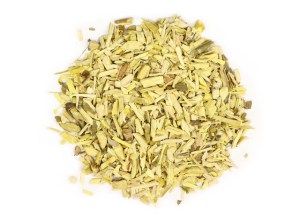
    Oregon Grape Root, also known as Mahonia aquifolium, is a plant native to North America that has been used for centuries for its medicinal properties. This blog will explore the various benefits of Oregon Grape Root and how it can be incorporated into your daily routine.

    What are the Active Compounds in Oregon Grape Root?

    Oregon Grape Root contains berberine, a powerful alkaloid that has been shown to have antimicrobial, anti-inflammatory, and antioxidant properties. Berberine is the main active compound in Oregon Grape Root that contributes to its health benefits.

    How Can Oregon Grape Root Improve Your Health?

    Research has shown that Oregon Grape Root can help improve digestive health by promoting the growth of beneficial gut bacteria and reducing inflammation in the gut. It has also been used to support liver health and boost the immune system.

    What Are Some Ways to Use Oregon Grape Root?

    Oregon Grape Root can be taken in supplement form, brewed into a tea, or used topically in creams and ointments. It is important to consult with a healthcare provider before incorporating Oregon Grape Root into your routine, especially if you are pregnant, nursing, or taking medications.

    Are There Any Side Effects of Oregon Grape Root?

    While Oregon Grape Root is generally considered safe when used in recommended doses, some people may experience side effects such as stomach upset, diarrhea, or skin irritation. It is important to follow dosage guidelines and discontinue use if you experience any adverse reactions.

    Overall, Oregon Grape Root is a versatile herb with a wide range of health benefits. Whether you are looking to support your digestive system, boost your immune system, or improve your overall well-being, Oregon Grape Root may be a valuable addition to your wellness routine.Generate againKeep

    According to WebMD, The chemicals in Oregon grape might help fight bacterial and fungal infections. Oregon grape may also slow the overproduction of skin cells in diseases such as psoriasis. The chemicals in Oregon grape might help fight bacterial and fungal infections. Oregon grape may also slow the overproduction of skin cells in diseases such as psoriasis.Web MD

  • Living Healthy

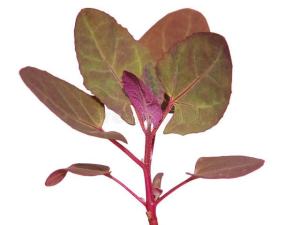
    Orach, also known as mountain spinach or French spinach, is a leafy green vegetable that has been gaining popularity for its unique taste and numerous health benefits. In this blog post, we will explore the various uses and advantages of incorporating orach into your diet.

    What is Orach?

    Orach is a leafy green vegetable that belongs to the amaranth family. It has a mild and slightly salty flavor, making it a versatile ingredient in various dishes. Orach comes in different colors, including green, red, and purple, adding a vibrant touch to your meals.

    Rich in Nutrients

    Orach is packed with essential nutrients, including vitamins A, C, and K, as well as minerals like iron, calcium, and magnesium. It is also a good source of antioxidants, which help protect the body from oxidative stress and inflammation.

    Uses in Cooking

    Orach can be used in a variety of ways in the kitchen. It can be eaten raw in salads, sautéed as a side dish, or added to soups and stews for an extra boost of nutrients. The versatility of orach makes it a great addition to any meal.

    Health Benefits

    Adding orach to your diet can have numerous health benefits. It can help improve digestion, boost immunity, and support overall health and well-being. The high levels of vitamins and minerals in orach make it a nutritious choice for those looking to enhance their diet.

    How to Incorporate Orach into Your Diet

    There are many ways to incorporate orach into your diet. You can use it in place of spinach or other leafy greens in your favorite recipes, or try new dishes that highlight the unique flavor of orach. Experimenting with different cooking methods can help you discover new ways to enjoy this nutritious vegetable.

    Overall, orach is a versatile and nutrient-rich vegetable that can be a valuable addition to your diet. Whether you are looking to boost your nutrient intake or simply add more variety to your meals, orach is a great option to consider.Generate againKeep

  • Living Healthy

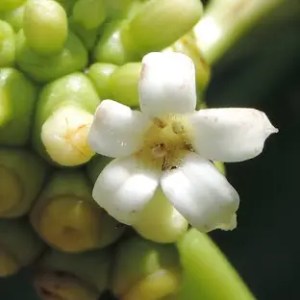
    Noni, also known as Morinda citrifolia, is a tropical fruit that has been used for centuries in traditional medicine. But what exactly is Noni and what is it best used for? Let’s delve into the world of this unique fruit and its potential health benefits.

    What is Noni?

    Noni is a small evergreen tree that is native to Southeast Asia and Australasia. The fruit of the Noni tree is green when young and turns yellow as it ripens. It has a strong, pungent odor and a bitter taste, which is why it is often consumed in juice form or used in supplements.

    What is Noni Best Used For?

    Noni is believed to have a wide range of health benefits due to its rich nutritional profile. It is packed with vitamins, minerals, and antioxidants that can support overall health and well-being. Some of the potential uses of Noni include:

    1. Immune Support

    Noni is rich in vitamin C, which is known to boost the immune system and help the body fight off infections. It also contains antioxidants that can help reduce inflammation and protect against oxidative stress.

    2. Digestive Health

    Noni has been traditionally used to support digestive health. It is believed to have anti-inflammatory properties that can help soothe the digestive tract and promote healthy digestion.

    3. Skin Health

    Noni is often used topically to promote skin health. It is believed to have antibacterial and anti-inflammatory properties that can help reduce acne, eczema, and other skin conditions.

    4. Energy Boost

    Noni is a good source of natural energy. It contains carbohydrates and other nutrients that can help boost energy levels and improve overall vitality.

    Overall, Noni is a versatile fruit that can be used in various forms to support health and well-being. Whether consumed as a juice, supplement, or used topically, Noni has the potential to offer a range of benefits for the body.

  • Living Healthy

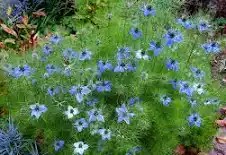
    Nigella, also known as black seed or black cumin, is a flowering plant native to Southwest Asia. The seeds of the Nigella plant are used in various culinary and medicinal applications. But what exactly is Nigella used for and when was it first used?

    What is Nigella used for?

    Nigella seeds have a slightly bitter taste with a hint of onion flavor. They are commonly used as a spice in Indian and Middle Eastern cuisines, adding depth and complexity to dishes. Nigella seeds are often sprinkled on breads, pastries, and salads, or used as a seasoning in curries, pickles, and vegetable dishes.

    When was Nigella first used?

    Nigella has a long history of use dating back thousands of years. The ancient Egyptians were known to use Nigella seeds for culinary and medicinal purposes. They believed in the healing properties of Nigella and used it to treat various ailments.

    Why was Nigella first used?

    Due to its rich nutrient profile, Nigella seeds were valued for their potential health benefits. They are a good source of antioxidants, vitamins, and minerals. In traditional medicine, Nigella was used to aid digestion, boost the immune system, and alleviate respiratory issues.

    In conclusion, Nigella is a versatile ingredient with a long history of use in both culinary and medicinal practices. Whether you’re looking to add a unique flavor to your dishes or explore its potential health benefits, Nigella is a fascinating seed worth incorporating into your lifestyle.

  • Living Healthy

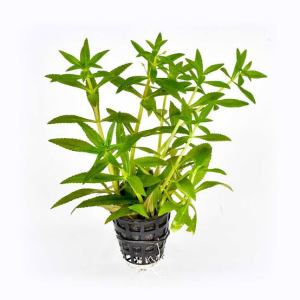
    Herb Ngo Om, also known as rice paddy herb or Limnophila Aromatica, is a popular herb used in Southeast Asian cuisine for its unique flavor and numerous health benefits. Let’s explore the various ways this herb can improve your well-being.

    Rich in Antioxidants

    Ngo Om is packed with antioxidants, which help protect your cells from damage caused by free radicals. By incorporating this herb into your diet, you can boost your body’s defense against oxidative stress and reduce the risk of chronic diseases.

    Anti-Inflammatory Properties

    Studies have shown that herb Ngo Om possesses anti-inflammatory properties, making it a valuable addition to your diet if you suffer from conditions like arthritis or inflammatory bowel disease. Regular consumption of this herb may help reduce inflammation in the body and alleviate symptoms of these conditions.

    Improves Digestive Health

    Herb Ngo Om has been traditionally used to aid digestion and alleviate gastrointestinal issues. Its natural compounds can help promote healthy digestion, reduce bloating, and improve overall gut health. Adding this herb to your meals can support your digestive system and enhance nutrient absorption.

    Boosts Immune System

    With its high content of vitamins and minerals, herb Ngo Om can help strengthen your immune system and protect you from infections and illnesses. By including this herb in your dishes, you can give your body the nutrients it needs to function optimally and ward off diseases.

    Easy to Incorporate into Your Diet

    Whether you use herb Ngo Om in soups, salads, stir-fries, or teas, this versatile herb can add a burst of flavor and nutrition to your meals. Its fresh, citrusy taste pairs well with a variety of dishes, making it a convenient and delicious way to reap its health benefits.

    Overall, herb Ngo Om is a powerhouse herb that offers a wide range of health benefits, from antioxidant and anti-inflammatory properties to digestive and immune system support. By including this herb in your diet, you can enhance your well-being and enjoy its unique flavor profile in your favorite dishes.

    It’s best chopped up since it’s slender long stems are pretty to look at but awkward to chew. Whatever you do, DO NOT cook ngo om. Use it raw so you capture its essence well. Read More Rice Paddy Herb

  • Nettle, also known as stinging nettle, is a versatile plant with a wide range of uses. From culinary applications to medicinal benefits, this plant has been used for centuries for its healing properties. In this blog post, we will explore how to use nettle effectively to harness its full potential.

    What are the Health Benefits of Nettle?

    Nettle is rich in vitamins, minerals, and antioxidants, making it a powerhouse of nutrients. It is known for its anti-inflammatory properties, making it a popular choice for treating conditions such as arthritis and allergies. Nettle can also help improve circulation, support kidney function, and promote healthy skin.

    How to Incorporate Nettle into Your Diet

    There are several ways to incorporate nettle into your diet. You can enjoy it as a tea by steeping dried nettle leaves in hot water. Nettle can also be used in soups, stews, and smoothies for an added nutritional boost. Additionally, nettle can be sautéed or steamed as a delicious side dish.

    Using Nettle for Skincare

    Nettle is a popular ingredient in skincare products due to its anti-inflammatory and astringent properties. You can create a DIY nettle-infused oil by steeping dried nettle leaves in a carrier oil such as olive or coconut oil. This oil can be used topically to soothe irritated skin and reduce inflammation.

    Harvesting and Storing Nettle

    When harvesting nettle, be sure to wear gloves to avoid the stinging hairs on the plant. Harvest young nettle leaves in the spring for the best flavor and nutritional content. To store nettle, you can dry the leaves and store them in an airtight container for future use.

    Stinging nettle (Urtica dioica) has been a staple in herbal medicine since ancient times.

    Ancient Egyptians used stinging nettle to treat arthritis and lower back pain, while Roman troops rubbed it on themselves to help stay warm. Its scientific name, Urtica dioica, comes from the Latin word uro, which means “to burn,” because its leaves can cause a temporary burning sensation upon contact. The leaves have hair-like structures that sting and also produce itching, redness and swelling, Read more Healthline.com

    Conclusion

    Nettle is a versatile plant with a wide range of health benefits. Whether you incorporate it into your diet or skincare routine, nettle can be a valuable addition to your wellness regimen. By following these tips on how to use nettle effectively, you can unlock the full potential of this powerful plant.

  • Living Healthy

    Healthy Living is now Living Healthy because we will be exploring more than just herbs to achieve a healthy lifestyle. Once we have finished with our alphabet of herbs

    Neptilla, a synthetic compound, has been in use for over 50 years. Originally developed in the 1960s, Neptilla was primarily used as a chemical stabilizer in various industrial applications. Its unique properties made it an essential component in the production of plastics, adhesives, and coatings.

    What was Neptilla used for then?

    Back in the day, Neptilla played a crucial role in enhancing the durability and longevity of products. Its ability to prevent degradation from heat, light, and oxygen made it a popular choice among manufacturers looking to improve the quality of their goods. From automotive parts to electronic devices, Neptilla was a key ingredient in many products.

    What is Neptilla used for now?

    Fast forward to the present, and Neptilla has found new applications in the field of healthcare. Recent studies have shown that Neptilla has potential therapeutic benefits, particularly in the treatment of certain medical conditions. Its anti-inflammatory and antioxidant properties have sparked interest in the medical community, leading to ongoing research and clinical trials.

    Furthermore, Neptilla has also made its way into the beauty and skincare industry. With its ability to protect against environmental stressors and promote skin health, Neptilla is now a common ingredient in various skincare products. Consumers are increasingly turning to Neptilla-infused products for their protective and rejuvenating properties.

    In conclusion, Neptilla has come a long way since its inception. From industrial applications to healthcare and beauty, this versatile compound continues to evolve and find new uses in different industries. Its journey from a chemical stabilizer to a potential therapeutic agent highlights the importance of innovation and adaptation in the ever-changing landscape of science and technology.

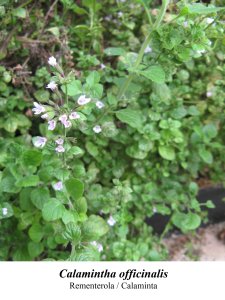
    Nepitella is an herbaceous perennial that spreads horizontally my means of underground rhizomes. It is a bushy herb that produces small, fuzzy leaves that are a shade of grayish-green. The plant blooms in the spring producing tiny pale purple flowers which are very aromatic and also edible. Nepitella’s strong and distinctive woodsy flavor is described as being a combination of mint, oregano and basil. Read More… Nepitella

  • Living Healthy

    Are you looking to add a pop of color and flavor to your garden? Consider planting nasturtiums! These vibrant flowers not only brighten up your outdoor space but also offer a range of benefits that make them a valuable addition to any garden.

    What are Nasturtiums?

    Nasturtiums, scientifically known as Tropaeolum majus, are annual plants native to South America. They are known for their bright orange, yellow, and red flowers that add a cheerful touch to any garden. Nasturtiums are not only visually appealing but also edible, with both the flowers and leaves being used in culinary dishes.

    Benefits of Growing Nasturtiums

    1. Pest repellent: Nasturtiums are natural pest repellents, making them a great companion plant in your garden. They can deter pests such as aphids, whiteflies, and cucumber beetles, helping to protect your other plants.

    2. Edible flowers: The flowers of nasturtiums have a peppery flavor, adding a unique taste to salads, sandwiches, and other dishes. They are not only tasty but also rich in vitamins C and D, making them a nutritious addition to your diet.

    3. Easy to grow: Nasturtiums are low-maintenance plants that thrive in various soil conditions. They are perfect for beginner gardeners or those looking to add a splash of color to their garden without much effort.

    How to Grow Nasturtiums

    To grow nasturtiums, simply plant the seeds in well-drained soil in a sunny spot in your garden. Water them regularly, but be careful not to overwater, as they prefer slightly dry conditions. Nasturtiums are fast-growing plants that will bloom throughout the summer, providing you with beautiful flowers and tasty leaves to enjoy.

    Overall, nasturtiums are a versatile and beneficial plant to have in your garden. Whether you’re looking to attract pollinators, repel pests, or simply add some color to your outdoor space, nasturtiums are a great choice. Consider adding these vibrant flowers to your garden and reap the many benefits they have to offer.Generate again, read more Wisconsin Horticulture

  • Living Healthy

    When it comes to incorporating healthy herbs into your diet, it’s essential to explore a variety of options. In this blog post, we will delve into some nutritious herbs that begin with the letter N. These herbs not only add flavor to your dishes but also offer a range of health benefits.

    When it comes to herbs, most people are familiar with popular ones like basil, mint, and rosemary. However, there are many lesser-known herbs that offer unique flavors and potential health benefits. In this blog post, we will explore some little known herbs that start with the letter N from around the world.

    Have you ever heard of Nardostachys? This powerful plant, also known as spikenard, has been used for centuries for its medicinal properties. Let’s dive into the world of Nardostachys and explore its benefits.

    What is Nardostachys?

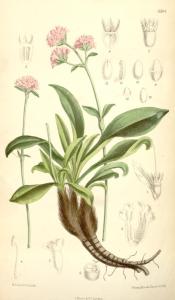
    Nardostachys is a flowering plant native to the Himalayas. It is known for its strong, aromatic roots that have been used in traditional medicine practices for their healing properties.

    Benefits of Nardostachys

    Studies have shown that Nardostachys has anti-inflammatory and antioxidant properties, making it a valuable ingredient in natural remedies. It has been used to treat a variety of ailments, including digestive issues, respiratory problems, and skin conditions.

    How to Use Nardostachys

    Nardostachys can be consumed in various forms, such as teas, tinctures, or essential oils. It is important to consult with a healthcare professional before using Nardostachys, as it may interact with certain medications.

    The Future of Nardostachys

    As interest in natural remedies continues to grow, Nardostachys is gaining popularity for its potential health benefits. Research is ongoing to explore its full range of therapeutic properties and how it can be incorporated into modern medicine.

    Next time you’re looking for a natural remedy with a long history of traditional use, consider exploring the power of Nardostachys. Its unique properties may offer a new perspective on holistic health and wellness.

    It is also called spikenard, nard, nardin, or muskroot. It is considered endangered due to overharvesting for folk medicine, overgrazing, loss of habitats, and forest degradation.

    Read more Nardostachys

  • Healthy Living

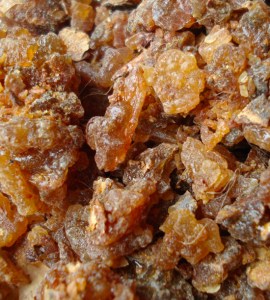
    Myrrh is a resin that comes from the Commiphora myrrha tree, native to regions in Africa and the Middle East. This ancient substance has been used for centuries for its various health benefits and medicinal properties.

    What is Myrrh?

    Myrrh is a natural resin that is extracted from the bark of the Commiphora myrrha tree. It has a rich, earthy aroma and has been used in traditional medicine and religious ceremonies for thousands of years.

    How Can Myrrh Benefit Healthy Living?

    Myrrh has a wide range of potential health benefits, making it a valuable addition to a healthy lifestyle. Some of the ways myrrh can benefit healthy living include:

    1. Anti-inflammatory Properties

    Myrrh contains compounds that have been shown to have anti-inflammatory effects. This can help reduce inflammation in the body and may be beneficial for conditions such as arthritis and inflammatory bowel diseases.

    2. Antimicrobial Effects

    Myrrh has antimicrobial properties that can help fight off harmful bacteria and fungi. This can help support the immune system and protect against infections.

    3. Oral Health Benefits

    Myrrh has been used traditionally to promote oral health. It can help reduce inflammation in the gums, fight off bacteria that cause bad breath, and promote overall oral hygiene.

    4. Skin Care Benefits

    Myrrh has been used in skincare products for its ability to promote healthy skin. It has antioxidant properties that can help protect the skin from damage and promote a more youthful appearance.

    5. Stress Relief

    Myrrh has a calming and grounding aroma that can help reduce stress and anxiety. It is often used in aromatherapy to promote relaxation and a sense of well-being.

    Overall, incorporating myrrh into your daily routine can have numerous benefits for your overall health and well-being. Whether you use it in essential oil form, as a supplement, or in skincare products, myrrh is a versatile and powerful natural remedy.

    Myrrh uses and side effects according to WebMD Myrrh (People use myrrh for back pain, diarrheaparasite infections, wound healing, and many other conditions, but there is no good scientific evidence to support these uses. There is also no good evidence to support using myrrh for COVID-19. Don’t confuse myrrh with guggul.

  • Healthy Living

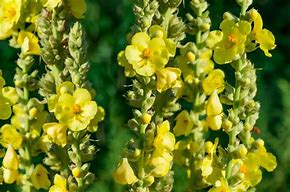
    Mullein, scientifically known as Verbascum Thapsus, is a plant that has been used for centuries for its medicinal properties. But what exactly are the benefits of this herbal remedy?

    Respiratory Health

    One of the primary benefits of mullein is its ability to support respiratory health. It has been traditionally used to help with coughs, bronchitis, and other respiratory issues. Studies have shown that mullein has expectorant properties, making it effective in clearing mucus from the lungs.

    Anti-Inflammatory

    Mullein also has anti-inflammatory properties, which can help reduce inflammation in the body. This makes it beneficial for conditions such as arthritis and other inflammatory diseases.

    Ear Health

    Another lesser-known benefit of mullein is its use in ear health. Mullein oil is often used to help with ear infections and earaches. It can help reduce pain and inflammation in the ear, making it a natural remedy for ear issues.

    Antibacterial and Antiviral

    Studies have shown that mullein has antibacterial and antiviral properties, making it effective in fighting off infections. It can help boost the immune system and protect the body from harmful pathogens.

    How to Use Mullein

    Mullein can be consumed in various forms, including teas, tinctures, capsules, and oils. It is important to consult with a healthcare provider before using mullein, especially if you are pregnant, nursing, or taking medications.

    Overall, mullein is a versatile herb with a wide range of health benefits. Whether you are looking to support your respiratory system, reduce inflammation, or improve your ear health, mullein may be a natural remedy worth considering.

    Now you can add mullein to the list. This herb has been used for hundreds of years to ease respiratory ailments.Cleveland Clinic