EJADA

Living Healthy, Natural Healing, Herbal Health, and nutritional

  • Living Healthy

    Exploring the Uses and Effects of Schizononepeta on Immune System and Inflammation

    Schizononepeta, also known as Jing Jie in traditional Chinese medicine, is a herb that has been used for centuries for its medicinal properties. But what exactly is Schizononepeta and how can it benefit your health?

    What is Schizononepeta?

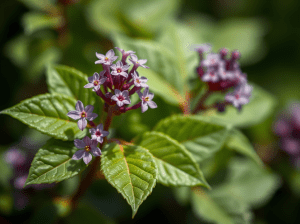
    Schizononepeta is a plant native to China and other parts of Asia. It belongs to the Lamiaceae family and is closely related to the more commonly known catnip. The herb is known for its fragrant leaves and small purple flowers.

    What are the uses of Schizononepeta?

    Traditionally, Schizononepeta has been used to treat a variety of health conditions, including colds, fevers, headaches, and skin rashes. It is believed to have anti-inflammatory, antiviral, and antibacterial properties that can help boost the immune system and fight off infections.

    How can Schizononepeta benefit your health?

    Studies have shown that Schizononepeta contains compounds that have antioxidant and anti-inflammatory effects. These properties can help reduce inflammation in the body, which is linked to various chronic conditions such as arthritis, heart disease, and cancer.

    Additionally, Schizononepeta has been used in traditional medicine to relieve symptoms of allergies and asthma. The herb is believed to help open up the airways and reduce congestion, making it easier to breathe.

    How to incorporate Schizononepeta into your routine?

    Schizononepeta can be consumed in various forms, including teas, tinctures, and capsules. It is important to consult with a healthcare provider or a qualified herbalist before using Schizononepeta, especially if you are pregnant, nursing, or taking any medications.

    When purchasing Schizononepeta products, make sure to buy from reputable sources to ensure quality and purity. It is also essential to follow the recommended dosage instructions to avoid any potential side effects.

    Overall, Schizononepeta is a versatile herb with a long history of medicinal use. Whether you are looking to boost your immune system, reduce inflammation, or alleviate respiratory issues, Schizononepeta may offer a natural solution worth exploring.

    READ MORE:National Library Of Medicine,Schizonepeta (S.) tenuifolia is a medicinal plant widely used in China, Korea, and Japan and is known to exhibit anti-inflammatory, antioxidant, and immunomodulatory activities. We hypothesized that given herbal plant exhibit pharmacological activities against CVDs,

  • Living Healthy

    Discover the Health Benefits of Schisandra Herb in Traditional Chinese Medicine

    Schisandra Herb, also known as Schisandra chinensis, is a powerful adaptogen that has been used in traditional Chinese medicine for centuries. But what exactly is Schisandra herb and how can it benefit your health?

    What is Schisandra Herb?

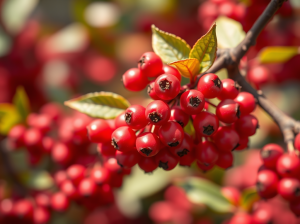
    Schisandra Herb is a woody vine native to China and Russia. It produces small, bright red berries that have a unique combination of five flavors: sweet, sour, salty, bitter, and pungent. These berries are used to make various herbal preparations, including teas, tinctures, and extracts.

    What are the Health Benefits of Schisandra Herb?

    Research has shown that Schisandra Herb has a wide range of health benefits. It is known for its adaptogenic properties, which means it can help the body adapt to stress and maintain balance. Schisandra herb is also rich in antioxidants, which can help protect the body from oxidative stress and inflammation.

    How Does Schisandra Herb Work?

    Schisandra Herb contains bioactive compounds such as lignans, schisandrin, and deoxyschisandrin, which are thought to be responsible for its health benefits. These compounds have been shown to have anti-inflammatory, antioxidant, and liver-protective effects.

    What are the Potential Uses of Schisandra Herb?

    Studies have suggested that Schisandra Herb may have potential uses in improving liver health, reducing inflammation, enhancing cognitive function, and supporting overall well-being. It is also believed to have anti-aging properties and may help improve skin health.

    How to Incorporate Schisandra Herb into Your Routine?

    Schisandra Herb can be consumed in various forms, including capsules, powders, teas, and tinctures. It is important to follow the recommended dosage guidelines and consult with a healthcare provider before adding Schisandra herb to your routine, especially if you have any underlying health conditions or are taking medications.

    Overall, Schisandra Herb is a versatile herb with a long history of use in traditional medicine. Whether you are looking to support your liver health, reduce stress, or boost your overall well-being, Schisandra herb may be a valuable addition to your wellness routine.

    READ MORE:WebMD, Schisandra (Schisandra chinensis) is a plant native to northern China. The fruit is eaten as food and also used to make medicine. Schisandra is considered an adaptogen. Adaptogens are a class of natural substances that are believed to stimulate the body’s resistance to physical, environmental, and emotional stressors.

  • Living Healthy

    Saw Palmetto: Promoting Prostate Health and Hair Loss Treatment

    Saw Palmetto, also known as Serenoa repens, has been used for centuries for its medicinal properties. But what exactly has this plant been used for and for how long?

    Prostate Health

    One of the most well-known uses of Saw Palmetto is for promoting prostate health. In fact, it has been used for this purpose for over 200 years. Studies have shown that Saw Palmetto can help reduce the symptoms of benign prostatic hyperplasia (BPH), a common condition in older men.

    Hair Loss

    Another common use of Saw Palmetto is for treating hair loss. It is believed to help block the enzyme that converts testosterone to dihydrotestosterone (DHT), which is thought to be a contributing factor to hair loss. This use of Saw Palmetto has been gaining popularity in recent years.

    Native American Remedies

    Before the arrival of Europeans in North America, Native American tribes used Saw Palmetto for a variety of medicinal purposes. They used it to treat urinary and reproductive issues, as well as to boost libido. This historical use of Saw Palmetto demonstrates the plant’s long-standing reputation for its health benefits.

    Modern Research

    In addition to its historical uses, modern research has also explored the potential benefits of Saw Palmetto. Studies have shown that it may have anti-inflammatory and anti-androgenic properties, making it a promising natural remedy for various conditions.

    Overall, Saw Palmetto has a rich history of use for promoting prostate health, treating hair loss, and addressing various other health concerns. Whether you are interested in traditional remedies or modern research, Saw Palmetto is a plant worth exploring for its potential health benefits.

    • Saw Palmetto (plant)saw palmetto, Any of several shrubby palms chiefly of the southern U.S. and West Indies that have spiny-toothed petioles (leafstalks), especially a common palm (Serenoa repens) of the southeastern U.S., with a usually creeping stem. Saw palmettos make up part of the vegetation found in the Florida … READ MORE:Britannica.Com

    (Common Names: saw palmetto, American dwarf palm tree, cabbage palm, Latin Names: Serenoa repensSerenoa serrulataSabal serrulat) READ MORE: U.S. Department of Health and Human Services National Institutes of Health

  • Have you ever heard of Sangredo Drago? This herb plant is known for its various medicinal properties and has been used for centuries in traditional medicine. Let’s dive into what Sangredo Drago is all about.

    What is Sangredo Drago?

    Sangredo Drago, scientifically known as Dracaena cinnabari, is a unique plant species native to the Socotra archipelago in the Indian Ocean. It is also commonly referred to as the Dragon’s Blood Tree due to the red resin it produces.

    Medicinal Properties

    The resin of the Sangredo Drago tree has been used for its medicinal properties for generations. It is believed to have anti-inflammatory, antimicrobial, and antioxidant effects. The resin is often used topically to promote wound healing and reduce inflammation.

    Traditional Uses

    In traditional medicine, Sangredo Drago has been used to treat a variety of ailments, including gastrointestinal issues, respiratory problems, and skin conditions. The resin has also been used in incense and dyes.

    Cultivation

    Sangredo Drago is a slow-growing tree that thrives in arid and rocky environments. It requires well-draining soil and plenty of sunlight to grow successfully. The tree is known for its distinctive umbrella-shaped canopy and thick, gnarled trunk.

    Conservation Status

    Due to habitat loss and overharvesting for its resin, the Sangredo Drago tree is considered vulnerable in the wild. Conservation efforts are underway to protect this unique species and ensure its survival for future generations.

    Now that you know more about Sangredo Drago, you can appreciate the rich history and valuable properties of this herb plant. Whether used for its medicinal benefits or admired for its unique appearance, Sangredo Drago continues to captivate those who encounter it.Generate againKeep

  • Living Healthy

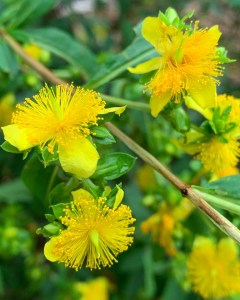
    St. John’s Wort, also known as Hypericum perforatum, is a popular herbal supplement that has been used for centuries for its medicinal properties. But what exactly are the benefits of this natural remedy?

    Can St. John’s Wort help with depression?

    Research has shown that St. John’s Wort may be effective in treating mild to moderate depression. In fact, studies have found that this herbal supplement can be as effective as prescription antidepressants in alleviating symptoms of depression in some individuals.

    Does St. John’s Wort have other health benefits?

    Aside from its potential antidepressant properties, St. John’s Wort has been studied for its anti-inflammatory and antioxidant effects. It may also help with symptoms of anxiety, menopausal symptoms, and even skin conditions like eczema.

    Are there any side effects to be aware of?

    While St. John’s Wort is generally considered safe for most people when taken at recommended doses, it can interact with certain medications. It is important to consult with a healthcare provider before starting any new supplement, especially if you are taking prescription medications.

    How should St. John’s Wort be taken?

    St. John’s Wort is available in various forms, including capsules, tablets, and liquid extracts. The recommended dosage can vary depending on the specific product and the condition being treated. It is important to follow the instructions on the product label or consult with a healthcare provider for guidance.

    Overall, St. John’s Wort is a natural remedy with potential benefits for mental health and overall well-being. As with any supplement, it is important to use it responsibly and under the guidance of a healthcare professional.

    What the research says

    READ MORE:ST JOHN”S WORT MAYO CLINIC

    Research on St. John’s wort use for specific conditions shows:

    • Depression. Several studies support the therapeutic benefit of St. John’s wort in treating mild to moderate depression. In fact, some research has shown the supplement to be as effective as several prescription antidepressants. It’s unclear whether it’s beneficial in the treatment of severe depression. Because St. John’s wort interacts with many medications, it might not be an appropriate choice, particularly if you take any prescription drugs.
    • Menopausal symptoms. Some evidence suggests that taking St. John’s wort alone or in combination with black cohosh or other herbs might reduce menopausal symptoms such as hot flashes.
    • Somatic symptom disorder. Some studies indicate that St. John’s wort might be beneficial for the treatment of this condition that causes severe anxiety about physical symptoms such as pain, weakness or shortness of breath.

  • Living Healthy

    Living a healthy lifestyle goes beyond just what you eat and how often you exercise. It also includes maintaining a strong sense of faith and purpose. But what happens when that sense of faith starts to waver, and you find yourself struggling to stay competitive in the online marketplace? How can you get back on track and ensure that your business thrives?

    Reconnect with Your Purpose

    When faced with challenges in your online business, it’s essential to reconnect with your core values and purpose. Take the time to reflect on why you started your business in the first place and what drives you to succeed. By reigniting your passion and sense of purpose, you can regain the motivation needed to compete effectively with other online stores.

    Embrace Continuous Learning

    In the fast-paced world of e-commerce, staying competitive requires a commitment to continuous learning and growth. Take advantage of online resources, webinars, and industry events to stay informed about the latest trends and strategies. By investing in your knowledge and skills, you can position your online store for success and avoid the risk of falling behind.

    Optimize Your Online Presence

    To compete effectively with other online stores, it’s crucial to optimize your website and digital marketing efforts. Ensure that your website is user-friendly, mobile-responsive, and optimized for search engines. Implement a robust SEO strategy, engage with your audience on social media, and leverage data analytics to make informed decisions. By maximizing your online presence, you can attract more customers and drive sales.

    Cultivate Resilience

    In the face of setbacks and challenges, resilience is key to bouncing back and regaining your competitive edge. Stay adaptable, flexible, and open to change. Learn from your mistakes, pivot when necessary, and never lose sight of your long-term goals. By cultivating resilience and perseverance, you can overcome obstacles and keep your online store thriving.

    Remember, regaining your competitive edge in the online marketplace is a journey that requires dedication, perseverance, and a holistic approach. By reconnecting with your purpose, embracing continuous learning, optimizing your online presence, and cultivating resilience, you can position your business for long-term success. Stay focused, stay motivated, and never lose sight of your potential to thrive in a competitive digital landscape.

    You might want to see the New Arivals and save $5.00 on my summer sale

    Summer-Sale-5-00-off

  • Living Healthy

    Stevia, a popular sugar substitute, is indeed made from a plant called Stevia rebaudiana. This plant is native to South America and has been used for centuries by indigenous populations for its sweetening properties. The leaves of the Stevia plant contain natural compounds called steviol glycosides, which are responsible for its intense sweetness.

    What is Stevia?

    Stevia is a zero-calorie sweetener that is much sweeter than sugar, making it a popular choice for those looking to reduce their sugar intake. It is often used in beverages, baked goods, and other food products as a way to add sweetness without the added calories.

    Health Benefits of Stevia

    Studies have shown that Stevia may have several health benefits. It has been found to help lower blood sugar levels, making it a suitable option for individuals with diabetes. Additionally, Stevia has antioxidant properties and may help reduce inflammation in the body.

    Is Stevia Safe?

    The FDA has approved the use of Stevia as a food additive, deeming it safe for consumption. However, some people may experience side effects such as bloating or digestive issues when consuming Stevia in large quantities. It is always best to consume Stevia in moderation.

    Conclusion

    While Stevia can be a healthy alternative to sugar for many people, it is essential to be mindful of how much you consume. As with any food or sweetener, moderation is key. If you are looking to reduce your sugar intake, Stevia can be a beneficial addition to your diet.

    READ MORE:Britannica.com

    stevia, (Stevia rebaudiana), flowering plant in the aster family (Asteraceae) grown for its sweet-tasting leaves. The plant is native to Paraguay, where it has a long history of use by the Guaraní people. The leaves contain a number of sweet-tasting chemicals known as steviol glycosides, which can be used fresh or dried to sweeten beverages or desserts and

  • LIVING HEALTHY

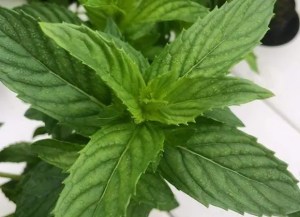
    Spearmint, scientifically known as Mentha spicata, is a popular herb known for its refreshing flavor and various health benefits. But did you know that spearmint can also promote digestive health? Let’s explore the benefits of spearmint for your gut.

    1. Soothes Digestive Discomfort

    Spearmint has been traditionally used to help alleviate symptoms of indigestion, bloating, and gas. Its natural compounds can relax the muscles in the digestive tract, allowing for smoother digestion and reducing discomfort.

    2. Aids in Digestive Function

    Studies have shown that spearmint may help stimulate the production of digestive enzymes, which are essential for breaking down food and absorbing nutrients. This can lead to improved overall digestive function and nutrient absorption.

    3. Reduces Nausea

    Spearmint has been found to have anti-nausea properties, making it a natural remedy for those experiencing queasiness or motion sickness. By calming the stomach muscles, spearmint can help reduce feelings of nausea and vomiting.

    4. Supports Gut Health

    Spearmint contains antioxidants and anti-inflammatory compounds that can help protect the gut lining and reduce inflammation in the digestive system. This can contribute to a healthier gut microbiome and overall gut health.

    5. Freshens Breath

    In addition to its digestive benefits, spearmint is also known for its ability to freshen breath. Chewing on spearmint leaves or drinking spearmint tea can help combat bad breath by killing odor-causing bacteria in the mouth.

    Overall, incorporating spearmint into your diet or daily routine can have a positive impact on your digestive health. Whether you enjoy it in tea, as a seasoning in your meals, or as a supplement, spearmint is a versatile herb with a range of benefits for your gut.

    READ MORE: It’s high in antioxidants and other beneficial plant compounds that may help balance hormones, lower blood sugar and improve digestion. It may even reduce stress and improve memory.Overall, spearmint makes a great addition to any diet — particularly in the form of spearmint tea, which can be enjoyed hot or cold.

  • Living Healthy

    A lot of us have heard the word Sarsaparilla, but did you know the health benefits associated with it? Sarsaparilla is a plant that has been used for centuries in traditional medicine for its various health properties.

    What is Sarsaparilla?

    Sarsaparilla is a vine-like plant native to Central and South America. It is known for its woody stems and small red berries. The root of the plant is typically used in herbal remedies and has a long history of use in traditional medicine.

    Health Benefits of Sarsaparilla

    1. Anti-inflammatory properties: Sarsaparilla contains compounds that have been shown to have anti-inflammatory effects, which may help reduce inflammation in the body.

    2. Antioxidant properties: The antioxidants found in sarsaparilla may help protect cells from damage caused by free radicals, which can contribute to various health issues.

    3. Skin health: Some studies suggest that sarsaparilla may help improve skin conditions such as psoriasis and eczema due to its anti-inflammatory and antioxidant properties.

    4. Immune support: Sarsaparilla is believed to have immune-boosting properties that can help support overall immune function.

    How to Incorporate Sarsaparilla into Your Routine

    Sarsaparilla can be consumed in various forms, including teas, tinctures, and capsules. It is important to consult with a healthcare provider before adding sarsaparilla to your routine, especially if you are pregnant, nursing, or taking medications.

    Overall, sarsaparilla is a plant with a long history of traditional use for its potential health benefits. While more research is needed to fully understand its effects, incorporating sarsaparilla into your routine may offer some health benefits worth exploring.Generate againKeep

    READ MORE: WILD SASARPARILLA, Young shoots can be cooked as a potherb. A refreshing herbal tea can be made from the root and it has a pleasant flavour. Fruit can be used to make a jelly and wine. In the 1800’s, sarsaparilla was popular as a spring tonic.

  • Living Healthy

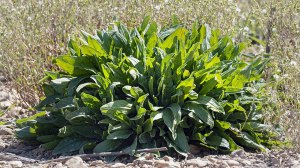
    Have you ever heard of sorrel? This unique herb is not only delicious but also packed with health benefits. .Common Sorrel is a common, upright plant, often found in grasslands, and along woodland edges and roadside verges. It has slender leaves and attractive flowers that appear in May and June. Let’s dive into the world of sorrel and discover what makes it so special.

    What is Sorrel?

    Sorrel, also known as Rumex acetosa, is a perennial herb that is commonly used in culinary dishes around the world. It has a tangy, lemony flavor that adds a refreshing twist to salads, soups, and sauces. Sorrel is rich in vitamins A and C, as well as minerals like potassium and magnesium.

    Health Benefits of Sorrel

    One of the key health benefits of sorrel is its high antioxidant content. Antioxidants help protect the body from oxidative stress and reduce the risk of chronic diseases. Sorrel is also known for its anti-inflammatory properties, which can help alleviate symptoms of arthritis and other inflammatory conditions.

    Studies have shown that sorrel may have antimicrobial properties, making it effective in fighting off harmful bacteria and viruses. Additionally, sorrel is a good source of dietary fiber, which can aid in digestion and promote gut health.

    How to Incorporate Sorrel into Your Diet

    There are many ways to enjoy the unique flavor of sorrel. You can add fresh sorrel leaves to salads for a tangy kick, or use them to make a flavorful pesto. Sorrel can also be cooked into soups and stews, or blended into smoothies for a nutritious boost.

    If you’re feeling adventurous, you can even try making sorrel sorbet or sorrel-infused cocktails. The possibilities are endless when it comes to incorporating sorrel into your diet.

    Conclusion

    In conclusion, sorrel is a versatile herb that not only adds flavor to dishes but also provides a range of health benefits. Whether you’re looking to boost your antioxidant intake or simply add a new flavor to your meals, sorrel is definitely worth a try. So why not pick up some sorrel and start experimenting in the kitchen today?

    (Sorrel is a slender herbaceous perennial plant about 60 centimetres (24 inches) high, with roots that run deep into the ground, as well as juicy stems and arrow-shaped (sagittateleaves which grow from a rosette)

    READ MORE: SORREL)

    SORREL high in Vitamin A and potassium and is a good source of iron. However, sorrel contains very high amounts of oxalic acid — that’s what makes the veggie seem tart — which can be bad news for those who are prone to kidney stones (most kidney stones are made up of calcium oxalate). ACCORDING TO Real Food Encyclopedia READ MORE @REAL FOOD

  • Living Healthy

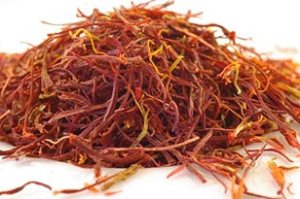
    Saffron, known as the “golden spice,” has been used for centuries not only for its unique flavor and aroma but also for its impressive health benefits. Let’s dive into the uses and health benefits of this precious spice.Let’s delve into the uses and health benefits of this precious spice.

    What are the common uses of saffron?

    Saffron is commonly used in cooking to add flavor and color to dishes. It is a key ingredient in many traditional dishes, such as paella, risotto, and biryani. Additionally, saffron is used in baking, tea, and even in making herbal medicines.

    What are the health benefits of saffron?

    Studies have shown that saffron contains compounds that have antioxidant properties, which can help protect cells from damage caused by free radicals. Saffron is also believed to have anti-inflammatory properties, making it beneficial for conditions such as arthritis and asthma.

    Furthermore, saffron has been linked to improved mood and mental health. It is believed to help alleviate symptoms of depression and anxiety, making it a natural remedy for those struggling with mental health issues.

    1. Rich in antioxidants: Saffron contains compounds that have antioxidant properties, which help protect the body from oxidative stress and inflammation.

    2. Mood enhancement: Studies have shown that saffron may help improve mood and reduce symptoms of depression and anxiety.

    3. Eye health: Saffron is believed to have benefits for eye health, including protecting against age-related macular degeneration.

    4. Anti-inflammatory properties: The compounds in saffron have anti-inflammatory effects, which may help reduce inflammation in the body.

    How can you incorporate saffron into your diet?

    You can add saffron threads to rice dishes, soups, stews, and desserts for a unique flavor and color. Saffron tea is also a popular way to enjoy the benefits of this spice. Remember, a little saffron goes a long way, so use it sparingly.

    Overall, saffron is not only a versatile spice in the kitchen but also a powerhouse of health benefits. Consider adding a touch of saffron to your dishes to elevate both the flavor and the nutritional value of your meals.

    (According to WEBMD, Saffron (Crocus sativus) is a plant. The dried thread-like parts of the flower (stigmas) are used to make saffron spice, food coloring, and medicine. Saffron contains chemicals that might alter mood, kill cancer cells, decrease swelling, and act like antioxidants.

    Alzheimer disease, taking saffron by mouth might improve some symptoms of Alzheimer disease by a small amount. Depression, taking saffron by mouth with or without antidepressant drugs seems to improve symptoms of depression.) Saffron

    Saffron may have antioxidant, anti-inflammatory, and anticancer benefits. However, people who are pregnant should avoid high doses. https://www.healthline.com

  • LIVING HEALTHY

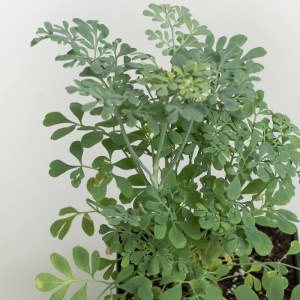
    Rue herb, also known as Ruta graveolens, is a plant that has been used for centuries for its medicinal properties. In this blog post, we will explore the various benefits of rue herb and how it can be incorporated into your daily routine.

    What are the Health Benefits of Rue Herb?

    Rue herb is known for its anti-inflammatory properties, making it a popular choice for treating conditions such as arthritis and muscle pain. It is also rich in antioxidants, which can help protect the body from damage caused by free radicals.

    How Can Rue Herb Improve Digestive Health?

    Rue herb has been used traditionally to aid in digestion and relieve symptoms of indigestion. It can help stimulate the production of digestive enzymes, making it easier for the body to break down food and absorb nutrients.

    Can Rue Herb Boost the Immune System?

    Studies have shown that rue herb has immune-boosting properties, thanks to its high concentration of vitamins and minerals. Incorporating rue herb into your diet can help strengthen your immune system and protect you from common illnesses.

    How to Use Rue Herb in Your Daily Routine

    Rue herb can be consumed in various forms, including teas, tinctures, and capsules. You can also incorporate fresh rue leaves into your cooking to add a unique flavor to your dishes. Be sure to consult with a healthcare professional before adding rue herb to your routine, especially if you are pregnant or nursing.

    Overall, rue herb is a versatile plant with numerous health benefits. Whether you are looking to improve your digestive health, boost your immune system, or reduce inflammation, rue herb may be a valuable addition to your wellness routin