EJADA

Living Healthy, Natural Healing, Herbal Health, and nutritional

  • Living Healthy

    Have you ever heard of the Tilden Flower? This unique flower, also known as the “Queen of the Night,” is a stunning plant that blooms only once a year, releasing a captivating fragrance that fills the night air. Let’s dive into the fascinating world of the Tilden Flower and uncover its secrets.

    What makes the Tilden Flower so special?

    The Tilden Flower, scientifically known as Epiphyllum oxypetalum, is a species of cactus that originates from Central and South America. What sets this flower apart is its nocturnal blooming pattern, with the flowers opening up only at night and closing by dawn. This rare occurrence makes it a sight to behold for those lucky enough to witness it.

    What is Tilden Flower?

    Tilden Flower, also known as Arnica montana, is a perennial herb that belongs to the sunflower family. It has been used for centuries in traditional medicine to treat various ailments, thanks to its anti-inflammatory and pain-relieving properties.

    Fact #1: Pain Relief

    One of the most well-known benefits of Tilden Flower is its ability to relieve pain. Studies have shown that Tilden Flower can be as effective as ibuprofen in reducing pain and inflammation, making it a popular choice for those looking for a natural alternative to conventional painkillers.

    Fact #2: Bruise Treatment

    Another little-known fact about Tilden Flower is its effectiveness in treating bruises. Applying Tilden Flower topically to the affected area can help reduce swelling and discoloration, speeding up the healing process.

    Fact #3: Muscle Soreness

    Athletes and fitness enthusiasts often turn to Tilden Flower to help alleviate muscle soreness and stiffness. The herb’s anti-inflammatory properties can help reduce muscle pain and improve recovery time after intense workouts.

    Fact #4: Arthritis Relief

    For those suffering from arthritis, Tilden Flower may offer some relief. Research has shown that Tilden Flower can help reduce pain and stiffness in arthritic joints, improving overall quality of life for arthritis sufferers.

    Fact #5: Insect Bites

    Tilden Flower’s anti-inflammatory properties also make it a great natural remedy for insect bites. Applying Tilden Flower gel or cream to the affected area can help reduce itching, swelling, and redness caused by insect bites.

    These little-known medical facts about Tilden Flower highlight the diverse range of benefits this herb has to offer. Whether you’re looking for pain relief, bruise treatment, or muscle soreness alleviation, Tilden Flower may just be the natural remedy you’ve been searching for.

    Why is it called the “Queen of the Night”?

    The Tilden Flower earned the nickname “Queen of the Night” due to its stunning beauty and intoxicating fragrance that is most potent at night. The large white flowers, which can reach up to 1 foot in diameter, exude a sweet and floral scent that attracts pollinators in the darkness.

    How to care for the Tilden Flower?

    Caring for a Tilden Flower requires a bit of attention to detail. This plant thrives in well-draining soil and prefers bright, indirect light. It is essential to water the plant regularly during the growing season but reduce watering in the winter months. With the right care, your Tilden Flower can reward you with its mesmerizing blooms year after year.

    Fun facts about the Tilden Flower:

    Did you know that the Tilden Flower is also known as the “Dutchman’s Pipe Cactus” due to the shape of its stems resembling a pipe? Additionally, this flower is believed to bring good luck and positive energy to those who cultivate it in their homes.

    Now that you’ve learned more about the enchanting Tilden Flower, why not consider adding this rare beauty to your plant collection? Its unique blooming pattern and captivating fragrance are sure to make it a standout addition to any garden or indoor space.
  • Living Healthy

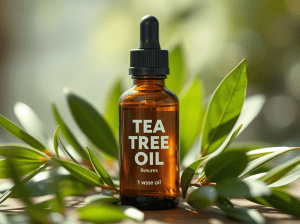
    Tea tree oil, also known as melaleuca oil, is derived from the leaves of the tea tree (Melaleuca alternifolia), a plant native to Australia. This essential oil has been used for centuries for its various medicinal properties. But did you know these interesting facts about tea tree oil?Tea tree oil, also known as melaleuca oil, is a popular essential oil that has been used for centuries due to its numerous medicinal properties. Let’s dive into the various medicinal uses of tea tree oil:

    1. Acne Treatment

    Tea tree oil is well-known for its ability to combat acne. Its anti-inflammatory and antimicrobial properties help reduce the appearance of acne and prevent future breakouts. Diluted tea tree oil can be applied topically to the skin to help clear up blemishes.

    2. Skin Infections

    Due to its powerful antimicrobial properties, tea tree oil can be used to treat various skin infections, such as athlete’s foot, nail fungus, and ringworm. Its natural antifungal properties make it an effective remedy for these common skin conditions.

    3. Dandruff Relief

    Tea tree oil is a popular ingredient in many dandruff shampoos due to its ability to soothe a dry, itchy scalp. Its antifungal properties help combat the yeast that can contribute to dandruff, making it a natural and effective treatment for this common scalp condition.

    4. Wound Healing

    When applied topically, tea tree oil can help promote wound healing. Its antimicrobial properties can help prevent infection in minor cuts and scrapes, while its anti-inflammatory properties can help reduce swelling and redness.

    5. Respiratory Relief

    Inhaling steam with tea tree oil can help provide relief from congestion and respiratory issues. Its antibacterial properties can help clear the airways and reduce symptoms of colds, coughs, and sinus infections.

    6. Antimicrobial Properties

    Tea tree oil is well-known for its powerful antimicrobial properties. Studies have shown that it can effectively kill a wide range of bacteria, viruses, and fungi. This makes it a popular choice for treating skin conditions such as acne, athlete’s foot, and dandruff.

    7. Anti-Inflammatory Effects

    In addition to its antimicrobial properties, tea tree oil also has anti-inflammatory effects. This makes it a great natural remedy for soothing skin irritations and reducing redness and swelling. It can be used to alleviate the symptoms of conditions like eczema and psoriasis.

    Tea Tree other Uses

    Household Cleaner

    Tea tree oil is not just beneficial for the skin – it can also be used as a natural household cleaner. Its antimicrobial properties make it effective at killing germs and bacteria on surfaces, making it a great alternative to chemical-laden cleaning products.

    Natural Insect Repellent

    Tea tree oil can also be used as a natural insect repellent. Its strong scent is known to deter insects such as mosquitoes, ants, and flies. Simply dilute a few drops of tea tree oil in water and spray it around your home to keep bugs at bay.

    These are just a few of the many benefits of tea tree oil. Whether you’re looking to improve your skin, clean your home, or repel insects, this versatile essential oil has got you covered. Give it a try and experience the power of tea tree oil for yourself!

    What the research says

    Research on tea tree oil use for specific conditions shows:

    • Acne. Research suggests that a treatment gel containing tea tree oil might be effective at relieving acne.
    • Dandruff. A tea tree oil shampoo used for four weeks has been shown to be effective at treating dandruff.
    • Athlete’s foot. A tea tree oil cream, applied twice daily for one month, has been shown to be effective in relieving symptoms of athlete’s foot.
    • Lice. When used in combination with lavender oil, tea tree oil has been shown to be effective at treating lice eggs.
    • Nail fungus. Research hasn’t shown tea tree oil used in its pure form or in combination with other antifungal therapies to be effective in treating toenail fungus. READ MORE: Mayo Clinic
  • Living Healthy

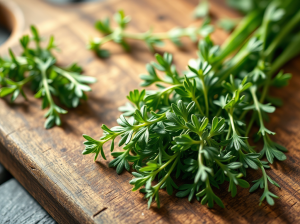
    Tarragon is a popular herb known for its culinary uses, but did you know that it also offers a variety of medicinal benefits? In this blog post, we will explore the potential health advantages of incorporating tarragon into your diet.

    Antioxidant Properties

    Tarragon is rich in antioxidants, which help protect the body from damage caused by free radicals. Free radicals are unstable molecules that can lead to oxidative stress and contribute to various chronic diseases. By consuming tarragon, you can benefit from its antioxidant properties and support your overall health.

    Anti-Inflammatory Effects

    Studies have shown that tarragon possesses anti-inflammatory properties, making it a valuable herb for reducing inflammation in the body. Chronic inflammation is linked to numerous health conditions, including heart disease, arthritis, and cancer. Adding tarragon to your meals may help combat inflammation and promote better health.

    Improved Digestion

    Tarragon has been traditionally used to aid digestion and alleviate digestive issues. It is believed to stimulate the production of digestive enzymes, which can enhance the breakdown of food and improve nutrient absorption. If you struggle with indigestion or bloating, incorporating tarragon into your diet may offer relief.

    Regulated Blood Sugar Levels

    Research suggests that tarragon may help regulate blood sugar levels, making it beneficial for individuals with diabetes or those at risk of developing the condition. By including tarragon in your meals, you may experience more stable blood glucose levels and reduce the risk of complications associated with diabetes.

    Relief from Menstrual Symptoms

    For women experiencing menstrual symptoms such as cramps and bloating, tarragon may offer some relief. The herb is believed to have mild analgesic properties, which can help alleviate pain and discomfort associated with menstruation. Adding tarragon to your diet or consuming it as a tea may help ease menstrual symptoms.

    Tarragon is believed to have mild sedative properties, making it a potential natural remedy for improving sleep quality. By consuming tarragon tea before bedtime, you may experience a calming effect that helps you relax and fall asleep more easily. Better sleep is essential for overall health and well-being.

    According to WebMD, Tarragon is used for indigestion (dyspepsia), poor appetite, nausea and vomiting after surgery, toothachesleep problems, and other conditions, but there is no good scientific evidence to support these uses. READ MORE: WebMD

    While tarragon is primarily known for its culinary uses, its potential medicinal benefits make it a valuable addition to a healthy diet. Whether you use it fresh or dried, tarragon can provide a range of health advantages that support overall well-being. Consider incorporating this versatile herb into your meals to take advantage of its medicinal properties.

    Things to know

    Taste…what does tarragon taste like

    Image result for what does tarragon taste like

    The pungent, bittersweet flavor of tarragon is often compared to licorice, anise, and fennel, thanks to the presence of methyl chavicol, a naturally occurring compound found in many plants and trees with a distinct licorice-like taste and fragrance.

    Cooking uses…how is tarragon used in cooking

    One of the easiest ways to use tarragon is to chop the fresh leaves and sprinkle them onto finished dishes. This herb goes well with omelets, frittatas, and scrambled eggs, adding a fresh and flavorful touch to your breakfast. Tarragon also pairs well with lighter meats like chicken and fish.

    Precautions

    When it comes to using tarragon in your culinary creations, there are a few precautions to keep in mind. While tarragon is generally safe for most people, there are certain situations where caution is advised.

    1. Allergies

    Individuals who are allergic to plants in the Asteraceae family, such as ragweed, marigolds, and daisies, may also be allergic to tarragon. If you have known allergies to these plants, it’s best to avoid tarragon or consult with a healthcare provider before using it.

    2. Pregnancy and Breastfeeding

    While tarragon is considered safe in small amounts as a culinary herb, pregnant and breastfeeding women should exercise caution. There is limited research on the effects of tarragon during pregnancy and breastfeeding, so it’s best to consume it in moderation or consult with a healthcare provider.

    3. Medication Interactions

    Tarragon may interact with certain medications, particularly blood thinners like warfarin. If you are taking any medications, especially blood thinners or medications for diabetes, it’s important to speak with your healthcare provider before incorporating tarragon into your diet.

    4. Surgery

    If you have an upcoming surgery, it’s advisable to avoid tarragon in the days leading up to the procedure. Tarragon may have mild blood-thinning properties, which could potentially increase the risk of bleeding during surgery. It’s always best to err on the side of caution and refrain from consuming tarragon if you have a surgery scheduled.

    5. Skin Sensitivity

    Some individuals may experience skin sensitivity or irritation when handling fresh tarragon. If you notice any redness, itching, or irritation after coming into contact with tarragon, it’s best to avoid using it in your cooking or wear gloves when handling the herb.

    By being aware of these precautions and using tarragon mindfully, you can continue to enjoy the unique flavor and aroma that this herb adds to your dishes. As with any ingredient, moderation and awareness of potential risks are key to safely incorporating tarragon into your culinary repertoire.

  • Living Healthy

    Have you ever heard of the powerful plant known as Stringing Nettle? This herbaceous perennial has been used for centuries for its medicinal properties. Let’s explore the benefits of Stringing Nettle for your health.

    What is Stringing Nettle?

    Stringing Nettle, scientifically known as Urtica dioica, is a plant native to Europe, Asia, Africa, and North America. It is characterized by its serrated leaves and tiny stinging hairs that can cause skin irritation upon contact. Despite its prickly nature, Stringing Nettle is packed with nutrients and health-promoting compounds.

    Rich in Nutrients

    Stringing Nettle is a nutritional powerhouse, containing high levels of vitamins A, C, and K, as well as minerals like iron, calcium, and magnesium. It is also a good source of protein and fiber, making it a valuable addition to a balanced diet.

    Anti-Inflammatory Properties

    Studies have shown that Stringing Nettle possesses anti-inflammatory properties, which can help reduce inflammation in the body. This makes it beneficial for conditions such as arthritis, allergies, and other inflammatory disorders.

    Supports Prostate Health

    For men, Stringing Nettle may be particularly beneficial for prostate health. Research suggests that this plant can help alleviate symptoms of benign prostatic hyperplasia (BPH), a common condition in aging men. Stringing Nettle may help improve urinary flow and reduce the size of the prostate gland.

    Boosts Immune Function

    Stringing Nettle is also known for its immune-boosting properties. It contains compounds that can help support the immune system and protect against infections. Incorporating Stringing Nettle into your diet may help strengthen your body’s defenses against illness.

    How to Use Stringing Nettle

    Stringing Nettle can be consumed in various forms, including teas, tinctures, capsules, and cooked greens. It is important to handle the plant with care to avoid the stinging hairs. Many health food stores carry Stringing Nettle products, or you can harvest the plant yourself if you have access to a clean, pesticide-free area.

    Overall, Stringing Nettle is a versatile and beneficial plant with a wide range of health-promoting properties. Whether you are looking to boost your immune system, reduce inflammation, or support prostate health, Stringing Nettle may be a valuable addition to your wellness routine.

  • The Science Behind Soy Lecithin: Health Benefits and Safety Insights

    Have you ever wondered about the ingredient soy lecithin found in many food products? Let’s dive into the world of soy lecithin to uncover what is known about this common additive.

    What is Soy Lecithin?

    Soy lecithin is a natural compound that is extracted from soybeans during the process of making soy oil. It is a mixture of phospholipids, triglycerides, and other lipids that acts as an emulsifier and stabilizer in various food products.

    Is Soy Lecithin Safe?

    Yes, soy lecithin is generally recognized as safe by regulatory agencies such as the FDA and EFSA. It is widely used in the food industry as an additive due to its emulsifying properties and low risk of adverse effects.

    Common Uses of Soy Lecithin

    Soy lecithin is commonly used in the production of chocolate, baked goods, margarine, and other processed foods. It helps to improve texture, prevent ingredients from separating, and extend shelf life.

    Health Benefits of Soy Lecithin

    Studies have shown that soy lecithin may have potential health benefits, such as improving liver function, reducing cholesterol levels, and supporting brain health. However, more research is needed to fully understand the extent of these benefits.

    Soy lecithin is a popular food additive that offers a wide range of health benefits. Let’s dive into the science behind this versatile ingredient.

    1. Supports Heart Health

    Soy lecithin contains compounds like phosphatidylcholine, which can help lower cholesterol levels. Studies have shown that incorporating soy lecithin into your diet can reduce the risk of heart disease by improving lipid profiles.

    2. Aids in Digestion

    Thanks to its emulsifying properties, soy lecithin can help break down fats and improve digestion. This can lead to better nutrient absorption and overall gut health.

    3. Boosts Brain Function

    The choline in soy lecithin is a precursor to acetylcholine, a neurotransmitter essential for brain function. By including soy lecithin in your diet, you can support cognitive function and memory retention.

    4. Promotes Skin Health

    Soy lecithin is rich in antioxidants, which can help protect the skin from damage caused by free radicals. Regular consumption of soy lecithin may result in improved skin elasticity and a more youthful appearance.

    5. Supports Weight Management

    Studies have shown that soy lecithin can help regulate metabolism and promote fat breakdown. By including soy lecithin in your diet, you may experience improved weight management and a healthier body composition.

    With all these incredible health benefits, it’s no wonder soy lecithin is a popular choice for health-conscious individuals. Consider incorporating this versatile ingredient into your diet to reap the rewards of improved heart health, digestion, brain function, skin health, and weight management.

    Concerns and Controversies

    While soy lecithin is generally considered safe, some people may have concerns about its potential link to soy allergies or GMO soybeans. It’s important to read labels and choose products that align with your dietary preferences and restrictions.

    So, there you have it! Soy lecithin is a widely used ingredient in the food industry with a range of benefits and applications. As with any food additive, it’s essential to stay informed and make choices that align with your health and wellness goals.

    What is the Difference between Sunflower Lecithin and Soy Lecithin?

    There are many different essential fatty acids and phospholipids that may be present in sunflower lecithin. It improves the consistency and flexibility of brain cell membranes. Additionally, it promotes brain connections. It also protects the nervous system and prevents neurodegenerative diseases.

    READ MORE: Chemicalbook.com

  • Living Healthy

    Soy isoflavones are compounds found in soybeans and soy products that belong to a class of plant-based compounds known as phytoestrogens. These compounds have gained attention for their potential health benefits, particularly in relation to hormone-related conditions.

    What are Soy Isoflavones?

    Soy isoflavones, such as genistein and daidzein, are known for their estrogen-like effects in the body. They can bind to estrogen receptors and mimic the effects of estrogen, although their potency is much weaker compared to the body’s natural estrogen.

    Health Benefits of Soy Isoflavones

    Research suggests that soy isoflavones may have various health benefits, including reducing the risk of heart disease, improving bone health, and alleviating menopausal symptoms. Some studies have also explored their potential role in reducing the risk of certain types of cancer, such as breast and prostate cancer.

    Concerns and Controversies

    Despite the potential health benefits, there have been concerns and controversies surrounding soy isoflavones. Some studies have raised questions about their safety, particularly in relation to hormone-sensitive conditions like breast cancer. However, the overall evidence remains inconclusive, and more research is needed to fully understand the effects of soy isoflavones on health.

    Recommendations for Consumption

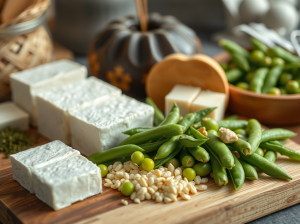
    For individuals interested in incorporating soy isoflavones into their diet, it is recommended to consume them in moderation as part of a balanced diet. Whole soy foods, such as tofu, tempeh, and edamame, are preferred over supplements, as they provide a range of nutrients in addition to isoflavones.

    It is important to consult with a healthcare provider or a registered dietitian before making significant changes to your diet, especially if you have a history of hormone-related conditions or are taking medications that may interact with soy isoflavones.

    Conclusion

    In conclusion, soy isoflavones are a group of plant compounds with potential health benefits, particularly in relation to hormone-related conditions. While research on soy isoflavones is ongoing, more studies are needed to fully understand their effects on health and any potential risks associated with their consumption.

    As with any dietary component, it is important to consume soy isoflavones in moderation and as part of a balanced diet to reap the potential benefits they may offer.

    oy is unique in that it contains a high concentration of isoflavones, a type of plant estrogen (phytoestrogen) that is similar in function to human estrogen but with much weaker effects. Soy isoflavones can bind to estrogen receptors in the body and cause either weak estrogenic or anti-estrogenic activity. (Source: Harvard TH Chan)

    Foods rich in isoflavones may offer other health benefits in that they are both anti-inflammatory and antioxidant (meaning they prevent damage to a cell’s DNA).2

    Rietjens IMCM, Louisse J, Beekmann K. The potential health effects of dietary phytoestrogens. Br J Pharmacol. 2017;174(11):1263-80. doi:10.1111/bph.13622 Some studies have even suggested that isoflavones may help prevent heart disease or have cancer-fighting properties.Read More:http://Very Well Health

  • Living Healthy

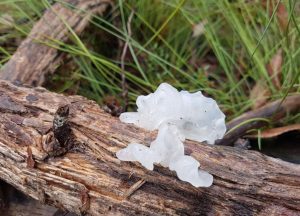
    Snow fungus, also known as Tremella fuciformis, is a type of edible fungus that has been used in traditional Chinese medicine for centuries. This unique fungus is not only popular in Asian cuisine but also gaining recognition in the Western world for its health benefits. So, what exactly is snow fungus and how can you incorporate it into your diet?

    What is Snow Fungus?

    Snow fungus is a gelatinous mushroom that grows on trees, particularly in tropical and subtropical regions. It has a translucent appearance and a slightly crunchy texture when cooked. Snow fungus is rich in dietary fiber, vitamins, and minerals, making it a nutritious addition to your diet.

    Health Benefits of Snow Fungus

    1. **Improves Skin Health**: Snow fungus is known for its skin-boosting properties. It contains natural moisturizing factors that can help hydrate and nourish the skin, promoting a healthy complexion.

    2. **Boosts Immunity**: Rich in antioxidants, snow fungus can help strengthen the immune system and protect the body against oxidative stress.

    3. **Supports Digestive Health**: The dietary fiber in snow fungus can aid in digestion and promote gut health by acting as a prebiotic for beneficial gut bacteria.

    How to Use Snow Fungus

    1. **Rehydrate**: Before using snow fungus in your recipes, you need to rehydrate it. Soak the dried snow fungus in water for about 30 minutes until it becomes soft and pliable.

    2. **Cooking**: Snow fungus is versatile and can be added to soups, stews, stir-fries, and desserts. Its mild flavor allows it to absorb the taste of other ingredients in the dish.

    3. **Beauty Masks**: Apart from culinary uses, snow fungus can also be used in homemade beauty masks to hydrate and rejuvenate the skin. Simply blend rehydrated snow fungus with other natural ingredients like honey and apply it to your face for a nourishing treatment.

    Whether you are looking to boost your skin health, immunity, or digestion, snow fungus is a versatile ingredient that can be easily incorporated into your daily routine. Try adding this nutritious fungus to your favorite recipes and experience the benefits it has to offer!

    Snow fungus, also known as Tremella snow mushroom, are you ready to discover a beauty secret that has been cherished in Eastern cultures for thousands of years? This potent ingredient is none other than the Tremella mushroom, also known as the snow mushroom. At Shikohin, we’ve embraced this natural wonder and incorporated it into our Enlightening Night Serum and the 5 Mushroom Moisturizer. Read More Shikohin

  • Untitled post 4319

    Have you heard of Slippery Elm and its potential health benefits? Let’s dive into the world of this natural remedy and explore its uses.

    What is Slippery Elm?

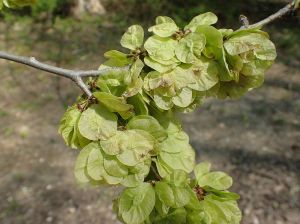
    Slippery Elm, also known as Ulmus rubra, is a tree native to North America. The inner bark of the tree has been used for centuries in traditional medicine for its various health benefits.

    How Does it Work?

    One of the key components of Slippery Elm is mucilage, a gel-like substance that becomes slippery when mixed with water. This mucilage can help soothe the throat and stomach by forming a protective layer.

    What Are the Benefits?

    Studies have shown that Slippery Elm may help with conditions such as sore throat, cough, digestive issues, and skin irritation. It is also believed to have anti-inflammatory properties, making it a popular choice for natural remedies.

    How to Use Slippery Elm?

    Slippery Elm can be consumed in various forms, including teas, capsules, lozenges, and powders. It is important to follow the recommended dosage instructions and consult with a healthcare provider before using it, especially if you are pregnant, nursing, or taking medications.

    Slippery Elm, also known as Ulmus rubra, is a tree native to North America that has been used for centuries for its medicinal properties. This natural remedy offers a wide range of benefits for various health conditions. Let’s explore some of the key advantages of incorporating Slippery Elm into your wellness routine.

    1. Soothes Digestive Issues

    Slippery Elm contains mucilage, a gel-like substance that becomes a slick gel when mixed with water. This gel coats and soothes the digestive tract, making it a popular remedy for conditions such as heartburn, indigestion, and irritable bowel syndrome (IBS).

    2. Supports Gut Health

    Due to its mucilage content, Slippery Elm acts as a prebiotic, promoting the growth of beneficial bacteria in the gut. This can help improve overall gut health and support a balanced microbiome.

    3. Relieves Sore Throats

    Slippery Elm is often used to alleviate sore throats and coughs. The mucilage in Slippery Elm coats the throat, providing a soothing effect and reducing irritation.

    4. Eases Respiratory Issues

    When consumed as a tea or lozenge, Slippery Elm can help ease symptoms of respiratory conditions such as asthma, bronchitis, and coughs. Its anti-inflammatory properties can help reduce inflammation in the respiratory tract.

    5. Supports Skin Health

    Topical preparations of Slippery Elm, such as creams or ointments, can help soothe skin irritations, burns, and wounds. The mucilage forms a protective barrier on the skin, promoting healing and reducing inflammation.

    6. Aids in Weight Management

    Slippery Elm is sometimes used as a weight loss aid due to its ability to promote feelings of fullness and reduce appetite. By adding Slippery Elm to your diet, you may be able to better manage your weight and support your weight loss goals.

    Are There Any Side Effects?

    While Slippery Elm is generally considered safe for most people, some individuals may experience side effects such as nausea or allergic reactions. It is always best to start with a small dose to see how your body reacts.

    Overall, Slippery Elm is a natural remedy with a long history of use in traditional medicine. Whether you are looking to soothe a sore throat or improve your digestive health, Slippery Elm may offer a gentle and effective solution.

    READ MORE: Only the inner bark of slippery elm, not the whole bark, is used as medicine. The inner bark contains chemicals that can increase mucous secretion, which might be helpful for stomach and intestinal problems, WebMD

  • Living Healthy

    Siberian Ginseng: From Traditional Chinese Medicine to Modern Science

    Siberian Ginseng, also known as Eleutherococcus senticosus, has been used for centuries for its medicinal properties. But how has the usage of this powerful herb evolved over time?

    Ancient Times: Traditional Medicine

    In ancient times, Siberian Ginseng was used in traditional Chinese medicine to boost energy, improve overall health, and increase longevity. It was believed to have adaptogenic properties, helping the body adapt to stress and resist fatigue.

    Modern Medicine: Scientific Research

    In the 20th century, scientific research began to uncover the potential health benefits of Siberian Ginseng. Studies have shown that it may help improve cognitive function, reduce fatigue, and boost the immune system. It has also been used to support adrenal health and improve athletic performance.

    Supplement Industry: Popular Adaptogen

    Today, Siberian Ginseng is a popular herbal supplement known for its adaptogenic properties. It is commonly used to combat stress, increase energy levels, and enhance overall well-being. Many people incorporate Siberian Ginseng into their daily routine to support their immune system and improve their resilience to stress.

    Cosmetic Industry: Skincare Benefits

    In addition to its internal health benefits, Siberian Ginseng is also used in the cosmetic industry for its skincare benefits. It is believed to have antioxidant properties that can help protect the skin from environmental stressors and promote a more youthful appearance.

    Future Potential: Ongoing Research

    As research into the health benefits of Siberian Ginseng continues, the potential applications of this powerful herb are still being explored. From improving cognitive function to supporting immune health, Siberian Ginseng remains a valuable natural remedy with a long history of traditional use.

    Immune System Support

    Studies have also shown that Siberian Ginseng can help support the immune system. By enhancing the body’s natural defense mechanisms, this herb can help reduce the risk of infections and improve overall immune function. This makes it a popular choice during cold and flu season.

    Energy and Stamina

    Another well-known benefit of Siberian Ginseng is its ability to boost energy levels and improve stamina. This herb is often used by athletes and individuals with busy lifestyles to increase endurance and combat fatigue. Research has shown that Siberian Ginseng can enhance physical performance and reduce feelings of tiredness.

    Cognitive Function

    In addition to its physical benefits, Siberian Ginseng has also been studied for its effects on cognitive function. Some research suggests that this herb may help improve memory, focus, and overall brain health. By enhancing cognitive function, Siberian Ginseng may support mental clarity and concentration.

    Anti-Inflammatory Properties

    Modern scientific research has also uncovered the anti-inflammatory properties of Siberian Ginseng. Inflammation is a key driver of many chronic diseases, and reducing inflammation in the body can have a wide range of health benefits. Siberian Ginseng has been shown to have anti-inflammatory effects, making it a valuable tool for promoting overall health and well-being.

    Conclusion

    From its traditional use in TCM to its modern scientific validation, Siberian Ginseng has a wide range of medicinal uses that make it a valuable herb for promoting health and wellness. Whether you’re looking to support your immune system, boost your energy levels, or improve your cognitive function, Siberian Ginseng may be a beneficial addition to your wellness routine.

    Siberian ginseng was traditionally used to prevent colds and flu and to increase energy, longevity, and vitality. It is widely used in Russia as an “adaptogen.” An adaptogen is a substance that is supposed to help the body better cope with either mental or physical stress.

    READ MORE: Mountsinai.org

  • Living Healthy

    Discover the Uses of Shiitake Mushrooms: Culinary, Medicinal, and Skincare

    Shiitake mushrooms, scientifically known as Lentinula edodes, are a popular ingredient in various cuisines around the world. But what exactly are the uses of these flavorful fungi?

    Culinary Delights

    Shiitake mushrooms are widely used in cooking due to their rich, savory flavor and meaty texture. They are commonly added to stir-fries, soups, stews, and noodle dishes. In fact, these mushrooms are a staple in many Asian dishes, adding depth and umami taste to the recipes.

    Health Benefits

    Aside from their culinary uses, shiitake mushrooms are also valued for their potential health benefits. They are a good source of vitamins and minerals, including vitamin D, B vitamins, and selenium. Additionally, shiitake mushrooms contain compounds that may help boost the immune system and reduce inflammation.

    Medicinal Purposes

    In traditional Chinese medicine, shiitake mushrooms have been used for centuries to promote overall health and well-being. They are believed to have anti-inflammatory, antiviral, and cholesterol-lowering properties. Some studies have also suggested that shiitake mushrooms may have potential anti-cancer effects.

    Supplements and Extracts

    Due to their health-promoting properties, shiitake mushrooms are now available in various forms, including supplements and extracts. These products are often used to support immune function, improve cardiovascular health, and enhance overall vitality.

    Cosmetic and Skincare Products

    Shiitake mushrooms are not only beneficial when consumed internally but also when applied topically. They are a common ingredient in skincare products due to their antioxidant and anti-aging properties. Shiitake extract is often used in creams, serums, and masks to help improve skin tone and texture.

    Whether you enjoy them in a delicious stir-fry, reap their health benefits through supplements, or pamper your skin with shiitake-infused products, it’s clear that these versatile mushrooms have a lot to offer. Consider incorporating shiitake mushrooms into your diet and wellness routine to experience their many uses and benefits.

    According to WebMD Shiitake mushrooms have a rich, earthy flavor and a distinctive taste best described as meaty. These mushrooms have large caps measuring 2 to 5 inches wide, and they vary in color from light to chocolate brown, providing an attractive contrast with their pale cream underside. READ MORE: Shiitake-Mushrooms

    There are some reasons why you should be careful about eating shiitake mushrooms, including: 

    • Eating them rawEating raw or undercooked shiitake mushrooms can cause a toxic skin rash called flagellate dermatitis. This rash can be very itchy and usually appears within 24–48 hours after eating the mushrooms. It usually goes away on its own within a few days to several weeks.

    The cause of the rash is thought to be from the toxicity of lentinan, a polysaccharide present in the roots of this mushroom. The good news is the toxicity can be neutralized by cooking the mushroom to a temperature of 266-293 degrees Fahrenheit.Mankatoclinic.com

  • Living Healthy

    Shepherd’s Paw (Pilosella Officinarum): Characteristics, Uses, and Health Benefits

    Shepherd’s Paw, also known as Pilosella Officinarum, is a perennial herb that belongs to the Asteraceae family. This herb is native to Europe and Asia, where it has been used for centuries in traditional medicine practices.

    What are the Characteristics of Shepherd’s Paw?

    Shepherd’s Paw is characterized by its hairy leaves and bright yellow flowers that bloom in the summer months. The herb typically grows in dry, rocky areas and is known for its ability to spread rapidly.

    What are the Health Benefits of Shepherd’s Paw?

    Shepherd’s Paw is believed to have diuretic properties, making it useful for promoting urine flow and supporting kidney health. Additionally, this herb is thought to have anti-inflammatory and antioxidant effects, which may help with various health conditions.

    How is Shepherd’s Paw Used?

    Shepherd’s Paw can be consumed in various forms, including teas, tinctures, and capsules. Some people also use the fresh leaves of the herb in salads or as a garnish. It is important to consult with a healthcare provider before using Shepherd’s Paw, especially if you are pregnant, nursing, or taking medications.

    Are There Any Side Effects or Risks Associated with Shepherd’s Paw?

    While Shepherd’s Paw is generally considered safe for most people when used in moderation, some individuals may experience side effects such as upset stomach or allergic reactions. It is essential to follow recommended dosages and guidelines when using this herb to minimize the risk of adverse effects.

    Overall, Shepherd’s Paw is a fascinating herb with potential health benefits that have been recognized for centuries. As with any herbal remedy, it is crucial to approach its use with caution and seek guidance from a healthcare professional to ensure safe and effective consumption.

    Shepherd’s Paw is also nown as Shepherd’s Purse according to Healthline

    Known as Mouse-ear hawkweed is a perennial weed in the Asteraceae (daisy) family native to Europe but it has spread rapidly and aggressively to North America.  It is found growing in meadows, disturbed sites, or in lawns reaching 8 inches tall and wide.

    READ MORE:It’s easy to find claims online about this plant’s dozens of purported benefits, including lowering blood pressure, helping with nose bleeds, promoting wound healing, and stimulating uterine contractions.

  • Living Healthy

    Soutelleria Herb: Unveiling Its Rich History, Culinary Versatility, and Environmental Importance

    When it comes to herbs, Soutelleria might not be the first one that comes to mind. However, this lesser-known herb has a fascinating history and unique properties that make it worth exploring. Let’s dive into some little known facts about Soutelleria herb.

    What is Soutelleria Herb?

    Soutelleria herb, also known as Satureja montana, is a perennial herb that belongs to the mint family. It is native to the Mediterranean region and is known for its aromatic leaves that are often used in cooking.

    Rich in Antioxidants

    One interesting fact about Soutelleria herb is that it is rich in antioxidants. Antioxidants are compounds that help protect the body from damage caused by free radicals, which are harmful molecules that can contribute to various diseases.

    Traditional Medicinal Uses

    In traditional medicine, Soutelleria herb has been used for its medicinal properties. It was believed to have digestive benefits and was often used to alleviate symptoms of indigestion and bloating.

    Culinary Uses

    While Soutelleria herb may not be as popular as other herbs like basil or oregano, it is still used in culinary applications. The herb has a strong, peppery flavor that can add a unique twist to dishes.

    Easy to Grow

    Another interesting fact about Soutelleria herb is that it is relatively easy to grow. It thrives in well-drained soil and requires plenty of sunlight, making it a great addition to any herb garden.

    Benefits for Bees

    Soutelleria herb is also known for its benefits for bees. The flowers of the herb attract bees and other pollinators, making it a valuable plant for supporting pollinator populations.

    These are just a few of the many fascinating facts about Soutelleria herb. Whether you are interested in its culinary uses, medicinal properties, or benefits for the environment, this herb has a lot to offer. Consider adding Soutelleria herb to your garden or spice rack to experience its unique qualities for yourself.