EJADA

Living Healthy, Natural Healing, Herbal Health, and nutritional

  • The Health Benefits of Polyphenol-Rich Olive Oil

    I found something very interesting about Olive Oil Dr Grundy

    Polyphenol-Rich Olive Oil can be purchased from stores and it is cheaper than the brand I found that Dr, Grundy sells, but in all fairness maybe his brand offers more health benefits. I am not saying it works any better than his I am just sayiny I can not afford his. I just want you to consider the main thing to look for when chosing the healthy Olive Oil, cold pressed and High Polyphenol.

    .Once considered little more than decadent indulgences, treats like dark chocolate and red wine have become widely accepted components of a healthy diet in recent years. A big reason why is due to their polyphenols.

    These popular ingredients have enjoyed an onslaught of positive publicity lately due to their purported health benefits, with some research claiming that drinking a glass of red wine with dinner or enjoying a few squares of dark chocolate each day can do everything from improve heart health to extend longevity.

    Many of these health benefits are due to their content of polyphenols, a type of natural plant compound with powerful antioxidant properties. (Tannins in wine also provide a host of benefits.)

    So how can polyphenols affect your health and reduce your risk of chronic disease?

    Keep on reading for polyphenols food sources and bioavailability, plus how you can increase your intake to take advantage of the unique health benefits that this micronutrient has to offer.

    What are polyphenols?

    So what are polyphenols, and how exactly can they affect your health?

    The official polyphenols definition is any compound that contains one or more phenolic hydroxyl group, but what does that actually mean?

    To put it simply, polyphenols are micronutrients that contain health-promoting properties and can be found in a wide variety of fruits and vegetables.

    Plant polyphenols are rich in antioxidants, which can help fight off harmful free radicals and prevent damage to cells while lowering the risk of chronic disease.

    Polyphenols have also been associated with many other health benefits, ranging from better blood sugar control to reduced blood clot formation. Read More ; Dr. Axe

  • Za’atar: A Flavorful Herb Blend for Your Kitchen

    Za’atar: While it’s actually a mix of herbs (like thyme, oregano, and sumac), it’s a popular and healthy blend often used in Middle Eastern cuisine for its flavor and potential health benefits.The first known use of za’atar was in 1917

    While many people now associate the word zaatar with the spice mix, it is the Arabic word for a wild, mint-related herb that is a pillar of Levantine cooking and similar to oregano and marjoram. Since the herb can be difficult to find, zaatar is commonly made from dried thyme, oregano, sumac, and sesame seeds. 

    Borrowed from Arabic zaʻtar, saʻtar, ṣaʻtar “any of various herbs (as Origanum syriacum or Thymus serpyllum), a mixture of these herbs with sumac and sesame seeds” Za’atar is a Levantine culinary herb or family of herbs. It is also the name of a spice mixture that includes the herb along with toasted sesame seeds, dried sumac, often salt, and other spices. As a family of related Levantine herbs, it contains plants from the genera Origanum (oregano), Calamintha (basil thyme), Thymus (typically Thymus vulgaris, i.e., thyme), and Satureja (savory) plants

    Za’atar is one of my most favorite Middle Eastern spice blends.  Another top competitor is Dukkah, which is very different but equally amazing.  Whether you’ve never had za’atar before or your only experience has been with store-bought blends, I urge to try your hand at making your own – there is no comparison!  This fabulous seasoning blend relies on quality herbs and spices to create a truly unforgettable combination of flavors that will transform your food.

  • Zedoary: Benefits for Inflammation and Digestion

    Zedoary: Known for its anti-inflammatory properties and digestive benefits. It’s often used in traditional medicine.

    Zedoary is a plant which is also known as white turmeric. Its underground stem (rhizome) is used to make medicine. The traditional methods of preparing Zedoary is to wash in plenty of water. Rinsing should remove a toxin that has not yet been identified.

    Zedoary is the best treatment for colic, seizures, loss of appetite, and indigestion. Some people also use it for anxiety, depression, fatigue and pain, and swelling (inflammation).

    Zedoary is sometimes applied directly to the skin to repel mosquitoes. In Indian cuisine, it is replaced with similar-looking ginger, which is widely used.

    Traditional methods for preparing zedoary involve washing it with lots of water to remove most of the protein and water-soluble nutrients. The rinsing is also supposed to remove a poison that is yet to be identified.

    Zedoary is used for stomach pain, loss of appetite, indigestion, as a mosquito repellant, and many other conditions, but there is no good scientific evidence to support these uses.High cholesterol. Early research shows that drinking tea prepared with zedoary root lowers total cholesterol and may increase high-density lipoprotein (HDL or “good”) cholesterol in men with high cholesterol. More research is needed to confirm.

    Anxiety.

    Cancer.

    Cough.

    Diarrhea caused by rotavirus.read more

    https://www.webmd.com/vitamins/ai/ingredientmono-337/zedoary

  • Ylang Ylang: Historical Benefits and Modern Uses

    Ylang Ylang, a tropical flower native to Southeast Asia, has been used for centuries for its various benefits. But when was it first utilized and what are the precautions to keep in mind when using it?

    Historical Uses

    The use of Ylang Ylang can be traced back to ancient times, where it was commonly used in religious ceremonies and traditional medicine practices. The flower was highly regarded for its calming and uplifting properties, making it a popular choice for aromatherapy and perfumery.

    In the early 20th century, Ylang Ylang gained popularity in the Western world for its exotic scent and therapeutic benefits. It was used in various beauty products and massage oils, thanks to its ability to promote relaxation and reduce stress.

    Modern Applications

    Today, Ylang Ylang is a common ingredient in skincare and haircare products due to its moisturizing and nourishing properties. It is also used in aromatherapy to help alleviate anxiety and improve mood. In addition, Ylang Ylang essential oil is often used in massage therapy to promote relaxation and reduce muscle tension.

    Furthermore, Ylang Ylang is believed to have aphrodisiac properties, making it a popular choice for romantic settings and intimacy enhancement.

    Precautions to Consider

    While Ylang Ylang offers numerous benefits, there are precautions to keep in mind when using it. It is recommended to perform a patch test before applying Ylang Ylang essential oil to the skin, as it may cause irritation in some individuals.

    Pregnant women and individuals with sensitive skin should consult with a healthcare professional before using Ylang Ylang products. Additionally, it is important to dilute Ylang Ylang essential oil with a carrier oil before applying it topically to avoid skin irritation.

    In conclusion, Ylang Ylang has a rich history of use dating back centuries, and its benefits continue to be appreciated in modern times. By understanding its historical uses and taking necessary precautions, individuals can fully enjoy the therapeutic properties of this exotic flower.

    More Infor;YANG YANG

  • Yarrow vs. Yarrow Root: Key Differences Explained

    Yarrow and Yarrow Root are two herbal remedies that are often confused due to their similar names. However, they have distinct characteristics and uses that set them apart. Let’s delve into the key differences between Yarrow and Yarrow Root.

    What is Yarrow?

    Yarrow, scientifically known as Achillea millefolium, is a flowering plant that belongs to the Asteraceae family. It is native to Europe and Asia but can now be found in various regions around the world. Yarrow is known for its feathery leaves and clusters of small, daisy-like flowers that can range in color from white to pink.Yarrow root, also known as Achillea millefolium, is a powerful herb that has been used for centuries for its medicinal properties. Let’s dive into the various health benefits that yarrow root has to offer.

    1. Anti-inflammatory Properties

    Yarrow root contains compounds that have anti-inflammatory effects, making it a great natural remedy for reducing inflammation in the body. This can be beneficial for conditions such as arthritis and digestive issues.

    2. Digestive Aid

    Yarrow root is known for its ability to support digestion. It can help stimulate the production of digestive juices, improve appetite, and relieve symptoms of indigestion and bloating.

    3. Immune System Support

    With its antimicrobial properties, yarrow root can help boost the immune system and fight off infections. It can be particularly useful during cold and flu season to help prevent and alleviate symptoms.

    4. Wound Healing

    Yarrow root has been traditionally used to help stop bleeding and promote wound healing. Its astringent properties can help constrict blood vessels and reduce bleeding, making it a valuable herb for first aid purposes.

    5. Menstrual Health

    For women, yarrow root can be beneficial for menstrual health. It can help regulate menstrual flow, reduce cramps, and alleviate symptoms of premenstrual syndrome (PMS).

    6. Skin Care

    Yarrow root is often used in skincare products for its anti-inflammatory and antioxidant properties. It can help soothe skin irritations, reduce redness, and promote overall skin health.

    With its wide range of health benefits, yarrow root is a versatile herb that can be incorporated into your daily routine. Whether you brew it as a tea, use it in tincture form, or apply it topically, yarrow root can be a valuable addition to your natural health toolkit.

    What is Yarrow Root?

    Yarrow Root, on the other hand, refers to the underground part of the yarrow plant. It is the root of the yarrow plant that is used for medicinal purposes. Yarrow Root contains essential oils, tannins, and other beneficial compounds that contribute to its therapeutic properties.

    Key Differences

    One of the main differences between Yarrow and Yarrow Root is their physical appearance. Yarrow refers to the above-ground parts of the plant, including the stems, leaves, and flowers, while Yarrow Root specifically denotes the underground root structure.

    In terms of usage, Yarrow is commonly used in herbal teas, tinctures, and topical applications for its anti-inflammatory, antimicrobial, and astringent properties. On the other hand, Yarrow Root is primarily used in herbal medicine for its diuretic, digestive, and anti-inflammatory effects.

    Conclusion

    In conclusion, while Yarrow and Yarrow Root come from the same plant, they serve different purposes in herbal medicine. Yarrow is prized for its above-ground components, while Yarrow Root is valued for its underground root structure. Understanding the distinction between the two can help individuals make informed decisions when incorporating these herbal remedies into their wellness routines.

  • Yuzu: The Citrus Superfruit for Skin and Wellness

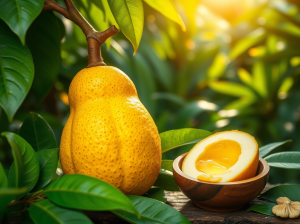
    Yuzu, a citrus fruit originating from East Asia, is gaining popularity for its unique flavor and various health benefits. Let’s explore the advantages of incorporating yuzu into your diet.

    Rich in Vitamin C

    Yuzu is packed with vitamin C, containing about 3 times more vitamin C than lemons. Vitamin C is essential for a healthy immune system, skin health, and collagen production.

    Antioxidant Properties

    Yuzu is a potent source of antioxidants, such as flavonoids and vitamin E, which help protect the body from oxidative stress and reduce the risk of chronic diseases.

    Improves Digestion

    The high fiber content in yuzu promotes healthy digestion and prevents constipation. It also contains compounds that can help soothe digestive issues like bloating and indigestion.

    Boosts Skin Health

    Yuzu’s antioxidant properties can benefit the skin by fighting free radicals that contribute to premature aging. Incorporating yuzu into your skincare routine may help improve skin texture and overall appearance.

    Enhances Mood

    The refreshing aroma of yuzu is known to have mood-boosting effects. The citrus scent can help reduce stress, anxiety, and fatigue, promoting a sense of relaxation and well-being.

    Supports Weight Loss

    Yuzu is a low-calorie fruit that can be a great addition to a weight loss diet. Its high fiber content can help you feel full for longer periods, reducing overall calorie intake.

    Create Invigorating Bath Products

    Adding yuzu essential oil to your bath can create a rejuvenating and energizing experience. The uplifting scent of yuzu can help relax your mind and body, making it the perfect addition to your self-care routine. You can also make your own yuzu-infused bath salts or body scrubs for a spa-like experience at home.

    With its unique flavor and numerous health benefits, yuzu is a versatile ingredient that can be used in various culinary creations. Whether you enjoy it in beverages, dressings, or desserts, incorporating yuzu into your diet can be a delicious way to boost your health.

  • Yerba Santa: Ancient Medicine for Modern Health

    Yerba Santa, also known as Eriodictyon californicum, is a plant native to the southwestern United States and northern Mexico. It has a long history of traditional use by indigenous peoples for its medicinal properties. But when exactly was Yerba Santa first used for health benefits?

    Ancient Roots

    The use of Yerba Santa for its health benefits dates back centuries. Native American tribes such as the Chumash, Costanoan, and Luiseno have a rich tradition of using this plant for various medicinal purposes. It was often brewed as a tea or used topically as a poultice to treat respiratory conditions, such as coughs and colds.

    Spanish Influence

    During the Spanish colonization of the Americas, Yerba Santa caught the attention of European settlers who recognized its therapeutic potential. Spanish missionaries and settlers learned about the plant’s healing properties from the indigenous peoples and began incorporating it into their own traditional medicine practices.

    19th Century Recognition

    Yerba Santa gained further recognition in the 19th century when it was introduced to Western herbal medicine. The plant’s expectorant and decongestant properties made it a popular remedy for respiratory ailments, such as bronchitis and asthma. It was often included in cough syrups and herbal teas.Respiratory Health

    One of the primary traditional uses of Yerba Santa is for respiratory health. The leaves of the plant contain compounds that are believed to help with conditions such as coughs, colds, and asthma. Yerba Santa is often used in herbal remedies to support the respiratory system.

    Expectorant Properties

    Yerba Santa is known for its expectorant properties, which can help to loosen and expel mucus from the respiratory tract. This makes it a popular choice for addressing congestion and promoting healthy breathing.

    Anti-inflammatory Effects

    Studies have shown that Yerba Santa possesses anti-inflammatory properties, which may help to reduce inflammation in the body. This makes it potentially beneficial for conditions such as arthritis and other inflammatory disorders.

    Antioxidant Benefits

    Yerba Santa is rich in antioxidants, which are compounds that help to protect the body from damage caused by free radicals. Antioxidants play a key role in overall health and may help to reduce the risk of chronic diseases.

    Topical Applications

    In addition to its internal uses, Yerba Santa can also be used topically. The leaves of the plant can be made into a poultice or infused into oils for use on the skin. This can help to so

    Modern Research

    In recent years, scientific research has started to catch up with the traditional uses of Yerba Santa. Studies have shown that the plant contains compounds with anti-inflammatory, antioxidant, and antimicrobial properties. These findings support its potential use in modern medicine for conditions such as respiratory infections and inflammatory disorders.

    Overall, the history of Yerba Santa’s use for health benefits is deeply rooted in indigenous traditions and has evolved over time through cultural exchange and scientific exploration. Whether brewed as a tea or incorporated into herbal remedies, this versatile plant continues to offer valuable contributions to natural medicine.

    Yerba Santa – Uses, Side Effects, and More WEB MD

  • Personalize Suborn Ornaments for Unique Style

    Looking for a unique way to commemorate special moments this holiday season? Consider choosing one of our SUBORN Holiday Ornaments or customizing your own. These ornaments are not just decorations; they are keepsakes that will bring smiles for years to come.

    What Makes These Ornaments Special?

    Our holiday ornaments are available in Oval, Heart, Circle, and Star shapes, allowing you to choose the perfect design for your needs. Whether you are looking to add a personal touch to your own tree or searching for a thoughtful gift for a loved one, these ornaments are the ideal choice.

    Customize Your Own Ornament

    Want to make your ornament even more special? Customize it with a name, picture, date, or meaningful message. By personalizing your ornament, you can create a one-of-a-kind piece that captures the essence of the occasion.

    Memorable Gifts That Last

    Unlike traditional holiday decorations that are packed away at the end of the season, these ornaments are meant to be cherished year after year. Each time you hang the ornament on your tree, you’ll be reminded of the special moment it represents.

    The Perfect Gift

    Looking for a memorable gift for family and friends? A custom holiday ornament is a thoughtful and unique option. Whether you are celebrating a new baby, a wedding, a graduation, or any other milestone, an ornament personalized with the recipient’s name or a special message is sure to be appreciated.

    Order Your Custom Ornament Today

    Don’t wait until the last minute to order your custom holiday ornament. Start creating a lasting memory today by choosing one of our pre-designed ornaments or personalizing your own. With a variety of shapes and customization options available, you can create a truly special piece that will be treasured for years to come.

    Choose One of Our Designs Suborn Ornaments, or Design Your Way Design Your Way

  • Unique Holiday Gifts for Sustainable Living

    As part of healthy living is fun with friends and familly so design a unique gift from our customize your way collection

    Shop EJADA SM Choose from my designs are customize your own.

    Click here and be taken too saving and uique designs.EJADA Holiday

    The Christmas Holiday season is fast approaching, and it’s time to start thinking about how to make your home festive and welcoming. One way to do this is by incorporating unique and up-to-date ornaments, indoor mats, and sustainable aprons into your holiday decor. These items not only add a touch of charm to your space but also contribute to a more sustainable and eco-friendly holiday season.

    Why Choose Unique Ornaments?

    Unique ornaments can make your Christmas tree stand out and reflect your personal style. Opting for handcrafted or locally sourced ornaments adds a special touch to your holiday decor. By supporting local artisans, you are not only adding unique pieces to your collection but also contributing to the local economy.

    Benefits of Indoor Mats

    Indoor mats are not only practical for keeping your floors clean during the holiday season but can also add a festive touch to your entryway. Opt for mats made from sustainable materials like recycled rubber or natural fibers to reduce your environmental impact. These mats are durable, eco-friendly, and can be reused for years to come.

    Embracing Sustainable Aprons

    When preparing holiday meals or hosting gatherings, a sustainable apron can be a stylish and eco-friendly addition to your kitchen attire. Look for aprons made from organic cotton or linen, which are not only durable but also better for the environment. By choosing sustainable aprons, you are promoting ethical practices in the fashion industry and reducing waste.

    As you prepare to deck the halls and create a warm and inviting atmosphere in your home this holiday season, consider incorporating unique ornaments, indoor mats, and sustainable aprons into your decor. Not only will these items add a special touch to your space, but they will also contribute to a more sustainable and eco-friendly holiday celebration.

    EJADA Customize click here:EJADA Customize Your Way

    Are you looking to add a personal touch to your everyday items? Look no further! Our new customization options allow you to personalize your t-shirts, color-changing mugs, aprons, tote bags, and more with your unique design at no extra charge for images.

    What items can you customize?

    Our customization options cover a wide range of everyday items that you use regularly. From t-shirts that you wear to color-changing mugs that brighten up your morning, you can now add a touch of personality to everything you own.

    How does the customization process work?

    Our customization process is simple and hassle-free. You can choose the item you want to personalize, upload your design or image, and we will take care of the rest. Our team of experts will ensure that your design is printed with precision and care, resulting in a high-quality finished product.

    Why choose our customization options?

    Our customization options offer you the opportunity to stand out from the crowd and express your unique style. Whether you want to create a custom t-shirt for a special event or gift a personalized mug to a loved one, our options allow you to unleash your creativity without any additional cost for images.

    What sets our customization options apart?

    Unlike other customization services, we do not charge extra for images. This means that you can bring your design ideas to life without worrying about additional costs. Our commitment to providing affordable and high-quality customization sets us apart from the rest.

    So why wait? Personalize your everyday items today with our customization options and make a statement wherever you go!Generate againKeep

  • Unlocking Yarrow’s Healing Properties: Herbal Insights

    When it comes to incorporating herbs into your diet, the options are endless. From adding flavor to your dishes to providing various health benefits, herbs play a crucial role in enhancing your overall well-being. In this blog post, we will delve into the world of herbs that begin with the letter Y and discover their unique properties.

    Yarrow, also known as Achillea millefolium, is a powerful herb that has been used for centuries in traditional medicine practices. This flowering plant is native to regions in Asia, Europe, and North America, and is known for its various health benefits.

    What are the Health Benefits of Yarrow?

    Yarrow is rich in bioactive compounds such as flavonoids, alkaloids, and tannins, which contribute to its medicinal properties. This herb is commonly used to:

    • Reduce inflammation and pain
    • Support digestion and relieve gastrointestinal issues
    • Boost the immune system
    • Act as a natural diuretic
    • Promote wound healing and reduce bleeding

    How is Yarrow Used in Herbal Medicine?

    Yarrow can be consumed in various forms, including teas, tinctures, capsules, and essential oils. The dried leaves and flowers of the yarrow plant are often used to make herbal preparations. Some common uses of yarrow in herbal medicine include:

    • Brewing a soothing yarrow tea to aid in digestion and reduce inflammation
    • Applying yarrow essential oil topically to promote wound healing and reduce skin inflammation
    • Taking yarrow capsules or tinctures for immune support and overall wellness

    Are There Any Precautions to Consider?

    While yarrow is generally considered safe for most people when used in appropriate amounts, there are some precautions to keep in mind:

    • Yarrow may cause allergic reactions in individuals who are sensitive to plants in the Asteraceae family
    • Excessive consumption of yarrow may lead to digestive issues or skin irritation
    • It is important to consult with a healthcare provider before using yarrow, especially if you are pregnant, nursing, or taking medications

    Overall, yarrow is a versatile herb with a long history of use in herbal medicine. Whether you are looking to support your immune system, aid in digestion, or promote wound healing, yarrow may offer a natural solution worth exploring.

    According to Very Well Health: in test tube studies, yarrow’s active ingredients have been shown to work as antibiotics, antioxidants, antiproliferatives (slowing cell growth), and more.

    Dosoky NS, Setzer WN. Maternal reproductive toxicity of some essential oils and their constituents. International Journal of Molecular Sciences. 2021;22(5):2380. doi:10.3390/ijms22052380 These properties make yarrow a supplement of interest for almost everything from multiple sclerosis to cancer,YARROW

    As always bought to you by EJADA SM which stands for Everythings Just A Dream Away

  • Xyris: A Natural Remedy for Better Health

    Hello everyone I kno it has been some time since my last post but I am better now after having my back try to rule my life, so lets get back to the alphabet of herbs. I am completing my alphabet of herbs and Xyris is the next in line.

    Xyris

    Xyris is a plant that has been used for centuries for its various health benefits. Let’s explore the science behind the benefits of Xyris and how it can improve your well-being.

    What are the Nutritional Benefits of Xyris?

    Xyris is rich in antioxidants, vitamins, and minerals that are essential for overall health. It contains high levels of vitamin C, which boosts the immune system and promotes healthy skin. Additionally, Xyris is a good source of fiber, which aids in digestion and helps maintain a healthy weight.

    How Does Xyris Support Heart Health?

    Studies have shown that Xyris can help lower cholesterol levels and reduce the risk of heart disease. The plant’s anti-inflammatory properties can also help reduce inflammation in the body, which is a key factor in heart health.

    Can Xyris Help with Diabetes Management?

    Xyris has been found to have a positive impact on blood sugar levels, making it a potential ally in diabetes management. The plant’s ability to regulate blood glucose levels can help prevent spikes and crashes, leading to better overall blood sugar control.

    How Does Xyris Benefit Brain Function?

    The antioxidants in Xyris have been shown to protect brain cells from damage and improve cognitive function. Regular consumption of Xyris may help enhance memory, focus, and overall brain health.

    What Other Health Benefits Does Xyris Offer?

    Aside from the benefits mentioned above, Xyris has also been linked to improved skin health, reduced inflammation, and enhanced detoxification. Its natural compounds work synergistically to promote overall well-being and vitality.

    With its impressive array of health benefits, it’s no wonder that Xyris has gained popularity as a natural remedy for various health conditions. Incorporating Xyris into your diet or supplement routine may help support your overall health and wellness.

    What Precautions Should You Take When Using Xyris?

    While Xyris offers many health benefits, it’s important to use it with caution. Some individuals may experience allergic reactions to Xyris, so it’s recommended to do a patch test before using it topically or internally. Pregnant and breastfeeding women should consult with a healthcare provider before using Xyris to ensure safety for both mother and baby.

    Precaution: These results suggest that xylitol, like erythritol, could have long-term cardiovascular health risks. National Institute of Health

    Don’y forget to make someone happy this gift giving season with one of my personalized products, or customize your own, shop now EJADA SM NOW!!

  • Top 5 Health Benefits of Xylopia You Should Know

    Are you curious about the benefits of Xylopia, a lesser-known natural ingredient? Let’s dive into the top 5 advantages that Xylopia can offer.

    1. Rich in Antioxidants

    Xylopia is packed with antioxidants, which help protect the body from damage caused by harmful molecules known as free radicals. By incorporating Xylopia into your diet, you can boost your antioxidant intake and support overall health.

    2. Anti-Inflammatory Properties

    Studies have shown that Xylopia possesses anti-inflammatory properties, making it a valuable ingredient for combating inflammation in the body. This can be particularly beneficial for individuals dealing with conditions related to inflammation.

    3. Digestive Health Support

    Xylopia has been traditionally used to aid in digestive health. It can help promote healthy digestion, alleviate digestive issues, and support overall gut health. Adding Xylopia to your diet may help improve your digestive system’s function.

    4. Immune System Boost

    With its immune-boosting properties, Xylopia can help strengthen the body’s natural defense mechanisms. By incorporating Xylopia into your daily routine, you can give your immune system a valuable ally in fighting off illnesses and infections.

    5. Potential Anti-Cancer Effects

    Research suggests that Xylopia may have potential anti-cancer effects, thanks to its bioactive compounds. While more studies are needed to fully understand its impact, the preliminary findings are promising and highlight the potential health benefits of Xylopia.

    With its antioxidant, anti-inflammatory, digestive health support, immune system boost, and potential anti-cancer effects, Xylopia is a powerful natural ingredient worth exploring. Consider incorporating Xylopia into your diet to experience these benefits firsthand.

    READ MORE: Xylopia is a compression from Greek ξυλον πικρον (xylon pikron) meaning “bitter wood”. The second part of the plant’s binomial name, aethiopica, refers to the origin of the tree, in Ethiopia, though currently it grows most prominently as a crop in GhanaTogo and other parts of West Africa, Xylopia