EJADA

Living Healthy, Natural Healing, Herbal Health, and nutritional

  • Top 7 Health Benefits of Avocados You Must Know

    Avocados are a nutrient-packed fruit, often celebrated for their versatility and health benefits. Here are some highlights:

    • Rich in Healthy Fats: They contain monounsaturated fats, which are heart-healthy and help lower bad cholesterol levels.
    • Packed with Nutrients: Avocados are a great source of vitamins like C, E, K, and B6, as well as minerals like potassium and magnesium.
    • High in Fiber: They support digestion and help maintain a feeling of fullness.
    • Antioxidant Properties: Avocados contain compounds that may reduce inflammation and protect against oxidative stress.
    • Skin and Hair Benefits: Avocado oil is often used in cosmetics for its moisturizing properties.

    Native to Mexico and Central America, avocados are now cultivated globally and are a staple in dishes like guacamole, salads, and smoothies.

    Also known as alligator pear or butter fruit. Avocados are a favorite of the produce section. They’re the go-to ingredient for guacamole dips. And they’re turning up in everything from salads and wraps to smoothies and even brownies. So what exactly makes this pear-shaped berry (yes, that’s right!) such a superfood? Webmd.com

    Read More @ Healthline. Avocados are extremely popular in the health and wellness world because they’re highly nutritious and have been linked to several health benefits. This article lists 7 benefits of eating avocados, and more about nutrition, weight loss, and how to enjoy them.

  • Atemoya

    Atemoya, a tropical fruit that’s a hybrid of sugar apple (Annona squamosa) and cherimoya (Annona cherimola). Atemoya is a green, cone-shaped fruit with a bumpy exterior and creamy, custard-like flesh. Its flavor is often described as a delightful mix of banana, pineapple, and strawberry.

    Nutritional Highlights:

    • Calories: About 94 per 100 grams.
    • Vitamins: Rich in Vitamin C and Vitamin B6, which support immunity and mood regulation.
    • Minerals: Contains potassium, magnesium, and calcium, promoting heart and bone health.
    • Fiber: Aids digestion and helps maintain a healthy gut.

    Health Benefits:

    1. Boosts Mood: High in Vitamin B6, which helps produce serotonin and dopamine, enhancing happiness and focus.
    2. Supports Digestion: Its fiber content promotes healthy bowel movements.
    3. Strengthens Immunity: Packed with Vitamin C to help fight infections.
    4. Antioxidant Properties: Contains compounds that combat free radicals, reducing oxidative stress.

    Atemoya is often enjoyed fresh, in smoothies, or as a dessert ingredient.

    Atemoya is generally safe to eat, but there are a few considerations to keep in mind:

    1. Seeds: Atemoya seeds are not edible and can be toxic if ingested. Always remove them before consuming the fruit.
    2. Allergic Reactions: Some individuals may experience allergic reactions to Atemoya, especially if they have sensitivities to other fruits in the Annonaceae family.
    3. Overconsumption: Eating excessive amounts of Atemoya may lead to digestive discomfort due to its high sugar content.
    4. Pesticides: Like many fruits, Atemoya may be exposed to pesticides during cultivation. Washing the fruit thoroughly is recommended.

    If you have specific health concerns or dietary restrictions, it’s always a good idea to consult a healthcare professional before adding new foods to your diet. Have you tried Atemoya before?

    Symptoms of an allergic reaction to Atemoya can vary depending on the individual’s sensitivity. Common signs include:

    1. Mild Symptoms: Itching or tingling in the mouth, hives, or localized swelling.
    2. Moderate Symptoms: Nausea, vomiting, widespread rash, or difficulty breathing.
    3. Severe Symptoms (Anaphylaxis): Swelling of the throat, constriction of airways, rapid pulse, or dizziness. Anaphylaxis is life-threatening and requires immediate medical attention.

    If you suspect an allergic reaction, it’s crucial to seek medical advice promptly. Have you experienced any food allergies before?

    Read More @ Healthbenefitstimes

    Annona atemoya originated as a cross of Annona squamosa and Annona cherimola in Florida. P.J. Wester made the first cross at the United States Department of Agriculture’s subtropical laboratory, Miami in 1908. In 1910, seedlings were planted. Other crosses were made in 1910 and fruited in 1911. Then seeds were taken to the Philippines and other by Wester

  • Why Acai is a Superfood You Need to Know

    Acai berries are often praised for their potential health benefits. They are rich in antioxidants, particularly anthocyanins, which help neutralize free radicals and may reduce the risk of diseases like diabetes, cancer, and heart disease. They also contain healthy fats, fiber, and trace minerals such as chromium, zinc, and magnesium.

    Acai berries are 1-inch (2.5-cm) round fruits that grow on acai palm trees in the rainforests of Central and South America. They have dark purple skin and yellow flesh surrounding a large seed.

    Because they contain pits like apricots and olives, they’re technically not a berry, but rather a drupe. Nevertheless, they’re commonly referred to as berries.

    In the Amazon rainforest, acai berries frequently accompany meals.

    To make them edible, they are soaked to soften the tough outer skin and then mashed to form a dark purple paste.

    They have an earthy taste that’s often described as a cross between blackberries and unsweetened chocolate.

    Fresh acai berries have a short shelf life and aren’t available outside of where they are grown. As an export, they are sold as a frozen fruit purée, dried powder, or pressed juice.

    Acai berries are also sometimes used to flavor food products, including jelly beans and ice cream, while some non-food items like body creams contain acai oil. Read More: https://www.healthline.com

    According to Web MD: There’s no formal medical definition of a superfood. But the term generally refers to a food that’s high in healthy nutrients like fiber or antioxidants. Acai seems to fit the bill since studies show that acai fruit pulp is even richer in antioxidants than cranberries, raspberries, blackberries, strawberries, or blueberries. Acai, pronounced ah-SI-ee, also contains fiber as well as other vitamins and minerals. 

    However, there’s little scientific evidence that acai can promote weight loss or has anti-aging properties.

    It may protect against free radicals. Free radicals lead to a process called oxidation, which damages cells. Experts believe cell oxidation may be a leading cause of diseases like cancer, heart disease, and diabetes. But we need more research into whether antioxidants could lower the risk of these illnesses.

    It may lower “bad” cholesterol

    Early research shows that eating or drinking acai may help lower LDL – or “bad” – cholesterol levels. Too much LDL cholesterol in your body can lead to the buildup of a substance called plaque in your arteries. This causes blockages that could result in heart disease or a stroke.

    It may help manage blood sugar

    One study found that overweight people who ate or drank acai pulp for 30 days were better able to manage their blood sugar. Carrying extra weight increases your risk of having high blood sugar levels and getting type 2 diabetes.

    Why is acai used in beauty products?

    Some cosmetics and other beauty products include acai oil because antioxidants are thought to help protect your skin against the damaging effects of free radicals. There’s little research into this, though.

    But acai oil may be a safe alternative to other tropical oils often used in beauty products like:

    • Facial and body creams
    • Anti-aging skin therapies
    • Shampoos and conditioners

     When acai oil is processed and stored long-term, its antioxidant levels remain high. Read More: https://www.webmd.com

    Summary: While acai berries are nutrient-dense and may support overall health, research on their specific effects in humans is still limited. They are available in various forms, including frozen purée, powder, and juice, making them a versatile addition to a balanced diet.

  • Comparing Tap and Spring Water: Health, Taste, and Safety

    What do you know about the water you drink? Let’s compare

    Tap water in the United States is generally safe to drink, as it is regulated by the Environmental Protection Agency (EPA) and must meet strict safety standards2. However, the quality of tap water can vary depending on where you live and the condition of your local water system. Contaminants like lead, pesticides, or “forever chemicals” (PFAS) can sometimes be present, especially in areas with older infrastructure or specific environmental issues. Tap water can offer health benefits! In the United States, tap water is often fortified with fluoride, which helps prevent tooth decay. It also provides hydration, supports digestion, and helps maintain bodily functions like regulating temperature and flushing out waste

    If you’re concerned about your tap water, you can:

    • Check your local water quality report to see which utilities are required to provide annually.
    • Use a water filter certified to remove specific contaminants.
    • Test your water, especially if you use a private well, as EPA standards don’t apply to private water sources.

    Spring water is generally considered healthy as it comes from natural underground sources and is often naturally filtered through layers of rock and soil. It can contain beneficial minerals like calcium and magnesium, which contribute to its taste and potential health benefits. However, the safety of spring water depends on its source and how it’s processed. Untreated or “raw” spring water can pose risks, as it may contain harmful bacteria or contaminants. Drinking 100% spring water can have health benefits, as it often contains natural minerals like calcium and magnesium, which are essential for your body. These minerals can support bone health, muscle function, and overall hydration. Additionally, spring water is naturally filtered through layers of rock and soil, which can enhance its purity and taste2.

    However, the benefits depend on the source of the spring water and how it’s processed. It’s important to ensure that the water meets safety standards to avoid potential contaminants. If you’re considering switching to spring water, it’s a good idea to research the brand or source to ensure its quality.

    If you’re considering spring water, it’s best to choose bottled spring water that meets safety standards set by the FDA or EPA2. Do you want to explore the differences between spring and purified water?

    It’s your choice, but I found that since I stopped drinking tap water, I am feeling better and less bolted , and I have more energy at my age. I offer a challenge try drinking 100% Spring water for two weeks and see if there is any difference in your energy level and needing less water than when you drink tap water, I know I will never go back to tap water again, if you find that you feel better I suggest a filter on your water faucet to cut dow on the plastic that comes with the use of tap water.

    The choice between tap water and spring water depends on your priorities:

    • Tap Water: It’s cost-effective, environmentally friendly, and regulated for safety. It often contains fluoride, which helps prevent tooth decay. However, its taste can vary due to chlorine or other treatments, and older infrastructure may pose risks in some areas..
    • Spring Water: It often has a fresher taste and contains natural minerals like calcium and magnesium, which can be beneficial for health. However, it can be more expensive and less environmentally friendly due to bottling and transportation..

    Ultimately, the decision comes down to your preferences for taste, cost, health benefits, and environmental impact. Which one aligns better with your lifestyle?

  • Discover the Benefits of Ackee Fruit

    Have you heard of this fruit, Ackee?, I hadn’t.

    Ackee, the national fruit of Jamaica, offers several health benefits when consumed properly. Here are some highlights:

    • Digestive Health: Ackee is rich in dietary fiber, which promotes healthy digestion and prevents issues like constipation and inflammation in the gut.
    • Heart Health: It contains healthy fats that can support cardiovascular health.
    • Weight Management: The fruit is low in carbohydrates and high in healthy fats, making it a good option for weight control.
    • Bone Health: Ackee provides essential nutrients like calcium and phosphorus, which are important for strong bones.
    • Immune Support: Its vitamin C content helps boost the immune system.
    • Ackee is a unique fruit with a rich nutritional profile. Here’s a breakdown of its key nutrients per 100 grams:
    • Calories: Approximately 150
    • Total Fat: 15 grams (mostly healthy fats like linoleic and oleic acids)
    • Protein: 3 grams
    • Carbohydrates: Less than 1 gram
    • Fiber: 2.7 grams
    • Vitamin C: 30 milligrams
    • Potassium: High levels, supporting heart health and muscle function
    • Iron: 0.7 milligrams, aiding in oxygen transport in the body
    • Vitamin B3 (Niacin): 1.1 milligrams, important for energy metabolism
    • Copper: Significant amounts are essential for red blood cell formation and immune health
    • Ackee is also rich in essential amino acids and fatty acids, making it a nutritious addition to a balanced diet. However, remember to consume it only when fully ripe and properly prepared to avoid its natural toxins

    (However, it’s crucial to consume ackee only when it’s fully ripe and properly prepared, as unripe ackee contains toxins that can be harmful.)

    Ackee is a versatile fruit that can be incorporated into your diet in various ways. Here are some ideas:

    1. Ackee and Saltfish: This is Jamaica’s national dish. Combine cooked ackee with salted cod, onions, tomatoes, and spices for a flavorful meal.
    2. Ackee Salad: Mix ackee with fresh vegetables like lettuce, cucumber, and tomatoes and drizzle with a light vinaigrette.
    3. Ackee Stir-Fry: Add ackee to a vegetable stir-fry for a creamy texture and unique flavor.
    4. Ackee Soup: Use ackee as an ingredient in soups or stews for added richness.
    5. Ackee Breakfast: Serve ackee with scrambled eggs or as a topping for toast.

    Remember, ackee must be fully ripe and properly prepared to ensure it’s safe to eat. Which of these ideas sounds most appealing to you?

    Looking to try Ackee here are some locations I found: Target: Linstead Market Jamaica Ackee is available online at Target.

    Walmart: Grace Ackee is sold online at Walmart.

    Amazing Ackee: This website provides a growing list of places to buy ackee, including specific stores and online options

    And probably at our favorite Amazon, you’ll have to research and find what’s available in your area.

  • Maximize Your Health with Avocado Nutrients

    Avocados are a nutritional powerhouse with numerous health benefits. Here are some highlights:

    Avocados are nutrient-dense, and some of their most beneficial nutrients include:

    Lutein and Zeaxanthin: These carotenoids are important for eye health and may help reduce the risk of age-related macular degeneration.

    Monounsaturated Fats: These heart-healthy fats can help reduce harmful cholesterol levels and support cardiovascular health.

    Fiber: Important for digestion, fiber also helps regulate blood sugar and promotes a feeling of fullness.

    Potassium: Avocados are high in potassium, which supports healthy blood pressure and muscle function.

    Folate: Essential for cell repair and growth, folate is particularly important during pregnancy.

    Vitamin E: A powerful antioxidant that helps protect cells from damage and supports skin health.

    Vitamin K: This is Vital for bone health and proper blood clotting.

    • Rich in Nutrients: They are packed with vitamins like C, E, K, and B6 as well as folate, magnesium, and potassium2.
    • Heart Health: The monounsaturated fats in avocados can help lower harmful cholesterol levels and support cardiovascular health.
    • Improved Digestion: Their high fiber content aids in digestion and promotes a healthy gut microbiome.
    • Anti-Inflammatory Properties: Avocados contain compounds that may reduce inflammation in the body.
    • Brain and Eye Health: Nutrients like lutein and omega-3 fatty acids support cognitive function and vision.
    • Weight Management: The healthy fats and fiber can help you feel full longer, potentially aiding in weight control. Sounds like a super fruit. Remember, these nutrients make avocados a great addition to a balanced diet

    They’re not just delicious but also versatile, making them a great addition to your diet. How do you enjoy avocados? Guacamole, toast, or something more creative?

    Seven health benefits of avocados read more at Healthline.com

  • Why Apples Are Essential for Your Daily Diet

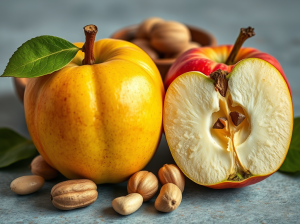
    We have all heard, at one time or another, that an apple a day keeps the doctor away. Let’s see how that saying holds up. Apples come in three colors; let’s explore which offers the best benefits to incorporate into your daily routine.

    Red Apples are a great source of essential nutrients and have many health benefits. Here’s why:

    Rich in Fiber: Apples, especially with the skin, provide dietary fiber, which supports healthy digestion.

    Low in Calories: A medium-sized red apple contains about 95 calories, making it a light and nutritious snack.

    Loaded with Antioxidants: Red apples contain compounds like quercetin, which can help reduce inflammation and support your immune system.

    Vitamins & Minerals: They are a good source of vitamin C, which boosts your immune health, and they also contain potassium, which is good for heart health.

    Natural Sweetness: They can satisfy your sweet tooth while keeping you away from processed sugars.

    Let’s Compare Green Apples

    Green apples are packed with health benefits! Here’s a breakdown of what they bring to the table:

    Rich in Fiber: Just like their red counterparts, green apples are great for digestion and promoting gut health.

    Low in Sugar: Green apples, like Granny Smith, tend to be lower in sugar compared to red varieties, which makes them an excellent choice for those watching their sugar intake.

    Packed with Antioxidants: They contain compounds that help protect cells from damage caused by free radicals.

    Vitamin Boost: Green apples are loaded with vitamin C for immune support and skin health, as well as vitamin A to promote eye health.

    Metabolism-Friendly: Their tartness is said to help boost metabolism and support weight management.

    Heart-Healthy: They provide potassium and fiber, which are great for keeping your heart in good shape.

    If you love their tangy taste and crisp bite, it’s a win-win for flavor and health!

    Yellow Apples

    Yellow apples, such as Golden Delicious, come with their own bundle of health benefits! Here’s why they’re worth biting into:

    • Supports Digestive Health: Like other apples, yellow apples are rich in fiber, which helps maintain a healthy gut and prevent constipation.
    • Boosts Immunity: They’re packed with vitamin C, a powerful antioxidant that strengthens the immune system and promotes healthy skin.
    • Heart-Healthy: The potassium in yellow apples supports heart function and helps regulate blood pressure.
    • Bone Health: They provide small amounts of calcium, which is essential for strong bones and teeth.
    • Natural Energy: With their natural sugars and carbs, yellow apples can give you a quick energy boost without the crash.

    Golden Delicious apples are also known for their sweet and mellow taste, making them a versatile addition to both snacks and recipes.

    No matter the color—red, green, or yellow—apples are a fantastic addition to your diet, offering a variety of health benefits. So, the saying “an apple a day keeps the doctor away” holds a lot of truth. Enjoy the crunch and the goodness!

  • Fresh Healthy Fruits

    Nature’s Nutritional Powerhouses

    Fresh healthy fruits are among the most delightful and nutritious foods available. Bursting with flavors, textures, and vibrant colors, they provide an array of essential vitamins, minerals, and antioxidants that contribute significantly to our well-being. Whether enjoyed as a refreshing snack, blended into smoothies, or incorporated into meals, fresh fruits offer numerous health benefits that make them an indispensable part of a balanced diet.

    Benefits of Fresh Fruits

    Rich in Nutrients

    Fresh fruits are laden with vitamins such as Vitamin C, Vitamin A, and multiple B vitamins. They also supply essential minerals like potassium, magnesium, and calcium. These nutrients are vital for maintaining various bodily functions, including immune system support, skin health, and muscle function.

    High in Antioxidants

    Many fresh fruits, such as berries, oranges, and grapes, are rich in antioxidants. These compounds help combat oxidative stress, which can damage cells and lead to chronic diseases. Regular consumption of antioxidant-rich fruits can lower the risk of conditions like heart disease, cancer, and diabetes.

    Hydration and Fiber

    Fruits like watermelon, strawberries, and oranges have high water content, aiding in hydration. Additionally, the dietary fiber found in fruits such as apples, pears, and bananas promotes healthy digestion and can help manage weight by providing a feeling of fullness.

    Popular Fresh Fruits and Their Health Benefits

    Berries

    Berries, including strawberries, blueberries, raspberries, and blackberries, are small but mighty. They are packed with vitamins and antioxidants, particularly anthocyanins, which give them their vibrant colors. Berries are known for improving brain health, reducing inflammation, and supporting heart health.

    Apples

    The adage “an apple a day keeps the doctor away” is rooted in truth. Apples are rich in fiber, especially pectin, which aids digestion and supports gut health. They contain Vitamin C and various phytochemicals that promote heart health and may reduce the risk of certain cancers.

    Citrus Fruits

    Oranges, lemons, grapefruits, and limes are excellent sources of Vitamin C, a crucial antioxidant that supports the immune system. Citrus fruits also provide flavonoids that have anti-inflammatory and anti-cancer properties. Their tangy flavor makes them a popular choice for juices and culinary dishes.

    Bananas

    Bananas are known for their high potassium content, which is vital for heart health and maintaining proper muscle function. They are also a good source of Vitamin B6 and fiber. Bananas provide a quick energy boost, making them a favored snack for athletes.

    Grapes

    Grapes, particularly red and purple varieties, contain resveratrol, an antioxidant linked to heart health and longevity. They are also rich in vitamins C and K, and provide hydration due to their high water content.

    Tropical Fruits

    Mangoes, pineapples, papayas, and avocados are tropical delights that offer unique health benefits. Mangoes are high in Vitamin A and C, supporting eye health and immunity. Pineapples contain bromelain, an enzyme that aids digestion. Papayas are rich in papain, another digestive enzyme, and avocados provide healthy fats and fiber.

    Incorporating Fresh Fruits into Your Diet

    As Snacks

    Fresh fruits make excellent snacks that are both nutritious and satisfying. Keep a bowl of mixed berries, apple slices, or orange segments handy for a quick and healthy bite.

    In Smoothies

    Blending fruits into smoothies is a delicious way to consume multiple servings. Combine bananas, berries, and leafy greens with yogurt or plant-based milk for a refreshing and nutrient-packed drink.

    In Salads

    Adding fruits like strawberries, mandarin oranges, or pomegranate seeds to salads enhances flavor and nutrition. They pair well with leafy greens, nuts, and cheese.

    In Desserts

    Fresh fruits can be used to create healthier desserts. Try making fruit salad, baked apples, or yogurt parfaits topped with fresh fruit and granola.

    Conclusion

    Fresh healthy fruits are nature’s nutritional powerhouses, offering countless benefits for our health and well-being. Incorporating a variety of fruits into your daily diet can lead to improved vitality, better digestion, and a stronger immune system. Whether enjoyed on their own or as part of creative recipes, fresh fruits are a delicious and essential component of a healthy lifestyle.

  • Health Benefits of Apricots Explained

    Apricots are not just delicious—they’re packed with nutrients that offer a range of health benefits:

    • Rich in Antioxidants: Apricots contain beta-carotene, lutein, and vitamins A, C, and E, which help combat oxidative stress and protect against chronic diseases like cancer and heart disease.
    • Supports Eye Health: Vitamin A and beta-carotene in Apricots promote good vision and may reduce the risk of cataracts and age-related macular degeneration.
    • Boosts Skin Health: Apricots’ antioxidants and vitamins help maintain healthy, glowing skin.
    • Improves Digestion: High fiber content aids in digestion and supports gut health
    • Protects the Liver: Some studies suggest apricots may help prevent liver damage and support liver regeneration. Apricots are packed with essential nutrients that contribute to their health benefits.
    • Here are some of the key nutrients:
    • Vitamin A: Supports eye health and boosts the immune system.
    • Vitamin C: Acts as an antioxidant and promotes skin health.
    • Vitamin E: Protects cells from oxidative damage.
    • Beta-Carotene: Converts to vitamin A in the body and helps maintain healthy skin and vision.
    • Potassium regulates blood pressure and supports muscle function.
    • Fiber: Aids digestion and promotes gut health.
    • Iron: Important for oxygen transport in the blood.
    • Magnesium supports muscle and nerve function.
    • Apricots are low in calories and fat, making them

    They’re versatile and can be enjoyed fresh, dried, or in recipes.

    “Apricots are full of antioxidants, which help stave off chronic diseases like cancer and heart disease,” says registered dietitian Beth Czerwony, RD, LD. “They also have nutrients that boost your eye, skin, and gut health.” Read more: Clevelandclinic.org

    What are some easy recipes that include apricots? Apricots are incredibly versatile and can be used in sweet and savory dishes. Here are some easy recipes to try:

    1. Apricot Cake: A simple and flavorful cake topped with fresh apricots. It’s perfect for summer entertaining.
    2. Apricot Jam: Make a thick, chunky Apricot jam with minimal sugar for a delightful spread.
    3. Apricot Chicken: Combine apricot preserves, onion soup mix, Dijon mustard, and salad dressing for a flavorful chicken dish.
    4. Apricot Cobbler: A nostalgic dessert with a flaky crust and juicy apricot filling.
    5. Apricot Smoothie: Blend apricots with strawberries, pineapple, flaxseed, and coconut water for a refreshing drink.

    These recipes are easy to prepare and showcase the sweet-tart flavor of apricots.

    Insanely Good Recipes

    Overall, apricots are nutrient-dense and particularly strong in vitamins A and C, making them a healthy choice among fruits. Which aspect of their nutrition interests you most?

    Precautions to consider when consuming Apricots:

    • Pregnancy and Breastfeeding: While apricots are safe in food amounts, there isn’t enough reliable information about their safety in medicinal amounts during pregnancy or breastfeeding. It’s best to stick to moderate consumption.
    • Digestive Issues: Eating too many apricots can lead to digestive discomfort, including nausea, diarrhea, or stomach pain.
    • Allergic Reactions: Some individuals may be allergic to apricots, it’s important to watch for any adverse reactions.
    • Apricot Kernels: The kernels inside apricots contain amygdalin, which can release cyanide when ingested. Consuming large amounts of apricot kernels can be toxic.
    • Medication Interactions: Apricots may interact with certain medications, so consult a healthcare provider if you’re on medication.

    As with any food, moderation is key. If you have specific health concerns, it’s always a good idea to consult a healthcare professional.

  • Acerola: The Ultimate Vitamin C Superfruit for Health

    Acerola: Also known as Barbados cherry, these are vitamin C powerhouses.

    Acerola, or Barbados cherry, is a small fruit packed with nutrients. Here are some of its proven health benefits:

    • Rich in Vitamin C: Acerola contains 30-40 times more vitamin C than oranges, making it excellent for boosting the immune system and promoting collagen production2.
    • Supports Skin Health: Its antioxidants and vitamin C help maintain youthful skin by reducing wrinkles and protecting against UV damage.
    • Improves Metabolism: Acerola is rich in B-vitamins, which aid in maintaining a healthy metabolism.
    • Enhances Eye Health: The vitamin A in acerola supports vision and overall eye health.
    • Antioxidant Properties: It helps combat free radicals, reducing oxidative stress and inflammation.

    Acerola can be consumed fresh, in supplement form, or as a powder mixed into beverages. Have you tried it before?

    Here are some precautions to keep in mind when consuming Acerola:

    • High Vitamin C Content: Acerola is rich in vitamin C, so consuming it in large amounts may lead to side effects like diarrhea, nausea, or stomach cramps.
    • Kidney Stones: Excessive intake of acerola might increase the risk of kidney stones due to its high vitamin C levels.
    • Allergic Reactions: People with latex allergies might also experience allergic reactions to acerola.
    • Pregnancy and Breastfeeding: There isn’t enough reliable information about the safety of acerola in medicinal amounts during pregnancy or breastfeeding, so it’s best to stick to food-level consumption.
    • Medication Interactions: Acerola may interact with certain medications, such as blood thinners like warfarin or cancer treatments. Consult a healthcare provider if you’re on medication.

    Moderation is key! If you’re considering adding acerola to your diet or taking it as a supplement, consult with a healthcare professional.

  • Health Benefits of Fruits

    The Bounty of Nature

    Fruits are one of nature’s most precious gifts, offering a plethora of health benefits that are essential for maintaining a balanced diet and promoting overall well-being. Each type of fruit carries unique nutrients, vitamins, and compounds that contribute to bodily functions and disease prevention. Here, we explore the myriad ways in which fruits benefit our health.

    Rich in Nutrients

    Fruits are packed with essential vitamins and minerals that are crucial for our body’s daily functions. For instance, citrus fruits like oranges, lemons, and grapefruits are rich in vitamin C, which is vital for the immune system, skin health, and wound healing. Bananas are a great source of potassium, which helps regulate blood pressure, heart function, and fluid balance. Berries, such as strawberries, blueberries, and raspberries, are loaded with antioxidants like vitamin C and flavonoids that combat oxidative stress and inflammation.

    Boosting Immunity

    The vitamins and antioxidants found in fruits play a significant role in boosting and maintaining the immune system. Vitamin C, found in abundance in fruits like kiwis, strawberries, and bananas, is known for its immune-boosting properties. It stimulates the production of white blood cells, which defend the body against infections. Additionally, the antioxidants in fruits help neutralize free radicals, protecting the body from cellular damage and enhancing immune function.

    Improving Digestion

    Fruits are an excellent source of dietary fiber, which is essential for healthy digestion. Fiber aids in regular bowel movements, prevents constipation, and maintains gut health. Apples, pears, and plums contain both soluble and insoluble fiber, which helps in regulating blood sugar levels and promoting feeling of fullness. Regular consumption of fruits helps to maintain a healthy digestive tract and prevents common digestive issues.

    Heart Health

    Many fruits contribute significantly to heart health. Berries, grapes, and pomegranates are rich in polyphenols and antioxidants that help reduce blood pressure, improve cholesterol levels, and prevent arterial damage. The fiber content in fruits also helps lower bad cholesterol (LDL) levels. Additionally, fruits like avocados provide healthy fats that are beneficial for heart health, reducing the risk of cardiovascular diseases.

    Specific Fruits for Heart Health

    • Berries: Rich in antioxidants that reduce inflammation and improve cholesterol levels.
    • Grapes: Contain resveratrol, which helps protect the heart and arteries.
    • Pomegranates: Packed with polyphenols that enhance heart health.

    Weight Management

    Incorporating fruits into your diet can be an effective strategy for weight management. Fruits are low in calories and high in fiber, promoting satiety and reducing overall calorie intake. For instance, water-rich fruits like watermelon and grapefruit increase feelings of fullness, helping to control hunger and prevent overeating. Their natural sweetness also provides a healthier alternative to sugary snacks and desserts.

    Skin Health

    The vitamins, minerals, and antioxidants in fruits contribute to radiant and healthy skin. Vitamin C, found in fruits like oranges, kiwis, and strawberries, is essential for collagen production, which keeps the skin firm and youthful. The hydrating properties of fruits help maintain skin moisture, while antioxidants protect against sun damage and aging. Regular consumption of fruits can lead to a clearer complexion and better skin health.

    Cognitive Function

    Certain fruits have been linked to improved cognitive function and brain health. Blueberries, in particular, are known for their high antioxidant content, which has been shown to delay brain aging and improve memory. The nutrients in fruits like avocados and bananas support neurotransmitter function, enhancing mood and cognitive abilities. Fruits provide essential vitamins and minerals that nourish the brain and support mental clarity.

    Fruits for Cognitive Health

    • Blueberries: Rich in antioxidants that improve memory and cognitive function.
    • Avocados: Provide healthy fats that support brain health.
    • Bananas: Contain vitamin B6, which is crucial for neurotransmitter function.

    Preventing Chronic Diseases

    Regular consumption of fruits has been associated with a lower risk of developing chronic diseases such as diabetes, cancer, and cardiovascular diseases. The antioxidants, fibers, and phytochemicals in fruits help combat inflammation and oxidative stress, which are underlying causes of many chronic conditions. For example, consuming apples and citrus fruits has been linked to reduced risk of heart diseases and improved metabolic health.

    Hydration

    Many fruits have high water content, contributing to overall hydration. Staying hydrated is essential for all bodily functions, and fruits like watermelon, oranges, and strawberries provide a tasty and refreshing way to maintain adequate hydration levels. Proper hydration supports digestion, nutrient absorption, and skin health, making fruits an excellent addition to a balanced diet.

    Conclusion

    Fruits are an indispensable part of a healthy diet, offering a vast array of benefits that support physical, mental, and emotional well-being. Their rich nutrient profile, combined with their natural sweetness and versatility, makes them a delightful and essential component of daily nutrition. Embracing a variety of fruits in your diet ensures that you receive a diverse range of vitamins, minerals, and antioxidants, all contributing to a healthier and more vibrant life.

  • Living Healthy

    I have learned that there are all kinds of ways to be healthy. I am back from Africa after having a unique trip. We sometimes call it a bucket list but I donn’t think bucket is the best term , I think it should be called a living list, not just surviving but living. I do not understand why the air there was so much better for my allergies but I didn’t have the same alergy problems there which started one day after I had gottten back home, maybe it so clean because there are not a bunch of polutants in the air as here, but I can not be sure how all this really effects our daily living I just know that my daughter also suffers from allergies and had tried all kind of treatments while in America but she has been living in Africa allergy free for over two yeras now ???

    I really believe in living to the best even if iy’s just the food we eat, so I am now working on healthy living with low fat foods, siince I have came to the end of my alphabet of herbs.