EJADA

Living Healthy, Natural Healing, Herbal Health, and nutritional

  • Cacao: From Ancient Beverage to Modern Superfood

    Cacao refers to the seeds (often called beans) from the cacao tree, Theobroma cacao. These seeds are found inside large, colorful pods, and they have been celebrated for centuries, not only as the primary ingredient in chocolate but also for their rich nutritional profile. Traditionally, many Mesoamerican cultures held cacao in high regard, even calling it the “food of the gods” because of its significance in both diet and ritual.

    The history of cacao stretches back thousands of years. Evidence suggests that the earliest use of cacao—as a way to transform its bitter seeds into a drink or gruel—occurred in ancient Mesoamerica. Archaeological finds, including pottery vessels with traces of the stimulant theobromine (a chemical unique to cacao), point to the Olmec civilization as possibly the first to experiment with processing cacao as early as around 1500 B.C. These early practices involved fermenting the cacao seeds—and sometimes the surrounding pulp—to develop flavor; then roasting and grinding them into a paste that, when mixed with water (and eventually spices or natural sweeteners), produced a frothy, bitter beverage.

    This method of preparing cacao was later embraced and refined by later Mesoamerican cultures, notably the Maya and Aztecs. They elevated cacao from merely a food item to a highly esteemed ceremonial and even economic commodity. The Maya used cacao in daily rituals and festive ceremonies, often mixing it with water, chili, and sometimes honey to form a beverage that was both invigorating and symbolically significant. In Aztec society, cacao was so valuable that its beans were used as a form of currency and were believed to be a divine gift. Essentially, these early uses laid the cultural and culinary groundwork for what would evolve over centuries into the wide variety of chocolate products enjoyed around the globe today.

    In its natural, raw state, cacao is minimally processed to retain as many of its beneficial compounds as possible. After harvesting, the beans are typically fermented—a crucial step that develops their characteristic flavor—then dried, and sometimes roasted if the end product is meant to be cocoa. The term “cacao” is often used to describe the raw or less processed form, which tends to have a stronger, more bitter flavor and a higher content of antioxidants, flavonoids, and minerals than its roasted counterpart, cocoa. These nutritional benefits have helped fuel cacao’s popularity as a key ingredient in gourmet chocolate and as an element in health-conscious foods, ranging from cacao nibs to raw cacao powders.

    According to WebMD, Cacao Powder Benefits

    Cacao is full of flavonoids and antioxidants thought to have many health benefits, like reducing inflammation and improving blood flow.   

    Here are some of the benefits you could get from cacao and cacao powder.

    Lowers blood pressure 

    Cacao powder is packed with flavonoids, which have been shown to help lower blood pressure, improve blood flow to your brain and heart, and help prevent blood clots. 

    Reduces diabetes risk

    The antioxidants in cacao and cocoa may affect how your body responds to insulin, which could lower your chances of diabetes. Research shows the flavonoids in cacao may also improve your insulin resistance or change the way your body metabolizes glucose if you already have diabetes or prediabetes. www.webmd.com

    In the United States, cocoa is available in several distinct forms to suit different culinary, nutritional, and even cosmetic needs

    • Cacao Beans: Whole beans that have been harvested from the cacao pod. They can be purchased raw or roasted, depending on the intended use. Used for making chocolate from scratch, snacking (once roasted), or grinding into other forms like nibs or paste.
    • Cacao Nibs: Cracked pieces of cacao beans with the husk removed. They retain the natural, tangy flavor and a high antioxidant content. Ideal for adding texture and flavor to smoothies, baked goods, or as toppings for yogurt and salads.
    • Cacao Powder: Made by grinding cacao beans after removing cocoa butter. It’s available in natural (raw) or processed (often Dutch-processed for a milder flavor) forms. Commonly used in beverages (like hot chocolate), baking, smoothies, and various dessert recipes.
    • Cocoa Butter: The fat extracted from cacao beans. It maintains much of the bean’s original flavor and aroma. A key ingredient in chocolate-making, confections, and even in cosmetic products like lotions and soaps, due to its moisturizing properties.
    • Cacao Liquor: Also known as cocoa mass, this is the pure ground paste of cacao beans that includes both nonfat cocoa solids and cocoa butter. Used primarily in the production of chocolate bars and confections, as it forms the base of most chocolate recipes.

    These forms are available through specialty food markets, health food stores, online retailers, and even some larger supermarkets, particularly as the trend toward raw and minimally processed superfoods grows. Consumers can choose the form that best suits their needs—whether that means opting for the rich, unprocessed benefits of raw cacao or the versatility of processed forms like powder and butter for everyday cooking and baking.

    Modern gastronomic trends have led to increased interest in raw cacao products for their high antioxidant content and robust flavor profiles. Meanwhile, traditional processed cacao forms continue to serve as the backbone of artisanal chocolate and large-scale confectionery production.

    Cacao, celebrated for its antioxidants and rich nutritional profile, is generally safe for most people when consumed in moderation. However, it does contain active compounds—most notably theobromine and caffeine—that may affect individuals differently. Here are some important points to consider:

    • Stimulant Sensitivity: Because cacao contains mild stimulants, people sensitive to caffeine or theobromine might experience side effects such as jitteriness, increased heart rate, or digestive discomfort when consuming high amounts.
    • Interactions with Medications: Cacao can interact with certain medications, especially some antidepressants (including MAOIs or SSRIs), as well as blood thinners. In these cases, the compounds in cacao may alter medication effects or lead to side effects, so individuals on such drugs should exercise caution and consult their healthcare provider before increasing their cacao intake 2.
    • Underlying Health Conditions: Those with cardiac issues, liver or kidney impairments, or conditions like GERD and IBS might also need to moderate cacao consumption or opt for smaller doses to start, as the stimulatory effects could exacerbate symptoms. People prone to migraines or severe anxiety may find that cacao triggers or worsens their conditions.
    • Pregnancy and Breastfeeding: For pregnant or breastfeeding individuals, cacao in moderation is generally considered safe. However, high doses are typically not recommended because of the presence of caffeine and theobromine, which could potentially affect both the mother and the baby.
    • Allergic Reactions: Although rare, some individuals may be allergic to cacao. If you experience symptoms such as skin rashes, itching, or hives after consuming cacao, it’s advisable to stop consumption and consult a healthcare professional.

    In summary, while cacao is a wonderful superfood for most, it isn’t universally safe for everyone, especially at high doses or for individuals with specific health concerns. If you have any underlying conditions or are taking medications, it’s best to start with a small amount and consult your doctor to ensure it’s appropriate for you.

  • Burdinkin Plum: Nature’s Hidden Gem

    What is Burdinkin Plum?

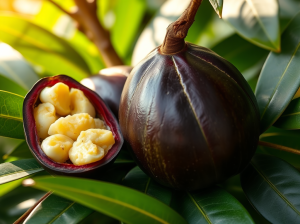
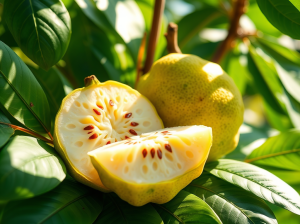
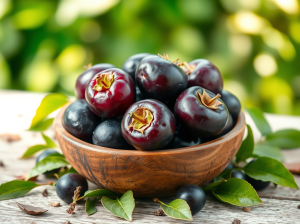
    (The Burdekin plum is botanically known as Pleiogynium timorense and is a member of the Anacardiaceae family along with mangos, cashews, and pistachios. The Burdekin is an Australian fruit that though never successful commercially has historical value as a native fruit tree. In recent years growers in Australia have started experimenting with selective breeding of the Burdekin plum incorporating molecular genetics in efforts to create a more widely appealing fruit in terms of flavor. Read More: Specialtyproduce.com)

    In the United States, the Burdekin plum is most commonly encountered in two main forms:

    1. Fresh Fruit (Seasonal Produce): Although not as widely commercialized as other fruits, Burdekin plums occasionally make an appearance in specialty produce markets during their season (typically summer and fall). While they’re celebrated as a bush tucker in Australia, in the U.S. they’re more of an exotic, seasonal offering—ideal for those who seek unique flavors and impressive nutritional benefits even if the supply can be somewhat limited.
    2. Nursery Stock and Potted Trees: For gardeners and enthusiasts looking to grow this unique fruit tree, Burdekin plums are available as tubestock plants through specialty nurseries. These potted trees not only offer the possibility of cultivating your own exotic fruit at home but also serve as an attractive ornamental addition to the garden. Nurseries, such as those found on platforms like Lakeside Plants & Nursery and other specialty outlets, typically stock these trees, marketed both as bush tucker and as an appealing native landscape feature3.

    While you might also come across references to processed or homemade products—like jams, chutneys, or even wines derived from Burdekin plums—these are usually prepared artisanal or in small-batch settings rather than being broadly available as a retail product.

    Would you like further details on how to grow Burdekin plum trees in different U.S. climates or perhaps recipes to best enjoy the fruit once you have it?

    Health Benefits of Burdekin Plum

    Rich in Vitamin C – Provides about 45% of the daily recommended intake in just one serving, helping boost immunity.

    Supports Digestion – Contains fiber, which aids in preventing constipation and promotes gut health.

    Antioxidant Properties – Helps combat skin aging and protects against infections

    Phytochemical Benefits – Contains beneficial compounds that contribute to overall well-being.

    Culinary Applications

    1. Fresh Consumption: When fully ripened, the Burdekin plum can be eaten fresh. Its unique tangy-sweet flavor makes it a delightful standalone snack or a vibrant addition to fruit salads. Its flavor profile, which has hints reminiscent of mango, pear, and apricot, can brighten up any fresh fruit mix.
    2. Jams and Jellies: One of the most common uses is in the creation of jams and jellies. By pureeing the fruit and combining it with sugar and a dash of lemon juice, you can produce a spreadable preserve that not only captures the bold flavor and natural acidity of the fruit but also offers excellent shelf stability for later enjoyment.
    3. Sauces and Chutneys: The fruit’s tartness converts superbly into savory condiments. When cooked down with ingredients like vinegar, spices, and sometimes even a little chili, the Burdekin plum can transform into a rich, tangy chutney or a sauce ideal for pairing with game meats or roasted poultry. Its complexity adds a layer of sophistication whether used as a glaze or a dipping sauce.
    4. Beverages and Fermented Products: The juice extracted from Burdekin plums can be used as a natural sweetener in drinks or even fermented into a uniquely flavored wine. Its high antioxidant content and vibrant taste make it an interesting base for creative beverage recipes.

    Traditional and Cultural Uses

    Historically, Aboriginal communities and early European settlers in Australia discovered ways to enhance the flavor of Burdekin plums by controlling their ripening process—often by storing the fruit in dark, damp places or even burying them in sand. This method not only improved the flavor but preserved the fruit for extended periods. Such traditional practices underscore the plum’s cultural significance and its multifaceted applications in the kitchen.

    These various uses align the Burdekin plum with a wide spectrum of culinary traditions—from simple, fresh consumption to elaborate preserved and cooked products—and they speak to the ingenuity of those who have long appreciated its unique flavor and nutritional attributes.

  • Why Blueberries Are Essential for Your Health

    Blueberries are often called a superfood because they are packed with nutrients and antioxidants that offer a variety of health benefits. Here are some of the ways they can support your well-being:

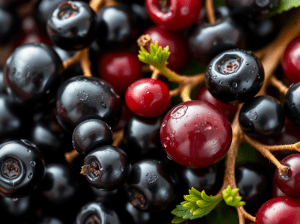
    • Rich in Antioxidants: Blueberries contain anthocyanins, which help protect cells from damage and may reduce the risk of chronic diseases.
    • Supports Heart Health: Regular consumption of blueberries has been linked to lower blood pressure and improved blood vessel function.
    • Boosts Brain Function: Studies suggest that blueberries may enhance memory and slow cognitive decline.
    • Aids Digestion: They are high in fiber, which promotes gut health and helps prevent constipation.
    • May Help Regulate Blood Sugar: Blueberries have a low glycemic index and contain compounds that improve insulin sensitivity.
    • Supports Eye Health: The antioxidants in blueberries may help protect vision and slow age-related eye conditions.
    • Enhances Skin Health: Vitamin C in blueberries supports collagen production and helps prevent skin damage.

    Read More: Blueberries are the dark blue edible fruit that comes from a North American shrub, or bush, with the same name. Because of their sweet and tart flavor and their nearly seedless nature, blueberries are a very popular fruit. 

    Native Americans have used blueberries for thousands of years. They ate the berries in both fresh and dried form and used the fruit, leaves, flowers, stems, and roots for medicinal purposes. Read More: Web MD

  • Health Benefits of Blackberries You Should Know

    Are Blackberries good for your health? Absolutely! Blackberries are packed with nutrients and offer a variety of health benefits. Here are some reasons to include them in your diet:

    • Rich in Antioxidants: Blackberries contain anthocyanins, which help reduce inflammation and may lower the risk of chronic diseases.
    • Supports Heart Health: Their high fiber content can help reduce cholesterol and improve heart health.
    • Boosts Brain Function: Some studies suggest that blackberries may enhance cognitive function and protect against age-related decline.
    • Promotes Digestive Health: With nearly 8 grams of fiber per cup, blackberries aid digestion and support gut health.
    • Strengthens Immunity: They are an excellent source of vitamin C, which helps boost the immune system and promote wound healing.
    • Supports Bone Health: Blackberries provide vitamin K and manganese, both essential for strong bones.

    Once considered a seasonal delight, you’ll likely find blackberries in the grocery store year-round these days. As large as your thumb and as sweet as can be, these succulent berries are both tasty and nutritious.

    “Throughout history, people have used blackberry fruits, leaves and brambles to heal a wide range of illnesses,” says registered dietitian Julia Zumpano, RD. “Though modern medicine has replaced these medicinal uses, we’re learning that blackberries have many other health benefits.” According to the Cleveland Clinic, Benefits-of-blackberries

  • Why Bananas Are Essential for Your Health

    Bananas are packed with nutrients and offer a variety of health benefits! Here are some of the ways they can support your well-being:

    • Rich in Nutrients: Bananas contain potassium, vitamin B6, vitamin C, fiber, and antioxidants, which contribute to overall health.
    • Supports Heart Health: Their potassium content helps regulate blood pressure and reduce the risk of heart disease.
    • Aids Digestion: Bananas contain fiber, including pectin and resistant starch, which promote gut health and prevent constipation.
    • Boosts Energy: The natural sugars and carbohydrates in bananas provide a quick and sustained energy boost, making them great for workouts.
    • May Improve Blood Sugar Levels: Despite their carb content, bananas have a low glycemic index and contain fiber that helps regulate blood sugar.
    • Supports Kidney Health: Potassium in bananas may help maintain kidney function and reduce the risk of kidney disease.
    • Enhances Mood: Bananas contain dopamine and other compounds that may help improve mood and reduce stress.

    According to Healthline, 11-proven-benefits-of-bananas, Bananas are fresh, versatile, and relatively inexpensive fruits. They’re packed with essential nutrients and may benefit weight loss, digestion, and heart health.

    Banana nutrition facts

    So what do you get when you peel and eat a banana? A medium-sized ripe banana (7 to 8 inches long) contains:

    • 105 calories
    • 1 gram of protein (making it a higher protein fruit)
    • 28 grams of carbohydrates
    • 15 grams of (natural) sugar
    • 3 grams of fiber (nearly 10% of your recommended daily value, or DV)
    • 422 milligrams of potassium (about 10% DV)
    • 10 milligrams of vitamin C (more than 10% DV)
    • 0.43 mg of vitamin B6 (more than 30% DV)
    • 32 milligrams of magnesium (about 10% DV) Read More: Clevelandclinic.org

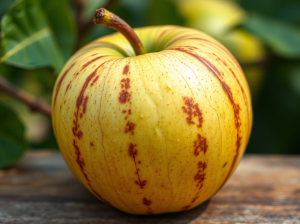
  • Balsam Apple: Natural Remedy for Skin and Heart Health

    Balsam Apple (Momordica balsamina) is packed with health benefits! This bitter fruit has been traditionally used for medicinal purposes and offers several advantages:

    • Rich in Antioxidants: Helps combat oxidative stress and supports overall cellular health.
    • Boosts Immunity: Contains vitamins A and C, which strengthen the immune system.
    • Supports Digestive Health: High fiber content aids digestion and promotes gut health.
    • Anti-Inflammatory Properties: May help reduce inflammation and ease discomfort.
    • Regulates Blood Sugar: Some studies suggest it can help manage glucose levels.
    • Promotes Healthy Skin: Traditionally used to treat skin conditions like eczema and rashes.

    Health benefits of Balsam apple

    Additionally, there are numerous surprising health benefits of balsam apple fruit, which are listed below:

    1. Prevents heart disease

    Balsam apple fruit has no cholesterol and less fat, which perhaps helps to protect the heart. Heart diseases commonly occur when the body has an excessive amount of fat, including cholesterol, and consequently, the fruit may prevent them.

    2. Supports for healthy skin

    As previously mentioned, Balsam apple fruit is equipped with vitamin C, and it supports healthy skin. It gives you smooth and soft skin as well as protects it from pimples or acne. Since then, the fruit is appropriate for women who are likely to have healthy skin. READ MORE: Balsam Apple Benefits

  • Health Benefits of Balloon Berry: A Nutritional Guide

    How healthy is your fruit? Let’s explore the Balloon Berry, also known as Rubus illecebrosus, a unique fruit with potential health benefits. While detailed nutritional studies on Balloon Berry are limited, berries in general are packed with antioxidants, vitamins, and fiber, which contribute to overall well-being. Balloon Berry (Rubus illecebrosus), known as Funberry or Strawberry-Raspberry, is available in the United States. While it originally comes from Japan, it has been cultivated and is sparingly naturalized in some locations across North America. You can find it at specialty plant nurseries.

    Some possible benefits of consuming Balloon Berry include:

    • Rich in Antioxidants: Like other berries, it may help combat oxidative stress and support cellular health.
    • Supports Digestion: Berries are known for their fiber content, which aids digestion and promotes gut health.
    • Potential Anti-Inflammatory Properties: Many berries contain compounds that help reduce inflammation in the body.
    • Boosts Immunity: The vitamins and minerals found in berries contribute to a stronger immune system.

    If you’re considering adding Balloon Berry to your diet, it’s always a good idea to check for any potential allergies or sensitivities. Would you like some ideas on how to incorporate it into meals?

    Here are some pictures of Balloon Berry (Rubus illecebrosus) that I found for you:

    • Close-up of red Balloon Berry
    • Balloon Berry seeds
    • Strawberry-Raspberry hybrid
    • Another close-up of Balloon Berry
    • Organic Balloon Berry seeds

    These berries have a striking resemblance to raspberries but are larger and more oblong. Would you like to learn how to grow them or use them in recipes

  • Discover Bael: A Superfruit for Immunity and Digestion

    Bael, also known as Aegle marmalos or wood apple, is a tropical fruit native to India and Southeast Asia. It has been used in traditional medicine for centuries due to its numerous health benefits. Bael (Aegle marmalos) has been used for thousands of years, dating back to ancient India. It is mentioned in Vedic texts from around 2000–800 BCE, highlighting its religious and medicinal significance. In Hindu mythology, Bael is considered sacred and is associated with Lord Shiva. The tree’s trifoliate leaves symbolize the sacred trinity of Brahma, Vishnu, and Shiva.

    Historically, Bael has been used in Ayurvedic medicine for its digestive, anti-inflammatory, and immune-boosting properties. Over time, its cultivation spread to Sri Lanka, Bangladesh, Pakistan, and Burma, and it is now found in various tropical regions

    Here are some of its key advantages:

    Digestive Health: Bael is rich in fiber and has natural laxative properties, making it effective in treating constipation and promoting gut health.

    Boosts Immunity: It contains high levels of vitamin C and antioxidants, which help strengthen the immune system.

    Supports Heart Health: Bael may help regulate blood pressure and improve circulation due to its potassium content.

    Anti-inflammatory Properties: It has compounds that help reduce inflammation, which is beneficial for conditions like arthritis.

    Blood Sugar Regulation: Some studies suggest that Bael may help manage blood sugar levels, making it useful for diabetics.

    Skin and Hair Benefits: Bael is used in Ayurvedic treatments for skin conditions and hair health.

    Bael fruit is available in various forms in the U.S., though it is not as commonly found as other tropical fruits.

    Here are some ways you can find it:

    Bael Powder: Often sold as a supplement for digestive health and immunity.

    Bael Juice: Available in bottled form, used for its cooling and medicinal properties.

    Bael Tablets/Capsules: Used in Ayurvedic medicine, which is an ancient holistic healing system that originated in India over 5,000 years ago. It focuses on achieving balance between the body, mind, and spirit through natural remedies, diet, lifestyle practices, and herbal treatments. Ayurveda is based on the concept of three doshas—Vata, Pitta, and Kapha—which represent different energy types in the body. Maintaining harmony among these doshas is believed to promote overall health and prevent disease.

    Some key aspects of Ayurveda include:

    Herbal Medicine: Uses plant-based remedies like turmeric, ashwagandha, and triphala.

    Dietary Guidelines: Encourages eating according to one’s dosha type for optimal health.

    Yoga & Meditation: Supports mental clarity and emotional well-being.

    Detoxification Therapies: Practices like Panchakarma help cleanse the body.

    Massage & Oils: Ayurvedic massages use herbal oils to promote relaxation and circulation.

    Ayurveda is widely practiced in India and Nepal, and many Ayurvedic treatments have gained popularity worldwide. for various health benefits.

    Bael Plants: Some specialty nurseries offer Bael trees for home gardening.

    Dried Bael Fruit: Sometimes available for making tea or herbal infusions.

    You can check specialty stores or online retailers for availability. Would you like recommendations on where to buy it?

    Bael is commonly consumed as juice, pulp, or dried powder. It is also used in herbal remedies and Ayurvedic medicine.

    Read More: Compounds extracted from bael fruit demonstrate powerful effects in fighting off dangerous bacteria. The bacteria Shigella dysenteriae bind to cells in the colon, causing diarrhea, fever, and stomach pain.

    Young children, travelers, and people with weakened immune systems are particularly vulnerable to Shigella infection. In vitro studies suggest that the fruit pulp may be helpful as an anti-diuretic.

    health-benefits-of-bael-fruit

    According to WebMD, Bael contains chemicals called tannins, flavonoids, and coumarins. These chemicals help to reduce swelling (inflammation). This might help treat asthma, diarrhea, and other conditions. Also, some of these chemicals help to reduce blood sugar. webmd.com

  • Why You Should Add Acerola Cherry to Your Diet

    Barbados cherry, also known as Acerola cherry, is packed with health benefits. Here are some of its highlights:

    Vitamin C Powerhouse: It contains significantly more vitamin C than oranges, boosting immunity and skin health.

    Antioxidant Properties: Helps fight oxidative stress and supports overall well-being.

    Heart Health: May aid in reducing inflammation and promoting cardiovascular health.

    Blood Sugar Control: Some studies suggest it can help regulate blood sugar levels.

    Skin Benefits: Supports collagen production, helping maintain youthful skin

    Barbados cherry, also known as Acerola cherry, can be incorporated into your daily routine in several delicious and nutritious ways:

    Smoothies: Blend Barbados cherries with bananas, yogurt, and honey for a refreshing and vitamin-packed drink.

    Juices: Freshly squeezed Barbados cherry juice is a great way to boost your vitamin C intake.

    Salads: Add sliced cherries to fruit or green salads for a tangy twist.

    Jams & Preserves: Make homemade Barbados cherry jam to spread on toast or mix into yogurt.

    Desserts: Use them in pies, tarts, or sorbets for a naturally sweet and tart flavor.

    Tea Infusions: Dry the cherries and steep them in hot water for a soothing tea.

    Energy Bowls: Mix them into oatmeal or smoothie bowls for an antioxidant-rich breakfast.

    Barbados cherry (Acerola cherry) is generally safe for most people, but there are a few precautions to consider:

    High Vitamin C Content: Since Barbados cherry is extremely rich in vitamin C, excessive consumption may lead to stomach discomfort or kidney stone formation in sensitive individuals.

    Allergic Reactions: Some people may be allergic to Barbados cherry, experiencing symptoms like itching or swelling.

    Medication Interactions: If you’re taking blood thinners or medications that affect iron absorption, consult a healthcare provider before consuming large amounts.

    Pregnancy and Breastfeeding: While generally safe, pregnant or breastfeeding individuals should consult a doctor before consuming it in high quantities.

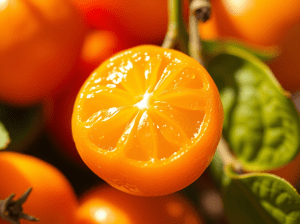
    Read More: The acerola cherry (Malpighia emarginata), also known as the Barbados cherry or West Indian cherry, is a small but mighty fruit packed with incredible health benefits. Native to the tropical regions of the Americas, acerola cherry is renowned for its rich content of vitamin C, but its nutritional profile extends far beyond this essential vitamin. With a wide array of antioxidants, vitamins, and minerals, acerola cherry offers numerous benefits for overall health and well-being.

    15-powerful-benefits-of-acerola-cherry

  • Bacuri: The Nutrient-Rich Tropical Fruit You Need to Know

    Bacuri, a tropical fruit native to the Amazon rainforest, offers several health benefits:

    • Rich in Nutrients: Bacuri contains calcium, phosphorus, iron, and vitamin C, which support bone health, immunity, and overall well-being.
    • Anti-inflammatory and Healing Properties: The oil extracted from Bacuri seeds is used to treat skin conditions, eczema, and even herpes.
    • Digestive Support: Its fiber content aids digestion and promotes gut health.
    • Skin Benefits: Bacuri butter is known for reducing skin blemishes and renewing scar tissue.
    • Natural Remedy: It has been used to treat arthritis, rheumatism, and spider bites.

    Regarding availability in the U.S., Bacuri is not widely cultivated or sold. However, you might find Bacuri products like butter or oil through specialty online stores or importers.

    Fresh Bacuri fruit is rare due to its tropical origin and limited export.

    There are a few precautions to consider when using Bacuri:

    1. Skin Irritation: Prolonged contact with Bacuri oil or butter may cause mild skin irritation in some individuals. It’s advisable to do a patch test before applying it widely.
    2. Digestive Discomfort: Consuming Bacuri in large quantities might lead to minor digestive issues, such as stomach upset.
    3. Seed Preparation: Bacuri seeds require careful preparation to remove bitterness and potential toxins before consumption.
    4. Allergic Reactions: As with any natural product, some people may have allergies to Bacuri. If you experience any adverse reactions, discontinue use immediately.
    5. Pregnancy and Breastfeeding: Limited research is available on Bacuri’s safety during pregnancy or breastfeeding, so consulting a healthcare provider is recommended.

    These precautions ensure safe and enjoyable use of Bacuri. Would you like to explore its benefits or uses further?

    Read More: The bacuri tree (Platonia insignis) can reach more than 40 m in height, with a trunk up to 2 m in diameter in the most developed trees. It’s wood, considered noble, also has various applications. This tree occurs naturally from Guiana, at the mouth of the Amazon River, to Piauí, following the coast of Pará and until Maranhão. Healthtis.com/the-10-health-benefits-of-bacuri

  • Why Babaco is the Superfruit You Need to Know About

    How many fruits are there that begin with the letter “B”, and what are the health benefits? Do you know? Let’s explore

    Let’s start with Babco, also known as the “champagne fruit,” is healthy for several reasons:

    • Rich in Vitamin C: It boosts immunity, supports skin health, and aids in collagen production.
    • High in Fiber: Promotes digestion and prevents constipation.
    • Low in Calories: A great option for weight management while being nutrient-dense.
    • Anti-inflammatory Properties: Helps reduce inflammation, which is linked to chronic diseases.
    • Supports Cognitive Function: Contains potassium, which improves oxygen flow to the brain.

    Its unique combination of nutrients makes it a fantastic addition to a balanced diet. Babaco is available in the U.S., though it might not be as common as other fruits.

    You can find Babaco plants or fruits through specialty nurseries like Everglades Farm
    and Raintree Nursery. These nurseries offer Babaco plants for home gardening, allowing you to grow your own tropical fruit.

    Additionally, some online stores ship Babaco plants across the continental U.S., though availability may vary depending on agricultural regulations in certain states

    Read More: 15 Amazing Health Benefits of Babaco

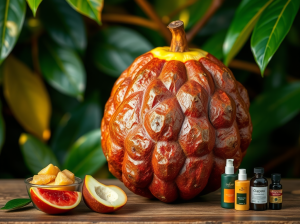
    Babaco, a fruit native to the highlands of Ecuador, has been gaining popularity for its unique taste and wide range of health benefits. Known scientifically as Carica pentagona, babaco is related to the papaya and shares some of its nutrient-dense characteristics. This elongated, pentagon-shaped fruit has a mildly tangy flavor and is often consumed fresh or made into juices, smoothies, or desserts. While it may not be as well-known as other tropical fruits, babaco is packed with nutrients that support overall health and well-being. Read More: https://scientificorigin.com

  • Cognitive Enhancement: Benefits of Gotu Kola, Bacopa & Ginkgo

    Have you ever wondered how to keep your brain healthy? I have found something that may help, called a Cerebral Tonic. These are often herbal remedies or supplements designed to enhance cognitive function, mental clarity, and overall brain health. Ingredients like Gotu Kola, Bacopa Monnieri, and Ginkgo Biloba are commonly used in such tonics for their potential benefits in improving memory, focus, and reducing oxidative stress.

    If you’re looking for a specific product, there are options like Bu Nao Wan Cerebral Tonic Pills, which claim to support mental alertness and well-being. However, it’s always a good idea to consult a healthcare professional before trying any new supplement.

    Let’s explore the properties of each, starting with Gotu Kola, also known as Centella Asiatica, which is a medicinal herb celebrated for its potential health benefits. Often referred to as the “herb of longevity,” it has been a staple in traditional Chinese, Indonesian, and Ayurvedic medicine.

    Some of its notable benefits include:

    • Boosting Cognitive Function: Studies suggest it may enhance memory and overall brain health.
    • Reducing Anxiety and Stress: Preliminary research shows it might have calming effects.
    • Improving Circulation: It has been used to treat varicose veins and promote vein health.
    • Skin Healing: Gotu Kola creams are believed to aid in wound healing and reduce stretch marks.

    If you’re considering using Gotu Kola, it’s available in various forms: teas, capsules, and topical creams. However, consulting a healthcare professional is always recommended before starting any new supplement.

    Read More: Gotu-Kola @ WebMD

    Bacopa Monnieri, also known as Brahmi or water hyssop, is a revered herb in Ayurvedic medicine. It’s celebrated for its potential cognitive and neurological benefits. Here are some highlights:

    • Memory and Learning: Bacopa is believed to enhance memory and cognitive function, thanks to its active compounds called bacosides.
    • Stress and Anxiety Relief: It may help reduce anxiety and stress by regulating neurotransmitters in the brain.
    • Antioxidant Properties: Bacopa contains powerful antioxidants that protect brain cells from damage caused by free radicals.
    • Anti-inflammatory Effects: Research suggests it might suppress inflammation, which is linked to various chronic conditions.

    Bacopa Monnieri is available in forms like capsules, powders, and teas. However, it can have side effects such as stomach cramps or nausea, and it may interact with certain medications. Consulting a healthcare provider before use is always a wise choice.

    Read More: Bacopa WebMD

    Ginkgo Biloba, often called the “maidenhair tree,” is one of the oldest living tree species and has been used in traditional medicine for centuries. Its leaves are commonly used to make extracts that are believed to offer several health benefits. Here are some highlights:

    • Cognitive Support: Ginkgo is often associated with improved memory and mental clarity, particularly in cases of mild cognitive impairment or dementia.
    • Circulation and Heart Health: It may help improve blood flow and reduce symptoms of conditions like peripheral artery disease.
    • Antioxidant Properties: Ginkgo contains flavonoids and terpenoids, which are powerful antioxidants that protect cells from damage.
    • Anxiety Relief: Some studies suggest it might help reduce symptoms of anxiety.
    • Eye and Ear Health: It has been explored for its potential to improve vision and reduce tinnitus (ringing in the ears).

    “However, Ginkgo Biloba can interact with certain medications, such as blood thinners, and may cause side effects like headaches, dizziness, or stomach upset. It’s important to consult a healthcare professional before adding it to your routine.”

    Read More: WebMD Ginkgo