EJADA

Living Healthy, Natural Healing, Herbal Health, and nutritional

  • The Surprising History of Clementines

    Accidental discovery: Clementines were first identified in the late 19th century in Algeria, in an orphanage garden. Brother Clément Rodier, a French missionary, stumbled upon them—and that’s how they got their name.

    China’s citrus connection: While some sources claim that similar fruits existed in China, genetic studies confirm their Algerian origin.

    The “Easy-Peelers”: Their smooth, glossy skin makes them effortless to peel—hence their nickname!

    Hybrid origins: Clementines are a cross between a mandarin orange and a sweet orange, blending the best of both worlds for a delicious result. It was first discovered in the late 19th century in Misserghin, Algeria, in the garden of an orphanage run by French missionary Brother Clément Rodier, after whom the fruit was named. Some sources suggest similar fruits existed in China, but genetic studies confirm the Algerian origin.

    Unlike many ancient citrus varieties that were used in traditional remedies for centuries, there isn’t a well‐documented “first use” of clementines as a formal medicinal treatment right after their discovery. Rather, early on, they were mainly valued as a refreshing fruit—one that, by its high vitamin C content, naturally helped bolster the diet and indirectly contributed to preventing conditions like scurvy.

    It wasn’t until nutritional science advanced in the early to mid‑20th century that the health‐promoting properties of citrus fruits, including clementines, became more clearly defined. As researchers began to understand the protective role of vitamin C and antioxidants in immune function and overall wellness, clementines gradually earned recognition as a beneficial dietary supplement for maintaining health, even though they were never “designed” or specifically formulated as a medicine. In other words, their medicinal value evolved from general dietary recommendations rather than from a distinct traditional medical practice

    Clementines offer a host of health benefits that stem largely from their impressive nutritional profile. They are an excellent source of vitamin C—one small fruit can provide up to 40% of your daily vitamin C requirement. This vitamin is indispensable for strengthening the immune system, promoting collagen synthesis for skin health, and acting as a powerful antioxidant that helps protect cells from damage by free radicals.

    In addition to vitamin C, clementines supply other essential nutrients such as folate, thiamine, and fiber. The fiber they contain aids digestion and can help regulate blood sugar by slowing the absorption of sugars, while the overall low-calorie content (about 35 calories per fruit) makes them an ideal, guilt-free snack. Their natural sweetness and ease of peeling, often highlighted by their nickname “easy-peelers,” also make them especially popular for encouraging fruit consumption among both children and adults.

    Clementines are packed with surprising health benefits! Here are some lesser-known perks of this vibrant citrus fruit:

    May Help Reduce Inflammation – The citrus antioxidants in clementines, such as hesperidin, have anti-inflammatory properties that may help protect against chronic diseases.

    Boosts Brain Health – Clementines contain antioxidants like hesperidin and narirutin, which may help improve mental function and potentially aid in preventing neurodegenerative diseases.

    Supports Eye Health – The beta-carotene in clementines is converted into vitamin A, which plays a crucial role in maintaining good vision.

    Enhances Iron Absorption – Vitamin C in clementines increases the absorption of non-heme iron from plant-based foods, making them a great addition to vegetarian and vegan diets.

    Promotes Skin Health – The high vitamin C content helps synthesize collagen, improving skin elasticity and reducing signs of aging.

    Aids Digestion – Clementines contain fiber, which supports gut health and helps regulate digestion.

    These compounds may help reduce the risk of chronic conditions such as heart disease and could contribute to overall cellular health. Although more research is needed to solidify these connections, incorporating clementines into a balanced diet is generally considered beneficial for both overall wellness and disease prevention.

    Citrus fruits, as a family, pack a powerful nutritional punch that translates into a range of medicinal benefits, though the emphasis varies by fruit due to differences in their chemical profiles.

    For example, lemons and limes are renowned for their high citric acid content and robust vitamin C levels, making them a traditional remedy for boosting immunity, aiding digestion, and even acting as natural antiseptics. These fruits are frequently used in detox drinks and warm water elixirs to help stimulate the digestive system and support the liver’s natural cleansing processes. Their sharp acidity also makes them effective in alleviating minor bacteria-related infections when used topically in diluted preparations.

    Grapefruit offers a slightly different profile. It is loaded with vitamins, antioxidants, and fiber, contributing to cardiovascular health by helping to regulate cholesterol levels and reduce inflammation. However, because grapefruit contains compounds called furanocoumarins that can interfere with drug metabolism, its “medicinal” use must be approached with caution and professional guidance when medications are involved.

    Bitter oranges (or Seville oranges), used in various traditional systems such as Chinese and Ayurvedic medicine, have been employed to stimulate digestion, promote weight loss, and even ease respiratory issues. Their extracts are believed to enhance metabolism and aid in appetite suppression, although modern medical opinions advise a balanced approach given the potent bioactive compounds present.

    As for mandarins and hybrids like clementines, their relatively milder flavor and lower acidity render them less aggressive as a “medicinal” agent in traditional remedies. Instead, they are often celebrated for their nutritional profile as easy-to-consume snacks that boost overall vitamin C intake, support skin health through collagen synthesis, and provide antioxidant benefits, indirectly contributing to the prevention of chronic diseases.

    Modern research has validated many of these traditional uses by highlighting that the bioflavonoids, essential oils (like limonene), and antioxidants inherent in citrus fruits help to reduce oxidative stress, mitigate inflammation, and maintain a healthy cardiovascular system. In this way, while all citrus fruits share a core set of health benefits—especially related to immune support and antioxidant protection—the subtle differences in their phytochemical compositions lead to their varied roles in both traditional medicine and modern dietary practices.

    Clementines are a fantastic ingredient in both sweet and savory dishes! Here are some popular recipes that make the most of their bright, citrusy flavor:

    • Clementine Cake – A moist, flourless cake made with whole clementines, almond meal, eggs, and sugar. This cake is famous for its rich citrus aroma and dense texture. You can find variations of this recipe from chefs like Nigella Lawson. A cake recipe can be found on the Food Network, Clementine Cake Recipe
    • Clementine Jam – A simple yet delicious jam made by pureeing clementines and cooking them with sugar and lemon juice. Perfect for spreading on toast or pairing with pastries. Jam found on the Great Island, Clementine jam
    • Clementine Sorbet – A refreshing frozen dessert that requires minimal ingredients—just clementine juice, sugar, and water. Search Serious Eats sorbet recipe
    • Clementine Pound Cake – A rich and buttery cake infused with clementine zest and juice, perfect for pairing with coffee or tea.
    • Clementine Sunshine Smoothie – A bright and refreshing smoothie made with clementines, Greek yogurt, and ice, packed with vitamin C.

    Search for more ideas on how to use Clementines: 25 insanely good recipes

  • Health Benefits of Cherries: Why You Should Incorporate Them

    Cherries are a vibrant, versatile summer fruit that can elevate almost any dish with their bright color and juicy flavor. Here are some of the best ways to incorporate them into your summer culinary adventures:

    1. Fresh and Simple: Enjoy cherries straight from the bowl as a refreshing snack. They’re perfect on their own or mixed into a fruit salad for that extra burst of natural sweetness and texture.
    2. Salads and Salsas: Add pitted and halved cherries to green salads—paired with ingredients like arugula, goat cheese, and toasted nuts—to create a balanced dish that’s both visually appealing and nutritionally rich. Their sweet-tart profile can also brighten up a salsa when combined with tomatoes, onions, cilantro, and a squeeze of lime.
    3. Beverages and Smoothies: Blend cherries into smoothies or fresh juices by combining them with yogurt, bananas, and a splash of almond or coconut water. For a refreshing twist, muddle them into cocktails and mocktails, or even try your hand at a cherry lemonade to cool off on a hot day.
    4. Desserts and Frozen Treats: The possibilities for desserts are endless. Bake a cherry clafoutis, whip up a cherry compote for drizzling over ice cream or pancakes, or even freeze cherry juice in molds to create homemade ice pops. These options not only satisfy your sweet tooth but also harness the fruit’s natural pigments and antioxidants for added health benefits.
    5. Savory Sauces: Create a cherry balsamic reduction by simmering fresh cherries with a bit of vinegar, sugar, and spices. This savory-sweet sauce is wonderful drizzled over grilled meats or as a unique salad dressing, introducing a gourmet twist to your summer barbecue.

    Incorporating cherries into your summer isn’t just about adding color and flavor—it’s a delightful way to infuse your meals with antioxidants, vitamins (especially vitamin C), and natural anti-inflammatory compounds that can contribute to overall well-being. With inventive uses ranging from fresh snacks to sophisticated dishes, cherries can be the star ingredient across a spectrum of summer recipes, as highlighted by culinary blogs and recipe collections.

    While cherries have long been a beloved fruit in culinary traditions across many cultures, it wasn’t until the modern research era that their specific health benefits were scientifically documented. In the early to mid‑1990s, several studies began to shine a light on cherries’ impressive antioxidant profile, particularly highlighting the abundance of anthocyanins.

    These bioactive compounds were linked to anti-inflammatory effects, contributing to relief from symptoms of arthritis and gout. This period is widely recognized as the time when cherries first gained attention as a functional food with significant health-promoting properties. Determining a single “first user” of cherries for medicinal purposes is challenging because their healing properties were discovered gradually and transmitted orally long before written records existed. What we do know is that:

    Evolution into Modern Recognition: Later on, during the early 19th century, transformative preservation techniques led to the creation of what we now call maraschino cherries. A notable figure in this development was a Croatian monk, whose work in 1821 helped popularize the preserved form of cherries. While his contribution is often highlighted in the context of preservation and culinary use, it also reflects a continued interest in harnessing the fruit’s beneficial properties, which had already been recognized in traditional medicinal practices for centuries.

    Ancient and Medieval Traditions: Cherries, especially the sour or wild varieties, were valued for their potential health benefits by various cultures. In medieval Europe, for instance, herbalists employed cherries in remedies aimed at easing ailments like gout, insomnia, and digestive disorders. These practices were part of a broader tradition of using locally available fruits to treat common health issues, rather than being traced to one specific individual or culture.

    Before this scientific spotlight, cherries were certainly used in traditional medicine across various cultures, but the detailed understanding of their health benefits emerged only with modern studies that quantified these effects and helped validate anecdotal observations. Subsequent research—including work from universities such as Michigan State University in the early 2000s—expanded on these initial findings to explore benefits ranging from improved cardiovascular function and better muscle recovery after exercise to enhanced sleep quality.

    They’re celebrated not only for their delicious taste but also for their impressive nutritional profile, which includes vitamins (especially vitamin C), antioxidants like anthocyanins and polyphenols, and natural compounds that help reduce inflammation. These attributes contribute to a range of benefits, such as:

    • Anti-inflammatory and Pain Relief: The anthocyanins in cherries are known to help reduce inflammation. This is particularly valuable because inflammation is a common pathway behind conditions like arthritis and gout.
    • Heart Health: Their potassium and antioxidant content support cardiovascular function by helping to regulate blood pressure and reduce oxidative stress on blood vessels.
    • Exercise Recovery and Muscle Relief: Studies have shown that consuming cherries or their extracts can help reduce muscle soreness and improve recovery after intense physical activity.
    • Sleep Regulation: Cherries naturally contain melatonin, which can contribute to better sleep cycles.

    Historically, the earliest recognized health benefit of cherries in a medicinal context came to light in the early 1990s. Before this, cherries had been enjoyed as a nutritious food for centuries, but anecdotal observations—especially among those dealing with arthritis and gout—prompted closer scientific scrutiny. Researchers then began investigating the fruit’s potent anti-inflammatory properties and high antioxidant content, discovering that these compounds could help alleviate joint pain and reduce inflammation.

    In essence, while cherries have always been appreciated for their flavor and nutritional value, their first notable medicinal use was in providing natural relief from inflammatory conditions like arthritis and gout. This early application set the stage for subsequent research that has since expanded our understanding of how cherries support overall health.

    In summary, the medicinal use of cherries emerged gradually among early herbal practitioners in medieval Europe and other ancient cultures. There isn’t a documented singular “first user” but rather a rich tapestry of traditional knowledge that recognized cherries as a healthy, healing food from well before modern medical science began to explore their properties in detail.

    READ MORE from WebMD: Cherries are full of vitamins and minerals that can help your body defend against cell damage. (Photo Credit: The Image Bank / Getty Images)

    Cherries are small stone fruits, which means they have a pit or seed inside. They grow in several colors and flavors, but they’re considered either sweet or sour. Sweet cherries are juicy and have a lower acid content than sour cherries, which are much more tart.

    Michigan grows most of the sour cherries in the U.S., while Washington, California, and Oregon grow 90% of the sweet cherries.

  • Exploring Cashew Apples: Health Benefits and Culinary Innovation

    Determining the very “first use” of the cashew apple is challenging because indigenous peoples in its native range—primarily in northeastern Brazil—have long enjoyed and utilized the fruit for both nutritional and medicinal purposes long before any written records existed. In other words, the fruit’s use dates back centuries within these communities, though specific dates have not been recorded.

    What we do know from documented history is that European explorers first encountered and recorded the cashew (including its distinctive accessory fruit, the cashew apple) around 1558 in Brazil. When the Portuguese arrived in the region, they learned from the local Tupi-speaking peoples how to safely use the cashew, which involved methods to remove the toxic resin on the nut’s shell. This interaction marks the earliest clear written reference to the cashew apple’s use, even though the fruit had been an integral part of local diets and folk medicine long before that encounter.

    The subsequent introduction of cashew cultivation and the eventual spread of its culinary and medicinal uses to other parts of the tropics, such as India, Africa, and Southeast Asia, further highlights its value across cultures.

    The cashew apple—the swollen, juicy accessory fruit of the cashew tree (Anacardium occidentale)—is more than just a precursor to the familiar cashew nut. In many tropical regions, especially throughout Latin America and India, its distinctive flavor and rich nutrient content have propelled it to a revered status in traditional medicine and culinary practices.

    The cashew apple’s medicinal uses in traditional practices are multifaceted, harnessing its high vitamin content, antioxidants, and anti-inflammatory compounds to support Digestive Health and Antibacterial Benefits.

    Traditional healers have long utilized cashew apple for its antibacterial properties. It has been employed to treat stomach ulcers and gastritis, conditions often linked to Helicobacter pylori infections. Moreover, in regions like the Amazon, a tea prepared from the bark along with cashew apple juice is a traditional remedy for chronic dysentery and as an anti-diarrheal treatment. This practice highlights the fruit’s role in soothing and stabilizing the digestive system.

    Immune Support and Anti-Scurvy Effects: Rich in vitamin C, the cashew apple has been traditionally used to fend off scurvy and bolster the immune system. Its abundant vitamin C content not only aids in collagen synthesis, thereby supporting skin and tissue repair, but also serves as an antioxidant, protecting the body from free radical damage. The juice is sometimes directly consumed or even used as a dietary supplement in traditional medicine for these reasons.

    Cosmetic and Anti-Aging Applications: Traditional practices in some cultures have extended the use of cashew apple beyond internal health. The fruit’s juice, loaded with antioxidants such as vitamin C and various phenolic compounds, has been incorporated into creams, shampoos, and other cosmetic products. This use is based on its reputed ability to limit the pigmentation effects of aging and fight oxidative stress, contributing to healthier, more youthful skin.

    Relief for Minor Ailments: In some traditions, the cashew apple is used as a remedy for minor ailments. For instance, it has been applied to help treat infant conditions like thrush and sore mouths. Externally, its juice is occasionally used as an ointment to alleviate discomfort associated with rheumatism and neuralgia, showcasing its versatile therapeutic applications across different age groups and conditions.

      Nutritional Snapshot

      For context, here’s an approximate breakdown of the nutritional profile per 100 grams of cashew apple, which underpins many of its health benefits:

      NutrientAmount
      Calories~53 kcal
      Moisture~86.3 g
      Dietary Fiber~3.2 g
      Carbohydrates~11.1 g
      Vitamin C~49 mg
      Calcium~10 mg
      Phosphorous~67 mg
      Iron~2 mg
      Potassium~124 mg

      This nutrient canvas not only bolsters its role in traditional medicine but also helps explain why the fruit is cherished for its rejuvenating and protective properties.

      The cashew apple’s legacy in traditional medicine is a testimony to the wisdom of indigenous cultures, who capitalized on its natural healing properties long before modern scientific methods began a formal investigation

      The cashew apple hasn’t enjoyed a long, deep-rooted history in the United States comparable to regions where it’s a traditional staple (like Brazil, India, or other parts of the tropics). Instead, its exploration and experimentation in the U.S. have been relatively recent, largely emerging over the past several decades as chefs, food innovators, and researchers began to recognize its unique flavor, nutritional profile, and functional potential.

      While there isn’t an exact starting year documented for how long the cashew apple has been “used” in the U.S., you can trace its modern culinary and experimental introduction roughly to the latter half of the 20th century (the 1970s and 1980s). Before that, cashew production in the U.S. was mostly tied to the nut industry, with the accessory fruit often considered a byproduct rather than a resource in its own right.

      In terms of the number of uses found so far, most sources and exploratory studies in the U.S. point to at least four broad, evolving categories:

      1. Fresh Consumption and Culinary Innovation: Some chefs and adventurous home cooks are beginning to include cashew apple as an ingredient in salads, salsas, smoothies, and other fresh applications. Its sweet yet tangy flavor offers a novel twist to contemporary dishes.
      2. Juice and Beverage Production: With its notable vitamin C and antioxidant content, the juice of the cashew apple is being tapped for refreshing drinks. Some small-scale operations and artisanal beverage makers are experimenting with it as a standalone juice or as a component in cocktails.
      3. Preserves, Jams, and Jellies: The fruit’s natural astringency and flavor complexity make it a candidate for processing into preserves. Producers are exploring its potential in jams and jellies where its unique taste can be showcased alongside traditional fruits.
      4. Fermented and Distilled Beverages: Inspired by traditional alcoholic beverages made from cashew apple in other parts of the world, there have been experiments in fermenting the fruit to create craft beers, ciders, or even spirits. This is an emerging area with creative innovators looking to deliver niche, tropical flavors.

      Beyond these four primary uses, emerging research in the nutraceutical and cosmetic fields is suggesting additional applications, capitalizing on the fruit’s high levels of vitamin C and antioxidants, which could further broaden its role in functional foods and natural skin care. However, these uses remain on the experimental edge in the U.S. market.

      In summary, while the cashew apple’s history here spans only several decades of modern exploration, U.S. innovators have already documented at least four major categories of use. As interest in exotic and underutilized fruits grows, we can expect more applications to emerge from ongoing culinary creativity and research.

      READ MORE: We often think of them as nuts. But cashews are the seeds of cashew apples, which grow in trees native to Central and South America as well as several Caribbean islands.

      Precautions for the cashew apple

      While the cashew apple is a nutritious and edible part of the cashew tree, there are a few precautions to keep in mind:

      1. Potential Allergic Reactions: Some individuals who are allergic to cashew nuts or other tree nuts may also react to the cashew apple. For those trying it for the first time, it’s a good idea to consume a small amount initially. This patch-test approach helps ensure that you don’t experience an unexpected allergic reaction.
      2. Handling and Urushiol Exposure: The cashew apple is attached to the cashew nut, and the nut’s shell contains urushiol, a resin that is toxic and can cause skin irritation much like poison ivy. During processing, especially if you’re extracting the nut from the cashew apple, care must be taken to avoid contact with any residues of this resin. Wearing gloves and using proper equipment can help minimize the risk of skin irritation.
      3. Perishability and Storage: The cashew apple is highly perishable due to its high moisture content. It ripens quickly and can begin to deteriorate within a day or two post-harvest. Consuming or processing it promptly is important not only to preserve its flavor and nutritional value but also to avoid potential issues that can arise from spoilage.
      4. Processing Considerations: Commercial and traditional preparation methods are designed to separate and neutralize any harmful substances like urushiol from the edible parts. If you’re processing the fruit at home—whether juicing it or making preserves—it’s crucial to follow tried-and-true methods to ensure safety throughout the process.

      These precautions are particularly important if you’re handling raw cashews alongside the apple or if you have sensitive skin or known nut allergies. Observing these safety measures ensures that you can enjoy the rich nutrition and unique flavor of the cashew apple without any unwanted side effects.

      When they’re freshly picked, the shell that holds the cashew has a toxic oil that can cause blisters on your skin, like poison ivy. The shells are treated with heat, then removed to get to the nut inside. This is why cashews are never sold in the shell, and one reason they can be expensive.

      It’s important to add that while WebMD‘s coverage of cashews—of which the cashew apple is an integral part—focuses primarily on the health benefits of the cashew nut, but many of these benefits are inherently linked to the overall properties of the cashew tree. Here’s what WebMD highlights:

      Heart Health and Cholesterol Management: WebMD notes that cashews are rich in healthy fats (dominated by monounsaturated and polyunsaturated fats) that can help lower “bad” LDL cholesterol levels while supporting overall cardiovascular health. This, in turn, may reduce the risk of heart disease and stroke. Although the cashew apple itself isn’t the focus, the nutrient profile of the cashew and its derivatives reflects the health benefits extended from the entire fruit, including its accessory part—the cashew apple. Diabetes Management and Blood Sugar Control: The relatively low carbohydrate content of cashews, compared to many other snack options, makes them a favorable choice for maintaining stable blood sugar levels. This benefit, as discussed by WebMD, can be particularly helpful for people managing diabetes or working to prevent blood sugar spikes. Even though this is primarily related to the nut, the overall fruit (cashew apple plus nut) is part of the package that provides these essential nutrients. Antioxidant Properties: Cashews are a source of antioxidants such as polyphenols. These compounds help neutralize free radicals, reducing oxidative stress and potentially lowering the risk of chronic conditions. The cashew apple, known for its high vitamin C content, further reinforces this antioxidant effect—a benefit that traditional uses of the cashew apple have long celebrated, even if WebMD tends to focus on the nut. Digestive and Gastrointestinal Support: While WebMD’s primary discussion involves the nut’s role in health, other sources (and traditional medicinal uses) emphasize that the cashew apple’s high fiber and vitamin C content can contribute to digestive health.

      This use is more prominent in traditional medicine rather than being directly highlighted on WebMD, the overall benefit of supporting a healthy gastrointestinal system is acknowledged in broader discussions of cashew-derived products.

      1. Star Fruit: A Nutrient Powerhouse for Wellness

        Carambola—commonly known as star fruit—is celebrated not only for its unique, attractive appearance and tangy-sweet flavor but also for its diverse health benefits. Its nutritional profile includes a generous amount of vitamin C, dietary fiber, and potent antioxidants (such as epicatechin and gallic acid), which help fight oxidative stress and inflammation. These properties make carambola a popular choice for supporting the immune system, aiding digestion, and promoting heart health by helping to manage blood pressure (thanks to its potassium content) and cholesterol levels. Its low-calorie profile also makes it a welcome ally in weight-management diets. However, those with kidney issues need to exercise caution, as substances in the fruit (like oxalates and caramboxin) can accumulate and potentially harm vulnerable individuals.

        Immune Support: Carambola is rich in vitamin C, a well-known immune booster that helps strengthen your body’s natural defenses against infections while also supporting skin and tissue health.

        Digestive Health: The fruit contains a good amount of dietary fiber, which aids digestion by promoting smooth bowel movements and contributing to overall gut health. This can be especially beneficial for maintaining a balanced digestive system.

        Antioxidant Action: With potent antioxidants like epicatechin and gallic acid, carambola helps combat oxidative stress and inflammation. This antioxidant profile is important for protecting your cells against damage caused by free radicals, potentially reducing the risk of chronic diseases.

        Heart Health: Thanks to its potassium content, carambola can contribute to managing blood pressure, supporting cardiovascular health. Additionally, its low-calorie and fiber-rich profile can aid in maintaining healthy cholesterol levels, further benefiting the heart.

        Weight Management: The fruit’s low-calorie nature makes it a smart choice for those looking to manage their weight without sacrificing essential nutrients. Its fiber content also helps keep you fuller for longer, which can curb overeating.

        In traditional medicine across various cultures, particularly in Asia and parts of Latin America. Traditional healers have long valued different parts of the tree—from its fruit to its leaves—for a multitude of therapeutic applications. Here are some of the key traditional uses:

        Digestive and Gastrointestinal Remedies

        • Alleviating Digestive Upset: In many traditional practices, carambola has been used to soothe digestive issues such as indigestion, vomiting, and diarrhea. The fruit’s natural fibers and bioactive compounds are believed to help restore balance to the digestive tract. Often, preparations such as fruit juice or teas made from the leaves have been administered to ease gastrointestinal discomfort.

        Fever, Inflammation, and Pain Relief

        • Fever Reduction and Anti-Inflammatory Uses: Traditional systems like Ayurveda and traditional Chinese medicine have utilized carambola to manage fever and reduce inflammation. In some cultures, ripe carambola or its extracts are consumed to lower body temperature during episodes of fever. Additionally, the leaves have been prepared in ways that target inflammation and even skin irritations, such as those seen in scabies or minor wounds.

        Metabolic and Cardiovascular Health

        • Blood Sugar and Blood Pressure Management: In regions such as Brazil and India, carambola has been integrated into traditional remedies aimed at controlling high blood sugar and blood pressure levels. The fruit juice or leaf extracts are thought to act as natural tonics that help modulate metabolic functions, potentially supporting cardiovascular health.
        • Though modern science is still unlocking these effects, the historical usage reflects a deep trust in its balancing properties.

        Other Traditional Applications

        • Anthelmintic and Antipruritic Uses: Beyond its digestive and metabolic benefits, carambola leaves have also been used as anthelmintic agents to expel intestinal parasites and as antipruritic (anti-itch) remedies in various folk medicine practices. Some traditional formulations have even ventured into using carambola derivatives for managing respiratory symptoms (such as cough and sore throat), headaches, and even hemorrhoids.
        • Detoxification and Fluid Regulation: In certain Ayurvedic traditions, the fruit was believed to aid in ridding the body of excess water or toxins, further highlighting its role as a general tonic for restoring balance within the body.

        These traditional applications underscore a holistic approach to health that was characteristic of ancient healing systems. Although contemporary scientific research is still validating many of these uses, the longstanding reliance on carambola in traditional medicine offers a fascinating glimpse into how natural remedies have been integrated into healthcare practices over centuries.

        The health benefits were first discovered, and the story of carambola is steeped in centuries of traditional use. Native to the Malayan Peninsula, carambola has been grown and utilized in Southeast Asia for generations, not just as a food, but also in traditional medicine, where its healing properties (from soothing digestive upset to offering general tonic benefits) were passed down through community practices long before modern science took notice.

        Although pinpointing an exact historical date is challenging, modern scientific evaluation of its nutritional and medicinal properties gained momentum from the late 20th century onward. In essence, while academic inquiry and laboratory research are relatively modern endeavors, the fruit’s beneficial reputation dates back several centuries among the cultures where it was first cultivated.

        One important precaution: despite its many benefits, carambola contains oxalates and a neurotoxin called caramboxin. This means that individuals with kidney problems or those who are prone to kidney stones should exercise caution, as these substances can accumulate and potentially lead to adverse effects.

        Beyond these points, there is a rich legacy of how traditional medicine has harnessed local fruits like carambola, mangoes, papayas, or even lesser-known tropical fruits; there’s an entire world to explore.

        Read More according to www.webmd.com

        Star Fruit Nutrition

        Star fruit is low in calories, has a lot of vitamins and other nutrients, including the following:

        • Fiber
        • Protein
        • Vitamin C
        • Vitamin B5
        • Folate
        • Copper
        • Potassium
        • Magnesium

        Read more: Healthline.com

        Eating plenty of fruits and vegetables can get repetitive if you don’t try different things.

        Luckily, there are many delicious fruits and vegetables to add variety to your diet.

        One unusual fruit that is getting increasingly popular is star fruit.

        This article explores the benefits and potential health risks of star fruit.

      2. The History and Benefits of Cape Gooseberry (Physalis peruviana)

        Cape gooseberry (Physalis peruviana) has a rich history that reflects both its native origins and its adaptability in cultivation across various climates. Here’s a detailed look into its early cultivation, first use, and the purposes behind it:

        Early Cultivation and Geographic Origins

        Native Roots: Cape gooseberry is indigenous to the tropical highlands of South America—specifically regions in Peru, Ecuador, and Colombia, with historical cultivation also noted in parts of Chile. Indigenous peoples in these areas were cultivating the fruit for centuries, appreciating its sweet-tart flavor, nutritional value, and possible medicinal benefits long before European contact.

        Spread Beyond Its Native Range: The recorded history of the cape gooseberry’s movement beyond its native lands begins in Europe. The fruit was cultivated in England as early as 1774, when European gardeners and botanists first encountered it and recognized its potential. Its easy adaptability to conditions similar to those for growing tomatoes made it attractive to colonial growers. Later, by 1807, records show that it was introduced to the settlement at the Cape of Good Hope, a pivotal point that led to its popular naming (“Cape Gooseberry”). Shortly after, it found its way to New South Wales in Australia, where it became a favored fruit among colonists due to its robust growth and reliable yield even in relatively poor, well-drained soils.

        Cultivation Practices

        Growing Conditions: The cape gooseberry is a hardy, herbaceous shrub that thrives in full sun and well-drained soils. It tolerates a range of soil types—even those that are less fertile, which made it particularly valuable in colonial settings where ideal agricultural inputs weren’t always available. In the tropics, it can behave as a perennial, whereas in temperate regions it’s typically grown as an annual.

        Propagation Techniques: Traditionally, the cape gooseberry is propagated both by seed and through stem cuttings. The fruit is encased in a protective, papery husk (calyx), which not only guards it from pests and diseases but also has the added advantage of extending its shelf life. This trait made the fruit especially practical for long-distance journeys and for cultivation in regions where post-harvest storage was a challenge.

        First Uses and Purposes

        Culinary Appeal: The initial use of cape gooseberry was largely culinary. Its attractive appearance, unique sweet-tart flavor, and the convenience of its husk protection encouraged its popular consumption as a fresh fruit. Over time, its versatility in the kitchen was recognized—it was used to make jams, preserves, sauces, and even incorporated into savory dishes.

        Medicinal and Cultural Uses: In addition to its culinary virtues, the cape gooseberry also finds a place in traditional medicinal practices. Folk medicine in various cultures often incorporated the fruit and even the leaves for their believed anti-inflammatory and antioxidant properties. The early cultivators likely valued the fruit for its nutritional content, using it to supplement diets and address minor health ailments, particularly in resource-limited environments.

        Practical Agricultural Benefits: From a grower’s perspective, the cape gooseberry’s ability to yield a large number of fruits per growing season, even in less-than-ideal soils, made it a dependable crop. This reliability, along with its early adaptation to various climates, provided a nutritious and sustainable food source for settlers and local communities in newly colonized or challenging regions.

        By blending indigenous agricultural traditions with colonial horticultural practices, the cape gooseberry not only became a beloved edible treat but also an important crop that demonstrated resilience, nutritional benefits, and versatility. Its early cultivation, first documented as early as 1774 in England and then quickly adopted in regions like the Cape of Good Hope and Australia, underscores its significant role both as a food source and, at times, as a medicinal remedy.

        cape gooseberry offer

        Cape gooseberry (Physalis peruviana) has been valued traditionally for its medicinal properties, largely thanks to its rich nutritional profile and array of bioactive compounds. Here are some of the key medicinal remedies it offers:

        Immune System Boosting and Antioxidant Power

        Cape gooseberry is exceptionally high in vitamin C and a host of antioxidants. Traditionally, its juice or extracts have been consumed to help combat infections, ward off scurvy, and boost the immune system. The vitamin C content not only strengthens immunity but also aids in collagen production, which is critical for wound healing and skin health. Its antioxidants help neutralize harmful free radicals, potentially reducing oxidative stress and the risk of chronic diseases2.

        Anti-Inflammatory Effects

        In folk medicine, both the fruit and sometimes even the leaves of the cape gooseberry have been used to manage inflammation. The naturally occurring polyphenols and carotenoids in the fruit contribute to anti-inflammatory responses in the body. This makes it a supportive remedy for conditions where inflammation is a core issue, such as in minor joint discomfort or digestive irritations. Although it’s not intended as a substitute for conventional medicine, these properties have made it a popular complementary remedy in some traditional medical practices.

        Support for Cardiovascular Health and Digestion

        Additionally, cape gooseberry’s combination of potassium, soluble fiber, and other phytochemicals may contribute to heart health. The potassium helps in regulating blood pressure, while its fiber content aids digestion and can assist in lowering cholesterol levels. Traditional remedies have sometimes leveraged these properties to promote overall cardiovascular well-being and healthy digestion.

        A Complementary Natural Remedy

        It’s important to note that while these traditional uses indicate that cape gooseberry may offer gentle medicinal benefits, such as boosting immunity, reducing inflammation, and supporting heart and digestive health, modern clinical studies are still ongoing to fully validate these effects. As with many natural remedies, incorporating cape gooseberry into your diet is seen as beneficial for overall wellness rather than serving as a stand-alone treatment for specific medical conditions.

        Cape gooseberries are available in the United States. They are cultivated both domestically in certain regions and imported from countries like Peru, so they regularly appear on produce markets and specialty food websites. In fact, regulatory agencies like the USDA’s Animal and Plant Health Inspection Service have conducted pest risk analyses for the importation of fresh Cape gooseberry fruit, which reinforces their presence in the U.S. market .

        They are typically available year-round, with a peak season in late summer through fall. Consumers can find them in farmers’ markets, specialty produce stores, and sometimes in larger supermarkets. Their popularity stems not only from their unique, tangy-sweet flavor but also from their impressive nutritional profile, making them a favored choice among health conscious shoppers.

        What forms are Cape Gooseberry available

        Cape gooseberry (Physalis peruviana) is appreciated for its versatility, and you’ll find it available in several forms that cater to different culinary and health needs. Here’s a breakdown of the primary forms:

        Fresh Form

        • Whole Fruit: Typically, cape gooseberries are sold fresh—often still enclosed in their distinctive, papery husk. The husk acts as a natural wrapper to protect the delicate fruit during transportation. Before consumption, the husk is removed, revealing the small, vibrant, tangy-sweet berry that’s perfect for salads, snacks, or garnishes.

        Processed Forms

        • Dried Fruit: In some markets, you can find cape gooseberries that have been dried. Drying concentrates the flavor and sweetness while extending the fruit’s shelf life. They can be eaten as a snack on their own, added to cereal and trail mix, or used in baked goods.
        • Preserves and Jams: Cape gooseberries are also processed into jams, jellies, and chutneys. The natural balance of tartness and sweetness in the fruit makes it an excellent candidate for these products, offering a burst of flavor that can complement both sweet and savory dishes.
        • Sauces and Relishes: While less common than the previous forms, sauces and relishes made from cape gooseberry provide an interesting twist to various recipes. They can be used as condiments on meats, cheeses, or even as a unique salad dressing component.
        • Powdered Form: In some health food circles, dried cape gooseberry is ground into a powder. This form is used as a nutritional supplement or ingredient in smoothies and baked goods, harnessing the fruit’s vitamins, antioxidants, and unique flavor in a convenient format.

        Summary Table

        Fresh: Whole fruit with a papery husk, requiring removal before eating; ideal for direct consumption and fresh culinary applications

        Dried: Dehydrated berries that offer a concentrated flavor and longer shelf life, perfect as snacks or add-ins to recipes.

        Preserved: Jams, Jellies, Chutneys Processed with sugar or other ingredients to create sweet or tangy spreads and condiments.

        Powder : Ground dried fruit, used as a nutritional supplement or flavor enhancer in beverages and recipes.

        These various forms not only showcase the fruit’s adaptability but also allow you to enjoy its nutritional benefits and unique flavor in diverse ways.

      3. Cantaloupe: Nutritional Benefits and Health Boosts

        The history of cantaloupe is fascinating, though not exactly pinpointed to one moment or location. Scholars agree that the domestication of melons—including what we now term cantaloupe—dates back several millennia, with estimates often landing around 5,000 BCE. The debate continues about its precise origins: some researchers lean toward a homeland in the broader regions of ancient Persia (modern-day Iran) and parts of South Asia, while others suggest early cultivation in ancient Egypt or Mesopotamia.

        Early on, these regions sought to cultivate melons primarily for their natural sweetness and very hydrating properties. In climates where maintaining adequate moisture was a constant challenge, a sweet, water-rich fruit was a valuable nutritional resource. Beyond nutrition, melons likely also carried ceremonial and symbolic significance, portrayed as emblems of fertility and abundance, echoing the essential nature of water and agriculture in arid environments. As cultivation techniques and trade routes developed, the sweet, musky delights of cantaloupe spread, eventually finding a distinguished home in medieval Europe. There, in places like the papal gardens at Cantalupo near Rome, it was refined as a luxury fruit and a treat for the palate, further cementing its cultural and horticultural importance.

        Cantaloupe is one of the more familiar and refreshing tropical fruits, celebrated not only for its sweet, juicy flavor but also for its impressive nutritional profile and array of health benefits. Here’s an in-depth look at what cantaloupe offers:

        Key Vitamins and Minerals

        Cantaloupe is nutrient-dense despite being low in calories. Here’s a snapshot of the primary vitamins and minerals found in about one cup (approximately 160 grams) of cubed cantaloupe:

        NutrientValue (per cup)Benefit
        Calories~54Supports energy balance and weight management
        Protein~1.3 gEssential for muscle repair and maintenance
        Carbohydrates~13 gPrimary source of energy
        Fiber~1.4 gAids in digestion and helps regulate blood sugar levels
        Vitamin C~59 mg (65% DV)Boosts the immune system, aids collagen formation, and acts as a powerful antioxidant
        Vitamin A~270 mcg (30% DV)Vital for vision, skin health, and immune function (derived from beta-carotene)
        Potassium~427 mg (10% DV)Supports heart, muscle, and nerve functions by helping regulate blood pressure
        Calcium~14 mgImportant for maintaining strong bones and teeth
        Phosphorus~19 mgWorks alongside calcium for bone health and aiding in energy metabolism

        The Daily Values (DV) indicate the percentage of the recommended intake for an average adult, helping you understand how cantaloupe fits into your overall diet.

        Major Health Benefits

        1. Rich in Antioxidants: Cantaloupe is abundant in beta-carotene, which converts into vitamin A in the body. Beta-carotene not only gives cantaloupe its vibrant orange hue but also defends body cells against oxidative stress, potentially reducing the risk of chronic conditions such as cardiovascular diseases and even certain cancers. Additionally, other antioxidants like lutein and zeaxanthin contribute to eye health by protecting against harmful light exposures. 1
        2. Immune System Support: With its high vitamin C content, cantaloupe plays a key role in boosting the immune system. Vitamin C is essential for collagen synthesis, helps in the repair of tissues, and acts as a barrier against free radicals, keeping your body resilient against infections. 1
        3. Hydration and Digestive Health: Consisting of roughly 90% water, cantaloupe is an excellent choice for staying hydrated, especially during the hot summer months. Its water and fiber content collectively promote a healthy digestion, aiding in smoother bowel movements and overall gut health.
        4. Low-Calorie and Nutrient-Dense: With only about 54 calories per cup, cantaloupe provides a substantial amount of vitamins and minerals without adding many calories. This makes it an ideal snack for those conscious about maintaining or losing weight, while still getting essential nutrients to nourish the body. 1

        Additional Thoughts

        Aside from the vitamins and minerals, cantaloupe also contributes to overall wellness through its anti-inflammatory properties. When you incorporate cantaloupe into your diet, you’re not just enjoying a naturally sweet treat—you’re also supporting your body’s natural defenses and maintaining hydration, which is vital for nearly every bodily function.

        If you’re looking for creative ways to include cantaloupe in your diet, consider tossing it into a fruit salad, blending it into a refreshing smoothie, or even pairing it with savory ingredients like prosciutto for a unique flavor contrast.

        READ MORE: clevelandclinic.org/

        Cantaloupe’s pastel hue and sweet, juicy flavor make it perfect for adding to fruit salads or eating plain. Cantaloupes offer lots of nutrients: fiber and vitamins that benefit your heart health, help prevent cancer, reduce inflammation, improve immunity, and boost eye health.

        Read more about Cantaloup according to Registered dietitian Julia Zumpano, RD, LD, discusses cantaloupe’s nutrition and health benefits.

        READ MORE: https://www.webmd.com, Compared with honeydew melons, cantaloupes pack a lot more beta-carotene, an antioxidant whose pigment gives fruits an orange or yellow color. Beta-carotene converts into vitamin A, which supports immunity, skin, bone, and eye health.

      4. Why Canistel is the Ultimate Tropical Superfruit

        Canistel, also known as egg fruit, is a tropical fruit that is both delicious and nutritious. It is commonly used in desserts, smoothies, marmalades, and even baked goods like cupcakes and pancakes. The fruit has a sweet, custard-like texture, making it a great addition to various recipes.

        Health Benefits of Canistel

        Canistel is packed with essential nutrients, making it a healthy choice:

        Rich in Niacin (Vitamin B3): Helps convert carbohydrates into energy, supports digestion, and improves blood circulation.

        High in Vitamin C: Boosts the immune system and helps fight infections.

        Supports Heart Health: Contains dietary fiber that may help lower cholesterol levels and reduce the risk of cardiovascular disease.

        Regulates Blood Sugar: The fiber and niacin content may help in managing diabetes.

        Alkaline Properties: Fresh canistel is considered alkaline, which may contribute to overall health and balance in the body

        Canistel stands out among tropical fruits due to its unique texture and flavor. Unlike juicy fruits like mangoes or pineapples, canistel has a dense, custard-like consistency, making it ideal for desserts and smoothies.

        Comparison with Other Tropical Fruits

        Canistel: Dense, custard-like, Sweet, eggnog-like, good for desserts, smoothies, baked goods.

        Mango: Juicy, fibrous, Sweet, tangy, fresh eating, juices, chutneys.

        Papaya: Soft, creamy, mildly sweet, musky, Salads, smoothies, raw consumption.

        Jackfruit: Stringy, meaty, sweet, tropical, vegan meat substitute, desserts.

        Sapote: Creamy, smooth, Sweet, caramel-like, and ice creams, milkshakes, and fresh eating.

        Canistel is often compared to sapote, as both have a creamy texture and sweet taste.

        However, canistel has a drier consistency, whereas sapote is moister and has a caramel-like flavor.

        Canistel is a nutrient-rich tropical fruit that provides a variety of essential vitamins and minerals. Here’s a breakdown of its key nutrients:

        Vitamins in Canistel

        Vitamin A: Supports vision, skin health, and immune function.

        Vitamin C: Boosts immunity and helps with collagen production.

        Niacin (Vitamin B3): Aids in energy metabolism and improves circulation.

        Riboflavin (Vitamin B2): Helps with cell growth and energy production.

        Thiamine (Vitamin B1): Supports nerve function and carbohydrate metabolism.

        Minerals in Canistel

        Calcium: Strengthens bones and teeth.

        Phosphorus: Works with calcium to support bone health.

        Iron: Essential for red blood cell production and oxygen transport.

        Potassium: Helps regulate blood pressure and muscle function.

        Magnesium: Supports muscle relaxation and nerve function.

        This combination of vitamins and minerals makes canistel a great addition to a balanced diet.

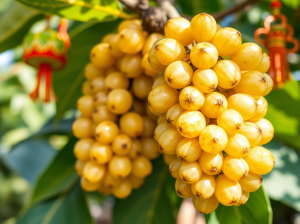
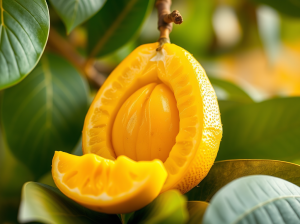
        Read more: The 10 Canistel Health Benefits are diverse, as Canistel has a large amount of essential nutrients for the general health of the body. Native to southern Mexico and Central America, the canistel, also known as the yellow sapote or egg fruit, is an orange-colored fruit with a fleshy pulp that resembles the appearance and texture of a hard-boiled egg yolk.

         10-health-benefits-of-canistel

      5. Boost Your Health with Camu Camu Benefits

        Camu Camu (Myrciaria dubia) is a small, sour berry native to the Amazon rainforest, often considered a superfood due to its impressive nutrient profile. Here’s what makes it special:

        Health Benefits

        High in Vitamin C: It contains up to 3 grams of vitamin C per 100 grams, making it one of the richest natural sources.

        Powerful Antioxidants: Loaded with flavonoids and ellagic acid, which help combat oxidative stress.

        Anti-Inflammatory Properties: May help reduce inflammation and support immune health.

        Supports Heart Health: Can aid in lowering blood pressure and cholesterol levels.

        Potential Weight Loss Benefits: Some studies suggest it may help regulate metabolism.

        Uses

        Supplements: Often found in powder or capsule form due to their tart taste.

        Juices & Smoothies: Add a nutritional boost to drinks.

        Smoothies & Juices: Blend Camu Camu powder into your favorite fruit smoothies or fresh juices for an immunity boost.

        Skincare: Some beauty products contain Camu Camu for its antioxidant benefits—great for skin health!

        Camu Camu is a fantastic addition to your daily routine, offering a powerful boost of vitamin C and antioxidants. Here are some easy ways to incorporate it:

        Ways to Use Camu Camu Daily

        Camu Camu is a fantastic addition to your daily routine, offering a powerful boost of vitamin C and antioxidants. Here are some easy ways to incorporate it

        Ways to Use Camu Camu Daily

        Skincare: Some beauty products contain Camu Camu for its antioxidant benefits—great for skin health! Camu Camu is available in capsule form.

        Smoothies & Juices: Blend Camu Camu powder into your favorite fruit smoothies or fresh juices for an immunity boost.

        Tea & Lemonade: Stir a small amount into herbal tea or homemade lemonade for a refreshing twist.

        Yogurt & Oatmeal: Sprinkle Camu Camu powder over yogurt or oatmeal for added nutrients.

        Baking & Cooking: Mix it into muffins, energy bars, or salad dressings.

        Capsules & Supplements: If you prefer convenience, Camu Camu is available in capsule form.

        Here are 7 evidence-based health benefits of camu camu. Healthline.com

        However, due to its strong sour taste, it’s rarely eaten fresh and typically sold in powder form. Since the powder has had all water removed, it contains more vitamin C per gram compared to the fresh berries.

        According to product nutrition labels, camu camu powder can deliver up to 750% of the Reference Daily Intake (RDI) of vitamin C per teaspoon (5 grams).

      6. Discover Calamondin: Culinary and Health Benefits

        Calamondin, also known as calamansi, has been cultivated for centuries, primarily in Southeast Asia. It is believed to have originated in China or the Philippines and was introduced to other regions over time. Historically, it has been used in traditional Philippine cuisine as a souring agent for dishes, condiments, and beverages.

        Its first recorded use dates back to early times when it became the primary citrus juice source in the Philippines. Beyond culinary applications, calamondin was also valued for its medicinal properties, such as aiding digestion and boosting immunity, and was later recognized for its ornamental appeal in gardens.

        Uses

        • Culinary: Used in marinades, sauces, and beverages to add a citrusy zing.
        • Household: Its juice can bleach ink stains from fabrics and remove lingering seafood odors from hands.
        • Cosmetic: Applied to the skin to help lighten freckles and clear up acne.

        Health Benefits

        • Rich in Vitamin C: Strengthens immunity and promotes healthy skin.
        • Aids Digestion: Helps alleviate constipation and supports weight loss.
        • Lowers Cholesterol: Contains pectin, which helps reduce LDL cholesterol levels.
        • Promotes Hair Growth: Its juice can be applied to the scalp to reduce itching and encourage hair growth.
        • Antioxidant Properties: Helps remove free radicals from the body, reducing the risk of disease.

      7. Discover Calamansi: Flavor, Recipes, and Nutrition

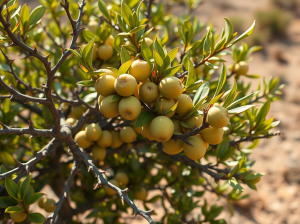
        Calamansi, also known as calamondin or Philippine lime, is a unique small citrus fruit native to the Philippines and widely cultivated across Southeast Asia. Typically about the size of a kumquat, its unripe fruits display a vibrant green color that transforms into a warm orange or yellow as they ripen. What truly sets calamansi apart is its flavor—a striking blend of tartness reminiscent of lemon and lime, accented by a subtle hint of sweetness akin to orange. This fusion makes it remarkably versatile in both savory and sweet applications2.

        In traditional Filipino cuisine, calamansi is a staple used to elevate the flavor of various dishes. Its juice is a popular ingredient in marinades, dipping sauces (such as toyomansi—a mix of calamansi juice and soy sauce), soups, and even raw preparations like kinilaw, a type of ceviche. The fruit’s concentrated flavor profile means that even a small squeeze can brighten and balance complex flavors in a dish. In addition to culinary uses, calamansi is also celebrated for its nutritional benefits, being rich in vitamin C and antioxidants, which support overall health.

        More recently, calamansi has stepped into the global spotlight in modern recipes and beverages. Aside from its traditional uses, you’ll find calamansi incorporated in cocktails, sparkling water, and innovative desserts, as its bright, acidic notes provide a refreshing twist on classic flavors. Whether you’re using it to give a zesty kick to a marinade or to craft an inventive twist on a cocktail, calamansi’s unique profile continues to charm chefs and home cooks alike

        Calamansi is not only prized for its unique and tangy flavor, but it also confers several noteworthy health benefits thanks to its impressive nutritional profile.

        Rich in Vitamin C

        One of calamansi’s standout features is its high vitamin C content. Vitamin C is known for bolstering the immune system, enhancing collagen production, which is vital for healthy skin, bones, and wound healing, and acting as an antioxidant that helps neutralize harmful free radicals. This antioxidant effect may also contribute to lower blood pressure and overall cardiovascular support.

        Antioxidant and Anti-inflammatory Benefits

        Like many citrus fruits, calamansi contains a variety of antioxidants and anti-inflammatory compounds. These phytochemicals work to combat oxidative stress and reduce inflammation in the body, which can be beneficial in lowering the risk of chronic conditions such as heart disease and promoting overall cellular health3.

        Digestive Health and Detoxification

        In traditional applications, calamansi juice is often used as a natural remedy for digestive discomfort. Its natural acidity can stimulate the production of digestive enzymes, potentially improving digestion and easing issues like bloating or indigestion. Moreover, it is believed to act as a mild detoxifier—its diuretic qualities help eliminate toxins, supporting liver and kidney function3.

        Additional Nutrients and Versatility

        Beyond vitamin C, calamansi provides essential nutrients such as potassium and vitamin A, which together contribute to muscle function, vision health, and metabolic well-being. These nutrients make it a practical addition to a balanced diet and can be enjoyed in various forms—from fresh juice in beverages and marinades to a zesty ingredient in sauces or desserts.

        Incorporating calamansi into your daily routine can not only add a refreshing citrus twist to your culinary creations but also offer natural boosts to your health.

        Integrating calamansi into a balanced lifestyle is a delicious and refreshing way to boost your nutrient intake while keeping your diet varied and wholesome. Here are some practical, creative ideas to make the most of its nutritional benefits:

        1. Morning Hydration and Detox Start your day with a glass of warm water mixed with freshly squeezed calamansi juice. This ritual not only hydrates you but also delivers a potent dose of vitamin C and antioxidants to help kickstart your immune system and aid digestion. Adding a touch of raw honey or a few mint leaves can enhance the flavor and provide an extra nutritional boost.
        2. Refreshing Beverages and Smoothies Use calamansi juice as a key ingredient in homemade beverages. For example, blend it with coconut water or mix it into a green smoothie for a tangy twist. This not only elevates the liquid refreshment but also contributes extra vitamins and minerals while supporting your hydration and metabolism throughout the day.
        3. Culinary Enhancements in Meals Calamansi’s bright, zesty flavor can replace or complement traditional citrus flavors in marinades, dressings, and sauces. Drizzle a little calamansi juice over salads, grilled fish, or roasted vegetables to balance richer flavors with a burst of acidity. Its ability to tenderize proteins also makes it an excellent addition to marinades, particularly in dishes that emphasize lean meats or tofu.
        4. Digestive and Metabolic Support Given its natural acidity and ability to stimulate digestive enzymes, calamansi can be incorporated into your mealtime routines to support digestion. A splash of calamansi in a warm herbal tea after a meal or mixed into a light soup can help ease digestion and even act as a gentle detoxifier, assisting liver and kidney function.
        5. Snacking and Creative Usage Consider using calamansi in creative ways, such as in light, homemade vinaigrettes or as a zesty garnish for fruit salads and desserts. Its high vitamin C content and anti-inflammatory properties make even a small addition beneficial in maintaining healthy skin and overall cell protection.

        By incorporating calamansi into your daily routine, you gradually build a diet that’s rich in immune-boosting, antioxidant-friendly, and digestive-supporting nutrients—all of which contribute to a more balanced and healthful lifestyle. Remember, a balanced lifestyle isn’t just about individual ingredients, but about enjoying them as part of a diverse and mindful approach to nutrition and wellness.

        For more inspiration, you might explore themed recipe ideas like a detox water featuring calamansi, or a vibrant marinade for grilled dishes, each of which can help keep your diet fresh and engaging while harnessing the many benefits of calamansi.

        Learn more: https://foodfactshub.com/calamansi-nutrition-facts/

        Unveiling the Wonders of Calamansi Nutrition:

        Including calamansi in your diet can aid in detoxification, enhance blood circulation, strengthen bones, promote radiant skin, and even boost hair and eye health. Embrace the tangy goodness of calamansi for a holistic health boost!

        Calamansi is a treasure trove of vitamin C, antioxidants, and potassium, which play essential roles in supporting immunity, digestion, heart health, and overall well-being. Read More @ Eating Well

        • 9 Benefits of Calamansi-benefits/
        • Control cholesterol levels
        • Increase immunity
        • Lower acidity
        • Promotes collagen production
        • Benefits of Calamansi juice for diabetes
        • Benefits of Calamansi juice for weight loss
        • Improves respiratory health
        • Benefits of Calamansi juice for skin
        • Detoxifies the body

      8. Calabash in Modern Cultures: History and Significance

        Calabash, also known as bottle gourd, is a vine-grown fruit with a variety of uses. When harvested young, it can be eaten as a vegetable, but when matured and dried, it transforms into a versatile tool—used as utensils, containers, musical instruments, and even decorative objects.

        In different cultures, calabash has been crafted into bowls, cups, ladles, and even hats. Some traditional instruments, like African drums and stringed instruments, are made from their hardened shell. Additionally, certain varieties of calabash are used in medicine, often turned into juice or syrup.

        The calabash has a rich history spanning centuries and cultures. It was one of the first crops cultivated by humans and has been widely used across Africa, Asia, and the Americas.

        In African traditions, the calabash has been an essential part of daily life—used for food storage, musical instruments, and even symbolic rituals. Some communities still serve traditional meals in calabashes, maintaining their cultural significance.

        Beyond Africa, calabashes have been used in China, India, and Latin America for similar purposes, including water containers, bowls, and decorative art. The Spanish word for calabash, calabaza, traces back to pre-Roman Iberian origins, showing its deep historical roots.

        Are calabashes still used in modern-day cultures?

        Yes, calabashes are very much alive in modern-day cultures. Despite the rise of synthetic materials, many communities and artisans continue to use calabashes as a practical alternative for storage and serving, and as a canvas for creative expression.

        In West Africa, for example, traditional calabash vessels are still used in daily life—as storage containers, serving bowls, and even musical instruments—helping to carry forward cultural rituals and communal practices. Artisans often carve or decorate calabashes, transforming them into beautiful centerpieces for festivals, weddings, or home décor that seamlessly blend functionality with artistic tradition.

        Beyond daily utility, the calabash has found a new role within the modern sustainable lifestyle movement. Designers and eco-entrepreneurs appreciate its biodegradable nature and unique aesthetic, incorporating calabash-based products into eco-friendly homeware, accessories, and even contemporary art installations. In Latin America and parts of Asia, calabash-inspired crafts and innovations are celebrated as part of a design renaissance that honors indigenous practices while meeting modern market demands.

        Calabash, when consumed as a young vegetable (commonly referred to as bottle gourd or lauki), offers several compelling health benefits thanks to its rich nutritional profile.

        Nutritional Richness

        Calabash is a low-calorie vegetable packed with vitamins such as vitamin C, vitamin A, and vitamin K, as well as minerals like calcium, magnesium, and potassium. Its high water content and dietary fiber are particularly beneficial for digestion, helping to maintain a healthy gut and prevent issues like constipation. This nutrient makeup makes it an excellent choice for those looking to boost overall health while keeping their calorie intake in check 2.

        Cardiovascular and Metabolic Support

        Thanks to its potassium content, calabash can promote better blood flow and help in lowering high blood pressure by naturally dilating blood vessels. Its low-calorie profile also favors weight management, while the antioxidants—chief among them vitamin C and various phytochemicals—help combat oxidative stress. The anti-inflammatory properties may also play a role in reducing chronic inflammation, which is linked to conditions like arthritis and cardiovascular disease. Additionally, some research indicates that the diuretic effect of calabash can assist in cleansing the liver and balancing blood sugar levels, which is particularly beneficial for metabolic health 3.

        Versatility in Modern Diets

        Beyond its impressive health benefits, calabash is versatile in the kitchen. It can be boiled, steamed, stir-fried, or even used in soups and curries. This adaptability not only allows you to enjoy its mild, pleasant flavor but also means you can easily incorporate it into a variety of cultural dishes that promote overall well-being.

        These advantages highlight calabash as more than just a culinary ingredient; it’s a functional food that supports digestion, cardiovascular health, and overall metabolic function.

        READ MORE: It is particularly high in vitamin C, which not only boosts the immune system but also acts as a powerful antioxidant, protecting the body against free radical damage. The presence of vitamins A and E further enhances its nutritional profile, supporting eye health and skin integrity, respectively. (Benefits Calabash)

      9. Discovering Prickly Pear: Culinary and Medicinal Insights

        The cactus pear (often called the prickly pear) is the edible fruit of several species of cacti, primarily those belonging to the genus Opuntia, such as Opuntia ficus-indica. Characterized by its thick, spiny outer skin that needs proper handling before the fruit can be enjoyed, the inner flesh is typically juicy, sweet-tart, and colorful, ranging from vibrant red and purple to green and yellow. This unique appearance and flavor profile have made the cactus pear a celebrated ingredient in many culinary traditions, particularly in Mexican and Southwestern U.S. cuisine.

        Beyond its culinary appeal, the cactus pear is known for its impressive nutritional benefits. It’s rich in fiber, vitamin C, and antioxidants, which contribute to supporting digestive health and may help moderate blood sugar levels.

        Moreover, various parts of the prickly pear cactus—such as the pads known as nopales—are also consumed as a vegetable. Nopales add a distinctive texture and a slightly tangy flavor to dishes, while offering their own set of nutritional advantages. These combined qualities have also spurred interest in its potential medicinal properties, including anti-inflammatory effects and improved metabolic health.

        Texasbeyondhistory read more on the specific archaeological findings or learn more about how different indigenous tribes traditionally used the cactus pear in their daily lives? The long, sharp spines (the prickly part of the name) are actually modified leaves that harden as they age. Technically, the plant’s “branches,” known as pads or nopales, are succulent, evergreen stem segments. The fruit begins to ripen in midsummer to a deep red color and produces a very sweet purple-red juice. 

        MORE:The WebMD page on prickly pear cactus provides a comprehensive overview of this versatile plant as both a food and a herbal supplement. Here’s a breakdown based on their content and perspective:

        1. Overview and Common Uses: WebMD explains that prickly pear cactus (often referred to simply as “prickly pear”) is native to regions like Mexico and has a long history of culinary and medicinal use. The plant is consumed in various forms—the fruit, the pads (commonly known as nopales), and even juice—and it’s celebrated for its potential benefits in managing blood sugar levels, cholesterol, and even hangover symptoms. In short, it’s utilized both in traditional diets and for its role in supporting metabolic health.
        2. Potential Health Benefits: According to WebMD, some studies and anecdotal evidence suggest that prickly pear may help in reducing post-meal blood sugar spikes, making it of interest to people with type 2 diabetes. It’s also noted for its fiber content and antioxidants, which are thought to contribute to heart health and anti-inflammatory effects. However, while these benefits promise something intriguing, WebMD advises that evidence is preliminary. They often use phrases like “possibly effective,” indicating that while the benefits are promising, more rigorous research may be needed before the claims are fully endorsed.
        3. Side Effects and Precautions: The WebMD resource doesn’t just focus on the positive; it outlines several potential side effects. Some people may experience gastrointestinal discomfort—like diarrhea, nausea, and bloating—especially when consuming the cactus in medicinal doses rather than as food. Additionally, because the plant may lower blood sugar levels, caution is advised for individuals who are already on diabetes medications. This balanced view is intended to help readers understand that while prickly pear has benefits, it should be used carefully and knowledgeably.
        4. Practical Guidance on Use: The page also touches on interactions with medications and provides dosing information for those considering its use as a supplement. WebMD recommends that anyone interested in trying prickly pear for its health benefits should consult with a healthcare provider, especially if they fall into a sensitive category (like pregnant women or those taking other medications). This helps ensure that its use is both safe and effective in the context of an individual’s overall health plan.

        Overall, WebMD uses a cautious yet informative tone. It acknowledges prickly pear’s role in traditional medicine and its potential for modern nutritional applications, but it also stresses the importance of being aware of side effects and the current limits of scientific evidence. This balanced approach helps readers make informed decisions about whether and how to include prickly pear in their diets or health regimens.

        Special Precautions and Warnings

        click here: Web MD

        When taken by mouth: Prickly pear cactus is likely safe when the fruit and cactus pads are eaten as food. The pads and fruit are possibly safe when taken as medicine for a short period of time. Prickly pear cactus can cause minor side effects in some people, including diarrheanausea, bloating, and heartburn.