EJADA

Living Healthy, Natural Healing, Herbal Health, and nutritional

  • Discover Eggfruit: A Nutritional Powerhouse for Your Health

    I hope you are still interested in fruits that can be introduced into your daily routine to improve your overall health and wellness. We’re only up to the letter E, so let’s explore what fruits the letter has to offer.

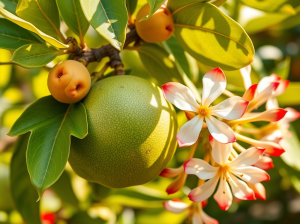
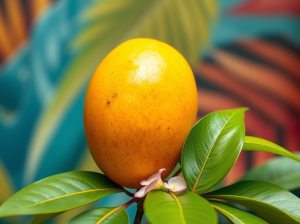
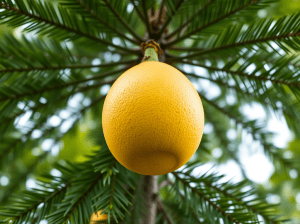
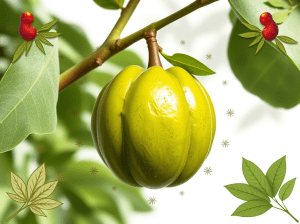
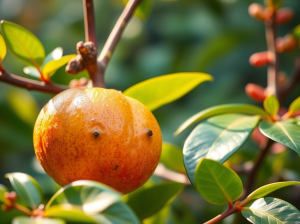
    Eggfruit (Canistel) A tropical delight with a creamy, bright yellow flesh reminiscent of a hard-boiled egg yolk. It’s often used in desserts and smoothies due to its unique texture and sweetness.

    Appearance: Eggfruit boasts a bright, vibrant yellow flesh that strikingly resembles a hard-boiled egg yolk. This creamy, custard-like texture makes it instantly recognizable.

    Taste & Texture: With a natural sweetness that’s reminiscent of a rich custard or pumpkin, the eggfruit strikes a lovely balance—it’s sweet without being overpowering. Its smooth, velvety texture lends itself beautifully to a wide variety of recipes.

    Culinary Uses: The fruit is most commonly used in desserts and smoothies. Its unique consistency makes it ideal for custards, ice creams, and even baked goods. Some adventurous cooks incorporate it into savory dishes or purees to add a natural, sweet-thickening element to sauces.

    Nutritional Profile: Eggfruit is more than just a striking ingredient for the plate. It is also a good source of vitamins (particularly vitamin A), dietary fiber, and essential minerals, making it a nutritious addition to your diet.

    Quick Reference Table

    FeatureDescription
    Alternate NameCanistel
    AppearanceBright yellow, creamy flesh resembling egg yolk
    FlavorSweet with hints of custard-like richness
    TextureSmooth, velvety, and creamy
    Culinary UsesDesserts, smoothies, custards, baked goods, and even some savory dishes

    Additional Insights

    Its unconventional look and taste make it not just a treat for the palate but a conversation starter in any dish. Whether blended into a smoothie or turned into a decadent dessert, eggfruit offers a delightful twist that can elevate everyday recipes into something memorable.

    1. Rich in Antioxidants: Eggfruit contains a host of antioxidants—including beta-carotene, vitamin C, and other compounds—that help neutralize free radicals. These antioxidants protect your cells from oxidative stress, potentially reducing the risk of chronic diseases such as cancer and cardiovascular issues while also contributing to a youthful appearance.
    2. Supports Immune Health: High levels of vitamin C in eggfruit bolster the immune system. By supporting the production and function of white blood cells, the fruit aids your body’s natural defense mechanisms, helping you ward off infections and maintain overall wellness.
    3. Promotes Digestive Well-Being: With a rich fiber content, eggfruit can help regulate your digestive system. The dietary fiber aids in smooth bowel movements, prevents constipation, and promotes a healthy balance of gut bacteria, which is essential for proper digestion and long-term digestive health.
    4. Enhances Vision and Skin Health: The abundance of beta-carotene in eggfruit is a precursor to vitamin A, crucial for maintaining good vision. Vitamin A also supports skin health by contributing to the formation of collagen and aiding in skin repair, keeping your skin vibrant and resilient.
    5. Boosts Heart Health: Eggfruit is a good source of potassium, a mineral that plays a critical role in maintaining healthy blood pressure levels and proper heart function. The combined benefits of its vitamins and minerals help support cardiovascular health by reducing blood pressure and potentially lowering the risk of heart disease.
    6. Provides Energy and Brain Benefits: The natural sugars in eggfruit offer a quick energy boost, while its array of B vitamins and vitamin E help maintain brain function and improve cognitive performance. These nutrients facilitate energy metabolism and support nerve functions, which are vital for sustaining alertness and overall brain health.

    Together, these properties make eggfruit not only an appealing culinary ingredient—ideal in smoothies, desserts, or as a fresh snack—but also a valuable addition to a health-conscious diet. Its nutrient-dense composition supports various bodily functions, from digestion and vision to heart and brain health.

    12 Incredible Health Benefits Of Egg Fruit: health-benefits-of-egg-fruit/

    The egg fruit, also known as canistel or yellow sapote, is not just delicious; it’s also full of good stuff that can make you healthier. This bright fruit can do a lot for your body, like making your immune system stronger and helping your heart. Here, we’ll look at 12 great health benefits of egg fruit that science supports.

    How do eggfruit antioxidants protect the body at the cellular level?

    Antioxidants in eggfruit help protect your body at the cellular level by neutralizing free radicals—unstable molecules generated during normal metabolism or through environmental exposures like pollution and UV radiation. These free radicals can damage vital cell components such as DNA, proteins, and lipids within cell membranes, potentially leading to inflammation, premature aging, or chronic diseases.

    At the heart of their protective role, eggfruit antioxidants (notably beta‑carotene) donate electrons to free radicals without themselves becoming reactive. This electron donation stabilizes the free radical, effectively halting a chain reaction of oxidative stress that could otherwise lead to cellular damage. Beta‑carotene, in particular, is efficiently incorporated into cell membranes, where it quenches reactive oxygen species (ROS) such as singlet oxygen, preserving both membrane integrity and overall cellular function.

    Moreover, these antioxidants contribute to maintaining a healthy redox balance—a delicate equilibrium between oxidants and antioxidants. By modulating cell signaling pathways that govern inflammation and repair processes, eggfruit antioxidants not only prevent further oxidative damage but also support the recovery of cells that have sustained minor harm. This dual action is crucial in reducing risks associated with chronic oxidative stress, such as cardiovascular diseases, certain cancers, and neurodegenerative disorders.

    Who should not eat

    Eggfruit (canistel) is widely enjoyed for its rich, custard-like flavor and nutritional benefits. However, some groups of people should exercise caution or avoid it:

    Individuals with Tropical Fruit Allergies or Food Sensitivities: While allergic reactions to eggfruit are rare, those with known allergies—especially to other tropical fruits—should introduce eggfruit in small amounts or avoid it altogether. This is because the proteins in the fruit may trigger allergic responses in susceptible individuals.

    People with Sensitive Digestive Systems: Eggfruit’s high fiber and natural sugars can sometimes lead to digestive discomfort, particularly if your body isn’t used to it. If you have conditions like irritable bowel syndrome (IBS) or other gastrointestinal sensitivities, starting with a small serving is advisable.

    Pregnant or Breastfeeding Women: Although eggfruit is nutritious, it’s a good idea for pregnant or breastfeeding women to consult with a healthcare provider before adding any exotic or less-common fruit to their diets, ensuring that it suits their personal nutritional needs and any medical considerations.

    In essence, the antioxidants in eggfruit act as a first line of defense against cellular damage by neutralizing free radicals, stabilizing cellular structures, and maintaining redox homeostasis. This protective mechanism is a key factor in how incorporating eggfruit into your diet can contribute to overall cellular health and long-term well-being.

    In summary, while eggfruit is generally safe and healthy, individuals who have known food allergies, particularly to tropical fruits, those with sensitive digestion, or those with special dietary considerations during pregnancy or breastfeeding should consult their doctor or nutrition expert before consuming it.

  • Durian: The King of Fruits and its Nutritional Power

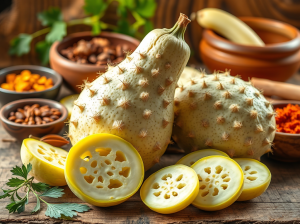
    Durian—the infamous “king of fruits”! It’s a tropical powerhouse native to Southeast Asia, known for its spiky shell, custard-like flesh, and a smell so intense it’s banned on public transport in places like Singapore.

    Durian is native to Southeast Asia, where indigenous peoples had been enjoying and cultivating it for millennia before its “discovery” by Western explorers. Early local communities gathered the fruit fresh from wild trees, valuing its rich, custard-like pulp not only as a source of energy and nutrition but also as an ingredient in traditional recipes and remedies.

    The first documented account in Western literature dates back to the 15th century. Explorer Niccolò de’ Conti recorded encountering a large, green fruit with a spiky exterior that the locals called “durian.” Later, in 1563, the Portuguese physician Garcia de Orta described the fruit’s unique flavor and potent aroma in his writings, solidifying durian’s place in early botanical and culinary chronicles.

    Ancient Origins and Early Use

    Durian is native to the tropical rainforests of Southeast Asia. For centuries, local communities not only savored the fruit fresh but also incorporated it into traditional remedies and culinary practices. Indigenous peoples recognized its nutritional value and unique flavor long before it attracted outside attention. Its long-standing role in local diets helped cement its status as both a nourishing food and a culturally significant delicacy.

    Early Western Encounters and Documentation

    The first recorded encounters with durian in Western literature trace back to travelers and explorers navigating Southeast Asia. Early accounts mention figures like Niccolò de’ Conti—a 15th-century traveler who described the fruit’s curious blend of creamy texture and pungent aroma.

    Later, in the late 16th century, translations of works such as Juan Gonzales de Mendoza’s treatises further introduced durian to European readers. These early descriptions, although sometimes astonished by its intense odor (leading to comparisons with cheese or even less flattering aromas), laid the groundwork for durian’s enduring reputation as the “king of fruits”.

    Evolving Use Through the Centuries

    Over time, durian’s use has expanded far beyond simply being eaten fresh. In Southeast Asia, it became a culinary staple, appearing in both sweet and savory dishes—from traditional desserts and ice creams to curries and condiments. As global interest grew, modern food innovators began experimenting with value-added products, such as durian-flavored pastries, beverages, and even health supplements. These innovations not only cater to the fruit’s passionate local fans but also to a broader international market, which now appreciates its complex blend of sweet, savory, and intense aroma.

    From a Local Delicacy to a Global Commodity

    Modern agricultural advances and changing consumer tastes have played significant roles in transforming the durian’s market presence. Traditional cultivation methods have gradually given way to more refined techniques, ensuring consistency and quality that appeal to both domestic and export markets. The rise of premium cultivars—such as the famed Musang King—has boosted durian’s profile worldwide. Today, it stands as a symbol of culinary innovation, merging centuries-old traditions with modern scientific research into nutrition, flavor profiling, and sustainable farming practices.

    Durian’s journey from a wild tropical fruit enjoyed by indigenous cultures to an international delicacy illustrates a vibrant evolution influenced by exploration, cultural exchange, and continuous innovation

    Over time, durian transitioned from a wild, indigenous delicacy to a culturally significant fruit—often dubbed the “king of fruits,”—earning a reputation that both celebrates its rich taste and critiques its famously pungent smell.

    Its use spans from straightforward fresh consumption to being an ingredient in a variety of local dishes and medicinal practices, reflecting the deep-seated value placed on durian in Southeast Asian cultures.

    Lesser-known medicinal

    1. Natural Sleep Aid

    Durian contains tryptophan, an amino acid that the body converts into serotonin and melatonin—neurochemicals that help regulate mood and sleep cycles. In traditional Southeast Asian remedies, durian is sometimes consumed in the evening to promote restful sleep.

    2. Mood and Mental Health Support

    Thanks to its high vitamin B6 content, durian may help boost serotonin production, which can alleviate symptoms of depression and anxiety. Some holistic practitioners even refer to it as a “natural antidepressant”2.

    3. Aphrodisiac Properties

    Durian has long been considered a natural aphrodisiac in traditional medicine. Its combination of potassium and vitamin B6 is thought to improve blood circulation and hormonal balance, potentially enhancing libido and sexual wellness2.

    4. Anti-Anemia Effects

    Durian is rich in iron, folate, and copper, all of which are essential for red blood cell production. This makes it a helpful dietary addition for those managing or preventing anemia.

    5. Antibacterial and Antifungal Potential

    The outer husk and sap of the durian fruit contain compounds with antimicrobial properties. Some studies suggest these parts may help fight infections, though they’re not commonly used in Western herbalism

    Nutritional Benefits

    Caloric and Macronutrient Profile: A typical serving of durian (about one cup or roughly 243 grams) provides around 357 calories. This includes approximately 66 grams of carbohydrates, 13 grams of fat, and around 3.6 to 4 grams of protein. It’s also rich in dietary fiber (about 9 grams per serving), which contributes to a feeling of fullness and aids in digestive health.

    Vitamins and Minerals: Durian is an excellent source of vitamins and minerals. It offers a significant dose of vitamin C, important for immune function and skin health, as well as a spectrum of B vitamins (such as vitamin B6 and thiamine) that support energy metabolism and brain function. Notably, it is very high in potassium (with one serving sometimes providing close to 1060 mg), which can help manage blood pressure and support cardiovascular health. Other minerals—such as phosphorus, magnesium, and manganese—contribute to its overall nutritious profile.

    Antioxidants and Phytochemicals: Beyond standard nutrients, durian contains a variety of antioxidants (including polyphenols and flavonoids). These compounds help neutralize free radicals, potentially reducing inflammation and lowering the risk of chronic diseases. In traditional medicine, various parts of the durian plant have even been used to treat ailments, highlighting its longstanding cultural significance.

    Potential Risks

    Caloric Density and Fat Content: Due to its relatively high calorie and fat content compared to most fruits, overeating durian can contribute to weight gain if you’re not balancing it within your overall diet. This makes portion control particularly important for those monitoring their caloric intake.

    Digestive Concerns: While fiber is beneficial for digestive health, consuming large amounts of durian may lead to gastrointestinal discomfort such as bloating, gas, or even diarrhea. This is especially the case if you’re not drinking enough water; the fiber in durian can absorb extra water in your intestines and, in excess, disrupt normal digestion [11].

    Alcohol Interaction: One of the more unique risks involves durian’s interaction with alcohol. Durian contains sulfur-like compounds that can inhibit the enzyme aldehyde dehydrogenase, which is crucial for metabolizing alcohol. Consuming durian alongside alcohol may cause elevated blood alcohol levels and lead to symptoms like nausea, vomiting, or heart palpitations. This interaction is the reason why, in some places, durian is not served together with alcoholic beverages.

    Allergic Reactions and Other Sensitivities: As with any food, some individuals may be allergic or sensitive to durian, potentially experiencing reactions such as skin rashes, hives, or respiratory difficulties. It’s wise to introduce it slowly into your diet if you’ve never tried it before or if you have a history of food allergies.

    Read seniorfitness.org. This unique tropical fruit is not just known for its distinct aroma and flavor; it’s also a powerhouse of nutrients that can significantly enhance overall well-being. Packed with vitamins like C, B6, and essential minerals such as potassium and magnesium, durian supports immune function, improves digestion, and promotes heart health

    In summary, durian’s rich nutritional profile—with its blend of fibers, healthy fats, vitamins, and minerals—can offer real health benefits, particularly for energy metabolism, immune support, and cardiovascular health. However, mindful consumption is key, especially because of its high caloric density and potential interactions (such as with alcohol). Enjoying durian in moderation ensures that you can savor its unique taste and benefits while avoiding its possible downsides.

    Incorporating durian into a balanced meal plan is all about mindful portion control and pairing it with complementary ingredients to create meals that are both exciting and nutritionally complete.

    1. Breakfast Boosts

    • Durian Smoothie Bowl: Blend a modest amount of durian flesh with a banana, a handful of spinach, and a cup of unsweetened almond (or your preferred) milk. Pour into a bowl and top with granola, chia seeds, or fresh berries. This mix not only adds antioxidants, fiber, and vitamins but also gives your morning a creamy and tropical twist.
    • Durian Pancakes or Waffles: Incorporate a small amount of mashed durian into your pancake or waffle batter. Keep the serving moderate to avoid excessive calories, then top with a sprinkle of nuts and a drizzle of natural sweetener (like a dash of honey or maple syrup) for extra flavor and crunch.

    2. Smart Snacks and Light Desserts

    • Durian Parfait: Layer a small serving of durian with low‐fat Greek yogurt and a few slices of fresh fruit. Adding a sprinkle of nuts or a dusting of granola can balance the fruit’s natural sweetness with some healthy fats and protein.
    • Durian Chia Pudding: Mix durian puree with chia seeds and a splash of coconut or almond milk, then let it set in the refrigerator overnight. Top with berries in the morning for an energizing, fiber-rich treat that offers a unique texture and flavor.
    • Fruit Salad Accent: Use durian as one element in a vibrant fruit salad. Pair it with milder fruits like mango, pineapple, or papaya, and finish with a squeeze of lime juice and some mint leaves. This not only softens durian’s bold taste but also adds a refreshing tang to the mix.

    3. Balancing Macronutrients

    • Complement with Protein and Healthy Fats: Since durian is relatively calorie-dense and high in natural sugars and fats, serve it alongside lean proteins (like Greek yogurt, cottage cheese, or even a handful of almonds) and fiber-rich foods (like whole grains or leafy greens). These additions help balance out the natural sugars and keep your energy levels even throughout the day.
    • Portion Control Matters: A moderate serving goes a long way. Incorporate durian as a side or accent rather than the main carbohydrate source. This way, you enjoy its nutritional benefits—such as high levels of vitamin C, potassium, and antioxidants—without overloading on calories.

    4. Integrating Durian into Meal Prep

    • Pre-Portioned Treats: Due to its strong aroma and limited shelf-life when fresh, consider preparing small, single-serving durian recipes (like parfaits or smoothie packs) that can be assembled quickly during the week. This method makes it easier to stick to portion sizes while still enjoying its rich flavor.
    • Variety in Meal Plans: Rotate your durian dishes throughout the week so that it appears in a mix of sweet and savory contexts. For example, you might have a durian smoothie bowl on Monday, a durian-infused dessert on Wednesday, and a small durian salad element on Friday. This variety keeps your meal plans exciting and ensures you get other essential nutrients from a range of foods.

    By thoughtfully integrating durian in these ways, you add a creative, tropical twist to your balanced meal plan while capitalizing on its nutritional benefits, such as fiber, healthy fats, and vital vitamins and minerals. The key is to treat durian as an exciting accent that enhances both flavor and nutrition while always pairing it with other nutrient-dense foods.

    Durian is primarily imported from Southeast Asia, especially Thailand and Malaysia. While a few trees exist in places like South Florida and Hawaii, they rarely fruit, so nearly all durian in the U.S. is brought in frozen or processed.

    Common Forms Available

    Frozen Whole Fruit – Often the Monthong variety, sold in Asian supermarkets or online. It’s typically flash-frozen and shipped with the shell intact.

    Frozen Pulp or Pods – Pre-separated flesh, sometimes vacuum-sealed for convenience. Great for smoothies or desserts.

    Freeze-Dried Durian – Crunchy and shelf-stable, this is a popular snack form with a milder aroma.

    Durian-Based Products – You’ll find durian in ice cream, pastries, candies, and even mooncakes.

    Fresh (Rare) – Specialty grocers in cities like Los Angeles, New York, or San Francisco occasionally carry fresh durian, especially during peak import seasons.

    (Durian trees are growing in South Florida, but none of them have fruited so far.

    Although monthong (a commercially grown variety) is available in most largest populated cities, eating a seedling durian is an experience that one would have had to travel all the way to Southeast Asia for until now.

    Meet Kampong, also known as “natural village durian” because it is grown from seed and not grafted like other named varieties.)

    1. Discovering Duku: The Sweet-Tart Superfruit of Southeast Asia

      Duku

      Duku is a tropical fruit native to Southeast Asia, often confused with its close cousin, langsat. It grows in grape-like clusters and has a round to oval shape with a leathery yellow-brown skin. Inside, you’ll find translucent white segments that are juicy, sweet-tart, and slightly citrusy—some say it tastes like a mix between grapefruit and grapes

      Unlike langsat, it doesn’t release sticky latex when peeled, making it easier to enjoy. It’s also packed with vitamin C, antioxidants, and fiber, which support immunity, digestion, and skin health.

      You can eat it fresh, toss it into fruit salads, or even cook it into jams and desserts. Ever tried one, Brinder? It might be a fun addition to your exploration of unique fruits like pluots and dewberries.

      (Lansium parasiticum, commonly known in English as Duku Fruit, langsat, or lanzones, is a species of tree in the Mahogany family with commercially cultivated edible fruits. The species is mainly grown in Southeast Asia, throughout the Malay Archipelago from Peninsular Thailand, Malaysia, and Malaysia. It is extensively cultivated in southern Peninsular Malaysia, READ MORE @ healthbenefitstimesIndonesia)

      The Duku fruit plays a surprisingly rich role in Southeast Asian cultural traditions, especially in Indonesia, Malaysia, and the Philippines.

      Philippines: Camiguin Lanzones Festival

      In Camiguin, the Lanzones Festival is a vibrant four-day celebration held every October to honor the harvest of duku (locally called lanzones). The island transforms with:

      • Street dancing in fruit-themed costumes
      • Agricultural fairs and fruit tastings
      • Beauty pageants and parades. This festival isn’t just about the fruit—it’s a celebration of community pride, prosperity, and gratitude for a bountiful harvest.

      Indonesia & Malaysia: Symbol of Goodwill

      In parts of Indonesia and Malaysia, duku is often given as a gift of goodwill—a gesture of hospitality and friendship. It’s common to offer it to guests during visits or festive gatherings, symbolizing abundance and welcome.

      Folklore & Symbolism

      Duku also appears in local myths and legends, often representing fertility, prosperity, or transformation. In some tales, the fruit is believed to have mystical origins or protective properties.

      It’s fascinating how this humble fruit weaves through both everyday life and ceremonial traditions.

      Cultural: In the Philippines, the Camiguin Lanzones Festival

      Held every October, the Camiguin Lanzones Festival is a vibrant four-day celebration marking the harvest of lanzones. It’s a blend of gratitude, folklore, and community pride, featuring:

      Street dancing in elaborate fruit-inspired costumes

      Parades and pageants showcase local beauty and creativity.

      Fruit tastings, agricultural fairs, and culinary competitions.

      Cultural performances that honor the island’s heritage.

      Beyond festivals, duku has been used in ritual healing practices. The bark, seeds, and peels were traditionally used to treat ailments like fever and diarrhea, and burning the dried peel was believed to ward off evil spirits or insects. Dried peels were burned as mosquito repellent, and the resin was applied to scorpion stings.

      This festival not only boosts tourism but also reinforces the fruit’s role in local identity and economy.

      Woodcraft: The tree’s wood was used for house posts, tool handles, and small utensils. Its wood has traditionally been used in Southeast Asia for small-scale woodcraft and practical construction. Though not a major timber source, the tree’s wood is valued for being dense, durable, and fine-grained, making it suitable for:

      House posts and rafters: In rural architecture areas of Java and Malaysia, duku trees that no longer bear fruit are repurposed for structural elements in homes. The wood’s toughness and elasticity help it withstand tropical humidity and shifting foundations. The wood is also resilient to pests and has a density of around 840 kg/m³, giving it enough heft for load-bearing uses without being too heavy to work with.

      Tool handles, Duku wood has long been valued in Southeast Asia for crafting tool handles, especially in rural and agricultural communities. Durability: Duku wood is dense and moderately hard, making it resistant to splitting or cracking under pressure, ideal for tools that take a beating. Workability: It’s fine-grained and smooth, which allows for comfortable shaping and sanding. This makes it a favorite for hand tools like chisels, hoes, and kitchen implements. Grip Comfort: When polished, duku wood offers a natural, non-slip grip. It absorbs sweat and shock well, which is especially useful for machetes, pestles, or farming tools.

      In fact, the tradition of using duku wood for handles is part of a broader ethos of zero-waste agriculture, where even non-fruiting or aging trees are repurposed into practical items.

      Because duku trees are primarily cultivated for their fruit, the wood is typically harvested from older or non-fruiting trees. In some regions, it’s also used in folk carpentry, where local artisans craft everyday items from available hardwoods.

      Today, Duku is still beloved for its flavor and versatility:

      Culinary: Eaten fresh, added to fruit salads, blended into juices, or made into jams and syrups. It even appears in savory dishes in some cultures.

      The most common way to enjoy duku is simply peeling and eating it fresh. Its juicy, translucent segments are refreshing on their own or paired with other tropical fruits like mango, pineapple, or lychee.

      Fruit Salads & Bowls: Duku adds a citrusy brightness to fruit salads. It pairs well with mint, basil, or even a drizzle of lime-honey dressing for a vibrant twist.

      Juices & Smoothies: Blended into juices or smoothies, duku offers a tangy-sweet base. It’s often combined with banana, coconut water, or yogurt for a creamy tropical drink.

      Jams, Jellies & Syrups: The fruit’s natural pectin content makes it ideal for preserves. Duku jam or syrup can be used on toast, in pastries, or as a glaze for grilled meats.

      Savory Dishes: In some Filipino and Indonesian recipes, duku is used as a souring agent, similar to tamarind or calamansi. It adds a subtle acidity to dishes like sinigang or stews.

      Desserts: Duku segments can be candied, caramelized, or folded into tarts, ice cream, and puddings. Some chefs even use it as a topping for panna cotta or pavlova.

      Health & Wellness: Valued for its high vitamin C, fiber, and antioxidants, it supports immunity, digestion, and skin health.

      Eco & Agrotourism: Duku farms and festivals now attract tourists, blending agriculture with cultural heritage.

      It’s fascinating how this humble fruit has evolved from folk remedy to superfruit status. Duku fruit is a powerhouse of nutrients wrapped in a sweet-tart package. Here’s a breakdown of its health benefits, both traditional and modern:

      1. Immune System Support

      Rich in vitamin C—about 46 mg per 100 g—duku helps strengthen your immune defenses and fight off infections.

      2. Digestive Health

      Its high dietary fiber content promotes smooth digestion, prevents constipation, and supports gut health.

      3. Bone & Dental Strength

      Duku contains calcium, phosphorus, and vitamin A, which contribute to stronger bones and teeth, especially important as we age.

      4. Antioxidant Protection

      Loaded with polyphenols and flavonoids, duku helps neutralize free radicals, reducing the risk of chronic diseases and premature aging.

      5. Weight Management

      Low in calories (about 34 kcal per 100 g) and high in water content, it’s a great snack for hydration and satiety without the guilt.

      6. Skin Health

      Vitamin C and antioxidants promote collagen production and protect skin from environmental damage, keeping it radiant and youthful.

      7. Traditional Medicinal Uses

      Historically, duku has been used to:

      • Treat fever, diarrhea, and dysentery
      • Repel mosquitoes by burning dried peel
      • Relieve scorpion stings with its resin

      8. Anti-Malarial Potential

      Compounds in the peel have shown promise in disrupting the life cycle of Plasmodium falciparum, the parasite that causes malaria.

      If you are curious, duku fruit is available in the United States, but it’s a bit of a hidden gem. You’re most likely to find it in:

      • Specialty Asian or Filipino grocery stores, especially in areas with large Southeast Asian communities (like Los Angeles, San Francisco, New York, or Chicago).
      • Hawaiian markets, where duku has been cultivated since the 1930s.
      • Online tropical fruit retailers sometimes offer fresh or frozen duku during its peak season (fall through early winter).
      • Nurseries that sell grafted duku trees for home growers in warmer climates like Florida, southern California, or Hawaii.

      It’s still considered a niche fruit in the U.S., so availability can be seasonal and limited. If you’d like, I can help you track down a few online sources or nurseries that ship nationwide. Want to give that a go?

      MORE: specialtyproduce.com  The thick rind is hard, leathery, and tan to pale yellow, developing brown spots and blemishes as the fruit matures. The rind is also covered in fine hairs, giving the fruit a fuzzy appearance. Underneath the surface, there is a white, spongy, and very bitter layer that is easily separated and peeled, and the flesh is thick, translucent-white, and is typically divided into 1-5 segments. 

      Duku fruit is generally safe and nutritious for most people, but there are a few groups who should approach it with caution:

      1. People with Latex or Tropical Fruit Allergies

      Some individuals may be allergic to duku or its latex-like sap. Symptoms can include itching, swelling, or even respiratory issues. If you’ve reacted to fruits like rambutan, longan, or mangosteen, it’s wise to test duku in small amounts first.

      2. Individuals with Diabetes

      Duku has natural sugars and a moderate glycemic index. While it can be part of a diabetic diet in moderation, large portions may spike blood sugar levels. Diabetics should monitor their intake and ideally pair it with protein or fiber-rich foods to slow absorption.

      3. People with Digestive Sensitivities

      The seeds are bitter and mildly toxic if chewed, and the peel contains tannins that can be astringent. Swallowing seeds or consuming unripe fruit may cause stomach discomfort.

      4. Those on Low-FODMAP or Specialized Diets

      Because duku contains fermentable sugars and fiber, it might trigger bloating or gas in people with IBS or those following a low-FODMAP plan.

    2. The Mystique of Double Coconut: Nature’s Rarest Treasure

      The Double Coconut name comes from the fruit’s unique shape: the seed has two lobes that resemble a pair of buttocks, which earned it the cheeky nickname coco fessesBritannica in French. The tree itself can grow up to 30 meters tall and has enormous fan-shaped leaves that can span 10 meters across.

      (The contents of the nut are edible but are not commercially valuable. Water vessels and platters are made from the shells. The empty fruits (after germination of the seed) are found floating in the Indian Ocean and were known long before the palm was discovered. Britannica.com)

      The double coconut (Lodoicea maldivica) was first documented in 1563 under the name Coco das Maldivas—“coconut of the Maldives”—by the Portuguese physician Garcia de Orta. At the time, no one knew where the massive seeds originated, as they were often found floating in the Indian Ocean, leading to myths that they grew on underwater trees.

      It wasn’t until 1768 that the mystery was solved. French explorer Marc-Joseph Marion du Fresne landed in the Seychelles and discovered that the seeds actually came from a terrestrial palm tree growing on the islands. This revelation transformed the double coconut from a nautical enigma into a botanical marvel.

      The double coconut, also known as Lodoicea maldivica or coco de mer, is a rare palm tree native only to the Seychelles islands—specifically Praslin and Curieuse. It’s famous for producing the largest and heaviest seed in the plant kingdom, with some seeds weighing up to 25 kg (55 lbs) and measuring nearly half a meter long.

      The double coconut is dioecious, meaning male and female flowers grow on separate trees. It takes 6–7 years for the fruit to mature and another 2 years to germinate, making it one of the slowest-growing plants on Earth.

      Due to its rarity and slow reproductive rate, it’s listed as endangered and protected under international conservation laws.

      It’s not just a botanical marvel—it’s also steeped in myth and mystery. For centuries, people believed the nuts came from underwater trees because they were sometimes found floating in the Indian Ocean long before the actual trees were discovered.

      The double coconut—or coco de mer—earned its reputation as the “forbidden fruit” largely because of its provocative shape and the mystery that surrounded its origin for centuries. The seed resembles a woman’s pelvis and buttocks on one side, and a belly and thighs on the other, which sparked associations with sensuality, fertility, and temptation.

      In the 19th century, General Charles George Gordon visited the Seychelles and became convinced that the lush Vallée de Mai forest, where the coco de mer grows, was the original Garden of Eden. He proposed that the double coconut was the very fruit that tempted Eve. Its erotic form, combined with the fact that it only grows in a secluded paradise, made it a perfect candidate for this biblical role.

      Local legends added fuel to the fire. One tale claimed that male and female trees mated on stormy nights, and that witnessing this act would cause death or blindness. Since pollination of the coco de mer is still not fully understood, the myth persisted with a kind of mystical allure.

      Cultural Significance

      The double coconut (Lodoicea maldivica) has long been considered a status symbol and object of desire. In centuries past, these seeds were so prized that owning one was a sign of nobility. Royals and emperors in Europe and Asia collected them as curiosities, so that some were mounted in gold and used as ceremonial gifts. In fact, during the 18th century, possession of a coco de mer without royal permission in the Seychelles could get you executed—that’s how valuable and rare they were.

      Today, the nut is a protected item under CITES, meaning it can’t be exported without a special license. Locally, artisans carve the shells into decorative objects, bowls, and souvenirs, but even these are tightly regulated.

      Compared to Regular Coconuts

      Here’s how it stacks up:

      FeatureDouble Coconut (Lodoicea)Regular Coconut (Cocos nucifera)
      OriginSeychelles onlyTropical regions worldwide
      Seed SizeUp to 55 lbs (25 kg)About 3–5 lbs (1.5–2.5 kg)
      Time to Mature6–7 yearsAbout 1 year
      Tree HeightUp to 30 m20–30 m
      UsesOrnamental, symbolic, mythicalEdible, culinary, industrial
      Cultural StatusMythic, royal, erotic symbolismEveryday staple and global commodity

      So while a regular coconut is your go-to for smoothies, oil, or curry, the double coconut is more like a natural sculpture cloaked in mystery and lore.

      The double coconut (Lodoicea maldivica) isn’t widely consumed due to its rarity and protected status, but traditional medicine systems like Ayurveda, Siddha, and Chinese medicine have long attributed therapeutic properties to it.

      Fever relief: The kernel is considered a febrifuge, meaning it may help reduce fever.

      Diabetes support: A decoction made from the husk and kernel has been used to lower sugar levels in urine.

      Digestive aid: It’s been used to treat colic, diarrhea, and hyperdipsia (excessive thirst).

      Detoxifying effects: Traditional texts mention its use as an antidote for opium and aconite poisoning.

      Anti-inflammatory and soothing: In Chinese medicine, it’s used to ease abdominal discomfort and inflammation.

      That said, these uses are based on traditional knowledge and anecdotal evidence; there’s limited modern scientific research to confirm them. Because the plant is endangered, its medicinal use is now more symbolic than practical.

      Double coconut product is available in the U.S., though not the whole fruit in its raw form, due to strict conservation laws. Here’s what’s available:

      Decorative shells: Some specialty sites like Sencira Rare Seeds offer unpolished double coconut shells for ornamental use, though they’re often out of stock due to rarity.

      Infused products: You can find items like REX Coco De Mer Coffee, which is infused with the essence of double coconut from the Seychelles. It’s available on Amazon and marketed as a luxury blend.

      Grocery delivery: Instacart lists “Double Coconut” as a product in some areas, though it’s likely a naming quirk or a different variety of coconut altogether, not the true Lodoicea maldivica.

      Modern science sees the double coconut (Lodoicea maldivica) as a fascinating case study in evolutionary biology, island ecology, and plant gigantism. While traditional medicine attributes various healing properties to it, scientific research has not confirmed any proven medicinal benefits. Instead, researchers are captivated by its extreme traits and what they reveal about plant evolution.

      Here’s what modern science emphasizes:

      1. Evolutionary Significance

      Studies suggest that the double coconut’s massive seed evolved due to a combination of factors: large plant size, shady forest habitats, and the absence of seed-dispersing animals on the Seychelles. These conditions favored fewer but larger seeds that could survive under the parent tree until they reached sunlight.

      2. Nutrient Recycling

      The tree is incredibly efficient at recycling nutrients from its old leaves—more so than any other known plant. This adaptation likely evolved to cope with the nutrient-poor soils of its island habitat.

      3. Pollination Mysteries

      Despite centuries of observation, scientists still don’t fully understand how it’s pollinated. Theories include wind, rain, and even animal pollinators like geckos and slugs. Artificial pollination has been attempted in botanical gardens with mixed success.

      4. Conservation Focus

      With only about 8,000 mature trees left in the wild, the species is listed as Endangered by the IUCN. Conservation efforts include habitat protection, seed monitoring, and controlled propagation in botanical gardens.

      So while modern science doesn’t back the medicinal claims, it does see the double coconut as a botanical marvel—one that offers rare insights into how isolation and time can shape life in extraordinary ways.

      Ritual Use and Symbolism

      In cultures where the double coconut (Lodoicea maldivica) is native—especially the Seychelles—it’s revered not just for its rarity, but for its symbolic power. Its suggestive, curvaceous form has long been associated with fertility, sensuality, and creation. In fact, its shape alone has inspired myths of divine union and cosmic balance.

      Though not commonly used in widespread rituals due to its endangered status, it has historically been:

      • Presented as a royal or sacred gift, symbolizing prosperity and fertility.
      • Used in fertility rites, where its form was believed to enhance reproductive energy or bless unions.
      • Carved into ceremonial objects, often reserved for elite or spiritual leaders.

      In some local legends, the male and female trees are said to “mate” during stormy nights—a myth that reflects both the tree’s dioecious nature and its deep connection to fertility and natural cycles.

      Broader Cultural Parallels

      Across many cultures, coconuts are fertility symbols. In Hinduism, for example, the coconut is offered during weddings and childbirth ceremonies to invoke blessings of abundance, purity, and new life.

      In African and Afro-Caribbean traditions, coconuts are used in rituals to cleanse, protect, and promote fertility, often linked to deities like Yemayá, the mother of oceans.

      So while the double coconut isn’t as widely used as its more common cousin, its mythic status and erotic form have made it a powerful emblem of life’s generative forces.

      READ MORE: It has been suggested that they may be pollinated by animals such as the endemic lizards that inhabit the forest where they occur.[24] Pollination by wind and rain is also thought to be important.[32] Only when L. maldivica begins to produce flowers, which can vary from 11 years to 45 or more, is it possible to visually determine the sex of the plant. “Lodoicea

    3. Discover the Health Benefits of Dapple Dandy Pluots

      Let’s dive into the fruity side of the “Dinosaur Egg”. While the Dinosaur Egg

      One of the most popular varieties is the Dapple Dandy pluot, nicknamed the Dinosaur Egg because of its speckled, mottled skin that resembles a dinosaur egg. It has a sweet, juicy interior with a flavor that blends the tartness of plums and the smoothness of apricots. These fruits are typically available in summer and are a hit at farmers’ markets and specialty grocers.

      “Dinosaur Egg” isn’t just a treat for the eyes and taste buds — it’s a surprisingly nutritious snack, too. Here’s what makes it a standout:

      Nutritional Highlights

      • Low in calories: Great for guilt-free snacking — most pluots clock in at around 70–90 calories per fruit.
      • Rich in vitamins: Especially vitamin C, which supports immune health and skin vitality, and vitamin A, important for vision and cell growth.
      • High in antioxidants: Thanks to its plum heritage, it contains polyphenols that help combat oxidative stress.
      • Good source of fiber: Helps with digestion and can support heart health.
      • Heart-friendly: Low in sodium and high in potassium, which supports healthy blood pressure
      • Hydrating: With a high water content, it’s a refreshing way to stay hydrated in the summer heat.

      It’s also naturally sweet, so it can satisfy sugar cravings without the crash. Whether you eat it fresh, toss it into a salad, or roast it with a drizzle of honey, it’s a fruit that blends indulgence with wellness.

      Including fruits in your daily diet is like giving your body a natural multivitamin — but tastier and juicier.

      1. Nutrient Powerhouses

      Fruits are rich in essential vitamins (like C, A, and K), minerals (like potassium and magnesium), and antioxidants that support everything from immune function to skin health.

      2. Digestive Support

      Thanks to their high fiber content, fruits help regulate digestion, prevent constipation, and support a healthy gut microbiome.

      3. Heart Health

      Many fruits — especially berries, apples, and citrus — are linked to lower blood pressure, reduced cholesterol, and a decreased risk of heart disease due to their fiber and polyphenol content.

      4. Weight Management

      Fruits are naturally low in calories and high in water and fiber, which helps you feel full and satisfied without overdoing it on calories.

      5. Blood Sugar Control

      Despite their natural sugars, fruits have a low glycemic index and are packed with fiber, which helps regulate blood sugar levels, especially when eaten whole.

      6. Disease Prevention

      Regular fruit consumption is associated with a lower risk of chronic diseases like type 2 diabetes, certain cancers, and even cognitive decline.

      7. Skin and Hair Benefits

      The vitamins and antioxidants in fruits like mangoes, oranges, and berries can promote radiant skin and healthy hair from the inside out.

      So while the cactus might look like it belongs in a Jurassic terrarium, the real “dinosaur egg” you can bite into is this luscious stone fruit.

      Dinosaur Egg is widely available in the United States, especially during the summer months:

      Fresh fruit: Sold at farmers markets, specialty grocers, and some larger supermarkets (like Whole Foods or Sprouts) from late July through August. Look for its signature speckled skin and juicy interior.

      Fruit trees: If you’re into growing your own, nurseries like Dave Wilson Nursery, Ison’s Nursery, and Raintree Nursery offer Dapple Dandy pluot trees for home orchards. These trees thrive in USDA zones 5–10 and need a compatible pollinator like a Santa Rosa plum.

      Online produce boxes: Some seasonal fruit delivery services include plums in their summer assortments — a great option if you want them shipped straight to your door.

      Dapple Dandy pluot is generally a delight. There are a few potential drawbacks worth noting, especially if you’re thinking of growing or consuming them regularly:

      For Consumers:

      • Short seasonal window: These pluots are typically only available fresh in late summer, so they’re a bit of a limited-time treat.
      • High natural sugar: While healthier than processed sweets, they’re still high in natural sugars — something to watch if you’re managing blood sugar levels.
      • Allergy potential: Like other stone fruits, they can trigger reactions in people with sensitivities to plums, apricots, or birch pollen (oral allergy syndrome).

      For Growers:

      • Pollination challenges: Dapple Dandy trees need a compatible pollinator (like a Santa Rosa plum or another pluot) to bear fruit. Without one, you might end up with a beautiful tree and zero harvest.
      • Climate sensitivity: They thrive in warm, sunny climates. In cooler or overly wet regions, fruit set and flavor can suffer.
      • Pest and disease risks: Like most stone fruits, they can be susceptible to aphids, brown rot, and leaf curl if not properly managed.

      That said, most of these issues are manageable with a little planning.

      According to Dr. Nandi, Pluots are a hybrid between different Prunus species. They are also called interspecific plums. They were first “created” by Floyd Zaiger, who spent years experimenting with the two fruits before finally settling on this hybrid. The very first pluot was sold in 1989. Pluots have a plum’s sweet flavor and texture, but their exterior has the fuzzy, soft feeling of an apricot.

      Little-known properties

      The Dapple Dandy pluot has a few lesser-known quirks and qualities that make it even more intriguing beyond its sweet flavor and dino-spotted skin:

      1. Flavor Evolution Post-Harvest

      Unlike many fruits, Dapple Dandy pluots can continue to develop flavor after picking. If harvested slightly underripe, they’ll sweeten and soften over a few days at room temperature — a handy trick for extending their enjoyment.

      2. Chill Hour Flexibility

      They’re surprisingly cold-hardy for a pluot, needing only about 300–400 chill hours. That makes them more adaptable to cooler climates than many other stone fruit hybrids.

      3. Taste-Test Champion

      In multiple nursery and grower trials, Dapple Dandy has ranked as a top-tier flavor winner, often beating out more famous varieties like Flavor King or Flavor Supreme. Its balance of tart skin and honey-sweet flesh gives it a complex, almost candy-like profile.

      4. Pollinator Powerhouse

      It’s not just a fruit bearer — it’s also a strong pollinizer for other pluot varieties. If you’re building a home orchard, this one pulls double duty.

      5. Biennial Bearing Tendency

      If not thinned properly, the tree can overproduce one year and underproduce the next — a phenomenon called biennial bearing. Thinning the fruit early helps maintain consistent yields

      Delicious Ways to Incorporate Dapple Dandy Pluots

      1. Morning Boost Slice them into your yogurt or oatmeal for a vibrant splash of vitamin C and antioxidants to kick off your day.

      2. Garden-to-Glass: Whip up a pluot smoothie with ginger and citrus—great for digestion and immune support.

      3. Elevated Snacking Pair slices with aged cheese and almonds. Their sweet-tart balance complements rich flavors perfectly.

      4. Salad Star Toss them into an arugula salad with walnuts and goat cheese—adds visual pop and a tangy sweetness that’s full of fiber.

      5. Grilled and Glazed Lightly char halved pluots on the grill, then drizzle with balsamic reduction. The heat caramelizes the sugars and deepens the flavor.

      6. Preserved Power: Turn them into jams or chutneys. That preserves not only their flavor but their nutrient content too, especially those helpful antioxidants.

      Here are some standout ideas that lean into your creative and entrepreneurial flair.

      🌿 1. Pluot and Fennel Slaw with Toasted Caraway

      Thin-sliced pluots + shaved fennel + Greek yogurt dressing + caraway seeds = a crunchy, tangy summer slaw with unexpected zing. It pairs beautifully with grilled fish or falafel wraps.

      🍕 2. Pluot and Brie Flatbread with Rosemary Honey

      Layer sliced pluots over crispy flatbread with melted Brie. Drizzle with a rosemary-infused honey just before serving. Elegant enough for entertaining, simple enough for dinner.

      🧊 3. Smoky Pluot Salsa

      Dice pluots and mix with charred tomatoes, jalapeños, lime juice, and cilantro. This smoky-sweet salsa is a fresh twist for tacos, grilled shrimp, or even spooned over roasted sweet potatoes.

      🌶️ 4. Spiced Pluot Chutney

      Simmer chopped pluots with onions, ginger, mustard seeds, and cider vinegar. Jar it up and sell or gift as a gourmet condiment—it’s amazing with cheese boards or savory pastries.

      🍰 5. Pluot, Thyme & Mascarpone Galette

      Wrap sweet pluots and a touch of fresh thyme in rustic pastry with a mascarpone base. The herbal note elevates the fruit and makes this feel super refined.

      🫐 6. Pickled Pluots with Star Anise

      Slice pluots and quick-pickle them with rice vinegar, sugar, and star anise. Serve alongside roasted meats, or package in jars for a beautiful artisan product.

      More Culinary uses:

      Pluots may be a modern hybrid, but they’ve found their way into globally inspired dishes that blend tradition with innovation. Here are some international-style creations where pluots shine:

      Pluot Chamoy Salad (Mexico)

      Toss sliced pluots with jicama, cucumber, lime juice, Tajín, and a drizzle of chamoy. It’s a sweet-spicy-sour street snack with serious summer vibes.

      Pluot Tarte Tatin (France)

      A twist on the classic French upside-down tart—caramelize pluots in butter and sugar, then bake with puff pastry. Serve warm with crème fraîche or vanilla bean ice cream.

      Thai-Inspired Pluot Som Tum

      Swap green papaya for firm pluots in this riff on Thai som tum. Shred them and toss with fish sauce, lime, chili, and roasted peanuts for a tangy, crunchy salad.

      Spiced Pluot Chutney (India)

      Simmer chopped pluots with mustard seeds, ginger, turmeric, and vinegar. This chutney pairs beautifully with samosas, grilled paneer, or even as a spread on naan.

      Pluot Caprese Skewers (Italy)

      Alternate pluot wedges with fresh mozzarella and basil on skewers. Drizzle with balsamic glaze for a colorful antipasto that’s both sweet and savory.

      Pluot Tagine with Lamb (Morocco)

      Add halved pluots to a slow-cooked lamb tagine with cinnamon, cumin, and preserved lemon. The fruit melts into the sauce, adding depth and a gentle sweetness.

      Pluots Might Not Be Ideal

      Allergy Concerns They’re part of the stone fruit family, so if someone is allergic to plums, apricots, cherries, or peaches, they could react to pluots too. This includes oral allergy syndrome (linked to birch pollen), which can cause itching in the mouth or throat.

      Blood Sugar Sensitivity. While healthier than candy, pluots are still naturally high in sugar. People with diabetes or insulin resistance might need to monitor portions or pair them with a source of protein or fat (like nuts or cheese) to slow sugar absorption.

      Digestive Sensitivities Because of their fiber content, eating a bunch at once—especially for folks not used to high-fiber foods—might cause bloating or gas. Moderation helps.

      Infant Introduction For babies under 12 months, raw stone fruits might be tricky to digest or pose a choking hazard unless properly prepared (peeled, mashed, or cooked).

      That said, for most people, they’re a fantastic summer treat, with benefits far beyond their sweet taste.

    4. Health Benefits of Dewberries: Nature’s Remedies

      Don’t get bored, we are continuing our known and little-known fruits that begin with the letter D, and what health benefits they offer today. I offer information on Dewberry fruit.

      When was it first cultivated?

      As a tended garden plant: mid-1500s herb gardens in Europe. As a genuine commercial field crop: the 1880s dewberry plantations of the American South.

      A VERY SHORT HISTORY OF “TAMING” THE TRAILING DEWBERRY

      EraMilestoneWhat “cultivation” looked like
      16th-century Europe1542: Leonhart Fuchs lists dowberies among brambles that “may be removed from the wild into gardens.” 1597: John Gerard notes they “take readily if set in a moist bed.”Gardeners simply dug wild plants and transplanted them into physic or kitchen gardens. No selection, no breeding—just convenience.
      18th-century BritainEarly 1700s: Scottish horticulturalist James Justice describes training “trailing dew-berry” along low hurdles in his walled fruit garden.First written instructions for staking/trellising and for pruning canes after fruiting. Still a niche curiosity, not a crop.
      Late-19th-century United States1880s–1910s “dewberry boom” centred on Cameron, North Carolina, and parts of east-central Texas. Named varieties—‘Mayes’, ‘Austin’, ‘Lucretia’, ‘Premo’—are advertised in nursery catalogues; railcars of fruit shipped to Baltimore, New York, and Chicago each May.True field culture begins: rows on wire trellises, spring cane tipping, winter mulch, sulphur fungicide sprays. Acreage peaks around WW I, then declines as improved erect blackberries arrive.
      20th-century breeding offshoots1920s–40s: Luther Burbank’s protégés cross southern dewberry (Rubus trivialis) with loganberry & blackberry, giving us ‘Youngberry’ and, later, the boysenberry family.Dewberry contributes its early ripening, intense aromatics, and trailing habit to modern berry hybrids.
      Today1880s–1910s “dewberry boom” centred on Cameron, North Carolina, and parts of east-central Texas. Named varieties—‘Mayes’, ‘Austin’, ‘Lucretia’, ‘Premo’—are advertised in nursery catalogues; railcars of fruit are shipped to Baltimore, New York, and Chicago each May.“Cultivation” is essentially semi-wild management—mowing lanes, tacking canes to a low trellis, and throwing bird netting over the lot in April.

      1. Proven and persistent folk remedies

      Leaves: Gargle or tea for sore throat, mouth ulcers, diarrhea (recorded in European herbals and by the Cherokee, Salish, and other Native nations).

      Plant partTraditional useLikely active compoundsQuick home prep
      LeavesGargle or tea for sore throat, mouth ulcers, diarrhoea (recorded in European herbals and by the Cherokee, Salish, and other Native nations)5–7 % condensed & hydrolysable tannins (ellagitannins) tighten and dry inflamed tissue1 Tbsp dried leaf, 250 mL near-boiling water, 10 min; sip or use as rinse up to 3× day[5]
      Roots / inner barkStronger astringent for acute gut upsets, haemorrhoids (U.S. Civil War field handbooks)Higher tannin load than leaves30 g chopped root in 500 mL cold water; steep 8–12 h, strain, drink 60 mL every 3 h
      Ripe berriesVitamin-C and anthocyanin tonic; poultice for minor burns (Scandinavian folk use)~28 mg vit C / 100 g, ≈190 mg anthocyaninsEat fresh, mash on skin, or cook into oxymel (equal parts berry, honey, cider vinegar)
      Young shootsSpring “blood-cleanser,” mild diuretic (19th-century British herbalists)Flavonols (kaempferol, quercetin)Peel tender tips, steam 3 min, or dry and add to tea blends

      Modern lab work backs up the old claims: dewberry extracts inhibit common gut pathogens (Staphylococcus, E. coli) and downregulate NF-κB-linked inflammatory pathways, acting much like green-tea catechins.

      2. How far back does medicinal use go?

      DateEvidenceWhat it tells us
      c. 1st century CEGreek physician Dioscorides (De Materia Medica) recommends a decoction of “trailing bramble” leaves for “fluxes of the belly” and bleeding gums (Rubus species that creep rather than stand – the dewberry habit)First clear written prescription for a dewberry-type plant as medicine
      Early Middle Ages (700 CE)Irish medical text Auraicept na n-Éces lists “dair-súileach” (dewberry) poultices for burnsShows the remedy persisted after Rome
      16th–17th-century EuropeHerbals by Fuchs (1542) and Gerard (1597) specify “dowberie” leaf tea to “stay laskes (dysentery)”Tannin-rich astringent use is firmly embedded in Renaissance medicine
      18th–19th-century North AmericaCherokee infusion of root/leaf for diarrhoea and piles; Civil War surgeons carried “dewberry cordial” on the march.Indigenous practice converged with frontier military medicine
      20th–21st centuryPharmacological screens (USDA 2004; Korean study 2019) confirm high ellagitannins and anti-inflammatory activityScientific validation of the age-old uses.

      In short, dewberry has been documented as a health remedy for nearly two millennia, and archaeological hints suggest the astringent leaves and vitamin-rich fruit were probably exploited even earlier.

      3. Safety snapshot

      • Culinary doses are GRAS; occasional cups of leaf tea are fine. • Heavy, long-term tannin intake can interfere with iron absorption—cycle off if you’re anaemic. • Historical texts flag the tea as a mild uterine tonic; pregnant users should stick to food amounts.

      4. If you want to experiment today

      1. Fast GI-soothing syrup: simmer 1 cup berries, ½ cup honey, ½ cup water 5 min; take 1 Tbsp warm.
      2. Camping mouthwash: toss a handful of fresh leaves into your boiling coffee water, steep while it cools, swish.
      3. Anti-inflammatory throat spray: 50 mL strong leaf tea + 10 mL glycerine in a pump bottle, refrigerate 1 week.

      Curious tangent: dewberry tannins also fix natural dyes beautifully—want a quick guide to making purple-grey fabric ink while you brew that medicinal tea? Just say the word!

      In other words, humans have nudged Dewberries along the path from wild treat to garden oddity for roughly 450 years, but they’ve only been grown as a bona-fide crop for about 140 years, and even that phase was brief compared with the still-dominant tradition of simply finding them where they sprawl.

      In the kitchen

      Flavor profile: blackberry × wild strawberry with a whisper of plum skin.

      High natural pectin: 1:1 fruit-to-sugar stove-top jam sets in < 10 min.

      Pairs with: lemon peel, thyme, dark chocolate, soft cheeses, lamb marinades.

      Fun twist: dewberry-infused balsamic (fill a jar ⅔ with berries, top with white balsamic, steep two weeks).

      The Victorian kitchen-garden manuals advised interplanting dewberry rows with dwarf thyme to discourage cane borer beetles.

      Because dewberries root at the cane tips, 19th-century growers made extra income digging and selling those rooted tips as nursery stock every winter—an early side-hustle!

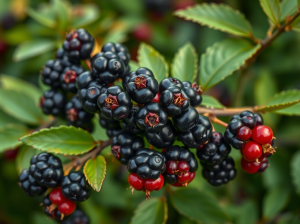
      If you’re ever trying to tell a Dewberry from an upright Blackberry, bend the cane. Dewberry canes trail and root at the tips, and the three-leaflet pattern stays constant along most of the stem. However, Blackberries usually show five leaflets on first-year canes and three on second-year fruiting shoots.

      Look-alike caution

      • Poison ivy sometimes weaves through dewberry mats. Check leaves (PI = three shiny leaflets with a petiolule on the center leaflet).
      • Purple dewberry stems can resemble young raspberries, but raspberries have hollow cores when snapped.

      Who might want to pause before downing a mug of dewberry-leaf tea or eating it by the fistful?

      Culinary amounts are fine for almost everyone, but megadoses of leaf/root “medicine” or daily bucketfuls of berries can be an issue for a few specific groups.

      People with iron-deficiency anemia, the 5–7 % tannins in the leaves chelate (bind) dietary iron; long-term heavy tea use can nudge ferritin downward. Stick to berries (low tannin) or limit leaf infusions to a few days, then cycle off.

      Anyone on blood-thinners (warfarin, apixaban, etc.)Berries contain a moderate slug of vitamin K; sudden binges can antagonize your INR target. Enjoy a steady, modest intake or clear big berry kicks with your prescriber.

      Pregnant individuals: Old herbalists class dewberry leaves as a mild uterine tonic; safety data are thin. Food doses are almost certainly safe; skip medicinal-strength leaf/root brews until postpartum.

      Kidney-stone formers (oxalate type) : Blackberries and their cousins carry notable oxalate; dewberries likely mirror that profile. Pair the fruit with calcium-rich foods (yogurt) and stay hydrated.

      People with a history of severe Rosaceae allergies: Dewberry, blackberry, raspberry—all Rubus sp.—share allergenic proteins; cross-reactivity happens. Do a cautious, single-berry skin-contact test first; keep antihistamines handy if you’re highly sensitive.

      Kids under 4 slurping leaf tea daily: Heavy tannins can irritate immature guts and curb iron/zinc uptake. Let them enjoy the berries; reserve astringent teas for short bouts of stomach upset only.

      Minor but real nuisances

      1. Digestive grumbles from munching leaves – raw foliage is fibrous and tannic; it’s the berry that’s edible out of hand[3].
      2. Medication timing – tannins can bind to certain drugs (e.g., tetracycline antibiotics) and blunt absorption; take dewberry tea at least two hours apart.
      3. Topical stains – the anthocyanins are gorgeous but ruthless on white enamel and linen; rinse your mug and pre-treat fabrics fast.

      Bottom line

      Berries = generally safe food: munch away unless you’re on a tightly controlled vitamin K regimen or have a proven bramble allergy. Leaves/root = short-term herbal tool: fine for a 3–5-day stint when you need that astringent punch; not a daily wellness tonic for months on end.

      If any of the red-flag situations above fit you, either keep portions modest, cycle on/off, or clear things with a clinician who knows your meds and labs.

      “Dewberry is a fascinating wild berry belonging to the Rubus genus, renowned for its luscious, dark-hued fruits and a long history of use in traditional medicine. Often found in woodlands, hedgerows, and meadows across various regions, dewberry has captured the attention of herbalists and nutrition enthusiasts alike. Enhances antioxidant defense and combats oxidative stress. Supports healthy digestion and gut function, Promotes cardiovascular health and improves blood circulation, Possesses anti-inflammatory and antimicrobial properties, Aids in wound healing and supports skin health. Provides essential vitamins and minerals for overall wellness, may contribute to weight management and metabolic balance, and offers natural diuretic benefits and detoxification support.” Read More: Vitalibrary.com/dewberry

      Eco-bonus

      The low tangle gives ground-nesting birds cover, supports native bee larvae, and stabilizes sandy soils on dunes. Leave a patch feral and you’ll notice a bump in yard biodiversity.

      If you ever want a truly thorn-free dewberry, the only modern cultivar is ‘Baby Cakes®’, a dwarf selection of Rubus caesius released in 2017; it fruits well in 5-gallon pots on a patio.

    5. Citrus Glauca: Everything You Need to Know About Desert Lime

      Desert lime, also known as Citrus glauca, is a thorny shrub or small tree native to Queensland, New South Wales, and South Australia. It is also known as Wild Lime, Bush Lime, and Native cumquat. The fruit is small, about the size of grapes, and has an intense, zesty flavor, although not quite as tart as regular limes. Desert lime trees are bountiful fruit producers in good seasons and can withstand both heat and frost.

      Desert Lime

      Botanical name: Citrus glauca

      Aliases: wild lime, bush lime, native (desert) kumquat

      A hardy, occasionally thorny shrub 3 – 5 m tall, Desert Lime thrives in the arid interior of Queensland, New South Wales, and South Australia. The grape-sized fruit is pale-green, intensely citrusy yet slightly sweeter than a Persian lime, and the tree copes with blistering heat, drought, and even winter frosts3.

      A 60-second origin story

      • For millennia, the fruit was eaten whole by Aboriginal peoples, both as food and a convenient “canteen” for bush hydration. • European colonists were already turning it into cordials, jams and chutneys by the early–mid–1800s; the species appeared in settler recipe notes and bush-food accounts from that era. • Botanists formally described the plant during the 19th-century exploration of Australia’s interior (the accepted scientific name Citrus glauca was in circulation by the 1860s).

      Shelf-life & portability Desert limes dehydrate on the branch, forming a natural, leathery “casing.” Packed in a flour bag, they lasted the entire 1,000 km Burke and Wills stock route without spoiling, something oranges could not do.

      Convenient anti-scurvy insurance. Well before vitamin C was isolated (1930s), both bushmen and naval surgeons had learned empirically that a daily splash of lime cordial stopped bleeding gums and fatigue, so they treated it like medicine in the 1800s.

      Flavour in a bland diet, Salt beef, damper, and tea dominated frontier menus. A spoonful of acidic, fragrant lime jam turned these rations from barely edible into something settlers described as “a civilised table”.

      • A gold-rush favourite: miners around Ballarat bartered one tin of desert-lime preserve for five shillings—roughly the price of two day’s bread rations.

      • Early chemistry: Adelaide pharmacist F. H. Faulding marketed “Desert-Lime Effervescent Tablets” (citric acid + sodium bicarb) in 1897 as a stomach settler.

      • Gene-sharing: by the late 1800s, botanic gardens in Sydney and Kew were crossing C. glauca with ordinary limes, chasing its heat-tolerance—work that underpins today’s drought-hardy rootstocks.

      The bottom-line impact: limes basically wiped scurvy off the Royal Navy’s map

      Before citrus, scurvy was a plague—bleeding gums, rotting wounds, and death often claimed half a crew on a long voyage . Estimates put the body count at two million sailors between the 16th – 18th centuries. Once the Admiralty made daily lemon (later lime) juice mandatory in 1795—under the loud lobbying of Dr. Gilbert Blane who leaned on James Lind’s 1747 experiment—the results were immediate.

      Contemporaries wrote that scurvy “disappeared from His Majesty’s ships in a single campaigning season.” The lime ration was considered so mission-critical that kegs of juice were counted like gunpowder.

      Sociocultural ripple: British sailors got tagged “limeys,” a nickname that stuck because merchant mariners copied the practice once they saw how healthy Royal Navy crews looked in port.

      Strategic edge – Britain could blockade Napoleon for years because its crews stayed healthy when French fleets still fought scurvy on long deployments.

      Medical milestone – It became history’s first government-backed, nutrition-based public-health policy, foreshadowing today’s vitamin fortification programs.

      Supply-chain innovation – The need for stable juice led to preserved “lime cordial” (later Rose’s, 1867), kick-starting the modern soft-drink industry.

      • Shipboard “grog” (rum + lime + water) accidentally lowered alcoholism-related accidents: the sourness made sailors sip instead of chug.

      • The discarded rinds were boiled with pitch to waterproof rigging, so the lime saved both sailors and sails.

      1. Immune system that clocks in on time • Lime’s vitamin C spurs white-blood-cell production and shortens the length of colds in clinical trials. • Flavonoids mop up free radicals so immune cells aren’t busy fighting oxidative damage.
      2. Kidney-stone insurance Citric acid binds urinary calcium and boosts urine pH, dissolving micro-crystals before they turn into stones; studies show citrus juice drinkers have fewer recurrences2.
      3. Artery & heart protection • Antioxidants reduce LDL oxidation (a first step in plaque). • The potassium-to-sodium ratio gently nudges blood pressure down. • Population data link higher citrus flavonoid intake to lower stroke risk, especially in women.
      4. Smoother, stronger skin You need vitamin C to weave collagen; add flavonoids that curb UV-triggered free radicals and you get more elastic skin and faster wound healing.
      5. Iron-deficiency hack A squeeze of lime can triple non-heme iron absorption from beans or spinach because ascorbic acid converts Fe³⁺ → Fe²⁺ (the absorbable form).
      6. Metabolism & weight-management ally The pectin fiber and tart flavour slow gastric emptying, dull appetite, and keep blood-glucose swings calmer; limited animal work suggests limonoids may enhance fat oxidation.
      7. General inflammation cool-down In vitro, lime flavonoids down-regulate NF-κB, the master switch for inflammatory genes. Epidemiological data tie higher citrus intake to lower CRP levels.

      Finding verified, fresh Desert Lime (Citrus glauca) in the U.S. is still tricky—but not impossible.

      Live plants/seeds. A handful of specialty citrus collectors import grafted trees from Australia on dwarf rootstocks and resell them under permit. The most reliable outlet is the California-based online nursery “Daley’s Fruit Tree USA” (they list Citrus glauca and ship within the lower 48 when stock allows).

      Small‐batch seed arrives periodically on sites such as RarePalmSeeds and eBay; because C. glauca is on the USDA’s Citrus Quarantine list, seed lots must be accompanied by a phytosanitary certificate and cleared through an inspection station before delivery. Expect 4–8 weeks in transit and a ~50 % germination rate.

      Botanic‐garden plant sales (San Diego, Huntington, Montgomery, AL) occasionally feature grafted desert‐lime scions in spring; stock is limited and disappears fast.

      Processed fruit • Several Australian bush-food exporters (e.g., Australian Native Products, OutbackChef) ship freeze-dried Desert Lime powder and purées to U.S. food manufacturers under FDA “low-risk plant product” rules. Retail packs sometimes surface on Amazon and specialty grocery sites (~$14–18 for 50 g powder). • Craft distillers/brewers (notably Ginny’s Gin in WA and Stone & Wood’s U.S. collaborations) import aseptic pulp for limited-release spirits and sours—so you can taste, but not usually buy, the fresh fruit.

      Why it isn’t widespread yet • Strict citrus-greening (HLB) and canker quarantines mean every imported plant must go through USDA-APHIS post-entry quarantine (up to 24 months). Domestic growers are just starting trials in California’s Coachella Valley and parts of Arizona; the first small commercial harvests are projected for 2027-28.

        Who should hit pause (or at least go easy) on limes & desert limes, according to Copilot

        GroupWhy the caution mattersPractical workaround
        Documented citrus-allergy sufferersIgE reactions can range from oral itching to anaphylaxis. Limes share the same allergenic proteins as lemons, orange, etc.Skin-test first; if you react to other citrus, skip lime entirely.
        IgE reactions can range from oral itching to anaphylaxis. Limes share the same allergenic proteins as lemons, oranges, etc.Juice pH ≈ 2.0–2.4 can trigger heartburn or mucosal irritation.Use zest (almost neutral pH) for flavour, or neutralise juice in a dressing with yogurt/cream.
        People with enamel erosion, rampant cavities, or bruxismUnbuffered citric acid softens enamel and accelerates wear; sipping all day is worse than one quick dose.Severe, symptomatic GERD / peptic ulcer patients
        Photosensitivity-prone skin (esp. outdoor workers, bartenders)Lime peel oils contain furanocoumarins; sunlight + skin contact = phytophotodermatitis (“Margarita burn”).Dilute 1 10, drink with a straw, and rinse mouth with plain water afterwards.
        Patients on certain CYP3A4-metabolised drugs (e.g., simvastatin, some calcium-channel blockers)Wash hands and bar tools, and avoid getting juice on forearms before sun exposure.If you’re on a narrow-therapeutic-index drug, clear >4 h between lime intake and your dose, or ask your pharmacist.
        Stage-4/5 chronic-kidney-disease patients on strict potassium limitsPersian and Key limes contain small amounts of bergamottin & other coumarins (grapefruit-type inhibitors). Desert lime data are scarce, but structurally similar compounds occur. Interaction risk is lower than grapefruit but non-zero.Count it in your daily potassium allotment or choose lemon (slightly lower K⁺).
        Infants under 12 monthsThe sharp acid can irritate the still-maturing gut lining and cause diaper rash; no compelling nutritional need at this age.Introduce milder fruits first; add a squeeze of lime only after their first birthday.

        Special footnote on Desert Lime (Citrus glauca)

        • Desert lime peel is unusually rich in methoxy-flavone glycosides & furanocoumarins compared with common Persian lime. Good for antioxidant creams, but if you’re already photosensitive (on doxycycline, isotretinoin, St. John’s wort, etc.) consume the flesh and avoid zesting it onto ceviche you’ll eat on the beach.

        • No cases of serious interaction are published, yet the same families of compounds that give grapefruit its medication conflicts occur at lower levels in desert lime, so apply the grapefruit rule of thumb until better human data land.

        If you’re generally healthy…

        A couple of limes a day—even desert limes—are perfectly safe and nutritionally useful. Just keep them off your skin in bright sunshine and off your teeth all day long. Everyone else: tailor the dose, not necessarily the fruit.

      1. Desert King Fig: Nutritional Insights and Usage

        Desert King was first spotted in 1930 as a chance seedling near Madera, California. Local growers recognized its unusually heavy breba (early-season) crop and its tolerance for the Central Valley’s heat swings, so the tree was propagated and circulated under the working name “Madera Seedling” before nurseries rebranded it as Desert King a few years later.

        Fun side note you might enjoy on your alphabetical fruit trek: because it’s breba figs form on last year’s wood, Desert King became the darling of Pacific Northwest gardeners who struggle to ripen a main crop, giving it a tiny cult following from California all the way up to British Columbia.

        1. Digestive harmony

        • Three grams of soluble/insoluble fiber per medium fig keeps stools soft, feeds the microbiome, and helps bind bile acids so less LDL-cholesterol is reabsorbed. • Traditional Persian medicine macerated figs in warm water as a gentle laxative—a practice modern gastroenterologists still recommend for functional constipation.

        2. Cardiometabolic protective punch

        • Potassium > sodium ratio (>230 mg: 1 mg) supports vasodilation and helps blunt salt-induced hypertension. • Soluble fiber (pectin) traps bile, nudging total- and LDL-cholesterol down, while fig polyphenols inhibit LDL oxidation—atherosclerosis’s spark plug. • Magnesium aids insulin receptor signaling; small observational studies tie habitual fig intake to lower HOMA-IR scores among Mediterranean cohorts (data largely on Smyrna/Brown Turkey cultivars, but the phytochemical profiles are comparable).

        3. Antioxidant & anti-inflammatory shield

        Desert King’s vivid crimson pulp signals anthocyanins (pelargonidin derivatives) that scavenge free radicals. In vitro work on F. carica shows down-regulation of COX-2 and iNOS pathways—biochemical fire extinguishers behind joint pain, UV damage, even neuro-inflammation.

        4. Bone & dental advantages

        • Calcium + vitamin K combo supports osteocalcin activation—the protein that locks calcium into the bone lattice. • Flavonoids in the skin exhibit antibacterial action against Streptococcus mutans, the cavity culprit, giving figs a cameo in folk tooth-ache pastes of South India.

        5. Respiratory and reproductive folklore (with tentative modern backing)

        Ayurvedic texts classify figs as an “expectorant fruit.” The high mucilage content soothes inflamed mucosa, while the vitamin A pool aids in epithelial repair, which is particularly useful during seasonal bronchitis. Meanwhile, zinc, magnesium, and B vitamins underpin hormone synthesis; soaked figs have long been recommended as a libido tonic in Unani medicine. Modern placebo-controlled data are thin, but nutrient logic checks out.

        6. Weight-management ally

        Fiber + sorbitol increase satiety signals (PYY, GLP-1), curbing snack relapse. A single fresh fig clocks 40–50 kcal, making it a smart sweet fix versus a 200 kcal pastry

        Desert King Fig – the health upside at a glance

        Nutrient (per 100 g fresh)AmountWhy it matters
        Calories74 kcalLow-energy sweet hit
        Carbo-hydrates19.2 g (16.3 g natural sugars)Quick fuel plus phytonutrients
        Dietary fiber3 gGut motility, cholesterol binding
        Potassium232 mgBlood-pressure modulation, nerve signals
        Calcium35 mgBone matrix, muscle contraction
        Magnesium17 mgGlucose control, mood, sleep
        Vitamin A7 µg + carotenoidsVision, immunity, skin repair
        Folate (B-9)6 µgRed-blood-cell & DNA synthesis
        Vitamin K4.7 µgBlood clotting, bone protein activation
        Polyphenols(not quantified)Antioxidant, anti-inflammatory

        How to fold Desert King into a real-world routine

        1. Breakfast “Pac-NW PB&J” – toast + almond butter + sliced fresh Desert King + sea salt flake. (Zero added sugar.)
        2. Antioxidant tapenade – blitz Desert King pulp, kalamata olives, cacao nibs, and orange zest; smear on crostini with chèvre.
        3. Crimson fruit leather – purée breba crop figs, reduce 10 min, dehydrate at 135°F. Keeps color, travels light.
        4. Gut-soothing infusion – halve 3 dried figs, steep overnight in 8 oz warm water. Drink liquid, eat figs the next morning.

        Precautions & pairings

        • Ficin latex in unripe skin can irritate lips—wear gloves if harvesting. • Warfarin users: Vitamin K is modest (4.7 µg/100 g) but still worth tracking for INR consistency. • IBS-FODMAP: fructose + polyol load may trigger bloating in sensitive guts—try a half-fig portion first.

        Desert King Fig – smart precautions before you binge, brew, or harvest: searched on Copilot

        Risk zoneWhat could go wrong?Practical fix
        Unripe fruit latexCutting or picking too early releases a milky sap that’s bitter on the palate and can burn lips/skin. The sap is a clear sign the fig isn’t ready anyway.Only harvest when the neck droops and no white latex bleeds from the stem – the “soft feel, zero sap” test highlighted by Northwest growers. Wear nitrile gloves if you’ll inevitably handle firm fruit.
        Phototoxic leaves & sapOn some skin types, fig‐leaf furanocoumarins + sunlight = blistery phytophotodermatitis (think wild parsnip burns).Long sleeves + gloves when pruning; shower off leaf juice promptly. Keep kids out of leaf forts on sunny days.
        Mouth & throat allergiesLatex proteins in fig flesh cross-react with birch-pollen and rubber allergies. Typical signs: oral itch, tingling lips, hives.Trial a single bite the first time; have antihistamines on hand if you’re pollen-sensitive. Peel the skin (most allergenic proteins sit just beneath).
        IBS-FODMAP distressStart with half a fruit. Soak dried figs overnight and discard the soaking water to leach out some FODMAPs.Start with half a fruit. Soak dried figs overnight and discard the soak water to leach out some FODMAPs.
        Vitamin K & anticoagulants100 g fresh Desert King delivers ~5 µg vitamin K—low, but consistency matters for warfarin users.Note each fig in your food log; keep intake steady rather than sporadic.
        Kidney-stone predispositionLike most figs, Desert King is moderately high in oxalate, which can feed calcium-oxalate stones.Pair with calcium-rich foods (yogurt, chèvre) to trap oxalate in the gut; stay hydrated.
        Dental sugar loadThe breba crop’s 16–18 % natural sugar clings to enamel.Rinse with water or nibble a cheese cube after fresh or dried figs.
        Pesticide residue (home-grown)The lush leaf canopy tempts scale insects; some gardeners spray horticultural oil/copper late season.Wait the full re-entry interval, then wash fruit under running water. Better: deploy ladybugs and avoid sprays.

        Quick dose guide

        • Fresh: 1–2 large figs (≈ 80–100 g) = safe, GI-friendly sweet hit for most adults. • Dried: concentrate multiplies sugars & oxalates fourfold—cap at 30 g unless you’re endurance-fueling. • Leaf tea: stay under 2 cups/day until you rule out phototoxic/photoallergic response.

        Harvest hygiene checklist

        1. Morning pick → cooler pulp, less bruising.
        2. Glove up, snap the stem, tilt the fig mouth-down so any residual sap drains away from the skin.
        3. Quick-chill to 40°F within an hour; microbes love that sugary surface.
        4. Eat or dehydrate within 48 h; flavor nosedives past day 2.

        Who should skip or limit Desert King?

        • Active stone formers with high urinary oxalate until metabolically stable. • Severe fructose malabsorbers unless under dietitian supervision.

        • People on latex-fruit syndrome watch lists who’ve reacted to jackfruit, banana, or papaya. •

        Anyone on dabigatran/rivaroxaban → no big issue (they’re not vitamin-K sensitive), but warfarin users mind the K diary.

        summary

        Desert King Fig in a nutshell

        Identity & discovery • Cultivar of common fig (Ficus carica). • Chance seedling found ~1930 near Madera, California and first circulated as “Madera Seedling,” later renamed “King Fig” and finally “Desert King.” • No verifiable record of the same genotype in use before the 1930s; ties to the Italian variety Petrelli are genetic but undocumented in print.

        Nutritional plus-points (per 100 g fresh) • ~74 kcal, 3 g fiber, 230 mg potassium, modest calcium & magnesium. • Ruby pulp rich in anthocyanins and other polyphenols.

        Evidence-backed health perks • Gentle laxative, microbiome-friendly fiber. • Potassium-fiber combo supports blood-pressure and cholesterol control. • Antioxidant anthocyanins blunt oxidative and inflammatory pathways. • Small amounts of vitamin K aid bone metabolism while remaining warfarin-friendly (≈5 µg/100 g).

        Hidden or quirky benefits • Breba crop ripens early without fig-wasp pollination—prized in cool-summer climates. • Skin resists splitting; green exterior camouflages fruit from birds. • Pulp keeps lipstick-red color after drying—great for vivid fruit leather. • Fig leaves, once blanched or dried, lend a coconut-pandan aroma to rice and fish.

        Precautions & safe-handling tips • Latex in green fruit and leaves contains furanocoumarins (psoralen, bergapten); UV exposure can cause blistering phytophotodermatitis. Wear gloves, rinse sap quickly, and stay out of direct sun till skin is clean. • Cross-reacts with birch-pollen and latex allergies—test a small bite first. • High fructose + sorbitol may flare IBS; start with half a fig. • Moderate oxalate: Pair with calcium foods if you form stones. • Vitamin K is low, but keep intake consistent if on warfarin.

        Italian fig lore (species-wide, not Desert King-specific) • Romans dried figs for military rations and sports fuel. • Calabria and Puglia perfected almond-stuffed dried figs (crocette) as dowry sweets. • Sicily’s Christmas cuccidati cookies center on fig filling. • Fig leaves and latex double as vegetarian rennet for pecorino. • Boiled-down fig syrup (mosto cotto) served as a pre-industrial sweetener.

        Earliest documented use timeline • 1932: first experimental tasting by grower Sisto Pedrini. • 1934–35: marketed publicly as “King Fig.” • 1940s: adopted across the Pacific Northwest for its reliable breba crop. No earlier written evidence exists.

        1. The Traditional and Cultural Significance of Dead Man’s Finger

          Dead Man’s Finger, also known as Decaisnea fargesii or the Blue Sausage Fruit, is a strikingly unusual fruit native to the Himalayan regions of western China, Nepal, and northeastern India. It gets its eerie name from its bluish, finger-like pods that ripen around Halloween, perfectly timed for its ghoulish nickname.

          The fruit of Decaisnea fargesii—also known as Dead Man’s Finger or the Blue Sausage Fruit—is generally considered safe to eat, specifically the translucent pulp inside the pod. It has a mild, melon-like sweetness and is traditionally eaten raw in regions like Nepal and parts of China. The Lepcha people of Sikkim, for instance, have long included it in their local diets.

          That said, the seeds are typically not consumed, and there isn’t extensive scientific literature confirming medicinal properties or safety beyond traditional use. So if you’re trying it for the first time, moderation is wise

          The fruit itself contains a jelly-like, translucent pulp that’s edible and often described as sweet and delicate, somewhat like watermelon. While the seeds are not consumed, the pulp is traditionally eaten raw by local communities, such as the Lepcha people of Sikkim.

          Traditional remedies have long been passed down through generations, often relying on anecdotal evidence and cultural practices rather than the rigorous clinical trials demanded by modern medicine. Many of these remedies are prized in their communities and have persisted for centuries, even though solid scientific validation is still lacking.

          For example, a few common practices include: Dead Man’s Finger—which refers to the fruit of Decaisnea fargesii—has an intriguing role in traditional practices in its native Himalayan regions.

          Though its most common use is as a seasonal fruit, local traditions include several practices that highlight its unique character:

          1. Culinary Enjoyment: The translucent, jelly-like pulp is typically eaten raw. In communities like those of the Lepcha in Sikkim, the fruit is relished during its harvest season. Its mild, sweet flavor and texture make it a refreshing treat that’s sometimes mixed into fruit salads or desserts. These culinary uses are passed down through generations, emphasizing the fruit’s seasonal charm and its role in local diets.
          2. Traditional Folk Remedies: Some local folk practices suggest that Dead Man’s Finger may have digestive or cooling benefits. Although modern studies have yet to fully confirm these properties, the fruit is sometimes consumed with the belief that its naturally cooling nature can help soothe the stomach or balance bodily heat, a role not uncommon for many traditional foods in the region [1].
          3. Cultural Symbolism: Beyond its practical uses, the striking, eerie appearance of the fruit, earning it the nickname “Dead Man’s Finger” or “Blue Sausage Fruit,” has made it a part of regional folklore. Its unusual look ties into seasonal celebrations (especially around autumn and Halloween, when its appearance is particularly evocative), and it sometimes features in local storytelling, emphasizing nature’s mysterious side.

          While the scientific backing behind its traditional roles may still be emerging, these practices underscore a broader trend in folk wisdom: leveraging the natural qualities of a plant or fruit in creative ways. This intersection of culinary delight and indigenous health practices further enriches our und

          Homeopathic Preparations and Other Herbal Decoctions: Many traditional healing practices, including homeopathy and complex herbal mixtures in systems like traditional Chinese medicine or Ayurveda, lack the rigorous scientific testing that modern pharmacology requires. These remedies continue to be used widely because of cultural attachment and anecdotal success stories, even though controlled studies often fail to validate their claims fully.

          The Lepcha people of Sikkim traditionally consumed the fruit known as Dead Man’s Fingers (Decaisnea fargesii or Blue Sausage Fruit) for its sweet, jelly-like pulp. They would typically eat it raw, enjoying its delicate, melon-like flavor. While there’s limited formal research on its medicinal uses, regional folk practices suggest it may have held value in traditional diets for its cooling properties or potential digestive benefits.

          This hints at a deeper ethnobotanical role—like many fruits in Himalayan communities, it likely served both nutritional and functional purposes, woven into seasonal traditions. Its eerie appearance, especially ripening near autumn, also makes it quite a conversation piece!

          While these practices are embedded in cultural heritage and offer comfort to many, it’s important to remember that their benefits are generally supported more by tradition than by contemporary science. Researchers continue to evaluate many of these remedies, and sometimes modern studies do end up validating aspects of traditional knowledge. Nonetheless, the line between anecdotal effectiveness and scientifically proven benefits remains an ongoing challenge in many cases.

          But, as for medicinal use, there’s limited formal documentation in Western literature, but local traditions in the Himalayan regions suggest it has been used for generations. While not as widely studied or cited as other medicinal plants, its inclusion in traditional diets and folk practices hints at a long-standing role in regional ethnobotany, likely for its cooling properties or digestive benefits, though more research would be needed to confirm these uses scientifically.

          There isn’t any major health group or regulatory authority (such as the World Health Organization, the U.S. Food and Drug Administration, or the National Institutes of Health) that officially recognizes or endorses Dead Man’s Fingers (Decaisnea fargesii) as a medicinal fruit. The fruit is known primarily through traditional medicinal practices in parts of the Himalayas, where local communities have used it for its perceived cooling or digestive benefits. However, these claims remain anecdotal and are based on cultural wisdom rather than rigorous, widely accepted scientific validation.

          There have been a few preliminary laboratory investigations, primarily conducted by researchers in China, that hint at potential antioxidant and anti‐inflammatory properties in related compounds extracted from the fruit. However, these in vitro studies are early steps in pharmacological research.

          No large‐scale clinical trials or definitive studies have been published by internationally recognized bodies such as the National Institutes of Health or leading peer-reviewed journals that conclusively “prove” any medicinal benefit. In short, while traditional use is well documented, the specific medicinal claims remain largely anecdotal and unverified by modern science.

          It’s fascinating to see how traditional practices can spark scientific curiosity, even if modern research has yet to catch up.

          Dead Man’s Fingers (Decaisnea fargesii) is available in the United States, though it’s still considered a rare and unusual plant here. You can find it through specialty nurseries like Wanderlust Nursery, which offers it as a live plant, and Seedville USA, which sells seeds for home cultivation.

          Dead Man’s Fingers (Decaisnea fargesii) has more to offer than just its shockingly ghoulish looks—it’s a surprisingly versatile fruit once you get past its zombie-finger vibes.

          Here are a few ways you can use the fruit:

          1. Eat It Raw (The Traditional Way)

          The translucent pulp inside each pod is mildly sweet and jelly-like, often compared to watermelon or cucumber. Simply split open the blue pod and scoop out the pulp, being careful to spit out the shiny black seeds.

          2. Smoothies and Chilled Drinks

          Because of its delicate sweetness and jelly consistency, the pulp blends well into light smoothies, especially when paired with fruits like pear, melon, or mint for a refreshing twist.

          3. Dessert Toppings

          Scoop the pulp over yogurt, sorbet, or even panna cotta for a subtle exotic note and some show-stopping visuals.

          4. DIY Remedies (Experimental Territory)

          Based on its traditional use among the Lepcha people for cooling and digestive relief, you might experiment with a simple infused water or chilled fruit blend. Just remember: while the fruit has cultural backing, modern scientific validation is still limited, so it’s more of a folk-nutrition experiment than a proven health remedy.

          5. Culinary Play

          Get creative—try blending the pulp into a granita, mixing it with coconut milk for a chilled dessert soup, or freezing it into ice cubes for herbal iced teas. It could be a stunning ingredient in a botanical mocktail, too.

          It’s typically grown more for its ornamental appeal than for widespread consumption, but the fruit is indeed edible and can be enjoyed if you’re lucky enough to grow it. Dead Man’s Fingers (Decaisnea fargesii) appears to be quite safe to eat, at least the jelly-like pulp.

          There are no known toxic effects associated with the edible part of the fruit, and it’s been traditionally consumed by Himalayan communities like the Lepcha for generations. The seeds, however, are not eaten—they’re hard, bitter, and best discarded, much like watermelon seeds.

          That said, because it’s not widely studied in Western medicine or nutrition science, there’s a lack of formal safety data. So if you have allergies to unusual fruits or are sensitive to new foods, it’s wise to try a small amount first and observe how your body responds.

          Read More: Dead man’s fingers Xylaria polymorpha, commonly known as dead man’s fingers, is a cosmopolitan saprobic fungus.

          It is characterized by its elongated upright, clavate, or strap-like stromata poking up through the ground, much like fingers.

          Also known as Xylaria polymorpha, and Dead Man’s Fingers (the fungal kind, not the fruit!), has a fascinating profile, though it’s more of a biochemical curiosity than a go-to health supplement.

          Here’s what we know: Traditional and Experimental Uses

          • In Ayurvedic medicine, powdered fruiting bodies mixed with sugar have been used to promote lactation postpartum.
          • Some adventurous foragers have experimented with eating young specimens, reporting a mild, mushroomy flavor. However, this is not recommended, as newer studies suggest the presence of amatoxins and phallotoxins—the same compounds found in deadly mushrooms like Amanita phalloides.
          • Bioactive Compounds
          • It produces piliformic acid, a compound that has shown moderate cytotoxicity in lab tests against certain cancer cell lines.
          • Other compounds from the Xylaria genus, like xyloketals, have demonstrated acetylcholinesterase inhibition, which could affect neurotransmitter activity, though this is still in early research stages.

          Bottom Line:

          Dead Man’s Fingers (Decaisnea fargesii), which earns its name for more than just its spooky appearance. The fruit’s eerie, finger-like pods are bluish, soft, and cold to the touch, often ripening around Halloween. That uncanny resemblance to lifeless digits is what inspired the name, not any known toxicity.

          Despite its ghoulish look, the pulp inside is edible and has been traditionally consumed by Himalayan communities like the Lepcha. It’s described as sweet and jelly-like, with a flavor reminiscent of watermelon or cucumber. But the unsettling texture and appearance can definitely be off-putting, and for some, that’s reason enough to steer clear.

          There’s no formal evidence of harm from eating the pulp, but given how little it’s been studied in Western science, your caution is wise. If a fruit looks like it belongs in a Tim Burton film, it’s fair to question whether it belongs in your smoothie.

          “While Xylaria polymorpha is chemically rich and intriguing to researchers, it’s not considered edible or safe for consumption. Its potential lies more in pharmaceutical exploration than in folk remedies or culinary use.”

          In short: if you’re healthy, curious, and cautious, the reward—a sweet, cooling, and culturally rich fruit—is likely worth the minimal risk.

        2. Davidson’s Plum: Nutritional Benefits and Precautions

          Davison Plum

          Davidson’s plum is a unique native Australian fruit that comes from a medium-sized rainforest tree known as Davidsonia pruriens. Despite its name, it isn’t a true plum from the traditional Rosaceae family but belongs to the Cunoniaceae family.

          The name “Davidson’s plum” comes from the genus name Davidsonia, which was established in honor of the botanist J.E. Davidson. Essentially, when the plant was classified, its distinctive fruit, reminiscent in appearance to plums, earned it the common title “plum,” even though it is not related to the true plums of the Rosaceae family. Additionally, its species name, pruriens, derives from Latin for “itching,” a nod to the hairy texture found on its leaves and stems. This blend of botanical homage and descriptive terminology encapsulates both the plant’s appearance and its historical significance in the study of Australian flora.

          Beyond its nomenclature, the use of names like “Davidson’s plum” bridges cultural and scientific histories, connecting indigenous traditions with modern botanical exploration.

          This fascinating tree produces dark burgundy, tangy fruits that have been highly valued in indigenous Australian cuisine as bush food for centuries. The bark of the Davidson’s plum tree has traditional uses, especially among Aboriginal Australian communities. While the fruit is celebrated for its nutritional and medicinal properties, the bark—and even the trunk—played a more practical role: it was used to craft harpoons for hunting turtles and dugongs, thanks to its strength and durability.

          This highlights how Indigenous knowledge systems made full use of native plants—not just for food and medicine, but also for tools and survival. If you’re exploring Davidson’s plum from a holistic or historical perspective, its bark adds another layer to its fascinating story.

          Davidson’s plum is profound in Indigenous communities have long incorporated it into their diets and healing practices, blending culinary artistry with natural remedies

          Davidson’s Plum was traditionally used for medicinal purposes by Aboriginal Australians. Indigenous peoples have long harnessed the natural healing properties of native flora, and Davidson’s Plum was no exception. They not only consumed the fruit for its nutritional value but also incorporated it into traditional remedies, recognizing its potential to alleviate ailments and support overall health.

          While the exact traditional methods aren’t extensively documented, the fruit’s impressive concentration of antioxidants, such as anthocyanins, and nutrients like vitamin C and various minerals likely contributed to its valued role in natural medicine. Modern nutritional research has revealed that these properties can help reduce inflammation and combat oxidative stress, providing a scientific basis for the traditional use of Davidson’s Plum as a healing food.

          Today, Davidson’s plum is celebrated as a unique ingredient that bridges indigenous heritage with modern culinary innovation. Its intense, tangy flavor and striking dark purple color make it perfect for transforming dishes into gourmet creations. Rather than being eaten raw due to its sour, low-sugar profile, it’s most commonly used in sauces, jams, chutneys, glazes, and desserts. Chefs and artisanal food producers incorporate it into recipes where its tartness can be balanced with other flavors, adding both a visual and a taste-driven twist to contemporary cuisine.

          In recent years, modern processing techniques have enabled Davidson’s plum to be freeze-dried into a powder, which preserves its high levels of antioxidants, especially anthocyanins, and vitamin C. This form is now popular in smoothies, health supplements, and even natural cosmetic formulations. Consumers seeking nutritious, functional ingredients have embraced this ancient bush food as a “superfruit” that offers both wellness benefits and a burst of gourmet flavor.

          Beyond food and beverages, the resurgence of interest in native, indigenous ingredients has led to Davidson’s plum finding a place in natural health and alternative wellness markets. Its traditional medicinal reputation supports its modern use in nutraceutical products and skin-care formulations, reflecting a broader trend in merging cultural heritage with contemporary health-focused lifestyles.

          There’s even an emerging trend among innovative culinary enthusiasts to pair Davidson’s plum with other native Australian ingredients. This exploration of flavor profiles can be seen in everything from unique cocktail infusions to fusion desserts. If you’re intrigued by how traditional bush foods can reinvent modern dishes, diving into recipes or nutritional studies on Davidson’s plum might spark your next creative venture.

          This fascinating blend of cultural tradition and modern science shows how ancient practices have paved the way for our contemporary understanding of natural remedies.

          Davidson’s plum is celebrated not only for its distinctive flavor but also for its impressive nutritional profile and associated health benefits. One of its most renowned advantages is its exceptionally high antioxidant content. Rich in anthocyanins—bioactive compounds that are believed to be even more potent than those found in blueberries—this fruit plays a crucial role in neutralizing free radicals, reducing oxidative stress, and staving off chronic inflammation. This antioxidant power is linked to a decreased risk of cardiovascular diseases and may contribute to overall cellular health.

          Another major benefit comes from its robust vitamin C content. With a significant portion of your daily vitamin C requirements per serving, Davidson’s plum supports a healthy immune system while also promoting collagen production. This not only aids in wound healing but also helps maintain youthful, resilient skin. In addition, the fruit provides essential minerals like potassium and magnesium. Potassium is key for regulating blood pressure and proper muscle and nerve functions, while magnesium supports energy metabolism and muscle relaxation, making Davidson’s plum a valuable inclusion for cardiovascular and overall metabolic health.

          Moreover, traditional uses and emerging nutritional studies suggest further benefits such as potential antidiabetic properties and contributions to digestive health (through its fiber content) as well as skin health—a synergy of vitamin C, vitamin E, and other bioactive compounds that reduce signs of aging and promote a glowing complexion. While modern research is still unwrapping some of these benefits, incorporating Davidson’s plum into a balanced diet can certainly complement a regimen focused on natural, nutrient-dense ingredients.

          While fresh Davidson’s plum is primarily grown and harvested in Australia, with the fruit typically in season during the Southern Hemisphere’s summer (December to January), it does occasionally make its way to the U.S. However, its availability here is quite limited. Most U.S. consumers encounter it as part of specialty gourmet products rather than in mainstream grocery stores.

          In the U.S., Davidson’s plum is mostly available as processed products such as jams, sauces, glazes, and even as freeze‐dried powder used in smoothies or health supplements. These products are imported by boutique specialty retailers or found online through gourmet food distributors. Additionally, for those with sunny, subtropical gardens (think USDA zones 9 and above), some specialty nurseries offer Davidson’s plum trees as an exotic ornamental, which, with patience, may even bear fruit in the right conditions.

          Today, it’s also used in gourmet cooking where its unique tang adds a special twist to jams, sauces, glazes, and even desserts. Davidson’s plum has become a favorite among gourmet chefs who seek to add a touch of indigenous Australian flair and innovative flavor contrasts to their dishes. In gourmet cooking, its intense, tangy taste and brilliant, dark color make it a versatile ingredient. Chefs create rich sauces and glazes from the fruit, often by reducing the pureed plums with red wine vinegar, sugar, and aromatic spices, to accompany grilled meats, poultry, or vegetables.

          These reductions provide a perfect marriage between its tartness and the savory elements of the dish, elevating a simple meal to a striking culinary experience.

          Beyond sauces, the fruit is also transformed into chutneys and relishes. By combining diced Davidson’s plums with ginger, garlic, onions, and a medley of spices, cooks craft lively toppings that pair wonderfully with cheese platters, sandwiches, or even roasted game dishes.

          Additionally, the fruit’s puree or freeze-dried powder is employed to create exquisite vinaigrettes or dressings that add a burst of unique flavor to salads, while it also stars in contemporary fusion dishes—such as a Davidson’s plum-dusted sashimi or a tangy butter for scallops—providing not only a taste makeover but also vibrant visual appeal.

          These creative uses are a testament to how traditional ingredients can be reimagined in modern gourmet settings.

          But wait, there are a few practical precautions to keep in mind when handling, eating, or cooking with Davidson’s plum:

          • Handling and Cleaning: The fruit (and even parts of the plant) can have tiny irritant hairs on their surfaces. When collecting or preparing Davidson’s plum, wear gloves if you have sensitive skin and always rinse the fruit thoroughly to remove any debris or irritants that might transfer to your food.
          • Digestive Considerations: Because the fruit is naturally very tart and acidic, eating large amounts of it raw might irritate the mouth or stomach, especially for those who aren’t used to such potent flavors. This is one reason why most gourmet applications involve cooking or processing the fruit, which helps mellow its astringency.
          • Allergies and Sensitivities: Although adverse reactions to Davidson’s plum are uncommon, it’s wise to start with small portions if you’re trying it for the first time. If you have a history of food sensitivities or allergies to other native fruits, pay extra attention to how your body responds.
          • Proper Food Safety Practices: Whether you’re making desserts, sauces, or preserves with Davidson’s plum, ensure that you follow standard food safety practices. For instance, accurate sterilization of jars and utensils is essential when making jams or chutneys to prevent spoilage and avoid foodborne illness.

          These precautions help you fully enjoy the unique flavor and nutritional benefits of Davidson’s plum while minimizing any potential issues.

        3. Dates: History, Benefits, and Best Ways to Enjoy Them

          Dates, how much do you know?

          Dates have an impressively ancient pedigree—fossil evidence suggests they’ve existed for around 50 million years. As for cultivation, the earliest known records point to Egypt around 2500 BCE, where date palms were grown and revered. However, their true origin is a bit of a mystery. Some scholars believe dates were first domesticated in the Fertile Crescent, near Mesopotamia and Egypt, while others trace their roots to the Persian Gulf or western India.

          Dates have been a cornerstone of Middle Eastern life for thousands of years—nutritionally, culturally, and even spiritually. In daily life, they were (and still are) a vital source of energy, especially in arid regions where other fruits were scarce.

          People ate them fresh or dried, ground them into pastes, or boiled them into syrups. They were often paired with milk or yogurt, stuffed with nuts, or used to sweeten stews and baked goods long before refined sugar existed.

          Culturally, dates hold deep significance. In Islamic tradition, they’re used to break the fast during Ramadan, following the example of the Prophet Muhammad. This ritual isn’t just symbolic—it’s practical too, since dates provide a quick hit of natural sugars and nutrients after a day of fasting.

          Medicinally, dates were used to aid digestion, boost energy, and even support childbirth recovery. Some ancient texts describe them being mixed with herbs or oils for healing tonics.

          And let’s not forget their role in hospitality: offering dates and coffee to guests is still a cherished custom across the region. It’s a small gesture that speaks volumes about warmth and generosity.

          In North America, Dates have carved out a niche that’s both traditional and evolving. While they’re not as deeply embedded in the culture as in the Middle East, their popularity has grown steadily, especially in health-conscious and culinary circles.

          Culinary Use: Dates are often used as natural sweeteners in smoothies, energy bars, baked goods, and sauces. Medjool dates, with their rich caramel-like flavor, are especially prized. You’ll find them stuffed with nuts or cheese, wrapped in bacon, or blended into date syrups and pastes for refined sugar alternatives.

          Health & Wellness: With rising interest in whole foods and plant-based diets, dates are celebrated for their fiber, potassium, and antioxidant content. They’re a go-to snack for athletes and wellness enthusiasts looking for quick, natural energy.

          Cultural & Seasonal Appeal: Dates also make appearances during religious observances like Ramadan and Christmas, often featured in festive dishes or gift boxes. In some communities, especially among Middle Eastern and North African diasporas, traditional uses and rituals around dates are lovingly preserved.

          Eating Dates regularly can be a delicious way to support your health. These little powerhouses are packed with nutrients and offer a wide range of benefits:

          1. Nutrient-Rich: Dates are loaded with potassium, magnesium, copper, vitamin B6, and fiber. Just a couple of Medjool dates can give you a solid boost of energy and essential minerals.

          2. Digestive Health: Thanks to their high fiber content, dates help keep things moving smoothly in your digestive system. They can ease constipation and support gut health.

          3. Natural Sweetness with a Low Glycemic Index: Despite being sweet, dates have a low glycemic index, meaning they don’t spike your blood sugar as quickly as refined sugars do.

          4. Antioxidant & Anti-Inflammatory Power: Dates are rich in antioxidants like flavonoids and phenolic acids, which help fight inflammation and protect your cells from damage.

          5. Heart & Brain Support: Their potassium and magnesium content supports heart health, while vitamin B6 and antioxidants may enhance brain function and reduce the risk of neurodegenerative diseases.

          6. Bone Strength: Dates contain minerals like calcium, phosphorus, and magnesium, which are essential for maintaining strong bones.

          7. Natural Labor Aid: In some studies, consuming dates in the final weeks of pregnancy has been linked to easier labor and delivery.

          Of course, moderation is key—they’re calorie-dense and naturally high in sugar. But as part of a balanced diet, they’re a sweet way to nourish your body.

          Read More @ Verywellhealth.com/dates-benefits Date palm fruits or dates (Phoenix dactylifera L.) are part of the palm family Arecaceae or Palmae. They grow in clusters like grapes and range in color from bright red to bright yellow, depending on the variety. Common date varieties include Medjool and Deglet Noor dates.

          .healthline.com/nutrition, Dates are the fruit of the date palm tree, which is grown in many tropical regions of the world. Dates have become quite popular in recent years.

          Almost all dates sold in Western countries are dried. You can tell whether or not dates are dried based on their appearance. Wrinkled skin indicates they are dry, whereas smooth skin indicates freshness.

          https://www.webmd.com From trail mix to pastry centerpieces, dried dates have been a staple ingredient for thousands of years. Believed by some historians to be the oldest cultivated fruit, dates played an important role in several ancient empires and religions.

          Regardless of the exact birthplace, dates have been a staple across the Middle East and North Africa for millennia, woven into religious traditions, cultural rituals, and daily diets

          Caution: While dates are incredibly nutritious, eating them daily, especially in large amounts, can come with a few things to be cautious about.

          1. Blood Sugar Spikes: Despite their low glycemic index, dates are still high in natural sugars like fructose and glucose. Overconsumption can lead to elevated blood sugar levels, particularly for people with diabetes or insulin resistance.

          2. Weight Gain: Dates are calorie-dense. Just a handful can pack over 300 calories, so eating too many can contribute to unwanted weight gain if not balanced with physical activity.

          3. Digestive Discomfort: Their high fiber content is great in moderation, but too many dates can cause bloating, gas, or even constipation, especially if your body isn’t used to that much fiber.

          4. Dental Health: The sticky sugars in dates can cling to teeth, increasing the risk of cavities and tooth decay if oral hygiene isn’t maintained.

          5. Allergic Reactions: Though rare, some people may experience allergic responses to dates, especially if they’re sensitive to sulfites used in preserving dried fruits.

          6. Medication Interactions: Dates are rich in potassium, which is usually a good thing, but if you’re on potassium-sparing medications or have kidney issues, it’s worth checking with a healthcare provider.

          So, moderation is key. A few dates a day—especially when paired with protein or healthy fats—can be a nourishing addition to your routine. Want help crafting a balanced snack or remedy using dates that fits your lifestyle?

          While dates are generally safe to pair with many fruits, there are a few combinations that might not sit well with everyone, especially if consumed frequently or in large amounts:

          1. Dates + Citrus Fruits (like oranges or grapefruits): This combo can sometimes cause digestive discomfort due to the clash between the high sugar content of dates and the acidity of citrus. It may lead to bloating or acid reflux in sensitive individuals.

          2. Dates + Watermelon or Other Melons: Melons digest very quickly and are best eaten alone. When combined with slower-digesting fruits like dates, it can lead to fermentation in the gut, causing gas or bloating.

          3. Dates + Bananas (in excess): Both are high in sugar and potassium. While fine in moderation, overdoing this combo might spike blood sugar or overwhelm the digestive system, especially for those with insulin sensitivity.

          4. Dates + High-Fiber Fruits (like apples or pears): This pairing can be a fiber overload for some people, potentially leading to bloating or constipation if your gut isn’t used to it.

          With that being said, everyone’s digestive system is unique. “One person’s superfruit can be another’s stomach ache,” as no nutritionist ever said, but probably should have.

          Listening to your body and easing into new combinations is smart, especially with nutrient-dense fruits like dates.

        4. Dangleberries: A Historical and Nutritional Treasure

          Holistically speaking, dangleberries offer a blend of physical, energetic, and traditional wellness benefits that go beyond just their nutritional profile.

          When Were They First Used?

          While exact dates are elusive, dangleberries were likely used by Indigenous peoples of the Eastern U.S. long before European contact.

          They were consumed fresh, dried, or made into tonics and preserves. Their use was probably seasonal, harvested in late summer when ripe, and tied to both sustenance and traditional healing practices. Dangleberry—also known as Gaylussacia frondosa or blue huckleberry—is a native fruit of the Eastern United States, often found dangling in clusters from shrubs in wooded, acidic soils.

          Holistic Benefits of Dangleberries

          Energetic balance: In folk traditions, berries like dangleberries were believed to support vitality and resilience. Their deep blue hue, rich in anthocyanins, was associated with cooling inflammation and calming the nervous system.

          Digestive harmony: Their fiber content and gentle acidity may help regulate digestion and support gut flora, which is central to holistic health.

          Immune and cellular renewal: The synergy of vitamins C, E, K, and flavonoids like quercetin and myricetin supports immune defense and cellular repair, aligning with the holistic goal of maintaining internal balance.

          Emotional well-being: Like many wild berries, dangleberries were traditionally gathered in late summer, a time of abundance and reflection. Consuming them was often part of seasonal rituals that honored nature’s cycles, which can foster a sense of grounding and connection.

          It’s been part of the natural landscape from New Hampshire to South Carolina, and while exact records of its first use are scarce, Indigenous peoples and early settlers likely consumed it both for nourishment and its medicinal potential.

          Health Benefits

          Dangleberries are small but mighty when it comes to nutrition:

          • Rich in antioxidants: Especially anthocyanins, quercetin, and chlorogenic acid, which help neutralize free radicals and reduce inflammation.
          • Heart health: These compounds may lower LDL cholesterol and support healthy blood flow.
          • Immune support: With vitamin C, E, K, and zinc, they help strengthen the immune system.
          • Cancer-fighting potential: Their phytochemicals have been linked to reduced risks of colon, lung, and stomach cancers.
          • Metabolism and red blood cell production: Thanks to B-complex vitamins and minerals like manganese and copper.

          Historical Use

          While not as widely documented as some other berries, dangleberries were likely used in traditional remedies and seasonal diets. Their resemblance to blueberries and huckleberries suggests they were eaten fresh, dried, or turned into preserves and tonics, especially during late summer harvests.

          Dangleberries are not commonly produced; they are mostly wild-harvested rather than cultivated. In contrast, huckleberries have seen an increase in commercial cultivation due to their popularity. 

          Dangleberries are one of those quietly enchanting fruits that nature still keeps tucked in its wild corners. Unlike their cousin, the blueberry, which has been extensively domesticated, dangleberries (Gaylussacia frondosa) remain largely wild-harvested.

          All this makes dangleberries feel a bit like a hidden forest treasure—nutritionally rich, historically grounded, and tied to the rhythms of the land.

          Physical Characteristics of Dangleberry

          The Dangleberry plant can reach heights of up to 3 feet and is characterized by its glossy green leaves and delicate white to pink flowers that bloom in the spring. The berries themselves are about the size of a pea and have a smooth skin. When ripe, they possess a sweet yet slightly tart flavor, making them a delightful addition to various culinary dishes. The texture is juicy, and they are often compared to blueberries in terms of taste and mouthfeel. Read More Holistichealthpathways.com

          Little-known health benefits

          Ah, now we’re getting into the juicy secrets of the dangleberry! Beyond its well-known antioxidant and heart-health perks, here are some lesser-known benefits that might surprise you:

          1. Eye Health Support

          Dangleberries contain lutein and zeaxanthin—carotenoids that accumulate in the retina and help filter harmful blue light. These compounds may reduce the risk of age-related macular degeneration and support night vision.

          2. Mild Detoxification Aid

          Thanks to their chlorogenic acid and manganese content, dangleberries may gently support liver function and help the body process toxins more efficiently, especially when consumed regularly in small amounts.

          3. Mood and Cognitive Boost

          The flavonoids in dangleberries, particularly quercetin and myricetin, have been linked to improved memory and reduced mental fatigue. Some studies suggest they may help modulate neurotransmitters like dopamine and serotonin, offering a subtle mood-lifting effect.

          4. Skin Resilience

          Their vitamin C and E combo, along with anthocyanins, supports collagen production and protects skin from oxidative stress. This may help reduce signs of aging and improve skin elasticity over time.

          5. Oral Health Ally

          The tannins and natural acids in dangleberries may inhibit the growth of harmful oral bacteria, supporting gum health and fresh breath, especially when consumed raw or as a rinse infusion.

          Flavonoids are like nature’s brain-boosting multitaskers. These plant-based compounds, found in berries, citrus fruits, tea, and even dark chocolate, influence mood and cognition through several fascinating mechanisms:

          1. Neuroprotection and Synaptic Plasticity

          Flavonoids help protect neurons from oxidative stress and inflammation, which are both linked to cognitive decline. They also enhance synaptic plasticity—the brain’s ability to form and strengthen connections—by modulating signaling pathways like PI3K/Akt and MAPK. This supports learning, memory, and adaptability.

          2. Improved Cerebral Blood Flow

          Certain flavonoids, especially those in cocoa and berries, promote nitric oxide production, which relaxes blood vessels and improves blood flow to the brain. Better circulation means more oxygen and nutrients for brain cells, enhancing alertness and processing speed.

          3. Neurotransmitter Modulation

          Flavonoids may influence levels of key mood-related neurotransmitters like serotonin, dopamine, and GABA. This can lead to improved mood stability, reduced anxiety, and even mild antidepressant effects over time.

          4. Long-Term Cognitive Benefits

          A Harvard study found that people with the highest flavonoid intake were 19% less likely to report memory and thinking problems over 20 years. Another meta-analysis of 80 randomized controlled trials confirmed that flavonoids—especially from berries, cocoa, and Ginkgo biloba—enhanced memory, processing speed, and mood, particularly in older adults.

          Great question—especially since even the most wholesome wild fruits can have their quirks.

          Here are some precautions to keep in mind when enjoying dangleberries:

          1. Allergic Reactions

          Though rare, individuals sensitive to other berries (like blueberries or huckleberries) might experience mild allergic responses—think itching, swelling, or digestive upset. If you’re trying them for the first time, start small.

          2. Pesticide-Free Foraging

          If you’re harvesting wild dangleberries, be sure they’re from a clean, pesticide-free area. Avoid roadside shrubs or areas near industrial runoff, as berries can absorb environmental toxins.

          3. Look-Alike Confusion

          Dangleberries resemble other wild berries, some of which may be mildly toxic. Always positively identify the plant—Gaylussacia frondosa—before consuming. If in doubt, consult a local foraging guide or extension service.

          4. Oxalate Content

          Like many berries, dangleberries may contain small amounts of oxalates, which can contribute to kidney stone formation in sensitive individuals. If you’re prone to stones, moderation is key.

          5. Medication Interactions

          Their high antioxidant and flavonoid content could theoretically interact with blood thinners or medications that affect liver enzymes. If you’re on prescription meds, it’s wise to check with a healthcare provider before adding large amounts to your diet. Dangleberries (Gaylussacia frondosa) are generally considered safe in small, food-like amounts, but there’s limited scientific research specifically on their use during pregnancy or breastfeeding. So here’s a balanced take:

          For Pregnant Women

          • Likely safe when eaten in moderation, as part of a normal diet, like other wild berries.
          • Avoid concentrated extracts or supplements, since their effects haven’t been studied in pregnancy.
          • Watch for look-alikes if foraging, as some wild berries can be toxic.

          For Breastfeeding Women

          • Again, moderate consumption is likely fine, especially if you’ve eaten similar berries like blueberries or huckleberries without issue.
          • No known compounds in dangleberries are contraindicated for lactation, but due to the lack of formal studies, it’s best to err on the side of caution.

          If you’re considering using them in a medicinal or concentrated form—like a tincture or infusion—it’s wise to consult a healthcare provider or herbalist familiar with pregnancy-safe botanicals.

          So, whether you’re sipping green tea or snacking on dangleberries, you’re not just feeding your body—you’re nourishing your mind.