EJADA

Living Healthy, Natural Healing, Herbal Health, and nutritional

  • Kaki: Nutritional Powerhouse for Modern Health

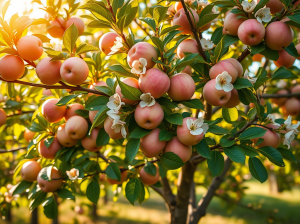
    Kaki (Diospyros kaki) was first cultivated in ancient China over 2,000 years ago and by the 7th century had been introduced to Japan (and later to Korea in the 14th century), reaching Europe and North America in the 1800s. The most common names you’ll see for Diospyros kaki:

    Cachi – the Italian name, widely used in Italy’s markets and culinary scene

    Kaki (Japanese: 柿) – the traditional Japanese name and the species epithet in its botanical Latin name.

    Persimmon – the umbrella English term for all Diospyros fruits; when it refers to D. kaki, it’s often called “Oriental persimmon” or “Japanese persimmon”1.

    Asian persimmon – used interchangeably with “kaki” to distinguish it from the American persimmon (D. virginiana).

    Sharon fruit – a marketing name in Europe and Israel, taken from Israel’s Sharon Plain, where persimmons were first grown for export.

    From its earliest days, kaki was prized by Chinese royalty and used in traditional medicine to ease digestive complaints, soothe coughs and respiratory issues, and support general health.

    Persimmons weren’t just food in China; they played an active role in ritual and ceremony:

    Imperial and ancestral offerings. As early as the Western Han (206 BC–AD 23), kaki trees were grown in the Shanglin Garden to supply fruit for the emperor’s ancestral and state rites.

    • Symbol of good fortune. Because the character for persimmon (柿, shì) echoes the word for “affairs” (事, shì), dried or fresh persimmons were laid out at New Year and temple fairs to invoke “shì shì rú yì” — “may all affairs go smoothly.” Over the Tang–Song through Ming–Qing periods, persimmons featured in wedding gift trays and festival offerings as talismanic tokens of luck.

    Over time, it also became a staple food: eaten fresh, dried (as Japanese hoshigaki), and turned into jams, desserts, teas, and natural sweeteners.

    Modern studies have confirmed that kaki (Diospyros kaki) delivers a host of health-promoting effects beyond its traditional uses:

    Potent antioxidant activity. Persimmons are loaded with carotenoids (like β-carotene), flavonoids (quercetin, kaempferol), proanthocyanidins, and gallic acid. Together, these compounds scavenge free radicals, reduce oxidative stress, and protect cells from damage linked to aging and chronic disease.

    Heart-protective effects. Regular persimmon intake has been shown to lower LDL (“bad”) cholesterol and blood pressure, thanks to its soluble fiber and flavonoid content. These changes correlate with a reduced risk of cardiovascular events in epidemiological studies.

    Anti-inflammatory and immune support. The anti-inflammatory phytochemicals in kaki can help tamp down markers of systemic inflammation, potentially easing symptoms in conditions like rheumatoid arthritis and asthma. Plus, it has high vitamin C and tannin levels that bolster immune defenses and respiratory health.

    Gut health & weight management. With around 6 g of fiber per medium fruit, persimmons promote healthy digestion, regularity, and a feeling of fullness. Emerging research also suggests kaki fiber fosters beneficial shifts in gut microbiota, aiding weight control and metabolic health.

    Antimicrobial & gastroduodenal protection Extracts from persimmon byproducts show activity against methicillin-resistant Staphylococcus aureus and Helicobacter pylori, offering a natural route to combat foodborne pathogens and stomach ulcers.

    The nutraceutical potential of Hydro-ethanolic kaki extracts, rich in polyphenols, displays strong antioxidant and antibacterial power in vitro. This positions them as promising ingredients for functional foods, dietary supplements, and even biodegradable food-packaging films that extend shelf life.

      In the United States, the most familiar and widely used name for kaki is persimmon2. Specifically, when referring to Diospyros kaki, it’s often called:

      • Japanese persimmon
      • Asian persimmon
      • Oriental persimmon

      Among consumers and in markets, the two most recognized cultivars are:

      • Fuyu – a non-astringent variety that can be eaten while still firm, like an apple.
      • Hachiya – an astringent variety that must be fully ripe and soft before eating.

      The name “Sharon fruit” is also occasionally seen in U.S. grocery stores, especially for Israeli-grown, seedless varieties of kaki.

      Kaki (persimmon) is a culinary chameleon—sweet, vibrant, and versatile across cultures and cuisines. Here’s a breakdown of its most popular and creative culinary uses:

      🍽️ Traditional & Everyday Uses

      • Fresh & raw: Eaten like an apple (especially Fuyu variety), sliced into salads, or served with cheese and nuts.
      • Dried (Hoshigaki): A Japanese delicacy where whole persimmons are peeled, massaged, and air-dried until they develop a natural sugar bloom and chewy texture.
      • Jams, jellies & preserves: Their natural sweetness and pectin content make them ideal for spreads and compotes.
      • Smoothies & juices: Blended into drinks for a honeyed, tropical flavor boost.

      🍰 Baked & Sweet Dishes

      • Persimmon pudding: A classic American dessert, especially with Hachiya persimmons.
      • Cakes, muffins & breads: Used like mashed banana or pumpkin in moist, spiced baked goods.
      • Tarts & pies: Layered in galettes or baked into custard-style pies.
      • Frozen treats: Pureed and frozen into sorbets or added to yogurt pops.

      🥗 Savory & Fermented Uses

      • Salads: Sliced kaki pairs beautifully with arugula, goat cheese, and balsamic vinegar.
      • Pickled or fermented: In Korean cuisine, unripe persimmons are sometimes pickled or used in kimchi-style preparations.
      • Salsas & chutneys: Combined with chili, ginger, or citrus for a sweet-spicy condiment.

      ☕ Unusual & Innovative

      • Roasted seeds: Used as a caffeine-free coffee substitute in some traditional practices.
      • Natural sweetener: Dried kaki can be ground into a powder and used to sweeten teas or baked goods.

      🚫 Who Should Be Cautious or Avoid It

      1. People with diabetes, Kaki is naturally high in sugars, especially when fully ripe. While it has a low glycemic index, those with diabetes should consume it in moderation to avoid blood sugar spikes.
      2. Individuals are prone to bezoars. Eating large amounts of unripe persimmons—especially the astringent Hachiya variety—can lead to the formation of bezoars, hard masses in the stomach that may require medical removal. This is due to high tannin content interacting with stomach acid.
      3. People with known fruit allergies. Though rare, some individuals may have allergic reactions to persimmons. Symptoms can include itching, swelling, or gastrointestinal discomfort.
      4. Those on a low-fiber or restricted diet. Because persimmons are high in dietary fiber, they may not be suitable for people recovering from gastrointestinal surgery or those on a low-residue diet.

      ✅ Safe for Most, Including:

      Pregnant women (in moderation),

      Children and athletes (as a natural energy source),

      People with high blood pressure or cholesterol (due to its potassium and flavonoid content).

      Potential Interactions with Medications

      Blood pressure medications (antihypertensives) Kaki contains compounds that naturally lower blood pressure. If you’re already taking medications like:

      • Amlodipine (Norvasc)
      • Losartan (Cozaar)
      • Enalapril (Vasotec)
      • Hydrochlorothiazide (HCTZ) …consuming large amounts of kaki might cause your blood pressure to drop too low.
      • Blood thinners or anticoagulants. Kaki may slow blood clotting. If you’re on medications like:
      • Warfarin (Coumadin)
      • Clopidogrel (Plavix)
      • Aspirin (in high doses) …there’s a theoretical risk of increased bleeding.
      1. Diabetes medications. While kaki has antidiabetic properties, its natural sugars can still affect blood glucose. If you’re on insulin or oral hypoglycemics, monitor your blood sugar closely.
      2. Before surgery, because kaki may lower blood pressure and slow clotting, it’s advised to stop consuming it at least 2 weeks before surgery to avoid complications.

      ✅ Safe Use Tips

      • Moderation is key: One medium fruit per day is generally safe for most people.
      • Choose ripe varieties: Especially for those with sensitive digestion or prone to bezoars.
      • Consult your doctor: If you’re on chronic medications, especially for heart, blood pressure, or clotting disorders.

      More @ 7 Health and Nutrition Benefits of Persimmon

      Medically reviewed by Jerlyn Jones, MS MPA RDN LD CLT — Written by Jillian Kubala, MS, RD — Updated on May 9, 2025

    1. Discover Kakadu Plum: Traditional and Modern Applications

      The Kakadu Plum—also known as gubinge, billygoat plum, or Terminalia ferdinandiana—was recognized for its health benefits long before modern science caught on. Indigenous Australians have utilized this remarkable fruit for thousands of years as a traditional medicine to treat colds, flu, headaches, and infections, as well as an antiseptic for wounds.

      What’s fascinating is that modern research has validated these traditional uses. The Kakadu Plum is now celebrated as the world’s richest natural source of vitamin C, containing over 3,000% of the daily value in just 100 grams. It’s also packed with antioxidants, dietary fiber, copper, and iron, making it a true superfood.

      While it might seem like a recent discovery in the wellness world, Indigenous knowledge had already unlocked its potential centuries ago.

      The Kakadu Plum is not only a cultural treasure but also a medicinal powerhouse, both in traditional and modern contexts.

      Medicinal Uses of Kakadu Plum

      Traditional Uses: Indigenous Australians have long used Kakadu Plum as a natural remedy for:

      Colds and flu – thanks to its immune-boosting properties.

      Headaches and infections – are often applied topically or consumed.

      Wound healing – used as an antiseptic due to its antimicrobial qualities.

      Modern Scientific Validation: Contemporary research has confirmed and expanded on these uses:

      Richest natural source of Vitamin C – over 3,000% of the daily value per 100g, which supports immune health, collagen production, and iron absorption.

      Antioxidant powerhouse – contains gallic acid, ellagic acid, and flavonoids that combat oxidative stress and inflammation.

      Antimicrobial properties – effective against bacterial, fungal, and viral infections.

      Skin health – used in cosmetics for brightening, anti-aging, and hydration due to its high vitamin C and polyphenol content.

      Wound healing – seed oil is rich in omega-6 and saturated fatty acids that promote tissue repair.

      This convergence of Indigenous knowledge and modern science makes Kakadu Plum a compelling case study.

      Highly nutritious from Healthline

      Kakadu plums are low in calories and rich in nutrients, providing a quality source of fiber, vitamins, and minerals.

      Here is the nutritional breakdown of 3.5 ounces (100 grams) of the edible part of the fruit:

      • Calories: 59
      • Protein: 0.8 grams
      • Carbs: 17.2 grams
      • Dietary fiber: 7.1 grams
      • Fat: 0.5 grams
      • Sodium: 13 mg
      • Vitamin C: 3,230% of the Daily Value (DV)
      • Copper: 100% of the DV
      • Iron: 13.3% of the DV

      It’s especially high in vitamin C, a potent antioxidant that protects your body from damage caused by reactive molecules known as free radicals, Trusted Source.

      In the United States, Kakadu Plum is available in a variety of forms to suit different health, culinary, and cosmetic needs:

      🌿 Common Forms of Kakadu Plum in the U.S.

      Powdered Extract

      Often freeze-dried and ground into a fine powder. Used in smoothies, juices, supplements, and skincare products.Rich in vitamin C and antioxidants.

      Capsules or Tablets

      Convenient for daily supplementation.

      Typically standardized for vitamin C content.

      Liquid Extracts or Tinctures

      Used in herbal medicine and wellness routines.

      It can be added to water or taken directly.

      Skincare Products

      Found in serums, creams, and masks.

      Promotes collagen production, brightens skin, and reduces inflammation.

      Whole Dried Fruit or Puree (less common)

      Occasionally available through specialty or Indigenous-focused retailers. Used in gourmet cooking or artisanal products.

        🛒 Where to Buy It

        Online Retailers:

        Amazon, Vitacost, Thrive Market, and Kakadu Plum USA offer a range of products from $10 to $50 per pound, depending on the form and brand.

        In-Store Options:

        Whole Foods Market, Sprouts Farmers Market, and Natural Grocers may carry Kakadu Plum products in select locations.

        Specialty stores focused on Australian or Indigenous goods in cities like New York, Los Angeles, and San Francisco also stock it.

        ⚠️ Potential Health Risks of Kakadu Plum

        High Oxalic Acid Content

        Kakadu Plum contains oxalic acid, which in large amounts can interfere with calcium absorption and may contribute to the formation of kidney stones, especially in individuals predisposed to them.

        Excessive Vitamin C Intake

        While its vitamin C content is a major benefit, overconsumption (especially through supplements or concentrated powders) can lead to:

        Digestive discomfort (nausea, diarrhea)

        Increased risk of kidney stones in sensitive individuals.

        Skin Sensitivity

        In skincare products, high concentrations of Kakadu Plum extract—especially in vitamin C serums—may cause dryness, redness, or irritation, particularly for those with sensitive skin.

        Digestive Upset from Overconsumption

        Eating large quantities of the fruit or extract may cause mild gastrointestinal issues, bloating, or an upset stomach.

          ✅ Safe Usage Tips

          Stick to recommended dosages of supplements or powders.

          Patch test skincare products before full application.

          Consult a healthcare provider if you have kidney issues or are on calcium supplements.

          Summary: Benefits & Precautions of Kakadu Plum

          Kakadu Plum is a powerful superfruit revered by Indigenous Australians for its medicinal uses and now backed by modern science. It’s the richest natural source of vitamin C, loaded with antioxidants, and supports immune health, skin vitality, and wound healing. Available in powders, capsules, and skincare products across the U.S., it’s a versatile wellness ally.

          However, due to its high oxalic acid and vitamin C content, overuse may cause digestive discomfort or increase the risk of kidney stones in sensitive individuals. Always follow recommended dosages and consult a healthcare provider if needed.

        1. Exploring the Benefits of Makrut Lime for Health and Cooking

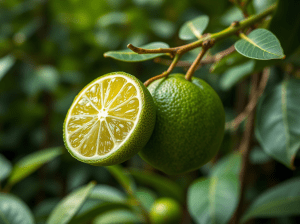
          The “Kaffir lime,” is a small, rough-skinned citrus tree in the rue family (Rutaceae) native to tropical Southeast Asia. Its bumpy green fruits average about 4 cm in diameter, and both the fruit’s aromatic rind and the distinctly double-lobed leaves are prized ingredients in Thai, Cambodian, Lao, and Malay cooking.

          The botanical Citrus hystrix DC. goes by several common names:

          Makrut lime – the name increasingly preferred by chefs and botanists • Thai lime – reflecting its central role in Thai cuisine • Kaffir lime – the historical term (now discouraged due to its offensive connotations)1 • Leech lime – from its traditional use as a leech repellent in Sri Lanka • Combava – in Réunion and parts of Europe Mauritius papeda, Kieffer lime – less common regional names.

          In culinary use, the leaves are added whole or thinly sliced to curries, soups (e.g., tom yum), and stir-fries, while the rind is zested or pounded into spice pastes to impart an intense, bright citrus aroma. Beyond the kitchen, its essential oil is employed in perfumery and traditional medicine, and in some parts of Sri Lanka, the juice was once rubbed on the skin to ward off leeches.

          Because “kaffir” has become recognized as an offensive term in other contexts, many cooks and botanists now favor the names “makrut lime” or “Thai lime.” In its native region, it’s also called limau purut (Malay/Indonesian), mak khii huat (Lao), chanh Thái (Vietnamese), kabuyaw (Tagalog), and combava (Réunion), among others

          Makrut (Kaffir) lime offers a fascinating array of health benefits, many of which align with your interest in natural remedies and cultural traditions. Here’s a breakdown of its most notable properties:

          🌿 Top Health Benefits of Makrut (Kaffir) Lime

          BenefitHow It Works
          Digestive AidThe essential oils and compounds in the leaves and rind stimulate digestion and help relieve bloating and indigestion.
          Oral HealthTraditionally, the leaves were rubbed on gums to eliminate harmful bacteria. The rind contains antibacterial properties that support oral hygiene.
          Skin CareThe oil has antimicrobial and anti-inflammatory properties that help treat acne and promote glowing skin.
          Stress ReliefThe citrusy aroma of the leaves and oil is used in aromatherapy to reduce anxiety, fatigue, and stress.
          Immune SupportRich in vitamin C and antioxidants like limonene and citronellal, it helps boost immunity and fight free radicals.
          Anti-Cancer PotentialCompounds like limonene and flavonoids in the peel have shown promise in inhibiting the growth of certain cancer cells in lab studies.
          Cardiovascular HealthLimonene may help reduce cholesterol and inflammation, supporting heart health.
          Antibacterial & AntifungalEffective against pathogens like Staphylococcus aureus and Propionibacterium acnes, making it useful in natural antiseptics and deodorants.

          Here are a handful of fresh, 21st-century ways to enjoy Makrut (Kaffir) lime—beyond curries and rice bowls—that tap into today’s health-and-wellness, foodie and beverage trends:

          Well-Being & Culinary Crossover • Adaptogenic latte addition: whisk a pinch of lime-leaf powder into your mushroom- or ashwagandha latte for an uplifting twist. • Pre-meal “digestive spritzer”: fizz filtered water with a dash of lime-leaf tincture, a drop of bitters, and a sprig of mint to prime your gut

          Functional Tea & “Health Shots” • Makrut-leaf kombucha or green-tea blends: add torn leaves to your home-brew secondary ferment for an extra hit of aromatics and antioxidants. • Concentrated “lime-shot” elixirs: simmer zest plus leaves with ginger, turmeric, and a touch of honey; bottle in 2-oz. vials as morning immunity boosts.

          Cocktail & Mocktail Innovation • Makrut-infused simple syrup: steep rind in hot sugar water, then strain. Use in spritzes, margaritas, gin & tonics, or non-alcoholic sodas. • Leaf-smoked glassware: torch a fresh leaf inside your cocktail glass for a quick burst of citrus smoke before pouring.

          Plant-Based “Meat” Marinades • Blend rind + leaves with coconut aminos, sesame oil, and chili for tofu, seitan, or jackfruit marinades—they penetrate fibers more deeply than plain lime juice.

          Fermented & Pickle-Style Condiments • Quick-pickled Makrut leaves: pack leaves + julienned lime zest in rice vinegar + salt + sugar—use as a zingy relish on grain bowls or sandwiches. • Leaf kimchi: Swap out some napa cabbage for finely sliced Makrut leaves in your next batch for a bright, citrusy tang.

          Bakery & Confectionery • Lime-leaf shortbread: grind dried leaves into the sugar before creaming with butter; bake into tea-time biscuits. • White-chocolate Makrut fudge: infuse cream with leaves + zest, strain, then fold into melted chocolate.

          Snack & Pantry Staples • Citrus-salt finishing sprinkle: dry-toast zest + salt + a little sugar, then crush into a flake you can dust onto avocado toast, popcorn, or fries. • Freeze-dried powder: blitz dried rind + leaves into ultra-fine powder—stir into smoothies, oatmeal, yogurt, or energy-bar mixes.

          You can get makrut (“kaffir”) lime in the U.S. in several forms:

          1. Live Trees and Saplings • USDA/CDFA-certified nurseries like TreeSource Citrus Nursery ship grafted makrut lime trees to most states. • Murphy Citrus Nursery offers container-ready trees (USDA Zones 9–11) but won’t ship to FL, AZ, AL, CA, HI, LA, or TX due to agricultural restrictions. • Online plant shops (Amazon, Etsy, Home Depot’s nursery section) list grafted or seed-grown makrut lime trees—always check state quarantine rules before ordering.
          2. Fresh Fruit & Leaves • Asian markets (H-Mart, 99 Ranch, local Thai or Vietnamese grocery stores) commonly stock fresh makrut lime leaves and occasionally the fruit itself. • During the growing season (late summer–fall), some farmers’ markets in warm-climate states carry fresh fruit.
          3. Dried Leaves & Powders • Numerous spice retailers (Amazon, Penzeys, The Spice House) sell pre-dried or freeze-dried makrut lime leaves, powders, and zests year-round, perfect for curry pastes and teas.
          4. Essential Oil & Extracts • Aromatherapy suppliers and health-food stores offer distilled makrut lime leaf and rind oils—look for “Citrus hystrix essential oil.”

          Before you buy live plants, review the USDA’s citrus import and interstate movement guidelines to avoid quarantine issues. Otherwise, all these forms of makrut lime are readily available across the U.S., both online and in specialty stores

          If you’re thinking about incorporating it into your routine or product ideas, it could be a compelling addition to a natural skincare line, herbal tea blend, or even a stress-relief aromatherapy kit.

          Here are the key precautions to keep in mind when using Makrut (formerly “kaffir”) lime:

          🛑 Makrut (Kaffir) Lime Safety Infographic

          ⚠️ Hazards & Precautions

          Hazard🛡️ Precaution
          Citrus Allergy 😷Avoid all Citrus hystrix products; do a skin patch test first.
          Skin Irritation 🔥Dilute essential oil to ≤2% in a carrier oil before topical use.
          Photosensitivity 🌞Skip sun/tanning beds for 24 hrs after applying any citrus oil.
          Digestive Upset 🤢Use culinary portions; limit concentrated extracts and oils.
          Pregnancy & Nursing 🤰Consult a healthcare provider before using extracts or oils.

          Storage & Quality

          • Source leaves, zests & oils from reputable, organic suppliers.
          • Rinse fresh produce thoroughly; store leaves airtight fridge or freeze.
          • Store essential oils in dark glass bottles, away from heat and light.

          Stay safe, a detailed look at precautions

          1. Citrus Allergies & Gastrointestinal Upset • People with known citrus or Rutaceae‐family allergies should avoid both the fruit and its essential oil—reactions can include skin rash, itching, stomach cramps, diarrhea, and nausea. Start with a small taste or a patch test before wider use.
          2. Topical Use & Essential Oil Handling • Makrut lime essential oil is highly concentrated. Never apply it undiluted to skin—always mix to ≤2% in a carrier oil. Undiluted contact can cause irritation or chemical burns. In case of skin contact, wash thoroughly with soap and water; if it gets in your eyes, flush for at least 15 minutes and seek medical advice if irritation persists.
          3. Photosensitivity • Like many citrus oils, Makrut lime oil may increase sensitivity to UV light. After topical application, avoid prolonged sun or tanning‐bed exposure for at least 24 hours to reduce the risk of burns or hyperpigmentation.
          4. Internal Consumption Limits • Fresh fruit, leaves, and zest are generally safe in culinary amounts. Excessive intake—especially of concentrated extracts—can upset your digestive system (stomach ache, diarrhea) and, rarely, trigger migraines in sensitive individuals.
          5. Pregnancy, Nursing & Medications • There’s limited research on Makrut lime in pregnancy or breastfeeding. To err on the side of caution, pregnant or nursing people should consult a healthcare provider before using extracts or essential oil. If you’re on medication, check for potential citrus‐derived interactions (e.g., some oils can affect liver enzymes).
          6. Quality & Storage • Always source high-quality leaves, fruit, or oil from reputable suppliers. Wash fresh produce thoroughly to remove any pesticides. Store leaves in airtight bags (refrigerated or frozen) and keep oil in dark glass bottles away from heat and light.

          Disclaimer: As with any dietary or wellness change, consult a qualified healthcare professional to ensure it’s right for your individual needs.

        2. Discovering Kabosu: Traditional Uses and Nutritional Benefits

          History & First Uses: Kabosu was introduced from China into Kyushu and, by the Edo period (mid-1600s), was already being cultivated in Ōita Prefecture, where it earned a reputation both as a seasoning for grilled fish and sashimi and as a folk remedy for fatigue, inflammation, and liver sluggishness. Its juice doubled as a vinegar substitute, while locals also dried or burned the peel for mosquito repellent and mild air-freshening.

          Kabosu is a citrus fruit closely related to yuzu. Its juice has the sharpness of lemon, and it is used instead of vinegar in some Japanese dishes. It grows on a flowering tree with sharp thorns. The fruit is harvested when still green, but if left to ripen, it turns yellow. It is often confused with similar citrus, such as sudachi, but can easily be distinguished by the apex of the fruit, where the pistil has fallen off, which is a slightly raised torus shape

          Kabosu was traditionally used right from its early days in Ōita Prefecture:

          Culinary seasoning: Fresh kabosu juice was squeezed over grilled fish (ayu, sanma) and sashimi to brighten flavors and cut through oiliness. It also flavored rice dishes and pickles, serving as a natural vinegar substitute in local recipes.

          Prototype ponzu: Mixing kabosu juice with soy sauce created a simple citrus-based dipping sauce—an ancestor of today’s ponzu—that accompanied everything from boiled vegetables to tofu.

          Folk tonic: Diluted kabosu juice became a “fatigue‐busting” drink, believed to stimulate appetite, aid digestion, and support liver health in agrarian communities. • Bath infusions: Slices of kabosu were tossed into hot baths to invigorate circulation, soothe sore muscles, and impart a subtle citrus aroma for relaxation.

          Insect repellent and air freshener: After juicing, locals dried or gently burned the peels indoors; the fragrant smoke kept mosquitoes at bay and neutralized musty odors in homes.

          Kabosu: It’s more than just a tart Japanese citrus—its juice and peel deliver a range of health-supporting compounds:

          Scientific studies on Kabosu itself are still emerging, but its proposed benefits rest on well-characterized nutrients and lab assays:

          1. Antioxidant capacity. In vitro tests of Kabosu juice and peel extracts demonstrate strong free-radical scavenging activity, comparable to other citrus fruits—an effect attributed to its polyphenol content.
          2. Immune support via vitamin C Kabosu contains roughly 18.5 mg of vitamin C per 100 g of juice, a level shown in countless clinical trials to enhance white-blood-cell function and reduce infection risk.
          3. Anti-inflammatory potential. While direct trials on Kabosu are scarce, its flavonoids (common to citrus) have been repeatedly shown in animal and cell studies to downregulate inflammatory markers like TNF-α and IL-6. Kabosu’s similar profile suggests it shares these effects.
          4. Cardiovascular and metabolic effects. The citric acid and potassium in Kabosu mirror those in lemons and limes, which human studies link to improved endothelial function and modest blood-pressure reductions. Again, Kabosu-specific trials are pending, but nutrient parallels support the hypothesis.

          Kabosu fruit contains a unique combination of flavonoids and limonoids, which have been shown to have anti-inflammatory properties. These compounds help to reduce inflammation in the body, alleviating symptoms associated with conditions such as arthritis, asthma, and allergies. Additionally, the anti-inflammatory properties of kabosu fruit may also help to reduce the risk of chronic diseases such as cardiovascular disease and neurodegenerative disorders.

          Bottom line: the health claims for Kabosu are grounded in its nutrient and antioxidant composition—both thoroughly validated by science—yet direct clinical research on Kabosu juice or peel in humans remains limited.

          READ MORE: (2025 health-benefits

          Kabosu fruit contains a unique combination of flavonoids and limonoids, which have been shown to have anti-inflammatory properties. These compounds help to reduce inflammation in the body, alleviating symptoms associated with conditions such as arthritis, asthma, and allergies. Additionally, the anti-inflammatory properties of kabosu fruit may also help to reduce the risk of chronic diseases such as cardiovascular disease and neurodegenerative disorders.

          Fresh kabosu fruit is essentially unseen in mainstream U.S. markets—your best bet for kabosu in America is bottled juice rather than the fresh citrus itself.

          • Bottled kabosu juice: – Yakami Orchards Marugoto Shibori Kabosu Juice ships nationwide from Gourmet Food World. – Ciao Imports also carries a 750 ml pure-juice offering, with refrigerated shipping options across the U.S.2.

          • Fresh kabosu: – Rarely imported in its whole form. You might spot it, seasonally, in specialty Japanese grocery stores (usually fall) or via small importers—but don’t count on it in regular supermarkets.

          Overall Summary: Here’s a concise wrap-up of everything we’ve covered on kabosu:

          Origins & Traditional Uses • Brought from China into Kyushu by the Edo period (mid-1600s) and perfected in Ōita Prefecture. • Folk uses ranged from seasoning grilled fish and sashimi to a “fatigue-busting” tonic, bath infusions for sore muscles, and dried-peel mosquito repellent/air freshener.

          Nutritional & Health Highlights • Rich in vitamin C (≈20–60 mg per 100 g juice) plus flavonoids (hesperidin, naringenin) and other polyphenols. • Antioxidant and anti-inflammatory potential—scavenges free radicals, supports immune cells, may help modulate markers like TNF-α and IL-6. • Citrate and potassium mirror those in lemons/limes, suggesting similar cardiovascular and blood-pressure benefits. • Organic acids (citric, malic) and modest fiber support digestion, gut health, and liver detox pathways.

          Science Status • No large clinical trials on kabosu itself—but its nutrient profile and in vitro assays line up with well-documented citrus benefits. • Direct human studies are still pending, so much of the promise is inferred from related citrus research.

          Information Resources • No dedicated kabosu pages on WebMD, Healthline, or Mayo Clinic. • For detailed nutrition data and traditional lore, look to FruitsInfo or Gardenia, or dive into PubMed/Google Scholar under “Citrus sphaerocarpa.”

          U.S. Availability • Fresh kabosu is virtually nonexistent in mainstream markets—your best source is bottled juice (e.g., Yakami Orchards, Ciao Imports). • Specialty Japanese grocers may import fresh kabosu seasonally, but the supply is spotty.

            Kabosu offers a rich blend of history, flavor, and health potential.

          1. Evergreen Huckleberry: Traditional Uses and Modern Benefits

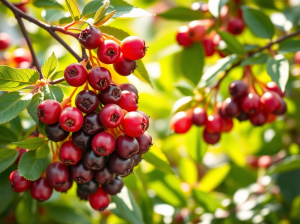
            The very first medicinal uses of evergreen huckleberry trace back centuries to the Indigenous peoples of the Pacific Northwest Coast—tribes like the Coast Salish, Comox and Quinault—who brewed teas from the leaves and used the berries and poultices to ease digestive upsets, urinary complaints and to help regulate blood-sugar levels. These practices were recorded in early ethnobotanical surveys and today modern herbalists still acknowledge the plant’s healing potential

            Evergreen huckleberry (Vaccinium ovatum) is a hardy, shade-loving shrub native to the Pacific Northwest and coastal regions of North America. It’s part of the same plant family as blueberries and cranberries, and it’s known for its glossy, dark green leaves that stay vibrant year-round.

            In spring, it produces delicate pinkish-white bell-shaped flowers that attract pollinators like hummingbirds and butterflies. By late summer, those blooms give way to small, edible berries that range from deep purple to blue-black. The berries are sweet—especially after a frost—and have been enjoyed by Indigenous peoples for generations, both fresh and dried.

            It’s also a favorite in landscaping thanks to its versatility: it can grow in sun or shade, reaches 3–12 feet depending on conditions, and its foliage is often used in floral arrangements. If you’re into native gardening or just want a low-maintenance, wildlife-friendly plant, evergreen huckleberry is a real gem.“huckleberries” aren’t just a Pacific Northwest curiosity; several species grow wild and are sold commercially across the U.S.:

            Western U.S. (Pacific Northwest) – Vaccinium ovatum, the evergreen huckleberry, is native from California through Oregon and Washington, thriving in acidic, well-drained soils under partial shade. You’ll find plants at native-plant nurseries (e.g., Portland Nursery carries V. ovatum for USDA zones 7–9) and fruit in farmers’ markets or specialty grocers late summer into fall.

            Eastern U.S. (Appalachians & Beyond) – Black huckleberry (Gaylussacia baccata) ranges from the southern states up into Canada. – The rarer box huckleberry (G. brachycera) pops up in the central Appalachians, though it isn’t commercially cultivated due to its poor flavor and large seeds.

            Commercial & Wild Harvest – In western national forests (e.g., parts of Washington and Idaho), you can forage V. membranaceum (“black huckleberry”) and V. parvifolium (“red huckleberry”) under personal-use guidelines. – Many farms and U-pick operations in Montana, Idaho, and Oregon offer seasonal huckleberry picking, and you’ll also see frozen or jam-packed huckleberries sold online or in health-food stores.

            Evergreen huckleberry has a long history of medicinal use, especially among Indigenous peoples of the Pacific Northwest. Tribes such as the Sechelt, Comox, and Quinault used both the berries and leaves not just for food, but for healing purposes as well.

            The leaves were traditionally brewed into teas to help regulate blood sugar levels—an early form of diabetes management. They were also used for their astringent and antiseptic properties, believed to aid urinary tract health and stimulate appetite. While exact dates are hard to pin down, these practices go back centuries, passed down through oral tradition and lived experience.

            Evergreen huckleberries are a nutritional powerhouse whose tiny berries deliver big health perks:

            Rich in Antioxidants The deep purple hue of these berries comes from anthocyanins and other polyphenols, compounds shown to neutralize free radicals, reduce oxidative stress, and lower your risk of chronic ailments like heart disease and certain cancers.

            Vitamin & Mineral Boost Just a handful provides generous doses of vitamin C (supporting immunity and collagen production), vitamin K (essential for bone health and proper blood clotting), manganese (a cofactor in metabolism and bone formation), plus trace minerals like potassium that help regulate blood pressure.

            Fiber for Digestive & Metabolic Health With their high dietary fiber content, huckleberries promote healthy gut motility, stabilize blood sugar swings, and can aid weight management by increasing satiety without piling on calories.

            Heart-Protective Benefits Regular intake has been linked to improved cardiovascular markers: lowering blood pressure, reducing arterial stiffness, inhibiting unwanted clot formation, and helping to manage cholesterol levels—thanks largely to their anti-inflammatory and antioxidant actions.

            Eye Health Support Beyond general antioxidants, huckleberries carry vitamins A, B, C, and carotenoids like lutein, which accumulate in the retina, shielding your eyes from age-related degeneration and helping maintain sharp vision.

            Skin Defense & Rejuvenation The same antioxidant firepower defends skin cells against UV damage and environmental pollutants, which can translate into fewer wrinkles, better elasticity, and a more even, radiant complexion over time.

              Beyond these core benefits, you can enjoy evergreen huckleberries fresh, frozen, or dried. They’re a brilliant addition to smoothies, jams, salads, or even green-tea infusions.

              Rich in antioxidants: These berries are loaded with anthocyanins and polyphenols, which help combat oxidative stress and may reduce the risk of chronic diseases like heart disease and cancer.

              And the best part? They’re low in calories but high in flavor, making them a guilt-free addition to smoothies, baked goods, or even just snacking straight from the bush.

              Here’s a step-by-step approach to foraging evergreen huckleberries safely and sustainably:

              Proper Identification Look for Vaccinium Ovatum glossy, evergreen oval leaves (1–3 cm long) and dangling clusters of deep purple–black berries roughly 5–10 mm in diameter. Blooms in spring with bell-shaped, pinkish-white flowers; fruits ripen midsummer to early fall in coastal or forest-understory habitats. Use a local wild-edibles field guide or app to cross-check against look-alikes like salal or bearberry.

              Scout Legal, Clean Sites Get landowner permission or check state/local regulations—many parks restrict foraging. Avoid roadsides and industrial areas to reduce pesticide and heavy-metal exposure. Stick to well-drained, acidic soils under partial shade, where huckleberries thrive.

              Harvest Gently and Sustainably Hand-pick ripe berries individually; don’t strip whole clusters at once. Only take up to one-third of the fruit on each bush to feed wildlife and ensure next season’s crop. Tread lightly—step on established trails to avoid trampling young shoots or other understory plants.

              Use the Right Tools • A soft, cloth-lined basket or a homemade bucket with side slits keeps berries from squashing and lets debris sift out. If you try a huckleberry rake, use it sparingly and at the right angle to avoid tearing branches or uprooting the plant.

              Post-Harvest Care • Rinse gently in cool water, removing twigs and leaves—avoid soaking to preserve flavor. Dry on a single layer of clean towels and refrigerate up to a week or freeze in a single layer before bagging for long-term storage.

                Ready to turn your haul into jam, tea, or a vibrant smoothie?

                Here are four simple ways to fold fresh or frozen huckleberries into your day—each one low-cal, high-impact, and brimming with flavor:

                Morning Huckle-Spinach Smoothie Ingredients • ½ cup fresh or frozen huckleberries • 1 cup baby spinach • 1 small banana (for creaminess and natural sweetness) • ½ cup plain Greek yogurt (or dairy-free alternative) • ¾ cup almond milk (or oat milk) • 1 tsp chia seeds (optional fiber boost) Steps • Toss everything into your blender in order (liquid first) so blades spin freely. • Blend on high for 30–45 seconds until velvety smooth. • Taste—if it’s too tart, add a date or a drizzle of honey.

                Summer Huckleberry & Feta Salad Ingredients • 3 cups mixed greens (arugula, baby kale, or spring mix) • ½ cup fresh huckleberries • 2 oz crumbled feta or goat cheese • ¼ cup thinly sliced red onion • 2 tbsp toasted pecans or walnuts • Simple vinaigrette (2 tbsp olive oil, 1 tbsp apple-cider vinegar, 1 tsp Dijon, pinch salt+pepper) Steps • Whirl the vinaigrette ingredients in a jar. • In a bowl, layer greens, berries, onion, nuts, and cheese. • Drizzle dressing, toss lightly, and serve immediately.

                One-Pot Huckleberry Jam Ingredients • 2 cups huckleberries, rinsed • ½ cup sugar (or coconut sugar) • Zest and juice of 1 lemon • 1 tsp chia seeds (natural thickener) Steps • In a small saucepan over medium heat, combine berries, sugar, and lemon. • Gently mash with a fork, then simmer 10–12 minutes, stirring occasionally. • Off the heat, stir in chia seeds. Let cool—jam will thicken as it chills. • Spoon into a sterilized jar; refrigerate up to 2 weeks or freeze in ice-cube trays.

                Iced Huckleberry-Green Tea Refresher Ingredients • 2 green-tea bags • 2 cups water (just off boil) • ½ cup huckleberries, lightly crushed • 1–2 tsp honey or agave (to taste) • Ice cubes and sprigs of mint Steps • Steep tea bags in hot water for 3–4 minutes, then discard bags. • Stir in honey until dissolved; let cool to room temp. • In a pitcher, muddle berries lightly with the back of a spoon. • Pour over tea, add ice and mint—and chill 30 minutes for full flavor meld.

                  Beyond sipping and snacking, you can swirl huckleberry purée into yogurt bowls, fold them into pancake batter, blend into vinaigrettes, or even steep the leaves for a mild, antioxidant-rich tea. Let me know if you’d like more detailed proportions, preservation tips, or even a DIY face-mask recipe using huckleberry extracts!

                  The huckleberry plant, Solanum nigrum L., belongs to the Solananceae family of 
                   plants
                   and was first domesticated in Europe and West Asia before being introduced to America, Australia, Malaysia, and Indonesia. This article will discuss some amazing health benefits of huckleberry. Keep reading: 24 Proven Health Benefits

                  Huckleberries and blueberries resemble each other because they’re close botanical cousins:

                  Same Family & Genus Both belong to the heath family (Ericaceae) and the Vaccinium genus, so they inherited similar shrub habit, leaf shape and berry structure.

                  Shared Pigments They produce the same anthocyanin pigments in their skins, which give both fruits that deep blue-purple color.

                  Parallel Ecology Each thrives in acidic, well-drained soils as low, woody understory shrubs. Over millennia, similar environmental pressures shaped their round berries of roughly the same size.

                  Common Heritage of Names Early English settlers even used the words “hurtleberry” or “whortleberry”—ancient names for blueberries—when they first encountered true huckleberries, cementing the visual link in our language.

                  But be careful if you fall into any of these

                  Here are the main groups who should steer clear of—or at least use extreme caution with—evergreen huckleberry leaves and berries:

                  People on blood-sugar lowering medication The leaves (and to a lesser extent the berries) have been shown to reduce blood glucose levels. If you’re taking insulin or other diabetes drugs, adding huckleberry leaf tea could tip you into hypoglycemia unless you closely monitor and adjust your dosages with your doctor’s guidance.

                  Those with berry or Salicylate allergies Though true toxicity is essentially nil, evergreen huckleberry belongs to the Vaccinium family. Anyone with known strawberry, blueberry or aspirin/Salicylate hypersensitivities should avoid it—reactions can include itching, rashes or gastric upset.

                  Pregnant or nursing women No clinical safety data exists for huckleberry in pregnancy or lactation. Until more research emerges, it’s best to err on the side of caution and skip the leaf teas and large-dose berry preparations.

                  Young children and sensitive stomachs While generally regarded as kid-safe, overindulgence can provoke mild stomach cramps or diarrhea. If you’re introducing huckleberries to little ones for the first time, start with just a few and watch for any upset.

                  If you fall into one of these categories but still want the antioxidant boost, consider talking to your healthcare provider about appropriate dosing, or look for a standardized extract with clearer safety data.

                  1. Etrog: A Citrus with Rich History and Wellness Perks

                    The etrog is a cultivated variety of the citron (Citrus medica), a large, fragrant citrus fruit distinguished by its thick, bumpy rind and minimal pulp.

                    Its first recorded use comes from biblical times (6th–5th century BCE), where Leviticus 23:40 names the etrog as one of the “Four Species” waved during the festival of Sukkot to symbolize gratitude, unity and the natural bounty of the land.

                    Did you know

                    Biblical & Rabbinic Roots – The word etrog appears in Mishnah (ca. 200 CE) and Talmudic texts describing the Sukkot ritual. It reflects a long tradition of using the fruit as both a symbol of harvest gratitude and a fragrant offering. •

                    Linguistic Lineage – Scholars trace etrog back through Aramaic (something like etirga) and even to the Greek sidra (the ancestor of our “citron”). Over centuries it’s stamped Jewish liturgy, poetry and legal texts.

                    Cultural Ripples – The Hebrew “etrog” gave rise to variants in Ladino, Yiddish and other Jewish dialects—and even inspired botanical Latin names when European botanists catalogued the citrus

                    Long before and after its ritual role, citron found a place in ancient pharmacopeias—Ayurvedic texts in India and Chinese Materia medica detail its use for soothing digestive discomfort, easing respiratory congestion and promoting overall vitality.

                    Modern analyses show citron (and thus etrog) packs: • Vitamin C (immune support, antioxidant action) • Dietary fiber (aids digestion, satiety) • Flavonoids & volatile oils (anti-inflammatory, antimicrobial)

                    These constituents support digestive health, bolster immune defenses, reduce oxidative stress and even serve in topical applications for their astringent and antiseptic properties.

                    Here’s a deeper look at etrog’s most rigorously documented health perks

                    Immune Support Etrog is exceptionally rich in vitamin C, supplying upwards of 50 mg per 100 g of fruit. That dose boosts white-blood-cell function and shortens the duration of colds and minor infections.

                    Digestive Health With about 2–3 g of dietary fiber per 100 g, etrog helps regulate bowel movements, feeds beneficial gut bacteria and promotes feelings of fullness—key factors in healthy digestion and weight management.

                    Cardiovascular Benefits The flavonoids and polyphenols in etrog have been shown to lower LDL (“bad”) cholesterol and blunt oxidative stress on blood vessels. Early clinical data suggest regular intake may improve overall lipid profiles and vascular function.

                    Blood Pressure Regulation Etrog’s potassium content, combined with its antioxidants, helps relax arterial walls and balance electrolytes—an effect linked to modest reductions in systolic and diastolic blood pressure in preliminary trials.

                    Anti-Inflammatory & Antioxidant Action Compounds like limonene and hesperidin scavenge free radicals, reducing markers of inflammation (e.g., C-reactive protein) and protecting cells from oxidative damage.

                    Topical & Mucosal Benefits Traditional and lab studies confirm etrog’s astringent oils can soothe minor skin irritations, tighten pores and act as a mild antiseptic—properties now exploited in natural skincare formulations.

                    Whether you’re curious about how etrog stacks up against other ritual botanicals or want creative culinary uses for its zest and peel, there’s plenty more to uncoverwhile.

                    While etrog (citron) is most famous for Sukkot, you can absolutely buy it in the U.S.

                    Imported Supply Israel produces about a million Etrog each year and exports roughly one-third of its crop to the U.S., where it’s sold through wholesale distributors and religious-goods suppliers.

                    Domestic Specialty Growers Small California citrus farms (e.g., Pearson Ranch) cultivate etrog trees and ship fresh fruit anywhere in the U.S. Their season typically runs from late October through April, so you can order directly online or by phone.

                    Retail & Delivery Options Closer to you, grocery-delivery services like Instacart list etrog under “fresh citrus” during the fall–winter window. They offer contactless, on-demand delivery or pickup from local Judaica stores and specialty-produce markets.

                    READ MORE: Health-benefits (“Etrog” is the Hebrew name for the citron, a citrus fruit similar to the lemon in flavor and appearance. The fruit originated from Southwest Asia, but it also grows in places like Crete, Sicily, Morocco, Puerto Rico and Corsica. It is used in many marmalades, jams, and fruit preserves, but what makes it so unique is the many health benefits this superfood can provide!)

                    (For most Jews, the etrog, a thick-rinded citrus, is relegated to a fleeting, supporting role. Held beside the lulav (palm frond) once a year during the upcoming festival of Sukkot, the etrog (citron) is then left to dry out or, if its lucky, turned into jelly. Read More: Judaism’s-best-kept-wellness-secret)

                    Just a little about Sukkot which is one of Judaism’s three pilgrimage festivals (Shalosh Regalim), commonly called the Feast of Booths or Feast of Tabernacles. It begins on the 15th day of Tishrei (usually September/October) and lasts seven days in Israel (eight in the diaspora).

                    Its two biblical names—Chag ha-Asif (“Festival of Ingathering” or harvest festival) and Chag ha-Sukkot (“Festival of Booths”)—capture its dual significance. Agriculturally, it marks the late-year harvest and invites gratitude for the land’s bounty. Historically, it commemorates the Israelites’ 40 years dwelling under divine protection in the wilderness, recalling the temporary “booths” or clouds of glory that shielded them.

                    Central to Sukkot is the sukkah: a temporary hut with at least three walls and a roof (schach) of unprocessed plant material (palm fronds, bamboo, etc.). For the holiday’s duration, Jewish households eat—and ideally sleep—in the sukkah, symbolizing trust in God’s providence and embracing humility and hospitality. Traditional texts even prescribe “ushpizin,” the ritual invitation of seven ancestral “guests” (Abraham through David), one per night, to sanctify the structure.

                    Another hallmark is the arba minim (Four Species): the etrog (citron), lulav (date-palm frond), hadass (myrtle), and aravah (willow). Each day (except Shabbat) worshippers bind the lulav bundle, hold it together with the etrog, and wave them in six directions to express God’s sovereignty over all creation. The festival climax—Hoshana Rabbah (“Great Hosanna”) on day 7—involves circling the synagogue bimah seven times while holding the Four Species, culminating in a symbolic “beating” of willow branches to sweep away remnant sin. The holiday formally closes with Shemini Atzeret (and, outside Israel, Simchat Torah), a separate day of assembly and Torah rejoicing.

                    Though etrog’s prized more for ritual than regular snacking, it’s still a citrus fruit—and like any concentrated citrus, there are a few groups who should be cautious or avoid it altogether:

                    Anyone with a citrus allergy • True citrus allergies (rash, hives, anaphylaxis) aren’t common, but if you break out in hives after lemon or orange, steer clear of etrog too.

                    People prone to acid reflux or GERD • The high citric-acid content can exacerbate heartburn or irritate an inflamed esophagus.

                    Kidney-disease patients on potassium-restricted diets • Like most citrus, etrog contains potassium. In advanced chronic kidney disease, excess potassium can build up to dangerous levels.

                    Those with a history of calcium-oxalate kidney stones • Vitamin C can metabolize into oxalate; mega-doses of ascorbic acid may increase stone risk in susceptible folks.

                    Anyone on medications with known “citrus interactions” • While etrog isn’t grapefruit, certain citrus-derived compounds can alter drug-metabolizing enzymes. If you’re on blood thinners (warfarin) or statins, double-check with your pharmacist.

                    Pregnant or nursing individuals worried about pesticide residue • Etrog grown for ritual use often receive heavier pesticide applications to keep the peel blemish-free. Always wash thoroughly or opt for certified organic.

                    Bottom line: if you’re healthy with no citrus sensitivities, etrog is safe in culinary amounts—just treat it like any other tart, high-acid fruit. But if you fall into one of those high-risk categories, run it by your doctor before adding etrog tea, marmalade or supplements to your routine.

                  2. Discover the Unique Benefits of Entawak Fruit

                    Entawak—also known as Artocarpus anisophyllus or Mentawa—is a tropical fruit native to Southeast Asia, especially Malaysia and Indonesia. It’s a lesser-known cousin of jackfruit and breadfruit, and it’s got some fascinating qualities that make it both a culinary treat and a natural health ally.

                    Entawak has been part of Austronesian agriculture for generations, especially in Malaysia, Sumatra, and Borneo. Though rarely cultivated commercially, it’s been traditionally consumed fresh or roasted, and valued for both its flavor and healing properties. Its use likely dates back hundreds of years, passed down through indigenous knowledge systems that emphasized food as medicine

                    Known Health Benefits

                    Antioxidant powerhouse: Entawak is loaded with vitamin C, carotenoids, and polyphenols, which help neutralize free radicals and reduce inflammation—supporting heart health, skin vitality, and immune resilience.

                    Immune system support: Its high vitamin C content boosts white blood cell production, enhancing your body’s natural defenses.

                    Digestive wellness: With a generous dose of dietary fiber, it promotes gut health, eases constipation, and helps regulate blood sugar.

                    Heart and blood pressure balance: Potassium and magnesium in the fruit help manage blood pressure and support cardiovascular function.

                    Skin nourishment: Vitamin C also aids collagen production, making Entawak a natural ally for glowing, youthful skin

                    Packed with fiber, aiding digestion and helping regulate blood sugar levels.

                    Energetics & Traditional UseIn folk traditions, Entawak is considered:

                    Warming and nourishing, making it ideal for grounding energy and supporting the digestive fire (agni in Ayurveda).

                    Restorative to the spleen and stomach meridians in Traditional Chinese Medicine (TCM), which are linked to nourishment, clarity, and emotional balance

                    .Rich in life force (prana or qi) due to its vibrant orange flesh and high antioxidant content—often associated with vitality and cellular renewal.🔮

                    Spiritual & Energetic Associations

                    While Entawak isn’t widely documented in Western metaphysical herbology, we can intuitively connect it to:

                    The sacral chakra (Svadhisthana): Its color and sweetness resonate with creativity, sensuality, and emotional flow.

                    Abundance rituals: Like other fruits of the Moraceae family (jackfruit, breadfruit), Entawak symbolizes fertility, nourishment, and prosperity.

                    Grounding practices: Eating it mindfully or using its seeds in meditation can help anchor your energy and connect you to Earth’s rhythms.

                    Ways to Use It Spiritually

                    • Create a fruit offering: Place Entawak on your altar as a symbol of gratitude and abundance.
                    • Infuse intention into preparation: As you cut or cook it, speak affirmations of healing, vitality, or emotional release.
                    • Seed meditation: Hold a roasted seed during breathwork or journaling to symbolize planting new intentions or releasing old patterns.

                    🍽️ Culinary Uses

                    The flesh has a custard-like texture and a flavor often described as a cross between jackfruit and pumpkin—delicious eaten fresh or added to smoothies and desserts.

                    The seeds are edible too! They can be roasted and salted, much like chestnut

                    Entawak isn’t commonly found in U.S. grocery stores or markets, but it’s not entirely out of reach if you’re determined,

                    🌱 How You Can Find It in the U.S.

                    Grow it yourself: Nurseries like Veliyath Gardens and Hug A Plant offer Mentawa (Entawak) seedlings for home cultivation. You’d need a greenhouse or tropical setup, since it thrives in warm, humid climates and doesn’t tolerate cold.

                    Rare fruit communities: Online forums like the Tropical Fruit Forum or Reddit’s r/rare fruits sometimes have growers who trade or sell seeds and saplings.

                    Specialty importers: While fresh Entawak is extremely rare, some Southeast Asian markets in major cities might carry frozen or dried versions—though jackfruit and breadfruit are more common.

                    Because it’s a tropical rainforest tree that can grow up to 45 meters and takes 8–9 years to fruit from seed, it’s more of a long-term passion project than a quick pantry addition. But for someone like you, who values natural wellness and spiritual connection, cultivating it could be a deeply rewarding journey. There are a few fruits that echo Entawak’s holistic vibe and are much easier to find in the U.S. Here are some beautiful alternatives that align with your natural wellness path. There are a few fruits that echo Entawak’s holistic vibe and are much easier to find in the U.S. Here are some beautiful alternatives that align with your natural wellness path.

                    There are a few fruits that echo Entawak’s holistic vibe and are much easier to find in the U.S. Here are some beautiful alternatives that align with your natural wellness path:

                    🌿 Holistic-Friendly Substitutes for Entawak

                    • Jackfruit: A close botanical cousin, jackfruit is widely available in Asian markets and even some mainstream grocery stores. It’s rich in antioxidants, fiber, and vitamin C—great for digestion, immunity, and skin health. The seeds can also be roasted like Entawak’s.
                    • Pumpkin: Surprisingly similar in flavor and texture, pumpkin is grounding, nourishing, and deeply connected to seasonal cycles. It’s packed with beta-carotene, supports gut health, and is often used in Ayurvedic cooking for its calming, balancing properties.
                    • Eggfruit (Canistel): Known for its custard-like texture and sweet, earthy flavor, eggfruit is spiritually linked to nourishment and creativity. It’s rich in vitamins A and C and can be found in tropical fruit markets or online.
                    • Breadfruit: Another member of the same family, breadfruit is starchy, satisfying, and deeply nourishing. It’s used in many traditional diets for its energy-giving properties and is often steamed, roasted, or turned into flour.

                    Each of these fruits carries its own energetic signature, but they all support vitality, grounding, and natural healing.

                    Summary

                    Entawak Contains essential minerals like potassium, magnesium, and calcium, which support heart and bone health.

                    Entawak fits beautifully into a wellness-focused lifestyle. It’s nutrient-dense, versatile, and rooted in traditional Southeast Asian diets—making it a great addition to a holistic health journey.

                    ⚠️ Who Might Want to Avoid or Limit Entawak

                    People with latex allergies: Entawak belongs to the Moraceae family (like jackfruit and figs), which can sometimes cross-react with latex allergies.

                    Those with sensitive digestion: Its high fiber content is great for gut health, but in large amounts, it might cause bloating or discomfort for people with IBS or similar conditions.

                    Pregnant or breastfeeding individuals: There’s limited research on Entawak’s effects during pregnancy or lactation, so it’s best to consult a holistic practitioner before adding it regularly.

                    People on potassium-restricted diets: Entawak is rich in potassium, which is usually a good thing—but those with kidney issues or on potassium-limiting regimens should be cautious.

                    As with any natural remedy, it’s all about listening to your body and starting gently. If you’re ever unsure, pairing your intuition with guidance from a naturopath or integrative doctor can help you make the most aligned choice.

                     Read More @ https://scientificorigin.com

                    Though lesser-known globally, Entawak is cherished in its native regions for its distinctive taste, which is often described as a mix between jackfruit and pumpkin. However, beyond its flavor, Entawak boasts an impressive range of health benefits due to its rich nutritional profile.

                    By reducing inflammation and oxidative stress, these antioxidants create a more balanced internal environment that allows the immune system to function at its peak

                  3. Health Benefits of Emu Apple: Nature’s Superfruit Unveiled

                    The emu apple (Owenia acidula) has a long history of use by Aboriginal Australians, likely dating back thousands of years. It was traditionally consumed as a bushfood, with the fruit pulp eaten fresh or after ripening on the ground. Some accounts even mention its use in ceremonies due to its mildly hallucinogenic properties.

                    The earliest recorded mention by European settlers appears to be from the 19th century. Notably, explorer Major Thomas Mitchell documented enjoying the fruit during his expeditions, observing that Aboriginal people also prized it highly. This suggests that by the mid-1800s, the emu apple had already been well integrated into both Indigenous diets and early colonial observations.

                    Culturally, the emu apple is more than just bushfood. Among Aboriginal communities, it’s revered not only for its flavor but also for its ceremonial roles. Some traditions involved letting the fruit ferment slightly on the ground, enhancing its mildly psychoactive effects during rituals. That deep-rooted use signals how intimately tied this fruit is to land, lore, and lived experience, especially in arid and semi-arid regions of Australia, where resources like this were vital for resilience.

                    Botanically, Owenia acidula belongs to the Meliaceae family (same as mahogany) and thrives in dry woodlands. The tree itself is hardy and drought-tolerant, producing tart, plum-like fruits with a bitter bite when underripe. What’s fascinating is its phytochemical richness: studies have noted antimicrobial and antioxidant properties—indicators that it’s not only culturally sacred but scientifically promising, too.

                    Long before lab coats, the land was the laboratory. Among the red dust and dry woodland, Aboriginal Australians gathered the emu apple—not merely as food, but as medicine, ritual, and relationship. Each fruit held lessons drawn from centuries of ecological intimacy.

                    Today, researchers dissect its phytochemistry, naming compounds once simply known by their effects. Yet beneath the microscope, echoes of ancient wisdom hum. The emu apple remains a symbol of how science, when it listens, can become a student of culture. Modern science echoes ancient understanding.

                    In the United States, the modern use of emu apple (Owenia acidula) is still gaining traction, especially in wellness, skincare, and gourmet circles.

                    🌿 Nutraceuticals & Skincare

                    Emu apple extracts are increasingly used in high-end skincare products for their antioxidant and anti-inflammatory properties. The fruit’s high vitamin C content makes it a sought-after ingredient in serums, creams, and anti-aging formulations. U.S.-based cosmetic brands that focus on “clean beauty” or Australian botanicals often import emu apple extract for this purpose.

                    🍽️ Culinary Curiosity

                    While not widely available in grocery stores, emu apple is sometimes featured in specialty food products like jams, chutneys, or infused beverages, especially those marketed as “superfoods.” Its tart, spicy flavor profile appeals to chefs looking for exotic ingredients with a story.

                    🧪 Research & Supplements

                    There’s growing interest in its bioactive compounds for use in dietary supplements. U.S. researchers are exploring its potential for supporting immune health, skin repair, and even cognitive function due to its polyphenol content.

                    🌱 Import & Cultivation

                    Although emu apple is native to Australia and not widely cultivated in the U.S., some botanical gardens and experimental growers are testing its viability in arid regions like the Southwest. Most commercial use still relies on imported extracts.

                    Traditional Medicinal Uses

                    Pain relief: Aboriginal Australians used the fruit and bark for soothing aches, including toothaches and stomach pain, likely due to its natural anti-inflammatory properties.

                    Wound healing: The fruit and leaves were applied to cuts and sores to promote healing and prevent infection.

                    Ceremonial use: Its mildly psychoactive effects were sometimes harnessed in spiritual or healing rituals, suggesting a role in mental and emotional well-being.

                    🧪 Modern Medicinal Insights

                    Antioxidant powerhouse: Emu apple contains polyphenols, flavonoids, and anthocyanins that help neutralize free radicals, reducing oxidative stress and slowing cellular aging4.

                    Anti-inflammatory effects: These compounds also help reduce inflammation, which may support joint health and chronic disease prevention.

                    Immune support: With vitamin C levels surpassing many common fruits, it boosts immune function and may help the body fight infections1.

                    Skin regeneration: Its high vitamin C and antioxidant content stimulate collagen production, aiding in skin repair and anti-aging treatments—hence its popularity in skincare products4.

                    Gut health: Rich in fiber and prebiotics, it supports digestion and a healthy microbiome.

                    Cardiovascular benefits: Nutrients like potassium and magnesium help regulate blood pressure and heart rhythm

                    Read More: health-benefits-side-effects. This small fruit possesses a powerful antioxidant content that far surpasses many common fruits. The abundant vitamin C, polyphenols, and flavonoids in the Emu Apple provide comprehensive benefits, from boosting immunity and supporting heart health to improving skin. Its tantalizing tart flavor and versatility in processing make it a potential ingredient in high-end foods and cosmetics.

                    While emu apple is generally safe in moderate amounts, there are a few groups who should approach it with caution, or avoid it altogether:

                    🚫 Who Should Be Careful or Avoid Emu Apple

                    People with sensitive digestion: It’s high fiber and tannin content can cause bloating, gas, or diarrhea, especially if consumed in large quantities or without gradual introduction.

                    Pregnant or breastfeeding individuals: Due to its mildly psychoactive compounds and limited clinical research, it’s best to avoid during pregnancy or lactation unless advised by a healthcare provider.

                    Those with allergies to tropical fruits or Meliaceae family plants: Though rare, allergic reactions are possible, especially in people with known sensitivities to related species.

                    Children: Because of its astringency and potential psychoactive effects when overripe or fermented, it’s not typically recommended for young children.

                    People on certain medications: The fruit’s antioxidant and anti-inflammatory compounds could theoretically interact with medications like blood thinners or immunosuppressants. Always consult a healthcare provider if unsure.

                    The Emu Apple: From Ceremony to Science

                    The emu apple (Owenia acidula), native to Australia, has been used for thousands of years by Aboriginal communities, not just as bushfood, but as bush medicine and ritual companion. Consumed raw or after ripening, it was applied for pain relief, wound care, and at times, ceremonial reflection due to its mild psychoactive effects.

                    Modern research now confirms what Indigenous wisdom long understood. Emu apple is rich in antioxidants, vitamin C, and anti-inflammatory compounds. It supports immune health, skin regeneration, gut balance, and cardiovascular wellbeing. Today, it features in skincare, supplements, and select gourmet products in the U.S., often labeled a “superfruit.”

                    Who Should Use with Caution

                    While generally safe, it’s best avoided by:

                    Pregnant/breastfeeding people

                    Children

                    Those with sensitive digestion or tropical fruit allergies

                    Individuals on medications like blood thinners

                    Modern science echoes ancient understanding.

                    Emu apples—also known as muntries or native cranberries are used in pies! These small, sweet-tart berries from southern Australia have a flavor reminiscent of spicy apples with hints of cinnamon and juniper, making them a natural fit for both sweet and savory dishes.

                    In fact, early settlers and Indigenous Australians alike used muntries in traditional bush pies, jams, and chutneys. There’s even a modern Emu Apple Pie recipe that uses sliced emu apples with cinnamon and nutmeg, much like a classic apple pie. The result is a fruity, aromatic dessert that pairs beautifully with vanilla ice cream or whipped cream.

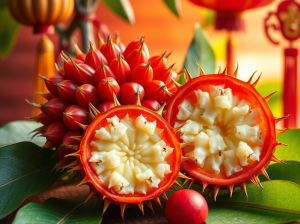
                  4. Cultural Significance of Elephant Apple in Southeast Asia

                    The elephant apple (Dillenia indica) was first formally described by Carl Linnaeus in the 10th edition of his Systema Naturae in 1759. That’s its botanical debut in Western science, but its cultural and culinary use stretches back much further in Southeast Asia.

                    In regions like India, Sri Lanka, and Bangladesh, elephant apple has long been used in traditional dishes, pickles, and Ayurvedic remedies. Its sour pulp is prized in chutneys and curries, and its medicinal properties—like aiding digestion and cooling the body—have been recognized for generations.

                    Its earliest uses were deeply rooted in culinary, medicinal, and ecological traditions across regions like India, Bangladesh, Sri Lanka, Thailand, and Malaysia.

                    Culinary UseCulinary Uses

                    Soups & Stews: In Thailand and Malaysia, it adds tartness to broths.

                    Chutneys & Curries: In Assam, Bengal, and Odisha, the sour pulp is cooked into tangy chutneys and gravies.

                    Pickles: Often preserved with mustard seeds and spices for digestive benefits.

                    Jams & Jellies: The fibrous pulp is sweetened and used in preserves.

                    In traditional Southeast Asian kitchens, the fruit’s sour pulp was a prized ingredient:

                    In Assam and Bengal, it was cooked into tangy curries and chutneys.

                    In Odisha, it featured in mustard-based gravies.

                    In Thailand and Malaysia, it was added to soups and stews for its tartness.

                    Its fibrous texture and sharp flavor made it ideal for balancing rich or spicy dishes.

                    Medicinal Use

                    Ayurvedic and folk medicine systems used elephant apple to:

                    Aid digestion

                    Reduce inflammation

                    Treat fevers and coughs

                    Act as a natural detoxifier

                    The bark, leaves, and pulp were all utilized in various remedies.

                    Elephant apple aids digestion in a few fascinating, time-tested ways—especially in traditional Southeast Asian and Ayurvedic practices:

                    1. Juice of the Ripe Fruit

                    The juice is often consumed in small amounts (about 5–15 ml) before or after meals. Its natural acids stimulate gastric secretions, helping break down food more efficiently and easing bloating or indigestion.

                    2. Chutneys and Pickles

                    In regions like Bengal and Assam, elephant apple is cooked into tangy chutneys or pickled with spices. These preparations not only preserve the fruit but also act as natural digestives, much like how tamarind or amla is used.

                    3. Decoction of Leaves or Bark

                    A mild decoction (boiled infusion) of the leaves or bark is sometimes taken to soothe the gut, especially in cases of diarrhea or sluggish digestion. The tannins in the bark have astringent properties that help tone the digestive tract.

                    4. Fiber-Rich Pulp

                    The fruit’s fibrous pulp adds bulk to stool and promotes regular bowel movements, making it helpful for constipation. However, it’s best consumed in moderation—too much can be heavy on the stomach

                    Ecological Role

                    Its name isn’t just poetic—wild elephants have long been drawn to the fruit, helping disperse its seeds across forests. This mutual relationship between the tree and megafauna shaped its spread throughout tropical Asia. Elephant apple (Dillenia indica) holds a quiet but meaningful place in spiritual and ritual traditions across South and Southeast Asia.

                    1. Protective Charms and Offerings

                    In parts of India and Bangladesh, the fruit was sometimes offered at village shrines or placed at the base of sacred trees. Its tough, spiky exterior was believed to ward off malevolent spirits, while its sour pulp symbolized purification and the expulsion of inner toxins—both physical and spiritual.

                    2. Ritual Cleansing and Ayurvedic Ceremonies

                    The juice or decoction of elephant apple was occasionally used in pre-ritual cleansing baths, especially in rural Ayurvedic traditions. It was thought to “cool the body and mind,” preparing individuals for spiritual focus or fasting.

                    3. Symbol of Fertility and Renewal

                    Because the tree thrives in monsoon climates and produces large, resilient fruit, it became a symbol of endurance and fertility. In some folk traditions, newly married couples were gifted elephant apples as a blessing for a fruitful union.

                    4. Forest Offerings and Animist Practices

                    In animist and tribal communities, elephant apple was left as an offering to forest spirits or guardian deities, especially in regions where elephants roamed. The fruit’s connection to elephants, who disperse its seeds, added a layer of reverence for nature’s cycles.

                    You’re going to love this elephant apple has some surprisingly quirky and under-the-radar uses that go way beyond chutneys and Ayurveda. Here are a few gems you might not have come across:

                    Natural Shampoo & Scalp Cleanser

                    In parts of Northeast India, the pulp is mixed with water to create a foamy lather that’s used as a natural shampoo. It’s especially valued for treating dandruff and an itchy scalp, thanks to its antimicrobial and cooling properties.

                    Oral Hygiene & Mouth Freshener

                    A decoction of the bark is used as a gargle for bad breath and oral thrush. The astringent tannins help tighten gum tissue and reduce inflammation, making it a traditional remedy for mouth ulcers.

                    Hair Regrowth Tonic

                    The juice or cold infusion of the fruit is applied to the scalp to stimulate hair growth and reduce hair fall. Folk remedies often combine it with hibiscus or neem for added potency.

                    Natural Dye & Ink Base

                    The bark and sepals contain tannins and pigments that have been used in traditional crafts to dye fabrics or create ink, especially in tribal communities where synthetic dyes weren’t available.

                    Insect Repellent in Paddy Fields

                    In Assam, farmers scatter elephant apple pulp in rice paddies as a natural pesticide. Its strong aroma and acidity deter pests without harming the soil or water.

                    Symbolic Use in Disease Prevention

                    Some communities place the fruit under beds or near doorways to ward off smallpox and cholera, believing its tough skin and sourness repel disease spirits

                    (The English name, elephant apple, came from the fact that in its native range, it is a quite popular fruit among local wild elephants. Fruits are enjoyed and distributed by wild elephants, thus the popular name Elephant Apple. Fruit can be consumed both in the ripe and unripe stages,” according to Sylvia at Health Benefits News (Healthbenefitstimes.com 2017)

                    Elephant apple fruit is reported to have medicinal properties; similarly, leaves and bark are also known for
                    various health-beneficial compounds. The fruit is rich in fibre, and due to the presence of adhesive substances,
                    the extraction of juice becomes tough. The elephant apple fruit is found to have numerous health benefits, viz.
                    Antimicrobial, inhibitor, Analgesic, anti-inflammatory drug, dysentery, Thepharmajournal.com, 2022

                  5. Exploring the Health Benefits of Egusi Seeds

                    Egusi has deep roots in West and Central Africa, where it’s been cultivated for centuries, especially in Nigeria, Ghana, Cameroon, and Sierra Leone. While the exact date of its discovery isn’t documented, its use is ancient and culturally significant, particularly among the Yoruba people, where the name “egusi” originates.

                    Traditional Uses of Egusi

                    Culinary Staple: Egusi seeds are primarily harvested from a bitter melon-like gourd. The fruit itself is inedible, but the seeds are rich in oil and protein. Traditionally, they’re ground into a paste to thicken soups and stews, most famously egusi soup, a beloved West African dish served with pounded yam, fufu, or eba.

                    Oil Extraction: The seeds are pressed to produce a flavorful oil used in cooking and sometimes in soap-making.

                    Medicinal Applications: In traditional medicine, egusi has been used to treat digestive issues, bacterial infections, and even diabetes. Its antioxidant-rich oil is also applied in Ayurvedic practices to promote hair growth and skin health4.

                    Cultural and Economic Role: Egusi farming is often managed by women, and the seeds serve as a vital source of income in many rural communities. The crop’s resilience and nutritional value make it a cornerstone of food security in the region

                    Egusi is more than just an ingredient; it’s a cultural keystone with layers of meaning that span kitchen, clinic, and community.

                    Egusi: A Cultural and Nutritional Bridge

                    Culinary Tradition At the heart of many West African dishes, egusi speaks the language of family and heritage. Whether ground into a silky paste for egusi soup or blended with leafy greens and meats, it evokes shared meals, ritual celebrations, and ancestral memory. It’s a flavor that tastes like home.

                    Nutritional Value Beneath its savory contribution is a nutritional powerhouse: egusi seeds are rich in protein, healthy fats (especially linoleic acid), essential minerals like magnesium and zinc, and B vitamins. In regions where animal protein is less accessible, egusi plays a critical role in maintaining dietary balance, especially for children and breastfeeding mothers.

                    Natural Healing Traditional healers have long tapped into egusi’s properties for medicinal purposes. From easing inflammation to aiding digestion and regulating blood sugar, its antioxidant-rich oil and fiber content make it a go-to remedy in holistic care. Some even apply the oil to promote glowing skin and strong hair.

                    Here’s a surprisingly rich body of research backing egusi’s traditional healing reputation, especially when it comes to its anti-inflammatory, antioxidant, and metabolic effects. Here’s a breakdown of what science has uncovered:

                    1. Anti-Inflammatory and Antioxidant Properties

                    Studies have shown that Citrullus colocynthis (egusi melon) contains methanol extracts that significantly reduce inflammation by inhibiting serotonin and prostaglandin-induced swelling. These extracts also stimulate the production of anti-inflammatory agents like carrageenan2.

                    Its antioxidant profile—rich in vitamin E, zinc, and selenium—helps neutralize free radicals, protecting cells from oxidative stress and supporting immune function.

                    2. Cardiovascular and Cholesterol Regulation

                    Egusi oil is high in linoleic and oleic acids, which are known to lower LDL (bad) cholesterol and support heart health. One study noted that egusi oil may inhibit lecithin: cholesterol acyltransferase, an enzyme involved in cholesterol metabolism, potentially reducing the formation of harmful cholesteryl esters.

                    3. Anti-cancer Potential

                    Cucurbitacin glycosides found in egusi have demonstrated anti-proliferative effects on cancer cells. In one study, these compounds induced apoptosis (cell death) and arrested the cell cycle in breast cancer cell lines, suggesting therapeutic potential.

                    4. Anti-diabetic and Metabolic Support

                    Egusi seeds contain insulinotropic compounds that may help regulate blood sugar. A 2011 study found that egusi extracts lowered blood glucose and cholesterol levels in diabetic models, supporting its use in managing type 2 diabetes.

                    5. Bone and Skin Health

                    Thanks to its high calcium, magnesium, and phosphorus content, egusi supports bone density and joint health. Its oil is also used topically to moisturize skin and reduce signs of aging, due to its vitamin B2 and niacin content.

                    Egusi: Seeds of Nourishment, Stories of Survival

                    In the warm kitchens of West Africa, the aroma of egusi soup is more than a hunger trigger—it’s an ancestral echo. With every spoonful of this golden, ground melon seed, families pass down recipes, rituals, and resilience. But what was once simply considered tradition is now catching the attention of science.

                    Where Culture Meets Chemistry

                    For centuries, egusi (Citrullus colocynthis and related varieties) has thickened stews, nourished mothers, and soothed ailments. Yoruba communities knew its worth long before any lab confirmed it. Now, studies are showing:

                    • Antioxidant compounds, including selenium and vitamin E, combat oxidative stress.
                    • Linoleic acid, a heart-friendly fat, contributes to cholesterol regulation.
                    • Cucurbitacin glycosides, once preserved in oral healing lore, now show promise as anti-cancer agents in breast cancer research.
                    • And in rural clinics, egusi paste isn’t just food—it’s used to treat wounds, improve digestion, and restore energy in undernourished children.

                    Women’s Work, Global Wisdom

                    Egusi farming, mostly led by women, supports not just households but whole economies. It’s a living symbol of how indigenous knowledge and agricultural sustainability go hand in hand. These women are farmers, healers, business owners, and culture-bearers all in one

                    While egusi is packed with nutrients and cultural significance, there are a few groups who might want to approach it with caution:

                    1. People with seed or nut allergies

                    Egusi seeds come from a melon but share some characteristics with nuts and seeds. Those with allergies to pumpkin seeds, sunflower seeds, or tree nuts should consult a healthcare provider before consuming egusi.

                    2. Individuals with high cholesterol or heart conditions

                    Egusi is naturally rich in healthy fats, but when prepared traditionally—especially with excessive palm oil or deep frying—it can become high in saturated fats. Overconsumption in this form may raise LDL cholesterol levels.

                    3. Those managing weight or blood sugar

                    While egusi has fiber and protein that support satiety and blood sugar regulation, portion control is key. Overeating egusi soup—especially when paired with heavy starches like fufu or eba—can contribute to weight gain or blood sugar spikes if not balanced properly.

                    4. People with digestive sensitivities

                    Egusi is high in oil and fiber, which can be tough on sensitive stomachs. If someone experiences bloating or indigestion, they might want to try smaller portions or a lighter preparation method (like steaming or boiling instead of frying).

                    5. Anyone on a low-fat or low-oxalate diet

                    Because egusi is rich in fats and certain minerals, it may not align with specialized diets for conditions like gallbladder disease or kidney stones—again, best to check with a dietitian.

                    Thanks to the growing popularity of West African cuisine, you can find egusi seeds and even ready-made egusi soup in several places:

                    Grocery Stores & Markets

                    • Whole Foods Market carries prepared egusi soup under brands like Ayo Foods.
                    • Kroger and other large chains sometimes stock ground egusi in their international or African foods section.

                    Online Retailers

                    • Amazon offers egusi soup kits like Egusi Soup Made Easy by HATF’s Shepherd’s Natural, which includes pre-measured ingredients and cooks in about 20 minutes.
                    • Instacart partners with local stores to deliver ground egusi directly to your door.

                    Specialty African Stores

                    • Shops like Suya Suya and other African grocery stores in cities like New York, Atlanta, and Houston often carry both raw egusi seeds and prepared dishes.

                    While egusi offers nutritional and therapeutic benefits, it’s always best to consult a healthcare professional before adding it to your diet, especially if you have known allergies, digestive sensitivities, or are taking medication that may interact with natural oils or herbs.

                    I have a bonus for you. This Nigerian Egusi Soup recipe will show you how to make this popular West African soup with melon seeds.

                    egusi-soup

                  6. Health Benefits of Eggplant: The Nutritional Powerhouse

                    Did you know that Eggplant might play the part of a veggie on your plate, but botanically speaking, it’s a fruit, specifically a berry. That’s because it develops from the flower of the eggplant plant and contains seeds.

                    Nature’s got a way of blurring those culinary lines. Same goes for tomatoes, cucumbers, and even bell peppers—they’re all fruits masquerading as vegetables in the kitchen. Makes you wonder what else in the produce aisle has a secret identity, doesn’t it?

                    Origins and Early Use

                    Eggplants (Solanum melongena) are believed to have originated in Africa, with wild ancestors like Solanum linnaeanum playing a key role in their evolution. African eggplant—often called garden egg or Solanum aethiopicum—has a long-standing role in traditional African medicine, Brinder. Its uses span across regions and ailments, blending botanical wisdom with cultural practice. Here’s a look at how it’s been used medicinally:

                    Traditional Medicinal Uses in Africa

                    1. Digestive and gastrointestinal relief:

                    • Crushed fruits were used to treat constipation.
                    • Leaves and roots were boiled to make teas for stomach ailments, including gas and indigestion.
                    • In Kenya, juice from boiled roots was consumed to expel hookworms.

                    2. Sedative and calming effects:

                    • Leaf juice was used as a sedative for urinary tract discomfort.
                    • Extracts mixed with alcohol were used as an antiemetic (to prevent vomiting), anxiolytic (to ease anxiety), and even to treat tetanus after abortion-related complications.

                    3. Cardiovascular and metabolic support:

                    • The fruit and roots were used to help manage high blood pressure.
                    • Some communities used it to support blood sugar regulation, especially in type 2 diabetes, thanks to its fiber and antioxidant content.

                    4. Topical and oral remedies:

                    • Crushed leaves were applied to the skin for infections and gastric issues.
                    • Powdered or ashed parts of the plant were used to treat toothaches, bronchitis, and even cholera.

                    What’s fascinating is how different parts of the plant—leaves, roots, fruits, even ash—were used for specific ailments. It’s a great example of how indigenous knowledge systems tapped into the full potential of a plant long before modern pharmacology caught up.

                    (How Does An African Eggplant Look?Healthline.com/nutrition African eggplants can grow up to two meters (6.6 feet). They have alternating, leafy blades that can grow up to 30 centimeters in length and 21 centimeters wide and have smooth or lobed margins. The African eggplant produces 12 white flowers that develop into egg-shaped berries. Berries may be smooth or grooved and red or orange in color, depending on the variety of plant.)

                    From there, they spread eastward and were domesticated independently in both India and China, likely over 2,000 years ago.

                    The earliest written records of eggplant use appear in Chinese texts from around 59 BC, where they were already being cultivated and selectively bred for better flavor and appearance. In traditional Chinese medicine (TCM), eggplant (Solanum melongena) has been used medicinally for centuries—its earliest documented use dates back to around 100 BC, where it was valued not just as food but as a healing agent.

                    Medicinal Uses in Ancient China

                    1. Treating fever and inflammation: Eggplant was believed to help reduce internal heat. Its “cooling” nature made it ideal for treating fevers, especially those accompanied by chills, and for soothing inflammation.

                    2. Promoting blood circulation and relieving pain: Texts like the Compendium of Materia Medica from the Ming Dynasty describe eggplant as a remedy to disperse blood stagnation, relieve swelling, and ease pain, particularly in cases of bruises or abscesses.

                    3. Supporting digestive health: Eggplant was used to broaden the intestines—a poetic way of saying it helped relieve constipation and promote smoother digestion.

                    4. Healing wounds and skin conditions: The roots, leaves, and fruit were applied topically or consumed to treat sores, abscesses, and toothaches, and to reduce swelling from injuries.

                    5. Balancing internal energy (Qi): In TCM philosophy, eggplant’s cooling essence was thought to clear heat from the digestive system, helping the body maintain balance, especially during hot seasons.

                    It’s fascinating how these ancient insights align with modern findings on eggplant’s antioxidant and anti-inflammatory properties.

                    In India, Ayurvedic texts from around 100 BC—particularly the Charaka Samhita and Sushruta Samhita—offer some of the earliest documented insights into the medicinal use of plants like eggplant (Vartaku in Sanskrit), Brinder. These texts don’t just list ingredients—they weave them into a holistic framework of body, mind, and environment.

                    Eggplant in Classical Ayurveda

                    1. Digestive aid: Eggplant was used to stimulate agni (digestive fire) and relieve constipation. Its light, slightly bitter nature made it suitable for balancing kapha and vata doshas when prepared properly.

                    2. Blood purification and detoxification: It was believed to help cleanse the blood and support liver function, especially when cooked with spices like turmeric and cumin.

                    3. Skin and wound care: Topical applications of roasted or mashed eggplant were used to soothe boils, abscesses, and minor wounds, aligning with its anti-inflammatory properties.

                    4. Reproductive and urinary health: Some formulations used eggplant to support reproductive vitality and ease urinary discomfort, often in combination with other herbs.

                    What’s remarkable is how these ancient uses echo what modern science is now validating, like its antioxidant and anti-inflammatory effects.

                    Cultural Spread

                    By the 6th century AD, eggplants had made their way to the Middle East via trade routes like the Silk Road. From there, Arab traders introduced them to Europe, where they were met with suspicion—Europeans once believed eggplants could cause madness, hence the nickname “mad apple”.

                    So while eggplants may seem like a humble kitchen staple today, their journey spans continents, cultures, and centuries.

                    Eggplant in the United States

                    1. Where they grow best: Eggplants thrive in warm climates, so they’re primarily cultivated in New Jersey, California, Florida, and Georgia. Among these, New Jersey leads the nation, producing around 16 million pounds annually, especially in the southern part of the state.

                    2. Varieties and diversity: U.S. farms grow a wide range—Italian, Sicilian, Indian, Japanese, striped, white, and even fairy tale eggplants. This diversity supports both ethnic cuisines and creative culinary trends.

                    3. Seasonality: Eggplants are typically grown from May through October, with peak harvests in July and August. They’re annuals here, sensitive to frost, and need warm soil to thrive.

                    4. Market and consumption: About 98% of U.S.-grown eggplants are sold fresh, with the rest going into frozen meals and dips. On average, Americans consume about 1 pound per person per year, which is modest compared to global trends.

                    5. Cultural evolution: Initially grown more for ornament than food, eggplants gained popularity as hybrid varieties were developed to resist bruising and ship better. Their acceptance grew alongside America’s expanding culinary palate.

                    Health Benefits of Eggplant

                    1. Rich in antioxidants: Especially nasunin, found in the purple skin, which helps protect cells from damage and supports brain health.

                    2. Supports heart health: Eggplant contains fiber, potassium, and vitamin B6, all of which contribute to cardiovascular wellness. Its antioxidants also help reduce LDL (bad) cholesterol.

                    3. Blood sugar management: The fiber and polyphenols in eggplant may help regulate blood sugar levels by improving insulin sensitivity and slowing sugar absorption.

                    4. Weight-friendly: Low in calories and high in fiber, eggplant can help with satiety and support healthy weight management.

                    5. Gut-friendly fiber: The skin and flesh promote digestive health by feeding good gut bacteria and preventing constipation.

                    6. Cancer-fighting compounds: Some lab studies suggest that solasodine rhamnosyl glycosides (SRGs) in eggplant may help fight certain cancers, but more research is needed.

                    Eggplants are a nutrient-rich food that contains fiber, vitamins, and minerals. They may benefit your overall health, including your heart.

                    Learn More: Eggplants, also known as aubergines, belong to the nightshade family of plants and are used in many different dishes around the world.Healthline.com

                    Recipe found on WebMDBelow is a recipe to prepare African eggplant with Okra for six people. It only takes around 30 minutes.

                     Ingredients

                    • Two big tomatoes
                    • Two eggs
                    • Two carrots
                    • ¼ kg okra
                    • ½ kg African eggplant
                    • 2 cups water
                    • Two onions
                    • Eight tablespoons of cooking oil
                    • Salt

                    Preparation

                    • Wash, peel, and chop the tomatoes.
                    • Wash and chop the onions.
                    • Wash, peel, and cut the carrots lengthwise.
                    • Wash the okra and remove the ends.
                    • Wash the eggplant and remove the stems.
                    • Fry the onions lightly in oil until they start to change color. Add tomatoes and salt, then stir until they soften to form a thick syrup.
                    • Add the African eggplant, okra, and carrots. Stir well.
                    • Add water, cover the pan for 10 to 15 minutes, and simmer until the vegetables are soft.
                    • Whisk the eggs until they bubble, then add in the vegetables while stirring slowly for 5 minutes.
                    • Season to taste. Serve hot.

                    What Causes Bitterness in African Eggplants?

                    Alkaloids in African eggplants give it its bitter taste, and researchers have insisted that it should be eaten in small quantities. This is because some species contain poisonous alkaloids that may cause diarrhea and excess calcium deposition in body tissues.

                  7. Elderberry Uses: Benefits and Precautions

                    Elderberry, from the Sambucus genus—most notably Sambucus nigra—is a small, dark purple fruit that grows on the elder tree, native to Europe and North America. It’s been a staple in traditional medicine for thousands of years, prized for its immune-boosting and antiviral properties.

                    The earliest known medicinal use of elderberry dates back to Ancient Egypt around 2000 BCE, where it was used for healing burns and improving complexion. By 400 BCE, Hippocrates, the famed Greek physician, referred to the elder tree as his “medicine chest” because of its wide range of applications. Indigenous peoples of North America also used elderberry to treat infections and fevers, while in medieval Europe, it was blended into syrups and tonics for colds, flu, and even the plague.

                    Over time, elderberry remedies evolved—from “Rob” syrups in 17th-century France and England to modern-day supplements like gummies and syrups. Today, elderberry is still celebrated for its antioxidant-rich profile and potential to reduce the duration of cold and flu symptoms

                    Elderberry continues to earn its place in modern wellness circles thanks to a rich profile of nutrients and bioactive compounds. Here’s a breakdown of its most recognized health benefits today:

                    Immune Support

                    Elderberries are packed with vitamin C, flavonoids like quercetin, and anthocyanins—compounds that help strengthen the immune system. Studies suggest elderberry extract may reduce the duration and severity of cold and flu symptoms when taken at the onset of illness2.

                    Antioxidant Power

                    The deep purple hue of elderberries comes from anthocyanins, potent antioxidants that help neutralize free radicals and reduce oxidative stress. This may contribute to lower inflammation and a reduced risk of chronic diseases like heart disease and cancer3.

                    Heart Health

                    Elderberry’s fiber and polyphenols may help lower cholesterol and blood pressure. Some research suggests it can reduce uric acid levels, which are linked to hypertension.

                    Gut and Digestive Health

                    With about 7–10 grams of fiber per cup, elderberries support digestion and gut health. They also act as prebiotics, feeding beneficial gut bacteria2.

                    Skin and Aging

                    Thanks to their antioxidant and vitamin A content, elderberries may help protect skin from oxidative damage, reducing signs of aging like wrinkles and uneven tone.

                    Blood Sugar Balance

                    Preliminary studies suggest elderberry may help regulate glucose metabolism, potentially aiding in blood sugar control for people with diabetes.

                    Respiratory Relief

                    Elderberry has traditionally been used to ease coughs and sore throats. Modern studies support its use in reducing symptoms of upper respiratory infections, especially when taken early.

                    Just a heads-up: raw elderberries and other parts of the plant (like leaves and stems) are toxic and must be cooked to be safe.

                    Treating acne

                    Elderberry fruit contains high levels of flavonoids, which means it might have anti-inflammatory and antioxidant properties. These help to protect healthy cells from harmful free radicals that play a role in skin problems.

                    The American Nutrition Association (ANA) suggests that using an elderberry face wash can help fight acne because of its antiseptic effects. Read More: Medicalnewstoday

                    Elderberries can be incredibly beneficial when prepared properly, but they’re not for everyone. Here’s who should steer clear—or at least proceed with caution:

                    1. People with Autoimmune Conditions

                    Elderberry stimulates the immune system, which can be risky for those with autoimmune diseases like lupus, multiple sclerosis, or rheumatoid arthritis. It may trigger flare-ups or interfere with medications that suppress immune activity.

                    2. Pregnant and Breastfeeding Women

                    There’s not enough reliable research on elderberry’s safety during pregnancy or lactation. Because of its immune-activating properties and potential for contamination with toxic plant parts, it’s best avoided unless approved by a healthcare provider.

                    3. Children Under 5

                    Young children are more sensitive to the compounds in elderberries, especially if they’re not properly cooked. Their digestive systems may react more strongly to even small amounts of toxins.

                    4. People Taking Certain Medications

                    Elderberry may interact with:

                    • Diabetes medications (they can lower blood sugar)
                    • Diuretics and laxatives
                    • Immunosuppressants
                    • Steroids
                    • Chemotherapy drugs. Always consult a doctor if you’re on any of these.

                    5. Anyone Eating Raw or Unripe Elderberries

                    Raw berries, leaves, stems, and roots contain cyanogenic glycosides, which can release cyanide in the body. This can cause nausea, vomiting, diarrhea, and even more serious symptoms if consumed in large amounts

                    Elderberry is generally considered safe when properly prepared, but it can interact with certain medications—especially those that affect the immune system, blood sugar, or liver. Here’s a breakdown of the most relevant interactions:

                    1. Immunosuppressants

                    Elderberry stimulates immune activity, which can counteract medications designed to suppress the immune system. This includes drugs like:

                    • Cyclosporine
                    • Tacrolimus
                    • Prednisone
                    • Methotrexate

                    These are often used after organ transplants or for autoimmune conditions like lupus or rheumatoid arthritis.

                    2. Diabetes Medications

                    Elderberry may lower blood sugar, so combining it with insulin or oral hypoglycemics like metformin, glipizide, or glyburide could increase the risk of hypoglycemia (low blood sugar).

                    3. Diuretics and Laxatives

                    Because elderberry has mild diuretic effects, it may amplify the effects of medications that increase urination or bowel movements, potentially leading to dehydration or electrolyte imbalances.

                    4. Chemotherapy and Liver-Metabolized Drugs

                    Elderberry may affect liver enzymes (like cytochrome P450), which could alter how the body processes certain medications. One example is pazopanib, a cancer drug, which may have increased liver toxicity when taken with elderberry.

                    5. Steroids

                    Since elderberry can activate the immune system, it may reduce the effectiveness of corticosteroids like dexamethasone or methylprednisolone, which are used to reduce inflammation or suppress immune responses.

                    While most interactions are considered mild, it’s always wise to consult a healthcare provider, especially if you’re taking multiple medications or managing a chronic condition.

                    According to Webmd.com, Pregnancy and breastfeeding: There isn’t enough reliable information to know if elderberry extract is safe to use when pregnant or breastfeeding. Stay on the safe side and stick to food amounts.

                    Autoimmune diseases” such as multiple sclerosis (MS), lupus (systemic lupus erythematosus, SLE), rheumatoid arthritis (RA), or other conditions: Elderberry might cause the immune system to become more active. This could increase the symptoms of autoimmune diseases. If you have one of these conditions, it’s best to avoid using elderberry.

                    SUMMARY: Elderberry’s natural appeal can sometimes overshadow its potential risks when mixed with medications. Here are the key precautions to keep in mind:

                    1. Consult Your Healthcare Provider First

                    Before adding elderberry to your routine, especially if you’re on prescription meds, talk to your doctor or pharmacist. They can help you assess potential interactions based on your full medication list and health history.

                    2. Watch for Immune System Interactions

                    If you’re taking immunosuppressants (like cyclosporine, methotrexate, or prednisone), elderberry could counteract their effects by stimulating immune activity.

                    3. Monitor Blood Sugar Closely

                    Elderberry may lower blood sugar, so if you’re on diabetes medications like insulin or metformin, there’s a risk of hypoglycemia. Regular glucose monitoring is essential.

                    4. Be Cautious with Diuretics and Laxatives

                    Elderberry has mild diuretic effects, which can amplify the impact of water pills or laxatives, potentially leading to dehydration or electrolyte imbalances.

                    5. Avoid Raw or Unripe Elderberries

                    Never consume elderberries raw or unripe—they contain cyanogenic glycosides, which can release cyanide and cause nausea, vomiting, or worse. Always use properly cooked or commercial preparations.

                    6. Limit Use During Pregnancy or Breastfeeding

                    There’s not enough reliable data on elderberry’s safety during pregnancy or lactation. Best to avoid unless your healthcare provider gives the green light.