I’m Brinder, a visionary curator and founder of EJADA Specialty Merchandise, ZAREL, and BJG DESIGNS. My entrepreneurial journey began in March 1996, starting with catalog sales and evolving into dropshipping, e-commerce, and creative direction. Through every chapter—whether facing health challenges, competing against larger companies, or refining my craft—I’ve carried forward the wisdom my father shared before he passed: “Everything is just a dream away.”
✨ EJADA Specialty Merchandise
Founded in honor of my father, EJADA represents resilience and legacy. It’s a testament to never giving up, even when life placed obstacles in my path.
🌱 ZAREL
ZAREL continues that legacy with renewal and growth. It embodies creativity, fair pricing, and quality products designed to stand out in a world of mass production. ZAREL is proof that persistence and vision can transform challenges into opportunities.
🎨 BJG DESIGNS
BJG DESIGNS is the creative force behind bold typography, motivational one-liners, and signature motifs. Available on t-shirts, hoodies, sweatshirts, color-changing mugs, accent mugs, hats, and cinch backpacks, BJG DESIGNS gives customers a wide choice of selection while staying true to uniqueness and style.
💡 My Philosophy
I believe in quality, uniqueness, and fair pricing. I believe in building products that carry meaning. Most importantly, I believe with Family and Friend Support, this year could be the turning point—a year where resilience becomes renewal, and where every dream moves closer to reality.
Together, EJADA, ZAREL, and BJG DESIGNS show that with resilience, vision, and community, everything truly is just a dream away
🍎 The Honeycrisp Apple: Cultivation Origins and Creators
The Honeycrisp apple, now a beloved staple in grocery stores, has a fascinating backstory rooted in scientific innovation and a bit of serendipity:
🌱 Origin & Development
Developed by: The University of Minnesota’s Horticultural Research Center, part of the Minnesota Agricultural Experiment Station.
Initial crossbreeding: Began in 1960 as part of a cold-hardy apple breeding program.
Key figures: Dr. David Bedford and Jim Luby led the development efforts.
Test designation: Originally labeled MN1711 in 1974.
Patented: In 1988 (U.S. Plant Patent 7197), with commercial release in 1991.
First consumer availability: Fall of 1997, when Pepin Heights Orchards brought it to market.
🧬 Genetic Lineage
Parentage: Initially believed to be a cross between Macoun and Honeygold, but later DNA testing revealed:
One parent was Keepsake (itself a hybrid of Frostbite and Northern Spy).
The other was an unreleased University of Minnesota variety, MN1627, descended from Duchess of Oldenburg and Golden Delicious.
🍏 Honeycrisp Apple: isn’t just a fan favorite for its juicy crunch and sweet-tart balance—it’s also a nutritional powerhouse. Here’s a breakdown of its health benefits and nutritional profile:
🧪 Nutritional Facts (per medium apple, ~200g)
Nutrient
Amount
Benefits
Calories
~95 kcal
Low-calorie, energy-boosting snack
Carbohydrates
~25g
Natural sugars (fructose) for quick energy
Dietary Fiber
~4.4g (16% DV)
Supports digestion, satiety, and blood sugar regulation
Sugars
~19g
Naturally occurring, not added sugars
Protein
~0.5g
Minimal, typical for fruit
Fat
~0.3g
Virtually fat-free
Potassium
~195mg (4% DV)
Helps regulate blood pressure and muscle function
Vitamin C
~8mg (10–14% DV)
Boosts immunity, skin health, and wound healing
Calcium & Iron
Trace amounts
Supports bone and blood health
🌿 Health Benefits
Heart Health: High in fiber and potassium, which support cardiovascular function.
Weight Management: Low in calories and high in fiber, helping you feel full longer.
Digestive Health: Soluble fiber aids in gut health and regularity.
Antioxidant Power: Contains polyphenols and vitamin C that combat oxidative stress.
Blood Sugar Regulation: Despite their sweetness, the fiber helps slow sugar absorption.
🍽️ How to Enjoy Honeycrisp Apples
Raw as a snack or salad topper
Baked into crisps, cobblers, or muffins
Sliced with nut butter or cheese
Juiced or blended into smoothies
Roasted with root vegetables or pork
Culturally Inspired Honeycrisp Apple & Date Chutney with Spiced Millet Flatbread
🌍 Cultural Roots
This recipe draws inspiration from North African and South Asian culinary traditions, where fruit-based chutneys and spiced flatbreads are staples. By using Honeycrisp apples, we add a crisp, modern twist to a time-honored pairing of sweet, savory, and spice.
🥣 Honeycrisp Apple & Date Chutney
Ingredients:
2 Honeycrisp apples, peeled and diced
½ cup Medjool dates, pitted and chopped
1 small red onion, finely chopped
1 tbsp grated fresh ginger
1 tsp mustard seeds
½ tsp ground cinnamon
¼ tsp cayenne pepper (optional)
½ cup apple cider vinegar
2 tbsp jaggery or brown sugar
Pinch of salt
Instructions:
In a saucepan, heat a splash of oil and toast mustard seeds until they pop.
Add onion and ginger; sauté until soft.
Stir in apples, dates, spices, vinegar, sugar, and salt.
Simmer uncovered for 20–25 minutes, stirring occasionally, until thickened.
Cool and store in a jar—flavors deepen after a day.
🍞 Spiced Millet Flatbread (Bajra Roti Twist)
Ingredients:
1 cup millet flour (bajra)
¼ cup whole wheat flour
½ tsp turmeric
½ tsp carom seeds (ajwain)
Warm water, as needed
Salt to taste
Instructions:
Mix dry ingredients, then slowly add warm water to form a soft dough.
Divide into small balls, roll out gently, and cook on a hot skillet until golden on both sides.
Brush with ghee or olive oil if desired.
🧠 Why It Works Nutritionally
Honeycrisp apples: High in fiber and vitamin C, with a low glycemic load.
Dates: Natural sweetness, rich in potassium and antioxidants.
Millet: Gluten-free, high in magnesium and protein.
Spices: Anti-inflammatory and digestion-boosting.
📊 Who Should Avoid or Limit Honeycrisp Apples?
🚫 Group
⚠️ Reason
✅ Safer Alternatives
Allergy sufferers (OAS)
Cross-reactivity with birch pollen proteins
Cooked apples, pears, or tropical fruits
Sensitive stomachs
High fiber and acidity may cause bloating or discomfort
Bananas, papaya, or steamed apples
Fructose malabsorption
Apples are high in fructose, which can trigger IBS symptoms
Berries, citrus, or kiwi
Pesticide-conscious eaters
Conventionally grown apples may carry pesticide residues
Organic apples or thick-skinned fruits
Diabetics
High natural sugar content can spike blood glucose
Pair with nuts or choose lower-GI fruits
📝 Pro Tip for EJADA Readers:
Encourage mindful eating by pairing Honeycrisp apples with protein (like almonds or yogurt) to slow sugar absorption and enhance satiety.
“You know the age-old health aphorism: ‘An apple a day keeps the doctor away.” Although no one food can keep disease at bay, apples are nutritious fruits that may help your weight-loss efforts and offer a variety of other health benefits. But should you really be eating an apple a day, or is it possible to get too much of a good thing and turn the advantages into disadvantages?”
🏆 Legacy
Purpose: Bred not for storage or shipping, but for taste—a crisp texture with a balance of sweetness and acidity.
Recognition: It became the official state fruit of Minnesota and one of the top five most-produced apple varieties in the U.S.
🍏 Final Thoughts: The Honeycrisp Apple in a Global Wellness Context
From its Midwestern roots at the University of Minnesota to its global appeal in kitchens and markets, the Honeycrisp apple is more than just a fruit—it’s a symbol of innovation, flavor, and health. Its crisp texture and balanced sweetness make it a favorite across cultures, while its nutritional profile supports digestion, heart health, and immunity.
Yet, like all foods, it’s not for everyone. Whether due to allergies, digestive sensitivities, or dietary restrictions, understanding who should avoid or limit Honeycrisp apples empowers readers to make informed, inclusive choices.
By pairing this modern cultivar with traditional ingredients—like dates, millet, or warming spices—we bridge the gap between science and heritage, creating recipes that nourish both body and story.
The Himsagar mango traces its roots to the Murshidabad district of West Bengal, where it has been cultivated for centuries. Its original name, Khirsapati, is still used in parts of Bangladesh to refer to this fiberless, aromatic variety. Over time, cultivation spread to adjacent districts such as Malda, Nadia, and Hooghly in West Bengal, as well as Bihar and Odisha, due to the fruit’s exceptional taste and high market value.
Murshidabad’s association with mango cultivation dates back to the Mughal era, when Nawab Murshid Quli Khan established large orchards to promote the fruit, thereby cementing the region’s reputation for premium mango varieties. The tradition of grafting and selective breeding in these orchards fostered the development of Himsagar’s distinct characteristics—medium fruit size, smooth thin peel, and fiberless deep yellow-orange flesh.
The quest for intellectual property protection culminated in Himsagar receiving the Geographical Indication (GI) tag under India’s Geographical Indications Registry (G.I. Registration No. 112). This formal recognition not only safeguards the unique identity of Himsagar mangoes but also enhances the socio-economic status of growers in its native regions by preventing misuse of the name by unauthorised producers.
Cultural Significance
Role in Bengali Heritage and Festivals
In Bengali culture, Himsagar holds a revered place as the “champagne of mangoes,” symbolising summer’s bounty and hospitality. During festivals like Jamai Sasthi, mangoes are gifted to sons-in-law alongside vermilion and sweets to strengthen familial bonds and express gratitude to deities for prosperity. Similarly, fresh Himsagar slices adorn puja thalis during Durga Puja and Rath Yatra, underscoring its status as an auspicious offering in spiritual practices.
Literary References and Folklore
The quintessence of Bengal’s literary heritage is often enriched by Himsagar’s poetic allure. Renowned poets such as Rabindranath Tagore and Jibanananda Das extol its fragrance and sweetness to evoke nostalgia and the intensity of Bengali summers. Folklore frequently employs the mango tree as a metaphor for wisdom and joy, weaving love stories around Himsagar’s intoxicating aroma and fiberless pulp as symbols of unblemished devotion.
Culinary Uses in Bengali Cuisine
Himsagar’s fiberless texture and creamy consistency make it the ideal fruit for traditional Bengali delicacies. It is indispensable in preparing aam doi (mango yogurt) and mishit doi (sweet curd), where its pulp blends seamlessly with dairy to produce velvety desserts. Refreshing beverages such as aam panna (mango cooler) and aam mesele (mango-infused water) leverage Himsagar’s rich sweetness and aroma, offering relief from the summer heat while showcasing the mango’s culinary versatility.
Agricultural and Trade Impact
Cultivation Conditions and Agronomy
Himsagar thrives in tropical and subtropical climates, particularly in alluvial soils with good drainage and a slightly acidic pH. Optimal growth occurs at temperatures between 24 °C and 35 °C, with annual rainfall of 1,500 mm and distinct dry spells for flowering, followed by wet periods during fruit development. According to ICAR studies, medium-density planting and drip irrigation enhance yield, while organic mulch and pest-resistant rootstocks reduce disease incidence and boost fruit quality.
Impact in West Bengal
West Bengal accounts for a significant portion of India’s mango acreage, with districts like Malda, Murshidabad, and Nadia renowned for high-yield Himsagar orchards. However, adverse weather in 2024 led to a 60 % drop in production, pushing wholesale prices up by 50–80 % and hampering exports due to price disagreements with overseas buyers in the UK and UAE. Domestic demand remained robust, evidenced by 17 tonnes of Malda mangoes fetching ₹100–150/kg at the Delhi Mango Festival, highlighting strong local market resilience.
Impact in Bihar
In Sitamarhi, Bihar, farmers like Pappu Thakur have shifted to Himsagar cultivation, drawn by the variety’s consistent annual yields and high market prices of ₹250–333/kg in 2025. With organic manure and neem cake applications, yields of 4 – 6 tonnes/ha are typical, supporting incomes upwards of ₹4 lakh per hectare during peak season.
Impact in Odisha
Odisha’s mango sector, contributing 60 % of the state’s fruit cultivation, showcased Himsagar among other “Amber” varieties at a government exhibition in Bhubaneswar in May 2025. State initiatives in post-harvest management and FPO-led export facilitation boosted farmers’ incomes by over 60 %, with shipments reaching London, Dubai, and Belgium for the first time. Despite logistical challenges, improved grading, ripening chambers, and cold storage have enhanced Odisha’s role in the international mango trade.
Domestic Trade and Market Distribution
Within India, Himsagar dominates summer markets in Kolkata, New Delhi, and Mumbai, where local festivals like the Bengal Mango Utsav attract connoisseurs eager to sample over 40 varieties, including Himsagar’s golden pulp and smooth neck shape. Urban e-commerce platforms such as BongMela and BigBasket offer direct farm-to-door delivery, expanding rural producers’ reach to national consumers while ensuring authenticity and freshness.
Export Potential and International Trade
Indian mango exports reached US$48 million in April–August 2023, a 19 % increase year-on-year, with Himsagar among the four varieties pre-cleared by APHIS for the US market. APEDA’s global promotions in Brussels and Malaysia have spotlighted Himsagar alongside Banganapalli and Kesar, diversifying markets to Japan, New Zealand, and South Africa.
Economic Impact on Local Communities
Himsagar’s harvest season generates seasonal employment in harvesting, grading, and packing, with each hectare employing 40–50 workers during peak months. Orchard wages and farm gate prices support rural livelihoods, with farmers reinvesting in drip irrigation and organic certification to meet growing demand. E-tail partnerships with e-commerce platforms have delivered ₹2 – 3 crore in sales per campaign, bolstering village economies and enabling youth engagement in agro-entrepreneurship.
Challenges in Production and Trade
Key obstacles include climatic variability, pest resurgence (e.g., fruit flies, powdery mildew), and post-harvest losses due to inadequate cold chain infrastructure. The 2024 heatwave in Malda obliterated 60 % of the output, straining growers financially and disrupting export negotiations. Unpredictable airfare and container shortages have inflated export costs, pressuring pulp processors and reducing farmgate prices by ₹4–5/kg during off-cycles.
Comparison with Other GI-Tagged Mango Varieties
Variety
Geographic Origin
Cultural Status
Economic Impact
Himsagar
Murshidabad, West Bengal
Bengali heritage icon
High domestic price, growing exports
Alphonso (Hapus)
Ratnagiri–Sindhudurg, Maharashtra
“King of Fruits”
Premium export revenue (US$ 3 M)
Dasheri
Malihabad, Uttar Pradesh
Historic orchards
Widespread retailer sales
Banganapalli
Andhra Pradesh
“Big B” of mangoes
Major e-commerce bestseller
Premium export revenue (US$3 M)
Malda, West Bengal
Largest, aromatic
Pulp processing, export to UAE
Langra
Bhagalpur, Bihar
Tangy-sweet staple
School of domestic markets (₹80/kg)
Kesar
Girnar, Gujarat
“Sweet Gold”
Saffron-like pulp yield
Fazli
Odisha
Export-oriented
€1–2/kg premium markets
Key Takeaways
Himsagar mango’s fiberless, buttery flesh and fragrant sweetness have earned it the GI tag and entrenched its status in Bengali culture.
Climatic resilience through improved agronomic practices is essential to mitigate production risks in West Bengal, Bihar, and Odisha.
Domestic and global markets show robust demand, but logistical and infrastructure enhancements are critical for maximizing export potential.
Community economic development through seasonal employment, orchard income, and e-commerce partnerships underscores Himsagar’s impact on rural livelihoods.
By safeguarding traditional cultivation methods, investing in storage and transport, and promoting Himsagar through international channels, stakeholders can ensure this prized mango variety continues to thrive as a symbol of Bengal’s cultural and economic heritage.
Vitamin C is the standout nutrient, making hawthorn berries a great natural immune booster and skin supporter.
Antioxidants like quercetin and oligomeric proanthocyanidins (OPCs) contribute to cardiovascular and anti-inflammatory benefits.
Vitamin A, though modest in amount, adds to its value for eye and skin health.
🍽️ Culinary & Traditional Uses
Edibility: The berries are tart-sweet and can be eaten raw or cooked.
Traditional Foods: Used in jellies, wines, syrups, and teas.
Cultural Use: In Chinese medicine, hawthorn has been used since at least 659 A.D. for digestion and heart health.
Native American Use: Tribes consumed the berries and used them for gastrointestinal and cardiac ailments.
🍽️ Edibility of Hawthorn Berries
✅ Safe to Eat
Raw: The ripe berries (usually red) are edible raw, though they have a tart-sweet flavor and a mealy texture.
Cooked: Commonly used in jellies, jams, syrups, wines, and teas.
Seeds: Should be avoided in large quantities as they contain amygdalin, which can release cyanide when metabolized, similar to apple seeds.
🍵 Traditional Culinary Uses
China: Used in hawthorn flakes, tanghulu (candied fruit), and digestive teas.
Europe: Made into wines, preserves, and even hawthorn ketchup.
North America: Indigenous groups used them in pemmican and medicinal stews.
⚠️ Caution
Unripe berries may cause mild stomach upset.
Overconsumption can lead to dizziness or hypotension due to its cardiovascular effects.
Interactions: May interact with heart or blood pressure medications—consult a healthcare provider if using therapeutically.
Who Should Avoid Hawthorn Berries
The following groups are generally advised not to consume hawthorn berries without medical supervision:
Children and Adolescents: Safety and efficacy in younger populations have not been established, so hawthorn use is not recommended for those under 18.
Pregnant or Breastfeeding Women: Hawthorn may stimulate uterine contractions, and there’s insufficient research on its effects during pregnancy or lactation.
Individuals with Low Blood Pressure: As a vasodilator, hawthorn can further lower blood pressure, risking lightheadedness, dizziness, or fainting in hypotensive persons:
Patients on Heart Medications Hawthorn: interacts with drugs like digoxin, beta-blockers, ACE inhibitors, calcium channel blockers, and nitrates—potentiating their effects and potentially causing dangerously low blood pressure or altered heart rate.
People Taking Anticoagulants or Antiplatelet Drugs: Its anticoagulant properties can amplify bleeding risk when combined with warfarin, aspirin, or similar therapies; discontinue hawthorn 1–2 weeks before surgery to reduce bleeding complications.
Individuals with Known Rosaceae Family Allergies; Those allergic to roses, apples, cherries, or related plants may experience allergic reactions, up to anaphylaxis, if they consume hawthorn products.
Always consult a healthcare provider before adding hawthorn to your regimen, especially if you fall into any of the above categories.
🌱 Growing & Harvesting
Habitat: Thrives in sunny, well-drained areas—often found on hillsides, river valleys, and open woods.
Harvest Time: Late summer to early fall, when berries are fully ripe and red.
Preservation: Can be dried for teas or tinctures, or frozen for later culinary use.
A tart-sweet gem long celebrated in folk medicine and culinary traditions, the hawthorn berry (Crataegus spp.) offers robust health benefits, rich cultural stories, and versatile uses in the kitchen. This post dives into its vitamin profile, edible qualities, age-old heritage, and important safety notes.
Hawthorn berry stands at the crossroads of culinary tradition and evidence-based wellness. Its journey—from the hedgerows of ancient Europe and the Tang-dynasty apothecaries of China to modern kitchens and supplement aisles—underscores how a humble tart-sweet fruit can carry profound botanical, cultural, and medicinal narratives.
Himalayan mulberries, scientifically known as Morus serrata, are a rare and nutrient-rich fruit native to the lofty terrains of the Himalayas. With their deep purple hue and lusciously sweet flavor, these berries are more than just a treat—they’re a powerhouse of wellness.
🧬 Nutritional Highlights
Rich in antioxidants like anthocyanins and resveratrol, which help combat oxidative stress
Iron: Among the highest of any berry, supporting healthy red blood cell production
Calcium: Boosts bone strength and helps nerve function
Vitamin C: Potent antioxidant that enhances immunity and skin health
Dietary Fiber: Promotes digestion and helps regulate blood sugar
Anthocyanins & Resveratrol: Powerhouse phytonutrients linked to heart, brain, and anti-inflammatory benefits
Good source of iron and potassium, aiding in blood health and muscle function
Packed with dietary fiber, promoting digestive wellness
🍽️ Culinary & Cultural Significance
Traditionally used in Ayurvedic and Tibetan medicine to support vitality and longevity
Enjoyed fresh, dried, or as a syrup in local Himalayan cuisines
A prized ingredient in jams, herbal teas, and fermented tonics
🌍 Availability in the United States
Fresh Shahtoot is rare in U.S. grocery stores due to its short shelf life and remote growing regions.
Look for frozen berries, freeze-dried powders, or specialty preserves from Himalayan importers.
Online retailers and health-food co-ops sometimes stock Himalayan mulberry powder—ideal for smoothies, baked goods, or herbal teas.
For adventurous growers, limited seeds and saplings can be purchased from specialty nurseries with cold-hardy varieties.
🛒 How to Source & Use
Frozen & Dry Forms
Add to oatmeal, yogurt bowls, or plant-based milks for an antioxidant boost.
Powders & Extracts
Stir into smoothies, salad dressings, or homemade energy bars.
Fresh (If You Can Find It!)
Use like traditional blackberries in jams, syrups, or cobblers.
Herbal Preparations
Steep dried mulberries in hot water for a vibrant, tonic-style tea.
🌿 Healing Legacy
In Indigenous Himalayan communities, these mulberries are revered not only for their taste but also for their adaptogenic properties, which are believed to help the body adapt to stress and high-altitude conditions. Their use in folk remedies for fatigue, anemia, and inflammation reflects a deep-rooted respect for nature’s pharmacy.
🧬 Antioxidant Powerhouse: Himalayan Mulberries
Himalayan mulberries are a nutritional marvel from the high-altitude regions of the Himalayas, revered for their potent antioxidant profile and therapeutic potential.
🌟 Key Antioxidants
These berries are loaded with compounds that neutralize free radicals and reduce oxidative stress:
Anthocyanins, responsible for their deep purple hue, protect cells from damage and support heart and brain health.
Resveratrol: A polyphenol also found in grapes, known for its anti-aging, anti-inflammatory, and cardioprotective effects.
Flavonoids: Broad-spectrum antioxidants that help reduce inflammation and support immune resilience.
Quercetin: A flavonol with antihistamine and anti-inflammatory properties, beneficial for allergies and immune modulation.
While Himalayan Purple Mulberries offer impressive nutrition, certain individuals should consult a healthcare professional before enjoying them.
Conditions and Populations to Monitor
Allergies: Risk of anaphylaxis, hives, skin rash, swelling, or breathing difficulties in sensitive individuals.
Digestive Sensitivities: High fiber, tannins, lectins, and oxalates may trigger cramps, bloating, or diarrhea when eaten in excess.
Kidney Stone: History: Oxalates in mulberries can contribute to kidney stone formation; those prone should limit raw intake.
Medication: Use Mulberry compounds may inhibit cytochrome P450 enzymes, altering drug metabolism and potentially leading to adverse interactions.
Blood Sugar Management: Mulberries influence glucose absorption and insulin sensitivity; people with diabetes or hypoglycemia should monitor levels closely.
Pregnant or Nursing Women & Children: Limited research on safety and dosing—professional guidance is recommended before adding large amounts to the diet.
Precautionary Measures
Introduce Gradually. Begin with small servings to gauge tolerance and watch for adverse reactions.
Stay Hydrated. Adequate water helps mitigate digestive discomfort and supports oxalate excretion.
Choose Cooked or Dried Forms. Processing can lower oxalate content and ease digestion.
Seek Professional Advice. Consult allergists, dietitians, or pharmacists—especially if you have preexisting health conditions or take prescription medications.
By following these guidelines, you can safely tap into the superfood benefits of Himalayan Purple Mulberries while minimizing potential risks.
Together, these antioxidants may help:
Reduce the risk of chronic diseases like heart disease, diabetes, and cancer
Protect skin from UV damage and premature aging
Support cognitive function and reduce neuroinflammation
Enhance recovery from physical stress or illness
🍊 Vitamin & Mineral Profile
Nutrient
Function
Vitamin C
Boosts immunity, supports collagen synthesis, and enhances iron absorption
Vitamin K
Essential for blood clotting and bone mineralization
Vitamin A
Supports vision, skin health, and immune function
Iron
Vital for red blood cell production and oxygen transport
Potassium
Regulates blood pressure and supports muscle and nerve function
Calcium
Strengthens bones and teeth
Magnesium
Supports muscle relaxation, sleep, and metabolic health
Dietary Fiber
Aids digestion, regulates blood sugar, and supports gut microbiota
🌿 Medicinal Properties in Traditional & Modern Contexts
🧠 Neuroprotective: Used in traditional Tibetan medicine to enhance memory and mental clarity
❤️ Cardiovascular: Resveratrol and potassium help lower blood pressure and improve circulation
🩺 Anti-diabetic: Flavonoids and fiber help regulate blood sugar and improve insulin sensitivity
🌙 Sleep & Mood: Contains natural melatonin and serotonin precursors, supporting restful sleep and emotional balance
🧘 Adaptogenic: Traditionally believed to help the body adapt to high-altitude stress and fatigue
The Himalayan Purple Mulberry, native to South Asia, is often called “Shahtoot” in Persian, meaning “fit for royalty.”
The versatile and drought-resistant mulberry plant produces these delectable and nutrient-rich berries, which have a characteristic deep purple color.
Not only are mulberries delicious, but they also have unmatched health benefits. Mulberries have some of the highest iron and calcium content of any berry, and provide copious amounts of Vitamin C. Their unique taste, versatility, and unmatched nutritional value position mulberries to be the next coveted superfood.
Final Thoughts
From their jewel-tone hue to their superfood credentials, Himalayan Purple Mulberries deliver a potent blend of iron, calcium, vitamin C, fiber, and phytonutrients—all in one versatile berry.
Whether you sprinkle powdered Shahtoot into your morning smoothie, stir fresh or frozen berries into yogurt, or steep them as a tonic-style tea, these mulberries can elevate both flavor and wellness in your daily routine.
Keep in mind the precautionary tips—start with small portions, stay hydrated, and consult a healthcare professional if you have allergies, kidney stones, or are on medication.
Ready to make Shahtoot your next kitchen staple? Experiment with a recipe, share your creations in the comments, and continue exploring the rich world of Himalayan superfoods!
Before it became a hidden gem in tropical kitchens and herbal remedies, the Hog Plum—also known as Spondias mombin—was already cherished by ancient civilizations for its vibrant flavor and healing power.
📜 First Use:
When: As early as 1,000 BCE
Where: Indigenous communities across Central and South America
How:The fruit was eaten fresh or fermented into beverages, while the bark and leaves were used in poultices and decoctions to treat inflammation, digestive issues, and skin ailments.
🌿 Medicinal Legacy
Ancient healers recognized the Hog Plum’s potent properties. The bark was used to treat diarrhea, fever, and wounds; the leaves were steeped to ease coughs and colds; and the fruit was decocted as a diuretic and febrifuge.
In Peru, it was even used to reduce postpartum bleeding and stimulate milk flow. These practices reflect a deep understanding of the plant’s antimicrobial, anti-inflammatory, and antioxidant compounds—centuries before Hog Plum: A Tangy Treasure Rooted in Tradition
Before it became a hidden gem in tropical kitchens and herbal remedies, the Hog Plum—also known as Spondias mombin—was already cherished by ancient civilizations for its vibrant flavor and healing power.
Medicinal Properties of Hog Plum (Spondias mombin)
🧪 Traditional Uses Across Cultures
From the Amazon to Ayurveda, nearly every part of the Hog Plum tree—fruit, bark, leaves, and even gum—has been used for healing:
Plant Part
Medicinal Use
Cultural Context
Fruit
Diuretic, digestive aid, antioxidant, febrifuge
Used in Amazonian and Ayurvedic medicine to treat indigestion, fever, and dehydration
Bark
Anti-inflammatory, contraceptive, wound healing, postpartum care
Used in Afro-Caribbean and Indigenous South American traditions1
Leaves
Treats cough, colds, diarrhea, and skin infections
Applied as poultices or decoctions in folk medicine
Gum
Antitoxic, used for ear diseases and gonorrhea
Documented in Indian and African ethnomedicine
🌿 Ayurvedic Perspective
In Ayurveda, Hog Plum is known as “Amra” or “Amalavetasa”, and is valued for its ability to:
Balance Pitta dosha (cooling effect)
Stimulate digestion and relieve flatulence
Acts as a natural diuretic
Support oral health and reduce gum inflammation
💪 Modern Nutritional & Therapeutic Insights
Scientific studies and nutritional analyses have confirmed many of its traditional uses:
In Mesoamerican cultures, the Hog Plum wasn’t just food—it was medicine, ritual, and resilience. The Maya and Aztec peoples valued it for its cooling properties and its ability to balance the body’s internal heat. In Afro-Caribbean traditions, it’s still used in folk medicine and spiritual cleansing.
Rituals & Celebrations Involving Hog Plum
🌿 Afro-Caribbean Spiritual Practices
In Afro-Caribbean traditions, particularly those influenced by Yoruba-derived religions like Santería and Obeah, Hog Plum is used in:
Spiritual cleansing baths: The leaves and bark are boiled and added to ritual baths to remove negative energy.
Protection rituals: The tree is believed to ward off malevolent spirits, and its branches are sometimes placed at doorways or used in charms.
Healing ceremonies: Decoctions made from the bark are used in rituals to treat spiritual ailments believed to manifest as physical illness.
🏺 Mesoamerican Cultural Use
Among the Maya and Aztecs, Hog Plum was valued for its cooling and balancing properties, often used in:
Seasonal transitions: Consumed during hot seasons to cool the body and spirit.
Offerings to deities: The fruit was sometimes included in food offerings to agricultural gods, symbolizing fertility and renewal.
🌍 West African Symbolism
In parts of West Africa, where Spondias mombin is native and still widely used:
Initiation rites: The bark and leaves are used in herbal preparations for rites of passage.
Ancestral veneration: The tree is considered sacred in some communities and is planted near shrines or burial grounds.
While Hog Plum may not headline modern festivals, its ritual use is deeply woven into the spiritual and healing traditions of the cultures that have long cultivated it.
🍽️ Culinary & Medicinal Revival
Today, Hog Plum is making a flavorful comeback. Its tart, citrusy bite adds zing to chutneys, jams, and juices, while herbalists praise its bark and leaves for their healing potential. Whether you’re savoring it in a tropical salsa or steeping its leaves in tea, you’re partaking in a legacy that spans millennia.
Modern Uses of Hog Plum
🍽️ Culinary Applications
Fresh or Pickled: Eaten raw or pickled with chili and salt in countries like Mexico and Guatemala
Chutneys & Jams: Its tartness makes it ideal for tropical chutneys, relishes, and preserves
Beverages: Fermented into wines (like Vinho de Taperibá in Brazil) or blended into juices and smoothies
Salsas & Sauces: Adds a citrusy punch to savory dishes, especially in Caribbean and Southeast Asian cuisine
🌿 Medicinal Benefits
Anti-inflammatory & Antioxidant: The bark, leaves, and fruit are rich in compounds that reduce inflammation and oxidative stress
Digestive Health: Traditionally used to treat diarrhea, constipation, and stomach discomfort
Immune Support: High in vitamins A and C, which help boost immunity and skin health
Women’s Health: In some cultures, bark decoctions are used to manage postpartum bleeding and stimulate lactation
Folk Remedies: Used to treat dizziness and fibroids, and even as a mild contraceptive in traditional medicine
Availability of Hog Plum in the U.S.
🌴 Where You Can Find It:
South Florida Nurseries: Hog Plum trees (also known as Yellow Mombin or Ciruela) are cultivated and sold by nurseries likeSouth Eden Nursery andEverglades Farm.
Online Retailers: You can purchase Red or Yellow Hog Plum trees online and have them shipped within the U.S., especially from Florida-based growers.
Seasonal Availability: The fruit typically ripens between May and July, depending on the region.
🌱 Growing Conditions:
Climate: Best suited for USDA zones 9–11
Cold Tolerance: Mature trees can withstand brief drops to 25°F, but younger trees need protection below 29°F
Ideal Locations: Warm, sheltered spots—often planted near buildings to retain heat
🌱 Environmental & Practical Uses
Wildlife Habitat: Provides food and shelter for birds, insects, and small mammals
Reforestation & Soil Health: Its deep roots prevent erosion and improve soil quality
Wood & Gum: The bark is used for tanning, dyeing, and even crafting small items like amulets and cigarette holders
🌟 Hog Plum Today: A Legacy You Can Taste
Whether you’re exploring its roots in Mesoamerican healing, brewing a traditional tea, or planting your own tree in a Florida backyard, Hog Plum invites you to reconnect with a fruit that has nourished bodies and spirits for over 3,000 years.
🛒 Where to Find It:
Available fresh or as trees in South Florida nurseries and online
Seasonal harvest: May–July
Grows best in USDA zones 9–11
🌿 Try This: Steep the leaves in hot water with a touch of honey and ginger for a traditional wellness tea that soothes the body and honors the past.
The highbush cranberry (Viburnum trilobum Marshall) is not a true cranberry but a member of the Adoxaceae (formerly Caprifoliaceae) family.
Botanists often treat it as a variety of the European cranberry‐bush, giving it the name Viburnum opulus var. americanum Ait..
In colonial America, the berry was prized for its red fruit, and John Bartram’s Philadelphia nursery listed it for sale as early as 1783. In 1791, Thomas Jefferson ordered “bush cranberries” by mail from Long Island, cementing its place in early American horticulture.
Today, the plant is widely known as cranberrybush viburnum, American cranberrybush, or simply highbush cranberry.
Cultivation History and Domestication
Highbush cranberry has been part of North American life long before European arrival. Indigenous peoples from the Algonquin to the Ojibwe harvested its berries for food, medicine, and dyes, calling them names such as sassamenesh or ibimi.
European settlers soon adopted these practices, planting the shrubs around homesteads in New England and beyond. By the mid-1800s, small‐scale cultivation emerged in Massachusetts and New Jersey, with growers transplanting wild vines into purpose‐built bogs.
In the 1930s and ’40s, the U.S. Department of Agriculture and cooperating states undertook one of the first formal cranberry‐bush breeding programs. Forty key crosses yielded hardy, productive cultivars such as ‘Stevens’, ‘Beckwith’, and ‘Pilgrim’ that became the foundation of modern plantings.
Uses
Highbush cranberry offers a trifecta of uses:
Culinary: After frost, the bright red drupes can be eaten raw or cooked into lusciously tart sauces, jellies, and baked goods. Like true cranberries (Vaccinium), they are rich in vitamin C and pectin, making them ideal for preserves and syrups.
Culinary Uses: From Foraged Tartness to Gourmet Flair
Highbush cranberry’s culinary versatility shines brightest after the first frost, when its tartness mellows and its flavor deepens. Here’s how it’s used across cultures and cuisines:
Preserves & Sauces: The berries are rich in pectin and vitamin C, making them ideal for jellies, chutneys, and relishes. Their tangy profile pairs beautifully with game meats like venison or duck.
Baked Goods: Incorporated into muffins, scones, and rustic tarts, the berries lend a cranberry-like zing that balances sweetness.
Fermented Drinks: Some Indigenous and homesteading traditions include fermenting the berries into wines or shrubs (vinegar-based syrups), offering a probiotic-rich beverage.
Winter Provisions: Dried berries were traditionally pressed into cakes or mixed with fat and grains to form pemmican—a high-energy survival food.
Modern Fusion: Contemporary chefs are reimagining the berry in glazes, vinaigrettes, and even high-end cocktails or mocktails, often paired with herbs like rosemary or thyme.
⚠️ Culinary Precautions
While highbush cranberries (Viburnum trilobum) are edible and rich in vitamin C and pectin, a few important precautions should be noted:
Raw Consumption: The berries are extremely tart and can have a musky, almost fetid scent when raw—some describe it as “wet dog.” Cooking or freezing after the first frost helps mellow the flavor.
Look-Alikes: Be cautious not to confuse native Viburnum trilobum with the European Viburnum opulus (Guelder Rose), which looks nearly identical but has a more bitter, unpleasant taste and may cause digestive upset in some people.
Unripe Berries: Avoid consuming unripe berries—they are more acidic and can cause stomach discomfort.
Allergic Reactions: Though rare, some individuals may experience mild allergic reactions. Start with small amounts if trying for the first time.
Seed Removal: The seeds are not toxic but are bitter and best removed when making sauces or preserves.
🥣 Culinary Favorite: Highbush Cranberry Maple Butter
This preserve celebrates the berry’s dual identity—wild and cultivated, medicinal and delicious. It’s a taste of history in every spoonful.
Ingredients:
2 cups highbush cranberries (fresh or frozen)
½ cup water
½ cup pure maple syrup
1 tbsp lemon juice
Pinch of cinnamon (optional)
Instructions:
Simmer the cranberries and water in a saucepan over medium heat until the berries burst (about 10–15 minutes).
Press the mixture through a fine sieve or food mill to remove seeds and skins.
Return the pulp to the pan. Stir in maple syrup, lemon juice, and cinnamon.
Simmer gently until thickened to a spreadable consistency (10–15 minutes).
Pour into sterilized jars and refrigerate for up to 3 weeks—or water-bath can for longer storage.
Serving Ideas:
Spread on warm cornbread or bannock
Swirl into yogurt or oatmeal
Glaze roasted root vegetables or poultry
✅ Tip: Always taste-test a small batch before preparing large quantities, and consider blending with sweeter fruits or natural sweeteners to balance the tartness.
Medicinal Uses: Crampbark and Beyond
The medicinal legacy of highbush cranberry is deeply rooted in both Indigenous and Western herbal traditions:
Medicinal: Under the name crampbark, the shrub’s bark has long been used as an antispasmodic to ease menstrual cramps, muscle tension, and gastrointestinal spasms. Herbalists attribute these effects to compounds such as valerenic and antispasmodic acids. It’s often prepared as a tincture or decoction.
Crampbark Tinctures: The bark, known as “crampbark,” is a classic remedy for menstrual cramps, uterine spasms, and muscle tension.
Digestive Aid: Traditional use includes easing gastrointestinal spasms and calming irritable bowel symptoms.
Nervine Properties: Herbalists consider it mildly sedative, useful for anxiety-related tension or insomnia.
Anti-inflammatory: The bark contains compounds like viburnin and valerenic acid, which may contribute to its anti-inflammatory and antispasmodic effects.
Folk Remedies: Some communities used berry infusions as blood purifiers or mild laxatives, while others brewed the leaves into teas for colds and respiratory ailments.
🩺 Extended Medicinal Benefits
Highbush cranberry’s bark—known as crampbark—has long been revered in both Indigenous and Western herbal traditions. Beyond easing menstrual cramps and muscle tension, it offers a broader range of therapeutic applications:
Muscle Relaxant: Eases uterine, intestinal, and skeletal muscle spasms.
Nervous System Support: Calms anxiety, tension headaches, and insomnia.
Reproductive Health: Regulates menstrual flow and tones the uterus.
Kidney Support: May help prevent kidney stones due to its citrate content.
Anti-inflammatory & Astringent: Useful for diarrhea, colds, and tissue inflammation.
Traditional Remedies: Leaf teas for respiratory ailments; berries as blood purifiers and mild laxatives.
⚠️ Always consult a qualified herbalist or healthcare provider before using crampbark medicinally, especially during pregnancy or with existing conditions.
Ornamental: With showy lace cap flowers in late spring, glossy green leaves that flame crimson in fall, and persistent red fruit through winter, highbush cranberry is prized in landscape design for year-round interest.
Ornamental Uses: A Four-Season Showstopper
Highbush cranberry is a landscape designer’s dream, offering beauty and biodiversity benefits year-round:
Spring: Lacecap flower clusters attract pollinators and add elegance to woodland gardens.
Summer: Dense, glossy foliage provides lush greenery and privacy as a hedge or screen.
Autumn: Leaves turn brilliant shades of crimson and burgundy, rivaling maples in fall color.
Winter: Clusters of red berries persist into the snowy months, feeding birds and adding visual interest.
Wildlife Habitat: The shrub supports native bees, butterflies, and birds, making it a valuable addition to ecological gardens.
Cultural Landscaping: In heritage gardens or Indigenous plantings, it serves as a living symbol of resilience and tradition.
Habitat and Distribution
Native to cool, northern regions of North America, highbush cranberry ranges from Newfoundland and Labrador across to British Columbia, and southward to northern Virginia and Washington State. It thrives in wet woods, bog margins, and moist thickets, preferring rich loam soils and partial to full sun. Established plants tolerate short droughts and occasional flooding. Though once confined to natural wetlands, it is now widely planted in gardens, parks, and as a hedge for its ornamental and edible qualities.
Cultural Significance and Indigenous Traditions
Long before commercial cultivation, highbush cranberry was woven into the fabric of Indigenous life. Tribes such as the Algonquin and Cree dried the berries into cakes for winter stores, brewed the leaves into tea for respiratory remedies, and used the fruit as “blood purifiers” and laxatives.
In French-Canadian communities the berry became known as pembina, a name so beloved that it was lent to rivers in Manitoba and Alberta.
✨ Cultural Significance and Indigenous Traditions
Long before commercial cultivation, highbush cranberry was woven into the fabric of Indigenous life. Tribes such as the Algonquin and Cree dried the berries into cakes for winter stores, brewed the leaves into tea for respiratory remedies, and used the fruit as “blood purifiers” and laxatives.
🧺 Harvesting Rituals and Seasonal Gatherings
In many Indigenous communities, berry harvesting is more than sustenance—it’s a sacred seasonal ritual. Among the Ojibwe and Cree, families gather in traditional territories to harvest berries, often offering thanks to the land and spirits. In Southeast Alaska, the Tlingit avoid saying the word “bear” while picking, a cultural practice rooted in respect and spiritual caution.
These gatherings are intergenerational, reinforcing ecological knowledge, language, and kinship. The act of harvesting becomes a living ceremony—one that honors the past while nourishing the present.
🍁 French-Canadian Legacy
In French-speaking communities, the berry—known as pembina—became so culturally significant that rivers in Manitoba and Alberta were named after it. It features in local festivals and farm-to-table menus, celebrating its dual heritage as both a wild food and cultivated crop.
Whether served in a traditional feast or infused into a modern herbal tonic, highbush cranberry continues to bridge ancestral wisdom and contemporary wellness.
Today, the berry honors its Indigenous and early-settler heritage through cultural festivals, farm-to-table menus, and modern herbal formulations. Whether as a heirloom remedy or a click-and-order tonic, highbush cranberry continues to bridge traditional wisdom and contemporary tastes.
No matter whether you encounter highbush cranberry on a woodland walk or in a local nursery, its ruby fruit and rich history make it a plant worth celebrating. From its early days in wild North American wetlands to the refined cultivars of today’s boutique farms, the highbush cranberry stands as a testament to nature’s bounty and human ingenuity.
The Highbush Blueberry (Vaccinium corymbosum) is renowned for its large, sweet, antioxidant-rich berries, its ornamental beauty, and its cultural and ecological significance. Here’s a breakdown of what it’s known for and its historical roots:
🫐 What the Highbush Blueberry Is Known For
Nutritional Powerhouse: Rich in antioxidants, especially anthocyanins, which give the berries their deep blue color and contribute to heart and brain health.
Culinary Versatility: Used in fresh eating, baking, jams, juices, and dried snacks.
Ornamental Appeal: Offers year-round beauty—white to pink bell-shaped flowers in spring, lush green foliage in summer, and vibrant red-orange leaves in fall.
Wildlife Support: Provides food for birds, mammals, and pollinators, such as bees and butterflies.
Cultural Importance: Used by Native American tribes for food, medicine, and dye. The berries were dried and stored for winter, and the plant was used in various traditional remedies.
🌱 First Cultivation and Regional Origins
Aspect
Details
Native Range
Eastern North America—from Ontario and Nova Scotia to Florida and Texas
First Cultivated
1908–1912 by Elizabeth Coleman White and USDA botanist Frederick Coville5
First Commercial Harvest
1916, in Whitesbog, New Jersey
Traditional Use
Cultivated and used by Native American tribes long before commercial farming
White and Coville’s pioneering work in New Jersey marked the beginning of the modern blueberry industry, transforming a wild shrub into a staple of North American agriculture.
🧬 Proven Health Benefits of Highbush Blueberries
Highbush Blueberries (Vaccinium corymbosum) are more than just a sweet treat—they’re a scientifically recognized superfood. Rich in antioxidants, vitamins, and fiber, these berries offer a wide range of health benefits:
❤️ 1. Cardiovascular Health
Anthocyanins in blueberries help reduce oxidation of LDL (“bad”) cholesterol, a key factor in heart disease.
A 2024 review found that daily blueberry consumption improved blood flow and reduced blood pressure in adults.
🧠 2. Brain Function & Memory
Regular intake is linked to improved memory and cognitive performance, especially in older adults.
Anthocyanins reduce oxidative stress and inflammation in the brain, supporting long-term neurological health.
🛡️ 3. Immune Support
High levels of vitamin C and flavonoids boost the immune response and help protect against infections.
💪 4. Anti-Inflammatory & Antioxidant Power
Blueberries rank among the top antioxidant-rich fruits, helping neutralize free radicals and reduce chronic inflammation.
This may lower the risk of diseases like cancer, diabetes, and neurodegeneration4.
🩸 5. Blood Sugar Regulation
Despite their natural sweetness, blueberries have a low glycemic index and may help improve insulin sensitivity, making them an ideal choice for individuals with or at risk of type 2 diabetes.
🦴 6. Bone & Skin Health
Contain vitamin K, manganese, and copper, which support bone density and collagen production for healthy skin.
Modern science continues to validate what Indigenous communities have long known: Highbush Blueberries are a potent source of nourishment and healing.
🌿 From forest medicine to functional food, the Highbush Blueberry continues to prove its worth in both traditional healing and modern science.
Distinguished Nutrition Experts on Blueberry Science – USHBC
🍽️ From Forest to Table: A Modern Take on Traditional Blueberry Use
To bridge the past and present, consider adding a recipe block that reimagines a traditional Indigenous preparation using modern ingredients. Here’s a ready-to-paste section:
🔥 Dried Blueberry & Seed Trail Mix (Inspired by Pemmican)
Ingredients:
½ cup dried Highbush Blueberries
¼ cup roasted pumpkin seeds
¼ cup sunflower seeds
2 tbsp crushed walnuts or pecans
1 tbsp unsweetened shredded coconut (optional)
Pinch of sea salt
Optional: 1 tsp maple syrup or honey for a touch of sweetness
Instructions:
Combine all ingredients in a bowl and mix well.
Store in an airtight jar for up to 2 weeks.
Enjoy as a nutrient-dense snack that echoes ancestral wisdom.
🌿 This trail mix honors the traditional use of dried berries and seeds while offering a modern, plant-based energy boost.
While Highbush Blueberries (Vaccinium corymbosum) are generally safe and beneficial for most people, there are a few groups who should consume them with caution or consult a healthcare provider before regular use:
⚠️ Groups Who Should Limit or Avoid Highbush Blueberries
Group
Reason for Caution
People on Blood Thinners (e.g., Warfarin)
Highbush Blueberries are rich in vitamin K, which can interfere with blood clotting and reduce the effectiveness of anticoagulant medications.
Individuals with Salicylate Sensitivity
Blueberries naturally contain salicylates, compounds similar to aspirin. People with salicylate intolerance may experience headaches, rashes, or digestive issues.
Those with Oxalate Sensitivity or Kidney Stones
Blueberries contain moderate levels of oxalates, which can contribute to kidney stone formation in susceptible individuals.
People with Pollen-Food Allergy Syndrome (PFAS)
Some individuals allergic to birch pollen may experience oral allergy symptoms (itchy mouth, throat) when eating raw blueberries.
Infants under 12 months (for dried or whole berries)
Whole berries can pose a choking hazard and should be mashed or pureed for babies.
🧬 Additional Considerations
Pesticide Residues: While blueberries are often praised for their health benefits, conventionally grown berries may carry pesticide residues. Washing thoroughly or choosing organic can reduce exposure. guidance-now-available/
⚠️ Who Should Be Cautious with Highbush Blueberries?
Drug Interactions: Blueberries may enhance the effects of antihypertensive drugs due to their natural blood pressure-lowering properties. Monitor blood pressure if consuming large amounts regularly.
🩸 People on Blood Thinners (e.g., Warfarin): High vitamin K content may interfere with anticoagulant medications.
🌿 Salicylate Sensitivity: Naturally occurring salicylates in blueberries may trigger reactions in sensitive individuals.
🧊 Kidney Stone Risk: Moderate oxalate levels may contribute to stone formation in susceptible people.
🌸 Pollen-Food Allergy Syndrome (PFAS): May cause oral allergy symptoms in those allergic to birch pollen.
👶 Infants Under 12 Months: Whole berries can be a choking hazard—serve mashed or pureed.
A Delicious Legacy of Health
From the forest floor to farmers’ markets, the Highbush Blueberry (Vaccinium corymbosum) carries a legacy that’s as rich in flavor as it is in history. Once dried and stored by Indigenous communities for survival and ceremony, today it’s celebrated as a global superfruit—bursting with antioxidants, brain-boosting compounds, and heart-healthy nutrients.
Whether you enjoy it fresh, dried, steeped in tea, or blended into a vibrant mocktail, the Highbush Blueberry offers a delicious and healthy bridge between tradition and innovation.
🌿Let every bite remind you that nourishment can be both ancestral and modern—rooted in wisdom, and ripe with possibility.
Botanically speaking, heirloom tomatoes are fruits. Here’s why:
🧬 Botanical Classification
Fruit: In botanical terms, a fruit is the mature ovary of a flower, typically containing seeds. Heirloom tomatoes fit this definition perfectly—they develop from the flower of the tomato plant and contain seeds.
Vegetable (Culinary Use): In the kitchen, tomatoes—including heirloom varieties—are treated as vegetables due to their savory flavor and use in salads, sauces, and savory dishes.
Heirloom tomatoes are open-pollinated varieties that have been passed down through generations, often for 50 years or more.
They are prized for their rich flavor, diverse colors and shapes, and genetic purity—unlike hybrids, they are not crossbred for commercial traits like uniformity or shelf life.
So, while your heirloom tomato is scientifically a fruit, it’s culinarily a vegetable—a delicious dual identity that makes it a star in both gardens and kitchens.
🍅 Health Benefits of Heirloom Tomatoes
Heirloom tomatoes aren’t just a feast for the eyes and palate—they’re also a powerhouse of nutrients and antioxidants. Here’s a breakdown of their top health benefits:
🧬 1. Rich in Antioxidants
Lycopene: A potent antioxidant linked to reduced risk of several cancers (prostate, breast, lung, and skin) and cardiovascular disease.
Beta-carotene & other carotenoids: Contribute to eye health and skin protection.
💓 2. Heart Health Support
Potassium: Helps lower blood pressure and supports heart rhythm.
Folate: Associated with a reduced risk of heart attacks.
Low in sodium and fat: Makes them ideal for heart-conscious diets.
🦴 3. Bone Strength
Vitamin K: Essential for bone mineralization and may help prevent osteoporosis when consumed consistently.
🧘♀️ 4. Stress Reduction
A single medium heirloom tomato provides about 40% of your daily Vitamin C, which supports adrenal health and stress resilience.
🥗 5. Weight-Friendly and Flavorful
Low in calories: Only about 27–35 calories per cup, making them a guilt-free snack1.
High flavor density: Their rich taste can reduce the need for added salt or sugar in recipes.
🌱 6. Grown in Nutrient-Rich Soil
Often cultivated organically or on small-scale farms, heirloom tomatoes may absorb more minerals from the soil, enhancing their nutritional profile.
Proven research and expert-backed evidence support the health benefits of heirloom tomatoes. Here’s a summary of findings from reputable sources:
🧪 Scientific and Clinical Insights
1. Mayo Clinic
Heirloom tomatoes are rich in:
Lycopene: A powerful antioxidant linked to reduced risk of certain cancers and heart disease.
Vitamin C: Boosts immunity and reduces oxidative stress.
Potassium: Supports heart health and blood pressure regulation.
Fiber: Aids digestion and supports metabolic health. 🔗 Mayo Clinic Minute: Heirloom tomatoes are the right pick
2. USDA Agricultural Research Service (2024 Study)
Researchers used metabolomics and transcriptomics to study how tomato compounds affect the liver.
Found that steroidal alkaloids and other tomato-derived metabolites influence gene expression in ways that may reduce the risk of prostate and liver cancer.
The study emphasized that whole tomatoes (not just lycopene) offer a broader range of health benefits. 🔗 USDA ARS: How Might Tomatoes Provide Health Benefits?
3. Chatelaine Nutrition Report
Highlights the heirloom tomatoes’ role in:
Reducing stress (via Vitamin C)
Protecting cardiovascular health (via potassium and folate)
Heirloom tomatoes are packed with essential vitamins and minerals, making them a nutritious addition to your diet. Here’s a breakdown of the key nutrients they offer, supported by research:
🍅 Vitamins in Heirloom Tomatoes
Vitamin
Function
% Daily Value (per medium tomato)
Vitamin C
Boosts immune function, supports skin health, and acts as a powerful antioxidant
~40%
Vitamin A
Supports vision, immune health, and skin integrity (via beta-carotene)
~20%
Vitamin K1
Important for blood clotting and bone health
Moderate source
Folate (B9)
Crucial for DNA synthesis and cell growth, especially in pregnancy
Moderate source
⚡ Other Nutrients
Potassium: Helps regulate blood pressure and supports heart health
Iron: Present in small amounts, contributes to oxygen transport
Lycopene: A powerful antioxidant linked to reduced risk of certain cancers and cardiovascular disease.
Heirloom tomatoes are culinary gems, celebrated for their vibrant colors, rich flavors, and versatility in both rustic and refined dishes. Here are some of the best-known culinary uses, drawn from expert sources like Martha Stewart, Taste of Home, and Insanely Good Recipes: Pair with fresh herbs like basil, thyme, or tarragon, and use high-quality olive oil to elevate their essence.
🍽️Top Culinary Uses of Heirloom Tomatoes
Dish Type
Popular Preparations
🥗 Salads
– Caprese Salad with burrata or mozzarella, basil, and olive oil <br> – Heirloom Tomato & Zucchini Salad for a garden-fresh crunch
🥧 Tarts & Galettes
– Tomato and Brie Tart with puff pastry and herbs <br> – Heirloom Tomato Galette with pecorino and buttery crust
🍞 Toasts & Bruschetta
– Heirloom Tomato, Basil & Manchego Toast <br> – Tomato bruschetta with garlic and olive oil
🍲 Soups
– Roasted Heirloom Tomato Soup with garlic and herbs <br> – Served with grilled cheese or crusty bread
🍝 Pasta & Lasagna
– Heirloom Tomato Lasagna with fresh basil and spinach <br> – Tossed in pasta with olive oil and parmesan
🍳 Egg Dishes
– Tomato frittatas or shakshuka with heirloom slices for color and acidity
🍅 Fresh & Raw
– Simply sliced with sea salt and olive oil <br> – Layered in sandwiches or wraps
🍸 Creative Twists
– Bloody Mary Tomato Salad <br> – Tamari Heirloom Tomatoes with Crispy Rice for fusion flair
🌟 Why Chefs Love Them
Flavor diversity: From sweet and fruity to tangy and earthy
Visual appeal: Their rainbow hues and irregular shapes elevate the presentation
Seasonal charm: A summer staple that celebrates freshness and simplicity
Great question, Brinder. While heirloom tomatoes are nutrient-rich and generally safe for most people, not everyone can eat them without issues. Here’s a breakdown of who might want to be cautious, based on expert sources like Verywell Health, MedicineNet, and Parade:
Here’s a little-known yet creative tomato recipe that blends culinary flair with unexpected ingredients.
🍸 Little Tomato Cocktail
A savory-sweet drink that uses fresh cherry tomatoes in a refined, mixology-inspired way. 🔗 Full recipe on Difford’sGuide
🧂 Ingredients:
1 fresh cherry tomato (muddled)
15 ml vodka
15 ml Manzanilla sherry
1.25 ml sugar syrup (2:1)
5 drops coriander bitters
5 drops saline solution (4:1)
🥄 Instructions:
Pre-chill a Nick & Nora glass.
Muddle the cherry tomato in a stirring glass.
Add all other ingredients and stir with ice.
Fine strain into the chilled glass.
Garnish with a skewered cherry tomato.
🌿 Why It’s Special:
Combines the umami of tomato with the dry elegance of sherry.
A savory cocktail that bridges the gap between garden and bar.
Ideal for summer garden parties or as a conversation-starting aperitif.
Chikkudukaya Vepudu
A lesser-known South Indian stir-fry made with broad beans and tomatoes, this dish is rich in fiber, flavor, and tradition. 🔗 Full recipe on Archana’s Kitchen
🌿 Key Ingredients:
Broad beans (Chikkudukaya)
Onion, garlic, ginger
Curry leaves, turmeric, chili, coriander powder
Tomato (adds tang and depth)
🍽️ Serving Suggestion:
Pair with rice, Keerai Sambar, and yogurt—or serve as a warm side to your tomato mocktail for a fusion tapas experience.
✅ Safe for Most People
Heirloom tomatoes are:
Low in calories
Rich in antioxidants like lycopene
Packed with vitamins C, A, K, and potassium
Hydrating due to high water content
They support heart health, reduce inflammation, and may even help protect against certain cancers and cognitive decline.
⚠️ Who Should Be Cautious
Group
Why Tomatoes Might Be a Problem
People with Acid Reflux (GERD)
Tomatoes are acidic and may trigger heartburn or reflux symptoms.
Individuals with Nightshade Sensitivity
Tomatoes are part of the nightshade family (along with eggplant and peppers), which can aggravate joint pain or inflammation in sensitive individuals.
Those with Tomato Allergies
Rare, but possible—symptoms may include itching, swelling, or digestive upset.
People with Kidney Issues
High potassium content may be problematic for those on potassium-restricted diets.
Autoimmune or Inflammatory Conditions
Some anecdotal evidence suggests nightshades may worsen symptoms in conditions like arthritis or lupus, though research is limited.
Expert Insight
“Tomatoes are healthy because they are rich in vitamin C, vitamin A, potassium, and lycopene, but they may be bad for you if you have an inflammatory condition.” MedicineNet
There are specific groups who may need to avoid them entirely due to medical or physiological reasons. Here’s a research-backed summary of those groups:
🚫 Groups That Should Avoid Eating Tomatoes Entirely
Group
Reason
People with Tomato Allergies
Can experience symptoms ranging from skin rashes and itching to severe anaphylaxis.
Individuals with Histamine Intolerance
Tomatoes are naturally high in histamine, which can trigger headaches, hives, digestive issues, and anxiety.
People with Severe Acid Reflux (GERD)
Tomatoes are highly acidic and can worsen symptoms like heartburn and esophageal irritation.
Those with Autoimmune Conditions (e.g., Lupus, RA)
Compounds like solanine and lectins in tomatoes may trigger inflammation or immune responses.
People with Diverticulitis
Tomato seeds may irritate the intestinal lining and worsen flare-ups in some individuals.
Individuals with Leaky Gut Syndrome
Lectins in tomatoes may aggravate gut permeability and inflammation.
⚠️ Additional Considerations
Unripe or green tomatoes contain higher levels of tomatine, a glycoalkaloid that can be toxic in large amounts.
Non-organic tomatoes may carry pesticide residues, which could be harmful to sensitive individuals.
🧠 Expert Insight
“While tomatoes are generally considered a superfood, their natural compounds—like solanine, histamine, and lectins—can pose risks for certain individuals with allergies, autoimmune diseases, or gut sensitivities.” — Better Eating Habits
🌟 Final Thoughts: Heirloom Tomatoes—A Feast for the Senses and the Soul
Heirloom tomatoes are more than just a seasonal delight—they’re a vibrant intersection of botanical beauty, culinary versatility, and nutritional power. Whether you enjoy them raw in a Caprese salad, roasted into a rich soup, or layered in a rustic tart, they offer a depth of flavor and history that few fruits (or vegetables!) can match.
But as with all foods, bio-individuality matters. While most people can enjoy heirloom tomatoes freely, those with allergies, autoimmune sensitivities, or digestive conditions should proceed with caution—or avoid them entirely.
By understanding both the benefits and boundaries, we can celebrate heirloom tomatoes not just as ingredients, but as cultural and nutritional treasures worth savoring.
It appears that most of the fruit that begins with H is from China or Japan. That being said, let’s continue with Hebesu.
Hebesu: A Unique Japanese Citrus
Hebesu (also spelled hebezu) is a small, green citrus fruit native to Japan, particularly cherished in the Hyūga region of Miyazaki Prefecture. Here’s a closer look at its identity and origins:
🌿 What Kind of Fruit Is Hebesu?
Botanical Name: Citrus × hebesu
Family: Rutaceae (same as lemons, limes, and oranges)
Appearance: Small, round, and green—similar in size and look to sudachi or kabosu
Flavor Profile: Tart and aromatic, rich in citric acid
Nutritional Note: Contains high levels of a specific flavonoid believed to have anti-cancer properties
🕰️ When Was It First Cultivated?
Historical Roots: Hebesu was first discovered during Japan’s Edo period (1603–1868)
Origin Story: Named after Chōsokabe Heibei, who found the fruit and began cultivating it in what is now the Nishikawauchi Tomitaka area of Hyūga city
Name Meaning: “Hebe’s vinegar” – a nod to its sourness and its discoverer
🌱 Cultivation & Availability
Greenhouse-grown Hebesu: Available from June
Outdoor-grown Hebesu: Shipped from late July to October
Local Specialty: While not widely known outside Miyazaki, it’s a prized regional delicacy
Medicinal Uses of Hebesu
Hebesu isn’t just a culinary gem—it’s also valued for its health-promoting properties, particularly in traditional Japanese wellness practices and modern phytochemical research. Here’s a breakdown of its medicinal potential:
🌿 Key Medicinal Benefits
1. Anti-Cancer Potential
Hebesu contains high levels of a specific flavonoid believed to have anti-cancer properties2.
These flavonoids, including hesperidin, rutin, narirutin, and nobiletin, have been studied for their antioxidant and anti-inflammatory effects, which may help inhibit cancer cell growth.
2. Cardiovascular Health
Rich in Vitamin C and flavonoids, Hebesu may help:
Lower blood pressure
Improve blood vessel function
Reduce oxidative stress, a key factor in heart disease
3. Fatigue Recovery & Cellular Health
Traditionally used in Hyūga for recovering from exhaustion
Vitamin C in Hebesu supports cellular respiration and redox balance, enhancing energy metabolism
4. Anti-Inflammatory & Antioxidant Effects
Extracts from Hebesu flowers have shown free radical scavenging and α-glucosidase inhibitory activity, which may help manage inflammation and blood sugar levels
5. Digestive and Culinary Aid
Used as a digestive stimulant in traditional cuisine—its tart juice is often added to hot pots, sashimi, and teas to aid digestion and refresh the palate
🧪 Notable Compounds Identified
Compound
Known Effects
Hesperidin
Anti-inflammatory, antioxidant, supports blood vessel health
Rutin
Strengthens capillaries, an antioxidant, and anti-inflammatory
Narirutin
Antioxidant, neuroprotective
Nobiletin
Anti-cancer, anti-inflammatory, supports cognitive function
Tangeretin
Strengthens capillaries, an antioxidant, and anti-inflammatory
🍊 Medicinal Uses of Hebesu
Hebesu isn’t just a culinary gem—it’s also valued for its health-promoting properties, particularly in traditional Japanese wellness practices and modern phytochemical research. Here’s a breakdown of its medicinal potential:
🌿 Key Medicinal Benefits
1. Anti-Cancer Potential
Hebesu contains high levels of a specific flavonoid believed to have anti-cancer properties.
These flavonoids, including hesperidin, rutin, narirutin, and nobiletin, have been studied for their antioxidant and anti-inflammatory effects, which may help inhibit cancer cell growth.
2. Cardiovascular Health
Rich in Vitamin C and flavonoids, Hebesu may help:
Lower blood pressure
Improve blood vessel function
Reduce oxidative stress, a key factor in heart disease
3. Fatigue Recovery & Cellular Health
Traditionally used in Hyūga for recovering from exhaustion
Vitamin C in Hebesu supports cellular respiration and redox balance, enhancing energy metabolism
4. Anti-Inflammatory & Antioxidant Effects
Extracts from Hebesu flowers have shown free radical scavenging and α-glucosidase inhibitory activity, which may help manage inflammation and blood sugar levels
5. Digestive and Culinary Aid
Used as a digestive stimulant in traditional cuisine—its tart juice is often added to hot pots, sashimi, and teas to aid digestion and refresh the palate
🧪 Notable Compounds Identified
Compound
Known Effects
Hesperidin
Anti-inflammatory, antioxidant, supports blood vessel health
Rutin
Strengthens capillaries, an antioxidant, and anti-inflammatory
Narirutin
Antioxidant, neuroprotective
Nobiletin
Anti-cancer, anti-inflammatory, supports cognitive function
Tangeretin
Strengthens capillaries, an antioxidant, anti-inflammatory
American Citrus Fruits Comparable to Hebesu
While Hebesu is uniquely Japanese, there are a few American citrus fruits that share similar flavor profiles, uses, and medicinal potential. Here are the closest U.S. counterparts:
1. Key Lime (Citrus aurantiifolia)
Region: Florida and California
Flavor: Tart, aromatic, and acidic—very similar to Hebesu
Uses: Common in pies, marinades, and drinks; also used medicinally for digestion and vitamin C content
Medicinal Value:
High in ascorbic acid (Vitamin C)
Traditionally used for scurvy prevention, immune support, and digestion
2. Calamondin (× Citrofortunella macrocarpa)
Region: Grown in Florida and ornamental gardens across the U.S.
Flavor: Sour and fragrant, often used like a lime
Uses: Juiced for marinades, teas, and preserves
Medicinal Value:
Used in folk medicine for coughs, colds, and skin conditions
Contains flavonoids and essential oils with antimicrobial properties
3. Tangelo (Citrus × tangelo)
Region: Florida and California
Flavor: Juicy, sweet-tart, aromatic
Uses: Eaten fresh, juiced, or used in sauces
Medicinal Value:
Rich in antioxidants and Vitamin C
Supports immune health and skin vitality
4. Eureka Lemon (Citrus limon ‘Eureka’)
Region: California (originated in Los Angeles, 1858)
Flavor: Tart and acidic, with a fragrant rind
Uses: Culinary and medicinal—used in teas, tonics, and marinades
Medicinal Value:
Supports detoxification, digestion, and alkalizing the body
Contains limonene, a compound studied for anti-cancer effects
🔬 Summary Comparison
Feature
Hebesu (Japan)
Key Lime (USA)
Calamondin
Tangelo
Eureka Lemon
Flavor
Tart, aromatic
Tart, floral
Sour, fragrant
Sweet-tart, juicy
Tart, acidic
Size
Small
Small
Small
Medium
Medium
Medicinal Use
Anti-cancer, fatigue
Immune, digestion
Coughs, skin
Antioxidant, immune
Detox, anti-cancer
Vitamin C Content
High
High
Moderate
High
High
Unique Compound
Nobiletin, hesperidin
Limonene
Essential oils
Flavonoids
Limonene
Here’s a practical guide to growing Hebesu and its closest American citrus equivalents like Key lime, Calamondin, Tangelo, and Eureka lemon—whether you’re planting in your backyard or in containers.
🌱 How to Grow Hebesu (Citrus ×Hebesu)
Hebesu is a subtropical citrus that thrives in warm, humid climates similar to southern Japan. While it’s rare outside Japan, you can grow it under similar conditions to other cold-sensitive citrus.
Fertilizer: Use citrus-specific fertilizer high in nitrogen and micronutrients like magnesium and zinc
🪴 Container Tips
Use a 15–20 gallon pot with drainage holes
Mix potting soil with 30–40% perlite or coarse bark
Bring indoors during winter if temperatures drop below 40°F
✂️ Maintenance
Prune lightly in early spring
Spray leaves to prevent mold after flowering
Watch for pests like aphids and scale
🇺🇸 How to Grow American Equivalents
🍈 Key Lime (Citrus aurantiifolia)
Zones: 9–11
Container-friendly: Yes, especially dwarf varieties
Care: Needs 10+ hours of sun, well-drained soil, and regular pruning
Full guide
🍊 Calamondin (Citrus × microcarpa)
Zones: 8–11
Container-friendly: Excellent for indoor/outdoor growing
Care: Tolerates partial shade, prefers acidic soil, and benefits from organic compost
Growing tips
🍊 Tangelo (Citrus × tangelo)
Zones: 9–11
Sunlight: 8+ hours
Soil: Loamy, compost-rich, well-drained
Care: Fertilize in spring/summer; protect from frost
🍋 Eureka Lemon (Citrus limon ‘Eureka’)
Zones: 9–11
Container-friendly: Yes, especially dwarf types
Care: Needs consistent moisture, acidic soil, and full sun
Container growing guide
🌿 Summary Table
Citrus
USDA Zones
Container Friendly
Sunlight
Special Notes
Hebesu
9–11
Yes
6–8 hrs
Rare outside Japan; high in flavonoids
Key Lime
9–11
Yes (dwarf)
10+ hrs
Cold-sensitive, fast-growing
Calamondin
8–11
Excellent
6–8 hrs
Hardy, ornamental, fragrant
Tangelo
9–11
Yes (dwarf)
8+ hrs
Juicy hybrid, needs space
Eureka Lemon
9–11
Yes
6–8 hrs
Year-round fruiting, water-sensitive
Let’s compare Hebesu, Key Lime, Calamondin, Tangelo, and Eureka Lemon based on their nutritional content, bioactive compounds, and documented health benefits. Each has unique strengths, but some stand out more for specific wellness goals.
🏆 Top Contenders by Health Benefit
Citrus
Vitamin C
Antioxidants
Unique Compounds
Notable Benefits
Hebesu
High
Very High
Nobiletin, hesperidin, narirutin
Anti-cancer, anti-inflammatory, fatigue recovery
Key Lime
Very High
High
Limonene, calcium, fiber
Anti-cancer, anti-inflammatory, and fatigue recovery
Calamondin
High
Moderate
Essential oils, citric acid
Skin health, immune boost, antimicrobial4
Tangelo
Moderate
Moderate
Flavonoids, vitamin A
Heart health, hydration, immune support
Eureka Lemon
High
High
Limonene, flavonoids
Heart health, hydration, and immune support
🧬 Highlights by Category
🧠 Best for Anti-Cancer & Cognitive Health: Hebesu
Contains nobiletin and narirutin, flavonoids studied for anti-cancer, neuroprotective, and anti-inflammatory effects
Rare among citrus for its high flavonoid density
💪 Best for Immune Support & Bone Health: Key Lime
Higher in Vitamin C, calcium, and dietary fiber than regular limes
Supports digestion, bone strength, and cellular repair
🌿 Best for Skin & Antimicrobial Use: Calamondin
Used in traditional medicine for coughs, colds, and skin conditions
Contains essential oils with antimicrobial properties
💧 Best for Detox & Collagen Support: Eureka Lemon
High in Vitamin C and limonene, which supports liver detox and collagen synthesis
Common in wellness routines like lemon water
Here’s a flavorful roundup of how Hebesu and its American citrus cousins—Key Lime, Calamondin, Tangelo, and Eureka Lemon—shine in the kitchen. Each brings its own zest to both traditional and modern dishes.
🍋 Hebesu (Japan)
Culinary Uses
Zest: Used as a seasoning for chilled tofu, somen noodles, and soups
Juice:
Squeezed over sashimi, vinegared dishes, or hot pots
Added to tea or water for a refreshing drink
Mixed into miso or clear soups
Used in pickled dishes or sweet soy sauce
Shochu Infusion: Sliced and added to Japanese spirits
Flavor Enhancer: Acts as a natural seasoning in place of lemon or lime
Key Lime
Culinary Uses
Desserts: Famous for Key lime pie, cheesecakes, cookies, and tarts
Savory: Used in marinades, dressings, and seafood glazes
Beverages: Adds brightness to cocktails, mojitos, and limeades
Zest & Juice: Enhances sauces, dips, and even sorbets
Calamondin
Culinary Uses
Filipino Cuisine: Essential in dishes like bistek Tagalog, grilled meats, and dipping sauces
Desserts:
Calamondin cake, crinkle cookies, and sweet tarts
Used in marmalade and candied slices
Beverages: Juiced for teas, cocktails, and refreshing drinks
Fusion: Adds tang to chocolate frostings and savory glazes
Tangelo
Culinary Uses
Fresh Eating: Juicy and sweet-tart, great for snacking
Desserts:
Tangelo cake, curd, muffins, and creamsicles
Used in tarts and candied peel
Juice: Ideal for salad dressings, cocktails, and sauces
Zest: Adds brightness to baked goods and savory dishes
Eureka Lemon
Culinary Uses
Baking: Classic in lemon bars, meringue pies, and lemon cakes
Savory: Used in lemon chicken, seafood, and pasta sauces
Preserving: Great for marmalade, lemon curd, and pickling
Drinks: Key ingredient in lemonade, cocktails, and infused teas
Zest: Enhances soups, curries, and baked goods
🧑🍳 Summary Table
Citrus
Best Known For
Sweet or Savory
Unique Use
Hebesu
Japanese hot pots, sashimi, tofu
Mostly savory
Shochu infusion, miso seasoning
Key Lime
Key lime pie, cocktails
Both
Iconic in desserts and mojitos
Calamondin
Japanese hot pots, sashimi, and tofu
Both
Sweet-tart desserts and glazes
Tangelo
Cakes, curd, fresh juice
Both
Tangy creamsicles and tarts
Eureka Lemon
Lemon bars, savory marinades
Both
Lemonade, pickling, zesting
while citrus fruits like Hebesu, Key Lime, Calamondin, Tangelo, and Eureka Lemon offer impressive health benefits, there are certain individuals who should limit or avoid them due to specific health conditions or sensitivities.
⚠️ Who Should Avoid or Limit These Citrus Fruits?
1. People with Citrus Allergies
Symptoms: Itching, swelling, hives, or even anaphylaxis
Note: Citrus allergies are rare but can occur, especially with the oils in the peel (e.g., limonene)
2. Individuals with GERD or Acid Reflux
Why: Citrus fruits are highly acidic and can trigger heartburn or worsen reflux symptoms
Advice: Limit intake or consume alkaline foods to reduce irritation
3. People Taking Certain Medications
Concern: Citrus, especially grapefruit, is known to interfere with drug metabolism. While Hebesu and its cousins are less studied in this regard, caution is advised.
Action: Consult a healthcare provider before consuming large amounts
4. Those with Kidney Conditions
Oxalate Content: Some citrus fruits (like lemons and limes) contain moderate oxalates, which may contribute to kidney stone formation in sensitive individuals
However: Citrus juice (especially lemon) is also used to prevent certain types of stones by increasing urinary citrate—so it depends on the type of stone and individual condition
5. People with Sensitive Teeth or Enamel Erosion
Why: The high citric acid content can erode tooth enamel over time
Tip: Rinse with water after consuming or use a straw when drinking citrus juice
🧠 Summary Table
Condition
Risk with Citrus
Recommendation
Citrus allergy
High
Avoid entirely
GERD / Acid reflux
Moderate–High
Limit or avoid
Medication interactions
Moderate
Consult doctor
Kidney stone risk
Variable
Monitor intake
Tooth sensitivity
Moderate
Rinse after use
🏁 Final Thoughts: Hebesu vs. American Citrus
Hebesu stands out as a rare gem of Japanese citrus, offering a potent blend of medicinal value, cultural heritage, and culinary elegance. Its high flavonoid content—especially compounds like nobiletin and hesperidin—makes it a standout for anti-cancer, anti-inflammatory, and fatigue-fighting benefits.
By contrast, American citrus varieties like Key Lime, Calamondin, Tangelo, and Eureka Lemon offer:
Greater accessibility
Broad culinary versatility
Ease of cultivation in U.S. climates
🍈 Hebesu: Japan’s Hidden Citrus Gem
Hebesu, a tart and aromatic citrus native to Japan’s Miyazaki Prefecture, is more than just a regional delicacy—it’s a botanical treasure with deep historical roots. Discovered during the Edo period by Chōsokabe Heibei, this small green fruit—whose name means “Hebe’s vinegar”—offers a flavor profile similar to sudachi and Kabosu, yet stands out with its high citric acid content and unique flavonoid believed to have anti-cancer properties.
🌿 Quick Facts:
Botanical Name: Citrus × Hebesu
Family: Rutaceae
Flavor: Tart, fragrant, and refreshing
Season: Greenhouse-grown from June; outdoor harvest from July to October
Though still a well-kept secret outside of Miyazaki, Hebesu is a vibrant example of Japan’s citrus diversity—perfect for culinary experimentation or cultural storytelling.
Hazelnuts are both a fruit and a nut, depending on the context—botanical or culinary. Here’s a breakdown to clarify:
🌰 Botanical Classification: A True Nut
Botanically, hazelnuts are considered true nuts.
A true nut is a dry, indehiscent fruit, meaning it doesn’t split open at maturity to release its seed.
Hazelnuts come from the hazel tree (Corylus avellana) and consist of:
A hard outer shell
A single edible seed inside
This structure fits the botanical definition of a nut perfectly.
🍽️ Culinary Perspective: A Nut by Use
In the kitchen, hazelnuts are treated as culinary nuts, just like almonds or cashews.
Culinary nuts include a wide variety of seeds and fruits used for their flavor, texture, and nutritional value.
Hazelnuts are used in:
Confections (e.g., Nutella, pralines)
Baked goods
Liqueurs (e.g., Frangelico)
Nut oils
🌳 Fun Fact: Ancient Staple
Archaeological evidence from Scotland shows hazelnuts were processed in large quantities as far back as 6000 BCE, suggesting they were a major food source for Mesolithic communities.
“Hazelnuts are one of the few true botanical nuts, prized for their rich oil content and deep cultural roots stretching back to prehistoric diets.”
🍎 Known Fruit Qualities: From Orchard to Table
🔬 External Qualities (Visible Traits)
These are the first things consumers notice and are often used for sorting and grading:
Color: Indicates ripeness and appeal (e.g., red apples, golden bananas)
Shape & Size: Uniformity suggests quality and consistency
Surface Defects: Absence of bruises, blemishes, or mold is ideal
Firmness: A tactile cue for freshness and texture
Glossiness: Often associated with freshness in fruits like apples or grapes
🧪 Internal Qualities (Sensory & Nutritional)
These require tasting or testing to assess:
Juiciness: High water content enhances refreshment and mouthfeel
Crunchiness or Mealiness: Texture affects consumer satisfaction
Sweetness: Determined by sugar content (measured in °Brix)
Acidity: Balances sweetness; key in citrus and berries
Aroma & Flavor: Driven by volatile compounds and sugar-acid balance
Nutrient Density: Includes vitamins (C, A, K), fiber, and antioxidants
🧬 Biochemical Markers
Dry Matter Content: Indicates sugar and nutrient concentration
Starch Content: Important in ripening stages (e.g., bananas, apples)
Organic Acids: Citric, malic, and tartaric acids influence tartness
🛍️ Consumer Preferences
Flavor Complexity: A mix of sweetness, acidity, and aroma drives repeat purchases
Shelf Life: Influenced by firmness, water content, and skin integrity
Cultural Expectations: Some cultures prefer tart over sweet, or soft over crunchy
Hazelnuts are a powerhouse of essential vitamins, particularly those that support skin health, energy metabolism, and antioxidant protection. Here’s a breakdown of the key vitamins found in hazelnuts:
🌰 Key Vitamins in Hazelnuts
Vitamin
Amount per 100g
% Daily Value (DV)
Benefits
Vitamin E
4.2 mg
21%
Powerful antioxidant; supports skin health and immune function
Vitamin B1 (Thiamin)
0.2 mg
12%
Helps convert food into energy; supports nerve function
Vitamin B6
0.2 mg
8%
Supports brain health and metabolism
Folate (B9)
31.6 mcg
8%
Essential for DNA synthesis and cell division
Vitamin K1
4.0 mcg
5%
Important for blood clotting and bone health
Vitamin C
1.8 mg
3%
Antioxidant; supports immune function and collagen production
Vitamin B3 (Niacin)
0.5 mg
3%
Aids in energy production and skin health
Vitamin B5 (Pantothenic Acid)
0.3 mg
3%
Supports hormone production and metabolism
Vitamin B2 (Riboflavin)
Trace
2%
Helps with energy production and cellular function
🌟 Highlights
Vitamin E is the standout nutrient in hazelnuts, offering antioxidant protection and potential cancer-preventive properties.
Hazelnuts also contain a full spectrum of B-complex vitamins, which are crucial for energy metabolism and nervous system health.
Though not a major source, they do provide small amounts of Vitamin C and Vitamin K, adding to their overall nutritional value.
Medically, hazelnuts offer a wide range of health benefits thanks to their rich profile of vitamins, minerals, antioxidants, and healthy fats. Here’s a comprehensive look at their clinically supported medical benefits:
🩺 Medically Recognized Health Benefits of Hazelnuts
Health Benefit
Mechanism
Supporting Nutrients
1. Cardiovascular Protection
Hazelnuts help lower LDL (“bad”) cholesterol, reduce inflammation, and improve blood vessel function
Vitamin E, monounsaturated fats, magnesium, phenolic compounds2
2. Antioxidant Defense
Protects cells from oxidative stress, which contributes to aging, cancer, and chronic disease
Vitamin E, manganese, proanthocyanidins, phenolic compounds2
3. Improved Insulin Sensitivity
Enhances glucose uptake and reduces insulin resistance, lowering type 2 diabetes risk
Healthy fats, magnesium, vitamin B6
4. Weight Management
High fiber and healthy fats promote satiety and may reduce long-term weight gain
Healthy fats, magnesium, and vitamin B6
5. Digestive Health
Promotes regular bowel movements and gut health
Dietary fiber (2.7g per 28g serving)
6. Cancer Risk Reduction
Antioxidants and anti-inflammatory compounds may inhibit cancer cell growth
Vitamin E, manganese, proanthocyanidins
7. Skin Health
Supports collagen production and protects skin from oxidative damage
Vitamin E, vitamin C, fatty acids
8. Brain and Nerve Function
Supports neurotransmitter synthesis and protects neurons
Thiamin (B1), B6, folate, vitamin E3
🧬 Clinical Highlights
Heart Health: A hazelnut-rich diet has been shown to improve cardiovascular biomarkers without increasing body weight.
Cancer Prevention: Hazelnuts contain manganese superoxide dismutase, an enzyme that reduces oxidative stress, and proanthocyanidins, which have shown anti-cancer effects in lab studies.
Diabetes Support: A 12-week study found that a nut mix including hazelnuts improved insulin sensitivity in adults.
⚠️ Medical Considerations
Allergies: Hazelnuts can trigger severe allergic reactions in sensitive individuals.
Caloric Density: While nutrient-rich, hazelnuts are high in calories and should be consumed in moderation.
Hazelnuts are incredibly versatile in the culinary world, prized for their rich, buttery flavor and crunchy texture. Here’s a comprehensive look at their culinary uses, blending traditional, modern, and global perspectives:
🍽️ Culinary Uses of Hazelnuts
🍰 Sweet Applications
Confections: Hazelnuts are iconic in chocolates (e.g., Ferrero Rocher, Nutella), pralines, and truffles.
Baked Goods: Used whole, chopped, or ground in cakes, cookies, biscotti, tarts, and pastries.
Dessert Garnishes: Toasted hazelnuts add crunch and flavor to ice cream, mousse, and puddings.
Hazelnut Flour: A gluten-free alternative in baking, especially in tortes and macarons2.
🥗 Savory Dishes
Salads: Toasted hazelnuts add texture and nutty depth to green salads, grain bowls, and slaws.
Stuffings & Crusts: Ground hazelnuts are used in stuffing for mushrooms or poultry, and as a crust for fish or chicken.
Pasta & Pilafs: Finely chopped hazelnuts enhance pasta dishes and grain-based sides like quinoa or farro.
Pesto: A flavorful substitute for pine nuts or walnuts in pesto sauces.
🧴 Oils & Butters
Hazelnut Oil: A gourmet oil used in salad dressings, marinades, and finishing drizzles for its delicate, nutty aroma.
Hazelnut Butter: A creamy spread similar to peanut butter, used on toast, in smoothies, or as a dip for fruits.
🥛 Dairy Alternatives
Hazelnut Milk: A plant-based milk alternative used in coffee, smoothies, and baking.
Vegan Cheeses & Yogurts: Hazelnuts provide a creamy base for dairy-free products.
🍸 Beverages & Flavorings
Liqueurs: Hazelnut liqueur (e.g., Frangelico) is used in cocktails and desserts.
Coffee Flavoring: Hazelnut is a popular flavor in creamers and syrups.
🌍 Cultural & Historical Notes
Ancient Use: Archaeological evidence shows hazelnuts were a staple food as far back as 6000 BCE in Mesolithic Scotland.
European Cuisine: Especially prominent in Italian and French desserts and sauces.
Modern Fusion: Hazelnuts are now used in global cuisines, from Middle Eastern pastries to vegan innovations.
Medically, hazelnuts are generally safe when consumed in food amounts, but there are a few potential medication interactions and precautions to be aware of:
⚠️ Potential Medication Interactions with Hazelnuts
Medication Type
Interaction Concern
Details
Blood Thinners (e.g., Warfarin)
🩸 Possible additive effect
Hazelnuts contain vitamin K and antioxidant compounds that may influence blood clotting. While not directly contraindicated, excessive intake could theoretically interfere with anticoagulant therapy.
Diabetes Medications
💉 May enhance glucose-lowering effects
Hazelnuts may improve insulin sensitivity. When combined with diabetes medications, this could potentially lead to hypoglycemia (low blood sugar).
Mineral Absorption (e.g., Iron, Zinc)
⚙️ Phytic acid interference
Hazelnuts contain phytic acid, which can bind minerals and reduce their absorption. This may be relevant for people taking mineral supplements or those with deficiencies.
Allergy Medications (Antihistamines, Epinephrine)
🚨 Emergency use only
Individuals with hazelnut allergies may require antihistamines or epinephrine in case of accidental exposure. Hazelnuts are a major allergen and can cause anaphylaxis3.
🧪 Clinical Note
Juglone, a compound found in hazelnuts, may interact with certain medications, although this is primarily theoretical and not well-documented in clinical trials.
There is no widely recognized direct drug interaction listed in major databases like WebMD or RxList, but caution is advised for those on sensitive medication regimens3.
✅ Safe Use Recommendations
Consult your healthcare provider if you’re on blood thinners, diabetes medications, or mineral supplements.
Monitor for symptoms like unusual bruising, low blood sugar, or digestive discomfort if consuming hazelnuts regularly while on medication.
Avoid hazelnut supplements unless advised by a medical professional, especially during pregnancy or while breastfeeding.
Hazelnuts are incredibly versatile in the culinary world, prized for their rich, buttery flavor and crunchy texture. Here’s a comprehensive look at their culinary uses, blending traditional, modern, and global perspectives:
🍽️ Culinary Uses of Hazelnuts
🍰 Sweet Applications
Confections: Hazelnuts are iconic in chocolates (e.g., Ferrero Rocher, Nutella), pralines, and truffles.
Baked Goods: Used whole, chopped, or ground in cakes, cookies, biscotti, tarts, and pastries.
Dessert Garnishes: Toasted hazelnuts add crunch and flavor to ice cream, mousse, and puddings.
Hazelnut Flour: A gluten-free alternative in baking, especially in tortes and macarons.
🥗 Savory Dishes
Salads: Toasted hazelnuts add texture and nutty depth to green salads, grain bowls, and slaws.
Stuffings & Crusts: Ground hazelnuts are used in stuffing for mushrooms or poultry and as a crust for fish or chicken.
Pasta & Pilafs: Finely chopped hazelnuts enhance pasta dishes and grain-based sides like quinoa or farro.
Pesto: A flavorful substitute for pine nuts or walnuts in pesto sauces.
🧴 Oils & Butters
Hazelnut Oil: A gourmet oil used in salad dressings, marinades, and finishing drizzles for its delicate, nutty aroma.
Hazelnut Butter: A creamy spread similar to peanut butter, used on toast, in smoothies, or as a dip for fruits.
🥛 Dairy Alternatives
Hazelnut Milk: A plant-based milk alternative used in coffee, smoothies, and baking.
Vegan Cheeses & Yogurts: Hazelnuts provide a creamy base for dairy-free products.
🍸 Beverages & Flavorings
Liqueurs: Hazelnut liqueur (e.g., Frangelico) is used in cocktails and desserts.
Coffee Flavoring: Hazelnut is a popular flavor in creamers and syrups.
🌍 Cultural & Historical Notes
Ancient Use: Archaeological evidence shows hazelnuts were a staple food as far back as 6000 BCE in Mesolithic Scotland.
European Cuisine: Especially prominent in Italian and French desserts and sauces.
Modern Fusion: Hazelnuts are now used in global cuisines, from Middle Eastern pastries to vegan innovations.
Medically, while hazelnuts offer many health benefits, there are specific groups of people who should avoid or limit their consumption due to potential health risks:
🚫 Who Should Not Consume Hazelnuts
Group
Reason
Details
People with Tree Nut Allergies
⚠️ High risk of severe allergic reactions
Hazelnuts are a major allergen. Individuals allergic to peanuts, walnuts, cashews, Brazil nuts, macadamia nuts, or birch/mugwort pollen may also react to hazelnuts. Symptoms can include hives, swelling, difficulty breathing, or anaphylaxis.
Individuals with Birch Pollen Allergy (Oral Allergy Syndrome)
🤧 Cross-reactivity
Hazelnuts can trigger oral allergy syndrome (OAS) in people allergic to birch pollen, causing itching or swelling in the mouth and throat.
People with Digestive Sensitivities
🤢 Tannins and fiber may cause GI upset
Raw hazelnuts contain tannins, which can cause nausea, bloating, or diarrhea in sensitive individuals.
Those with Caloric Restrictions or Obesity Concerns
⚖️ High in calories and fat
While healthy, hazelnuts are energy-dense. Overconsumption may contribute to weight gain if not balanced with overall caloric intake.
Infants and Young Children
🧒 Choking hazard
Whole hazelnuts pose a choking risk and should be avoided in children under 4 years old unless ground or incorporated safely.
Pregnant or Breastfeeding Women (in medicinal doses)
❓ Lack of safety data for supplements
While food amounts are safe, there’s insufficient evidence on the safety of hazelnut-based supplements during pregnancy or lactation.
✅ Safe Practices
Allergy testing is recommended if you suspect sensitivity.
Roasting may reduce allergenic proteins slightly, but it does not eliminate the risk.
Moderation is key for those managing weight or digestive issues.
Final Thoughts on the Little Nut with a Big Legacy
Hazelnuts may be small, but they carry a legacy that spans millennia—from Mesolithic hearths in ancient Scotland to modern kitchens crafting pralines, pestos, and plant-based milks. Botanically a true nut and culinarily a global favorite, the hazelnut is a symbol of resilience, nourishment, and versatility.
Its rich oil content, antioxidant power, and deep cultural roots make it more than just a snack—it’s a bridge between tradition and innovation, between forest foraging and fine dining. Whether ground into flour, pressed into oil, or simply toasted and savored, the hazelnut reminds us that even the humblest foods can tell profound stories.
So next time you crack open a hazelnut, remember: you’re not just tasting a nut—you’re tasting history, health, and heritage.
“A modern twist on an ancient nut—hazelnuts have nourished cultures from the Black Sea to the Mediterranean for millennia. Today, they’re found in everything from traditional confections to global favorites like chocolate-hazelnut spreads. 🍫🌰”
Disclaimer: This image is for illustrative purposes only and does not imply endorsement of Nutella or any specific brand.
🍋 Did you know? The Haruka is a unique citrus fruit best known for its sweet, mild flavor and edible white pith, which sets it apart from many other citrus varieties.
🌱 Origins of the Haruka Fruit
Discovered: In 1980, by Tokuo Ishii in Itoshima, Fukuoka Prefecture, Japan.
First Fruited: The seedling was grafted in 1982 and bore fruit in 1986.
Registered Name: Initially called “Enka,” it was officially registered as “Haruka” in 1996.
🧬 Botanical Background
Hybrid Lineage: Haruka is a natural hybrid between:
Hyuganatsu (Citrus Tamura) – the seed parent
Natsudaidai (Citrus natsudaidai) – the pollen parent
🌍 Where It’s Grown
Primarily cultivated in southern Japan, especially:
Ehime Prefecture
Hiroshima Prefecture
Nagasaki Prefecture
It’s also exported to Singapore, Taiwan, and Hong Kong, and even inspired a flavor of the Japanese candy Puccho!
In the United States, the Haruka citrus fruit is not widely known or commonly available. Here’s what the research shows:
Haruka in the U.S. Market
Specialty Status: Haruka is considered a specialty citrus and is rarely found in mainstream grocery stores. It may occasionally appear in high-end produce markets or Asian specialty stores, especially those that import directly from Japan.
Not in Top U.S. Fruits: It does not appear on the list of the top 20 fruits sold in the U.S., which includes more familiar options like bananas, apples, grapes, and mandarins.
Limited Awareness: Most American consumers are unfamiliar with Haruka, and it hasn’t yet gained the popularity of other Japanese citrus like yuzu or satsuma.
🍊 Why It’s Rare in the U.S.
Short Season: Haruka is only available from late winter to spring, limiting its export window.
Delicate Nature: Its soft flesh and edible pith make it more prone to damage during shipping, which may deter large-scale importers.
Niche Appeal: Its mild, sweet flavor and low acidity appeal to citrus enthusiasts, but it lacks the tart punch that many American consumers expect from citrus.
🍋 Haruka: A Citrus Jewel of Japan
While Haruka is best known for its sweet, low-acid flavor and edible white pith, it also carries subtle cultural symbolism and nutritional value in its native regions.
🌿 Medicinal & Nutritional Significance
Though not as extensively studied as other citrus varieties, Haruka offers several health benefits typical of Japanese citrus:
🧪 Nutritional & Medicinal Benefits
Highlight Haruka’s health value with a quick, skimmable list:
Vitamin C – Boosts immunity and skin health
Vitamin A – Supports vision and cell repair
Dietary Fiber – Aids digestion
Low Acidity – Gentle on the stomach, ideal for children and elders
Antioxidants – May help reduce inflammation and oxidative stress
🎎 Cultural Notes & Symbolism
Even without ritual use, Haruka reflects Japanese values:
Seasonal Harmony: Ripens in early spring, symbolizing renewal
Edible Pith: Appreciated for its subtle texture—echoes shibui aesthetics
Gift Culture: Sometimes included in luxury fruit boxes, reflecting omotenashi (hospitality)
🍽️ How to Enjoy Haruka: Culinary Inspirations from Japan
Though Haruka is often eaten fresh, its gentle sweetness and low acidity make it a versatile ingredient in both traditional and modern dishes. Here are a few ways to bring this rare citrus into your kitchen:
🍊 1. Fresh & Simple
Eat it whole: Slice and enjoy with the white pith intact—no need to peel!
Fruit platters: Pair with strawberries, kiwi, or melon for a refreshing spring mix.
🍮 2. Candied Haruka
Simmer slices in sugar syrup until translucent.
Use as a garnish for cakes, or enjoy as a delicate sweet with tea.
🍧 3. Haruka Syrup or Marmalade
Boil juice and zest with sugar to make a fragrant syrup.
Drizzle over pancakes, yogurt, or shaved ice (kakigōri).
🍱 4. Japanese-Inspired Salads
Toss Haruka segments with daikon, mizuna, and sesame dressing.
Add to seaweed salad for a citrusy twist.
🍵 5. Wagashi & Tea Pairings
Use Haruka zest in mochi or yokan (sweet bean jelly).
Serve slices alongside green tea during spring tea gatherings.
🌐 Global Reach & Rarity
Rarely found outside Japan
Occasionally appears in Asian specialty markets in the U.S.
Not yet widely cultivated or recognized globally, making it a hidden gem
🎎 Cultural Significance in Japan
Seasonal Symbol: Haruka ripens in late winter to early spring, making it a symbol of renewal and gentle transition—a citrus that bridges the cold of winter with the promise of spring.
Edible Pith Tradition: Like its parent Hyuganatsu, Haruka is eaten with its sweet white pith intact, reflecting a Japanese appreciation for subtle textures and layered flavors.
Gift-Giving: In regions like Ehime and Hiroshima, Haruka is sometimes included in seasonal fruit gift boxes, a practice rooted in omotenashi (hospitality) and seasonal sharing.
Culinary Use: Its mild, honey-like flavor is used in candies, syrups, and even savory dishes, showcasing the Japanese art of balancing sweet and umami.
🌏 Final Slice: Haruka, a Citrus Worth Discovering
From its quiet origins in Fukuoka to its delicate presence in Japanese spring markets, the Haruka citrus is more than just a fruit—it’s a symbol of seasonal harmony, gentle sweetness, and cultural refinement. Though it hasn’t yet made waves globally, its subtle flavor and edible pith offer a refreshing reminder that not all citrus needs to be bold to be beautiful.
Whether enjoyed fresh, candied, or folded into a spring salad, Haruka invites us to slow down and savor the quiet elegance of nature’s design.
Cultural Origins of the Hall Crabapple (Malus halliana)
Before its introduction to the West in the 19th century, the Hall crabapple had a long and revered history in East Asia—particularly in China and Japan—where it was cultivated for both its beauty and symbolic meaning.
📍 China: The Poetic “Weeping Silk Crabapple”
Local Name: 垂丝海棠 (chui si hai tang)
Cultivation: Grown in classical gardens for centuries, especially during the Tang and Song dynasties.
Symbolism: Represented feminine beauty, elegance, and the fleeting nature of youth in Chinese poetry and painting.
Uses:
Ornamental: Featured in imperial courtyards and scholar gardens.
Medicinal: Bark and fruit are used in traditional remedies for digestion and skin health.
📍 Japan: A Garden Treasure Since the Muromachi Period
Local Name: 花海棠 (Hana-kaidō)
Introduction: Likely brought from China before or during the Muromachi period (1336–1573).
Cultural Role: Admired in temple gardens and seasonal festivals.
Medicinal Use: Employed in Kampo medicine to support blood flow and energy balance.
The Hall crabapple (Malus halliana) has been used for health-related purposes in East Asia since at least the Tang dynasty (7th–10th century CE) in China, and likely during the Muromachi period (14th–16th century) in Japan.
While exact dates are difficult to pinpoint due to the oral and poetic nature of early records, here’s what we know:
🌿 Earliest Medicinal Use of Hall Crabapple
Region
Estimated First Use
Medicinal Applications
Notes
China
Tang dynasty (618–907 CE)
Bark and fruit used for digestive health and skin conditions
Often featured in classical herbals and poetry as a symbol of vitality and beauty
Japan
Muromachi period (1336–1573)
Used in Kampo medicine to support blood flow and energy balance (qi)
Integrated into temple gardens and seasonal healing rituals
Artistic Presence: Frequently depicted in Edo-period woodblock prints and haiku.
Cultivation of Hall Crabapple
Introduced to the West: The species was named after Dr. George Rogers Hall, an American physician and plant collector who lived in Japan between 1855 and 1861. He is credited with bringing Malus halliana and other ornamental plants to the United States.
Native Range: While often considered native to China, some sources suggest it may have originated in Japan and was later introduced into China. The tree has long been cultivated in both countries for its ornamental value.
Wild vs. Cultivated Debate: There is an ongoing debate among botanists about whether many Chinese populations are truly wild or naturalized from ancient cultivation.
Historical Significance
The Hall crabapple was part of a broader wave of East Asian plants introduced to Western gardens during the 19th century, a period marked by botanical exchange and exploration.
Its ornamental appeal—especially the fragrant pink blossoms—made it a favorite in classical Chinese gardens and later in Western landscape design.
Ceremonial and Symbolic Uses of Hall Crabapple
China
Symbol of Elegance and Renewal: In classical Chinese gardens, especially those of scholars and nobility, the Hall crabapple was planted to evoke themes of feminine beauty, grace, and the fleeting nature of life—a concept central to many seasonal festivals and poetic gatherings.
Spring Festivals: Its blossoms were admired during Qingming Festival (Tomb-Sweeping Day) and Hanami-style flower viewings, where families honored ancestors and celebrated the renewal of life.
Literary Ceremonies: The tree often appeared in poetry recitations and scholarly rituals, where its blossoms symbolized the transient beauty of youth and the cycles of nature.
Japan
Temple Gardens: Planted in Zen and Shinto temple gardens, the Hall crabapple contributed to the spiritual ambiance of seasonal observances, especially during Hanami (flower viewing) in spring.
Seasonal Offerings: While not a primary ritual plant, its blossoms were sometimes included in seasonal altar arrangements or tea ceremony gardens, where the aesthetic of impermanence (wabi-sabi) was honored.
Artistic Ceremonies: Featured in Edo-period woodblock prints and haiku gatherings, where the tree’s bloom marked the arrival of spring and inspired reflection.
🌸 Summary Table
Culture
Ceremonial Role
Symbolism
Common Occasions
China
Garden centerpiece in poetic and ancestral rites
Feminine beauty, transience, renewal
Qingming Festival, poetry gatherings
Japan
Temple and tea garden plant
Impermanence, seasonal beauty
Hanami, tea ceremonies, seasonal altars
🌸 Ceremonial & Symbolic Uses in the West
🌿 1. Memorial and Commemorative Plantings
Symbol of Renewal: The Hall crabapple’s spring blossoms have made it a popular choice for memorial gardens, symbolizing rebirth, remembrance, and the cycle of life.
Public Spaces: Frequently planted in cemeteries, arboretums, and civic parks as living tributes to individuals or historical events.
🌼 2. Aesthetic Role in Seasonal Celebrations
Spring Festivals: While not central to Western holidays, the Hall crabapple is often featured in springtime garden tours and flower festivals, especially in regions like the Midwest and Northeast U.S.
Wedding Landscapes: Its romantic pink blossoms are favored in wedding venues and bridal photography, symbolizing love, beauty, and new beginnings.
🏡 3. Symbolism in Garden Design
Victorian and Colonial Revival Gardens: Used to evoke a sense of refined elegance and nostalgia, especially in curated historical landscapes.
Cottage Gardens: Valued for its compact form and ornamental charm, often planted near entryways or patios to create a welcoming atmosphere.
🧭 Summary Table
Use
Description
Symbolism
Memorial Gardens
Planted in remembrance of loved ones or events
Renewal, remembrance
Spring Celebrations
Featured in seasonal festivals and garden tours
Beauty, awakening
Weddings & Photography
Used in romantic settings and ceremonies
Love, new beginnings
Historic Landscapes
Included in curated estate or heritage gardens
Elegance, nostalgia
The Hall crabapple (Malus halliana) is both versatile and health-promoting, making it a valuable addition to gardens, landscapes, and even wellness-focused content.
🌿 Versatile & Healthy: The Hall Crabapple Advantage
🌸 Botanical Versatility
The Hall crabapple is more than just a pretty tree—it’s a multifunctional botanical asset:
Ornamental Beauty: With fragrant pink blossoms and vibrant fall foliage, it’s a showstopper in spring and autumn.
Edible Elements: Both the flowers and fruits are edible in moderation. The fruit, though tart, can be used in:
Jellies and chutneys
Herbal infusions
Natural pectin sources for preserves
Pollinator Magnet: Attracts bees, butterflies, and hummingbirds, supporting biodiversity.
Adaptability: Thrives in USDA zones 4–8, tolerates a range of soils, and handles both sun and partial shade.
Low Maintenance: Moderate disease resistance and easy to prune, making it ideal for home gardeners.
🍎 Health Benefits of the Hall Crabapple Fruit
While small, the fruit packs a surprising nutritional punch:
Benefit
Description
Rich in Vitamin C
Supports immunity, skin health, and wound healing6
High in Antioxidants
Contains quercetin, catechin, and chlorogenic acid—compounds that reduce inflammation and oxidative stress
Supports Heart Health
Polyphenols may help lower blood pressure and LDL cholesterol
Aids Digestion
High in pectin, a prebiotic fiber that supports gut health and blood sugar balance7
Traditional Uses
Infusions used for fevers, digestive issues, and skin conditions in East Asian medicine7
Medicinal Uses & Health Benefits
Though best known for its ornamental beauty, the Hall crabapple (Malus halliana) has also been valued in traditional East Asian medicine for its subtle yet meaningful health benefits.
🍵 Traditional Medicinal Uses
In Traditional Chinese Medicine (TCM)
Fruit: Used to aid digestion, reduce bloating, and support skin clarity.
Bark: Applied topically for minor skin irritations and inflammation.
Blossoms: Sometimes infused in teas to soothe hormonal imbalances and promote calmness.
In Kampo Medicine (Japan)
Whole plant infusions were used to support blood flow, energy balance (qi), and seasonal detoxification.
Integrated into temple garden remedies and seasonal wellness rituals.
🍎 Nutritional & Modern Health Insights
While not widely studied in modern pharmacology, the Hall crabapple shares many beneficial compounds with its relatives in the Malus genus:
Compound
Benefit
Pectin
Supports gut health, regulates blood sugar, and acts as a natural prebiotic
Vitamin C
Boosts immunity and skin health
Polyphenols (e.g., quercetin)
Antioxidant and anti-inflammatory properties
Malic Acid
Aids digestion and detoxification
The Hall crabapple (Malus halliana) is generally safe to consume in small amounts, especially when used in jellies or cooked preparations. However, certain individuals should exercise caution or avoid it altogether due to specific health risks associated with its seeds and potential sensitivities.
⚠️ Who Should Not Consume Hall Crabapple
1.Children
Why: Children are more likely to chew and swallow seeds, which contain amygdalin, a compound that can release hydrogen cyanide when metabolized.
Risk: Cyanide poisoning is rare but possible if a large number of seeds are consumed.
2. Pregnant or Breastfeeding Individuals
Why: There is limited safety data on the effects of crabapple compounds during pregnancy or lactation.
Recommendation: Avoid consumption of seeds and large quantities of raw fruit.
3. People with Gastrointestinal Sensitivities
Why: The fruit is high in pectin and malic acid, which can cause bloating or discomfort in sensitive individuals.
Tip: Cooked forms (like jelly or compote) are gentler on digestion.
4. Individuals with Allergies to Rosaceae Family
Why: Hall crabapple belongs to the Rosaceae family, which includes apples, pears, and cherries.
Symptoms: Those with oral allergy syndrome (OAS) or pollen-food allergy syndrome may experience itching or swelling in the mouth and throat.
5. People on Certain Medications
Why: The high antioxidant content may interact with blood thinners or medications that affect liver enzymes.
Advice: Consult a healthcare provider before regular consumption.
🚫 Seed Warning
Safe Practice: Avoid eating the seeds—just as you would with apples or cherries.
Toxic Compound: Seeds contain amygdalin, which can release hydrogen cyanide when chewed and digested.
Toxic Dose: Cyanide poisoning is only a risk if dozens to hundreds of seeds are consumed at once.
Potential Medication Considerations
While not conclusive, individuals taking the following types of medications should consult a healthcare provider before consuming Hall crabapple in medicinal or concentrated forms:
1. Blood Thinners (e.g., Warfarin, Aspirin)
Why: Crabapple fruit contains flavonoids and salicylates, which may have mild blood-thinning effects.
Risk: Could enhance anticoagulant effects, increasing the risk of bruising or bleeding.
2. Diabetes Medications
Why: The fruit’s pectin and polyphenols may influence blood sugar regulation.
Risk: May enhance the effect of glucose-lowering drugs, potentially leading to hypoglycemia.
3. Diuretics or ACE Inhibitors
Why: High potassium intake from fruit (though minimal in crabapple) can interact with these medications.
Risk: Could affect electrolyte balance, especially in sensitive individuals.
4. Sedatives or CNS Depressants
Why: Some traditional uses of crabapple blossoms include mild calming effects.
Risk:May amplify drowsiness when combined with sedatives or sleep aids.
🧪Important Note
There is no clinical evidence that Hall crabapple causes serious drug interactions when consumed in culinary amounts (e.g., jellies, teas, or small fruit servings). However, concentrated extracts or medicinal preparations should be used with caution.
“Always consult a healthcare provider or pharmacist if you’re taking prescription medications and considering herbal or fruit-based remedies.”
Details: The seeds contain precursors of cyanide (amygdalin), similar to apple seeds. While the fruit is edible in moderation, seeds should not be consumed, especially by children or pets.
2. Allergic Reactions
Implied Risk: As a member of the Rosaceae family, individuals with allergies to apples, cherries, or pears may experience oral allergy syndrome (OAS)—itching or swelling in the mouth and throat.
Note: While not explicitly cited, this is a well-documented cross-reactivity in related species.
Details: The tree is frequently damaged by deer, which may be a concern in rural or suburban landscapes. Protective fencing or repellents may be necessary.
Details: The fruit is high in pectin and malic acid, which may cause bloating or discomfort in individuals with sensitive digestion. Cooking the fruit reduces this effect.
Scientific Research & Future Potential
While the Hall crabapple (Malus halliana) is best known for its ornamental beauty and cultural symbolism, it also holds untapped scientific potential. Though direct pharmacological studies are limited, researchers and horticulturists are beginning to explore its value in several key areas:
🧬 1. Botanical Classification & Genetic Studies
Ongoing research is examining whether M. halliana is a distinct species or a variety of Malus baccata or Malus hupehensis.
The 1980 Sino-American Botanical Expedition collected specimens in Hubei, China, suggesting possible wild populations.
These studies may help clarify its evolutionary lineage and inform conservation strategies.
🌸 2. Ornamental Breeding & Horticulture
M. halliana is used in breeding programs to develop new crabapple cultivars with improved disease resistance, floral traits, and compact growth habits.
Cultivars like ‘Parkmanii’ are derived from M. halliana and valued for their showy blossoms and landscape adaptability.
🍎 3. Phytochemical Potential (Inferred)
While no clinical trials have focused on M. halliana, related species like Malus domestica and Malus baccata have demonstrated:
Antioxidant and anti-inflammatory properties
High pectin content for digestive health
Given its similar fruit chemistry, M. halliana may share these benefits—an area ripe for future research.
Conclusion: A Tree That Blossoms Across Time
From the poetic gardens of ancient China to the curated landscapes of the modern West, the Hall crabapple (Malus halliana) continues to enchant with its delicate blossoms, cultural symbolism, and quiet resilience. Whether admired for its springtime beauty, explored for its health potential, or planted as a living tribute, this tree reminds us that nature’s elegance often carries deeper stories—of healing, heritage, and harmony.
As we rediscover the value of traditional plants in contemporary life, the Hall crabapple stands as a vibrant bridge between past and present, East and West, science and spirit.
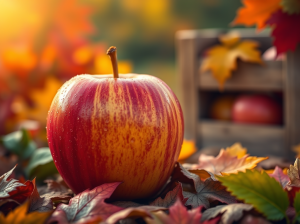
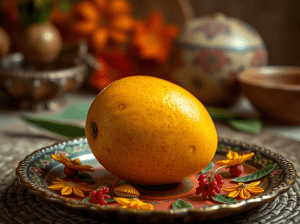
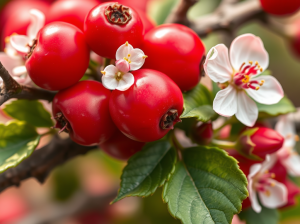
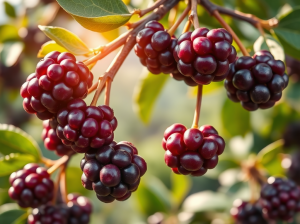
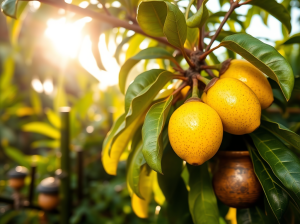
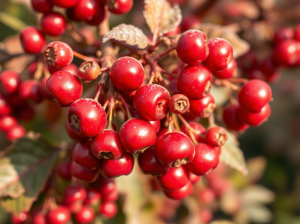
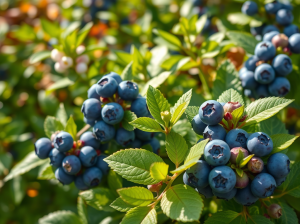
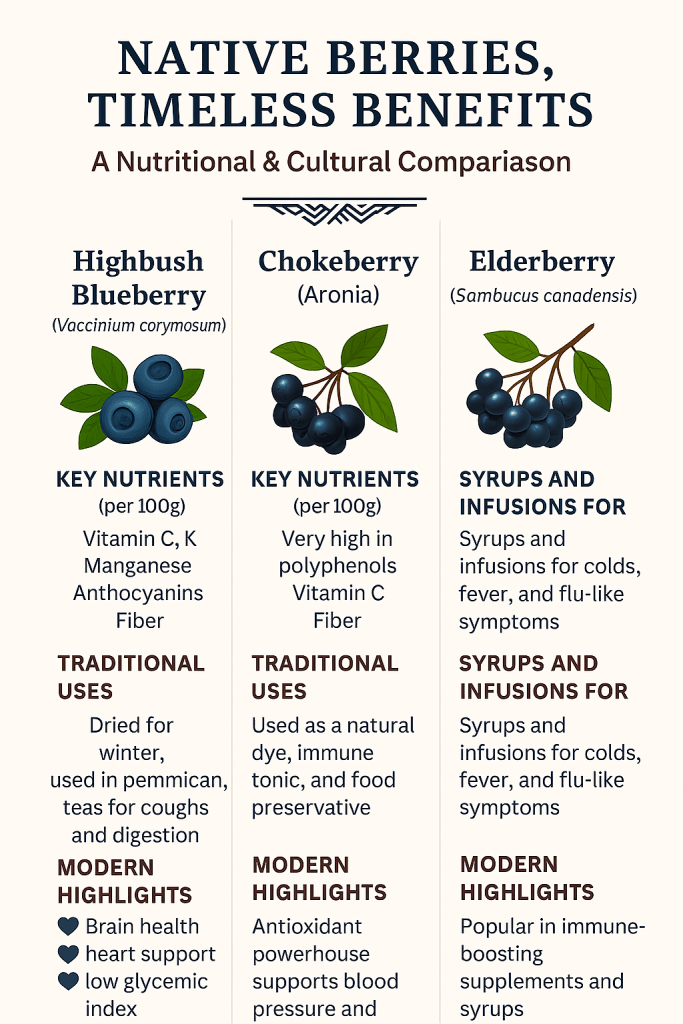
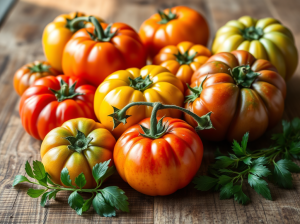
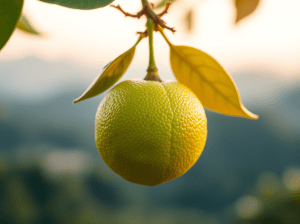
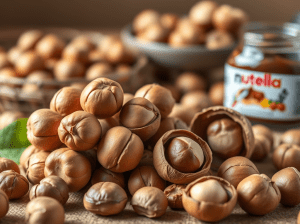
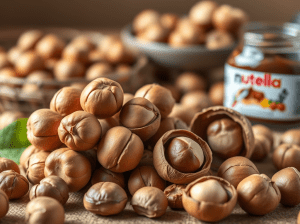
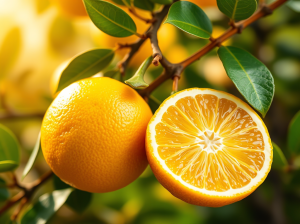
 EJADA
EJADA 
