EJADA

Living Healthy, Natural Healing, Herbal Health, and nutritional

  • The Medicinal Power of Ilama Fruit” Nature’s Velvet Treasure:

    The Ilama fruit was first documented in 1570 by Francisco Hernández, a Spanish physician and naturalist sent by King Philip II to catalog the useful plants of Mexico. Also known by the synonym Annona macroprophyllata, Ilama belongs to the custard apple family and has been honored for centuries in Mesoamerican gardens and gatherings.

    Hernández’s early records helped distinguish Ilama, Annona diversifolia, as a unique species native to the tropical foothills of southwest Mexico, Guatemala, and El Salvador. Its name, derived from the Nahuatl word ilamatzapotl, translates to “old woman’s sapote,” hinting at its deep cultural roots and folkloric charm: read more

    But ask the elders, and they’ll tell you Ilama’s story didn’t start there.

    🌿 What the Name Means

    • It was first formally described by John Donnell Smith in 1910, and later synonymized with Annona diversifolia, the name more commonly used in cultural and culinary contexts2.

    🌱 Botanical Highlights

    Grows up to 3–4 meters tall with elliptical, hairless leaves and fragrant, solitary flowers.

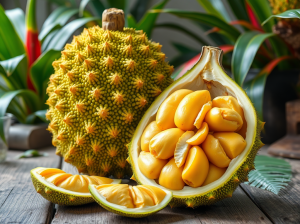
    Produces the Ilama fruit, which is cone- or heart-shaped, velvety-skinned, and filled with creamy, aromatic pulp.

    The fruit is highly perishable and traditionally served chilled with cream and sugar during seasonal rituals.

    At the time, it was often confused with other members of the custard apple family, like soursop and cherimoya, due to its similar appearance and flavor profile.

    🧪 Medicinal & Cultural Relevance

    Leaves contain alpha-glucosidase inhibitors, which may help regulate blood sugar.

    The tree is deeply embedded in Mesoamerican traditions, often cultivated in backyard orchards and celebrated during harvest festivals.

    🦙 Say Hola to the Ilama Fruit: Nature’s Tropical Daydream

    If fruit were cast in a Latin telenovela, the Ilama would be the mysterious stranger with a fragrant smile and a juicy plot twist.

    Native to Central America, this custard apple cousin isn’t just a tropical snack—it’s a luscious legend wrapped in thick green skin. Beneath that bumpy exterior lies soft, velvety flesh that tastes like a love affair between pineapple and strawberry, with hints of vanilla whispering sweet nothings.

    🎭 Fun Facts:

    🌿 “Ilama” is thought to stem from the Nahuatl word ilamatzapotl, meaning “old woman’s sapote.” Romantic, right?

    🍧 Traditionally chilled and enjoyed with cream and sugar—a true dessert diva.

    🌞 Said to cool the body and uplift the mood, making it an ideal sidekick for sun-soaked siestas.

    Ilama Fruit: A Flavor Steeped in History and Heritage:

    Long before tropical smoothies and farmers markets, the Ilama fruit was already a star. Francisco Hernández, a royal naturalist who journeyed through Mexico, cataloged its botanical riches.

    Among the custard apple clan, the Ilama—Annona diversifolia—stood out as a fragrant anomaly nestled in the foothills of southwest Mexico, Guatemala, and El Salvador.

    🌺 A Fruit with a Feminine Soul

    Named from the Nahuatl ilamatzapotl, meaning “old woman’s sapote,” Ilama embodies a mix of reverence, mystery, and maternal wisdom. Its thick skin hides an aromatic flesh that whispers tales of pineapple, strawberry, and vanilla—like a recipe passed down by a grandmother with an herbal garden and a storyteller’s soul.

    🎉 Rituals in Every Bite

    For many Mesoamerican communities, Ilama is more than food—it’s a ceremony:

    💠 Harvest Harmony: July to August becomes a cultural crescendo as families gather to pick, celebrate, and share this seasonal gem.

    🫖 Sacred Serve: Chilled with cream and sugar, Ilama is prepared for festive rituals, ancestral offerings, and communal feasts.

    🎨 Color Matters: Indigenous groups often prefer white pulp, symbolizing purity and ancestral connection, while mestizo communities embrace the vibrant rainbow, each hue reflecting stories of vitality and social unity.

    Ilama fruit is a tropical powerhouse packed with nutrients that support immunity, digestion, and overall vitality. Here’s a breakdown of its vitamin profile per 100g of edible pulp:

    🍈 Vitamin & Nutrient Highlights of Ilama Fruit

    NutrientAmount per 100gBenefits
    Vitamin C (Ascorbic Acid)13.6 mgBoosts immunity, skin health, and antioxidant defense
    Niacin (Vitamin B3)2.177 mgSupports metabolism and energy production
    Riboflavin (Vitamin B2)0.297 mgAids in cellular function and energy
    Thiamine (Vitamin B1)0.235 mgHelps convert food into energy
    Carotene (Provitamin A)0.011 mgSupports vision and immune health

    🌿 Bonus Nutrients

    Calcium: 31.6 mg – bone health and nerve function

    Phosphorus: 51.7 mg – energy metabolism and cell repair

    Iron: 0.70 mg – oxygen transport and energy

    Protein & Fiber: Supports digestion and satiety

    These values reflect traditional nutritional analyses of Annona diversifolia and may vary slightly by variety and ripeness.

    🌿 Medicinal Uses of Ilama Fruit (Annona diversifolia)

    🧬 Traditional & Cultural Applications

    Cooling Agent: In Mesoamerican folk medicine, Ilama was used to cool the body during hot seasons or fevers—often served chilled with cream or sugar as a soothing remedy.

    Mood Uplifter: Its sweet aroma and creamy texture were believed to uplift spirits, making it a ceremonial comfort food during seasonal transitions.

    Digestive Aid: The fiber-rich pulp was consumed to ease digestion and promote gut health, especially after heavy meals or during fasting rituals.

    🧪 Modern Scientific Insights

    Antioxidant Powerhouse: Rich in vitamin C, polyphenols, and flavonoids, Ilama helps neutralize free radicals and reduce oxidative stress, supporting heart, skin, and cellular health.

    Anti-inflammatory Effects: Phytochemicals in Ilama may help reduce inflammation, potentially aiding conditions like arthritis and autoimmune disorders.

    Blood Sugar Regulation: Extracts from Ilama leaves have shown alpha-glucosidase inhibitor activity, which may help regulate blood sugar levels, making it a candidate for diabetes support.

    Immune Boosting: With its blend of vitamins and minerals (like calcium, iron, and niacin), Ilama supports overall immunity and metabolic function.

    🍃 Heritage That Heals

    Antioxidants and anti-inflammatory compounds give Ilama its wellness credentials, but it’s the fruit’s cultural resilience that truly nurtures the soul. Grown by heart, not hype, Ilama’s survival rests in the hands of communities who value tradition over mass production.

    🌱 Why You’ll Love It:

    With antioxidants to boot and potential anti-inflammatory perks, Ilama isn’t just a flavor bomb—it’s a whole wellness vibe. It may be hard to find, but if you stumble on one at a market, treat it like a rare gem.

    🍧 Dessert Diva

    • Ilama Sundae: Scoop out the creamy flesh and layer it with coconut whipped cream, toasted nuts, and a drizzle of hibiscus syrup.
    • Frozen Ilama Pops: Blend with mango and lime juice, pour into molds, and freeze—tropical chill on a stick!
    • Ilama Custard Tart: Bake its pulp into a buttery tart shell with cinnamon and vanilla for a silky finish.

    🥂 Mocktail Muse

    • Ilama Breeze: Muddle with mint, splash in sparkling water, and garnish with edible flowers.
    • Sunset Sipper: Blend with strawberry, lemon, and basil for a sunset-hued refresher that’s perfect for ceremonial toasts.

    🥗 Savory Twist

    • Ilama Salsa: Dice and mix with red onion, jalapeño, and cilantro—serve over grilled fish or plantain chips.
    • Tropical Slaw: Shred Ilama with cabbage, carrots, and a tangy tamarind dressing for a crunchy sidekick.

    🍰 Breakfast Glow-Up

    • Ilama Yogurt Parfait: Layer with granola, chia seeds, and a drizzle of honey.
    • Ilama Pancake Topping: Warm pulp with cinnamon and clove—spoon over pancakes like a tropical compote.

    🍹🌺 Ceremonial Pairing: The Ilama Whisper

    Inspired by ancestral gatherings and seasonal rituals, this mocktail channels the cooling, mood-lifting essence of Ilama fruit with ingredients that echo its Mesoamerican heritage.

    🌿 Ingredients:

    • ½ cup Ilama pulp (white or pink preferred for symbolic purity or vitality)
    • ¼ cup hibiscus tea (chilled)
    • 1 tbsp agave nectar (for sweetness and ancestral connection)
    • Juice of ½ lime (for balance and cleansing)
    • A few mint leaves (symbolizing renewal)
    • Optional: splash of sparkling water for effervescence

    🧉 Ritual Touch:

    Serve in a clay cup or gourd to honor Indigenous vessels

    Garnish with a marigold petal or edible flower—used in offerings and celebrations

    Sip during sunset or harvest gatherings, paired with storytelling or music

    🌞 Cultural Symbolism:

    Hibiscus: Often used in traditional drinks like agua de jamaica, it represents vitality and heart health

    Agave: Sacred in many Indigenous cultures, symbolizing endurance and the sweetness of life

    Mint & Lime: Cooling agents that align with Ilama’s folkloric use in seasonal transitions

    🦙🌴 Rare Fruit Alert: Meet Ilama, the Tropical Heartthrob You’ll Probably Never Find (But Should Totally Know About)

    Just when you thought you knew all the exotic fruits worth chasing, enter Ilama. Not llama (the furry friend), but Ilama (the fruity legend). Native to the sun-kissed foothills of Mexico, Guatemala, and El Salvador, this custard apple cousin is like that cool indie track you’ll never hear on Top 40—but once you do, you’re hooked.

    🔍 Why It’s So Hard to Find

    💨 Spoils Fast: Ilama fruit is ultra-perishable—think “eat me within days or regret it forever.”

    🌎 Tiny Grower Network: Mostly grown in backyard orchards or by local farmers for seasonal community rituals.

    🗓️ Short Harvest Season: July to September, and only if the weather behaves.

    🛒 Not in Supermarkets: Unless your supermarket is in rural Guerrero or a fruit-foraging utopia.

    🌺 A Cultural Treasure, Not a Cash Crop

    Cultural Nuance by Pulp Color

    In regions like Tierra Caliente, Mexico, ceremonial preference varies by pulp color: Indigenous communities often favor white pulp, symbolizing purity and ancestral connection, while mestizo families embrace more colorful varieties, representing vitality and celebration.

    Ilama isn’t mass-produced—it’s honored. Shared during festivals, gifted between families, and used in ceremonial mocktails that might just be the elixir of ancestral happiness.

    ✨ What to Do If You Spot One

    🛍️ Buy it. Immediately.

    🍧 Chill it with cream and sugar—just like the elders do.

    📸 Take a photo and brag. This is fruit folklore in your hand.

    While its creamy pulp is a tropical delight, there are a few important cautions to keep in mind:

    ⚠️ Who Should Avoid Ilama Fruit

    🚫 Parts of the Plant to Avoid

    Seeds: Toxic if ingested. Never eat or blend them.

    Leaves & Bark: Not edible and may contain harmful compounds.

    🧬 Health Conditions & Medication Interactions

    Blood Thinners: Ilama may interact with anticoagulant medications due to its vitamin K and antioxidant profile.

    Allergies to Tropical Fruits: Those with sensitivities to fruits like cherimoya or soursop should approach Ilama with caution. Symptoms may include itching, swelling, or digestive upset.

    👶 Vulnerable Groups

    Young Children: Due to the risk of choking on seeds and potential allergic reactions, it’s best to introduce Ilama cautiously.

    Pregnant or Breastfeeding Individuals: No specific contraindications are documented, but due to limited research, moderation is advised.

    Safe Consumption Tips

    Always eat only the pulp—scoop it out and discard the seeds.

    Start with a small amount if it’s your first time trying Ilama.

    Consult a healthcare provider if you’re on medication or have dietary restrictions.

    :

    🍈 Ilama: A Whisper of Wisdom, Flavor, and Ritual

    From the sun-kissed hills of Mesoamerica to the pages of Francisco Hernández’s 1570 botanical chronicles, Ilama fruit (Annona diversifolia, also known as macroprophyllata) is more than a rare tropical delight—it’s a living story. Rooted in ancestral wisdom and wrapped in fragrant mystery, its name from ilamatzapotl (“old woman’s sapote”) honors the matriarchs and medicine keepers of Indigenous tradition.

    Medicinally, Ilama cools the body, lifts the spirit, and supports digestion—its pulp packed with vitamin C, B-complex, iron, and antioxidant magic.

    Ceremonially, it stars in festivals, communal rituals, and culinary creations that echo centuries of seasonal celebration.

    Whether whipped into custard, stirred into mocktails, or honored in backyard feasts, Ilama invites us to taste legacy, not just fruit.

    Rare? Absolutely. Revered? Undoubtedly. Delicious? No contest.

    So if you ever encounter this fragrant enigma—buy it, celebrate it, and sip it like you’ve been initiated into a tropical secret 🌿🍹

  • Discover the Ice Cream Bean: A Botanical Delight

    🍃The Ice cream bean is technically and botanically a fruit. It’s the seed pod of the Inga edulis tree, and pods that contain seeds and develop from flowers are considered fruits in botanical terms.

    The edible part is the sweet, fleshy pulp surrounding the seeds inside the pod, just like a mango or tamarind. Despite looking like a giant green bean, it’s classified as a leguminous fruit because it’s part of the Fabaceae (pea) family.

    Ice Cream Bean: Nature’s Dessert Wrapped in a Pod

    Botanical name: Inga edulis Family: Fabaceae (pea family) Origin: Amazon Rainforest & tropical Central/South America

    🧁 What It Is Don’t let the name fool you — this isn’t churned dairy, but it sure tastes like it. The Ice Cream Bean is the long, green seed pod of the Inga edulis tree, filled with a cottony white pulp that tastes sweet and creamy, often compared to vanilla ice cream.

    🌱 Why It’s a Fruit Botanically, it’s a leguminous fruit, like a pea or tamarind. Fruits develop from flowers and contain seeds. In this case:

    It grows from a flower

    It contains seeds

    The edible pulp surrounds those seeds

    🍃 Cultural & Ecological Depth

    Cultivated by Indigenous communities for food and soil enrichment

    Used in agroforestry to shade coffee and cacao plantations

    Helps improve degraded soil by fixing nitrogen

    Pulp used in traditional Amazonian drinks like cachiri

    👨‍🍳 Flavor Notes & Uses

    Sweet, vanilla-like with a fluffy, fibrous texture

    Eaten fresh or used in desserts

    Seeds are not eaten raw — they must be cooked to neutralize compounds

    Mocktail Inspiration: Jungle Frost Combine fresh ice cream bean pulp, coconut water, crushed ice, and a touch of lime zest for a cooling, aromatic sip that bridges rainforests and refreshment. Garnish with mint and serve in a chilled bamboo cup for full sensory immersion.

    🍃The Ice cream bean is technically and botanically a fruit.

    🌱 Quick comparison:

    Fruit TypeExamplePod Contains
    Leguminous fruitIce cream beanSeeds + edible pulp
    DrupeMangoPit + juicy flesh
    BerryGooseberrySeeds embedded in pulp

    It’s a fantastic example of how fruit doesn’t always mean juicy and round — sometimes it means long, fluffy, and bean-shaped with a hint of dessert magic

    🩺 The ice cream bean (Inga edulis) has a fascinating medicinal legacy that bridges Indigenous wisdom and modern nutritional science. Let’s explore how its uses have evolved:

    🌿 Traditional Medicinal Uses (Then)

    Indigenous communities across the Amazon and Central America have long used various parts of the ice cream bean tree for healing:

    Leaves & bark: Brewed into decoctions to treat headaches, nerve pain, and rheumatism

    Seeds & pulp: Used to relieve dysentery, constipation, and digestive discomfort

    Root extracts: Applied for ulcers and inflammatory conditions

    Fermented pulp: In beverages like cachiri, believed to aid mood and detoxification

    These remedies were often administered in ceremonial or communal settings, blending healing with cultural rituals.

    🧬 Contemporary Health Insights (Now)

    Modern research has uncovered bioactive compounds that support many of these traditional claims:

    Antioxidants: High levels of flavonoids and phenolic acids help combat oxidative stress and aging

    Anti-inflammatory agents: Shown to reduce inflammation and support immune health

    Antimicrobial properties: Extracts from leaves and bark show promise against bacterial infections

    Blood sugar regulation: Soluble fiber slows glucose absorption, aiding in diabetes management

    Heart health: Rich in potassium and saponins, which may help lower blood pressure and cholesterol

    Cancer research: Some compounds exhibit cytotoxic effects that may inhibit tumor growth

    🧠 Cultural Continuity Meets Scientific Validation

    The ice cream bean is a prime example of how Indigenous knowledge systems anticipated many of the findings now confirmed by lab studies.

    While the ice cream bean is generally safe and nutritious, there are a few groups who should approach it with caution or avoid it altogether:

    🚫 Who Should Be Careful or Avoid Ice Cream Bean

    1. People with legume allergies

    Ice cream bean belongs to the Fabaceae family (same as peas and beans)

    Those allergic to legumes may experience itching, swelling, or digestive upset

    2. Individuals with sensitive digestion

    The pulp is high in fiber, which can cause bloating or gas if consumed in large amounts

    Start with small portions to assess tolerance

    3. Anyone with a history of food allergies

    Though rare, some people may react to the lectins or proteins in the seeds or pulp

    Best to consult a healthcare provider before trying it

    4. Pregnant or breastfeeding individuals

    There’s limited research on its safety during pregnancy or lactation

    Traditional use suggests it’s safe, but modern guidelines recommend caution with unfamiliar fruits

    5. Children under 5

    The fluffy pulp can be a choking hazard

    Seeds must never be eaten raw — they contain phytohemagglutinin (PHA), a toxin that must be neutralized by cooking

    6. People with autoimmune conditions

    Lectins in raw seeds may stimulate immune responses, potentially aggravating symptoms

    Only consume cooked seeds if cleared by a healthcare provider

    The ice cream bean is available in the U.S., but it’s still considered a niche tropical fruit with limited distribution. Here’s how you can get your hands on it:

    🛒 Where to Find It

    Online retailers:

    Miami Fruit offers fresh and frozen ice cream beans via pre-order, especially during harvest season (typically spring to early summer).

    iHeartFruitBox ships sampler and bulk boxes nationwide, though availability depends on seasonal harvests.

    Sasoun Produce sells California-grown ice cream beans with overnight shipping options.

    Amazon: You can even buy a live ice cream bean tree to grow your own in warmer zones like 9–11.

    Local farmers markets: Especially in South Florida, where small farms cultivate the tree.

    Ethnic grocery stores: Latin American markets may carry frozen or canned versions occasionally.

    🌱 Growing It Yourself

    If you’re feeling adventurous, the tree can be grown in containers and overwintered indoors in colder climates. It’s fast-growing, nitrogen-

    final thought

    🌱 The ice cream bean is more than just a quirky rainforest treat — it’s a symbol of how nature fuses flavor, medicine, ecology, and culture in a single, velvety pod. Whether it’s revitalizing soil in cacao farms, soothing inflammation in Amazonian communities, or surprising first-time tasters with its vanilla-like fluff, this fruit invites us to rethink what healing and nourishment look like.

    It’s a perfect case study — where Indigenous wisdom meets scientific validation, and food becomes a gateway to storytelling. It reminds us that not all fruits wear bright colors or grow in Instagram-friendly shapes… some hide their magic inside a bean.

  • Exploring Ice Apple: Cultural and Medicinal Significance

    The Ice Apple, from the Palmyrah palm (Borassus flabellifer), has been cultivated for thousands of years across South and Southeast Asia. While exact dates are elusive, its domestication likely dates back to ancient Dravidian and Vedic periods, given its deep integration into traditional diets, rituals, and medicinal practices in regions like Tamil Nadu, Odisha, and Bengal.

    The mention of Ice Apple’s roots in the ancient Dravidian and Vedic periods points to a fascinating intersection of botanical heritage, cultural practice, and medicinal tradition

    🔹 Pre-1500 BCE — Dravidian Civilization

    Palm Scrolls & Daily Life: Palmyrah palm leaves were used as writing surfaces in South Indian scripts like Tamil and Telugu.

    Early Uses: Fruit consumed fresh for hydration; tree used for construction, weaving, and fuel.

    Siddha Medicine Origins: The Ice Apple is known for treating heatstroke, constipation, and urinary discomfort.

    🔹 ~1500–500 BCE — Vedic Period

    Ayurvedic Mention: Cited as a sheetal (cooling) fruit, ideal for pitta dosha balance.

    Spiritual Symbolism: Palms symbolized sustainability and abundance in Vedic hymns.

    🔹 Classical Era — Sangam & Gupta Periods

    Ice Apple featured in Tamil Sangam literature as a summer staple.

    Used in temple offerings and seasonal rituals.

    🔹 Medieval Era

    Ice Apple’s role expanded to Islamic Unani medicine for detoxification.

    Pickled forms and palm jaggery (from sap) gained culinary popularity.

    🔹 Modern Rediscovery (20th–21st Century)

    Celebrated in South Indian films and folk songs.

    Reappraised for diabetic-friendly nutrition, eco-sustainability, and zero-waste farming.

    🌱 Historical Cultivation Highlights

    Ancient Manuscripts: Palm leaves from this tree were used as writing material in Tamil and Telugu literature, suggesting its presence in early scholarly and cultural life.

    Ayurvedic Roots: Its cooling and detoxifying properties were documented in classical Ayurvedic texts, indicating medicinal use for centuries.

    Symbol of Resilience: Recognized as the state tree of Tamil Nadu, it symbolizes sustainability and cultural heritage.

    Widespread Cultivation: Thrives naturally in tropical regions of India, including Tamil Nadu, Andhra Pradesh, Odisha, West Bengal, and Maharashtra.

    📜 Cultural & Medicinal Legacy

    Siddha Medicine, rooted in Dravidian knowledge, frequently used Ice Apple (nungu) for heat disorders, urinary problems, and gut cleansing.

    Vedic and Ayurvedic traditions categorized fruits like Ice Apple as sheetal—cooling foods—ideal for balancing pitta dosha.

    Palm trees were seen as symbols of resilience, offering sustenance, shelter, and spiritual utility.

    🌿📜 Cultural & Medicinal Legacy

    Siddha Medicine, rooted in Dravidian knowledge, frequently used Ice Apple (nungu) for heat disorders, urinary problems, and gut cleansing.

    Vedic and Ayurvedic traditions categorized fruits like Ice Apple as sheetal—cooling foods—ideal for balancing pitta dosha.

    Palm trees were seen as symbols of resilience, offering sustenance, shelter, and spiritual utility.

    Ice Apple’s medicinal benefits aren’t just folklore—they’re backed by nutritional science and traditional medical systems like Ayurveda and Siddha

    🌿. Here’s a breakdown of proven and supported health benefits based on clinical observations and phytochemical analysis:

    🧪 Scientifically Supported Benefits of Ice Apple

    BenefitEvidence & Mechanism
    Hydration & Electrolyte BalanceHigh water and potassium content help prevent dehydration and heatstroke.
    Digestive HealthRich in fiber, it promotes bowel regularity and eases constipation.
    Liver SupportPotassium aids in detoxification and supports liver function.
    Skin HealthAntioxidants and anti-inflammatory compounds soothe prickly heat, rashes, and delay aging.
    Diabetes ManagementLow glycemic index and natural sugars make it suitable for mild diabetics; some trials show improved fasting glucose.
    Respiratory ReliefActs as an expectorant, helping expel mucus during coughs.
    Weight LossLow in calories and high in water, it promotes satiety and supports weight management.
    Cancer Prevention PotentialContains anthocyanins and polyphenols that may inhibit tumor growth, especially in breast cancer cells.

    🧬 Nutritional Snapshot (per 100g)

    Calories: ~38–70 kcal

    Water: ~90g

    Potassium: ~150–290mg

    Vitamin C: ~6–22mg

    Fiber: ~1g

    Natural Sugars: Fructose & glucose

    The Ice Apple is a vitamin-rich fruit that delivers a refreshing nutritional punch, especially during hot seasons 🌞. Here’s a breakdown of the key vitamins found in Ice Apple (per 100g serving):

    🍊 Vitamin Profile of Ice Apple

    VitaminAmountBenefits
    Vitamin C~6–22 mgBoosts immunity, aids collagen production, enhances iron absorption, and protects skin from oxidative stress.
    Vitamin ATrace to moderateSupports eye health, skin regeneration, and immune function.
    Vitamin B6Present in small amountsHelps with brain development, mood regulation, and metabolism.
    Folate (Vitamin B9)Trace amountsSupports cell division and is especially important during pregnancy.

    🧬 Bonus Nutrients

    Potassium (~150–290 mg): Regulates fluid balance and supports heart health.

    Magnesium & Calcium: Aid in bone strength and muscle function.

    Iron (~0.6 mg): Supports oxygen transport and energy production.

    Ice Apple’s delicate sweetness and jelly-like texture make it a versatile ingredient across South and Southeast Asian cuisines 🍧. Here’s how it shines in the kitchen:

    🍽️ Popular Culinary Uses of Ice Apple

    UseDescription
    Fresh SnackEaten raw and chilled, often sprinkled with a pinch of salt or lime juice for extra zing.
    Sherbets & CoolersBlended with mint, lemon, and black salt to make nungu sharbat—a summer favorite.
    SmoothiesMixed with coconut milk, honey, or rose water for a hydrating, dairy-free drink.
    DessertsAdded to kheer, puddings, kulfi, and ice creams for a tropical twist.
    Fruit BowlsCombined with watermelon, cucumber, and grapes for a crunchy, refreshing salad.
    PopsiclesPureed and frozen with floral infusions like rose or saffron—perfect for hot days.
    Tender Coconut MixDiced and stirred into coconut water and malai for a soothing tropical cooler.
    Fermented DrinksIn some regions, the sap from the Palmyrah palm is used to make toddy, though the fruit itself is more often used fresh.

    Ice Apple is generally safe and beneficial for most people, but there are a few groups who should be cautious or avoid it altogether 🚫:

    ⚠️ Who Should Avoid or Limit Ice Apple

    GroupReason
    People with allergiesThough rare, some individuals may experience itching, swelling, or digestive distress due to sensitivity to palm fruits2.
    Individuals with kidney disordersIce Apple is high in potassium, which can be problematic for those with impaired kidney function.
    Those with gastrointestinal conditions (IBS/IBD)Its fiber content may cause bloating or discomfort in sensitive individuals.
    People on potassium-restricted dietsDue to its potassium load, it may interfere with dietary restrictions or medications.
    Pregnant women (in excess)While generally safe, overconsumption may affect liver lipid metabolism due to ethanol traces in the kernel.
    Children (in excess)Too much can cause stomach irritation or loose stools due to its cooling and fibrous nature.

    🧠 Pro Tip

    If you’re introducing Ice Apple into your diet for the first time, start with a small portion and observe how your body responds. And always wash it thoroughly before eating to avoid pesticide residues.

    Ice Apple: Benefits, Nutrition, Uses, Side Effects

    The Ice Apple is available in the U.S.—but it’s a bit of a treasure hunt 🗺️.

    Where to Find Ice Apples in the U.S.

    SourceAvailability
    Online RetailersMiami Fruit ships frozen Ice apples nationwide. It’s pre-cut and packed in biodegradable coolers with dry ice.
    Asian & Indian Grocery StoresSome stores in cities like New York, San Francisco, and Los Angeles may carry canned or frozen versions during summer.
    Farmers’ Markets (Florida)In South Florida, especially near Homestead or Redlands, you might find fresh Ice Apple at tropical fruit stands or botanical gardens.
    Specialty ImportersPlatforms like Exotic Fruits USA occasionally list Ice Apple during peak season (April–June).
    InstacartSome local stores offer Ice Apple for delivery, depending on your zip code.

    🧊 What to Expect

    Fresh Ice Apple is rare due to its short shelf life.

    Frozen or canned versions are more common and still retain much of the texture and flavor.

    Best season to search: Late spring to early summer.

    ⚠️ Health Disclaimer

    The information provided in this post is for general knowledge and cultural exploration only. Ice Apple (Borassus flabellifer) is a widely consumed fruit in South and Southeast Asia, traditionally valued for its cooling and medicinal properties. However, individual reactions may vary.

    People with known allergies to palm fruits, gastrointestinal conditions, or kidney disorders should consult a healthcare professional before consumption.

    Pregnant women, individuals on potassium-restricted diets, and children should moderate their intake to avoid potential side effects.

    This post does not substitute professional medical advice, diagnosis, or treatment. Always seek guidance from a qualified health provider regarding dietary choices or medical conditions.

  • Icacina Trichantha: The Dual Nature of a Survival Crop

    Icacunia Trichantha

    🥔🍒 Is It a Fruit or a Tuber?

    Both—but in different ways:

    Fruit: Yes, it produces a drupe—a soft, pulpy fruit with a pit in the center. The outer flesh is edible and sweet, so it does qualify as a fruit in that sense.

    Tuber: The plant is best known for its massive underground tuber, which is starchy and used as a famine food or fuel source. This tuber behaves more like a root vegetable than a fruit.

    🌱 Botanical Profile

    Family: Icacinaceae

    Growth Habit: Climbing shrub up to 2 meters tall

    Tuber: Large, yam-like and starchy—often used as a famine food

    Fruit: A drupe with soft, sweet pulp; edible, but the kernel is typically not consumed

    Icacina trichantha blurs botanical boundaries—its sweet drupe qualifies as a fruit, while its underground starchy tuber has long served as a famine food and fuel source during scarcity. This duality makes it both a nutritional and ethnobotanical marvel.”

    🍲 Culinary Uses

    Tuber: Can be boiled, dried, and pounded into flour (called gẹ-wutu), used in soups or mixed with roasted watermelon seeds (ìgbãlò)

    Fruit: Eaten raw for its sweet pulp

    Caution: Some preparations require prolonged soaking and washing to remove bitter or toxic compounds like alkaloids and benzophenones

    🧪 Medicinal Applications

    Traditional Uses:

    Emergency remedy for food poisoning and constipation

    Aphrodisiac in folk medicine

    Used to treat malaria, rheumatism, toothache, and even mumps

    Employed to induce emesis and abortion in traditional settings.

    Treatment for food poisoning, constipation, malaria, and rheumatism

    Scientific Insights:

    Contains unusual pimarane-type diterpenes

    Exhibits hepatoprotective, anti-inflammatory, antioxidant, and antimicrobial properties in lab studies

    🔥 Other Noteworthy Traits

    Fuel Source: The tuber is highly flammable and burns with intense heat

    Cultural Names: Known as Urumbia or Eriagbo among the Igbo, and Gbegbe by the Yoruba—each name reflecting its emetic or cleansing properties

    Pharmacological Activities

    Hepatoprotective: Protects the liver from toxins like arsenic and paracetamol

    Anti-inflammatory: Reduces edema in animal models

    Antioxidant: Moderate activity linked to phenolic content

    Antimicrobial: Active against E. coli, Staphylococcus aureus, Candida albicans, and more

    Antidiabetic: Lowers blood glucose and improves lipid profiles in diabetic mice

    CNS Effects: Sedative, anticonvulsant, and anesthetic properties observed in lab animals

    🧬 Bioactive Compounds

    Pimarane-type diterpenes: Rare structures with cytotoxic and anti-genotoxic potential

    Stigmasterol & β-Sitosterol: Identified as key antimicrobial agents in the leaves

    Alkaloids, tannins, saponins, flavonoids, glycosides: Contribute to its broad-spectrum activity

    🌿 Icacina trichantha: Dual Identity in Nature

    FeatureFruitTuber
    FormSoft, pulpy drupe with central pitLarge underground starchy root
    ConsumptionEaten raw for sweet tasteSoaked, boiled, and pounded into flour
    Cultural UsesFood during scarcity; energy sourceFamine food; flammable survival fuel
    Medicinal ValueMild antimicrobial propertiesTreats malaria, constipation, rheumatism
    Bioactive CompoundsFlavonoids, phenolicsPimarane diterpenes, alkaloids, saponins
    Toxicity WarningKernel not consumedRequires detoxification (oxalates, cyanide)
    Local NamesUrumbia, Eriagbo (Igbo)Gbegbe (Yoruba)

    🌾 Scarcity & Survival Significance

    Emergency Moisture & Energy Source: The massive underground tuber stores starch and moisture, allowing the plant—and the people who rely on it—to survive multi-year droughts2.

    Famine Food: During food shortages, the tuber is harvested, detoxified through soaking and drying, and turned into flour for soups and porridges.

    Seasonal Lifeline: The fruit ripens at the end of the dry season, precisely when other food stores are depleted, making it a critical bridge between hunger and harvest.

    Cultural Resilience: In Nigeria, it’s known as Gbegbe or Ibugo, and is often left underground until absolutely needed, like a buried reserve of hope.

    Wild Abundance: In some regions, families can collect hundreds of kilos of fruit per day from wild stands, offering a lifeline without cultivation.

    🧪Healing Highlights

    Antimicrobial: Active against E. coli, Candida albicans, and more

    Anti-inflammatory & Hepatoprotective: Tested in lab models

    Antidiabetic: Lowers blood sugar and improves lipid profile

    CNS Impact: Sedative and anticonvulsant effects observed

    Aphrodisiac & Emesis agent in traditional medicine

    Possible Ceremonial Contexts

    Ritual Cleansing: The Yoruba name Gbegbe translates to “cleanse,” hinting at its use in spiritual or bodily purification rites—possibly before initiation, healing, or ancestral offerings.

    Emetic Ceremonies: Among the Igbo, names like Urumbia and Eriagbo refer to their emetic effects. Plants with such properties are often used in ritual vomiting to purge negative energies or prepare for trance states.

    Aphrodisiac & Fertility Rites: Its reputation as an aphrodisiac may link it to fertility ceremonies, especially in rural settings where plant-based tonics are part of traditional courtship or marital rituals.

    Protective Amulets or Offerings: While not confirmed, plants with strong medicinal and survival traits are sometimes used in protective charms or placed at shrines as symbols of resilience and ancestral wisdom.

    Ceremonial use of Icacina trichantha isn’t widely documented in formal ethnobotanical literature, but its emetic, cleansing, and aphrodisiac properties suggest it may have played a role in ritual purification or spiritual healing among certain West African communities.

    🌍 Where to Find Icacina trichantha: From Savannas to Seed Shops

    Source TypeAvailability Highlights
    Wild RegionsNative to West and Central Africa, especially Nigeria, Cameroon, and Ghana. Grows wild in Savannas and forest margins.
    Ethnobotanical UseNative to West and Central Africa, especially Nigeria, Cameroon, and Ghana. Grows wild in savannas and forest margins.
    Online RetailersAvailable as seeds or dried root from specialty suppliers like Dhara Seeds.
    Botanical GardensHarvested seasonally by local communities, often uncultivated and reserved for times of famine or scarcity.
    USDA Grow ZonesOccasionally grown for research or conservation, rare outside tropical zones.

    Icacina trichantha bridges the wild and the wise—from sweet fruit to famine tuber. Celebrated in West Africa as food, fuel, and folk remedy, its rare compounds offer modern hope, tempered by age-old caution. A true survival crop, rooted in healing and heritage

    Survival Root & Healing Fruit.” It’s now reaching new soils via niche seed vendors like Dhara Seeds. Consider its potential in drought-resilient gardens—but remember, it’s a plant rooted in cultural survival.

    ⚠️ Disclaimer for Readers

    This post explores the cultural, medicinal, and nutritional uses of Icacina trichantha based on traditional knowledge and emerging research. The plant contains potentially toxic compounds. It should only be consumed following proper detoxification and is not recommended for pregnant individuals, children, or those with liver or kidney conditions without professional guidance.

  • Exploring Hyuganatsu: Tastes, Cultivation, and Nutrition

    Hyuganatsu is a rare Japanese citrus fruit known for its refreshing flavor and unique edible white pith. 🍋 Here’s a quick breakdown of what makes it special:

    🌱 Botanical Identity

    • Scientific name: Citrus tamurana
    • Believed to be a natural hybrid of yuzu and pomelo
    • Discovered as a chance seedling in Miyazaki Prefecture in the 19th century

    🍊 Appearance & Taste

    • Medium-sized, round to slightly oblong
    • Bright yellow rind with a thick, sweet white pith
    • Flesh is juicy, sweet-tart, with floral and honeyed notes
    • Aromatic—think lemon meets grapefruit

    🍊 Hyuganatsu Cultivation

    • Origin: Discovered as a chance seedling in Miyazaki Prefecture in the 1820s.
    • Climate Needs: Thrives in warm, temperate zones with mild winters, especially in Miyazaki’s coastal and mountainous regions.
    • Growing Season: Outdoor orchards yield fruit from early to late spring; greenhouse cultivation starts in mid-winter.
    • Organic Practices: In towns like Aya, farmers use manure-based compost, avoid chemical fertilizers, and bag fruits to prevent blemishes.
    • Harvesting Rituals: Fruits are often picked with the white pith intact, emphasizing their ceremonial and culinary uniqueness.
    • Cultural Layer: The original tree was declared a national monument in 1935, and its legacy lives on through gifts like Hyuga-no-Kaori

    🧑‍🌾 Cultural & Culinary Significance

    The Hyuganatsu citrus isn’t just a fruit—it’s a cultural gem with ceremonial flair, especially in Miyazaki Prefecture, where it originated. While there’s no formal “Hyuganatsu ceremony” like you might find with tea or sake, its presentation and gifting traditions carry deep symbolic weight.

    🎎 🍊 Citrus Alchemy: How Hyuganatsu’s Sweet Core Nourishes Body and Spirit

    🌿 Beyond Bitterness—The Edible White Pith

    Unlike most citrus, Hyuganatsu’s white pith is sweet and tender, not bitter.

    Symbolizes hidden gentleness, adding emotional weight to seasonal rituals and traditional meals.

    Visually stunning—served with pith intact to highlight the fruit’s delicate contrast and elegance.

    🍽️ Nutritional Brilliance

    ComponentBenefitCultural Insight
    Vitamin CImmune support, collagen boostTied to springtime renewal
    Dietary FiberDigestive aid, blood sugar regulationLinked to balance and internal harmony
    HesperidinAnti-inflammatory, vascular wellnessCelebrated in traditional Japanese medicine
    PectinGut health, cholesterol managementStrengthens the “core” metaphor
    L-carvoneMood-lifting, floral aromaMirrors Hyuganatsu’s poetic identity

    🌸 Citrus as Ceremony

    In desserts like Hyuga-no-Kaori, the essence of the fruit is preserved in jelly-filled peels, echoing themes of healing and fragrance.

    Gifting Hyuganatsu is seen as giving sweetness and light—a gesture of health, sincerity, and respect.

    Meibutsu Status: Hyuganatsu is a regional specialty gift (meibutsu) in Miyazaki, often given as a sign of respect or seasonal celebration.

    Hyuga-no-Kaori Confection: A traditional wagashi made by candying the peel and filling it with citrus-flavored yokan jelly. It’s sliced into wedges to resemble the fruit and is gifted in ornate boxes, symbolizing fragrance, purity, and regional pride.

    Seasonal Rituals: In spring, locals celebrate the fruit’s peak by incorporating it into dishes served during family gatherings and festivals. Its bright yellow color and sweet aroma evoke renewal and sunshine.

    🍽️ How It’s Served Ceremonially

    With the White Pith Intact: Unlike most citrus, Hyuganatsu’s sweet white pith is left on when sliced, creating a visually striking and symbolic contrast of sour and sweet.

    Paired with Soy Sauce or Salads: In Miyazaki, it’s sometimes served with soy sauce or in savory dishes, blending tradition with culinary innovation.

    A regional meibutsu (specialty gift) of Miyazaki, often given as a symbol of respect

    Used in desserts, salads, marinades, and even savory dishes like chicken Nanban

    The Pith is edible and sweet, unlike most citrus fruits, and is often left intact when served

    🍊 Nutritional Highlights of Hyuganatsu

      Boosts immunity, collagen production, and antioxidantBenefitNotes
      Vitamin CFound in both the pith and the fleshHigher than typical citrus per gram
      Dietary FiberAids digestion, regulates blood sugarFound in both the pith and flesh
      HesperidinAnti-inflammatory, supports cardiovascular healthConcentrated in the white pith
      PectinPromotes gut health, lowers cholesterolFrom peel and pith—helps with satiety
      PotassiumRegulates blood pressure, muscle functionContributes to electrolyte balance
      L-carvone & trans-β-farneseneAromatic compounds linked to mood-lifting effectsMay offer subtle therapeutic benefits
      Low CaloriesLight and hydratingIdeal for spring cleansing diets

      🌱 Pith Power!

      Unlike other citrus fruits, Hyuganatsu’s edible white pith is not just a texture element—it’s nutritionally valuable, delivering:

      Extra flavonoids for antioxidant support

      Gentle bitterness that stimulates digestion

      A unique sweetness rarely found in citrus piths

      Hyuganatsu is available in the U.S., though it’s a bit of a citrus treasure hunt! 🍋

      🛒 Where You Can Find It

      Fresh Fruit: Specialty Asian grocery platforms like Weee! occasionally offer Hyuganatsu with nationwide delivery, especially during its peak season (late winter to early spring).

      Nurseries: You can purchase Hyuganatsu trees from places like Madison Citrus Nursery and Dhara Seeds. These are grafted with mature buds, meaning they can fruit within a season or two, perfect for citrus collectors.

      Seasonal Availability: Because it’s rare and highly seasonal, fresh fruit is only available for a few weeks each year. Greenhouse-grown varieties may extend availability slightly.

      🚫 Shipping Restrictions

      Citrus trees cannot be shipped to certain states like California, Florida, Texas, Arizona, Hawaii, and Louisiana due to USDA regulations.

      🍊 Citrus Kinship Across Borders

      How Japan’s Heritage Citrus Inspires a Global Palette

      🌸 The Seed of Ceremonial Flavor: Hyuganatsu

      • Origin: Discovered in Miyazaki, Japan—known for its sweet edible pith and poetic gifting tradition
      • Symbolism: Renewal, gentleness, seasonal transitions
      • Culinary Flair: Served with pith intact, used in Hyuga-no-Kaori confections, and gifted as regional meibutsu

      🌐 Botanical Relatives with Borderless Charm

      FruitCultural OriginShared TraitsU.S. Presence
      HarukaJapan (Fukuoka)Sweet pith, mild floral flavor🌱 Tree nurseries (Madison Citrus, Dhara Seeds)
      BanpeiyuJapan & Southeast AsiaMild flesh, edible pith, pomelo lineage🍊 Fresh via Instacart, trees available
      IyokanJapan (Ehime)Balanced sweet-sour, aromatic rind🍬 Dried peels, marmalade online
      DekoponJapan (Kumamoto)Seedless, juicy, low acidity✅ Widely sold as “Sumo Citrus”
      AmanatsuJapanSweet-tart flesh, ceremonial gifting🍬 Available as candied peels, rare fresh

      Sensory Threads Across Cultures

      Aroma Connection: Shared aromatic compounds like l-carvone evoke honeyed citrus and emotional warmth

      Ritual & Gifting: Many of these fruits are used as seasonal gifts, aligning with Japanese and global traditions of health, celebration, and transition

      Visual & Textural Appeal: Pith-forward presentation highlights an aesthetic rarely embraced outside Japan, challenging Western norms around bitter vs. sweet

      A Taste That Travels

      Citrus Kinship Across Borders reminds us that flavor carries lineage, memory, and meaning. These fruits whisper stories from mountain orchards and coastal groves, now making quiet appearances on American shelves and in home gardens.

      ⚠️ Who Might Need to Avoid or Limit Hyuganatsu

      GroupReason for CautionNotes
      Citrus Allergy SufferersMay trigger reactions like itching, swelling, or GI discomfortRare, but possible with any citrus
      People on Certain MedicationsCitrus (especially with pith) may interact with drugs like statins or antihypertensivesGrapefruit is the usual culprit, but caution is wise
      GERD or Acid Reflux PatientsCitrus acidity can aggravate symptoms like heartburnHyuganatsu is milder, but still acidic
      Post-Surgery or Sensitive GI ConditionsHigh fiber and acidity may be irritating during recoveryPith and peel are fibrous
      Infants and ToddlersChoking hazard from seeds or thick pith; acidity may upset stomachBest introduced in small, peeled segments

      🧪 Special Consideration: Bone Health Supplements

      Hyuganatsu contains arabinogalactan, a compound shown to enhance calcium absorption in postmenopausal women. While this is beneficial, those already on bone health supplements or medications should monitor their intake to avoid excessive calcium levels.

      ⚠️ Disclaimer: Citrus with Care

      Hyuganatsu and its citrus relatives offer remarkable flavor and cultural significance. However, this content is intended for educational and storytelling purposes only.

      🧾 Please consult a healthcare professional before consuming these fruits if you:

      • Have citrus allergies or sensitive digestion
      • Take medications that may interact with citrus compounds
      • Are managing GERD, post-surgery recovery, or feeding infants

      We celebrate global fruit traditions and their vitality, but always value mindful consumption and personal wellness.

    • 🍃 Husk Tomato: Ancient Flavor, Timeless Innovation

      🌿 What Is a Husk Tomato?

      Often wrapped in a paper-like husk, the husk tomato—known as ground cherry (Physalis pruinosa) or tomatillo (Physalis ixocarpa)—is a fruit in disguise. It belongs to the Solanaceae family, sitting alongside tomatoes, peppers, and eggplants.

      🔍 Botanical Insight: Though often cooked like vegetables, husk tomatoes are true fruits, developing from the plant’s flowers and containing seeds.

      📜 Cultivation Timeline: Pre-Columbian Roots

      • 800 BCE or earlier: Indigenous farmers in Mesoamerica began cultivating tomatillos—predating the domestication of red tomatoes.
      • Ground cherries were also harvested by Native American communities, especially in the Midwest and Northeast, where they were dried, preserved, or used in syrups.
      • The name tomatillo comes from Nahuatl (tomatl), tying it directly to Aztec agriculture and cuisine.

      Indigenous Techniques & Medicinal Applications

      • Farming methods: Mounded soil beds, crop rotation, and symbiotic planting with corn and beans enhanced yield.
      • Medicinal use: Traditional healers used tomatillo infusions for anti-inflammatory effects, respiratory issues, and skin ailments.
      • Ritual significance: Husk tomatoes may have been used in ceremonial offerings, given their vibrant husks and seasonal abundance.

      🥄 Culinary Legacy Meets Innovation

      Recipe pairing idea: Try a ground cherry-cucumber agua fresca alongside heirloom tomato sliders with a makrut-lime aioli.

      🌿 Husk tomato—also known as ground cherry or tomatillo, depending on the species—is botanically a fruit, even though it’s often used like a vegetable in cooking. It belongs to the Solanaceae family, which includes tomatoes, peppers, and eggplants.

      Classic dishes: Salsa verde, tamales, and stews across Latin America.

      Modern twists: Pair ground cherry chutney with grilled vegetables or use tomatillo reduction in fruit-forward mocktails—great complements to EJADA’s Little Tomato remix.

      Fruit: It develops from the flower of the plant and contains seeds.

      Culinary use: Often treated as a vegetable in savory dishes like salsas, sauces, and stews.

      🌿 Husk tomatoesespecially tomatillos and ground cherries—are generally safe and nutritious, but certain individuals should exercise caution due to their botanical family and bioactive compounds.

      🚫 Who Should Avoid Husk Tomatoes?

      1. Nightshade-Sensitive Individuals

      Husk tomatoes belong to the Solanaceae (nightshade) family.

      People with sensitivities to tomatoes, eggplants, peppers, or potatoes may experience digestive issues, joint pain, or allergic reactions.

      2. Allergy-Prone Individuals

      Though rare, allergic reactions have been reported—even in those without a known tomato allergy.

      Symptoms may include itching, swelling, or gastrointestinal discomfort.

      3. Autoimmune Conditions

      Some individuals with autoimmune disorders (e.g., rheumatoid arthritis, lupus) avoid nightshades due to anecdotal links to inflammation.

      While not universally supported by research, it’s a precaution some practitioners recommend.

      4. Unripe Fruit Consumers

      Unripe husk tomatoes contain higher levels of solanine, a natural toxin found in nightshades.

      Solanine can cause nausea, headaches, or neurological symptoms if consumed in large amounts.

      5. Infants & Toddlers

      • Due to potential allergenicity and digestive sensitivity, husk tomatoes are best introduced after age 1, and in small amounts.

      🧬 Husk Tomato Health Benefits

      Title: Wrapped in Wellness: The Health Power of Husk Tomatoes”

      🌿 Medicinal Uses of Husk Tomatoes: Then & Now

      Title: Wrapped in Wellness: The Health Power of Husk Tomatoes”

      Traditional & Indigenous Applications

      UseDetailsCultural Context
      🌬️ Respiratory ReliefInfusions made from husks and leaves used to ease coughs and sore throatsPracticed by Aztec and Pueblo healers
      🔥 Anti-InflammatoryPoultices applied to joints and skin irritationsUsed in ceremonial healing rituals
      🌾 Digestive AidGround cherries dried and consumed for mild laxative effectsCommon among Native American tribes
      🧠 Fever & HeadacheDecoctions from roots and fruit used to reduce fever and relieve headachesZuni and Rio Grande Pueblos
      💧 DiureticHusk tea believed to promote kidney function and reduce bloatingUsed in seasonal cleansing practices

      🧬 Modern Medicinal Insights

      CompoundEffectScientific Relevance
      🧪 WithanolidesAnti-inflammatory, anti-cancer, neuroprotectiveStudied for arthritis and tumor suppression2
      🛡️ Antioxidants (Vitamin C, A, lutein, zeaxanthin)Cellular protection, immune boostSupports eye health and cancer prevention3
      💊 Fiber & NiacinDigestive health, metabolic supportHelps regulate blood sugar and cholesterol4
      🧠 Magnesium & PotassiumMood regulation, blood pressure controlLinked to cardiovascular and mental health

      🔄 Then vs. Now: A Narrative Bridge

      Now: They’re recognized for their bioactive compounds—like withanolides—that show promise in cancer research, arthritis treatment, and metabolic health.

      Then: Husk tomatoes were revered as seasonal medicine, often dried, brewed, or mashed into healing salves.

      Also known as: Ground Cherry (Physalis pruinosa) or Tomatillo (Physalis ixocarpa) Category: Fruit (botanically), Vegetable (culinary use) Origin: Indigenous cultivation dating back to 800 BCE in Mesoamerica

      🧬 Wrapped in Wellness: Vitamin Richness of Husk Tomatoes

      🌿 A Nutritional Snapshot

      Botanically classified as fruits, husk tomatoes—whether tomatillos (Physalis ixocarpa) or ground cherries (Physalis pruinosa)—offer a robust lineup of essential vitamins that nourish the body and inspire EJADA’s health-forward storytelling.

      💊 Vitamin Breakdown

      VitaminHealth BenefitCultural Connection
      🛡️ Vitamin CBoosts immunity, collagen production, and skin repairUsed in Indigenous teas for colds and flu
      👁️ Vitamin AEnhances vision, supports immune function, and skin healthLinked to sun rituals and seasonal eating
      🧠 Vitamin B6Supports cognition, mood regulation, and red blood cellsFound in memory-enhancing herbal blends
      Niacin (B3)Converts food into energy and supports nerve functionConsumed during fasting periods
      🦴 Vitamin KAids bone density and blood clottingCombined with leafy greens in ceremonial meals
      🔬 Vitamin EProtects against oxidative stress and agingBelieved to offer long-life protection
      🌿 Folate (B9)Crucial for cell growth and pregnancy healthPart of fertility rituals in Indigenous traditions
      🧬 CholineSupports liver, brain function, and metabolismPresent in tomatillo-based stews and broths

      “Bursting with vitamin C and sun-grown clarityhusk tomatoes heal from the inside out.”

      🧬 Cited Research on Husk Tomatoes

      🔬 Medicinal & Nutritional Studies

      Antioxidant & Vitamin Profile: A 2021 study published in Letters in Applied NanoBioScience explored probiotic yogurt fortified with husk tomato juice, revealing high levels of vitamin C, β-carotene, and essential amino acids like lysine and tryptophan. It also showed antimicrobial activity against pathogens.

      Phytochemical Analysis: Research in the Emirates Journal of Food and Agriculture analyzed wild Physalis genotypes in Mexico, showing high levels of phenols, flavonoids, and antioxidant capacity, supporting their inclusion in health-focused diets.

      📚 Research-Backed Insights: Husk Tomatoes in Science & Tradition

      🧪 Scientific Studies Supporting Traditional Wisdom

      Diffuse Domestication Model: A 2021 study in Genetic Resources and Crop Evolution used SNP markers to show that husk tomatoes have undergone diffuse domestication, retaining 96% of wild genetic diversity. This supports their resilience and potential for breeding medicinal traits.

      Trait Improvement via Mutagenesis: A 2024 study in Horticulturae applied EMS-induced mutagenesis to enhance antioxidant activity, phenolic content, and mineral levels (like calcium and magnesium) in Physalis varieties.

      StudyKey FindingsRelevance to EJADA
      🧫 Letters in Applied NanoBioScience (2021)Fortified probiotic yogurt with husk tomato juice showed high vitamin C, β-carotene, and antimicrobial effectsBridges ancient nutritional use with modern health trends
      🌾 Genetic Resources and Crop Evolution (2021)Found 96% wild genetic diversity in husk tomato via SNP markers; confirms diffuse domesticationValidates Indigenous cultivation techniques and crop resilience
      🧬 Emirates Journal of Food and AgricultureWild Physalis genotypes had elevated phenolic content and antioxidant capacitySupports traditional healing uses for inflammation and aging
      🌱 Horticulturae (2024)EMS-induced mutagenesis enhanced antioxidant activity, mineral content, and phenolic concentrationConnects ceremonial use to emerging nutraceutical applications

      🌿 EJADA Narrative Block

      Husk tomatoes aren’t just flavorful—they’re a legacy of innovation. Studies spanning nutrition, phytochemistry, and genetics show what Indigenous healers knew centuries ago: these fruits nourish, cleanse, and protect.

      “From ritual poultices to anti-cancer compounds, husk tomatoes reflect the timeless bridge between Earth wisdom and biomedical science.”

      🌟 Final Reflection: A Fruit Wrapped in Legacy

      “The husk tomato is more than a botanical curiosity—it’s a cultural messenger. Carried through time in a crinkled husk, it holds stories of healing, resilience, and renewal. Every bite whispers the wisdom of the soil and the science of wellness.”

      From ancient ceremonial gardens to laboratory benches, tomatillos and ground cherries continue to prove that nature is both nurturer and innovator. Their journey across generations affirms what Indigenous communities have known all along: fruit is medicine when rooted in tradition.

      ⚠️ Disclaimer

      This post is intended for educational and cultural enrichment only. Husk tomatoes, while generally safe for consumption, are members of the nightshade family and may trigger sensitivities in individuals with allergies, autoimmune conditions, or digestive concerns.

      We recommend consulting a qualified healthcare professional before introducing husk tomatoes into your diet especially if you’re managing health conditions or have concerns about solanine toxicity in unripe fruit.

    • Discover Huito: The Strange Fruit with Health Benefits

      🌌 Huito: A True “Strange Fruit”

      In the spirit of Billie Holiday’s haunting metaphor, Huito (Genipa americana) stands as a botanical “strange fruit”—not for sorrow, but for its mystical transformation, cultural symbolism, and medicinal depth.

      🌀 Why Huito Is Strange—in the Best Way

      Color Alchemy: Its white pulp turns deep blue-black when exposed to air, thanks to genipin, a natural compound used for ink, dye, and healing.

      Spiritual Ink: For over 2,500 years, Indigenous peoples like the Shipibo-Conibo and Asháninka have used it to mark rites of passage, ward off spirits, and tell ancestral stories—literally wearing the forest’s memory on their skin.

      Medicinal Marvel: From liver detox to respiratory relief, Huito is a pharmacy in fruit form, bridging ancient wisdom with modern science.

      Culinary Curiosity: Ripe Huito is sweet and tangy, used in jams, wines, and desserts, while the unripe fruit doubles as mosquito repellent and hair dye.

      Let’s dive into the fascinating world of Huito—also known as Genipa americana, jagua, or jenipapo—and trace its deep cultural, medicinal, and botanical roots.

      🌱 What Is Huito?

      Scientific Name: Genipa americana

      Family: Rubiaceae

      Native Range: Tropical Central and South America, Caribbean, and southern Mexico

      Tree Height: Up to 25 meters

      Unique Trait: The unripe fruit’s white pulp turns deep blue-black when exposed to air due to genipin, a natural compound used as a dye and medicine.

      💪 Health Benefits of Huito

      Huito isn’t just a cultural icon—it’s a powerhouse of traditional medicine and emerging scientific interest:

      Anti-inflammatory: Genipin reduces inflammation and is being studied for arthritis and chronic pain.

      Antioxidant-rich: Helps neutralize free radicals, supporting cellular health and aging.

      Digestive Aid: Traditionally used to treat constipation, indigestion, and intestinal parasites.

      Respiratory Relief: Decoctions from the fruit and leaves are used to ease coughs and bronchial issues.

      Skin Healer: Applied topically to treat wounds, fungal infections, and dermatitis.

      Liver Support: Folk medicine uses it to detoxify and support liver function.

      ⚠️ Side Effects & Precautions

      🚫 Tannin Sensitivity

      Huito contains high levels of tannins, which can cause:

      Stomach discomfort or nausea in sensitive individuals

      Allergic reactions in those with tannin intolerance

      If you’re prone to tannin-related issues (like with red wine or tea), it’s best to consume Huito in moderation.

      🧴 Topical Use Caution

      The genipin-based ink can stain skin for up to 2 weeks.

      Rarely, some people may experience:

      Skin irritation

      Allergic dermatitis

      Always do a patch test before applying Huito-based ink or dye to large areas of skin.

      👶 Not Recommended for Pregnant or Breastfeeding Individuals

      There’s limited scientific data on its safety during pregnancy or lactation.

      Traditional use doesn’t report harm, but caution is advised.

      💊 Drug Interactions

      No major interactions are documented, but due to its liver-supporting and detoxifying effects, it may interact with medications metabolized by the liver.

      If taking prescription meds, consult a healthcare provider before regular use.

      🍎 Why So Many Fruits Share Similar Health Benefits

      Fruits across cultures often offer overlapping benefits like antioxidant support, anti-inflammatory properties, and digestive aid because they’re all rich in:

      Phytochemicals: Like flavonoids, carotenoids, and polyphenols

      Vitamins: Especially C, A, and E

      Fiber: Which supports gut health and detoxification

      Minerals: Potassium, magnesium, and iron

      These compounds are nature’s toolkit for cellular repair, immune defense, and metabolic balance, so it’s no surprise they show up again and again.

      🍽️ So What Sets a Fruit Apart?

      Availability, taste, and cultural context often determine which fruit becomes a staple or a standout. Here’s how:

      FactorWhy It Matters
      Taste & TexturePalatability drives popularity — think mango vs. noni.
      Cultural RitualsSome fruits are sacred or symbolic (like Huito or pomegranate).
      Medicinal LegacyTraditional uses often shape modern interest (e.g., turmeric, elderberry).
      Visual AppealVibrant colors signal health and attract culinary creativity.
      Local AbundanceWhat grows well becomes woven into cuisine and healing practices.

      “Like many tropical fruits, Huito offers antioxidant and anti-inflammatory benefits. But what sets it apart isn’t just what it does for the body—it’s what it means to the people who’ve inked their stories into skin for generations.”

      Popular Juice Blends Featuring Huito

      🍹 1. Traditional Huito Juice

      A simple, refreshing base that can be blended with other fruits:

      Ingredients:

      • 4–5 ripe Huito fruits
      • 2 cups water
      • Sugar or honey (optional)

      Instructions:

      1. Cut fruits in half and remove seeds.
      2. Blend pulp with water until smooth.
      3. Strain through cheesecloth or sieve.
      4. Sweeten to taste and chill before serving.

      🍍 2. Huito + Pineapple + Lime

      A tangy, tropical blend that balances Huito’s earthy tones with citrus brightness.

      • 1 cup Huito juice
      • 1 cup fresh pineapple juice
      • Juice of 1 lime
      • Mint leaves (optional)

      🧊 Serve over ice for a vibrant detox drink.

      3. Huito + Blueberry + Coconut Water

      This antioxidant-rich blend enhances Huito’s blue-black pigment with complementary flavors.

      • ½ cup Huito juice
      • ½ cup blueberry juice or puree
      • 1 cup coconut water
      • Dash of sea salt (for electrolytes)

      Perfect for post-workout hydration or a morning energy boost.

      🍓 4. Huito Smoothie Bowl Base

      Blend Huito with banana, strawberries, and a splash of almond milk for a nutrient-dense smoothie bowl. Top with chia seeds, cacao nibs, and granola.

      🎨 Did You Ink?

      For over 2,500 years, Indigenous peoples like the Shipibo-Conibo, Asháninka, and Awajún have used Huito as more than food—it’s a sacred botanical ink:

      ✍️ Cultural Body Art

      • Ceremonial Tattoos: The oxidized juice is delicately applied to skin in temporary patterns that represent ancestral stories, spiritual shielding, and rites of passage.
      • Hair Coloring Rituals: Often used to darken hair and preserve its natural hue, especially in ritual settings.

      🛡️ Symbolic Shielding

      • Believed to ward off malevolent spirits and to honor transitions in life—from adolescence to elderhood.
      • These designs serve as visual prayers and protective scripts.

      🌱 Modern Echoes

      • Today, artists and eco-conscious creators reimagine Huito as a tool for sustainable cosmetics, natural tattoos, and even climate storytelling.

      “To mark the skin with Huito is to inscribe the forest’s wisdom—fluid, fleeting, and fiercely alive.”

      🍯 Culinary & Practical Uses

      🍹 1. Traditional Huito Juice

      A simple, refreshing base that can be blended with other fruits:

      Ingredients:

      • 4–5 ripe Huito fruits
      • 2 cups water
      • Sugar or honey (optional)

      Instructions:

      1. Cut fruits in half and remove seeds.
      2. Blend pulp with water until smooth.
      3. Strain through cheesecloth or sieve.
      4. Sweeten to taste and chill before serving.

      Source

      🍍 2. Huito + Pineapple + Lime

      A tangy, tropical blend that balances Huito’s earthy tones with citrus brightness.

      • 1 cup Huito juice
      • 1 cup fresh pineapple juice
      • Juice of 1 lime
      • Mint leaves (optional)

      🧊 Serve over ice for a vibrant detox drink.

      3. Huito + Blueberry + Coconut Water

      This antioxidant-rich blend enhances Huito’s blue-black pigment with complementary flavors.

      • ½ cup Huito juice
      • ½ cup blueberry juice or puree
      • 1 cup coconut water
      • Dash of sea salt (for electrolytes)

      Perfect for post-workout hydration or a morning energy boost.

      🍓 4. Huito Smoothie Bowl Base

      Blend Huito with banana, strawberries, and a splash of almond milk for a nutrient-dense smoothie bowl. Top with chia seeds, cacao nibs, and granola.

      Edible Pulp: When ripe, Huito’s yellow-orange pulp is sweet and tangy. It’s used in:

      Jams and syrups

      Fermented beverages and wines

      Traditional desserts and sauces

      Natural Mosquito Repellent: Crushed fruit is applied directly to the skin to deter insects—an age-old Amazonian remedy.

      Agricultural Yield: A mature Huito tree can produce up to 150 pounds of fruit annually, making it a sustainable resource for food, dye, and medicine.

      Eco-Friendly Dye Source: Indigenous communities have used Huito for millennia, not just for aesthetics but for spiritual and ecological harmony.

      🌿 Final Reflections: A Strange Fruit, A Living Legacy

      Huito is more than a botanical curiosity—it’s a living archive of ancestral knowledge, a natural pharmacy, and a canvas for cultural expression. From the ceremonial tattoos of the Shipibo-Conibo to the antioxidant studies in modern labs, this “strange fruit” bridges worlds.

      “To ink with Huito is to wear the forest’s memory on your skin.”

      As we rediscover fruits like Huito, let’s honor the communities who have safeguarded their wisdom for generations. In every drop of blue-black ink lies a story—not just of survival, but of resilience, reverence, and renewal.

    • The Benefits of Honeyberry: A Cultural and Nutritional Deep Dive

      Honeyberry, also known as haskap or blue honeysuckle, is a fascinating fruit with deep cultural roots, impressive hardiness, and growing popularity in modern gardens and kitchens. The name “haskap” comes from the Ainu word haskapupu, meaning “many fruits on branches,” symbolizing abundance and vitality.

      🌿Origins & Identity of The Honeyberry

      Scientific Name: Lonicera caerulea

      Common Names: Haskap (Japan), Blue Honeysuckle, Edible Honeysuckle

      Family: Caprifoliaceae (honeysuckle family)

      Origin: Native to cold regions of Russia, Japan, and parts of North America

      Name Meaning: “Ainu” means “human” in their language, in contrast to kamuy, meaning “divine being”.

      Ancestry: Likely descendants of the Jōmon people, Japan’s prehistoric inhabitants.

      Language: The Ainu language is a linguistic isolate with no known relatives. It was nearly extinct but is now undergoing revitalization. In Ainu Tradition

      The Ainu people are an Indigenous ethnic group of Japan, primarily associated with Hokkaido, as well as parts of Sakhalin, the Kuril Islands, and northeastern Honshu. Their culture, language, and spiritual practices are distinct from the dominant Japanese population, and they have a deep historical connection to the land and nature.

      Animism: The Ainu believe all things—animals, plants, rivers, and even tools—have spirits (kamuy). Respect and reciprocity with nature are central to their worldview. In Ainu tradition, the haskap berry (honeyberry) is known as the “berry of long life and good eyesight.” It grows wild in Hokkaido and has been used for centuries in Ainu diets and medicine.

      Iomante Ceremony: A sacred bear-sending ritual where a bear cub is raised with care and then ritually sacrificed to send its spirit to the gods. This ceremony reflects their belief in honoring the spirit world through respectful offerings.

      Traditional Life: They lived as hunters, gatherers, and fishers, relying on salmon, deer, and wild plants. Their homes (chise) were made of natural materials, and their clothing was often bark cloth decorated with geometric patterns.

      🌸 Cultural Anecdote: Haskap

      In Ainu folklore (the Indigenous people of northern Japan), haskap berries were believed to be a gift from the gods to help people survive harsh winters. The berries were often dried and stored as a sacred food, and their resilience became a symbol of strength and endurance.

      The name “haskap” itself is said to derive from the Ainu word “haskapupu”, meaning “little present at the end of the branch.” This symbolism of abundance and survival continues to resonate in modern permaculture circles.

      🌱 Growing & Cultivation

      • Hardiness: Extremely cold-tolerant (down to -55°F / -48°C)
      • Zones: USDA Hardiness Zones 2–7
      • Pollination: Requires two unrelated varieties for cross-pollination
      • Soil: Prefers well-drained, slightly acidic soil (pH 5.5–6.5)
      • Sunlight: Full sun to partial shade
      • Maintenance: Low—minimal pruning and pest issues

      🧬 Nutritional & Medicinal Benefits

      Honeyberries are a powerhouse of essential vitamins and nutrients, making them a standout among superfruits. Here’s a breakdown of their vitamin content and nutritional highlights:

      🧬 Proven Health Benefits of Honeyberry

      Health BenefitScientific BasisSources
      Cardiovascular SupportRich in anthocyanins and phenolic acids (like chlorogenic acid), honeyberries help lower blood pressure and improve vascular function.Casa de Sante
      Anti-Inflammatory EffectsContains polyphenols and iridoids that reduce inflammation, potentially aiding conditions like arthritis and gingivitis.BenefitsUses
      Eye HealthAnthocyanins improve retinal circulation, enhance night vision, and may protect against macular degeneration.BenefitsUses
      Cancer Prevention PotentialAntioxidants in honeyberries reduce oxidative DNA damage, a key factor in aging and cancer development.Back to Your Roots Herbs
      Blood Sugar RegulationChlorogenic acid and fiber content may help moderate glucose absorption and insulin response.Back to Your Roots Herbs
      Digestive HealthHigh in dietary fiber and used traditionally to treat liver, kidney, and gastrointestinal disorders.Netmeds
      Brain FunctionAntioxidants and polyphenols may protect neurons and enhance cognitive performance.BenefitsUses

      🧬 Bonus Nutrients

      • Anthocyanins: Potent antioxidants responsible for the deep blue color; support heart and brain health
      • Polyphenols: Anti-inflammatory and anti-cancer properties
      • Minerals: Rich in potassium, calcium, phosphorus, and iron

      🍽️ Nutritional Snapshot

      (per 100g)

      • Vitamin C: 20–60 mg (22–67% DV)
      • Fiber: 3–4g (11–14% DV)
      • Manganese: 0.5–0.8 mg (22–35% DV)
      • Potassium: 170–220 mg
      • Vitamin B6 & K: Present in small but beneficial amounts

      In Russia and Siberia,

      Honeyberries—known locally as zhimolost (жимолость)—have long been valued for their resilience, nutritional power, and medicinal uses, especially in cold climates like the Kamchatka Peninsula and eastern Siberia.

      🌿 Folk Medicine

      Russia & Siberia: Used in folk medicine for winter nourishment and immune support. Honeyberries, known locally as zhimolost (жимолость), have long been valued for their resilience, nutritional power, and medicinal uses, especially in cold climates like the Kamchatka Peninsula and eastern Siberia.

      • Cold Remedy: Honeyberries were traditionally used to treat colds, sore throats, and fevers due to their high vitamin C and anti-inflammatory properties.
      • Digestive Aid: Decoctions made from the berries or leaves were used to soothe gastrointestinal issues.
      • Eye Health: The berries were believed to improve vision, especially in harsh winter conditions with limited sunlight.

      🧊 Adaptation to Harsh Climates

      • Cold-Hardy Origins: Native to Kamchatka and eastern Siberia, honeyberries evolved to survive extreme winters (down to -45°C / -49°F) and short growing seasons.
      • Early Fruiting: They bloom and fruit earlier than most berries—often by late May—making them a vital early-season food source.

      🧬 Modern Russian Research & Revival

      • Nutraceutical Interest: Russian scientists have studied honeyberries for their high anthocyanin and phenolic content, linking them to cardiovascular and anti-cancer benefits.
      • Agricultural Expansion: Breeding programs in Russia have developed cultivars like ‘Bakchar Giant’ and ‘Blue Velvet’ for commercial and home gardens.
      • Permaculture & Biodiversity: Honeyberries are promoted in Siberian permaculture as a low-maintenance, nutrient-dense crop.

      Today:

      Honeyberry, also known as haskap or blue honeysuckle, is a fascinating fruit with deep cultural roots, impressive hardiness, and growing popularity in modern gardens and kitchens.

      🍽️ Modern Culinary Twist: Honeyberry Goes Gourmet

      🍇 Appearance & Taste

      • Shape: Oblong, elongated berries resembling stretched blueberries
      • Color: Deep blue to purple skin with a bloom (natural waxy coating)
      • Flavor Profile: A blend of blueberry, raspberry, and sometimes kiwi or grape—sweet-tart and juicy

      Honeyberries are making their way into upscale kitchens and artisanal markets. Here are a few innovative ways chefs and home cooks are using them today:

      Craft Cocktails & Mocktails: Muddled honeyberries add a deep berry punch to gin fizzes, spritzers, or zero-proof botanical blends.

      Honeyberry Gastrique: A tangy-sweet reduction of honeyberries, vinegar, and herbs—perfect for drizzling over duck, pork, or roasted vegetables.

      Nordic-Style Preserves: Inspired by Scandinavian cuisine, honeyberries are slow-cooked with cardamom and birch syrup for a tart, earthy jam.

      Honeyberry Kombucha: Their high antioxidant content and vibrant color make them a favorite infusion in small-batch fermented teas.

      Vegan Cheesecake Swirl: Pureed honeyberries create a jewel-toned swirl in cashew-based cheesecakes—eye-catching and antioxidant-rich.

      • Fresh Eating: Delicious raw, especially when fully ripe
      • Preserves: Excellent in jams, jellies, and syrups
      • Baking: Substitute blueberries in muffins, pies, and cakes
      • Fermentation: Used in wines and liqueurs
      • Sauces: Pairs well with savory dishes or desserts

      Key Vitamins in Honeyberry

      Honeyberries are a powerhouse of essential vitamins and nutrients, making them a standout among superfruits. Here’s a breakdown of their vitamin content and nutritional highlights:

      VitaminBenefitsContent Highlights
      Vitamin CBoosts immunity, supports collagen production, and acts as a powerful antioxidantHoneyberries contain 4x more Vitamin C than blueberries. One cup provides ~25% of daily needs.
      Vitamin ASupports vision, skin health, and immune functionHoneyberries have 2x more Vitamin A than blueberries.
      B VitaminsAids in energy metabolism and brain functionTrace amounts of B1 (thiamine), B2 (riboflavin), and B6 are present.
      Vitamin EProtects cells from oxidative stressPresent in small amounts, contributing to antioxidant activity.

      🧬 Bonus Nutrients

      • Anthocyanins: Potent antioxidants responsible for the deep blue color; support heart and brain health
      • Polyphenols: Anti-inflammatory and anti-cancer properties
      • Minerals: Rich in potassium, calcium, phosphorus, and iron

      🍽️ Nutritional Snapshot (per 1 cup)

      • Calories: ~80
      • Vitamin C: ~25% DV
      • Fiber: ~4g
      • Low in fat and sodium

      🧬 Proven Health Benefits of Honeyberry

      Health BenefitScientific BasisSources
      Cardiovascular SupportRich in anthocyanins and phenolic acids (like chlorogenic acid), honeyberries help lower blood pressure and improve vascular function.Casa de Sante
      Anti-Inflammatory EffectsContains polyphenols and iridoids that reduce inflammation, potentially aiding conditions like arthritis and gingivitis.BenefitsUses
      Eye HealthAnthocyanins improve retinal circulation, enhance night vision, and may protect against macular degeneration.BenefitsUses
      Cancer Prevention PotentialAntioxidants in honeyberries reduce oxidative DNA damage, a key factor in aging and cancer development.Back to Your Roots Herbs
      Blood Sugar RegulationChlorogenic acid and fiber content may help moderate glucose absorption and insulin response.Back to Your Roots Herbs
      Digestive HealthHigh in dietary fiber and used traditionally to treat liver, kidney, and gastrointestinal disorders.Netmeds
      Brain FunctionAntioxidants and polyphenols may protect neurons and enhance cognitive performance.BenefitsUses

      🧪 Nutritional Highlights (per 100g)

      • Vitamin C: 20–60 mg (22–67% DV)
      • Fiber: 3–4g (11–14% DV)
      • Manganese: 0.5–0.8 mg (22–35% DV)
      • Potassium: 170–220 mg
      • Vitamin B6 & K: Present in small but beneficial amounts

      🧬 Modern-Day Research on Honeyberry

      Honeyberry (Lonicera caerulea) is no longer just a folk remedy or a niche garden fruit—it’s now a subject of serious scientific inquiry across the globe. Here’s what recent research reveals:

      🧪 1. Nutritional & Antioxidant Research

      • Vitamin C Powerhouse: Honeyberries contain up to 44 mg of Vitamin C per 100g, comparable to oranges and significantly higher than many berries.
      • Anthocyanin-Rich: Their deep blue color comes from anthocyanins, which have been shown to reduce oxidative stress and inflammation, supporting heart and brain health.
      • Polyphenol Profile: Studies highlight their high levels of chlorogenic acid, rutin, and quercetin, which contribute to anti-aging and anti-cancer properties.

      ❤️ 2. Cardiovascular & Metabolic Health

      • Research suggests honeyberries may lower blood pressure, improve vascular elasticity, and regulate blood sugar, making them promising for diabetes and heart disease prevention.
      • Their low glycemic index and high fiber content support blood sugar stability and digestive health.

      🧬 3. Endurance & Performance

      • A recent study in the UK explored honeyberries’ impact on endurance running performance, suggesting potential benefits for athletic recovery and stamina.

      🌱 4. Agricultural & Economic Research

      • Machine Harvestable: Honeyberries are one of the few early-season berries that can be mechanically harvested, making them ideal for commercial production.
      • Cold-Hardy & Early Fruiting: They thrive in USDA zones 2–7 and fruit earlier than most berries, offering economic advantages for northern growers.
      • Cultivar Trials: Breeding programs in Canada, Russia, and the U.S. have developed high-yield, flavorful varieties like ‘Aurora’, ‘Indigo Gem’, and ‘Bakchar Giant’.

      🌍 5. Global Research Hubs

      CountryFocus Area
      Canada (University of Saskatchewan)Cultivar development, antioxidant studies
      Russia & SiberiaTraditional medicine, cold-climate adaptation
      Japan (Hokkaido)Cultural use, haskap branding
      United States (Iowa, Wisconsin)Field trials, shade tolerance, commercial viability3

      🧬 Nutritional & Medicinal Benefits

      ✅ Safe for Most People

      Honeyberries (Lonicera caerulea) are generally safe to eat and are considered a nutrient-rich, health-promoting fruit. However, there are a few important safety notes to keep in mind:

      • Edible Species: Honeyberries are a safe, edible member of the honeysuckle family. Unlike some honeysuckle species that produce toxic red berries, honeyberries are specifically bred for consumption.
      • Nutritional Benefits: They are high in vitamin C, anthocyanins, and fiber, and are often used in jams, wines, and baked goods.
      • No Known Drug Interactions: As of now, there are no reported interactions between honeyberries and medications.

      ⚠️ Precautions

      ConcernDetails
      AllergiesRare, but possible. People with known allergies to other berries or honeysuckle family plants should exercise caution.
      MisidentificationOnly eat berries from verified honeyberry plants. Some wild honeysuckle berries (especially red ones) are toxic.
      OverconsumptionLike any fruit, excessive intake may cause digestive upset in sensitive individuals. Moderation is key.

      🧬 Summary

      Honeyberries are:

      • ✅ Safe when sourced from known edible varieties
      • ✅ Rich in antioxidants and vitamins
      • ✅ Rarely allergenic, but caution is advised for sensitive individuals
      • ❌ Not to be confused with non-edible honeysuckle species

      Honeyberry Availability in the U.S.

      Their popularity is growing rapidly among gardeners, small farmers, and health-conscious consumers. Here’s a breakdown of their availability and how you can access them:

      🛒 Where to Buy

      • Online Nurseries:
        • Honeyberry USA in Minnesota offers a wide selection of cultivars like ‘Aurora’, ‘Indigo Gem’, and ‘Borealis’ for home gardeners and commercial growers.
        • One Green World and Native Foods Nursery also ship honeyberry plants across the U.S..
      • Local Nurseries: Some regional nurseries in northern states (e.g., Minnesota, Wisconsin, Michigan, Oregon) carry honeyberry shrubs in spring.

      🌱 U-Pick Farms & Growers

      • Honeyberry Farm (Bagley, MN): Offers U-pick experiences, farm tours, and educational events like the annual “Honeyberry Field Day”.
      • Haskap Minnesota (Stillwater, MN): Hosts community events and tastings, and participates in the Honeyberry Academy, a grower education initiative.

      🧪 Research & Cultivation

      • Honeyberries are being trialed and grown in USDA Zones 2–7, especially in the Upper Midwest and Pacific Northwest.
      • Universities like Minnesota, Wisconsin, and Montana are actively researching honeyberry cultivation, pest resistance, and market potential.

      🧺 Market Forms

      FormAvailability
      Fresh BerriesU-pick farms (June–July), farmers markets
      Frozen BerriesSelect online retailers or local co-ops
      Plants & ShrubsOnline nurseries, spring garden centers
      Processed ProductsJams, wines, syrups from specialty farms

      🌟 Final Thoughts: Honeyberry’s Global Journey

      From the sacred forests of the Ainu in Hokkaido to the frost-hardened fields of Siberia and the research farms of North America, honeyberry (haskap) has proven itself to be more than just a berry—it’s a bridge between tradition and innovation.

      Whether celebrated as the “elixir of life” by Indigenous cultures or studied for its antioxidant power in modern labs, honeyberry offers a rare blend of cultural richness, nutritional potency, and ecological resilience.

      As it finds new roots in American gardens and global kitchens, honeyberry invites us to rediscover ancient wisdom through the lens of modern science—and to savor a fruit that nourishes both body and story.

      ⚠️ Disclaimer

      The information provided in this article is for educational and informational purposes only. It is not intended as a substitute for professional medical advice, diagnosis, or treatment. Always consult with a qualified healthcare provider before making any changes to your diet, especially if you have existing health conditions or are taking medications.

      While honeyberries have been traditionally used and are supported by emerging scientific research, individual responses may vary, and more clinical studies are needed to confirm some of the health claims.

    • Honeyberry: The Superfruit from Ainu Tradition to Modern Cuisine

      Honeyberry—also known as haskap or blue honeysuckle—is more than just a cold-hardy fruit. With deep Indigenous roots, remarkable resilience, and growing popularity in gardens and gourmet kitchens, this berry bridges ancient wisdom and modern science.

      🌍 Origins & Identity

      • Scientific Name: Lonicera caerulea
      • Common Names: Haskap (Japan), Blue Honeysuckle, Edible Honeysuckle
      • Family: Caprifoliaceae
      • Native Regions: Cold climates of Russia, Japan, and North America

      The name “haskap” comes from the Ainu word haskapupu, meaning “little present at the end of the branch”—a symbol of abundance and vitality.

      🧭 The Ainu Connection: Cultural Significance

      The Ainu, Indigenous to Hokkaido and parts of Sakhalin and the Kuril Islands, hold a deep spiritual connection to nature. In their animistic worldview, all things—including berries—possess spirits (kamuy).

      🍇 Haskap in Tradition: A Sacred Winter Gift

      For the Ainu people of Hokkaido and surrounding regions, haskap—known as the “berry of long life and good eyesight”—was far more than a seasonal fruit. It was a sacred ally in survival, a spiritual offering, and a symbol of reciprocity between humans and the natural world.

      🌬️ A Winter Lifeline

      In the harsh winters of northern Japan, haskap berries were carefully dried and stored as essential nourishment. Their deep blue hue and potent nutrients made them a revered food source, believed to strengthen the body and preserve vision during the long, dark months.

      • Preservation Rituals: Berries were sun-dried or smoked over low fires, often accompanied by prayers to the kamuy (spirits) for health and abundance.
      • Medicinal Use: Decoctions of dried haskap were used to treat fatigue, eye strain, and seasonal illness.

      🕊️ A Divine Gift from the Kamuy

      According to Ainu oral tradition, haskap was a divine gift from the kamuy—spirit-beings who inhabit all elements of nature. The berry’s name, haskapupu, meaning “little present at the end of the branch,” reflects its role as a spiritual offering and a token of the kamuy’s generosity.

      • Folklore: It was said that the kamuy placed haskap on the branches of shrubs to help humans endure the cold and maintain their sight.
      • Symbolism: The berry’s resilience mirrored the strength and endurance of the Ainu people themselves.

      🔥 Ceremonial Use & Spiritual Offerings

      Haskap berries were sometimes included in ceremonial offerings during major rituals such as:

      • Iomante (Bear-Sending Ceremony): As part of the feast and offerings to the bear spirit, haskap might be presented alongside sake, millet dumplings, and other sacred foods.
      • Fire Rituals (Ape-kamuy-nomi): Berries were occasionally offered to the hearth fire deity, who served as a messenger to the spirit world.
      • Seasonal Festivals: During summer and autumn gatherings, haskap was shared communally, reinforcing kinship and gratitude for the land’s bounty.

      🎶 Cultural Expression

      The reverence for haskap was also expressed through:

      • Songs and Chants: Traditional yukar (epic poems) and upopo (group songs) sometimes referenced berries as gifts from the gods.
      • Embroidery Motifs: The swirling patterns on Ainu garments may have symbolized natural elements like vines and berries, invoking protection and fertility.

        🌱 Growing Honeyberries: A Gardener’s Dream

        • Cold Tolerance: Survives down to -55°F (-48°C)
        • Zones: USDA 2–7
        • Soil: Prefers slightly acidic, well-drained soil (pH 5.5–6.5)
        • Sunlight: Full sun to partial shade
        • Pollination: Requires two unrelated varieties
        • Maintenance: Low—minimal pruning and pest issues

        🧪 Nutritional & Medicinal Powerhouse

        Honeyberries are packed with antioxidants, fiber, and essential vitamins. Here’s what makes them a superfruit:

        NutrientBenefitAmount (per 100g)
        Vitamin CImmunity, collagen support20–60 mg (22–67% DV)
        FiberDigestive health3–4g (11–14% DV)
        ManganeseBone and enzyme support0.5–0.8 mg (22–35% DV)
        PotassiumHeart and muscle function170–220 mg

        Bonus Nutrients:

        • Anthocyanins: Support heart, brain, and eye health
        • Polyphenols: Anti-inflammatory and anti-cancer properties
        • Minerals: Rich in calcium, phosphorus, and iron

        🧬 Proven Health Benefits

        Health BenefitScientific Basis
        Cardiovascular SupportAnthocyanins and phenolic acids improve vascular function
        Anti-InflammatoryPolyphenols and iridoids reduce inflammation
        Eye HealthAnthocyanins enhance retinal circulation and night vision
        Cancer PreventionAntioxidants reduce oxidative DNA damage
        Blood Sugar RegulationChlorogenic acid moderates glucose absorption
        Digestive HealthTraditionally used for liver and GI support
        Brain FunctionPolyphenols may enhance cognition

        ❄️In Siberia: Honeyberry as Folk Medicine and Winter Healer

        In the frostbitten expanse of Siberia, where survival has long depended on the gifts of nature, honeyberry (zhimolost in Russian) has been cherished not only as a food but as a trusted remedy. Its deep blue skin and tart-sweet flesh made it a staple in traditional medicine, especially among rural and Indigenous communities who relied on local plants for healing.

        Honeyberries were used in various forms—fresh, dried, or as decoctions—to treat a range of ailments:

        • Colds and Fevers: Honeyberry infusions were consumed to reduce fever and soothe sore throats, especially during long winters when respiratory illnesses were common.
        • Digestive Relief: Decoctions made from the berries or leaves were used to ease indigestion, bloating, and liver discomfort.
        • Eye Health: The berry’s reputation as a “vision fruit” extended into Siberia, where it was believed to improve eyesight during the dark winter months.
        • Fatigue and Recovery: Its antioxidant-rich profile made it a restorative tonic for those recovering from illness or physical exhaustion.

        🔮 Mythology and Symbolism

        In Siberian mythology, honeyberries were sometimes considered a gift from the forest spirits, believed to carry protective and rejuvenating powers. Their early spring ripening—often before other fruits—was seen as a sign of resilience and renewal.

        • Elixir of Life: In both Siberian and Ainu traditions, honeyberry was regarded as a longevity fruit, associated with vitality and endurance.
        • Spiritual Offerings: In some regions, berries were offered at seasonal shrines or forest altars to honor nature spirits and ensure a bountiful harvest.

        🧊 Adapted to the Cold

        The honeyberry’s medicinal role is closely tied to its ecological niche:

        • Cold-Hardy Origins: Native to the Kamchatka Peninsula and other frigid zones, the plant evolved to thrive in short growing seasons and subzero temperatures.
        • Early Ripening: Its ability to fruit in early spring made it one of the first sources of fresh vitamins after long winters—a crucial trait in traditional Siberian diets.

        🧊 Honeyberry vs. Other Cold-Hardy Berries: A Comparative Look

        Cold climates have given rise to some of the world’s most resilient and nutrient-dense berries. Let’s explore how honeyberry stacks up against other northern superfruits like lingonberry, arctic raspberry, black currant, and gooseberry.

        BerryCold ToleranceCultural SignificanceKey NutrientsFlavor ProfileTraditional Uses
        Honeyberry (Haskap)-55°F (-48°C)Ainu & Siberian folk medicine; “berry of long life”Eye health, digestion, and fever reliefTart-sweet, like blueberry + kiwiVitamin E, manganese, and benzoic acid (natural preservative)
        Lingonberry-40°F (-40°C)Scandinavian & Sámi traditions; used in rituals and cuisineUTI prevention, preserves, and saucesTart, slightly bitterImmune support, eye health, and syrups
        Arctic Raspberry-40°F (-40°C)Indigenous Siberian and Nordic folklore; “jewels of the north”Vitamin C, ellagitannins, flavonoidsIntensely sweet and aromaticJams, medicinal tonics, ceremonial foods
        Black Currant-30°F (-34°C)Eastern European and Russian herbalismLiver tonic, jams, and chutneysEarthy, tart-sweetVitamin C (3x more than oranges), anthocyanins,and iron
        Gooseberry-40°F (-40°C)British and Central Asian folk medicineVitamin A, C, potassium, fiberTart to sweet, depending on ripenessVitamin C (3x more than oranges), anthocyanins, and iron

        🌿 What Sets Honeyberry Apart?

        • Earliest to Ripen: Often the first berry of spring, offering vital nutrients after winter.
        • Extreme Cold Resilience: Survives colder temperatures than most berries.
        • Cultural Depth: Revered by the Ainu and Siberian peoples as a sacred, life-sustaining fruit.
        • Low Maintenance: Unlike currants or gooseberries, honeyberries are less prone to pests and require minimal pruning.

        Honeyberry as a New American Symbol: Resilience, Revival, and Regeneration

        While honeyberry doesn’t yet hold official symbolic status in the United States, its story resonates powerfully with emerging American values, making it a compelling candidate for cultural revival.

        🌱 A Symbol of Resilience

        Like the American bison or oak tree, honeyberry thrives in adversity. Its ability to survive temperatures as low as -55°F and fruit early in spring makes it a botanical emblem of endurance and renewal—qualities deeply rooted in the American spirit.

        • Early Ripener: Offers nourishment when little else grows, mirroring the pioneering ethos of making do with what nature provides.
        • Low Maintenance: Reflects the growing American appreciation for sustainable, regenerative agriculture.

        🧬 A Bridge Between Traditions

        Honeyberry’s Indigenous roots in Ainu and Siberian cultures echo the United States’ increasing recognition of Native knowledge systems and their role in ecological stewardship.

        • Cultural Revival: As Americans seek to reconnect with ancestral foodways and plant-based healing, honeyberry offers a tangible link to ancient wisdom.
        • Diversity in Agriculture: Its rise in U.S. gardens and farms reflects a broader movement toward biodiversity and food sovereignty.

        🥗 A Wellness Icon for the 21st Century

        In an era where health, longevity, and natural living are cultural cornerstones, honeyberry stands out as a nutrient-dense, antioxidant-rich superfruit.

        • Functional Food: Supports heart, brain, and eye health—aligning with the American pursuit of holistic wellness.
        • Culinary Innovation: From kombucha infusions to vegan desserts, honeyberry is finding its place in modern American kitchens.

        A New Kind of Patriotism

        In a country built on diversity, innovation, and resilience, honeyberry offers a fresh symbol—one that honors the past while nourishing the future. It’s not just a fruit; it’s a story of survival, cultural convergence, and regenerative potential.

        🍽️ Honeyberry in the Modern Kitchen

        With a flavor that blends blueberry, raspberry, and kiwi, honeyberries are gaining traction in gourmet cuisine:

        • Craft Cocktails & Mocktails: Muddled for vibrant botanical blends
        • Honeyberry Gastrique: A tangy drizzle for meats and roasted veggies
        • Nordic Preserves: Slow-cooked with cardamom and birch syrup
        • Kombucha Infusions: Adds color and antioxidants
        • Vegan Cheesecake Swirl: A jewel-toned, antioxidant-rich dessert

        Also great for:

        • Fresh eating
        • Jams and syrups
        • Baking (substitute for blueberries)
        • Fermentation (wines and liqueurs)
        • Savory sauces

        🔬 Modern Research & Global Revival

        Honeyberries are now the focus of scientific and agricultural research:

        • Nutraceuticals: Studied for cardiovascular, anti-aging, and metabolic benefits
        • Athletic Performance: UK studies suggest improved endurance and recovery
        • Agricultural Innovation: Machine-harvestable and early-fruiting cultivars like ‘Aurora’ and ‘Bakchar Giant’
        • Global Research Hubs:
          • Canada: Cultivar development
          • Russia: Traditional medicine
          • Japan: Cultural branding
          • U.S.: Field trials and market potential

        🛒 Availability in the U.S.

        • Online Nurseries: Honeyberry USA, One Green World, Native Foods Nursery
        • Local Nurseries: Especially in northern states like MN, WI, MI, and OR
        • U-Pick Farms: Honeyberry Farm (Bagley, MN), Haskap Minnesota (Stillwater, MN)
        • Market Forms: Fresh, frozen, plants, jams, wines, and syrups

        ⚠️ Safety & Precautions

        Groups Who Should Use Caution

        GroupReason
        Individuals with berry allergiesRare, but possible cross-reactivity with other berries such as blueberries or elderberries. Start with a small amount if trying for the first time.
        People with sensitive digestionOverconsumption may cause mild gastrointestinal upset (bloating, cramps, or loose stool), especially when eaten raw in large quantities.
        Children under 2 years oldAs with all berries, introduce cautiously to monitor for allergic reactions or choking hazards.
        Pregnant or breastfeeding individualsNo known risks, but due to limited clinical studies, consult a healthcare provider before consuming in large amounts or as supplements.
        Foragers unfamiliar with honeysuckle speciesOnly edible honeysuckle varieties like honeyberry/haskap are safe. Many wild honeysuckle berries—especially red or orange ones—are toxic2.

        Safe Practices

        • Always ensure you are consuming cultivated, edible varieties of honeyberry.
        • Avoid confusing them with wild honeysuckle berries, which can be mildly to severely toxic.
        • If you’re on medication or managing a chronic condition, consult your healthcare provider before adding large amounts of honeyberry to your diet.

        ✅ Safe when sourced from edible varieties

        ✅ No known drug interactions

        ⚠️ Rare allergies are possible

        ⚠️ Avoid wild red honeysuckle berries (toxic)

        ⚠️ Overconsumption may cause digestive upset

        🌟 Final Thoughts

        From the sacred forests of the Ainu to the frostbitten fields of Siberia and the research farms of North America, honeyberry is more than a fruit—it’s a story of survival, science, and cultural resilience. As it finds new life in gardens and kitchens worldwide, it invites us to rediscover ancient wisdom through a modern lens.

        Honeyberry—also known as haskap or blue honeysuckle—is more than just a cold-hardy fruit. With deep Indigenous roots, remarkable resilience, and growing popularity in gardens and gourmet kitchens, this berry bridges ancient wisdom and modern science.

        ⚖️ Disclaimer

        The cultural and medicinal insights shared in this post are drawn from historical records, ethnobotanical research, and traditional knowledge systems, including those of the Ainu people of Japan and Indigenous communities in Siberia and North America. This content is intended for educational and cultural appreciation purposes only.

        We honor the original stewards of this knowledge and recognize that traditional uses of plants are deeply rooted in specific cultural, spiritual, and ecological contexts. While modern science continues to explore the health benefits of honeyberry, this post does not offer medical advice or replace consultation with qualified healthcare professionals.

        If you are inspired to grow, consume, or study honeyberry, we encourage you to do so with respect for its cultural origins and ecological significance.

      • Huckleberries: Cultural Icons and Healing Gems

        🍇 Huckleberry: A Wild Jewel of Culture and Healing

        Huckleberries are more than just a wild berry—they’re a cultural icon and a medicinal powerhouse. Revered by Indigenous communities and celebrated in modern wellness circles, these vibrant berries offer a rich tapestry of tradition, nutrition, and healing.

        Cultural Significance Huckleberries are honored in seasonal rituals in deeply symbolic and community-centered ways, especially among Indigenous peoples of the Pacific Northwest. Here’s how these rituals unfold:

        🌾 Seasonal Rituals Honoring Huckleberries

        🏞️ Sacred Harvest Journeys

        Tribal Migrations: In late summer, tribes such as the Yakama, Nez Perce, and Umatilla would leave their villages and travel to high mountain meadows—like those on Mount Adams or Mount Hood—to gather huckleberries during their peak season.

        Wiwnu Season: The berries, known as Wiwnu in Sahaptin, were considered a sacred food. The harvest season was a time of spiritual renewal and community gathering.

        🔥 First Berry Ceremonies

        Spiritual Offerings: Before picking began, a ceremonial offering was made to honor the land and the spirit of the berry. This often included prayers, songs, and the symbolic placement of the first berries back into the earth as a gesture of gratitude.

        Cultural Protocols: Elders led the ceremonies, emphasizing respect for the plants, sustainable harvesting, and the interconnectedness of all life.

        🧺 Gathering and Preservation

        Communal Foraging: Families camped together for days or weeks, picking berries by hand and drying them on woven mats or cooking them into cakes for winter use.

        Storytelling and Teaching: These gatherings were also times for passing down oral traditions, songs, and ecological knowledge to younger generations.

        🌿 Symbolism and Legacy

        Resilience and Adaptability: The huckleberry’s ability to thrive in rugged, acidic soils became a metaphor for Indigenous endurance and harmony with nature. Huckleberries were among the first plants to regrow after the 1980 Mount St. Helens eruption, symbolizing resilience and renewal.

        Cultural Identity: For many tribes, huckleberries are more than food—they are a living link to ancestral lands, seasonal rhythms, and spiritual practices.

        Indigenous Wisdom: Tribes such as the Salish, Kootenai, and Nez Perce have long gathered huckleberries for food, medicine, and ceremonial purposes. They were dried, traded, and honored in seasonal rituals.

        Symbol of Loyalty: The phrase “I’m your huckleberry” reflects trust and readiness, rooted in 19th-century American slang and immortalized in literature and film.

        Regional Pride: Idaho proudly claims the huckleberry as its state fruit, with annual festivals and culinary traditions that celebrate its rich legacy.

        🩺 Medicinal Properties

        Huckleberries are rich in anthocyanins, vitamin C, and fiber, making them a potent ally for health.

        Health BenefitHow It Helps
        🫀 Heart HealthLowers blood pressure and LDL cholesterol
        🧠 Brain FunctionProtects against cognitive decline
        🧬 Anti-CancerPolyphenols combat oxidative stress and inflammation
        🦠 ImmunityBoosts immune response with vitamin C and flavonoids
        🧻 Digestive HealthHigh fiber content supports gut balance
        🩹 Anti-InflammatoryEases symptoms of arthritis and chronic inflammation

        🔬 Science Spotlight: Medicinal Power of Huckleberries

        Huckleberries aren’t just flavorful—they’re backed by science. Here’s what research reveals about their healing potential:

        Cardiovascular & Metabolic Health

        • Rich in anthocyanins and polyphenols, huckleberries help lower LDL cholesterol and regulate blood pressure.
        • Their antioxidants improve endothelial function, reducing the risk of heart disease and stroke. → Kerec Food and Health

        🧠 Brain & Eye Protection

        • High in vitamins A, B, C, and lutein, huckleberries support cognitive function and protect against age-related eye conditions like macular degeneration. Kerec Food and Health

        🧬 Anti-Inflammatory & Antioxidant Effects

        • Their deep color comes from anthocyanins, which reduce oxidative stress and inflammation, key factors in aging and chronic disease. → Vitalibrary – Red Huckleberry Health Benefits

        🩺 Blood Sugar Regulation

        🍽️ Culinary & Practical Uses

        • Preserves & Syrups: A staple in jams, jellies, and traditional syrups
        • Herbal Teas: Leaves and berries brewed for immune and digestive support
        • Savory Pairings: Adds depth to sauces for wild game, poultry, and root vegetables

        ⚠️ Who Should Avoid Huckleberries?

        While huckleberries are generally safe and nutritious, certain individuals should exercise caution:

        🚫 1. People with Allergies

        • Some individuals may experience allergic reactions, including itching, swelling, or digestive upset.
        • If trying huckleberries for the first time, start with a small amount to test for sensitivity. → Netmeds: Huckleberry Precautions

        🚫 2. Those with Diabetes or Blood Sugar Sensitivity

        • While huckleberries are relatively low on the glycemic index, overconsumption may still cause blood sugar fluctuations.
        • Diabetics should monitor their intake and pair berries with protein or fiber-rich foods.

        🚫 3. People with Sensitive Digestion

        • High fiber content can cause bloating, gas, or diarrhea if consumed in large quantities or by those with sensitive stomachs. Read More@Huckleberry Side Effects

        🚫 4. Avoid Unripe Berries

        • Unripe huckleberries may contain mildly toxic compounds that can cause nausea or stomach upset.
        • Always ensure berries are fully ripe before eating.

        💊 Avoid Huckleberries with These Medications

        While huckleberries are generally safe in food amounts, they may interact with certain medications. Here’s what to watch for:

        🚫 1. Diabetes Medications

        • Huckleberries (especially the leaves) can lower blood sugar.
        • May intensify the effects of medications like:

        🚫 2. Blood Thinners / Anticoagulants

        • Huckleberries contain vitamin K and flavonoids that may affect blood clotting.
        • May interfere with:
          • Warfarin (Coumadin)
          • Aspirin
          • Clopidogrel (Plavix) 👉 Risk: Reduced drug effectiveness or increased bleeding

        🚫 3. Iron Supplements

        • Tannins in huckleberries may inhibit iron absorption.
        • Avoid taking iron supplements at the same time. 👉 Tip: Space intake by at least 2 hours

        🚫 4. Pre-Surgery Medications

        Due to blood-thinning and blood sugar-lowering effects, huckleberries should be avoided 2 weeks before surgery.

        Inform your healthcare provider if you consume them regularly.

        Trusted Medical Sources on Huckleberries

        1. VitaLibrary – Red Huckleberry Health Benefits

        • Offers an in-depth analysis of red huckleberry’s phytochemical profile, including:
          • Anthocyanins (antioxidant, anti-inflammatory)
          • Flavonoids (immune-boosting, antiviral)
          • Phenolic acids (metabolic support)
          • Vitamin C (immune and skin health)
        • Cites studies on cardiovascular, neuroprotective, and anti-cancer effects 🔗 Read the full article

        2. NaturalPedia – Huckleberry Nutrients and Uses

        • Highlights huckleberries as a source of vitamin C, fiber, and antioxidants
        • Notes their role in immune support, cell protection, and infection prevention 🔗 NaturalPedia: Huckleberry Benefits

        3. How to Ripe – 24 Proven Health Benefits of Huckleberry

        • Lists traditional and modern uses, including:
          • Antipyretic (fever-reducing)
          • Diuretic (urinary tract support)
          • Bone health, heart health, and male fertility regulation
        • Discusses huckleberry’s role in respiratory and urinary health 🔗 HowToRipe: Huckleberry Health Benefits

        4. EcoCraftyLiving – 13 Evidence-Based Benefits

        • Covers huckleberries’ effects on:
          • Heart health, cancer prevention, and diabetes management
          • Brain function, skin health, and immune defense
        • Emphasizes their polyphenol content and low glycemic impact 🔗 EcoCraftyLiving: Huckleberry Superfood Guide

        5. Kerec Food and Health – Huckleberry Types and Side Effects

        🔍 Did You Know?

        Huckleberries are native to North America and grow wild in forested, mountainous regions, especially in the Pacific Northwest and Rocky Mountains. Because they’re difficult to cultivate, most huckleberries are foraged, not farmed.

        Huckleberries are often confused with blueberries, but they grow wild in mountainous regions and have a more intense, tart flavor.

        🔍 Huckleberries vs. Blackberries:

        A Quick Comparison While they may look alike, huckleberries and blackberries differ in flavor, structure, and cultural significance. Here’s a side-by-side breakdown:

        FeatureHuckleberries (Vaccinium spp.)Blackberries (Rubus spp.)
        Botanical FamilyEricaceae (heath family)Rosaceae (rose family)
        Seed TextureGritty seeds (more noticeable when eaten)Softer seeds, less gritty
        Fruit StructureSingle-seeded berries (like blueberries)Aggregate fruit made of drupelets (like raspberries)
        Flavor ProfileTart, intense, sometimes slightly bitterSweet-tart, more mellow
        Growth HabitGrows on small shrubs, often in high elevationsGrows on brambles or trailing vines
        Cultural RoleSacred in Indigenous rituals (e.g., Wiwnu ceremonies)Widely cultivated and commercialized

        Their resilience in harsh climates mirrors the strength of the cultures that have cherished them for generations.

        Where to Find Huckleberries in the U.S

        🌲 Wild and Foraged

        • Most huckleberries in the U.S. are wild, especially in the Pacific Northwest, Rocky Mountains, and parts of Montana, Idaho, Oregon, and Washington.
        • They are not widely cultivated due to their complex growing requirements and long maturation period.
        • Foraging is still the most common way to obtain them, especially during late summer (July–September).

        🛒 Where to Buy

        • Online Retailers:
          • Northwest Wild Foods offers frozen wild huckleberries harvested in Washington.
          • Foraged.com sells fresh and frozen huckleberries when in season.
        • Grocery Delivery Services:
          • Instacart occasionally lists huckleberries for delivery or pickup, depending on your location and season.

        🧭 Seasonal Tip

        Huckleberries are highly perishable and have a short shelf life, so they’re often sold frozen or as preserves outside of summer. Look for them at farmers’ markets, roadside stands, or specialty grocers during peak season. Huckleberries are typically in season from mid-July to early September, depending on elevation and region.

        Little-Known Fact: Huckleberries Survived Mount St. Helens

        When Mount St. Helens erupted in 1980, devastating the surrounding landscape, huckleberry bushes were among the few plant species to survive the blast zone. Their remarkable resilience allowed them to recolonize the slopes and become a symbol of ecological recovery in the Pacific Northwest.

        This survival story mirrors the cultural symbolism of huckleberries among Indigenous communities—as a plant of resilience, renewal, and sacred continuity.

        📝 Final Thoughts

        Huckleberries are more than just a wild berry—they’re a cultural icon, a nutritional powerhouse, and a symbol of resilience. From sacred harvest rituals in the Pacific Northwest to cutting-edge research on antioxidants and blood sugar regulation, these berries bridge ancestral wisdom and modern wellness.

        Whether you’re foraging in the wild, sipping huckleberry tea, or savoring a homemade preserve, you’re partaking in a tradition that honors healing, heritage, and harmony with nature.

        🌿 Let the huckleberry remind us: the most powerful remedies often grow quietly in the wild—rooted in story, spirit, and soil.

        ⚖️ Disclaimer

        This article is intended for educational and informational purposes only. It is not a substitute for professional medical advice, diagnosis, or treatment. Always consult with a qualified healthcare provider before making changes to your diet, especially if you are pregnant, nursing, taking medications, or managing a health condition.

      • Discover the Horned Melon: Cultural and Culinary Insights

        The horned melon, also known as kiwano or Cucumis metuliferus, is a striking fruit with deep cultural roots and impressive nutritional value. Here’s a comprehensive look at this spiky wonder.

        🥒 What Is Horned Melon?

        Scientific Name: Cucumis metuliferus

        Common Names: Horned melon, kiwano, African horned cucumber, jelly melon, blowfish fruit

        Origin: Native to Southern and Central Africa, especially in arid regions like the Kalahari Desert

        Appearance: Bright orange skin with horn-like spines; jelly-like lime-green interior filled with edible seeds.

        📅 Timeline of the Horned Melon

        PeriodSignificance
        Ancient TimesUsed by Indigenous peoples in Africa as a hydration source and food staple in arid regions
        20th Century (1930s–1960s)Introduced to Western botanists and agricultural researchers; studied for its drought resistance
        1980sCommercial cultivation begins in New Zealand, where it’s branded as “kiwano” and marketed as an exotic fruit
        1990s–2000sGains popularity in the U.S., Europe, and Japan as a decorative and health-conscious fruit
        TodayRecognized globally as a superfruit, featured in wellness diets, gourmet cuisine, and cultural storytelling

        🌿 Nutritional & Medicinal Benefits

        Horned melon is more than just a visual marvel—it’s a nutrient powerhouse:

        Nutrient (per 209g fruit)Amount% Daily Value
        Calories92
        Protein3.7gHigh for fruit
        Vitamin C18%Antioxidant
        Magnesium21%Muscle & nerve
        Iron13%Blood health
        Zinc7%Immunity

        Key Benefits:

        Rich in antioxidants: Vitamins A, C, E, zinc, and lutein help combat oxidative stress

        Supports red blood cell production due to its iron content

        High water content (nearly 89%) makes it hydrating and refreshing

        🍽️ Culinary Uses & Flavor Profile

        Taste: A mix of cucumber, banana, and lime; some detect hints of passionfruit or kiwi

        How to Eat:

        Slice in half and scoop out the jelly-like pulp

        Seeds are edible and soft

        Can be added to smoothies, fruit salads, or used as a garnish

        Storage Tip: Do not refrigerate; store at room temperature until ripe (bright orange skin)

        While horned melon (kiwano) is generally safe and nutritious for most people, there are a few groups who should exercise caution or avoid it altogether:

        ⚠️ Who Should Avoid or Limit Horned Melon?

        1. People with Allergies to the Cucurbitaceae Family

        • Horned melon belongs to the Cucurbitaceae family, which includes cucumbers, melons, and squash.
        • Those with known allergies to these fruits may experience itching, swelling, or digestive upset.

        2. Individuals with Low Blood Pressure (Hypotension)

        • Horned melon may have a mild blood pressure-lowering effect due to its potassium content.
        • People already on antihypertensive medication or prone to low blood pressure should consume it in moderation.

        3. People with Hypoglycemia

        • Some sources suggest that excessive consumption may lower blood sugar levels, which could be risky for individuals with hypoglycemia or those on insulin.

        4. Those Sensitive to High Fiber Intake

        • Its high fiber content can cause bloating, gas, or intestinal discomfort if consumed in large quantities, especially without adequate hydration.

        5. Pregnant or Nursing Individuals (in Excess)

        • While not inherently harmful, excessive intake during pregnancy or breastfeeding is not well studied. It’s best to consult a healthcare provider before making it a regular part of the diet.

        🌍 Cultural & Agricultural Notes

        Cultural Spotlight: From Kalahari Survival to Global Superfruit

        The horned melon’s journey from the Kalahari Desert to upscale grocery aisles is a story of resilience, reinvention, and cultural depth:

        Ancestral Wisdom: In regions like Zimbabwe and Namibia, the horned melon (gaka or gakachika) has long been a hydration source and nutrient-rich snack, especially during dry seasons. Its spiny exterior and jelly-like interior made it ideal for long treks and traditional diets.

        Symbol of Survival: Among Indigenous communities, it represents adaptability and endurance, thriving in poor soils and harsh climates—qualities mirrored in the people who cultivated it.

        Modern Rebirth: Today, it’s celebrated as a superfruit in wellness circles, praised for its antioxidants, hydration, and exotic appeal. Yet, its cultural roots remain largely untold in mainstream narratives.

        🌿 “To honor the horned melon is to honor the ingenuity of those who first cultivated it—not just for sustenance, but for survival.”

        Indigenous Use & Symbolism

        • Traditional Name: In Zimbabwe, it’s known as gaka or gakachika.
        • Cultural Role: Often consumed as a snack or salad ingredient, especially in rural communities where it grows wild or is cultivated in home gardens.
        • Survival Food: In arid regions like the Kalahari Desert, the horned melon is valued as a natural water source, making it vital for hydration during dry seasons or long treks, similar to how Indigenous Australians use bush fruits for sustenance.

        🌱 Agricultural Wisdom

        • Resilience Symbol: Its ability to thrive in poor soils and drought conditions has made it a symbol of resilience and adaptation in African agricultural traditions.
        • Rootstock Use: Farmers sometimes use it as a rootstock for other melons, showcasing its role in sustainable farming practices.

        🧭Cultural Spotlight: From Kalahari Survival to Global Superfruit

        The horned melon’s journey from the Kalahari Desert to upscale grocery aisles is a story of resilience, reinvention, and cultural depth:

        • Ancestral Wisdom: In regions like Zimbabwe and Namibia, the horned melon (gaka or gakachika) has long been a hydration source and nutrient-rich snack, especially during dry seasons. Its spiny exterior and jelly-like interior made it ideal for long treks and traditional diets.
        • Symbol of Survival: Among Indigenous communities, it represents adaptability and endurance, thriving in poor soils and harsh climates—qualities mirrored in the people who cultivated it.
        • Modern Rebirth: Today, it’s celebrated as a superfruit in wellness circles, praised for its antioxidants, hydration, and exotic appeal. Yet, its cultural roots remain largely untold in mainstream narratives.

        🌿 “To honor the horned melon is to honor the ingenuity of those who first cultivated it—not just for sustenance, but for survival.”

        • Modern Export: Now grown in New Zealand, California, and Israel, the horned melon has become a culinary curiosity in global markets, often featured in gourmet dishes and exotic fruit displays.
        • Cultural Reframing: While once a humble survival fruit, it’s now rebranded in the West as a superfruit, reflecting how cultural context can shift the perception of traditional foods.

          Availability of Horned Melon in the U.S.

          🛍️ Where to Buy

          • Whole Foods Market: Carries fresh kiwano horned melons in the produce section.
          • Instacart: Offers delivery or pickup from stores like Costco, Sam’s Club, and local grocers that stock exotic fruits.
          • Melissa’s Produce: A major distributor that grows horned melons in California and ships them year-round across the U.S..

          📦 Online Options

          • You can order horned melons directly from Melissa’s Produce or through Instacart for same-day delivery in many areas.

          🌱 U.S. Cultivation

          • Originally grown in New Zealand, horned melons are now cultivated in California, making them more accessible and fresher for U.S. consumers.

          🌟 Final Thoughts: Honoring the Horned Melon

          The horned melon is more than a vibrant curiosity—it’s a living thread between ancient survival and modern wellness. From its role as a hydration source in the Kalahari to its rise as a superfruit in global markets, this spiky gem tells a story of resilience, cultural ingenuity, and nutritional power.

          Whether you’re savoring it in a smoothie, spotlighting it in a cultural post, or simply admiring its wild beauty, the horned melon invites us to reconnect with the roots of nourishment, both literal and ancestral.

          🍃 “To eat the horned melon is to taste the wisdom of the land and the legacy of those who thrived from it.”

        • Honeydew Melon: Symbolism and Health Benefits

          The honeydew melon has a rich and somewhat mysterious past, with roots stretching across continents and centuries:

          🌍 Ancient Cultivation

          • Egypt (c. 2400 BCE): Revered as a sacred fruit, honeydew melons were depicted in tomb hieroglyphs and offered to deities.
          • Roman Empire: Cultivated and enjoyed by Romans, who introduced it to Europe.
          • Persia & India: Some sources suggest early cultivation in these regions due to their advanced horticultural practices.

          🧿 Cultural & Ceremonial Significance of Honeydew Melon

          From sacred tombs to symbolic rituals, honeydew melon has long been more than just a fruit—it’s a vessel of meaning across civilizations.

          🏺 Ancient Egypt

          • Tomb Offerings: Honeydew melons were placed in tombs and depicted in hieroglyphs as offerings to deities.
          • Symbol of Eternal Nourishment: Their presence in burial sites reflected a belief in abundance and sustenance in the afterlife.

          🌍 Cross-Cultural Symbolism

          • Greek & Roman Traditions: Melons were linked to fertility gods like Priapus, symbolizing creation and abundance.
          • Chinese Culture: Melons represent family unity and prosperity, often featured in ancestral offerings and festivals.
          • Christian Iconography: In Renaissance still-life paintings, melons symbolized divine generosity and spiritual nourishment.

          🌿 Spiritual Interpretations

          • Sweetness of Life: Eating honeydew is seen as a ritual of gratitude and joy.
          • Cleansing & Renewal: Its hydrating nature is associated with spiritual purification and emotional clarity.
          • Fertility & Blessing: The many seeds within the melon evoke themes of fruitfulness and divine favor.

          🍈 “To eat honeydew is to taste the sweetness of life and the abundance of the earth.”

          From ancient Egyptian tombs to modern fruit bowls, the honeydew melon has traveled through time and across cultures. Known for its juicy sweetness and hydrating properties, this melon is more than a summer snack—it’s a symbol of global agricultural heritage and natural wellness.

          🌱 European and American Development

          • France: Known as White Antibes Winter Melon (melon d’Antibes blanc d’hiver), it was popularized in Southern France and Algeria.
          • United States (1911): The name “honeydew” was coined by USDA-affiliated breeder John E. Gauger after a New York dinner guest sent him seeds from France.
          • China (1940s): Introduced as Bailan melon by U.S. Secretary of Agriculture Henry A. Wallace during a diplomatic visit.

          🍈 Health Benefits of Honeydew Melon

          Honeydew melon (Cucumis melo var. inodorus) is more than just a sweet treat—it’s a powerhouse of hydration and nutrients. Here are its standout benefits:

          A Sweet Slice of History & Health”

          1. Ancient Roots

          • Egypt (c. 2400 BCE): Sacred fruit in tombs and rituals
          • Roman Empire: Cultivated and spread across Europe
          • Persia & India: Early horticultural hubs

          2. Global Evolution

          • France: White Antibes Winter Melon
          • USA (1911): Renamed “Honeydew” by USDA breeder
          • China (1940s): Introduced as Bailan melon by Henry A. Wallace

          3. Nutritional Powerhouse

          NutrientBenefit
          💧 Water (90%)Hydration & detox
          🍊 Vitamin CImmunity & skin health
          🧂 PotassiumBlood pressure regulation
          🧬 Folate & Vit KBone & cell health
          🔋 B VitaminsEnergy metabolism
          🥕 CarotenoidsAnti-inflammatory & heart support

          4. Functional Benefits

          • Supports Digestion: Contains fiber and water to ease constipation.
          • May Help Regulate Blood Sugar: Low glycemic index and fiber content support insulin sensitivity.
          • Boosts Skin Health: Vitamin C and antioxidants combat oxidative stress.
          • Heart Health: Potassium and carotenoids help lower blood pressure and reduce cardiovascular risk.

          🌿 Nutritional Highlights

          🌿 Nutritional Highlights

          • Hydration: Composed of about 90% water, making it excellent for staying hydrated [1].
          • Low in Calories: Only ~36–64 calories per cup, depending on ripeness [2].
          • Rich in Vitamin C: Supports immune health and skin repair (about 30–35% of daily value per cup) [2].
          • Potassium: Helps regulate blood pressure and fluid balance [2].
          • Folate & Vitamin K: Important for bone health and cellular function [3].
          • Magnesium & B Vitamins: Support nerve function and energy metabolism [3].
          • Carotenoids (like beta-carotene): Antioxidants that reduce inflammation and support cardiovascular health [4].

          While honeydew melon is generally safe and beneficial for most people, there are a few groups who should limit or avoid its consumption due to specific health concerns:

          ⚠️ Groups Who Should Be Cautious with Honeydew Melon

          1. People with Diabetes or Insulin Resistance

          • Why: Honeydew contains natural sugars (mainly fructose and glucose). While it has a low glycemic index, excessive intake can still raise blood sugar levels.
          • Tip: Consume in moderation and pair with protein or fiber to slow sugar absorption.

          2. Individuals with IBS or Sensitive Digestion

          • Why: Honeydew contains sorbitol, a sugar alcohol that can cause bloating, gas, or diarrhea in people with irritable bowel syndrome (IBS) or FODMAP sensitivity.
          • Tip: Start with small portions and monitor your body’s response.

          3. People with Melon Allergies

          • Why: Though rare, some individuals may experience allergic reactions, especially those with oral allergy syndrome (OAS) linked to pollen allergies (like ragweed or birch).
          • Symptoms: Itching or swelling of the mouth, lips, or throat.

          4. Kidney Disease Patients

          • Why: Honeydew is high in potassium, which can be problematic for those with impaired kidney function who need to limit potassium intake.
          • Tip: Consult a nephrologist or dietitian before including it regularly.

          5. People on Certain Medications

          • Why: High potassium foods like honeydew may interact with ACE inhibitors or potassium-sparing diuretics, potentially leading to hyperkalemia (too much potassium in the blood).

          Summary: Honeydew Melon – A Sweet Legacy of Health and Heritage

          This post explores the honeydew melon’s fascinating journey from ancient ceremonial fruit to modern-day superfood. It begins with its historical origins, tracing cultivation from ancient Egypt (c. 2400 BCE)—where it was revered in tomb offerings—to its spread through Rome, Persia, France, and eventually the United States and China. The melon’s cultural and ceremonial significance showcases its symbolic role in fertility, prosperity, and spiritual renewal across civilizations, from Egyptian tombs to Chinese ancestral offerings and Renaissance Christian art.

          The nutritional power emphasizes its high water content, low calories, and rich supply of vitamin C, potassium, folate, and antioxidants. These nutrients support hydration, digestion, heart health, and skin vitality.

          References

          1.USDA FoodData Central. “Melons, honeydew, raw.”

          2. Harvard T.H. Chan School of Public Health. “The Nutrition Source: Fruits.”

          3. National Institutes of Health (NIH). “Micronutrient Information Center.”

          4. Linus Pauling Institute. “Carotenoids and Chronic Disease Prevention.”

          5. Mayo Clinic. “Dietary fiber: Essential for a healthy diet.”

          6. American Diabetes Association. “Glycemic Index and Diabetes.”

          7. Cleveland Clinic. “Vitamin C: Why You Need It and How to Get Enough.”