
EJADA

Living Healthy, Natural Healing, Herbal Health, and nutritional

  • “Fruit Rituals & Medicinal Myths: What Cultures Know That Science is Catching Up To”

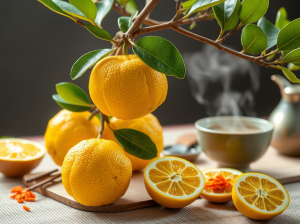
    In the mist-veiled mountains of Kitayama, where ancient rituals still echo through pine forests, a citrus fruit once whispered of protection and resilience—Jabara, the “evil-repelling” jewel of Wakayama. Long celebrated for its ritual role in Japanese New Year customs, this rare fruit has quietly evolved from folklore to functional marvel, now drawing attention from wellness seekers, chefs, and cosmetic artisans around the globe. As science begins to unravel its potent bioactive compounds, Jabara emerges not only as a cultural relic but as a modern remedy steeped in tradition and packed with promise.

    The earliest known use of Jabara (Citrus × jabara) dates back to Japan’s Edo period (1603–1868), specifically in Kitayama Village, Wakayama Prefecture, where it was cultivated as a naturally occurring hybrid of yuzu and other citrus varieties. Its name, written as 邪払, literally means “to ward off evil, reflecting its intense sourness and its traditional use in rituals and seasonal dishes to repel bad spirits.

    Jabara fruit typically resembles a small citrus, about the size of a baseball, with a round to slightly flattened shape and a thick, bumpy rind that transitions from green to bright yellow as it ripens. Its skin is aromatic and textured, similar to yuzu but often more rugged, and the interior flesh is pale yellow, juicy, and intensely sour with a peppery edge.

    The fruit contains fewer seeds than yuzu, and its juice yield, sugar content, and pectin levels are notably higher. The peel, rich in bioactive compounds, is often used in marmalades and cosmetics, and has a cedar-like aroma that adds to its appeal.

    Although it was grown locally for centuries, Jabara was officially registered as a citrus variety in 1979, and its first formal harvest took place in 1985. Historically, it was prized not only for its flavor but also for its medicinal and symbolic properties, especially during New Year celebrations, where it was considered a lucky charm. Source: Jabara (citrus) – Wikipedia

    🌿 Folklore Roots: Rituals and Symbolism

    Origin in Kitayama Village, Wakayama: Jabara (邪払) was cultivated as early as the Edo period, its name meaning “to ward off evil.”

    Spiritual Use: Its intense sourness was believed to repel bad spirits, making it a staple in seasonal rituals and New Year celebrations.

    Cultural Identity: Revered as a local treasure, it symbolized purity, protection, and resilience in mountainous Japanese communities.

    🍊 Transition to Culinary and Medicinal Use

    Flavor Profile: Rich, peppery acidity made it ideal for hearty winter dishes—especially duck, deer, and boar in mountain cuisine.

    Ponzu Alternative: Jabara juice became a prized substitute for yuzu in ponzu sauce, adding depth to traditional Japanese meals.

    Matsutake Pairing: Considered an “indispensable companion” to this prized mushroom, enhancing umami and aroma.

    💊 Rise as a Functional Food

    Scientific Recognition: Registered as a citrus variety in 1979; first official harvest in 1985.

    Bioactive Compounds: Contains narirutin, hesperidin, and naringin—linked to anti-allergic, anti-inflammatory, and skin-healing properties.

    Modern Applications:

    Used in cosmetics for atopic dermatitis and skin rejuvenation.

    Incorporated into candies, marmalades, and supplements for throat relief and immune support.

    Peel processed for marmalade rich in pectin, with patented methods to reduce bitterness while preserving health benefits.

    🔬 From Myth to Market

    Functional Food Movement: Japan’s 1980s push for foods with health benefits aligned perfectly with Jabara’s properties.

    Consumer Appeal: Its natural origin, cultural story, and scientifically backed benefits make it a standout in wellness markets.

    Integrative Potential: Jabara bridges traditional healing and modern nutrition—ideal for daily health rituals and culinary innovation.

    🧪 Commercial Viability Many of these fruits are used traditionally in medicinal or ritual contexts, not as daily snacks. That limits their appeal for large-scale farming or flashy branding in health food chains.

    🍵 Fusion Pairings with Jabara

    🌸 Culinary Collaborations

    Jabara & Hibiscus Ponzu: A floral take on traditional ponzu, perfect as a dipping sauce for tempura or grilled eggplant.

    Jabara-Miso Glazed Eggplant: Umami meets citrus tang, rooted in Japanese mountain cuisine but ideal for plant-based menus worldwide.

    Jabara Marmalade with Cardamom & Dates: A rich spread for toast or filling for health-conscious pastries, blending Middle Eastern warmth with Japanese brightness.

    🧉 Wellness & Skincare Blends

    Jabara + Indian Gooseberry (Amla):

    Anti-inflammatory + Vitamin C powerhouse.

    Perfect for tonics, immunity shots, or rejuvenating facial mists.

    Jabara & Hibiscus Facial Toner:

    Astringent and soothing—ideal for acne-prone or sensitive skin.

    Combines flavonoids from both botanicals to brighten and protect.

    🥗 Herbal Infusions & Functional Beverages

    Jabara-Infused Elderflower Sparkler:

    Aromatic, immune-supporting, and festive.

    Ideal for mocktails in seasonal menus.

    Jabara-Kaffir Lime Elixir:

    Digestive aid with Southeast Asian flair.

    Can be turned into a chilled tea or post-meal digestif.

    🌿 Key Health Benefits of Jabara

    Anti-Allergic Action Rich in narirutin, a flavonoid shown to suppress histamine release and reduce allergic reactions—especially seasonal allergies and atopic dermatitis.

    Anti-Inflammatory Support Narirutin and hesperidin from the peel exhibit strong anti-inflammatory effects, making Jabara useful for managing chronic inflammation.

    Skin Health & Repair Used in Japanese cosmetics for eczema and skin barrier repair, thanks to its antioxidant and soothing properties. It’s also being studied for UV protection and collagen support.

    Immune System Boost Contains vitamin C and flavonoids that enhance immune response and help fight off infections. Often used in throat lozenges and marmalades for cold relief.

    Digestive Aid The peel is rich in pectin, which supports gut health and regularity. Marmalade made from Jabara peel is a gentle digestive tonic.

    Respiratory Relief Traditionally used in mountainous Japanese regions to ease sinus congestion and throat irritation, especially during winter.

    Antioxidant Defense Jabara’s unique citrus profile includes naringin, which helps neutralize free radicals and may support cardiovascular health.

    Jabara’s bioactive compounds, its traditional uses, and how it compares to Yuzu and Kabosu in terms of medicinal value and cultural significance.

    🧪 Bioactive Compounds in Jabara

    Jabara (Citrus × jabara) is a powerhouse of flavonoids and aroma compounds, especially concentrated in its peel:

    CompoundFunction
    NarirutinAnti-allergic, anti-inflammatory; acts as a prodrug for naringenin2
    NaringeninActive form of narirutin; reduces nitric oxide and cytokine production
    HesperidinAntioxidant, supports vascular health
    NeohesperidinAnti-inflammatory, bitter-modulating
    5-HMF (5-Hydroxymethylfurfural)Inhibits mast cell degranulation; reduces allergy-like symptoms
    Myrcene, Limonene, TerpineneAroma compounds with antimicrobial and calming effects

    These compounds make Jabara effective in:

    • Treating atopic dermatitis (via peel creams)
    • Alleviating rhinitis and seasonal allergies
    • Supporting skin repair and immune modulation

    🏮 Traditional Uses of Jabara

    • Edo Period Rituals: Used to “ward off evil” (邪払), especially during New Year celebrations
    • Mountain Cuisine: Paired with duck, deer, and boar for its sour, peppery brightness
    • Ponzu Sauce: A substitute for yuzu in ponzu, enhancing umami and depth
    • Matsutake Companion: Considered indispensable with this prized mushroom
    • Throat Candies & Marmalades: Used in functional foods for cold relief and digestion

    🌏 Comparison: Jabara vs. Yuzu vs. Kabosu

    FruitKey BioactivesMedicinal ValueTraditional Role
    JabaraNarirutin, naringenin, hesperidin, 5-HMFAnti-allergic, anti-inflammatory, skin healing, respiratory support2Ritual citrus, ponzu base, allergy relief1
    YuzuLimonene, nomilin, vitamin CCirculatory support, antioxidant, skin brightening, bath therapy5Yuzu baths, zest in New Year dishes, yuzu kosho5
    KabosuCitric acid, vitamin C, flavonoidsAnti-aging, digestive aid, fatigue relief, cardiovascular support6Paired with fugu, grilled fish, cocktails6

    🧭 Summary

    Kabosu offers gentle digestive and anti-aging support, often used in culinary and beverage applications.

    Jabara stands out for its targeted allergy relief and skin repair, thanks to narirutin and 5-HMF.

    Yuzu is prized for its aromatic and circulatory benefits, deeply embedded in Japanese seasonal rituals.

    ⚠️ Who Should Use Caution with Jabara

    While Jabara is rich in antioxidants and bioactive flavonoids, some individuals may need to moderate or avoid its use—especially in concentrated forms like extracts, marmalades, or supplements:

    Those Taking Certain Medications Jabara juice may interfere with drug transporters like OATP1A2 and P-glycoprotein, which can affect absorption of medications such as fexofenadine (Allegra). This may elevate blood concentration and alter effectiveness.

    Citrus-Allergic Individuals Rare reactions may include mild itching, skin redness, or gastrointestinal discomfort due to citrus proteins and flavonoids.

    Infants and Toddlers Due to its strong acidity and potent bioactive content, Jabara may be too harsh for young digestive systems unless properly diluted and medically approved.

    People with Sensitive Skin (Topical Use) In cosmetic applications, highly concentrated Jabara extract may cause mild irritation or tingling, especially for those with rosacea, eczema, or fair skin tones.

    Pregnant or Breastfeeding Individuals Although no serious risks have been reported, it’s recommended to consult a healthcare professional before incorporating Jabara in supplements or topical products during pregnancy or lactation.

    📝 Disclaimer

    The information shared in this article is intended for educational and storytelling purposes only. It does not constitute medical advice or diagnosis. Individuals with health concerns, special conditions, or those taking prescription medications should consult with a qualified healthcare provider before consuming Jabara or using related products.

  • 🥭 Ivory Mango: The Tusk of Tradition and Nutrition

    Slender as an elephant’s tusk, sweet as tropical folklore, and steeped in cultural grace—the Ivory Mango is more than fruit; it’s a symbol of longevity, diplomacy, and vitality.

    First cultivated in the sun-drenched orchards of Thailand, the Ivory Mango was introduced to Yunnan, China in 1914. Its name honors its elegant shape—resembling the tusk of a young elephant—and the original tree is still thriving, famously yielding up to 500 kg of fruit in a single season.

    ✨ Cultivation with Purpose

    From orchard to global export, the Ivory Mango was cultivated for its rare blend of form and function:

    • 🍈 Visual Distinction: Its elongated, ivory-toned silhouette made it a premium pick in Asian markets.
    • 🍯 Flavor & Flesh: With a fiberless texture and 82% edible content, it’s a connoisseur’s delight.
    • 🌱 Genetic Prestige: Believed to be a progenitor of Maha Chanok and Jin Huang, two elite Thai mango varieties.
    • 📦 Economic Efficiency: High yields and culinary elegance made it a star in export and fine dining sectors.

    💊 Medicinal Brilliance

    Though Ivory Mango-specific studies are scarce, it inherits the therapeutic power of the mango family:

    • 🛡️ Mangiferin: A standout antioxidant linked to protection against breast, colon, and skin cancers.
    • 🌾 Digestive Relief: Rich in soluble and insoluble fiber—balancing gut health and easing bloating.
    • 💪 Immune Fortifier: Packed with vitamins C, A, and E, boosting overall resistance.
    • percentages in leaf green:
    • 💪 Vitamin C: 203%
    • 👁️ Vitamin A: 72%
    • ❤️ Vitamin E: 20%
    • 🧠 B6 + Folate: Brain and DNA health
    • 🌿 Fiber + Potassium: Digestive balance
    • ❤️ Heart Helper: Naturally lowers LDL cholesterol and stabilizes blood pressure.
    • 👁️ Glow & Clarity: Vitamin A supports collagen formation and eye vitality.

    Ivory Mango – Nutritional Brilliance

    Quick Stats per ~336g fruit:

    • Calories: 201
    • Total Fat: 1.3g
    • Fiber: 5g (20% DV)
    • Sugars: 46g
    • Protein: 2.8g
    • Potassium: 564mg (16%)
    • Vitamin C: 203% DV
    • Vitamin A: 72% DV
    • Vitamin B6: 20% DV
    • Vitamin E: 20% DV
    • Folate: 36% DV
    • Copper: 41% DV
    • Magnesium: 8% DV

    📌 Rich in antioxidants like mangiferin, Ivory Mango supports immunity, skin health, and heart function while adding sweet elegance to your plate.

    🌿 Ceremonial Echoes & Symbolism

    Although it doesn’t hold the same ritual spotlight as other mangoes, the Ivory Mango echoes deep cultural stories across Asia.

    🐘 In Thailand

    • The mango’s tusk-like shape links to the elephant, symbol of royalty and wisdom.
    • Ivory coloring aligns with notions of purity, luck, and spiritual clarity.
    • Featured in Songkran festivals, used in high-end culinary offerings to honor prosperity.

    🏮 In China

    • Its historic introduction reflected agricultural diplomacy between Thailand and China.
    • The original tree became a metaphor for longevity and abundance.
    • Shared as a gift during Lunar New Year and Mid-Autumn Festival, representing good fortune.

    🕉️ Across Asia

    • Mango leaves in Hindu rituals symbolize blessings and are used in sacred spaces.
    • In Buddhism, mango trees represent enlightenment—Buddha was said to meditate beneath one.
    • During South Asian weddings, mangoes evoke sweetness and fertility, making them ceremonial staples.

    🎉 Featured in Mango Festivals

    The Ivory Mango may not headline any festival, but its unique character earns it a spot in global mango celebrations:

    Delhi Mango Festival

    Florida Mango Festival

    Pine Island’s Mango Mania

    Appearances in global tastings & showcases

    🍽️ Culinary Uses of the Ivory Mango

    🥗 Fresh & Raw Applications

    • Sliced or cubed in tropical fruit salads with pineapple, banana, and mint
    • Paired with avocado in savory salads or toast, balanced with lime and chili flakes
    • Mango salsa for grilled fish, shrimp tacos, or chicken—adds brightness and depth

    🍚 Traditional Asian Dishes

    • Thai Sticky Rice with Mango (Khao Niao Mamuang): Ivory Mango’s smooth flesh makes it ideal for this coconut-infused dessert
    • Vietnamese Mango Salad: Combines shredded mango with herbs, chili, and fish sauce for a sweet-sour-spicy punch
    • Mango Curry: Used in Sri Lankan and South Indian dishes, where green or semi-ripe mangoes are simmered with spices and coconut milk

    🍛 South Indian Favorites

    • Mango Pachadi: A sweet-tangy side dish made with jaggery and tempered spices
    • Mango Dal (Mamidikaya Pappu): Ivory Mango adds a gentle tartness to this comforting lentil stew
    • Raw Mango Thokku: A spicy Tamil condiment made with grated mango, mustard seeds, and chili

    🍰 Desserts & Drinks

    • Mango Lassi: Blended with yogurt and cardamom for a creamy, cooling drink
    • Mango Sorbet or Ice Cream: Ivory Mango’s fiberless flesh creates a velvety texture
    • Mango Cheesecake or Mousse: Adds tropical flair to creamy desserts

    🍹 Beverages & Cocktails

    • Mango Mojito or Margarita: Pairs well with mint, lime, and tequila
    • Smoothies: Blends beautifully with banana, pineapple, or coconut milk for a tropical breakfast

    🍈 Availability Notes

    • Typically available as grafted trees, not fresh fruit in grocery stores.
    • Fruiting begins within 1–2 years of planting.
    • Ideal for gardeners, culinary enthusiasts, and tropical fruit collectors.

    🧭 The Journey Doesn’t End with Ivory

    From its tusk-like grace and medicinal brilliance to its roots in diplomacy and ritual, the Ivory Mango invites us to rethink what fruit can be—nutritious, symbolic, and timeless.

    But the world of healthy fruits is vast and vibrant. Each fruit carries its own story, healing power, and connection to tradition—just like this one.

    Whether you’re chasing flavor, wellness, or folklore—EJADA continues to gather these hidden treasures one fruit at a time.

    👉 Follow along, share your favorites, and stay curious. The next fruit might just change your perspective—or your plate.

  • Exploring Illawarra Plum’s Cultural and Culinary Heritage

    Illawarra Plum! It’s a fascinating fruit native to Australia, especially found in the Illawarra region of New South Wales. Here’s a flavorful breakdown:

    🌊 Etymology & Aboriginal Roots

    • The word Illawarra is derived from the Tharawal language, with early spellings like Allowrie, Elouera, or Eloura.
    • Common interpretations include:
      • “Pleasant place near the sea”
      • “High place near the sea”
      • Some sources suggest “Illa” means white clay, and “warra” or “wurra” means mountain, giving us “white clay mountain”

    📜 Historical Usage

    • Early European explorers like George Bass and Matthew Flinders recorded the name Allowrie during their 1796 expedition.
    • By 1817, Governor Macquarie referred to the region as “Five Islands,” but acknowledged the Aboriginal name Illawarra in official correspondence.

    🌿 Cultural Significance

    • The region has been inhabited for over 20,000 years by the Tharawal and Wadi Wadi peoples, who are the traditional custodians of the land surrounding Lake Illawarra.
    • The name carries spiritual weight, with landmarks like Mount Keira and Mount Kembla featuring in Aboriginal creation stories.

    🍇 Connection to the Illawarra Plum

    • The fruit’s name honors its native habitat, tying botanical identity to cultural geography.
    • It’s a beautiful example of how Indigenous knowledge and biodiversity are interwoven

    🍇 Illawarra Plum (Podocarpus elatus)

    • Also known as Brown Pine, though it’s not a true plum.
    • The edible part is actually a fleshy purple-black drupe attached to a seed cone.
    • Has a sweet, slightly tart flavor—often compared to stewed fruit or plum jam.

    🌿Illawarra’s cultural significance is deeply rooted in Aboriginal heritage, ecological reverence, and intergenerational storytelling. Let’s peel back the layers:

    🌿 Dharawal Country & Spiritual Connection

    • The Illawarra region is part of Dharawal Country, traditionally inhabited by the Tharawal and Wadi Wadi peoples for over 20,000 years.
    • Landmarks like Mount Keira (Djeera) hold sacred meaning. According to Dreaming stories, Djeera turned to stone while watching over her sisters, who became the Five Islands.
    • The Morton Bay Fig Tree in Figtree was a birthing site—newborns were placed in its roots and washed with creek water while mothers sang welcome songs.

    🌀 Living Culture & Community Identity

    • Aboriginal people moved freely across the region, sharing resources and maintaining fluid cultural boundaries that transcend modern municipal lines.
    • The Djeera Project, led by the Illawarra Local Aboriginal Land Council, is reclaiming Mt Keira as a place of learning and cultural continuity, using oral histories and educational outreach.

    🎨 Heritage in Urban Landscapes

    • Sites like the Old Wollongong Courthouse and Blue Mile Pathway are being reinterpreted through Indigenous and colonial lenses, offering a layered view of history.
    • Conservation efforts are blending heritage management with cultural storytelling, ensuring that both tangible and intangible assets are preserved.

    🌱 Why It Matters

    It’s a model of how Indigenous knowledge systems can inform ecological resilience, urban planning, and community healing.

    Illawarra’s cultural significance isn’t just historical—it’s alive, shaping identity, guiding land stewardship, and inspiring new generations to engage with their roots.

    • Grows on a tall evergreen tree, sometimes reaching up to 30 meters.
    • Fruit ripens in late summer to autumn.

    While all plums share a core set of health benefits, their nutritional profiles and medicinal properties can vary depending on the species, color, and preparation (fresh vs. dried). Here’s a breakdown:

    🍑 Shared Health Benefits Across Most Plums

    • Rich in antioxidants like anthocyanins and quercetin, which help fight inflammation and oxidative stress2
    • Good source of vitamin C, supporting immunity and skin health4
    • Contain dietary fiber, aiding digestion and relieving constipation3
    • Support heart health by lowering blood pressure and cholesterol4
    • May help regulate blood sugar due to their low glycemic index and fiber content3

    🌈 Differences Based on Variety

    Plum TypeUnique Traits & Benefits
    Illawarra PlumNative to Australia; high in antioxidants; used in bush medicine
    Kakadu PlumExceptionally high in vitamin C; used for skin and immune health
    Java Plum (Jamun)Known for managing diabetes and digestive issues
    European PlumsOften dried into prunes; excellent for bone health and constipation relief3
    Japanese PlumsJuicier and sweeter; good for hydration and skin support

    🧪 Fresh vs. Dried (Prunes)

    • Prunes have higher fiber and sugar content, making them more effective for constipation but also more calorie-dense3
    • Fresh plums are lower in calories and better for hydration and weight management4

    So while the baseline benefits are similar, the specific strengths of each plum can vary widely. Want to explore how Illawarra Plum stacks up against Kakadu or Davidson’s Plum in a cultural or medicinal context

    plums are nutritious and versatile, but like any fruit, they come with a few caveats worth noting. Here’s a comprehensive guide to precautions when consuming plums, especially if you’re integrating them into EJADA content:

    ⚠️ General Precautions

    • Don’t eat the pit: Plum pits contain amygdalin, which can release cyanide when metabolized. Always remove them before consumption.
    • Watch portion size: Limit to 2–3 fresh plums or 4–5 prunes per day to avoid bloating, gas, or diarrhea2.
    • Allergy alert: People allergic to Rosaceae family fruits (like peaches, cherries, apricots) may react to plums.
    • Wash thoroughly: Rinse under running water to remove pesticides and dirt4.

    🩺 Health-Specific Considerations

    • Kidney concerns: Plums are high in potassium—those with kidney disease should moderate intake.
    • Diabetes management: While plums have a low glycemic index, dried versions (prunes) are sugar-dense. Monitor blood sugar levels accordingly.
    • IBS or sensitive digestion: Sorbitol in plums may trigger symptoms like bloating or cramps.
    • Medication interactions: Plums may interact with blood thinners due to vitamin K and potassium content.

    👶 Special Populations

    • Infants under 1 year: Not recommended due to choking hazard and high fiber content.
    • Pregnant or breastfeeding: Stick to food-level amounts; medicinal doses lack safety data.

    🌿 Foraging & Wild Plum Safety

    • Avoid wild plums unless positively identified—some look-alikes can be toxic.
    • Never consume plums from polluted areas or those treated with unknown chemicals

    Smoked Illawarra Plum & Beet Carpaccio

    An appetizer that bridges bush food heritage with botanical elegance

    ✨ Cultural Significance

    Rooted in Dharawal Country, the Illawarra Plum connects Indigenous knowledge with native biodiversity. Traditionally used as food and medicine, its intense flavor and antioxidant-rich profile make it a standout in bush food cuisine. Pairing it with beetroot—a symbol of grounding and nourishment—echoes the Earth-centered ethos of many Indigenous food systems.

    🍴 Ingredients (Serves 4)

    • 2 medium beets, thinly sliced (raw or lightly steamed)
    • 6 Illawarra Plums, smoked or oven-roasted
    • 1 tbsp lemon myrtle-infused olive oil
    • 1 tsp bush mint, finely chopped
    • 1 tbsp wattleseed crumble (toasted and crushed)
    • Sea salt and cracked pepper to taste

    🔥 Instructions

    1. Prep the beets: Peel and thinly slice the beets using a mandolin. Arrange in overlapping circles on chilled plates.
    2. Smoke the plums: Halve and gently smoke the plums over native wood chips or roast at 180°C for 10 minutes until caramelized.
    3. Layer and dress: Spoon plum halves over beet slices. Drizzle with lemon myrtle olive oil.
    4. Finish with garnish: Sprinkle bush mint and wattleseed. Add sea salt and pepper.

    💪 Health Benefits

    IngredientBenefit
    Illawarra PlumAntioxidants, immune support
    BeetrootBlood pressure regulation, detox support
    Lemon MyrtleAnti-inflammatory, digestion aid
    WattleseedProtein, iron, low GI energy
    Bush MintAntimicrobial, refreshing aroma

    🌿 EJADA Tip

    Highlight this dish as an educational gateway—invite readers to explore native ingredients that go beyond flavor and into cultural and ecological consciousness. Sidebar note on Djeera’s Dreaming story to deepen connection to the land.

    🌀 Sidebar: Djeera’s Dreaming Story

    Mount Keira—known as Djeera to the Dharawal, Wadi Wadi, Eloura, and Yuin peoples—is more than a mountain; she is a sacred Ancestor. According to Dreaming stories, Djeera was a woman who stood watch over her sisters, the Five Islands off the Illawarra coast. When she turned to stone, her spirit remained embedded in the land, forming the mountain we see today.

    This story is a living thread in the cultural fabric of the Illawarra, passed down through oral traditions, art, and ceremony. It reflects deep kinship ties, ecological stewardship, and the spiritual connection between people and place. Djeera is honored as a symbol of strength and continuity, and her story continues to guide community identity and land care practices..

    🍹 Finger Lime & Plum Cooler

    Sparkling mocktail with bush citrus and plum richness

    🌿 Botanical Story

    Crafted from Citrus australasica (finger lime) and native Illawarra Plum purée, this cooler celebrates Australia’s biodiversity and Indigenous culinary wisdom. Finger lime “caviar” offers tart bursts reminiscent of ocean spray—symbolic of the Five Islands watched over by Mount Djeera. Hibiscus and lemon myrtle add floral brightness and ancient medicinal depth.

    🧊 Ingredients

    Serves 2

    • 2 tbsp plum purée (fresh, roasted, or Illawarra Plum)
    • 1 tbsp finger lime pearls (2 limes’ worth)
    • 1 tsp hibiscus syrup or rosella concentrate
    • 1 cup sparkling water
    • Juice of ½ lemon
    • Crushed ice
    • Garnish: lemon myrtle leaf, plum slice, edible flower

    🥄 Directions

    1. Combine plum purée, lemon juice, and hibiscus syrup.
    2. Add sparkling water and stir gently.
    3. Layer finger lime pearls in chilled glasses.
    4. Add crushed ice, pour plum mixture over.
    5. Garnish with lemon myrtle leaf or edible blooms.

    💪 Bush Food Benefits

    IngredientPurpose
    Finger LimeVitamin C, gut flora support
    PlumHeart health, antioxidants
    HibiscusBlood pressure, polyphenols
    Lemon MyrtleAnti-inflammatory, aromatic calm

    📌 EJADA Tip

    Use this mocktail to anchor your seasonal tasting series. Pair with the Smoked Illawarra Plum & Beet Carpaccio for a menu that blends earth, story, and science.

    🌺 Final Thought

    In this cooler, ancient flavors meet modern vitality. The finger lime’s burst and the plum’s depth aren’t just a taste experience—they’re a tribute to the land, its stories, and the traditions that continue to nourish us. Through seasonal ingredients and mindful preparation, we celebrate wellness that’s rooted in culture, connection, and the wisdom of native botanicals. Sip slowly, and let each element remind you: food isn’t just sustenance—it’s storytelling.

  • The Sweet Symbolism of Italian Prune Plums

    The Italian Prune Plum, botanically classified as Prunus domestica subsp. domestica, this freestone plum boasts an oval to oblong shape, smooth taut skin that ripens from dark red to deep purple, and a powdery white-blue bloom that signals freshness.

    Zwetschgenkuchen: a short-crust plum tart served at autumn festivals and Rosh Hashanah

    Zwetschgenknödel: sweet dumplings stuffed with plum slices and coated in buttered breadcrumbs

    Prune People Dolls: small figurines made from dried plums, figs, and walnuts sold at Christmas markets to bring good luck

    These traditions highlight the plum’s role as both a festive treat and a symbol of abundance.

    Origins and First Cultivation

    Italian Prune Plums trace their roots to the coastal Mediterranean regions of Italy. Experts hypothesize they descended from Syrian plums introduced around the 12th century, grafted onto local European rootstocks to create new cultivars. Over centuries, traders and travelers spread them across Europe, and they arrived in California during the mid-19th-century Gold Rush.

    Germany: Heart of Zwetschgen Traditions

    In Germany, Italian Prune Plums—called Zwetschgen—are more than just a late-summer fruit; they anchor a host of regional customs.

    Harvest Rituals: Picking Zwetschgen in September is a beloved end-of-summer tradition, with families making outings to local orchards to gather fruit destined for baking and preserving.

    Zwetschgenkuchen: A sheet-pan or springform plum tart built on a shortbread-style crust. Served at village fairs, bakeries, and even during Rosh Hashanah in German Jewish communities, it symbolizes sweetness and abundance for the coming year.

    Zwetschgenknödel: Savory-sweet plum dumplings wrapped in yeasted dough, rolled in buttered breadcrumbs, and sprinkled with sugar. Often enjoyed as an afternoon snack paired with quark or sour cream dip.

    Christmas Markets and “Prune People” Dolls

    From Nürnberg to Stuttgart, dried Italian Prune Plums metamorphose into charming plum-people figurines sold at Christkindlesmärkte:

    Good-Luck Charms: Artisans thread dried fruit, nuts, and spices onto wire frames, dressing them as tiny pilgrims or Santa-like figures. Gifted at weddings, birthdays, and holidays, these dolls are believed to usher in prosperity and joy.

    Market Atmosphere: Stalls brimming with spice-scented Prune People, mulled wine, and roasted chestnuts create an immersive celebration of winter’s onset.

    Jewish New Year: A Plum-Forward Twist

    German Jewish bakers adopted Zwetschgenkuchen for Rosh Hashanah, appreciating:

    Symbolism: The deep red hues and jammy sweetness of cooked plums stand in for wishes of a “sweet year” much like apples and honey.

    Accessibility: The freestone nature of Italian Prune Plums makes preparation simple—crisp skin, minimal seeding—so the focus remains on communal sharing and blessing.

    Fermented and Distilled Heritage

    Across parts of Europe, concentrated sugars in Italian Prune Plums are harnessed to craft traditional spirits:

    Eaux-de-Vie & Brandies: Small-batch distillers ferment the fruit whole—skin, flesh, and all—to produce clear, aromatic plum eaux-de-vie or aged prune brandy, relished as a post-meal digestif.

    Prune Wine: Similar to fruit wines, Zwetschgen ferment into ruby-tinted vintage bottles, often homemade in farmhouse cellars.

    American Nostalgia and Community

    In pockets of the U.S., Italian Prune Plums retain a niche but passionate following:

    Produce Stands as Gathering Places: As recounted by “Produce Pete” Napolitano, German-American customers (“Oma”) would flock to family stands in New Jersey to buy prune plums, then trade recipes and stories over coffee—echoes of old-world village markets.

    Baking Memories: Plum cakes and tarts baked from these modest fruits carry a sense of heritage and slow-food hospitality, evoking childhood kitchens and intergenerational bonds.

    These layers of tradition—from orchard rites and festive pastries to handcrafted folk art—underscore how the humble Italian Prune Plum weaves together seasonal rhythms, communal rituals, and cross-cultural celebrations across continents.

    Zwetschgenkuchen: a short-crust plum tart served at autumn festivals and Rosh Hashanah

    Zwetschgenknödel: sweet dumplings stuffed with plum slices and coated in buttered breadcrumbs

    Prune People Dolls: small figurines made from dried plums, figs, and walnuts sold at Christmas markets to bring good luck

    These traditions highlight the plum’s role as both a festive treat and a symbol of abound

    What Is the Italian Prune Plum?

    Crafting Plum-Forward Recipes for Low-FODMAP & Diabetic Meal Plans

    Introduction

    Plums bring vibrant color, juicy sweetness, and rich antioxidants to any dish, yet their natural sugar and sorbitol content requires care when tailoring recipes for sensitive diets. By understanding recommended serving sizes and smart ingredient swaps, you can spotlight plums in both low-FODMAP menus and diabetic-friendly meal plans without compromising on taste or digestive comfort.

    Plums in Specialized Diets

    • Low-FODMAP: Monash University classifies one small plum (≈50 g) as low-FODMAP, thanks to its moderate sorbitol load when eaten in controlled portions.
    • Diabetic-Friendly: Plums have a relatively low glycemic index (~40) and deliver fiber that slows sugar absorption, making one to two small plums suitable for most balanced diabetic meal plans.

    Low-FODMAP Plum Recipes

    1. Low-FODMAP Five-Spice Ribs with Plum Sauce • Uses Black Diamond plums lab-tested for sorbitol content. • Dry-rub pork ribs, then coat in a glossy plum sauce made from pureed plums, rice vinegar, and a hint of soy. • Adjust plum amount so each serving stays under one small-plum equivalent (≈50 g)1.
    2. Kiwi Kakadu Plum Smoothie Bowl • Blends unripe banana, low-FODMAP milk, kiwi, kale, ice, and a teaspoon of Kakadu plum powder. • Kakadu plum powder adds tangy vitamin C without excess sorbitol. • Garnish with chia seeds or coconut yogurt for extra texture.
    3. Mixed Greens & Plum Salad • Toss baby spinach and arugula with thinly sliced plums, toasted walnuts, and crumbled feta. • Dress with a simple lemon-olive oil vinaigrette. • Keeps plum intake to one small fruit per serving for FODMAP safety.

    Diabetic-Friendly Plum Recipes

    1. Sugar-Free Plum Jam • Simmer quartered plums until they break down into jam consistency, with no added sugar. • Bottle and refrigerate; one tablespoon provides jammy flavor with minimal glycemic impact.
    2. Plum Salad with Goat Cheese & Walnuts • Combine mixed greens, sliced plums, cucumber, crumbled goat cheese, and walnuts. • Drizzle lightly with balsamic vinaigrette. • Each 2-cup serving balances protein, healthy fats, and low-GI fruit for stable blood sugar.
    3. Low-Carb Plum Tartlets • Use a nut-based crust (almond flour, butter, pinch of salt) baked until golden. • Top with thin plum slices tossed in a splash of lemon juice. • Serve 2-inch mini tarts to keep carbs in check—perfect for diabetic meal planning.

    Tips for Recipe Customization

    • Portion Control: Measure plum flesh to stay within one small-plum equivalent (≈50 g) per serving.
    • Sugar Swaps: Rely on fruit’s natural sweetness or use small amounts of low-GI sweeteners like erythritol or stevia.
    • Healthy Fats & Protein: Pair plums with nuts, seeds, lean proteins, or full-fat dairy to slow glucose spikes and aid FODMAP digestion.
    • Batch Prep: Make sauces, jams, and vinaigrettes ahead, then portion-out for grab-and-go meals.

    Culinary Uses

    Italian Prune Plums are prized for their dense, low-water flesh and concentrated sweetness. Common applications include:

    Eating fresh or tossing into salads

    Baking into tarts, cakes, crumbles, and zwetschgenkuchen (German plum cakes)

    Simmering into jams, jellies, and compotes

    Drying into prunes for snacking or trail mix

    Fermenting into prune wine, brandy, or eaux-de-vie

    Low FODMAP Five-Spice Ribs with Plum Sauce

    Low FODMAP Five-Spice Ribs with Plum Sauce, Fodmapeveryday.com

    6h 50m · 812 cals · 4 servings .st0{fill:#0AAD0A;} .st1{fill:#FF7009;} .st2{fill:none;}

    Instacart View recipe

    Low Sugar Wild Plum Jam

    Low Sugar Wild Plum Jam

    Livelytable.com

    This recipe has a rating of 5.0 stars from 3 reviewers.

    5.0 (3)

    1h 30m · 223 cals · 4 servings .st0{fill:#0AAD0A;} .st1{fill:#FF7009;} .st2{fill:none;}

    InstacartView recipe

    Health Benefits

    These plums deliver a powerhouse of nutrients and bioactive compounds:

    NutrientPer 100 g Serving
    Potassium~157 mg
    Vitamin C10 mg
    Dietary Fiber1 g
    CalciumTrace
    Vitamin K~4 µg
    Vitamin ATrace

    Health Precautions When Enjoying Italian Prune Plums

    Introduction

    Italian Prune Plums offer delicious flavor and valuable nutrients, but certain precautions can help you enjoy them safely and comfortably.

    Common Gastrointestinal Effects

    The high fiber and sorbitol content of Italian Prune Plums can promote regularity, but overconsumption may lead to loose stools, bloating, or gas. Start with one or two plums (or prunes) and increase slowly to gauge your tolerance.

    Allergies and Sensitivities

    Some individuals experience oral allergy syndrome—itching or mild swelling of the lips, mouth, or throat—after eating stone fruits. Those allergic to birch pollen or other Rosaceae family members should introduce plums cautiously and monitor for reactions.

    Metabolic and Mineral Considerations

    Italian Prune Plums contain natural sugars that can impact blood glucose. People with diabetes should account for their carbohydrate content in meal planning. The potassium level (~157 mg per 100 g) supports heart health but may require moderation in chronic kidney disease to avoid hyperkalemia.

    Medication and Nutrient Interactions

    High dietary fiber can bind certain medications (e.g., levothyroxine, digitalis), reducing absorption. Space plum consumption at least two hours before or after critical medications and consult your pharmacist if you have concerns.

    Safe Consumption Tips @ WebMD

    Begin with small servings and note any digestive changes.

    Remove pits to prevent choking hazards, especially for young children.

    Choose organic or thoroughly wash fruit to minimize pesticide exposure.

    Balance plum intake with a varied diet to avoid excessive sugar and fiber all at once.

    Exploring how plum-based products fit into specialized diets—such as low-FODMAP protocols for IBS—or how to optimize prune hydration for culinary uses could further enhance your nutrition and well-being.

    Germany: Heart of Zwetschgen Traditions

    In Germany, Italian Prune Plums—called Zwetschgen—are more than just a late-summer fruit; they anchor a host of regional customs.

    Harvest Rituals: Picking Zwetschgen in September is a beloved end-of-summer tradition, with families making outings to local orchards to gather fruit destined for baking and preserving.

    Zwetschgenkuchen: A sheet-pan or springform plum tart built on a shortbread-style crust. Served at village fairs, bakeries, and even during Rosh Hashanah in German Jewish communities, it symbolizes sweetness and abundance for the coming year.

    Zwetschgenknödel: Savory-sweet plum dumplings wrapped in yeasted dough, rolled in buttered breadcrumbs, and sprinkled with sugar. Often enjoyed as an afternoon snack paired with quark or sour cream dip.

    Christmas Markets and “Prune People” Dolls

    From Nürnberg to Stuttgart, dried Italian Prune Plums metamorphose into charming plum-people figurines sold at Christkindlesmärkte:

    Good-Luck Charms: Artisans thread dried fruit, nuts, and spices onto wire frames, dressing them as tiny pilgrims or Santa-like figures. Gifted at weddings, birthdays, and holidays, these dolls are believed to usher in prosperity and joy.

    Market Atmosphere: Stalls brimming with spice-scented Prune People, mulled wine, and roasted chestnuts create an immersive celebration of winter’s onset.

    Jewish New Year: A Plum-Forward Twist

    German Jewish bakers adopted Zwetschgenkuchen for Rosh Hashanah, appreciating:

    Symbolism: The deep red hues and jammy sweetness of cooked plums stand in for wishes of a “sweet year” much like apples and honey.

    Accessibility: The freestone nature of Italian Prune Plums makes preparation simple—crisp skin, minimal seeding—so the focus remains on communal sharing and blessing.

    Fermented and Distilled Heritage

    Across parts of Europe, concentrated sugars in Italian Prune Plums are harnessed to craft traditional spirits:

    Eaux-de-Vie & Brandies: Small-batch distillers ferment the fruit whole—skin, flesh, and all—to produce clear, aromatic plum eaux-de-vie or aged prune brandy, relished as a post-meal digestif.

    Prune Wine: Similar to fruit wines, Zwetschgen ferment into ruby-tinted vintage bottles, often homemade in farmhouse cellars.

    American Nostalgia and Community

    In pockets of the U.S., Italian Prune Plums retain a niche but passionate following:

    Produce Stands as Gathering Places: As recounted by “Produce Pete” Napolitano, German-American customers (“Oma”) would flock to family stands in New Jersey to buy prune plums, then trade recipes and stories over coffee—echoes of old-world village markets.

    Baking Memories: Plum cakes and tarts baked from these modest fruits carry a sense of heritage and slow-food hospitality, evoking childhood kitchens and intergenerational bonds.

    How the Cultural Significance of Italian Prune Plums Has Evolved

    Medieval and Renaissance Beginnings

    Italian Prune Plums likely descended from Syrian plums introduced to Europe around the 12th century. Monasteries and coastal orchards in Italy cultivated them both fresh and dried, using the fruit as a nutritious travel rations along Mediterranean trade routes. Early grafting techniques spread these plums into monastery gardens, where their dense flesh and storability made them prized year-round.

    Integration into German Traditions

    By the 17th and 18th centuries, Italian Prune Plums—known as Zwetschgen—had become central to late-summer German customs. Harvesting outings in September turned into communal events, with families gathering fruit for baking Zwetschgenkuchen (plum tarts) and Zwetschgenknödel (plum dumplings) at village festivals. The dried fruits were also crafted into “plum people” dolls, small talismans sold at Christmas markets to symbolize good luck.

    Transatlantic Migration and American Adoption

    Mid-19th-century settlers carried Italian Prune Plums to the United States during the California Gold Rush. German-American communities in states like New Jersey and Pennsylvania preserved old-world recipes, trading plum-based cakes and prune doll crafts at local markets. These gatherings fostered intergenerational bonds and kept heritage baking alive even as supermarket varieties grew more prevalent.

    20th-Century Decline and Niche Preservation

    Through the 20th century, supermarket shelves favored juicier Japanese plums, pushing Italian Prune Plums into a boutique corner. Yet dedicated home gardeners and artisan producers safeguarded the cultivar. Farmers markets and craft distilleries in Europe and North America maintained small-batch jams, compotes, and spirits, preserving centuries-old traditions.

    21st-Century Revival and Global Fusion

    Today, Italian Prune Plums enjoy a resurgence among food historians, craft chocolatiers, and cocktail artisans. Small distilleries ferment them into eaux-de-vie and prune brandies, while chefs spotlight their jammy texture in modern pastries. Social media and heritage-orchard initiatives have spurred new interest in growing these plums for farm-to-table menus worldwide.

    Beyond their evolving symbolism, Italian Prune Plums have inspired related explorations—such as comparing freestone and clingstone plums or tracing the history of other European-origin fruits like Damson and Mirabelle plums.

    Terroir’s Role in Shaping Plum Flavor Profiles Across Regions

    Understanding Terroir

    Terroir is the unique combination of soil, climate, topography, and human practices that influence how a fruit tastes. In plums, subtle shifts in any of these factors can amplify sweetness, acidity, texture, and aroma. Appreciating terroir helps growers and chefs select the best regional varieties for specific culinary applications.

    Soil Composition

    The mineral makeup, pH level, and drainage of vineyard-like plum orchards dictate not only growth vigor but also fruit chemistry.

    • Heavy, clay-rich soils tend to retain moisture and produce plums with softer flesh and milder sweetness.
    • Sandy, well-drained soils stress the tree slightly, concentrating sugars and intensifying tart-sweet balance.
    • Volcanic or limestone substrates can impart subtle mineral notes, lending plums a distinct savory backbone.

    Climate and Microclimate

    Sunlight, temperature swings, and rainfall patterns fundamentally alter sugar accumulation and acid retention in plums:

    • Warm days and cool nights (diurnal range) boost anthocyanin formation, deepening color and enhancing berry-like notes.
    • Regions with moderate rainfall avoid dilution of sugars, preserving density and jam-ready consistency.
    • Excessive heat can degrade delicate aromatics, while too much humidity invites disease and inconsistent ripening.

    Topography and Altitude

    Hilly orchards versus flat plains yield markedly different plum characteristics:

    • Sloped sites with southern exposure capture maximum sun, producing sweeter, more intensely colored plums.
    • Higher elevations often mean cooler ambient temperatures, preserving acidity and producing crisper textures.
    • Good air drainage on hillsides reduces frost risk, ensuring even flowering and fruit set.

    Farming Practices

    Beyond geography, cultivation choices steer flavor development:

    • Minimal irrigation stresses trees just enough to concentrate sugars, while drip systems allow precise water management.
    • Organic amendments and cover cropping foster diverse soil biology, enhancing nutrient uptake and subtle flavor complexity.
    • Pruning intensity and canopy management regulate sun exposure, influencing sugar-acid ratios and skin thickness.

    Culinary Implications and Beyond

    Chefs and artisans harness terroir-driven nuances to craft region-specific recipes:

    • In Provence, lightly macerated Italian Prune Plums star in lavender-scented tarts.
    • Bavarian bakers rely on Zwetschge’s tart backbone for robust fruit dumplings.
    • Californian mixologists infuse Santa Rosa-based syrups into seasonal cocktails that highlight floral aromatics.

    With a clear view of how terroir shapes plum characteristics, we can better appreciate each region’s signature fruit.

    Introduction

    Plums bring vibrant color, juicy sweetness, and rich antioxidants to any dish, yet their natural sugar and sorbitol content requires care when tailoring recipes for sensitive diets. By understanding recommended serving sizes and smart ingredient swaps, you can spotlight plums in both low-FODMAP menus and diabetic-friendly meal plans without compromising on taste or digestive comfort.

    Tips for Recipe Customization

    • Portion Control: Measure plum flesh to stay within one small-plum equivalent (≈50 g) per serving.
    • Sugar Swaps: Rely on fruit’s natural sweetness or use small amounts of low-GI sweeteners like erythritol or stevia.
    • Healthy Fats & Protein: Pair plums with nuts, seeds, lean proteins, or full-fat dairy to slow glucose spikes and aid FODMAP digestion.
    • Batch Prep: Make sauces, jams, and vinaigrettes ahead, then portion-out for grab-and-go meals.
    Low FODMAP Five-Spice Ribs with Plum Sauce

    Low FODMAP Five-Spice Ribs with Plum Sauce

    Fodmapeveryday.com

    6h 50m · 812 cals · 4 servings .st0{fill:#0AAD0A;} .st1{fill:#FF7009;} .st2{fill:none;}

    InstacartView recipe

    Low Sugar Wild Plum Jam

    Low Sugar Wild Plum Jam

    Livelytable.com

    This recipe has a rating of 5.0 stars from 3 reviewers.

    5.0 (3)

    1h 30m · 223 cals · 4 servings .st0{fill:#0AAD0A;} .st1{fill:#FF7009;} .st2{fill:none;}

    InstacartView recipe

    Crafting Plum-Forward Recipes for Low-FODMAP & Diabetic Meal Plans

    Introduction

    Plums bring vibrant color, juicy sweetness, and rich antioxidants to any dish, yet their natural sugar and sorbitol content requires care when tailoring recipes for sensitive diets. By understanding recommended serving sizes and smart ingredient swaps, you can spotlight plums in both low-FODMAP menus and diabetic-friendly meal plans without compromising on taste or digestive comfort.

    Plums in Specialized Diets

    • Low-FODMAP: Monash University classifies one small plum (≈50 g) as low-FODMAP, thanks to its moderate sorbitol load when eaten in controlled portions.
    • Diabetic-Friendly: Plums have a relatively low glycemic index (~40) and deliver fiber that slows sugar absorption, making one to two small plums suitable for most balanced diabetic meal plans.

    Low-FODMAP Plum Recipes

    1. Low-FODMAP Five-Spice Ribs with Plum Sauce • Uses Black Diamond plums lab-tested for sorbitol content. • Dry-rub pork ribs, then coat in a glossy plum sauce made from pureed plums, rice vinegar, and a hint of soy. • Adjust plum amount so each serving stays under one small-plum equivalent (≈50 g)1.
    2. Kiwi Kakadu Plum Smoothie Bowl • Blends unripe banana, low-FODMAP milk, kiwi, kale, ice, and a teaspoon of Kakadu plum powder. • Kakadu plum powder adds tangy vitamin C without excess sorbitol. • Garnish with chia seeds or coconut yogurt for extra texture.
    3. Mixed Greens & Plum Salad • Toss baby spinach and arugula with thinly sliced plums, toasted walnuts, and crumbled feta. • Dress with a simple lemon-olive oil vinaigrette. • Keeps plum intake to one small fruit per serving for FODMAP safety.

    Diabetic-Friendly Plum Recipes

    1. Sugar-Free Plum Jam • Simmer quartered plums until they break down into jam consistency, with no added sugar. • Bottle and refrigerate; one tablespoon provides jammy flavor with minimal glycemic impact.
    2. Plum Salad with Goat Cheese & Walnuts • Combine mixed greens, sliced plums, cucumber, crumbled goat cheese, and walnuts. • Drizzle lightly with balsamic vinaigrette. • Each 2-cup serving balances protein, healthy fats, and low-GI fruit for stable blood sugar.
    3. Low-Carb Plum Tartlets • Use a nut-based crust (almond flour, butter, pinch of salt) baked until golden. • Top with thin plum slices tossed in a splash of lemon juice. • Serve 2-inch mini tarts to keep carbs in check—perfect for diabetic meal planning.

    Tips for Recipe Customization

    • Portion Control: Measure plum flesh to stay within one small-plum equivalent (≈50 g) per serving.
    • Sugar Swaps: Rely on fruit’s natural sweetness or use small amounts of low-GI sweeteners like erythritol or stevia.
    • Healthy Fats & Protein: Pair plums with nuts, seeds, lean proteins, or full-fat dairy to slow glucose spikes and aid FODMAP digestion.
    • Batch Prep: Make sauces, jams, and vinaigrettes ahead, then portion-out for grab-and-go meals.

    With a few ingredient tweaks and mindful serving sizes, plums can star in recipes that satisfy both low-FODMAP and diabetic dietary needs. From savory five-spice ribs to sugar-free plum jam and elegant mini tarts, you can craft menus that honor flavor, texture, and health. Next up, explore plum-infused brunch ideas or dive into gluten-free plum desserts for even more creative possibilities.

    Conclusion

    With a few ingredient tweaks and mindful serving sizes, plums can star in recipes that satisfy both low-FODMAP and diabetic dietary needs. From savory five-spice ribs to sugar-free plum jam and elegant mini tarts, you can craft menus that honor flavor, texture, and health. Next up, explore plum-infused brunch ideas or dive into gluten-free plum desserts for even more creative possibilities.

    Final Thought

    Enjoying Italian Prune Plums brings both flavor and nutrition, but keeping these precautions in mind will help you savor them safely and comfortably.

    Start with small servings to assess tolerance for fiber and sorbitol, which can otherwise cause bloating or loose stools.

    Watch for oral allergy syndrome if you’re sensitive to birch pollen or other stone fruits, and introduce plums cautiously.

    Account for their natural sugars in meal planning—especially if you have diabetes—and moderate intake if you have kidney concerns due to potassium content.

    Space high-fiber fruits at least two hours apart from critical medications (like levothyroxine or digitalis) to ensure proper drug absorption.

    Always pit the fruit to prevent choking, wash thoroughly (or choose organic) to reduce pesticide exposure, and balance plum consumption within a varied diet.

    By following these simple guidelines, you can integrate Italian Prune Plums into your menu—whether fresh, baked, dried, or distilled—while supporting digestive comfort, nutritional balance, and overall well-being.

  • Irvingia Gabonensis: The African Mango’s Untold Health Benefits

    🧐 Could a tropical fruit hold the key to weight loss, cholesterol balance, and ancient healing wisdom?

    That’s the question that surrounds Irvingia gabonensis, also known as African mango—a powerhouse fruit native to West and Central Africa. Celebrated not only for its seeds (often called “dika nuts”) but also for its deep cultural roots and evolving scientific recognition, Irvingia gabonensis offers a fascinating blend of ancestral use and modern health exploration.

    🌿 Medicinal Powerhouse: Irvingia gabonensis Beyond the Buzz

    Known for its seed extract’s role in metabolic health, Irvingia gabonensis has been used traditionally to treat:

    • 💪 Weight management: Its soluble fiber helps slow digestion and promote fullness
    • 💛 Cholesterol & blood sugar balance: Studies suggest it may reduce LDL levels and regulate glucose
    • 🤕 Anti-inflammatory and analgesic use: Traditionally used to alleviate pain and swelling
    • 🧠 Cognitive and digestive health: Its bioactive compounds are being studied for broader systemic support

    🥣 Culinary Significance: From Forest to Fire

    Locals cherish Irvingia’s dried seeds (dika nuts) for their:

    • 🍲 Soup thickening properties—particularly in dishes like ogbono soup in Nigeria
    • 🧂 Flavor enhancement, with a nutty richness and earthy depth
    • 🔥 Oil production, extracted for cooking and cosmetics

    Rooted in Rituals & Indigenous Innovation

    Among the Bantu, Fang, and other ethnic groups in West-Central Africa:

    • 🔮 Irvingia seeds and bark have spiritual uses in rites of protection and healing
    • 🌾 The trees are often cultivated near homes as symbols of resilience and sustenance
    • 🏺 The fruit and seeds play roles in traditional pharmacopoeia passed down generations

    🌟 Sacred Seeds: Irvingia gabonensis in Ritual and Tradition

    Could a tropical seed thicken your soup and protect your spirit? For communities across West and Central Africa, Irvingia gabonensis—commonly known as African mango—has served as more than a nutritional staple. Its presence weaves through ancestral rituals, marriage customs, and healing ceremonies, reflecting both the fruit’s biological richness and its cultural depth.

    🔮 Ancestral Offerings and Seasonal Rites

    In regions of Nigeria and Cameroon, dishes made with Irvingia seeds, like ogbono soup, are more than culinary delights—they’re spiritual offerings. Prepared during festivals and harvest ceremonies, the soup symbolizes abundance and reverence for ancestral spirits, often served in rituals honoring fertility, transition, and communal blessings.

    💍 Marriage Customs & Cultural Symbolism

    Among groups like the Igbo and Yoruba, Irvingia plays a role in courtship rituals. Dika nuts may be gifted as part of a bride’s dowry, representing prosperity and the intention to nourish. During wedding feasts, ogbono soup is prepared by elders and shared by families, signifying unity and the blending of traditions.

    🧙🏾‍♂️ Spiritual Protection and Healing Practices

    The Bulu people of Southern Cameroon revere Irvingia for its spiritual potency. The bark and seeds are incorporated into charms, ritual baths, and healing ceremonies designed to ward off misfortune and restore balance. These practices stem from a rich pharmacopoeia rooted in Indigenous science and cosmology.

    🍲 Communal Feasting and Storytelling

    Beyond formal rituals, Irvingia’s role is deeply social. During naming ceremonies, funerals, and seasonal gatherings, ogbono soup anchors meals that connect generations. Its preparation—often guided by oral storytelling—preserves cultural memory and celebrates resilience.

    More Than Mangoes Irvingia gabonensis embodies the convergence of nourishment and narrative. Its seeds are a testament to the power of tradition—binding families, healing bodies, and honoring spirits through ceremonies passed down centuries.

    🌟 Sacred Seeds: Irvingia gabonensis in Ritual and Tradition

    Could a tropical seed thicken your soup and protect your spirit? For communities across West and Central Africa, Irvingia gabonensis—commonly known as African mango—has served as more than a nutritional staple. Its presence weaves through ancestral rituals, marriage customs, and healing ceremonies, reflecting both the fruit’s biological richness and its cultural depth.

    🔮 Ancestral Offerings and Seasonal Rites

    In regions of Nigeria and Cameroon, dishes made with Irvingia seeds, like ogbono soup, are more than culinary delights—they’re spiritual offerings. Prepared during festivals and harvest ceremonies, the soup symbolizes abundance and reverence for ancestral spirits, often served in rituals honoring fertility, transition, and communal blessings.

    💍 Marriage Customs & Cultural Symbolism

    Among groups like the Igbo and Yoruba, Irvingia plays a role in courtship rituals. Dika nuts may be gifted as part of a bride’s dowry, representing prosperity and the intention to nourish. During wedding feasts, ogbono soup is prepared by elders and shared by families, signifying unity and the blending of traditions.

    🧙🏾‍♂️ Spiritual Protection and Healing Practices

    The Bulu people of Southern Cameroon revere Irvingia for its spiritual potency. The bark and seeds are incorporated into charms, ritual baths, and healing ceremonies designed to ward off misfortune and restore balance. These practices stem from a rich pharmacopoeia rooted in Indigenous science and cosmology.

    🍲 Communal Feasting and Storytelling

    Beyond formal rituals, Irvingia’s role is deeply social. During naming ceremonies, funerals, and seasonal gatherings, ogbono soup anchors meals that connect generations. Its preparation—often guided by oral storytelling—preserves cultural memory and celebrates resilience.

    More Than Mangoes Irvingia gabonensis embodies the convergence of nourishment and narrative. Its seeds are a testament to the power of tradition—binding families, healing bodies, and honoring spirits through ceremonies passed down centuries.

    African mango isn’t just a culinary staple—it’s a scientifically studied fruit with a wide range of health benefits, especially when its seed extract (often called AME) is used. Here’s a breakdown of its most notable advantages:

    🏋️‍♂️ Weight Management

    • Appetite suppression: The soluble fiber in the seeds promotes satiety, helping reduce overall calorie intake.
    • Fat reduction: Clinical trials show significant decreases in body fat, waist circumference, and overall weight when AME is taken regularly
    • Metabolic boost: May enhance fat metabolism and inhibit fat cell growth.

    💓 Heart and Cholesterol Health

    • Lowers LDL (bad cholesterol) and triglycerides, while potentially raising HDL good cholesterol).
    • Improves blood lipid profiles, reducing risk factors for cardiovascular disease.

    🩺 Blood Sugar and Diabetes Support

    • Regulates glucose levels: AME has shown promise in lowering fasting blood sugar.
    • Improves insulin sensitivity, which is crucial for managing type 2 diabetes. Medicine Net

    🧠 Anti-inflammatory and Antioxidant Effects

    • Rich in phenolic compounds like flavonols, tannins, and ellagic acid that fight oxidative stress.
    • May reduce systemic inflammation, supporting joint and brain health. Healthline

    🧬 Digestive and Nutritional Support

    • High in soluble fiber, aiding digestion and promoting gut health.
    • The pulp is rich in vitamin C, supporting immune function and skin health.

    ⚠️ Things to Keep in Mind

    • Side effects are rare but may include headaches, gas, or sleep disturbances.
    • Supplement quality varies—look for third-party testing and avoid unverified products.

    🥭 Who Should Avoid African Mango (Irvingia gabonensis)?

    While African mango offers impressive health benefits, certain individuals should approach it with caution—or avoid it altogether:

    ⚠️ People with Fruit Allergies

    • Those allergic to mangoes, peaches, kiwis, or other tropical fruits may experience itching, swelling, or difficulty breathing due to cross-reactivity.
    • If you’ve had allergic reactions to fruit before, consult an allergist before trying African mango.

    🤰 Pregnant or Breastfeeding Individuals

    • There’s limited safety data on African mango during pregnancy or lactation.
    • To avoid unknown risks, it’s best to steer clear unless advised otherwise by a healthcare provider.

    💊 People on Certain Medications

    • African mango may interact with diabetes or cholesterol medications, potentially altering their effectiveness.
    • If you’re on blood sugar or lipid-lowering drugs, talk to your doctor before supplementing.

    🩺 Individuals with Chronic Kidney Disease

    • A rare case linked African mango to worsened kidney function, requiring dialysis.
    • Those with kidney issues should avoid it or use only under medical supervision.

    🧪 Those Sensitive to High Doses or Adaptogens

    • African mango contains adaptogenic compounds that can act as mild stressors. In high doses, this may lead to digestive upset, headaches, or mild toxicity.
    • Stick to recommended amounts—typically 100–300g fresh fruit or 20–30g dried powder daily.

    🛒 Availability of African Mango in the U.S.

    African mango (Irvingia gabonensis) isn’t commonly found fresh in mainstream grocery stores across the U.S., but its seed extract—often marketed as “African mango supplements”—is widely available. Here’s how it breaks down:

    🧴 Supplement Form

    • Widely stocked in health food stores like Whole Foods, GNC, and The Vitamin Shoppe
    • Available online via Amazon, iHerb, and Walmart
    • Typically sold as capsules, powders, or teas, often blended with other weight-loss ingredients

    🥭 Fresh or Dried Fruit

    • Rarely available fresh due to its tropical origin and short shelf life
    • May be found in specialty African or Caribbean markets, especially in cities with large West African communities (e.g., NYC, Atlanta, Houston)
    • Dried seeds (dika nuts) occasionally sold online or in ethnic grocery stores for culinary use

    📦 Import Challenges

    • Irvingia isn’t part of the mainstream mango import stream (which includes Tommy Atkins, Kent, and Ataulfo varieties)
    • Its availability is seasonal and limited, often dependent on small-scale importers or diaspora demand

    🌿 Little-Known Gem to End On: Irvingia’s Role in Biodiesel

    Here’s a surprise twist—Irvingia gabonensis isn’t just making waves in kitchens and clinics. Its seed oil has shown promise in biodiesel production, offering an eco-friendly alternative to fossil fuels. Researchers have explored how the high-fat content and molecular stability of dika oil can be harnessed for renewable energy, particularly in regions where the fruit is abundant.

    🌍 Wrapping It All Up: Irvingia’s Journey from Ancestral Roots to Modern Innovation

    From ritual offerings and wedding ceremonies to metabolic support and renewable energy, Irvingia gabonensis—the African mango—embodies a fascinating convergence of culture, health, and sustainability. Its seeds not only enrich soups and safeguard traditions but also fuel new scientific frontiers, including biodiesel exploration.

    Whether honored at ancestral altars or studied in clinical trials, Irvingia remains a sacred seed with stories yet to be told. It’s more than just a fruit—it’s living history and emerging science, stitched into the soul of West Africa and rippling outward into global curiosity.

  • Exploring Inkberry: Culinary and Ecological Benefits

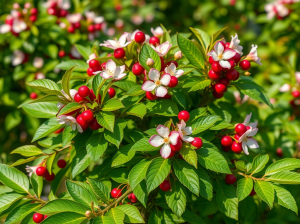
    Inkberry (Ilex glabra), also known as Appalachian Tea or Gallberry, has a fascinating blend of culinary, ceremonial, and ecological significance. Let’s break it down:

    🍵 Culinary Uses of Inkberry

    • Tea from Leaves: Native American tribes traditionally dried and roasted inkberry leaves to brew a black tea-like beverage, often referred to as Appalachian Tea. The flavor is similar to orange pekoe but naturally caffeine-free.
    • Inkberry Honey: Bees feeding on inkberry flowers produce a dark, rich honey known as Gallberry honey, prized in the southeastern U.S. for its flavor and antioxidant properties4.
    • Jam & Jelly (Caution Advised): While some sources mention the berries being used in jams or jellies, this is not widely recommended due to their mild toxicity.

    🪶 Historical & Ceremonial Use

    • Medicinal Infusions: Tribes in the Appalachian region used leaf or bark infusions to treat fevers, coughs, and skin conditions, leveraging its anti-inflammatory and diuretic properties.
    • Ceremonial Decorations: Inkberry branches and leaves were used in wreaths and garlands for rituals and seasonal celebrations, especially in winter months6.
    • Tea in Rituals: Though not as intense as Yaupon Holly (Ilex vomitoria), inkberry tea may have been consumed during communal gatherings, symbolizing healing and unity.

    ⚠️ Precautions for Culinary Use

    • Berries Are Mildly Toxic: The jet-black berries contain saponins and can cause nausea or vomiting if ingested in quantity—especially dangerous for children.
    • Use Only Leaves for Tea: Always dry and roast the leaves before brewing. Fresh or improperly prepared leaves may cause digestive upset.
    • Avoid During Pregnancy: Due to its emetic and diuretic properties, inkberry tea should be avoided by pregnant or breastfeeding individuals.
    • Proper Identification: Inkberry can be confused with other holly species, some of which are more toxic. Always verify the plant before use.

    Winter Herbal Tea Guide: Inkberry (Ilex glabra)

    Inkberry leaves make a gentle, caffeine-free tea perfect for cold evenings. This guide covers everything from leaf preparation to safe dosage, helping you integrate inkberry into your winter herbal tea series.

    Ingredients and Equipment

    • Dried inkberry leaves (Ilex glabra)
    • Fresh, filtered water
    • Small roasting pan or oven tray
    • Tea kettle or saucepan
    • Tea infuser or strainer
    • Airtight glass jar for storage

    Harvesting and Leaf Preparation

    Collect fresh leaves in late autumn before heavy frost to maximize flavor.

    Spread leaves in a single layer on a clean tray and air-dry in a cool, well-ventilated space for 7–10 days.

    Lightly roast the dried leaves in a preheated pan (250°F/120°C) for 5–7 minutes, shaking gently until they turn a medium brown.

    Allow roasted leaves to cool fully before storing in an airtight jar away from light.

    Brewing Instructions

    1. Bring water to a gentle boil (around 200°F/93°C).
    2. Add 1–2 teaspoons of roasted inkberry leaves to an infuser per 8 oz cup.
    3. Pour hot water over leaves and steep for 10–15 minutes.
    4. Remove leaves and enjoy as is, or sweeten lightly with honey.

    Dosage Recommendations

    AudienceLeaf AmountCups per Day
    Adults (18+)1–2 tsp dried roast leavesUp to 3 cups
    Adolescents (12–17)½–1 tsp per cup1–2 cups
    Children (under 12)Not recommendedN/A
    Pregnant or breastfeedingAvoid useN/A

    Storage and Shelf Life

    Store roasted leaves in an airtight glass jar in a cool, dark cabinet.

    Properly dried and roasted leaves will retain flavor and activity for up to 12 months.

    Check periodically for moisture—discard if you notice clumping or off-odors.

    Precautions

    Avoid inkberry tea if you have kidney disease, low blood pressure, or are on diuretic medication.

    Refrain from use during pregnancy and breastfeeding due to its mild emetic and diuretic effects.

    Always confirm plant identification: don’t confuse inkberry with other holly species that have more potent toxins.

    Flavor Pairings and Enhancements

    • Cinnamon sticks and a slice of fresh orange peel for warming citrus notes
    • A small piece of sliced ginger to enhance digestive support
    • Blend with mild rooibos or honeybush for extra sweetness and color

    Health Benefits of Inkberry Tea (Ilex glabra)

    Inkberry tea, brewed from the roasted leaves of the gallberry holly, offers a gentle, caffeine-free infusion prized in traditional Appalachian herbalism.

    Antioxidant Protection

    • Rich in flavonoids (quercetin, kaempferol) and phenolic acids
    • Neutralizes free radicals, helping to combat oxidative stress
    • Supports skin health and may lower the risk of chronic diseases

    Gentle Diuretic and Detox Support

    • Stimulates mild diuresis without harsh side effects
    • Aids kidney function and promotes natural detoxification
    • Traditionally used to relieve mild edema and fluid retention

    Anti-Inflammatory Action

    • High tannin content helps tone inflamed tissues
    • May ease joint stiffness and soothe rheumatic aches
    • Regular consumption can support comfort in mild arthritis

    Digestive and Astringent Benefits

    • Tannins tone mucous membranes in the gut
    • Eases diarrhea, dysentery, and mild intestinal cramping
    • Used traditionally for hemorrhoidal discomfort through vein-toning

    Immune and Respiratory Support

    • Acts as a mild immune tonic during cold seasons
    • Contains trace saponins that help loosen bronchial mucus
    • Soothes chronic coughs and throat irritation

    Mineral and Electrolyte Balance

    • Supplies magnesium and potassium to support electrolyte balance
    • Contributes to healthy cardiovascular and neuromuscular function

    Inkberry tea’s blend of antioxidants, astringents, and gentle diuretic properties makes it an ideal warming tonic for winter wellness. Consider pairing it with complementary herbs—like ginger for extra digestive support or cinnamon and orange peel for enhanced flavor and immune boost—while respecting dosage guidelines for safe, daily enjoyment.

    Little-Known Benefits of Inkberry (Ilex glabra)

    Beyond its herbal tea uses, inkberry offers surprising ecological, landscaping, and even apicultural perks that many overlook.

    1. Pollinator and Butterfly Support

    • Attracts honeybees, helping sustain local apiaries and the production of prized Gallberry honey.
    • Serves as a larval host for the Henry’s elfin butterfly (Callophrys henrici), bolstering native butterfly populations.

    2. Natural Erosion Control & Drought Resistance

    • Deep, fibrous root system stabilizes soil on banks and slopes, reducing runoff and erosion.
    • Exceptional drought tolerance makes it ideal for water-wise or xeriscape designs, cutting irrigation needs.

    3. Winter Wildlife Forage

    • Glossy evergreen foliage and late-season berries provide critical cover and food for songbirds and small mammals in cold months.

    4. Living Privacy Screens & Low-Maintenance Hedges

    • Dense growth habit and year-round greenery create natural fences, boosting privacy and noise reduction with minimal pruning.
    • Thrives in poor, acidic soils where many shrubs struggle, lowering maintenance efforts and fertilizer inputs.

    5. Specialty Honey Production

    • When in bloom, inkberry stands are favored by beekeepers for producing a dark, subtly floral honey high in antioxidants—Gallberry honey commands a premium regional market.

    Inkberry’s combined ecological services—pollinator support, erosion control, winter forage, and premium honey production—make it a multipurpose plant well worth integrating into sustainable landscapes.

    Citations Ilex glabra’s attraction for honeybees and role as a host plant for Henry’s elfin butterfly. North Carolina Extension Gardener Plant Toolbox. 2 Inkberry’s drought tolerance, erosion control, wildlife support, and use as low-maintenance screening. greg.app

    Availability of Inkberry (Ilex glabra) in the United States

    Inkberry holly is native to the eastern United States and is widely cultivated and sold by nurseries and online retailers across the country. Its adaptation to USDA hardiness zones 4 through 9 makes it suitable for a broad geographic range.

    Where to Find Inkberry in the U.S.

    • Direct Native Plants: Offers 1- and 3-gallon containers, shipping throughout the United States (currently out of stock)
    • CFL&T Nursery (Florida): Wholesale availability of 1- and 3-gallon gallberry/inkberry shrubs for Southeastern landscapes
    • Amazon (Hirt’s Gardens): “Squeeze Box™ Inkberry Holly” in 4″ pots, shipping nationwide
    • Pinelands Nursery: #1-pot native Ilex glabra stock; minimum orders of 10 plants; shipping options upon request
    • Kollar Nursery: Multiple sizes (1 qt.–3 gal.) of Ilex glabra and its cultivars, with shipping details available regionally

    Tips for Sourcing and Planting

    • Verify hardiness zone compatibility (zones 4–9) before ordering.
    • Confirm male/female plant ratio if you want berry production (inkberry is dioecious).
    • Ask about shipping seasons—many nurseries ship bare-root or containerized stock in late winter to early spring.

    Inkberry’s widespread availability and ease of shipping make it a practical choice for landscapers, home gardeners, and restoration projects throughout the U.S.

    directnativeplants.com

    directnativeplants.com

    cflatnursery.com

    cflatnursery.com

    www.amazon.com

    http://www.amazon.com

    www.pinelandsnursery.com

    http://www.pinelandsnursery.com

    www.kollarnursery.com

    http://www.kollarnursery.com

    Wrap-Up

    Inkberry holly (Ilex glabra) stands out as a multifunctional native shrub—offering winter interest, wildlife support, and gentle herbal uses. Thriving in USDA zones 4–9, it’s both resilient in diverse landscapes and valued for its roasted‐leaf tea traditions.

    When you’re ready to introduce inkberry into your garden or herbal library, remember to:

    • Verify your hardiness zone and soil conditions.
    • Source both male and female plants for berry production.
    • Time your order for late winter or early spring shipping.

    Integrating inkberry holly brings ecological benefits, low‐maintenance screening, and a flavorful, caffeine‐free tea to your outdoor and kitchen spaces alike.

    Disclaimer

    The information in this post is provided for educational and informational purposes only. It is not intended as medical advice, diagnosis, or treatment. Always consult a qualified healthcare professional before using any herbal remedy, especially if you are pregnant, nursing, taking medications, or have a medical condition. Individual results may vary, and EJADA does not assume responsibility for any adverse effects or consequences arising from the use of this information.

  • Discover Inga Laurina: A Hidden Tropical Superfruit

    🍃 Inga laurina: Type of Fruit

    Inga laurina produces a fruit known as a legume pod, which is typical of plants in the Fabaceae (pea) family. Here’s what makes it unique:

    🌱 Botanical Classification

    • Family: Fabaceae (Legume family)
    • Genus: Inga
    • Species: laurina

    🌸 Fruit Type: Legume Pod

    • Similar in structure to beans or peas
    • The pod is elongated, soft, and often slightly curved
    • Inside, it contains several seeds covered in a sweet, cottony pulp

    🍬 Edible Part

    • The white pulp surrounding the seeds is the edible portion
    • Flavor is mildly sweet—similar to vanilla ice cream in some Inga species, though Inga laurina has a more subtle taste

    🧬 Nutritional and Functional Traits

    • Rich in fiber, protein, copper, and chromium
    • Contains powerful antioxidants
    • Shows potential for functional food uses, especially in bioactive compounds from its seeds and peel

    Inga laurina: What and Where It Was First Discovered

    Taxonomic “Discovery”

    Inga laurina is a neotropical tree in the pea family (Fabaceae). It was first formally described in 1788 by the Swedish botanist Olof Swartz under the basionym Mimosa laurina in his work Nova Genera et Species Plantarum.

    Type Locality

    Swartz’s description was based on specimens he collected during his West Indies expedition, with the type material coming from Jamaica in the Caribbean.

    Native Range

    Although first documented in Jamaica, Inga laurina is now known to occur widely across tropical America—from northeastern Mexico and the Greater and Lesser Antilles, through Central America, and south to Paraguay and northern Argentina—typically in moist lowland rainforest up to about 1,500 m elevation.

    🚫 Underutilization & Limited Awareness of Inga laurina

    Despite its powerful nutritional properties and bioactive potential, Inga laurina remains underutilized and largely unknown outside its native regions. Here’s why:

    🌍 Geographic Constraint

    • Primarily found in tropical and subtropical areas like Brazil, Paraguay, and parts of the Caribbean
    • Limited export activity and domestic commercial cultivation—most communities consume it locally or forage it seasonally

    🔍 Lack of Scientific and Public Exposure

    • Only recent phytochemical and nutritional analysis published (as late as 2023!)
    • Minimal inclusion in global nutrition databases like the USDA or FAO
    • Very few mentions in dietetic, consumer-facing media outlets

    🛑 Cultural & Economic Marginalization

    • Indigenous and rural communities may use it medicinally or nutritionally, but such uses are not widely documented or marketed
    • Often categorized as a “wild fruit” or “minor species” in agricultural policy and trade

    📉 Market Visibility

    • No global branding like acai, goji, or dragon fruit
    • Rarely featured in mainstream grocery stores or superfood supplements
    • No consistent supply chain or scalable production model—making commercial exploitation difficult

    🌿 Inga laurina: From Forest Secret to Functional Powerhouse

    Discovered in Jamaica in 1788 by botanist Olof Swartz, Inga laurina—often dismissed as a wild legume—quietly holds potent nutritional and cultural value. It thrives from the Caribbean through South America, yet remains largely unknown outside its native soils.

    🍃 Rooted in Tradition

    • Local Names: Known as Ingá-mirim or forest vanilla in Brazilian communities
    • Cultural Use:
      • Pulp savored fresh for its mild sweetness
      • Seeds and peel used in rural herbal remedies
      • Indigenous groups recognized its cleansing and nourishing properties

    🔬 Rediscovered by Science

    Recent studies (2023 onward) reveal:

    • Fiber: 4.5–11 g/100g (pulp + peel)
    • Protein: 19.5 g/100g in seeds
    • Minerals: High in copper, chromium, iron
    • Antioxidant Power:
      • DPPH EC₅₀: ~13.3 µg/mL
      • ABTS EC₅₀: ~1.68–2.7 µg/mL

    “Its nutrient density rivals commercial superfruits—yet it’s rarely seen on store shelves.”

    🚫 Why It’s Overlooked

    • Not featured in USDA or global nutrition rankings
    • No presence in top-15 “healthiest fruits” lists
    • Wild-harvested, lacking global branding or supply chains
    • Minimal visibility in consumer health media

    🔄 A Path Forward

    • 🌱 Suited for regenerative farming and reforestation
    • 🧃 Versatile in smoothies, teas, fruit powders
    • 🧬 Potential in nutraceuticals and antioxidant-rich supplements
    • 📖 Powerful case study for Indigenous science meets modern research

    🍬 Culinary Uses of Inga laurina

    1. Fresh Consumption

    • The sweet, cottony pulp surrounding the seeds is eaten straight from the pod.
    • Flavor is mildly sweet with a hint of vanilla—earning it the nickname “forest vanilla.”
    • Often enjoyed as a refreshing snack in tropical regions like Brazil, Colombia, and the Caribbean2.

    2. Smoothies & Fruit Salads

    • The pulp blends well into smoothies, adding natural sweetness and a creamy texture.
    • Can be tossed into fruit salads for a tropical twist.

    3. Desserts & Sweet Sauces

    • Used in ice creams, sherbets, and sweet sauces—especially in fusion or Indigenous-inspired recipes.
    • Some communities ferment the pulp into light beverages or use it in dessert fillings.

    4. Seed-Based Innovations

    • Seeds have a mild almond-like flavor and are sometimes roasted or ground into flour for experimental baking.
    • Still underutilized in mainstream cuisine, but show promise for protein-rich flour blends.

    🌿 Traditional & Cultural Pairings

    • In Indigenous cultures, the fruit is shared during gatherings as a symbol of abundance and community bonding.
    • Sometimes paired with cassava, plantains, or herbal teas in rural diets.

    Generally Safe For

    👨‍👩‍👧‍👦 Most Healthy Adults & Children

    • The pulp is traditionally consumed fresh and is considered safe when eaten in moderation.
    • No known allergenic compounds have been reported in the edible portion.

    🌿 Indigenous & Rural Communities

    • Used in herbal remedies and folk medicine for generations.
    • Leaves and seeds sometimes used in teas or topical preparations.

    🧬 Nutraceutical Researchers

    • Extracts from leaves and seeds show antioxidant, antifungal, and antimicrobial properties.
    • The ILTI proteinase inhibitor from seeds is being explored for insecticidal and therapeutic applications.

    ⚠️ Potentially Unsafe or Caution Advised For

    👶 Infants & Toddlers

    • The seeds are large and hard—pose a choking hazard.
    • No pediatric safety studies exist for seed or leaf extracts.

    🤰 Pregnant or Breastfeeding Individuals

    • No clinical data on safety during pregnancy or lactation.
    • Best to avoid medicinal use of leaves or seeds unless guided by a qualified herbalist.

    💊 People on Anticoagulants or Immunomodulators

    • Some phenolic compounds (e.g. myricetin, quercetin glycosides) may interact with medications.
    • Always consult a healthcare provider before using extracts or supplements.

    🧪 Experimental Use of Seed Extracts

    • The ILTI inhibitor from seeds has shown cytotoxic effects in lab studies on Vero cells.
    • Not intended for direct human consumption in concentrated or purified form.

    🦟 Bonus Insight: Insect Safety

    • ILTI from Inga laurina seeds is lethal to Aedes aegypti larvae (LC₅₀ = 0.095 mg/mL).
    • Promising as a natural mosquito larvicide, but not safe for aquatic insects or non-target species.

    🔗 References & Further Reading

    🧪 Scientific & Nutritional Research

    🌿 Ethnobotanical & Cultural Sources

    🥗 Fruit Rankings

    Availability Snapshot

    ✅ Live Plants & Seedlings

    • GreenDreamsFL ships Inga laurina trees nationwide (except California until Aug 2025 due to ag regulations)
    • Real Sweet Farms offers seedlings in 5″ pots, grown in Florida and suitable for zones 9–11
    • Veliyath Gardens sells it as “Guama Ice Cream Bean,” highlighting its vanilla-like pulp and fast growth
    • Etsy sellers (e.g. GrowingTropicals) ship seedlings from California, with cold protection advice for zones below 9b

    🌱 Seeds

    • Trade Winds Fruit occasionally stocks Inga laurina seeds, though they’re seasonal and currently out of stock

    🌎 Growing Zones & Tips

    • Best suited for USDA zones 9–11
    • Can be grown in containers in colder zones and overwintered indoors
    • Thrives in full sun, well-drained soil, and benefits from nitrogen-fixing properties

    🌱 Closing Reflection: Rediscovering Nature’s Hidden Genius

    As science begins to revalidate what traditional communities have known for generations, fruits like Inga laurina remind us that health, heritage, and biodiversity are deeply entwined. Often dismissed as “wild” or “minor,” this legume carries the nutritional force of a superfood and the cultural wisdom of rainforest healing. At EJADA, we champion these forgotten species—not as novelties, but as bridges between ancestral knowledge and modern vitality. Let Inga laurina be a call to look beyond the shelf and explore the edible genius rooted in the world’s most resilient ecosystems.

    🗣️ Rediscover the roots. Reclaim the richness.

    “Every overlooked fruit is a story waiting to nourish.”

  • Unveiling the Indian Jujube: A Healing Tradition

    🌿 The Indian Jujube: A Fruit Rooted in Tradition and Wellness

    Overview Often overshadowed by trendier superfoods, the Indian Jujube (Ziziphus mauritiana) quietly holds centuries of medicinal wisdom, culinary versatility, and cultural reverence across South Asia. With its sweet-sour bite and resilient growth, this fruit thrives where stories of resilience and nourishment flourish.

    🌍 Cultural Timeline & Comparison of the Indian Jujube

    🗺️ Historical Timeline: Indian Jujube Through the Ages

    EraMilestone
    ~1000 B.C.Earliest cultivation in Indo-Malaysian region; recognized in Ayurvedic texts for healing properties
    Pre-Common EraSpread across India and parts of Africa through trade and migration
    Early Common EraUsed by Unani physicians for fever, stress, and digestive issues
    ~1300–1500 A.D.Incorporated into local rituals and harvest celebrations across India
    1789Described formally by Jean-Baptiste Lamarck; gained botanical recognition via colonial trade
    1900sCultivar expansion in India; over 90 varieties documented in horticulture journals
    2000s–PresentRenewed interest as a nutraceutical and cultural heritage crop; featured in regenerative agriculture and permaculture efforts

    🧭 Cross-Cultural Comparison

    AspectIndian Jujube (Z. mauritiana)Chinese Jujube (Z. jujuba)
    OriginsIndigenous to South AsiaNative to China
    SymbolismResilience, nourishment, and healingLongevity, wisdom, and prosperity (Confucian traditions)
    Medicinal UseAyurvedic & Unani tonic; digestive, febrifuge, stress reliefTraditional Chinese Medicine; blood tonics, sedative, immune support
    Culinary RoleStreet snacks, chutneys, fermented drinksDried sweets, teas, herbal decoctions
    Cultural CelebrationsMakar Sankranti, tribal ancestor ritualsLunar New Year, Mid-Autumn Festival offerings
    Art & LiteratureFeatured in Madhubani, folk songs about rural lifeReferenced in Tang poetry and Confucian texts as virtue-bearing fruit

    🌿 Why It Was Used

    The Indian Jujube’s early adoption was driven by its resilience, nutritional value, and medicinal versatility:

    Survival Food: Thrived in arid zones and marginal soils, making it a reliable crop during droughts and lean seasons

    Medicinal Tonic: Used in Ayurvedic and Unani systems to balance energies, treat fevers, and soothe digestion

    Cultural Symbol: Incorporated into rituals and folklore as a symbol of endurance and protection

    Trade and Migration: Its portability and shelf stability made it ideal for trade routes, spreading its use across continents

    🧬 Evolution of Use

    By 1789, the species was formally described by Jean-Baptiste Lamarck, though its naming (“mauritiana”) reflects colonial trade routes rather than its true origin

    Over time, it became a staple in local economies, traditional medicine, and culinary practices, especially in India where over 90 cultivars now exist

    🌿 Why It Was Used

    The Indian Jujube’s early adoption was driven by its resilience, nutritional value, and medicinal versatility:

    • Survival Food: Thrived in arid zones and marginal soils, making it a reliable crop during droughts and lean seasons
    • Medicinal Tonic: Used in Ayurvedic and Unani systems to balance energies, treat fevers, and soothe digestion
    • Cultural Symbol: Incorporated into rituals and folklore as a symbol of endurance and protection
    • Trade and Migration: Its portability and shelf stability made it ideal for trade routes, spreading its use across continents

    🧬 Evolution of Use

    • By 1789, the species was formally described by Jean-Baptiste Lamarck, though its naming (“mauritiana”) reflects colonial trade routes rather than its true origin
    • Over time, it became a staple in local economies, traditional medicine, and culinary practices, especially in India where over 90 cultivars now exist

    🌱 Medicinal Roots

    Indian JujubeChinese Jujube
    Caption: An Ayurvedic ally, the Indian Jujube calms the gut and mind.Caption: The Chinese Jujube steeps in centuries of healing as a blood-nourishing tonic.
    Alt Text: Dried Indian Jujube alongside mortar and pestle with herbsAlt Text: Chinese Jujube decoction brewing in a traditional teapot with scroll backdrop

    🌿 Expanded Medicinal Uses and Precautions of the Indian Jujube (Ziziphus mauritiana)

    🧬 Medicinal Uses Across Systems

    1. Ayurvedic & Unani Applications

    • Tridoshic balancer: Used to harmonize bodily energies—especially calming excess Vata and Pitta
    • Rasayana (rejuvenative): Promotes longevity and vitality
    • Unani tonics: Prescribed for fevers, digestive distress, and nervous exhaustion

    2. Folk and Tribal Remedies

    • Bark decoctions used for diarrhea and dysentery
    • Leaf poultices applied to boils, ulcers, and skin eruptions
    • Seed infusions consumed to relieve constipation and menstrual discomfort

    3. Modern Therapeutic Potential

    • Neuroprotective: Betulinic acid and flavonoids may help reduce anxiety, insomnia, and cognitive decline
    • Cardioprotective: Saponins and antioxidants support heart health and reduce cholesterol
    • Antidiabetic: Leaf and seed extracts show hypoglycemic effects in animal studies
    • Anticancer: Root and bark extracts exhibit cytotoxic activity against cancer cell lines
    • Hepatoprotective: May aid in liver detoxification and repair oxidative damage
    • Immunomodulatory: Polysaccharides stimulate immune response and cellular repair
    • Anti-inflammatory: Useful in managing arthritis, skin inflammation, and chronic fevers

    ⚠️ Precautions and Drug Interactions

    ConcernDetails
    SedativesMay enhance drowsiness when taken with sleep aids or anti-anxiety medications
    Antidiabetic drugsCan lower blood sugar—monitor closely if on insulin or oral hypoglycemics
    DiureticsMild diuretic effect may amplify dehydration or electrolyte imbalance
    AntihypertensivesMay further reduce blood pressure—regular monitoring advised
    AnticoagulantsFlavonoids may affect clotting—consult physician if on aspirin or warfarin
    Pregnancy & BreastfeedingTraditionally used for nausea and abdominal pain, but excess intake may be harmful—medical guidance essential

    🧘‍♀️ Herbal Harmony: Using Indian Jujube Safely & Effectively

    Who Can Benefit?

    GroupSupportive Uses
    Stress-prone individualsCalming teas and tonics for sleep and anxiety relief
    Digestive concernsSeed infusions aid in gut regulation and constipation
    Heart health supportAntioxidant compounds reduce cholesterol and inflammation
    Immunity seekersPolysaccharides stimulate immune response naturally

    ⚠️ Who Should Be Cautious?

    Condition / MedicationPrecaution
    Diabetes (on medication)Monitor blood sugar—Jujube may enhance hypoglycemic effects
    Using sedatives or sleep aidsMay amplify drowsiness—use under supervision
    Pregnant or nursing individualsAvoid high doses—consult an herbal expert
    On blood thinnersCould influence clotting—physician approval required
    On blood pressure medsMay further reduce BP—track regularly

    🌿 Safe Herbal Use Tips

    Start with small doses and monitor your body’s response

    Prefer teas, decoctions, or syrups over raw or high-concentration extracts

    Avoid combining with similar-acting herbs like valerian or ginseng unless guided

    Use during daytime for digestion, and evening for calming effects

    Store dried fruit in cool, dark containers to preserve potency

    🌺 Closing Reflection: A Fruit of Endurance and Elegance

    In the folds of tradition, healing, and artistry, the Indian Jujube reveals itself as more than a humble fruit. It stands at the crossroads of ecology and ethnobotany, offering resilience to the land, relief to the body, and reverence to the spirit. Whether through Ayurvedic tonics, tribal rituals, or street-side snacks, it continues to nourish generations with stories, science, and symbolism.

    From its healing compounds to its presence in folk art, it beckons us to look deeper—not just into its sweet-tart flesh, but into the roots it shares across cultures and continents.

    🌟 Highlights: Why the Indian Jujube Deserves the Spotlight

    Creative Legacy: Featured in Madhubani paintings, folk songs, and poetic metaphors that immortalize its resilience

    Cultural Talisman: Used in harvest rituals and protection rites across rural India

    Medicinal Multitool: Calms nerves, aids digestion, boosts immunity, and may support heart and liver health

    Drug Safety Awareness: Interacts with sedatives, anticoagulants, and diabetes meds—herbal wisdom with modern care

    Global Perspective: Rich comparison with Chinese Jujube reveals parallel symbolism in Confucian and Ayurvedic traditions.

    🩺 Always consult a qualified herbalist or physician before combining Indian Jujube with pharmaceuticals or using it therapeutically during pregnancy.

  • Exploring Amla: India’s Nutritional Powerhouse

    🍃 Amla: India’s Gift of Nourishment and Wisdom

    There’s something deeply grounding about the Indian Gooseberry—known affectionately in the East as Amla. This small, green fruit holds centuries of stories within its tart skin and nourishing pulp. In India, it’s more than a fruit—it’s a symbol of longevity, resilience, and reverence for nature’s intelligence.

    The gentle ritual of sipping amla-infused water on quiet mornings or watching grandmother prepare tangy amla chutney that lit up any humble meal. It wasn’t just about flavor—it was about tradition, care, and balance. For many, Amla has been that quiet healer, supporting digestion, glowing skin, and even fortifying hair with its vitamin-rich touch.

    🧠 Science whispers what tradition already knew:

    Amla is a powerhouse of Vitamin C, antioxidants, and anti-inflammatory compounds. From Ayurveda’s ancient scrolls to modern labs, it’s earned its place as an adaptogen—a natural ally for stress, immunity, and metabolic health.

    But what makes Amla truly beautiful isn’t just its benefits—it’s its place in stories, seasons, and kitchens around the world. Whether transformed into a sweet preserve called murabba, mixed into herbal teas, or eaten raw for its lip-puckering freshness, it invites us to slow down and savor life with intention.

    So maybe today’s post isn’t just about a fruit—it’s an invitation. A call to reconnect with nature’s gifts, honor ancestral wisdom, and celebrate the quiet miracles nestled in our pantries.

    Amla’s cultural journey doesn’t stop at India’s borders—it’s quietly woven into traditions across Southeast Asia and beyond, often under different names and meanings. 🌏 Let’s explore a few:

    🌿 Southeast Asia

    Nepal & Sri Lanka: Amla is used in Ayurvedic and folk medicine, much like in India. In Nepal, it’s called Amala and features in seasonal wellness rituals.

    Thailand & Vietnam: Known locally as Makham Pom or Trái Chùm Ruột, it’s used in herbal tonics and traditional remedies, especially for cooling the body and balancing energy.

    🧘 Buddhist Traditions

    In Buddhist lore, Amla holds symbolic weight. Emperor Ashoka is said to have gifted half an Amla fruit to the Buddhist sangha, representing humility and nourishment.

    It’s also planted near temples for its spiritual and ecological benefits, symbolizing resilience and purity.

    🌱 Global Herbalism & Holistic Wellness

    In Western herbal circles, Amla is gaining recognition as Emblica or Indian Gooseberry, often labeled a “superfruit.” It’s used in adaptogenic blends, hair care rituals, and immunity tonics.

    Its reputation as a rejuvenator has made it a staple in natural beauty and wellness movements, especially in Europe and North America.

    🌍 Cultural Symbolism

    Across cultures, Amla is seen as a symbol of nourishment, longevity, and balance. Its high vitamin C content and antioxidant profile have earned it a place in both ancient healing and modern nutrition.

    In Buddhist traditions, Amla (Indian Gooseberry) carries a quiet but profound symbolic resonance, especially in Theravāda Buddhism and ancient Indian lore.

    🕊️ Symbol of Humility and Generosity

    One of the most touching stories comes from the Asokavadana, where Emperor Ashoka, known for his deep patronage of Buddhism, offers half an Amla fruit to the Buddhist sangha. Despite his vast empire, this modest gift was seen as a supreme act of generosity and spiritual devotion. It symbolized that true giving isn’t measured by quantity, but by sincerity and intention.

    A stupa was later built to commemorate this act, known as the Amalaka Stupa, located in modern-day Patna. It became a site of pilgrimage and reflection on the virtues of selflessness and humility.

    🌿 Symbol of Healing and Wellness

    In Theravāda texts, Amla—referred to as Amalaka myrobalan—is recognized as one of the three sacred myrobalan fruits, valued for its medicinal properties and suitability for the sick. Its presence in Buddhist healing practices reflects the tradition’s emphasis on compassionate care and holistic well-being.

    🌿 Health Benefits of Amla (Indian Gooseberry)

    Amla isn’t just a fruit—it’s a natural pharmacy wrapped in a tart little sphere. Revered in Ayurveda and now validated by modern science, here’s what makes it so extraordinary:

    🧬 Antioxidant & Anti-Inflammatory Power

    Rich in Vitamin C and polyphenols, Amla helps neutralize free radicals that contribute to chronic disease: One small Amla contains up to 600–800% of your daily Vitamin C needs.

    Its anti-inflammatory properties may support the treatment of arthritis, asthma, and autoimmune conditions

    Rich in polyphenols, flavonoids, and alkaloids, which help fight inflammation and oxidative stress.

    Supports immune cell function and helps the body produce protective antibodies.

    💖 Heart Health

    Helps lower LDL (bad) cholesterol and increase HDL (good) cholesterol.

    Acts as a vasodilator, improving blood flow and reducing blood pressure.

    May prevent blood clots, reducing the risk of stroke and heart attack.

    🧠 Brain & Memory Support

    Antioxidants protect brain cells from free radical damage.

    Boosts norepinephrine production, a neurotransmitter linked to improved memory and cognition, especially in aging populations

    🍽️ Digestive Wellness

    High in soluble fiber, which regulates bowel movements and supports gut health.

    Amla stimulates gastric secretions, aiding digestion and nutrient absorption

    Soothes symptoms of GERD and acid reflux.

    🩺 Blood Sugar & Diabetes Management

    Slows carbohydrate breakdown, helping regulate blood sugar levels.

    Shown to reduce fasting and post-meal glucose levels in small human studies.

    👁️ Eye & Oral Health

    Rich in Vitamin A, which supports vision and may reduce the risk of macular degeneration.

    Antibacterial properties help protect against eye infections like conjunctivitis.

    It may help with oral ulcers and gum health, thanks to its antibacterial effects

    💇 Hair, Skin & Anti-Aging

    Promotes collagen production, improving skin elasticity and reducing wrinkles.

    Used in traditional hair oils to strengthen roots and reduce hair loss.

    Slows aging by neutralizing free radicals and supporting cellular repair.

    🧪 Cancer Research Potential

    In lab studies, Amla extracts have shown anti-cancer activity against breast, cervical, and lung cancer cells3.

    Its phytochemicals may help prevent mutations and tumor growth, though human studies are still limited.

    🌱 Spiritual Purity and Earth Connection

    Amla is also revered as a sacred tree in broader Indian spiritual contexts, often planted near temples and associated with spiritual purity and Mother Earth. This ecological and spiritual symbolism aligns with Buddhist values of interconnectedness, reverence for nature, and mindful living.

    Sources: WebMD , Healthline, Health.com, and Naturalfood

    Amla is available in the U.S., though its form and availability can vary depending on where you shop and the season.

    🛒 Where to Find It

    • Indian grocery stores in cities like Grand Rapids, Chicago, or Detroit often carry fresh or frozen Amla, especially during its peak season (November to March).
    • Online retailers like Amazon, Thrive Market, and Organic India USA offer Amla in various forms—powder, capsules, juice, and dried slices.
    • Health food stores and specialty wellness shops may stock Amla supplements or powders, often labeled as Emblica officinalis or Indian Gooseberry.

    🍏 Forms You’ll Commonly See

    FormUse CaseNotes
    Fresh AmlaJuicing, pickling, raw consumptionHarder to find, seasonal
    Frozen AmlaSmoothies, cookingAvailable in Indian stores
    Amla PowderTeas, smoothies, face masksWidely available online
    Amla JuiceDaily tonic, immunity boosterCheck for organic options
    Capsules/TabletsSupplements for wellness routinesConvenient for travel

    💚 A Fruit of Connection, A Story of Grace

    In every bite of Amla, we taste a legacy—a thread that binds generations, geographies, and healing traditions. It’s more than just nutrition; it’s a reminder to live intentionally, honor our roots, and embrace the gentle power of nature.

    From the quiet offerings of Emperor Ashoka to the bustling kitchens of South Asia and the shelves of herbal apothecaries worldwide, Amla travels through time with grace. It invites us to pause, listen, and care for ourselves and for others.

    Maybe that’s the true medicine: not just what Amla gives our bodies, but what it teaches our hearts.

    So, whether you use Amla in a morning tonic, a treasured recipe, or a mindful ritual, you’re participating in something bigger—a global story of nourishment, humility, and hope.

    Let’s savor that story.

  • Imbe Fruit: Nutritional Benefits and Cultural Uses

    🍊 Imbe: Africa’s Citrus Gem with Medicinal Power

    The Imbe fruit (Garcinia livingstonei), known as African mangosteen, is a vibrant orange berry native to tropical Africa. Its sweet-tart flavor and diverse medicinal uses make it a standout among indigenous fruits.

    🌿 Cultural & Culinary Significance

    • Traditional consumption: Eaten fresh, turned into jams, milkshakes, and vibrant drinks.
    • Seasonal use: Typically harvested in summer across Africa, though subtropical regions enable year-round fruiting.
    • Flavor profile: Citrus-mango tang with a juicy pulp that stains easily, hinting at its potent pigmentation.

    🌱 Medicinal Applications

    Indigenous communities have long revered Imbe for its healing properties:

    Part UsedTraditional Use
    Bark & RootTreat tuberculosis, fever, burns, parasitic infections
    Bark PowderApplied during ukugcaba, a healing ritual involving incisions
    LeavesRich in antibacterial biflavonoids, helpful against Mycobacterium
    InfusionsUsed for toothaches, sore eyes, and male sexual disorders

    🧪 Proven Medical Insights on Imbe (Garcinia livingstonei)

    1. Antibacterial Properties

    • Biflavonoids in Imbe leaves have shown activity against Mycobacterium tuberculosis, the bacteria responsible for TB.
    • These compounds are being studied for their potential in developing natural antimicrobial agents.

    2. Traditional Use in Tuberculosis & Cancer

    • The bark and root are traditionally used to treat tuberculosis, and some sources suggest anti-cancer potential, though clinical trials are still limited1.

    3. Diabetes Management

    • Imbe’s fiber content (approx. 5g per 100g) helps regulate blood sugar levels by slowing glucose absorption.
    • Its low glycemic load and antioxidant profile make it suitable for diabetic diets when consumed in moderation.

    4. Antioxidant Activity

    Rich in flavonoids, carotenoids, and vitamin C, Imbe helps combat oxidative stress, which is linked to aging and chronic diseases3.

    These antioxidants may reduce inflammation and support cardiovascular health.

    5. Nutritional Support

    Contains vitamin A, potassium, magnesium, and iron, all of which contribute to immune function, blood pressure regulation, and energy metabolism4.

    💊 Nutritional Highlights (per 100g)

    NutrientAmountBenefit
    Vitamin C7.2 mgBoosts immunity & collagen formation
    Dietary Fiber5.1 gAids digestion
    Vitamin A35 IUSupports vision
    Potassium48 mgRegulates blood pressure
    Magnesium13.9 mgEnhances bone & muscle function
    Iron0.17 mgOxygen transport
    B VitaminsTraceEnergy metabolism
    Carotenes & FlavonoidsAntioxidant & anti-inflammatory properties

    🍇 Fruit Fusion: Global Healers with Imbe’s Power

    Explore a lineup of fruits that echo Imbe’s nutritional and medicinal strengths. From South Asia to West Africa, nature’s pharmacy is vibrant, flavorful, and remarkably interconnected.

    🌱 Comparative Phytonutrient Chart

    FruitCore BenefitsKey PhytonutrientsCulinary Use Highlights
    ImbeAntioxidant, antibacterialCarotenes, flavonoids, tanninsJuices, jams, chutneys
    Indian Gooseberry (Amla)Immunity, digestion, skin healthVitamin C, ellagic acidPickles, tonics, powders
    GrapesHeart health, anti-agingResveratrol, flavonoidsWines, raisins, sauces
    PapayaGut health, anti-inflammatoryPapain, carotenoidsSmoothies, salads, dried snacks
    PomegranateAnti-inflammatory, skin healthPolyphenols, vitamin CJuices, molasses, seeds
    GuavaImmunity, digestive supportCarotenes, vitamin CSmoothies, salsas, jams
    Horned MelonHydration, magnesium supportVitamin C, potassiumRaw slices, salads, smoothies
    IlamaGut support, antioxidantsVitamin C, phenolicsEaten raw, desserts, drinks
    Irvingia gabonensisWeight & glucose managementFiber, ellagic acidPowders, supplements, soups

    Cultural Insight: These fruits carry millennia of wellness wisdom—used in Ayurveda, African spiritual medicine, Central American folk healing, and beyond.

    ✨ Did You Know?

    Imbe’s vivid orange pigment links it to a range of phytonutrients that fight inflammation and boost skin health. Its bark use in ukugcaba rituals reflects its deep cultural integration in the Southern African healing tradition

    🌱 Sidebar: What Are Phytonutrients?

    Phytonutrients, or phytochemicals, are plant-based compounds that support both plant survival and human health. They’re not classified as essential nutrients, but they offer powerful antioxidant, anti-inflammatory, and immune-boosting benefits.

    🔍 Types Found in Imbe & Other Fruits

    PhytonutrientFound InHealth Benefits
    CarotenesImbe, carrots, mangoesEye health, skin repair, immune support
    FlavonoidsImbe leaves, berries, teaAnti-inflammatory, heart protection
    TanninsImbe bark, grapes, nutsEye health, skin repair, and immune support
    BiflavonoidsImbe leavesAntioxidant, antimicrobial, and digestion aid
    Ellagic AcidStrawberries, pomegranateCancer prevention, DNA repair

    The Imbe fruit is a culinary chameleon—sweet, tangy, and packed with potential. Here’s a flavorful breakdown of how it’s used in kitchens across cultures 🍽️🌍

    🍊 Culinary Uses of Imbe (Garcinia livingstonei)

    🥭 Fresh & Raw

    • Eaten straight off the tree for its mango-citrus flavor.
    • Often added to fruit salads or served chilled as a refreshing snack.

    🧃 Juices & Smoothies

    • Blended into tropical juices or milkshakes—its vivid orange pulp adds color and zing.
    • Pairs well with coconut milk, pineapple, or ginger.

    🍯 Jams & Preserves

    • Cooked with sugar and lemon juice to make Imbe jam—perfect for toast, pastries, or thumbprint cookies.
    • Can be preserved as a fruit butter or compote.

    🌶️ Chutneys & Sauces

    • Used in spicy chutneys with vinegar, garlic, and chili—great with grilled meats or samosas.
    • Adds depth to hot curried fruit dishes, balancing spices with its tartness.

    🍨 Desserts

    • Incorporated into ice creams, sorbets, and fruit tarts.
    • Can be dried and added to trail mixes or granola bars.

    🔥 Roasted Seeds

    • In some regions, Imbe seeds are roasted and eaten as a crunchy snack.

    Hot Curried Fruit: You can use imbe fruit to prepare delicious curried fruit. The tangy flavor of the fruit balances well with the spices and creates a unique taste.

    Replace one fruit with an imbe fruit and combine it with vegetables, spices, and coconut milk for a flavorful curry.

    🛍️ Sourcing Imbe: Where to Buy or Grow This African Gem

    Whether you’re a tropical fruit enthusiast or a cultural gardener, Imbe (Garcinia livingstonei) is available through select vendors and nurseries. Here’s how to get started:

    🌿 Buy the Fruit (Seasonal Availability)

    VendorProduct OfferedNotes
    Miami FruitFresh Imbe fruitAvailable late summer/fall; ships ripe
    Exotic GourmandFresh fruit & infoMay offer seasonal batches

    🌱 Grow Your Own (Trees & Seeds)

    VendorProduct OfferedUSDA Zone CompatibilityNotes
    Sow ExoticLive treeZones 9–11Cold hardy to ~26°F; container-friendly
    Trade Winds FruitSeedsZones 9–11Slow-growing; tolerates salt & shade
    Veliyath GardensSeeds & plantsZones 9–11Ships internationally
    Top TropicalsTrees & care guideZones 10–11Offers pruning tips & cold protection

    🌎 Tip: Imbe thrives in full sun, tolerates salt, and enjoys year-round watering. In colder zones, grow it in containers and bring indoors during frost.

    ✨ Bonus Fact: The vivid orange pigment in Imbe suggests a rich supply of carotenoids, making it not only beautiful but biologically beneficial.

    🌍 Final Reflection: Imbe as a Gateway to Holistic Heritage

    In exploring Imbe, we rediscover the rich tapestry woven by traditional knowledge, nutritional science, and culinary creativity. This small orange berry isn’t just a fruit, it’s a living symbol of ancestral resilience, healing wisdom, and cross-cultural dialogue. From the sacred bark rituals of ukugcaba to antioxidant-rich jam on toast, Imbe invites us to nourish both body and spirit.

    As EJADA continues its journey through global fruits, let Imbe be a reminder: nature’s pharmacy is flavorful, storied, and waiting to be reawakened.

  • Fruit of the Forgotten Lands: Rediscovering Brazil’s Imbu

    🍈 The Imbu fruit, also known as Spondias tuberosa, is a tropical gem native to northeastern Brazil, especially the dry Caatinga region. It’s also called Umbu or Brazil plum, and it’s cherished for both its resilience and flavor.

    🌿 Key Features

    Appearance: Small, round fruit (2–4 cm), with smooth green to yellow skin and juicy, aromatic flesh.

    Flavor: Sweet with a tangy twist—some say it’s reminiscent of a sweet orange.

    Tree: Low-growing with a wide crown and a root system that stores water, making it a lifeline during dry seasons.

    Vitamin Profile of Imbu (Spondias tuberosa)

    • Vitamin C: Exceptionally high—supports immune function, collagen synthesis, and antioxidant defense.
    • Vitamin A: Promotes healthy vision, skin integrity, and cellular growth.
    • Vitamin B1 (Thiamine): Aids in energy metabolism and nervous system function.
    • Vitamin B2 (Riboflavin): Supports cellular energy production and skin health.
    • Vitamin B3 (Niacin): Helps regulate cholesterol and supports brain function.

    🧬 Bonus Nutrients

    Calcium, Iron, Magnesium, Phosphorus, Potassium, Zinc: These minerals contribute to bone health, oxygen transport, and electrolyte balance.

    Dietary Fiber: Aids digestion and promotes satiety—great for weight management.

    Antioxidants: Help combat oxidative stress and may reduce inflammation2.

    🍽️ Culinary & Cultural Uses

    Fresh: Eaten straight off the tree.

    Preserves: Turned into jams, jellies, and a thick fruit paste called geléia.

    Umbuzada: A traditional dessert made by mixing the fruit juice with boiled sweet milk, rich, creamy, and deeply satisfying.

    Fermented: Used to make juices and even alcoholic beverages.

    Wild origins: Imbu grows spontaneously in the dry plains of northeastern Brazil. It wasn’t widely cultivated because wild trees produced more fruit than locals could consume.

    First documented cultivation: Though used for centuries by Indigenous communities, formal cultivation began in select areas where wild trees were absent. It was introduced to the U.S. in 1914, but never gained widespread agricultural traction.

    Productive cycle: The tree begins fruiting after 10 years, with mature trees yielding up to 300 kg of fruit per season.

    Cultural name origin: The name “Imbu” comes from the Tupi-Guarani phrase y-mb-u, meaning “tree that gives drink”—a nod to its water-storing roots.

    🌱 Ecological & Medicinal Value

    Drought-resistant: Stores up to 3,000 liters of water in its roots—talk about survival skills.

    Medicinal: Traditionally used to treat digestive issues and inflammation, though scientific studies are still catching up.

    Environmental impact: Helps prevent soil erosion and supports biodiversity in arid regions.

    🌿 Medicinal Uses of Imbu (Spondias tuberosa)

    Traditionally, Imbu has been used in folk medicine across northeastern Brazil, especially in the Caatinga region:

    Digestive aid: The fruit and bark have been used to relieve indigestion and gastrointestinal discomfort.

    Anti-inflammatory: Decoctions made from the leaves or bark are believed to reduce inflammation.

    Nutritional support: Rich in vitamins A and C, antioxidants, and dietary fiber, it supports immune health and gut function.

    Antispasmodic effects: Some sources suggest it helps alleviate gas and bloating.

    Collagen synthesis: Thanks to its vitamin C content, it may aid in tissue repair and skin health.

    While these uses are rooted in tradition, modern scientific validation is limited, making it a great candidate for deeper ethnobotanical research.

    🌱 Who Should Eat Imbu?

    The Imbu fruit, revered in Brazil’s Caatinga region as a “tree that gives drink,” isn’t just hydrating—it’s healing. Here’s how different groups might benefit from this ancestral gem:

    ✅ Ideal For

    GroupReason
    Digestive-sensitive eatersHelps relieve bloating and discomfort due to fiber and antispasmodic effects
    Immune-compromised individualsRich in vitamin C and antioxidants that boost defense mechanisms
    Heat-exposed communitiesTraditionally used for hydration and electrolyte replenishment
    Those with inflammationFolk remedies use Imbu leaves and bark as anti-inflammatory agents
    Weight-conscious eatersLow-calorie, high-fiber—promotes fullness and gut health

    ⚠️ Consume with Care

    GroupCaution
    Individuals with kidney diseaseHigh potassium and oxalates may be problematic—consult a healthcare provider
    Allergy-prone individualsThough rare, tropical fruit sensitivities may occur
    DiabeticsNatural sugars require mindful portioning
    Very young childrenAcidity and fibrous texture might be harsh for tender digestive systems

    “More than a fruit, Imbu carries the spirit of survival and shared wisdom. Ingesting it is not just about nourishment—it’s an embrace of culture, climate, and community.”

    The Imbu fruit (Spondias tuberosa) is not widely available in the U.S., but there are a few niche pathways where it might be accessed:

    🌎 Availability in the U.S.

    • Specialty seed vendors: Some online stores like Trade Winds Fruit have offered Imbu seeds seasonally, though availability is limited and sporadic.
    • South Florida cultivation: The tree has reportedly survived mild frosts (down to 28°F), making it possible to grow in subtropical zones like South Florida.
    • Import challenges: Due to perishability and niche demand, fresh Imbu fruit is rarely imported. Most U.S. exposure comes through preserves or purees used in Brazilian food products.

    🛒 Where You Might Find It

    • Brazilian markets or co-ops: Some Latin American grocery stores may carry Umbu-based jams or juices.
    • Online specialty retailers: Look for Umbu puree or Umbuzada ingredients from Amazonia Bio or similar suppliers

    Let this post speak not just to wellness, but to the resilience of communities who have stewarded this fruit across generations. And if Imbu teaches us anything, it’s that nourishment can be both earthbound and ancestral.

  • Nutritional Benefits of Indian Fig: A Superfood from the Aztecs

    The Indian Fig, scientifically known as Opuntia ficus-indica, is a domesticated cactus species with deep historical roots rather than a single moment of “discovery.” It’s believed to have originated in Mexico, where Indigenous peoples like the Aztecs cultivated it for its edible fruit (tuna) and pads (nopales) long before European contact.

    🌵 Key historical highlights:

    Origin: Central Mexico, likely domesticated over 9,000 years ago.

    Cultivators: Indigenous Mesoamerican civilizations, especially the Aztecs, who revered it culturally and used it medicinally and nutritionally.

    European introduction: Spanish explorers encountered the plant in the 16th century and helped spread it to the Mediterranean, Africa, and Asia.

    So while no single person “discovered” the Indian Fig, its global journey began with Indigenous innovation and was later propelled by colonial trade routes.

    The Indian Fig (Opuntia ficus-indica), known to the Aztecs as nopal, held profound cultural, spiritual, and practical significance in their civilization.

    🌵 Symbol of Origin and Identity According to Aztec legend, their capital city, Tenochtitlán, was founded where they saw an eagle perched on a nopal cactus, devouring a serpent—a vision foretold by prophecy. This image became so iconic that it’s now central to the Mexican flag.

    🛕 Spiritual and Ritual Use

    • Nopal was used in religious ceremonies and offerings to deities.
    • Its resilience and ability to thrive in harsh conditions symbolized endurance and divine favor.
    • Some rituals involved using the cactus to create glue, mortar, and cloth stiffeners, blending spiritual symbolism with practical utility.

    🍽️ Daily Life and Sustenance

    • The pads (nopales) and fruits (tunas) were staple foods, rich in nutrients and easy to cultivate.
    • Nopal was also used medicinally for treating wounds, digestive issues, and inflammation.

    🏛️ Economic and Artistic Influence

    • It featured in Aztec codices, murals, and pottery as a motif of fertility and abundance.
    • Nopal cultivation supported trade and agriculture, reinforcing its role in both myth and economy.

    The Aztecs didn’t just eat or use the Indian Fig—they wove it into their cosmology, their founding myths, and their everyday lives.

    The nopal cactus (Opuntia ficus-indica) played a vital role in Aztec rituals, blending spiritual symbolism with practical applications. Here are some of the specific ceremonial uses and rituals involving nopal:

    🩸 Bloodletting and Offerings

    • Aztec priests and laypeople would cut themselves and offer their blood to the gods, sometimes using nopal thorns as instruments of ritual bloodletting.
    • The cactus pads and fruits were also placed on altars as symbolic offerings, representing fertility, endurance, and nourishment.

    🔥 New Fire Ceremony

    • During the New Fire Ceremony, held every 52 years to renew the cosmic cycle, all fires were extinguished and rekindled through a sacred flame.
    • Nopal pads were sometimes burned or offered during this ritual as part of the purification process, symbolizing renewal and continuity.

    🛕 Temple Construction and Mortar Rituals

    • Nopal juice was used to strengthen mortar in temple construction, and this act itself was ritualized, blending the sacred plant into the very foundation of religious spaces.

    🌿 Healing and Purification Rites

    • Nopal was used in cleansing ceremonies, where its mucilage was believed to absorb negative energies or toxins.
    • It was also applied to wounds or consumed during rituals aimed at spiritual and physical healing, reinforcing its dual role as medicine and sacred symbol.

    🎨 Mythological and Artistic Depictions

    • Rituals often included codices and murals depicting nopal as a symbol of divine origin, especially in the founding myth of Tenochtitlán.
    • These visual representations were part of ceremonial storytelling, reinforcing cultural identity and spiritual beliefs.

    The nopal wasn’t just a plant—it was a bridge between the earthly and divine, woven into the Aztec worldview through ritual, myth, and daily life.

    The Indian Fig (Opuntia ficus-indica), also known as prickly pear, is a culinary chameleon—its pads and fruits are both edible and celebrated across cultures for their versatility.

    🍽️ Culinary Uses of the Pads (Nopales) These flat, green pads are harvested young and tender:

    • Grilled or sautéed: Common in Mexican cuisine, often served with eggs or in tacos.
    • Boiled or steamed: Used in soups, stews, and salads.
    • Pickled: Adds a tangy crunch to dishes.
    • Raw in smoothies: Offers a slightly tart, green-bean-like flavor with mucilaginous

    🍹 Culinary Uses of the Fruit (Tuna) The vibrant, spiny fruit is sweet and juicy:

    • Eaten fresh: After peeling and despinning, it’s enjoyed as a refreshing snack.
    • Juices and smoothies: Blended with lime or other fruits for a tropical twist.
    • Jams and jellies: Its natural pectin makes it ideal for preserves.
    • Desserts: Used in sorbets, candies, and even ice creams.
    • Cocktails and mocktails: Add color and flavor to margaritas and agua frescas.

    🌿 Traditional and Regional Specialties

    • Colonche: A fermented drink made from the fruit in Mexico.
    • Ficodi: A Sicilian liqueur flavored with prickly pear.
    • Bajtra: A Maltese liqueur made from the fruit.
    • Tungi Spirit: A distilled drink from Saint Helena.

    The Indian Fig’s culinary appeal lies in its ability to be both a vegetable and a fruit—nutritious, drought-resistant, and deeply rooted in cultural traditions.

    The Indian Fig (Opuntia ficus-indica), also known as prickly pear, is a nutrient-rich fruit with both its pads (nopales) and fruit (tuna) offering distinct health benefits. Here’s a breakdown of its nutritional profile per 100 grams of fruit:

    🥗 Macronutrients

    • Carbohydrates: ~9.7 g
    • Protein: ~0.7 g
    • Fat: ~0.5 g
    • Moisture: ~88 g
    • Ash (minerals): ~1.7 g

    🌿 Vitamins

    • Vitamin C: 14.1 mg – boosts immunity and skin health
    • Vitamin B3 (Niacin): 0.50 mg – supports metabolism
    • Vitamin B2 (Riboflavin): 0.06 mg – aids energy production
    • Vitamin B1 (Thiamin): 0.014 mg – essential for nerve function

    🧂 Minerals

    • Magnesium: 84.6 mg – supports muscle and nerve function
    • Potassium: 219 mg – helps regulate blood pressure
    • Calcium: 56.2 mg – important for bone health
    • Phosphorus: 23.5 mg – aids in energy metabolism
    • Iron: 0.3 mg – supports oxygen transport
    • Sodium: 5 mg – very low, heart-friendly

    💪 Health Highlights

    • High in antioxidants, especially vitamin C and polyphenols
    • Rich in dietary fiber, aiding digestion and blood sugar regulation
    • Contains mucilage, which may help soothe inflammation and support gut health

    Its low fat and calorie content make it a great addition to a balanced diet.

    🧪 Nutritional Power

    NutrientPer 100g of FruitHealth Benefit
    Vitamin C14.1 mgImmune support & collagen production
    Magnesium84.6 mgMuscle & nerve function
    Dietary Fiber~3–5 gDigestive aid & blood sugar regulation
    AntioxidantsHighAnti-inflammatory properties
    Calories~41 kcalLow, ideal for weight management

    Also rich in potassium, calcium, and polyphenols.

    🗓️ Daily Integration Tips

    • Breakfast: Tuna smoothie with lime & banana.
    • Lunch: Nopales salad with avocado & grilled corn.
    • Dinner: Fig-infused curry or roasted veggies.
    • Snacks: Fig chutney, pickled figs, or fig bars.
    • Drinks: Colonche, prickly pear mocktails, fig milkshakes.

    Here are some important medication and health warnings to keep in mind when consuming Indian Fig (Opuntia ficus-indica), especially in medicinal or concentrated forms:

    ⚠️ Blood Sugar Interactions

    • Indian Fig may lower blood glucose levels, which can enhance the effects of diabetes medications like insulin, metformin, glipizide, and others.
    • If you’re diabetic or taking blood sugar–regulating drugs, monitor levels closely to avoid hypoglycemia.

    🩺 Surgery Precaution

    • Because of its blood sugar–lowering effects, it’s recommended to stop using Indian Fig supplements at least 2 weeks before surgery.

    🌿 Digestive Sensitivity

    • Possible side effects include nausea, bloating, mild diarrhea, and increased stool frequency.
    • These are more common with high doses or concentrated extracts.

    👶 Pregnancy & Breastfeeding

    💊 Drug Interactions to Monitor Indian Fig may increase the effects of several medications due to pharmacodynamic synergy, especially:

    Medication ClassExamplesInteraction
    Diabetes drugsMetformin, insulin, glipizide, pioglitazoneMay cause blood sugar to drop too low
    High-fiber foodsMay reduce effectiveness of Indian Fig supplements

    If you’re planning to include Indian Fig regularly—especially in supplement form—it’s wise to consult a healthcare provider, particularly if you’re managing chronic conditions or taking prescription meds.

    Indian Fig (Opuntia ficus-indica) is widely available in the U.S.**, especially in regions with arid or semi-arid climates.

    🌵 Where You’ll Find It

    • California: The top producer, with fresh fruit (tuna) and pads (nopales) available from May to October, peaking in late summer.
    • Southwestern states: Arizona, New Mexico, and Texas also cultivate Indian Fig, often sold at farmers’ markets and Latin grocery stores.
    • Southern states: Louisiana and Georgia may have seasonal availability, especially in backyard gardens or specialty nurseries.

    🛒 How to Access It

    • Farmers’ markets: Best for fresh, locally grown produce and fruit.
    • Latin and Mediterranean grocery stores often carry fresh or jarred nopales, and sometimes prickly pear juice or jam.
    • Online retailers: Offer dried fruit, supplements, and even live plants or cuttings for home cultivation.
    • Nurseries: Sell Indian Fig cactus for ornamental or edible use, especially in drought-tolerant landscaping.

    Health Disclaimer

    This content is intended for educational and cultural purposes only. Indian Fig (Opuntia ficus-indica) may affect blood sugar levels and interact with diabetes medications. Individuals undergoing surgery, managing digestive conditions, or who are pregnant or breastfeeding should consult a healthcare professional before consuming the plant medicinally or in concentrated form. Always seek qualified medical advice before changing your dietary or supplement routine.

    🌱 Conclusion: Indian Fig’s Timeless Relevance

    From the sacred rituals of the Aztecs to its place in modern health and cuisine, Indian Fig (Opuntia ficus-indica) proves that plants carry stories as vital as their nutrients. This resilient cactus offers not only culinary diversity and medicinal promise but also a link to cultural traditions that span continents and centuries.

    Whether you’re savoring a fig-infused smoothie, exploring its historical role in temple building, or cultivating it in a drought-tolerant garden, Indian Fig remains a symbol of endurance, adaptability, and wisdom.