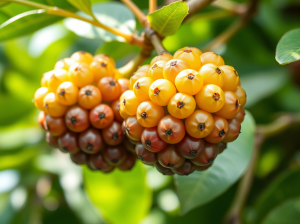
Have you heard of the Grewia asiatica, commonly known as Phalsa or Sherbet Berry? It is a type of small, deciduous fruit-bearing shrub or tree that produces sour-sweet purple berries. Here’s a breakdown of its characteristics:
🍇 Fruit Type: Phalsa (Grewia asiatica)
Botanical Family: Malvaceae (formerly Tiliaceae)
Common Names: Phalsa, Falsa, Sherbet Berry
Fruit Description:
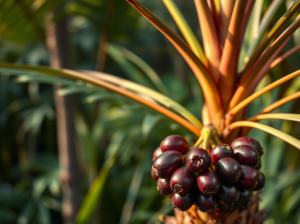
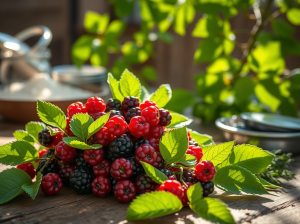
Small, round berries
Color transitions from light yellow to red to deep purple when ripe
Taste is refreshingly sour-sweet, similar to blueberries
Often consumed fresh, juiced, or used in sherbets, jams, and desserts
🌿 Plant Characteristics
Growth Habit: Shrub or small tree, 4–8 feet tall
Climate: Thrives in tropical and subtropical regions
Hardiness: Drought-tolerant and pest-resistant
Native Range: Indian subcontinent and Southeast Asia1
🧪 Nutritional & Medicinal Value
Rich in: Vitamin C, antioxidants (like cyanidin-3-glucoside), and dietary fiber
Traditional Uses: Cooling agent in summer, digestive aid, and remedy for respiratory and cardiac issues
Phalsa is considered a minor fruit crop in South Asia but is highly valued for its nutritional, medicinal, and cultural significance.
Medicinal Properties of Grewia asiatica
🧬 1. Antioxidant & Anti-inflammatory
Rich in anthocyanins, flavonoids, and phenolic compounds, Phalsa exhibits strong free radical-scavenging activity, helping to reduce oxidative stress.
Its anti-inflammatory effects make it useful in managing pain, swelling, and inflammatory conditions like arthritis.
❤️ 2. Cardioprotective & Hypotensive
Contains potassium and antioxidants that support heart health by regulating blood pressure and reducing LDL oxidation.
Traditionally used to strengthen the heart and improve circulation.
🩺 3. Antidiabetic & Antihyperglycemic
Studies show that Grewia asiatica can reduce glucose absorption, making it beneficial for managing blood sugar levels.
Its low glycemic index and fiber content support glycemic control.
🧪 4. Antimicrobial & Antiviral
Extracts from the fruit and leaves have shown antibacterial and antifungal activity, effective against pathogens like E. coli and Staphylococcus aureus.
Used in traditional medicine to treat respiratory infections, fevers, and diarrhea.
🧠 5. Neuroprotective & Radioprotective
Preliminary research suggests neuroprotective effects due to its antioxidant profile.
Some studies also highlight radioprotective properties, potentially shielding cells from radiation-induced damage.
🧴 6. Skin & Wound Healing
Applied topically, the fruit pulp or leaf extract helps heal wounds, reduce skin eruptions, and soothe inflammation.
Its cooling and demulcent nature makes it ideal for treating sunburns and heat rashes.
🧃 7. Digestive & Hepatoprotective
Traditionally used as a digestive tonic, relieving stomach pain, indigestion, and constipation.
The fruit is also believed to support liver function and detoxification.
🩸 8. Blood Purifier & Immune Booster
Acts as a natural blood purifier, often used in Ayurvedic formulations to treat blood disorders.
High in vitamin C and iron, it boosts immunity and helps combat fatigue and anemia.
🌿 Health Benefits of Grewia asiatica (Phalsa)
🧬 1. Rich in Antioxidants
Contains anthocyanins, flavonoids, and phenolic compounds that neutralize free radicals
Helps reduce oxidative stress and lowers the risk of chronic diseases like heart disease, cancer, and diabetes
❤️ 2. Supports Heart Health
High in potassium and low in sodium, which helps regulate blood pressure
Antioxidants protect the cardiovascular system from oxidative damage
🩺 3. Anti-inflammatory Effects
Bioactive compounds reduce inflammation, easing symptoms of arthritis and other inflammatory conditions
🧃 4. Boosts Immunity
High vitamin C content strengthens the immune system and improves resistance to infections
🍽️ 5. Aids Digestion
Rich in dietary fiber, which promotes bowel regularity and supports gut health
Helps relieve constipation, bloating, and indigestion1
🩸 6. Improves Blood Health
Iron-rich, making it beneficial for treating anemia, especially in pregnant women
Also acts as a natural blood purifier
🫁 7. Enhances Respiratory Health
Traditionally used to treat asthma, bronchitis, sore throat, and flu
Soothes the respiratory tract and reduces inflammation1
🧖♀️ 8. Promotes Skin & Hair Health
Vitamin C supports collagen production and skin repair
Antioxidants help delay signs of aging and improve skin radiance
🧘 9. Cooling & Hydrating
High water content and electrolytes make it ideal for hydration and preventing heatstroke
Acts as a natural coolant in hot climates
🧂 10. Regulates Blood Sugar
Low glycemic index and fiber help manage blood sugar levels
Beneficial for diabetics or those at risk of insulin resistance
⚖️ 11. Supports Weight Management
Low in calories and high in fiber, promoting satiety and reducing overall calorie intake
🧘♀️ Ayurvedic Perspective
In Ayurveda, Grewia asiatica (known as Parushaka) is described as:
Sweet, astringent, cooling, demulcent, and aphrodisiac
Used to alleviate Pitta dosha, reduce burning sensations (daha), and quench excessive thirst
🧃 Vitamin Profile of Grewia asiatica (Phalsa)
Phalsa isn’t just a refreshing summer fruit—it’s a nutritional powerhouse packed with essential vitamins that support immunity, skin health, and energy metabolism.
🍊 Key Vitamins per 100g
| Vitamin | Amount | Health Benefits |
|---|---|---|
| Vitamin C | 22 mg (≈37% DV) | Boosts immunity, promotes collagen synthesis and acts as a powerful antioxidant |
| Vitamin A | Trace amounts | Supports vision, skin regeneration, and immune defense |
| Vitamin B1 (Thiamine) | Trace amounts | Aids in energy metabolism and nerve function |
| Vitamin B2 (Riboflavin) | Trace amounts | Supports cellular energy production and antioxidant defense |
| Vitamin B3 (Niacin) | Trace amounts | Helps regulate cholesterol and supports brain function |
| Vitamin E | Present in small amounts | Protects cells from oxidative damage and supports skin and heart health |
🔬 Nutritional Synergy
Vitamin C + Iron: Enhances iron absorption, helping combat fatigue and anemia.
Vitamin A + Antioxidants: Supports skin health and eye function.
B-complex vitamins: Aid in energy production and stress reduction.
This vitamin-rich profile makes Phalsa not only a cooling summer treat but also a functional food with wide-ranging health benefits.
Grewia asiatica (Phalsa) is available in a variety of forms, catering to culinary, medicinal, and horticultural uses.
Available Forms of Grewia asiatica
| Form | Description | Common Uses |
|---|---|---|
| Fresh Berries | Seasonal, deep purple fruits sold in local markets | Eaten raw, used in juices, smoothies, and desserts |
| Dried Berries | Sun-dried or dehydrated for off-season use | Herbal teas, traditional medicine, or rehydrated for culinary use |
| Juice / Sharbat | Bottled or homemade juice concentrate | Cooling summer drink, digestive tonic |
| Powdered Fruit | Freeze-dried or sun-dried and ground into powder | Found in herbal stores as an antioxidant or immune-boosting supplements |
| Seed Packets | Sold for home gardening or commercial cultivation | Grown in tropical/subtropical climates for fruit or ornamental use |
| Leaf & Bark Extracts | Used in traditional medicine and herbal remedies | Anti-inflammatory, wound healing, and detoxifying applications |
| Capsules / Supplements | Convenient form for daily health supplements | Convenient form for daily health sup |
Grewia asiatica (Phalsa) is available in the United States, primarily through online nurseries and specialty plant retailers. While it’s not commonly found in mainstream grocery stores due to its delicate and seasonal nature, you can purchase it in the following forms:
🌱 Where to Find Grewia asiatica in the U.S.
| Form | Available At | Details |
|---|---|---|
| Live Plants / Starter Shrubs | Home Depot | 4-pack of live starter plants; ideal for container or garden cultivation |
| Amazon | 4-pack of live Grewia asiatica shrubs; suitable for warm climates | |
| Veliyath Gardens | Ships live plants; includes cultivation and medicinal use details |
🌿 Notes for U.S. Growers
Climate: Best suited for USDA zones 9–11 or grown in containers indoors in cooler zones
Sunlight: Prefers full to partial sun
Fruiting Time: Typically 2–3 years after planting
Care: Moderate maintenance; drought-tolerant once established
⚠️ Precautions: Who Should Avoid Grewia asiatica?
While Phalsa is a nutrient-rich fruit with many health benefits, certain individuals should exercise caution:
🚫 Groups to Use with Caution
| Group | Reason for Caution |
|---|---|
| People with fruit allergies | May trigger allergic reactions like itching or swelling |
| Pregnant or breastfeeding women | Traditionally avoided due to its cooling and astringent properties |
| Individuals with low blood pressure | Natural hypotensive effects may further lower blood pressure |
| Those on diabetes or heart medications | May enhance the effects of medications, requiring dosage adjustments |
| Children under 2 years | High acidity and fiber may irritate sensitive digestive systems |
🔬 Scientific Evidence Supporting Grewia asiatica
Modern research confirms what traditional medicine has long known—Phalsa is more than just a refreshing fruit. Here are some key studies that validate its health benefits:
🧠 1. Neuroprotective & Antidepressant Effects
A study published in Frontiers in Nutrition found that Phalsa berry juice reduced anxiety, depression, and memory impairment in animal models. It also improved antioxidant enzyme levels in the brain and reduced oxidative stress markers. 🔗 Read the full study
🧪 2. Systematic Review of Health-Promoting Effects
A 2021 review in Nutrients analyzed 56 studies on Grewia species, highlighting their antioxidant, anti-inflammatory, antidiabetic, hepatoprotective, and antimicrobial properties. 🔗 Read the review
🌿 3. Ethnomedicinal & Nutritional Properties
A 2024 study in the Journal of Medicinal Plants and Herbs confirmed Phalsa’s traditional use for fever, diarrhea, jaundice, rheumatism, and skin diseases, and identified its rich content of phenols, anthocyanins, tannins, and vitamins. 🔗 Read the article
✅ Always consult a healthcare provider before introducing new fruits or supplements into your diet, especially if you have underlying health conditions or are taking medication.
Final Thoughts: Why Grewia asiatica Deserves a Spot in Your Wellness Routine
Grewia asiatica, or Phalsa, is more than just a tangy summer fruit—it’s a nutritional gem with deep roots in traditional medicine and growing support from modern science. From its antioxidant-rich berries to its cooling, digestive, and cardioprotective properties, Phalsa offers a holistic health boost in every bite.
Whether you enjoy it fresh, as a juice, or in supplement form, this underappreciated fruit is a functional food worth exploring—especially for those seeking natural ways to support immunity, digestion, and overall vitality.
✅ Backed by studies in Frontiers in Nutrition, Nutrients, and the Journal of Medicinal Plants and Herbs, Phalsa stands out as a scientifically supported superfruit





 EJADA
EJADA 