I’m Brinder, a visionary curator and founder of EJADA Specialty Merchandise, ZAREL, and BJG DESIGNS. My entrepreneurial journey began in March 1996, starting with catalog sales and evolving into dropshipping, e-commerce, and creative direction. Through every chapter—whether facing health challenges, competing against larger companies, or refining my craft—I’ve carried forward the wisdom my father shared before he passed: “Everything is just a dream away.”
✨ EJADA Specialty Merchandise
Founded in honor of my father, EJADA represents resilience and legacy. It’s a testament to never giving up, even when life placed obstacles in my path.
🌱 ZAREL
ZAREL continues that legacy with renewal and growth. It embodies creativity, fair pricing, and quality products designed to stand out in a world of mass production. ZAREL is proof that persistence and vision can transform challenges into opportunities.
🎨 BJG DESIGNS
BJG DESIGNS is the creative force behind bold typography, motivational one-liners, and signature motifs. Available on t-shirts, hoodies, sweatshirts, color-changing mugs, accent mugs, hats, and cinch backpacks, BJG DESIGNS gives customers a wide choice of selection while staying true to uniqueness and style.
💡 My Philosophy
I believe in quality, uniqueness, and fair pricing. I believe in building products that carry meaning. Most importantly, I believe with Family and Friend Support, this year could be the turning point—a year where resilience becomes renewal, and where every dream moves closer to reality.
Together, EJADA, ZAREL, and BJG DESIGNS show that with resilience, vision, and community, everything truly is just a dream away
Before it became a kitchen staple or beauty ingredient, the lemon’s journey began as a medicinal marvel and spiritual tool:
Origin: Lemons are a hybrid of citron and bitter orange, believed to have first appeared in the Himalayan region of India, Myanmar, and China over 2,000 years ago.
Ayurvedic Healing: Ancient Indian healers used lemons for their alkaline effects, digestive aid, and purification rituals. Its juice was revered for cleansing and energizing the body.
Egyptian Remedies: Around the 12th century, lemons appeared in Middle Eastern medicine. Ibn Jumay, physician to Saladin, noted its cooling properties and used it in preserved form to treat nausea and fever.
Symbolism & Ritual: In various cultures, lemons symbolized cleansing, protection, and even fertility. They were hung in homes to absorb negative energy or mixed into ceremonial drinks.
🍋 Their role in purification and protection spans continents and centuries:
Ancient Rituals & Symbolism of Lemons
Hindu Traditions: Lemons were hung with chilies at doorways to ward off evil spirits and negative energy. This practice, still common today, is rooted in ancient beliefs about energetic cleansing and spiritual protection.
Egyptian Burial Rites: Lemons were used in embalming and placed in tombs to symbolize purity and safeguard the soul’s journey in the afterlife.
Greek Offerings: Ancient Greeks offered lemons to deities as symbols of vitality and renewal. Their bright color and scent were linked to solar energy and divine favor.
Jewish Sukkot Festival: The etrog, a citron closely related to lemon, is one of the Four Species used in sacred rituals. It represents the heart and spiritual perfection.
Southern Conjure & Hoodoo: Lemons were used in spells to break curses, cleanse spaces, and attract prosperity. A sliced lemon placed under the bed was believed to absorb negative energy overnight4.
Wiccan & Pagan Practices: Lemons are carved with sigils, added to moon water, or infused in ritual baths to promote clarity, healing, and emotional release
🍋 Lemon: A Symbol of Purification and Renewal
Long before it brightened teas and desserts, the lemon was revered as a ritual cleanser, an agent of transformation, and a beacon of health.
Spiritual Purification: In ancient Hindu ceremonies, lemons were offered to deities and used to ward off negative energy. Hanging a lemon with chilies at a doorway wasn’t just superstition—it was symbolic protection and energetic cleansing.
In Ayurveda, lemon isn’t just a tangy fruit—it’s a therapeutic powerhouse used for everything from digestion to detoxification. Here’s how this vibrant citrus is traditionally applied:Digestive & Metabolic Support
Pitta Consideration: While lemon is generally heating, ripe lemons may soothe Pitta when used moderately.
🩺 Medicinal Applications
Colic & Indigestion: Lemon juice relieves abdominal pain and bloating, often used in remedies like Hingvadi Churna.
Nausea & Vomiting: Mixed with honey or onion juice to ease queasiness and support liver function.
Cough & Cold: Combined with warm water and spices to soothe the throat and reduce Kapha-related congestion.
Skin Health: Applied topically with honey to brighten complexion and reduce blemishes.
Weight Loss: Warm lemon water in the morning is a classic Ayurvedic remedy to reduce Kapha and support fat metabolism.
🧪 Other Ayurvedic Uses
Worm Expulsion: Lemon’s sour and sharp qualities help eliminate intestinal parasites.
Menstrual Relief: Lemon seed paste is used for menstrual discomfort in traditional remedies.
Cultural Rebirth: In Egyptian and Islamic traditions, lemon was preserved and incorporated into healing rituals. It marked seasonal transitions and bodily resets—offering not just relief from illness but a restoration of balance.
Purification of Metals: Lemon juice is used in Shodhana (purification) of Ayurvedic minerals like iron pyrite
Modern Echoes: From juice cleanses to mindfulness teas, lemon remains a go-to for people seeking inner clarity and physical renewal.
🌍 Lemon’s Rise as a Global Culinary Icon
From ancient groves to modern kitchens, lemons have traveled far and wide:
Mediterranean Marvel: In Sicily and the Amalfi Coast, lemons became central to cuisine—think limoncello, lemon sorbet, and seafood dishes kissed with citrus.
Middle Eastern Depth: Preserved lemons are a staple in Moroccan tagines, adding salty-sour complexity to slow-cooked stews.
Asian Fusion: Thai cuisine balances lime (a close cousin) with chili and palm sugar, creating vibrant flavor profiles.
European Elegance: French and Italian chefs use lemon zest and juice to elevate sauces, pastries, and vinaigrettes.
American Classics: Lemon bars, lemonade, and lemon meringue pie are beloved staples in U.S. kitchens.
Its versatility—zest for aroma, juice for acidity—makes lemon a culinary chameleon.
⚓ Lemon vs. Scurvy: A Life-Saving Legacy
In the 18th century, sailors on long voyages suffered from scurvy, a deadly disease caused by vitamin C deficiency. Enter the lemon:
James Lind’s 1747 Experiment: He gave scurvy-stricken sailors citrus fruits—only those eating lemons and oranges recovered.
British Navy’s Adoption: By 1795, sailors received daily lemon juice rations, nearly eradicating scurvy.
The “Limey” Confusion: Lemons were later swapped for limes (cheaper, from Caribbean colonies), but limes had less vitamin C—leading to a resurgence of scurvy5.
Cultural Impact: British sailors earned the nickname “Limeys,” and citrus became synonymous with health and vitality at sea.
Proven Medicinal Properties of Lemon
Lemons are loaded with vitamin C, polyphenols, and flavonoids, which give them a wide range of therapeutic benefits: 8 Benefits Very well health
Immune Support: High vitamin C content boosts white blood cell production and helps fight infections.
Heart Health: Flavonoids and soluble fiber in lemons may reduce blood pressure, lower cholesterol, and decrease stroke risk. 6 Evidence-Based Health Benefits of Lemons @ healthline
Kidney Stone Prevention: Citric acid increases urine volume and pH, reducing the risk of stone formation.
Iron Absorption: Vitamin C enhances absorption of non-heme iron from plant-based foods, helping prevent anemia.
Anti-inflammatory Effects: Antioxidants like limonene and hesperidin help reduce inflammation and oxidative stress.13 Impressive Health Benefits of Lemons: Natural Foods
Cancer Research: Early studies show lemon compounds may inhibit cancer cell growth and promote apoptosis (cell death), though more human trials are needed4.
Digestive Health: Pectin, a soluble fiber in lemon pulp, supports gut microbiota and slows sugar digestion, aiding blood sugar control.
Skin & Aging: Vitamin C promotes collagen production, improving skin elasticity and reducing wrinkles.13 Things That Happen to Your Body When You Eat Lemons: Evidence-Based
Antibacterial & Antifungal: Lemon juice has shown activity against pathogens like Salmonella, Staphylococcus, and Candida. Health Benefits of Lemon: WebMD
🍋 Let’s make lemons a daily delight, not just a garnish! Here are some creative, practical, and flavorful ways to eat more lemons—whether you’re aiming for wellness, culinary flair, or both:
🥗Simple Everyday Additions
Morning Ritual: Squeeze half a lemon into warm water to kickstart digestion and hydration.
Salad Boost: Use lemon juice in homemade dressings with olive oil, herbs, and mustard.
Veggie Upgrade: Drizzle lemon juice over steamed greens like kale, broccoli, or asparagus.
Grain Bowls: Add lemon zest and juice to quinoa or rice for brightness and depth.
🍽️ Culinary Creations
Lemon Coconut Delights: Blend lemon juice and zest with coconut oil and honey for freezer-friendly fat bombs.
Kutjera-Lemon Fusion: Pair lemon juice with Kutjera (bush tomato) in sauces or chutneys for a tangy twist.
Preserved Lemons: Ferment lemons with salt for Moroccan-style flavor bombs—perfect in tagines or grain bowls.
Lemon Hummus: Add fresh lemon juice to garlic hummus for a zesty, creamy dip.
🍰 Sweet & Tart Treats
Lemon Bars or Blondies: Bake with lemon zest and juice for a tangy dessert.
Lemon Curd: Spread on toast, swirl into yogurt, or layer in cakes.
Lemon Ice Cream or Sorbet: Refreshing and dairy-free options abound.
🍹 Drinks & Infusions
Herbal Teas: Add lemon slices or juice to chamomile, mint, or ginger teas.
Smoothies: Brighten berry or green smoothies with a splash of lemon.
Infused Water: Combine lemon with cucumber, mint, or ginger for all-day hydration.
🍰 Playful & Foodie for Social Media“Tangy like your best retort, sweet like grandma’s hug. This lemon bar’s got that citrus sass!”Full Recipe
So whether you’re channeling apothecary chic or just here for the citrus sass, remember—this lemon bar doesn’t just brighten your plate, it might just realign your chakras… assuming your chakras respond to powdered sugar.
If it doesn’t, well—at least your taste buds will ascend. 🍋✨
🍋 Final Crumbs of Wisdom
From sun-drenched curd to golden, buttery base, these lemon bars aren’t just dessert—they’re a mood enhancer wrapped in powdered sugar. Rooted in citrus folklore and sweet alchemy, they pay homage to ancient remedies while embracing modern comfort.
Whether your interest lies in Ayurvedic vitality or you’re just chasing the perfect midday pick-me-up, let this bar be more than a treat. Let it be part of a deeper ritual—a celebration of zest, warmth, and the healing power of indulgence.
And if enlightenment doesn’t come from the citrus, powdered sugar might just coax it out. If not, hey… at least your kitchen smells divine and your Instagram’s about to look fresher than a lemongrass breeze.
Lady Apple, or Pomme d’Api, might be small in size, but it’s mighty in legacy and health benefits. With roots tracing back to ancient Rome, this charming apple is a festive favorite that doubles as a nutritional powerhouse.
🍏 The Lady Apple — known historically as Pomme d’Api — is believed to date back to the early Roman Empire, with references suggesting it may be the same as the “Appian apple” described by Pliny the Elder in the first century CE. According to legend, it was cultivated by an Etruscan farmer named Appius in honor of Theophrastus, the Greek botanist
However, this Roman connection is debated among pomologists, as the first documented cultivation of the Lady Apple comes from 1628 in the Forest of Api in Brittany, France. So while it may have ancient roots, its formal recognition as a distinct cultivar happened much later.
🌿 Nutritional Highlights
Fiber-Rich – Aids digestion and helps stabilize blood sugar.
Vitamin C – Boosts immune function and supports radiant skin.
Pectin – A natural prebiotic promoting gut balance.
Lady Apple: Nutritional Breakdown & Health Benefits
Despite its petite size, the Lady Apple is loaded with nutrients that support digestion, immunity, heart health, and more. Here’s a deeper dive:
🔢 Macronutrients (Per 1 Cup / ~238g)
Nutrient
Amount
% Daily Value*
Calories
124 kcal
6%
Carbohydrates
33.3 g
11%
Sugars
23.8 g
—
Dietary Fiber
5.7 g
20%
Protein
0.7 g
1%
Total Fat
0.5 g
1%
Saturated Fat
0.0 g
0%
Cholesterol
0 mg
0%
Sodium
2 mg
0%
*Based on a 2,000-calorie diet
💎 Micronutrients
Nutrient
Amount
Key Benefits
Vitamin C
9 mg
Immunity, collagen, antioxidant
Potassium
255 mg
Heart rhythm, muscle function
Calcium
14 mg
Bone health
Iron
0.2 mg
Oxygen transport
Magnesium
6 mg
Nerve and muscle support
🧠 Functional Compounds
Quercetin: Found in the skin, this flavonoid may reduce inflammation and support respiratory health.
Pectin: A soluble fiber that acts as a prebiotic, feeding beneficial gut bacteria.
Polyphenols: Help neutralize free radicals and may reduce the risk of chronic diseases.
🩺 Health Benefits at a Glance
Digestive Health: High fiber content promotes regularity and gut balance.
Weight Management: Low-calorie and high-fiber combo helps curb appetite.
Blood Sugar Control: Gentle glycemic impact makes it suitable for diabetic-friendly diets.
Heart Health: Antioxidants may lower LDL oxidation and support vascular function.
Immune Support: Vitamin C and polyphenols help defend against infections.
🧘♀️ Holistic & Medicinal Touchpoints
The Lady Apple isn’t just a charming fruit — it’s a botanical bridge between ancient healing and modern wellness. Here’s how it shines: Lady Apples offer a gentle wellness boost:
May soothe mild asthma symptoms (thanks to Quercetin)
Offers digestive regularity
Enhances natural detox through fiber-rich skin and pulp
Traditional & Cultural Uses
Etruscan & Roman Roots: Some sources trace the Lady Apple’s lineage to the “Appian apple” cultivated by Etruscan farmers and praised by Pliny the Elder. It was valued not just for taste but for its aromatic and digestive properties.
Victorian Aromatherapy: In 19th-century England, Lady Apples were used to freshen indoor air — a natural alternative to chemical air fresheners, thanks to their fragrant skin.
Colonial Herbalism: In early America, Lady Apples were used in teas and decoctions to ease chest congestion and digestive discomfort. Cooked juice was sometimes applied as a soothing remedy.
🌬️ Medicinal Applications
Use Case
Traditional Practice
Modern Insight
Chest Congestion Relief
Cooked juice used as a warm compress or drink
Vitamin C + antioxidants support respiratory health
Digestive Aid
Pectin-rich flesh used in gut-soothing teas
Prebiotic fiber promotes microbiome balance
Diarrhea Treatment
Tea from bark and leaves used by Aboriginals
Tannins and polyphenols may reduce inflammation
Wound Healing
Leaves applied topically to skin
Antioxidants may support skin regeneration
🌈 Energetic & Symbolic Resonance
Feminine Energy: Historically dubbed “une pomme des damoiselles et de bonne compagnie” — an apple for ladies and good company — it’s often associated with grace, hospitality, and seasonal celebration.
Holiday Rituals: Used in wreaths and garlands, the Lady Apple carries symbolic weight in winter solstice traditions, representing abundance and renewal.
🧪 Integrative Wellness Potential
Gut-Brain Connection: The pectin and polyphenols may support serotonin production via gut health — a subtle nod to mood regulation.
Respiratory Support: Quercetin in the skin may help reduce histamine response, potentially easing asthma symptoms.
Blood Sugar Balance: Low glycemic impact makes it suitable for diabetic-friendly diets, especially when paired with cinnamon or protein-rich foods.
🍽️ Cultural & Culinary Legacy of the Lady Apple
The Lady Apple’s journey from ancient orchards to modern kitchens is a rich tapestry of seasonal rituals, royal indulgence, and creative gastronomy. Here’s how it has shaped — and continues to shape — culinary and cultural traditions across centuries.
Used in holiday wreaths, garlands, and centerpieces
Paired with meats like lamb or pork for a sweet-savory balance
Ideal for pickling, mini pies, chutneys, and infused waters
Kid-friendly: perfect portion, playful color, and fun to eat
🏛️ Historical Culinary Prestige
Royal Favorite: Beloved by French royalty, including King Louis XIII, Lady Apples were prized for their elegance and flavor. Their petite size made them ideal for refined snacking and decorative feasts.
Colonial America: Used in festive dishes and holiday décor, Lady Apples became known as “Christmas Apples,” adorning wreaths, garlands, and even roast platters.
Victorian England: Imported from the U.S. post-Civil War, they were used in cooking, cider-making, and as natural air fresheners due to their aromatic skin.
🍴 Culinary Applications Across Eras
Preparation Style
Cultural Context
Flavor Role & Pairings
Roasted or Baked
Victorian and Colonial feasts
Paired with pork, sausage, chestnuts, or caramel
Chutneys & Stuffing
European and American holiday dishes
Blended with spices, nuts, and dried fruits
Pickled
Modern artisanal kitchens
Served with hot sauce or cheese boards
Raw Garnish
Historic and contemporary plating
Adds color and crunch to salads and roasts
Cider & Juice
Traditional fermentation practices
Used for aromatic, mildly tart beverages
🎄 Seasonal Symbolism & Rituals
Winter Celebrations: Lady Apples are iconic in Christmas décor — symbolizing abundance, renewal, and hospitality. Their glossy red skin and compact size made them ideal for wreaths, garlands, and even tree ornaments.
Pomanders: Pierced with cloves and herbs, they were used as natural room fresheners and believed to ward off illness — blending fragrance with folklore.
Table Centerpieces: Their aesthetic appeal made them a staple in historic banquet settings, often paired with nuts, pears, and evergreen sprigs.
👩🍳 Modern Culinary Renaissance
let’s celebrate the Lady Apple’s Modern Culinary Renaissance with a flavorful twist that honors its legacy while embracing contemporary tastes 🍏✨
Farm-to-Table Revival: Chefs now use Lady Apples in gourmet dishes — from honey-Dijon pork tenderloin to apple-mint slaws.
Kid-Friendly Snacking:Their small size makes them perfect for children’s lunchboxes or party platters.
Flavor Profile: Sweet-tart with hints of citrus, dried fruit, and mint — ideal for pairing with herbs like rosemary or cheeses like goat and cheddar.
🍽️ Modern Culinary Renaissance of the Lady Apple
In today’s kitchens, the Lady Apple is experiencing a revival — not just as a decorative heirloom, but as a chef’s secret weapon for flavor, presentation, and seasonal storytelling.
🌟 Why It’s Making a Comeback
Farm-to-Table Appeal: Its heirloom status and petite size make it a darling of artisanal growers and chefs.
Visual Drama: Its glossy skin and festive coloring elevate plating aesthetics.
Flavor Versatility: Sweet-tart with hints of citrus, mint, and dried fruit — perfect for savory and sweet dishes.
Sustainability Symbol: Its long shelf life and minimal waste (small core, edible skin) align with eco-conscious cooking.
This image captures the essence of roasted Lady Apples — golden, caramelized edges, a rustic oat-herb crumble, and that glossy honey-Dijon glaze that ties it all together.
🌎 Why Lady Apple Deserves a Spot in Your Fruit Revival
In your journey of reviving traditional fruits, Lady Apple stands out as:
A bridge between Roman history and today’s mindful eating
A symbol of seasonal beauty and holistic health
A versatile gem for modern recipes rooted in ancestral charm
1. Cultural Legacy & Historical Depth
17th-century origins in France, possibly linked to the royal orchard of King Louis XIII
Known as “Christmas Apples”, used in wreaths and pomanders for their fragrance and longevity
Once favored by fashion-conscious nobility for its petite size — a fruit that fit in a purse without bruising!
🧬 2. Genetic Rarity & Heirloom Status
Not commercially mass-produced — Lady Apples are rare heirlooms grown in limited quantities
Belong to the Api family, which includes other historic cultivars like Api Etoile and Api Panache
Their clustered growth and ribbed shape make them visually distinct and botanically fascinating
🍽️ 3. Culinary Versatility
Sweet-tart flavor with notes of citrus, mint, and dried fruit — ideal for both savory and sweet dishes
Used in compotes, chutneys, pickles, pies, and roasted dishes
Pairs beautifully with herbs (rosemary, mint), cheeses (goat, cheddar), and spices (cardamom, cinnamon)
🌱 4. Sustainability & Storage
Long shelf life — can be stored up to four months in cool, dry conditions
Minimal waste: small core, edible skin, and high yield per tree
Perfect for eco-conscious consumers and seasonal storytelling
🧠 5. Educational & Storytelling Potential
Bridges Indigenous practices (pomanders, herbal infusions) with modern culinary innovation
Offers rich material for infographics, blog posts, and cultural narratives
Can be paired with seasonal rituals, mindfulness practices, or historical anecdotes
🌸 And so, the Lady Apple blossoms back into the spotlight — not just as a relic of tradition but as a radiant muse for the modern table. From its storied French heritage to its eco-friendly charm and kitchen versatility, this petite powerhouse is proof that small fruits can make grand statements.
Whether nestled beside savory mains or dancing atop herbal crumbles, the Lady Apple invites us to cook, create, and celebrate with intention. It’s more than an ingredient — it’s a reminder that revival begins with curiosity, beauty, and bold flavor.
Kokum earns its place as a favorite for a whole bouquet of reasons—especially in traditional Indian wellness and culinary circles.
🌿 Here’s why it’s so beloved:
Cooling & Hydrating
Natural coolant: Kokum juice is a go-to in tropical climates to prevent heatstroke and dehydration.
Refreshing sherbet: Its tangy flavor makes it a popular summer drink that energizes and cools the body.
🧠 Antioxidant & Anti-inflammatory Power
Rich in garcinol and anthocyanins: These compounds help fight oxidative stress, reduce inflammation, and may even support brain health.
Anti-aging effects: Kokum’s antioxidants help repair skin and hair, improving texture and reducing signs of aging.
🩺 Digestive & Metabolic Support
Hydroxycitric acid (HCA): Known to aid digestion and inhibit fat production, making it a potential ally in weight management.
Appetite suppressant: Traditionally used to curb hunger and support healthy metabolism.
❤️ Heart & Immune Health
Cholesterol control: Kokum may help regulate cholesterol levels and support cardiovascular health.
Vitamin C boost: Strengthens immunity and helps the body fight infections.
🧴 Skin & Hair Benefits
Kokum butter: A non-greasy, deeply moisturizing agent used in skincare for dry, sensitive skin, acne, and inflammation.
Healing properties: Used in Ayurveda for cracked heels, burns, and rashes.
Kokum isn’t just a fruit—it’s a cultural and medicinal gem.
Kokum’s legendary status stems from its multifaceted role in tradition, health, and everyday life—especially across the Western Ghats of India, where it’s more than a pantry item—it’s heritage in a rind.
🌿 Rooted in Traditional Healing
Ayurvedic cornerstone: Kokum has been used for centuries to treat acidity, aid digestion, and soothe skin ailments.
Symbol of balance: Its cooling nature is essential in Ayurvedic medicine, helping balance excess heat and restore bodily equilibrium.
🧭 Deep Cultural Symbolism
Regional pride: In Maharashtra, Goa, and Karnataka, kokum is a culinary and medicinal icon passed through generations.
Festive connection: Traditional kokum sherbet is served during festivals and ceremonies, symbolizing refreshment and hospitality.
Kokum earns its “medicinal treasure trove” title because it’s packed with bioactive compounds that work in harmony to support multiple systems in the body—like a natural pharmacy wrapped in a deep purple rind.
Garcinol: A potent antioxidant and anti-inflammatory agent that helps fight oxidative stress, supports brain health, and may even have anti-cancer properties.
Hydroxycitric acid (HCA): Known for its role in weight management, HCA suppresses appetite and inhibits fat production.
Anthocyanins: These pigments give kokum its rich color and offer anti-aging, anti-inflammatory, and cardioprotective benefits.
🩺 Multisystem Healing Effects
Digestive health: Kokum soothes acidity, improves bowel movement, and helps with constipation and indigestion.
Skin & hair: Kokum butter is rich in stearic and oleic acids, making it ideal for moisturizing, healing cracked heels, and treating eczema.
Heart health: It helps regulate cholesterol and blood pressure, thanks to its potassium and antioxidant content.
Mental wellness: Kokum’s calming properties may reduce anxiety and support neurological health, even showing promise in conditions like Parkinson’s.
Vitamin C and bioflavonoids strengthen immune defenses and protect against infections.
Preliminary studies suggest kokum may help prevent chronic diseases like diabetes, arthritis, and even certain cancers2.
Anti-inflammatory & antioxidant powerhouse: Garcinol, the star compound, fights free radicals and reduces inflammation.
Gut and metabolic ally: Known to curb appetite, aid digestion, and support weight management, thanks to hydroxycitric acid (HCA).
💄 From Kitchen to Skincare
Kokum butter: Extracted from its seeds, it’s a soothing salve for dry skin, cracked heels, and even eczema—absorbs beautifully without clogging pores.
Natural healer: Used topically for wounds, burns, and stretch marks.
🍽️ Flavor with Purpose
Culinary elegance: Its sour tang adds depth to curries, dals, and beverages—also used as a tamarind substitute.
Preserving tradition: Its use in pickles and spice blends reflects ancestral knowledge preserved through taste.
Kokum is storytelling, science, and sustenance rolled into one deep purple fruit.
🌿 Final Thoughts: Kokum’s Tangy Legacy
Kokum isn’t just a fruit—it’s a cultural treasure and a healing ally. Whether you’re savoring its tang in a Goan curry, sipping on a chilled sherbet, or blending it into modern recipes, Kokum offers a rare fusion of flavor and function. Its antioxidant-rich profile, anti-inflammatory powers, and cooling nature make it an ingredient worth celebrating, especially in today’s health-conscious kitchens.
As we rediscover ancient fruits like Kokum, we’re not just reviving tradition—we’re empowering a new generation with tools for wellness rooted in biodiversity and mindful living.
Let Kokum remind us that sometimes, the most powerful remedies grow quietly in coastal forests, waiting for their story to be retold. 🌺
Step aside acai and dragonfruit—there’s a new powerhouse fruit stepping into the spotlight, and it’s called Kowai. Native to select tropical regions and cherished in Indigenous cultures, this vibrant fruit doesn’t just look like a star—it performs like one too.
🧬 Nutrient-Rich and Vitamin-Packed
The Kowai fruit is bursting with nutritional gifts:
Vitamin C 💪 Hello, immunity boost! Kowai fruit contains impressive levels of Vitamin C, which helps fight inflammation, promotes collagen production, and keeps your skin glowing.
Vitamin B6 🧠 Essential for brain health and mood balance, B6 is your go-to vitamin for fighting fatigue and supporting neurotransmitter production.
Dietary Fiber 🌀 Kowai’s natural fiber helps regulate digestion, manage blood sugar, and support gut health. It’s a gentle cleanse in fruit form.
Potassium ⚡ Say goodbye to cramps and sluggishness—potassium keeps your heart pumping strong and your muscles in motion.
Antioxidants Galore ✨ Rich in polyphenols, Kowai fights off oxidative stress and free radicals, supporting long-term cellular health and disease prevention.
🍴 How to Enjoy Kowai
Whether you slice it fresh, blend it into smoothies, or dry it for tea infusions, Kowai fruit offers an adventurous twist to your diet. Its sweet-tart flavor plays beautifully with tropical pairings like coconut cream, passionfruit, and even spicy herbs like ginger or cardamom.
🌍 More Than Just Nutrition
In many Indigenous traditions, Kowai is considered a healing food—used in seasonal rituals and natural remedies. Its medicinal legacy meets modern science in a stunning harmony of flavor and function.
Ready to explore the healing power of Kowai fruit? It’s more than a food—it’s an experience. ✨ Keep your senses open and your taste buds curious.
The Kowai fruit—also known as Ivy Gourd or Coccinia grandis—is more than just a tropical treat. It’s a medicinal marvel with deep roots in traditional healing and growing support from modern science.
Traditionally used in Ayurvedic medicine for managing type 2 diabetes.
Studies show Kowai leaves and stems may improve glucose tolerance and help lower post-meal blood sugar levels.
⚖️ 2. Anti-Obesity Effects
Research suggests Kowai root may inhibit fat cell formation by downregulating adipogenic transcription factors like PPARγ.
This makes it a promising natural aid for metabolic syndrome and weight management.
💪 3. Fatigue Fighter
Rich in iron, Kowai helps combat iron-deficiency fatigue and supports energy production.
Ideal for those with low stamina or chronic tiredness.
🧠 4. Nervous System Support
Contains Vitamin B2 (Riboflavin), which plays a key role in nerve health and may help with conditions like anxiety, epilepsy, and carpal tunnel syndrome.
🔥 5. Anti-Inflammatory & Antioxidant Properties
Packed with polyphenols and flavonoids, Kowai helps reduce oxidative stress and inflammation.
Supports cellular health and may protect against chronic diseases.
🧘♂️ 6. Digestive Wellness
High in dietary fiber, Kowai promotes regular bowel movements, improves gut flora, and may help with constipation.
Its fiber also supports blood sugar balance and cholesterol regulation.
🧬 7. Kidney Stone Prevention
Contains dietary calcium that doesn’t contribute to stone formation.
May help reduce risk of oxalate-based kidney stones when consumed regularly.
The medicinal use of Kowai fruit (Coccinia grandis) dates back centuries, with its earliest documented applications rooted in Ayurvedic medicine from India and Sri Lanka. Traditional healers recognized its potential for treating ailments like diabetes, bronchitis, urinary tract infections, and skin eruptions, long before modern science validated these claims
🕰️ Historical Origins
Ayurvedic Practitioners: Ancient Indian texts reference Kowai (often called Kundru or Kovakkai) as a remedy for blood sugar regulation and digestive health.
Sri Lankan Indigenous Medicine: The plant was used in decoctions and topical applications for ulcers, fevers, and skin conditions.
Traditional Thai Medicine: Ivy gourd leaves were consumed for their cooling and anti-inflammatory properties.
🔬 Scientific Recognition
Modern pharmacognosy studies began surfacing in the early 20th century, but it wasn’t until the 1990s and 2000s that researchers began isolating compounds like lupeol, cucurbitacin, and cephalandrine, confirming its antioxidant, antidiabetic, and anti-inflammatory effects.
So while no single individual is credited with its “discovery,” Kowai’s medicinal legacy is a collective inheritance from Indigenous healers and herbalists across South and Southeast Asia @ Sri Lanka Journal
The form of Kowai fruit (Ivy Gourd) that delivers the most vitamins depends on how it’s prepared and consumed.
Here’s a breakdown to help you choose the most nutrient-rich option:
🥗 Raw or Lightly Cooked (Best for Vitamin C & Antioxidants)
Raw Kowai retains the highest levels of Vitamin C, polyphenols, and beta-carotene, which are sensitive to heat.
Ideal for salads, pickles, or light vinegar-based slaws.
Tip: Pair with citrus or vinegar to mellow bitterness and boost absorption.
🍛 Cooked (Best for Digestive & Metabolic Support)
Stir-fried or sautéed Kowai enhances digestibility and unlocks Vitamin B1, B2, and B6, which are more stable with heat.
Cooking also reduces bitterness and improves flavor complexity.
Great in curries, lentil stews, or spiced coconut gravies.
🍵Leaves & Shoots (Medicinal Boost)
The leaves and tender shoots are rich in iron, fiber, and antidiabetic compounds.
Traditionally used in Ayurvedic decoctions and herbal teas for blood sugar regulation and fatigue relief.
❄️ Frozen or Dried (Convenient but Slightly Reduced Nutrients)
Frozen Kowai retains most minerals and fiber but loses some Vitamin C.
Dried slices or powders are great for teas or capsules, especially for anti-inflammatory and metabolic benefits.
Kowai fruit (also known as Ivy Gourd or Tindora) is a culinary chameleon, Brinder — and its versatility makes it a standout in both traditional and modern kitchens. Here’s a curated overview of its culinary uses across cultures and cooking styles: 🍛 Savory Staples
Stir-Fries: Sliced Kowai sautéed with mustard seeds, turmeric, and coconut — a South Indian classic (Kovakkai Thoran).
Curries: Simmered in tamarind or coconut milk gravies (Dondakaya Pulusu in Telugu cuisine).
Stuffed Delights: Hollowed and filled with spiced chickpea flour or lentil paste, then pan-fried or baked.
Fritters: Dipped in chickpea batter and deep-fried — a popular street snack in India.
🥗Raw & Pickled Preparations
Salads: Thinly sliced and tossed with vinegar, lime, and chili for a crunchy, tangy bite.
Pickles & Chutneys: Preserved in mustard oil, fenugreek, and chili — adds zing to rice or flatbreads.
Spring Rolls: Used raw in rice paper rolls with herbs and dipping sauces.
🍲 Fusion & Global Twists
Thai Stir-Fries: Paired with garlic, shrimp paste, and bird’s eye chili (Pad Tindora).
Roasted Chips: Thin slices baked with olive oil and sea salt — a healthy snack.
Soups & Broths: Added to lentil or tomato-based broths for texture and nutrition.
🌿 Leaves & Shoots
Greens Stir-Fry: Tender shoots sautéed with garlic and sesame — similar to spinach or amaranth.
Herbal Teas: Decoctions made from leaves for blood sugar support and cooling effects.
Reviving a Legacy with Kowai
The Kowai fruit isn’t just a hidden gem — it’s a bridge between ancestral wisdom and modern wellness. Its resilience in harsh conditions, coupled with its potent nutritional profile, speaks volumes about the innovations of Indigenous agricultural practices. Whether it’s revitalizing immune health, fortifying traditional diets, or inspiring sustainable cultivation, Kowai reminds us that nature holds answers we’ve barely begun to rediscover.
As we continue our Alphabet Journey of healthy fruits, Kowai earns its place not just for its benefits, but for its story. It encourages us to respect the land, honor heritage, and explore forgotten flavors with fresh curiosity.
In the arid heart of Australia, a rugged fruit thrives — Kutjera’s Chemistry of Resilience is more than poetic, it’s biochemical. Let’s explore its healing code.
🌞 This desert gem has a rich story woven through Indigenous tradition, nutrition, and resilience.
Kutjera’s First Use by Aboriginal Peoples
🌾 Origins in the Dreaming
Indigenous use of Kutjera dates back tens of thousands of years, embedded in Dreamtime stories that map spiritual laws and seasonal behavior.
Kutjera wasn’t “discovered”—it was known, through ancestral kinship with Country. Communities didn’t just consume it; they interpreted it.
🧺Harvesting with Protocol
The fruit was gathered after seasonal rains, when it naturally shriveled under the desert sun, making it ideal for preservation.
Protocols guided by Elder knowledge determined when, how much, and where to harvest—avoiding overharvesting and respecting ecological balance.
🍴Food, Medicine & Ceremony
It was used in ceremonial meals, ground into a paste or powder and combined with herbs like wattleseed or saltbush to flavor dampers and meats.
Medicinally, Kutjera aided digestion, wound care, and general vitality, infused with spiritual significance in healing rituals.
🌱 Cultivation & Cultural Origins
Its enduring role in Aboriginal diets and mythology — especially among the Warlpiri and Anmatyerre peoples — reflects deep ecological knowledge and cultural reverence.
Kutjera has been cultivated for millennia by Central Australian Aboriginal communities, including:x
Amata and Mimili (Anangu Pitjantjatjara Yankunytjatjara lands)
Dinahline near Ceduna
Nepabunna in the Flinders Ranges
Tangglun Piltengi Yunti farm in Murray Bridge5
These communities have extended the fruiting season from 2 months in the wild to 8 months using irrigation. Cultivation is deeply tied to ancestral knowledge, seasonal rhythms, and sustainable land practices.
Kutjera’s earliest known use stretches back over 40,000 years, making it one of the oldest documented bush foods in Indigenous Australian culture. Central desert communities relied on it as a staple food and medicinal resource, especially during dry seasons when few other fruits were available.
Traditionally, the dried fruits were:
Gathered in autumn and winter, when they naturally dried on the bush.
Formed into paste balls and sun-dried for long-term storage.
Used in ceremonies and daily sustenance, often skewered and dried for portability4.
🔄 Knowledge Transfer Across Generations
The techniques for drying, curing, and mixing varied between clans—preserved through oral tradition, songlines, and story dances.
These methods also taught environmental indicators: when ants moved a certain way, when the wind shifted—clues to fruit readiness.
✨ Kutjera’s original users weren’t just foragers—they were climate scholars, cultural botanists, and custodians of desert intelligence.
Kutjera (Solanum centrale), also known as bush tomato or desert raisin, is prized for both its culinary punch and medicinal value:
Digestive health: Traditionally used to treat diarrhea, colds, and digestive issues.
Anti-inflammatory & antiseptic: Helps reduce swelling and heal wounds.
Antioxidant-rich: Contains compounds that may reduce the risk of chronic diseases like diabetes and cardiovascular issues.
Flavor enhancer: Its intense caramel-tamarillo taste makes it ideal for chutneys, sauces, and spice blends.
Traditional medicine: Roots were baked and applied to treat toothaches.
🌱 Cultivation & Cultural Origins
Kutjera has been cultivated for millennia by Central Australian Aboriginal communities, including:
Amata and Mimili (Anangu Pitjantjatjara Yankunytjatjara lands)
Dinahline near Ceduna
Nepabunna in the Flinders Ranges
Tangglun Piltengi Yunti farm in Murray Bridge5
These communities have extended the fruiting season from 2 months in the wild to 8 months using irrigation. Cultivation is deeply tied to ancestral knowledge, seasonal rhythms, and sustainable land practices.
Kutjera’s earliest known use stretches back over 40,000 years, making it one of the oldest documented bush foods in Indigenous Australian culture. Central desert communities relied on it as a staple food and medicinal resource, especially during dry seasons when few other fruits were available.
Traditionally, the dried fruits were:
Gathered in autumn and winter, when they naturally dried on the bush.
Formed into paste balls and sun-dried for long-term storage.
Used in ceremonies and daily sustenance, often skewered and dried for portability4.
These compounds didn’t just evolve randomly—they align with Indigenous survival strategies, from seasonal eating to wound dressing.
Kutjera’s role beyond just nutrients.
🍊 Vitamin & Nutrient Profile
🔸 Vitamin C (Ascorbic Acid)
Immune boost & skin repair: Ideal for harsh environments that tax immunity and damage skin.
Heat resilience: Helps scavenge free radicals from sun exposure.
Estimated Content: Up to 400 mg/kg in dried fruit—rivaling oranges!
🔸 Vitamin E (Tocopherols)
Protects cell membranes and reduces oxidative stress.
Supports reproductive and skin health, valuable in both traditional and modern medicine.
🔸 Vitamin K
Assists blood clotting and bone health—a quiet hero especially when dietary variety is limited.
🔸 Potassium
Vital for muscle control, hydration, and balancing electrolytes in arid-zone conditions.
Kutjera carries significant natural potassium, aiding survival where water is scarce.
🔸 Magnesium
Helps regulate nerve and muscle function.
Supports energy metabolism during physically demanding tasks like foraging or long-distance travel.
🔸 Iron
Supports oxygen transport, reducing fatigue and boosting endurance—key for nomadic desert living.
🔸 Zinc
Essential for wound healing, immunity, and sensory function.
Important for resilience in nutrient-scarce regions.
🔸 Dietary Fiber
Promotes digestion even in low-water intake environments.
Aids satiety and metabolic stability.
Beneath the sun-scorched skin of Kutjera lies a molecular shield—phenolic acids that protect, preserve, and promote health.
🌱Kutjera isn’t just about standard vitamins—it’s loaded with:
Unique Phytochemicals & Antioxidants
🌈 Kutjera’s Unique Phytochemicals & Antioxidant Arsenal
These compounds go beyond basic nutrition—they’re bioactive agents shaped by centuries of desert adaptation. Here’s a deeper look:
🔮 Unique Phytochemicals in Kutjera
Compound Group
Description & Health Impact
Alkaloids
Natural compounds with antimicrobial and anti-inflammatory effects. May contribute to Kutjera’s bitter flavor and medicinal potency.
Saponins
Foam-forming compounds that can support immune response and reduce cholesterol. Often seen in traditional remedies.
Flavonoids
Diverse group including flavonols and flavones; antioxidant-rich and anti-inflammatory. These also protect against UV stress.
Glycoalkaloids (e.g. solanine)
Naturally occurring in nightshade relatives like tomato and eggplant. In small amounts (as in properly dried Kutjera), may assist in microbial defense.
Phenolic Acids
As covered earlier—powerful antimicrobials, antioxidants, and immunity boosters.
🌿 Together, these phytochemicals give Kutjera its medicinal aura—used traditionally for wound care, infection control, and even digestive balance.
⚡ Antioxidant Powerhouses
Kutjera’s desert resilience is mirrored in its molecular strength:
Antioxidant
Role & Benefits
Beta-Carotene
Converts to vitamin A; great for eye health and immune support.
Lutein & Zeaxanthin
Guards vision and skin against intense sun exposure.
Flavonols (e.g. quercetin)
Powerful anti-inflammatory and immune-modulating effects.
Cultural Resonance of Kutjera: Wisdom Rooted in Sand and Spirit
Kutjera is not just a food—it’s a relationship between land, people, and resilience.
1. Survival Storytelling & Seasonal Strategy
Traditional use by Aboriginal communities spans generations. Kutjera was harvested post-seasonal rains when the fruit naturally dried—ideal for storage and trade.
Songlines and Dreaming tracks often guided harvest timing and locations, embedding the fruit into sacred geography and oral history.
Kutjera served as a seasonal marker, signaling climate patterns and survival readiness.
🔥 2. Culinary & Medicinal Rituals
Smoked, ground, and combined with other native herbs, Kutjera was used to flavor meats and dampers, creating ceremonial meals rich in symbolism and sustenance.
Medicinally, the fruit’s compounds were valued for wound dressing and digestive balance, linking physical healing with spiritual care.
Traditional preparation methods amplified the antioxidant and antimicrobial potency—a cultural form of biochemistry before labs existed.
🧵 3. Trade Networks & Knowledge Transfer
Bush tomatoes like Kutjera were central to Indigenous trade routes, exchanged between language groups as both food and cultural capital.
Each community held unique drying, curing, and mixing methods—a tapestry of regional identity, resilience, and environmental stewardship.
🌍 4. Ecological Kinship & Sustainability
Rather than exploitation, Kutjera was harvested with care—never stripping a plant entirely, preserving regeneration.
This practice reflects a worldview of interconnectedness with Country, where fruit is seen as kin, not commodity.
Modern regenerative agriculture now mirrors these Indigenous systems, proving traditional methods are not just spiritual—they’re scientifically sound.
✨ Kutjera’s cultural resonance weaves biology, geography, and spirituality into one resilient thread—a testament to desert innovation and ancestral wisdom.
“Kutjera’s Chemistry of Resilience: A molecular story of desert wisdom.”
In the blistering heart of Australia’s desert, Kutjera thrives—not by accident, but through a biochemical ballet refined over millennia. The fruit’s survival mechanisms mirror the resilience of the First Nations people who nurtured and understood it.
🌡️1. Sun-Hardened Antioxidants & Stress Response
Kutjera endures extreme solar radiation, leading to heightened levels of polyphenols, notably chlorogenic acid and ferulic acid—compounds with protective effects against oxidative stress.
These antioxidants aren’t just passive; they’re part of the plant’s active defense system, developed to shield cellular integrity from intense UV exposure.
🌬️ 2. Aromatic Alkaloids & Desert Scent Messaging
The fruit’s bold aroma—earthy, sharp, almost smoky—is driven by tropane alkaloids and volatile oils. These chemicals serve multiple roles:
Repelling desert pests
Signaling ripeness to nearby foragers and human caretakers
Promoting microbial harmony during drying and curing
💧 3. Osmoprotectants & Water-Wise Chemistry
Kutjera accumulates osmolytes such as proline and betaines, which help regulate cellular water retention.
This biochemical trait is key to its survival during droughts—a molecular version of “knowing when to rest”, as many Aboriginal Dreamings suggest.
🧬 4. Genetic Memory & Adaptive Evolution
Recent studies suggest Kutjera has evolved unique gene expression pathways tied to heat shock proteins—molecules that maintain protein shape during high heat exposure.
This adaptation echoes ancestral wisdom, where heat wasn’t feared but understood—a teacher of patience, preservation, and process.
✨ In every dried seed and pungent bite of Kutjera, there lies a molecular archive of desert adaptation—a chemistry born from survival, selected by spirit, and refined by time.
What Makes Phenolic Acids Powerful?
Nature’s antimicrobials: These compounds defend Kutjera from spoilage, helping it survive and thrive in desert soils.
Support for gut health: Their antimicrobial action extends to humans too, guarding against harmful microbes.
Potent antioxidants: They fight oxidative stress, keeping your cells younger and more resilient.
📖 Traditional Preservation Meets Modern Insight
Indigenous communities used drying, smoking, and fermentation to amplify Kutjera’s microbial resistance—practices now validated by modern biochemistry. These methods likely boosted phenolic potency, aiding desert survival.
🧪 Phenolic Acids Spotlight
How each acid contributes to Kutjera’s healing profile:
✨ These molecules form a natural toolkit for desert wellness—each one bringing layered protection where modern medicine may not reach.
Flavonols: Anti-inflammatory and protective for long-term health.
Carotenoids (including beta-carotene): For eye health and UV protection.
Kutjera is a nutritional powerhouse, especially for arid-zone survival:
Survival Superfood Profile
High antioxidant levels – Especially polyphenols and flavonols, which help counteract cellular damage from harsh sun exposure.
Rich in potassium – Critical for muscle function and hydration regulation, especially in dry climates.
Sodium-smart – Contains trace natural sodium, balancing electrolyte needs without overloading the kidneys.
Dietary fiber – Supports digestive health even when hydration and diet diversity are limited.
Vitamin C – Bolsters immunity and skin health in demanding climates.
Iron and other trace minerals – Useful for oxygen transport and endurance, essential during long treks or traditional bush living.
🔬 Adapted by Nature
The fruit dries naturally on the plant, concentrating sugars and nutrients—making it ideal for preservation and travel.
Its alkaloid content (when dried properly) has antimicrobial properties, aligning with survival needs in microbially-rich desert environments.
It also contains selenium, carotenoids, and flavonoids, which contribute to antioxidant and anti-inflammatory effects.
Kutjera isn’t just a fruit — it’s a cultural thread woven through generations of Indigenous Australian life.
Medicinal Benefits of Kutjera (Bush Tomato)
Bush tomatoes, also known as Kutjera, aren’t just culinary gems — they’re powerful allies in natural health. Their distinctive flavor is backed by a robust nutritional and medicinal profile that supports various aspects of wellness:
🧪 Nutritional Powerhouse
Rich in antioxidants like carotenoids, flavonoids, and saponins, which combat inflammation and oxidative stress → Bush Tomato: A Mighty Superfood That Supports Digestive Health
High levels of vitamin C, potassium, selenium, and fiber, contributing to immune support and heart health → Foundation for Indigenous Sustainable Health (FISH) – Bush Tomato Overview
🩺 Traditional & Modern Medicinal Uses
Used by Indigenous communities for centuries to treat digestive issues, skin conditions, and general fatigue
Recent studies suggest bush tomatoes may support gut microbiota, reduce arthritis symptoms, and promote cardiovascular wellness → Bush Tomato: The Indigenous Superfood Packed with Nutrients and Health Benefits –[your]NEWS
🍽️ Health-Forward Culinary Application
When transformed into chutney or relish, Kutjera’s nutrients remain potent and bioavailable. Paired with ingredients like lemon myrtle or coconut cream, this superfruit contributes to a functional diet rooted in flavor and Indigenous wisdom.
🌾 Its cultivation, preparation, and ceremonial use reflect deep ecological wisdom and spiritual connection to the land.
Traditional Harvesting & Preparation
Seasonal gathering: Women traditionally harvested Kutjera in late autumn and winter, when the fruits dried naturally on the bush.
Sun-drying & paste-making: Dried fruits were ground with water into thick pastes, shaped into balls, and sun-dried for long-term storage — often wedged into tree forks for safekeeping.
Seed saving: Seeds were carefully extracted and stored for propagation or trade within communities.
🪶 Ceremonial & Spiritual Significance
Dreamtime stories: Kutjera features in the mythology of the Warlpiri and Anmatyerr peoples, symbolizing survival, resilience, and sacred knowledge.
Ritual use: The fruit was used in ceremonies honoring seasonal cycles, ancestral spirits, and land stewardship.
Oral tradition: Knowledge of when, where, and how to harvest was passed down through storytelling and hands-on teaching by Elders.
🌱 Cultivation as Cultural Continuity
Land stewardship: Cultivation sites were chosen with care, respecting soil, water, and seasonal rhythms.
Community empowerment: Modern Indigenous farms like Tangglun Piltengi Yunti continue this legacy, blending ancestral techniques with sustainable irrigation.
Cultural preservation: Kutjera’s cultivation is seen as a way to preserve identity, language, and ecological knowledge.
🍲 Culinary Traditions
Flavor Rituals with Kutjera:
For generations, Kutjera—commonly known as bush tomato—played a starring role in sacred flavor rituals. Its robust, sun-dried tang was more than just seasoning; it was a spiritual enhancer in meats, stews, and ceremonial dishes shared around ancestral fires. The intense umami-rich notes added depth to kangaroo meat and echoed the arid lands where this native fruit thrived. Flavor wasn’t just taste—it was memory, identity, and connection.Flavor rituals: Kutjera’s intense taste was used to flavor meats, stews, and ceremonial dishes.
🧭 Cultural Resonance
These compounds didn’t just evolve randomly—they align with Indigenous survival strategies, from seasonal eating to wound dressing.
Culinary Uses of Kutjera (Bush Tomato)
🌶️ As a Spice or Seasoning
Ground Kutjera is commonly used to season meats, vegetables, and sauces.
Adds depth to BBQ rubs, dukkah blends, and herb mixes.
A little goes a long way—too much can taste bitter.
🍲 In Sauces and Condiments
Featured in chutneys, relishes, and salsas for a tangy, smoky flavor.
Used in pizza sauces, vinaigrettes, and bush tomato oil.
🧀 With Dairy and Eggs
Pairs beautifully with cheese boards, especially goat cheese.
Enhances dishes with eggs, like omelets or quiches.
🥩 As a Crust or Rub
Ground Kutjera makes a flavorful crust for meats like kangaroo, lamb, or salmon.
Often combined with native herbs like lemon myrtle or pepperberry.
🍞 In Baked Goods
Incorporated into bread mixes, crackers, and even scones for a savory twist.
🥗 In Salads and Dressings
Adds complexity to salad dressings and can be sprinkled over roasted veggies.
🍹 In Beverages and Preserves
Used to flavor liqueurs, teas, and jams.
Sometimes infused into vinegars for gourmet applications.
Kutjera is also packed with antioxidants, vitamin C, and minerals like potassium and iron4—so it’s not just tasty, it’s a nutritional gem.
This native Australian condiment is known for its rich, earthy flavor and pairs beautifully with grilled meats, cheeses, and crusty bread.
Seeds: You can purchase Kutjera seeds from specialty seed suppliers like HRSeeds and Living Green and Feeling Seedy2. These are ideal if you’re interested in cultivating it yourself, especially in arid or controlled environments.
Dried Whole Fruit: Some online retailers and bushfood importers offer sun-dried Kutjera, which resembles small raisins and carries a pungent tamarillo-caramel flavor.
Ground Powder: Kutjera powder is one of the most popular forms. It’s used as a spice in sauces, chutneys, bread mixes, and meat rubs4.
Chutneys & Relishes: Gourmet brands occasionally feature Kutjera in bush tomato chutneys or wild tomato relishes, often blended with native herbs.
Preserves & Infusions: It’s also used in jams, jellies, teas, and even liqueurs.
🌿 Forms & Uses
Form
Culinary Use
Notes
Whole dried
Eaten as-is, added to stews or trail mixes
Traditional Aboriginal use
Ground powder
Spice for meats, sauces, breads
Strong flavor — use sparingly
Chutney/Relish
Condiment for cheese, meats, sandwiches
Often paired with native pepperberry
Jam/Jelly
Sweet-savory spread
Rare, but available from bushfood brands
Tea/Liqueur
Infused beverages
Emerging in gourmet circles
Seeds
For cultivation
Requires smoke treatment for germination
🔥 Flavor Rituals of Kutjera
Kutjera’s bold, sun-dried tomato-meets-caramel flavor wasn’t just a culinary delight — it was a sensory experience woven into cultural rhythm:
Ceremonial seasoning: In sacred gatherings, Kutjera was ground and sprinkled over roasted meats and stews prepared in earth ovens. Its pungent aroma was believed to awaken ancestral spirits and honor seasonal transitions.
Flavor layering: The fruit’s spicy aftertaste was used to balance fatty meats like kangaroo or emu. It added depth to dishes cooked in hot coals, often paired with native herbs like wattleseed or saltbush.
Crusting & rubs: Ground Kutjera was mixed with ash or clay and rubbed onto meat before cooking — a technique that preserved the meat and infused it with earthy, smoky notes.
Communal feasting: During harvest festivals, Kutjera was blended into thick sauces and shared in communal bowls. The act of eating together symbolized kinship, abundance, and gratitude.
Flavor memory: Elders taught younger generations how to “read” the flavor — distinguishing between wild-harvested and cultivated Kutjera by its bitterness, sweetness, and aroma. This was part of oral culinary education.
Trade & diplomacy: Dried Kutjera balls were exchanged between groups, not just as food but as gifts of flavor and goodwill, often accompanying meat parcels or ceremonial tools.
Trade & sharing: Dried Kutjera was traded between groups, strengthening kinship ties and regional alliances.
Primary References
DelishGlobe – Australian Bush Tomato Chutney offers a detailed recipe and cultural overview of bush tomato chutney, including its Indigenous roots, flavor profile, and traditional ingredients like lemon myrtle and wattle seed.
Closing Notes: A Taste of the Desert’s Legacy
Kutjera’s fiery intensity isn’t just a flavor—it’s a thread of memory stitched into the landscape. From ceremonial stews to bold chutneys, its tang bridges ancient rituals with modern nourishment. In every bite, you’re tasting a survival story, a celebration, and a sacred spice passed through generations.
Let the bush tomato chutney be more than a condiment—let it be a conversation starter. Serve it with grilled meats, fold it into grain bowls, or spoon it atop sourdough. It’s Indigenous brilliance, jarred for the now.
And to crown this sensory journey, pair your dish with Muntries, a desert gem also known as emu apples. These glossy red berries bring a cinnamon-apple lift that complements Kutjera’s umami edge—two fruits of the same wild wisdom, entwined on your plate.
🌿 Closing Thoughts: Kutjera’s Gift to the World
From the sun-scorched soils of Central Australia to your modern-day pantry, Kutjera is more than a fruit—it’s a cultural beacon and botanical powerhouse. Its rich nutritional profile, smoky depth of flavor, and ancient medicinal use speak to generations of Indigenous wisdom and resilience.
By embracing Kutjera, we’re not just enriching our meals—we’re participating in a deeper movement toward biodiversity, cultural preservation, and conscious consumption. Whether you’re blending it into coconut cream, spicing up your sauces, or storytelling through your culinary creations, Kutjera invites us to revive forgotten flavors and honor their roots.
Let this be an invitation to explore, share, and celebrate fruits that carry history in their skin and healing in their pulp. The journey doesn’t end here—what fruit will you revive next?
I decided to take a little breather from the fruit deep-dives and revisit some of the more interesting posts that still resonate with me. A few had that herbal spark or Mediterranean flavor that felt like a good change of pace.
Problem is—I can’t seem to dig up my posts from two years ago. Poof! Gone with the digital wind. I’ve reached out to support, so fingers crossed they’ll unearth them soon.
Meanwhile, just to break things up, I figured: why not share a few highlights here, remix the vibe, and keep things fresh?
I wanted to circle back to one of my older posts that had a different kind of flavor —12 Healing Biblical Herbs Still Used Today. Couldn’t dig it up from the vault (support’s working on that), but I figured… why not remix it right here?
So here’s a relaxed revival — just enough herbal magic to stretch your mind and refresh your senses:
Garlic — way more than a kitchen staple. It’s been around since the days of Jewish slavery in Egypt, showing up in Numbers 11:5 as a reminder of both hardship and healing.
Garlic is one of the oldest healing foods dating back to Jewish slavery in Egypt. Bible Verse Numbers 11:5
Hyssop — part of the mint family, once used for cleansing rituals (Exodus 12:22). Today? Still a favorite for respiratory teas and flavor with a purpose. Hyssop is a plant in the mint family with flavoring and medicinal properties. Bible Verse Exodus 12:22 Bible Herbs
Mustard Seed — mentioned by Jesus, tiny but mighty, like faith itself… or a very confident salad dressing.
🍴 Mediterranean Whispers: Small Plates, Big Heart
Remember those “Little Mediterranean Healthy Eating” recipes I posted ages ago? Yeah, same here — they played hide and seek with the archive. 😅
Korol is recognized as a fruit, but not as a standalone species. It’s actually part of the name of several heirloom tomato varieties from Russia and Belarus. 🌿
🍅 Golden Heirlooms of Russia: The Korol Tomato Legacy
Discover the golden treasures from Eastern Europe that nourish body and soul.
👑 What Makes Them “Korol” (King)?
Zolotoy Korol (“Golden King”)
Color: Deep golden yellow
Shape: Heart-like, plump and meaty
Flavor: Sweet citrus notes, low acidity
Use: Ideal for dietary dishes and rustic sauces
Korol Sibiri (“King of Siberia”)
Resilient against cool climates
High-yield with few seeds
Citrus-mild taste and velvety texture
Perfect for healing broths and fresh salads
🌿 Medicinal & Nutritional Virtues
Rich in carotenes for eye health and immune support
Low acid content = gentler on the gut
Heart-shaped form evokes themes of vitality and nourishment
🌞 Rich in Carotenes (Especially Beta-Carotene)
The deep golden color signals high levels of carotenoids, especially beta-carotene, a precursor to vitamin A.
Supports eye health, skin regeneration, and immune resilience.
Traditionally recommended in natural diets to combat oxidative stress and promote longevity.
💛 Low-Acid Profile
Unlike many red tomatoes, Korol varieties have lower citric and malic acid, making them:
Easier on sensitive stomachs.
Suitable for those with acid reflux or ulcer concerns.
Ideal for Ayurvedic diets, which often avoid highly acidic foods.
🫀 Heart-Supportive Nutrients
The symbolic heart shape mirrors their physiological impact:
Contains lycopene, linked to reduced risk of heart disease.
Offers potassium, essential for blood pressure regulation.
Combines taste with subtle heart-boosting properties.
🧠 Anti-Inflammatory & Brain-Supportive Properties
Tomatoes are generally rich in chlorogenic acid and quercetin, plant compounds that may:
Reduce inflammation.
Support cognitive function and mental clarity.
Offer potential neuroprotective benefits when consumed regularly.
🍽 Gentle on Digestion & Ideal for Healing Diets
The meaty texture and low seed count of Korol tomatoes mean:
Easier digestion and less gastric irritation.
Useful in recovery diets or cleansing regimens.
Can be pureed into soothing broths or tonics for nourishment.
🧬 Cultural Relevance
Named for royalty, yet rooted in tradition
Popular in backyard gardens across Russia and Belarus
A symbol of resilience, abundance, and warmth—worthy of modern revival
🥗 Pairing & Recipe Ideas
Roast with herbs and olive oil for golden tomato bruschetta
Blend into chilled golden gazpacho
Slice fresh with cucumber and dill for a Siberian summer salad
Korol tomato’s medicinal and nutritional virtues with cultural depth:
In the misty highlands of Siberia, where the earth sleeps under snow and the sun is a precious visitor, the Korol Sibiri—“King of Siberia”—emerged not just as a tomato, but as a tribute to resilience. Its glowing hue, reminiscent of hearth fire and golden crowns, was long revered in folk tradition as a symbol of warmth, healing, and inner strength.
🌿 Folklore Meets Functional Medicine
Local healers believed the golden tomato could “ignite the soul and soothe the body”, pairing it in tonics with root herbs for digestion, and in teas with calendula for heart health. Its royal heart shape wasn’t merely symbolic—it guided harvesters toward plants believed to strengthen emotional and physical vitality.
🔥 “Ignite the Soul” — Emotional & Energetic Resonance
Color Therapy: The radiant golden hue of Korol tomatoes aligns with solar energy in holistic systems like Ayurveda and chakra healing. It’s believed to stimulate the solar plexus, the energy center tied to confidence, vitality, and purpose.
Mood Upliftment: The taste and aroma of fresh heirlooms are often described as bright, almost euphoric. This isn’t just metaphorical—carotenoids have been shown to positively affect mood and reduce feelings of depression.
Spiritual Nourishment: In Siberian and Eastern European folklore, golden foods were considered “lightbearers” during long winters, used ceremonially to invoke warmth, resilience, and clarity—feeding the inner fire or “soul flame.”
Cultural Rituals: Golden tomatoes might have appeared in harvest festivals where offerings were made to the sun or ancestral spirits. You could position the Korol as a “sacred fruit” in healing rites across frost-lined landscapes.
🌿 “Soothe the Body” — Functional Healing & Nutritional Restoration
Gentle on Digestion: With its low-acid composition and meaty texture, Korol varieties are ideal for gut repair and anti-inflammatory diets. Great for those with sensitivities or on healing protocols.
Cardiovascular Calm: Lycopene and potassium contribute to blood pressure regulation, easing circulatory strain. Ideal for heart-centered healing, especially with its evocative heart shape.
Skin & Cellular Repair: Vitamin A precursors support the renewal of epithelial tissues, making it a gentle ally for skin recovery, post-illness regeneration, or detox journeys.
Cooling Element: Traditional medicine systems often paired golden foods with cooling herbs (like mint or licorice root) to balance heat and inflammation, both physically and emotionally.
🍅 Physical Health Benefits of Korol Tomatoes
1. Heart Health Champions
Lycopene: This antioxidant is strongly linked to lowering the risk of cardiovascular diseases. It helps reduce LDL (“bad”) cholesterol and may prevent arterial plaque buildup.
Potassium: Supports healthy blood pressure and fluid balance, reducing the strain on the heart.
📍 Why Korol? Their high lycopene-to-acid ratio makes them especially suited for heart-conscious diets.
🧠 2. Anti-Inflammatory & Brain Function Boost
Quercetin & Chlorogenic Acid: Combat cellular inflammation and may reduce risk of neurodegenerative conditions.
Vitamin C: Enhances cognitive performance and supports neurotransmitter function.
🧘♂️ Siberian folklore linked Korol’s bright flesh with mental clarity and resilience through the long winters.
🌞 3. Immune System Strengthener
Beta-Carotene (Vitamin A precursor): Fuels immune cell production and protects against oxidative stress.
Antioxidants: Help prevent infections and support faster recovery from illness or fatigue.
🍽️ 4. Digestive Wellness Ally
Low Acid + Smooth Texture: Reduces irritation in the stomach—perfect for those with reflux or ulcers.
Fiber Content: Aids gut motility and can help regulate bowel movements without harsh stimulation.
💪 5. Skin & Tissue Repair
Vitamin A & C: Encourage regeneration of skin, mucosal linings, and other epithelial tissues.
Hydration Support: High water content aids nutrient transport and cellular healing.
🛡️ 6. Detox-Friendly & Gentle Cleanser
Often recommended in cleansing diets for:
Mild diuretic effects.
Liver support via antioxidant compounds.
Easy assimilation in juices and broths.
🧬 Scientific Synergy
Beta-carotene boosts immunity and supports vision, just as the tomato was once gifted to elders during solstice ceremonies for “clear sight and long life.”
Lycopene and quercetin, found in Korol’s flesh, now headline studies on anti-inflammation and cardiovascular care—honoring its historic use in healing poultices.
Healing Broth of the Golden Heirloom
This isn’t just a folklore-inspired elixir—it’s backed by science. Each ingredient in the Korol tomato broth has been selected for its measurable impact on physical health:
Korol Tomato: Rich in lycopene and beta-carotene, which support cardiovascular and immune function.
Juniper Berries: Contain antimicrobial compounds and support renal detoxification.
Licorice Root: Known for glycyrrhizin, a compound with anti-inflammatory and adrenal balancing effects.
Coconut Cream: Offers medium-chain triglycerides (MCTs) that aid digestion and metabolic support.
Mint & Himalayan Salt: Act as digestive soothers and mineral restorers.
This broth embodies the synergy between ancestral wisdom and biochemical wellness
🫗 Ancestral Applications Reimagined
Pair it with ingredients like coconut cream or pine pollen in EJADA’s recipe line to highlight its Ayurvedic-friendly, acid-reducing nature. Create infographics that compare its low-acid virtues with other golden fruits like loquat or yellow guava.
Fusing folk wisdom with modern natural health rituals
🍅 1. Siberian “Sun-Rites” Reborn
Then: Golden tomatoes were sun-offerings during harvest festivals, used to summon warmth and emotional strength in colder climates.
Now: Reimagine these rites as sun-activated infusions, where Korol tomatoes are steeped briefly in natural light before being blended with adaptogens like ashwagandha or tulsi—symbolizing restoration of inner fire.
🫗 2. Healing Broths for Seasonal Transitions
Then: Broths and stews featuring tomatoes and roots supported digestion and immunity during long winters and seasonal shifts.
Now: Position Korol tomato broth as a modern-day seasonal reset tonic—paired with cooling herbs and coconut cream for digestive ease, resilience, and skin repair in changing climates.
🔥 3. Ceremonial Heart Elixirs
Then: The heart-shaped Korol Sibiri was seen as a talisman for vitality and emotional strength, sometimes used in love or resilience rituals.
Now: Transform this into a nutrient-rich heart elixir—juicing the tomatoes with red fruits like hawthorn or pomegranate, and blending with cinnamon and cardamom for circulatory support and ceremonial self-care.
🌾 4. Golden Fruit Harvest Rituals
Then: Golden foods were symbolic of abundance and were often preserved for sacred feasts.
Now: Host virtual or in-person Korol harvest circles, where participants create infused oils, broths, or chutneys while reflecting on gratitude and vitality—tying into community wellness programs or subscription boxes.
🌿 5. Ancestral Pairings with Medicinal Herbs
Highlight ancestral pairings like:
Juniper berries (spiritual purifier and immune booster).
Licorice root (adaptogen and digestive aid).
Calendula petals (skin and lymphatic support).
Create modern fusion recipes or teas, honoring the ancient wisdom but enhancing accessibility and flavor profiles.
“A tomato worthy of kings and medicine men alike.”
“From frostbitten soil to fire-colored flesh—Siberia’s gift to natural healing.”
“Where royalty meets remedy: the heart-shaped tomato that sparked tradition and science.”
Kundong (sometimes spelled kundung or kundang) is a truly fascinating Southeast Asian gem.
🌿 Native Region of Kundong (Garcinia parvifolia)
Native Region:
Found mainly in Malaysia, Indonesia, and parts of the Philippines, often in tropical forests.
📍 Geographic Distribution
Primary Habitat: Found in the lush rainforests of Borneo, including Brunei, Sarawak, and Sabah.
Wider Presence: Grows in Peninsular Malaysia, Sumatra, and Sulawesi, often in humid tropical zones with rich biodiversity.
🏞️ Ecosystem & Elevation
Elevation Range: Thrives between 600–800 meters (2,000–2,600 ft), typically along hillsides, ridges, and riverbanks.
Forest Type: Flourishes in mixed dipterocarp forests, including lightly disturbed and swamp forests—highlighting its ecological resilience.
Sub-canopy Tree: Despite the small cherry-like fruit, Kundong trees tower up to 33 meters, making them vital parts of the forest structure.
🌱 Ecological Role
Wild Harvesting Tradition: Most Kundong trees are still wild-grown, symbolizing a strong tie to Indigenous and sustainable foraging practices.
Pollinator-Friendly: Its vibrant flowers attract local pollinators, supporting broader forest regeneration.
Mangosteen Ally: Sometimes used as a rootstock for mangosteen cultivation, showcasing its value to agroforestry systems.
🌍 Cultural Geography
Locals often refer to it by various names:
“Brunei Cherry” or “Red Mangosteen” in English
“Asam aur aur” in Malay
Known as “Entelang,” “Kundong,” or “Kandis” in Indigenous dialects
🟢 Forest-to-Table Spotlight: The Kundong Fruit’s Rainforest Roots
Deep within the mist-laced rainforests of Borneo, the Kundong fruit (Garcinia parvifolia) grows wild—crimson and cherry-like, nestled among towering trees of ancient dipterocarp forests. Found in Brunei, Sarawak, and Sabah, this vibrant fruit thrives in humid ecosystems, from riverbanks to forest ridges, echoing the pulse of biodiversity.
What makes Kundong more than just a pretty fruit? It’s a symbol of ecological resilience and Indigenous stewardship. Traditionally harvested from the wild rather than cultivated, Kundong has been revered for generations in local communities, known as:
“Entelang” or “Kandis” in native tongues
“Brunei Cherry” and “Red Mangosteen” in English
“Asam aur aur” in Malay
Its towering tree—sometimes reaching up to 33 meters—supports pollinators and shares its lineage with the famed mangosteen, often used as a rootstock in agroforestry practices.
From its native hills to your health-conscious table, Kundong carries the story of a fruit that links rainforest heritage with modern natural living. In promoting sustainable wild foraging, this fruit invites us to reconnect with our environment and cherish the flavors of nature’s untouched pantry.
🌺 🍒 Kundong’s Journey: Traditional Wisdom Meets Contemporary Curiosity
Traditional uses of Kundong (Garcinia parvifolia) through the lens of Indigenous knowledge, practical utility, and culinary heritage. Historically used by Indigenous healers and rural communities to treat fevers, digestive issues, and act as a blood purifier.
In its native Bornean habitat, Kundong wasn’t just a fruit—it was a daily companion and multifunctional resource. Traditionally, its sour flesh enlivened forest stews and was often paired with fatty meats to cut richness. Locals would boil its young leaves and shoots as nourishing vegetables, while its hardwood supported carving crafts and the resin from its bark found uses in salves and sealing wax. Even more impressively, Indigenous farmers recognized its strength as a tree—grafting it with mangosteen in age-old agroforestry practices that required no manuals.
Fast-forward to today: Kundong is being rediscovered under new labels—“Brunei cherry,” “red mangosteen,” even “wild Garcinia.” Its health benefits—rich in antioxidants like hydroxycitric acid—are attracting attention for metabolism, digestion, and anti-inflammatory potential. Fusion chefs experiment with its tangy punch, adding it to smoothies, sauces, and fermented wellness shots. Meanwhile, botanists and conservationists are eyeing it as a climate-resilient species and potential player in sustainable rewilding initiatives.
Yet despite its modern glow-up, Kundong’s roots remain deep in the forest soil—woven into ritual, tradition, and relationship with the land. The revival isn’t just scientific; it’s ancestral memory reawakened.
The intangible wisdom, seasonal rituals, and animistic worldview
Spiritual Context: In some oral traditions, Kundong trees were believed to offer shade with spiritual significance—used during seasonal ceremonies and healing rituals.
🌺 Spiritual Context: Kundong as a Forest Messenger
🧪 Medicinal Insights
Antioxidant-rich: Contains flavonoids that help combat oxidative stress.
Digestive aid: The sour pulp has been used in folk medicine for relieving bloating and aiding gut health.
Cooling agent: Often boiled into teas or pastes to help cool the body in hot climates—perfect for tropical detox narratives.
🍲 Culinary Application
Flavor profile: Sharp and sour—similar to tamarind or unripe mango.
Usage:
Added to pickles, sambals, and relishes.
Blended into herbal teas or fermented tonics.
Sometimes paired with spices or coconut cream to balance its tanginess.
🍒 Hidden Gems of Kundong Fruit
🌱 Botanical Curiosities
Dual Identity: Kundong is sometimes confused with Citrus macroptera due to overlapping local names, but it’s actually a member of the Garcinia genus—making it a cousin of mangosteen.
Sub-canopy Giant: Despite its cherry-sized fruit, the tree can grow up to 33 meters tall, thriving in humid tropical forests.
Latex Secrets: Its shoots exude a yellow-white latex, a trait shared with other medicinal trees, hinting at potential phytochemical richness.
🍊 Fruit Features
Color Spectrum: The fruit ranges from yellow to orange to red, with a white aril surrounding the seeds—visually striking and nutrient-dense.
Flavor Fusion: Its tartness resembles a cross between grapefruit and mangosteen, making it ideal for souring curries or crafting fermented tonics.
🧬 Nutritional & Medicinal Highlights
Bioactive Compounds: Contains limonene, naringenin, and hydroxycitric acid, which are known for anti-inflammatory and antioxidant effects.
Heart & Circulation: Rich in potassium and magnesium, supporting blood pressure regulation and cardiovascular health.
Weight Management: High in dietary fiber, which promotes satiety and aids digestion—great for natural wellness narratives.
🪵 Cultural & Ecological Notes
Multipurpose Tree: Locals use its wood for carving, bark for resin, and young leaves as vegetables—a true forest ally.
Mangosteen Ally: It’s sometimes used as a rootstock for mangosteen, showcasing its agricultural versatility.
Wild Harvest Tradition: Though demand is rising, most Kundong fruits are still wild-harvested from tropical rainforests, preserving biodiversity.
Lesser-known and fascinating facts about Kundong fruit (Garcinia parvifolia)
🍒 Hidden Gems of Kundong Fruit
🌱 Botanical Curiosities
Dual Identity: Kundong is sometimes confused with Citrus macroptera due to overlapping local names, but it’s actually a member of the Garcinia genus—making it a cousin of mangosteen.
Sub-canopy Giant: Despite its cherry-sized fruit, the tree can grow up to 33 meters tall, thriving in humid tropical forests.
Latex Secrets: Its shoots exude a yellow-white latex, a trait shared with other medicinal trees, hinting at potential phytochemical richness.
🍊 Fruit Features
Color Spectrum: The fruit ranges from yellow to orange to red, with a white aril surrounding the seeds—visually striking and nutrient-dense.
Flavor Fusion: Its tartness resembles a cross between grapefruit and mangosteen, making it ideal for souring curries or crafting fermented tonics.
🧬 Nutritional & Medicinal Highlights
“Each bite is a blessing—dense with nourishment, layered with intention.”
💎 Bioactive Compounds: The Molecular Wisdom of Kundong
“Within every sour burst is a coded message—healing, restoring, transforming.”
Traditionally used in herbal infusions for stomach ailments
Naringenin
Skin & pulp
– Cellular repair<br>- Blood sugar moderation<br>- Liver support
Symbolic of bodily “rebalance” rituals during solstice season
Tannins
Seeds & inner skin
– Gut microbiome modulation<br>- Astringent cleansing<br>- Anti-diarrheal effects
Embedded in rain-forest healing lore for digestive protection
Flavonoids (quercetin, kaempferol)
Entire fruit matrix
– Immune system activation<br>- Cardiovascular health<br>- Anti-allergy support
Often invoked in ceremonial tonics and healing stews
🧬 Therapeutic Potential Beyond the Lab
Synergy Matters: These compounds don’t act in isolation—when consumed whole, Kundong’s sourness, bitterness, and sweetness harmonize therapeutic pathways.
Preventive Medicine: The blend helps shield the body from oxidative stress, metabolic imbalance, and microbial overgrowth—a trifecta of chronic issues.
Energetic Cleansing: Indigenous frameworks view sour fruits like Kundong as catalysts of energetic release, especially post-transition or grief rituals.
Kundong as both a ritual fruit and a biochemical ally 🧪🌺
Heart & Circulation: Rich in potassium and magnesium, supporting blood pressure regulation and cardiovascular health.
Heart & Circulation: Kundong’s Vascular Vitality
“The fruit not only nourishes—it fortifies the rivers within us.”
🧬 Elemental Support
Kundong is a potent source of potassium and magnesium, minerals foundational to circulatory and heart function:
Potassium
Regulates electrical signaling across heart muscle
Helps maintain optimal fluid balance, reducing strain on blood vessels
Aids in lipid metabolism, lowering bad cholesterol (LDL)
Reduces inflammation linked to arterial stiffness
🌿 Cardiovascular Benefits
Together, these minerals work synergistically with Kundong’s flavonoids and antioxidants, offering:
Improved Vessel Elasticity → Reduces risk of stroke and blood clots
Lowered Blood Pressure → Particularly effective in stress-prone or sedentary individuals
Enhanced Heart Rhythm Stability → Vital for those managing arrhythmia or palpitations
Anti-inflammatory Circulatory Boost → Eases fatigue, brain fog, and heaviness in the limbs
🌱 Traditional Insights
In Indigenous practice, Kundong was often consumed after physically intensive rituals or during seasonal transitions to “reclaim flow.” The fruit’s tart and mineral-rich profile was believed to “calm the heart and stir the breath,” supporting emotional and energetic recovery.
Weight Management: High in dietary fiber, which promotes satiety and aids digestion—great for natural wellness narratives.
Weight Management: Kundong’s Quiet Ally in Balance
🌿 Satiety & Digestive Harmony
Kundong is naturally high in dietary fiber, making it a fruit that does more than satisfy cravings—it recalibrates the relationship between nourishment and rhythm.
Promotes Satiety
Slows digestion, allowing for longer-lasting fullness
Reduces sudden hunger spikes that derail mindful eating
Encourages portion control through metabolic pacing
Supports Digestive Flow
Stimulates peristalsis (the natural wave-like motion of the digestive tract)
Prevents constipation and bloating—ideal for gut balance
Enhances nutrient absorption efficiency
🧬 Gut-Brain Connection
Kundong’s fiber also plays a vital role in the microbiome, supporting good bacteria that influence not just digestion—but mood and cravings.
Fewer sugar crashes = More mindful choices
Improved gut health = Balanced serotonin and dopamine production
Less inflammation = Easier hormonal regulation
🌱 Cultural Insight: Food as Fasting
Traditionally, Kundong was consumed during periods of physical, emotional, or spiritual cleansing. Its sourness paired with fiber made it a “gentle fast” fruit—allowing internal purification while still offering sustenance.
🍽️ Modern Uses
Ideal for inclusion in:
Morning tonics or fiber-rich smoothies
Small fasting meals for intermittent fasting followers
Post-detox recovery diets
🪵 Cultural & Ecological Notes
Multipurpose Tree: Locals use its wood for carving, bark for resin, and young leaves as vegetables—a true forest ally.
Mangosteen Ally: It’s sometimes used as a rootstock for mangosteen, showcasing its agricultural versatility.
Wild Harvest Tradition: Though demand is rising, most Kundong fruits are still wild-harvested from tropical rainforests, preserving biodiversity.
“Before we harvest, we listen.”
Step into the forest with intention. Let the rustle of leaves and the sharp sweetness of the air prepare your senses.
Find the Kundong tree. Towering, rooted, silent—but watchful.
Place your hand gently on the bark. Close your eyes. Let the hum of the forest speak—not in words, but in rhythm.
Inhale the tart clarity. Exhale what no longer serves. Ask what the fruit is here to cleanse. Ask what the season wants you to release.
When you feel ready, pick the fruit—not with haste, but with humility. This is not consumption; this is communion.
Each bite is an offering. Each flavor carries history. Each sour note is an invitation to clarity.
🍵 Balance Tonic with Kundong & Coconut Fiber Blend
1 tsp lime zest (optional for extra tart brightness)
1 tbsp raw honey or agave nectar
1 ½ cups spring water
Pinch of Himalayan salt (for mineral balance)
4 mint leaves (for cooling digestive flow)
🌀 Instructions
Blend Kundong pulp with spring water until smooth
Add coconut fiber, lime zest, salt, and mint
Pulse in sweetener—adjust to taste
Strain if desired for a lighter texture
Serve chilled, garnished with mint or Kundong rind twist
🌺 Wellness Benefits
Benefit
Source
Function
Satiety & Digestion
Coconut fiber
Slows sugar absorption, promotes gut flora
Circulation & Clarity
Kundong pulp
Magnesium + antioxidants reduce inflammation
Mood & Calm
Mint + honey
Soothes nervous system and regulates energy
🌺 Cultural Significance of the Kundong Tea Ritual
Ancestral Connection
The ritual honors ancestral memory and forest stewardship. Kundong, known for its tart clarity and vibrant hue, is often brewed during seasonal transitions—times when communities seek renewal, guidance, or healing. The act of preparing and sharing Kundong tea becomes a way to invoke ancestral presence, especially in rituals tied to harvest, monsoon shifts, or rites of passage.
”“To sip Kundong is to listen to the forest’s breath.”
🌿 Ecological Reverence
The ritual reflects a deep respect for biodiversity. Kundong is wild-harvested, and its preparation is slow and intentional—mirroring the rhythm of the rainforest. The tea ceremony often begins with a moment of silence, acknowledging the tree’s gift and the interconnectedness of all living things.
🔥 Symbolism of Sourness
In Indigenous cosmology, sour fruits like Kundong are believed to cut through stagnation, both physically and spiritually. The tea’s tartness is seen as a cleansing force, used in rituals to clear emotional heaviness, digestive imbalance, or energetic blockages.
🧘 Mindfulness & Reciprocity
The ritual embodies reciprocity—you don’t just take from the forest, you offer gratitude. Pouring Kundong tea is done with care, often accompanied by chants or quiet reflection. It’s a moment to slow down, reconnect, and honor the balance between nourishment and humility.
“In ritual seasons, the body asks for quiet foods. Kundong is silence made edible.
🧘 Ritual Tip
Sip slowly during early morning stillness or post-fast. Honor the balance between nourishment and non-attachment.
Kundong fruit is a nutrient-rich powerhouse that makes sipping its tea both a cultural and nutritional delight 🍵✨“Tart clarity steeped in ancestral wisdom.”
Sip & Savor: Nutritional Grace in Every Cup
Kundong tea isn’t just tart and refreshing—it’s a gentle infusion of ancestral wisdom and natural vitality. Each cup carries trace elements of vital nutrients:
✨ Vitamin Harmony
Vitamin C – To bolster immunity and awaken cellular renewal
Vitamin A – For radiant eyes and resilient skin
Vitamin E – Guarding against oxidative stress and premature aging
Vitamin B1 – Energizing body and mind through metabolic flow
Folate – Supporting growth, repair, and reproductive wellness
💧 Mineral Whispers
Potassium & Magnesium – Whispering heart balance and calming rhythms
Iron – Infusing vitality into every red blood cell
Dietary Fiber – Rooting digestion in strength and serenity
Compounds like limonene, naringenin, and hydroxycitric acid offer anti-inflammatory and antioxidant benefits—perfect for tea rituals that cleanse body and spirit.
🧬 Key Bioactive Compounds & Benefits
Compound
Natural Role
Health Benefit
Hydroxycitric Acid
Found in Kundong pulp
Appetite control, supports weight management
Limonene
Found in rind/oils
Anti-inflammatory, immune support
Naringenin
Present in citrus-like variants
Antioxidant, improves metabolism
Vitamin C
In high concentrations
Immune boosting, skin rejuvenation
Magnesium & Potassium
Found in flesh and seeds
Heart health, blood pressure support
These compounds act like guardians — neutralizing inflammation, nurturing gut flora, and boosting energy circulation.
“Within every berry lies ancient chemistry, whispering wellness through forest-born molecules.”
🍃 Bonus Nutrients
Alongside its vitamin profile, Kundong also contains:
Potassium & Magnesium – Essential for heart health and blood pressure regulation
Dietary Fiber – Supports digestion and satiety
Antioxidants – Including limonene, naringenin, and hydroxycitric acid, which may help reduce inflammation and protect against disease
🍵⚠️
Kundong tea is generally safe and nourishing, there are a few groups who may want to approach it with caution, especially if consumed regularly or in concentrated form
1. Pregnant or Breastfeeding Individuals
Sour fruits like Kundong may stimulate digestion and uterine activity.
Its bioactive compounds (like hydroxycitric acid) haven’t been extensively studied for pregnancy safety.
Best to consult a healthcare provider before regular use.
2. People with Iron Deficiency or Anemia
Kundong contains tannins, which can inhibit iron absorption.
If consumed with meals, it may reduce iron uptake—especially from plant-based sources.
3. Individuals on Blood Pressure or Diabetes Medications
Kundong’s potassium and magnesium may enhance blood pressure-lowering effects, potentially leading to hypotension.
Its metabolic compounds could interact with glucose-regulating medications.
4. Those Prone to Kidney Stones
Like many sour fruits, Kundong may contain oxalates, which can contribute to stone formation in sensitive individuals.
Moderation is key, especially if you’ve had calcium oxalate stones.
5. People with Sensitive Digestion or Acid Reflux
The tartness and acidity of Kundong tea may trigger reflux or stomach discomfort in some.
Consider pairing with soothing herbs like mint or ginger if sensitivity is an issue.
Kundong (also known as Kedondong or ambarella) is a tropical gem with a tart, pineapple-like flavor that lends itself beautifully to both sweet and savory creations. Here are some standout recipes that celebrate its versatility 🍍🌿
🍽️ Kundong Fruit Recipe Inspirations
Discover the tart brilliance of Kundong (Ambarella/Garcinia parvifolia)—a tropical fruit rooted in Southeast Asian traditions and rich with culinary and medicinal heritage.
🍲 Culinary Celebrations of Kundong
🥒 1. Kundong Pickles (Jeruk Kedondong)
A Malaysian classic balancing sweet, sour, and spicy. Ingredients: Unripe Kundong, vinegar, sugar, salt, chili flakes
Method: Thinly slice and marinate for 24–48 hours.
Perfect for snacking or adding zing to grilled dishes.
🧃 2. Kundong Juice with Ginger & Sour Plum
Popular in Jamaica and Southeast Asia. Ingredients: Ripe Kundong, ginger, sugar, water, sour plum (optional) Method: Blend, strain, sweeten, and chill.
A refreshing digestive with a tangy kick.
🍗 3. Roast Chicken with Pickled Kundong
East-meets-West pairing to elevate Sunday dinners. Ingredients: Chicken, herbs, garlic, pickled Kundong slices Method: Roast seasoned chicken and garnish with pickles.
Adds acidity and brightness to rich meats.
🍞 4. Kundong Fruit Butter
Tropical twist for toast or baked goods. Ingredients: Ripe Kundong, sugar, cinnamon, lemon juice Method: Simmer, mash, reduce, and jar.
Pairs beautifully with yogurt or warm pastries.
🍛 5. Kundong Coconut Curry
A tribute to Sri Lankan and South Indian comfort foods. Ingredients: Unripe Kundong, coconut milk, turmeric, garlic, cumin Method: Sauté spices, add sliced Kundong, simmer until tender.
Tartness of Kundong balances the richness of coconut.
🌺 Cultural & Medicinal Notes
Kundong is revered across Southeast Asia for its digestive benefits and antioxidant content.
Traditionally used to ease bloating, stimulate appetite, and support hydration in humid climates.
Rich in vitamin C, hydroxycitric acid, and fiber, aiding metabolism and immune strength.
Fruit Revival Spotlight: Kundong, capturing its botanical identity, cultural heritage, nutritional profile, medicinal relevance, and sustainability context.
⚠️ Wellness Disclaimer
This spotlight is intended for cultural storytelling and educational use. While historical and emerging scientific research highlights potential benefits of Kundong (Garcinia parvifolia), EJADA encourages all readers to consult licensed healthcare professionals before considering its use in any health or dietary routine.
This article does not diagnose, treat, or substitute professional medical advice.
Specific caution is advised for individuals who are pregnant, breastfeeding, managing health conditions, or taking medication.
Cultural references are included to honor Indigenous wisdom, not to claim universal efficacy.
EJADA stands for revival with reverence, where science meets story to inspire wellness and sustainability 🌿📘
I always enjoy sharing information and hope you’ll stick with me on our Alphabet Journey of healthy fruits. The final fruit under the letter “K” is the vibrant and little-known Kutjere—a fitting finale to a letter packed with nutrition and cultural depth. Stay tuned, because this journey isn’t just for you; it’s for me too. Through exploring these fruits, I’m learning how to better support myself and my family members—one discovery at a time. 🍃✨
Kundong fruit—also known as Garcinia parvifolia or Brunei cherry—is native to Southeast Asia and rarely cultivated outside its tropical habitat. In the U.S., it’s not widely available in mainstream markets, but there are a few niche avenues where you might catch it:
🍒 Seed Suppliers: Specialty vendors like Trade Winds Fruit occasionally offer Kundong seeds for home cultivation. However, they’re seasonal and often out of stock.
🌱 Growing Your Own: If you’re in a frost-free zone or have access to a greenhouse, you could try growing it yourself. The tree is fast-growing and can bear fruit in as little as four years, though germination may take six months3.
🛒 Limited Specialty Imports: Some tropical fruit enthusiasts and rare fruit clubs may import Kundong fruit or seedlings, but availability is sporadic and usually limited to online forums or private exchanges.
Refers to a type of Archaic Greek sculpture depicting young women, and their discovery and use are deeply tied to ancient Greek religious and social practices. Also, Koroi is a fruit—and quite a fascinating one at that! 🌿
Naming vs. Original Purpose
The word koroīwas first used to describe the shape and form of the kahikatea’s cone, not its culinary or dye-pigment functions.
Once Māori communities discovered the cone’s edible receptacle, the existing term was simply extended to cover its food use.
The name “koroī” is rooted in the berry’s botanical form—the cone-like structure of the kahikatea—rather than any first purpose such as eating or producing pigment. This reflects a common pattern in Māori nomenclature, where terms often describe the natural morphology of plants.
🌿 Traditional Māori Uses
Food: The fleshy seed receptacles (often called berries) were a seasonal delicacy. Māori communities would climb towering kahikatea trees to harvest them, sometimes gathering up to 60 baskets for feasts.
Tools & Canoes: Its lightweight wood was used to craft waka (canoes) and tools, especially in regions where kauri or tōtara were scarce.
Dye & Tattooing: Soot from burnt kahikatea wood was used as pigment for tā moko (traditional tattoos).
Medicine: Decoctions from leaves treated urinary and internal ailments, while bark infusions were applied to bruises.
🪵 Colonial & Industrial Uses
Butter Boxes: In the late 1800s and early 1900s, its white, odorless timber became the go-to material for export butter boxes, as it didn’t taint food.
Boatbuilding & Carving: Its ease of carving and lightness made it ideal for boats, weatherboards, and facades.
Export Timber: Kahikatea was widely logged and exported to Australia, though its sapwood was prone to rot unless treated.
🌱 Ecological Importance
Bird Habitat: Its fruit attracts native birds like kererū, tūī, and bellbirds, aiding in seed dispersal.
Epiphyte Host: Mature trees can support up to 100 different plant species in their branches.
Wetland Stabilizer: Thrives in swampy areas, helping to prevent erosion and support biodiversit
🍎 2. Koroi (Fijian Longan or Wax Apple – Pacific Islands)
Origin: Southeast Asia and Pacific Islands
Appearance: Shiny red or yellow skin with crisp, watery flesh
Taste: Mildly sweet and refreshing
Uses: Eaten fresh or added to fruit salads; rich in vitamin C and fiber
So, depending on where you are in the world, Koroi could be a native berry from towering New Zealand conifers or a tropical treat from the Pacific Islands. Either way, it’s a fruit worth exploring—especially for someone like you who appreciates cultural and botanical depth.
1. Botanical Profile
Koroi—or Fijian Longan—is the fruit of Pometia pinnata, a towering member of the Sapindaceae family. It’s known by many names: Island Lychee, Matoa, Tava, Kava, and Crystal Longan, reflecting its Pacific‐wide distribution and culinary versatility.
Native range: Southeast Asia through Melanesia to the Pacific Islands; thrives in lowland tropical and subtropical forests up to 1,700 m elevation.
2. Tree & Foliage
The Fijian Longan is a majestic evergreen, capable of reaching 40–50 m in pristine rainforest settings. Young trees send up coppery‐red leaves that mature to glossy deep green, each compound leaf bearing 4–15 pairs of leaflets measuring 6–40 cm long.
Buttressed trunks: up to 5 m tall, stabilizing in swampy soils.
Flowering: bisexual panicles 15–70 cm long; insect‐pollinated with a faint, slightly musky odor.
Ornament: even without fruit, its pendulous, glossy foliage makes it a prized landscape specimen.
3. Fruit & Seed Anatomy
Attribute
Description
Size
1–4.5 cm diameter; round to ellipsoid drupes
Skin
Smooth, thick pericarp colored green‐yellow, red, purple or blackish
Flesh
Translucent, firm, crisp and sweet; texture likened to lychee or rambutan
Flavor notes
Mild ketone/varnish aroma, hint of durian; leaves a sticky latex finish
Seed
Single ovoid seed with thin white aril; roasted seed tastes like sour cheese
The shell can be cracked open with a tap, revealing sweet pulp around a solitary seed—an experience that surprises many first‐time tasters.
4. Sensory & Culinary Uses
Fresh eating: prized for its clean, sweet‐acid balance; best consumed within 3–5 days of harvest.
Desserts: incorporated into fruit salads, jellies, ice creams, and Asian‐style desserts.
Jelly recipe (serves 4):
Dissolve agar-agar, gelatin, sugar in water over low heat.
Stir in milk, syrup, lemon juice; pour into molds.
Chill until set; top with fresh longan and syrup.
5. Ethnobotanical & Traditional Uses
Across Oceania, every part of Pometia pinnata carries value:
Medicinal: leaf and bark infusions treat stomach ailments, dysentery, colds, flu, diabetes, mouth ulcers; antiseptic saponins in bark aid wound healing2.
Seeds & Snacks: roasted or boiled seeds are consumed as a cheese-like, tangy snack in local markets.
Cultural varieties: Fiji’s large‐fruited “dawa moli” and “dawa seren” are table favorites, while smaller “dawa sisici” thrive elsewhere in the Pacific.
6. Cultivation & Propagation
Propagation: fresh seed (must be sown within 24 hrs or soaked overnight), grafting, or cuttings with rooting hormone.
Soil & climate: deep, loamy or clay soils; full sun; consistent moisture; neutral to slightly acidic pH aided by dolomite lime for young plants.
Growth timeline:
Germination: within days if seed fresh.
Flowering: from year 3; prolific panicles.
Fruiting: 3–4 months post‐flower; “feast or famine” harvest pattern with short shelf life.
Container cultivation works in large pots (≥100 L), offering tropical gardeners flexibility.
Forest dynamics: buttressed roots stabilize wetlands; dense canopy supports epiphytes and biodiversity.
Landscaping: prized for its mirror‐like new foliage and globular crown, suitable for parks, avenues, and naturalistic gardens.
8. Nutritional Profile
Nutrient
Amount per 100 g fruit
Calories
60 kcal
Carbohydrates
15 g
Fiber
1.5 g
Vitamin C
40 mg
Minerals
Potassium, magnesium
Antioxidants
Phenolics, flavonoids
This profile makes Koroi a hydrating, immune-supporting snack in tropical regions.
9. Economic & Market Potential
Value‐added products: jellies, syrups, frozen pulp, and nutraceutical extracts.
Specialty crop: rising interest in northern Australia, Southeast Asia, and rare-fruit markets.
Orchard trends: replaces low-yield rambutan in some regions; commands premium prices for novelty and flavor.
Koroi in certain Pacific Island contexts refers to the Fijian Longan, botanically known as Pometia pinnata. This fruit is also called Island Lychee, Matoa, Tava, or Crystal Longan, and holds both culinary and cultural significance across
Culinary Uses of Koroi (Fijian Longan)
Fresh Eating
Enjoy Koroi simply by cracking open its shell and popping the translucent fruit into your mouth. Its crisp, juicy flesh balances sweetness and mild acidity, making it:
An on-the-go snack
A colorful addition to fruit platters
A palate-cleansing interlude between richer dishes
Sweet Preparations
Koroi’s tender texture and clean flavor lend themselves beautifully to desserts:
Fruit salads mixed with pineapple, mango, or berries
Gelatin and agar-agar jellies infused with longan syrup
Sorbets and ice creams enriched with fresh pulp
Puddings and custards where pieces of fruit add bursts of sweetness
Beverages and Syrups
Transform Koroi into refreshing drinks and flavor enhancers:
Simple syrup: cook peeled fruit with sugar and water for cocktails or iced tea
Smoothies and bubble teas blended with longan, coconut milk, and ice
Fermented longan wine or infused liqueurs for a tropical twist
Mocktails and spritzers topped with a few whole fruits
Preserves, Confitures, and Dried Snacks
Capture Koroi’s flavor for longer enjoyment:
Jam and marmalade: simmer fruit pulp with sugar and lemon juice
Candied longan: slowly cook in sugar syrup, then dry until slightly chewy
Fruit leather or chips: thinly slice pulp and dehydrate for a tangy snack
Conserves paired with spices like ginger or star anise
Savory and Fusion Applications
Elevate savory dishes with a hint of tropical sweetness:
Sweet-sour sauces for shrimp, scallops, or pork, using longan syrup and lime
Stir-fries: toss fruit halves at the end for contrast in texture and flavor
Chutneys and relishes combining Koroi with chilies, onions, and vinegar
Baked goods: fold into muffins, tarts, or scones for moist pockets of fruit
Perfect with naan, rice, or as a comforting standalone dish
🥔 Health Benefits & Precautions of Potato Korma
Potato Korma is a flavorful vegetarian dish that blends potatoes with spices, coconut, nuts, and herbs. While it’s comforting and nutrient-rich, it’s important to balance its indulgence with mindful choices.
✅ Health Benefits
Nutritional Value
Complex Carbohydrates: Potatoes provide sustained energy and help regulate blood sugar.
Fiber: Supports digestion and gut health (about 4g per serving).
Vitamins & Minerals:
Vitamin C: Boosts immunity and skin health.
Potassium: Helps regulate blood pressure.
Iron & Magnesium: Support oxygen transport and muscle function.
🌿 Anti-inflammatory Spices
Turmeric, ginger, garlic, cumin, and coriander: Known for anti-inflammatory and antioxidant properties3.
Fennel seeds: Aid digestion and reduce bloating.
🥥 Healthy Fats
Coconut & cashews: Provide medium-chain triglycerides and monounsaturated fats that support brain and heart health.
🧘♀️ Satiety & Comfort
The creamy texture and spice blend promote satiety, making it a satisfying meal that can help curb overeating.
⚠️ Precautions
🍛 Caloric Density
Calories: Ranges from 200–343 kcal per serving depending on ingredients3.
Fat Content: Can be high (8–25g per serving) due to coconut, nuts, and oil3.
Tip: Use light coconut milk or reduce oil for a leaner version.
🧂 Sodium & Cream
Restaurant versions may contain excess salt and cream, which can impact heart health.
Tip: Opt for homemade versions with controlled seasoning.
🥣 Digestive Load
Rich gravies with coconut, poppy seeds, and nuts may be heavy for digestion, especially at night.
Tip: Enjoy for lunch or pair with lighter sides like steamed rice or salad.
🥵 Spice Sensitivity
Some versions include chilies or garam masala, which may irritate sensitive stomachs.
Tip: Adjust spice levels or use yogurt to mellow the heat.
🧊 Shelf Life
Best consumed fresh. Refrigerate for up to 2 days; freezing may alter texture and flavor.
This version of Potato Korma swaps out heavy ingredients for lighter, nutrient-friendly alternatives—without compromising on flavor! Perfect for wellness-focused meals or content tailored to heart health, diabetes management, and plant-based lifestyles.
🌿 Ingredients (Serves 4)
Ingredient
Quantity
Purpose
Potatoes (peeled & cubed)
3 medium (steamed)
Satiety, potassium, fiber
Onion (finely chopped)
1 medium
Base flavor
Tomato puree (no-salt)
¼ cup
Tangy depth
Fresh curry leaves
1 sprig
Aromatic
Garlic & ginger (minced)
1 tsp each
Anti-inflammatory compounds
Turmeric powder
¼ tsp
Anti-inflammatory, color
Coriander powder
1 tsp
Digestive aid
Garam masala (mild)
¼ tsp
Warm spice blend
Cashew cream (unsweetened)
2 tbsp
Creamy texture (low-fat alt)
Oat milk (or almond milk)
⅓ cup
Creaminess, heart-friendly fat
Olive oil
1 tsp
Healthy fat
Salt
To taste (low-sodium)
Electrolyte balance
Chopped cilantro
2 tbsp
Garnish + antioxidant boost
🍳 Instructions
Heat olive oil in a nonstick pan; sauté onions and curry leaves until translucent.
Add garlic and ginger; stir 2 minutes until fragrant.
Mix in turmeric, coriander powder, and garam masala. Sauté for 1 minute.
Add tomato puree and steamed potatoes. Stir gently to coat.
Reduce heat, pour in cashew cream and oat milk. Simmer uncovered 5–7 minutes until gravy thickens.
Adjust salt as needed. Garnish with chopped cilantro and serve with steamed brown rice or whole grain roti.
🔍 Nutrition per Serving (Approx.)
Nutrient
Amount
Calories
190 kcal
Total Fat
6 g
Carbohydrates
26 g
Fiber
5 g
Protein
4 g
Sodium
<200 mg
Vitamin C
20% DV
This version slashes saturated fat and sodium while boosting antioxidants, fiber, and flavor 🌟
Good News for the Health-Conscious
The lighter Potato Korma recipe isn’t just heart-smart—it’s soul-satisfying. With less fat, lower sodium, and clean plant-based ingredients, this dish proves that comfort food can be nourishing too. By choosing wholesome swaps like oat milk, cashew cream, and steamed potatoes, you get:
✅ Balanced blood sugar
✅ Lower cholesterol intake
✅ Anti-inflammatory spice synergy
✅ Full flavor without the guilt
Whether you’re embracing clean eating, watching your macros, or simply choosing kindness for your body, this Korma offers a delicious way to stay aligned with your wellness goals.
So go ahead—tuck into your bowl of Potato Korma with joy. Your taste buds, heart, and health will all thank you 🍽️💚
Korlan(Nephelium hypoleucum), often dubbed the “wild lychee,” is a rare tropical fruit native to Southeast Asia, especially found in the mountainous regions of Vietnam, Thailand, Malaysia, Laos, and Cambodia.
🏞️ Early Uses & Cultural Significance
Wild Foraging: Korlan was never widely cultivated — it grew wild in mountainous regions like Tay Ninh and An Giang in Vietnam, and was gathered seasonally by locals.
Culinary Rituals:
In Vietnam, Korlan was eaten fresh or dipped in salt and chili or fish sauce with sugar, often served during rustic gatherings or as a roadside snack.
Its sour profile made it a favorite for balancing rich or fatty dishes.
Spiritual Use: In Korean temple medicine, Korlan roots were used to calm the spirit, aligning with the belief that food and medicine are one — a concept known as Yak Sik Dong Won.
🧘♀️ Cultural Insight
While Korlan itself was often consumed fresh or wild-harvested, its pairing with herbs was more contextual than standardized—based on seasonal availability, local beliefs, and the desired energetic effect (cooling, warming, calming, etc.). These combinations reflect a holistic view of food as medicine, deeply embedded in Southeast Asian and Indigenous healing systems.
Korlan (Nephelium hypoleucum) is a wild fruit with deep roots in Southeast Asian traditional medicine, but documentation on specific herbal combinations with Korlan is quite limited. That said, based on regional practices and analogous uses with related fruits like lychee and rambutan, we can infer a few likely pairings used in folk remedies and culinary rituals:
🌿 Ancestral Wisdom: Korlan’s Legacy in the Highlands
Korlan’s presence in Southeast Asian highlands isn’t just botanical — it’s spiritual. For generations, highland communities have viewed Korlan not merely as a fruit, but as a living symbol of resilience, echoing the rhythms of nature and the wisdom of those who came before.
In Vietnamese and Laotian oral traditions, elders speak of Korlan trees growing wild near sacred springs, believed to be guardians of emotional balance. During seasonal transitions, Korlan was offered in rituals to honor ancestors and ask for strength — its tartness seen as a metaphor for life’s trials, and its sweetness as the reward of endurance.
The act of foraging Korlan — often done communally — was more than sustenance. It was a ceremony of remembrance, where stories were shared, songs were sung, and the land was thanked. These gatherings reinforced kinship and passed down ecological knowledge, such as when to harvest and how to pair Korlan with herbs for healing tonics.
Even today, some herbalists in the region blend Korlan pulp with wild ginger and lemongrass to create teas that “cool the heart” — a phrase that reflects both emotional and physical restoration. This practice embodies the ancestral belief that food is medicine, and that healing begins with honoring the land and its gifts.
🌿 Likely Herbal Pairings with Korlan
Herb
Purpose in Combination
Traditional Context
Lemongrass
Enhances digestion, adds citrus aroma
Used in Vietnamese teas and tonics
Ginger
Warms the body, aids circulation and immunity
Often paired with sour fruits in herbal brews
Mint
Cools the system, balances sourness
Used in Thai and Lao fruit salads
Turmeric
Anti-inflammatory, supports liver detox
May be added to fermented fruit tonics
Holy Basil (Tulsi)
Adaptogenic, stress-reducing
Used in Ayurvedic-style infusions
Coriander Seed
Aids digestion, balances pungency
Sometimes used in fruit chutneys or decoctions
🧪 Folk Preparation Styles
Korlan Herbal Decoction: In rural Vietnamese and Lao traditions, Korlan pulp was sometimes simmered with ginger and lemongrass to create a warming tonic for respiratory and digestive support.
Fermented Fruit Tonics: Korlan was occasionally fermented with turmeric and mint in earthen jars, believed to enhance its immune-boosting properties.
Cooling Fruit Salads: Mint and holy basil were added to fresh Korlan pulp with lime juice and chili for a refreshing, medicinal snack.
🧘♀️ Cultural Insight
While Korlan itself was often consumed fresh or wild-harvested, its pairing with herbs was more contextual than standardized—based on seasonal availability, local beliefs, and the desired energetic effect (cooling, warming, calming, etc.). These combinations reflect a holistic view of food as medicine, deeply embedded in Southeast Asian and Indigenous healing systems.
🍊 Nutritional Profile
While Korlan hasn’t been extensively studied like lychee or rambutan, its nutritional traits are promising:
Nutrient
Role in Health
Vitamin C
Boosts immunity, collagen production
Antioxidants
Fights oxidative stress, supports skin
Iron (trace)
Supports red blood cell formation
Potassium
Regulates blood pressure and hydration
The pulp is juicy and slightly sour-sweet, rich in polyphenols and flavonoids.
The seed is toxic, so only the flesh is consumed.
🌿 Medicinal Uses & Traditional Healing
Korlan (Nephelium hypoleucum) has long been valued in Southeast Asian and Korean herbal traditions:
Stress Reduction & Energy Boost: Used as a daily stimulant, Korlan juice was believed to enhance vitality and reduce fatigue — especially during monsoon seasons when immunity was vulnerable.
Immune Support: Folk remedies claimed Korlan could help combat flu, cold, and even herpes viruses, with anecdotal evidence suggesting increased antibody activity after consumption.
ADHD & Focus: In some traditional practices, Korlan was used to improve concentration, particularly in children with attention challenges.
Digestive Aid: Korean herbalists used wild Korlan roots to calm the spirit, strengthen the lungs, and aid digestion — often brewed into decoctions for respiratory and gastrointestinal support.
Blood Sugar Regulation: Though not clinically proven, Korlan was traditionally consumed to help balance blood glucose levels, especially among elders in rural communities.
🍒 Korlan: The Wild Lychee with Medicinal Promise
Scientific Backing from Recent Research
A 2023 study titled “Nutrients, Phytochemicals and In Vitro Disease Prevention of Nephelium hypoleucum Kurz Fruit” highlights Korlan’s impressive potential:
High Antioxidant Capacity: Lab tests revealed Korlan’s rich polyphenol and flavonoid content that may combat oxidative stress, aging, and inflammation.
Phytochemical Profile: Contains tannins and other bioactive compounds with immune-boosting and anti-inflammatory effects.
Disease Prevention Potential: In vitro studies suggest Korlan extracts may help prevent conditions rooted in oxidative damage, like cardiovascular and neurodegenerative diseases.
🧪 Note:
These findings are preliminary and based on lab tests. Human clinical trials are needed to confirm the benefits.
From the highlands of Vietnam to Korean temple medicine, Korlan’s legacy includes:
Stress relief & energy restoration when brewed with herbs like holy basil, mint, and ginger
Digestive & respiratory support via decoctions infused with lemongrass, turmeric, or licorice root
Skin health & hydration, thanks to its juicy pulp and antioxidant properties
🧪 Herbal Tonic Idea: Korlan + Local Herbs
Create a natural immunity and energy booster:
Korlan pulp (½ cup), ginger, lemongrass, mint, and tulsi
Steep in boiling water for 30–45 mins
Strain, add honey, chill, and enjoy
Perfect for seasonal transitions, travel recovery, or daily vitality 🌱
🔍 SEO Keywords & Meta Description
Keywords:
Wild lychee benefits
Korlan antioxidant study
Herbal tonic with Korlan
Natural immune booster
Southeast Asian medicinal fruits
Meta Description:
Unlock the antioxidant power of Korlan, the wild lychee. Backed by research and rooted in Southeast Asian tradition, Korlan pairs beautifully with local herbs to support immunity, digestion, and stress relief.
Korlan may enhance focus and help manage ADHD symptoms, even if anecdotal, is an intriguing thread in its traditional narrative.
Korlan & Focus Enhancement
While no clinical studies specifically link Korlan to ADHD treatment, here’s how traditional use and inferred herbal logic support its role in mental clarity:
Adaptogenic Pairings: Korlan was often paired with herbs like holy basil (Tulsi) and mint, both known for their cognitive-enhancing and calming properties.
Stress Reduction: Its use as a daily tonic in some Southeast Asian regions aligns with a goal of balancing emotional and mental states — critical in managing attention challenges.
Vitamin C & Polyphenols: These compounds support brain health and reduce oxidative stress, which may indirectly enhance focus and cognitive function.
🌿 Anecdotal Use in Practice
In Korean and Vietnamese folk medicine:
Korlan was brewed with Tulsi or lemongrass and consumed before study or meditation sessions.
Parents reportedly gave Korlan infusions to children to support alertness and calmness, especially during high-stress seasons like exams.
Combined with Licorice Root or Ginger, the tonics were said to reduce mental fatigue and enhance sustained attention.
🌱 Cultivation & Origins
First Cultivated By: There’s no record of a specific individual or group who first cultivated Korlan. It grows wild in Southeast Asia and is not commercially cultivated like its cousins lychee or rambutan.
Propagation: Traditionally propagated by seed or air layering, but mostly gathered from the wild
Habitat: Prefers fertile sandy soils at high altitudes (up to 1200 meters), thriving in tropical climates with high humidity
Korlan’s Emerging Footprint in the U.S.
Tropical Fruit Collectors & Growers: A few niche growers in Florida and Hawaii have experimented with Korlan cultivation from imported seeds. Forums like Tropical Fruit Forum show enthusiasts trading seeds and discussing soil, climate, and propagation techniques.
Ethnic Markets & Specialty Stores: Occasionally, Korlan may appear in Southeast Asian grocery stores or farmers markets, especially in communities with Vietnamese or Thai populations. However, it’s not commercially cultivated in the U.S.
Herbal & Nutritional Interest: Some natural health blogs and alternative wellness practitioners mention Korlan’s potential benefits — such as stress reduction, digestion support, and immune boosting — though these claims remain anecdotal and not FDA-evaluated1.
Academic Curiosity: A few U.S.-based researchers have cited Korlan in studies on tropical biodiversity and phytochemicals, especially in relation to its antioxidant profile.
🌱 Challenges to Wider Use
Limited Supply: Seeds are hard to come by, and the fruit is not commercially grown due to its dioecious nature (requiring male and female trees) and sensitivity to fertilizers.
Lack of Awareness: Unlike lychee or rambutan, Korlan hasn’t yet made its mark in mainstream culinary or wellness circles.
🍽️ Culinary Use
Korlan’s culinary versatility is quietly captivating, especially when you consider how its tart-sweet profile bridges rustic traditions and modern fusion.
Eaten fresh, often paired with salt and chili or fish sauce with sugar in Vietnamese cuisine
The seed is considered poisonous, so only the pulp is consumed
Korlan Chutney with Ginger & Tamarind
A tangy, spicy, and slightly sweet chutney that honors Korlan’s wild tartness and ginger’s fiery depth. Ideal as a dip, spread, or sidekick to tropical dishes.
A tangy, spicy, and slightly sweet chutney that honors Korlan’s wild tartness and ginger’s fiery depth. Ideal as a dip, spread, or sidekick to tropical dishes.
Traditional & Regional Uses
In Southeast Asia, particularly Vietnam and Thailand:
Rustic Snack: Korlan is often eaten fresh with salt and chili powder, or dipped in fish sauce mixed with sugar — a bold, tangy contrast that highlights its sour notes2.
Pickled or Fermented: Locals sometimes preserve Korlan in brine or vinegar, pairing it with garlic and lemongrass for a spicy-sour condiment served with grilled meats.
Fruit Salads: Peeled Korlan segments are tossed with shredded green mango, mint, and crushed peanuts — a vibrant street-style salad.
🧑🍳 Modern Culinary Explorations
In fusion kitchens and experimental wellness cafés:
Korlan Chutney: Simmered with ginger, jaggery, and tamarind — this makes a tangy spread for flatbreads or cheese boards.
Korlan Reduction: A syrup made from Korlan juice, honey, and star anise — drizzled over panna cotta or coconut ice cream.
Korlan & Coconut Cream Parfait: Layered with chia seeds, toasted coconut, and a hint of lime zest — a tropical, nutrient-rich dessert.
🥗 Herbal Pairings & Functional Recipes
Given your EJADA focus, these could be compelling additions:
Korlan + Tulsi Infusion: A calming tea blend that balances tartness with adaptogenic depth.
Korlan Glazed Tempeh: A plant-based entrée where Korlan’s acidity cuts through the umami of fermented soy.
Korlan Salsa: Diced Korlan with red onion, cilantro, and mango — perfect for pairing with grilled fish or jackfruit tacos.
Perfect Pairings for Korlan Ginger Chutney
🌾 Grain-Based Dishes
Coconut Rice or Jasmine Rice The chutney’s tartness balances the mellow sweetness of coconut or floral notes of jasmine.
Millet Pilaf with Roasted Veggies Earthy grains and caramelized vegetables make a grounding base for Korlan’s zing.
🥟 Savory Snacks & Starters
Cassava Patties or Yam Croquettes Root vegetables echo the chutney’s rustic charm and absorb its spice beautifully.
Stuffed Plantain Cups Sweet plantains filled with black beans or cheese, topped with a spoonful of chutney — a tropical tapas dream.
🍗 Proteins & Mains
Grilled Chicken or Tandoori Tofu The ginger heat and Korlan tang cut through smoky marinades and add a vibrant finish.
Seared Fish with Citrus Glaze Especially good with snapper or tilapia — the chutney acts as a bright counterpoint.
🧀 Cheese & Bread Pairings
Goat Cheese Crostini Spread goat cheese on toasted bread and top with chutney for a sweet-savory bite.
Flatbreads or Naan Use the chutney as a dip or drizzle — perfect for sharing boards or fusion platters.
🥗 Vegetarian Delights
Roasted Cauliflower Steaks Brush with chutney before roasting or serve on the side for a layered flavor profile.
Stuffed Bell Peppers with Quinoa & Herbs A spoonful of chutney adds brightness and depth to the filling.
🌿 Korlan in Cooking: Flavor Meets Function
Korlan isn’t just a tropical treat — it’s a nutritional ally with deep cultural roots and modern culinary relevance.
Vitamin C: Supports immunity and collagen production, especially when Korlan is paired with leafy greens or plant-based proteins.
Antioxidants: Rich in polyphenols and flavonoids that help combat inflammation and protect against oxidative stress.
Dietary Fiber: Aids digestion and improves gut health — ideal for fermented condiments or rustic fruit chutneys.
Natural Sugars: Offers sustained energy without sugar spikes — perfect in whole-fruit applications like parfaits or chutneys.
🍽️ Functional Culinary Pairings
🌱 Recipe Idea
🧠 Health Benefit
Korlan Chutney with Ginger
Digestive support, anti-inflammatory
Korlan-Mint Infusion
Mental clarity, stress reduction
Korlan Salsa with Mango & Cilantro
Immune boosting, flavor synergy
Korlan Glazed Tempeh
Plant-based protein + antioxidant lift
Pair Korlan with adaptogens like Tulsi or calming agents like lemongrass to boost focus and mood naturally.
Nutritional powerhouse : Waiting to be rediscovered, not just as ingredients, but as wellness traditions rooted in ancestral intelligence especially in functional cooking.
Did You Know?
Korlan belongs to the Nephelium genus — the same botanical family as rambutan and lychee — but it’s often called the “wild cousin” for its tart flair and rugged growth in Southeast Asian highlands.
In traditional Vietnamese medicine, Korlan’s pulp is brewed into cooling teas believed to “settle the heart” and restore vitality after intense heat or emotional stress. 🌿
Its deep red skin also contains trace anthocyanins — the same pigments found in blueberries — known for their antioxidant potential.
Korlan Safety & Usage Tips
A thoughtful reminder for enjoying this tropical treasure
✅ Safe Consumption
Only eat the translucent pulp — seeds are toxic
Wash thoroughly before use, especially if foraged or bought fresh
Start with small amounts if trying for the first time
⚠️ Precautions
Allergy Alert: May cause mild reactions for those sensitive to lychee or rambutan
Digestive Balance: Sour and fibrous — overindulgence can cause stomach upset
Medicinal Use: Benefits are not yet FDA-approved; consult professionals when blending with herbs or supplements
Fermentation Note: Ensure clean tools and process to prevent spoilage or harmful microbes
While Korlan is generally safe when consumed in moderation, here are some groups who might want to be cautious or consult a healthcare provider before indulging
🚫 Who Should Be Cautious with Korlan Fruit
🧒 Children (especially under 5)
The seed is considered toxic, and accidental ingestion could be harmful.
Its sour and astringent profile may cause digestive discomfort in sensitive stomachs.
🤰 Pregnant & Breastfeeding Individuals
No formal studies confirm Korlan’s safety during pregnancy or lactation.
Its medicinal claims (like blood sugar regulation or antiviral effects) haven’t been medically validated.
💊 People on Medication
Those taking blood sugar regulators, antivirals, or digestive aids should be cautious, as Korlan may interact with these pathways.
Always check with a healthcare provider before adding unfamiliar fruits to a therapeutic diet.
🤧 Allergy-Prone Individuals
Korlan belongs to the Sapindaceae family (like lychee and rambutan), which can trigger allergic reactions in sensitive individuals.
Symptoms may include itching, swelling, or gastrointestinal upset.
🩺 Individuals with Acid Sensitivity or IBS
Its tartness and fiber content may aggravate acid reflux or irritable bowel symptoms in some people.
🌿 Pairing Awareness
Combining Korlan with calming herbs (e.g., chamomile, valerian) may amplify sedation
May interact with blood-pressure-lowering herbs — monitor effects
Now You Know: Korlan’s Hidden Story Unveiled
From the shadowed groves of Southeast Asia to the healing tables of tomorrow, Korlan has quietly endured — tart, tenacious, and waiting to be heard.
Its journey isn’t just botanical; it’s ancestral. With roots in ancient medicine, stories woven through generations, and a culinary soul begging to be revived, Korlan calls us back to a time when fruit was more than flavor — it was memory, ritual, and remedy.
Now you’ve peeled back its layers. Now you know its story. The question is: how will you honor it?
Let this be your invitation to taste deeper, create boldly, and revive the forgotten gifts of nature — one fruit at a time 🌱
Kokum’s cultivation history is deeply rooted in the Indigenous traditions of India’s Western Ghats, but pinpointing an exact date is tricky—it was never formally “introduced” like some commercial crops. Instead, kokum has been wild-harvested and semi-cultivated for centuries, especially in regions like Goa, Maharashtra, Karnataka, and Kerala, where it grew naturally in tropical forests.
🌿 Ancient Use Before Formal Cultivation
Traditional communities in the Konkan region have used kokum for generations, often growing it near homes or letting it thrive in forest edges.
Its use in Ayurvedic medicine and culinary rituals suggests it was domesticated informally long ago—likely hundreds of years before modern agricultural records began.
📜 Documented Cultivation Emerged in the 20th Century
Scientific interest and organized cultivation began to take shape in the mid-1900s, with research stations in Maharashtra and Goa documenting its potential.
The first national seminar on kokum was held in 2001, marking a turning point in its recognition as a crop with commercial and medicinal value.
🌱 From Wild to Cultivated
Kokum was traditionally grown from seeds, often propagated naturally under parent trees.
Today, elite varieties like Konkan Amruta and Konkan Hatis are cultivated for higher yield and better fruit quality.
So while kokum’s cultivation may not have a precise “start date,” its journey from forest fruit to healing staple is a testament to ancestral stewardship and modern rediscovery.In the lush coastal belt of India, nestled among the forests of the Western Ghats, grows a fruit revered for centuries—kokum (Garcinia indica). More than just a tangy culinary delight, kokum is a medicinal powerhouse steeped in Ayurvedic tradition and modern scientific intrigue.
🧪 Nature’s Pharmacy in a Purple Rind
Kokum’s healing properties stem from its rich profile of bioactive compounds:
Garcinol: A potent antioxidant and anti-inflammatory agent that combats oxidative stress and supports brain and heart health.
Hydroxycitric acid (HCA): Known to suppress appetite, inhibit fat production, and aid in weight management.
Anthocyanins: These vibrant pigments offer anti-aging, cardioprotective, and neuroprotective benefits.
🌿 Vitamin Content of Kokum (per 100g of fruit)
Vitamin
Function
Vitamin C
Antioxidant; boosts immunity, supports collagen synthesis, and skin health
Vitamin A
Essential for vision, immune function, and cellular growth
Vitamin B3
Also known as niacin; aids metabolism and supports nervous system function
Folic Acid
Crucial for DNA synthesis and cell division; especially important in pregnancy
In Ayurveda, kokum is prized for its Pitta-balancing properties—cooling the body, calming inflammation, and restoring equilibrium. It’s traditionally used to treat:
From kokum sherbet to solkadhi, this fruit infuses meals with flavor and function. Its sour tang replaces tamarind in curries, while its juice cools and detoxifies after heavy meals.
“Kokum isn’t just consumed—it’s celebrated. A symbol of hospitality, healing, and heritage.”
✨ Why Kokum Belongs in Your Wellness Routine
Whether you’re sipping kokum-infused water post-meal or applying kokum butter to soothe your skin, this fruit offers a holistic path to health. It’s affordable, accessible, and deeply rooted in ancestral wisdom. Kokum’s ancestral wisdom is deeply woven into the cultural, ecological, and medicinal traditions of the Western Ghats and coastal India. It’s not just a fruit—it’s a legacy passed down through generations of healers, cooks, and farmers who understood its power long before science caught up.
Here’s what makes its ancestral wisdom so profound:
🌿 A Healer’s Heritage
Ayurvedic lineage: Kokum has been used for centuries to balance the Pitta dosha, cool the body, and treat ailments like acidity, skin rashes, and inflammation.
Traditional remedies: Elders would prepare kokum infusions for digestive issues, menstrual discomfort, and even ear infections—often without written recipes, relying on oral knowledge and intuition.
🧭 Ecological Harmony
Sustainable harvesting: Kokum trees were nurtured in home gardens and forest edges, harvested seasonally with respect for nature’s rhythms.
Zero-waste philosophy: Every part of the fruit was used—rind for cooking, seeds for butter, and pulp for sherbet—reflecting ancestral values of resourcefulness and reverence.
🧪 Intuitive Science
Fermentation wisdom: Kokum was traditionally fermented to enhance its potency, a practice now validated by modern studies showing increased bioavailability of antioxidants.
Food as medicine: Its sourness wasn’t just flavor—it was a signal of its digestive and cooling properties, understood instinctively by generations of cooks and healers.
🧴 Ritual & Symbolismof Kokum
Symbol of Vitality and Seasonal Renewal
Kokum is traditionally harvested during the pre-monsoon months, aligning with rituals that celebrate seasonal transitions and agricultural cycles.
Its deep red hue symbolizes life force, rejuvenation, and protection—often used in summer solstice ceremonies to cool the body and spirit.
🧘🏽♀️ Ayurvedic and Spiritual Cleansing
In Ayurvedic rituals, kokum is revered for its cooling and digestive properties, making it a staple in detoxifying drinks like Sol Kadhi.
It’s often consumed during fasting periods and spiritual retreats, believed to balance pitta dosha and promote inner clarity.
🪔 Offerings and Ancestral Connection
Kokum extracts and dried rinds are used in ancestral offerings, especially in Konkan and Goan households, symbolizing gratitude and continuity.
In some communities, kokum is placed near altars during Shravan month rituals, representing abundance and nourishment.
🧣 Cross-Cultural Symbolism
The Kokum Floral Scarf, adopted by Indigenous and Ukrainian communities in Canada, is a powerful symbol of intergenerational wisdom and unity.
The scarf’s floral motifs echo kokum’s connection to nature, femininity, and resilience, often worn during ceremonies and healing circles.
🌈 Rainbow andGenerational Hope
In Indigenous teachings, kokum is linked to the rainbow as a symbol of hope for the next seven generations.
This metaphor reflects kokum’s role in preserving cultural memory, passed down through oral traditions and seasonal rituals.
Ceremonial use: Kokum sherbet was served during festivals and rites of passage, symbolizing hospitality, healing, and renewal. In every sip of kokum sherbet, every dash of dried rind, and every story sung beneath monsoon skies, kokum reminds us of nature’s quiet generosity. Kokum sherbet in its ceremonial glory—ideal for capturing the essence of hospitality and healing during rites of passage.Full Recipe
In the Konkan and Goan regions, kokum appears in folk songs that mark:
Harvest celebrations: Songs sung during Shigmo (spring festival) often mention kokum as a cooling fruit gifted by nature.
Marriage rituals: Women sing verses about kokum sherbet being served to guests, symbolizing hospitality and renewal.
Monsoon arrival: Songs describe kokum’s ripening as a sign of the rains, linking it to fertility and abundance.
Folk Songs
Across coastal India, kokum inspires verses that celebrate healing, hospitality, and seasonal change:
“Kokum in the clay pot, red as the bride’s veil, Sweet and sour, it cools the fire, Serve it with love, let hearts heal.”
These lines are sung during Shigmo and monsoon festivals, marking kokum’s place in communal joy and wellness.
Regional Proverbs
Local sayings carry kokum’s ancestral wisdom:
“With kokum in your meal, peace in your life.” — Digestive harmony through daily use
“The shade of kokum is the comfort of a hot day.” — Symbol of maternal care and protection
“Without kokum, fasting brings pain.” — Highlights kokum’s role in spiritual and cleansing rituals
Cultural Significance
Kokum represents renewal and feminine resilience—often tied to rites of passage and intergenerational storytelling. Its symbolic role is echoed in practices like the Kokum Floral Scarf, worn during healing circles by Indigenous communities in Canada.
Kokum’s ancestral wisdom is a living archive—one that bridges oral tradition, ecological stewardship, and holistic healing.
📚 References
🔬 Nutritional Sources
IrastoWorld Health – Kokum Nutritional Value Includes data on vitamin C, fiber, hydroxycitric acid, and antioxidants.
Nutrition Meets Food Science – A Wonder Tropical Fruit Lists vitamins A, B3, C, folic acid, and minerals like potassium and magnesium.
Health Benefits Times – Kokum Profile Highlights digestion, immunity, and skin health benefits.
NDTV Doctor– Why Should I Use Kokum in My Diet? Details cardiovascular support, weight management, and skin healing.
🎶 Cultural & Oral Tradition Sources
JNEIS Journal – Seasonal Chants and Plant Lore Features kokum’s role in folk songs and traditional healing.
Oxford Research Encyclopedia – Oral Traditions in African History Discusses cultural memory preservation through storytelling.
IJHSSI – Songs and Proverbs in Indigenous Religions Covers oral traditions conveying medicinal and spiritual wisdom.
The Good News: Kokum as Nourishment for Body and Spirit
Kokum is more than fruit—it’s a celebration of wholeness. Bursting with vitamin-rich nourishment and ancestral wisdom, it cools the body, grounds the spirit, and bridges generations through recipes and rituals. From coastal kitchens to healing circles, kokum invites us to live seasonally, breathe deeply, and nourish with intention. Whether sipped as sherbet or sung through a proverb, its story is yours to carry forward.
💚 Good news for every heart and home:
Kokum heals. Kokum uplifts. Kokum remembers
🌿 Rich in vitamins and antioxidants, it’s not just a fruit—it’s a healer. Spiritually, kokum embodies resilience and renewal, echoing ancestral traditions that honored its cooling essence in rituals of cleansing, fasting, and emotional grounding. Nutritionally, it restores balance, uplifts digestion, and strengthens immunity—making it a staple in sacred kitchens and holistic lifestyles.
So whether you’re reviving an ancestral recipe or introducing kokum to a new generation, you’re part of a living legacy that nourishes not only the body, but the soul.
Kokum is available in the U.S., though it’s a bit of a specialty item. You can find it in several forms:
🛒 Where to Buy Kokum in the U.S.
Indian grocery stores like Gandhi Foods carry dried Kokum and Kokum phool (flower).
Online retailers such as Amazon, Walmart, and Pure Indian Foods offer Kokum butter and dried Kokum pieces.
Natural health shops like Plant Guru sell Kokum butter for skincare and DIY formulations.
🍒 Forms Available
Dried Kokum rind: Used in cooking, especially in curries and beverages like Kokum Sharbat.
Kokum butter: Popular in skincare for its emollient and healing properties.
Powdered or extract forms: Occasionally found in herbal supplement sections.
Gooseberries are small, round fruits that grow on spiny shrubs of the genus Ribes, which also includes currants. They come in a variety of colors—green, red, yellow, purple, and even black—and range in flavor from tart to sweet depending on the variety and ripeness
🧩 Theories on the Name’
Theory
Explanation
Literal English
The Oxford English Dictionary suggests it may simply be a combination of “goose” and “berry,” even if the connection to geese is unclear.
Dutch/German Influence
Possibly derived from Dutch kruisbes or German Krausbeere, meaning “curly berry” (linked to the curled flower petals)6.
French Connection
May stem from French groseille (currant), or groseille à maquereau (“mackerel berry”), referencing its use in sauces for fish.
Folk Etymology
Some claim the fruit was once served with goose, but this is likely a retroactive association.
Earliest cultivation: Likely in monastery gardens during the Middle Ages
First written English mention: Mid-16th century, in William Turner’s Herball (c. 1551)
Popularity surge: 18th–19th centuries in England, especially in Lancashire, where “gooseberry clubs” competed to grow the largest berries
The etymology of “gooseberry” is a bit of a linguistic puzzle:
🧶 Cultural Tidbits
In Britain, gooseberries are affectionately called “goosegogs.”
The phrase “born under a gooseberry bush” is a Victorian euphemism for childbirth, tied to 19th-century slang where “gooseberry bush” referred to pubic hair
🩺 Health Benefits of Gooseberries
🧬 1. Rich in Antioxidants
Gooseberries are packed with vitamin C, flavonoids, anthocyanins, and phenolic acids.
These compounds help neutralize free radicals, reducing oxidative stress and slowing aging.
💪 2. Boosts Immunity
Just 1 cup (150g) provides nearly 46% of your daily vitamin C needs.
Vitamin C enhances white blood cell production and supports the immune system.
🧠 3. Supports Brain Health
High levels of citric acid and antioxidants may protect against Alzheimer’s and stroke by reducing iron overload and inflammation in brain cells3.
❤️ 4. Promotes Heart Health
Contains potassium, fiber, and polyphenols that help:
Lower blood pressure
Improve blood vessel function
Reduce LDL (bad) cholesterol oxidation3
🍽️ 5. Aids Digestion
High in soluble and insoluble fiber, which:
Improves bowel regularity
Reduces constipation
Supports gut microbiota5
🩸 6. Helps Regulate Blood Sugar
Contains chlorogenic acid and fiber that slow sugar absorption and may help manage type 2 diabetes.
🧬 7. May Have Anticancer Properties
Rich in ellagic acid, folate, and anthocyanins, which may inhibit tumor growth and reduce inflammation3.
👁️ 8. Supports Eye Health
Contains vitamin A and carotenoids that may reduce the risk of macular degeneration and improve vision.
🧴 9. Improves Skin and Hair
Used in Ayurvedic and modern skincare for:
Anti-aging effects
UV protection
Hair growth and pigmentation support3
🧪 Nutritional Snapshot (per 100g of raw gooseberries)
Nutrient
Amount
Calories
44 kcal
Vitamin C
27.7 mg
Fiber
4.3 g
Vitamin A
15 mcg
Potassium
198 mg
Manganese
0.1 mg
🆚 European Gooseberry vs. Indian Gooseberry (Amla)
Feature
European Gooseberry (Ribes uva-crispa)
Indian Gooseberry (Phyllanthus emblica / Amla)
🌍 Origin
Europe, North Africa, and parts of Asia
Indian subcontinent and Southeast Asia
🌱 Botanical Family
Grossulariaceae
Phyllanthaceae
🍇 Appearance
Small, round, hairy or smooth berries; green, red, yellow, or purple
Small, smooth, translucent green berries with vertical stripes
🍽️ Flavor
Tart to sweet, depending on ripeness
Extremely sour and astringent
🧪 Vitamin C Content
High (about 27.7 mg/100g)
Exceptionally high (up to 300–600 mg/100g)
🧬 Antioxidants
Flavonoids, anthocyanins, vitamin C
Polyphenols, tannins, gallic acid, ellagic acid
🩺 Health Benefits
– Supports digestion and immunity <br> – Aids in blood sugar control <br> – Promotes heart and brain health
– Potent anti-inflammatory and antioxidant <br> – Lowers cholesterol and blood sugar <br> – Improves liver, skin, and hair health <br> – Used in Ayurvedic medicine for rejuvenation
Limited modern research; mostly culinary and folk use
Extensively studied for anti-aging, anti-diabetic, and cardioprotective effects2
🧃 Forms Consumed
Fresh, cooked, preserved
Fresh, dried, powdered, juiced, pickled, or in supplements
🧠 Key Takeaways
European gooseberries are prized for their culinary versatility and moderate health benefits, especially in traditional British and French cuisine.
Indian gooseberries (Amla) are revered in Ayurveda and modern herbal medicine for their exceptional vitamin C content, adaptogenic properties, and broad-spectrum therapeutic effects.
Gooseberries are nutritious, low-calorie fruits that are rich in vitamins, minerals, and antioxidants. These berries may have health benefits that include lower blood sugar, cholesterol, and blood pressure.
Gooseberry is a tart fruit high in nutrients, such as vitamin C. It has several potential health benefits, including anti-aging, antioxidant, and anti-carcinogenic properties.
People eat gooseberries in fresh or canned form. Some people also use it as a supplement or beauty product. Amla, also known as Indian gooseberry, has been linked to several health benefits.
This article discusses gooseberries and explores eight potential health benefits. In addition, it explains how to use gooseberries and looks at any safety issues.
Key Takeaways
European gooseberries are prized for their culinary versatility and moderate health benefits, especially in traditional British and French cuisine.
Indian gooseberries (Amla) are revered in Ayurveda and modern herbal medicine for their exceptional vitamin C content, adaptogenic properties, and broad-spectrum therapeutic effects.
Gooseberry Fool with Elderflower: A Tangy Taste of British Heritage
Meta Description: Discover the history and health benefits of gooseberries with this traditional British dessert—Gooseberry Fool with Elderflower. A creamy, tangy treat that’s as nourishing as it is nostalgic.
🧾 Ingredients
2 cups fresh gooseberries (green or red)
3 tbsp sugar (adjust to taste)
1 tbsp elderflower cordial (optional but adds floral depth)
1 cup heavy cream (or Greek yogurt for a lighter version)
½ tsp vanilla extract
Mint leaves or edible flowers for garnish
🥣 Instructions
Cook the Gooseberries In a saucepan, combine gooseberries and sugar. Simmer over medium heat for 10–15 minutes until the berries burst and soften. Stir in elderflower cordial and let cool.
Whip the Cream In a chilled bowl, whip the cream with vanilla until soft peaks form. (Or whisk yogurt until smooth and creamy.)
Fold and Chill Gently fold the cooled gooseberry compote into the whipped cream, creating a marbled effect. Chill for at least 1 hour.
Serve Spoon into glasses or bowls. Garnish with mint or edible flowers. Serve cold.
🌿 Cultural & Historical Context
Gooseberry Fool dates back to 16th-century England, where it was one of the earliest recorded fruit-and-cream desserts. The name “fool” may derive from the French fouler, meaning “to crush,” referring to the mashed fruit. Gooseberries were prized in monastery gardens and later became a staple in Victorian kitchens, often paired with oily fish like mackerel or transformed into jams and pies.
🩺 Health Benefits Snapshot
Vitamin C: Boosts immunity and skin health
Fiber: Supports digestion
Antioxidants: Fights inflammation and oxidative stress
Low Glycemic: A smart choice for blood sugar balance
✅ Who Can Safely Eat Gooseberries?
👨👩👧👦 Most Healthy Adults and Children
Gooseberries are non-toxic and rich in vitamin C, fiber, and antioxidants.
They can be introduced to children around 6 months of age, mashed to avoid choking hazards.
They are safe to consume fresh, cooked, or in products like jams and juices.
⚠️ Who Should Be Cautious?
🧒 Children & Infants
Introduce in small amounts to monitor for allergies or skin irritation due to acidity.
Always mash or cook to reduce choking risk.
🤧 People with Allergies
Rare, but allergic reactions like itching, swelling, or difficulty breathing can occur.
Cross-reactivity with other berries is possible—consult an allergist if unsure.
🧬 People Prone to Kidney Stones
Gooseberries contain oxalates, which may contribute to kidney stone formation in sensitive individuals.
💊 People on Medication
Gooseberries may interact with blood sugar medications or blood thinners due to their high vitamin C and polyphenol content.
Always consult a healthcare provider before using gooseberry supplements or extracts.
🚫 What to Avoid
Unsafe Part
Why to Avoid
Unripe gooseberries
May contain higher levels of solanine-like compounds, which can cause stomach upset
Leaves and stems
Contain toxic alkaloids and should not be consumed
Wild gooseberries
Safe if properly identified, but some look-alikes in the Ribes family may be toxic5
🧠 Tip: Always introduce new fruits gradually, especially to children or those with dietary restrictions.
Gooseberries are grown in the U.S., though they’re more commonly associated with Europe. In the U.S., their cultivation was historically restricted in some states due to their role in spreading white pine blister rust, a disease harmful to pine trees. However, many of those restrictions have been lifted or relaxed, and gooseberries are now grown in cooler regions like the Northeast, Pacific Northwest, and parts of the Midwest.
🧠 Summary
Gooseberries are a safe and healthful fruit for most people when ripe and properly prepared. However, individuals with allergies, kidney issues, or those on certain medications should exercise caution. As with any new food, especially herbal remedies or supplements, it’s wise to start small and consult a healthcare provider if you have underlying conditions.


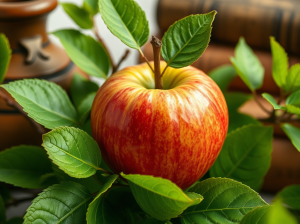

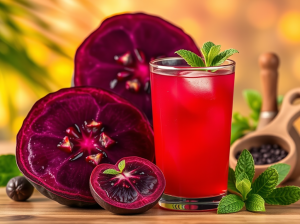
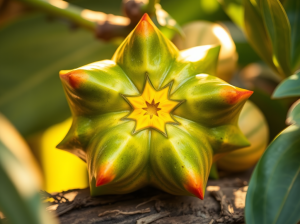


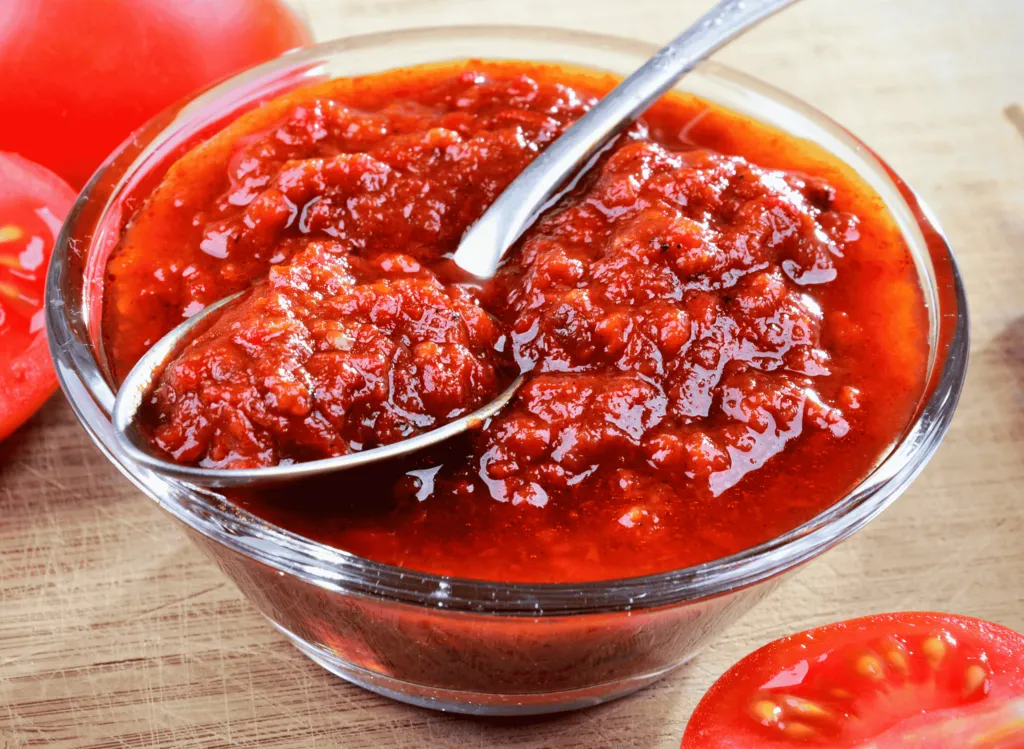
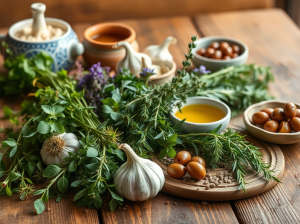
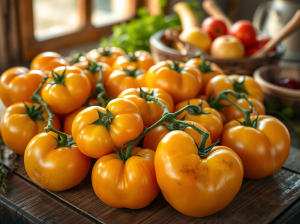
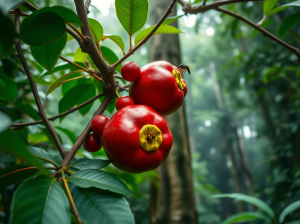
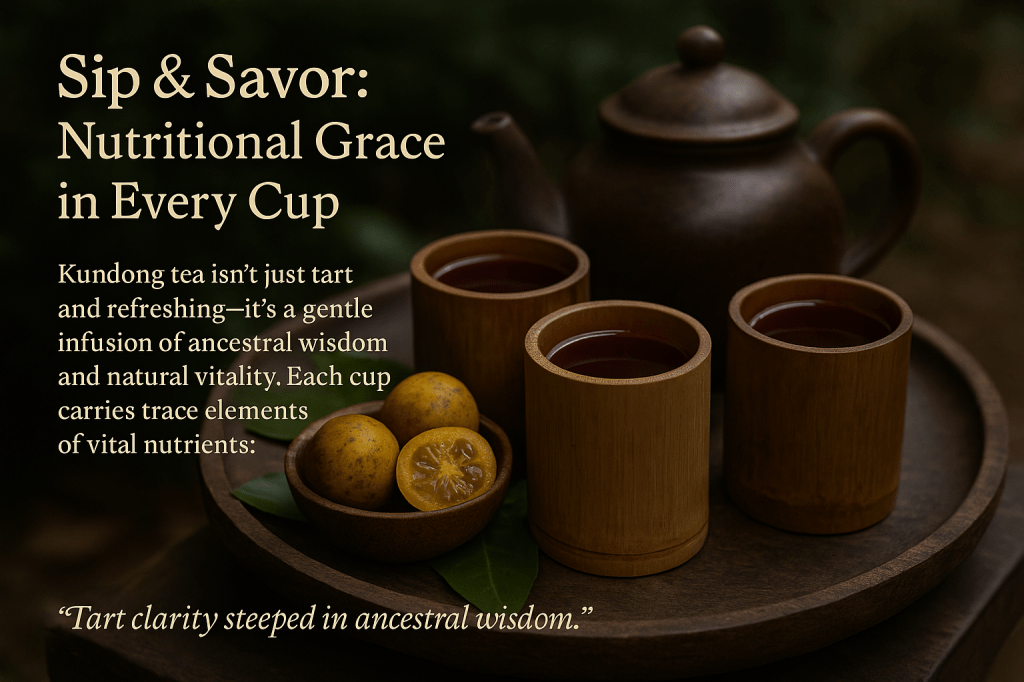
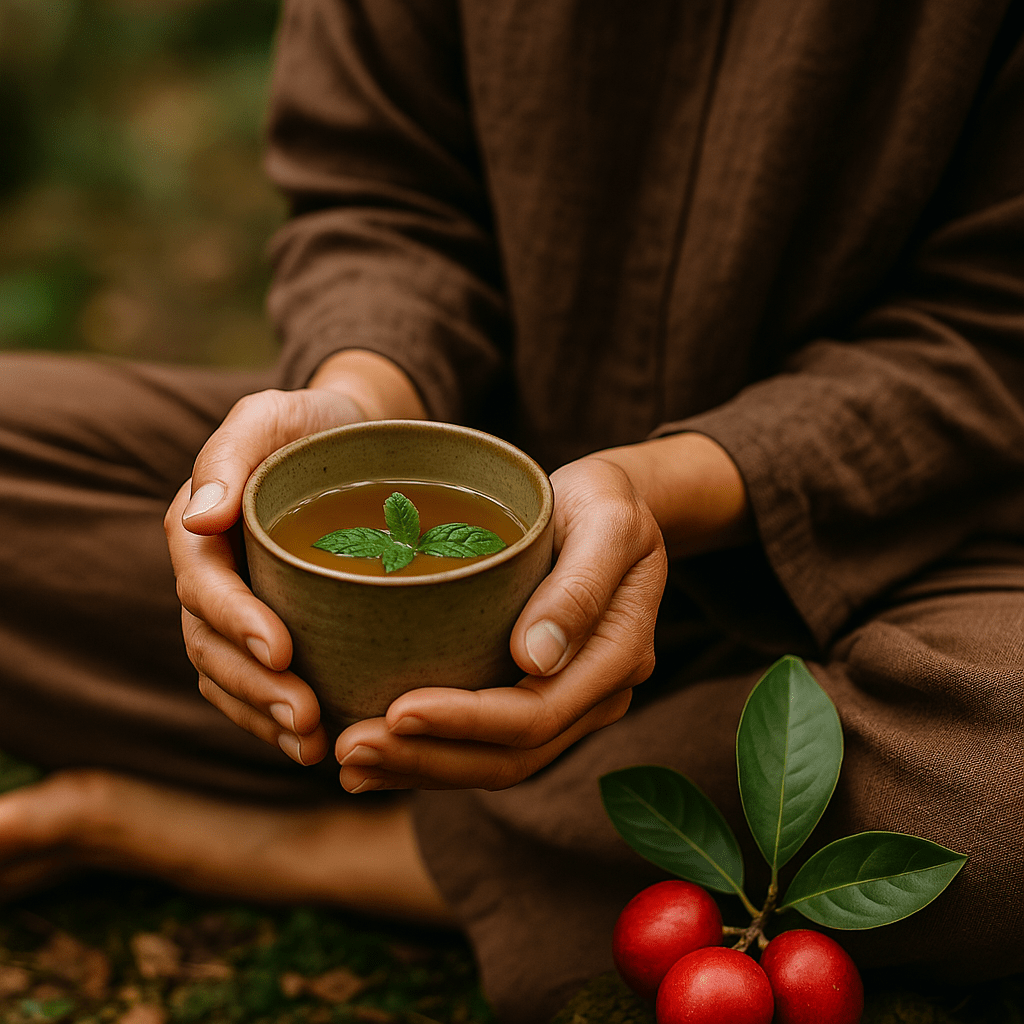
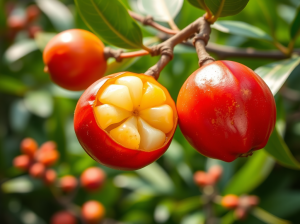
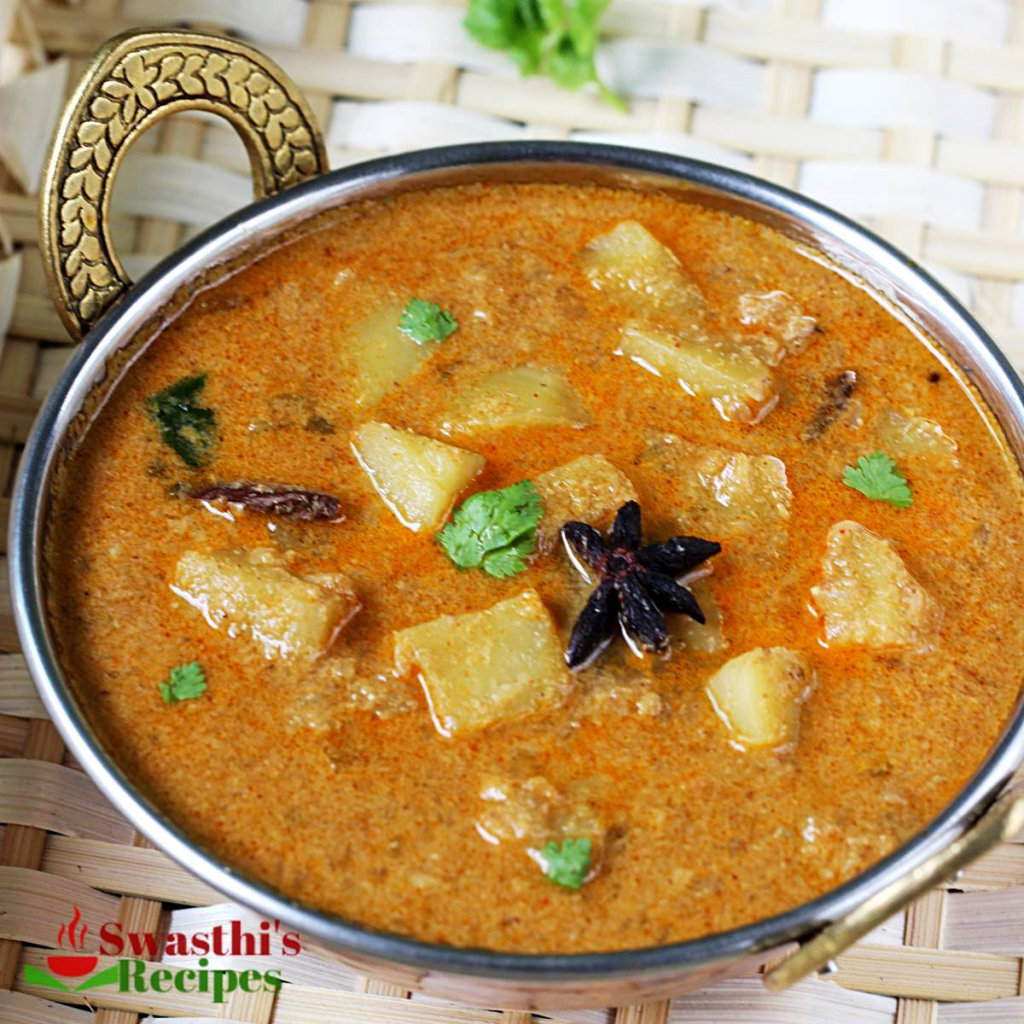

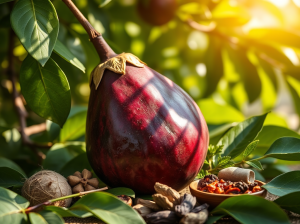

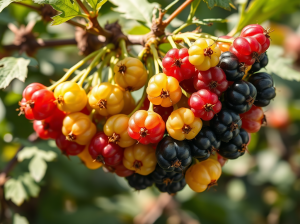
 EJADA
EJADA 