EJADA

Living Healthy, Natural Healing, Herbal Health, and nutritional

  • Phalsa Benefits: A Hidden Gem for Health

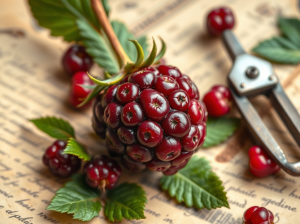
    Have you heard of the Grewia asiatica, commonly known as Phalsa or Sherbet Berry? It is a type of small, deciduous fruit-bearing shrub or tree that produces sour-sweet purple berries. Here’s a breakdown of its characteristics:

    🍇 Fruit Type: Phalsa (Grewia asiatica)

    Botanical Family: Malvaceae (formerly Tiliaceae)

    Common Names: Phalsa, Falsa, Sherbet Berry

    Fruit Description:

    Small, round berries

    Color transitions from light yellow to red to deep purple when ripe

    Taste is refreshingly sour-sweet, similar to blueberries

    Often consumed fresh, juiced, or used in sherbets, jams, and desserts

    🌿 Plant Characteristics

    Growth Habit: Shrub or small tree, 4–8 feet tall

    Climate: Thrives in tropical and subtropical regions

    Hardiness: Drought-tolerant and pest-resistant

    Native Range: Indian subcontinent and Southeast Asia1

    🧪 Nutritional & Medicinal Value

    Rich in: Vitamin C, antioxidants (like cyanidin-3-glucoside), and dietary fiber

    Traditional Uses: Cooling agent in summer, digestive aid, and remedy for respiratory and cardiac issues

    Phalsa is considered a minor fruit crop in South Asia but is highly valued for its nutritional, medicinal, and cultural significance.

    Medicinal Properties of Grewia asiatica

    🧬 1. Antioxidant & Anti-inflammatory

    Rich in anthocyanins, flavonoids, and phenolic compounds, Phalsa exhibits strong free radical-scavenging activity, helping to reduce oxidative stress.

    Its anti-inflammatory effects make it useful in managing pain, swelling, and inflammatory conditions like arthritis.

    ❤️ 2. Cardioprotective & Hypotensive

    Contains potassium and antioxidants that support heart health by regulating blood pressure and reducing LDL oxidation.

    Traditionally used to strengthen the heart and improve circulation.

    🩺 3. Antidiabetic & Antihyperglycemic

    Studies show that Grewia asiatica can reduce glucose absorption, making it beneficial for managing blood sugar levels.

    Its low glycemic index and fiber content support glycemic control.

    🧪 4. Antimicrobial & Antiviral

    Extracts from the fruit and leaves have shown antibacterial and antifungal activity, effective against pathogens like E. coli and Staphylococcus aureus.

    Used in traditional medicine to treat respiratory infections, fevers, and diarrhea.

    🧠 5. Neuroprotective & Radioprotective

    Preliminary research suggests neuroprotective effects due to its antioxidant profile.

    Some studies also highlight radioprotective properties, potentially shielding cells from radiation-induced damage.

    🧴 6. Skin & Wound Healing

    Applied topically, the fruit pulp or leaf extract helps heal wounds, reduce skin eruptions, and soothe inflammation.

    Its cooling and demulcent nature makes it ideal for treating sunburns and heat rashes.

    🧃 7. Digestive & Hepatoprotective

    Traditionally used as a digestive tonic, relieving stomach pain, indigestion, and constipation.

    The fruit is also believed to support liver function and detoxification.

    🩸 8. Blood Purifier & Immune Booster

    Acts as a natural blood purifier, often used in Ayurvedic formulations to treat blood disorders.

    High in vitamin C and iron, it boosts immunity and helps combat fatigue and anemia.

    🌿 Health Benefits of Grewia asiatica (Phalsa)

    🧬 1. Rich in Antioxidants

    Contains anthocyanins, flavonoids, and phenolic compounds that neutralize free radicals

    Helps reduce oxidative stress and lowers the risk of chronic diseases like heart disease, cancer, and diabetes

    ❤️ 2. Supports Heart Health

    High in potassium and low in sodium, which helps regulate blood pressure

    Antioxidants protect the cardiovascular system from oxidative damage

    🩺 3. Anti-inflammatory Effects

    Bioactive compounds reduce inflammation, easing symptoms of arthritis and other inflammatory conditions

    🧃 4. Boosts Immunity

    High vitamin C content strengthens the immune system and improves resistance to infections

    🍽️ 5. Aids Digestion

    Rich in dietary fiber, which promotes bowel regularity and supports gut health

    Helps relieve constipation, bloating, and indigestion1

    🩸 6. Improves Blood Health

    Iron-rich, making it beneficial for treating anemia, especially in pregnant women

    Also acts as a natural blood purifier

    🫁 7. Enhances Respiratory Health

    Traditionally used to treat asthma, bronchitis, sore throat, and flu

    Soothes the respiratory tract and reduces inflammation1

    🧖‍♀️ 8. Promotes Skin & Hair Health

    Vitamin C supports collagen production and skin repair

    Antioxidants help delay signs of aging and improve skin radiance

    🧘 9. Cooling & Hydrating

    High water content and electrolytes make it ideal for hydration and preventing heatstroke

    Acts as a natural coolant in hot climates

    🧂 10. Regulates Blood Sugar

    Low glycemic index and fiber help manage blood sugar levels

    Beneficial for diabetics or those at risk of insulin resistance

    ⚖️ 11. Supports Weight Management

    Low in calories and high in fiber, promoting satiety and reducing overall calorie intake

    🧘‍♀️ Ayurvedic Perspective

    In Ayurveda, Grewia asiatica (known as Parushaka) is described as:

    Sweet, astringent, cooling, demulcent, and aphrodisiac

    Used to alleviate Pitta dosha, reduce burning sensations (daha), and quench excessive thirst

    🧃 Vitamin Profile of Grewia asiatica (Phalsa)

    Phalsa isn’t just a refreshing summer fruit—it’s a nutritional powerhouse packed with essential vitamins that support immunity, skin health, and energy metabolism.

    🍊 Key Vitamins per 100g

    VitaminAmountHealth Benefits
    Vitamin C22 mg (≈37% DV)Boosts immunity, promotes collagen synthesis and acts as a powerful antioxidant
    Vitamin ATrace amountsSupports vision, skin regeneration, and immune defense
    Vitamin B1 (Thiamine)Trace amountsAids in energy metabolism and nerve function
    Vitamin B2 (Riboflavin)Trace amountsSupports cellular energy production and antioxidant defense
    Vitamin B3 (Niacin)Trace amountsHelps regulate cholesterol and supports brain function
    Vitamin EPresent in small amountsProtects cells from oxidative damage and supports skin and heart health

    🔬 Nutritional Synergy

    Vitamin C + Iron: Enhances iron absorption, helping combat fatigue and anemia.

    Vitamin A + Antioxidants: Supports skin health and eye function.

    B-complex vitamins: Aid in energy production and stress reduction.

    This vitamin-rich profile makes Phalsa not only a cooling summer treat but also a functional food with wide-ranging health benefits.

    Grewia asiatica (Phalsa) is available in a variety of forms, catering to culinary, medicinal, and horticultural uses.

    Available Forms of Grewia asiatica

    FormDescriptionCommon Uses
    Fresh BerriesSeasonal, deep purple fruits sold in local marketsEaten raw, used in juices, smoothies, and desserts
    Dried BerriesSun-dried or dehydrated for off-season useHerbal teas, traditional medicine, or rehydrated for culinary use
    Juice / SharbatBottled or homemade juice concentrateCooling summer drink, digestive tonic
    Powdered FruitFreeze-dried or sun-dried and ground into powderFound in herbal stores as an antioxidant or immune-boosting supplements
    Seed PacketsSold for home gardening or commercial cultivationGrown in tropical/subtropical climates for fruit or ornamental use
    Leaf & Bark ExtractsUsed in traditional medicine and herbal remediesAnti-inflammatory, wound healing, and detoxifying applications
    Capsules / SupplementsConvenient form for daily health supplementsConvenient form for daily health sup

    Grewia asiatica (Phalsa) is available in the United States, primarily through online nurseries and specialty plant retailers. While it’s not commonly found in mainstream grocery stores due to its delicate and seasonal nature, you can purchase it in the following forms:

    🌱 Where to Find Grewia asiatica in the U.S.

    FormAvailable AtDetails
    Live Plants / Starter ShrubsHome Depot4-pack of live starter plants; ideal for container or garden cultivation
    Amazon4-pack of live Grewia asiatica shrubs; suitable for warm climates
    Veliyath GardensShips live plants; includes cultivation and medicinal use details

    🌿 Notes for U.S. Growers

    Climate: Best suited for USDA zones 9–11 or grown in containers indoors in cooler zones

    Sunlight: Prefers full to partial sun

    Fruiting Time: Typically 2–3 years after planting

    Care: Moderate maintenance; drought-tolerant once established

    ⚠️ Precautions: Who Should Avoid Grewia asiatica?

    While Phalsa is a nutrient-rich fruit with many health benefits, certain individuals should exercise caution:

    🚫 Groups to Use with Caution

    GroupReason for Caution
    People with fruit allergiesMay trigger allergic reactions like itching or swelling
    Pregnant or breastfeeding womenTraditionally avoided due to its cooling and astringent properties
    Individuals with low blood pressureNatural hypotensive effects may further lower blood pressure
    Those on diabetes or heart medicationsMay enhance the effects of medications, requiring dosage adjustments
    Children under 2 yearsHigh acidity and fiber may irritate sensitive digestive systems

    🔬 Scientific Evidence Supporting Grewia asiatica

    Modern research confirms what traditional medicine has long known—Phalsa is more than just a refreshing fruit. Here are some key studies that validate its health benefits:

    🧠 1. Neuroprotective & Antidepressant Effects

    A study published in Frontiers in Nutrition found that Phalsa berry juice reduced anxiety, depression, and memory impairment in animal models. It also improved antioxidant enzyme levels in the brain and reduced oxidative stress markers. 🔗 Read the full study

    🧪 2. Systematic Review of Health-Promoting Effects

    A 2021 review in Nutrients analyzed 56 studies on Grewia species, highlighting their antioxidant, anti-inflammatory, antidiabetic, hepatoprotective, and antimicrobial properties. 🔗 Read the review

    🌿 3. Ethnomedicinal & Nutritional Properties

    A 2024 study in the Journal of Medicinal Plants and Herbs confirmed Phalsa’s traditional use for fever, diarrhea, jaundice, rheumatism, and skin diseases, and identified its rich content of phenols, anthocyanins, tannins, and vitamins. 🔗 Read the article

    Always consult a healthcare provider before introducing new fruits or supplements into your diet, especially if you have underlying health conditions or are taking medication.

    Final Thoughts: Why Grewia asiatica Deserves a Spot in Your Wellness Routine

    Grewia asiatica, or Phalsa, is more than just a tangy summer fruit—it’s a nutritional gem with deep roots in traditional medicine and growing support from modern science. From its antioxidant-rich berries to its cooling, digestive, and cardioprotective properties, Phalsa offers a holistic health boost in every bite.

    Whether you enjoy it fresh, as a juice, or in supplement form, this underappreciated fruit is a functional food worth exploring—especially for those seeking natural ways to support immunity, digestion, and overall vitality.

    ✅ Backed by studies in Frontiers in Nutrition, Nutrients, and the Journal of Medicinal Plants and Herbs, Phalsa stands out as a scientifically supported superfruit

  • Harlequin Glory Bower: Features, Benefits, and Uses

    The Harlequin Glory Bower, scientifically known as Clerodendrum trichotomum, was first described by the Swedish botanist Carl Peter Thunberg in the late 18th century.

    The species name “trichotomum” and its binomial classification were established by Thunberg, who conducted extensive botanical work in Japan and other parts of Asia during the 1770s and 1780s.

    🌿 Quick Facts about Harlequin Glory Bower:

    Scientific Name: Clerodendrum trichotomum Thunb.

    Common Names: Harlequin Glory Bower, Glorytree, Peanut Butter Tree

    Native Range: China, Korea, Taiwan, Japan, India, and the Philippines

    Notable Features: Fragrant white flowers, metallic blue fruits, and leaves that smell like peanut butter when crushed

    Cultivation: Popular in gardens for its ornamental appeal and pollinator-friendly blooms

    🍇 Fruit Characteristics:

    Appearance: The fruit is a small, round, metallic blueberry surrounded by a vivid red calyx, creating a striking contrast that gives the plant its ornamental appeal.

    Development: These berries form after the plant’s fragrant white flowers bloom in late summer.

    Toxicity: While the berries are attractive to birds and wildlife, they are considered toxic to humans and animals if ingested.

    Cultural Role: The persistent red calyx and blue fruit are often admired in gardens for their unusual beauty, especially in the fall when many other plants fade. Cultural Meanings Across Societies

    East Asian Traditions (China & Japan)

    Symbol of Romance and Love: The plant’s heart-shaped leaves and red-and-white flowers have long been associated with romantic affection and passion. In traditional Japanese and Chinese gardens, it’s often planted to evoke emotional warmth and beauty.

    Good Fortune and Protection: In some folk traditions, especially in rural Japan, the plant is believed to ward off negative energy and bring good luck when planted near homes.

    Ornamental Legacy: Cultivated for centuries, it’s valued for its seasonal beauty and fragrant presence, often used in temple gardens and private courtyards.

    Medicinal & Aromatic Significance of Harlequin Glory Bower

    Though primarily admired for its ornamental beauty, Clerodendrum trichotomum—known as Harlequin Glory Bower or Chou Wu Tong in traditional Chinese medicine—has a quiet legacy in herbal healing and sensory wellness.

    🧪 Traditional Medicinal Uses

    In East and Southeast Asia, the leaves and roots have been used in folk remedies to support:

    Hypertension (high blood pressure)

    Rheumatoid arthritis and joint inflammation

    Skin conditions like eczema and dermatitis

    Numbness and neuralgia

    These uses are attributed to the plant’s bioactive compounds, including:

    Flavonoids – antioxidant and anti-inflammatory

    Saponins – immune-modulating

    Clerodane diterpenes – antimicrobial and anti-inflammatory

    Caffeic acid – linked to cardiovascular and skin health

    ⚠️ Note: The berries and leaves are toxic if ingested in large quantities. Traditional use is topical or in controlled decoctions under expert guidance.

    🌸 Aromatic & Sensory Qualities

    Peanut butter-scented leaves offer a playful, nostalgic aroma when crushed.

    Sweet floral fragrance from summer blooms attracts bees, butterflies, and garden lovers alike.

    These qualities make it a favorite in aromatherapeutic and sensory gardens, symbolizing relaxation, curiosity, and emotional warmth.

    🌍 Global Symbolism

    The plant’s ability to attract bees, butterflies, and birds has made it a symbol of biodiversity and ecological harmony, especially in permaculture and pollinator-friendly gardening movements.

    Western Interpretations:

    In the language of flowers, it symbolizes individuality, admiration, and renewal, thanks to its unique appearance and late-season bloom.

    It’s also seen as a living art piece, used in landscaping to create focal points or sensory gardens.

    Ecological Symbolism:

    The fruit has been admired since the plant was first described by Carl Peter Thunberg in the late 18th century, during his botanical explorations in Japan and other parts of Asia.

    While there’s no specific historical record of the fruit being used in traditional medicine or cuisine, its decorative use in gardens has been documented for over two

    So while it technically bears fruit, the Harlequin Glory Bower is grown more for its aesthetic and aromatic qualities than for any culinary or medicinal use.

    🌸 Aesthetic Qualities:

    Fragrant White Flowers: These bloom in late summer and are star-shaped, creating a delicate and elegant appearance.

    Vivid Red Calyx: After the flowers fade, the calyx remains and turns a striking red, adding long-lasting color to the plant.

    Metallic Blue Fruit: The small berries that develop are an iridescent blue, dramatically framed by the red calyx—this contrast is visually stunning and unique in the plant world.

    Seasonal Interest: The plant offers multi-season beauty, flowers in summer, colorful fruit and calyx in fall, and attractive foliage throughout the growing season.

    🌿 Aromatic Qualities:

    Peanut Butter-Scented Leaves: When crushed, the leaves emit a scent remarkably similar to peanut butter, which is both surprising and memorable.

    Sweet Floral Fragrance: The flowers themselves are sweetly scented, attracting pollinators like butterflies and bees, and adding a pleasant aroma to gardens.

    This combination of visual drama and unexpected fragrance makes the Harlequin Glory Bower a favorite in sensory gardens and landscape design.

    🎨 Artistic and Spiritual Resonance

    Inspiration in Art and Design: Its vivid colors and unusual form have inspired botanical illustrations, textile patterns, and garden design motifs, particularly in East Asian and contemporary eco-art contexts.

    Therapeutic Symbolism: Though not widely used medicinally, its aromatic leaves and calming presence have earned it a place in aromatherapeutic and wellness gardens, symbolizing healing and tranquility.

    Harlequin Glory Bower (Clerodendrum trichotomum)** available from several specialty nurseries and online plant retailers, especially in the U.S. Here’s a curated list of sources and what they offer:

    🛒 Where to Buy Harlequin Glory Bower

    NurseryDetailsLink
    Quackin Grass NurseryOffers cuttings of Clerodendrum trichotomum with a focus on hardiness and ornamental appeal. Grown from stem or root cuttings.Quackin Grass Nursery
    Dancing Oaks Nursery (Oregon)Sells live plants for $12.50–$17.50. Known for pollinator-friendly selections.Dancing Oaks Nursery
    Squak Mountain Nursery (Washington)Offers it as a special-order plant. Suitable for containers or landscape use.Squak Mountain Nursery

    🌍 Availability Notes

    Native Range: China, Japan, Korea, Vietnam

    USDA Zones: 6–9 (can be grown as a cutback shrub in colder zones)

    Container-Friendly: Yes, especially in colder climates or urban gardens

  • Why Hass Avocados Are Your Heart’s Best Friend
    recipe/the-official-hass-avocado-board-guacamole/

    🥑 Looks Familiar to a Lot of You… But Did You Know?

    Most people recognize the creamy green dip as guacamole, but few realize:

    Guacamole wasn’t always a party dip—in ancient Mesoamerica, it was considered an aphrodisiac and a sacred food.

    The Hass avocado didn’t exist before 1926. It was a backyard experiment by a mailman named Rudolph Hass.

    Guacamole dates back to the Aztecs, who called it ahuacamolli—a blend of ahuacatl (avocado) and molli (sauce).

    The original Hass tree lived for 76 years, and every Hass avocado today descends from that one tree.

    Avocados were once called “alligator pears” due to their bumpy skin and pear-like shape.

    🥑 Packed with Health Benefits

    🧬 1. Nutrient-Dense Superfruit

    Hass avocados contain over 20 essential nutrients, including:

    Vitamin K (35% DV)

    Folate (41% DV)

    Vitamin E (28% DV)

    Vitamin C (22% DV)

    Potassium (21% DV)—more than a banana!

    Magnesium, B6, Copper, and Fiber

    ❤️ 2. Heart-Healthy Fats

    Rich in monounsaturated fats, especially oleic acid, which:

    Lowers LDL (bad) cholesterol

    Raises HDL (good) cholesterol

    Reduces inflammation and supports cardiovascular health

    🧠 3. Brain & Eye Protection

    Contains lutein and zeaxanthin, antioxidants that:

    Protect against age-related eye diseases

    Support cognitive function and reduce oxidative stress

    🩺 4. Blood Sugar & Weight Support

    High in soluble and insoluble fiber, which:

    Slows digestion and stabilizes blood sugar

    Increases satiety, aiding in weight management

    🤰 5. Pregnancy Powerhouse

    High in folate, essential for fetal development, and reduces neural tube defects.

    Also provides healthy fats crucial for brain and tissue growth

    🌱 6. Sustainable & Ethical

    Especially in regions like Colombia, Hass avocados are grown using eco-conscious practices that support rural economies and reduce environmental impact.

    🧠 What Are Vitamins and Minerals, Really?

    Vitamins are organic compounds made by plants and animals.

    Minerals are inorganic elements from the earth, absorbed by plants and animals.

    Both are essential—but not always in pill form.

    ⚖️ Do You Actually Need Supplements?

    LifestyleSupplement Needed?Why
    Balanced diet❌ NoWhole foods provide what your body needs.
    Vegan/vegetarian✅ YesMay lack B12, iron, or omega-3s.
    Pregnant✅ YesFolic acid and iron are critical.
    Aging✅ MaybeB12 and D absorption declines with age.
    Chronic illness✅ YesDoctor-prescribed only.

    🚨 The Hidden Risks

    Overdosing: Fat-soluble vitamins (A, D, E, K) can build up and become toxic.

    False confidence: Supplements can’t undo a poor diet.

    Regulatory gaps: Most supplements aren’t FDA-approved for safety or efficacy.

    🧬 What Science Says

    “Most supplements do nothing for healthy people.” — Annals of Internal Medicine

    A 2020 BMJ study found no benefit from multivitamins in preventing chronic disease.

    Harvard researchers warn that supplements are often unnecessary and may even be harmful in excess.

    🌍 Traditional Wisdom vs. Modern Hype

    Indigenous and ancestral diets—rich in herbs, roots, fruits, and fermented foods—offered nutrients in their most bioavailable forms. Today’s synthetic pills often isolate compounds without the synergistic benefits of whole foods.

    The Real Prescription

    Eat a rainbow of fruits and vegetables.

    Embrace traditional healing herbs like moringa, turmeric, and amla.

    Get sunlight, move your body, and rest deeply.

    🧬 Cited Research: Health Benefits of Hass Avocados

    A 2021 review published in the journal Nutrients analyzed 19 clinical trials, 5 observational studies, and biological mechanisms related to Hass avocado consumption. Here’s what the science says:

    ❤️ 1. Cardiovascular Health

    • Hass avocados help lower LDL cholesterol, triglycerides, and oxidized LDL particles.
    • They promote vascular endothelial health, improving blood flow and reducing atherosclerosis risk.
    • Their 6:1 ratio of unsaturated to saturated fat, rich in oleic acid, mirrors the heart-healthy profile of olive oil.

    ⚖️ 2. Weight Management

    • Regular consumption supports weight loss and reduces visceral fat in overweight individuals.
    • Their low energy density (1.6 kcal/g) and high fiber content increase satiety and reduce overall calorie intake.

    🧠 3. Cognitive Function

    • Daily Hass avocado intake modestly improves executive function, especially in overweight or obese adults.
    • This is linked to increased serum lutein, a brain-protective carotenoid found in avocados.

    🦠 4. Gut Microbiota Health

    Hass avocados act as a prebiotic, promoting beneficial gut bacteria and improving fecal metabolite profiles.

    Their unique fiber composition supports colonic health and microbial diversity.

    Source:

    Dreher, M.L., Cheng, F.W., & Ford, N.A. (2021).A Comprehensive Review of Hass Avocado Clinical Trials, Observational Studies, and Biological Mechanisms. Nutrients, 13(12), 4376.

    🥑 Avocados Beyond Guacamole

    🍳 1. Avocado Egg Cups

    Halve an avocado, remove a bit more flesh, crack in an egg, and bake.

    High in protein and healthy fats—great for keto or paleo diets.

    🥗 2. Avocado Salads & Toppings

    Add cubes to grain bowls, green salads, or ceviche.

    Try it in a shrimp & avocado taco salad or a BLT avocado salad.

    🍞 3. Avocado Toast (Elevated)

    Top with smoked salmon, poached eggs, or feta and chili flakes.

    Try avocado rose toast or spicy fried egg toast.

    🍝 4. Avocado Pasta Sauce

    Blend with garlic, lemon juice, olive oil, and basil for a creamy, dairy-free sauce.

    Pairs beautifully with zucchini noodles or whole wheat pasta.

    🍨 5. Avocado Desserts

    Use in chocolate mousse, brownies, or mint chip avocado ice cream3.

    Adds creaminess while replacing butter or cream.

    🍹 6. Avocado Smoothies

    Blend with banana, spinach, and almond milk for a nutrient-dense breakfast.

    Adds fiber, potassium, and healthy fats.

    🍟 7. Avocado Fries

    Coat slices in breadcrumbs and bake or air-fry until crispy.

    Serve with spicy aioli or yogurt dip.

    🔥 8. Grilled Avocado Halves

    Brush with olive oil, grill cut-side down, and fill with salsa or ceviche.

    Adds smoky depth and visual appeal.

    🧈 9. Avocado Butter & Hummus

    Mash with herbs and lemon for a spreadable butter alternative.

    Blend into hummus for extra creaminess and nutrients.

    📚 Sources

    13 Delicious Avocado Recipes Beyond Guacamole – Tasty

    7 Ways to Use Avocado Beyond Guacamole – La Brea Bakery

    What to Do with Avocados Besides Guacamole – Chef’s Resource

    15 Avocado Recipes Beyond Toast and Guacamole – Home As We Make It

    “Beyond Hass: Exploring the Avocado Family”, here’s a curated breakdown:

    🥑 Other Versions of Avocados (Besides Hass)

    VarietySkinTextureFlavorNotable Traits
    FuerteSmooth, greenCreamy but lighterMild, slightly sweetPear-shaped; stays green when ripe; popular before Hass took over
    ReedThick, greenVery creamyButtery, less nuttyRound, large; great for slicing or scooping
    BaconThin, smooth greenLight and wateryMild, slightly sweetLower fat; good for salads and slicing
    PinkertonSlightly pebbly, greenCreamyRich and nuttySmall seed, high flesh-to-seed ratio
    GwenPebbly, greenSimilar to HassNutty and richRounder than Hass; longer shelf life
    Lamb HassDark, pebblyDense and creamySimilar to HassLarger and later-season than Hass
    Florida (a.k.a. SlimCado)Smooth, shiny greenWateryMild, less richLower fat and calories; often marketed as “diet” avocados

    🌍 Why Hass Still Dominates

    • Shelf Life: Thick skin protects during shipping.
    • Flavor: High oil content = rich, nutty taste.
    • Consistency: Ripens predictably, ideal for commercial use.
    • Availability: Grown year-round in California, Mexico, and beyond.

    📚 Sources

    🥑

    🥑 Final Thought: A Fruit with Flavor, Function, and a Story

    The Hass avocado is more than a trendy toast-topper—it’s a fruit with deep roots, rich nutrients, and endless versatility. From ancient Aztec kitchens to modern health-conscious homes, it continues to nourish bodies and bridge cultures.

    So the next time you scoop into guacamole, remember: you’re tasting history, health, and heritage in every bite.

  • Hassaku Orange vs. U.S. Oranges: Taste & Health Benefits

    🏯 Historical Roots of the Hassaku Orange

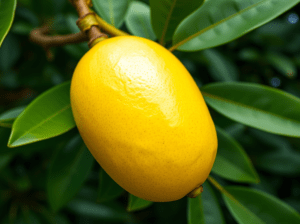
    The Hassaku orange was first discovered in 1860 during the late Edo period at Jyoudo Temple in Innoshima, now part of Onomichi City in Hiroshima Prefecture. Initially referred to as jagada, the fruit was later renamed Hassaku (八朔), a term that refers to the first day of the eighth month in the traditional Japanese lunar calendar, marking the time when the fruit was first noticed ripening on the tree.

    By the early 20th century, particularly around 1925, Hassaku cultivation began to spread commercially across Japan, especially in the Setouchi region, where the mild coastal climate supports its growth.

    🌸 Cultural Significance

    In Japan, Hassaku oranges are more than just a fruit—they’re a seasonal symbol of winter and early spring, often given as gifts or enjoyed ceremonially. Their crisp texture, sweet-tart flavor, and slightly bitter pith are appreciated for their complexity, making them a refreshing contrast to the sweeter, juicier oranges more common in the West.

    🍊 Hassaku Orange vs. U.S. Oranges

    FeatureHassaku Orange (Japan)Typical U.S. Oranges (e.g., Navel, Valencia)
    OriginDiscovered in Hiroshima, Japan in the 19th centuryNative to China but widely cultivated in California and Florida
    ParentageDiscovered in Hiroshima, Japan, in the 19th centuryNavel: spontaneous mutation; Valencia: hybrid of sweet oranges
    SizeGrapefruit-sized (9–10 cm diameter)Medium (Navel) to large (Valencia), typically smaller than Hassaku
    FlavorSweet-tart with a slight bitterness; less juicyNavel: sweet and seedless; Valencia: sweet and very juicy
    TextureA hybrid of pomelo and mandarinJuicy, soft flesh; thinner skin (especially Valencia)
    JuicinessLow to moderateHigh (especially Valencia, ideal for juice)
    SeasonWinter to early springNavel: winter to spring; Valencia: spring to summer
    ConsumptionEaten fresh, often scooped like grapefruit; peel used for marmaladeEaten fresh, juiced, or used in cooking and baking
    BitternessSlight bitterness in pith and fleshMinimal bitterness, especially in Navel oranges
    Cultural UseSeasonal delicacy in Japan; sometimes used in skincareCrisp, flaky flesh; thick skin; low juice content

    Hassaku orange shares many of the same health benefits as U.S. oranges, particularly in terms of immune support, digestion, and antioxidant properties. Here’s a side-by-side comparison to help you highlight this in your EJADA post:

    🍊 Hassaku Orange vs. U.S. Oranges: Health Benefits

    Health BenefitHassaku OrangeTypical U.S. Oranges (e.g., Navel, Valencia)
    Vitamin CHigh—boosts immunity, reduces inflammationHigh—supports immune health and skin repair
    Dietary FiberGood source—supports digestion and gut healthExcellent—especially in whole fruit form
    AntioxidantsContains flavonoids and limonoids with anti-inflammatory effectsRich in hesperidin and other flavonoids
    Low Calorie~88 kcal per 195g serving~85–90 kcal per medium orange
    PotassiumPresent—supports heart and muscle functionHigh—helps regulate blood pressure
    FolatePresent in moderate amountsHigh—especially in Valencia oranges
    Unique CompoundsExtracts used in skincare for atopic dermatitis2Used in cosmetics and aromatherapy (especially orange oil)

    🌿 Notable Differences

    Hassaku’s bitterness (from its pith and membranes) may offer additional flavonoid benefits, though it’s less juicy than U.S. oranges.

    U.S. oranges, especially Valencia, are more hydrating due to higher juice content and are more commonly used in juicing.

    Hassaku’s uniqueness lies in its hybrid lineage and its crisp, slightly bitter flesh that contrasts with the juicy sweetness of U.S. oranges.

    While U.S. oranges are prized for juicing and snacking, Hassaku is more of a seasonal treat, often eaten with a spoon to avoid the bitter pith.

    The thick peel of Hassaku makes it ideal for marmalade, whereas U.S. oranges are more versatile in culinary applications.

    Hassaku oranges offer several notable health benefits, making them more than just a seasonal delicacy in Japan. Here’s a breakdown of their nutritional and therapeutic value:

    🍊 Health Benefits of Hassaku Oranges

    Nutrient/CompoundBenefit
    Vitamin CBoosts immune function supports collagen production, and reduces inflammation
    Dietary FiberAids digestion, promotes gut health, and helps regulate blood sugar
    Folic AcidSupports red blood cell formation and is essential during pregnancy
    PotassiumHelps regulate blood pressure and fluid balance
    CopperSupports nervous system health and iron metabolism
    Low in CaloriesA healthy, low-calorie snack option (approx. 88 kcal per 195g serving)

    🌿 Additional Therapeutic Uses

    Skincare Applications: Extracts from young Hassaku fruits have been used in treatments for atopic dermatitis, suggesting anti-inflammatory and skin-soothing properties.

    Bitterness as a Benefit: The slight bitterness in the pith and membranes may contain beneficial flavonoids, which are known for their antioxidant and anti-inflammatory effects.

    🧠 Cultural Insight

    In Japan, Hassaku oranges are often considered a luxury citrus, gifted during celebratory occasions. Their crisp texture and complex flavor profile—sweet, sour, and slightly bitter—are appreciated not just for taste but also for their invigorating aroma and seasonal symbolism

    Yes! The Hassaku orange lends itself beautifully to both traditional Japanese and modern fusion dishes thanks to its sweet-tart flavor with a hint of bitterness. Here are some standout culinary combinations that highlight its unique profile:

    🍽️ Culinary Combinations Featuring Hassaku Orange

    🥗 1. Hassaku Citrus Salad with Halfbeak and Rapeseed Greens

    Ingredients: Sashimi-grade halfbeak, rapeseed blossoms, fiddlehead ferns, radish, and Hassaku segments

    Dressing: Yuzu pepper, lemon juice, light soy sauce, sugar, and olive oil

    Why it works: The bitterness of Hassaku balances the umami of fish and the peppery greens, creating a refreshing winter salad.

    🍯 2. Hassaku Marmalade

    Use: Spread on toast, glaze for meats, or swirl into yogurt

    Flavor note: The thick peel and slight bitterness make it ideal for marmalade, offering a more complex flavor than standard orange preserves.

    🍰 3. Hassaku-Infused Cheesecake or Tart

    Pairing: Creamy textures like mascarpone or ricotta

    Why it works: The citrus cuts through the richness, and the bitterness adds depth to the dessert.

    🍶 4. Hassaku with Sake or Shochu

    Presentation: Serve segments alongside a light sake or infuse the juice into a cocktail

    Cultural touch: Often served as a palate cleanser or seasonal garnish in Japanese izakaya.

    🥬 5. Grain Bowls or Green Salads

    Add-ins: Quinoa, arugula, avocado, toasted sesame, and Hassaku segments

    Dressing: Miso-citrus vinaigrette

    Why it works: The citrus brightens earthy grains and bitter greens.

    🌿 🍽️ Culinary Spotlight: Bittersweet Elegance of the Hassaku Orange

    While U.S. oranges shine in juices and desserts, the Hassaku orange offers a more complex flavor—sweet, tart, and slightly bitter—that lends itself to refined culinary pairings. Here are some standout combinations:

    🥗 Hassaku Citrus Salad with Halfbeak and Rapeseed Greens

    A winter delicacy in Japan, this salad pairs Hassaku segments with sashimi-grade halfbeak, rapeseed blossoms, and fiddlehead ferns, dressed in a yuzu pepper vinaigrette. The citrus cuts through the umami and bitterness of the greens, creating a vibrant seasonal dish.

    🍯 Hassaku Marmalade

    Thanks to its thick peel and subtle bitterness, Hassaku makes an exceptional marmalade—perfect for toast, glazes, or swirling into yogurt. It offers a more nuanced flavor than standard orange preserves.

    🍰 Hassaku-Infused Cheesecake

    The citrusy brightness of Hassaku balances the richness of mascarpone or ricotta-based cheesecakes, adding a refreshing twist to classic desserts.

    🍶 Citrus & Spirits Pairing

    Hassaku pairs elegantly with light sake or shochu, either as a garnish or infused into cocktails. Its bitterness enhances the complexity of the drink, making it a favorite in Japanese izakaya.

    🥬 Grain Bowls & Green Salads

    Toss Hassaku segments into quinoa bowls or arugula salads with avocado, toasted sesame, and a miso-citrus vinaigrette. The citrus lifts earthy flavors and adds a refreshing contrast.

    There are no widely documented contraindications for eating Hassaku oranges for the general population, but there are a few important considerations for specific individuals:

    ⚠️ Who Should Be Cautious with Hassaku Oranges

    GroupReason for Caution
    People with citrus allergiesLike other citrus fruits, Hassaku can trigger allergic reactions such as itching, swelling, or gastrointestinal discomfort.
    Individuals on certain medicationsWhile not as potent as grapefruit, Hassaku may contain furanocoumarins, compounds that can interfere with CYP3A4 enzyme activity, potentially affecting drug metabolism. Caution is advised for those on statins, calcium channel blockers, or immunosuppressants.
    People with acid reflux or GERDThe fruit’s acidity may aggravate symptoms like heartburn or indigestion.
    Children or the elderly with sensitive digestionThe bitter membranes and fibrous texture may be harder to digest and are best removed before serving.
    Those with kidney issuesHassaku contains moderate potassium, so intake should be monitored in individuals with renal impairment.

    🍊 Preparation Tip

    To reduce bitterness and improve digestibility:

    Remove the white pit and membranes before eating.

    Segment the fruit like a grapefruit and serve chilled for a milder flavor.

    🍊 Final Squeeze: When Life Gives You Hassaku…

    So, is the Hassaku orange just Japan’s answer to the American orange? Not quite. It’s more like the mysterious cousin who shows up at the citrus family reunion with a thick skin, a complex personality, and a flair for bittersweet drama.

    Sure, it’s not as juicy as a Valencia or as sweet as a Navel—but what it lacks in juice, it makes up for in character. It’s the kind of fruit that says, “I may be a little bitter, but I’ve got depth.”

    Just don’t try to juice it for breakfast unless you enjoy a mild upper-body workout and a splash of existential citrus.

  • Unlocking Kiwi’s Nutritional Wisdom

    🥝 Kiwi: Ancient Origins & Modern Wisdom

    From Yang Tao to Global Superfruit

    “Most of us recognize the fuzzy brown fruit as a tangy snack or smoothie staple. But behind the vibrant green lies a tale of ancient botanical wisdom, cultural migration, and potent nutrition.

    🌿 What Makes Nutrition “Potent”?

    • High nutrient density: Rich in vitamins, minerals, antioxidants, and phytonutrients per calorie.
    • Bioavailability: Nutrients that are easily absorbed and utilized by the body.
    • Synergistic compounds: Elements like flavonoids, polyphenols, and enzymes that work together to amplify health benefits.
    • Functional impact: Supports immunity, digestion, cognition, hormonal balance, and cellular repair.
    • Vitamin C powerhouse – nearly twice the amount found in oranges.
    • Actinidin enzyme – aids protein digestion, unique to kiwifruit.
    • Potassium & magnesium – support heart health and nerve function.
    • Lutein & zeaxanthin – protect eye health and reduce oxidative stress.

    In traditional Chinese medicine, yang tao (kiwifruit) was revered for its ability to cool the body, aid digestion, and restore balance—an intuitive understanding of its potent nutritional profile long before modern science confirmed it.

    🌿 Cultural Origins

    China’s Legacy: Known as yang tao, kiwi was prized in traditional medicine for aiding digestion and cooling inflammation.Before it became globally recognized as “kiwifruit,” this vibrant green fruit was known in China as “yang tao,” meaning “sun peach” or “strawberry peach.” Its name evokes brightness, vitality, and a connection to nature’s rhythm—qualities deeply embedded in Taoist philosophy and traditional Chinese medicine.

    1. Origins and Symbolism

    Native to the mountainous regions of Sichuan and Zhejiang, yang tao was prized for its cooling properties and digestive benefits.

    In Taoist herbalism, fruits like yang tao were seen as embodiments of yin energy—refreshing, moistening, and harmonizing the body’s internal balance.

    2. Taoist Resonance

    The duality of yin and yang is central to Taoism, and yang tao’s name itself reflects this balance: “yang” (阳) represents the active, bright force, while the fruit’s cooling nature embodies “yin.”

    Consuming yang tao was believed to restore equilibrium, especially during hot seasons or emotional unrest.

    3. Cultural Adaptation and Global Identity

    In the 20th century, when New Zealand began cultivating the fruit commercially, it was renamed “kiwifruit” to align with national branding.

    Yet its Chinese legacy remains intact, with yang tao still celebrated in regional dishes, herbal tonics, and seasonal rituals.

    4. Culinary and Medicinal Use

    Traditional Chinese recipes often paired yang tao with hawthorn or chrysanthemum to aid digestion and soothe the liver.

    It was also used in infused teas, especially in southern provinces, where it symbolized renewal and clarity.

    🥝 Kiwifruit in New Zealand: A Symbol of Identity, Adaptation, and Pride

    New Zealand’s Reinvention: Kiwi seeds crossed oceans in the early 20th century, eventually renamed after the kiwi bird and cultivated into the cultivar known today.

    Though originally native to China and known as yang tao, the kiwifruit has become a national emblem of New Zealand’s agricultural ingenuity and cultural branding. Its journey from foreign cultivar to beloved staple mirrors the country’s spirit of adaptation and innovation.

    🌿 From Chinese Gooseberry to Kiwi

    • Introduced to New Zealand in the early 20th century, the fruit was renamed “kiwifruit” in the 1950s to align with the country’s iconic kiwi bird, a flightless native species revered in Māori tradition as a taonga (treasure).
    • This renaming wasn’t just marketing—it was a cultural re-rooting, transforming an imported fruit into a symbol of national pride and global identity.

    🧬 Symbol of Resilience and Uniqueness

    • Like the kiwi bird, the fruit is small, unassuming, and biologically unique—with its fuzzy exterior and vibrant green interior, it reflects the idea that true value lies beneath the surface.
    • Its high nutritional density and adaptability to New Zealand’s climate made it a cornerstone of the country’s horticultural success, especially in regions like Bay of Plenty.

    🥗 Culinary and Cultural Integration

    • Kiwifruit features prominently in festive dishes, summer barbecues, and the iconic pavlova, a dessert often claimed by both New Zealand and Australia.
    • It’s also used in fusion teas and tonics, sometimes paired with native herbs like kawakawa or horopito, reflecting a modern revival of Indigenous wellness practices.

    🧵 Metaphor for National Identity

    • Just as the kiwi bird symbolizes groundedness, intuition, and protection, the fruit has come to represent New Zealanders’ resourcefulness and connection to nature.
    • The term “Kiwi” itself is affectionately used to describe New Zealanders, reinforcing the fruit’s symbolic role in cultural storytelling and global recognition.

    🌍 Global Presence: Bridging Cultures, Markets, and Meaning

    To cultivate a global presence is to transcend borders—not just geographically, but emotionally, culturally, and spiritually. Sharing ancestral wisdom, healing traditions, and fruit-based innovations with audiences across continents, while honoring the roots from which they came.

    🧭 Cultural Connectivity

    • A global presence allows you to amplify Indigenous voices, rituals, and remedies in a respectful and educational way.
    • It invites cross-cultural dialogue—where a Cherokee tea ritual can resonate with a wellness seeker in Tokyo, or a Yoruba proverb can inspire a reader in São Paulo.

    🛒 E-Commerce Reach

    • Through platforms like Shopify, WordPress, and Facebook Marketplace, EJADA can reach niche audiences seeking natural health solutions and cultural authenticity.
    • SEO optimization, multilingual content, and region-specific keywords help localize your message while maintaining brand integrity.

    🧬 Scientific Credibility Across Borders

    • Sharing research-backed insights on fruits like Jussara Palm or Juniper berries builds trust and authority in global wellness communities.
    • Collaborating with international herbalists, ethnobotanists, or cultural historians can enrich your content and expand your network.

    💬 Language and Storytelling

    • Integrating native proverbs, sayings, and rituals into your posts creates emotional resonance and cultural depth.
    • A quote like “The soul would have no rainbow if the eyes had no tears” speaks universally, yet carries the spirit of Cherokee wisdom.

    🌱 Sustainability and Biodiversity

    Highlighting how local communities cultivate and protect rare fruits can inspire mindful consumption and support regenerative economies.

    A global presence also means advocating for fruit revival, biodiversity, and ethical sourcing.

    Grown in Italy, California, Iran, and Chile, kiwi now thrives in climates across the globe.

    🥝 Kiwi Fruit: Cultural Threads, Not Ceremonial Rites

    1. Māori Symbolism (Bird vs. Fruit)

    • The kiwi bird, not the fruit, is considered a taonga (treasure) in Māori culture.
    • Its feathers were used in ceremonial cloaks, and the bird is seen as a guardian spirit.
    • The fruit itself—originally called Chinese gooseberry—was renamed “kiwifruit” in the 1950s to align with national identity.

    2. Culinary Rituals

    • While not ceremonial, kiwifruit is often featured in festive dishes, especially in summer barbecues and pavlova desserts—both staples of Kiwi gatherings.
    • It’s also used in health tonics and smoothies, sometimes paired with native herbs like kawakawa or horopito for wellness blends.

    3. Indigenous Pairings

    • Some modern Māori chefs and herbalists incorporate kiwifruit into fusion teas or infused waters, blending it with native botanicals for spiritual and digestive balance.
    • These are more contemporary rituals than ancient ceremonies, but they reflect a growing movement to honor native ingredients.

    Dimensions to Explore

    1. Historical Lineage

    • Trace the fruit’s origins and its role in Indigenous, colonial, or migratory traditions.
    • Highlight its symbolic uses in rituals, mythologies, and ancient medicinal practices.
    • Example: Juniper berries used in spiritual cleansing ceremonies among Native tribes or in medieval European apothecaries.

    2. Culinary Traditions

    • Showcase how a fruit or herb is central to regional dishes or seasonal practices.
    • Mention food preparation rituals, family recipes, or festivities.
    • Example: Kiwano’s role in Central African fruit salads or tropical fusion desserts.

    3. Medicinal and Spiritual Roles

    • Explore how cultures use fruits for healing, either spiritually or physically.
    • Consider traditional medicine, holistic wellness, or symbolic health rites.
    • Example: Jussara Palm fruit used by Amazonian communities as an energy source and offered in ceremonial rites.

    4. Societal Impact and Identity

    • Look at how the fruit contributes to a community’s identity or economy.
    • Explore gender roles, farming traditions, and artisan practices.
    • Example: Female-led cooperatives harvesting exotic fruits tied to community empowerment.

    5. Artistic and Literary Representation

    • Reference depictions of the fruit in art, folklore, poetry, or textiles.
    • Consider metaphors, legends, or visual storytelling.
    • Example: Fruit baskets as symbols of abundance in Caribbean paintings.

    🥝 Kiwi: The Healer in a Fuzzy Coat

    From Ancient Roots to Modern Remedies

    In Traditional Chinese Medicine, kiwi—or yang tao—is celebrated as a cooling fruit that harmonizes the body’s energy and supports digestive wellness. Cherokee traditions view plant-based healing as spiritual communion, and while kiwi is not native to their lands, its symbolism—vibrant core hidden beneath a fuzzy exterior—aligns with teachings of inner strength and renewal.

    🌿 “Nature wraps its power in simplicity. Healing begins in the quiet.” — Inspired by Indigenous wisdom

    🧠 Proven Health Benefits of Kiwi

    🔬 Benefit Category🌟 Key Effects
    Immune System SupportHigh vitamin C boosts infection resistance and neutrophil activity
    Heart HealthPotassium, fiber, and polyphenols reduce cholesterol and regulate blood flow
    Digestive WellnessActinidin enzyme aids protein breakdown; fiber relieves constipation
    Skin & Collagen BoostVitamin C stimulates collagen production and protects against oxidative stress
    Eye HealthLutein & zeaxanthin protect against macular degeneration
    Mental ClarityCarotenoids and antioxidants reduce fatigue and support cognitive balance
    Blood Sugar RegulationLow glycemic index makes kiwi diabetes-friendly and aids weight management

    🌿 A Legacy Infused in Every Sip

    “Imagine a mother in the highlands preparing tea with medicinal herbs passed down through generations. Her hands, weathered by time yet guided by ancestral memory, gently select leaves of wild yarrow, sweet lemon balm, and fire-colored hibiscus, gathered at dawn beneath mountain mists.

    This tea isn’t just refreshment—it is a ritual of remembrance. Each herb recalls a story: of childbirth eased by elderflower, of fever soothed with holy basil, of resilience brewed in the steam of sorrow and celebration alike.”

    “In this cup, the wisdom of generations steeps slowly, releasing not just healing compounds but a sacred connection to place, practice, and people. To share it is an act of communion—between past and present, between body and spirit.”

    🧬 Nutrition Snapshot (Per 100g)

    NutrientBenefit%DV*
    Vitamin CImmune, skin, healing83%
    Vitamin KBone & blood health34%
    FiberDigestion & fullness3g
    PotassiumHeart & muscle balance4%
    CopperImmunity & metabolism15%
    FolateCell growth & repair7%

    *%DV = Percent Daily Value

    “Healing Through the Lens of Culture & Chemistry”

    🌿 Healing Properties: Where Tradition Meets Biochemistry

    🧬 Science of Healing

    • 🛡️ Antioxidants: Shield cells from damage
    • 🌱 Adaptogens: Balance stress response
    • ⚙️ Enzymes: Energize metabolism
    • ❤️ Polyphenols: Boost immunity & heart health

    🌍 Cultural Pathways

    • 🌀 Cherokee rituals: Sassafras for soul alignment
    • 🌴 Amazonian wisdom: Jussara Palm for vitality
    • 🍃 Chinese medicine: Yang tao (kiwifruit) as cooling harmonizer

    🌌 Spiritual Renewal

    • 🫖 Ceremonial teas: Chamomile, lemon balm for clarity
    • 🥝 Symbolism: Kiwano’s radiant core mirrors inner transformation
    • 🌲 Wisdom quote: “Let the forest speak through you.”

      🥝 Zest of Zen: Kiwi Fusion for Calm & Gut Health

      Harmonize Your Body—Awaken Your Clarity

      Inspired by yang tao, the cooling kiwi of Traditional Chinese Medicine, this botanical blend supports your digestive rhythm and emotional equilibrium. Infused with calm-inducing herbs and gut-friendly enzymes, “Zest of Zen” is a daily ritual for inner harmony.

      🌟 Key Benefits

      🧬 Benefit🌿 Natural Ingredient💡 Result
      Digestive EaseKiwi + ActinidinBetter protein breakdown, reduced bloating
      Emotional CalmLemon balm + ChamomileSoothed nerves, lifted mood
      Gut HealthPrebiotic fiberBalanced microbiome, improved regularity
      Immune BoostVitamin CStronger defenses, lower inflammation

      Recharge your wellness with Zest of Zen: Kiwi Fusion for Calm & Gut Health

      A wellness blend inspired by yang tao (kiwifruit in Traditional Chinese Medicine), known for its cooling and harmonizing properties. Paired with calming herbs like lemon balm and chamomile, this fusion supports digestion, emotional clarity, and inner balance.

      🌿 “Let tranquility take root—healing begins in the belly.” — Inspired by Indigenous and Taoist teachings

      Zest of Zen Smoothie Bowl

      🌿🥝 “Balance isn’t found, it’s blended—like calm in a bowl.” Infused with kiwifruit, coconut cream, lemon balm, and edible flowers, this botanical fusion is your daily reminder to harmonize healing and hustle.

      Full recipe: Zest of Zen Smoothie Bowl

      Serves: 2 | Prep Time: 10 minutes

      🌿 Ingredients

      Base:

      • 2 ripe kiwis (peeled and sliced)
      • 1 frozen banana
      • ½ cup coconut cream
      • ¼ cup almond or rice milk
      • 1 tsp dried lemon balm (or 1 tbsp fresh leaves)
      • ½ tsp chamomile (optional, for added calm)
      • 1 tsp honey or agave syrup (optional)
      • Pinch of sea salt

      Toppings:

      • Edible blossoms (pansies, violets, or nasturtiums)
      • Chia seeds or hemp hearts
      • Toasted coconut flakes
      • Sliced kiwi or berries
      • Granola clusters

      🌀 Instructions

      Serve immediately and enjoy your moment of edible mindfulness.

      In a high-speed blender, combine kiwi, banana, coconut cream, milk, lemon balm, chamomile, and sweetener.

      Blend until smooth and creamy. Adjust thickness with more milk if needed.

      Pour into bowls and smooth the surface.

      Decorate with toppings to evoke botanical harmony.

      🌱 Closing Reflection

      In a world that often demands speed, the Zest of Zen reminds us that true vitality is quiet, intentional, and rooted in balance. From Indigenous wisdom to Taoist healing, each ingredient is more than nourishment—it’s a narrative. A ritual. A pause. Let every spoonful be a soft rebellion against chaos. Let healing begin in the belly, and radiate through your brand, your content, your community.

    • Kiwano: The Hidden Treasures of the Kalahari

      🟠 Kiwano: The Spiky Jewel of the Kalahari

      Imagine stumbling upon a fruit so alien-looking it could be mistaken for a prop in a sci-fi film — bright orange skin, covered in horn-like spikes, and a jelly-green interior that glistens like emeralds. This is Kiwano, also known as the African horned cucumber, and its story is as wild and wondrous as its appearance.

      🟠 What Does Kiwano Look Like?

      Kiwano, or African horned cucumber, is a fruit that looks like it was designed by nature to turn heads:

      • Shape & Size: Oval to oblong, typically 10–15 cm long
      • Skin: Vibrant orange or golden-yellow when ripe, covered in prominent horn-like spikes
      • Interior: When sliced open, it reveals a lime-green, jelly-like pulp filled with edible seeds
      • Texture: The outer rind is thick and leathery, while the pulp is slippery and juicy — almost like passionfruit meets cucumber

      Its alien-like appearance makes it a favorite in gourmet plating and exotic fruit displays.

      🌿 How Kiwano Grows

      Kiwano is a vigorous climbing vine from the cucumber family (Cucurbitaceae), and it thrives in warm climates:

      🌞 Growing Conditions

      • Climate: Prefers temperatures between 68–86°F (20–30°C); sensitive to frost
      • Sunlight: Needs full sun for optimal growth
      • Soil: Well-drained, sandy loam with a pH of 6.0–7.0, enriched with organic matter

      🌱 Plant Structure

      • Vines: Can grow over 3 meters long, often trained on trellises or allowed to sprawl
      • Leaves: Large, lobed, and palmate — similar to squash or cucumber
      • Flowers: Yellow, star-shaped, with both male and female blooms on the same plant

      🍈 Fruit Development

      • Pollination: Typically by bees; only female flowers bear fruit
      • Ripening: Fruits turn from green to orange as they mature
      • Harvest: Ready when the skin is fully orange and the fruit detaches easily from the vine

      🌍 Origins in the Desert: A Thirst-Quenching Discovery

      Kiwano’s roots trace back to the Kalahari Desert in southern Africa, where indigenous communities like the San people first encountered it growing wild. In a land where water is scarce and survival depends on ingenuity, this fruit wasn’t just food — it was hydration in a shell. Its high water content made it a vital resource for desert dwellers, who used it to quench thirst during long hunts and dry seasons.

      🧪 Medicinal Marvels: Nature’s Pharmacy

      Beyond hydration, Kiwano was revered for its medicinal properties. Traditional healers used:

      • Root decoctions to relieve pain after childbirth (Shona tribe)
      • Boiled roots as a remedy for gonorrhea
      • Skin and pulp rich in vitamin C and antioxidants, believed to boost immunity and cleanse the blood
      • Saponins in the fruit, which foam when mixed with water, used in traditional cleansing rituals

      Some tribes even believed that smearing a root-fat mixture on the body could ward off evil spirits — a spiritual layer to its healing legacy.

      🌿 Kiwano + Herbs: A Synergistic Legacy of Healing

      In traditional African medicine, fruits and herbs were rarely used in isolation — they were part of a holistic system where combinations enhanced potency and spiritual resonance.

      🧪 Medicinal Pairings

      • Kiwano root decoctions were sometimes combined with wild basil (Ocimum gratissimum) to treat postpartum pain and infections. Basil added antimicrobial properties and spiritual cleansing.
      • Boiled Kiwano roots were mixed with African wormwood (Artemisia afra) to treat gonorrhea and digestive ailments, leveraging wormwood’s bitter compounds for detoxification.
      • In some cleansing rituals, Kiwano pulp was blended with saponin-rich herbs like soapberry or African soap tree to create foaming washes used in spiritual purification.

      🔮 Ritual Use

      • During fertility ceremonies, Kiwano was paired with fragrant herbs like lemongrass or myrrh to create aromatic offerings symbolizing abundance and protection.
      • Healers would burn dried Kiwano skin with sage or frankincense to invoke ancestral blessings or ward off malevolent spirits.
      • In some oral traditions, Kiwano pulp was infused with herbal teas made from hibiscus or rooibos, believed to enhance dream clarity and spiritual insight.

      These combinations weren’t just medicinal — they were deeply symbolic, reflecting a worldview where plants, people, and spirits were interconnected.

      You can find a full recipe for a Kiwano Banana Smoothie — complete with spinach, avocado, blueberries, and ginger

      Full Recipe

      Kiwano is more than just a spiky showstopper — it’s a nutritional powerhouse wrapped in a sci-fi shell.

      Here’s a breakdown of its benefits that’ll make you want to scoop it straight into your next smoothie:

      🧬 Nutritional Highlights (Per 1 Kiwano, ~209g)

      NutrientAmountBenefit
      Calories~92 kcalLow-calorie, great for weight control
      Water~88%Excellent for hydration
      Protein~3.7gHigher than most fruits
      Fat~2.6gMostly healthy fats from seeds
      Carbohydrates~16gProvides energy
      Vitamin C~18% RDIBoosts immunity, collagen production
      Magnesium~21% RDISupports muscle, nerve, and heart health
      Iron~13% RDIAids red blood cell production
      Zinc~7% RDIEnhances immunity and skin health
      Potassium~5% RDIRegulates fluid balance and blood pressure
      Vitamin A~6% RDISupports vision and skin
      Vitamin B6~7% RDIHelps brain function and metabolism

      🌱 Cultural Note

      The bright pulp of the Kiwano was once seen as the heart of the earth, symbolizing resilience and divine sustenance. Infuse your morning with this heritage-rich smoothie that blends health and storytelling in every sip.

      🔎 SEO Tags

      Keywords: Kiwano smoothie, African horned melon, healthy fruit recipes, exotic smoothie, desert fruits Meta Description: Energize your mornings with this Kiwano Banana Smoothie — blending tropical fruits, hydration, and cultural heritage from Africa’s Kalahari Desert.

      🌟 Health Benefits

      🛡️ Antioxidant-Rich @ Natural Foods

      Packed with vitamin C, A, E, lutein, and zinc, Kiwano helps fight oxidative stress, reducing the risk of chronic diseases like heart disease and cancer2.

      💪 Iron + Vitamin C Combo

      This duo boosts hemoglobin production, improving oxygen transport and preventing fatigue — especially helpful for those with anemia3.

      🧠 Mood & Brain Support @ Health

      Thanks to magnesium and zinc, Kiwano may help regulate neurotransmitters linked to mood, potentially easing symptoms of anxiety and depression2.

      🩸 Blood Sugar Friendly @Health

      With a low glycemic index and magnesium to support insulin function, it’s a smart choice for blood sugar control.

      💧 Hydration Hero @myhealthopedia.

      Its high water and electrolyte content (magnesium, potassium) makes it ideal for post-workout recovery or hot summer days4.

      🦴 Bone & Skin Boost@Healthline

      Magnesium, zinc, and vitamin C contribute to strong bones and glowing skin, supporting collagen production and reducing signs of aging.

      🍽️ Culinary Curiosity: From Desert to Gourmet@Natural Foods

      Kiwano’s flavor is a mystical blend of banana, cucumber, and lime, making it a versatile ingredient in both traditional and modern kitchens.

      • Fresh scooped pulp eaten raw or sprinkled with salt/sugar
      • Juices and smoothies for a tropical twist
      • Fruit salads and salsas that pop with color and texture
      • Jellies and pickles made by boiling the pulp
      • Decorative garnishes in high-end restaurants, thanks to its sci-fi aesthetic.

      Even the leaves were cooked like spinach, and the seeds and skin are edible — a testament to its zero-waste potential.

      Kiwano as a Cultural Symbol: Fertility, Resilience, and Sacred Nourishment

      In the arid landscapes of southern Africa, where survival hinges on resourcefulness, Kiwano emerged not just as a fruit, but as a symbol of life itself. Indigenous groups like the Khoisan and Shona peoples revered it for more than its hydration and nutrition — they saw it as a spiritual and cultural emblem.

      🌾 Fertility & Abundance

      • In Shona folklore, Kiwano was associated with fertility and prosperity, often featured in ceremonial feasts marking harvests, weddings, and rites of passage.
      • Its abundant seeds and ability to thrive in harsh conditions made it a metaphor for life’s persistence and generational continuity.
      • Women were sometimes gifted Kiwano during pregnancy rituals, symbolizing safe delivery and maternal strength.

      🔮 Protection & Spiritual Cleansing

      • Some tribes believed that smearing a mixture of Kiwano root and animal fat on the body could ward off evil spirits or protect against misfortune.
      • The foaming saponins in the pulp were used in ritual cleansing, both physically and spiritually — a practice that blurred the line between medicine and mysticism.

      🧵 Storytelling & Oral Tradition

      • Elders used the fruit’s striking appearance as a storytelling device, likening its spikes to ancestral guardians and its green pulp to the heart of the earth.
      • In some tales, Kiwano was said to be a gift from the gods, dropped into the desert to sustain the people during droughts — a divine intervention in fruit form.

      🧺 Modern Cultural Revival

      • Today, Kiwano is experiencing a renaissance in African urban culture, appearing in boutique cafés, art installations, and even fashion motifs.
      • Its image is used to celebrate Indigenous resilience, and its cultivation is promoted as part of food sovereignty and biodiversity preservation.

      So next time you see this spiky wonder in a market, remember: it’s not just a fruit — it’s a legacy of survival, healing, and flavor.

      Kiwano is definitely available in the U.S.

      You can find it at places like:

      • Whole Foods Market, where it’s sold as Kiwano Horned Melon
      • Online retailers like Delivisor, which offer fresh Kiwano with fast delivery
      • Asian grocery platforms such as Weee!, which provide nationwide shipping and even accept EBT/SNAP in many cities
      • RawJoy Farm also sells it directly through their site, offering different weight options for bulk orders

      It’s typically available year-round thanks to imports from New Zealand, Africa, and California. If you’re planning to feature it in a post or recipe

      🧡 Final Sip: From Desert Roots to Delicious Revival

      Whether you scoop it fresh, blend it into smoothies, or weave its story into your wellness ritual, Kiwano is more than a fruit — it’s a celebration of resilience, flavor, and cultural legacy. Its journey from the sandy stretches of the Kalahari to your kitchen glass is a reminder that nature’s brilliance often comes wrapped in spikes.

      So next time you need a burst of hydration, a healing kick, or just a touch of tropical whimsy — grab a Kiwano and raise a toast to ancient wisdom and modern delight.

      Drink deep. Nourish well. Thrive with heritage. 🌿🍹

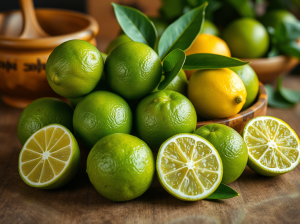
    • Key Lime Health Benefits: A Zesty Nutritional Powerhouse

      🍌 “Krazy K-Korner of the Fruit Alphabet”

      Some of you might remember that I went from the E to K .

      What can only be described as a bold alphabetic leap. You call it fruit alphabet amnesia or a wild tropical detour. Either way, I resurfaced in the land of K, because I am fully committed to the citrus-scented, kernel-crunching ride.

      Now, I’m like a fruit archaeologist uncovering juicy relics from the K vault. I’m finishing the lineup of fruits. They begin with this wonderfully quirky letter.

      The Kaffir lime whose name sounds like it could be a mischievous herbal elixir, or a spicy mystery novel.

      The Key lime, rings like the name of a tropical jazz band, or the secret ingredient in grandma’s legendary pie recipe.

      The letter K keeps delivering citrus with character. 🍋

      The fruit journey from K is anything but conventional. Buckle up—we’re about to go kernel-deep in this fruity finale. 🍍💥

      K-fruits don’t just grow, they perform. They’re like fruit celebrities with stage names and dramatic flair.

      While Kaffir Lime brings that bold, zesty punch that would wake up a sleepy soup. Key lime keeps things cool, creamy, and a little bit tangy, basically the beachy soul of the citrus world.

      Time to explore the wonderful world of Key Lime

      🌿 Key Lime: From Ancient Groves to Pie Fame

      🥧 Purpose with a Tangy Twist

      While its original purpose was largely culinary and medicinal.

      Key lime’s fame skyrocketed with the invention of Key lime pie in Florida. A creamy, tart dessert that turned this citrus into a cultural icon.

      Its juice also became popular in marinades, cocktails, and sauces, prized for its bold acidity and floral aroma.

      Cultural Significance of the Key Lime

      The Key lime is more than just a citrus fruit—it’s a culinary and cultural emblem of the Florida Keys. Its small size and tart flavor belie a rich legacy rooted in regional resilience, resourcefulness, and identity. Introduced by early settlers and Caribbean influences, Key limes flourished in Florida’s subtropical climate, becoming a staple in kitchens long before modern refrigeration.

      Most famously, the Key lime pie emerged in the late 1800s as a practical dessert made with condensed milk, eggs, and lime juice. It was a clever solution to the region’s limited access to fresh dairy and cold storage, and it quickly became a local favorite. Over time, the pie evolved into a cultural icon, celebrated annually at the Key Lime Festival in Key West, where the community gathers to honor the fruit with competitions and creative culinary twists.

      In 2006, Florida solidified the pie’s legacy by naming it the official state pie—cementing the Key lime’s place in Floridian folklore. But beyond its dessert fame, the Key lime carries symbolic weight: it represents adaptability, tropical abundance, and a connection to local heritage. Its zesty presence in drinks, marinades, and traditional dishes continues to flavor Florida’s identity with every bite.

      Medical Benefits of the Key Lime

      Key limes offer a wide spectrum of medicinal benefits rooted in their rich vitamin C content, antioxidant compounds, and bioactive phytochemicals. These properties make them valuable in both traditional remedies and modern nutritional science.

      Key limes are especially known for their immune-boosting effects. Just one fluid ounce of juice provides about 14% of the daily recommended vitamin C intake, helping the body resist infections and neutralize free radicals. This antioxidant power also supports collagen production, which is essential for skin health, wound healing, and slowing signs of aging.

      They may also aid in blood sugar regulation. Their soluble fiber content helps stabilize glucose absorption, making them beneficial for individuals managing type 2 diabetes. Additionally, key limes support cardiovascular health by lowering LDL cholesterol and reducing inflammation in blood vessels, which can help prevent heart disease and stroke.

      Digestive wellness is another area where key limes shine. Their acidity and fiber stimulate gastric juices and peristalsis, easing digestion and helping prevent constipation and colorectal issues. Lime juice has shown antibacterial properties, including the ability to kill Vibrio cholerae, and may help treat peptic ulcers due to its flavonoids and detoxifying compounds.

      Emerging research also suggests anticancer potential. Key lime extracts contain flavonoids, limonoids, and carotenoids that may inhibit cancer cell growth and reduce oxidative stress. These compounds are being studied for their role in preventing breast and colon cancers.

      Key Lime Nutrition Insights

      The nutritional strength of Key lime goes far beyond its refreshing zing. While low in calories, it’s packed with micro-nutrients and bioactive compounds that support vital systems in the body. This makes Key lime an excellent candidate for functional foods and integrative wellness products, especially in tropical health formulations or alkalizing tonics.

      Here’s a deeper breakdown of its nutritional profile and wellness impact:

      1. Essential Micronutrients

      • Vitamin C: A powerful antioxidant supporting immunity, collagen formation, and iron absorption
      • Calcium: Supports bone health and muscle function
      • Potassium: Helps regulate blood pressure and fluid balance
      • Magnesium: Crucial for enzymatic reactions and muscle relaxation
      • Folate (Vitamin B9): Important for cell repair and DNA synthesis

      2. Bioactive Plant Compounds

      Key limes are rich in:

      • Flavonoids: Help reduce inflammation and oxidative stress
      • Limonoids: Potential anticancer agents that also support liver detox
      • Carotenoids: Protect skin and eyes from oxidative damage
      • Citric Acid: Helps prevent kidney stones by reducing calcium crystal formation

      3. Digestive Benefits

      The citric acid and natural enzymes stimulate digestive juices, supporting:

      • Improved nutrient breakdown and assimilation
      • Relief from bloating and constipation
      • Promotion of healthy gut flora

      4. Metabolic and Cardiovascular Support

      • Blood sugar moderation through soluble fiber
      • LDL cholesterol reduction, enhancing heart health
      • Anti-inflammatory effects beneficial for managing metabolic syndrome

      This nutritional depth makes Key lime a potent ally in natural health routines—perfect for teas, elixirs, and culinary pairings that celebrate both flavor and function.

      Key Lime Shortbread Bars These bars offer a refreshing twist on traditional Key lime desserts. A pillowy lime custard sits atop a buttery shortbread crust, creating a sweet-tart balance that’s both elegant and easy to serve. Perfect for warm-weather gatherings or as a citrusy complement.

      FULL RECIPE

      Key Lime: Groups That Should Use Caution

      While Key limes offer many health benefits, certain individuals may need to limit or avoid their consumption due to medical sensitivities, drug interactions, or physiological conditions. Here’s a breakdown of groups that should exercise caution

      1. Individuals with Acid Sensitivities People with acid reflux (GERD) or stomach ulcers may find that the high citric acid content in Key limes worsens symptoms like heartburn, indigestion, or gastric irritation.

      2. Those Taking Certain Medications Key lime juice may interact with medications metabolized by the CYP3A4 enzyme, such as statins, antifungals, and some antihistamines. It can also increase sensitivity to sunlight when combined with photosensitizing drugs, raising the risk of sunburn or skin rashes3.

      3. Pregnant Individuals Frequent consumption of Key lime preparations may not be recommended during pregnancy due to the presence of bisabolene, a compound with potential abortifacient effects. Moderate culinary use is generally safe, but medicinal doses should be avoided.

      4. People with Kidney Conditions Key limes contain oxalates, which may contribute to kidney stone formation in susceptible individuals. Those with a history of stones should consult a healthcare provider before regular consumption.

      5. Individuals with Citrus Allergies or Skin Sensitivities Some people may experience allergic reactions or phytophotodermatitis—a skin condition triggered when lime juice contacts the skin and is exposed to sunlight. This is especially relevant for chefs, bartenders, or anyone handling limes frequently.

      6. Children and Infants Due to their sensitive digestive systems and developing enamel, children—especially infants—should avoid concentrated lime juice. It may cause tooth enamel erosion or gastrointestinal discomfort.

      🟩 Key Lime: Safe Use Tips

      While Key limes are safe and beneficial for most people, here are a few tips to help ensure responsible and enjoyable use

      ✔️ Dilute for Gentle Impact When used medicinally, mix Key lime juice with water or herbal tea to reduce acidity and protect tooth enamel.

      🌞 Wash After Handling Rinse hands after squeezing limes—juice can react with sunlight, causing skin irritation (phytophotodermatitis).

      🤰 Moderate During Pregnancy Safe in culinary amounts, but avoid concentrated extracts or essential oils unless approved by a healthcare provider.

      🦷 Protect Your Enamel Rinse your mouth with water after enjoying Key lime foods or drinks; delay brushing to avoid enamel erosion.

      ❄️ Store Smart Refrigerate fresh limes or keep at room temp. For juice, use glass containers—not metal—for nutrient preservation.

      Wrap-Up

      Zestfully Yours 🍋🎩

      From pie to phytophotodermatitis, the mighty Key lime has given us history, healing, hydration—and a whole lot of highlights (literally). Whether it’s tucked into shortbread bars or infused in ritual cream, this little fruit proves that size doesn’t limit soul.

      So, as we squeeze the last drop of lime from this post, remember: life’s better with a bit of tartness, a dash of wisdom, and a sprinkle of WordPress-friendly formatting. If citrus had a personality, Key lime would be your sharp-witted friend who always shows up with snacks and clever comebacks.

    • Jussara Palm: A Superfruit with Ecological Significance

      Introduction

      The Jussara Palm (Euterpe edulis) emerges from Brazil’s Atlantic Forest as more than a superfruit—it embodies ecological revival, cultural heritage, and nutritional innovation. Its dusky-purple berries, packed with anthocyanins, rival acai in both flavor and health benefits. Yet what truly sets Jussara apart is its role in reforestation and the resurgence of Indigenous-led agroforestry.

      The Jussara Palm fruit is best known for its deep purple pigment, antioxidant density, and ecological symbolism.

      It’s often praised as:

      🟣 An Antioxidant Powerhouse

      • Exceptionally rich in anthocyanins—compounds that combat oxidative stress
      • Phenolic profile even stronger than acai, giving it superior antioxidant capacity
      • Used in functional foods, smoothies, and wellness supplements

      🌳 A Symbol of Ecological Regeneration

      • Once endangered due to overharvesting of hearts-of-palm
      • Now revered as a key player in Atlantic Forest restoration and biodiversity
      • Promotes sustainable fruit-first harvesting, preserving palm populations

      👣 A Cultural and Nutritional Heritage

      • Embedded in Indigenous diets, rituals, and medicine
      • Name “Jussara” comes from Tupi-Guarani language—”fruit of the palm”
      • Traditions include fermented drinks, healing teas, and forest guardianship

      🥣 A Rising Star in Global Superfruit Circles

      • Flavor combines sweet, tangy, and earthy tones—ideal for smoothie bowls and parfaits
      • Appearing in specialty markets as pulp, powder, juice, and supplements

      In essence, Jussara isn’t just admired for taste or nutrition—it’s celebrated for healing the forest and honoring tradition.

      Indigenous Knowledge

      • Long before Western science took note, Guarani, Kaingang and other Atlantic Forest peoples harvested and stewarded the palm’s fruits and hearts of palm as staples in their diet and medicine.

      Western Scientific Documentation

      • The species was first formally described in 1824 by German botanist Carl Friedrich Philipp von Martius.
      • Martius based his description on specimens collected during the Spix–Martius expedition to Brazil (1817–1820) when he and Johann Baptist von Spix surveyed the Atlantic Forest flora.

      🍇 Flavor Profile

      The Jussara Palm fruit delivers a multi-layered taste experience that balances sweetness, tartness, and earthy undertones. Its flavor is often described as:

      • A mellow, fruity sweetness akin to wild blueberries, with a subtle caramel note
      • A bright, tangy finish reminiscent of acai, lifting the overall profile
      • An underlying vegetal earthiness that adds complexity and pairs well with both sweet and savory applications

      This nuanced taste makes Jussara ideal for smoothies, bowls, and natural food colorants, where its depth can shine through without overpowering other ingredients.

      Jussara berries pack a potent combination of macronutrients, micronutrients, and bioactive compounds:

      Antioxidant Power

      Jussara stands out among tropical berries for its exceptional antioxidant properties:

      • Anthocyanin levels up to 353 % higher than those in Euterpe oleracea (common acai) translate into robust total antioxidant capacity
      • Rich phenolic profile contributes to protection against oxidative stress and inflammation
      • Comparable or superior in ORAC and TEAC assays relative to other dark-pigmented berries, making it a functional superfruit

      🌱 Ecological Significance

      Understory Keystone in the Atlantic Forest

      The Jussara Palm thrives as a shade-tolerant understorey species, flourishing on swampy, high-rainfall forest floors from sea level up to 1,200 m. Its ability to persist under dense canopy makes it a cornerstone of Atlantic Forest structure and succession, maintaining forest integrity and microclimate balance.

      Biodiversity and Wildlife Support

      • Fruits feed a wide array of birds and mammals, anchoring food webs
      • Larvae of the butterfly Caligo brasiliensis depend on its foliage, linking palm health to insect populations
      • Dense stands create corridors that facilitate wildlife movement and genetic exchange

      Soil Health and Erosion Control

      • Deep, fibrous roots bind soil, reducing erosion in steep or disturbed areas
      • Leaf litter and decaying biomass enrich soil organic matter, boosting nutrient cycling and water retention

      Carbon Sequestration

      • Mature palms store significant carbon in trunks and roots, acting as living carbon sinks
      • Integrating Jussara into restoration plantings enhances above- and below-ground carbon stocks more rapidly than many pioneer species

      Conservation and Sustainable Management

      • Historical overharvesting for hearts-of-palm severely depleted wild populations, prompting federal protections and harvest bans
      • Transitioning to fruit-only harvesting preserves adult palms and supports natural regeneration
      • Emerging agroforestry models blend Jussara with native timber and food crops, aligning ecological restoration with community livelihoods

      👣Cultural Roots of the Jussara Palm

      Tupi-Guarani Etymology

      The name “Jussara” derives from the Tupi-Guarani word iuçara, literally “fruit of the palm tree,” reflecting centuries of Indigenous botanical knowledge and reverence for this understorey palm.

      Indigenous Dietary Traditions

      Across the Atlantic Forest, Guarani and Kaingang communities have long harvested ripe jussara berries for sustenance. The pulp was traditionally:

      • Sun-dried and milled into a nutrient-dense flour
      • Mixed with manioc or maize porridge for daily staples
      • Fermented into a mild, tangy chicha enjoyed during communal gatherings

      These practices anchored the jussara harvest at the heart of seasonal food cycles and storytelling festivals.

      Medicinal and Healing Practices

      Ethnobotanical accounts highlight the palm’s therapeutic role:

      • Healers brewed teas from dried berries to combat anemia and boost vitality
      • Juice pressed from the young stem acted as an astringent poultice for wounds and skin irritations

      Such remedies underscore the interconnectedness of nutrition and healing in traditional forest medicine.

      Ritual and Symbolic Functions

      Jussara’s deep purple hue and forest origins made it a potent symbol in spiritual rites:

      • Offerings of fresh berries to Y’byrá (forest guardian spirits) during planting ceremonies
      • Use of palm fronds in purification rites to invoke protection and communal harmony
      • Seasonal harvest festivals where elders recited origin myths linking the palm to Earth-Mother figures

      These ceremonies wove jussara into both the material and mythic fabrics of forest life.

      Oral Stewardship Traditions

      Generations of Indigenous stewards passed down practices to ensure the palm’s regeneration:

      • Selective harvesting—only collecting every third fruiting stalk—allowed palms to flower again
      • Avoiding heart-of-palm extraction preserved adult trees for future harvests
      • Folktales personified the palm as a “forest guardian,” instilling respect and restraint in youth

      Such unwritten protocols formed the blueprint for today’s community-driven restoration and sustainable-use movements.

      💡 Modern Revivals

      Community-led Agroforestry

      Conservation-minded entrepreneurs and smallholders in Espírito Santo and Bahia have integrated juçara into multi-strata agroforestry systems alongside cocoa, coffee, and native timber. This fruit-first model generates income while restoring degraded lands and enhancing forest connectivity.

      Policy Shift & Market Pivot

      Early 2000s regulations restricted commercial harvest of juçara hearts-of-palm, catalyzing a pivot to fruit-only harvesting. Juçara pulp now competes with açaí in local markets, commanding premium prices for its superior antioxidant profile1.

      Research & Breeding Innovations

      Academic trials—including hybridization between Euterpe edulis and the cold-tolerant E. oleracea—seek cultivars with stronger yields and wider climate adaptability. Concurrent studies refine germination protocols and sustainable understory management for scalable cultivation.

      Conservation Cultivation

      Conservation programs partner with communities to produce juçara seedlings, embedding the palm into reforestation and agroecological niches. These initiatives replenish wild populations, boost carbon sequestration, and revive traditional stewardship practices throughout the Atlantic Forest region.

      Culinary Uses and Precautions of the Jussara Palm Fruit

      Culinary Uses

      Jussara’s vibrant pulp and subtle vegetal notes lend themselves to a wide array of dishes, from chilled beverages to baked goods. Its deep purple hue and antioxidant-rich profile make it both a culinary star and a functional ingredient.

      Smoothies & Bowls

      • Blend 100 g fresh or frozen jussara pulp with banana, almond milk, and honey for an antioxidant-packed smoothie bowl.2
      • Top with granola, chia seeds, and fresh fruits to accentuate its tangy-sweet profile.

      Baking & Confectionery

      • Incorporate jussara pulp into cakes, muffins, and quick breads for natural coloring and moisture—“Bolo de Jussara” is a classic Brazilian dessert.
      • Formulate cereal or energy bars by mixing dried jussara extract (1 %–3 % anthocyanin-rich powder) into oat, rice, and nut blends for a functional snack.

      Fermented & Savory Preparations

      • Ferment jussara pulp into a mild chicha-like beverage, combining with water, sugar, and yeast for 24–48 hours at room temperature.
      • Steam or blanch young jussara leaves (understory fronds) and use in salads or as wraps for rice and fish filings.

      Natural Food Colorant & Functional Additive

      • Use jussara juice as a natural dye in icings, sauces, or dairy-based desserts, providing both color and phytonutrients.
      • Enrich yogurts, sorbets, and ice creams by swirling in concentrated jussara extract for visual appeal and antioxidant boost.

      Precautions

      While jussara is generally safe, its high fiber, phenolic, and fatty-acid content warrants mindful consumption and preparation.

      Start with small servings (50 g pulp) to assess tolerance, as high fiber may cause mild bloating or gastrointestinal discomfort.

      Remove and discard seeds before processing; each berry contains a hard seed that poses a choking hazard.

      Rinse and sanitize fruit thoroughly to eliminate any forest‐floor contaminants or pesticide residues.

      Those on anticoagulant therapy should consult a healthcare professional, as dense polyphenol intake can influence blood-clotting pathways.

      Limited data exist for pregnant or breastfeeding individuals; consume in moderation and seek medical advice if uncertain.

      Groups That Should Exercise Caution or Avoid Jussara Palm Fruit

      While jussara is nutrient-dense and generally safe, certain populations may need to limit or avoid its consumption:

      1. People on Anticoagulant or Antiplatelet Therapy

      Dense polyphenols can enhance blood-thinning effects, increasing bleeding risk. Consult a physician before adding jussara to the diet if you take warfarin, aspirin, or similar medications.

      2. Individuals with Gastrointestinal Disorders

      The high fiber content (18.2 g per 100 g pulp) can exacerbate bloating, gas, or discomfort during flare-ups of IBS, diverticulitis, or other GI conditions. Start with small amounts and monitor tolerance.

      3. Those with Chronic Kidney Disease or Hyperkalemia Risk

      At 388 mg potassium per 100 g, jussara may contribute to hyperkalemia in people with impaired renal function or on potassium-sparing medications. Kidney patients should check with their nephrologist.

      4. People with Iron-Overload Disorders

      Containing 1.09 mg iron per 100 g, regular jussara intake could worsen hemochromatosis or other iron-loading conditions. Medical guidance is advised.

      5. Young Children and Infants

      Each berry houses a hard seed that poses a choking hazard. Puree the pulp thoroughly and remove all seeds before offering it to toddlers.

      6. Pregnant or Breastfeeding Individuals

      No safety studies specifically address jussara in pregnancy or lactation. Until more data emerge, consume in moderation and discuss with a healthcare provider.

      US Availability and Forms of Jussara Palm Fruit

      1. Frozen Pulp Packs

      • Sold much like açaí bowls—100 g–500 g resealable bags
      • Carried by specialty importers (e.g., Tropical Fruit Box, Amazon Marketplace sellers)
      • Ideal for smoothies, bowls, and DIY sorbets

      2. Freeze-Dried & Powdered Extracts

      • Available in health-food stores and online retailers (Amazon, Etsy, Thrive Market)
      • Typically sold in 50 g–200 g jars or pouches
      • Perfect for natural food coloring, functional baking, and supplement formulations

      3. Liquid Concentrates & Juices

      • Found in cold-pressed juice bars or via direct-to-consumer juice shot brands
      • Blended with other superfruits (blueberry, maqui) for antioxidant “boost shots”
      • Shelf-stable concentrate bottles (100 mL–500 mL)

      4. Dietary Supplements

      • Standardized capsules/tablets (anthocyanin-rich) in 30–90-count bottles
      • Marketed alongside açaí and other Amazonian extracts

      5. Seeds & Saplings for Cultivation

      • RarePalmSeeds.com, TropicalSeeds.com, and select nurseries
      • Seed packets range from ~$6–15; saplings available seasonally
      • USDA zones 9b–11 recommended for outdoor growing

      6. Specialty Foods & Confectionery

      • Artisan chocolate bars, granola bars, and energy bites featuring jussara powder
      • Seasonal items in Brazilian markets and pop-up stands

      Its antioxidant-rich pulp pairs beautifully with coconut’s nurturing creaminess, creating not just a dessert, but a symbol of healing and heritage.

      💡 Recipe Highlights

      Why This Works

      Here’s a curated list of trusted resources on the Jussara Palm (Euterpe edulis), covering its botany, nutrition, conservation, and sustainable use:

      🔗 Trusted Resources on Jussara Palm (Euterpe edulis)

      🌿 Botanical & Edibility Profiles

      🍇 Nutrition & Biodiversity

      🌱 Conservation & Sustainable Agriculture

      • World Resources Institute – Emerson & Viviane’s Story – Real-world example of juçara fruit-led restoration
      • Palmpedia – Threats & Restoration – History of overharvesting and emerging conservation models
    • The Mystical Journey of Juniper Berries in History and Healing

      🌿 Juniper Berries: Nature’s Tiny Titans of Flavor and Healing

      Move over blueberries—juniper berries have arrived with a story as rich as their piney aroma! These little gems aren’t technically berries at all, but fleshy cones from the juniper shrub, celebrated across centuries and continents for their culinary and medicinal magic.

      🗺️ A Bit of History

      Juniper berries trace their roots to ancient Egypt, Greece, and Rome, where they were used in spiritual rituals and as natural remedies.

      Indigenous healers across North America embraced them to treat infections and enhance endurance. And yes—every bottle of gin owes its iconic flavor to this bold berry!

      🔥 Ancient Rituals Featuring Juniper Berries

      🧼 Purification & Smudging

      • Native American Traditions: Juniper branches and berries were burned in sweat lodges and healing ceremonies to cleanse the spirit and ward off illness2.
      • Celtic Samhain Festival: Juniper smoke was used to contact the Otherworld and purify homes at the start of the Celtic year.
      • Central European Spring Cleansing: Juniper was burned to cast out witchcraft and negative energy during seasonal transitions4.

      🛡️ Protection & Spiritual Defense

      • Interior Salish & Northwest Tribes: Used juniper to banish evil spirits and protect against harmful magic.
      • Biblical Symbolism: Juniper sheltered the prophet Elijah and was associated with divine protection during the flight into Egypt4.
      • Mediterranean Witchcraft: Juniper was one of the earliest incenses used by witches to guard sacred spaces.

      🌬️ Healing & Clairvoyance

      • Ancient Egypt: Juniper was burned in temples for ritual purification and believed to aid clairvoyance.
      • Tibetan & Ayurvedic Practices: Juniper berries were used to purify the aura and support spiritual healing, often in combination with meditation and breathwork.

      💧 Ritual Baths & Anointing

      • Spiritual Cleansing Baths: Juniper-infused water was used in rites of renewal, often paired with salt and herbs like rosemary.
      • Anointing Oils: Juniper oil was applied to objects and people for protection and blessing, a practice dating back to ancient Egypt and echoed in modern herbalism.

      Juniper’s ritual use is a beautiful example of how scent, symbolism, and sacred intention intertwine.

      🏺 Ancient Uses – Culinary & Medicinal

      Juniper berries weren’t just a flavorful twist in ancient kitchens—they were botanical celebrities in early medicine cabinets and sacred rituals.

      🍽️ Culinary Traditions

      • Ancient Rome: Roman cooks added juniper berries to meats and sauces for their sharp, piney kick. The berries also helped preserve food, thanks to their antimicrobial properties—like nature’s own pantry guardian.
      • Greek Gastronomy: Juniper berries spiced up dishes and beverages, often paired with honey or vinegar. They were considered a digestive aid, perfect for multi-course feasts.
      • Egyptian Recipes: Juniper was likely used in herbal mixtures and brews—some researchers believe it was part of fermenting wines and ceremonial concoctions.

      🧪 Medicinal Wisdom

      Egyptian Healing: Juniper was found in ancient tombs, including King Tutankhamun’s, suggesting it was valued for its aromatic and preservative powers. Oils extracted from juniper were used in embalming and treating wounds.

      Greek and Roman Medicine: Physicians like Galen and Dioscorides praised juniper for cleansing the body—often recommending it to treat urinary tract infections, arthritis, and respiratory conditions.

      Indigenous North America: Healers used juniper decoctions to relieve joint pain, purify the blood, and boost stamina. Some tribes burned juniper as incense during healing rituals to ward off negative energy and illness.

      Juniper’s role in ancient medicine wasn’t just therapeutic—it was deeply spiritual. These berries were seen as purifiers, protectors, and restorers of vitality.

      Juniper berries have a long history of being paired with other herbs in healing traditions across cultures. These combinations often amplify their effects or balance their potency.

      Uva Ursi (Bearberry)

      • Often combined with juniper in urinary tract remedies.
      • Both are antiseptic and diuretic, supporting kidney and bladder health.
      • Used in European and Native American herbalism.

      🌼 Chamomile

      • Blends well in teas with juniper to soothe digestion and calm nerves.
      • Adds a gentle, anti-inflammatory touch to juniper’s stimulating nature.

      🌱 Ginger

      • Used in traditional remedies for arthritis and joint pain alongside juniper.
      • Enhances circulation and warms the body, complementing juniper’s detoxifying effects.

      🌿 Rosemary & Sage

      • These aromatic herbs pair with juniper in steam infusions and salves for respiratory and skin conditions.
      • Their antimicrobial properties create a powerful cleansing synergy.

      🍂 Dandelion Root

      • Often used with juniper in liver and lymphatic detox blends.
      • Supports bile flow and digestion, balancing juniper’s diuretic action.

      🌸 Yarrow

      • Combined in poultices and teas for wound healing and inflammation.
      • Traditional European herbalists used this duo for circulatory and immune support.

        🌿 Everyday Uses — From Kitchen Alchemy to Holistic Living

        Juniper berries might be tiny, but their versatility is mighty. Whether you’re infusing flavor, refreshing your space, or diving into DIY wellness, these little cones offer a fragrant touch of nature’s ingenuity.

        🍲 Culinary Charm

        • Savory Seasonings: Crushed juniper berries elevate the flavor of lamb, venison, and root vegetables with their woodsy zing. Add them to rubs or slow-cooked dishes for a rustic twist.
        • Fermentation Friend: Traditional sauerkraut recipes across Europe often include juniper berries to aid fermentation and add depth of flavor.
        • Flavor Balancer: Pair them with fruit preserves, citrus glazes, or honey-based marinades to create a sweet-and-spicy harmony.

        🍹 Beverage Boosters

        • Tea & Infusions: Steeped alone or blended with herbs like rosemary and mint, juniper offers an energizing, slightly bitter brew that supports digestion.
        • Craft Spirits: Gin wouldn’t be gin without juniper—its defining botanical. Artisanal distillers also use it in flavored vodkas and bitters.

        🏡 Home & Mindfulness

        • Essential Oil Bliss: A few drops in a diffuser creates a grounding environment perfect for meditation or stress relief.
        • Purifying Potpourri: Combine dried juniper berries with cedar chips and dried citrus peels to create a cleansing potpourri that honors ancestral traditions.
        • Insect Repellent: Juniper’s pungent scent naturally deters moths and mosquitoes—just tuck a sachet in your drawers or keep one by windowsills.

        🧼 Natural Wellness & Crafting

        • Skincare Elixirs: Infused oils or homemade scrubs featuring juniper may help improve circulation and tone the skin, thanks to its mild astringency.
        • DIY Bath Rituals: Add crushed berries to bath sachets for a spa-like soak that supports detox and relaxation.
        • Sacred Smoke: Some cultures burn juniper wood and berries during cleansing ceremonies—believed to clear negative energy and promote clarity.

        These daily delights make juniper berries more than just a spice—they’re a celebration of traditional wisdom and modern practicality. 🌲✨

        💊 Medicinal Marvels – Ancient Wisdom Meets Modern Science

        Juniper berries have long been cherished not just for their bold flavor, but for their impressive healing potential. Across continents and centuries, they’ve served as both preventive medicine and ritual purifier.

        🧘 Detoxification & Diuretic Power

        • Kidney & Urinary Support: Juniper berries stimulate kidney function and increase urine output, helping flush out toxins. Ancient Greek and Roman healers used them to treat bladder infections and water retention.
        • Gentle Cleanser: Herbalists across Europe and Indigenous cultures in North America brewed juniper teas to “sweep” the body—supporting lymphatic drainage and breaking up congestion.

        🤕 Anti-inflammatory Relief

        • Joint & Muscle Care: Juniper’s volatile oils, particularly alpha-pinene and myrcene, show promise in reducing inflammation. Ancient healers used crushed berries as poultices to ease arthritis and rheumatic pain.
        • Respiratory Soothing: Steam infusions with juniper were used to open airways and soothe coughs—a technique still embraced in traditional Balkan and Siberian herbalism.

        🦠 Immune & Antimicrobial Defense

        • Wound Healing: Egyptians and Romans applied juniper oils to skin abrasions and infected cuts for their antibacterial and antifungal effects.
        • Immune Boost: Juniper berries were part of herbal elixirs to strengthen resistance against seasonal illness—often combined with herbs like elderberry and echinacea in modern formulations.

        🧠 Digestive & Mental Clarity

        • Stomach Settler: Their bitter compounds encourage bile production and stimulate appetite, which made them a staple in medieval European tonics.
        • Mood Enhancer: Juniper’s uplifting aroma has long been tied to spiritual clarity and emotional grounding—burned in rituals to dispel sadness and anxiety.

        These berries stand at the crossroads of science and ancestral wisdom, offering a holistic toolkit for natural healing. Whether steeped into herbal brews or blended into balms, juniper continues to echo the healing legacy of our ancestors.

        How Juniper Ceremonials Were Celebrated Across Cultures

        Purification Rituals

        • Smudging Ceremonies: In Native American traditions, juniper branches were burned in sweat lodges or healing circles. The smoke was wafted over individuals to cleanse the spirit and body, often accompanied by chants or drumming.
        • Scottish Saining: During Beltane and Samhain festivals, Highlanders burned juniper in homes and barns. The smoke filled every room to purify the space and protect livestock and family from illness and malevolent forces.

        🛡️ Protection & Seasonal Transitions

        • Celtic Fire Festivals: Juniper was added to bonfires during seasonal transitions. Cattle were led between two juniper-fueled fires as a symbolic and medicinal act of protection.
        • Crow Pipe Ceremony: In some Indigenous ceremonies, spiritual leaders stood on mats of creeping juniper to shield themselves from negative energies while performing sacred rites.

        🌬️ Spiritual Connection & Ancestral Guidance

        • Siberian Shamanism: Juniper smoke was used to induce mild trance states, helping shamans connect with spirits and ancestors. It was believed to open portals to higher realms.
        • Egyptian Temple Rituals: Juniper was burned in sacred spaces to purify the air and invite divine presence. It was also used in embalming rites to honor the dead.

        💧 Ceremonial Baths & Anointing

        • Ritual Cleansing: Juniper-infused water was used in spiritual baths, often combined with salt and rosemary. These were performed before major life transitions or healing ceremonies.
        • Blessing Oils: Juniper oil was used to anoint sacred objects, altars, and individuals—believed to offer protection and clarity.

        These ceremonies weren’t just symbolic—they were sensory journeys that honored nature, ancestors, and the cycles of life.

        ⚠️ Precautions – Respecting Nature’s Power

        Juniper berries may be small, but they’re potent—and like any natural remedy, they deserve respect and mindful use. Historically revered for healing and cleansing, they were used sparingly and intentionally. Here’s how modern users can follow suit:

        🧪 Use in Moderation

        • Potency Matters: Consuming large quantities—especially in concentrated forms like extracts or oils—can irritate the kidneys and digestive tract.
        • Limit Duration: Herbalists traditionally recommend using juniper for short periods, typically not more than 4–6 weeks at a time without medical guidance.

        🤰 Pregnancy & Breastfeeding

        • Avoid Use: Juniper may stimulate uterine contractions, posing a risk to pregnancy. It’s best avoided entirely during pregnancy and while nursing.

        💊 Drug Interactions

        • Diuretics & Diabetes Medications: Juniper’s diuretic properties may amplify the effects of these medications, altering hydration levels or blood sugar.
        • Blood Pressure & Heart Conditions: Because juniper can influence fluid balance, those with cardiac concerns should consult a healthcare provider before use.

        🧒 Children & Sensitive Populations

        • Not Recommended: Juniper berries and oils are generally not advised for young children or individuals with compromised kidney function unless under professional supervision.

        👃 Essential Oils & Topical Products

        • Patch Test First: Always test diluted juniper essential oil on a small area of skin to ensure there’s no allergic reaction.
        • Avoid Inhalation in High Doses: Excessive inhalation of juniper oil can cause dizziness or respiratory irritation.

        Juniper berries offer a profound link to our ancestral healing traditions, but their strength calls for wisdom. In using them thoughtfully, we honor both nature’s gifts and the cultural legacies they come from. 🌿🧘‍♂️

        🛒 Availability – Where to Find Nature’s Pine-Scented Wonder

        Juniper berries aren’t hard to track down, especially if you know what to look for. These resinous gems are widely available, but sourcing high-quality, food-grade berries makes all the difference—especially when honoring their medicinal and culinary roots.

        🧂 Spice Aisles & Gourmet Shops

        • Found in whole dried form at most health food stores, herbal markets, and specialty spice retailers.
        • Look for labels that say culinary grade or organic, ideal for cooking, infusing, and blending.

        🌐 Online Marketplaces

        • Easily ordered through major platforms like Amazon, Etsy, Mountain Rose Herbs, and Starwest Botanicals.
        • Available as dried berries, powdered form, tinctures, capsules, and essential oils.

        🛍️ Local Herbalists & Co-ops

        • Many community herbal shops and food co-ops stock juniper products—often alongside guidance on traditional uses and safety.
        • Explore Indigenous-owned vendors or heritage-focused apothecaries for ethically sourced options that honor cultural traditions.

        🍸 Beverage Retailers

        • If gin’s your interest, artisanal distillers often highlight the origin of their juniper berries—look for small-batch producers who emphasize botanical integrity.

        🍃 Seasonal Foraging (With Caution)

        • In certain regions of North America, wild juniper can be responsibly foraged.
        • Only forage if you’re well-informed on species (some types aren’t edible) and local sustainability practices—partnering with a trained herbalist or foraging guide is best.

        From the sacred smoke of ancient temples to the simmering stew of modern kitchens, the juniper berry whispers stories of healing, protection, and flavor across time. Let us carry its wisdom into every breath, every bite, and every ritual we renew.”

        Now that we’ve celebrated juniper’s vibrant legacy, it’s time to make way for the final jewel in the J-fruit crown… 🏝️

        🌴 Next Up: The Jussara Palm

        Stay tuned as we journey into the last fruit that begins with J. The lush Atlantic Forests of Brazil to meet the Jussara Palm—a fruit revered for its rich acai-like flavor, deep purple pigments, and role in ecological regeneration. From Indigenous nutrition to sustainable farming, this tropical treasure is more than just a fruit—it’s a movement.

      • Jungle Sop: The Giant Fruit with Hidden Benefits

        What Exactly Is a Jungle Sop?

        Picture a fruit bursting with tropical drama: meet the junglesop (Anonidium mannii), Africa’s very own tree-born titan! This custard-apple cousin doesn’t just grow—it rockets skyward to 30 meters, flaunts a trunk over two meters wide, and produces fruits so colossal—4 to 6 kg on average (and sometimes tipping 15 kg!)—they’ll dominate any rainforest forage.

        Slice through that rugged, diamond-patterned shell and you’ll discover a golden-orange treasure trove of sweet-tangy pulp—like sunshine you can spoon, eac

        When, Where, and Who Discovered It?

        • First scientifically described in 1867 by British botanist Daniel Oliver as Annona mannii.
        • Renamed Anonidium mannii in the early 1900s by German botanists Adolf Engler and Ludwig Diels.
        • These botanical pioneers cemented the junglesop’s place in plant taxonomy and sparked curiosity that still grows today!

        Where Does It Thrive?

        Jungle Sops call the lowland rainforests of central Africa home. You’ll find them across:

        • Democratic Republic of the Congo and Republic of the Congo
        • Central African Republic, Angola, Zambia
        • Ghana, Nigeria, Gabon, Cameroon
        • They love acidic, well-drained soils along riverbanks and forest edges—and while shade-tolerant, their giant crowns need protection from strong winds.

        Known and Little-Known Benefits of Junglesop

        Known Benefits

        Immune System Support: Junglesop pulp is rich in vitamin C and minerals like zinc, selenium, and magnesium, bolstering defenses against colds, flu, and other infections.

        Eye Health: High levels of vitamin A protect retinal cells and may reduce the risk of age-related macular degeneration.

        Skin Health: Vitamins C and E nourish skin, helping guard against UV damage and supporting collagen production for a youthful glow.

        Heart Health: The fruit’s omega-3 fatty acids can lower cholesterol and blood pressure, contributing to cardiovascular well-being.

        Digestive Health: With 6 g of dietary fiber per 100 g, junglesop aids regularity and can help prevent digestive disorders like constipation and diverticulitis.

        Weight Management: Low in calories (around 3.5 g of carbohydrates per 100 g) but high in fiber, it promotes satiety and curbs cravings for better weight control.

        Anti-Aging Benefits: A potent mix of antioxidants fights oxidative stress, helping to slow cellular aging and reduce wrinkles.

        Brain Health: Omega-3s and antioxidants support cognitive function and may lower the risk of age-related memory decline.

        Little-Known Benefits

        Plant-Based Protein: Contains 2.1 g of protein per 100 g, making it one of the few tropical fruits that contribute meaningfully to daily protein intake.

        Trace Mineral Boost: Supplies sodium (14 mg per 100 g) and magnesium for electrolyte balance and muscle function.

        Prebiotic Fiber: Its soluble and insoluble fibers feed beneficial gut bacteria, promoting a healthier microbiome beyond basic digestion support.

        Biodiversity Ally: In its native forests, junglesop is a keystone food for wildlife like bonobos, aiding seed dispersal and forest regeneration.

        Food-Security Potential: As a heavy producer of large, nutritious fruits, it holds promise as an underexploited crop to address malnutrition in tropical regions.

        Culinary Innovation: Beyond fresh eating, its unique flavor profile unlocks creative uses in jams, chutneys, fermented beverages, and plant-based desserts—areas still ripe for exploration.

        Whether you’re crafting a nutrition-packed smoothie, writing an eco-foodie feature, or dreaming up a rare-fruit orchard, junglesop’s blend of familiar and surprising benefits makes it a treasure worth spotlighting.

        How People Use and Celebrate This Giant Fruit

        Locals affectionately call it “bobo” and will trek deep into the forest to score one, sometimes paying up to two days’ wages!

        The soft pulp’s eaten fresh, stored for 4–5 days to soften, and one fruit can feed five to six people.

        Packed with vitamin A and calories, it’s a nutritional lifeline for forest communities.

        Innovators see jam, juice, dessert—and dream of seedless, ultra-sweet varieties for orchards worldwide.

          Fresh jungle sop fruit doesn’t show up in U.S. grocery stores or farmers’ markets, but there is one known jungle sop tree growing stateside—it’s in pomologist Bill Whitman’s Miami Garden, though it has yet to bear fruit.

          If you’re itching to grow your own, seeds and seedlings pop up occasionally through specialty outlets. Veliyath Gardens in Florida has offered seedlings (often selling out fast).

          True seed hunters note that viable jungle sop seeds are extremely scarce—some stores last stocked them around 20185—though a few vendors like Jibril Enterprise still advertise seed packets (with Phyto-certificates) for mail order.

          In short, while fresh jungle sop remains a wild rainforest treasure in the U.S., dedicated growers can track down plant material with patience, persistence, and a dash of jungle spirit!

          Sprinkle Some Junglesop Magic Into Your Kitchen!

          Ever dreamed of a fruit that turns every bite into a tropical celebration? Let’s transform that golden-orange pulp into dazzling dishes that’ll steal the show at brunch, dinner, or happy hour!

          1. Jungle Smoothie Bowl

          • Blend 1 cup chilled junglesop pulp with ½ banana, ¼ cup coconut milk, and a handful of spinach.
          • Pour into a bowl and top with granola, chia seeds, and fresh berries.
          • Drizzle honey or agave for extra sparkle.

          2. Custard-Apple Parfait

          • Layer junglesop pulp, Greek yogurt, and crushed nuts in a tall glass.
          • Repeat layers for color drama.
          • Sprinkle toasted coconut and a mint sprig on top.

          3. Spicy Junglesop Salsa

          • Dice junglesop pulp and mix with chopped tomato, red onion, cilantro, and jalapeño.
          • Squeeze in lime juice, season with salt, and let flavors marry for 15 minutes.
          • Serve with tortilla chips or spoon over grilled fish.

          4. Junglesop Mojito Twist

          • Muddle fresh mint leaves, lime wedges, and a teaspoon of sugar.
          • Add 2 oz white rum, 1 oz junglesop pulp, and crushed ice.
          • Top with sparkling water and garnish with a mint sprig.

          5. Jam-Swirled Pancakes

          • Stir junglesop pulp with a touch of sugar on low heat until syrupy.
          • Swirl this bright jam into pancake batter before griddling.
          • Stack and serve with butter and an extra dollop of junglesop jam.

          Vitamin and Nutritional Highlights of Junglesop

          Per 100 grams, junglesop delivers the following macronutrients and minerals:

          NutrientAmount per 100 g
          Protein2.1 g
          Fat0.6 g
          Carbohydrate3.5 g
          Dietary Fiber6 g
          Sodium14 mg

          Key Vitamin Highlights

          Vitamin A Junglesop is rich in vitamin A, essential for healthy vision, immune function, and cellular growth.

          Vitamin C High levels of vitamin C bolster the immune system, support collagen synthesis, and act as a powerful antioxidant.

          Vitamin E Contains vitamin E, which protects cell membranes from oxidative damage and promotes skin health.

          Mineral and Phytonutrient Notes

          Trace Minerals Also provides zinc, selenium, and magnesium—critical cofactors for antioxidant enzymes, muscle function, and electrolyte balance.

          Antioxidant Profile The combined action of vitamins A, C, and E, along with phytonutrients in junglesop, helps neutralize free radicals, supporting overall cellular health.

          Sprinkle jungle sop pulp into smoothies, curries, or dessert parfaits to harness its unique flavor and nutritional punch!

            🔔 Wrap-Up

          1. Juneberry Benefits: Ancient Wisdom Meets Modern Nutrition

            Juneberry Joy: A Forgotten Fruit with Big Benefits

            When life hands you Juneberries… celebrate! 🎉

            Juneberries, also known as serviceberries, are tiny gems bursting with sweet flavor and ancient wisdom. These North American natives once nourished Indigenous communities and guided early healers—and now they’re staging a delicious comeback!

            🌿 Why We Love Them:

            • Packed with antioxidants that support heart health and radiant skin
            • Rich in fiber for gut-friendly goodness
            • A natural source of manganese, vital for bone and brain health

            🍇 How to Enjoy Them:

            • Sprinkle fresh berries over yogurt or morning oats
            • Blend into smoothies with a splash of spice (try cinnamon or cardamom!)
            • Bake into muffins that celebrate summer’s sweetness

            Juneberries aren’t just good for the body—they’re food for the soul. They remind us to embrace seasonal rhythms, cherish forgotten flavors

            🌿 Juneberry Through the Ages: Nourishment, Ceremony, and a Splash of Magic

            Before smoothies and superfoods, there was Juneberry—nature’s quiet little miracle. 🍇

            For centuries, Indigenous communities across North America cherished Juneberries not just for their sweet flavor but for their soulful presence in seasonal rituals, healing practices, and survival stories.

            🕰️ Ancient Echoes:

            • What: Used as a high-energy staple in pemmican (a dried meat and berry mix) for long journeys
            • Why: Juneberries were valued for their high nutrient content, long shelf life, and pleasant taste
            • When: Traditionally harvested in late spring or early summer, during community gatherings and solstice celebrations
            • Ceremonial Use: Often featured in first harvest ceremonies—honoring Earth’s rhythms and renewing ties to land and ancestors

            💜 From Ritual to Recipe:

            Fast forward to today, and these berries still have a starring role—this time in muffins, trail mixes, and herbal wellness circles.

            • The antioxidants are still hard at work supporting heart and skin health
            • The fiber still fuels digestion and balance
            • The traditions still inspire a deeper connection to nature and simplicity

            Juneberries remind us that the best nourishment often comes not just from what we eat, but from how we honor it. 🌸

            Juneberry & Herbal Wisdom: A Healing Duo Through Time

            Long before modern medicine, Juneberries were part of a vibrant healing tradition—often teamed with herbs to create remedies that nourished both body and spirit.

            🧪 Medicinal Pairings:

            • With Yarrow or Wild Mint: Used in teas to soothe digestive discomfort and calm inflammation
            • With Willow Bark: Combined for pain relief and fever reduction, thanks to natural salicylates
            • With Elderflower or Echinacea: Blended into immune-boosting tonics during seasonal transitions
            • With Cedar or Sage: Infused in ceremonial steams or poultices for respiratory cleansing and spiritual renewal

            🌸 Why It Worked:

            Juneberries are rich in antioxidants, manganese, and fiber, making them a natural ally in:

            • Supporting heart health and circulation
            • Reducing oxidative stress and inflammation
            • Enhancing nutrient absorption when paired with herbal compounds

            🍇Juneberry Wellness Guide: Nutrition, Healing & Mindful Use

            Juneberries aren’t just berries—they’re nature’s blueprint for radiant health and ancestral wisdom.

            🌿 Healing Benefits to Celebrate

            Embrace the bounty of Juneberries with every sip and bite:

            • Youthful Skin & Hair: Rich in vitamin C to boost collagen naturally
            • Heart Support: Anthocyanins and potassium promote cardiovascular wellness
            • Digestive Harmony: High fiber feeds the gut, balances blood sugar
            • Immunity & Longevity: Powerful antioxidants strengthen your body’s defenses
            • Vision & Brain Health: Vitamin A protects eyes and enhances clarity

            🧪 Nutritional Snapshot

            NutrientKey Benefit
            Vitamin CImmunity, collagen, healing
            IronEnergy metabolism, blood health
            PotassiumFluid balance, nerve function
            FiberDigestion, cholesterol control
            AnthocyaninsAnti-inflammatory, heart support
            Vitamin A & ESkin, vision, cell regeneration

            Fun fact: Juneberries contain more protein and iron than blueberries—making them ideal for plant-based diets and energy recovery

            ⚠️ Precautions to Keep in Mind

            Allergies: Be cautious if sensitive to Rosaceae family fruits like apples or cherries

            Blood Sugar Watch: Naturally sweet—great in moderation for those managing diabetes

            Medication Interactions: Consult your provider if you’re on blood thinners or diuretics

            Foragers’ Warning: Avoid look-alike berries when wild-harvesting; not all are safe

            🔥 Ceremonial & Seasonal Use:

            These berry-herb blends weren’t just medicinal—they were ritualistic, often prepared during solstice gatherings, healing circles, or rites of passage. The act of harvesting, preparing, and sharing these remedies was a form of community care and ancestral connection.

            🍵 Juneberry Herbal Tea Tonic: A Sip of Ritual & Renewal

            This blend celebrates heart, heritage, and harmony. Inspired by ancestral traditions and seasonal mindfulness, it’s the kind of tea you savor slowly—with intention.

            🌿 Ingredients:

            • 1/2 cup fresh or dried Juneberries (rich in antioxidants & flavor)
            • 1 tsp dried yarrow (for digestive balance and calming energy)
            • 1 tsp dried elderflower (immune support with floral warmth)
            • 1 slice fresh ginger (circulation and clarity)
            • Optional: A few wild mint leaves for cooling freshness

            🍯 Optional Add-Ins:

            • A spoonful of honey or maple syrup for earthy sweetness
            • A slice of lemon to brighten the blend

            🔥 Ritual Prep:

            1. Boil 2 cups of water and add the herbs and berries.
            2. Simmer gently for 10–15 minutes, allowing the magic to unfold.
            3. Strain into your favorite mug or ceremonial bowl.
            4. Sip slowly—perhaps during a sunrise meditation, journaling moment, or seasonal reflection.

            Sip, Smile & Restore: Juneberry Tea for the Soul

            Have fun with tea and revive your spirit—because wellness should feel like a celebration. 🎉

            This Juneberry herbal tonic isn’t just a health boost; it’s a joyful ritual that rewards you with:

            Antioxidant-rich berries to nourish your body

            Herbal companions like yarrow and elderflower to soothe and strengthen

            Moments of calm that reconnect you to seasonal rhythms and ancestral roots

            Infuse this ritual with intention. Light a candle, play soft nature sounds, or read from one of your favorite fruit narratives. This isn’t just tea—it’s a tradition reborn.

            Brew it. Sip it slowly. Let your spirit catch its breath. Then let that breath bloom into clarity, warmth, and health—one mug at a time. 💜

            The Juneberry Ritual: Joy, Wellness & Ancestral Whispers

            From the first sip of a Juneberry tea tonic to the last crumb of a berry-infused muffin, every moment is an invitation to celebrate—your health, your heritage, your wholeness.

            Juneberries aren’t just a fruit. They’re a philosophy:

            • 🍇 Have fun with your wellness. Let flavor meet function and play meet purpose.
            • 🫖 Honor the ritual. Whether it’s tea ceremonies or harvest gatherings, nourishment becomes sacred.
            • 🌿 Celebrate healing. Every antioxidant, every herbal pairing, every mindful pause is a gift to your future self.

            “Brew the berry, stir the spirit, and embrace the rhythm of revival. Juneberry isn’t just a fruit—it’s a journey home.”

          2. Medicinal and Culinary Wonders of June Plum

            The June Plum, also known as Spondias dulcis, Ambarella, or Golden Apple, is a tropical fruit native to Polynesia and Melanesia, including islands like Papua New Guinea, Fiji, and Vanuatu. It’s part of the Anacardiaceae family, which also includes mangoes and cashews.

            June Plum — known locally as or in Polynesia and Melanesia — was more than just a fruit; it was a canoe plant, meaning it was intentionally carried by Austronesian voyagers during their expansion across the Pacific

            🌊. Its uses in Polynesia and Melanesia were deeply woven into daily life, cuisine, and even medicine

            🍽 Culinary Traditions

            • Raw or pickled: Unripe fruits were eaten with salt or chili, or pickled for preservation
            • Cooked dishes: Ripe fruits were stewed, made into jams, or added to curries and chutneys
            • Beverages: In Tonga and Samoa, June Plum was used to make ʻotai, a refreshing fruit drink often mixed with coconut and other tropical fruits
            • Leaf usage: Tender leaves were steamed or used to season dishes wrapped in banana leaves, especially in Fiji and Indonesia

            🌿 Medicinal & Practical Uses

            • Cough remedy: Juice from grated fruit or boiled leaves was used to soothe coughs and fevers in traditional medicine
            • Digestive aid: Its fiber-rich pulp helped with constipation, while bark decoctions were used for diarrhea and dysentery
            • Skin treatments: Leaves and roots were applied to treat rashes, scabies, and burns due to their antimicrobial properties

            🌱 Cultural Significance

            • Canoe plant legacy: Its spread across the Pacific reflects its value in sustaining voyaging communities
            • Home gardens: Often grown near homes for easy access to fruit and leaves year-round
            • Names & language: The fruit’s many names — , , makok farang, ambarella — reflect its integration into diverse island cultures

            🌍 Discovery & Spread

            • While the fruit has been cultivated for centuries in Southeast Asia and the Pacific Islands, its introduction to the Western world is often credited to Captain William Bligh, who brought it to Jamaica in 1782.
            • From Jamaica, it spread across the West Indies, Caribbean coast of Costa Rica, and into tropical Latin America.
            • By 1909, June Plums were planted in Florida, and later appeared in Australia.

            🍈 What It Is

            • June Plums grow in clusters of up to twelve fruits and can be eaten green and crisp or ripe and juicy, with flavors ranging from pineapple-like to a mix of mango, star fruit, and soursop.
            • They’re packed with vitamins A, C, and K, and used in everything from chutneys and jams to Trinidadian chow and Asian medicinal drinks.

            June Plum is delightfully versatile, and it’s available in several forms depending on how you want to experience it

            🍈. Here’s a breakdown of the most common ways it’s offered:

            Fresh Fruit (Seasonal & Pre-Order)

            • Single fruit: Sold individually for sampling or small use
            • Sampler boxes: Typically 1.5–2 lbs, great for first-timers
            • Small to bulk boxes: Ranging from 5 lbs up to 40 lbs for serious fruit lovers or culinary projects
            • Jumbo variety: Larger, juicier version available from select farms

            🌱 Live Trees & Plants

            • Dwarf June Plum trees: Ideal for container gardening or small spaces
            • 3-gallon potted trees: Ready to plant, often 2–3 feet tall
            • Wholesale nursery options: For larger-scale cultivation or resale

            🍽 Culinary Uses

            • Unripe (green): Crunchy and tart—used in chutneys, pickles, or eaten with salt and chili
            • Ripe (yellow to orange): Juicy and sweet—perfect for jams, juices, sauces, or fresh snacking

            Sources:

            miamifruit.org

            miamifruit.org

            iheartfruitbox.com

            everglades.farm

            www.amazon.com

            www.guacalina.com

            June Plum is a perfect muse for exploring both seasonal rhythms and bold tropical flavor narratives 🍃🌴

            🌤 Seasonal Transitions

            June Plum shines in its ability to reflect seasonal shifts, especially in subtropical and tropical climates:

            • Early Season (green stage): Crisp and tart, ideal for savory creations like pickled slices, herb-infused slaws, or spicy dips
            • Mid to Late Season (ripening): Golden-hued, juicy, and sweet — perfect for jams, chutneys, smoothies, and desserts
            • Visual storytelling idea: A time-lapse or infographic showing June Plum’s skin and flavor evolution from firm green to sunset yellow-orange

            🍍 Tropical Flavor Profiles

            It brings a burst of the Caribbean and Southeast Asia into your kitchen, with flavor notes that can span:

            Ripeness LevelTaste ProfileCulinary Use Suggestions
            GreenTart, astringentPickles, crunchy salads, vinegar-forward sauces
            Semi-ripeSlightly sweet, tangySalsas, stir-fries, fruit cocktails
            RipeJuicy, mango-pineapple fusionSorbets, jams, chutneys, fresh eating
            • Flavor pairings: Lime, chili, ginger, tamarind, coconut milk, lemongrass
            • Fusion ideas: June Plum ceviche with ginger-lime vinaigrette, Caribbean-style rice with stewed June Plum, or a tropical fruit sushi roll

            June Plum’s medicinal value today is both time-honored and scientifically intriguing.

            🌿. Here’s a breakdown of its modern applications:

            🧬 Nutritional & Preventive Health

            • Immune support: Rich in vitamin C and antioxidants, June Plum helps fight infections and supports wound healing2
            • Vision health: Beta-carotene (a precursor to vitamin A) aids in preventing eye strain and inflammation from screen exposure
            • Heart health: Potassium and magnesium help regulate blood pressure and reduce cardiovascular risk

            🌿 Digestive & Metabolic Benefits

            Constipation relief: High fiber content promotes regularity and gut health4

            Diarrhea remedy: Bark decoctions are still used in herbal medicine to treat dysentery and diarrhea

            Diabetes support: Fiber and antioxidants help stabilize blood sugar and improve insulin sensitivity

            🌸 Skin & Topical Applications

            Antimicrobial properties: Leaves and bark are used to treat rashes, scabies, and burns due to their antibacterial effects

            Natural moisturizer: Boiled leaves are applied as a skin lotion or wash for sore eyes

            Anti-aging: Vitamin C boosts collagen production, helping reduce fine lines and improve skin elasticity

            🍵 Respiratory & Immune Remedies

            Cough relief: Leaf teas and grated fruit juice with salt are traditional remedies still used today

            Fever reduction: Decoctions from leaves are used to soothe fevers and inflammation

            June Plum holds its own impressively among medicinal fruits, especially when you look at its nutrient density, versatility, and cultural legacy

            🌿. Here’s how it stacks up against a few other well-known healing fruits:

            June Plum (Spondias dulcis)

            • Key nutrients: Vitamins A, C, K, potassium, magnesium, fiber
            • Medicinal uses: Treats coughs, fevers, digestive issues, skin conditions, and supports heart health
            • Unique traits: Canoe plant legacy, antimicrobial bark and leaves, used in both Polynesian and Caribbean remedies
            • Modern appeal: Low-calorie, high-antioxidant, great for immune and skin health

            🍋 Amla (Indian Gooseberry)

            • Key nutrients: Extremely high vitamin C, polyphenols, iron
            • Medicinal uses: Boosts immunity, regulates blood sugar, improves hair and skin, supports liver function
            • Unique traits: Revered in Ayurveda, often consumed as powder or in tonics
            • Modern appeal: Popular in supplements and adaptogenic blends

            🍍 Pineapple

            • Key nutrients: Bromelain enzyme, vitamin C, manganese
            • Medicinal uses: Anti-inflammatory, aids digestion, supports joint health
            • Unique traits: Bromelain is used in wound healing and post-surgery recovery
            • Modern appeal: Found in digestive enzyme formulas and anti-inflammatory diets

            🍇 Elderberry

            • Key nutrients: Anthocyanins, vitamin C, flavonoids
            • Medicinal uses: Fights colds and flu, supports respiratory health
            • Unique traits: Used in syrups and tinctures for immune defense
            • Modern appeal: A staple in natural cold remedies and wellness shots

            🍏 Comparison Snapshot

            FruitImmunityDigestionSkin HealthUnique Medicinal Trait
            June PlumBark for dysentery, leaves for rashes
            Amla✅✅✅✅Hair growth, liver detox
            Pineapple✅✅Bromelain enzyme for inflammation
            Elderberry✅✅⚠️Antiviral properties

            June Plum’s strength lies in its multi-system support — from digestion to skin to immunity — and its cultural versatility

            June Plum is a tropical powerhouse, and its health benefits span multiple systems, making it a standout in both traditional and modern wellness circles

            🌿. Here’s a comprehensive look at what it offers:

            🧬 Nutritional Riches

            • Vitamin C: Boosts immunity, collagen production, and iron absorption
            • Vitamin A: Supports vision, skin regeneration, and immune defense
            • Vitamin K: Essential for blood clotting and bone health
            • Fiber: Aids digestion, regulates blood sugar, and promotes satiety
            • Potassium & Magnesium: Help manage blood pressure and support heart function
            • Antioxidants: Combat free radicals, reduce inflammation, and slow aging

            🌿 Medicinal & Therapeutic Uses

            • Digestive health: Relieves constipation and supports gut microbiome
            • Respiratory relief: Leaf teas and grated fruit juice soothe coughs and fevers
            • Skin care: Boiled leaves used as moisturizers; bark and roots treat rashes and burns
            • Diabetes support: Fiber and antioxidants help stabilize blood sugar
            • Eye health: Vitamin A and topical washes for sore eyes2

            ❤️ Preventive & Holistic Benefits

            • Heart protection: Nutrients work synergistically to lower cholesterol and blood pressure
            • Weight management: Low-calorie, high-fiber profile keeps you full longer
            • Bone strength: Magnesium and vitamin K contribute to bone density
            • Anti-aging: Antioxidants and vitamin C improve skin elasticity and reduce wrinkles

            June Plum’s versatility — from fruit to bark to leaves — makes it a botanical multitasker.

            June Plum lends itself beautifully to seasonal recipes, Brinder — especially when you want to highlight its tart-to-sweet transformation and tropical flair 🌿🍈. Here’s a curated lineup of seasonal dishes that showcase its versatility across different ripeness stages:

            🌱 Spring & Early Summer (Green June Plum)

            These recipes embrace the fruit’s crisp, tart profile:

            • Pickled June Plum: Sliced green fruit packed in vinegar, chili, and garlic — perfect for sandwiches or rice bowls
            • Spicy Slaw: Shredded green June Plum with cabbage, lime, and ginger dressing
            • June Plum Chutney: Cooked with mustard seeds, turmeric, and jaggery — ideal with grilled meats or lentil dishes
            • Ambarella Curry: A Sri Lankan favorite with cinnamon, cardamom, and chili flakes simmered into a thick, sweet-spicy gravy

            🌞 Mid to Late Summer (Ripe June Plum)

            Now the fruit is golden and juicy — ideal for sweet and savory fusion:

            • June Plum Jam: Stewed with ginger and sugar — great on toast or as a glaze
            • June Plum Juice or Sorbet: Blended with lime and mint for a refreshing cooler
            • Tropical Fruit Salad: Combine with mango, pineapple, and papaya for a vibrant bowl
            • June Plum Smoothie Bowl: With coconut milk, chia seeds, and granola — a breakfast showstopper

            🍂 Fall & Preservation Recipes

            Capture the season’s bounty for year-round use:

            • June Plum Butter: Slow-cooked with cinnamon and allspice — perfect for toast or baking
            • June Plum Wine or Liqueur: Fermented with sugar and spices for a tangy, aromatic drink
            • Dried June Plum Slices: Chewy, tart snacks or additions to trail mix
            • June Plum Jelly: A classic preserve for pairing with cheese boards or pastries

            🌿 June Plum: Your Year-Round Ally for Wellness and Flavor

            No matter the season, June Plum is your go-to for health, taste, and versatility. Whether tart and crunchy in spring pickles or golden and juicy in summer smoothies, this tropical treasure fuels your wellness journey with vitamins, fiber, and healing properties from leaf to bark. Rooted in tradition and backed by modern science, June Plum effortlessly bridges the gap between cultural heritage and everyday nourishment — one bite at a time.

            🛡️ Safety First: Mindful Use of June Plum

            While June Plum is packed with wellness benefits, responsible use ensures you reap its rewards safely:

            • Watch for Allergies: Rare reactions can occur, especially for those sensitive to mango or cashew (same plant family)
            • Enjoy Unripe Fruit Moderately: Its high acidity may cause stomach upset if overconsumed
            • Avoid the Seed: Not edible and can be a choking hazard—especially for children
            • Consult Before Medicinal Use: Decoctions from bark or leaves may interact with medications like diuretics or blood pressure meds

            🌿 Topical & Skin Cautions

            • Always Patch Test: When using leaf or bark extracts, test on a small skin area first
            • Care with Eye Applications: If using leaf washes, strain and dilute well—never apply raw juice directly

            🌱 Cultivation Reminders

            • Protect from Frost: Trees dislike cold—use covers or move indoors if potted
            • Thin Early Fruit Loads: Prevent stress or branch breakage in young trees
            • Monitor for Pests: Treat fruit flies and fungal spots with organic sprays like neem or copper