EJADA

Living Healthy, Natural Healing, Herbal Health, and nutritional

  • Discovering Lemon Aspen: The Native Citrus Superfood

    🍋 Lemon Aspen,

    scientifically known as Acronychia acidula, is a zesty little powerhouse native to the rainforests of eastern Australia. Here’s what makes it stand out:

    Lemon Aspen (Acronychia acidula) is a citrusy gem native to the rainforests of Queensland, Australia. With flavor notes that dance between lemon, grapefruit, and a whisper of eucalyptus, this vibrant fruit packs both punch and mystique. Traditionally revered by Indigenous Australians, it’s more than a tangy treat—it’s a botanical powerhouse brimming with antioxidants, vitamin C, and ancestral roots. Whether swirling through sauces or sparking up an artisan chutney, Lemon Aspen delivers bold taste backed by centuries of cultural richness.

    🌿 Botanical Identity

    Species Name: Acronychia acidula Family: Rutaceae (same family as citrus fruits like oranges and lemons)

    Native Habitat: Tropical and subtropical rainforests of eastern Queensland, Australia

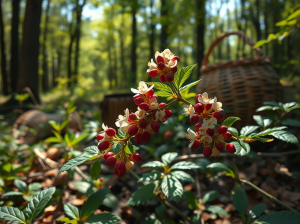
    Tree Description: Small to medium-sized with glossy green leaves and clusters of small cream-colored flowers

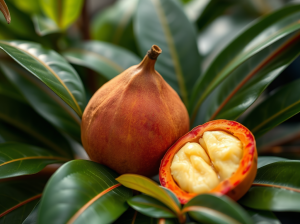
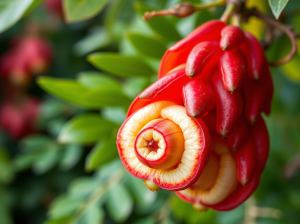
    Fruit Appearance: Round to oval, pale yellow-green when ripe, with a smooth skin and a crisp, juicy texture Lifecycle: Fast-growing; typically starts producing fruit around 3–4 years after planting

    Cultivation:

    Primarily grown in bushfood orchards; thrives in well-drained soils and humid environments

    Pollination: Attracts native bees and small insects

    Cultural Significance:

    • Used by Indigenous Australians for generations in food and medicine
    • Celebrated in Australian bushfood culinary revival
    • Featured on an Australian postage stamp in 2019, signifying its importance as a native food icon

    🍈 Flavor Profile — Deep Dive into the Taste of Lemon Aspen

    Primary Flavor Notes:

    • Lemon-forward brightness with a bold citrus zing
    • Grapefruit-like bitterness adds complexity
    • Eucalyptus undertone gives a refreshing herbal twist
    • Subtle spice reminiscent of ginger or green peppercorns when fully ripe

    Flavor Evolution:

    • Young fruits lean tart and sharp, perfect for acidic punch
    • Mature fruits mellow slightly, balancing tartness with aromatic depth

    Mouthfeel & Aroma:

    • Crisp, juicy texture — akin to a crunchy pear
    • Vibrant aroma, often described as citrus cologne with woodsy echoes

    Culinary Applications:

    • Sauces & Chutneys: Bold base for meat, seafood, and vegan dishes
    • Infused Aioli & Dressings: Adds complexity to creamy components
    • Cocktails & Cordials: Citrus lift with bushfood flair — think Lemon Aspen Gin Fizz
    • Baked Goods: Uncommon but dazzling in lemon tarts and citrus cakes
    • Fermented Condiments: Used in bushfood vinegars and hot sauces

    Fusion Potential:

    • Pairs with tropical fruits (mango, pineapple) in salsas
    • Contrasts beautifully with rich fats (duck, avocado, cashew cream)
    • Elevates earthy ingredients like beetroot and roasted nuts

    💪 Nutritional Highlights

    🍊 Vitamin C Supercharge

    • Lemon Aspen is a concentrated source of vitamin C—crucial for immune health, skin elasticity, and cellular repair.
    • Just a small serving can contribute significantly to your daily intake, especially important in high-stress or physically demanding lifestyles.

    🛡️ Antioxidant Arsenal

    • Rich in polyphenols and flavonoids that combat oxidative stress.
    • May help neutralize free radicals linked to aging, inflammation, and chronic disease.
    • These antioxidants also support brain health and cognitive resilience.

    🧠 Potassium & Magnesium Synergy

    • Potassium: Regulates fluid balance, nerve signaling, and muscle contractions.
    • Magnesium: Essential for enzyme functions, stress modulation, and cardiovascular rhythm.
    • Together, they balance electrolytes and boost recovery from physical exertion.

    🌾 Dietary Fiber Boost

    • Promotes healthy digestion and gut microbiota.
    • Helps regulate blood sugar levels and supports satiety.
    • A valuable addition to a low-GI or diabetic-friendly meal plan.

    🌿 Natural Bioactive Compounds

    • Contains limonoids and citral derivatives — natural plant compounds studied for anti-inflammatory, antimicrobial, and even anticancer properties.
    • These compounds also contribute to the fruit’s vibrant citrus aroma and flavor complexity.

    🌱 Growing Facts — Deep Roots & Practical Cultivation

    🌿 Native Ecosystem:

    • Originates from the lush tropical and subtropical rainforests of northeastern Queensland, Australia
    • Thrives in humid, shaded understory environments — often alongside native citrus relatives in the Rutaceae family

    🌱 Growth Cycle & Yield:

    • Fast-growing: Typically bears fruit in 3–4 years, making it one of the quicker rainforest edibles to cultivate
    • Lifespan: Can live decades in suitable conditions, maintaining productivity
    • Yield: Produces small, tart fruits seasonally — often harvested from late summer to autumn

    🌾 Soil & Climate Preferences:

    • Prefers well-drained, fertile soil with consistent moisture
    • Ideal temperatures: 20–30°C (68–86°F)
    • Sensitive to frost, making coastal and tropical zones optimal for commercial growth

    🐝 Pollination & Biodiversity Role:

    • Flowers attract native bees, flies, and beetles, supporting local pollinator populations
    • Serves as a support species in rainforest restoration projects due to its rapid growth and canopy contribution

    🌎 Farming & Sustainability Notes:

    • Grown in boutique bushfood orchards and sometimes integrated into permaculture designs
    • Requires minimal chemical inputs when cultivated in native conditions
    • Part of the Australian bushfood movement, emphasizing regenerative farming and cultural heritage

    📮 Cultural Spotlight:

    • Featured on an Australian postage stamp in 2019, elevating its status as a national treasure in biodiversity and cuisine

    🍽️ Culinary Uses — Bold, Tart, and Totally Versatile

    🔥 Savory Creations

    • Bush Tomato & Lemon Aspen Chutney: A bold fusion that balances smokiness with tang — perfect on grilled meats or roasted veggies
    • Citrus-glazed Salmon or Tofu: Lemon Aspen’s acidity cuts through richness with finesse
    • Herb-studded Aioli: A gourmet twist for dipping or dressing, infusing creamy textures with citrus complexity
    • Wild Game Marinades: Enhances depth in venison or kangaroo (popular in Australian bushfood cuisine)

    🍹 Beverage Brilliance

    • Cocktail Infusions: Think Lemon Aspen Mojitos, Gin Fizzes, or spritzers with bushfood flair
    • Craft Sodas & Cordials: A zingy backbone for non-alcoholic mixers
    • Fermented Tonics: Paired with ginger or turmeric for gut-friendly refreshment

    🍰 Sweet & Tart Desserts

    • Lemon Aspen Tart: A unique spin on classic lemon curd with layered citrus and herbal notes
    • Citrus Cakes & Muffins: Adds aromatic edge and tart punch
    • Sorbet & Gelato: Bright, refreshing, and a little wild — especially paired with tropical fruits like mango or passionfruit

    🥗 Dressings & Condiments

    • Vinaigrettes: Lemon Aspen with olive oil and mustard transforms simple greens
    • Fermented Hot Sauces: Adds citrus fire to chillies — a growing niche in bushfood-inspired condiments
    • Bushfood Relish: Combine with finger lime or macadamia for a uniquely Australian profile

    🌍 Fusion & Global Pairings

    • Thai-style Salads: Pairs beautifully with lemongrass, chili, and seafood
    • Moroccan Tagines: Its tartness offsets rich, spiced stews
    • Japanese Pickles: Citrusy counterpoint to umami-heavy dishes

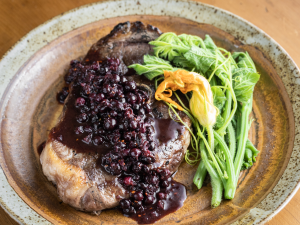
    Scallops with Corn, Burnt Butter, Lemon Aspen and Beach Sorrel – Chef Recipe by Steven Snow “From rainforest remedy to patisserie star — Lemon Aspen brings native wisdom to every bite. FULL RECIPE

    Let’s break down its nutritional vibe based on the ingredients and prep method from Chef Steven Snow’s recipe:

    🧠 Nutritional Highlights: Scallops with Corn, Burnt Butter, Lemon Aspen & Beach Sorrel

    ComponentNutritional Value
    🐚 ScallopsHigh in lean protein, low in fat. Rich in B12, selenium, and omega-3s.
    🌽 Corn (puree, dust, burnt)Provides fiber, natural sugars, and antioxidants like lutein and zeaxanthin.
    🧈 Burnt ButterAdds depth and richness; high in saturated fat and calories.
    🍋 Lemon AspenNative citrus with vitamin C, antioxidants, and antimicrobial properties.
    🌿 Beach SorrelOffers vitamin A, C, and iron; mildly diuretic and digestive-supportive.
    🥚 Egg-based EmulsionAdds protein and healthy fats; emulsified with Lemon Aspen for a tangy, creamy boost.

    ⚖️ Estimated Nutritional Profile (Per Serving)

    Note: Approximate values based on standard portions and cooking methods.

    • Calories: ~350–450 kcal
    • Protein: ~20–25g
    • Fat: ~25–30g (mostly from butter and emulsion)
    • Carbs: ~15–20g (mostly from corn)
    • Fiber: ~2–3g
    • Sodium: Moderate to high (due to butter, pickling, and seasoning)

    This dish is indulgent but balanced — protein-rich scallops meet antioxidant-packed native ingredients, with a buttery backbone that leans luxe.

    🍋 Lemon Aspen: Bush Medicine Reimagined

    The rainforest citrus that’s rewriting dessert traditions.

    “Once used by Indigenous communities for digestion and respiratory support, Lemon Aspen now finds itself swirled into tartlets and emulsions — proof that wellness can seduce the senses.”

    🍰 Patisserie with Purpose

    Subhead: Flavors that heal, aesthetics that thrill.

    • Taste: Tangy, aromatic, a hint of spice — Lemon Aspen curd feels like nature’s citrus on a velvet stage.
    • Story: From ancient bush remedies to elegant tart shells, it’s wellness dressed in pastry gold.
    • Visuals: Skeletons with chef hats? Rainforest-inspired plating? Luxe fonts over burnt butter droplets?

    Every bite is a botanical spark — acidic, aromatic, unapologetically vivid. It heals with ancient compounds and thrills with a patisserie pout.”

    🔬 Native Nutrition Meets Indulgence

    Subhead: Because bushfood isn’t just wild — it’s wise.

    • High in vitamin C and natural antioxidants
    • Known for antimicrobial and anti-inflammatory benefits
    • Layers easily with beach sorrel, wattleseed, or native pepperleaf

    Lemon Aspen transforms bush medicine into patisserie brilliance.

    “Lemon Aspen isn’t just tart — it’s botanical poetry. A citrus flare kissed with rainforest mystique. It’s the wild bush fruit that turns humble curd into a luxe sensory escape.” Fruit Info

    Lemon Aspen: In-Depth Study of Nutritional Benefits, Active Ingredients, Properties, and Uses

    🌍 U.S. Availability Snapshot

    Origin & Export Limits

    • Grown primarily in northeastern Queensland, Australia
    • Due to its high perishability, fresh fruit is rarely exported
    • Most exports focus on frozen fruit, juice, or dried powder, which retain flavor and shelf life

    🛒 Where You Might Find It

    • Specialty online retailers that focus on bushfood or exotic ingredients
    • Gourmet import shops or culinary distributors with Australian connections
    • Natural health stores may carry powdered Lemon Aspen as a supplement or spice

    📦 Forms Most Likely Available in the U.S.

    • Frozen whole fruit (if imported)
    • Juice concentrates or purees
    • Dried & ground spice — often used in baking or seasoning blends

    ⚠️ Before You Eat, You Should Know…

    This isn’t just food. It’s chemistry, ancestry, and design. Behind the vibrant pop of Lemon Aspen lies:

    • 🍋 Antioxidant artillery: Flavonoids and phenolic acids that fight inflammation like bioactive ninjas
    • 🌿 Bush medicine legacy: Used for centuries by Indigenous Australians for respiratory relief and digestive balance
    • 🌞 Photonic beauty: Its golden hue isn’t just aesthetic — it hints at carotenoids and immune-boosting power
    • 🧠 Neurological nuance: Compounds like limonene that may influence mood and cognitive clarity

    “To eat Lemon Aspen is to taste legacy — tart like truth, fragrant like folklore.”

    ⚠️ Before You Indulge: Consumption Disclaimer

    While Lemon Aspen is celebrated for its bold flavor and native health benefits, it may not be suitable for everyone. Please consider the following before consuming:

    Allergy Warning: Lemon Aspen contains natural compounds similar to citrus and eucalyptus. Individuals with known allergies to citrus fruits, aspirin (salicylates), or eucalyptus should avoid consumption.

    Medical Conditions: Those with kidney disease, liver conditions, gout, or stomach ulcers should consult a healthcare provider before consuming Lemon Aspen, as its bioactive compounds may exacerbate symptoms.

    Pregnancy & Breastfeeding: Due to limited research, Lemon Aspen should be consumed with caution during pregnancy or breastfeeding. Always consult a qualified health professional.

    Medication Interactions: Lemon Aspen may interact with medications that affect blood clotting or contain salicylates. If you’re on blood thinners or anti-inflammatory drugs, seek medical advice before use.

    “This product is intended for culinary and informational purposes only. It is not intended to diagnose, treat, cure, or prevent any disease. Always consult your healthcare provider before introducing new ingredients into your diet.”

    🧠 Bold enough for rebels, wild enough for bush lore, and sharp enough to deserve its own spotlight — Lemon Aspen is your next niche icon.

  • Discover Lardizabala Biternata: The Rare Zabala Fruit

    🌿 Lardizabala biternata, also known as Zabala fruit or Coguil in Chile, is a fascinating evergreen vine native to the temperate forests of central and southern Chile. While it’s not widely known outside its native range, it offers a few intriguing health-related uses and nutritional perks:

    🍇 Traditional Uses

    • Digestive Aid: The fruit is traditionally used as a laxative, helping support digestive regularity.
    • Skin Health: Leaves have been used in folk medicine to treat skin diseases, though scientific validation is limited.
    • Herbal Tea: A tea made from the plant is believed to soothe digestive issues, offering a gentle remedy for stomach discomfort.

    💪 Nutritional Highlights

    According to available data, the fruit contains:

    • Calories: ~110 per serving
    • Fat: 6g
    • Carbohydrates: 4.1g
    • Protein: 9.7g
    • Fiber: Rich source, aiding digestion and satiety

    🌸 Bonus Perks

    • Edible & Ornamental: The fruit is sweet and consumed raw or cooked, while the plant itself is prized for its beautiful flowers.
    • Adaptability: It thrives in well-drained, humus-rich soil and tolerates mild frost, making it a resilient addition to gardens.

    🍇 Lardizabala biternata — Chile’s Sweet, Ornamental Vine

    • Common Name: Zabala fruit
    • Origin: Native to the temperate forests of central and southern Chile
    • Botanical Style: A fruit-bearing evergreen liana (woody vine) that climbs trees with dramatic flair

    🌸 Visual & Ornamental Appeal

    • Flowers: Deep maroon to brown, exotic and eye-catching
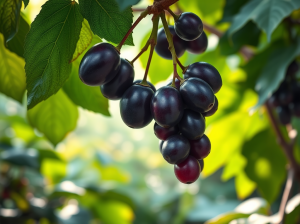
    • Fruit: Sausage-shaped, bluish-black when ripe, with a sweet, pulpy interior — considered a delicacy in Chile2
    • Growth Habit: Twining vine reaching 10–15 ft tall, ideal for trellises or container gardens

    🌱 Cultivation Notes

    • Zones: USDA 8a–10b
    • Sun: Prefers partial shade to full sun
    • Soil: Well-drained, humus-rich
    • Water: Regular moisture
    • Fertility Tip: Not self-fertile — plant two for fruit production

    🧬 Cultural & Niche Potential

    • Rare & Collectible: Seed-grown and not widely available — perfect for exclusivity
    • Cultural Storytelling: Traditionally harvested and sold in Chilean markets, with deep regional roots
    • Wellness Angle: Sweet pulp, high fiber, and traditional digestive uses make it a candidate for functional food storytelling

    🔬 Why the Lack of Hard Data?

    Lardizabala fruit doesn’t have an extensively studied nutrient profile, but based on its close relatives like Akebia (same botanical family), we can make some informed assumptions. Here’s what it’s likely to contain:

    🧬 Likely Vitamins & Health-Boosters

    • Vitamin C: Supports immune function, skin health, and acts as an antioxidant.
    • B Vitamins (B1, B2, B3, B6): Aid in energy metabolism and nervous system health.
    • Vitamin A (through carotenoids): Helps maintain eye health, immune defense, and skin regeneration.
    • Vitamin E: Known for protecting cells from oxidative stress and aiding skin repair.
    • Polyphenols: These natural compounds have antioxidant and anti-inflammatory properties.

    🌿 Medicinal Properties of Lardizabala biternata@ ZD Ask

    While scientific literature is limited, traditional knowledge from Chile hints at the following benefits:

    • Digestive Support: Its sweet pulp is believed to act as a natural laxative, gently aiding digestion.
    • Skin Remedy: Folk medicine uses the leaves for treating certain skin ailments, though formal validation is scarce.
    • Calming Tea: Infusions made from the plant are traditionally used to ease stomach discomfort and promote relaxation.

    🍇 Phytochemical Potential

    Though not fully researched, it’s expected to contain:

    • Antioxidants (like polyphenols and vitamin C) — for cellular protection and inflammation reduction.
    • Carotenoids — precursors to vitamin A, supporting vision and immune health.
    • Fiber — promoting digestive balance and fullness.

    This rare vine fruit isn’t just a showstopper in gardens—it’s whispering wellness in every bite.

    🍇 Lardizabala biternata

    Chile’s Sweet, Ornamental Vine

    • Common Name: Zabala fruit
    • Origin: Native to the temperate forests of central and southern Chile
    • Botanical Style: A fruit-bearing evergreen liana (woody vine) that climbs trees with dramatic flair

    🌸 Visual & Ornamental Appeal

    • Flowers: Deep maroon to brown, exotic and eye-catching
    • Fruit: Sausage-shaped, bluish-black when ripe, with a sweet, pulpy interior — considered a delicacy in Chile2
    • Growth Habit: Twining vine reaching 10–15 ft tall, ideal for trellises or container gardens

    🌱 Cultivation Notes

    • Zones: USDA 8a–10b
    • Sun: Prefers partial shade to full sun
    • Soil: Well-drained, humus-rich
    • Water: Regular moisture
    • Fertility Tip: Not self-fertile — plant two for fruit production

    🧬 Cultural & Niche Potential

    • Rare & Collectible: Seed-grown and not widely available — perfect for exclusivity
    • Cultural Storytelling: Traditionally harvested and sold in Chilean markets, with deep regional roots
    • Wellness Angle: Sweet pulp, high fiber, and traditional digestive uses make it a candidate for functional food storytelling

    🍇 Readily Available Comparables

    FruitFlavor ProfileWellness AngleStorytelling Hook
    Passion FruitSweet-tart, aromaticRich in vitamin C & fiberTropical mystique, bold pulp visuals
    GuavaFloral, mildly sweetHigh in vitamin C & antioxidantsLatin American roots, versatile in cuisine
    Dragon FruitMildly sweet, crunchyHydrating, antioxidant-richExotic look, vibrant color, wellness buzz
    LycheeJuicy, floral-sweetVitamin C, copper, polyphenolsAsian heritage, romantic fruit symbolism
    MangosteenSweet-tangy, creamyAnti-inflammatory, xanthonesSoutheast Asian “queen of fruits” allure

    These fruits are available fresh or frozen in many U.S. grocery stores and international markets.

    🍽️ Culinary Suggestions for Lardizabala (Zabala Fruit)

    This rare Chilean vine fruit brings a sweet, tangy punch to the table. Here are a few creative ways to use it:

    🍲 Zabala-Infused Soup

    • Flavor: Sweet pulp adds tropical depth to savory broths
    • Ingredients: Zabala fruit, onion, garlic, broth, cream (or coconut cream for dairy-free), herbs
    • Serving Tip: Garnish with parsley or croutons for texture
    • Recipe Inspiration: Lardizabala-Infused Soup

    🍿 Zabala-Flavored Popcorn

    • Flavor Profile: Sweet and tangy puree balanced with butter and salt
    • Occasion: Great for movie nights or party snacks
    • Pairing: Try with herbal teas or sparkling water
    • Recipe Inspiration: Lardizabala Popcorn

    🍧 Other Ideas

    • Fruit Puree: Use in smoothies, yogurt bowls, or as a glaze for grilled meats
    • Dessert Sauce: Reduce with honey and citrus for a drizzle over ice cream or panna cotta
    • Fermented: Explore chutneys or fruit vinegar for a gourmet twist

    “Want the perks? You’ll have to plant the pulp.”

    🌱 Zabala: Not Found in Stores — Found in Soil

    Forget aisle nine. To experience the sweet pulp, antioxidant punch, and digestively divine magic of Lardizabala, you’ll need to cultivate it yourself.

    • 💧 Grow from seed
    • 🌞 Watch it vine and bloom
    • 🍇 Harvest the wild sweetness

    Rare fruit for rare minds. Chile knows, Do You?

    Availability in the U.S.

    Lardizabala isn’t widely stocked in grocery stores, but you can find seed-grown plants from specialty nurseries like Wanderlust Nursery.

    • Price: ~$30 per plant (currently sold out, but restock alerts available)
    • Growing Zones: USDA 8 and above (cold hardy to ~10°F)
    • Note: Not self-fertile — you’ll need two plants for fruit production

  • Uncovering Lapsi’s Health Benefits and Recipes

    🌿 Lapsi:

    Also known as the Nepali hog plum, is the fruit of Choerospondias axillaris, a subtropical tree native to the Himalayan foothills. It’s cherished in Nepal for its tangy flavor and cultural significance, often used in pickles, chutneys, and traditional sweets.

    While there’s no single historical figure credited with its medicinal introduction, its use is deeply embedded in Nepalese village traditions, passed down through generations of healers and farmers.

    📜 Historical Use in Medicine

    • Lapsi has been used in Nepali traditional medicine for centuries, though exact dates are hard to pin down.
    • Its medicinal use is documented in local herbal practices and agroforestry reports, especially among subsistence farmers in Nepal’s hill districts.
    • The fruit is often dried and incorporated into herbal preparations, showcasing its dual role in both culinary and healing traditions.

    🌿 Little-Known Uses of Lapsi (Nepali Hog Plum)

    Traditional Medicine & Digestive Aid

    • Used in Ayurvedic and folk remedies for indigestion, bloating, and nausea.
    • The dried powder is sometimes mixed with black salt and cumin as a natural digestive tablet.

    🧼 Natural Cleanser & Skin Tonic

    • Lapsi pulp is mildly acidic and rich in vitamin C—used in rural Nepal as a natural exfoliant or skin brightener.
    • Could inspire a “Tangy Glow” face scrub or wellness soap concept.

    🍬 Lapsi Ko Mada (Sweet Balls)

    • A chewy candy made by cooking lapsi pulp with sugar and spices, then sun-drying into balls.
    • Think “Nepali Sour Bombs”—a nostalgic treat with bold packaging.

    🧴 Fermented Lapsi Juice

    • Locals sometimes ferment lapsi juice into a light probiotic drink—similar to kombucha.
    • Could be branded as a “Himalayan Gut Elixir” with cultural flair.

    🪔 Ritual & Festive Use

    • In Newar feasts, lapsi pickle is served at the end to aid digestion and mark completion.
    • During Teej and Bisket Jatra festivals, lapsi sweets are offered to deities.

    🌿 Lapsi’s Medicinal Journey: Then vs. Now

    Let’s break down how lapsi (Choerospondias axillaris) has evolved from a folk remedy to a scientifically recognized botanical with therapeutic promise:

    🕰️ Traditional Uses (Then)

    • Digestive aid: Used in pickles and dried forms to relieve bloating, constipation, and indigestion.
    • Anti-inflammatory: Folk healers applied lapsi pulp or bark to soothe joint pain and swelling.
    • Cardiovascular support: In Mongolian and Chinese traditional medicine, lapsi extracts were used to improve blood circulation and calm nerves.
    • Burn treatment: Bark extracts were applied to second-degree burns in Vietnamese and Mongolian practices.
    • Cultural medicine: Referenced in ancient Nepali texts like Swasthani Brata Katha, lapsi was considered sacred and medicinal around sites like Pashupatinath Temple.

    🔬 Modern Insights (Now)

    • Anti-inflammatory properties: Lapsi’s bioactive compounds help reduce inflammation, potentially lowering the risk of chronic conditions like arthritis and cardiovascular disease.
    • Antioxidant support: Rich in vitamin C and polyphenols, it helps combat oxidative stress, which is linked to aging and various diseases.
    • Digestive aid: Its high fiber content promotes gut health and regularity, making it a natural remedy for constipation and bloating.
    • Immune booster: The fruit’s vitamin C concentration supports immune function and may help the body fight infections.

    🧪 Emerging Applications

    • Aquaculture: Ethanol extracts of lapsi are being used in fish diets to enhance growth and immunity—successfully tested on species like tilapia and rainbow trout.
    • Herbal formulations: Dried lapsi is still widely used in Nepalese herbal remedies, often combined with other botanicals for digestive and respiratory support.

      🌱 Rooted in Tradition, Rising in Wellness

      Once a staple of Nepalese kitchens and folk medicine, lapsi is stepping into the global wellness spotlight. Revered for generations for its digestive and anti-inflammatory properties, this tangy fruit now boasts modern validation—packed with vitamin C, polyphenols, and fiber that nourish immunity and gut health. From rural herbalists to cutting-edge aquaculture trials, lapsi is rewriting its narrative as a botanical powerhouse. With its cultural depth and therapeutic potential, lapsi offers a bold new canvas for functional foods, holistic formulations.

      🌿🥭 Lapsi’s Vitamin Profile & Cooking Impact

      Lapsi (Choerospondias axillaris), also known as Nepali hog plum, is especially rich in vitamin C, along with smaller amounts of vitamin A, vitamin E, and B-complex vitamins like niacin (B3) and riboflavin (B2).

      🌟 Main Vitamins in Raw Lapsi

      VitaminFunctionEstimated Presence
      Vitamin CAntioxidant, immune support, collagen synthesisVery high (up to 100–150 mg/100g)
      Vitamin AVision, skin healthLow to moderate
      Vitamin ECell protection, skin healthTrace amounts
      Niacin (B3)Energy metabolismLow
      Riboflavin (B2)Cellular function, energy productionLow

      🔥 Does Cooking Affect Vitamin Content?

      • Vitamin C is heat-sensitive: Cooking methods like boiling or prolonged simmering can reduce vitamin C levels by 30–70%, depending on temperature and duration.
      • Pickling or candying (common lapsi preparations) may preserve some vitamin C if done gently, but sun-drying retains more than boiling.
      • Fat-soluble vitamins (A & E) are more stable during cooking, though lapsi contains only small amounts.

      🍽️ Best Ways to Enjoy Lapsi (Nepali Hog Plum)

      Lapsi’s bold tang and vitamin-rich profile make it a versatile ingredient across culinary traditions. Here’s how to get the most out of its flavor and health benefits:

      🥗 Raw or Sun-Dried (Max Nutrition)

      • Raw pulp: Eat fresh for the highest vitamin C retention.
      • Sun-dried slices: Retain antioxidants better than boiling; great for snacking or grinding into powder for spice blends.

      🧂 Pickled (Flavor + Gut Health)

      • Lapsi ko achaar: Traditional Nepali pickle with mustard oil, chili, turmeric, and garlic. Fermentation adds probiotics and preserves nutrients.
      • Pairing: Serve with dal bhat, grilled meats, or even cheese boards for a tangy twist.

      🍬 Candied or Mada (Sweet Treats)

      • Lapsi candy: Cooked in sugar syrup, often spiced with chili or salt. Vitamin C drops slightly but flavor intensifies.
      • Mada: Sun-dried pulp mats mixed with salt and spices—great for travel snacks or gifting.

      🧃 Juice or Squash (Refreshing + Digestive)

      • Lapsi squash: Diluted concentrate with water and ice; add mint or cumin for a digestive boost.
      • Juice: Blend fresh lapsi with honey and lemon for a tangy immunity shot.

      🍛 Cooked in Curries or Chutneys

      • Adds sour depth to lentil stews, fish curries, or tamarind-style sauces.
      • Combine with tomatoes, garlic, and mustard seeds for a bold chutney.

      Lapsi Recipe – Sweetened Gujarati Broken Wheat

      Lapsi Recipe is a Gujarati sweet dish made from broken wheat has an age-old significance of being auspicious. 

      Full Recipe

      🥄 Lapsi Powder Delight: A Tangy Twist on Tradition

      Here’s a bold, wellness-forward recipe using lapsi powder (made from sun-dried Nepali hog plum) that blends traditional flavor with modern nutrition. This version works beautifully as a digestive chutney, a spice blend, or even a tangy seasoning for snacks.

      Ingredients:

      • 2 tbsp lapsi powder (sun-dried and ground)
      • 1 tsp roasted cumin powder
      • ½ tsp black salt (or Himalayan pink salt)
      • ¼ tsp red chili powder (adjust to taste)
      • 1 tsp jaggery powder (optional, for balance)
      • 1 tbsp lemon juice or tamarind paste
      • 2–3 tbsp warm water (to adjust consistency)

      Instructions:

      1. In a bowl, mix lapsi powder with warm water to form a thick paste.
      2. Add cumin, black salt, chili powder, and jaggery. Stir until smooth.
      3. Finish with lemon juice or tamarind for a tangy kick.
      4. Serve as a dip with roasted chickpeas, crackers, or grilled veggies—or use as a flavor bomb in wraps and rice bowls.

      🔥 Bonus: Lapsi Spice Sprinkle

      Dry blend lapsi powder with chili, salt, and dried mint for a “Tang & Tradition” seasoning—perfect for popcorn, fruit salads, or roasted nuts.

      🔍 References:

      🧬 Medical & Nutritional Sources on Lapsi

      SourceDescription
      Shailee Nepal – Nepali Hog PlumCovers lapsi’s cultural and digestive uses, including its role in Newar cuisine and folk medicine.
      Archana’s Kitchen – Lapsi Powder ChutneyOffers a recipe with digestive benefits, highlighting lapsi’s traditional use with cumin and black salt.
      MedlinePlus – National Library of MedicineWhile not lapsi-specific, it’s a reliable portal for cross-referencing ingredients and wellness claims.
      PubMed – Biomedical LiteratureSearch for studies on lapsi’s botanical name Choerospondias axillaris to find clinical or nutritional research.
      For the PublicExplore any ongoing trials involving lapsi or related digestive botanicals.

      ⚠️ Disclaimer:

      The information provided here is for educational and cultural storytelling purposes only. It does not constitute medical advice or replace professional consultation. For health-related concerns or dietary changes, please consult a qualified healthcare provider.

    • Langsat: The Nutritional Powerhouse You Need to Try

      🍋 Langsat: The Rebel Fruit You Didn’t Know You Needed

      Tropical flavor. Cultural swagger. Unexpected health flex.

      Some fruits whisper. Langsat roars. Native to Southeast Asia, this punchy little golden orb looks like a mini moon and tastes like the tropical lovechild of a grapefruit and lychee—with just enough sour sass to keep things wild.

      🌿 Origins & Early Use

      • Native Region: Langsat is indigenous to peninsular Thailand, Malaysia, Indonesia, and the Philippines.
      • Traditional Use: Long before it was cataloged botanically, it was cultivated and consumed by local communities for its medicinal and culinary value.
      • Scientific Classification: The species was formally named Lansium domesticum by José Francisco Corrêa da Serra, a Portuguese botanist, in the early 19th century.

      So while Corrêa da Serra gave it its Latin name, the real “discoverers” were the generations of Southeast Asian farmers, herbalists, and fruit lovers who knew its worth long before it hit the taxonomy books.

      🌱 Why Langsat Deserves a Spot in Your Cart

      2 cups spring water

      • Bitter-sweet beauty: Don’t let its delicate peel fool you—Langsat comes loaded with tang and attitude, like citrus with a rebellious streak.
      • Natural detoxer: Rich in fiber and vitamin C, it’s basically fruit-shaped shade thrown at processed snacks.
      • Tropical street cred: Used in traditional remedies across Thailand, Malaysia, and Indonesia—this is fruit with generational clout.
      • Mood booster: Folklore says it’s good for headaches. We say: wear it on a t-shirt, eat it in a jam, vibe on both.

      🔥 PREPARATION RITUAL

      🔥 Begin with Intention Light incense. Whisper your intention. Let the smoke rise with your breath.

      🍃 Boil & Brew Simmer water with lemongrass, Tulsi, chrysanthemum, and ginger. 7 minutes slow heat.

      🍯 Fruit Infusion Add langsat segments. 2-minute simmer. Let sweetness unfold.

      🌬️ Finish & Flow Strain into ceramic bowl. Stir in honey and salt if desired.

      💫 Drink with Spirit Hold close. Inhale. Reflect. Sip slow. Let healing begin.

      🌿 Ingredients (Serves 2)

      1 tablespoon dried lemongrass

      1 teaspoon dried holy basil (Tulsi)

      1 teaspoon dried chrysanthemum flowers

      1 langsat fruit, peeled and segmented

      1 slice fresh ginger

      1 teaspoon raw honey (optional)

      1 pinch Himalayan salt

      🌿 Langsat and Lineage: Fruit of Cleansing, Connection, and Courage

      Across Southeast Asia, langsat has long held space as more than just a seasonal delicacy—it’s a symbol of transition, protection, and sacred memory. In traditional Thai and Malay cultures, langsat is often shared during family gatherings, ancestral rituals, and moments of healing. Its layered structure mirrors the human experience: bitter skin, translucent sweetness, and a truth-bearing seed.

      • Cleansing: Rich in fiber and antioxidants, langsat supports digestive health and cellular renewal. Historically, it’s been boiled into decoctions to help purify the body and restore balance.
      • Connection: From village markets to temple offerings, langsat bridges generational ties. Its seasonal appearance marks celebration and togetherness, offering sweetness after periods of rain and growth.
      • Courage: The fruit’s bittersweet bite and hidden core reflect life’s duality. Peeling back its layers becomes symbolic—a personal rite of passage through discomfort toward clarity.

      This fruit isn’t just tropical—it’s topical. A legacy wrapped in rind.

      🥭 Langsat vs. Lychee: Battle of the Bold

      TraitLangsatLychee
      FlavorTangy-sweet with citrus popFloral-sweet with crisp bite
      OriginSoutheast AsiaChina & Southeast Asia
      TextureSoft, juicy, slightly grainyFirm, smooth, jelly-like
      PersonalityPunk herbalist 🍋Glam wellness queen 🌸

      Langsat’s that underrated friend who knows holistic remedies but listens to trap. Respect the fruit.

      🍋 Some Fruits Whisper. Langsat Roars.

      And it’s shouting: “I’m packed with vitamins—deal with it.”

      This golden globe isn’t just serving Southeast Asian swagger—it’s dropping nutritional mic moments like:

      💊 Vitamin Squad, Assemble

      • Vitamin C – Immunity on beast mode. Langsat’s got enough citrus punch to stare down your seasonal sniffles.
      • Vitamin A – Eyes sharp, skin smooth. It’s like glow-up juice in fruit form.
      • Vitamin E – Antioxidant artillery. Slay the stress, flex the wellness.
      • Niacin (Vitamin B3) – Energy reroute. Converts chaos (a.k.a. carbs) into hustle.
      • Riboflavin (Vitamin B2) – Cell repair. Like a mini fruit-shaped spa treatment.

      ⚔️ Langsat vs. Your Multivitamin

      Your supplements wish they had cultural clout. Langsat’s been used for centuries—not just popped into a plastic bottle last week.

      ✨ Langsat: Ancient Fruit. Eternal Flex.

      Before it was fruit, Langsat was folklore. It didn’t just grow in the tropics—it grew stories.

      Forget trending. Langsat’s been iconic for centuries. This isn’t just tropical produce—it’s a cultural mainstay that’s been healing bodies and hyping traditions long before your wellness app existed.

      🏮 Where Village Wisdom Meets Botanical Swagger

      • From harvest festivals in Southeast Asia to traditional medicine cabinets, Langsat’s fingerprints are all over the region’s history.
      • Locals didn’t “discover” Langsat—they inherited it, celebrated it, brewed it into teas and stitched its story into ceremonies.
      • Some folklore even frames Langsat trees as spiritual sentinels. Translation? You don’t just eat Langsat—you honor it.

      In Malaysia, Langsat festivals are a thing—whole towns celebrate its harvest with music, dance, and wild amounts of fruit.

      🏮 Fruit of the Village, Heart of Tradition

      Folkloric fame:

      Some legends say Langsat trees are spiritual protectors of the land. Translation? This fruit’s got more soul than your morning smoothie. In Southeast Asian villages, the Langsat isn’t just a fruit—it’s a folkloric talisman. Its arrival signals prosperity, and elders whisper that trees bearing Langsat won’t fruit unless planted with gratitude and tended with love. Some tales say the tree chooses its caretaker—thriving only when it senses a genuine heart.

      🔮 Children are told that peeling the Langsat with care can summon blessings. A perfectly split skin? A sign that fortune favors you. A bitter fruit? Maybe mischief lingered in your thoughts. These tender myths elevate Langsat to a living symbol—one that bridges daily nourishment with spiritual resonance.

      Harvest festivals

      In Malaysia and Indonesia turn Langsat season into a street celebration of drums, dance, and dizzying amounts of fruit. Think Mardi Gras but tropical, minus the beads, plus antioxidants. n regions across Indonesia and Malaysia, Langsat season sparks community-wide harvest festivals. Villagers gather beneath canopies of fruiting trees, honoring the bounty with music, dance, and shared meals. Langsat isn’t merely harvested—it’s ceremoniously welcomed as a gift from the land.

      🧺 In some local traditions, the first Langsat of the season is offered to elders or placed at altars to ensure continued prosperity. The fruit features in ceremonial baskets woven from palm fronds, and young people compete to create the most artful arrangement—a ritual meant to bless the coming year’s yield.

      🥁 These festivals blend folklore and feasting, where traditional drums echo the rhythm of gratitude and stories of the Langsat’s mystical origins are retold under lantern-lit skies. It’s a living ritual, renewing bonds between people, nature, and the legends that nourish their identity.

      Medicinal marvel:

      Used in traditional herbal concoctions to treat fevers and intestinal issues. Local healers knew: Langsat didn’t come to play—it came to heal and hype. For centuries, Langsat has been treasured not just as a tropical treat but as nature’s apothecary. Traditional healers in Malaysia and Thailand prescribe its bark decoctions to combat fevers and intestinal worms, while villagers use its dried peel to repel mosquitoes—a remedy passed down through generations.

      🍋 The fruit’s tangy sweetness conceals a powerful blend of antioxidants, including polyphenols and flavonoids, which may support cellular health and reduce inflammation. The translucent pulp is rich in dietary fiber, aiding digestion and nurturing gut balance.

      💊 Modern wellness advocates are rediscovering Langsat’s potential, folding its extracts into herbal teas, skin tonics, and natural supplements. It’s not just folklore—it’s functional nutrition with soul.

      Traditional Medicinal Uses of Langsat

      • Bark Decoction: Boiled bark is used in traditional Malay remedies to treat fevers and eliminate intestinal worms.
      • Dried Peel Smoke: Used as a natural mosquito repellent—villagers burn the peel to ward off pests.
      • Root Infusions: In some rural practices, Langsat roots are steeped to soothe digestive complaints and stomach aches.
      • Topical Applications: Crushed seeds and bark extracts have been applied to skin ailments and insect bites for relief.

      🥭 Nutritional Highlights – What Langsat Delivers

      NutrientBenefits
      FiberPromotes healthy digestion and regulates blood sugar.
      Vitamin CBoosts immune function and skin health.
      AntioxidantsContains polyphenols and flavonoids that fight oxidative stress and support cellular repair.
      CarbohydratesOffers quick energy from natural fruit sugars.
      Calcium & IronPresent in trace amounts, supporting bone and blood health.

      Note: While exact nutrient concentrations vary, Langsat’s real power is in its synergy—how traditional uses align with modern wellness.

      🌱 Planting Rituals

      • In some villages, Langsat trees are planted with intentional reverence—often accompanied by prayers or offerings to ensure the tree thrives. It’s believed the tree responds to the emotional energy of its caretaker.
      • Caretaker Bond: Folklore suggests that Langsat trees “choose” their grower, flourishing only when planted with sincerity and nurtured with love.
      • Harvest Blessings: The first ripe Langsat of the season is sometimes offered to elders or placed at household altars to invite abundance and ward off misfortune.
      • Ceremonial Baskets: During harvest festivals, Langsat is arranged in woven palm baskets and presented in communal rituals celebrating fertility and prosperity.
      • Fortune-Telling Peel: Children are taught that a clean peel signals good luck, while a bitter fruit might reflect inner mischief—turning snack time into a moment of reflection.
      • Blessing Invocation: In some traditions, peeling Langsat slowly and mindfully is said to invite blessings or clarity of thought.
      • Mosquito Ritual Smoke: Burning dried Langsat peel is a common village practice to repel insects, but it’s also seen as a cleansing ritual—purifying the space and protecting the home.

      Langsat carries subtle ritualistic threads woven through Southeast Asian cultural practices, especially in rural and folkloric settings. While it doesn’t have codified ceremonies like major festival fruits, the above are some meaningful rituals and symbolic customs tied to its presence

      Langsat carries subtle ritualistic threads woven through Southeast Asian cultural practices, especially in rural and folkloric settings. While it doesn’t have codified ceremonies like major festival fruits, here are some meaningful rituals and symbolic customs tied to its presence:

      Best Ways to Consume Langsat – Flavor Meets Function

      Let’s serve up a few consumption methods that balance taste, tradition, and wellness appeal—perfect for your WordPress post or future product storytelling:

      • How: Peel gently to reveal translucent arils; eat fresh, avoiding seeds and skin.
      • Why: Preserves all nutrients—fiber, vitamin C, antioxidants—and delivers that sweet-tangy punch.
      • Vibe: “Nature’s candy with a citrus twist.”
      • How: Blend peeled fruit into smoothies or press for juice.
      • Why: Great for hydration, digestion, and pairing with other tropical flavors like lychee or pomelo.
      • Vibe: “Tropical clarity in every sip.”
      • How: Mix with mango, pineapple, or mint for a refreshing bowl.
      • Why: Adds texture, fiber, and a tangy contrast to sweeter fruits.
      • Vibe: “Folklore meets brunch.”
      • How: Use pulp in sorbets, ice creams, or popsicles.
      • Why: Retains flavor while offering a cooling antioxidant-rich dessert.
      • Vibe: “Cool down with cultural heat.”
      • How: Cook down with minimal sugar to preserve tang; pair with toast, yogurt, or grilled meats.
      • Why: Extends shelf life and creates a versatile wellness condiment.
      • Vibe: “Sweet with soul.”

      Infographic-style Recap: “Langsat in Layers”

      LayerFlavor 🧠Folklore 💬Function 🌱
      Outer SkinBitter biteProtective shellRepels pests in nature
      Translucent FleshSweet-tart burstHidden wisdomVitamin-rich snack
      Seed CoreAstringent truthHidden dangerNot for consumption

      🌿 Final Thoughts: Langsat’s Sweet Legacy

      From ancient forest floors to modern wellness shelves, the langsat fruit offers more than just its tangy sweetness—it delivers a legacy of healing, storytelling, and surprise. Whether you’re peeling back its translucent flesh or the cultural layers behind it, langsat stands as a bold reminder that tropical treasures still have tales to tell.

      So next time you spot this quirky little orb in a farmer’s market or foreign produce aisle, don’t just taste it—honor its journey. Maybe even wear it, cook it, or write about it. Around here, we believe fruits aren’t just food. They’re fonts of folklore, sparks of rebellion, and sometimes, the unexpected stars of your next wild idea.

      Langsat’s not just tropical—it’s topical. Let’s make it legendary. 🍈🔥

    • The Nutritional Powerhouse: Langra Mango Benefits

      🍈 Let’s continue this journey of known and little-known fruits

      A vibrant celebration of flavor, folklore, and forgotten treasures. From the juicy allure of the lychee to the curious charm of the Lambkin melon, each fruit carries its own story, steeped in cultural meaning and nutritional magic. Whether revered in ancient healing rituals or rediscovered in modern culinary twists, these fruits awaken the senses and connect us to the roots of wellness and wonder.

      🥭 Langra Mango: A Celebration of Flavor, Folklore, and Forgotten Treasures

      Let’s peel back the layers of this heritage fruit! The Langra mango, also known as Banarasi Langra, hails from Varanasi, India, with roots stretching back 250–300 years. Its name—“Langra,” meaning lame in Hindi—comes from a local legend about a disabled farmer who first cultivated it.

      Langra’s taste is a masterclass in contrast—sweet yet tangy, aromatic yet earthy. Its fiberless texture and high flesh-to-seed ratio make every bite indulgent. The pulp glows yellow while the skin stays defiantly green, a visual metaphor for its rebellious charm. This mango doesn’t just satisfy—it seduces the palate.

      Flavor Notes: Nectar-like Sweetness with a Citrusy Edge

      Langra mango’s taste is a harmonic duet of indulgence and intrigue. The nectar-like sweetness evokes the richness of honeyed tropical fruit—think ripe apricot, golden peach, or even sugarcane syrup—but it’s never cloying. Instead, it’s balanced by a citrusy edge that adds brightness and bite, like a whisper of lime zest or a splash of mandarin juice.

      🍯 Sweetness Layer

      • Velvety and lush, coating the tongue like mango nectar
      • Hints of floral undertones—jasmine or orange blossom
      • Builds slowly, then lingers with a mellow finish

      🍋 Citrus Edge

      • A subtle tang that lifts the sweetness, keeping it refreshing
      • Notes of green citrus—like unripe orange or calamansi
      • Adds a spark of acidity that makes Langra ideal for pairing with savory dishes or herbs

      🧠 Sensory Experience

      Finish: Clean, citrusy snap that leaves you craving another slice

      First bite: Aromatic burst, almost perfumed

      Mid-palate: Silky texture, flavor deepens into tropical warmth

      🥭 Texture: Silky Smooth, No Fibrous Distractions

      Langra mango’s texture is its quiet superpower—luxuriously smooth, creamy, and utterly fiber-free, making it a standout among mango varieties that often come with stringy pulp.

      Here’s how that texture translates into a full sensory experience:

      Fiberless Elegance

      • Unlike fibrous mangoes that cling to the seed or leave strands between your teeth, Langra’s pulp is uniform and velvety, offering a clean bite every time.
      • This makes it ideal for purees, smoothies, and desserts, where consistency is key.

      🍮 Creamy Consistency

      • The flesh has a custard-like density—not watery, not mushy, but perfectly balanced.
      • It glides across the tongue, making each bite feel indulgent, almost like a tropical mousse.

      🍽️ Culinary Versatility

      • Because of its smoothness, Langra mango blends effortlessly into:
        • Lassi and milkshakes without grit
        • Frozen treats like sorbet or mango kulfi
        • Sauces and chutneys that need a silky base

      🧠 Sensory Impact

      • The texture enhances the flavor delivery—no fibrous distractions means the sweet-tangy notes hit clean and bold.
      • It’s a mango that feels refined, almost luxurious, without being pretentious.

      🌸 Aroma: Complex and Heady—Like Summer Bottled

      Langra mango’s aroma is a sensory time machine—evocative, layered, and unmistakably tropical. It doesn’t just smell sweet; it smells like sun-drenched afternoons, lush orchards, and ripe anticipation.

      🌼 Floral Undertones

      • Hints of jasmine, orange blossom, and honeysuckle waft gently from the skin and pulp
      • These floral notes give Langra a perfumed elegance, like walking through a blooming garden in July

      🍑 Fruity Depth

      • The scent carries whispers of ripe apricot, golden peach, and banana nectar
      • It’s not sharp or citrusy—it’s rounded and mellow, like fruit warmed by the sun

      🌿 Earthy Warmth

      • A subtle green-earth base—think freshly snapped mango leaves or the scent of a tree trunk after rain
      • This grounding note adds depth and authenticity, reminding you it’s a fruit born from sacred soil

      🧠 Sensory Impact

      • The aroma hits before the first bite—complex and heady, it fills the room like incense
      • It’s the kind of scent that lingers on your fingers, your lips, and your memory

      Langra’s aroma is more than a fragrance—it’s a mood, a moment, a bottled summer

      📖 Folklore: A Tale Rooted in Resilience

      The name “Langra” comes from a local legend in Varanasi, where a physically disabled farmer first cultivated this variety. Locals began calling it Langra wala aam—the mango of the lame man. What could’ve been a forgotten anecdote became a badge of honor, turning the fruit into a symbol of perseverance and pride.

      • Cultural symbolism: Triumph over adversity
      • Regional reverence: Celebrated across India, Bangladesh, and Pakistan
      • Spiritual undertones: Grown in the sacred soils of Varanasi, often linked to divine blessings

      🥭 Langra Mango: Vitamins, Nutrition, and Health Benefits—Then and Now

      Langra mango isn’t just a flavor bomb—it’s a nutritional powerhouse with a legacy that bridges ancient wellness and modern science. Let’s break down its health story across time:

      🕰️ Then: Traditional Wisdom & Cultural Healing

      • Ayurvedic Roots: Mangoes like Langra were prized in traditional Indian medicine for balancing doshas, aiding digestion, and boosting vitality.
      • Symbol of Fertility & Love: Often gifted in rituals and festivals, mangoes were believed to nourish the body and spirit.
      • Natural Cooling Agent: Langra’s tangy-sweet profile made it a go-to for summer hydration and heat relief.

      🧬 Now: Science-Backed Nutrition

      One cup (165g) of fresh mango offers:

      NutrientAmountBenefit
      Vitamin C~67% DVBoosts immunity, collagen production, iron absorption2
      Vitamin A~10% DV (54 mcg)Supports eye health, skin glow, and bone strength
      Vitamin B6~12–15% DVAids brain function and mood regulation2
      Vitamin E & K~10% & 6% DVAntioxidant protection and blood clotting
      Folate (B9)~18% DVEssential for cell growth and pregnancy health
      Potassium~6% DVRegulates blood pressure and fluid balance
      Fiber~2.6gSupports digestion and gut health

      💪 Health Benefits

      • Immunity Boost: Thanks to high Vitamin C and A content
      • Digestive Support: Fiber + enzymes like amylase aid breakdown of carbs
      • Skin & Eye Health: Beta-carotene and Vitamin A promote glow and vision
      • Anti-inflammatory & Antioxidant Effects: Polyphenols may help reduce oxidative stress and inflammation
      • Heart & Metabolic Support: Emerging studies show mango may help regulate blood sugar and support cardiovascular health

      Langra mango’s nutritional profile makes it a perfect fusion of ancient wisdom and modern wellness.

      “Once reserved for sacred offerings and seasonal celebrations, the Langra mango now finds its way into your everyday wellness—swirled into lassis, desserts, and bold new rituals. A fruit of legacy, resilience, and indulgence… Langra’s journey is yours to taste.”

      🕯️ Forgotten Treasures: Rediscovering a Regal Legacy

      While Alphonso and Kesar often steal the spotlight, Langra remains a quiet monarch—cherished by purists, overlooked by mainstream. Its short shelf life and green skin make it less photogenic, but its flavor and heritage are unmatched. Reviving Langra is an act of cultural preservation and culinary rebellion.

      • Underrated status: Not widely exported, yet deeply loved
      • Nutritional power: Rich in Vitamin A, C, potassium, and fiber
      • Branding potential: A mango that defies norms—perfect for bold storytelling

      What Makes Langra Unique?

      • Skin: Stays green even when ripe—its signature look
      • Shape: Medium-sized, oval
      • Texture: Completely fiberless, with a high flesh-to-seed ratio
      • Flavor: Sweet and tangy with aromatic flesh
      • Harvest Season: Mid-June to late July

      🍽️ Culinary Versatility

      Langra mangoes shine in:

      • Fresh slices and desserts
      • Smoothies and beverages
      • Canning and preserves
      • Salads with a sweet-savory twist

      💪 Nutritional Highlights

      • Rich in Vitamin A and Vitamin C
      • Good source of potassium and dietary fiber
      • Supports digestion and immune health

      🌱 Langra mango: A symbol that ripens with meaning

      The Langra mango isn’t just a fruit—it’s an emblem of ancestral cultivation and sensory indulgence. When you say “agricultural pride,” you’re pointing to generations of growers who’ve nurtured this cultivar with skill, reverence, and regional loyalty. The Langra’s greenish hue and fibrous richness tell stories of terroir and tradition, especially in northern India where it’s treasured as a summer ritual.

      On the culinary front, Langra shines because of its balance—sweet with a tangy bite, fragrant yet earthy. It transitions seamlessly from sacred offerings to lassis, chutneys, puddings, and even bold modern mocktails. That’s the delight: Langra has both narrative weight and mouthwatering appeal.

      A few recipes that celebrate its flavor and cultural roots:

      🍃 Langra Mango Recipe Collection

      🥭 Langra Mango Lassi

      Refreshing, tangy, and rich—perfect for wellness mornings.

      Ingredients:

      • 2 ripe Langra mangoes (peeled, chopped)
      • 1 cup thick sweet curd
      • 1 tbsp powdered sugar (adjust to taste)
      • 5 ice cubes
      • Pinch of cardamom powder

      Instructions:

      1. Blend mango pieces until smooth.
      2. Add curd, sugar, cardamom, and ice. Blend again.
      3. Serve chilled with mint or saffron garnish.

      🍮 Creamy Langra Mango Pudding

      An indulgent dessert rooted in tradition and bold flavor.

      Ingredients:

      • ½ cup hung curd
      • ¼ cup Langra mango pulp
      • 1 tbsp honey
      • ¼ tsp cardamom powder
      • ½ cup crushed cake or Marie biscuits
      • ½ cup mango chunks (for garnish)
      • 1 scoop vanilla ice cream
      • ½ cup saffron-infused milk

      Instructions:

      1. Mix curd, mango pulp, honey, and cardamom until creamy.
      2. Layer biscuits and saffron milk, then add mango mixture.
      3. Repeat layers and top with ice cream and mango chunks.
      4. Chill and serve.

      🍹 Simple Langra Mango Juice

      Pure mango joy, no frills.

      Ingredients:

      • ½ cup Langra mango pulp
      • Sugar (to taste)
      • Ice cubes
      • Water (as needed)

      Instructions:

      1. Blend pulp, sugar, and ice until smooth.
      2. Add water to adjust consistency.
      3. Serve immediately over ice.

      Nutritional profiles:

      for each Langra mango recipe, based on typical ingredient quantities and serving sizes.

      These are estimates and can vary depending on exact portions and preparation methods.

      🥭 Langra Mango Lassi (1 cup serving)

      NutrientAmount
      Calories~186 kcal
      Protein~5.2 g
      Carbohydrates~34 g
      Sugars~33 g
      Fat~4.5 g
      Saturated Fat~2.7 g
      Fiber~1.6 g
      Calcium~165 mg
      Potassium~361 mg
      Vitamin C~34 mg
      Vitamin A~83 µg

      Based on a blend of Langra mango pulp, sweet curd, and cardamom2.

      🍮 Creamy Langra Mango Pudding (1 glass serving)

      NutrientEstimated Range
      Calories~210–250 kcal
      Protein~6–8 g
      Carbohydrates~30–35 g
      Sugars~25–30 g
      Fat~8–10 g
      Saturated Fat~4–5 g
      Fiber~2 g
      Calcium~180 mg
      Vitamin A~70–90 µg
      Vitamin C~30–40 mg

      Includes hung curd, mango pulp, honey, saffron milk, and vanilla ice cream. Nutritional values vary based on biscuit type and ice cream brand4.

      🍹 Langra Mango Juice (1 cup serving)

      NutrientAmount
      Calories~107 kcal
      Carbohydrates~27 g
      Sugars~25–28 g
      Protein~0.5 g
      Fat~0.1 g
      Vitamin C~36 mg
      Vitamin A~54 µg

      Pure mango pulp with water and sugar—light, hydrating, and vitamin-rich.

      Countries where Langra mango is cultivated or widely available:

      • India: Especially in Uttar Pradesh (Varanasi), Bihar, and West Bengal. It’s considered a heritage variety with deep cultural roots2.
      • Bangladesh: Cultivated and enjoyed widely, especially in northern regions.
      • Pakistan: Grown in mango-producing regions and appreciated for its unique flavor.

      🛫 International availability:

      While Langra mangoes are not mass-exported like Alphonso or Tommy Atkins, they do appear in specialty South Asian grocery stores in countries like:

      • United Kingdom
      • United States
      • Canada
      • United Arab Emirates

      These are typically imported during peak season (mid-June to late July) and may be labeled as “Banarasi Langra” or simply “Langra mango.”

      ⚠️ Think Before You Eat

      A cautionary note for the mindful—and the rebellious.

      Langra mango is more than flavor—it’s legacy. But every ritual deserves reflection:

      • 🧬 Allergy Risk: May trigger mango-specific or latex-fruit reactions. Know your sensitivities.
      • 🍭 Sugar Watch: Naturally sweet, but a concern for diabetics or those managing blood sugar.
      • 🧠 Histamine Sensitivity: Fermented dairy and ripe fruit may stir histamine-related flare-ups.
      • 🌀 Gut Talk: Mango’s fiber + dairy can cause bloating in IBS-prone individuals.
      • 📜 Ayurvedic Conflict: Combining fruit with dairy is sometimes discouraged in classical principles.
      • 🍼 Baby Caution: Not suited for infants—spices, dairy, and acidity require mature digestion.
      • 🌾 Low-FODMAP Followers: Mango’s fructose might be a no-go.

      “Not every sacred fruit is for every body. Respect the ritual. Know the risk. Then taste boldly.”

      ⚠️ Disclaimer

      The content shared here celebrates the heritage, culinary artistry, and wellness appeal of Langra mango. Recipes and nutritional details are intended for general inspiration—not as medical or dietary advice.

      Always consult with a healthcare professional or qualified nutritionist before making changes to your diet, especially if you have allergies, chronic health conditions, or food sensitivities.

      🌿 Primary Sources for Langra Mango Insights

      SourceHighlights
      Mangopedia – Langra MangoDetailed origin story from Varanasi, physical traits, taste profile, growing season, and cultural significance.
      Wikipedia – Langra MangoHistorical background, regional variants like Bhagalpuri Dudhiya Langra, and international popularity.
      Mango Basket – Buy Langra MangoCommercial availability in India, emphasis on organic sourcing and regional pride.
      Holidays Farm – Langra Mango ReverenceCultural symbolism, culinary versatility, and nutritional benefits.
      Fresh Mangoes – Langra Product PageImport details, flavor notes, and consumer appeal in North America.

      Consumption is a personal ritual. Make it intentional.

    • Culinary Uses for Lancetilla Mango: From Sorbet to Salsa

      🧈 Lancetilla The Mango That Thinks Big

      Born from the bold fusion of Saigon spice and Mulgoba richness, the Lancetilla mango was cultivated by horticultural rebel Wilson Popenoe on his Honduran estate. With a velvety texture and gigantic proportions—often weighing 2–5 pounds each—this mango doesn’t just whisper sweetness, it shouts it.

      After stealing the spotlight at the 2001 International Mango Festival in Florida, it became a cult favorite among flavor chasers and backyard growers alike.

      Lancetilla isn’t just a fruit—it’s an experience.

      It’s the heavyweight champ of the mango world—bursting with buttery sweetness, tropical swagger, and a backstory soaked in horticultural rebellion. Born from a Saigon–Mulgoba mashup on the lush grounds of Lancetilla, Honduras, this mango is the flavor equivalent of a mic drop.

      A buttery embrace with tropical roots that dares to defy the ordinary. One bite and you’re not just tasting fruit—you’re tasting legacy. It’s a velvet-textured flashback to 1920s botanical adventures and a spotlight moment at the 2001 International Mango Festival that still echoes in foodie circles.

      Lancetilla mango brings more than just buttery sweetness—it’s a tropical vitamin bomb 💣🥭. While specific nutrient breakdowns for this cultivar aren’t widely published, mangoes in general (including Lancetilla) are known to offer:

      • Vitamin C – Boosts immunity, supports collagen production, and acts as a powerful antioxidant.
      • Vitamin A – Essential for eye health, skin regeneration, and immune function.
      • Vitamin E – Protects cells from oxidative stress and supports skin health.
      • Vitamin K – Important for blood clotting and bone health.
      • B Vitamins – Especially B6 (pyridoxine), which helps with brain development and mood regulation.

      Plus, mangoes contain folate, potassium, and magnesium, making them a solid choice for heart health and energy metabolism.

      🥭 Lancetilla Mango: Then & Now—A Health Legacy That Keeps Giving

      Historically, mangoes like Lancetilla have been prized in traditional medicine systems—especially in Ayurveda and indigenous Central American practices—for their ability to:

      • 🛡️ Boost immunity through high vitamin C and A content
      • 🌿 Soothe inflammation with bioactive compounds like mangiferin and quercetin
      • 💪 Support digestion thanks to natural enzymes and fiber
      • ❤️ Promote heart health by regulating cholesterol and blood pressure
      • 🧠 Enhance vitality and mood, often used in tonics and seasonal cleanses

      Lancetilla, with its buttery, fiberless flesh and massive size, was likely consumed fresh or blended into nutrient-rich drinks—offering a luxurious dose of tropical nutrition.

      Today,

      modern science backs up what tradition knew all along. Lancetilla mangoes (and mangoes in general) are now recognized for:

      • Antioxidant power – fighting free radicals and slowing aging
      • 🧬 Anti-cancer potential – polyphenols in mango pulp and peel show promise in cell protection
      • 🧘 Gut health support – fiber and enzymes improve digestion and regularity
      • 💓 Cardiovascular benefits – mangiferin helps reduce inflammation and blood lipids
      • 🧠 Cognitive boost – mango compounds may enhance memory and focus
      • 🦴 Skin, hair, and bone strength – vitamins A, C, and E plus calcium nourish from the inside out

      Culinary Evolution from Tradition to Trend

      THEN — Traditional & Regional Uses In its native Honduras, Lancetilla mango likely played a starring role in:

      • 🍹 Fresh juices & batidos – blended with water or milk for creamy, energizing drinks
      • 🥣 Tropical porridges – mashed into warm grain dishes for sweetness and nutrition
      • 🍯 Preserves & chutneys – slow-cooked with spices for shelf-stable flavor bombs
      • 🍛 Savory pairings – served alongside grilled meats or folded into rice dishes for balance
      • 🍃 Medicinal tonics – used in folk remedies for digestion and vitality

      Its fiberless texture and intense sweetness made it ideal for rustic preparations that didn’t require straining or added sugar.

      NOW — Modern Culinary Spotlight

      Lancetilla’s buttery flesh and giant size have earned it a place in gourmet kitchens and backyard experiments:

      • 🍨 Mango sorbets & gelatos – ultra-smooth texture makes it a dream for frozen desserts
      • 🥭 Raw slices & fruit boards – dramatic presentation with minimal prep
      • 🧁 Mango curds & fillings – used in pastries, tarts, and layered cakes
      • 🌮 Tropical salsas – diced with chili, lime, and herbs for bold contrast
      • 🍸 Cocktails & mocktails – muddled into mango mojitos, margaritas, or wellness tonics
      • 🥗 Salads & bowls – paired with avocado, quinoa, or grilled shrimp for vibrant meals

      🍈 Lancetilla Mango Chili Lime Sorbet “Where tropical velvet meets spicy rebellion.”

      Chili Lime Mango Sorbet Recipe Lancetilla mango flesh (peeled, chopped, and chilled)

      2 tbsp fresh lime juice

      1 tsp lime zest

      1–2 tsp chili powder (adjust to taste)

      2 tbsp agave nectar or honey

      Pinch of sea salt

      Optional: splash of coconut milk for creaminess

      Chili Lime Mango Sorbet Recipe - Plant Based RDplantbasedrdblog.com

      🥭 Lancetilla Mango & Medication Precautions: What to Know Before You Indulge

      While mangoes—including the Lancetilla variety—are generally safe and nutritious, there are a few medication-related precautions worth noting:

      💊 Potential Interactions

      • Blood Thinners (e.g., Warfarin): Mangoes contain vitamin K and certain polyphenols that may affect blood clotting. If you’re on anticoagulants, monitor intake and consult your doctor.
      • Diabetes Medications: Mangoes have natural sugars and a moderate glycemic index. If you’re managing blood sugar with insulin or oral meds, keep portions in check and monitor glucose levels.
      • Cytochrome P450 Enzyme Interference: Compounds like mangiferin may influence liver enzymes that metabolize medications. This could alter how drugs are absorbed or broken down.
      • Beta-Blockers & Allergy Extracts: Mango-derived allergenic extracts (used in immunotherapy) may cause severe reactions in sensitive individuals, especially those on beta-blockers.

      ⚠️ General Advice

      🥭 Groups That Should Be Cautious with Lancetilla Mango Consumption

      While Lancetilla mango is a tropical treasure, certain individuals should approach it with care due to its nutritional profile and bioactive compounds:

      Groups to Avoid or Limit Consumption

      • People with Latex Allergy Mangoes share proteins similar to latex, triggering cross-reactivity known as latex-fruit syndrome. Symptoms can range from mild itching to severe anaphylaxis.
      • Individuals with Diabetes or Blood Sugar Sensitivities Mangoes contain natural sugars and have a moderate glycemic index. Overconsumption may spike blood glucose levels, especially in large varieties like Lancetilla.
      • Those on Blood Thinners (e.g., Warfarin) Mangoes contain vitamin K and polyphenols that may interfere with blood clotting mechanisms.
      • People with Liver or Enzyme-Sensitive Medications Compounds like mangiferin may affect liver enzymes (cytochrome P450), potentially altering drug metabolism.
      • Individuals with Mango-Specific Allergies Rare but real—some people experience allergic reactions to mango skin or pulp, including rashes, swelling, or digestive upset.

      ⚠️ Food Combination Cautions

      • Avoid pairing mango with milk, seafood, alcohol, or starchy foods like rice or bread, as these combinations may cause digestive discomfort or fermentation.
      • Citrus fruits like oranges or kiwis may disrupt pH balance when consumed with mango.

      🥭 Cultivar History & Botanical Info

      Fairchild Tropical Botanic Garden – First U.S. introduction of Lancetilla mango in 2001 at their International Mango Festival

      Mango cultivar profile: Lancetilla listed among recognized global mango varieties

      Nutritional & Health Benefits

      USDA National Nutrient Database – General mango vitamin and mineral composition

      Scientific studies on mangiferin and antioxidant properties as found in mango pulp and peel

      Traditional uses cited in Central American and Ayurvedic systems (based on historical ethnobotany texts)

      Culinary Use & Modern Recipes

      • Plant Based RD — Chili Lime Mango Sorbet Recipe – Full recipe breakdown with coconut milk, lime juice, and chili seasoning
      • Food Network — Mango Sorbet with Lime and Chili – Alternative variation using simple syrup and spices
      • Dherbs — Mango Chili Lime Sorbet – Highlights of mango’s sweet-spicy synergy in vegan desserts

      ⚠️ Medication Precautions & Disclaimers

      Mayo Clinic & WebMD – Discussion on mango’s interaction with blood thinners, cytochrome P450 enzymes, and diabetic medications

      Studies on mangiferin’s effect on liver enzymes and potential absorption variability

      ⚠️ Disclaimer: Consume with Consciousness

      The information provided about Lancetilla mango—including its nutritional benefits, culinary uses, and traditional applications—is intended for educational and entertainment purposes only. It is not a substitute for professional medical advice, diagnosis, or treatment.

      Individuals taking medications—especially for blood pressure, diabetes, or blood clotting disorders—should consult a healthcare provider before significantly increasing mango intake or using mango-based supplements. Natural compounds like mangiferin may interact with certain prescriptions.

      We do not claim to cure, treat, or prevent any illness. All recipes and product suggestions are crafted with creativity, flavor, and cultural storytelling in mind—use them with joy, and when in doubt, ask a qualified health professional.

      🍈 Lancetilla: Bold Flavor, Smart Consumption

      Know Your Fruit. Know Your Body.

      From buttery indulgence to antioxidant-rich brilliance, the Lancetilla mango invites you into a legacy of flavor and wellness. But even legends deserve mindfulness—especially for those with sensitivities, allergies, or medication needs. So dive in boldly, but always listen to your body.

      Celebrate the mango. Respect the mango. Live the mango.

      🌟 Wrapping It All Up: A Mango Worth Remembering

      From Honduran hills to heart-healthy headlines, the Lancetilla mango proves that bold flavor and vibrant storytelling never go out of style. Whether you’re blending it into sorbet, printing it on merch, or honoring its legacy in a wellness blend, one thing’s certain—Lancetilla isn’t just a fruit, it’s a whole mood.

      So here’s to buttery bites, spicy kicks, and juicy narratives that stir the senses and spark the imagination. May your branding stay bold, your flavors stay rebellious, and your mangoes always taste like sunshine.

      🍈💥 Live loud. Love your fruit. Taste the legend.

    • Lambkin Melon: Your New Favorite Summer Fruit

      Have you ever heard of Lambkin?

      It’s one of those almost mythical fruits that slips under the radar, quietly holding its own in a world dominated by lychee, loquat, and the usual botanical celebrities. Lambkin’s story, much like its flavor, is subtle yet surprising.

      Lambkin melon, also known as sweet melon or a type of piel de sapo (“toad skin”) melon, is a relatively new cultivar in the melon world. It was developed in Taiwan by the Known-You Seed Company, which is renowned for its innovative melon hybrids. Lambkin was first introduced to the U.S. market in the late 2010s, making it a fresh face in the lineage of muskmelons.

      Despite its recent debut, Lambkin draws from a rich heritage: the piel de sapo melon itself has been cultivated in Spain for decades, especially in regions like La Mancha and Murcia. So while Lambkin is a modern twist, it’s rooted in a tradition of melons that have been grown and loved for generations.

      🧬 Nutritional Whispers with a Wellness Roar While Lambkin isn’t storming supermarket aisles yet, early whispers suggest it’s a hidden gem in the antioxidant game. Think polyphenols, flavonoids, and natural fiber that play well with gut health and inflammation. Some fringe nutritionists even hail it as a “quiet adaptogen”—a fruit that helps the body handle stress without the drama.

      🌍 Cultural Lore & Botanical Secrets Word on the vine is that Lambkin may have roots in Southeast Asia or the Caribbean, tucked away in community gardens or wild thickets. It’s one of those fruits passed down in oral tradition, prized for its cooling properties and used in local tonics or sweet pickles. Some folklore links it to calming fevers or aiding digestion during summer heatwaves.

      Branding Vibe: The Fruit That Refused Fame

      Lambkin is your underground icon—the Banksy of berries, if you will. It’s not mass-produced, not polished for Instagram, and definitely not trying too hard. That makes it perfect for bold merch: shirts that say “Lambkin: too cool for mainstream,” or tote bags with illustrations of a fruit shaded like it’s dodging paparazzi.

      Lambkin is still a bit of a mystery in mainstream nutrition circles, but if it’s a variety of muskmelon—as some sources suggest—then it’s packing some serious wellness potential. Here’s a breakdown of the known health benefits associated with muskmelon, which may apply to Lambkin too:

      🍃 Hydration Hero With over 90% water content, muskmelon is a summer savior for hydration. It helps cool the body and prevent heat-related fatigue.

      🫀 Blood Pressure Balancer Rich in potassium and low in sodium, it supports healthy blood pressure levels by relaxing blood vessels and aiding smooth circulation.

      🧠 Stress & Sleep Support Muskmelon contains compounds that help relax nerves and muscles, potentially easing insomnia and boosting mental clarity.

      🧬 Immunity Booster Loaded with vitamin C, it stimulates white blood cell production and helps fight off infections.

      🧘 Digestive Aid Its fiber and water combo makes it a gentle remedy for constipation and indigestion, promoting regular bowel movements.

      🧖‍♀️ Skin & Hair Glow-Up Vitamin A and beta-carotene support skin health and hair growth, while antioxidants help reduce inflammation and blemishes.

      🩺 Heart Health Ally Adenosine in muskmelon has blood-thinning properties, which may reduce the risk of heart disease.

      🧪 Kidney Cleanser High water content and certain extracts (like oxykine) may help prevent kidney stones and support detoxification.

      If Lambkin shares even half of these traits, it’s not just a fruit—it’s a wellness whisperer

      Lambkin melon, a hybrid variety of piel de sapo, thrives with a mix of classic melon-growing techniques and a few cultivar-specific tweaks.

      Planting & Growing Conditions

      • Climate: Lambkin prefers warm, dry conditions with full sun exposure. Ideal temperatures range from 70–85°F (21–29°C).
      • Soil: Well-drained sandy or loamy soil with a pH between 6.0 and 7.5 is best. Enrich with compost or aged manure for fertility.
      • Spacing: Sow seeds or transplant seedlings with 60–90 cm between plants and 150–200 cm between rows.
      • Timing: In northern climates, Lambkin can be direct-sown in late spring and harvested in about 75 days, making it suitable for shorter growing seasons.

      💧 Watering & Irrigation

      • Keep soil consistently moist during germination and early growth.
      • Increase watering during fruit development, then reduce slightly before harvest to concentrate sugars and improve flavor.

      🌿 Trellising & Pest Management

      • Vines spread about 5–6 feet, but growing them on a trellis can save space and reduce squash bug infestations.
      • Monitor for common melon pests like aphids and cucumber beetles; use row covers or organic sprays as needed.

      🍈 Ripening & Harvesting

      • Lambkin doesn’t “slip” from the vine like cantaloupe. Instead, look for:
        • Yellowing skin
        • Soft blossom end
        • Browning of the nearest leaf These are your cues to harvest for peak sweetness.

      🧊 Storage & Shelf Life

      • Lambkin melons have a long shelf life—up to 6 weeks at room temperature, earning them the nickname “Christmas melon”.

      Lambkin melon is a seasonal treasure with surprising versatility. Here’s how and where it typically shows up:

      🍈 Availability

      • Seasonal Window: Lambkin melons are available summer through fall, and thanks to their long shelf life, they often remain in circulation into winter months.
      • Regions:
        • U.S. Markets: Found at farmers markets in places like Southern California, Minneapolis, and Utah.
        • International Supply: Grown in Spain, Taiwan, and parts of South America, with exports reaching Europe and North America.

      🛍️ Forms You’ll Find It In

      • Whole Fresh Melon: The most common form—oval-shaped, mottled rind, weighing 2–4 lbs.
      • Sliced or Cubed: Sold pre-cut in some gourmet grocers or used in fruit platters.
      • Pureed or Juiced: Occasionally featured in smoothies, sorbets, or melon-based beverages.
      • Culinary Use:
        • Wrapped in prosciutto
        • Tossed into salads
        • Blended into chilled soups or desserts
      • Seeds for Home Growing: Available from specialty seed vendors like Johnny’s Selected Seeds and Weseeds.com, often in packets of 15 seeds.

      Melons that’s widely available and offers similar health benefits to Lambkin, here are a few top contenders that are easy to source and pack a wellness punch:

      🍈 Cantaloupe (Muskmelon)

      • Availability: Found year-round in most U.S. grocery stores.
      • Health Benefits:
        • High in vitamin C (immune support)
        • Rich in beta-carotene (skin & eye health)
        • Good source of potassium (blood pressure regulation)
        • Contains fiber for digestion
      • Flavor Profile: Sweet, floral, and juicy—great for smoothies, salads, or wrapped in prosciutto.

      🍈 Honeydew Melon

      • Availability: Common in supermarkets and fruit platters.
      • Health Benefits:
        • High water content for hydration
        • Contains vitamin C and B6
        • Supports collagen production and skin health
        • Mild sweetness makes it ideal for desserts and chilled soups.

      🍈 Galia Melon

      • Availability: Increasingly found in specialty grocers and farmers markets.
      • Health Benefits:
        • Hybrid of cantaloupe and honeydew
        • Offers fiber, vitamin C, and potassium
        • Known for its digestive support and refreshing flavor
      • Flavor Profile: Sweet with hints of vanilla and tropical notes.

      🍈 Santa Claus Melon (Piel de Sapo)

      • Availability: Seasonal but gaining popularity in U.S. markets.
      • Health Benefits:
        • Similar to Lambkin in texture and sweetness
        • High in water, vitamin C, and fiber
        • Long shelf life makes it great for winter wellness
      • Flavor Profile: Mildly sweet, often compared to cantaloupe with a firmer bite.

      🍽️ Best Ways to Eat Lambkin Melon Here’s how chefs and home cooks elevate it:

      • Raw & Simple:
        • Slice and serve chilled — the flesh is best enjoyed at room temp after a few days on the counter for peak flavor
        • Scoop into balls or wedges with a drizzle of lime juice and sea salt for contrast
      • Savory Pairings:
        • Wrap in prosciutto for a salty-sweet appetizer
        • Toss into chicken salad or pair with bitter greens like arugula
        • Add to summer salsas with jicama, cucumber, basil, or mint

      Sweet & Smooth:

      • Blend into smoothies, sorbets, or ice cream
      • Use in fruit salads with berries and citrus
      • Puree for cocktails or mocktails — think spa vibes

      Here are some savory pairings that elevate Lambkin melon from sweet treat to culinary provocateur:

      Melon & Prosciutto Skewers with Mozzarella & Mint

      • Ingredients: Lambkin melon cubes, prosciutto slices, mini mozzarella balls, fresh mint
      • Flavor Play: Sweet, salty, creamy, and herbaceous
      • Recipe: Skewer melon, prosciutto, and mozzarella. Drizzle with white balsamic, olive oil, and a pinch of cayenne. Garnish with mint

      🥗 Savory Melon Salad with Goat Cheese & Greens

      • Ingredients: Lambkin melon balls, baby greens, Maine goat cheese, champagne vinegar, olive oil, scallions
      • Flavor Play: Juicy, tangy, creamy, and peppery
      • Recipe: Toss melon with vinegar and oil, layer over greens, sprinkle cheese and scallions. Add edible flowers for flair

      🍕 Cantaloupe & Prosciutto Pizza (Lambkin Remix)

      • Ingredients: Lambkin slices, prosciutto, ricotta white sauce, fresh basil
      • Flavor Play: Sweet melon meets creamy, salty, and herbal notes
      • Recipe: Bake pizza crust with ricotta sauce, top with prosciutto and Lambkin slices post-bake. Finish with basil and balsamic glaze

      🥒 Melon & Cucumber Salad with Feta & Lemon

      • Ingredients: Lambkin melon balls, cucumber slices, crumbled feta, lemon juice
      • Flavor Play: Crisp, creamy, citrusy, and hydrating
      • Recipe: Toss all ingredients with olive oil and cracked pepper. Serve chilled for spa vibes

      “When the sun scorches, let sweetness and salt be your salvation.”

      Full Recipe Savory Melon Salad

      Savory melon salads may be refreshing, but they’re not for everyone.

      Here are a few groups who might want to steer clear or tweak the recipe:

      ⚠️ Groups That May Need Caution

      • People with melon allergies: Melons like cantaloupe and honeydew can trigger oral allergy syndrome or more severe reactions. Symptoms include itching, swelling, or digestive upset.
      • Those with IBS or digestive sensitivities: Melons are high in water and fermentable sugars (FODMAPs), which can cause bloating or gas in sensitive individuals.
      • Diabetics or those managing blood sugar: While melons are hydrating, they do contain natural sugars. Pairing them with salty cheeses or dressings may spike glycemic load if not balanced properly.
      • Food-combination purists: Some nutrition philosophies suggest melons digest best alone due to their rapid breakdown. Mixing them with proteins or starches might cause fermentation or bloating.

      🌿 Final Bite: The Spirit of Lambkin

      The Lambkin melon isn’t just another fruit—it’s a seasonal muse. With its sun-kissed skin and sweet, mellow flesh, it whispers of harvests, feasts, and forgotten rituals. Whether nestled in a savory salad or perched on an altar of first fruits, Lambkin carries the quiet elegance of nature’s timing—early, abundant, and beautifully understated.

      In a world chasing the exotic, Lambkin invites us back to simplicity. Back to the soil. Back to stories written in seeds and sung by sunlight.

      “Sometimes, the rarest legacy is not what’s wild—but what’s quietly wonderful.”

    • Lakoocha: The Ancient Fruit for Modern Health

      Lakoocha’s Origins & Early Uses

      Lakoocha, also known as monkey jackfruit (Artocarpus lacucha), is native to the humid sub-Himalayan regions of India and Southeast Asia.

      While it’s difficult to pinpoint a single individual or group who first cultivated it, historical texts like the Arthashastra—an ancient Indian treatise on statecraft and economics—mention the tree, suggesting its use dates back over two millennia.

      🛠️ Traditional Uses:

      • Food: The fruit was primarily consumed fresh for its sweet-tangy pulp. It’s still used in Indian sweets like lakoocha halwa and in pickles and chutneys.
      • Medicine: In Ayurvedic and traditional Southeast Asian medicine, lakoocha was valued for its anti-inflammatory and digestive properties.
      • Timber & Tools: Its wood was used for furniture and even musical instruments like the pong lang in Northeastern Thailand.
      • Dye Production: The roots yield a rich dye, used in textiles and crafts.

      It’s a true multipurpose tree—nutritious, medicinal, and culturally significant

      🐒 Monkey Jackfruit: Jungle-Born, Wellness-Raised

      Intro Paragraph: Unlocking the health codes from the canopy, lakoocha (aka monkey jackfruit) isn’t just a fruit — it’s a cultural capsule packed with ancient remedies and primal nutrition. Revered in Ayurvedic texts and tropical kitchens, its story bridges ancient bark and modern wellness.

      🧬 Nutrients That Don’t Monkey Around

      Lakoocha isn’t here to be a sidekick — it’s the jungle’s frontliner in natural nutrition.

      • Rich in vitamin C — immunity’s jungle armor
      • Natural enzymes — gut-soothing, digestion-friendly
      • Antioxidants — skin radiance with wild flair

      🛡️ Vitamin C: Jungle Armor Boosts collagen, protects against oxidative stress, and keeps immunity sharp.

      “Jungle-born. Collagen-strong.”

      🔬 Antioxidants: Cell-Savvy Rebels Loaded with flavonoids and polyphenols for brain health and anti-aging effects.

      “Fight free radicals with primal precision.”

      🌿 Digestive Enzymes: Instinctual Gut Health Eases bloating, streamlines digestion, and supports nutrient absorption.

      “Not just fruit — it’s instinctual digestion.”

      ⚡ Micronutrient Matrix: Small but Mighty Calcium, iron, potassium — the unsung heroes of endurance and balance.

      “Trace minerals. Major movement.”

      “Why settle for basic citrus when monkey fruit brings the primal edge to your gut game?”

      🪔 Ancient Medicine, Modern Rebellion

      Used for centuries to treat inflammation, skin disorders, and digestive woes, lakoocha’s bark and fruit have Ayurvedic cred long before modern wellness made it chic. Blend ancestral wisdom into modern routines and you’ve got a wellness revolution wrapped in jungle lore.

      Where Ayurveda meets attitude.

      Lakoocha isn’t just a jungle curiosity — it’s a time-traveling remedy that’s still shaking up the wellness scene. From ancient bark extracts to pulp-based potions, monkey jackfruit has been used for centuries to tackle inflammation, digestive imbalances, and skin woes.

      💥 Traditional Uses with Firepower:

      • Bark paste: Antiseptic and anti-inflammatory treatment
      • Fruit pulp: Digestive support, skin revitalization
      • Roots: Used in dye making with cultural and ceremonial significance

      🌿 Bark Paste: Antiseptic & Anti-Inflammatory Treatment

      In traditional Ayurvedic applications, lakoocha bark was ground into a coarse paste and applied to wounds, inflamed joints, and skin lesions. Its bitter compounds acted as natural antiseptics — no labs, no synthetics, just forest wisdom wielded by barefoot healers and street-side herbalists.

      “No prescription. Just bark, belief, and bitter brilliance.”

      The paste wasn’t just medicine — it was ritual. Harvested with intention, prepared in clay mortars, and administered during moonlit vigils, it symbolized resilience drawn straight from the tree’s skin.

      🍈 Fruit Pulp: Digestive Gold with Jungle Grit

      Lakoocha’s tangy pulp isn’t just tasty — it’s therapeutic. In traditional healing, the fruit was consumed fresh, fermented, or blended into syrups to relieve indigestion, boost appetite, and soothe inflammation from the inside out.

      Its bittersweet edge was seen as balancing — bitter enough to spark digestion, sweet enough to nourish.

      “One bite, and the gut knows — monkey jackfruit isn’t here to play.”

      Whether stirred into Ayurvedic tonics or pickled on tropical porches, lakoocha pulp was more than a snack. It was a tool for equilibrium, used to clear the digestive path and restore gut rhythm long before the term “microbiome” ever existed.

      🧶 Roots: Dye, Ritual, and Earthbound Expression

      Beneath the bark, lakoocha’s roots carry not just nutrients — they carry narrative. For centuries, artisans across India and Southeast Asia extracted a deep russet dye from the roots, using it to tint ceremonial fabrics, sacred art, and tools of daily ritual.

      This wasn’t just about color — it was about connection. The dye was seen as a symbol of earth’s essence, infused into garments worn during harvest festivals, healing ceremonies, and ancestral rites.

      “Lakoocha roots didn’t just stain fabric — they marked belonging.”

      Ayurvedic Legacy: Bitter Truths & Primal Balance

      “Balance isn’t bland — it’s bitter, bold, and jungle-rooted.”

      In the Ayurvedic canon, lakoocha isn’t a passive remedy — it’s a dynamic force, classified as a “cooling” fruit that tames digestive fire and restores internal harmony. Think bitter with purpose, sweet with edge.

      Long before “gut health” became a marketing phrase, this jungle fruit was working its magic in bark pastes, pulp decoctions, and fermented forms — not because it sounded holistic, but because it worked.

      “Lakoocha didn’t ask for validation — it got written into the healing texts.”

      From Charaka Samhita to street-side picklers in Uttar Pradesh, lakoocha bridged science and instinct, offering anti-inflammatory properties that soothed not just bodies, but stories passed between generations.

      Modern Parallel:

      🌳 Bark + Pulp: Duality of Strength and Nourishment

      In lakoocha, the bark defends — coarse, bitter, bruised with resilience. The pulp nourishes — soft, tangy, alive with digestion and renewal.

      Together, they mirror a truth echoed in healing traditions: real wellness isn’t just comfort, it’s confrontation. You need bitterness to cleanse, and sweetness to restore.

      The bark stood its ground — antiseptic, anti-inflammatory, raw strength. The pulp flowed into bellies — restoring gut rhythm, reviving skin, feeding balance.

      “The jungle didn’t choose between grit and grace — it gave us both.”

      🌏 Funk & Function: Cultural Firepower

      Lakoocha isn’t just eaten — it’s played, worn, fermented, and revered.

      This fruit’s influence stretches far beyond nutrition. It’s been a muse for folk recipes, musical instruments, ritual dyes, and rebellious flavor.

      “More than food — monkey jackfruit is cultural electricity with roots.”

      🍛 Culinary Traditions:

      • Used in spicy pickles, halwas, and chutneys across India and Nepal
      • Fermented into gut-friendly tonics and monsoon-season delights
      • Bitter-tangy profile valued for balancing heat in Ayurvedic meals

      “Taste the ancient — tangy, funky, unforgettable.”

      🎶 Musical Lore:

      • Lakoocha wood crafted into the pong lang, a xylophone-like instrument played during festivals in Northeast Thailand
      • Its sound carries warmth — a sonic signature of rural rebellion and joy

      “Monkey fruit makes music, not just medicine.”

      🪮 Craft & Ceremony:

      • Root-based dye used in textile art and ceremonial garments
      • Earth-toned pigments tied to harvest, fertility, and healing rites

      “From soil to soul — color that speaks culture.”

      • Fruit in cuisine: tangy base in chutneys, halwas, pickles
      • Roots as dye: used in Southeast Asian textiles
      • Wood in music: crafting traditional Thai instruments

      “Not just fruit — it’s folklore you can feel.” “Taste history, fuel vitality.”

      Ritual & Ceremonial Resonance

      This fruit and its tree have long been woven into spiritual and healing practices across South and Southeast Asia.

      “From bark to pigment, lakoocha carries ancestral memory.”

      🌿 Sacred Dye & Garments:

      • Lakoocha root and bark yield earthy dyes used in ceremonial textiles
      • Worn during harvest festivals, fertility rites, and healing rituals
      • Colors symbolize grounding, renewal, and connection to soil

      🧴 Ayurvedic Applications:

      • Bark infusions used to cleanse wounds and ulcers
      • Heartwood extract featured in skin-whitening and detoxifying rituals
      • Vishatinduka Taila — an herbal oil with lakoocha — applied in Vata-balancing ceremonies

      🔥 Symbolic Offerings:

      • In some regions, lakoocha fruit is offered during monsoon prayers
      • Its sourness represents purification and the shedding of excess
      • Used in folk rituals to ward off digestive imbalance and spiritual stagnation

      A fiery, funky Punjabi-style pickle made from raw lakoocha (aka monkey jackfruit).

      “From bark to bite — Lakoocha stands tall as nature’s funky healer.”

      A fiery, funky Punjabi-style pickle made from raw lakoocha (aka monkey jackfruit).

      🥒 Dheu Achar (Lakoocha Pickle)Key Ingredients:

      • Raw lakoocha (Dheu)
      • Mustard oil (smoked and cooled)
      • Red chili, turmeric, salt
      • Fenugreek seeds, fennel seeds, kalonji

      The wild and rare fruit badhal remains unknown to many

      “Lakoocha: Eat bold, feel balanced.”

      🧬 Nutritional Voltage: What’s Inside Lakoocha?

      Per 100g of edible pulp:

      • Calories: ~73 kcal
      • Moisture: 90g (super hydrating)
      • Protein: 2g
      • Fat: 1g
      • Fiber: 3g (gut-friendly goodness)
      • Calcium: 67mg (bone support)
      • Phosphorus: 25mg
      • Carotenoids: ~4609 µg (eye health + antioxidant power)
      • Vitamin C (Ascorbic Acid): High levels — immune boost + skin glow
      • Potassium, Magnesium, Iron, Zinc, Copper, Manganese: Present in trace but impactful amounts

      “It’s like nature’s multivitamin wrapped in a tangy punch.”

      Medicinal Uses: Then & Now

      Lakoocha didn’t just survive history — it healed through it.

      🌿 Then: Ancestral Applications

      Lakoocha was a jungle pharmacy long before wellness had a label. Traditional healers and Ayurvedic texts revered it for:

      • Bark paste: Applied to wounds, ulcers, and inflamed skin as a natural antiseptic
      • Fruit pulp: Used to treat dysentery, stimulate digestion, and balance internal heat
      • Seeds & latex: Acted as purgatives to cleanse the body
      • Root infusions: Used in dyeing and detoxifying rituals with ceremonial significance
      • Vishatinduka Taila: An herbal oil featuring lakoocha bark for Vata-balancing treatments

      “Healing wasn’t bottled — it was barked, brewed, and believed.”

      Now: Modern Wellness Reboot

      Lakoocha is making a comeback in holistic health circles and nutritional science:

      • Antioxidants: Help fight inflammation, oxidative stress, and may support cancer prevention
      • Vitamin C & B-complex: Boost immunity, skin health, and metabolic function
      • Fiber-rich pulp: Supports gut health, lowers cholesterol, and aids weight management
      • Liver tonic: Fresh pulp used to support liver function in herbal medicine
      • Anti-viral & anti-HIV properties: Being explored in pharmacological research

      Lakoocha in the U.S.: Forms & Access

      🌱 Live Plants & Saplings

      • Available from specialty nurseries like Sow Exotic and Orchard Dreams
      • Sold as live fruit trees or seedlings for home growers
      • Best suited for USDA Zones 10–12, or greenhouse/patio growing in cooler zones

      🍈 Fresh Fruit (Rare)

      • Occasionally found at tropical fruit markets or international grocers in major cities
      • Typically available late summer, but supply is limited and seasonal

      🥫 Pickled or Preserved

      • Lakoocha is traditionally pickled in South Asian cuisine — sometimes imported as “Monkey Jack Pickle”
      • May be found in specialty Indian or Southeast Asian grocery stores

      🧪 Extracts & Powders (Emerging)

      • Bark and heartwood extracts used in herbal medicine, sometimes sold as Puag-Haad in Thai apothecaries
      • These are more common in online herbal shops than mainstream wellness stor

      “From jungle remedy to clinical curiosity — Lakoocha’s legacy evolves.”

      From jungle lore to gut-loving glory,

      Lakoocha’s legacy is bold, bitter, and beautifully complex. But even nature’s powerhouse fruit has its fine print:

      ⚠️ Who Should Approach with Caution

      • Pregnant or breastfeeding individuals: Traditional use warns against purgative effects from seeds or latex
      • Those with sensitive digestion: Unripe fruit can be astringent and trigger upset in some
      • People on diuretics or liver medication: Lakoocha may amplify effects — check with your herbalist or physician
      • Latex allergies: The milky sap from leaves and stems may cause reactions
      • Children under five: Best to avoid unless guided by traditional practice

      “It’s not just preserved — it’s powered with ancestral spice… but not every gut is ready for the jungle.”

    • Health Benefits and Culinary Uses of Lychee

      🌸 Lychee is best known for its sweet, floral flavor and distinctive appearance — a bumpy red shell encasing juicy, translucent white flesh with a single seed inside. It’s a tropical fruit native to China and Southeast Asia, often featured in desserts, drinks, and even wines.(Web MD)

      Lychee earned its imperial reputation thanks to a mix of romance, rarity, and royal logistics that reads like a Tang Dynasty fairytale 🍒👑.

      👸 The Love Story That Crowned a Fruit

      During the 8th century, Emperor Xuanzong of Tang was utterly smitten with his consort Yang Guifei, one of China’s legendary Four Beauties. Her favorite indulgence? Fresh lychees — grown over 1,200 miles away in the subtropical south.

      To satisfy her cravings, the emperor ordered a relay of horseback couriers to race across the empire, using the ancient Ziwudao road — later dubbed the “Lychee Road” — to deliver the fruit before it spoiled. This wasn’t just a snack run; it was a logistical feat of love, involving infrastructure upgrades and strategic pit stops.

      Tang poet Du Mu immortalized the moment with the line:

      A single rider in red dust brings a smile from the beloved — none know it’s just lychees arriving.”

      🏛️ Why It Became a Symbol of Royalty

      Cultural Legacy: The story of Yang Guifei turned lychee into a metaphor for devotion, indulgence, and imperial power.

      Exclusivity: Lychees were highly perishable and hard to transport, making them a luxury only emperors could afford.

      Tribute Fruit: Lychees were often presented as tribute to the imperial court, reinforcing their elite status.

      🍬 Lychee’s Flavor Profile: A Sensory Snapshot

      Sweet & Floral: The dominant taste is sweet, but not in a sugary-candy way — more like rosewater meets ripe pear, with a whisper of honey. That floral undertone is what gives lychee its romantic, almost perfumed quality.

      Tart Edge: Beneath the sweetness lies a subtle acidic zing, thanks to organic acids like malic and citric acid. This keeps the flavor from being cloying and adds a refreshing lift — think of it like the citrusy sparkle in a good white wine.(Home Gardening)

      Juicy Texture: The flesh is crisp yet tender, similar to a grape but with more snap. That burst of juice when you bite in? It’s like nature’s own lychee martini.

      Aromatic Complexity: Lychee’s aroma comes from volatile compounds like esters and terpenes — the same family that gives tropical flowers and fruits their heady scent. That’s why it smells as good as it tastes.(

      🍭 Flavor Comparisons

      FruitSimilarity to Lychee
      GrapeTexture & juiciness
      RoseFloral aroma
      PearMild sweetness
      StrawberryTart undertone

      Lychee’s culinary versatility is seriously underrated

      🍽️ Sweet & Sensational Uses

      Desserts:

      Lychee panna cotta: Silky, floral, and elegant — perfect for a romantic or luxe-themed drop

      Lychee sorbet: Refreshing and light, often blended with lemon zest and egg white for creaminess

      Lychee jam: A fragrant spread that pairs beautifully with toast, oatmeal, or even cheese boards

      Frozen Treats:

      Aiskrim Malaysia Rose Lychee: A creamy, nostalgic frozen dessert with rose-lychee flavor

      Baked Goods:

      Lychee-infused cupcakes, tarts, or mochi — adds a tropical twist to traditional sweets

      🍹 Drinks & Elixirs

      Cocktails:

      Lychee martini, lychee mule, or lychee mojito — the fruit’s floral notes balance spirits beautifully

      Mocktails & Teas:

      Lychee iced tea: Black tea steeped with lychee juice for a summer-ready sip

      Lychee lassi: A creamy yogurt-based drink with ginger and tropical flair

      Smoothies:

      Blend with mango, pineapple, or berries for a refreshing, nutrient-packed boost

      🥗 Savory Surprises

      Salads:

      Tossed with greens, radish, and crispy shallots — lychee adds sweet contrast and texture

      Salsas:

      Chopped lychee with avocado, lime, and onion makes a killer tropical salsa

      Stir-Fries & Curries:

      Lychee in Thai green curry or pork stir-fry adds a sweet, juicy counterpoint to spice

      Stuffed Lychee Appetizers:

      Filled with cream cheese, macadamia nuts, and crystallized ginger — a gourmet bite

      Full recipe @ Hawaiian Style

      Filled with cream cheese, macadamia nuts, and crystallized ginger — a gourmet bite

      🧪 Fusion & Gourmet Concepts

      Asian Cuisine:

      Used in Chinese, Thai, and Indian dishes — often paired with seafood, duck, or spicy sauces

      Modern Fusion:

      Lychee ceviche, lychee-glazed ribs, or lychee-infused vinaigrettes — bold meets delicate

      🧬 Nutritional perks

      : High in vitamin C, antioxidants (like polyphenols), and small amounts of minerals like copper and potassium.

      Lychee’s Nutritional Powerhouse

      Vitamin C (71.5 mg per 100g) That’s nearly your full daily dose in just 10 fruits! Vitamin C boosts immunity, supports collagen production (hello, radiant skin), and helps fight oxidative stress.

      Antioxidants: Polyphenols like Epicatechin & Rutin These plant compounds help protect cells from damage caused by inflammation, aging, and pollution. Lychee actually contains more polyphenols than apples or melons.

      Epicatechin: Linked to heart health and reduced cancer risk.

      Rutin: May help prevent chronic diseases like diabetes and cardiovascular issues.

      Copper Essential for red blood cell formation and maintaining healthy blood vessels. Lychee offers a decent dose, which supports heart health.

      Potassium Helps regulate blood pressure and fluid balance. A subtle but important player in cardiovascular wellness.

      🧪 Bonus Nutrients

      Folate: Supports cell growth and is especially important during pregnancy.

      Iron & Zinc: Present in small amounts, contributing to immune and metabolic functions.

      🌿 Cultural significance: In Chinese culture, lychee has symbolized love and romance for centuries.

      Lychee isn’t just a fruit, it’s a poetic symbol wrapped in a bumpy red shell. Let’s peel back the layers of its cultural legacy

      🌿 Lychee in Chinese Culture: A Symbol of Love, Luck & Legacy

      Romantic Icon: Lychee’s association with love dates back to the Tang Dynasty. Emperor Xuanzong famously had fresh lychees couriered hundreds of miles to his beloved concubine Yang Guifei — a gesture of devotion so extravagant it became legend.

      This story gave lychee its reputation as a fruit of desire and affection, often gifted to express deep emotional bonds.

      Festive Symbolism: With its vibrant red skin — a color tied to joy, prosperity, and good fortune in Chinese tradition — lychee is a popular offering during Lunar New Year and weddings1.

      It’s believed to bring luck and abundance, making it a staple in celebratory spreads.

      Fertility & Family Prosperity: Lychees grow in lush clusters, which in Chinese symbolism represent fruitful family life and generational harmony.

      Sharing lychees is seen as a wish for a thriving household and enduring legacy.

      Myth & Metaphor: In folklore, the contrast between lychee’s rough exterior and sweet interior reflects life’s dualities — hardship and reward, effort and sweetne

      🧪 Health benefits: Its antioxidants may help fight inflammation and support heart health.

      l🧪 Lychee’s Antioxidant Arsenal

      Polyphenols (Epicatechin & Rutin) These plant-based compounds are like cellular bodyguards.

      Epicatechin: May improve blood flow, reduce blood pressure, and protect against oxidative damage linked to heart disease.

      Rutin: Known to strengthen blood vessels and reduce inflammation — a double win for cardiovascular health.

      Vitamin C (71.5 mg per 100g) Beyond immune support, vitamin C is a potent antioxidant that helps neutralize free radicals — unstable molecules that contribute to chronic inflammation and aging.

      Copper & Potassium These minerals play subtle but vital roles in heart rhythm regulation and blood vessel integrity.

      🔥 Anti-Inflammatory Potential

      Lychee’s polyphenols may help:

      Support metabolic health and lower oxidative stress — key factors in preventing chronic conditionsychee’s antioxidant game is quietly fierce

      Reduce markers of inflammation after exercise (as seen in studies on lychee-derived supplements like Oligonol)

      Vitamins Found in Lychee

      • Vitamin C The star of the show — one 100g serving delivers about 71.5 mg, nearly your full daily dose. It supports immunity, collagen production, and antioxidant defense.
      • Folate (Vitamin B9) Crucial for cell growth and DNA synthesis, especially important during pregnancy.
      • Vitamin B6 Supports brain health and helps regulate mood and metabolism.
      • Niacin (Vitamin B3) Aids in energy production and skin health.
      • Riboflavin (Vitamin B2) Helps convert food into energy and supports cellular function.

      🧪 Bonus Nutrients

      While not vitamins, lychee also contains:

      Iron & Zinc: Present in small amounts, supporting immune and metabolic functionsFun fact: Lychee trees can live over 1,000 years and are sometimes called “alligator strawberries” because of their textured skin.

      Copper: Supports red blood cell formation and heart health

      Potassium: Helps regulate blood pressure

      To get the most out of lychee’s nutritional and health benefits, it’s all about how and when you enjoy it 🍒💪. Here’s a breakdown of optimal ways to consume it:

      🥣 Best Ways to Eat Lychee for Maximum Benefits

      • Fresh & Raw Peel and eat the juicy flesh straight — this preserves all the vitamin C, antioxidants, and fiber. Avoid overripe or fermented ones, which may lose potency.
      • In Smoothies Blend fresh or canned lychee with other fruits like pineapple or berries. This keeps the fiber intact and adds hydration, while the floral notes elevate the flavor.
      • In Salads Toss lychee into fruit or green salads for a sweet-tart burst. Pair with mint, cucumber, or chili for a refreshing twist.
      • Infused Water or Tea Add sliced lychee to water or herbal tea for a subtle antioxidant boost — especially good for hydration and digestion.
      • Lychee + Protein Combo Pair lychee with yogurt, cottage cheese, or nuts to balance its natural sugars and support sustained energy.

      🕒 Timing Tips

      • Morning or Midday: Best for absorbing vitamin C and getting a natural energy lift.
      • Post-Workout: Great for replenishing antioxidants and hydration.
      • Avoid Late Night Binges: Lychee’s natural sugars can spike energy when you’re trying to wind down.

      ⚠️ Pro Tips (20 healthbenefits)

      • Moderation is key: 4–6 lychees a day is plenty for most people.
      • Watch for added sugars: Canned lychees in syrup are delicious but less ideal for health goals. Opt for those packed in water or juice.

      ⚠️ People Who Should Avoid or Limit Lychee Consumption

      Children with low blood sugar or malnourishment In rare cases, especially in parts of India, lychee has been linked to hypoglycemia in children when consumed on an empty stomach.

      Individuals with diabetes Lychee’s natural sugars can cause blood sugar spikes. Diabetics should monitor intake and avoid eating large quantities.

      People with fruit allergies Lychee can trigger allergic reactions ranging from mild itching to severe anaphylaxis.

      Those with sensitive stomachs or IBS Its fiber and sugar content may cause bloating, gas, or discomfort in sensitive individuals.

      Pregnant or breastfeeding individuals While not strictly forbidden, moderation is key due to potential hormonal and digestive sensitivities.

      People taking blood pressure medication Lychee may lower blood pressure, which could interfere with medication and cause dizziness or fatigue.

      Anyone undergoing surgery soon Lychee might interfere with anesthesia or recovery, so it’s best to avoid it pre-op.

      Those sensitive to sulfites Canned lychees may contain preservatives that can trigger reactions like headaches or asthma-like symptoms.

      ⚠️ Common Side Effects of Eating Lychee

      Hypoglycemia (Low Blood Sugar) Especially in malnourished children, lychee has been linked to dangerously low blood sugar levels when eaten on an empty stomach.

      Blood Pressure Drops Lychee’s potassium content can help lower blood pressure, but excessive intake may cause it to drop too low, leading to dizziness or fatigue.

      Allergic Reactions Some people may experience itching, swelling, or even difficulty breathing due to lychee allergies.

      Gastrointestinal Issues Overeating lychee can cause bloating, diarrhea, or stomach upset due to its high sugar and fiber content.

      Weight Gain Despite being low in fat, lychee is high in natural sugars and carbs, which can contribute to weight gain if consumed excessively.

      Autoimmune Concerns Lychee may stimulate the immune system, which could worsen symptoms in people with autoimmune conditions like lupus or rheumatoid arthritis.

      Surgery Interference Lychee might affect blood sugar control during and after surgery. It’s recommended to avoid it at least two weeks before a scheduled procedure.

      Pregnancy and Breastfeeding Caution While not strictly harmful, there’s limited research on lychee’s safety during pregnancy and lactation, so moderation is advised.

      Resources

      Hypoglycemia – Symptoms and causes – Mayo Clinic

      www.webmd.com

      www.cdc.gov

      Lychee Availability in the U.S.

      Fresh lychee is typically available from May to July, with peak season in June.

      It’s grown domestically in Florida, California, and Hawaii, where the subtropical climate suits it perfectly.

      Outside of peak season, fresh lychee is harder to find, but canned, dried, and frozen lychee are available year-round in Asian markets, international grocery stores, and online retailers.

      Imported lychee from countries like Mexico, Thailand, and Taiwan supplements U.S. supply during peak months.

      Closing with Sweet News

      Lychee is fresh, seasonal, and available in the U.S., mostly during the summer months — think May to July.

      It’s grown in Florida, Hawaii, and California, adding tropical flair right from American soil.

      Even off-season, lychee lives on via canned, frozen, and dried forms, making it a year-round flavor option.

      With lychee’s cultural depth, wellness value, and culinary versatility, you’ve got the perfect fruit to spin into storytelling, seasonal specials, and bold EJADA designs.

      Bonus: It’s a natural touchpoint for conversations around hypoglycemia, sweet rituals, and mood-boosting delights

    • The loquat (Eriobotrya japonica) is a subtropical fruit that belongs to the rose family (Rosaceae)—the same botanical clan as apples, pears, and cherries. Here’s what makes it stand out:

      The loquat (Eriobotrya japonica) has ancient roots that stretch back over a thousand years. It wasn’t “discovered” in the modern sense, but rather cultivated and revered in early Asian civilizations:

      • Origin: Native to the cooler hill regions of south-central China, where it was among the first fruits cultivated in Asia2.
      • Early Cultivation: The fruit was introduced to Japan as early as 700 AD, and by the 900s, it was already featured in Japanese law and medical texts as a sacred offering and remedy.
      • Cultural Significance: In ancient Chinese mythology, loquats were reserved for royalty. Legends claimed that loquat fruits falling into rivers gave koi fish the strength to swim upstream and transform into dragons.

      So while there’s no single person credited with its “discovery,” loquat’s journey is steeped in myth, medicine, and migration. It’s a fruit with a story—one that’s been passed down through centuries of cultivation and cultural reverence.

      🐉 Myth & Legend

      • Imperial symbolism: In ancient China, loquats were considered a fruit of nobility. Their golden hue and early ripening made them symbols of prosperity and renewal.
      • Folklore: One tale tells of koi fish gaining strength from loquats that fell into rivers, helping them transform into dragons—a metaphor for resilience and transformation.
      • Poetic muse: Japanese and Chinese poets often referenced loquats in seasonal verses, linking their bloom to themes of fleeting beauty and introspection.

      🌿 Medicine & Healing

      • Traditional Chinese Medicine (TCM): Loquat leaves and fruit have long been used to treat respiratory ailments. The leaves are brewed into teas to soothe coughs, clear phlegm, and cool internal heat.
      • Cancer & diabetes research: Loquat leaves contain compounds like ursolic acid and kaempferol, which have shown promise in anti-inflammatory, antidiabetic, and even anticancer studies.
      • Expectorant properties: The fruit’s mucilage content helps relieve throat irritation and is often used in herbal syrups across Asia.

      🌍 Migration & Mischief

      • A spiteful exchange: According to legend, in the 1500s, Portuguese explorer Jorge Álvares gifted a thorny rose bush to the Chinese emperor. In return, the emperor sent back a loquat tree—then considered bitter and unimpressive. Ironically, once planted in Portugal, the tree flourished and bore sweet fruit.
      • Global spread: Loquats traveled from China to Japan, then to Europe, and eventually to the Americas—especially Hawaii and California—via Chinese immigrants in the late 19th century.
      • Cultural adaptation: Known as nêspera in Portugal and níspero in Spain, loquats became beloved in Mediterranean diets and gardens.

      Loquat’s journey isn’t just botanical—it’s a story of misunderstood gifts, ancient remedies, and poetic symbolism.

      🌿 Modern Wellness Trends

      Loquat is riding the wave of holistic health and plant-based healing:

      • Respiratory Relief: Loquat leaf tea is a staple in Traditional Chinese Medicine, used to soothe coughs and clear phlegm. It’s now gaining traction in Western herbal wellness as a natural expectorant.
      • Antioxidant Powerhouse: Rich in carotenoids like beta-carotene and lutein, loquats help combat oxidative stress, which is linked to heart disease, cancer, and aging.
      • Blood Sugar Support: Early studies suggest loquat leaf extract may help regulate insulin and blood glucose levels, making it a potential ally for diabetes management.
      • Weight-Friendly: High in fiber and low in calories, loquats promote satiety and digestive health—perfect for mindful eating plans.
      • Eye Health: The fruit’s pigments (like zeaxanthin) are associated with reduced risk of age-related macular degeneration.

      In short, loquat is quietly becoming a darling of the “functional nutrition” movement—nutrient-dense, culturally rooted, and naturally therapeutic.

      🍽️ Culinary Traditions Around the World

      Loquat’s flavor—sweet, tangy, and slightly floral—makes it a global culinary chameleon:

      • China & Japan: Enjoyed fresh, stewed, or dried. Loquat syrup and teas are common, and the fruit is often featured in seasonal desserts and liqueurs.
      • Mediterranean: Known as níspero or nêspera, loquats are used in jams, chutneys, and even grilled meat glazes. Spanish and Portuguese cuisines celebrate it in festive dishes.
      • Latin America: Loquat jam and ice cream are popular, and the fruit is tied to folklore and seasonal celebrations. It’s considered a symbol of abundance.
      • California & Hawaii: Loquats are a local delicacy, often found in backyard gardens. Creative uses include loquat salsa, sorbet, and even loquat-infused cocktails5.

      🍑 Loquat as a Branding Muse

      • “Gold from the Tree of Breath” Use loquat’s respiratory healing lore as a metaphor for clarity, vision, or bold expression. Perfect for a brand rooted in wellness or rebellion against noise.

      • Visual Cue: Koi & Loquat Combo Mythical meets botanical. Think loquats falling into koi ponds—great metaphor for transformation. Could be a dreamlike product line teaser or campaign motif.

      🔥 Caption & Post Style Inspiration

      • “Not your average fruit. Not your average brand.”
      • “Tangy. Ancient. Unexpected. Just like us.”
      • “Let the loquat whisper something wild.” Use these as punchy intros or taglines to anchor your brand voice—especially if you’re introducing a new collection or concept.

      🎨 Art Direction Prompts

      • Loquat fruit bursting out of a smoky herbal cloud
      • Stylized leaves forming lungs or wings—symbolizing vitality and flight
      • Sunset-hued palettes with surreal loquat tree silhouettes (like the “forbidden grove” of healing)

      Loquats aren’t just tangy and golden—they’re ancient healers wrapped in tropical sweetness. Packed with provitamin A, potassium, and antioxidants, these fruits help fight inflammation, boost immunity, and support respiratory wellness. The leaves are legendary in traditional medicine, known to calm coughs and soothe lungs. With nutrients that nourish the eyes, heart, and metabolism, loquats whisper wellness in every bite. Bold flavor, bold benefits—just the kind of fruit your lifestyle didn’t know it needed.

      LOQUAT LEGENDARY POWER

      🧡 Vitamin A (46%) — The Visionary Defender

      Loquats pack a serious punch of provitamin A—nearly half your daily needs in just one cup. That’s big news for your eyes and immune system. Vitamin A fuels the production of rhodopsin, a pigment in your retina that helps you see in low light and keeps your night vision sharp. It also protects the surface of your eyes (the cornea), reducing dryness and shielding against infections. (clevelandclinic.org)

      But it doesn’t stop there. Vitamin A is a key player in your immune army, helping white blood cells detect and destroy invaders. It’s like giving your body a sharper lens and a stronger shield—all from one golden fruit.Vitamin A (46%) – Supports eye health & immune function

      🔵 Potassium (11%) — The Pressure Whisperer

      Loquats deliver a solid dose of potassium—about 11% of your daily needs in just one cup. That’s a quiet but powerful ally in the fight against high blood pressure. Potassium works by helping your kidneys flush out excess sodium, which is notorious for raising blood pressure. It also relaxes the walls of your blood vessels, easing tension and improving circulation.(Free Radicals: How They Affect Your Body)

      This mineral doesn’t just support heart health—it’s a full-body balancer. By keeping your sodium-potassium ratio in check, potassium helps reduce the risk of stroke, kidney issues, and cardiovascular disease. So when you bite into a loquat, you’re not just tasting tropical tang—you’re feeding your vascular system a dose of calm.

      🟢 Fiber (3g) — The Gut’s Secret Weapon

      Loquats serve up 3 grams of dietary fiber per cup—small fruit, big impact. That fiber acts like a broom for your digestive tract, sweeping through your system to keep things moving smoothly. It bulks up your stool, softens it, and helps prevent constipation without the drama. But it’s not just about regularity—fiber also feeds your gut’s good bacteria, which produce short-chain fatty acids that nourish your colon and support immune health.

      And here’s the kicker: fiber helps you feel full longer. It slows digestion, curbs cravings, and keeps blood sugar steady after meals. So whether you’re chasing wellness or just want to feel more balanced, loquat’s fiber content is a quiet powerhouse in your daily rhythm.

      🧬 Antioxidants — The Cellular Shield

      Loquats are rich in antioxidants—nature’s defense squad against cellular chaos. These compounds neutralize free radicals, unstable molecules that form from pollution, stress, UV exposure, and even normal metabolism. Left unchecked, free radicals trigger oxidative stress, which damages cells, accelerates aging, and fuels inflammation.

      Antioxidants in loquats—like carotenoids and phenolic compounds—act like molecular peacekeepers. They donate electrons to rogue radicals, stabilizing them before they can wreak havoc. This helps protect your DNA, reduce chronic inflammation, and lower the risk of diseases like cancer, heart conditions, and neurodegeneration.

      In short: loquats don’t just taste good—they help your cells breathe easier, age slower, and fight smarter.

      🌬️ Respiratory Relief – Loquat leaves soothe coughs & asthma

      Loquat leaves have earned their place in traditional medicine cabinets across Asia for centuries—and for good reason. These botanical powerhouses contain triterpenes, flavonoids, and polyphenols that work together to calm inflammation in the airways(BioWay) That means less swelling, easier breathing, and fewer flare-ups for conditions like asthma and bronchitis.

      But the magic doesn’t stop there. Loquat leaf extract acts as a natural expectorant, helping to thin and loosen mucus so it’s easier to clear from the lungs. This makes it especially helpful for wet coughs and congestion. Its bronchodilating effects may also help open up the airways, offering gentle relief during asthma attacks.

      In short, loquat leaves don’t just soothe—they support lung function, reduce coughing, and help your breath flow freer. It’s like herbal CPR for your respiratory system.

      ❤️ Heart + Metabolism — The Rhythm of Balance

      Loquats may be small, but they’re mighty allies in the dance between cardiovascular health and metabolic stability. Their natural compounds—like triterpenes, flavonoids, and phenolic acids—have shown promise in helping regulate blood sugar levels, which is key to preventing insulin resistance and type 2 diabetes.(biologyinsights.com)Stable glucose means less stress on your heart, fewer inflammatory spikes, and smoother energy flow.

      On the heart front, loquat’s potassium and antioxidant content help relax blood vessels, reduce oxidative stress, and support healthy blood pressure. This dual-action effect—balancing sugar and easing vascular tension—makes loquats a quiet force in protecting against cardiometabolic syndrome, a cluster of conditions that raise the risk of heart disease, stroke, and diabetes.

      Loquats aren’t just nutrient-packed—they’re culinary shapeshifters with deep cultural roots. Here’s how they shine in kitchens and rituals around the world:

      🍽️ Culinary Uses

      • Fresh & Raw Peeled and deseeded, loquats are juicy, tangy-sweet snacks. Add them to fruit salads, breakfast bowls, or yogurt for a tropical twist.
      • Jams & Butters Loquat jam with lemon and cardamom is a fan favorite2. Loquat butter—like apple butter but more tropical—is often sweetened with honey.
      • Baked Goods Loquats caramelize beautifully. Think upside-down cakes, cheesecakes with loquat glaze2, and custards with a floral finish.
      • Savory Dishes Used in chutneys and sauces to balance spicy meats or curries. Their tartness pairs well with pork, chicken, and even tofu.
      • Beverages Loquat leaf tea (Biwa Cha) is a traditional herbal infusion known for respiratory benefits5. Loquat cocktails and lemonades are rising stars in mixology.

      🕯️ Cultural & Ritual Use

      • Traditional Medicine In Chinese and Japanese herbalism, loquat leaves are brewed to treat coughs and inflammation—used since the Tang dynasty.
      • Seasonal Rituals In some Mediterranean and Asian cultures, loquats mark spring’s arrival. They’re offered in seasonal feasts or used in ancestral offerings.
      • Symbolism Loquats symbolize renewal and vitality. Their golden hue and early harvest make them a metaphor for abundance and fresh starts.
      1. Hildaskitchen
      2. Insanelygoodrecipes
      3. healthiersteps
      4. yumofchina.com
      5. culinary-uses-of-loquats

      Loquat-inspired dishes: from jams and cobblers to savory curries and cocktails, loquats are the star of the show. For a delicious starting point, check out 10+ Loquat Recipes from The Flour Handprint—it includes a loquat cobbler, jam, cheesecake, and even a potato loquat curry for a bold twist.

      If you’re craving more variety, Insanely Good’s 25 Best Loquat Recipes offers everything from loquat upside-down cake to loquat vodka cocktails and loquat butter. Perfect for showcasing the fruit’s tangy-sweet versatility.

      drizzlemeskinny

      insanelygood

      Simple and delicious curry made with potato and loquat. It’s an Indian style vegan and gluten free curry

      Full Recipe

      🍲 Loquat & Potato Curry is a bold, flavor-packed way to bring loquats into savory territory—perfect if you’re craving something unexpected and satisfying.

      • Flavor Profile: Sweet-tangy loquats balance beautifully with earthy potatoes and warm Indian spices like garam masala, cumin, turmeric, garlic, and ginger.
      • Texture: The fruit softens into the curry, enhancing the sauce without overpowering the potatoes.
      • Pairings: Serve it over basmati rice or with fresh naan; it’s vegan-friendly and adaptable for other proteins too.

      Think of it as tropical sunshine meets comfort food. Full recipe details are available on (madhuseverydayindian.com), where the curry gets a cozy spotlight.

      🍑 Final Takeaway: Loquats—Not Just a Pretty Fruit

      Packed with vitamins, antioxidants, and centuries of healing tradition, loquats do more than tantalize your tastebuds—they support your lungs, liver, skin, and so much more. Whether you’re blending the leaves into a herbal tea or slicing the fruit into your next culinary experiment, loquats deserve a spotlight on your plate and in your wellness routine.

      So, next time nature hands you loquats… say thank you, take a bite, and breathe easy.

    • Exploring the Health Benefits of Loganberry: A Superfood Delight

      🍓 The Unlikely Birth of Loganberry: A Twist of Fate

      In 1881, Judge James Harvey Logan—a horticulturist by hobby and a man of curious spirit—set out to grow blackberries in Santa Cruz, California. What he got instead was something wholly unexpected: a natural cross between the blackberry (Rubus fruticosus) and raspberry (Rubus idaeus). This wasn’t a premeditated experiment—it was horticultural serendipity.

      Logan didn’t have commercial intentions at first. He was just experimenting with berry plants in his garden. But somehow, the pollen from his raspberry intermingled with his blackberry, and the result? A fruit longer than a raspberry, richer in color, and layered with tart-sweet complexity—a hybrid that defied expectations.

      🧬 Accidental Brilliance in a Hybrid Body

      Loganberry isn’t just genetically mixed—it’s personality-packed:

      • Tangy meets tender: Balances the earthy robustness of blackberry with the playful zing of raspberry.
      • Visually vivid: Deep reddish-purple skin that signals vibrance and vitality.
      • Culinarily versatile: It works raw, cooked, frozen, steeped, and even fermented—offering a broad canvas for creativity.

      ✨ Why This Matters for Your Brand

      The story of loganberry is one of boldness born from curiosity. It wasn’t bred for perfection—it arrived as an unexpected masterpiece. Imagine branding a loganberry tea as “The Curious Judge’s Brew” or creating copy around “Hybrid Hustle—where blackberries crash into raspberries and brilliance ensues.”

      🌍 From Crystal Beach to Cultural Bridge

      Celebrated in Western New York & Ontario, the loganberry drink became a summer icon at Crystal Beach Park—later bottled and woven into the region’s identity.

      Embraced by the British navy, loganberry juice once served as a scurvy-preventing elixir, loaded with vitamin C.

      Symbolic of hybrid resilience, the fruit represents the harmony of botanical innovation and historical necessity.

      🧠 Health Wisdom in Every Berry

      Antioxidants: Loganberries contain anthocyanins, believed to reduce oxidative stress and support brain and heart health.

      Fiber-Rich: Promotes digestion and balances blood sugar levels.

      Skin and Immunity Support: Their vitamin C and polyphenols make them a powerhouse for skin vitality and immune defense.

      🧬 Proven Health Benefits of Loganberry: From Folk Wisdom to Scientific Validation

      Once prized by sailors for warding off scurvy, loganberries now stand tall in the realm of functional foods. Rich in nutrients and backed by research, their benefits are anything but folklore.

      🔬 Scientifically-Supported Health Benefits

      • Antioxidant Powerhouse: Loganberries are loaded with anthocyanins, which help neutralize free radicals. These compounds are linked to reduced inflammation and enhanced cellular protection—supporting heart and brain health.
      • Immune Fortification :With a robust dose of vitamin C, loganberries contribute to collagen synthesis, wound healing, and immune system resilience.
      • Blood Sugar Balance: Thanks to their high dietary fiber, they aid in regulating glucose absorption and improving insulin sensitivity—ideal for metabolic wellness.
      • Skin & Gut Harmony: The berry’s blend of micronutrients, tannins, and fiber supports skin vitality and gut microbiome diversity, contributing to overall systemic health.
      • Cardiovascular Support: Early studies suggest loganberry flavonoids may help reduce LDL cholesterol and improve blood vessel function.

      🍽 Culinary Alchemy: Loganberry’s Flavor Odyssey

      Loganberries aren’t just a fruit—they’re a canvas for culinary creativity. Their bold, sweet-tart profile pairs beautifully with tropical ingredients, healing herbs, and savory depth. Whether you’re crafting comfort food or gourmet fusion, loganberries bring color, complexity, and cultural resonance.

      🍽️ Flavor Profile

      • Taste: A perfect blend of raspberry’s brightness and blackberry’s depth—tangy, slightly tart, with a subtle sweetness.
      • Texture: Juicy with a gentle crunch from tiny seeds.
      • Aroma: Fruity and floral with earthy undertones.

      🍰 Sweet & Savory Uses

      • Desserts: Ideal for pies, cobblers, tarts, and sorbets thanks to their jammy richness when cooked.
      • Jams & Preserves: High pectin content makes them perfect for thick, flavorful spreads.
      • Breakfast Boost: Top pancakes, waffles, yogurt, or oatmeal for a vibrant twist.
      • Beverages: Infuse into teas, juices, cocktails, or even kombucha for a fruity zing.
      • Savory Dishes: Reduce into glazes or sauces for pork, duck, or game meats.

      🧑‍🍳 Pairing Magic

      • Sweet: Chocolate, vanilla, honey.
      • Savory: Goat cheese, aged cheddar, balsamic vinegar.
      • Fruits: Strawberries, peaches, blueberries.
      • Herbs: Mint and basil elevate its fruity notes.

      🌿 Nutritional Perks

      • Vitamin C: Supports immunity and skin health.
      • Fiber: Aids digestion and helps regulate blood sugar.
      • Antioxidants: Anthocyanins and ellagic acid fight inflammation and oxidative stress.

      🌴 Tropical Fusion & Smoothie Magic

      • Loganberry + Coconut Cream Smoothie Blend loganberries with coconut cream, banana, and a dash of lime for a silky, antioxidant-rich treat. Add Kutjera powder for an earthy, smoky twist.
      • Berry-Mango Lassi A probiotic-rich blend of loganberries, mango, yogurt, and cardamom—bridging Ayurvedic tradition with modern wellness.
      • Frozen Loganberry Cubes Freeze puréed loganberries with mint or lemon balm in ice trays. Drop into herbal teas or sparkling water for a refreshing infusion.

      🥧 Comfort Desserts with a Twist

      • Whidbey Island Loganberry Pie A Pacific Northwest classic—deep red filling spiced with nutmeg and lemon juice, nestled in a buttery crust.
      • Loganberry Crumble with Lemon Myrtle Bake loganberries under a golden oat topping infused with lemon myrtle and cinnamon. Serve with clotted cream or coconut yogurt.
      • Loganberry Muffins with White Chocolate & Kutjera Fold fresh or frozen loganberries into muffin batter with white chocolate chips and a hint of Kutjera spice for a sweet-savory balance.

      🍷 Savory Glazes & Gourmet Pairings

      • Loganberry Balsamic Glaze Simmer loganberries with balsamic vinegar, honey, and tamari. Brush over roasted duck, mushrooms, or grilled halloumi.
      • Berry Reduction for Cheese Boards Reduce loganberries with rosemary and port wine. Serve alongside aged cheddar, goat cheese, or native bush tomato chutney.
      • Loganberry Chutney with Indigenous Herbs Combine loganberries, onion, ginger, and bush mint for a tangy chutney that complements grilled meats or lentil patties.

      🍸 Drinks & Elixirs

      Healing Berry Tea Steep dried loganberries with hibiscus, Kutjera, and lemon myrtle for a vitamin-rich infusion that supports digestion and immunity.

      Loganberry Cordial Simmer loganberries with sugar and lemon juice. Bottle as a syrup for cocktails, mocktails, or herbal tonics.

      Loganberry Cocktail Shake loganberry syrup with vodka, lime juice, and seltzer for a vibrant berry fizz.

      Where to Buy Loganberry Tea

      Specialty Stores: While loganberry tea is less common, loganberry drinks and syrups—like PJ’s Crystal Beach Loganberry—are widely available in Western New York stores such as Wegmans, Tops, and Dash’s.

      Amazon: You can find blends like Twinings Infusion Raspberry, Strawberry and Loganberry Tea in packs of 20 tea bags. I

      Walmart: Offers the same Twinings blend online, though availability may vary by location.

      Loganberry tea doesn’t have a widely recognized traditional ritual or ceremonial practice like matcha in Japan or Gongfu Cha in China—but that doesn’t mean it can’t be elevated into one. 🍷

      Loganberries themselves are a hybrid of blackberry and raspberry, and while they’re often enjoyed in jams, juices, and teas, their use in ceremonial contexts is more modern and interpretive.

      🌿 Inventive Ceremonial Ideas

      • Berry Awakening” Morning Ritual: Brew loganberry tea with intention—light a candle, play soft music, and sip slowly while journaling or setting intentions for the day.
      • Seasonal Tea Circle: Host a small gathering where loganberry tea is served to mark seasonal transitions, paired with storytelling or affirmations.
      • Flavor Meditation: Encourage mindfulness by focusing on the taste, aroma, and color of the tea—turning each sip into a sensory experience.

      🧠 Cultural Fusion Possibilities

      • Blend loganberry tea into existing tea traditions—like serving it in a Gongfu-style setup or incorporating it into a modern take on a Japanese tea ceremony.
      • Use loganberry’s rich color and tart-sweet profile to symbolize transformation, creativity, or boldness—perfect for your brand’s rebellious spirit.

      🍷 Good News: A Berry Brilliant Brew for Bold Souls

      Loganberry’s origin might have been accidental—but its presence is nothing short of a creative triumph. This hybrid marvel isn’t just a tea ingredient; it’s a living metaphor for curiosity, serendipity, and unapologetic originality. Whether you sip it for its tart allure or celebrate its tangled tale, loganberry invites you to savor the unexpected.

      So go ahead, raise your mug to the judge who didn’t mean to make history—and ended up steeping it in flavor.

      Here’s to unexpected genius, bold brews, and stories worth sipping. Cheers.

    • The Cultural Significance of Limes Across the World

      🍋 Lemons and limes are tiny citrus powerhousesand they’re good for far more than just adding zing to your water. Here’s a breakdown of what they’re both great for:

      🌿 Shared Health Benefits

      Immune Boosting: Packed with vitamin C, they help strengthen your immune system and shorten the duration of colds.

      Antioxidant Rich: Contain flavonoids and phenolic acids that fight free radicals and reduce inflammation.

      Iron Absorption: Their citric acid helps your body absorb iron from plant-based foods.

      Skin Health: Support collagen production for smoother, brighter skin.

      Digestive Aid: Stimulate gastric juices and bile flow, easing digestion and relieving constipation.

      Weight Management: Polyphenols may help regulate fat metabolism and insulin response.

      Heart Health: Flavonoids and potassium support healthy blood pressure and cholesterol levels.

      Kidney Stone Prevention: Citrates in lemons and limes help prevent mineral buildup.

      🍽️ Culinary Uses

      Flavor Enhancers: Their juice and zest brighten up marinades, dressings, teas, and desserts.

      Preservation: Their acidity helps preserve foods and kill bacteria.

      Sweet vs. Savory: Lemons lean sweeter—great for desserts. Limes are more bitter—perfect for savory dishes.

      🧼 Household & Aromatherapy

      Natural Cleaner: Their acidity makes them effective against bacteria on surfaces.

      Mood Booster: Lemon essential oil is used in aromatherapy to uplift mood and reduce stress.

      🌱 Lime’s journey begins over 4,000 years ago in Southeast Asia—likely in the Malay Archipelago, including present-day Malaysia, Indonesia, and the Philippines.

      🌴 In the Philippines, Indigenous communities have long embraced lime for its healing, culinary, and spiritual significance. While exact timelines are elusive, lime’s use likely dates back thousands of years, especially among coastal and lowland groups who cultivated citrus varieties introduced via early Austronesian trade routes.

      🧬 Traditional Uses of Lime in Indigenous Filipino Cultures

      Medicinal Remedies: Lime juice and peels were used to treat coughs, fevers, and digestive issues. Mixed with honey or ginger, it became a natural tonic.

      Culinary Enhancer: Lime added brightness to native dishes like kinilaw (Filipino ceviche) and was used to marinate meats and seafood.

      Spiritual Cleansing: Lime water was sprinkled in homes or used in bathing rituals to ward off bad spirits and cleanse negative energy.

      Preservation & Fermentation: Lime’s acidity helped preserve food and was sometimes used in fermenting native condiments.

      🌊 Cultural Context

      Austronesian Influence: Early Filipino societies were part of a vast maritime network that spread citrus fruits across Southeast Asia and the Pacific.

      Ritual Symbolism: Lime symbolized clarity, protection, and vitality in many animist traditions, especially among the Lumad and Tagalog communities.

      🧪 Medicinal & Culinary Origins

      Preventing scurvy: Its high vitamin C content made it a natural remedy for this deficiency-related disease.

      Flavoring food: Lime’s tartness enhanced traditional dishes and preserved ingredients.

      Purifying water: Its acidity helped disinfect and improve taste.

      🥒 Limes may be small,

      But they’re nutritionally mighty. Here’s a breakdown of what one medium lime (about 67g) delivers:

      🍈 Key Nutrients in Limes

      NutrientAmount per Medium Lime% Daily Value (DV)
      Vitamin C19.5–22 mg~22%
      Fiber1.9 g~7%
      Carbohydrates7 g
      Calories20
      Protein0.5 g
      Calcium~22 mg~2%
      Iron~0.4 mg~2%
      Potassium~68 mg~1.5%
      Vitamin B6Trace amounts
      ThiamineTrace amounts

      Flavonoids: Powerful antioxidants like quercetin and kaempferol.

      Limonoids: Linked to anti-cancer and cholesterol-lowering effects.

      Citric Acid: Helps prevent kidney stones and boosts iron absorption.

      Vitamin C fuels your immune system, collagen production, and iron uptake.

      Fiber supports digestion and gut health.

      Antioxidants protect against cellular damage and inflammation.

      🌍 Spread Through Trade & Exploration

      Arab traders introduced limes to the Middle East and North Africa, where they were used in cooking and medicine.

      Portuguese and Spanish explorers brought limes to Europe in the 16th century, and later to the Americas, where they flourished in Mexico, the Caribbean, and Florida.

      British Navy adopted lime juice in the 18th century to prevent scurvy on long voyages, earning sailors the nickname “limeys”.

      🌿 Lime rituals span continents and centuries

      Blending spiritual cleansing, protection, and transformation. Here’s a curated look at how lime has been used in sacred traditions across cultures:

      🕉️ Hinduism

      • Purification & Protection: Lime is offered to Lord Hanuman to remove obstacles and ward off evil.
      • Sankalpa Ceremonies: Used to consecrate sacred spaces and objects, symbolizing purity and divine energy.

      🌀 Santería, Voodoo & Mexican Folklore

      Spiritual Baths: Lime mixed with herbs, salt, and honey cleanses the body and spirit.

      Evil Eye Protection: Lime is placed around homes or used in rituals to repel negative energy and spirits.

      Prosperity & Luck: In Voodoo, lime is combined with candles and oils to attract abundance.

      🌍 African & Caribbean Traditions

      Initiation Ceremonies: Lime marks transitions in life stages, symbolizing rebirth and clarity.

      Market Cleansing: Jamaican vendors use lime water to wash away spiritual attacks on their stalls.

      Personal Protection: Carrying lime in a purse or pocket is believed to shield against financial or spiritual harm.

      🧘 Modern Spiritual Practices

      Chakra Healing: Lime resonates with the solar plexus chakra, promoting empowerment and self-awareness.

      Aromatherapy: Lime essential oil uplifts mood, clears mental fog, and enhances meditation.

      Energy Clearing: Lime peels burned with red onion skin on charcoal are used to cleanse homes of negative entities.

      🔮 Symbolism Across Cultures

      Culture/TraditionRitual Use of LimeSymbolism
      HinduismOfferings, purification ceremoniesPurity, divine protection
      Santería & VoodooSpiritual baths, prosperity spellsCleansing, abundance
      Mexican FolkloreHome protection, evil eye ritualsHospitality, spiritual shield
      Caribbean (Jamaica)Market cleansing, personal protectionCut & clear negativity
      Feng ShuiLime bowls in homesLuck, vitality, prosperity
      Chakra HealingSolar plexus activationEmpowerment, clarity

      🌱 Cultural Revival and Natural Wellness are deeply intertwined themes that celebrate ancestral wisdom, holistic healing, and sustainable living.

      🌀 Themes of Cultural Revival

      Reclaiming Ancestral Knowledge: Reviving traditional healing methods, culinary practices, and rituals that were suppressed or forgotten.

      Storytelling & Identity: Using cultural narratives to strengthen community identity and pass down values through generations.

      Language & Symbolism: Restoring Indigenous languages and symbols (like lime in Filipino rituals) as carriers of spiritual and medicinal meaning.

      Artisanal Practices: Promoting handmade, locally sourced goods that reflect cultural craftsmanship and ecological respect.

      🌿 Themes of Natural Wellness

      Holistic Healing: Emphasizing mind-body-spirit balance through herbs, fruits, meditation, and energy work.

      Eco-Spirituality: Connecting wellness to nature—forest bathing, plant-based diets, and rituals that honor the Earth.

      Preventive Health: Using food as medicine, like lime for digestion and immunity, rooted in traditional wisdom.

      Sustainable Living: Encouraging biodiversity, ethical sourcing, and conscious consumption.

      🔗 Where They Intersect

      Lime as a Bridge: In Filipino Indigenous culture, lime is both a culinary staple and a spiritual cleanser—symbolizing clarity, vitality, and protection.

      Healing Through Ritual: Practices like kinilaw (lime-cured seafood) aren’t just recipes—they’re acts of cultural preservation and wellness.

      Revival Through Content: EJADA’s storytelling can spotlight fruits like lime to educate, inspire, and reconnect people with their roots.

      🟢 “Zesty Inspirations

      🟢 Suggestions with Limes: A Collection of Culturally Rich & Wellness-Forward Desserts

      A warm, baked dessert with a fluffy sponge top and gooey lime-coconut base.

      Combines tropical comfort with citrus brightness.

      Ideal for storytelling around Filipino lime traditions and coconut’s healing legacy.

      Creamy, tangy, and naturally green—no artificial coloring.

      Uses ripe kiwi, lime juice, eggs, and cream.

      Perfect for showcasing tropical fruit pairings and digestive wellness.

      No-bake, silky smooth, and packed with healthy fats.

      Nut/date crust supports EJADA’s natural living ethos.

      Can be infused with calamansi for a Filipino twist.

      Creamy lime popsicles with cookie crumbs swirled in.

      Served in boli bags—great for cultural storytelling and nostalgic flair.

      Combines condensed milk, cream cheese, and lime zest.

      Light, airy, and chilled—no baking required.

      Can be adapted to low-carb or dairy-free diets.

      A great canvas for Indigenous lime rituals and wellness narratives.

      🍋 Final Thoughts: When Life Gives You Limes… Make Culture Tangy Again

      We’ve peeled back the layers of lime—from its ancestral roots to mousse that moonlights as a mood booster. Whether it’s a Filipino ritual cleanse, a tropical cheesecake that’s practically a wellness manifesto, or a citrus pop that doubles as nostalgia on a stick—lime has proven it’s no mere garnish, it’s a global VIP.