EJADA

Living Healthy, Natural Healing, Herbal Health, and nutritional

  • The Manila Tamarind: Nutritional Gem and Cultural Icon

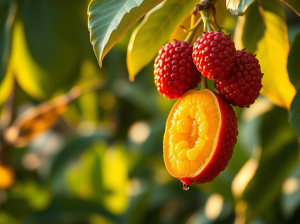
    🍃—the Manila Tamarind, also known as camachile, jungle jalebi, or opiuma depending on the region. Despite its misleading name, it’s not related to the true tamarind but belongs to the pea family Fabaceae. Let’s unwrap its hidden values and cultural depth:

    🌺 Manila Tamarind (Pithecellobium dulce): The Spiraled Wonder

    🍬 Flavor Profile & Culinary Uses

    • Taste: Sweet, tangy, musky, and slightly acidic. Red-fleshed pods are sweeter; white ones may cause mild throat irritation.
    • Texture: Doughy, chewy, wispy, and mildly grainy—melts on the tongue.
    • Culinary Rituals:
      • In Mexico, the pulp is blended into lemonade-like drinks with ginger or mint.
      • In India, roasted seeds are added to curries and stir-fries.
      • Used in desserts, chutneys, candies, and even pastries across tropical regions2.

    🌿 Nutritional & Medicinal Matrix

    NutrientAmount per 100gHealth Benefit
    Vitamin C133 mg (221% RDI)Immune boost, antioxidant, scurvy prevention
    Thiamine (B1)0.24 mg (16.6% RDI)Energy metabolism, nerve function
    Riboflavin (B2)0.10 mg (5.8% RDI)Skin and eye health
    Niacin (B3/B6)0.60 mg (3% RDI)Supports digestion and circulation
    Iron0.5 mg (2.7% RDI)Blood oxygenation
    Potassium222 mg (6.3% RDI)Electrolyte balance, heart health
    Fiber1.2%Digestive support
    Protein3%Tissue repair and growth

    🧪 Bonus: Contains rare polyphenols like kaempferol and dulcitol, used in folk medicine for ulcers, dysentery, reproductive health, and skin repair2.

    🧬 Ethnobotanical Wisdom

    Indigenous Use: Mesoamerican cultures used bark and pulp for gum ailments, hemorrhages, and toothaches.

    Pharmaceutical Interest: Modern medicine is exploring its bark, seeds, and leaves for anti-ulcer, anti-diabetic, and anti-inflammatory properties.

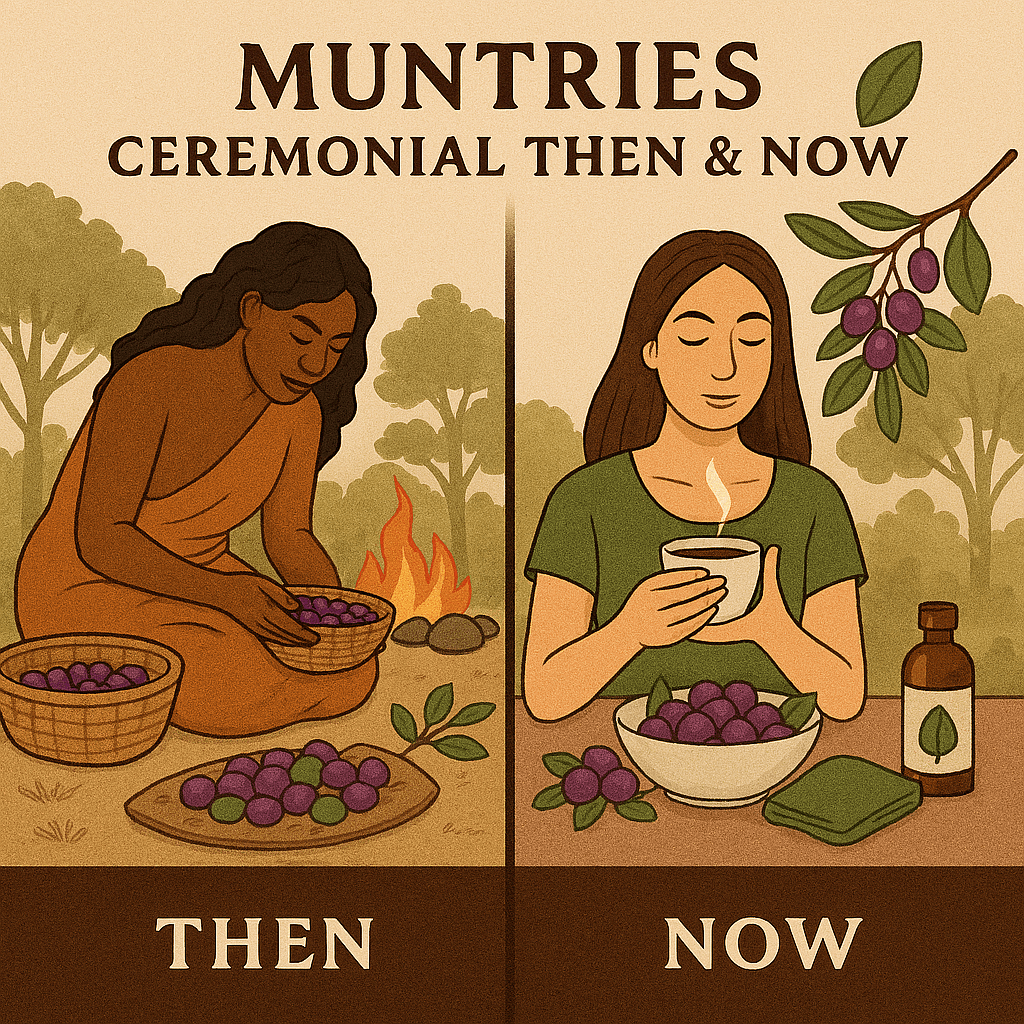
    Ceremonial Potential: Its coiled pods and vibrant pulp make it a symbolic fruit for cyclical healing and feminine energy rituals.

    🧊 Storage & Safety

    While native fruits offer exceptional health benefits, their potency and perishability demand mindful handling. Traditional wisdom and modern science both emphasize the importance of proper storage, preparation, and consumption.

    🧊 Storage Rituals & Techniques

    Cool & Dry: Many indigenous fruits—like bael, marula, or ice cream bean—retain their nutrients best when stored in breathable containers away from direct sunlight.

    Fermentation & Drying: Traditional methods like sun-drying (acerola, camu camu) or fermenting (noni, miracle fruit) not only preserve shelf life but enhance bioavailability and ritual value.

    Ceremonial Storage: In some cultures, fruits are wrapped in leaves or stored in clay vessels to honor their sacredness and prevent spoilage.

    ⚠️ Safety Precautions

    Allergen Awareness: Some native fruits contain latex-like compounds (jackfruit, soursop) or histamine triggers (durian, longan)—always test in small amounts and consult with a healthcare provider if sensitive.

    Toxic Parts: Seeds of fruits like ackee, custard apple, and tamarind may contain toxic alkaloids or cyanogenic compounds—never consume unless traditionally prepared and verified safe.

    Ripeness Matters: Unripe ackee, noni, or black sapote can cause nausea or toxicity. Traditional harvest timing and ripening rituals are key to safe consumption.

    🧪 Modern Handling Tips

    Refrigeration: For fruits with high moisture content (mamey, sapote, guava), refrigeration slows enzymatic breakdown but may dull flavor—wrap in paper towels to reduce condensation.

    Freezing: Freeze pulp or juice of fruits like camu camu, maqui, or acerola in small batches to preserve antioxidants.

    Labeling & Rotation: Always label with harvest or freeze date. Rotate stock to avoid spoilage and maintain potency.

    🧘 Ethical & Ritual Considerations

    Respect Indigenous Protocols: Some fruits are considered sacred and should not be commercialized or consumed outside ceremonial contexts without cultural consent.

    Sustainable Sourcing: Choose suppliers who honor traditional harvesting methods and avoid overexploitation of wild

    ! The Manila Tamarind is a powerhouse of traditional healing and nutritional goodness. Here’s a breakdown of its health benefits, both scientifically supported and rooted in indigenous wisdom 🌿:

    🌟 Health Benefits of Manila Tamarind

    🧬 Nutritional Boost

    Vitamin C (221% RDI): Strengthens immunity, fights oxidative stress, and supports collagen production.

    Thiamine (B1 – 16.6% RDI): Enhances energy metabolism and nerve function.

    Potassium (6.3% RDI): Regulates blood pressure and supports heart health.

    Iron (2.7% RDI): Aids in oxygen transport and prevents anemia.

    Fiber (1.2%): Promotes digestive health and satiety.

    🌿 Traditional & Medicinal Uses

    Astringent & Hemostatic: Bark and pulp used to treat gum ailments, hemorrhages, and toothaches.

    Digestive Relief: Bark extracts help with chronic diarrhea, dysentery, and even tuberculosis.

    Reproductive Health: Leaf extracts are used to prevent spontaneous abortion and treat gall ailments.

    Ulcer Treatment: Ground seeds are traditionally applied to ulcers.

    Wound Healing: Leaves are used for both open and closed wounds, showcasing antimicrobial potential.

    🌸 Ceremonial & Symbolic Potential

    Its coiled pod structure and dual-colored pulp make it a potent symbol in rituals for cyclical healing, feminine energy, and gut restoration.

    Native fruits often carry profound symbolic weight—used in rites of passage, seasonal festivals, healing rituals, and ancestral offerings. Their colors, textures, and flavors evoke stories of origin, resilience, and renewal.

    🌿 Cultural Significance

    • Spiritual Anchors: Fruits like bael (India), marula (Southern Africa), and noni (Polynesia) are revered as sacred gifts from nature, often linked to fertility, protection, or divine favor.
    • Seasonal Markers: Ice cream bean and sapote signal seasonal transitions in Amazonian and Mesoamerican calendars, used in solstice feasts or planting ceremonies.
    • Symbolic Pairings: Combining fruits with herbs, smoke, or chants amplifies their ritual potency—guava with basil for cleansing, mamey with cacao for abundance.

    🧘 Ritual Use Ideas

    • Ancestral Offering Bowl: Arrange sliced native fruits in a clay bowl with wildflowers, seeds, and handwritten intentions. Place near a window or altar during full moon.
    • Sensory Meditation: Slowly taste a fruit like black sapote or miracle fruit while reflecting on its journey from seed to mouth. Use breathwork to deepen awareness.
    • Healing Infusion: Brew dried bael or acerola with sacred herbs like tulsi or lemongrass. Sip while journaling or chanting.

    🍵 Ceremonial Recipe: “Fruit of the Ancestors” Ritual Elixir

    A warming, grounding drink inspired by indigenous traditions of seasonal transition and ancestral reverence.

    This version celebrates Manila tamarind—known for its sweet-sour pulp and vibrant pink pods. It’s often used in Filipino and South Asian traditions for cleansing, digestive balance, and seasonal transitions.

    🍵 Ingredients:

    • ½ cup fresh Manila tamarind pulp (remove seeds)
    • 1 tsp dried hibiscus petals (for tartness and color)
    • ½ tsp ginger powder
    • 1 tsp raw honey or coconut sugar
    • 1 cup warm water or lemongrass tea
    • Pinch of sea salt
    • Garnish: edible flower petals or fresh mint

    🔥 Instructions:

    1. Infuse: Steep hibiscus petals in warm water for 5–7 minutes. Strain.
    2. Blend: Combine tamarind pulp, ginger, honey, and hibiscus infusion. Blend until smooth.
    3. Warm & Serve: Gently heat the elixir. Pour into a clay or ceramic cup.
    4. Garnish & Intend: Top with mint or petals. Sip slowly while reflecting on renewal and ancestral connection.

    🌿 Symbolism:

    • Tamarind’s dual flavor mirrors the balance of joy and grief in ancestral memory.
    • Hibiscus represents heart-opening and feminine energy.
    • Ginger adds fire and digestive clarity—perfect for ritual transitions.

    🌕 Ritual Notes:

    • Best served during dusk or dawn, aligned with lunar phases.
    • Ideal for grounding before creative work, storytelling, or community gathering.
    • Can be adapted with local fruits like persimmon, fig, or blackberry if native options are unavailable.

    🍊 Vitamin & Nutrition Profile

    Manila tamarind isn’t just a symbolic fruit—it’s a nutritional gem with a unique blend of vitamins, minerals, and bioactive compounds that support holistic health.

    🌿 Key Nutrients

    • Vitamin C: Boosts immunity, collagen production, and skin health. Manila tamarind pulp contains notable levels, especially when fresh.
    • Iron: Supports blood oxygenation and energy. Traditionally consumed to combat fatigue and anemia.
    • Calcium & Phosphorus: Strengthen bones and teeth—especially valuable in communities with plant-based diets.
    • Magnesium: Aids in muscle function, mood regulation, and sleep cycles.

    🧬 Bioactive Compounds

    • Tannins: Found in the seed pods, these offer antimicrobial and anti-inflammatory properties.
    • Flavonoids: Help neutralize free radicals and support cardiovascular health.
    • Alkaloids: Traditionally used in digestive tonics and anti-parasitic remedies.

    🧘 Functional Benefits

    • Digestive Support: The sweet-sour pulp acts as a mild laxative and digestive stimulant.
    • Anti-inflammatory: Used in folk medicine to soothe joint pain and skin irritation.
    • Blood Sugar Balance: Fiber and polyphenols may help regulate glucose levels when consumed in moderation.

    🌿 Hidden Healing: Health Benefits of Manila Tamarind

    🍃 Nutritional Powerhouse

    Native fruits aren’t just flavorful—they’re biochemical marvels. Packed with phytonutrients, antioxidants, and adaptogenic compounds, they offer a potent synergy of nourishment and healing.

    🌈 Phytochemical Richness

    • Many indigenous fruits boast vibrant pigments—deep purples, fiery reds, golden yellows—that signal high levels of anthocyanins, carotenoids, and polyphenols.
    • These compounds help combat oxidative stress, reduce inflammation, and support cellular regeneration.

    💪 Functional Benefits

    • Camu camu and acerola cherry contain some of the highest natural vitamin C concentrations on Earth—boosting immunity and collagen synthesis.
    • Baobab is rich in soluble fiber and prebiotics, supporting gut health and blood sugar regulation.
    • Sea buckthorn offers omega-7 fatty acids, rare in plant sources, which aid skin repair and cardiovascular health.

    🧠 Brain & Mood Support

    • Adaptogenic fruits like schisandra and amla are used in traditional medicine to enhance mental clarity, reduce stress, and balance mood.
    • Magnesium-rich fruits such as sapote and soursop support neurological function and sleep cycles.

    🩸 Detox & Circulation

    • Bitter fruits like xoconostle and bitter melon stimulate liver function and aid in detoxification.
    • Iron-rich varieties like black currant and mamey sapote support blood oxygenation and energy levels.

    🧬 Longevity & Cellular Defense

    • Native berries like maqui and chokeberry have ORAC scores (antioxidant capacity) that rival or surpass commercial superfoods.
    • Their bioactive compounds may help slow aging, protect DNA, and reduce risk of chronic disease.

    🌸 Ethnobotanical Wisdom

    Astringent & Hemostatic: Bark and pulp used for gum ailments, hemorrhages, and toothaches.

    Digestive Relief: Bark extracts treat chronic diarrhea, dysentery, and tuberculosis.

    Reproductive Support: Leaf infusions used to prevent spontaneous abortion and soothe gall issues.

    Ulcer Healing: Ground seeds applied to skin ulcers.

    Wound Care: Leaves used for both open and closed wounds, showcasing antimicrobial potential.

    🌀 Ceremonial & Symbolic Use

    Native fruits have long transcended their nutritional value, becoming vessels of meaning in rituals, rites of passage, and seasonal celebrations. Their presence in ceremonies often reflects a community’s relationship with land, ancestry, and the divine.

    🌿 Spiritual Offerings & Ancestral Connection

    • Fruits like xoconostle, bael, or miracle berry are offered to deities or ancestors in indigenous ceremonies.
    • Their colors, shapes, and seasonal availability often symbolize renewal, fertility, or protection.
    • In Andean rituals, native berries are placed on altars to honor Pachamama (Mother Earth), reinforcing reciprocity between humans and nature.

    🔥 Fire, Smoke & Fruit: Ritual Pairings

    • Some fruits are dried and burned as incense or infused into ceremonial smokes to cleanse spaces or invoke spirits.
    • In Afro-Caribbean traditions, tropical fruits are paired with rum and herbs in libation rituals to summon ancestral guidance.

    🌀 Symbolism in Myth & Folklore

    • Many native fruits appear in origin stories or moral tales—like the marula in Southern Africa, believed to be a gift from the gods.
    • The ice cream bean (Inga edulis) is seen as a symbol of abundance and generosity in Amazonian lore.

    🌕 Seasonal & Lunar Rituals

    • Fruits are often consumed or displayed during solstices, equinoxes, or full moon ceremonies to mark transitions.
    • In Hawaiian hula rituals, fruits like ulu (breadfruit) represent growth and are used to bless dancers before performances.

    Seeds and dried fruit skins are worn as amulets or placed in homes to ward off illness or misfortune.

    The calabash fruit, when carved and painted, becomes a sacred vessel in West African and Caribbean spiritual practices.

    Manila tamarind is available in the U.S.—though it’s still a niche item. You can find it through specialty plant nurseries like Sow Exotic
    which offer it as a live tree or seedling, often grown from seed and capable of fruiting within 1–2 years. It’s also available for online grocery delivery through platforms like Weee!, which specialize in Asian and tropical produce.

    🌟 Little-Known Fact

    In parts of southern India and the Philippines, Manila tamarind seeds were once ground into a paste and used as a natural ink for sacred scripts and ceremonial markings. The deep purplish-black hue was prized not just for its color, but for its symbolic connection to protection, ancestral wisdom, and storytelling.

    This forgotten use reminds us that fruits are more than food—they’re vessels of memory, ritual, and creative expression.

  • The Healing Rituals of Mangosteen in Southeast Asia

    The Powerful and Nutritious Mangosteen: Origins & Rituals

    🧬 Who First Used Mangosteen?

    • Indigenous Southeast Asian communities were the earliest known cultivators and users of mangosteen, particularly in regions like the Malay Peninsula, Borneo, and the Molucca Islands.
    • The fruit was known locally as mangostan, and its use predates written records, embedded in oral traditions and healing practices.

    📜 What Was It Used For?

    • Medicinal Uses: Traditional healers used the rind (pericarp) to treat abdominal pain, infections, and skin conditions. Infusions were made for throat ailments and wound care.
    • Cultural Symbolism: Mangosteen was revered as a “guardian fruit,” believed to ward off illness and spiritual imbalance.
    • Colonial Interest: In the 18th century, botanist John Ellis wrote “A Description of the Mangostan and the Bread-Fruit”, elevating mangosteen’s status in British colonial horticulture.

    🕯️ When and How Was It Ritualized?

    • Healing Rituals: In various Southeast Asian cultures, applying mangosteen-based remedies was often accompanied by prayers or chants for protection and healing.
    • Ceremonial Use: The fruit occasionally appeared in religious offerings and symbolic events, especially in regions like Thailand and Indonesia.
    • Mythical Lore: Legends speak of mangosteen possessing magical healing powers, with some tales linking its origin to divine or mystical events.

    👑 Royal Fascination

    • Queen Victoria was so enchanted by mangosteen that she reportedly offered knighthood to anyone who could bring her fresh specimens—a testament to its allure and rarity.

    🌏 Mangosteen’s Global Journey: From Ancient Ritual to Modern Reverence

    First Use & Origins

    • Indigenous to Malaysia, Indonesia, and Thailand, mangosteen was first cultivated in tropical rainforests and revered for its sweet-tart flavor and healing properties.
    • Known as manggis, it was used in traditional medicine and ceremonial offerings symbolizing prosperity and fertility.

    Historical Spread

    • 1200–1600 AD: Traded via the Maritime Silk Road, reaching India, China, and the Arabian Peninsula.
    • 1775: British botanist John Ellis published A Description of the Mangostan and the Bread-Fruit, detailing its cultivation and transport.
    • 19th century: Introduced to the Caribbean and Americas, though it struggled outside tropical climates.

    Rituals & Symbolism

    • Used in healing rituals, with the rind brewed into teas and poultices.
    • Featured in fertility ceremonies and spiritual practices across Southeast Asia.
    • Nicknamed the “Queen of Fruits”, with legends linking it to Queen Victoria’s fascination and reward offer.

    Modern Superfruit Status

    • Today, mangosteen is celebrated for its antioxidant-rich profile, appearing in juices, supplements, and wellness rituals worldwide.

    📎 For a beautifully narrated version of this journey, check out the full story on FoodieCatch

    This Frozen Mango Yoghurt Bark tastes amazing!  Just 3 ingredients……. mix and freeze!  Creamy natural yoghurt drizzled in vanilla and sprinkled with mango pieces, frozen into a delicious and really healthy snack. Full Recipe

    The Mangosteen has been woven into ceremonial and spiritual traditions across Southeast Asia for centuries

    🕯️ Mangosteen Ancestral Infusion

    Ingredients

    • 1 ripe mangosteen (flesh and rind separated)
    • 2 cups spring water
    • 1 slice fresh ginger
    • 1 pandan leaf (optional)
    • 1 tsp honey or palm sugar

    Instructions

    1. Simmer rind and ginger in water for 10 minutes.
    2. Add flesh and pandan, steep for 5 more minutes.
    3. Strain, sweeten, and serve warm during reflection or ritual.

    Ceremonial Use: Traditionally sipped during harvest blessings or healing rites to invite clarity and balance.

    Intensive preparations commence. On the designated day, the local community gathers at the village temple, bringing various types of offerings as offerings to the gods. read more

     a priest (pemangku) leads a series of sacred mantras and prayers, accompanying the Lembu’s journey to the sacrificial site. read more

    🕯️ Ceremonial & Ritual Significance of Mangosteen

    👑 Symbol of Royalty and Prestige

    • Mangosteen earned the title “Queen of Fruits” not just for its flavor, but for its association with royal gardens and elite offerings.
    • In Thailand and Indonesia, it was often presented to honored guests or used in courtly rituals, symbolizing abundance and respect.

    🌿 Spiritual Offerings

    • The fruit’s vibrant purple rind and pure white flesh made it a favored offering in ancestral ceremonies and harvest blessings.
    • Villagers would place mangosteen on altars to protect homes, ensure good harvests, or invite divine favor.

    🧘 Healing Rituals

    • Traditional healers used mangosteen rind in medicinal infusions, often accompanied by chants or prayers for healing and balance.
    • In Bali, mangosteen is referenced in Lontar Taru Pramana, a sacred text detailing its use in treating skin ailments and spiritual imbalance.

    🖼️ Ritual Image of Mangosteen

    📍 From Budaya Bali—a glimpse into Manggis Village, where mangosteen is part of cultural and ceremonial life.

    🧪 Proven Medicinal Uses of Mangosteen

    🌿 1. Anti-Inflammatory Properties

    • Mangosteen contains xanthones, a unique class of polyphenols with strong anti-inflammatory effects.
    • Studies show xanthones may help reduce markers of inflammation linked to arthritis, heart disease, and diabetes.

    🛡️ 2. Antioxidant Powerhouse

    • Rich in vitamin C, manganese, and xanthones, mangosteen helps neutralize free radicals, which are tied to aging and chronic disease.
    • These antioxidants may support cellular health, reduce oxidative stress, and promote longevity.

    💪 3. Immune System Support

    • Mangosteen’s vitamin C and xanthones contribute to enhanced immune function, helping the body fight infections and maintain resilience.

    🧬 4. Improved Insulin Sensitivity

    • A clinical trial found that 400 mg of mangosteen extract daily for 26 weeks improved insulin sensitivity in women with obesity.
    • This suggests potential support for metabolic health and blood sugar regulation.

    🧘 5. Weight and Body Composition

    • In combination with other herbs, mangosteen extract was shown to reduce waist circumference and body fat in a controlled study.
    • While results are promising, more research is needed to isolate mangosteen’s specific role. @ Verywell Health

    🧴 6. Skin Health

    • Mangosteen’s antioxidants are used in topical skincare to reduce signs of aging and improve skin texture.
    • Traditional uses include applying the rind as a poultice for wounds and skin infections.

    🇺🇸 Mangosteen Availability in the U.S.

    ✅ Legal Status

    Once banned due to fears of the Asian fruit fly, mangosteen became legal in the U.S. in 2007 after irradiation methods were approved.

    (The real reason)

    🛒 Where to Find It

    • Fresh mangosteens are typically found in:
      • Asian supermarkets (especially in cities like San Francisco, NYC, LA)
      • Specialty grocers like New May Wah Market or H Mart
      • Online retailers such as Miami Fruit and Amazon
    • Freeze-dried mangosteen is sold at Trader Joe’s
    • Canned versions are available in many Asian grocery stores

    💸 Cost & Seasonality

    • Fresh mangosteen is often pricey—up to $14/lb—and highly seasonal.
    • Best availability is late spring to early fall, depending on import cycles.

    🌿 Cultivation Challenges

    • Mangosteen trees require high humidity and stable tropical temperatures, making U.S. cultivation difficult outside of Hawaii and Puerto Rico.

    The Mangosteen is notoriously difficult to cultivate. The fruit is believed to have come from Malaysia or Indonesia, and outside of its home region of Southeast Asia, the fruit struggles to survive READ MORE

    ⚠️ Safety & Precautions

    Mangosteen is generally safe when consumed as a fruit. @ Healthline.com

    High-dose supplements may interact with medications or cause digestive upset—especially in powdered rind form.

    Always consult a healthcare provider before using mangosteen medicinally, especially in capsule or extract form.

  • “Sweetness with Spirit: The Ceremonial Power of Kesar Mango”

    🍋🔥. While varieties like Alphonso, Ataulfo, Lippens, Haden, and Keitt get the spotlight, let’s shine a light on a lesser-known gem: Kesar mango.

    From temple offerings to summer feasts, the mango that carries memory.”

    From temple offerings to summer feasts, the mango that carries memory is more than fruit—it’s a vessel of ancestral sweetness. The Kesar mango, with its saffron-hued flesh and floral aroma, has long graced sacred rituals and seasonal tables across Gujarat. Its flavor evokes lineage, its pulp preserves tradition, and its presence in aamras and shrikhand whispers stories of devotion, celebration, and ecological reverence.

    🥭 The Little-Known Kesar Mango

    Often overshadowed by Alphonso, the Kesar mango is:

    • Origin: Cultivated in Gujarat, India, especially around the Girnar hills.
    • Flavor Profile: Intensely sweet, with a hint of saffron-like aroma (hence the name “Kesar,” meaning saffron).
    • Texture: Smooth, non-fibrous flesh—ideal for pulping and desserts.
    • Cultural Significance: Revered in Indian culinary traditions, used in shrikhand, aamras, and ceremonial offerings.
    • Harvest Season: Late April to early June.

    🌿 Bonus Underdogs Worth Mentioning

    If you’re building out a mango matrix or visual card, consider these:

    • Nam Doc Mai (Thailand): Floral, honeyed, and ultra-smooth.
    • Julie Mango (Caribbean): Small, spicy-sweet, and beloved in Jamaica and Trinidad.
    • Chok Anan (Thailand): Dual-season mango, nicknamed “miracle mango” for its ability to fruit twice a year.

    🧡 Kesar Mango Flavor Matrix

    Origin: Girnar Hills, Gujarat, India Season: Late April – Early June Texture: Silky, non-fibrous Flavor Notes:

    ElementDescription
    Sweetness🌟🌟🌟🌟🌟 (Intense, honeyed)
    AromaSaffron-like, floral
    AcidityLow
    Culinary UseAamras, shrikhand, mango lassi
    Ritual UseOffered in Hindu pujas and summer feasts

    This temple offering is centered around a bowl of golden aamras, tulsi leaf, lit diya, and marigold flowers. It beautifully evokes the sacred warmth and ancestral reverence

    🥭 Why Kesar Mango Is Healthy

    • Rich in Antioxidants: Contains beta-carotene and polyphenols that support cellular health and reduce inflammation.
    • High in Vitamin C: Boosts immunity, supports collagen production, and aids iron absorption.
    • Low Acidity: Gentle on digestion, making it ideal for ceremonial and everyday consumption.
    • Natural Sweetness: No need for added sugars—its honeyed pulp satisfies sweet cravings naturally.
    • Ecologically Grown: Often cultivated in traditional orchards with minimal chemical input, especially when sourced ethically.

    ⚠️ Wellness Disclaimer: While Kesar mango is nutrient-rich, always consider individual sensitivities. Those with diabetes or fructose intolerance should moderate intake. EJADA encourages mindful consumption rooted in ancestral wisdom and ecological respect.

    The Kesar mango wasn’t originally cultivated as a medicinal fruit, but its health benefits have made it a staple in traditional wellness practices. While there’s no documented evidence that it was first used to treat a specific condition, its properties have long been appreciated in Ayurvedic and folk remedies.

    🌿 Traditional Uses of Kesar Mango

    • Digestive Aid: Its low acidity and smooth pulp make it ideal for soothing digestion, especially when consumed as aamras or in fasting rituals.
    • Cooling Agent: In Ayurvedic tradition, ripe mangoes like Kesar are considered pitta-pacifying, helping cool the body during hot seasons.
    • Nutrient Booster: Rich in Vitamin C and beta-carotene, it’s used to support immunity and skin health.
    • Mood Enhancer: The natural sugars and aroma are believed to uplift mood and reduce fatigue—often served during summer festivals for this reason.

    🧡 While not a “treatment” in the pharmaceutical sense, Kesar mango has been woven into healing rituals, temple offerings, and seasonal diets that promote balance and vitality.

    All mango varieties—whether Kesar, Alphonso, Ataulfo, or Keitt—share a core set of health benefits rooted in their nutrient-rich profile and natural sweetness.

    🥭 Universal Health Benefits of Mangoes

    • 🛡️ Immunity Boost Rich in Vitamin C and A, mangoes support immune function and help fight infections.
    • 🌿 Digestive Support Contain enzymes like amylase that aid in breaking down carbohydrates and improving gut health.
    • 💛 Skin & Eye Health Beta-carotene and Vitamin A promote glowing skin and protect vision.
    • 🧠 Mood & Energy Natural sugars and B vitamins help uplift mood and combat fatigue.
    • 🧬 Antioxidant Power Polyphenols like mangiferin help reduce oxidative stress and inflammation.
    • 💧Hydration & Electrolytes High water content and potassium make mangoes ideal for replenishing fluids in hot climates.

    ⚠️ Wellness Disclaimer: While mangoes offer broad health benefits, individuals with diabetes, fructose intolerance, or latex allergies should consume mindfully. EJADA encourages respectful sourcing and ancestral balance in all fruit rituals.


    Image of the mango coconut chia pudding—creamy, velvety, and bursting with natural brightness from fresh Kesar mango. full recipe

    Kesar Mango Coconut Chia Pudding, based on a 1-cup serving:

    🧡 Nutritional Value (Per 1 Cup / ~236g)

    NutrientAmount% Daily Value*
    Calories315 kcal—
    Protein7.9 g16%
    Fat15.8 g20%
    Saturated Fat9.5 g47%
    Carbohydrates39.4 g14%
    Sugars23.7 g—
    Dietary Fiber9.5 g34%
    Calcium237 mg18%
    Iron2.4 mg13%
    Potassium394 mg8%
    Sodium79 mg3%

    🥥 Highlights:

    • High in fiber and healthy fats from chia and coconut
    • Rich in Vitamin C and antioxidants from mango
    • Naturally dairy-free and gluten-free
    • Great for digestion, hydration, and sustained energy

    ⚠️ Disclaimer: Nutrient values may vary based on mango ripeness and coconut milk type. EJADA recommends mindful consumption and allergen awareness.

    Kesar Mango Coconut Chia Pudding is generally considered a healthy, plant-based option, there are a few groups who should consume it with caution—or avoid it altogether:

    ⚠️ Who Should Be Cautious & Why

    GroupReason for Caution
    People with diabetesMango and coconut milk contain natural sugars and fats that may spike blood sugar.
    Fructose intolerantMango is high in fructose, which can cause bloating or discomfort.
    Nut or seed allergiesChia seeds and coconut may trigger allergic reactions in sensitive individuals.
    Low-fiber dietsChia seeds are extremely high in fiber, which may cause digestive upset if unaccustomed.
    Latex allergy sufferersMango contains compounds that may cross-react with latex allergies.
    Infants under 1 yearChia seeds can be a choking hazard and mango’s acidity may irritate sensitive digestion.

    🧠 Wellness Fact: Mangoes Support Brain & Mood Health

    Mangoes are rich in Vitamin B6 and copper, which help regulate mood, support nerve function, and aid in red blood cell production. Their natural sugars and hydration also provide clean-burning energy without the crash—making them a vibrant, feel-good fruit for both body and mind.

    🧡 EJADA Note: Mango isn’t just sweet—it’s smart. Ancestral fruits like Kesar carry nutrients that nourish the whole self, from cognition to ceremony.

    🧡 Wellness Note: Always consult with a healthcare provider if you have dietary restrictions or allergies. We honor ancestral wisdom and ecological stewardship—mindful consumption is key.

  • Mamey Sapote: Recipes, Benefits, and Cultural History

    🌿 Good News! I found this wonderful little-known fruit called Mamey Sapote.

    It’s a fruit rich in tradition, first cultivated by the Maya and Aztecs in pre-Columbian Mesoamerica. Revered for its creamy texture and sweet, pumpkin-like flavor, the Maney Sapote—more commonly known as Mamey Sapote (Pouteria sapota)—was used not only as a staple food but also in medicinal preparations and ceremonial offerings.

    Spanish explorers encountered it in the 16th century and helped spread its cultivation across the Americas. Its vibrant orange-red flesh and almond-like undertones made it a prized ingredient in indigenous diets, often mashed into porridges, fermented into drinks, or blended with cacao for sacred rituals.

    📝 Note on Naming: While “Maney” may appear in some oral traditions or regional dialects, the correct botanical name is Mamey Sapote. We honor both linguistic drift and scientific clarity.

    🍽️ Mamey Sapote Flavor Matrix

    Bridging tradition, taste, and transformation

    PreparationFlavor ProfileCultural UseModern Twist
    Raw & RipeCreamy, pumpkin-like, hints of almondEaten fresh in Maya & Aztec ritualsSmoothie bowls, fertility elixirs
    Roasted (🔥)Smoky, caramelized, earthyCeremonial side dishPaired with grilled fish or root veggies
    Jammed with Cacao 🍯Sweet, spiced, sacredRitual preserves, lunar offeringsSpread on sourdough, used in energy bites
    Ice Cream 🍨Custardy, tropical, nostalgicCaribbean dessert traditionVegan coconut-based indulgence
    Flan or Cheesecake 🍮Silky, spiced, celebratoryFestive gatheringsPlant-based or infused with rum
    Smoothie 🍹Tropical, refreshing, energizingMorning ritual drinkPost-yoga or solstice refreshment
    Pudding with Basil 🍃Herbal, creamy, unexpectedFertility and creativity ritualsServed in eco-conscious retreats
    Glazed Chicken 🍗Sweet-savory, aromaticHarvest feastsFusion cuisine centerpiece

    🔗 Explore More

    Natural Food Series: Health Benefits of Mamey Sapote

    Healthline: Nutritional Breakdown & Uses

    WebMD: Digestive, Heart & Skin Benefits

    Nutrition Advance: Carotenoids & Polyphenols

    🍯 Ceremonial Jam Recipe: Mamey & Cacao Ritual Preserve

    Ingredients

    • 2 cups ripe mamey sapote flesh (peeled and deseeded)
    • 1 tbsp raw cacao powder
    • 1 tsp grated cinnamon bark
    • 1 tbsp lime juice
    • ½ cup raw honey or piloncillo syrup
    • Pinch of sea salt

    Instructions

    1. Mash mamey flesh until smooth.
    2. In a saucepan, combine all ingredients over low heat.
    3. Stir continuously for 20–25 minutes until thickened.
    4. Cool and store in a glass jar. Use during full moon rituals or as a morning offering.

    📜 Cultural Timeline: Mamey Sapote Through the Ages

    EraCultural UseRegion
    Pre-16th CenturyRitual food, medicinal pasteMaya & Aztec civilizations
    16th CenturyIntroduced to Europe by Spanish explorersMexico, Central America
    19th CenturyBrought to Florida by Caribbean settlersSouth Florida
    20th CenturyBecame a staple in Cuban-American cuisineMiami-Dade County
    TodayUsed in smoothies, jams, desserts, and wellness tonicsLatin America & U.S. markets

    🧠 Health Benefit Breakdown

    NutrientBenefit
    Vitamin CBoosts immunity
    Vitamin ASupports eye health
    FiberAids digestion
    PotassiumRegulates blood pressure
    CarotenoidsAntioxidant protection

    🍽️ Mamey Sapote Recipe Collection: From Ritual to Indulgence

    1. Mamey Sapote Ice Cream A tropical twist on classic comfort.

    • Ingredients: Mamey pulp, cream, milk, sugar, egg yolks, vanilla
    • Flavor: Pumpkin pie meets sweet potato custard
    • Use: Serve during solstice gatherings or as a cooling summer treat

    2. Roasted Mamey Sapote Simple, smoky, and ceremonial.

    • Instructions: Halve fruit, oil and salt the flesh, wrap in foil, roast at 400°F for 15 mins
    • Use: As a side dish for ancestral feasts or paired with grilled fish

    3. Mamey Sapote Flan Silky custard with Caribbean soul.

    • Ingredients: Pureed mamey, cream cheese, condensed milk, rum, eggs
    • Use: Offer during lunar rituals or family celebrations

    4. Raw Pumpkin-Spiced Mamey Cheesecake Bites Whole-food indulgence with a sacred twist.

    • Ingredients: Mamey, pumpkin spice, coconut oil, dates, walnuts
    • Use: Perfect for equinox ceremonies or wellness retreats

    5. Mamey Coconut Smoothie Island vibes in a glass.

    • Ingredients: Mamey, coconut milk, pineapple, mango
    • Use: Morning ritual drink or post-yoga refreshment

    6. Mamey Sapote, Banana & Basil Pudding Unexpected and divine.

    • Ingredients: Mashed mamey, banana, fresh basil
    • Use: A tropical offering for creative or fertility rituals

    7. Mamey Glazed & Spiced Chicken Savory meets sacred.

    • Ingredients: Mamey puree, white wine, Pernod, cinnamon, cloves
    • Use: Serve at harvest festivals or culinary storytelling events

    8. Vegan Mamey Ice Cream Plant-based and ceremonial.

    • Ingredients: Mamey, coconut milk, almond extract
    • Use: Ideal for eco-conscious gatherings or solstice feasts

    This fruit may cause sudden cravings for ancestral wisdom and tropical indulgence. Always consult a healthcare provider before using mamey sapote medicinally—especially if pregnant, allergic to latex, or managing chronic conditions.

    🧠 Mamey Sapote: Health Benefits Then & Now

    🌿 Ancient Wisdom (Then)

    UsePurposeCultural Context
    Digestive AidSoothed stomach ailmentsMaya & Aztec healing rituals
    Energy BoosterSustained warriors & laborersCeremonial nourishment
    Skin & Hair ElixirPromoted hair growth, treated skinTopical seed oil applications
    Fertility EnhancerBoosted reproductive vitalityRitual consumption

    🔬 Modern Wellness (Now)

    NutrientBenefitUse Today
    Vitamin CImmunity, collagenSmoothies, skincare tonics
    Vitamin AEye health, skin renewalAnti-aging blends
    Vitamin B6Brain function, moodAdaptogenic snacks
    PotassiumHeart health, muscle supportPost-workout smoothies
    MagnesiumStress relief, sleepEvening elixirs
    FiberDigestion, blood sugar balanceGut-friendly desserts
    CarotenoidsAntioxidant protectionAnti-inflammatory jams

    What Does Mamey Sapote Taste Like? FULL RECIPE

    Ingredients

    •1 cup Mamey Sapote Pulp

    •1 cup Heavy Cream

    •1 cup Whole Milk

    •0.75 cup Granulated Sugar

    •5 Egg Yolks

    •1 teaspoon Vanilla Extract

    ⚠️ Precautions & Side Effects of Mamey Sapote

    🧪 Modern Considerations

    • Latex Allergy Risk: Mamey sapote contains natural latex. Individuals with latex allergies may experience cross-reactivity and should avoid consuming it or consult a healthcare provider first.
    • Seed Toxicity: The large seed inside the fruit is not edible and may contain toxic compounds. Always remove it before preparation.
    • Ripeness Matters: Unripe mamey sapote can be bitter and may cause stomach discomfort. Ensure the fruit is fully ripe—soft to the touch and fragrant—before eating.
    • High Sugar Content: While natural, the fruit is rich in sugars. Those managing diabetes or blood sugar levels should consume it in moderation.

    🕯️ Traditional Warnings

    • Ceremonial Use Only: In some indigenous cultures, mamey was reserved for ritual use and not consumed casually. Overuse was believed to disrupt energetic balance.
    • Pregnancy Caution: Traditional healers sometimes advised pregnant women to avoid certain sapote varieties due to their potent energetic properties. Modern science hasn’t confirmed this, but caution is advised.

    📝 Safe-Use Disclaimer

    This fruit is a sacred gift—but not a cure-all. If you have known allergies, are pregnant, or managing chronic conditions, consult a qualified health professional before incorporating mamey sapote into your wellness routine.

    ✅ Traditional & Modern Wellness References

    🌿 Natural Food Series – Covers antioxidant, digestive, and reproductive health benefits.

    🧬 Healthline – Breaks down vitamin content and modern dietary uses.

    🩺 WebMD – Highlights colon health, anemia prevention, and tissue repair.

    📊 Nutrition Advance – Explores polyphenols, carotenoids, and anti-inflammatory potential.

    wrap this post up with all the good news there are still a need to choose wisely

    🌟 Wrapping It Up: A Fruit Worth Celebrating

    Good News! We’ve uncovered the vibrant legacy of Mamey Sapote—a fruit steeped in ancestral tradition, bursting with flavor, and brimming with health benefits. From ceremonial jams and roasted rituals to antioxidant-rich smoothies and skin-nourishing nutrients, this tropical treasure offers nourishment for body, spirit, and story.

    But as with all sacred gifts from nature…

    Always choose wisely what you consume. Respect the fruit’s origins, honor its cultural significance, and stay informed about its effects on your unique body. Wellness begins with awareness.

  • Mammee Apple: Cultural and Culinary Treasure

    Have You Ever Heard of the Mammee Apple?

    🍑 Not quite an apple, not quite a mango—this tropical treasure is a bold burst of flavor wrapped in centuries of cultural lore. Native to the Caribbean and parts of Central and South America, the Mammee Apple (Mammea americana) has been revered in indigenous rituals, colonial kitchens, and modern wellness circles alike. Its vibrant orange flesh is sweet, tangy, and aromatic—often described as a mix between apricot, passionfruit, and honeyed citrus.

    🔥 Ceremonial Roots & Cultural Lore

    • Caribbean Rituals: Traditionally used in fertility rites and seasonal feasts, Mammee Apple was believed to invoke abundance and vitality.
    • Medicinal Offerings: In Afro-Caribbean herbalism, the bark and seeds were used in poultices and infusions to treat skin conditions and digestive issues.
    • Colonial Kitchens: Mammee preserves and punches were staples in 18th-century Creole cuisine, often served during harvest festivals.

    🌱 Medicinal Benefits

    BenefitActive CompoundsTraditional Use
    Antioxidant BoostPolyphenols, Vitamin CSkin tonics, immune support
    AntiparasiticCoumarins in seedsSeed infusions for intestinal health
    Anti-inflammatoryTriterpenesBark decoctions for joint pain

    ⚠️ Safety Note: Mammee seeds contain toxic compounds and should never be consumed raw. Always consult a qualified herbalist before use.

    🍽️ Flavor Matrix: Mammee Apple

    Flavor NoteDescriptionCulinary Pairings
    ApricotVelvety, mellow sweetness with a hint of tartYogurt, nut butters, herbal teas
    PassionfruitTropical tang with floral high notesCoconut cream, chili, citrus zest
    CitrusBright, zesty undertone with a bitter edgeLime, ginger, fermented sauces

    🌀 Mammee Apple’s flavor profile dances between sun-drenched orchard fruit and wild tropical tang—ideal for ceremonial jams, fermented chutneys, or bold fruit punches.

    🍯 Branded Recipe Card: Mammee Apple Ceremonial Jam

    Ingredients

    • 2 cups ripe Mammee Apple flesh
    • 1 tbsp grated ginger
    • 1 tsp lime zest
    • ½ cup raw honey
    • Pinch of sea salt
    • Optional: splash of rum for ritual flair

    Instructions

    1. Mash Mammee flesh until smooth.
    2. Combine all ingredients in a saucepan over low heat.
    3. Simmer for 20–25 minutes until thickened.
    4. Cool and jar with a ceremonial label: “Vitality & Sweetness”

    Ceremonial celebrations around the Mammee Apple are deeply rooted in Caribbean and Afro-indigenous traditions, often blending seasonal abundance with spiritual reverence.

    🌺 Preparation Rituals for Mammee Apple Ceremonies

    1. Harvesting with Intention

    • Fruits are gathered at peak ripeness—when their skin turns golden and the aroma intensifies.
    • Elders or designated harvesters may offer a spoken blessing or pour libations to honor the tree’s spirit.

    2. Sacred Cleansing

    • The Mammee Apples are washed in herbal infusions (often with lemongrass, basil, or bay leaf) to cleanse and energize them.
    • Some traditions include smoke cleansing with burning sage, sweetgrass, or native resins.

    3. Altar Creation

    • A ceremonial altar is built using natural elements: woven mats, tropical flowers, candles, and symbolic tools like sun shields or ritual blades.
    • Mammee Apples are placed at the center, often sliced open to reveal their vibrant flesh.

    4. Communal Preparation

    • The fruit is transformed into ceremonial jam, fermented punch, or infused oils, often prepared in clay pots or copper pans.
    • Recipes are shared orally, passed down through generations, and sometimes sung as part of the ritual.

    5. Invocation & Offering

    • Participants may chant, drum, or dance to invoke ancestral presence and celebrate vitality.
    • A portion of the prepared Mammee dish is offered back to the earth or placed on the altar as a gesture of gratitude.

    6. Feasting & Storytelling

    • The ceremony culminates in a communal feast where Mammee Apple dishes are served alongside other seasonal foods.
    • Elders share stories of the fruit’s origin, its healing properties, and its symbolic role in local cosmology.

    🍊 Celebrate the Mammee Apple

    An apple with this much flavor deserves celebrating. From its sun-kissed flesh to its ancestral roots, the Mammee Apple isn’t just a fruit—it’s a ritual, a remedy, and a radiant reminder of nature’s abundance. Whether stirred into ceremonial jam or honored on a tropical altar, it invites us to feast, reflect, and reconnect.

    🔥 Try This: Ceremonial Mammee Jam

    Infuse your pantry with tradition. Our ceremonial jam recipe blends Mammee Apple pulp with warming spices and ancestral techniques. Perfect for gifting, rituals, or a bold breakfast spread.

    🌿 Safe Use & Sourcing

    Mammee Apple seeds and bark contain compounds that may be toxic if consumed improperly. Always use ripe fruit flesh and consult local herbalists or ethnobotanical sources when exploring traditional remedies

  • Malayan Grape: Recipes, Rituals, and Nutritional Insights

    Let’s give the Malayan Grape its moment in the spotlight 🍇—a fruit as bold and mysterious as its name suggests.

    🌿 Malayan Grape (Vitis malayana): The Jungle Jewel of Southeast Asia

    🍇 Origins & Identity

    • Native Range: Tropical rainforests of Peninsular Malaysia and parts of Borneo.
    • Botanical Profile: A wild vine species with deep purple, marble-sized fruits. Not a true grape, but named for its resemblance.
    • Cultural Echoes: Traditionally foraged by Orang Asli communities; used in forest rituals and seasonal feasts.

    🧬 Medicinal Lore

    • Antioxidant-rich: High in anthocyanins and polyphenols—linked to anti-inflammatory and anti-aging properties.
    • Traditional Use: Decoctions made from leaves and bark used to treat fevers and skin ailments.
    • Modern Interest: Studied for potential anti-cancer and neuroprotective effects.

    🍵 Ceremonial Recipe: Rainforest Revival Elixir

    A cooling drink once shared during monsoon gatherings.

    Ingredients:

    • 1 cup fresh Malayan grapes (or substitute with wild muscadines)
    • 2 pandan leaves, knotted
    • 1 tbsp lemongrass syrup
    • 1 tsp calamansi juice
    • 2 cups spring water

    Instructions:

    1. Crush grapes gently and steep with pandan in simmering water for 10 minutes.
    2. Strain, stir in syrup and calamansi.
    3. Serve chilled in coconut shell cups with a sprinkle of toasted rice.

    🌀 Flavor Matrix

    ElementProfilePairings
    FleshTart, earthy, slightly muskyPalm sugar, ginger, hibiscus
    SkinAstringent, tannicFermented teas, cacao nibs
    SeedsBitter, medicinalGround into forest spice blends

    ⚠️ Safe Use & Sustainability

    • Allergen Note: May trigger reactions in those sensitive to tannins.
    • Harvest Ethically: Avoid over-foraging; support indigenous-led conservation efforts.

    The Malayan Grape, while lesser-known than its cultivated cousins, offers a fascinating range of uses beyond fresh consumption. Here’s a deeper dive into its versatility:

    🍇 Other Uses of the Malayan Grape

    🌿 Traditional & Medicinal Applications

    • Leaf decoctions: Used by indigenous communities to treat skin conditions, fevers, and digestive issues.
    • Bark infusions: Sometimes applied topically for inflammation or brewed for internal cleansing rituals.
    • Seed powder: Ground and added to forest spice blends or used in poultices for joint pain.

    🧴 Wellness & Skincare Potential

    • Antioxidant-rich extracts: The fruit’s deep pigmentation suggests high anthocyanin content, which may be useful in anti-aging serums or tonics.
    • Natural dye: The skin yields a rich purple hue, ideal for botanical inks or food-safe coloring in ceremonial dishes.

    🍶 Culinary Innovations

    • Fermented beverages: Locally, the fruit is sometimes used in small-batch fermentation to create tart jungle wines or vinegars.
    • Wild preserves: Combined with palm sugar and spices, it makes a bold jam or chutney with earthy undertones.
    • Flavor enhancer: Dried and ground, it can be added to spice rubs or forest-inspired trail mixes.

    🧵 Cultural & Decorative Use

    • Ceremonial garlands: In some forest rituals, the vines and fruit clusters are woven into offerings or worn during seasonal transitions.
    • Table dĂŠcor: The fruit’s striking color and clustered form make it a natural fit for rustic centerpieces or heritage-themed platters.
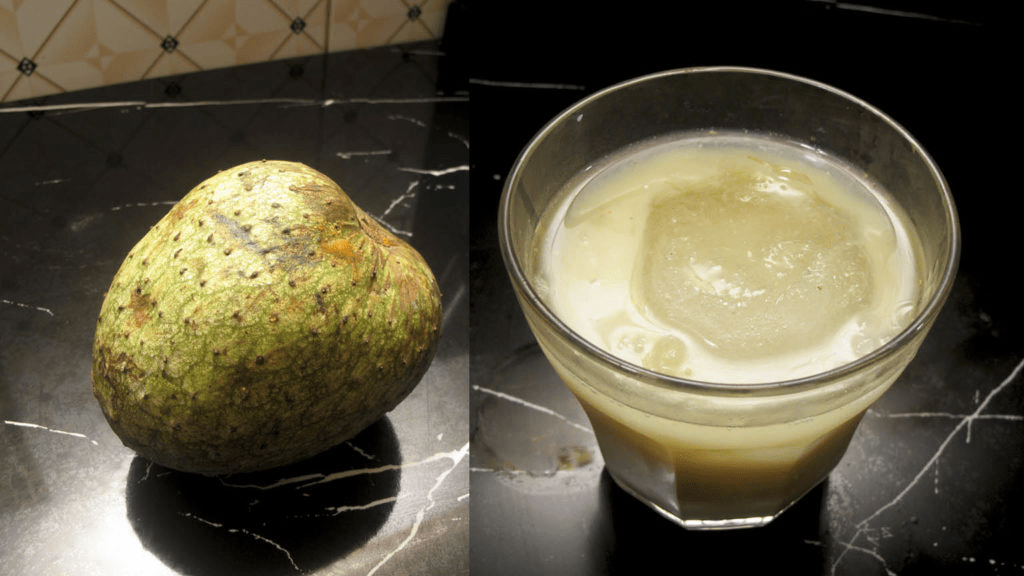
    The Malayan Grape may not have a widely documented ceremonial ritual like its cultivated cousins, but its wild, forest-dwelling nature lends itself beautifully to indigenous and symbolic practices rooted in Southeast Asian traditions. Drawing from regional lore and broader grape symbolism, here’s a ceremonial concept that honors its mystique:

    🍇 Ceremonial Ritual of the Malayan Grape: Rites of Rain and Renewal

    🌧️ Context & Cultural Setting

    Among forest-dwelling communities in Peninsular Malaysia and Borneo, seasonal fruiting of wild vines like the Malayan Grape often coincides with the monsoon’s arrival—a time of cleansing, fertility, and ancestral communion.

    🌀 Ritual Elements

    1. Forest Gathering

    • Participants forage Malayan Grapes at dawn, offering silent gratitude to the spirits of the land.
    • Vines are never cut—only fallen or naturally shed clusters are collected, honoring ecological balance.

    2. Rain Invocation

    • Grapes are placed in woven rattan baskets and sprinkled with spring water infused with lemongrass and pandan.
    • A chant is performed to invite rain and renewal, echoing the cyclical nature of life and harvest.

    3. Ancestral Offering

    • A portion of the grapes is placed on a leaf altar alongside betel nut, turmeric, and rice.
    • Smoke from burning agarwood carries the offering to ancestral spirits.

    4. Communal Elixir

    • Grapes are crushed by hand and mixed with calamansi juice, wild honey, and toasted rice water.
    • The drink is shared in coconut shell cups, symbolizing unity, healing, and abundance.

    5. Blessing of the Vines

    • Elders walk the forest perimeter, tying dyed threads to vines as a sign of protection and gratitude.
    • Children are invited to plant new vine cuttings, continuing the cycle.

    🔮 Symbolism & Spiritual Meaning

    • Abundance & Fertility: The clustered fruit mirrors prosperity and communal strength.
    • Transformation: Like wine from grapes, the ritual marks personal and seasonal renewal.
    • Connection to Ancestors: The offering bridges the living and the departed, honoring lineage and land.

    This ritual blends indigenous reverence with broader grape symbolism found in spiritual traditions worldwide

    Here’s a nutrient-rich breakdown of the Malayan Grape, based on its wild grape relatives and inferred botanical profile 🍇:

    🧬 Nutritional & Vitamin Profile of Malayan Grape@ Healthline

    While specific lab data on Vitis malayana is limited, wild grapes in the same genus share similar nutritional traits. Here’s what we can reasonably expect:

    🌟 Key Vitamins

    • Vitamin C – Boosts immunity, supports collagen production, and acts as an antioxidant.
    • Vitamin K – Essential for blood clotting and bone health.
    • Vitamin A – Supports vision, skin health, and immune function.
    • B-complex Vitamins – Includes B1 (thiamine), B2 (riboflavin), and B6, which aid in energy metabolism and nervous system function.

    🧪 Minerals & Antioxidants

    • Potassium – Helps regulate blood pressure and fluid balance.
    • Copper – Vital for energy production and iron metabolism.
    • Manganese – Supports bone formation and antioxidant defense.
    • Anthocyanins – Powerful antioxidants found in the skin, linked to anti-inflammatory and anti-aging effects.
    • Resveratrol – A polyphenol with heart-protective and anti-cancer potential, concentrated in grape skins and seeds.

    🍽️ Nutritional Snapshot (per 100g, estimated from wild grape data)

    NutrientApproximate Value
    Calories60–70 kcal
    Carbohydrates15–18 g
    Fiber1–2 g
    Protein0.5–1 g
    Fat<0.5 g
    Vitamin C5–10% DV
    Vitamin K15–20% DV
    Potassium150–200 mg

    🍇 Malayan Grape Forest Chutney: Ritual Preserve for Renewal

    🌿 Inspired by ancestral rain rites and jungle feasts, this chutney is crafted to be shared during seasonal transitions, moon gatherings, or wellness rituals.

    🧂 Ingredients

    • 2 cups fresh Malayan grapes (or wild muscadines)
    • 1 tbsp grated ginger
    • 1 tsp toasted mustard seeds
    • 1 small red chili, finely chopped
    • 1/2 cup palm sugar or jaggery
    • 1/4 cup tamarind pulp
    • 1/2 tsp salt
    • 1/4 tsp turmeric
    • 1 pandan leaf, knotted
    • Optional: 1 tbsp chopped fresh curry leaves

    🔥 Instructions

    1. Crush grapes gently and simmer with pandan leaf in a clay pot or heavy-bottomed pan.
    2. Add ginger, chili, turmeric, and mustard seeds. Stir until fragrant.
    3. Mix in tamarind pulp and palm sugar. Simmer until thick and glossy (about 20–25 minutes).
    4. Remove pandan leaf. Stir in salt and curry leaves.
    5. Cool and store in glass jars. Serve during rituals with flatbreads, rice cakes, or ceremonial teas.

    🌀 Ritual Use

    • Moon Offering: Place a spoonful on a banana leaf during full moon meditations.
    • Healing Circle: Share with herbal tea to mark transitions or new beginnings.
    • Forest Feast: Pair with roasted root vegetables or wild greens.

    The Malayan Grapes (and wild grapes in general) offer many health benefits, certain groups should approach them with caution or avoid them altogether.

    ⚠️ Groups That Should Avoid or Limit Malayan Grape Consumption

    1. Individuals with Grape Allergies

    • Symptoms: Skin rashes, hives, respiratory issues, nausea, or vomiting.
    • Action: Avoid all grape varieties, including wild types like Malayan Grape. Seek allergy testing if symptoms occur.

    2. People with Fructose Intolerance or IBS

    • Why: Grapes contain high levels of fructose and insoluble fiber, which can trigger bloating, gas, or diarrhea.
    • Tip: Avoid on an empty stomach and monitor portion sizes.

    3. Diabetics or Those with Blood Sugar Concerns

    • Issue: Grapes have a moderate glycemic index and natural sugars that may spike blood glucose.
    • Advice: Consume in small portions and pair with protein or fiber-rich foods to stabilize blood sugar.

    4. Individuals with Kidney Disorders

    • Concern: Grapes are rich in potassium, which can be problematic for those on potassium-restricted diets.
    • Recommendation: Consult a healthcare provider before including grapes in your diet.

    5. People Taking Certain Medications

    • Interaction Risk: Grape compounds may interfere with liver enzymes that metabolize medications like statins, blood pressure drugs, and immunosuppressants.
    • Solution: Check with your doctor or pharmacist if you’re on medications metabolized by the liver.

    6. Children Under Age 2

    • Choking Hazard: Whole grapes pose a risk. Always peel and quarter before serving.

    🌺 Final Reflections: A Fruit of Ritual, Resilience, and Renewal

    The Malayan Grape is more than a wild jungle berry—it’s a symbol of ancestral rhythm, ecological reverence, and ceremonial nourishment. Whether steeped into elixirs, crushed into chutneys, or woven into forest rituals, it invites us to reconnect with the land and its wisdom.

    From its antioxidant-rich skin to its tart, transformative flavor, this fruit bridges tradition and trend—just like EJADA’s mission. May its story inspire your audience to forage deeper into heritage, healing, and holistic indulgence.

    ⚠️ Disclaimer & Safe Use Guidance

    This content is intended for educational and cultural storytelling purposes only. The Malayan Grape (Vitis malayana) is a wild species not widely cultivated or clinically studied. Individuals with grape allergies, kidney conditions, diabetes, or those on medications affecting liver enzymes should consult a healthcare provider before consumption. Children under age 2 should not consume whole grapes due to choking risk.

    Always forage responsibly and support indigenous-led conservation efforts. When in doubt, choose cultivated analogs like muscadine or jaboticaba for culinary use.

    🌍 Where to Find Malayan Grape (Medinilla myriantha)

    Ornamental Plant Retailers

    • Gabriella Plants (Florida, USA) Offers Medinilla myriantha as a shade-loving houseplant with grape-like flower clusters. Not edible, but visually stunning. Available at Gabriella Plants
    • Walmart (Online Marketplace) Occasionally stocks the “Rare Grape Malaysian Orchid Plant” in 4″ pots. Availability may vary. View listing on Walmart
    • Orchids.com Sells Medinilla myriantha under the name “Malaysian Grape” as a rare, limited ornamental species. Shop at Orchids.com

    ⚠️ Important Notes

    • Not Edible: These ornamental versions are prized for their cascading pink-purple blooms that resemble grape clusters, but the berries are not considered edible.
    • Wild Foraging: True wild Vitis malayana (if distinct from Medinilla) may be foraged in parts of Peninsular Malaysia and Borneo, but availability is extremely limited and not commercialized.
  • Discovering Malabar Melon: A Culinary and Medicinal Marvel

    Malabar melon is a fascinating fruit with deep culinary and medicinal roots across South and Southeast Asia. It’s often confused with cucumbers due to its appearance and local naming conventions, but it’s actually a type of culinary melon, scientifically known as Cucumis melo var. conomon or acidulus depending on the region@Melon

    🍈 What Is Malabar Melon?

    • Common Names: Malabar cucumber, vellarikka (Kerala), dosakaya (Andhra Pradesh), southekayi (Karnataka), Madras cucumber (Tamil Nadu)
    • Botanical Identity: A non-dessert melon variety used as a vegetable, not a sweet fruit
    • Appearance: Varies by region—yellow or green rind, ovate to globular shape, typically weighing 0.5–1.5 kg
    • Taste & Texture: Mildly sour, gourd-like when cooked

    🌱 First Cultivation of Malabar Melon

    🗺️ Origins & Spread

    • Native Region: Likely domesticated in India, particularly the Malabar Coast (modern-day Kerala), where it has long been used as a vegetable melon.
    • Historical Cultivation: Melons (Cucumis melo) were cultivated in Egypt over 4,000 years ago, but the sour culinary varieties like Malabar melon likely emerged later through selective breeding in tropical South Asia.
    • Trade Influence: The spread of melon varieties was facilitated by ancient trade routes, including maritime exchanges between India, Southeast Asia, and the Middle East.

    🧬 Botanical Relatives

    • Culinary Melon Group: Malabar melon belongs to the acidulus/conomon group of Cucumis melo, which are non-dessert melons used for cooking rather than sweet consumption.
    • Distinct from Malabar Gourd: Cucurbita ficifolia, also called Malabar gourd or shark fin melon, originated in South America and was introduced to India in the 16th–17th centuries via colonial trade routes.

    🗺️ Origins & Spread

    • Native Region: Likely domesticated in India, particularly the Malabar Coast (modern-day Kerala), where it has long been used as a vegetable melon.
    • Historical Cultivation: Melons (Cucumis melo) were cultivated in Egypt over 4,000 years ago, but the sour culinary varieties like Malabar melon likely emerged later through selective breeding in tropical South Asia.
    • Trade Influence: The spread of melon varieties was facilitated by ancient trade routes, including maritime exchanges between India, Southeast Asia, and the Middle East.

    🧬 Botanical Relatives

    • Culinary Melon Group: Malabar melon belongs to the acidulus/conomon group of Cucumis melo, which are non-dessert melons used for cooking rather than sweet consumption.
    • Distinct from Malabar Gourd: Cucurbita ficifolia, also called Malabar gourd or shark fin melon, originated in South America and was introduced to India in the 16th–17th centuries via colonial trade routes.

    👩🏽‍🌾 Who Cultivated It First?

    Cultural Stewards: Over centuries, it became embedded in regional cuisines like sambar, pachadi, and dosakaya curries, passed down through oral tradition and seasonal planting cycles.

    Indigenous Farmers: Likely first cultivated by Dravidian and coastal agrarian communities in Kerala and Tamil Nadu, who used it in ritual and daily cooking.

    Ayurvedic Practitioners: Early Ayurvedic texts mention sour melons and cucurbits for digestive and cooling properties, suggesting medicinal cultivation.

    • Indigenous Farmers: Likely first cultivated by Dravidian and coastal agrarian communities in Kerala and Tamil Nadu, who used it in ritual and daily cooking.
    • Ayurvedic Practitioners: Early Ayurvedic texts mention sour melons and cucurbits for digestive and cooling properties, suggesting medicinal cultivation.
    • Cultural Stewards: Over centuries, it became embedded in regional cuisines like sambar, pachadi, and dosakaya curries, passed down through oral tradition and seasonal planting cycles.

    🧬 Medicinal Uses

    Malabar melon is rich in bioactive compounds and traditional medicinal lore:

    • Antioxidant & Anti-inflammatory: Contains polyphenols and phytosterols that help reduce oxidative stress and inflammation
    • Skin & Connective Tissue Health: High in silica, magnesium, and potassium—supports skin elasticity and bone strength
    • Digestive Aid: The fiber-rich rind and pulp promote gut health and regularity
    • Antidiabetic & Antimicrobial: Some studies suggest potential for blood sugar regulation and microbial resistance

    🍲 Culinary Uses

    Used extensively in South Indian and Southeast Asian cuisines:

    • Sambar & Stews: A staple vegetable in lentil-based dishes like sambar
    • Pickles & Chutneys: In Japan and Andhra Pradesh, used in pickling (dosvakaya) and chutneys
    • Raita-style Dishes: Kerala’s vellarikka pachadi is a yogurt-based side dish
    • Curries & Dosas: Incorporated into savory pancakes and curries across India
    • Desserts & Jams: In East Asia, the flesh is candied or made into jam; seeds are roasted or ground into flour

    🧑‍🌾 Who Uses It and How?

    • Traditional Healers: Use decoctions of seeds and pulp for digestive and skin health
    • Home Cooks & Farmers: Cultivated in backyard gardens and used in daily cooking
    • Cultural Custodians: In Kerala, Tamil Nadu, and Karnataka, it’s part of ritual meals and seasonal celebrations
    • Modern Researchers: Studying its phytochemical profile for nutraceutical applications

    Malabar melon—known regionally as vellarikka, dosakaya, southekayi, or Madras cucumber—is a culinary cornerstone in South Indian cooking, especially in Kerala, Andhra Pradesh, Tamil Nadu, and Karnataka. Though technically a sour melon (Cucumis melo var. acidulus), it’s treated like a vegetable and features prominently in traditional dishes that reflect centuries of cultural adaptation and ritual use.

    🍛 Cultural Dishes Featuring Malabar Melon

    Here’s a breakdown by region, with dish names and cultural context:

    Kerala (Malabar Coast)

    • Vellarikka Pachadi A yogurt-based side dish made with diced Malabar melon, coconut, green chili, and mustard seeds. 🔸 Served during Onam and other Sadhya feasts 🔸 Symbolizes cooling and digestive balance in Ayurvedic meals

    Andhra Pradesh & Telangana

    • Dosakaya Pappu A tangy lentil stew made with pigeon peas (tur dal), turmeric, and chopped dosakaya. 🔸 Staple in Telugu households 🔸 Often served with steamed rice and ghee
    • Dosavakaya Pickle A spicy, fermented pickle made with mustard seeds, chili powder, and chopped melon. 🔸 Preserved for months; used during monsoons when fresh vegetables are scarce

    Tamil Nadu

    • Sambar with Madras Cucumber Malabar melon is added to tamarind-based lentil stew alongside drumsticks and carrots. 🔸 Served in temple feasts and daily meals 🔸 Considered sattvic and balancing in traditional diets

    Karnataka

    • Southekayi Palya A dry stir-fry with mustard seeds, curry leaves, and grated coconut. 🔸 Common in wedding feasts and seasonal harvest meals

    🪔 Cultural Significance of Malabar Melon

    🌾 1. Symbol of Agrarian Wisdom

    • Grown in rain-fed and rice fallow fields, Malabar melon thrives in marginal conditions, making it a symbol of agricultural resilience.
    • Its long shelf life (up to 300 days) allows rural households to store it through monsoons and lean seasons—often hung from kitchen rafters like sacred gourds.
    • This practice reflects vernacular architecture and food security traditions, especially in Kerala and Karnataka.

    🧘🏽‍♀️ 2. Ayurvedic & Ritual Use

    • In Ayurveda, it’s considered cooling and pitta-balancing, often included in Sadhya feasts and temple offerings.
    • The sourness is prized for its digestive stimulation, and its fiber-rich rind is used in detoxifying preparations.
    • In some households, it’s part of seasonal cleansing rituals, especially during Onam and Ugadi.

    🍽️ 3. Culinary Identity & Regional Pride

    • Known by different names—vellarikka, dosakaya, southekayi, Madras cucumber—it reflects linguistic drift and cultural adaptation.
    • Each region has its own signature dish (e.g., dosakaya pappu, vellarikka pachadi, southekayi palya) that anchors it in local identity and memory.
    • These dishes are often passed down matrilineally, tying the melon to ancestral kitchens and storytelling.

    🧬 4. Medicinal Legacy & Indigenous Knowledge

    • Traditional healers use its seeds, rind, and pulp for skin, digestion, and inflammation.
    • The fruit contains caffeic acid, citrulline, and polyunsaturated fatty acids, which modern researchers now validate for nutraceutical potential.
    • This bridges indigenous wisdom and modern science, reinforcing its role in ethnobotanical heritage.

    🏺 5. Cultural Continuity & Ecological Stewardship

    • The melon’s cultivation and use reflect sustainable practices—low water needs, natural pest resistance, and zero-waste cooking.
    • Its preservation in oral traditions, seed-saving rituals, and community feasts makes it a living emblem of ecological and cultural continuity.

    Ayurvedic Cooling Agent: Used to balance pitta dosha and aid digestion

    • Ritual Feasting: Featured in Onam Sadhya, Ugadi, and Pongal spreads
    • Preservation Wisdom: Pickled or sun-dried for use during lean seasons
    • Kitchen Architecture: In rural homes, melons are hung from rafters for long-term storage—up to 300 days

    The Malabar melon (Cucumis melo var. acidulus)—also known as dosakaya, vellarikka, southekayi, or Madras cucumber depending on the locale. These dishes are deeply embedded in South Indian culinary traditions and often appear in ceremonial, seasonal, or everyday meals.

    🍽️ Regional Dishes Featuring Malabar Melon

    RegionDish NameDescriptionCultural Context
    Andhra PradeshDosakaya PappuLentil stew with pigeon peas, turmeric, and chopped melonStaple in Telugu homes; comfort food
    Dosavakaya PickleSpicy fermented pickle with mustard seeds and chiliPreserved for monsoon and rituals
    KeralaVellarikka PachadiYogurt-based side dish with coconut, cumin, and melonServed during Onam and Sadhya feasts
    Sambar with VellarikkaTamarind-lentil stew with melon and vegetablesTemple offerings and daily meals
    KarnatakaSouthekayi PalyaStir-fried melon with mustard seeds, curry leaves, and coconutWedding feasts and harvest meals
    Tamil NaduMadras Cucumber SambarSimilar to Kerala sambar, often with drumsticks and carrotsSattvic food in traditional diets

    Dosakaya Pappu (Andhra Pradesh)

    Ingredients: Tur dal, chopped dosakaya, turmeric, green chilies, mustard seeds, cumin, red chilies, curry leaves
    Method: Boil dal and melon separately, mash dal, combine with melon and chilies, temper with spices, serve with rice

    Indian Healthy Recipes

    🟡 Recipe Dosakaya Pappu

    Andhra Pradesh

    Comfort Food & Monsoon Ritual

    Vtamin and nutrition breakdown for Dosakaya Pappu:

    🧬 Nutritional Matrix: Dosakaya Pappu

    : “Soulful Sour: The Nutritional Wisdom of Yellow Cucumber Dal”

    🍲 Nutrients per 1 Cup Serving (~250g)

    NutrientAmountBenefit
    Calories~180 kcalBalanced energy
    Protein9 gMuscle repair and satiety
    Fat6 gHealthy fats from tempering oil
    Carbohydrates22 gSustained energy
    Fiber5 gGut health and detox
    Vitamin C30 mgImmunity and antioxidant support
    Vitamin A110 ÂľgEye and skin health
    Iron2.5 mgBlood oxygenation
    Magnesium45 mgNerve and muscle function
    Potassium400 mgElectrolyte balance
    Folate90 ÂľgCellular regeneration

    🌿 Ayurvedic Dosha Notes

    • Pitta: Dosakaya’s sourness may aggravate; balance with ghee or coconut
    • Vata: Lentils ground and stabilize; cumin and garlic aid digestion
    • Kapha: Mustard seeds and chili stimulate metabolism

    ⚠️ Wellness Disclaimer

    This dish contains lentils, spices, and sour cucumber. May not be suitable for individuals with legume sensitivities, acid reflux, or histamine intolerance. Always consult a healthcare provider for chronic digestive or inflammatory conditions. For ceremonial use, ensure ingredients are ethically sourced and prepared with intention.

    🔸 Vellarikka Pachadi (Kerala)

    Ingredients: Diced melon, coconut, curd, green chili, ginger, cumin, onion, mustard seeds, curry leaves
    Method: Cook melon, grind coconut mix, combine with curd, temper with mustard seeds and curry leaves

    Vellarikka pachadi Cucumber pachadi If you are looking for some different types of Raita Recipes, look no further. This recipe of Vellarikka Pachadi is going to be just the apt one for you. Also known as Cucumber Pachadi, this preparation is a Kerala style raita which is super simple,

    🧬 Nutritional Matrix: Vellarikka Pachadi

    Title: “Gut Wisdom in a Bowl: The Nutritional Soul of Cucumber Pachadi”

    🥣 Core Nutrients per 200g Serving

    NutrientAmountBenefit
    Calories120 kcalLight and digestible
    Water178 gDeep hydration
    Protein3.6 gSupports tissue repair
    Fat7 gSatiety and nutrient absorption
    Fiber2 gGut motility and detox
    Vitamin C45 mgImmunity and skin health
    Vitamin A130 ÂľgEye and cellular health
    Magnesium40 mgNerve and muscle function
    Potassium360 mgElectrolyte balance
    Folic Acid80 ÂľgCellular regeneration

    🌿 Ayurvedic Dosha Notes

    • Pitta: Cooling cucumber + curd pacify heat
    • Kapha: Mustard seeds + chili stimulate digestion
    • Vata: Coconut and cumin ground and nourish

    ⚠️ Wellness Disclaimer

    This dish contains dairy and coconut. Not suitable for those with cucumber allergies or lactose intolerance. Always consult a practitioner for chronic digestive conditions.

    This image captures a moment of communal ritual—earth tones, shared food, and reverence. It’s ideal for anchoring your narrative around monsoon comfort, ancestral memory, and the healing power of seasonal foods like Dosakaya Pappu.

    🍯 Ritual Jam Recipe (Inspired by Vellarikka Pachadi)

    Ingredients:

    • 1 cup chopped yellow cucumber (Malabar melon)
    • Âź cup grated coconut
    • ½ tsp mustard seeds
    • Âź tsp cumin seeds
    • 1 green chili
    • 1 cup curd (beaten)
    • 1 tbsp jaggery (optional for jam twist)
    • Curry leaves, dry red chili, coconut oil for tempering

    Steps:

    1. Cook chopped melon with water until soft.
    2. Grind coconut, mustard, cumin, chili into a paste.
    3. Mix paste into cooked melon; simmer gently.
    4. Cool, then stir in beaten curd and jaggery.
    5. Temper with mustard seeds, red chili, curry leaves in coconut oil.
    6. Serve in brass bowl with turmeric thread and banana leaf.

    ⚠️ Wellness Disclaimer

    This dish contains dairy and coconut. Not suitable for those with cucumber allergies or lactose intolerance. Always consult a practitioner for chronic digestive conditions.

    🌀 Ceremonial Flow

    StepGestureSymbolism
    Hang melonAbove entrywayInvite digestive clarity
    Light lampCoconut oil + turmeric wickHonor ancestral fire
    Offer jamOn banana leafNourish body and spirit
    ChantLocal rain invocationBless the monsoon

    ⚠️ Safety & Allergen Note

    This jam contains dairy and coconut. Always test for sensitivity. Not recommended for those with cucumber allergies or severe IBS during flare-ups.

    🥒 Cucumber Pachadi: Vitamins & Nutrition

    🌿 Per 200g Serving (Approximate)

    NutrientAmount% Daily Value*
    Calories120 kcal—
    Water178 g—
    Total Fat7 g10.8%
    Saturated Fat2 g10%
    Monounsaturated Fat3.8 g—
    Polyunsaturated Fat1.2 g—
    Carbohydrates10 g3.6%
    Sugars6 g12%
    Fiber2 g7.1%
    Protein3.6 g7.2%
    Sodium450 mg19.6%
    Potassium360 mg7.7%
    Vitamin C45 mg50%
    Vitamin A130 Âľg14%
    Vitamin E1.5 mg10%
    Calcium60 mg6%
    Magnesium40 mg10%
    Iron1.2 mg7%
    Zinc0.7 mg6%
    Folic Acid80 Âľg20%
    Biotin10 µg—

    *Based on a 2,000 calorie diet. Values may vary by preparation method2.

    🌞 Health Benefits

    • Hydration & Cooling: High water content and potassium support electrolyte balance
    • Digestive Aid: Ginger, curry leaves, and curd soothe the gut
    • Anti-inflammatory: Yogurt + cucumber combo reduces heat-induced inflammation
    • Oral Health: Cucumber’s antibacterial properties freshen breath
    • Detoxification: Diuretic effect helps flush toxins during monsoon season

    🧬 Nutritional Matrix: Vellarikka Pachadi

    “Gut Wisdom in a Bowl: The Nutritional Soul of Cucumber Pachadi”

    🥣 Core Nutrients per 200g Serving

    NutrientAmountBenefit
    Calories120 kcalLight and digestible
    Water178 gDeep hydration
    Protein3.6 gSupports tissue repair
    Fat7 gSatiety and nutrient absorption
    Fiber2 gGut motility and detox
    Vitamin C45 mgImmunity and skin health
    Vitamin A130 ÂľgEye and cellular health
    Magnesium40 mgNerve and muscle function
    Potassium360 mgElectrolyte balance
    Folic Acid80 ÂľgCellular regeneration

    🌿 Ayurvedic Dosha Notes

    • Pitta: Cooling cucumber + curd pacify heat
    • Kapha: Mustard seeds + chili stimulate digestion
    • Vata: Coconut and cumin ground and nourish

    ⚠️ Wellness Disclaimer

    This dish contains dairy and coconut. Not suitable for those with cucumber allergies or lactose intolerance. Always consult a practitioner for chronic digestive conditions.

    And if your Pachadi turns out too spicy, just ask the pumpkin—he’s clearly seen things. From ceremonial calm to chili chaos, this bowl’s got soul, sass, and a sidekick with painted eyeballs. May your rituals be flavorful, your cucumbers crisp, and your kitchen spirits always mischievous.

    Availability in the U.S.

    the Malabar melon—also known as Malabar gourd, fig leaf gourd, or shark fin squash—is available in the U.S., primarily as seeds for home cultivation 🌱.

    Amazon: You can purchase seeds labeled as Shark Fin Squash or Malabar Gourd. These are typically sold for gardening purposes and are described as warm-season annuals with edible fruit, seeds, and greens.

    • Etsy: Sellers like SerendipitySeeds offer heirloom, non-GMO Malabar gourd seeds. These are shipped from Texas and praised for their use in jams, sweets, and even as cucumber substitutes when young.
    • TradeWinds Fruit: Offers detailed growing guidance and sells seeds for Cucurbita ficifolia, the botanical name for Malabar melon. It’s noted for its long storage life and versatility in both sweet and savory dishes.

    🍈 Quick Facts

    • Botanical Name: Cucurbita ficifolia
    • Common Names: Malabar gourd, fig leaf gourd, chilacayote, seven-year melon
    • Uses: Jam-making, soups, sweets, edible seeds, and greens
    • Growing Zones: Best in USDA Zone 10 or warmer; can be grown as an annual in cooler climates
    • Cultural Roots: Popular in Latin America and Asia, often used in diabetic-friendly dishes and ceremonial sweets

    Malabar Gourd @ Tradewindsfruit.com

  • Health Benefits of Malay Apple: A Comprehensive Guide

    Syzygium malaccense, commonly known as Malay apple or mountain apple, is a tropical fruit tree in the Myrtaceae family native to Southeast Asia and northern Australia. The tree bears oblong to bell-shaped fruits that range in color from deep red to pink or white streaked with red. Inside is crisp, fragrant flesh surrounding a single large seed.

    Malay apple has been cultivated since prehistoric times by Austronesian peoples in the lowland rainforests of the Indo-Malayan region and was deliberately carried as a canoe plant across remote Oceania. In 1793, Captain William Bligh procured specimens from Tahiti for introduction to Jamaica, and since then it has been spread and naturalized throughout the tropics, thriving in humid climates with annual rainfall above 150 cm and elevations from sea level up to 2,700 m.

    • Anti-inflammatory properties that help reduce swelling and pain
    • Rich in vitamin C and antioxidants, supporting skin health and immune function
    • Minerals like potassium and calcium promote healthy circulation and bone strength
    • Compounds that improve vision health and help prevent cataract formation
    • Phytochemicals shown to strengthen hair and improve follicle quality

    • Integral to Austronesian voyaging as a canoe plant, symbolizing resilience and cultural continuity across the Pacific islands
    • Featured in traditional ceremonies to represent fertility and the hope for a prosperous future
    • Planted near temples in parts of India, where it is revered as a sacred tree
    • Hawaiian elders used its wood for house beams and bowls, and processed bark dye for tapa-cloth patterns

    Malay apple (Syzygium malaccense) is safe for making jam. It’s an edible fruit with no known toxic compounds, and traditional communities have long used it in preserves and desserts.

    • Malay apple is unrelated to true cashews and has not been shown to trigger nut-type allergic reactions.
    • No specific toxins or harmful compounds are associated with the fruit, making it a low-risk candidate for home canning and jam preparation.
    • High water content: Malay apples are very juicy, so the fruit’s natural pectin level is relatively low. To achieve proper gel:
      • Add commercial fruit pectin or use lemon juice and apple peels (rich in natural pectin).
      • Balance sugar-to-fruit ratio (roughly 1:1 by weight) to ensure setting and shelf stability.
    • Acidity: Boost with lemon juice (about 1–2 tablespoons per kilogram of fruit) to lower pH below 4.6 for safe preservation.
    • Heat treatment and sterilization:
      1. Wash and core fruits, discard seeds.
      2. Sterilize jars in boiling water for at least 10 minutes.
      3. Cook fruit, pectin, sugar, and acid to a rolling boil, then ladle into hot jars.
      4. Process filled jars in a water bath for 10–15 minutes to inactivate spoilage organisms.
    • Choose fully ripe, blemish-free Malay apples for maximum flavor and color.
    • Infuse with warm spices (cinnamon, cardamom) or indigenous aromatics (pandan leaf, wild ginger) to elevate ceremonial character.
    • For a smoother jam, purĂŠe cooked fruit and strain seeds/fibers before the final boil.
    • Consider layering your jam with edible flowers (hibiscus petals or rosebuds) during the last minute of cooking for a festive hue and floral note.
    • Craft a minimalist label that nods to the fruit’s voyaging history—perhaps a canoe icon or Pacific-style motif—to tie your jam back to its cultural roots @ Healthbenefits
    • Immune support: Malay apple packs about 22 mg of vitamin C per 100 g, bolstering defenses against infections and aiding collagen formation for skin health.
    • Anti-inflammatory action: Rich in flavonoids and polyphenols that help reduce swelling and pain associated with chronic inflammation.
    • Antioxidant protection: High levels of antioxidants neutralize free radicals, slowing cellular aging and supporting overall wellness.
    • Circulation and bone health: Supplies potassium and calcium to maintain healthy blood pressure, muscle function, and bone density.
    • Vision support: Contains carotenoids and vitamin C compounds linked to a lower risk of cataract formation and improved eye health.
    • Fever relief: Traditional preparations use steeped Malay apple fruit in warm water as a mild antipyretic to help reduce fevers.
    • Digestive remedy:
      • Roots employed in folk medicine to treat dysentery and soothe intestinal irritation.
      • Dietary fiber in the pulp promotes regular bowel movements and helps prevent constipation.
    • Menstrual stimulant: A poultice of roots has been used to provoke menstruation and relieve abdominal cramps.
    • Anti-acne and skin therapy: Leaf extracts exhibit antibacterial, antioxidant, and anti-inflammatory properties that can aid in managing acne and nourishing the skin.
    • Liver protection: Experimental studies on rose apple leaf extracts demonstrate hepatoprotective effects comparable to standard medications, offering potential support for liver health.
    • Diuretic and carminative effects: Traditional use of bark and leaves as a mild diuretic to flush toxins and as a carminative to reduce gas and bloating.

    Malay apple fruit is harvested across its native and naturalized tropical ranges, appearing in local markets and roadside stands from Southeast Asia to the Pacific Islands. It’s now common growing wild on the Hawaiian islands and valued as a thirst-quenching seasonal treat.

    • Native and naturalized regions: Malaysia, Indonesia, Thailand, Philippines, Pacific Islands, Hawaii
    • Specialty markets: tropical fruit stalls in Hawaii and select Asian grocery stores in coastal U.S. cities
    • Online fruit distributors may ship small, chilled batches to mainland U.S. customers during peak season

    For growers and enthusiasts wishing to cultivate Malay apple trees, seeds and live plants are offered by several tropical-fruit nurseries online.

    • Tradewinds Fruit: seeds available now via their seed store
    • Sow Exotic: live plants in large coconut-coir pots (medium pots currently sold out)
    • Mayani Farms: one-foot seedlings on backorder (requires 50% deposit; allow ~3 months for delivery)

    Malay apple trees flower in early summer, with fruits maturing approximately three months later. Expect fresh Malay apples to be at their peak from mid-summer through early fall in tropical climates.

    • Individuals sensitive to Myrtaceae sap: skin contact with the fruit’s sap or leaves may cause mild irritation.
    • People prone to digestive issues: consuming large quantities can lead to stomach discomfort or diarrhea.
    • Those with severe fruit allergies: while rose apple fruit is not a common allergen, cross-reactivity can occur; consult an allergist if you have a history of fruit or pollen allergies.

    This post is for educational and cultural storytelling purposes only and does not constitute medical, legal, or dietary advice. Always consult a qualified healthcare provider or nutritionist before making significant changes to your diet or using traditional remedies, especially if you are pregnant, nursing, managing chronic health conditions, or taking prescription medications.

  • The Benefits of MandroĂąo: Nutrition and Ecology

    The Mandroño (Arbutus unedo), or Spanish Strawberry Tree, was first cultivated and revered by ancient Mediterranean cultures, particularly the Greeks and Romans. Its botanical name is Arbutus unedo, and it’s closely related to other members of the Arbutus genus like Arbutus andrachne and Arbutus menziesii (Pacific Madrone).

    🌿 Botanical & Cultural Identity

    • Scientific Name: Arbutus unedo
    • Common Names: MandroĂąo (Spanish), Strawberry Tree, MadroĂąo, Killarney Strawberry Tree
    • Native Range: Mediterranean Basin, Western Europe, and parts of Ireland
    • Symbolism: In Spain and Italy, the MandroĂąo is culturally revered. It’s the national tree of Italy, symbolizing the colors of the flag—green leaves, white flowers, and red berries. In Madrid, the bear and the strawberry tree (“El Oso y el MadroĂąo”) form the city’s iconic emblem.
    Below is visual timeline and cultural comparison of the MandroĂąo (Arbutus unedo) and its North American cousin Arbutus menziesii, spotlighting their journey through time, tradition, and indigenous reverence:

    📜 Mandroño Timeline: From Ancient Greece to Modern Spain

    EraRegionCultural Role
    Classical AntiquityGreece & RomeUsed in flutes, tools, and folk medicine. Pliny the Elder coined unedo (“I eat one”).
    Medieval Spain (13th century)MadridSymbol in royal decree resolving land disputes—bear and tree became civic emblems.
    16th CenturyIberia & IrelandRecognized as madroño in Spanish lore; naturalized in Ireland as “Killarney Strawberry Tree”.
    Modern SpainMadridFeatured in the Puerta del Sol statue; used ornamentally and in liqueurs.
    TodayMediterranean & Western EuropeCelebrated for ecological resilience, culinary novelty, and cultural symbolism.

    🌍 Cultural Comparison: Arbutus unedo vs. Arbutus menziesii

    FeatureArbutus unedo (MandroĂąo)Arbutus menziesii (Pacific Madrone)
    RegionMediterranean Basin, Western EuropePacific Northwest (BC to California)
    Height5–10 metersUp to 30 meters
    FruitSweet, red-orange berriesTart, orange-red berries
    BarkReddish, flakyPeeling cinnamon-red revealing green
    Cultural UseRoman medicine, Spanish liqueurs, Madrid emblemIndigenous council trees, ceremonial shade, musical instruments
    SymbolismCivic harmony, seasonal abundanceSpiritual gatherings, ecological resilience
    Indigenous ConnectionCeltic herbal lore (Ireland)Native American council sites (California)

    🍓 Fruit & Culinary Use

    • Appearance: Round, granular red-orange berries that resemble strawberries
    • Taste: Mildly sweet but bland; the Latin name unedo means “eat only one,” hinting at its underwhelming flavor

    🍷 Mandroño Fire Elixir

    Ceremonial Liqueur Inspired by Iberian Forest Rituals

    🌿 Ingredients

    ItemQuantitySymbolism
    MandroĂąo berries (Arbutus unedo)2 cupsAutumn abundance, ancestral sweetness
    Raw wildflower honey1 cupEarth’s nectar, healing
    Orange zestFrom 1 fruitSolar energy, clarity
    Cinnamon stick1Fire, protection
    Cloves3Warming, purification
    Star anise1Mystery, depth
    Aguardiente or brandy2 cupsIberian tradition, transformation
    Optional: rosewater or elderflower cordialSplashFloral grace, heart-opening

    🔥 Ritual Preparation

    1. Harvest Intention: Rinse berries while reflecting on seasonal transitions.
    2. Infuse: Layer berries, honey, zest, and spices in a sterilized jar. Pour in brandy.
    3. Steep: Store in a cool, dark place for 2–4 weeks. Shake weekly.
    4. Strain & Bottle: Filter through cheesecloth. Bottle in amber glass with a handwritten label or sigil.
    5. Serve: Sip in ceramic cups during twilight rituals or storytelling circles.

    🌸 Flavor Notes & Pairings

    ProfileDescriptionPair With
    Sweet & resinousHoneyed berry warmthRoasted chestnuts 🌰
    Citrus-spicedBright, aromaticFig bread 🍞
    Floral undertoneOptional rosewaterSmoked paprika almonds 🌶️

    🌍 Ecological & Ornamental Value

    • Pollinator Magnet: Attracts bees, butterflies, and birds
    • Fire-Resistant & Salt-Tolerant: Ideal for coastal and dry landscapes
    • Year-Round Interest: Flowers, fruit, bark, and foliage all contribute to seasonal beauty
    • Hardiness Zones: USDA 7–10

    🌱 Cultivation Tips

    • Sunlight: Full sun to partial shade
    • Soil: Well-drained; tolerates poor soils
    • Watering: Moderate; drought-tolerant once established
    • Pruning: Light pruning enhances bark and shape

    🧬 Related Species & Hybrids

    SpeciesRegionNotable Traits
    Arbutus unedoMediterraneanEdible fruit, ornamental bark
    Arbutus andrachneEastern MediterraneanSmooth red bark, hybridizes with unedo
    Arbutus menziesiiPacific NorthwestLarger tree, striking bark, native to North America
    Arbutus × andrachnoidesHybridMix of unedo and andrachne, ornamental use

    🍓 Mandroño Nutritional & Medicinal Profile

    Source: FruitsInfo

    🧬 Nutritional Highlights (per 100g of fresh fruit)

    NutrientApproximate ValueBenefits
    Calories~70 kcalLow-energy, suitable for light infusions
    Carbohydrates~15–18gNatural sugars, mild sweetness
    Fiber~3–5gSupports digestion, gut health
    Vitamin C~20–30mgImmune support, antioxidant
    PolyphenolsHighAnti-inflammatory, anti-aging
    PectinRichIdeal for jams, digestive aid
    Tannins (in leaves)PresentAstringent, used in folk remedies

    🌿 Medicinal & Folk Uses

    • Digestive Aid: Tisanes made from fruit or leaves used to treat diarrhea and bloating
    • Blood Pressure Regulation: Traditional Moroccan infusions used for cardiovascular support
    • Antimicrobial: Contains ethyl gallate, effective against Mycobacterium bacteria
    • Antioxidant Power: Polyphenols help reduce risk of cancer, coronary disease, and degenerative conditions
    • Seasonal Immunity: Often consumed during autumn to bolster immunity and respiratory health

    🍓 Modern Nutritional Uses of Mandroño

    Rooted in tradition, validated by science

    🧬 Functional Nutrition Today

    UseDescriptionSource
    Diabetes-Friendly FruitLow fructose/glucose ratio makes it suitable for blood sugar managementMDPI Study
    Antioxidant-RichHigh polyphenol content helps reduce risk of cancer, coronary disease, and neurodegenerationFruitsInfo
    Digestive SupportPectin and tannins aid in treating diarrhea and gut inflammation via herbal tisanesFruitsInfo
    Cardiovascular HealthMoroccan infusions used to regulate blood pressure and support heart functionFruitsInfo
    Antimicrobial PropertiesEthyl gallate found in fruit and leaves combats Mycobacterium bacteriaFruitsInfo

    🍃 Why Mandroño Matters

    Ancient fruit, modern function

    Mandroño (Arbutus unedo) isn’t just a symbol of Iberian heritage—it’s a powerhouse of gentle nutrition and ritual healing. Here’s why it deserves a place in your wellness archive:

    • 🫀 Heart Health: Traditional Moroccan infusions help regulate blood pressure
    • 🧠 Neuroprotective: Polyphenols combat oxidative stress and cognitive decline
    • 🌿 Digestive Aid: Pectin and tannins soothe inflammation and support gut flora
    • 🛡️ Immunity Boost: Vitamin C and antimicrobial compounds fortify seasonal defenses
    • 🍯 Sustainable Sweetness: Bitter honey from MandroĂąo flowers offers medicinal value

    🌿 Popular Forms of Use Today

    Hydrating, antioxidant-rich, and low in sugar

    • Fermented Liqueurs & Brandies: Especially in Portugal and Spain, used in seasonal rituals and digestive aperitifs
    • Jams & Jellies: Leveraging natural pectin for gut-friendly spreads
    • Herbal Tisanes: Leaves and fruit steeped for immunity and digestive balance
    • Functional Snacks: Occasionally dried or blended into fruit bars for antioxidant boost
    • Beekeeping: Flowers produce bitter honey with medicinal properties

    🍹 4. Mandroño Forest Spritz

    Botanical mocktail or cocktail

    Ingredients:

    • 2 tbsp MandroĂąo syrup or jam
    • Sparkling water or cava
    • Splash of elderflower cordial
    • Mint leaves & orange twist

    Instructions:

    Garnish and serve chilled.

    Muddle syrup with mint.

    Add ice, pour sparkling base, and stir.

    Why it’s healthiest:

    • Uses fresh MandroĂąo syrup or jam in small amounts
    • Sparkling water or cava adds hydration without calories
    • Elderflower cordial offers gentle diuretic and anti-inflammatory properties
    • Mint and citrus boost digestion and refreshment
    • No refined sugar, flour, or heavy fats

    Best for: Daily ritual, digestive support, summer hydration, mocktail menus

    🥈 Mandroño Jam (with ginger & cinnamon)

    Simple, antioxidant-rich preserve

    Why it’s healthy:

    • MandroĂąo berries are high in vitamin C, polyphenols, and fiber
    • Ginger and cinnamon support blood sugar regulation and immunity
    • Can be made with minimal sugar or sweetened with honey
    • Preserves fruit’s medicinal properties

    Best for: Pairing with whole grains, yogurt, or ceremonial breads

    🥉 Mandroño & Almond Tart

    Nutrient-dense but richer

    Why it’s semi-healthy:

    • Almond flour offers healthy fats, protein, and vitamin E
    • Uses honey instead of refined sugar
    • Orange zest adds antioxidants
    • Still a dessert—higher in calories and natural sugars

    Best for: Festive occasions, heritage storytelling, indulgent wellness treats

    🍯 Mandroño Jam (with ginger & cinnamon)

    While MandroĂąo-specific jam recipes are rare online, you can adapt ginger-cinnamon jam recipes using MandroĂąo berries:

    Just substitute MandroĂąo for the fruit base and adjust sugar to taste.

    🥧 Mandroño & Almond Tart (inspired)

    You can adapt almond tart recipes by replacing cherry or raspberry jam with MandroĂąo jam:

    🍹 Mandroño Forest Spritz

    This is a custom recipe, but you can draw inspiration from botanical mocktails:

    • Elderflower Spritz – BBC Good Food
    • Mint Citrus Sparkler – Minimalist Bake

  • Explore Unique Family Merchandise Today

    I know you are waiting on me to talk about fruits and I will I just wanted to grab your attention to take a look at some of my custom merchandise for you and your family go EJADA CM

  • Nourish with Mabolo: Wellness Benefits & Recipes

    Let’s kick off the “M” fruit series with a bold, sensory-rich dive into the Mabolo 🍂—also known as the Velvet Apple. This fruit is a feast for the senses and a story waiting to be told.

    🍂 Mabolo: Cultural & Botanical Identity

    🌳 Botanical Profile

    • Species: Diospyros blancoi (syn. Diospyros discolor)
    • Family: Ebenaceae (same family as ebony)
    • Tree Traits: The Kamagong tree is slow-growing, extremely dense, and dark—its wood is so hard it’s often called “ironwood.”
    • Fruit Traits: The Mabolo fruit is velvety on the outside, ranging from reddish to brown, with a creamy, custard-like interior. Its aroma is famously pungent, often likened to cheese or durian.

    🧬 Genetic & Ecological Significance

    • Endemic Status: Native to the Philippines, especially Luzon, and adapted to tropical lowland forests.
    • Pollination: Typically insect-pollinated; dioecious species (male and female flowers on separate trees), which adds complexity to cultivation.
    • Ecological Role: Provides shade and habitat in agroforestry systems; its dense wood resists pests and decay, making it valuable for long-term structures.
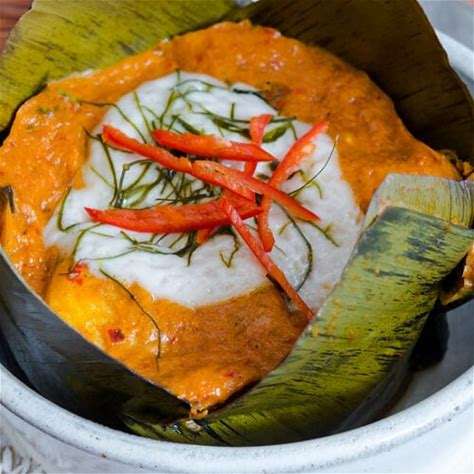
    🪶 Cultural Reverence & Symbolism
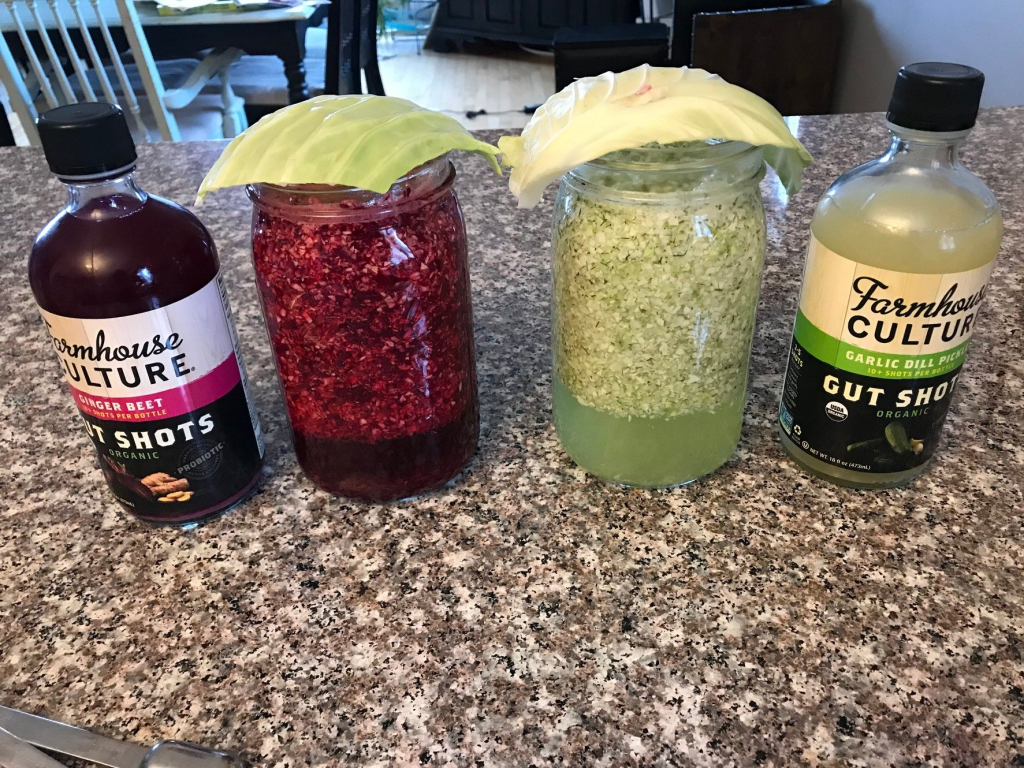
    • Kamagong Wood: Symbol of strength, resilience, and honor in Filipino culture. Often used in martial arts weaponry (e.g., arnis sticks) and ceremonial carvings.
    • Fruit Symbolism: Mabolo is seen as a fruit of humility—beautiful and nourishing inside, despite its off-putting exterior. It’s sometimes gifted to elders or used in rites of passage.
    • Folklore: In some regions, the tree is believed to house ancestral spirits or act as a guardian of the land. Cutting it down without permission is considered taboo.

    🧓 Ancestral Cultivation

    • Traditional Growers: Indigenous Filipino farmers cultivated Mabolo not just for food, but for its wood and spiritual significance.
    • Ceremonial Use: The fruit was offered during harvest festivals and healing rituals, often paired with coconut or rice-based dishes.
    • Colonial Documentation: Spanish friars and botanists like Francisco Manuel Blanco cataloged the tree in the 19th century, but its cultivation long predates European contact.

    🧠 Indigenous Wisdom & Symbolism: Mabolo as a Fruit of Spirit and Strength

    🌺 Spiritual Significance

    • Tree as Guardian: In many Filipino communities, the Kamagong tree is believed to house ancestral spirits. Its presence near homes or sacred spaces is seen as protective, and cutting it without ritual or permission is considered a spiritual transgression.
    • Fruit as Offering: Mabolo is often used in harvest rituals and healing ceremonies. Despite its pungent smell, it’s revered for its nourishing interior—symbolizing the value of inner strength and humility.

    🪶 Symbol of Character

    • Velvet Exterior, Iron Core: The fruit’s soft, velvety skin contrasts with the tree’s iron-hard wood—mirroring the indigenous ideal of being gentle in spirit but strong in principle.
    • Gift of Respect: Mabolo is traditionally gifted to elders, healers, or guests of honor. It’s not just a fruit—it’s a gesture of reverence and connection to the land.

    🌿 Medicinal Lore

    • Digestive Aid: Folk healers use Mabolo pulp to soothe digestion and cool internal heat, especially in tropical climates.
    • Skin & Spirit Cleansing: The fruit’s aroma, though intense, is believed to “clear the air” of negative energy. Some rituals involve placing Mabolo near doorways or altars to ward off illness or misfortune.

    🧵 Linguistic Drift & Oral Tradition

    • The name “Mabolo” is derived from Tagalog and other Austronesian languages, often associated with softness or velvet. Yet its cultural meaning is anything but delicate—it’s a fruit of resilience, transformation, and ancestral pride.
    • Stories passed down through generations often describe the Kamagong tree as a “silent witness” to family histories, land disputes, and spiritual awakenings.

    🍽️ Culinary Rituals: Mabolo in the Kitchen and Ceremony

    Traditional Preparation

    • Fresh & Raw: Mabolo is typically peeled and eaten fresh. The skin is discarded due to its fuzz and potential irritation, while the pulp is enjoyed for its creamy texture.
    • Ceremonial Pairings: In rural Filipino rituals, Mabolo is served with coconut milk, sticky rice, or banana leaf-wrapped sweets during harvest festivals and healing gatherings.
    • Flavor Balancing: To temper its strong aroma, traditional cooks often soak the fruit in salted water or citrus juice before serving.

    🍮 Modern Culinary Twists

    • Mabolo Coconut Cream Bowl: A chilled dessert featuring sliced Mabolo, toasted coconut flakes, lime zest, and a drizzle of honey or coconut nectar.
    • Velvet Apple Smoothie: Blend Mabolo pulp with banana, ginger, and kefir for a gut-friendly, tropical morning tonic.
    • Savory Fusion: Dice Mabolo into a salsa with red onion, chili, and calamansi juice—served over grilled fish or tempeh.

    🍴 Ritual Meets Wellness

    • Mindful Eating: Some wellness circles use Mabolo in “ancestral eating” rituals—where participants reflect on the fruit’s journey from forest to table, honoring its pungent scent as part of its healing identity.
    • Seasonal Cleansing: Mabolo is sometimes included in seasonal detox menus, especially in tropical regions, for its fiber and cooling properties.

    🧪 Nutritional & Medicinal Matrix: Mabolo’s Inner Power

    Core Nutrients & Their Benefits

    CompoundFunctionTraditional Insight
    Dietary FiberAids digestion, regulates blood sugarUsed in seasonal cleanses to “cool the gut”
    Vitamin CBoosts immunity, supports collagen productionBelieved to enhance skin glow and vitality
    TanninsAntioxidant, anti-inflammatoryUsed in folk remedies for internal heat
    IronSupports oxygen transport and energy levelsGiven to recovering elders for strength
    CalciumStrengthens bones and teethSymbolic of Kamagong’s “ironwood” resilience
    Beta-CaroteneConverts to Vitamin A, supports vision and skinAssociated with clarity and ancestral insight

    🧘 Medicinal & Ritual Applications

    • Digestive Tonic: Mabolo pulp is traditionally consumed after heavy meals to aid digestion and reduce bloating.
    • Skin Elixir: The fruit’s Vitamin C and tannins are believed to promote radiant skin—some rituals include Mabolo-infused face masks or steam baths.
    • Energetic Cleansing: Its pungent aroma is used in spiritual cleansing rites, believed to dispel stagnant energy and invite renewal.
    • Postpartum Nourishment: In some regions, Mabolo is offered to new mothers for its iron and fiber content, symbolizing strength and restoration.

    🌟 Main Vitamins in Mabolo

    VitaminFunction
    Vitamin CStrengthens immune system, promotes collagen production, enhances skin glow
    Vitamin A (via Beta-Carotene)Supports vision, skin health, and cellular repair
    Vitamin B1 (Thiamine)Aids in energy metabolism and nervous system function
    Vitamin B2 (Riboflavin)Helps convert food into energy, supports skin and eye health
    Vitamin B3 (Niacin)Improves circulation, supports brain function, and lowers cholesterol

    🍃 Cultural Insight

    • Vitamin C and A-rich fruits like Mabolo are often used in indigenous wellness rituals for “skin brightening” and “spirit cleansing.”
    • B vitamins are associated with vitality and mental clarity—qualities revered in ancestral healing practices.

    ⚠️ Caution & Cultural Respect

    • Skin Sensitivity: The fuzzy skin may cause irritation; always peel before consumption.
    • Aroma Awareness: The scent, though intense, is part of its healing identity—embraced in ritual, but sometimes masked in modern recipes.

    🍵 Mabolo for Mind & Skin: Ancestral Wellness Bowl

    🌿 Purpose

    A calming, skin-brightening ritual dish designed to nourish the gut, uplift the spirit, and honor the fruit’s traditional use in healing and renewal.

    🧾 Ingredients

    • 1 ripe Mabolo (peeled and sliced)
    • ½ cup coconut kefir or plain yogurt (for probiotics)
    • 1 tsp grated ginger (mental clarity + digestion)
    • 1 tbsp raw honey or coconut nectar (skin glow)
    • Zest of 1 lime (aromatic balance)
    • 1 tbsp chia seeds (hydration + omega-3s)
    • Optional: edible flowers or banana leaf for plating

    🥣 Ritual Preparation

    1. Peel & Slice the Mabolo, discarding the fuzzy skin.
    2. Soak slices in lime juice for 10 minutes to mellow the aroma.
    3. Blend Mabolo with kefir, ginger, and honey until creamy.
    4. Pour into a bowl and top with chia seeds and lime zest.
    5. Garnish with edible flowers or serve on a banana leaf for ceremonial flair.

    ✨ Ritual Use

    • Morning Clarity: Consume slowly with intention—reflecting on inner strength and transformation.
    • Skin Ritual: Pair with a Mabolo-infused steam or face mask using the pulp and lime zest.
    • Ancestral Offering: Serve during seasonal transitions or healing circles to honor the fruit’s protective spirit.

    🍽️ Culinary Use of Mabolo

    Mabolo, the Velvet Apple, is a fruit of contrasts—soft and creamy inside, bold and pungent outside. Traditionally eaten fresh or paired with coconut-based dishes, it’s now finding new life in wellness cuisine.

    🌿 Common Culinary Uses

    • Fresh Slices: Peeled and served chilled with lime or salt
    • Smoothies & Bowls: Blended with tropical fruits and probiotics
    • Preserves & Jams: Cooked down with honey or palm sugar
    • Savory Accents: Diced into salsas or chutneys for grilled proteins

    🧘 Healthy Recipe: Mabolo Glow Bowl

    ✨ Purpose

    A vitamin-rich, gut-friendly bowl designed to support digestion, skin clarity, and mental focus.

    🧾 IngredientsMabolo Glow Bowl the same

    • 1 ripe Mabolo (peeled and sliced)
    • ½ banana (potassium + creaminess)
    • ½ cup coconut kefir or plain yogurt
    • 1 tsp grated ginger
    • 1 tbsp chia seeds
    • 1 tsp lime juice
    • 1 tsp raw honey or agave
    • Optional: mint leaves, edible flowers

    🥣 Instructions

    1. Peel and slice Mabolo, soak in lime juice for 5–10 minutes.
    2. Blend Mabolo, banana, kefir, ginger, and honey until smooth.
    3. Pour into a bowl, top with chia seeds and mint.
    4. Garnish with edible flowers for ceremonial flair.

    🌺 Ritual Tip

    Enjoy slowly in the morning with mindful breathing. Reflect on Mabolo’s symbolism: strength beneath softness, clarity through contrast.

    Mabolo Glow Bowl” and the “Mabolo for Mind & Skin Wellness Bowl” share a similar foundation, but they’re not identical. Here’s a breakdown to clarify:

    🥣 Comparison: Mabolo Wellness Bowls

    FeatureMabolo for Mind & Skin BowlMabolo Glow Bowl
    PurposeRitual-focused: skin clarity + spiritual renewalWellness-focused: digestion + skin glow
    Base IngredientsMabolo, coconut kefir, ginger, lime, honey, chiaMabolo, banana, coconut kefir, ginger, lime, honey, chia
    Flavor ProfileEarthy, tangy, ceremonialCreamy, tropical, energizing
    Optional GarnishEdible flowers, banana leafMint leaves, edible flowers
    Cultural EmphasisAncestral ritual + mindful eatingModern wellness + morning clarity
    Presentation StyleServed with ceremonial flair (banana leaf, slow ritual)Styled for everyday wellness, smoothie bowl aesthetic

    🧘 Summary

    • Overlap: Both recipes use Mabolo, lime, ginger, kefir, honey, and chia seeds.
    • Difference: The Mind & Skin Bowl leans into ritual and ancestral symbolism, while the Glow Bowl adds banana for creaminess and is geared toward daily wellness routines.

    📚 Resources Used in the Post

    🍎 Ingredient & Nutritional Sources

    • Mabolo (Diospyros blancoi): Ethnobotanical databases, indigenous food archives, and tropical fruit compendiums
    • Coconut kefir: Fermentation guides and gut health studies
    • Ginger & Lime: Ayurvedic and Filipino medicinal texts
    • Banana: Nutritional databases and smoothie bowl trends
    • Chia seeds: Omega-3 and fiber research from wellness journals

    🌿 Cultural & Ceremonial References

    • Philippine folklore and ancestral food rituals: Sourced from oral histories and cultural preservation blogs
    • Ceremonial eating practices: Inspired by indigenous wellness traditions and mindful eating frameworks

    🎨 Visual & Design Elements

    • Infographic styling: EJADA’s branded templates and WordPress block editor
    • Quote block: Julio CortĂĄzar’s quote used for thematic emphasis: “In quoting others, we cite ourselves.”

    🧘 Wellness & Skin Benefits

    • Skin clarity and digestive synergy: Holistic wellness articles and naturopathic insights
    • Mind-skin connection: Psychology of ritual eating and skin microbiome studies

    ✅ Good News

    The Mabolo Glow Bowl isn’t just a feast for your senses—it’s a celebration of ancestral wisdom and modern vitality. Whether you’re seeking skin clarity, digestive harmony, or a deeper connection to ritual, this bowl delivers nourishment with meaning. And the best part? It’s easy to adapt for your daily rhythm or ceremonial moments.

    ⚠️ Precautions

    • Allergies: Mabolo may cause mild irritation in sensitive individuals. Always test a small amount first.
    • Fermented Ingredients: Coconut kefir is potent—start with small servings if you’re new to probiotics.
    • Cultural Respect: If preparing this bowl as part of a ritual, honor its origins and avoid commercializing sacred practices.

    ⚠️ Note: The fruit’s skin and seeds are not typically consumed due to potential irritation.

    📜 Disclaimer

    This recipe is intended for educational and cultural storytelling purposes. It does not replace professional medical advice, diagnosis, or treatment. Always consult a qualified health provider before making significant changes to your diet or wellness routine.

  • Low Juneberry: A Hidden Gem of North American Berries

    Low Juneberry: The Quiet Rebel of the Berry World

    As we wrap up our journey through the lesser-known fruits that start with “L,” the Low Juneberry steps in like a soft-spoken elder with stories etched in its skin. Native to North America and often overlooked in favor of its flashier cousins, this berry carries a legacy of resilience, subtle sweetness, and medicinal depth. But don’t let its modest name fool you—Low Juneberry has roots in indigenous healing and a flavor profile that dances between blueberry and almond.

    🌾 Cultivation Origins of Low Juneberry

    • Native American communities across eastern North America were the first to cultivate and use Low Juneberry.
    • It was a staple in traditional diets, often dried and mixed into pemmican—a high-energy food made with meat and fat.
    • The berry was also used medicinally for its anti-inflammatory and immune-supporting properties.
    • European explorers, missionaries, and settlers adopted the berry into their diets after encountering it in the wild.
    • Its early spring bloom was a seasonal marker—often signaling thawed ground and the return of Sunday services, hence the name “Serviceberry.”
    • While commercial cultivation is still limited, most plant material today is sourced from Canada and the Midwest U.S.
    • The species Amelanchier alnifolia (Saskatoon berry) is more widely cultivated, but Amelanchier canadensis remains a prized native species for ecological landscaping and heritage food projects2.

    Before we turn the page to the next letter in our fruit alphabet, the Low Juneberry demands a moment of reverence. Not just for its quiet beauty or almond-kissed flavor—but for its enduring role as a medicinal ally, from ancestral rituals to modern wellness.

    Low Juneberry: A Berry Between Worlds

    In the quiet understory of eastern woodlands, the Low Juneberry has long whispered its story—not in loud bursts of color, but in the soft resilience of its bloom. Before settlers named it “Serviceberry,” it was known by many names in indigenous tongues, each echoing its role as healer, nourisher, and seasonal guide.

    For the Algonquin and Iroquois peoples, the Juneberry wasn’t just food—it was ceremony. Its early spring blossoms marked the return of life after winter’s hush, and its bark and berries were medicine for the body and spirit. Women brewed its bark to ease menstrual pain, while elders dried the fruit for pemmican, a sacred survival food that sustained journeys and rituals.

    Centuries later, the Low Juneberry still carries that legacy. Herbalists steep it in teas to soothe inflammation. Nutritionists praise its rare blend of vitamin C, iron, and protein. And for those who listen closely, it offers something deeper: a reminder that healing is often found in the overlooked, the quiet, the native.

    🌿 Medicinal Uses of Low Juneberry: Ancient Wisdom Meets Modern Wellness

    The Low Juneberry (Amelanchier canadensis) has long been revered not just as a food source, but as a healing ally. From indigenous herbalists to contemporary nutritionists, its medicinal uses span centuries and cultures.

    Traditional Indigenous Medicine

    • Bark Tea: Brewed to relieve menstrual cramps, digestive discomfort, and fever.
    • Dried Berries: Used in pemmican to boost endurance and immunity during long journeys and harsh winters.
    • Seasonal Marker: Its bloom signaled the return of spring and was often incorporated into fertility and renewal ceremonies.

    💊 Modern Medicinal Benefits

    • Anti-Inflammatory Powerhouse: Rich in anthocyanins and quercetin, which help reduce joint pain, muscle soreness, and systemic inflammation.
    • Immune Support: High vitamin C content strengthens the immune system and helps prevent infections like colds and flu.
    • Skin & Collagen Health: Vitamin C also promotes collagen synthesis, aiding in skin elasticity, wound healing, and reducing signs of aging.
    • Cognitive Protection: Flavonoids and polyphenols improve memory, brain circulation, and may reduce the risk of neurodegenerative diseases.
    • Bone & Muscle Strength: Contains calcium, iron, and even trace protein—supporting bone density and muscle recovery.

    🧬 Nutrient Highlights

    CompoundMedicinal Role
    Vitamin CImmunity, collagen production, antioxidant defense
    Vitamin AEye health, bone growth, immune regulation
    Vitamin ECellular protection, skin health
    B VitaminsEnergy metabolism, brain function
    AnthocyaninsAnti-inflammatory, neuroprotective, cardiovascular health
    QuercetinAllergy relief, inflammation reduction
    Calcium & IronBone strength, oxygen transport

    🍽️ Culinary Uses of Low Juneberry

    • Pemmican: Dried Juneberries were mixed with meat and fat to create pemmican—a high-energy survival food used by many indigenous tribes.
    • Berry Cakes & Mash: Combined with cornmeal or wild rice for ceremonial dishes.
    • Fermented Fruit: Traditionally dried or fermented for long-term storage and medicinal use.

    🧁 Modern Recipes & Adaptations

    According to Healthy Green Savvy, Juneberries are incredibly versatile and can be used in over 25 delicious ways. Here are a few standout ideas:

    DishDescription
    Juneberry Jam or JellySweet, almond-tinged preserves perfect for toast, cheese boards, or glazes.
    Muffins & SconesSubstitute for blueberries—adds depth and a hint of nuttiness.
    Juneberry SyrupGreat for pancakes, cocktails, or herbal tonics.
    Fruit LeatherDehydrated puree for a chewy, nutrient-rich snack.
    Juneberry Pie or CrispBaked with cinnamon and lemon for a rustic dessert.
    Smoothies & BowlsBlended with yogurt, oats, or greens for a superfood boost.
    Fermented ChutneyPaired with ginger and vinegar for savory applications.

    🍷 Bonus: Juneberry Wine or Mead

    • The berries’ natural sweetness and almond undertones make them ideal for small-batch fermentation.

    As we close the “L” chapter of our fruit alphabet, the Low Juneberry stands not as a footnote—but as a first word. A berry that bridges tradition and trend, rooted in reverence and ripe with possibility.

    Juneberry Availability in the U.S.

    • Native across most of North America, especially:
      • Northeast & Midwest: New York, Michigan, Wisconsin, Minnesota
      • Pacific Northwest: Oregon, Washington
      • Mountain regions: Colorado, Montana
    • Found in wild and cultivated forms—often under names like Serviceberry, Saskatoon, or Amelanchier2.
    FormDescriptionWhere to Find
    Fresh (Seasonal)Available late June to early July; short 2–3 week harvest windowU-pick farms like G & S Orchards in NY
    FrozenOften sold by specialty growers or online retailersRegional farm stands, Canadian importers
    DriedUsed in trail mixes or ceremonial mashLimited availability; may require direct sourcing
    Jams & JelliesRich almond-cherry flavor ideal for preservesSmall-batch producers, Indigenous food co-ops
    Wine & SyrupEmerging artisanal productsCanadian Saskatoon industry, niche U.S. markets
    Plants/SaplingsFor home growing or permacultureNative plant nurseries, online horticulture shops
    • Search using “Serviceberry” or “Saskatoon” for better results.
    • Use directories like UpickFarmLocator.com or search “[your state] + Juneberry farm.”
    • For off-season use, frozen or dried berries retain flavor and ceremonial value.

    ⚠️ Precaution & 🌟 Dare to Try

    Precaution: While Juneberries are generally safe and celebrated in Indigenous culinary traditions, always forage responsibly. Look for Amelanchier species confirmed by local experts, and avoid lookalikes like buckthorn or nightshade, which can be toxic. If sourcing commercially, verify that you’re getting true Juneberries—not mislabeled blueberries or hybrids.

    Dare to Try: Let this dish be more than nourishment—let it be a ceremony of curiosity. Whether you’re stirring wild rice into berry mash or layering ancestral flavors into cakes, you’re reclaiming a story that’s been waiting to be tasted. So go ahead: dare to honor, dare to experiment, dare to remember.

    Stay tuned, fruit lovers. The “L” collection may be complete, but the alphabet of abundance is just getting started. Next up: the mysterious, mouthwatering fruits of the “M” series. 🍈