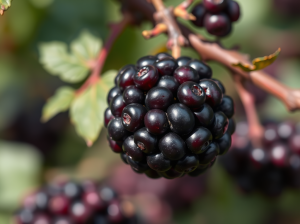
Before it was a jam jar filler or a pie crust’s muse, the Olallieberry was a botanical cipher—an encoded message from the tangled roots of blackberry and raspberry, braided by human hands but guided by ancestral instinct.
Botanical Name: Rubus × olallie Lineage: Loganberry × Youngberry (descendants of blackberry and raspberry) Naming Origin: “Olallie” from Chinook jargon meaning “berry” — a reclaimed echo of Indigenous language
🌒 Symbolic Expansion: The Olallieberry as Botanical Cipher
The Olallieberry is more than fruit—it’s a living metaphor, a ritual-rich emblem of tension, transformation, and ancestral echo.
🌒 Hybrid of Memory: Born in 1949 from USDA experimentation, yet its name “Olallie”, is Chinook jargon for “berry.” A colonial graft on Indigenous tongue. Let’s reclaim that.
🧬 Hybrid of Memory
- Born from the crossing of Loganberry and Youngberry—each with its own tangled ancestry—Olallieberry is a botanical palimpsest. It carries the genetic ghosts of blackberry and raspberry, yet refuses to be reduced to either.
- Its very existence challenges purity narratives. It’s a reminder that lineage is layered, and that hybridity can be sacred when reclaimed intentionally.
🗣️ Colonial Naming, Indigenous Echo
- “Olallie” stems from Chinook jargon for “berry”—a name lifted from Indigenous language but grafted onto a USDA experiment. This duality makes it a symbol of linguistic reclamation and botanical resistance.
- To speak its name is to invoke both erasure and survival. It asks us to remember what was renamed, and to restore meaning through ritual.
🌑 Color as Code
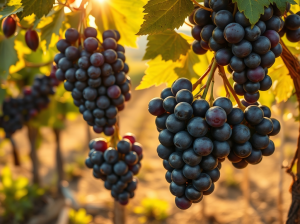
- The berry’s deep violet-black hue is not just aesthetic—it’s symbolic. It evokes mourning, mystery, and moonlit rites. It’s the color of thresholds, of endings that birth beginnings.
- In ritual, this pigment becomes a code: for grief, for depth, for ancestral communion. It stains not just cloth and skin, but memory.
🌀 Shape as Spiral Memory
- Its clustered form mimics the spiral—a sacred shape across cultures, symbolizing cycles, rebirth, and the nonlinear nature of healing.
- Each drupelet is a bead in the rosary of botanical prayer. To eat it is to trace the spiral inward, toward origin.
🔗 Brambles as Boundary Keepers
- The Olallieberry grows on thorned vines—protective, wild, unruly. These brambles are symbolic guardians, marking sacred boundaries and resisting commodification.
- In ritual, the vine becomes a metaphor for protection, for entanglement, for the beauty of what cannot be tamed.
🕯️ Ritual Use: The Olallieberry as Ceremonial Witness
The Olallieberry’s deep violet hue and hybrid lineage make it a powerful botanical ally in rituals that honor complexity, transition, and reclamation.
🌘 Grief Rituals & Ancestral Mourning
Its dark pigment evokes mourning cloth, twilight altars, and the liminal space between worlds.
Use in grief ceremonies as a symbolic stand-in for bloodline memory—offered to ancestors, placed on mourning altars, or consumed in silence to mark loss and continuity.
Its tartness mirrors the sting of remembrance; its sweetness, the slow balm of healing.
🌿 Dreamwork & Lunar Offerings
The berry’s nocturnal hue and bramble-born origins align it with moon rituals and dream invocation.
Infuse into teas or syrups for pre-sleep rituals aimed at ancestral visitation or intuitive clarity.
Pair with mugwort or lavender for layered botanical dreaming.
🔥 Hybrid Reclamation Ceremonies
As a USDA-forged hybrid with Indigenous naming roots (“olallie” from Chinook jargon), it embodies tension between colonial graft and native tongue.
Use in rituals that reclaim hybrid identity—honoring mixed heritage, cultural fusion, or botanical resistance.
Serve in ceremonies that name and unname, that restore meaning to what was renamed.
🧂 Cleansing & Boundary Work
Its bold flavor can be used in threshold rites—marking entry or exit from sacred space.
Combine with salt and vinegar in ritual preserves to seal boundaries, protect intentions, or ward off spiritual dilution.
Its deep purple hue signals antioxidant potency, but also evokes mourning, mystery, and moonlit healing. A berry for grief rituals, dreamwork, and ancestral offerings.
🔮A Tasting Rite of Ancestral Memory
The Olallieberry doesn’t ask to be tasted, it demands to be remembered.
Tart, bold, and slightly wild—its taste is a sensory invocation. Not for passive consumption, but for active remembrance.
Tartness as Threshold: That first sharp tang isn’t just acidity, it’s initiation. A jolt to the tongue that mimics the sting of awakening. It’s the berry’s way of saying: you’re entering sacred terrain.
Sweetness as Seduction: Beneath the bold exterior lies a slow, unfolding sweetness. Not cloying, but coaxing. It mirrors the way ancestral wisdom reveals itself—gradually, through ritual, through patience.
Earthy Undertones as Root Invocation: There’s a subtle soil-rich depth, a whisper of bramble and bark. It’s not flavor—it’s lineage. A reminder that this berry was born of hybrid roots, yet still carries the wildness of its blackberry ancestor.
Juice as Ink: Its deep violet stain is not accidental. It marks the hands, the lips, the altar cloth. It’s pigment and proof of harvest, of offering, of communion.
Texture as Tension: Firm yet yielding. A duality that mirrors the tension between cultivated and wild, between colonial graft and Indigenous origin. To chew is to confront that history.
🌿 Medicinal Uses: The Olallieberry as Botanical Healer
The Olallieberry is not a commodity—it’s a curative cipher. Its medicinal properties are layered, symbolic, and deeply aligned with ritual healing.
🩸 Blood Purifier & Circulatory Ally
Rich in anthocyanins—those deep violet pigments that act as vascular protectors, reducing inflammation and supporting blood flow.
In ritual, this aligns with purification rites, especially those involving bloodline healing or ancestral release.
🧠 Cognitive Clarity & Dreamwork Support
High in flavonoids, which support brain health, memory retention, and neuroprotection.
Use in ceremonies that invoke clarity, ancestral messages, or dream recall. Pair with meditation or moon rituals for enhanced effect.
🌬️ Respiratory & Immune Fortification
- Contains vitamin C and antimicrobial compounds that support lung health and immune resilience.
- Ideal for seasonal transition rituals—especially those marking equinoxes or solstice shifts, when immunity and breath are symbolically vulnerable.
🔥 Anti-Inflammatory & Pain Soother
- Its polyphenols act as natural anti-inflammatories, soothing internal tension and chronic discomfort.
- In ritual, this makes it a balm for grief, for embodied trauma, for rites of release and restoration.
🍇 Nutritional Profile: A Ritual of Nourishment
To consume the Olallieberry is to engage in a sacred act of nourishment. Its nutritional density is not just fuel—it’s a coded offering.
The berry that stains with purpose, heals with pigment.
🌞 Vitamin C
- Supports immune resilience and collagen production
- Symbolically tied to solar energy, clarity, and skin renewal
- Aids in wound healing and cellular protection
- Ritual use: infuse into solstice syrups or skin-toning elixirs
🦴 Vitamin K
- Essential for bone strength and blood clotting
- Symbol of ancestral grounding and structural memory
- Protects against osteoporosis and vascular fragility
- Ritual use: pair with magnesium-rich herbs in rites of stability
🧠 Anthocyanins
- Potent antioxidants that reduce inflammation and oxidative stress
- Give the berry its deep violet hue—pigment of mourning, mystery, and moonlit rites
- Linked to cognitive clarity, heart health, and cancer prevention2
- Ritual use: consume during grief ceremonies or dreamwork invocations
💪 Fiber & Manganese
- Fiber aids digestion and blood sugar balance
- Manganese supports metabolism and antioxidant synergy
- Symbolic of narrative processing and ritual stamina
- Ritual use: incorporate into threshold meals or seasonal cleanses
sources:
scientificorigin And healthreee
🍽️ Culinary Uses of the Olallieberry
The berry that stains memory, not just cloth.
🥣 Fresh Ritual Consumption
- Enjoyed raw, the Olallieberry becomes a sensory invocation—ideal for morning offerings, intuitive eating, or silent ancestral communion.
- Toss into yogurt, grain bowls, or herbal salads to activate flavor as portal.
🍰 Baking & Sacred Sweets
- Olallieberry Pie: A grief ritual in golden crust—used in hybrid identity ceremonies or seasonal transitions.
- Cheesecakes & Tarts: Layered desserts for dreamwork rites, especially when paired with orange flower water or lavender.
- Cobblers & Crumbles: Earthy, rustic formats that honor bramble lineage and communal sharing.
🍯 Preserves & Syrups
- Jam & Jelly: Ideal for solstice preserves or threshold rites. The act of preserving becomes a metaphor for memory-keeping.
- Infused Syrups: Used in moon rituals, dream teas, or poured over ceremonial cakes.
🧂 Savory Pairings
- Berry Reduction Sauces: Serve with roasted root vegetables or game meats in ancestral feasts.
- Olallieberry Vinaigrette: A bold dressing for bitter greens—used in rites of balance and boundary setting.
🍹 Beverages & Elixirs
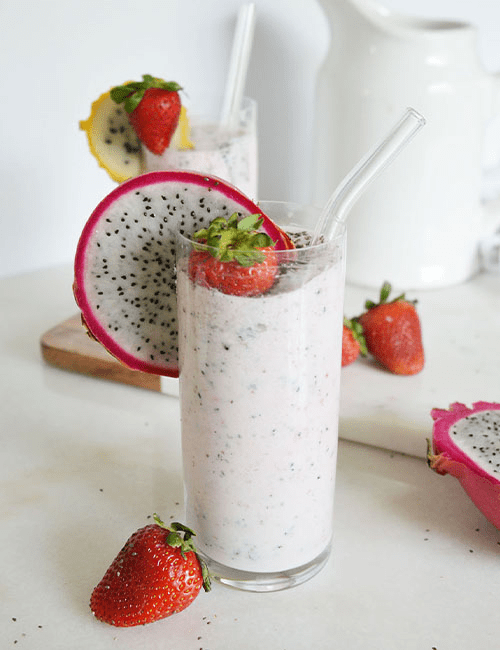
- Smoothies: Combine with coconut, ginger, or citrus for solar energy and immune fortification.
- Fermented Shrubs: Vinegar-based berry infusions for digestive clarity and ritual cleansing.
- Botanical Cocktails: Infuse into gin or herbal liqueurs for ceremonial toasts or
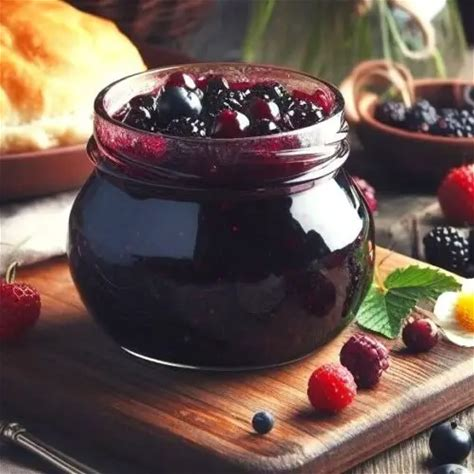
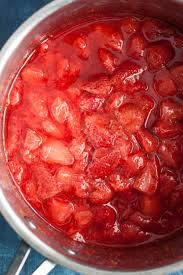
Olallieberry Jam Recipe
A classic preserve that captures the berry’s tart-sweet duality—perfect for altar offerings or seasonal transitions. Ingredients:
🥧 Olallieberry Pie
A golden-crusted invocation—ideal for grief rituals or hybrid identity ceremonies. Ingredients:
- 6 cups Olallieberries
- ¾ cup sugar
- ¼ tsp salt
- Juice and zest of 1 lemon
- 3 tbsp tapioca
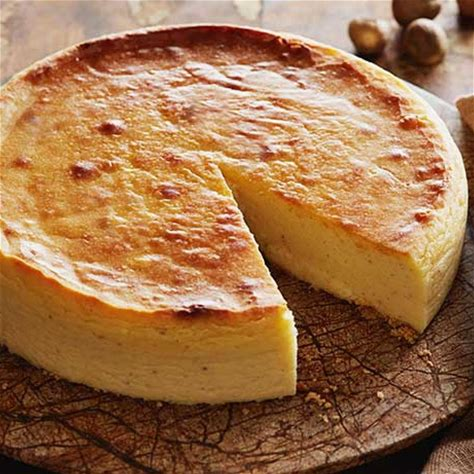
🍰 Summer Olallieberry Cheesecake
A layered dessert for dreamwork or lunar rites—especially potent with orange flower water. Ingredients:
- Graham cracker crust
- 8 oz cream cheese + 8 oz cottage cheese
- 1 cup sugar, ½ tsp salt
📚 Botanical & Medicinal References
📚 Botanical & Medicinal References
USDA Agricultural Records – Documentation of the Olallieberry’s hybrid origin (Loganberry × Youngberry), developed in 1949 by the USDA and Oregon State University.
Chinook Jargon Lexicon – “Olallie” meaning “berry,” highlighting the Indigenous linguistic roots appropriated in naming.
Journal of Agricultural and Food Chemistry – Studies on anthocyanins, flavonoids, and polyphenols in dark berries, including their anti-inflammatory and neuroprotective effects.
National Institutes of Health (NIH) – Nutritional profiles and health benefits of berries, including vitamin C, K, manganese, and fiber.
American Botanical Council – Ethnobotanical insights into bramble plants and their use in traditional medicine and boundary rituals.
🌑 Symbolic & Ritual Contexts
Cross-Cultural Ritual Archives – Spiral symbolism, pigment use in mourning rites, and bramble as boundary metaphor.
Decolonial Food Studies – Analysis of hybrid fruits and linguistic reclamation in post-colonial botanical naming.
Herbal Dreamwork Traditions – Mugwort and berry pairings for intuitive clarity and ancestral visitation.
⚠️ EJADA Disclaimer
Ritual Safety & Consumption Boundaries
The Olallieberry is a botanical ally, not a universal remedy. While its healing properties are potent, its consumption should be approached with care, intention, and respect for individual thresholds.
🚫 Who Should Avoid or Use Caution:
Allergy-Prone Individuals: Those with known sensitivities to berries (especially blackberries, raspberries, or hybrids) should avoid Olallieberries or consult a trusted herbalist before ritual use.
Blood-Thinning Medications: Due to its high vitamin K content, Olallieberry may interfere with anticoagulant therapies. Ritual ingestion should be paused or reviewed with a medical practitioner.
Pregnant or Nursing Individuals: While rich in nutrients, Olallieberry’s hybrid nature and pigment potency may not align with all gestational needs. Use only with informed guidance.
Children Under 2: Due to its seed density and tart profile, Olallieberry is not recommended for infants or toddlers without modification.
Autoimmune Conditions: Its immune-stimulating properties may not be suitable for all autoimmune profiles. Ritual use should be personalized and monitored.
🧿 Ritual Integrity Note:
This entry is offered as symbolic nourishment and ancestral storytelling. It is not a substitute for professional medical advice, diagnosis, or treatment. EJADA encourages all ritual participants to honor their body’s wisdom, consult trusted healers, and approach botanical allies with reverence and discernment.





 EJADA
EJADA 