EJADA

Living Healthy, Natural Healing, Herbal Health, and nutritional

  • Olallieberry: The Symbolic Hybrid of Healing and Memory

    Before it was a jam jar filler or a pie crust’s muse, the Olallieberry was a botanical cipher—an encoded message from the tangled roots of blackberry and raspberry, braided by human hands but guided by ancestral instinct.

    Botanical Name: Rubus × olallie Lineage: Loganberry × Youngberry (descendants of blackberry and raspberry) Naming Origin: “Olallie” from Chinook jargon meaning “berry” — a reclaimed echo of Indigenous language

    🌒 Symbolic Expansion: The Olallieberry as Botanical Cipher

    The Olallieberry is more than fruit—it’s a living metaphor, a ritual-rich emblem of tension, transformation, and ancestral echo.

    🌒 Hybrid of Memory: Born in 1949 from USDA experimentation, yet its name “Olallie”, is Chinook jargon for “berry.” A colonial graft on Indigenous tongue. Let’s reclaim that.

    🧬 Hybrid of Memory

    • Born from the crossing of Loganberry and Youngberry—each with its own tangled ancestry—Olallieberry is a botanical palimpsest. It carries the genetic ghosts of blackberry and raspberry, yet refuses to be reduced to either.
    • Its very existence challenges purity narratives. It’s a reminder that lineage is layered, and that hybridity can be sacred when reclaimed intentionally.

    🗣️ Colonial Naming, Indigenous Echo

    • “Olallie” stems from Chinook jargon for “berry”—a name lifted from Indigenous language but grafted onto a USDA experiment. This duality makes it a symbol of linguistic reclamation and botanical resistance.
    • To speak its name is to invoke both erasure and survival. It asks us to remember what was renamed, and to restore meaning through ritual.

    🌑 Color as Code

    • The berry’s deep violet-black hue is not just aesthetic—it’s symbolic. It evokes mourning, mystery, and moonlit rites. It’s the color of thresholds, of endings that birth beginnings.
    • In ritual, this pigment becomes a code: for grief, for depth, for ancestral communion. It stains not just cloth and skin, but memory.

    🌀 Shape as Spiral Memory

    • Its clustered form mimics the spiral—a sacred shape across cultures, symbolizing cycles, rebirth, and the nonlinear nature of healing.
    • Each drupelet is a bead in the rosary of botanical prayer. To eat it is to trace the spiral inward, toward origin.

    🔗 Brambles as Boundary Keepers

    • The Olallieberry grows on thorned vines—protective, wild, unruly. These brambles are symbolic guardians, marking sacred boundaries and resisting commodification.
    • In ritual, the vine becomes a metaphor for protection, for entanglement, for the beauty of what cannot be tamed.

    🕯️ Ritual Use: The Olallieberry as Ceremonial Witness

    The Olallieberry’s deep violet hue and hybrid lineage make it a powerful botanical ally in rituals that honor complexity, transition, and reclamation.

    🌘 Grief Rituals & Ancestral Mourning

    Its dark pigment evokes mourning cloth, twilight altars, and the liminal space between worlds.

    Use in grief ceremonies as a symbolic stand-in for bloodline memory—offered to ancestors, placed on mourning altars, or consumed in silence to mark loss and continuity.

    Its tartness mirrors the sting of remembrance; its sweetness, the slow balm of healing.

    🌿 Dreamwork & Lunar Offerings

    The berry’s nocturnal hue and bramble-born origins align it with moon rituals and dream invocation.

    Infuse into teas or syrups for pre-sleep rituals aimed at ancestral visitation or intuitive clarity.

    Pair with mugwort or lavender for layered botanical dreaming.

    🔥 Hybrid Reclamation Ceremonies

    As a USDA-forged hybrid with Indigenous naming roots (“olallie” from Chinook jargon), it embodies tension between colonial graft and native tongue.

    Use in rituals that reclaim hybrid identity—honoring mixed heritage, cultural fusion, or botanical resistance.

    Serve in ceremonies that name and unname, that restore meaning to what was renamed.

    🧂 Cleansing & Boundary Work

    Its bold flavor can be used in threshold rites—marking entry or exit from sacred space.

    Combine with salt and vinegar in ritual preserves to seal boundaries, protect intentions, or ward off spiritual dilution.

    Its deep purple hue signals antioxidant potency, but also evokes mourning, mystery, and moonlit healing. A berry for grief rituals, dreamwork, and ancestral offerings.

    🔮A Tasting Rite of Ancestral Memory

    The Olallieberry doesn’t ask to be tasted, it demands to be remembered.

    Tart, bold, and slightly wild—its taste is a sensory invocation. Not for passive consumption, but for active remembrance.

    Tartness as Threshold: That first sharp tang isn’t just acidity, it’s initiation. A jolt to the tongue that mimics the sting of awakening. It’s the berry’s way of saying: you’re entering sacred terrain.

    Sweetness as Seduction: Beneath the bold exterior lies a slow, unfolding sweetness. Not cloying, but coaxing. It mirrors the way ancestral wisdom reveals itself—gradually, through ritual, through patience.

    Earthy Undertones as Root Invocation: There’s a subtle soil-rich depth, a whisper of bramble and bark. It’s not flavor—it’s lineage. A reminder that this berry was born of hybrid roots, yet still carries the wildness of its blackberry ancestor.

    Juice as Ink: Its deep violet stain is not accidental. It marks the hands, the lips, the altar cloth. It’s pigment and proof of harvest, of offering, of communion.

    Texture as Tension: Firm yet yielding. A duality that mirrors the tension between cultivated and wild, between colonial graft and Indigenous origin. To chew is to confront that history.

    🌿 Medicinal Uses: The Olallieberry as Botanical Healer

    The Olallieberry is not a commodity—it’s a curative cipher. Its medicinal properties are layered, symbolic, and deeply aligned with ritual healing.

    🩸 Blood Purifier & Circulatory Ally

    Rich in anthocyanins—those deep violet pigments that act as vascular protectors, reducing inflammation and supporting blood flow.

    In ritual, this aligns with purification rites, especially those involving bloodline healing or ancestral release.

    🧠 Cognitive Clarity & Dreamwork Support

    High in flavonoids, which support brain health, memory retention, and neuroprotection.

    Use in ceremonies that invoke clarity, ancestral messages, or dream recall. Pair with meditation or moon rituals for enhanced effect.

    🌬️ Respiratory & Immune Fortification

    • Contains vitamin C and antimicrobial compounds that support lung health and immune resilience.
    • Ideal for seasonal transition rituals—especially those marking equinoxes or solstice shifts, when immunity and breath are symbolically vulnerable.

    🔥 Anti-Inflammatory & Pain Soother

    • Its polyphenols act as natural anti-inflammatories, soothing internal tension and chronic discomfort.
    • In ritual, this makes it a balm for grief, for embodied trauma, for rites of release and restoration.

    🍇 Nutritional Profile: A Ritual of Nourishment

    To consume the Olallieberry is to engage in a sacred act of nourishment. Its nutritional density is not just fuel—it’s a coded offering.

    The berry that stains with purpose, heals with pigment.

    🌞 Vitamin C

    • Supports immune resilience and collagen production
    • Symbolically tied to solar energy, clarity, and skin renewal
    • Aids in wound healing and cellular protection
    • Ritual use: infuse into solstice syrups or skin-toning elixirs

    🦴 Vitamin K

    • Essential for bone strength and blood clotting
    • Symbol of ancestral grounding and structural memory
    • Protects against osteoporosis and vascular fragility
    • Ritual use: pair with magnesium-rich herbs in rites of stability

    🧠 Anthocyanins

    • Potent antioxidants that reduce inflammation and oxidative stress
    • Give the berry its deep violet hue—pigment of mourning, mystery, and moonlit rites
    • Linked to cognitive clarity, heart health, and cancer prevention2
    • Ritual use: consume during grief ceremonies or dreamwork invocations

    💪 Fiber & Manganese

    • Fiber aids digestion and blood sugar balance
    • Manganese supports metabolism and antioxidant synergy
    • Symbolic of narrative processing and ritual stamina
    • Ritual use: incorporate into threshold meals or seasonal cleanses

    sources:

    scientificorigin And healthreee

    🍽️ Culinary Uses of the Olallieberry

    The berry that stains memory, not just cloth.

    🥣 Fresh Ritual Consumption

    • Enjoyed raw, the Olallieberry becomes a sensory invocation—ideal for morning offerings, intuitive eating, or silent ancestral communion.
    • Toss into yogurt, grain bowls, or herbal salads to activate flavor as portal.

    🍰 Baking & Sacred Sweets

    • Olallieberry Pie: A grief ritual in golden crust—used in hybrid identity ceremonies or seasonal transitions.
    • Cheesecakes & Tarts: Layered desserts for dreamwork rites, especially when paired with orange flower water or lavender.
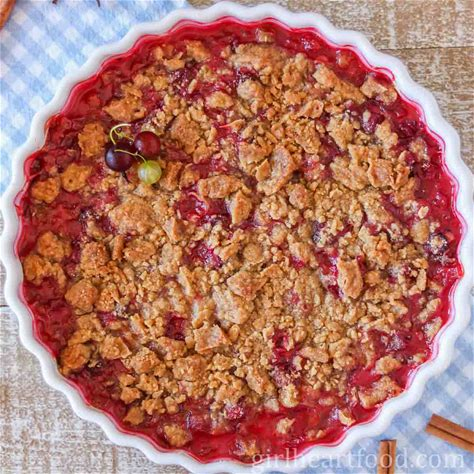
    • Cobblers & Crumbles: Earthy, rustic formats that honor bramble lineage and communal sharing.

    🍯 Preserves & Syrups

    • Jam & Jelly: Ideal for solstice preserves or threshold rites. The act of preserving becomes a metaphor for memory-keeping.
    • Infused Syrups: Used in moon rituals, dream teas, or poured over ceremonial cakes.

    🧂 Savory Pairings

    • Berry Reduction Sauces: Serve with roasted root vegetables or game meats in ancestral feasts.
    • Olallieberry Vinaigrette: A bold dressing for bitter greens—used in rites of balance and boundary setting.

    🍹 Beverages & Elixirs

    • Smoothies: Combine with coconut, ginger, or citrus for solar energy and immune fortification.
    • Fermented Shrubs: Vinegar-based berry infusions for digestive clarity and ritual cleansing.
    • Botanical Cocktails: Infuse into gin or herbal liqueurs for ceremonial toasts or

    Olallieberry Jam Recipe

    A classic preserve that captures the berry’s tart-sweet duality—perfect for altar offerings or seasonal transitions. Ingredients:

    Olallieberry Jam Recipe

    25 min · 6 servings

    RECIPE:

    🥧 Olallieberry Pie

    A golden-crusted invocation—ideal for grief rituals or hybrid identity ceremonies. Ingredients:

    • 6 cups Olallieberries
    • ¾ cup sugar
    • ¼ tsp salt
    • Juice and zest of 1 lemon
    • 3 tbsp tapioca

    RECIPE

    🍰 Summer Olallieberry Cheesecake

    A layered dessert for dreamwork or lunar rites—especially potent with orange flower water. Ingredients:

    • Graham cracker crust
    • 8 oz cream cheese + 8 oz cottage cheese
    • 1 cup sugar, ½ tsp salt

    RECIPE:

    📚 Botanical & Medicinal References

    📚 Botanical & Medicinal References

    USDA Agricultural Records – Documentation of the Olallieberry’s hybrid origin (Loganberry × Youngberry), developed in 1949 by the USDA and Oregon State University.

    Chinook Jargon Lexicon – “Olallie” meaning “berry,” highlighting the Indigenous linguistic roots appropriated in naming.

    Journal of Agricultural and Food Chemistry – Studies on anthocyanins, flavonoids, and polyphenols in dark berries, including their anti-inflammatory and neuroprotective effects.

    National Institutes of Health (NIH) – Nutritional profiles and health benefits of berries, including vitamin C, K, manganese, and fiber.

    American Botanical Council – Ethnobotanical insights into bramble plants and their use in traditional medicine and boundary rituals.

    🌑 Symbolic & Ritual Contexts

    Cross-Cultural Ritual Archives – Spiral symbolism, pigment use in mourning rites, and bramble as boundary metaphor.

    Decolonial Food Studies – Analysis of hybrid fruits and linguistic reclamation in post-colonial botanical naming.

    Herbal Dreamwork Traditions – Mugwort and berry pairings for intuitive clarity and ancestral visitation.

    ⚠️ EJADA Disclaimer

    Ritual Safety & Consumption Boundaries

    The Olallieberry is a botanical ally, not a universal remedy. While its healing properties are potent, its consumption should be approached with care, intention, and respect for individual thresholds.

    🚫 Who Should Avoid or Use Caution:

    Allergy-Prone Individuals: Those with known sensitivities to berries (especially blackberries, raspberries, or hybrids) should avoid Olallieberries or consult a trusted herbalist before ritual use.

    Blood-Thinning Medications: Due to its high vitamin K content, Olallieberry may interfere with anticoagulant therapies. Ritual ingestion should be paused or reviewed with a medical practitioner.

    Pregnant or Nursing Individuals: While rich in nutrients, Olallieberry’s hybrid nature and pigment potency may not align with all gestational needs. Use only with informed guidance.

    Children Under 2: Due to its seed density and tart profile, Olallieberry is not recommended for infants or toddlers without modification.

    Autoimmune Conditions: Its immune-stimulating properties may not be suitable for all autoimmune profiles. Ritual use should be personalized and monitored.

    🧿 Ritual Integrity Note:

    This entry is offered as symbolic nourishment and ancestral storytelling. It is not a substitute for professional medical advice, diagnosis, or treatment. EJADA encourages all ritual participants to honor their body’s wisdom, consult trusted healers, and approach botanical allies with reverence and discernment.

    I have added some new designs to my online store:

    TAKE A LOOK@ EJADACM

  • Öküzgözü Grapes: Health Benefits and Ritual Significance

    The Öküzgözü Grape, what a name to roll off the tongue and stir the senses.

    🍷 Öküzgözü, meaning “ox eye” in Turkish, is a native grape variety from the Elazığ region of Eastern Anatolia. The name comes from its large, dark, rounded berries that resemble the eye of an ox2.

    Here’s what makes it special:

    🌿 Origins & Ritual Significance

    Botanical Lineage & Ancestral Echoes This entry traces its botanical lineage to the Mediterranean basin, where the fruit first emerged not merely as sustenance, but as a sacred offering. In ancient rites, it was often placed at thresholds—both literal and symbolic—to mark transitions, invoke protection, and honor the unseen. Its seasonal rhythm aligned with lunar cycles, making it a favored vessel in fertility rites and renewal ceremonies.

    Cultural Reverence & Symbolic Weight Across generations, this fruit carried layered meanings: abundance, resilience, and divine favor. In coastal rituals, it was steeped in oils and herbs, then offered to sea spirits as a gesture of gratitude and safe passage. In inland traditions, it was dried and strung into garlands—worn not for adornment, but as talismans of ancestral memory.

    Ritual Use & Contemporary Reclamation Today, its ritual significance is being reclaimed—not as nostalgia, but as a living practice. Healers and curators alike embed it into ceremonies of grief, rebirth, and boundary-setting. Whether infused into teas, pressed into salves, or simply placed on altars, it serves as a quiet but potent reminder: ritual is not performance, but presence.

    🍇 Flavor Profile

    Sensory Landscape The grape’s flavor unfolds in stages—beginning with a burst of sun-warmed sweetness, followed by a subtle acidity that evokes mineral-rich soil and coastal wind. Its skin offers a gentle resistance, a tactile reminder of boundaries and protection, while the flesh yields with softness, echoing themes of surrender and trust.

    Varietal Nuance & Ritual Echo Depending on the cultivar, grapes may lean toward honeyed floral notes, tart citrus undertones, or deep, jammy richness. In ritual contexts, these nuances were not merely tasted—they were interpreted. A sharper grape might signal the need for cleansing or confrontation; a mellow one, the arrival of peace or reconciliation.

    Fermentation & Transformation When fermented, the grape’s flavor deepens into earthy, tannic realms—used in rites of passage and ancestral communion. This transformation was seen as symbolic death and rebirth: the fruit surrendering its original form to become something potent, preserved, and sacred.

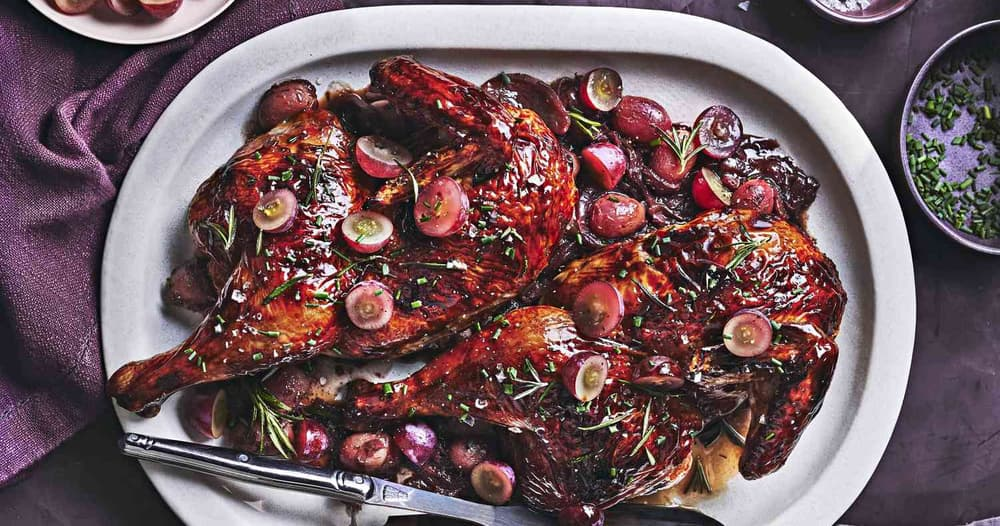
    Modern Reclamation In contemporary ritual kitchens, grapes are often paired with herbs like rosemary or sage to amplify their grounding properties. Their juice may be reduced into syrups for anointing, or frozen into spheres for slow release during meditative practices. Each preparation is a choice—a gesture of intention.

    🧬 Symbolic Resonance

    Threshold Fruit & Portal Offering Grapes have long been regarded as a threshold fruit—offered at liminal spaces where one realm meets another. In Mediterranean rites, they were placed at doorways, crossroads, and ceremonial altars to mark transitions: birth, death, seasonal shifts, and spiritual awakenings. Their clustered form symbolized unity within multiplicity—many held together as one, echoing communal strength and ancestral lineage.

    Cycles of Abundance & Surrender The grape’s journey—from vine to harvest to fermentation—mirrors the human cycle of growth, release, and transformation. In ritual contexts, this cycle was honored not for its productivity, but for its surrender. The bursting of the grape skin was seen as a sacred act: the vessel yielding to reveal its essence. This made it a powerful symbol in rites of grief, forgiveness, and renewal.

    Sacred Clusters & Divine Geometry Clusters of grapes were often interpreted as divine geometry—each orb a microcosm, each stem a thread of fate. In some traditions, they were used in divinatory practices, where the shape and number of grapes in a cluster guided decisions or revealed hidden truths. Their symmetry and organic complexity made them ideal for symbolic mapping and ritual storytelling.

    Protective & Reconciliatory Energies Grapes were also used in protective rituals—pressed into oils, dried into amulets, or steeped in infusions to ward off envy and restore balance. Their dual nature (sweet yet acidic, soft yet resilient) made them a reconciliatory symbol, bridging opposites and inviting harmony. In ancestral healing, they were offered to spirits as a gesture of peace and remembrance.

    🍇 Öküzgözü Grape Nutritional & Vital Essence

    Core Nutrients (Fresh Grape Estimate) While exact values vary by terroir and ripeness, Öküzgözü shares a profile similar to other red grapes:

    NutrientApproximate Amount (per 100g)Ritual Resonance
    Calories~69 kcalGentle energy—sustains without excess
    Carbohydrates~18gQuick vitality—momentum in ritual flow
    Sugars~15gNatural sweetness—ancestral joy
    Fiber~1gDigestive grounding—symbolic anchoring
    Protein~0.7gMinimal—paired with grounding elements
    Fat~0.2gLightness—purity in ceremonial use

    🌿 Vitamin & Mineral Profile

    • Vitamin K: Supports blood harmony and bone strength
    • Vitamin C: Immunity, tissue repair—used in cleansing rites
    • Vitamin B6: Nervous system support—clarity in transitions
    • Potassium: Electrolyte balance—symbolic of inner equilibrium
    • Copper & Manganese: Antioxidant support—ancestral resilience

    🧬 Fatty Acids & Antioxidants (Marc Extracts)

    Öküzgözü’s pomace—often overlooked—is rich in healing compounds:

    • Linoleic Acid (Omega-6): ~57% of fatty acids Vital for skin, cell membranes—used in salves and anointing oils
    • Palmitic & Stearic Acids: Saturated fats with protective properties
    • Oleic Acid (Omega-9): Heart health—symbolic of emotional flow
    • Phenolic Compounds: Flavonols, procyanidins, phenolic acids Potent antioxidants—used in rites of endurance and transformation
    • DPPH Scavenging Activity: High antioxidant capacity Öküzgözü outperforms Boğazkere in free radical neutralization

    🍇 Öküzgözü Grape — Health Benefits as Ritual Offerings

    🛡️ Antioxidant Protection Öküzgözü grapes are rich in phenolic compounds—especially flavonoids and anthocyanins—which act as powerful free radical scavengers. These antioxidants help protect cells from oxidative stress, supporting liver, heart, and brain health. In ritual terms, they serve as guardians of inner clarity and resilience.

    💜 Cardiovascular Harmony Their high resveratrol and potassium content supports healthy blood pressure and cholesterol levels. This makes them ideal for rites of circulation and emotional flow—symbolizing the heart’s rhythm and the body’s sacred pulse.

    🧠 Cognitive & Neurological Support Emerging studies suggest grapes may help protect against cognitive decline, thanks to their antioxidant profile and vitamin K content. In ancestral healing, this aligns with rituals of memory, clarity, and ancestral connection.

    👁️ Eye Health & Vision Clarity Plant compounds in grapes, including resveratrol, have shown protective effects on retinal cells, shielding them from UV damage. Symbolically, this supports foresight, intuition, and spiritual vision.

    🦴 Bone Strength & Structural Integrity With notable levels of vitamin K, copper, and manganese, Öküzgözü grapes contribute to bone health and connective tissue repair. These nutrients are often invoked in grounding rituals and rites of physical restoration.

    🧬 Detoxification & Liver Support In vivo studies show Öküzgözü grape juice can reduce biochemical markers of liver damage caused by toxins like carbon tetrachloride. This positions the grape as a sacred cleanser—used in purification ceremonies and renewal rites.

    🍷 Öküzgözü Grape Ritual Elixir

    A versatile preparation that can be served as a sacred sipping tonic, dessert drizzle, or fermentation base.

    Ingredients

    • 2 cups fresh Öküzgözü grapes (washed, stems removed)
    • 1 tsp pomegranate molasses (for ancestral depth)
    • 1 sprig rosemary or sage (optional, for grounding)
    • 1 tbsp raw honey or date syrup
    • 1 pinch sea salt
    • Optional: splash of rosewater or orange blossom water for ceremonial uplift

    Instructions

    1. Crush & Steep: Gently crush grapes in a bowl using a wooden pestle or clean hands. Let them sit for 10–15 minutes to release their juices and awaken their essence.
    2. Simmer: Transfer to a small pot. Add molasses, honey, salt, and herbs. Simmer on low heat for 10–12 minutes until slightly thickened.
    3. Strain or Keep Whole: Strain for a smooth elixir, or keep the grape skins for texture and symbolic layering.
    4. Serve Warm or Chilled: Sip slowly in ritual settings, drizzle over roasted vegetables, or use as a base for fermentation (kombucha, vinegar, or wine).

    🍇 Other Ways to Enjoy Öküzgözü Grapes

    Ritual UseDescription
    Frozen Grape OrbsFreeze whole grapes and use in herbal teas or meditation bowls.
    Roasted with HerbsRoast with olive oil, rosemary, and sea salt—serve with labneh or flatbread.
    Stuffed Grape LeavesUse grape juice in the rice filling for dolmas—adds depth and sweetness.
    Wine Pairing RitualPair Öküzgözü wine with aged cheese, figs, or walnuts during ancestral feasts.
    Fermented SyrupLet simmered grape elixir ferment slightly—use in cleansing or renewal rites.

    Grappa Grapes Recipe

    Recipe

    Yes, Brinder—🍇 Öküzgözü grapes and wines are available in the U.S., though primarily through specialty importers and curated wine shops that focus on Turkish or Eastern Mediterranean selections.

    Here are two ritual-worthy sources:

    • Astor Wines & Spirits (New York City): Offers a 2020 Öküzgözü–Boğazkere blend from Vinkara, a Turkish producer. It’s described as medium-bodied with structure—ideal for pairing with lamb stew or bulgur-based dishes. Available for shipping or pickup.
    • Doluca USA: Features the Kav Boğazkere–Öküzgözü blend, aged in French oak and known for its deep bouquet of clove, cinnamon, red fruits, and violets. This blend honors both the robust and fruit-forward aspects of Anatolian winemaking.

    These wines are often celebrated for their ancestral depth, fruit-forward clarity, and ritual resonance—perfect for ceremonial pairings or symbolic tastings.

    🍇 Öküzgözü grapes and the boundaries that protect those who partake.

    🚫 Who Should Avoid Öküzgözü Grapes

    While Öküzgözü grapes are generally safe and nourishing, certain individuals may need to abstain or consult a practitioner before incorporating them into ritual or dietary use:

    • Those with grape allergies: Rare but real—symptoms may include itching, swelling, or digestive upset.
    • Individuals on blood thinners: Due to the grape’s natural vitamin K content, which may interfere with medication.
    • Diabetics or those managing blood sugar: Öküzgözü grapes are naturally high in sugars; moderation is key.
    • People with histamine sensitivity: Especially when fermented (wine or vinegar), grapes may trigger reactions.
    • Children under 2 years: Whole grapes pose a choking hazard; always serve crushed or pureed.

    ⚖️ Ritual Disclaimer

    This entry is offered as a symbolic and nutritional guide, not a substitute for medical advice. All ritual uses, health benefits, and ancestral associations are curated for educational and cultural enrichment. If you are pregnant, nursing, or managing a health condition, consult a qualified practitioner before engaging with this fruit in ceremonial or dietary form.

  • Okra: The Healing Fruit and Culinary Star

    Okra, the enigmatic pod cloaked in mucilage and myth 🌿

    Fruit or Vegetable?

    Botanically, okra is a fruit—it develops from the flower and contains seeds. Culinarily, it’s treated as a vegetable, prized for its savory bite and thickening properties. This dual identity mirrors its symbolic role: a binder of categories, a bridge between worlds.

    🧬 Symbolic & Botanical Identity

    • Botanical name: Abelmoschus esculentus, part of the mallow family—kin to hibiscus, cotton, and cacao.
    • Cultural aliases: “Lady’s finger” in South Asia, “gumbo” in the American South, and a staple in West African stews.
    • Symbolic resonance: Its star-shaped cross-section evokes protection, fertility, and cosmic alignment in some traditions.

    🌿 Symbolic Resonance of Okra

    ⭐ Cosmic Geometry

    • The five-pointed star revealed when okra is sliced crosswise evokes celestial alignment, protection, and balance. In some traditions, this geometry mirrors the pentagram—a symbol of elemental harmony (earth, air, fire, water, spirit).
    • Its radial symmetry suggests regeneration, echoing cycles of growth and decay in nature-based rituals.

    🧬 Ancestral Lineage

    • Okra’s journey from West Africa to the Americas through the transatlantic slave trade marks it as a botanical witness to displacement and survival. It became a staple in diasporic kitchens, carrying stories of adaptation, resistance, and nourishment.
    • In African diasporic spirituality, okra is sometimes seen as a binder of worlds—its mucilage symbolizing the connective tissue between body and spirit, past and present.

    🌀 Ritual Texture

    • The mucilage, often misunderstood, is a symbol of protection and healing. It coats, binds, and soothes—qualities mirrored in spiritual practices that emphasize containment, restoration, and inner resilience.
    • In culinary rites, the act of reducing or embracing the slime becomes a metaphor for acceptance or transformation—choosing how to engage with discomfort or unfamiliarity.

    🌱 Botanical Kinship

    • As a member of the mallow family, okra shares lineage with hibiscus and cotton—plants tied to beauty, labor, and colonial histories. This kinship invites reflection on how plants carry layered legacies.
    • Its rapid growth and heat tolerance symbolize tenacity and adaptability, often invoked in agricultural rituals or seasonal transitions.

    🧙🏽‍♀️ Folk Medicine: Ancestral Wisdom in Practice

    Across continents, okra has long been revered not just as food, but as medicine woven into ritual:

    • West African traditions: Okra was used to soothe digestive ailments, especially in children and elders. Its mucilage was seen as a protective balm for the gut and throat.
    • Ayurvedic practices: Okra’s cooling nature and mucilaginous texture were used to balance excess heat (pitta), calm inflammation, and support reproductive health.
    • Southern U.S. folk remedies: Okra water was consumed to regulate blood sugar and ease constipation, often passed down orally through matriarchal lines.
    • Middle Eastern herbalism: Okra was steeped or boiled to treat ulcers and respiratory irritation, its gel believed to coat and protect internal tissues.

    In these traditions, okra wasn’t isolated—it was ritualized, often paired with prayer, seasonal timing, or symbolic preparation.

    🧬 Modern Nutrition: Evidence-Based Echoes

    Contemporary science is now catching up to what folk medicine intuited:

    🌱 Gut Health & Digestion

    • Soluble fiber in okra forms a gel-like substance that eases bowel movements and feeds beneficial gut bacteria.
    • Its mucilage may help neutralize stomach acid, offering relief from ulcers and acid reflux.

    💓 Blood Sugar & Metabolic Support

    • Studies show okra may slow glucose absorption, helping stabilize blood sugar levels—especially relevant for type 2 diabetes.
    • Okra extract has shown promise in reducing fasting glucose and hemoglobin A1C in clinical trials.

    🧘🏽‍♂️ Weight & Satiety

    • High in fiber and low in calories, okra promotes fullness and fat binding, supporting weight management goals.
    • Okra water, while less nutrient-dense than whole okra, may aid hydration and gentle detoxification.

    🦴 Bone & Skin Health

    • Rich in vitamin K, calcium, and vitamin C, okra supports bone density and collagen synthesis.
    • Its antioxidants may reduce inflammation and improve skin resilience, though okra water contains only trace amounts of these nutrients.

    🌱 Ritual-Rich Benefits

    Okra’s slimy interior isn’t just texture—it’s mucilage, a healing gel used in folk medicine and modern nutrition.

    • Gut guardian: Mucilage soothes digestion and feeds beneficial gut flora.@clevelandclinic
    • Blood sugar balancer: Studies suggest okra may slow glucose absorption, aiding in diabetes management@ verywell health.
    • Heart healer: Polyphenols and fiber help reduce cholesterol and inflammation. @Cleveland clinic
    • Bone strengthener: Rich in calcium, vitamin K, and C—essential for bone density and regeneration. @verywellhealth
    • Ancestral immunity: Folate, magnesium, and antioxidants support cellular repair and immune resilience. @healthline

    🍽️ Culinary as Ceremony

    Okra’s preparation is a ritual in itself—whether fermented, pickled, roasted, or stewed.

    • Gumbo: A sacred dish in Creole and African diasporic traditions, where okra thickens and binds flavors.
    • Pickled pods: Preserved with intention, often used in healing diets.
    • Okra water: A folk remedy steeped overnight, consumed for blood sugar and gut health.

    Good New Orleans Creole Gumbo

    Recipe

    Garlic-Dill Pickled Okra

    Makes 3 pint jars

    Recipe

    Okra water is prepared by slicing fresh okra pods and soaking them in water for eight to 24 hours. The resulting liquid has a thick, gel-like consistency due to mucilage, a fiber found in okra.

    Potential Benefits

    While scientific research on okra water is limited, okra itself is rich in nutrients:

    • Fiber: Helps digestion and may help regulate blood sugar levels.
    • Antioxidants: Contains vitamins A and C, which support immune function and skin health.
    • Polyphenols and flavonoids: Compounds naturally found in plant foods, they may improve insulin sensitivity and reduce inflammation.

    However, experts note that eating whole okra provides more nutritional benefits than drinking okra-infused water alone. @ Jackson Health Systems

    ⚠️ Safety & Disclaimer

    • Allergic caution: Rare, but possible—especially for those sensitive to mallow-family plants.
    • Oxalate content: May contribute to kidney stones in high amounts; moderation is key.
    • Sliminess: While medicinal, it may be texturally challenging—ritual preparation (e.g., vinegar soak) can reduce it.

    Health benefits of okra

    Sometimes called “lady’s finger” or “gumbo,” okra is worthy of a spot on your dinner plate. Here are five of okra’s health benefits:

    1. Provides good nutrition

    Okra is rich in vitamins, minerals and disease-fighting nutrients.

    One-half cup of cooked okra provides: @ cleveland clinic

    One-half cup of cooked okra also gives you:

    • 32 micrograms of vitamin K (27% daily value or DV).
    • 14 milligrams of vitamin C (22% DV).
    • 0.2 milligrams of manganese (9% DV).
    • 37 micrograms of folate (9% DV).
    • 29 milligrams of magnesium (7% DV).
    • 0.1 milligrams of thiamin (8% DV).
    • 0.15 milligrams of vitamin B6 (9% DV).
    • 62 milligrams of calcium (5% DV).

    2. May boost heart health

    Heart disease is the No. 1 cause of death in the U.S., according to the Centers for Disease Control and Prevention (CDC). Following a heart-healthy diet and keeping cholesterol levels in check are two good ways to lower your risk. And if your diet doesn’t already include okra, you might want to give it another look. @ cleveland clinic

    ⚠️ Precautions

    While okra is widely nourishing, a few considerations remain:

    • Oxalates: Okra contains moderate oxalates, which may contribute to kidney stone formation in sensitive individuals.
    • Digestive texture: Its mucilage, though healing, may be challenging for those unaccustomed to its viscosity.
    • Allergic reactions: Rare, but possible—especially among those sensitive to mallow-family plants like hibiscus or cotton.

    📜 Disclaimer

    This entry is curated for symbolic and educational purposes. It does not constitute medical advice or therapeutic recommendation. Always consult a qualified practitioner before using okra—or any botanical—in a healing context.

    • Scientific name: Elaeis guineensis
    • Native region: West and Southwest Africa, especially between Angola and The Gambia
    • Fruit structure: Reddish, plum-sized fruits grow in dense bunches weighing up to 30 kg. Each fruit contains:
      • A fleshy outer layer (pericarp) rich in palm oil
      • A central seed (palm kernel) that yields palm kernel oil

    The Oil Palm Fruit offers two distinct oils—each with its own nutritional and symbolic resonance:

    • Rich in beta-carotene: The vibrant red hue signals high levels of provitamin A, supporting vision, immunity, and skin health.
    • Tocotrienols & tocopherols: These forms of vitamin E are potent antioxidants, linked to cellular protection and heart health.
    • Healthy fats: Contains monounsaturated and saturated fats that, when consumed mindfully, support energy and hormonal balance.

    he red oil is a liquid flame—a carrier of ancestral warmth and regenerative fire.

    • Denser in saturated fats: Used traditionally for frying and medicinal salves.
    • Symbolic of inner potency: The kernel represents hidden strength, depth, and the power of inner extraction.

    Symbolic Layer: The kernel oil is a shadowed essence—a reminder that nourishment often comes from within.

    Across West African and diasporic traditions, red palm oil is more than food—it’s a spiritual conduit:

    • Purification & protection: Used in initiation rites to cleanse and shield the body
    • Ancestral offering: Poured onto altars or used in sacred meals to honor lineage and invoke blessings
    • Symbol of vitality: Its red color represents the life force, connecting the physical and spiritual realms
    • Ceremonial anointing: Applied to sacred objects, bodies, and spaces to infuse them with divine energy

    Ritual Layer: Red palm oil is a crimson bridge—linking body to spirit, earth to ancestor, nourishment to oath.

    Spiritual Meaning Of Red Palm Oil: @ Spiritul Learners

    • Palm oil production is deeply entangled with:
      • Deforestation and habitat loss (especially for orangutans and elephants)
      • Labor concerns, including child labor in some regions
      • Carbon emissions from forest burning and monoculture farming

    The Oil Palm Fruit is not merely a botanical specimen—it’s a paradox wrapped in crimson skin. It embodies:

    • Cultural sustenance: In West African traditions, red palm oil is revered for its healing warmth, fertility symbolism, and ancestral culinary use.
    • Nutritional potency: Rich in carotenoids, tocotrienols, and healthy fats, it offers regenerative properties—especially when unrefined and ritually prepared.
    • Economic lifeline: For millions of smallholders, it’s a source of livelihood, autonomy, and generational continuity.
    • Deforestation & biodiversity loss: Industrial cultivation has led to the destruction of rainforests, threatening species like orangutans and elephants.
    • Carbon emissions: Slash-and-burn techniques release vast amounts of CO₂, contributing to climate instability.
    • Monoculture fragility: The ecological simplification of landscapes erodes soil health and native biodiversity.

    Crimson crown of paradox, feeding the body, testing the soul”

    Rooted in West African soil and braided into Mediterranean memory, the Oil Palm Fruit is more than a botanical offering—it is a vessel of duality. Its radiant skin glows with promise, yet its legacy bleeds with consequence.

    From its fleshy pericarp flows red palm oil, a sacred fire used in ancestral stews, fertility rites, and healing broths. It nourishes with beta-carotene, vitamin E, and the warmth of lineage. Yet behind its glow lies a reckoning: forests cleared, habitats lost, labor exploited.

    The kernel within offers a second extraction—dense, potent, and shadowed. This duality is not just chemical, but symbolic.

    O is not only for oil—it is for offering, for oath, for origin. May we harvest with reverence. May we reckon with truth.

    The Oil Palm Fruit’s fleshy outer layer (pericarp) is boiled, softened, and mashed to release its nutrient-rich pulp. This pulp is traditionally strained and used as a base for stews, soups, and rice dishes throughout West African culinary traditions and beyond. It carries both nutritional depth and ancestral significance.

    Palm Nut Stew or native-style rice dishes made with the fruit’s pulp are served during communal gatherings, rites of passage, and seasonal transitions. These meals symbolize nourishment, memory, and the honoring of lineage.

    For full nutritional benefit, use unrefined pulp or traditionally extracted fruit concentrate. This preserves key nutrients such as tocotrienols and beta-carotene, which support immunity, skin health, and cellular protection.

    • How it’s used: Extracted from the seed inside the fruit, this oil is more saturated and often used for frying or in traditional remedies.
    • Ritual Dish: Palm kernel stew—used in healing ceremonies and fertility rites
    • Disclaimer: “Kernel oil is denser and should be consumed mindfully due to its saturated fat content.”
    • How it’s used: In some regions, the fruit is boiled whole to soften the flesh and release oils. It may also be fermented for traditional sauces.
    • Ritual Dish: Palm fruit sauce—served with yam or plantain, symbolizing grounding and abundance
    • Badge suggestion: “Whole Fruit Wisdom”
    • Note: While not from the fruit itself, palm wine is often ritualized alongside oil palm dishes. It’s tapped from the tree and fermented.
    • Symbolic pairing: Represents spiritual communion and ancestral offering

    Nigerian Palm Oil Rice (Native Jollof Rice) “Crimson flame in a communal bowl—Jollof Rice infused with ancestral oil, feeding body and memory.”

    Full Recipe

    Banga/Palm Nut Soup – A West African soup made from heavily pounding palm nut fruit to extract the pulp.

     RECIPE

    • Fresh Oil Palm Fruits: Rarely found in mainstream grocery stores. However, some African and Caribbean markets, especially in cities with large diasporic communities (like New York, Houston, Atlanta, or Los Angeles), may carry them seasonally.
    • Palm Fruit Concentrate or Extract: More widely available in canned or jarred form, often labeled as Banga, Palm Cream, or Palm Nut Pulp. These are used for making traditional stews like Palm Nut Soup and can be found online or in African food stores.
    • Palm Trees for Landscaping: Nurseries like Indian River Exotics offer African Oil Palm trees for local delivery or pickup in Florida, though these are ornamental and not typically grown for fruit harvesting in the U.S.

    “This fruit is honored for its ancestral and nutritional legacy. Availability in the U.S. is limited; sourcing may require specialty vendors or imported pulp.”

    Vitamin A (Beta-Carotene): The fruit’s pulp is rich in beta-carotene, which supports eye health, immune function, and skin regeneration.Why Crunches Are Not Enough for Core Strength

    Vitamin E (Tocotrienols & Tocopherols): These antioxidants help protect cells from damage, support brain health, and may reduce inflammation.

    Healthy Fats: Contains a mix of saturated and unsaturated fats that, when consumed in moderation, can support energy levels and hormonal balance.

      The oil from the fruit contains unsaturated fats like oleic and linoleic acid, which may help balance cholesterol levels when consumed mindfully

      Lauric acid offers anti-inflammatory properties, potentially reducing cardiovascular strain

      Some studies suggest that unrefined palm fruit oil may help maintain healthy cholesterol levels, though this depends on overall diet and sourcing.

      The carotenoids in palm fruit oil are known to support retinal function and prevent vitamin A deficiency, which can lead to night blindness

      Vitamin A and E work synergistically to strengthen immune defenses and cellular communication

      Tocotrienols have been studied for their neuroprotective effects, potentially aiding in memory and reducing oxidative stress in the brain

      • Palm oil is about 50% saturated fat, which can raise LDL (“bad”) cholesterol and increase cardiovascular risk if consumed in excess2.
      • Those following a heart-healthy diet may be advised to limit saturated fats to under 6% of daily calories.
      • High intake of saturated fats from palm oil may contribute to fatty liver disease or worsen existing liver conditions.
      • Some report bloating, cramps, or nausea after consuming palm oil, especially in processed forms.
      • While small amounts of unrefined palm oil may be safe, excessive intake—especially from processed foods—can introduce unnecessary saturated fats and additives.
      • Refined palm oil (used in snacks, baked goods, and margarine) lacks the antioxidants of its traditional counterpart and may contribute to inflammation, weight gain, and metabolic issues.

      This entry honors the Oil Palm Fruit’s ancestral and nutritional legacy. Individuals with cardiovascular, liver, or digestive conditions should consult a qualified health practitioner before consuming palm oil or palm fruit products. Excessive intake of saturated fats—especially from refined or processed palm oil—may pose health risks.

      From pulp to offering, from kernel to flame— The Oil Palm Fruit is more than nourishment. It is memory pressed into flesh, A vessel of paradox, power, and ancestral fire.

      Enjoy the power of the Oil Palm Fruit— Not just as food, but as ritual. Not just as oil, but as oath. Let it feed your body, awaken your lineage, And remind you to nourish with reverence And reckon with truth.

    • Ogden Melon: History and Healthy Rituals

      Ah, the Ogden Melon—more commonly known as the Ogen Melon or Ha’Ogen Melon—is a fragrant heirloom variety with a story as layered as its sweet flesh.

      • Where: The melon was popularized in Israel, specifically at Kibbutz Ha’Ogen, which means “The Anchor.”
      • When: The first recorded commercial export of Ha’Ogen melons was in 1956, with 400 kg shipped abroad.
      • By Whom: Though cultivated and named at Kibbutz Ha’Ogen, the seeds were originally brought from Hungary, suggesting a cross-cultural botanical lineage.

      Given your curatorial lens, Brinder, this melon offers rich potential for symbolic overlays:

      • “Anchor of sweetness” motif to honor its kibbutz origin.
      • Dual lineage badge—Hungarian seed, Israeli soil—perfect for a decolonial narrative of migration and cultivation.
      • Disclaimer suggestion: “This entry honors the transnational journey of the Ogen Melon, cultivated through ancestral seed-sharing and reclaimed through ritual storytelling.”

      NutrientFunction & Ritual Resonance
      Vitamin CBoosts immunity, supports collagen—ideal for skin renewal and ancestral resilience
      Vitamin AEnhances vision and cellular integrity—symbolic of clarity and botanical foresight
      Vitamin B6Supports serotonin production—linked to emotional balance and ritual grounding
      PotassiumRegulates blood pressure and fluid balance—echoes equilibrium and seasonal cleansing
      Magnesium & IronVital for energy and oxygen transport—anchors vitality and movement
      Omega-3 & 6 Fatty AcidsSupports skin, bone, and reproductive health—perfect for fertility and regenerative rituals
      Fiber & Crude FiberAids digestion, prevents constipation—cleanses the gut and prepares the vessel for renewal
      Hydration (90% water)Deeply hydrating—ideal for summer rituals and detox practices

      As the sun reaches its zenith, the Ogden Melon ripens into a vessel of cooling clarity. Its flesh, pale and water-rich, glistens like ancestral dew—offered not as a commodity, but as a seasonal balm.

      In solstice gatherings, it is sliced and shared in quiet circles, where clay vessels brim with herbal infusions and stories flow like water. Each bite becomes a ritual of emotional release, balancing the fire of summer with the melon’s gentle hydration.

      Its role is not nutritional alone—it is ceremonial. A fruit that cools the body, steadies the breath, and invites reflection beneath the longest light.

      As the light wanes and the air thickens with memory, the Ogden Melon shifts from summer’s vitality into autumn’s introspection. Its sweetness softens, its flesh deepens—no longer a burst of hydration, but a gentle farewell to the season’s fire.

      In transitional feasts, it is paired with warming spices—ginger for circulation, cinnamon for grounding. These are not mere flavorings, but ancestral agents that stir the body’s inner fire as the external world cools. The melon, sliced and spiced, becomes a ritual of release: honoring what has passed, preparing the vessel for what must come.

      Clay bowls cradle the spiced fruit beside dried herbs and ancestral tokens. Stories are shared. Breath slows. The Ogden Melon, once a symbol of expansion, now becomes a mirror of reflection—inviting the eater to shed, to soften, to seed the soil of winter with intention.

      “Split for the season, steeped in spice—Ogden’s flesh remembers what the body must release.”

      The frost arrives, and the Ogden Melon retreats from the table. Its flesh, once glistening with summer’s vitality, is gone—but its essence remains.

      The melon’s dried seeds are tucked into clay bowls, not as remnants, but as ancestral codes—each one a whisper of fertility, a promise of return. Infused waters, made from its rind or essence, are sipped slowly in dreamwork rituals, anchoring the body in stillness and reflection.

      Symbolic imagery—painted, carved, or digitally rendered—adorns altars and seasonal entries. The Ogden Melon becomes a memory object, a botanical echo that holds space for introspection, storytelling, and emotional digestion.

      Infused waters, steeped with rind or essence, are sipped slowly in dreamwork rituals, anchoring the body in stillness and reflection.

      This is the season of preservation: not just of food, but of meaning. The melon’s role shifts from nourishment to symbolic continuity—a quiet companion in the long night, reminding us that what is seeded in silence will bloom again.

      This entry draws upon cultural references, ancestral motifs, and botanical traditions as symbolic vessels for ritual reflection. These elements are curated to honor lineage, evoke seasonal resonance, and empower healing narratives. They are not presented as literal reenactments, historical recreations, or prescriptive practices.

      • Ingredients: Ogden Melon cubes, grated ginger, cinnamon, lime juice, crushed walnuts
      • Preparation: Toss melon with warming spices and citrus. Serve in clay bowls with a sprinkle of nuts.
      • Symbolic Use: Honors seasonal release and digestive grounding.

      Split beneath the solstice sun, seeded with fire and mint—Ogden’s flesh cools what summer stirs.”

      Recipe: Food Network

      • Ingredients: Ogden Melon, fresh mint, lime juice, honey, water
      • Preparation: Blend all ingredients until smooth. Strain and serve chilled.
      • Symbolic Use: Hydration ritual—cooling the body and balancing emotions.

      • Ingredients: Ogden Melon, cucumber, radish, feta, fresh basil
      • Preparation: Cube all ingredients into uniform squares. Arrange in a grid pattern.
      • Symbolic Use: Represents balance, clarity, and ancestral geometry.

      • Ingredients: Dried melon pieces, oats, pistachios, maple syrup, coconut oil
      • Preparation: Bake granola with dried melon folded in. Store in glass jars.
      • Symbolic Use: Honors winter preservation and memory through texture.

      This recipe uses Cantaloupe Toasted oats and pistachios mingled with dried melon pieces

      A golden, textured spread that evokes preservation and botanical memory

      Recipe

      • Ingredients: Ogden Melon rind, rosemary sprigs, lemon peel, filtered water
      • Preparation: Steep ingredients overnight. Sip during dreamwork or journaling.
      • Symbolic Use: Anchors introspection and botanical memory.

      “Steeped in silence, seeded in memory—Ogden’s waters flow where breath meets root.”

      Use Ideas

      • Why: Melons are high in potassium. Combined with potassium-sparing diuretics or ACE inhibitors, this can lead to hyperkalemia (excess potassium).
      • Ritual Note: If melon is used in cleansing rituals, balance with herbs that support kidney function and monitor electrolyte levels.
      • Why: While melons are lower in sugar than some fruits, they still contain natural sugars. Overconsumption may affect blood glucose, especially when combined with medications.
      • Ritual Note: Use melon in controlled portions, paired with fiber-rich or protein elements to slow absorption.
      1. Why: While this warning applies more to bitter melon seeds, caution is advised with any melon seed consumption due to potential oxidative stress.
      2. Ritual Note: Avoid seed-based infusions or dried seed rituals unless verified safe.
      • Why: No major contraindications for sweet melons, but bitter melon (often confused with other melon types) is not recommended due to potential uterine stimulation.
      • Ritual Note: Clarify melon type in any fertility or prenatal ritual to avoid confusion.
      • Why: Melons may affect blood sugar regulation, especially in diabetic patients. Bitter melon in particular can interfere with anesthesia or recovery.
      • Ritual Note: Pause melon-based cleansing rituals at least 2 weeks before surgery.

      “Melon-based rituals are offered for symbolic reflection and seasonal nourishment. Individuals on medication or with specific health conditions should consult a healthcare provider before incorporating melon into therapeutic or cleansing practices.”

      Split beneath solstice sun, steeped in mint and memory, the Ogden Melon has offered its flesh to fire, its seeds to silence. Through cleansing bowls, infused waters, and preserved granola, it has become more than fruit—it has become a vessel of seasonal grace.

      Its story now folds into winter’s quiet, where dried seeds whisper of return and introspection deepens. But the journey does not end—it ripens.

      As we close the chapter on Ogden, the path opens toward the next fruit in our ritual alphabet. The land of Fruit O awaits—where offerings will shift, symbols will evolve, and the table will once again be set with intention.

      • Seeds: You can purchase Ogden Heirloom Melon Seeds from Sweet Corn Organic Nursery, which ships across the U.S. These seeds produce small, round, gold-yellow melons with pale greenish-white flesh and a sweet, aromatic profile.
      • Growing Regions: Ogden Melons thrive in hot climates and are grown in parts of the U.S. with fertile soil and long summers—such as New Mexico, Arizona, and southern states.
      • Seasonality: They’re typically available in summer, maturing in about 85–90 days from planting.
      • Farmers Markets & Specialty Growers: You may find fresh Ogden Melons at local farmers markets, especially those that focus on heirloom or Middle Eastern produce.

      All symbolic references, seasonal rituals, and botanical pairings in this entry are offered for reflective purposes only. They are not intended as medical advice, historical reenactment, or prescriptive practice. Individuals with health conditions or on medication should consult a qualified practitioner before incorporating melon-based foods or rituals into their routine.

      This post honors the melon as a vessel of memory, not a commodity—inviting engagement through story, not replication.

    • 29 Strawberry Recipes

      Chocolate Covered Strawberry Toffee Bark

      Strawberry recipes don’t need to be complicated to be worth making. This list of 29 proves that simple steps can still lead to something worth serving. They’re designed for days when time is short but you still want something that feels put together. Each one skips the extra work that usually sends you hunting for a timer you forgot to set.

      I thought this might interest you since I just posted on Strawberries.

    • Ogallala Strawberry: Health Benefits and Culinary Uses

      The Ogallala Strawberry is a rare, everbearing variety revered for its sweet, wild-strawberry flavor and resilience in less-than-ideal soil. But its value goes far beyond taste—this fruit is a nutritional ally, a landscape healer, and a symbolic offering rooted in Great Plains heritage.

      Anti-inflammatory properties: Rich in antioxidants like anthocyanins and polyphenols, which help reduce oxidative stress

      Bone health support: Contains manganese and vitamin K, contributing to skeletal strength

      Digestive wellness: Offers 3g of fiber per cup, aiding gut health and satiety

      Low-calorie nourishment: Just ~49 calories per cup, making it ideal for mindful eating rituals

      The Ogallala strawberry is a fascinating heirloom variety that stands apart from many modern cultivars—especially when viewed through a ritual, botanical, and ancestral lens like yours

      TraitOgallala StrawberryModern Cultivars (e.g., Albion, Camarosa)
      OriginHybrid of wild Rocky Mountain strawberry and domestic everbearerCrossbred for commercial yield and transport durability
      Flavor ProfileDeep red, sweet, with wild strawberry undertonesOften large and firm, but flavor can be muted due to breeding priorities
      Growth HabitEverbearing; fruits June–SeptemberVaries: June-bearing, day-neutral, or everbearing
      Climate ResilienceDrought-tolerant and cold-hardy (Zone 3–4)3Some varieties are heat-tolerant (e.g., Camarosa), others cold-hardy (e.g., Honeoye)
      Cultural ResonanceEvokes mid-century heirloom gardening; often hidden under foliage like a secret ritualCommercialized, visible, and bred for uniformity
      Symbolic UseIdeal for ritual entries on resilience, hidden sweetness, and ancestral memoryBetter suited for entries on abundance, modernity, or transformation

      VitaminFunction & Symbolic Resonance
      Vitamin CPowerful antioxidant; supports immune health, skin repair, and collagen synthesis. Symbolically linked to renewal and protection2.
      Vitamin KEssential for blood clotting and bone metabolism. Represents structural integrity and ancestral grounding.
      Folate (B9)Crucial for DNA synthesis and cell division. Often associated with fertility, growth, and generational continuity.
      ManganeseSupports enzyme function, bone development, and antioxidant defense. Symbolizes resilience and metabolic balance.
      PotassiumRegulates fluid balance, nerve signals, and muscle contractions. A grounding mineral—linked to stability and seasonal attunement.

      🛡️ Curatorial Disclaimer: While Ogallala Strawberry contains beneficial vitamins, it is not a therapeutic fruit. Its value lies in seasonal nourishment, ecological resilience, and ancestral remembrance—not in clinical efficacy.

      The Ogallala Strawberry offers a range of health benefits that have been cited in nutritional and botanical sources. While not widely studied in clinical trials, its properties align with those of other antioxidant-rich berries, and its unique resilience makes it a standout among heritage fruits.

      🧬 1. Anti-Inflammatory Effects

      🛡️ 2. Immune Support

      • High in vitamin C (up to 90 mg per cup), which boosts immune cell function and helps protect against viral and bacterial infections.

      🦴 3. Bone Health

      • Contains manganese and vitamin K, both essential for bone metabolism and structural integrity.

      💓 4. Heart Health

      • Regular consumption may help lower blood pressure and reduce LDL cholesterol, thanks to its potassium and antioxidant profile.

      🧠 5. Cognitive Support

      🍃 6. Digestive Wellness

      Fresh eating: Sweet, firm berries perfect for raw consumption or ritual fruit offerings

      Preserves & baking: Excellent for jams, syrups, and baked goods due to their wild flavor and texture

      Smoothies & salads: Pairs beautifully with greens, nuts, and almond milk for nutrient-rich blends

      A 90-year-old heirloom recipe, perfect for honoring lineage and seasonal abundance.

      FULL RECIPE

      Ingredients:

      • 2 cups flour, 3 tsp baking powder, ½ tsp salt
      • ¼ cup sugar, ⅓ cup shortening or butter
      • ¾ to 1 cup milk
      • 2 cups sliced Ogallala strawberries + sugar to taste
      • Half-and-half or vanilla ice cream (optional)

      A simple vegan offering that preserves the berry’s wild flavor.

      Ingredients:

      • 2 cups Ogallala strawberries
      • ¼ cup sugar
      • 1 tbsp lemon juice

      Instructions: Simmer all ingredients until thickened. Serve warm or chilled over porridge, yogurt, or ancestral bread.

      Adapted from Hetal Kamdar’s recipe, this blend is ideal for morning offerings or seasonal transitions.

      Ingredients (Serves 2)

      1 cup Plain Greek Yogurt

      1/2 cup skim milk

      1 dragon fruit

      5 strawberries

      1 tsp honey

      Drought-resistant and hardy: Thrives in alkaline soils and harsh climates—symbolizing resilience and ancestral adaptation

      Pollinator-friendly: Its dainty white flowers attract bees and birds, supporting ecological balance

      Groundcover & border planting: Used in gardens not just for fruit, but as a living tribute to seasonal cycles

      1. Individuals with Strawberry Allergies

      • Symptoms may include itching, swelling, hives, or gastrointestinal discomfort.
      • Rare but serious reactions can involve anaphylaxis.

      🛡️ Ritual Note: Those with known berry sensitivities should treat Ogallala as a symbolic offering, not a consumable.

      2. People with Histamine Intolerance

      • Strawberries can trigger histamine release, leading to headaches, flushing, or digestive upset.
      • This is especially relevant in fermented or preserved forms (e.g., jams, syrups).

      3. Those Managing Blood Sugar

      • While naturally sweet, Ogallala strawberries contain fructose and glucose.
      • Individuals with diabetes or insulin resistance should consume in moderation and pair with fiber-rich or protein-based foods.

      4. Infants Under 12 Months

      • Strawberries may cause allergic reactions or digestive sensitivity in very young children.

      5. Patients on Certain Medications

      • Strawberries may interact with blood thinners due to their vitamin K content.
      • Always consult a healthcare provider before integrating into a therapeutic diet.

      “Ogallala Strawberry is honored here as a nutritional and symbolic fruit. It is not intended for therapeutic use. Individuals with berry allergies, histamine intolerance, or specific medical conditions should consult a professional before consumption. This entry foregrounds ritual context, ecological resilience, and ancestral remembrance.”

      Ogallala Strawberry plants are available in the U.S., though they’re considered a specialty variety and may sell out quickly due to their rarity and resilience.

      🌱 Nurseries & Online Retailers

      • McKay Nursery (WI): Offers bare-root Ogallala plants in bundles of 25. They’re drought-resistant, everbearing, and ideal for zones 3–8.
      • Simmons Plant Farm (AR): Family-run nursery shipping Ogallala plants starting in December. Known for cold-hardy berries with wild flavor.
      • The Barefoot Garden Center (CO): Previously sold 6-plant bundles for $29. Currently out of stock, but known for high-quality, aromatic berries.
      • Fossil Creek Nursery (CO): Offers local pickup for Ogallala plants. Great for northern states and alkaline soils.

      🛡️ Curatorial Note: While available for home gardeners, Ogallala Strawberry is best framed as a ritual fruit—not a commercial crop. Its value lies in ecological resilience, ancestral flavor, and seasonal storytelling.

    • Oeillade Noire: A Rare Grape with Rich Heritage

      Oeillade Noire grapes are a rare and evocative variety with deep roots in southern France, especially the Languedoc and Provence regions. Their value lies not just in their flavor, but in their cultural and botanical significance.

      Oeillade Noire grapes trace their origins to the Languedoc-Roussillon and Midi-Pyrénées regions of southern France, where they were first cultivated as early as the 18th century, possibly earlier.

      Though exact dates are elusive due to limited documentation, their presence in historical vineyard registries and herbarium collections—like the Vassal-Montpellier archive—suggests deep ancestral ties to Mediterranean viticulture.

      🌿 Cultivation Highlights

      Native Region: Southern France, especially Languedoc-Roussillon and Midi-Pyrénées

      Earliest Records: Mid-to-late 1700s, with formal documentation appearing in INRA (French National Institute for Agricultural Research) archives by the mid-20th century

      Traditional Use: Both wine and table grape, often confused with Cinsaut but genetically distinct

      🍇 Ritual & Culinary Uses

      Wine & Table Grape: Traditionally used for both winemaking and fresh consumption. When vinified, they yield light-bodied, aromatic reds with notes of confit strawberry, blackberry, wild herbs, and a whisper of liquorice.

      Carbonic Maceration: Often fermented whole-cluster in cement vats using native yeasts—preserving their delicate aromatics and purity.

      Seasonal Symbolism: Harvested in early autumn, they echo themes of transition, ancestral labor, and soil reverence.

      🌿 Botanical & Ancestral Significance

      Near-Extinct Heirloom: Once nearly lost post-phylloxera and war, now revived by passionate vignerons like Thierry Navarre, who treat the vines as living memory vessels.

      Schist Soil Adaptation: Thrives in permeable brown schist, forcing deep root growth—symbolic of resilience and ancestral grounding.

      ❤️ Health & Ritual Integrity

      Rich in Resveratrol: Like other black grapes, they contain antioxidants linked to heart health and anti-inflammatory benefits.

      Botrytis Sensitivity: Vulnerable to bunch rot, which makes them a fragile but ethically rich choice—requiring careful, manual harvesting and soil stewardship.

      🍷 Health Resonance: The Fragile Power of Oeillade

      Oeillade Noire is not a superfood—it’s a symbolic healer, a grape that whispers rather than shouts. Its health properties are subtle but meaningful:

      • Resveratrol-rich skin: Like other dark-skinned grapes, it contains polyphenols that support cardiovascular health, reduce inflammation, and may aid cellular repair.
      • Low alcohol yield: Wines made from Oeillade tend to be light-bodied and lower in alcohol, aligning with mindful consumption and ritual moderation.
      • Native yeast fermentation: Often vinified with indigenous yeasts, preserving gut-friendly microbial diversity and honoring terroir-specific microbial ecosystems.
      • Manual harvest ethics: Hand-picked in September, reinforcing slow labor, seasonal attunement, and ethical land stewardship.

      ⚠️ Disclaimer: While Oeillade Noire contains compounds associated with health benefits, it is not a medicinal grape. Its value lies in ritual context, ancestral symbolism, and ethical cultivation—not in therapeutic claims.

      🌿 Ritual Integrity: A Grape of Glancing Moments

      Oeillade Noire is a grape of liminality—harvested at twilight, fermented in silence, and consumed in fleeting joy. Its ritual power emerges from its fragility:

      • Botrytis Sensitivity: Vulnerable to rot, it demands care and timing—symbolizing the delicate balance between decay and preservation.
      • Carbonic Maceration: Fermented whole-cluster for 8 days, a process that preserves its aromatic purity and evokes themes of containment, breath, and transformation.
      • Schist Soil Rooting: Grown in permeable brown schist, forcing deep root growth—mirroring ancestral grounding and the search for hidden nourishment.
      • Twilight Harvest: Picked in early autumn, often at dusk, invoking transitions, endings, and the sacred pause before winter.

      🧬 Nutritional Values: Subtle, Symbolic Nourishment

      Though not extensively studied in modern nutrition databases, Oeillade Noire shares properties with other dark-skinned grapes:

      NutrientApproximate Benefit
      ResveratrolAntioxidant linked to heart health & longevity
      Vitamin CSupports immunity and collagen synthesis
      PotassiumAids in fluid balance and nerve function
      PolyphenolsAnti-inflammatory and cellular protective
      Low Glycemic LoadGentle on blood sugar when consumed whole

      ⚠️ Disclaimer: Nutritional values are inferred from similar grape varieties. Oeillade Noire is not a therapeutic food and should be consumed within a balanced, culturally respectful diet.

      🧬 Unique Health Benefits of Oeillade Noire

      1. Resveratrol-Rich Skins

      • Like other dark-skinned grapes, Oeillade Noire contains resveratrol, a polyphenol linked to:
        • Cardiovascular support
        • Anti-inflammatory effects
        • Cellular protection against oxidative stress

      2. Low Alcohol Yield in Wine

      • Wines made from Oeillade are light-bodied and low in alcohol, supporting:
        • Mindful consumption rituals
        • Reduced liver strain
        • Gentle metabolic impact

      3. Native Yeast Fermentation

      • Often fermented with indigenous yeasts, which may:
        • Preserve microbial diversity
        • Support gut health through natural fermentation
        • Reinforce terroir-specific microbial storytelling

      4. Seasonal Antioxidant Boost

      • Harvested in early autumn, the grapes offer:
        • A seasonal dose of Vitamin C, potassium, and polyphenols
        • Gentle immune support
        • Hydration and electrolyte balance when consumed fresh

      ⚠️ Precautionary Notes

      • Botrytis Vulnerability: Highly sensitive to bunch rot, requiring ethical harvesting and immediate consumption.
      • Short Shelf Life: Best consumed fresh or fermented soon after harvest. Avoid long storage or transport.

      🛡️ Suggested Disclaimer: “Oeillade Noire is honored here as a ritual grape. Its health benefits are symbolic and seasonal—not medicinal. Consume with reverence and care.”

      🍽️ Culinary Uses: A Grape of Glance and Grace

      Oeillade Noire is traditionally used as both a table grape and a wine grape, though its culinary applications are rare and regionally specific:

      Fresh Consumption: Its soft skin and juicy pulp make it ideal for mindful eating rituals—served whole, paired with aged cheeses, or layered into seasonal fruit offerings.

      Light Red Wines: Often vinified using carbonic maceration, yielding delicate, aromatic wines with notes of wild strawberry, violet, and schist minerality.

      Infusions & Syrups: Can be transformed into ancestral syrups or tinctures—used in ceremonial drinks or botanical storytelling.

      Grape Leaf Use: While not widely documented for Oeillade specifically, grape leaves from cultivated varieties are often used in Mediterranean dishes like dolmas. If leaves are harvested, they must be untreated and pesticide-free

       May help lower risk of obesity and type 2 diabetes

      Metabolic syndrome, obesity and related conditions, such as heart disease, are the most prevalent nutrition-related issues in the United States: according to Dr Axe

      ⚠️ Precautions: Fragility as a Form of Wisdom

      Oeillade Noire demands care—not just in cultivation, but in consumption:

      • Botrytis Sensitivity: Highly vulnerable to bunch rot, making it unsuitable for mass storage or careless handling.
      • Short Shelf Life: Best consumed fresh or immediately after fermentation—its delicate skin and pulp degrade quickly.
      • Pesticide-Free Requirement: If using leaves, ensure they are from untreated vines. Wild or sprayed leaves may contain harmful compounds.
      • Not Medicinal: While rich in symbolic and antioxidant value, it should never be positioned as a cure or health supplement.

      🛡️ Suggested Disclaimer: “This entry honors Oeillade Noire as a ritual grape. It is not intended for therapeutic use. Handle with care, consume with reverence.”

      🌒 Closing Reflection: The Glance That Nourishes

      Oeillade Noire is not a grape to be bought—it is a grape to be remembered. Fragile in skin, fleeting in season, and rooted in schist, it embodies the ancestral tension between decay and revival. Its twilight harvest is a ritual of care, its fermentation a whisper of transformation.

      In the lineage of Mediterranean fruits. It does not shout its benefits, but glances back at us with quiet power. To consume it is to participate in a story of soil, labor, and loss. To name it is to reclaim a botanical memory nearly erased.

    • Discover O’Henry Peaches: Flavor, Health, and Tradition
      O’Henry, fruit of fire and grace  
      Ritual carved in every trace
      Let your sweetness mark the way
      Through healing dusk and sovereign day

      The O’Henry peach carries a rich backstory rooted in California’s horticultural legacy and the pursuit of flavor, resilience, and visual allure.

      Cultivator: The O’Henry peach was developed by Grant Merrill, a skilled breeder in Central California.

      Year Introduced: It was first released to commercial growers in 1968.

      Parentage: Believed to be an open-pollinated seedling of Merrill Bonanza peaches, possibly crossed with an unknown nectarine variety.

      Grant Merrill’s vision was layered and intentional:

      Flavor Excellence: He sought a peach with exceptional sweetness, aromatic depth, and a firm yet melting texture—ideal for fresh eating and culinary use.

      Climate Adaptation: Designed to thrive in Central California’s unique conditions, withstanding heat and variable soil.

      Commercial Viability: The O’Henry was bred for disease resistance, transport durability, and extended shelf life, making it a favorite among growers and markets.

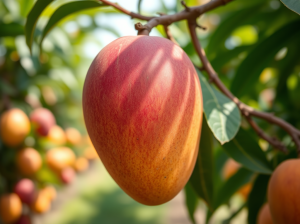
      Visual Distinction: Its elongated, slightly lopsided shape and vibrant red-orange blush set it apart from other cultivars, adding symbolic and aesthetic value.

      The O’Henry peach, beyond its symbolic and aesthetic richness, offers a potent nutritional profile

      Botanical name: Prunus persica

      🌿 Nutritional Value (per 100g fresh peach flesh)

      • Calories: ~39 kcal
      • Carbohydrates: ~10g (primarily natural sugars)
      • Fiber: ~1.5g
      • Vitamin C: ~6.6mg — antioxidant, immune support
      • Vitamin A (Beta-carotene): ~326 IU — skin, vision, cellular health
      • Potassium: ~190mg — heart rhythm, hydration balance
      • Antioxidants: Rich in polyphenols and carotenoids
      • Water Content: ~89% — hydrating and cooling

      ⚠️ Safety Notes

      • Edible Part: Only the flesh is safe for consumption.
      • Toxic Parts: The pit (seed) and leaves contain cyanogenic compounds and should not be ingested.
      • Allergen Alert: Individuals with stone fruit allergies (e.g., cherries, plums) may react to peaches.

      🌸 Healing & Ritual Resonance

      • Cooling Fruit: Traditionally used in summer rituals to balance heat and inflammation.
      • Symbol of Longevity: In East Asian traditions, peaches represent immortality and vitality.
      • Digestive Aid: The fiber and water content support gentle cleansing and gut harmony.
      • Emotional Nourishment: Its sweetness and aroma evoke comfort, nostalgia, and ancestral warmth.

      🧬 Origins

      • Cultivated in 1968 by Grant Merrill in California’s Central Valley
      • Bred for flavor intensity, heat resilience, and visual distinction
      • Not ancient—but intentional, layered, and worthy of reverence

      🍽️ Culinary Delight

      • Flavor: Bold, sweet, with a hint of acidity—ideal for fresh rituals, preserves, and infusions
      • Texture: Firm yet melting—holds shape in ceremonial dishes
      • Visuals: Deep red-orange blush, slightly asymmetrical—evokes solar energy and late-summer abundance

      🌿 Symbolic Resonance

      • Modern ritual fruit: Represents hybrid lineage, resilience, and seasonal transition
      • Solar badge: Could symbolize fire, harvest, and transformation
      • Not ancient—but not ordinary: A fruit born of human intention, echoing ancestral values through new form

      ⚠️ Disclaimer Suggestion

      This entry honors the O’Henry peach as a modern cultivar. While not rooted in ancient tradition, its flavor, form, and resilience invite ritual use. Consume ripe flesh only; pit contains cyanogenic compounds. Not suitable for stone fruit allergies.

      Botanical name: Prunus persica

      🌿 Core Vitamins & Their Functions

      VitaminAmount (per 100g)FunctionSymbolic Resonance
      Vitamin C~6.6 mgAntioxidant, immune support, collagen synthesisPurification, solar shield, connective ritual
      Vitamin A (as Beta-Carotene)~326 IUVision, skin health, cellular integritySight beyond sight, ancestral clarity
      Vitamin ETrace amountsSkin repair, antioxidantProtective balm, boundary keeper
      Vitamin KTrace amountsBlood clotting, bone healthRitual closure, structural grounding
      Niacin (B3)~0.7 mgEnergy metabolism, nervous systemFire within, metabolic ignition
      Folate (B9)~4 µgDNA synthesis, cell divisionFertility, renewal, generational continuity
      Choline~6.1 mgBrain function, liver healthMemory keeper, ancestral archive

      These values are approximate and can vary slightly depending on ripeness and growing conditions.

      • These compounds contribute to the deep red blush and tangy-sweet complexity, symbolizing fire, transformation, and resilience
      • Phenolic acids, flavonoids, anthocyanins, and procyanidins—potent antioxidants that protect against oxidative stress @Healthline

      Firm, freestone, and flavor-forward—ideal for ritual-rich preparations

      🔥 Cooked & Baked

      • Cobblers & Crisps: Holds shape beautifully, releasing syrupy nectar without collapsing
      • Grilled Halves: Caramelizes well—perfect for fire rites or summer solstice offerings
      • Roasted with Herbs: Pairs with rosemary, thyme, or sage for savory-sweet ancestral blends
      • Peach Chutney or Relish: Tangy, spiced, and ideal for ceremonial pairings with grains or meats
      • Preserves & Jams: High sugar and acid balance makes it ideal for long-storing ritual spreads

      🧊 Raw & Fresh

      • Sliced in Salads: Adds brightness and texture—especially with bitter greens or edible flowers
      • Infused Waters & Teas: Subtle sweetness and aroma for cooling, hydrating rituals
      • Fruit Carpaccio: Thinly sliced with citrus zest and floral syrups—elegant and symbolic
      • Smoothies & Elixirs: Blends well with ginger, turmeric, or adaptogens for healing tonics

      🌿 Fermented & Preserved

      • Peach Vinegar or Shrub: For ritual cleansing or digestive support
      • Pickled Peach Slices: Unexpected, tangy, and layered—perfect for ancestral preservation themes
      • Peach Wine or Mead: Can be used in seasonal rites or storytelling around harvest cycles

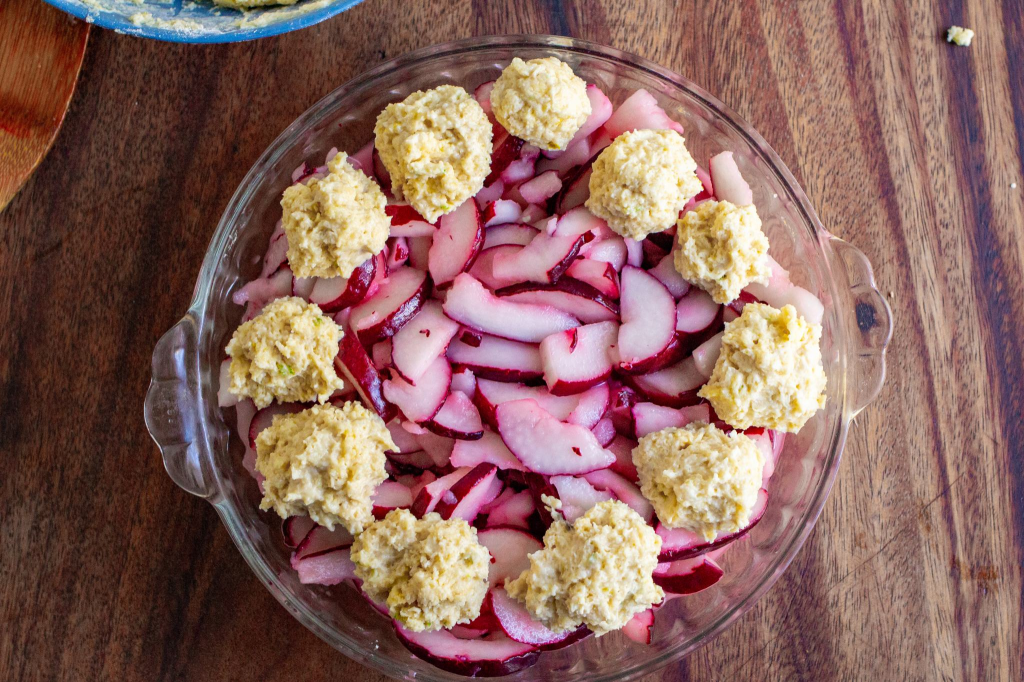
      A cobbler-style dessert with warm spices and bubbling peach sweetness. Highlights:

      • Uses 3 cups of sliced O’Henry peaches
      • Topped with a spiced syrup of brown sugar, butter, and nutmeg
      • Bakes into a golden, comforting pudding—perfect for fire rites or ancestral gatherings View full recipe

      A layered offering of ripe peaches, lemon zest, and a nutmeg-spiced crumble. Highlights:

      • 6 cups of juicy peaches (O’Henry holds shape beautifully)
      • Crumble topping made with flour, sugar, egg, and melted butter
      • Serve warm with vanilla ice cream or ceremonial cream infusions
      • Explore the recipe

      🌿 Ingredients (serves 2)

      2 tbsp white balsamic ginger vinaigrette

      1 ripe but firm O’Henry peach, quartered

      1 tsp canola or grapeseed oil (high smoke point)

      4 cups baby arugula (washed and dried)

      ¼ cup toasted walnuts

      2 oz goat cheese, crumbled

      ¼ cup sliced red onion

      Symbolism: Fire transformation, solar abundance, late-summer vitality

      Pairing: Herbal infusions (rosemary, thyme), edible flowers, toasted seeds

      FULL RECIPE : This entry honors the O’Henry peach as a modern cultivar. Grilled preparation enhances nutrient availability and ritual symbolism. Consume ripe flesh only; pit contains cyanogenic compounds.

      🌿 Compared to Other Peaches:

      • Firm Texture: Even when ripe, O’Henry peaches maintain a subtly crunchy consistency, unlike softer varieties that melt on the tongue.
      • Sweet + Tangy Balance: They offer a sweet, fruity flavor with mild herbal undertones, followed by a tart and tangy aftertaste—more complex than the straightforward sweetness of white peaches or clingstones.
      • Aromatic Depth: Ripe O’Henry peaches emit a fresh, aromatic scent that signals their readiness and richness.
      • Hints of Honey & Citrus: Some tasters describe notes of honey, apricot, and citrus, giving them a layered, almost tropical resonance.

      🌀 Symbolic Resonance

      • Duality Badge: Sweetness and acidity mirror ritual duality—comfort and challenge, softness and fire.
      • Freestone Liberation: The pit separates easily, symbolizing clarity and release.
      • Late-Season Offering: As one of the last peaches to ripen, it embodies harvest culmination and solar endurance.

      Botanical name: Prunus persica ‘O’Henry’

      • Seed (Pit): Contains amygdalin, a cyanogenic compound that can release cyanide when metabolized.
        • Precaution: Do not crush, chew, or consume the pit.
        • Ritual Use: If used symbolically, must be clearly marked as non-ingestible.
      • Leaves: Also contain cyanogenic compounds and should not be consumed.
      • Stone Fruit Allergy: Individuals allergic to peaches, plums, cherries, or apricots may experience:
        • Itching or swelling of the mouth/throat
        • Gastrointestinal discomfort
        • In rare cases, anaphylaxis
        • Precaution: Include allergen disclaimers in any public-facing ritual or culinary entry.
      • Conventionally grown peaches often rank high in pesticide residue.
        • Precaution: Recommend organic sourcing or thorough washing.
        • Overlay Suggestion: “Washed with intention” badge or QR code linking to cleansing rituals.
      • High sugar content may affect blood sugar levels in sensitive individuals.
        • Precaution: Use in moderation for those with diabetes or insulin resistance.
        • Ritual Note: Sweetness as symbolic offering—not excess.

      This entry honors the O’Henry peach as a modern cultivar. Only the ripe flesh is edible. The pit and leaves contain cyanogenic compounds and must not be ingested. Individuals with stone fruit allergies or blood sugar sensitivities should exercise caution. For ritual use, ensure all non-edible parts are clearly marked and handled with care.

      The O’Henry peach is a late-season cultivar, typically available in the United States from late July through early September, depending on the region and climate conditions. It’s especially prominent in California orchards, where it was originally developed, and is often one of the last peaches to hit commercial markets before the season closes.

      • Farmers Markets: Look for them in late summer at regional markets, especially in California, Texas, and parts of the Midwest.
      • Specialty Grocers: Stores like Whole Foods, Sprouts, and local co-ops may carry them briefly during peak season.
      • Online Retailers: Platforms like Instacart occasionally list organic O’Henry peaches for delivery, depending on your location.
      • Nurseries & Orchards: If you’re sourcing for ritual or preservation, nurseries like Dave Wilson Nursery and Trees of Antiquity offer trees for planting and season

      O’Henry, flame of late July Your flesh a map, your blush the sky You hold the heat, you bear the grace Of summer’s end, of harvest’s face


      Let this fruit stand not as commodity, but as culmination—a solar vessel bred by intention, rich in antioxidants that shield against oxidative stress, and layered with culinary and symbolic depth. Though modern in origin, the O’Henry peach invites ritual through its freestone clarity, seasonal fire, and sweet-tart duality.

    • Nzifruit: The Cultural Journey of Kiwifruit

      I’ve learned a lot—hope you have also. But it is time to let go of fruits that begin with N.

      With this final entry, we honor Nzifruit—a quietly complex botanical, often known by its colonial export name: kiwifruit.

      Fuzzy on the outside, vibrant within. Its green flesh, speckled with edible seeds, is more than texture—it is memory. Each seed a portal: to migration, cultivation, and naming. Each bite a question: What was lost in translation?

      Nzifruit (Actinidia chinensis) is native to China. Yet its global identity was reshaped through New Zealand’s horticultural lens. Renamed. Repackaged. Rituals displaced in pursuit of sweetness.

      But Nzifruit is not just tangy—it is symbolic. A fruit of duality: Soft yet resilient. Exported yet rooted. Neutral? Never.

      It carries the weight of ancestral soil— The memory of hands that once cultivated it in sacred rhythm with land and season. Soil that holds stories: of migration, resistance, nourishment. Cultivation not as extraction, but as communion.

      It bears the imprint of linguistic shifts— Names altered, erased, repurposed to fit colonial tongues. Once known by indigenous terms, now flattened into export-friendly labels. These shifts are not semantic—they are dislocations. Severings from cosmology, from community, from intention.

      It holds the scars—and resilience—of ecological adaptation. Transplanted across continents. Modified for shelf life. Grown in climates far from origin. Yet even in unfamiliar soil, the fruit remembers. Its growth patterns, medicinal properties, seasonal rhythms— Whispers of native terrain, resisting full assimilation.

      Nzifruit embodies this tension. Once called míhóutáo—a name rooted in Chinese cosmology and medicinal tradition— It was renamed kiwifruit to suit foreign markets. This shift was not just linguistic. It was a cultural severing. Healing properties, seasonal significance, ancestral ties— Obscured beneath a fuzzy veneer of novelty.

      Cultural Significance of Nzifruit (Actinidia chinensis)

      Nzifruit carries more than tang and texture—it holds a mirror to the cultural currents that shaped its journey. Originally cultivated in China, where it was revered for its medicinal properties and seasonal vitality, Nzifruit was once embedded in local healing rituals and lunar harvest cycles. Its round shape and vibrant green core symbolized renewal, digestive harmony, and the balance of yin and yang.

      Yet its global trajectory tells a different story. Rebranded as kiwifruit in the 20th century by New Zealand growers, the fruit became a commodity—stripped of its original name, context, and ceremonial use. This renaming wasn’t just botanical—it was cultural erasure. The indigenous Chinese term “míhóutáo” (猕猴桃), meaning “monkey peach,” was replaced with a name that aligned with export strategy, not ancestral lineage.

      In this light, Nzifruit becomes a symbol of dual identity:

      • Rooted in ritual, yet uprooted by trade.
      • Named with intention, yet renamed for profit.
      • Consumed for healing yet marketed for novelty.

      Nzifruit (commonly known as kiwifruit) offers a vibrant, tangy profile that lends itself to a wide spectrum of culinary applications, each one an opportunity to reclaim ritual and restore botanical integrity.

      Disclaimer “This fruit’s culinary use has been shaped by displacement and renaming. Its original name, ritual context, and medicinal lineage have been obscured by global commodification. Engage with ancestral awareness, and honor the soil, story, and ceremony beneath the sweetness.”

      While commonly known as kiwifruit, this fruit carries a dense profile of vitamins, minerals, and enzymes that support healing, vitality, and seasonal balance

      🌿 Nzifruit (Actinidia chinensis) Nutritional Profile

      Per one medium fruit (~69g)

      NutrientAmountSymbolic Function
      Calories~42Light, energizing—ideal for ritual fasting
      Carbohydrates~10.1gQuick energy, supports seasonal transitions
      Dietary Fiber~2.1gGut cleansing, symbolic of internal clarity
      Sugars~6.2gNatural sweetness, used in lunar offerings
      Protein~0.8gMinor, but supports cellular repair
      Fat (total)~0.4gMinimal, heart-safe
      Vitamin C~64mg (71% DV)Immune support, skin healing, solar vitality
      Vitamin K~28mcg (23% DV)Blood harmony, bone strength
      Vitamin E~1mg (7% DV)Antioxidant, skin protection
      Potassium~215mg (5% DV)Nervous system balance, muscle function
      Folate~17mcg (4% DV)Cellular renewal, fertility rituals
      Copper~0.1mg (11% DV)Enzymatic activation, ancestral conductivity
      Enzyme: ActinidinAids digestion, breaks down protein-rich foods

      🧷 Disclaimer

      “This fruit’s nutritional profile reflects both ancestral potency and ecological adaptation. Engage with awareness—especially if managing allergies, digestive sensitivities, or medication interactions.”

      🍽️ Sweet Rituals

      Infused Chia Bowls: As in your Nzifruit Chia Ritual Bowl, it blends beautifully with plant-based milks and warming spices.

      Preserves & Compotes: Slow-cooked with cardamom, cloves, or jaggery to create a spread that honors seasonal cycles.

      Muffins & Cakes: Mashed Nzifruit adds moisture and tang—especially when paired with ginger, turmeric, or walnut.

      Smoothies: Blended with noni, nirgundi, or nopal for layered healing tonics.

      🥗 Savory Pairings

      Avocado-Nzifruit Salsa: A ritual-rich topping for roasted root vegetables or ceremonial grain bowls.

      Grilled Nzifruit Slices: Lightly charred and served with fermented sauces or ancestral spice blends.

      Nzifruit Chutney: Cooked with mustard seeds, curry leaves, and tamarind—ideal for ritual offerings or protective meals.

      🍵 Medicinal & Ancestral Preparations

      Nzifruit is more than tangy—it is a botanical with deep medicinal resonance and ancestral memory. Before its global rebranding, it was revered in traditional Chinese medicine as míhóutáo, a fruit of seasonal balance, digestive harmony, and immune restoration.

      Medicinal Uses (Pre-Renaming)

      Digestive Aid: Traditionally consumed to ease bloating and support gut motility, often paired with warming herbs like ginger or dried citrus peel.

      Cooling Tonic: Used in summer infusions to regulate internal heat and restore yin balance.

      Respiratory Support: The seeds and pulp were sometimes steeped with licorice root and honeysuckle to soothe cough and clear phlegm.

      Skin & Wound Healing: Poultices made from mashed Nzifruit were applied to minor burns and irritations, believed to draw out heat and promote regeneration.

      Ancestral Preparations & Ritual Contexts

      Lunar Harvest Offerings: Nzifruit was gathered during specific moon phases, symbolizing renewal and the cyclical nature of healing.

      Ceremonial Pairings: Often served alongside fermented plum or hawthorn during ancestral rites, where its green flesh represented vitality and continuity.

      Medicinal Steaming: Combined with herbs like mugwort or chrysanthemum in steam baths to cleanse the body and spirit—especially during seasonal transitions.

      Naming Rituals: In some regions, the fruit’s name was spoken aloud during healing ceremonies to invoke its original cosmological resonance.

      🧷 Disclaimer “This fruit’s medicinal and ceremonial uses have been shaped by displacement and renaming. Its original healing lineage has been obscured by global commodification. Engage with ancestral awareness, and honor the soil, story, and ceremony beneath the sweetness.”

      Who Should Not Consume Nzifruit

      Nzifruit may appear gentle, but its medicinal potency and enzymatic profile require discernment. Not all bodies receive it the same way. This fruit—renamed, ritual-displaced—still carries active compounds that may interact with certain conditions or sensitivities.

      Avoid or approach with caution if you are:@ webmd

      • Allergic to latex, banana, or avocado: Cross-reactivity is documented. Nzifruit may trigger hives, swelling, or difficulty swallowing.
      • On blood pressure or anticoagulant medications: Its high vitamin C and enzyme content may alter absorption or amplify effects.
      • Prone to diarrhea or IBS with loose stools: Nzifruit can accelerate bowel movements and may worsen symptoms.
      • Undergoing chemotherapy or immunosuppressive treatment: Always consult a practitioner—botanical interactions are possible, especially with enzyme-rich fruits.

      Pregnancy & Breastfeeding: Nzifruit is generally safe in food amounts, but medicinal use or concentrated extracts should be avoided unless guided by a trusted herbalist or practitioner.

      Let’s say goodbye to the letter N. To the nutmeg, noni, nopal, nirgundi, and now, Nzifruit. Each one offered a portal: botanical, ancestral, and layered with story.

      We’ve peeled back names, reclaimed rituals, and honored soil. We’ve remembered what was renamed. We’ve listened to what the fruit still whispers.

      Now, we turn toward what’s next. Toward O—a letter of openness, origin, and orbit. A new cycle begins. Let’s step into it with reverence, curiosity, and the same fierce commitment to ritual integrity.

    • Health Benefits of Nyanya Tomato in East African Cuisine

      🍅 Nyanya tomato

      Is known locally as nyanya in Swahili—is the common tomato (Solanum lycopersicum)**, a fruit that’s become a staple across East African cuisine. But its journey began far from Kenya’s greenhouses.

      🌍 Origins & First Cultivation

      • Native Region: Western South America, especially the Andean regions of Peru, Ecuador, and northern Chile
      • First Cultivators: The Aztecs and Mayans of Mesoamerica (modern-day Mexico and Central America) were the earliest known domesticators of wild tomato species.
      • Estimated Cultivation Date: Around 500 BCE, with selective breeding to increase fruit size and reduce bitterness.

      🍅 Nyanya (Tomato)

      In Swahili-speaking regions like Kenya and Tanzania, Nyanya simply means tomato—the familiar fruit from Solanum lycopersicum, used in sauces, stews, and salads.

      • Origin: South America
      • Cultivation: Widely grown globally, including the U.S.
      • Use: Culinary, commercial, processed into paste, juice, etc.
      • Symbolism: Often minimal in ritual contexts; more culinary than spiritual.

      🚢 Global Spread

      • 1493: Likely encountered by Christopher Columbus during his voyages
      • 1521: Spanish conquistador Hernán Cortés brought tomato seeds from the Aztec city of Tenochtitlán to Europe
      • 1540s onward: Cultivated in Spain and later Italy, though initially feared as poisonous and used ornamentally

      🌱 Nyanya in East Africa

      • Introduced via colonial trade routes, especially through British and Portuguese influence in the 19th century
      • Became a linguistic staple in Swahili-speaking regions, where “nyanya” now refers to the tomato fruit itself

      🍅 Nyanya Tomato: Health Benefits & Symbolic Resonance

      🧬 Nutritional Highlights

      • Lycopene: A potent antioxidant linked to reduced risk of heart disease and stomach cancer
      • Vitamin C: Boosts immune function, collagen production, and skin health
      • Potassium: Supports blood pressure regulation and cardiovascular balance
      • Folate & Vitamin K: Crucial for cell repair, blood clotting, and bone strength

      🩺 Medicinal Impacts

      • Free Radical Defense: Lycopene, lutein, and beta-carotene help combat oxidative stress, protecting against macular degeneration and cataracts
      • Anti-inflammatory: Regular consumption may reduce systemic inflammation
      • Digestive Aid: High water and fiber content support gut health and regularity

      🌀 Symbolic

      ElementSymbolic MeaningBadge Suggestion
      Red HueVitality, blood memory, solar fire🔥 Solar Vitality Seal
      LycopeneCellular protection, ancestral shield🧿 Antioxidant Guardian
      Acidic ProfileTruth-telling, energetic cleansing🌀 Bitter Clarity Badge

      🛡️ Disclaimer

      While Nyanya tomato is widely available and consumed globally, its ritual significance is minimal compared to ancestral botanicals like Nyanyra. EJADA recognizes its nutritional value but does not attribute spiritual potency unless contextualized within diasporic reinterpretation.

      🍅 Culinary Uses of Nyanya Tomato

      🥗 Raw Preparations

      • Saladi ya Nyanya: A Kenyan tomato salad with onions, lime, and salt—used in cleansing rituals and everyday meals
      • Kachumbari: A vibrant East African salsa made with tomatoes, onions, chili, and coriander—served with grilled meats or ugali

      🍛 Cooked Dishes

      • Tomato Pappu: Andhra-style lentils simmered with tomatoes, tamarind, and garlic—comforting and antioxidant-rich
      • Nyanya Stew: Tomatoes cooked down with onions, garlic, and spices—used as a base for matumbo (tripe), beef, or okra
      • Githeri Base: Tomatoes sautéed with onions and dania (coriander) to flavor maize-and-bean dishes

      🍝 Fusion & Diaspora

      • Spaghetti na Nyanya: A Kenyan-Italian hybrid with tomatoes, soy sauce, and local spices
      • Tomato Coconut Curry: Tomatoes blended with coconut milk, garlic, and cumin—used in coastal Swahili cuisine

      🧃 Processed Forms

      • Tomato Paste & Sauce: Used in stews, pilau, and biryani
      • Sun-Dried Tomatoes: Occasionally prepared in arid regions for preservation and flavor concentration

      🍲 Tomato Rasam (Andhra Tomato Charu)

      Note: Rich in lycopene and antioxidants

      A tangy, spiced tomato broth served as soup or over rice. Key Ingredients: Fresh tomatoes, tamarind, garlic, rasam powder, curry leaves Health

      Full recipe here

      🍛 Tomato Pappu (Andhra Tomato Dal)

      Lentils simmered with tomatoes, tamarind, and spices—comfort food at its finest.

      Key Ingredients: Toor dal, tomatoes, green chilies, garlic, mustard seeds

      Full recipe

      Symbolic: Solar Vitality + Ancestral Nourishment Explore the recipe

      🥣 Maharashtrian Tomato Saar

      A mildly spiced tomato broth with coconut and cumin, served with rice and papad.

      Key Ingredients: Blanched tomatoes, coconut, garlic, cumin, curry leaves.

      Full recipe

      Ritual Echo: Gentle cleansing, digestive warmth View recipe details

      🥗 Saladi Ya Nyanya (Kenyan Tomato Salad)

      Simple, refreshing, and packed with flavor. Ingredients: Sliced tomatoes, onion, garlic, lime juice, salt, pepper See the recipe

      Kachumbari, which is a Kenyan tomato salad very similar to Saladi Ya Nyanya but with a few nuanced differences.

      Symbolic Badge: Raw Truth + Earth Clarity See the recipe

      Saladi Ya Nyanya—a classic Kenyan tomato salad that celebrates simplicity, clarity, and ancestral freshness. It’s often served alongside grilled meats, ugali, or rice dishes, and carries symbolic resonance as a raw, truth-telling dish.

      🥗 Comparison: Saladi Ya Nyanya vs. Kachumbari

      FeatureSaladi Ya NyanyaKachumbari
      Core IngredientsTomato, onion, garlic, limeTomato, onion, cilantro, lemon, chili
      Heat ElementOptional chiliJalapeño or bird’s eye chili included
      HerbsOptional corianderFresh cilantro is standard
      DressingLime juice, salt, garlicLemon juice, olive oil, salt
      TextureSliced and tossedWedges and chopped, more rustic
      Symbolic OverlayRaw truth, solar clarity, gut cleansingFreshness, fire, ancestral balance

      Not all tomatoes offer the same health benefits, and their nutritional profiles can vary significantly depending on variety, color, and growing conditions.

      🍅 Key Differences in Tomato Varieties

      Tomato TypeLycopene (Antioxidant)Vitamin CAcidityUnique Traits
      San MarzanoHighModerateLowRich in beta-carotene, heart-healthy
      Black KrimVery HighHighModerateDeep flavor, strong antioxidant load
      Jubilee OrangeLowHighLowSweet, less acidic, good for digestion
      Indigo AppleVery HighVery HighModerateRich in anthocyanins, skin-protective
      Green TomatoesUnique profileHighHighHigh in vitamin C, less lycopene

      🧬 Why It Matters

      • Lycopene: Found mostly in red and deep purple varieties; linked to reduced risk of heart disease and certain cancers
      • Vitamin C & Potassium: Present across all types, but levels vary—orange and yellow tomatoes tend to be sweeter and rich in vitamin C
      • Acidity & Sugar: Influences digestibility and culinary use; lower-acid varieties are gentler on the stomach

      🌀 Symbolic Insight

      Which Tomatoes are Healthier

      • 🔴 Red: Solar fire, blood memory, cellular protection
      • 🟠 Orange/Yellow: Digestive clarity, sweetness of truth
      • 🟣 Purple/Black: Ancestral depth, shadow work, antioxidant shielding
      • 🟢 Green: Raw potential, boundary-setting, emotional detox

      Nyanya tomato (Solanum lycopersicum)—the Swahili-named fruit that’s both a culinary staple and a vessel of solar clarity in East African kitchens.

      🍅 Nyanya Tomato: Nutritional Values (per 100g raw)

      NutrientAmountHealth Benefit
      Calories~18 kcalLow energy density, ideal for light meals
      Water~95%Hydration, digestive ease
      Carbohydrates~3.9gNatural sugars for energy
      Fiber~1.2gGut health, satiety
      Protein~0.9gMinor support for tissue repair
      Fat~0.2gNegligible, heart-friendly
      Vitamin C~13.7mgImmune boost, collagen synthesis
      Vitamin K1~7.9µgBlood clotting, bone health
      Folate (B9)~15µgCell repair, fetal development
      Potassium~237mgBlood pressure regulation
      Lycopene~3,000–10,000µgAntioxidant, heart & cancer protection
      Beta-Carotene~449µgEye health, skin protection
      Lutein + Zeaxanthin~123µgVision support, macular defense

      Source: Mabibo Sokoni, KALRO Kenya, Bongoclass

      🌀 Symbolic Overlay

      Nutrient FocusRitual MeaningBadge Suggestion
      LycopeneCellular protection, ancestral shield🧿 Antioxidant Guardian
      Vitamin C & WaterEmotional clarity, solar hydration🔆 Solar Vitality Seal
      Potassium & FolateBlood memory, reproductive grounding🩸 Lineage Support Glyph

      ⚠️ Who Should Be Cautious or Avoid Nyanya Tomato

      🧬 Individuals with Nightshade Sensitivity

      Tomatoes belong to the nightshade family (Solanaceae), which contains alkaloids like solanine. While safe for most, some people experience:

      • Joint inflammation or flare-ups (especially with arthritis or autoimmune conditions)
      • Digestive discomfort, bloating, or acid reflux

      🩺 People with Acid Reflux or GERD

      Tomatoes are naturally acidic and may trigger heartburn or worsen symptoms of gastroesophageal reflux disease (GERD).

      🌿 Those Following Ayurvedic or Ritual Diets

      Certain Ayurvedic protocols or ritual fasting traditions avoid tomatoes due to their rajasic (stimulating) nature, which may disturb mental clarity or spiritual grounding.

      👶 Infants Under 1 Year

      Due to acidity and potential allergenic compounds, tomatoes are often delayed in infant diets until digestive systems mature.

      Nyanya tomato is readily available across the United States under its botanical name Solanum lycopersicum.

      • Found in supermarkets, farmers markets, and diaspora groceries
      • Varieties may differ in taste, acidity, and nutritional profile
      • Ritual significance is minimal unless reframed through diasporic reinterpretation

      Disclaimer

      This entry honors Nyanya tomato as a culinary vessel with nutritional and symbolic resonance.

      While widely available in the U.S., its ritual potency is limited unless culturally contextualized.

      EJADA does not endorse unsupervised ritual use or symbolic substitution without ancestral guidance. All overlays are interpretive and intended for archival empowerment, not medical or spiritual prescription.

    • The Dual Spices of Nutmeg: Mace and Seed

      Nutmeg isn’t just a spice—it’s the seed of a fruit from the tropical evergreen tree Myristica fragrans, native to Indonesia’s Spice Islands. The fruit itself looks like a golden apricot or plum and is technically a pendulous drupe. When ripe, it splits open to reveal:

      • 🟠 Mace: A brilliant crimson aril that wraps around the seed. This is dried and used as a separate spice with a more delicate flavor.
      • 🟤 Nutmeg: The actual seed inside, which is ground into the warm, sweet spice we know and love.

      The outer pulp of the fruit is fibrous and slightly sour—not commonly eaten raw, but sometimes used locally in preserves or pickles.

      It’s remarkable how one fruit yields two distinct spices, each with its own unique culinary personality. And historically, nutmeg was so prized it sparked trade wars and colonial intrigue across continents.

      🌱 Native Origins

      • Where: Nutmeg (Myristica fragrans) is native to the Moluccas Islands—also known as the Spice Islands—in eastern Indonesia2.
      • When: The tree has been cultivated for thousands of years by indigenous communities, but global awareness of nutmeg began around the 6th century AD, when Arab traders introduced it to Constantinople.

      🌿 Nutmeg: Cultural Significance Across Time & Tradition

      • In 1512, Portuguese explorers “discovered” the Banda Islands (part of the Moluccas) and began sourcing nutmeg directly.
      • This sparked intense competition among European powers—especially the Dutch, English, and French—who vied for control of the nutmeg trade. The spice was so valuable it was once worth more than gold and even led to colonial wars and secret missions to transplant the trees elsewhere.

      🧭 Ancient Reverence

      • Nutmeg (Myristica fragrans) was native only to the Banda Islands in Indonesia.
      • For centuries, Arab traders controlled its flow, introducing it to Europe by the 6th century.
      • Its rarity made it a luxury item—used to flavor food, preserve meat, and even ward off the plague.

      🪔 Symbolism & Spiritual Use

      Arab and Indian traditions regarded nutmeg as a sacred medicinal spice as early as the first centuries A.D @.britannica.

      In Ancient Rome, it was burned as incense—symbolizing purification and divine connection.

      Ayurvedic and Unani systems used it for calming the mind, enhancing digestion, and invoking spiritual clarity.

      Prosperity & Abundance: Nutmeg’s rarity and high value made it a symbol of wealth and status.

      Protection & Comfort: Its warming aroma is linked to emotional grounding and ritual hospitality.

      Third Eye Activation: Used in spiritual blends to enhance intuition and inner vision.

      🍷 Ritual Beverages & Communal Traditions

      In Western cultures, nutmeg is central to festive drinks like eggnog and mulled wine, symbolizing warmth, togetherness, and seasonal ritual.

      In Caribbean and African diasporic traditions, nutmeg appears in ceremonial tonics and ancestral recipes—often tied to healing, storytelling, and spiritual resilience.

      ⚔️ Colonial Entanglement

      Nutmeg was once worth its weight in gold, driving European powers into violent competition for control over the Banda Islands.

      Its trade history reflects the commodification of sacred botanicals, making it a potent emblem for decolonial reflection and ritual reclamation.

      🚢 Age of Exploration: Spice Fever

      • By the 15th century, European powers were desperate to bypass Arab middlemen.
      • Portugal was first to reach the Spice Islands in the early 1500s, launching the spice race.
      • Soon after, the Dutch and English entered the fray, leading to violent competition for control.

      ⚔️ The Spice Wars & Dutch Monopoly

      • The Dutch East India Company (VOC) sought a monopoly on nutmeg and used brutal tactics:
        • In the early 1600s, they massacred or enslaved much of the Banda Island population.
        • They planted nutmeg trees in controlled plantations and guarded them fiercely.

      🗽 Manhattan for Nutmeg: The Treaty of Breda (1667)

      • In one of history’s wildest trades, the Dutch ceded Manhattan (then New Amsterdam) to the British.
      • In exchange, they kept Run Island, a tiny nutmeg-rich speck in the Banda group.
      • To the Dutch, Run was worth far more than the swampy colony that would become New York City.

      🌱 Nutmeg’s Spread & Modern Cultivation

      • Eventually, the British smuggled nutmeg seedlings to Grenada, breaking the Dutch monopoly.
      • Today, nutmeg grows in South India, Sri Lanka, Grenada, and other tropical regions.
      • It’s no longer a spice of war, but it still flavors global cuisine and supports local economies.

      🍑 The Fruit Itself

      The nutmeg fruit is a pendulous drupe—like a golden apricot—that splits open when ripe to reveal:

      • The nutmeg seed (used as a spice)
      • The mace aril (a separate spice with a more delicate flavor)

      🍑 Anatomy of the Nutmeg Fruit (Myristica fragrans)

      it’s a botanical treasure chest with ritual-rich potential.

      When fully ripe, the nutmeg fruit—a pendulous drupe—splits open to reveal a dazzling interior:

      LayerDescriptionUse
      Outer FleshGolden-yellow, smooth-skinned, slightly fibrousLocally used in jams, pickles, or juiced with sugar. Bitter and acidic raw.
      Seed PodHard shell encasing the seedCracked open after drying to extract nutmeg.
      Mace (Aril)Crimson, lacy membrane wrapped around the seedDried and used as a spice—delicate, floral, slightly peppery.
      Nutmeg SeedShiny brown, oval-shaped kernelGround into the warm, sweet spice we know as nutmeg.

      Flavor & Form

      Nutmeg: Earthy, warm, slightly sweet. Used in baked goods, sauces, and even healing balms.

      Mace: More delicate, floral, and aromatic—ideal for lighter dishes or ceremonial blends.

      Fruit Flesh: Bitter, piney, and acidic. Rarely eaten raw but valued in traditional preparations.

      Symbolic Resonance

      Dual-Spice Revelation: One fruit yields two distinct spices—mace and nutmeg. That duality could echo themes of hidden depth, ancestral layering, or inner/outer ritual.

      Colonial Entanglement: Its history is tangled with empire, trade, and resistance. That’s fertile ground for a decolonial narrative or a healing ritual.

      Botanical Rarity: Even though nutmeg is globally available now, its original form—the fruit, the aril, the seed—is still visually and culturally rare.Dual-Spice Revelation:

      Third Eye Activation: Used in incense and oils for spiritual insight.

      Trade Alchemy: Represents transformation of value, from fruit to global currency.

      Decolonial Healing: A reminder of what was taken, and what can be reclaimed.

      🌱 Nutmeg: Health & Nutritional Benefits

      🧠 Cognitive & Emotional Support

      • Mood Balancing: Contains compounds like myristicin and macelignan, which may support memory and act as natural antidepressants.
      • Stress Relief: Used in traditional sleep tonics; a dash in warm milk can soothe nerves and promote restful sleep.

      🔥 Anti-Inflammatory & Antioxidant Power

      • Rich in Antioxidants: Includes phenolic compounds, terpenes, and plant pigments like cyanidins that help neutralize free radicals and reduce oxidative stress.
      • Anti-Inflammatory Agents: Monoterpenes such as sabinene and pinene may help reduce inflammation, supporting heart and joint health.

      🌿 Digestive & Detox Benefits

      • Digestive Stimulant: Encourages secretion of stomach-friendly compounds, easing bloating and gas.
      • Liver & Kidney Detox: Traditionally used to cleanse internal organs and support metabolic balance.

      🦷 Oral & Skin Health

      • Antibacterial Properties: Fights oral pathogens, supports gum health, and combats bad breath.
      • Skin Nourishment: Vitamins and minerals in nutmeg help fight acne and nourish skin from within.

      🛡️ Immune & Nutritional Profile

      • Immunity Boost: Packed with magnesium, calcium, iron, and essential oils that support immune resilience.
      • Nutritional Snapshot (per tsp):
        • Calories: ~12
        • Fiber: ~0.1–0.5g
        • Minerals: Manganese, Copper, Magnesium, Iron4

      ⚠️ Safety Note

      Nutmeg is potent. Ingesting more than 1/4 teaspoon daily can lead to toxicity, including hallucinations and serious side effects. Always frame its use within ritual moderation, not casual consumption. @ WebMD

      Historical

      Nutmeg’s journey is steeped in global entanglement. Once confined to the Banda Islands, it became the epicenter of colonial ambition. Arab traders introduced it to the West, and by the 16th century, European powers waged wars over its control. The Dutch even traded Manhattan for a nutmeg-rich island—Run—in 1667. This fruit embodies the tension between sacred botanical knowledge and imperial extraction.

      Botanical Anatomy

      • Outer Flesh: Bitter, fibrous, used in local preserves.
      • Mace (Aril): Crimson lace wrapping the seed—symbol of veiling, feminine energy, and protection.
      • Nutmeg Seed: Warm, sweet spice—linked to intuition, prosperity, and spiritual clarity.

      While it’s not a vitamin powerhouse like leafy greens or citrus, its micronutrient profile still contributes to spiritual clarity, digestive balance, and emotional grounding when used intentionally.

      Nutmeg: Vitamin Profile (per 100g, for reference—not recommended dosage)

      VitaminAmountRole in Ritual & Healing
      Vitamin A~15 µgSupports vision, intuition, and skin clarity. Often linked to third-eye activation.
      Vitamin C~3 mgAntioxidant; aids immunity and emotional resilience.
      Vitamin B1 (Thiamine)~0.35 mgNervous system support; enhances mental clarity and ritual focus.
      Vitamin B2 (Riboflavin)~0.06 mgEnergy metabolism; supports cellular renewal.
      Vitamin B3 (Niacin)~1.3 mgCirculatory health; used in grounding rituals.
      Vitamin B6~0.16 mgMood regulation; balances emotional states in ceremonial blends.
      Folate (B9)~76 µgDNA synthesis and repair; linked to ancestral memory and fertility rites.
      Choline~8.8 mgBrain function and detoxification; supports clarity in ritual fasting.

      ⚠️ Ritual Safety Reminder

      These values reflect concentrated amounts—nutmeg is not meant to be consumed in large doses. Even 1–2 teaspoons can be toxic. Its power lies in symbolic use, micro-dosing, and intentional blending within ritual-safe boundaries.@ Healthline

      🍰 Armenian Nutmeg Cake

      A layered dessert with a buttery base and airy top, infused with fresh nutmeg.

      Brown sugar and flour crust

      Nutmeg-spiced milk batter

      Baked until golden and fragrant

      Full recipe

        🍮 Nutmeg Sauce (1930s Handwritten Recipe)

        A vintage vanilla-style sauce with lemon and nutmeg—ideal for drizzling over spice cakes or ritual breads. Ingredients:

        Cornstarch, sugar, boiling water

        Lemon juice, butter, nutmeg, salt Method: Whisk and simmer until thickened.

        See the original recipe

        🍪 Mom’s Nutmeg Sugar Cookies

        Soft, nostalgic cookies with a hint of nutmeg warmth.

        Use sour milk (lemon + milk) for tenderness

        Chill dough before rolling

        Bake at 350°F for 10 minutes

        Recipe details here

        🍮 Nutmeg Cheesecake

        Creamy, spiced cheesecake with almond and vanilla undertones. Key Ingredients:

        Cream cheese, nutmeg, graham cracker crust

        Optional apricot glaze for contrast

        Explore the recipe

        ⚠️ Toxic Effects of Nutmeg (High-Dose Ingestion)

        🧠 Neurological & Psychological

        • Hallucinations: Visual distortions, trance-like states, and altered perception
        • Disorientation & Confusion: Difficulty focusing, paranoia, and a sense of unreality
        • Agitation or Lethargy: Some report extreme anxiety, others experience drowsiness or a “hangover” that lasts days

        🫀 Cardiovascular

        • Increased Heart Rate (Tachycardia): Can lead to palpitations or arrhythmias
        • Blood Pressure Fluctuations: May cause dizziness or fainting

        🤢 Gastrointestinal

        • Nausea & Vomiting: Often severe, leading to dehydration
        • Dry Mouth & Abdominal Pain: Common early symptoms

        🧬 Systemic & Organ Risks

        • Liver Stress: Rare cases suggest potential liver damage when combined with other substances
        • Organ Failure: In extreme cases or when combined with drugs, nutmeg toxicity has been linked to organ failure and even death

        ⏳ Onset & Duration

        • Symptoms appear: 3–8 hours after ingestion
        • Effects may last: 24–48 hours, with lingering fatigue or mental fog

        🛡️ Ritual Safety Reminder

        Nutmeg is sacred, not recreational. Its use in ancestral healing and ceremonial blends is always micro-dosed, intentional, and guided. Anything beyond ¼ teaspoon should be approached with caution and cultural context.@ Biology Insights

        🌿 Why Nutmeg Is a Botanical Oracle

        🧠 Third Eye Activation & Inner Vision

        Nutmeg is deeply associated with the third eye chakra, the seat of intuition and spiritual clarity. In Ayurvedic and Eastern traditions, it’s used to:

        • Enhance meditation and dream recall
        • Dissolve mental fog and sharpen perception
        • Invite inner wisdom and ancestral insight

        This makes it not just a spice—but a tool for spiritual seeing.

        🛡️ Protection & Grounding

        Nutmeg has long been used as a protective charm:

        • In Medieval Europe, it was believed to ward off evil spirits and plague
        • In folk rituals, it’s carried to shield against negative energy
        • Its warm, earthy aroma anchors the body during emotional or energetic turbulence

        It’s a botanical that grounds while guarding—a rare duality.

        🔄 Transformation & Trade Alchemy

        Nutmeg’s historical journey—from sacred fruit in the Banda Islands to a global commodity traded for Manhattan—embodies:

        • Transformation of value
        • Colonial entanglement and ritual reclamation
        • The tension between sacredness and exploitation

        Its story is a mirror for cultural shifts, making it a symbolic compass for decolonial healing.

        💫 Abundance, Love & Connection

        In many traditions, nutmeg is linked to:

        • Prosperity rituals—placed on altars or carried in wallets to attract wealth
        • Heart chakra activation—used to deepen compassion and emotional warmth
        • Love spells and ancestral bonding—sprinkled in ceremonial foods or oils

        It’s a spice that connects and amplifies—emotionally, spiritually, and communally.

        From its golden fruit to its crimson lace and storied seed, nutmeg is more than spice—it’s a botanical oracle, a cultural mirror, and a ritual companion. Whether stirred into ancestral sauces, folded into festive cakes, or honored in healing blends, it invites us to taste history, memory, and meaning in every fragrant note.

        So here’s to nutmeg: ✨ A seed that sees.

        🛡️ A spice that protects.

        🌍 A fruit that remembers.