I’m Brinder, a visionary curator and founder of EJADA Specialty Merchandise, ZAREL, and BJG DESIGNS. My entrepreneurial journey began in March 1996, starting with catalog sales and evolving into dropshipping, e-commerce, and creative direction. Through every chapter—whether facing health challenges, competing against larger companies, or refining my craft—I’ve carried forward the wisdom my father shared before he passed: “Everything is just a dream away.”
✨ EJADA Specialty Merchandise
Founded in honor of my father, EJADA represents resilience and legacy. It’s a testament to never giving up, even when life placed obstacles in my path.
🌱 ZAREL
ZAREL continues that legacy with renewal and growth. It embodies creativity, fair pricing, and quality products designed to stand out in a world of mass production. ZAREL is proof that persistence and vision can transform challenges into opportunities.
🎨 BJG DESIGNS
BJG DESIGNS is the creative force behind bold typography, motivational one-liners, and signature motifs. Available on t-shirts, hoodies, sweatshirts, color-changing mugs, accent mugs, hats, and cinch backpacks, BJG DESIGNS gives customers a wide choice of selection while staying true to uniqueness and style.
💡 My Philosophy
I believe in quality, uniqueness, and fair pricing. I believe in building products that carry meaning. Most importantly, I believe with Family and Friend Support, this year could be the turning point—a year where resilience becomes renewal, and where every dream moves closer to reality.
Together, EJADA, ZAREL, and BJG DESIGNS show that with resilience, vision, and community, everything truly is just a dream away
Pequi (lat. Caryocar brasiliense), also known as souari nut, is a fruit native to Brazil and commonly found in the Brazilian Cerrado region. It is a small, round fruit with thick, yellow, or orange skin that is covered in small, sharp spines.
🌿 Key Features of Pequi:
Appearance: Round, greenish fruit with bright orange pulp inside.
Texture Hazard: The pulp surrounds a pit covered in sharp, needle-like spines. Biting into it carelessly can lead to painful injuries—locals know to scrape the flesh gently with their teeth.
Flavor Profile: Pungent, savory, and slightly sour. It’s an acquired taste, often used in traditional dishes like arroz com pequi (rice with pequi) and frango com pequi (chicken with pequi).
Cultural Significance: Indigenous communities consider it a communal fruit, used not only in food but also in medicine, cosmetics, and construction.
Botanical Behavior: The tree blooms in dry winter months and is pollinated primarily by bats, thanks to its nocturnal nectar release.
🌿 Pequi (Caryocar brasiliense)
Cultivation, Seasonality & Purpose
Pequi is a fiercely aromatic fruit native to Brazil’s Cerrado biome, revered for its pungent flavor and cultural depth. Known locally as the “souari nut,” this spiny treasure is more than a culinary curiosity—it’s a seasonal ritual, ecological keystone, and economic lifeline.
🌱 Historical Cultivation Timeline
Pre-Colonial Era: Indigenous peoples of the Cerrado biome were the first to cultivate and ritualize Pequi, using it for food, medicine, and spiritual practices. Its cultivation was not industrial—it was embedded in seasonal rhythms and communal land use.
Colonial Period (1500s–1800s): Pequi remained largely outside European agricultural systems due to its spiny pit and strong flavor. However, Afro-Brazilian communities adopted it into their cuisine and healing traditions, preserving its cultural significance.
20th Century Onward: Scientific interest in Pequi’s nutritional value and ecological role grew in the 1970s–1990s. Formal cultivation expanded through agroforestry initiatives, especially in Goiás, Minas Gerais, and Tocantins.
Modern Use: Today, Pequi is cultivated both wild and semi-domesticated. It’s used in:
Culinary dishes like arroz com pequi
Oil production for cosmetics and cooking
Traditional medicine
Biodiversity conservation and reforestation projects
🌱 Cultivation & Growth Cycle
Habitat: Pequi trees thrive in the Cerrado’s tropical savanna, favoring well-drained, sandy loam soils with a pH between 6.0 and 7.5. They are drought-resistant and flourish in nutrient-poor conditions, making them ideal for regenerative agroforestry.
Planting Season: Cultivation typically begins in late spring, when soil temperatures rise and rainfall patterns stabilize.
Growth Timeline:
Flowering: Occurs during the dry winter months, from July to September, a rare trait among Cerrado flora.
Pollination: Primarily nocturnal—bats, moths, and hummingbirds feed on the tree’s nectar-rich, pale yellow flowers.
Fruit Ripening: Pequi fruits mature by late summer to early fall, with harvests peaking between September and November.
Harvesting Method: Fruits are collected manually, often by local families or cooperatives. Due to the spiny pit, handling requires skill and patience.
🧬 Nutritional Profile of Pequi (Caryocar brasiliense)
🍑 Pequi: The Fruit That Bites Back
Forget apples keeping doctors away—Pequi keeps dentists on speed dial. This Cerrado-born daredevil comes wrapped in flavor and armed with internal spikes sharper than your ex’s last text.
🧬 Nutritional Swagger
Pequi doesn’t just show up—it arrives with:
Enough oleic acid to make olive oil blush
Vitamin A so potent it could light up a cave painting
Cardol, the spicy phenolic compound that says, “I’m medicinal… but only if you respect me”
It’s like nature’s version of a high-maintenance superfood: brilliant, bold, and absolutely not here for casual consumption.
Pequi pulp and oil are rich in bioactive compounds, making this fruit a powerhouse of lipid-based nourishment, antioxidant defense, and anti-inflammatory potential.
🧪 Macronutrients (per 100g of pulp)
Nutrient
Approximate Value
Notes
Calories
~200 kcal
High energy density due to oil content
Total Fat
18–22g
Mostly monounsaturated and saturated fats
Protein
1–2g
Minimal, but present
Carbohydrates
5–8g
Low glycemic impact
Fiber
2–3g
Supports digestion and satiety
🌿 Key Micronutrients & Bioactives
Vitamin A (β-carotene): Supports vision, skin health, and immune function.
Vitamin E (tocopherols): Potent antioxidant, protects cell membranes.
Oleic Acid: Heart-healthy fat also found in olive oil.
Phenolic Compounds: Anti-inflammatory and antimicrobial properties.
Cardol: A phenolic lipid with medicinal potential, but toxic in excess—requires careful preparation.
🩺 Health Benefits
(If You Survive the Bite)
Anti-inflammatory: Great for joints, unless you bite the pit and need a joint replacement.
Antioxidant-rich: Fights free radicals while radicalizing your taste buds.
Skin-nourishing oil: Makes your face glow—just don’t confuse it with salad dressing.
✅ Cardiovascular Support
Oleic acid and tocopherols may help reduce LDL cholesterol and oxidative stress.
Pequi oil has shown potential in lowering blood pressure in small studies.
✅ Anti-Inflammatory & Antioxidant Effects
Traditional use includes treatment for bronchitis, joint pain, and skin conditions.
Rich in carotenoids and polyphenols that combat free radicals.
✅ Skin & Hair Nourishment
Pequi oil is used in cosmetics for its emollient properties—moisturizes, softens, and protects.
⚠️ Safety & Toxicity Notes
Cardol Sensitivity: In large amounts or improperly prepared, cardol can cause nausea, vomiting, and allergic reactions.
Spiny Pit Hazard: Must be scraped gently—never bitten. The spines can lodge painfully in the mouth.
Pequi-florosis: Rare allergic reaction linked to overconsumption of pequi oil.
🍽️ Culinary & Cultural Uses
Pulp: The bright orange flesh is used in regional dishes like arroz com pequi (rice with pequi) and frango com pequi (chicken with pequi). Its flavor is intensely savory, with notes of cheese, citrus, and earth.
Oil Extraction: Pequi oil, pressed from the seeds, is prized for cooking and traditional medicine. It’s also used in cosmetics for its emollient properties.
Medicinal Use: Indigenous communities use pequi oil to treat respiratory issues, inflammation, and skin conditions.
Timber: The tree’s wood is durable and used in furniture and construction.
“Pekea Nut” and “Pequi”
The same botanical species: Caryocar brasiliense. The name “Pekea Nut” is a less common Anglicized label, while “Pequi” is the traditional Brazilian name used in culinary, cultural, and ecological contexts.
🌿 Clarifying the Terminology:
Name
Region/Usage
Notes
Pequi
Brazil, especially Goiás, Minas Gerais, Tocantins
Most widely used name in cuisine and cultural references
Pekea Nut
English-language plant databases and care guides
Rarely used in culinary contexts; more common in horticulture
Caryocar brasiliense
Scientific name
Used in botanical and ecological studies
🍽️ Same Fruit, Same Flavor
Both names refer to the same spiny, aromatic fruit with:
Medicinal and cosmetic applications via its oil
A hard shell and bright orange pulp
Sharp internal spines around the seed
Culinary use in dishes like arroz com pequi
🐾 Ecological Significance of Pequi (Caryocar brasiliense)
Pequi doesn’t just feed the forest—it throws a party:
Bats pollinate it at night like it’s the VIP section of the Cerrado
Birds snack on its pulp and spread its seeds like gossip
Stingless bees move in, rent-free, and call it home
Pequi is not merely a fruit—it’s a keystone species in the Brazilian Cerrado, orchestrating a symphony of ecological relationships that ripple across pollinators, seed dispersers, and soil health. Its presence signals resilience, biodiversity, and ancestral stewardship.
🌸 Pollination: A Nocturnal Ballet
Primary Pollinators: Pequi’s pale yellow, nectar-rich flowers bloom during the dry season (July–September), attracting bats, moths, and nocturnal wasps. These pollinators feed on the tree’s thin, sugary nectar released throughout the night.
Secondary Visitors: At dawn, hummingbirds, bees, and tanagers (like the guira and sayaca) opportunistically feed on residual nectar and pollen. While their role in pollination is debated, their presence reflects Pequi’s ecological magnetism.
Stingless Bees: Species like Melipona quadrifasciata and Scaptotrigona postica nest in Pequi tree hollows, making the tree both a food source and a home.
🐦 Seed Dispersal & Wildlife Interactions
Fruit-Eating Fauna: The bright orange pulp and fatty seeds attract a wide range of animals—including yellow-headed caracaras, curl-crested jays, and even normally carnivorous species—who consume the fruit and aid in seed dispersal.
Spineless Variants: Though most Pequi pits are covered in spines, wild spineless variants exist, offering safer access to smaller animals and expanding the dispersal network.
🌳 Habitat Anchoring & Soil Health
Drought Resilience: Pequi trees thrive in nutrient-poor, sandy soils, stabilizing erosion-prone areas and contributing to soil regeneration.
Carbon Sequestration: As a long-lived tree with dense wood and deep roots, Pequi contributes to carbon storage, helping mitigate climate impacts in the Cerrado.
⚠️ Conservation & Threats
Habitat Loss: Deforestation, monoculture farming, and land privatization threaten Pequi’s ecological role. Even if trees remain, the loss of pollinator habitat can drastically reduce fruit yield.
Cultural Commons: In regions like Minas Gerais, Pequi is considered a communal fruit—belonging to all, regardless of land ownership. This ancestral ethic clashes with modern land-use policies, risking both biodiversity and cultural continuity.
Pequi is rarely eaten raw and is actually celebrated for its versatility in cooked preparations. In fact, raw consumption is discouraged due to its spiny pit and pungent cardol content, which can cause irritation or allergic reactions if not properly handled.
🍲 Culinary Uses Beyond Raw
Pequi shines brightest when it’s cooked, infused, or pressed. Here’s how it’s traditionally and creatively used:
🔥 Cooked Dishes
Arroz com Pequi: A signature rice dish from Goiás and Minas Gerais, where the fruit is simmered to release its bold aroma and flavor.
Frango com Pequi: Chicken stewed with Pequi pulp, often paired with garlic, annatto, and cilantro.
Pequi Stews & Soups: Adds depth and richness to broths, especially when paired with root vegetables or legumes.
🧴 Oil & Extracts
Pequi Oil: Cold-pressed from the seeds, used in cooking, cosmetics, and traditional medicine. It’s rich in oleic acid and vitamin E.
Medicinal Infusions: Used to treat respiratory issues, skin conditions, and inflammation in folk medicine.
🍶 Preserves & Liqueurs
Pequi Liqueur: Soaked in sugarcane aguardente, creating a pungent, aromatic spirit.
Pequi Pickles & Pastes: Regional delicacies that mellow the fruit’s intensity while preserving its nutritional value.
🧂 Roasted Seeds
Once the spines are removed and the pit is cracked, the seeds can be roasted and salted—a protein-rich snack akin to peanuts.
Arroz com PequiServes: 4 Prep Time: 10 min Cook Time: 25 min
This rice doesn’t just feed you—it warns you. Scrape the Pequi pulp like you’re negotiating with a spicy porcupine. Bite recklessly, and you’ll be flossing with regret.
🐔 Orchard-rooted humor: This dish is a flavor ambush. The chicken’s tender, the Pequi’s pungent, and the whole thing tastes like a forest decided to throw a barbecue.
Pequi is a culturally anchored fruit native to Brazil’s Cerrado, traditionally harvested by Indigenous and Afro-Brazilian communities. In the United States, Pequi is available only through specialty importers, often in preserved, sliced, or oil-extracted forms. Raw fruit is rarely sold due to its spiny pit and cardol content, which require skilled preparation.
⚠️ Ethical & Operational Boundaries
Availability: U.S. sourcing is limited to select platforms (e.g., Amazon, Instacart, Dharaseeds). Always verify origin, preservation method, and handling instructions.
Labeling: Products may be labeled as “Pequi,” “Pekea Nut,” or “Brazilian Souari Nut.” Cross-reference botanical name (Caryocar brasiliense) for accuracy.
Handling Note: Imported Pequi is typically pre-cooked or brined. Raw consumption is discouraged unless sourced directly from verified Cerrado cooperatives.
Ceremonial Integrity: EJADA does not endorse mass-market sourcing. All entries must preserve Pequi’s ecological dignity, cultural lineage, and ancestral pacing.
Pequi (Caryocar brasiliense) is native to Brazil’s Cerrado biome and traditionally harvested by local communities. In the United States, it is available only through select specialty retailers and online platforms. Most imported forms are preserved—either sliced in brine or pressed into oil. Raw fruit is rarely sold due to its spiny pit and cardol content, which require skilled handling.
Important Notes:
Always verify product origin and preparation method.
Labeling may vary: “Pequi,” “Pekea Nut,” or “Brazilian Souari Nut.”
🍈 Little Treasure, Big Flavor
Pequi doesn’t shout—it smolders. Small in stature, spiny in defense, and unapologetically bold in taste, this Cerrado-born fruit is a paradox wrapped in pulp. It’s the kind of treasure that doesn’t sparkle—it stings, nourishes, and lingers.
Bite too deep, and you’ll meet its spines. Cook it right, and you’ll unlock a flavor that defies categories: citrusy, cheesy, earthy, and ancestral. It’s not here to please—it’s here to proclaim.
🧬 Nutritional Bravado
Packed with oleic acid, vitamin A, and antioxidant phenolics, Pequi offers:
Cardiovascular support with heart-healthy fats
Anti-inflammatory benefits for joints and skin
A caloric punch that fuels without fluff
It’s a fruit that feeds the body and challenges the palate—no shortcuts, no apologies.
🍽️ Culinary Versatility
From arroz com pequi to medicinal oil, this little orb transforms:
Rice into ritual
Chicken into ceremony
Oil into nourishment
Seeds into roasted wisdom
Each preparation is a pact with patience. You don’t eat Pequi—you earn it.
🐾 Ecological Echo
Pequi anchors pollinator networks, shelters stingless bees, and feeds birds bold enough to brave its spines. It’s a keystone species disguised as a kitchen ingredient.
Ancient Cultivation: Pears have been cultivated for over 3,000 years, with roots in Western Asia and Europe.
Divine Status: In ancient Greece, pears were considered a gift from the gods, praised by Homer himself.
Global Spread: European settlers introduced pears to North America in the 1600s, while China cultivated them as early as 1100 BC.
Pears are more than just a tasty snack; they pack a punch with their rich history and surprising benefits. Did you know that pears have been enjoyed since ancient times? These juicy fruits were beloved by the Greeks and Romans.
Pears come in over 3,000 varieties, each with its uniqueflavorand texture.
🌿 Botanical & Symbolic Layers
Rosaceae Family: Pears belong to the rose family, alongside apples, cherries, and almonds—a poetic lineage if ever there was one.
Symbolism: Across cultures, pears have symbolized immortality, fertility, and sensuality, appearing in art by Van Gogh, Renoir, and Gauguin.
🧬 Nutritional & Sensory Profile
Fiber-Rich: A medium pear offers 5.5 grams of fiber, aiding digestion and heart health.
Vitamin Boost: High in vitamin C, potassium, and copper, pears support immunity and cellular function.
Low-Calorie Delight: With around 101 calories, pears are a guilt-free indulgence.
🍐 Top Nutritional Benefits of Pears
Whether poached in piloncillo or folded into orchard-rooted crisps, pears carry a consistent nutritional signature that’s both gentle and powerful. Here’s a distilled overview of their top nutritional benefits.
Benefit
Key Nutrients & Compounds
Editorial Notes & Symbolic Resonance
Digestive Harmony
3.1g fiber per 100g (mostly pectin)
Supports gut pacing and satiety; ideal for ritualized nourishment
Immune System Boost
Vitamin C (7% RDA) + antioxidants
Enhances white blood cell function; orchard-rooted resilience
Heart Health Support
Soluble fiber + flavonoids
Reduces LDL cholesterol and inflammation; botanical clarity
Blood Sugar Regulation
Low glycemic index + fiber
Stabilizes glucose absorption; ideal for metabolic overlays
Wound Healing & Skin Repair
Vitamin C + copper
Promotes collagen synthesis; cellular renewal
Detoxification
Pectin + water content
Aids liver and kidney function; symbolic cleansing
Heaviest Pear: The largest recorded pear weighed over 3 pounds—a heavyweight in the fruit world.
Stone Cells: Pears contain stone cells in their skin, giving that signature gritty texture.
21 Fun Facts About Pears
Ready to bite into a world of pears? It’s time to discover the delicious world of Bartletts, Boscs & Anjous with these fun facts about pears!
🏆 Bartlett Pear: The Quintessential Favorite
Most Common in the U.S.: Bartletts dominate grocery shelves and canned fruit aisles, earning the nickname “canning pear” for their ideal texture and sweetness.
Classic Shape: That iconic pear silhouette—round bottom, tapering top—is modeled after the Bartlett. It’s the one kids draw and the one that shows up in pear-flavored candy.
Flavor Profile: Juicy, sweet, and aromatic. When perfectly ripe, it’s soft and luscious—but blink and it overripens.
Color Variants:
Green Bartlett: Turns yellow as it ripens.
Red Bartlett: Slightly more robust in flavor, with a striking hue.
🧬 Historical Roots
Originally known as Williams’ Bon Chrétien in England.
Renamed “Bartlett” when introduced to the U.S. in the early 1800s by Enoch Bartlett, who didn’t know it already had a name.
🍐 Rare Pears with Cultural Depth
1. Coscia dell’Etna (Sicily)
Profile: Small, early-summer pear with green-yellow skin and a pink blush.
Terrain: Thrives on Mount Etna’s volcanic slopes.
Ritual Use: Harvested during the first warm breezes of June—symbolic of renewal and ancestral timing.
Proverbial Echo: “Al contadino non far sapere quanto è buono il formaggio con le pere” (“Don’t let the farmer know how good cheese is with pears”)—a Sicilian wink at indulgence and secrecy.
2. Facci Bedda (“Beautiful Face”)
Origin: Sicilian dialect name, often gifted during courtship or family reunions.
Symbolism: Associated with beauty, hospitality, and feminine grace.
Texture: Soft, floral, and ephemeral—used in dry farming to honor nature’s rhythm.
3. Ucciardona
Profile: Rugged, drought-tolerant, with concentrated sweetness.
Cultural Role: Grown in resistance to industrial farming—seen as a fruit of resilience and memory.
Harvest Ritual: Often picked by hand in late summer, with songs or stories shared among elders.
4. Settembucca (“Seven-in-a-Mouth”)
Name Origin: Refers to its small size and intense flavor—seven bites in one.
Use: Eaten fresh during communal gatherings, often paired with herbal infusions or aged cheese.
Symbolism: Abundance in smallness, a metaphor for concentrated joy.
🧭 Rituals Beyond the Orchard
Chinese Pear Rituals: In China, pears symbolize longevity and prosperity. They’re traditionally used to soothe coughs, reduce phlegm, and are never shared between lovers—splitting a pear is believed to symbolize separation.
Dry Farming Ceremonies: In Sicily, heirloom pears are grown without irrigation, honoring ancestral soil rhythms. The harvest becomes a ceremony of resilience, reconnecting farmers to biodiversity and cultural memory.
Seasonal Offerings: In some Mesoamerican and Caribbean overlays,
pears are used in seasonal altars, paired with cinnamon, citrus, or cacao to mark transitions between wet and dry seasons.
🍽️ Sweet Applications
Poached Pears: Simmered in wine, spices, or herbal infusions—elegant and aromatic.
Pear Tarts & Galettes: Layered over frangipane or nestled in flaky pastry.
Crisps & Crumbles: Baked with oats, nuts, and warm spices like cinnamon or cardamom.
Cakes & Muffins: Moist and subtly sweet—especially with ginger or almond flour.
Preserves & Butters: Slow-cooked into spreads with maple, vanilla, or citrus zest.
🧂 Savory Pairings
Salads: Sliced fresh with arugula, walnuts, and blue cheese or goat cheese.
Roasts: Paired with pork, duck, or chicken—especially with thyme, rosemary, or shallots.
Soups: Blended with squash or parsnips for velvety, sweet-savory depth.
Flatbreads & Pizzas: Thinly sliced with gorgonzola, caramelized onions, and balsamic drizzle.
🍹 Beverages & Infusions
Cocktails: Pear brandy, pear vodka, or muddled fresh pears in seasonal drinks.
Smoothies: Blended with greens, ginger, or citrus for a refreshing boost.
Sparkling Sippers: Pear and ginger or pear and rosemary infusions for festive mocktails.
🧬 Functional & Nutritional Uses
Digestive Aid: High in fiber, pears support gut health and gentle detox.
Natural Sweetener: Used in baby food, sauces, and baked goods as a sugar alternative.
Fermentation: Pears can be used in kombucha, shrubs, or fermented chutneys.
Copper and vitamin C aid in detox pathways and tissue regeneration.
PEAR RECIPES
This pear bread recipe needs to be at the forefront of your next fall baking affair. It makes two warmly spiced and pear-studded bread loaves that just taste like a crisp autumn day. @ Taste OF HOME
.
Pear Crisp Recipe
This recipe for a delicious Pear Crisp is the perfect dessert for using fresh pears. It’s easy to make too!
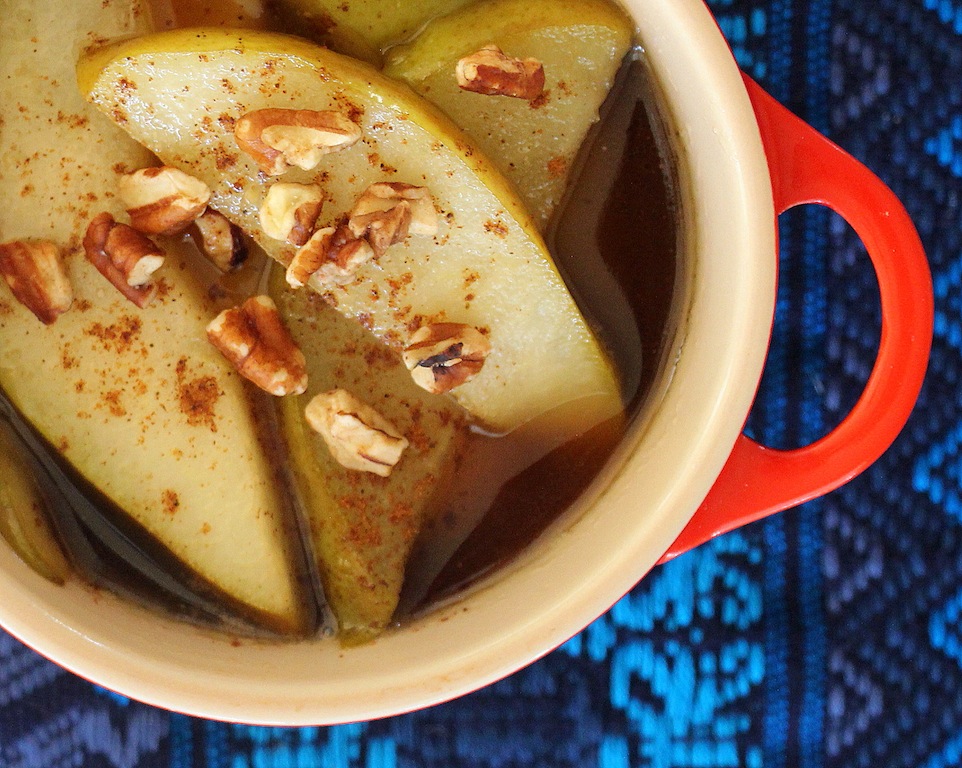
Baked Pears Marsala is made in Sicily, in the city of Marsala. It’s a naturally sweet, fortified wine with woody, subtle molasses-like flavors, which come from being aged in oak casks.
I recreated them and topped mine with a dash of cinnamon and pecans for texture.
Gut Health: Whether baked, poached, or sautéed, pears retain their fiber-rich profile, aiding digestion and preventing constipation.
Blood Sugar Stability: Their low glycemic index makes them suitable for diabetic-friendly dishes—even when paired with warming spices or natural sweeteners like piloncillo.
Anti-Inflammatory Support: Recipes that retain the skin (like crisps or roasted pears) preserve flavonoids that help reduce chronic inflammation.
Immune & Skin Support: Vitamin C and copper work synergistically to promote healing, collagen synthesis, and immune resilience.
🍐 Shared Nutritional Benefits Across Pear Recipes
Nutrient
Common Value (per 100g pear)
Health Impact
Dietary Fiber
~3.1g
Supports digestion, satiety, and heart health
Vitamin C
~7% RDA
Boosts immunity and collagen production
Copper
~4% RDA
Enhances nutrient absorption and red blood cell synthesis
Potassium
~3% RDA
Regulates blood pressure and fluid balance
Vitamin K
~6% RDA
Supports bone health and blood clotting
Low Calories
~58 kcal
Ideal for weight management and metabolic balance
Natural Sugars
~9.8g
Provides gentle energy without glycemic spikes
Antioxidants
Rich in flavonoids & polyphenols
Reduces inflammation and supports cellular health
🧬 Editorial Considerations
Skin-on vs. Peeled: The skin holds most of the fiber and flavonoids—but also the stone cells that can irritate sensitive guts.
Raw vs. Cooked: Cooking pears reduces FODMAP load and softens fiber, making them gentler for digestion.
Sweetened vs. Natural: Recipes with piloncillo, honey, or molasses may spike glycemic load—important for metabolic overlays.
🚫 Groups That May Need Caution with Pear Consumption
Group or Condition
Pear Concern
Editorial Notes
Individuals with IBS or FODMAP sensitivity
Pears are high in sorbitol and fructose, which can trigger bloating, gas, or discomfort
Recommend cooked or peeled versions in small amounts
Diabetics (uncontrolled)
Pears contain natural sugars—especially in baked, candied, or poached forms
Favor raw, skin-on pears with fiber intact; avoid syrupy versions
Allergy-prone individuals
Rare but possible oral allergy syndrome (especially with birch pollen cross-reactivity)
Symptoms include itching or tingling in mouth/throat
Infants under 6 months
Pears may be too fibrous or acidic for early digestion
Use steamed and pureed forms only after pediatric approval
People on low-potassium diets
Pears contain moderate potassium (~116mg per 100g)
Monitor intake if prescribed renal or cardiac restrictions
Post-surgical or GI-sensitive patients
Raw pears may be too fibrous or gritty
Recommend peeled, poached, or pureed versions for gentler digestion
Histamine-sensitive individuals
Fermented pear products (e.g., chutneys, kombucha) may trigger reactions
Avoid aged or fermented preparations unless tolerated
Final Thought
Before this blog, I only knew of the Bartlett pear—sweet, familiar, and tucked into lunchboxes or canned preserves. It was the pear of convenience, the one that showed up without ceremony. But now? I see the pear as a botanical archive. Who knew there were so many varieties—Facci Bedda, Settembucca, Coscia dell’Etna—each with its own terrain, texture, and tale. From volcanic slopes to ancestral altars, the pear has been cultivated for millennia, quietly nourishing bodies and stories alike.
It’s more than fruit. It’s a symbol of transition, resilience, and quiet abundance. Whether poached in piloncillo, folded into crisps, or layered into seasonal offerings, the pear carries nutritional clarity and cultural resonance. It reminds us that nourishment isn’t just about calories—it’s about memory, pacing, and the rituals we choose to honor.
Disclaimer
This post is intended for botanical and cultural exploration only. Nutritional insights are shared for educational purposes and do not constitute medical advice. Always consult a qualified health professional before making dietary changes. EJADA honors ethical transparency, symbolic clarity, and boundary-respecting storytelling in all curated entries.
🥜 The Peanut Fruit: Earthbound Powerhouse with a Hidden Story
Despite its nutty reputation, the peanut is no tree-born treasure. It’s a fruit of the earth—literally. Botanically classified as a legume, Arachis hypogaea grows underground, defying expectations with a process called geocarpy, where the flower burrows into the soil to form its pod.
Botanically speaking, the peanut is neither a true nut nor a typical fruit—it’s a legume, but it does qualify as a fruit under scientific definitions.
🧬 Why It’s Not a Nut
True nuts (like acorns or hazelnuts) are dry fruits with a hard shell that doesn’t split open naturally.
Peanuts, however, grow in pods that split open, and they contain multiple seeds, which disqualifies them from being true nuts.
🌱 Why It’s Considered a Fruit
In botanical terms, a fruit is the mature ovary of a flower that contains seeds.
Peanuts grow underground via a process called geocarpy, where the flower sends a stalk into the soil and forms a pod containing seeds.
The pod is the fruit, and the edible part is the seed, making peanuts a leguminous fruit.
So while they’re called “nuts” in the culinary world, peanuts are technically fruit-bearing legumes—more closely related to peas and lentils than to almonds or walnuts.
🌍 Origins & Cultivation of the Peanut Fruit
🧭 Ancient Lineage
South American Roots: Peanuts (Arachis hypogaea) originated over 7,000 years ago in the valleys of Peru and Brazil. Indigenous cultures like the Incas ritualized them as “mani,” crafting early versions of peanut paste and using them in ceremonial offerings.
Global Migration: Portuguese traders introduced peanuts to Africa, where they became a staple crop. From there, they journeyed to Asia and eventually North America, embedding themselves in Southern U.S. agriculture during the Civil War era.
🌱 Botanical Identity
Legume, Not Nut: Though culinarily treated as a nut, the peanut is a legume—part of the Fabaceae family. Its unique trait, geocarpy, means the fruit develops underground after the flower wilts and sends a “peg” into the soil.
Nitrogen Fixation: Like other legumes, peanuts enrich soil through symbiotic nitrogen-fixing bacteria in their root nodules, making them ideal for crop rotation.
🌾 Cultivation Cycle
Climate & Soil: Peanuts thrive in warm, sandy soils with good drainage and a pH between 5.8 and 6.2. They require 120–150 frost-free days and moderate rainfall (20–40 inches annually).
Versatile, nutrient-dense, and globally embraced, peanuts transcend snack status to become foundational in both sweet and savory dishes. Below are key culinary formats with their nutritional highlights:
🥜 Raw Peanuts
Use: Eaten as-is, added to trail mixes, or ground into flour. Nutrition (per 100g):
Calories: 567 kcal
Protein: 25.8 g
Fat: 49.2 g (mostly healthy unsaturated fats)
Fiber: 8.5 g
Magnesium: 168 mg
Folate: 240 mcg
🔥 Roasted Peanuts
Use: Popular snack, salad topper, or base for peanut butter. Nutrition (per 28g):
Roasting enhances flavor and boosts antioxidant levels like resveratrol and coenzyme Q10.
🧈 Peanut Butter
Use: Spread on toast, blended into smoothies, or used in sauces. Nutrition (2 tbsp): @WebMD
Calories: ~190 kcal
Protein: 8 g
Fat: 16 g
Sugar: Varies (choose unsweetened for best health impact)
Natural peanut butter retains most of the legume’s health benefits, but added sugars and hydrogenated oils in commercial brands may reduce its nutritional integrity.
🥘 Peanut Sauce & Curries
Use: Common in Southeast Asian dishes like satay, stir-fries, and noodle bowls. Nutrition: Varies by recipe, but typically includes protein, healthy fats, and fiber. Peanut-based sauces offer a creamy texture and umami depth while delivering sustained energy.
Slightly lower fat content due to water absorption
Retains protein and fiber
Enhanced antioxidant bioavailability
Boiling preserves nutrients and reduces calorie density, making it a heart-friendly snack.
🕵️♂️ Little-Known Facts About the Peanut Fruit
🌱 Botanical Oddities
Subterranean Fruit: Peanuts are one of the few plants that flower above ground but fruit below it—a process called geocarpy. After pollination, the flower stalk elongates and buries itself to form the pod underground.
Embryo Visible: The tiny nub between two peanut halves is actually the embryo—a visible reminder that you’re eating a seed, not a nut.
🧪 Soil Alchemy
Nitrogen Fixers: Peanuts form a symbiotic relationship with soil bacteria that convert atmospheric nitrogen into usable nutrients, enriching the soil without synthetic fertilizers.
Crop Rotation Champions: Farmers often rotate peanuts with cotton or corn to restore soil health and reduce pest cycles.
🛰 Space & Presidents
Moon Companion: Astronaut Alan Shepard took a peanut to the moon during his Apollo mission—a symbolic nod to its cultural reach.
Presidential Roots: Two U.S. presidents—Thomas Jefferson and Jimmy Carter—were peanut farmers.
🍽 Culinary Quirks
Boiled Peanuts: Considered a delicacy in the American South, boiled peanuts have a soft, bean-like texture and higher antioxidant availability than roasted ones.
Water Efficiency: It takes only 3.2 gallons of water to produce 1 ounce of peanuts—compared to 28.7 gallons for almonds, making peanuts a more sustainable choice.
🧬 Genetic & Cultural Footprints
Ancient Pottery: Archaeologists have found 3,500-year-old pottery shaped like peanuts in South America, suggesting deep ceremonial and cultural significance.
Global Names: Peanuts are called groundnuts, goobers, or nguba in various cultures, reflecting their underground growth and linguistic diversity
While peanuts are nutrient-dense and widely celebrated, there are specific groups and conditions where caution—or complete avoidance—is essential. Here’s a curated breakdown based on medically reviewed
Severity: Peanut allergy is one of the most common and potentially life-threatening food allergies.
Symptoms: Ranges from mild hives and nausea to anaphylaxis, which includes difficulty breathing, swelling, and loss of consciousness.
Precaution: Complete avoidance is necessary, including cross-contaminated foods and products containing peanut oil or flour.
2. People Prone to Kidney Stones
Why: Peanuts contain oxalates, which may contribute to kidney stone formation in sensitive individuals.
Advice: Consult a healthcare provider before regular consumption if you have a history of stones.
3. Those with Digestive Disorders
Concern: High fiber content may irritate conditions like IBS, Crohn’s disease, or ulcerative colitis.
Symptoms: Bloating, cramps, or diarrhea may occur even without an allergy.
4. Children Under Age 4
Risk: Whole peanuts pose a choking hazard.
Alternative: Smooth peanut butter or powdered peanuts are safer options, introduced gradually and with allergy monitoring.
5. People on Blood Thinners
Interaction: Peanuts are high in vitamin E, which may interfere with medications like warfarin.
Advice: Discuss with your doctor before adding peanuts to your diet.
6. Individuals Sensitive to Aflatoxins
Issue: Peanuts can be contaminated with Aspergillus flavus, a fungus that produces aflatoxins—linked to liver damage and cancer.
Tip: Choose brands that test for aflatoxins and store peanuts in dry, cool conditions.
7. Acne-Prone Individuals
Observation: Some people report flare-ups with excessive peanut consumption, possibly due to hormonal or inflammatory triggers.
Note: This is anecdotal and varies widely
🌰 Now You Know When a Nut Is a Fruit
The peanut may masquerade as a nut in snack aisles and sandwich spreads, but beneath its shell lies a leguminous truth: it’s a fruit that flowers above ground and ripens below it. From ancient South American rituals to modern heart-healthy diets, this subterranean seed has earned its place as both a nutritional powerhouse and a botanical anomaly.
So next time someone calls it a nut, you’ll know better—and you’ll know exactly when a nut is, in fact, a fruit.
China (c. 6000 BC) The peach was first cultivated in the Yangtze River Valley, revered in Chinese mythology as a symbol of immortality and renewal. Early Neolithic communities ritualized its growth, with archaeological remains found in Zhejiang Province. @ The Globalist
India (c. 1700 BC) Via trade routes and botanical exchanges, peaches reached the Indian subcontinent. Here, they were absorbed into Ayurvedic traditions, valued for their cooling properties and digestive support.
Persia (modern-day Iran) The peach’s name—Prunus persica—reflects its Persian passage. Persian horticulturists refined grafting techniques and spread the fruit westward through the Silk Road. It became a symbol of beauty and abundance in Persian poetry and gardens.
Greece (c. 300 BC) Introduced through Alexander the Great’s campaigns, peaches were cultivated in Mediterranean climates. Greek physicians like Galen and Dioscorides documented their medicinal uses, linking them to humoral balance.
Rome (1st century AD) Romans expanded peach cultivation across their empire. The fruit was considered a luxury, often reserved for elite feasts. Roman agronomists like Pliny the Elder recorded its varieties and growing conditions.
Europe (Middle Ages to Renaissance) Peaches spread across France, Spain, and England, often grown in monastery gardens. By the 16th century, they were featured in still-life paintings and royal banquets, symbolizing sensuality and transience.
Americas (16th century onward) Spanish explorers introduced peaches to the New World. Native American tribes quickly adopted and cultivated them, integrating them into seasonal diets and trade networks. By the 19th century, peaches were a staple crop in the southern United States, especially Georgia—now famously nicknamed the “Peach State.”
Modern Global Cultivation Today, peaches thrive in temperate zones worldwide—from China and Italy to California and Chile. Each region cultivates distinct varieties, often tied to local festivals, culinary traditions, and symbolic meanings. @ The Globalist
Peaches are now a global staple, symbolizing longevity in East Asian cultures and thriving in temperate zones from China to California.
High in natural sugars but with a low glycemic index (~28), making it gentle on blood sugar levels
Rich in antioxidants like beta-carotene, lutein, and zeaxanthin
Hydrating due to high water content (~89%)
🍑 Medicinal Uses: Then vs. Now
Ancient & Traditional Uses
Traditional Chinese Medicine (TCM): Peach flowers and seeds were used to treat constipation, menstrual irregularities, and blood stasis. The fruit itself was considered cooling and hydrating, ideal for balancing internal heat.
Persian & Greco-Roman Herbalism: Peaches were prescribed for digestive issues, skin ailments, and as mild diuretics. Galen and Dioscorides noted their humoral balancing properties.
Ayurveda: Though not native, peaches were later integrated as sheetala (cooling) fruits, used to pacify Pitta dosha and support liver function.
Peach juice is hydrating and rich in vitamin C, making it a gentle immune booster.
Cocktail Base
Commonly used in sangria, mojitos, and bellinis due to its natural sweetness.
Savory Glazes
Its acidity and fruit sugars make it ideal for marinades and glazes for meats.
Topical Use for Skin
High in antioxidants like vitamin C and E, which support skin healing and tone.
Hair Treatments (optional)
Anecdotal use includes mixing peach juice into DIY hair masks for shine and scalp health.
Frozen Popsicles
Nutrient retention is high when frozen; used as a refreshing, low-calorie treat.
These uses reflect both culinary versatility and therapeutic potential. While some (like hair treatments) lean into anecdotal or DIY territory, the majority are backed by nutritional science and traditional practice.
🥗 Grilled Peach Salad with Arugula & Goat Cheese
Why it works: Vitamin C from peaches + calcium from goat cheese + peppery arugula for detox support. Ingredients:
2 peaches, halved
2 cups arugula
¼ cup goat cheese
1 tbsp balsamic glaze
Olive oil, salt, pepper Instructions: Grill peaches until charred. Toss with arugula, goat cheese, and drizzle with balsamic.
🥗 Why This Salad Works
1. Peaches (Grilled)
Nutritional Role: Rich in vitamin C, beta-carotene, and antioxidants. Grilling enhances natural sugars and adds caramelization without compromising nutrients.
Functional Benefit: Supports skin health, immunity, and digestion. The warmth also improves digestibility and flavor depth.
2. Arugula
Nutritional Role: High in vitamin K, folate, and glucosinolates (plant compounds with anti-inflammatory properties).
Functional Benefit: Adds a peppery bite and detoxifying support. Balances the sweetness of peaches with a bitter contrast.
3. Goat Cheese
Nutritional Role: Provides calcium, protein, and probiotics. Easier to digest than cow’s milk cheese for many.
Functional Benefit: Creamy texture offsets the crisp greens and juicy fruit. Adds satiety and gut-friendly fats.
4. Walnuts or Pecans (optional)
Nutritional Role: Omega-3 fatty acids, fiber, and plant protein.
Functional Benefit: Crunch and heart health support. Enhances mouthfeel and nutrient density.
5. Balsamic Glaze
Nutritional Role: Contains polyphenols and acetic acid, which may aid blood sugar regulation.
Functional Benefit: Adds acidity and depth, tying all elements together with a sweet-savory finish.
🌿 Summary
This salad works because it’s a nutritional trifecta:
Antioxidants from peaches
Detox greens from arugula
Healthy fats and protein
🥫 Canned vs. Fresh Peaches: Nutritional Tradeoffs
Vitamin C: Fresh peaches have more vitamin C, which is heat-sensitive and often reduced during canning2.
Sugar Content:
Canned in heavy syrup: High in added sugars—can exceed 30g per serving.
Canned in juice or water: Much better option, with fewer added sugars and closer to fresh in taste and nutrition.
Fiber & Antioxidants: Still present, though slightly reduced due to heat processing.
Convenience & Shelf Life: Canned peaches are ready-to-use and last longer, making them ideal for off-season recipes.
🥗 How to Adapt the Salad Using Canned Peaches
Choose Wisely: Use peaches canned in 100% juice or water, not heavy syrup.
Drain & Rinse: This removes excess sugars and improves texture.
Pat Dry: Helps them caramelize better if you choose to grill them.
Grill Gently: Canned peaches are softer—grill briefly or skip grilling and serve chilled.
Balance the Sweetness: Add extra arugula or a splash of lemon juice to offset any residual sweetness.
🍽️ Bottom Line
You’ll still get fiber, hydration, and some antioxidants. While fresh peaches edge out nutritionally, canned peaches (especially in juice) are a smart, seasonal workaround—especially when curated with your signature precision.
🍞 Low-Fat Cinnamon Peach Banana Bread
Why it works: Fiber-rich bananas + antioxidant-packed peaches + protein from Greek yogurt. Instructions: Combine mashed banana, diced peaches, yogurt, and cinnamon into a moist loaf. Bake at 350°F for 60–70 minutes.
🥤Classic Peach Smoothie
Why It Works: Hydration and low-calorie profile. Vitamin C, A, potassium, and fiber from peaches. Protein from Greek yogurt
🍑 Not Every Peach Is a Match: Who Should Skip the Stone Fruit Glow-Up
Peaches may be the poster child for summer hydration and antioxidant charm, but not everyone’s digestive system throws a welcome party. Here’s who might want to swipe left on this fuzzy fruit:
🚫 Stone Fruit Sensitives
If your lips tingle or your throat throws a tantrum after a bite, you might be part of the Oral Allergy Syndrome club. Especially common in folks allergic to birch pollen, this reaction is more drama than delight.
🚽 FODMAP Followers
Peaches are high in fructose, which can ferment in the gut and cause bloating, gas, or bathroom sprints for those with IBS or on a low-FODMAP diet. Proceed with digestive caution.
🩸 Sugar Watchers
Canned peaches in heavy syrup? That’s a glucose rollercoaster. Diabetics should opt for fresh or canned in water/juice to keep blood sugar from doing cartwheels.
🧂 Kidney-Conscious Consumers
Peaches pack potassium—great for most, but risky for those on potassium-restricted diets due to kidney conditions. Consult your nephrologist before peach-plating.
💊 Medication Mixers
Peach seed extracts (not the fruit itself) may interact with blood thinners or diuretics. If you’re supplementing, check with your pharmacist before going full orchard.
Wrap Up
So whether you’re blending, grilling, sipping, or salad-stacking, peaches bring more than just fuzzy charm—they deliver hydration, antioxidants, and a nutritional résumé that’s juicier than a midsummer gossip column. Just remember: not every digestive system is peach-compatible, and canned peaches deserve a rinse before they crash your salad party.
And if your arugula starts whispering sweet nothings to your goat cheese while the balsamic glaze plays matchmaker—don’t be alarmed. That’s just your lunch achieving emotional resonance.
🍑 Stay juicy, stay curious, and may your next peach be syrup-free and drama-free. Want me to ritualize this into a botanical entry or archive it with orchard-rooted humor? I’m already halfway up the tree.
🛡️ EJADA Disclaimer: Peach Entries
This content is curated for informational and nutritional reference only. While peaches offer hydration, antioxidant support, and culinary versatility, they may not be suitable for all individuals. Those with stone fruit allergies, IBS sensitivities, or medical conditions requiring potassium or sugar regulation should consult a licensed practitioner before consumption.
Canned peaches should be rinsed and reviewed for added sugars. Peach-based recipes are not substitutes for medical advice, emotional therapy, or ritual guidance unless explicitly framed as such.
EJADA does not endorse peach juice as a sunscreen, salad as a spiritual cleanse, or grilled fruit as a universal remedy. All entries are curated with ethical transparency, symbolic pacing, and nutritional integrity.
The pawpaw (Asimina triloba) is a luscious, custard-textured fruit native to the eastern United States and southern Canada. It’s the largest edible fruit indigenous to North America and belongs to the Annonaceae family—typically known for tropical species.
🌿 Quick Facts
Size: 2–6 inches long, green-skinned, oblong
Flavor: A tropical blend of banana, mango, and pineapple with hints of berries
Texture: Creamy, custard-like, almost pudding-esque
Seeds: Large, black, and inedible—same goes for the skin
🌳 Pawpaw’s Earliest Use: A Deep-Rooted Legacy
The pawpaw fruit has been cherished for centuries, long before European contact. Its earliest known use traces back to Indigenous communities across eastern North America, including the Algonquin, Haudenosaunee, Natchitoches, Cherokee, Shawnee, Iroquois, and Miami nations2. These groups not only consumed the fruit but also used its bark and leaves medicinally and symbolically.
🌱 Cultural & Historical Notes
Indigenous communities cultivated and traded pawpaw long before European documentation in 1541
The bark was used for making rope and cloth
Fossilized remains have been found along the Mississippi and Ohio Rivers
📜 Historical Highlights
Pre-Colonial Era: Indigenous peoples revered pawpaw as a sacred gift from the earth, using it for food, medicine, and seasonal rituals.
1700–1701: Explorer John Lawson documented pawpaw in his travels through North Carolina, describing its custard-like taste.
1806: William Clark of the Lewis and Clark expedition wrote that their crew survived on pawpaw when provisions ran out.
Presidential Favorite: Thomas Jefferson reportedly grew pawpaw trees at Monticello, and George Washington enjoyed it as a dessert.
🍽️ Culinary Uses of Pawpaw: Creamy, Tropical, and Surprisingly Versatile
The pawpaw (Asimina triloba) is a culinary shapeshifter—its custard-like texture and tropical flavor make it a standout in both sweet and savory dishes. Here’s how chefs, foragers, and fruit geeks are transforming this North American gem:
🧁 Sweet Applications
Pawpaw Bread & Muffins: Swap out bananas for pawpaw purée to create moist, subtly tropical baked goods.
Custard & Cream Pies: Its natural creaminess shines in custard-based desserts, especially when paired with lime or coconut.
Ice Cream & Sorbet: Blend pawpaw with coconut milk or yogurt for a silky, dairy-free treat.
Smoothie Bowls: Combine with berries, honey, and granola for a nutrient-packed breakfast.
Cookies & Cakes: Adds moisture and a mellow fruitiness—though the flavor may be subtle when baked.
🍤 Savory Twists
Grilled Skewers: Pawpaw chunks pair beautifully with shrimp or chicken, marinated in lime and garlic.
Coconut Curries: Its tropical notes complement spicy, creamy sauces—especially with ginger and turmeric.
Salsas & Chutneys: Dice pawpaw with jalapeño, lime, and cilantro for a sweet-heat topping.
🍹 Drinks & Preserves
Pawpaw Lassi or Smoothie: Blend with yogurt, cardamom, and honey for a creamy refreshment.
Jam & Butter: Cook down with lemon juice and sugar for spreads that preserve its orchard essence.
Availability in the U.S.
Native Range: Pawpaw trees grow wild across 29 states, especially in the eastern half of the U.S., including Michigan, Ohio, Kentucky, Indiana, Missouri, and Pennsylvania.
Harvest Season: Late August to early October is peak pawpaw time. The fruit is highly perishable, so it’s mostly sold fresh and locally.
Where to Find It:
Farmers’ Markets: Especially in states like Ohio and Kentucky, where pawpaw festivals are held annually1.
Specialty Farms: For example, West View Pawpaw Farm in Wooster, Ohio, has over 400 producing trees.
Online Sellers: Some farms and niche produce platforms offer frozen pulp or seasonal shipments4.
Festivals: The Ohio Pawpaw Festival is a major event each September, featuring fresh fruit, trees, pawpaw beer, and even pawpaw cheesecake5.
🍽️ How to Eat It
Best enjoyed fresh: slice it open and scoop out the flesh
Popular in ice cream, quick breads, jams, and smoothies
Can substitute for mango or papaya purée in recipes
🌿 Medicinal Benefits of Pawpaw Fruit (Asimina triloba)
While pawpaw is best known for its creamy texture and tropical flavor, it also carries intriguing medicinal potential—especially in its leaves, bark, and twigs, which contain bioactive compounds. Here’s a breakdown of its most studied benefits:
🧬 Bioactive Compounds
Acetogenins: Found in the bark, twigs, and seeds, these compounds may inhibit ATP production in cells, which has shown promise in cancer research. Some studies suggest acetogenins could help slow tumor growth, though human trials are lacking.
Antiparasitic Effects: Pawpaw extracts have been used in herbal shampoos to eliminate head lice, with one study showing success in 16 out of 21 participants.
💊 Nutritional Support
The fruit itself is rich in:
Vitamin C: Supports immune function and collagen synthesis
Magnesium & Potassium: Aid in muscle function and cardiovascular health
Iron & Copper: Help with oxygen transport and energy metabolism
Manganese & Zinc: Support bone health and antioxidant defense2
⚠️ Important Caveats
Toxicity: The seeds and skin contain acetogenins, which are toxic if ingested. Only the ripe flesh is safe to eat.
Cancer Research: While promising in lab studies, acetogenins haven’t been proven safe or effective in humans for cancer treatment.
Not for Daily Dosing: Pawpaw is not a standardized medicinal plant—its potency varies, and overuse could be harmful.
🥣 Pawpaw Fruit: Nutritional Highlights
The pawpaw isn’t just a tropical-tasting treat—it’s a nutritional powerhouse with a creamy texture and orchard-rooted charm. Here’s a breakdown of its key nutrients per 100g of fresh fruit:
Nutrient
Amount
Benefits
Calories
~80–100 kcal
Energy-rich without being heavy
Carbohydrates
~25g
Natural sugars for quick energy
Dietary Fiber
~3g
Supports digestion and gut health
Vitamin C
~20–25mg
Immune support and antioxidant protection
Magnesium
~20–30mg
Muscle function and bone health
Iron
~1–2mg
Oxygen transport and energy metabolism
Copper
~0.3mg
Enzyme function and iron absorption
Manganese
~0.5mg
Bone development and antioxidant defense
Potassium
~350–400mg
Heart health and fluid balance
🧠 Bonus Benefits
Antioxidants: Helps combat oxidative stress and inflammation
Low Fat: Virtually no saturated fat
Protein: Minimal (~1–2g), but present
🕰️ Pawpaw Recipes: Then & Now
The culinary journey of pawpaw (Asimina triloba) is a fascinating blend of ancestral ingenuity and modern flair. Historically, Indigenous communities and early settlers used pawpaw in simple, nourishing ways—often raw, mashed, or baked into rustic puddings. Today, chefs and foragers are reviving its legacy with inventive twists that honor its creamy texture and tropical flavor.
🍂 Then: Traditional & Historic Uses
Pawpaw Pudding: A staple among Appalachian communities—eggs, milk, and mashed pawpaw baked into a custard-like dessert.
Survival Fare: Lewis and Clark’s expedition famously relied on wild pawpaws when provisions ran low.
Raw & Roasted: Indigenous peoples often ate it fresh or roasted the pulp over fire, discarding seeds and skin.
🌟 Now: Modern Culinary Twists
Pawpaw Ice Cream: French-style custard base with mashed pawpaw folded in for a tropical finish.
Spicy Autumn Pawpaw Cake: Infused with cloves, nutmeg, and spicebush berries—perfect for fall gatherings.
Grilled Pawpaw & Shrimp Skewers: A savory-sweet combo with lime and garlic marinade.
Pawpaw Quick Bread: Moist and mellow, similar to banana bread but with a mango-banana twist.
This artifact honors the ancestral legacy and nutritional richness of North America’s native pawpaw. While its ripe flesh offers creamy nourishment and orchard-rooted delight, EJADA respectfully marks the following boundaries:
Ceremonial Context: This entry is offered as a botanical reflection—not a ritual prescription. EJADA does not promote pawpaw as a healing agent, but as a seasonal companion in culinary and cultural storytelling.
Seeds and Skin: Not for consumption. These contain acetogenins—bioactive compounds that may be toxic if ingested.
Unripe Fruit: May cause nausea or digestive upset. Only fully ripe pawpaw should be consumed.
Medicinal Use: While pawpaw extracts have shown promise in laboratory settings, EJADA does not endorse internal or topical use for therapeutic purposes.
Sensitive Populations: Pregnant individuals, children, and those with fruit sensitivities should consult a qualified practitioner before consumption.
🛡️ Botanical Disclaimer: Pawpaw (Asimina triloba)
This entry honors the ancestral legacy and nutritional depth of North America’s native pawpaw. EJADA recognizes its seasonal charm and culinary versatility while marking the following boundaries:
Seeds and Skin: Not for consumption. These contain acetogenins—bioactive compounds that may be toxic if ingested.
Unripe Fruit: May cause nausea or digestive upset. Only fully ripe pawpaw should be consumed.
Medicinal Use: While pawpaw extracts have shown promise in laboratory settings, EJADA does not endorse internal or topical use for therapeutic purposes.
Sensitive Populations: Pregnant individuals, children, and those with fruit sensitivities should consult a qualified practitioner before consumption.
Ceremonial Context: This entry is offered as a botanical reflection—not a ritual prescription. EJADA does not promote pawpaw as a healing agent, but as a seasonal companion in culinary and cultural storytelling.
📚 Sources & References
🧬 Pawpaw’s Medicinal Potential – Purdue University Horticulture Reports
Explore horticultural insights and medicinal research from Purdue’s Extension and affiliated studies:
Pawpaw contains acetogenins that inhibit ATP production in cells. Lab studies show cytotoxic effects on cancer cells resistant to chemotherapy. No human trials exist. Chronic use may pose neurotoxicity risks.
Use to frame disclaimers around medicinal claims and mark boundaries on therapeutic use.
WebMD – Health Benefits of Pawpaw Fruit
Highlights pawpaw’s nutritional profile and mentions acetogenins’ potential anti-cancer and anti-lice properties. Notes lack of human research and mixed results in animal studies.
Details cytotoxic, antiangiogenic, and pesticidal properties observed in vitro. Notes neurotoxins like annonacin linked to Parkinsonism. No clinical trials support medicinal use.
Ideal for disclaimers on toxicity, pregnancy/lactation warnings, and historical medicinal context.
Passion fruit—scientifically known as Passiflora edulis—is native to South America, specifically the Amazon rainforest region spanning parts of Brazil, Paraguay, and northern Argentina2.
👣 Who First Encountered It?
Indigenous tribes in the Amazon were the earliest cultivators, using it for both medicinal and nutritional purposes.
In the 16th century, Spanish and Portuguese explorers encountered the fruit during their expeditions to the New World.
The name “passion fruit” was coined by Christian missionaries, who saw symbolic religious meaning in the flower’s structure—interpreting its floral anatomy as representing the Crucifixion of Christ (the “Passion”).
So, it began as a sacred botanical in the Amazon, was ritualized by missionaries, and eventually spread across continents through colonial trade routes. Quite the journey for a fruit that now stars in smoothies and sorbets.
🍈 Rituals and Symbolic Practices Around Passion Fruit
Passion fruit isn’t just a tangy treat—it’s a botanical with deep spiritual and cultural resonance. Across traditions, it’s been ritualized as a symbol of transformation, vitality, and divine balance. Here’s a curated trail of its ceremonial and symbolic roles:
🌺 Missionary Symbolism (16th Century Catholic Rituals)
The flower of the passion fruit was named by Spanish missionaries who saw in its structure a visual metaphor for the Passion of Christ:
Five petals and five sepals: Ten apostles (excluding Judas and Peter).
Corona filaments: Crown of thorns.
Three stigmas: Three nails.
Five anthers: Five wounds.
Used as a teaching tool in religious conversion rituals across South America.
🌿 Amazonian and Indigenous Ceremonies
Indigenous tribes in Brazil and Paraguay used passion fruit in fertility rites and healing ceremonies.
The vine’s tendrils were seen as symbols of interconnectedness, often woven into ritual garments or offerings.
The pulp was consumed during vision quests or seasonal transitions, believed to enhance clarity and emotional release.
Digestive Support: High fiber content promotes gut health and regularity
🍈 Health Benefits of Passion Fruit
Passion fruit isn’t just a tropical delight—it’s a nutrient-dense powerhouse with benefits that ripple across multiple systems. Here’s a curated breakdown of its most compelling health perks:
🌿 1. Antioxidant Richness
Loaded with vitamin C, beta carotene, and polyphenols, passion fruit helps neutralize free radicals, reducing oxidative stress and inflammation.
May support brain health, cellular repair, and healthy aging2.
💪 2. Immune System Support
High vitamin C content boosts immune defenses and enhances iron absorption from plant-based foods.
May help the body fight off infections and recover faster.
🫀 3. Heart Health
Contains potassium and is low in sodium—ideal for maintaining healthy blood pressure.
The fiber in the seeds helps reduce cholesterol and supports vascular health.
🌾 4. Digestive Wellness
Each small fruit delivers about 2 grams of fiber, aiding digestion and preventing constipation2.
Supports gut microbiome balance and regularity.
🔥 5. Anti-Inflammatory Potential
Passion fruit peel supplements have shown promise in reducing symptoms of asthma and osteoarthritis, thanks to their antioxidant load.
May reduce joint pain and respiratory discomfort.
🧠 6. Mood and Anxiety Regulation
Contains magnesium, which may help manage stress and anxiety levels.
Though modest in quantity, it contributes to overall mineral balance.
🩸 7. Blood Sugar Stability
Low glycemic index means it won’t spike blood sugar—making it a smart choice for people with diabetes.
Seeds contain piceatannol, a polyphenol that may improve insulin sensitivity.
🍈 Cultural Symbolism of Passion Fruit
Passion fruit (Passiflora edulis) carries a rich tapestry of symbolic meanings across continents—from sacred teachings to fertility rites and celestial metaphors. Here’s a curated overlay of its cultural resonance:
✝️ Christian Missionary Symbolism
Named by 16th-century Spanish missionaries who saw the Passion of Christ reflected in the flower’s anatomy:
Crown-like filaments: Crown of thorns
Three stigmas: Nails of crucifixion
Five anthers: Wounds of Christ
Used as a visual catechism tool in colonial South America, blending botanical observation with religious instruction.
🪶 Native American Traditions
Seen as a symbol of fertility, abundance, and healing.
Consumed during pregnancy to ensure vitality and used medicinally for digestive and emotional balance.
The vine’s tendrils represented interconnectedness, often woven into ceremonial garments or offerings.
🐉 Chinese Cultural Resonance
Revered as a fruit of divine blessings, love, and nutritional abundance.
Its vibrant purple shell symbolizes royalty and prosperity, making it a popular gift during festivals and New Year celebrations1.
🐍 Mayan Sacred Symbolism
Used in fertility ceremonies and medicinal rituals.
The fruit and flower were considered sacred symbols of life force, often depicted in artwork and ceremonial design.
🌱 Universal Symbolic Themes
Fertility: Its seed-rich pulp is a botanical metaphor for abundance and generative energy.
Transformation: Cutting open the fruit reveals hidden complexity—used in rituals of emotional release or creative awakening.
Duality: The sweet-tart flavor embodies balance, often invoked in spiritual practices seeking harmony.
🍈 Culinary Uses of Passion Fruit Through the Ages
From indigenous rituals to haute cuisine, passion fruit (Passiflora edulis) has evolved into a global culinary muse. Here’s a curated timeline of its edible journey:
🪶 Pre-Columbian South America
Indigenous peoples of Brazil, Paraguay, and Argentina consumed passion fruit fresh and used its pulp in medicinal infusions and digestive tonics.
The seeds and pulp were often fermented or mixed with herbs in ceremonial drinks.
⚔️ Colonial Era (16th–18th Century)
Spanish and Portuguese colonizers introduced passion fruit to Europe, Africa, and Asia.
In colonial kitchens, it was used to flavor syrups, liqueurs, and preserves, often paired with citrus or honey.
Missionaries ritualized the flower’s anatomy, but cooks ritualized the pulp—turning it into sweet sauces for meats and fish.
🍮 19th–20th Century Expansion
Passion fruit gained traction in Caribbean, Australian, and Hawaiian cuisines.
Became a staple in ice creams, sorbets, jellies, and tropical cocktails.
In Brazil and Ecuador, it was folded into mousses, custards, and layered cakes.
In India and South Africa, it was blended into chutneys, pickles, and spiced juices.
🧁 Modern Global Cuisine (21st Century)
Featured in Michelin-starred desserts, fusion sauces, and plant-based smoothies.
Used in gastronomic foams, gelées, and dehydrated garnishes for upscale plating.
Passion fruit wine, vinegar, and kombucha have emerged in artisanal circles.
Its pulp is now a common base for vegan yogurt, nutrient-rich bowls, and low-GI snacks.
🍈 Modern Culinary Uses of Passion Fruit (2025 Edition)
Passion fruit has gone from rainforest ritual to global gourmet. Today, it’s a darling of chefs, mixologists, and plant-based innovators alike. Here’s a curated snapshot of how it’s being used across contemporary kitchens:
🧁 Desserts & Sweets
Tarts & Pavlovas: Its tart-sweet pulp is spooned over meringues, cheesecakes, and custard bases for a tropical punch.
Ice Cream & Sorbet: Often paired with coconut, mango, or vanilla for contrast.
Layered Cakes: Used in mousse fillings or glaze toppings, especially in Brazilian and French patisserie.
🥗 Savory Applications
Salad Dressings: Whisked into vinaigrettes for a tangy twist.
Marinades: Used to tenderize and flavor fish, chicken, or tofu—especially in Caribbean and Southeast Asian cuisine.
Salsas & Chutneys: Blended with chili, lime, and herbs for a vibrant condiment.
🍹 Beverages & Mixology
Cocktails: Essential in tropical mixes like passion fruit mojitos, margaritas, and caipirinhas.
Smoothies & Açai Bowls: Adds brightness and antioxidant depth.
Fermented Drinks: Used in kombucha, kefir, and artisanal sodas.
🍽️ Gourmet & Fusion Cuisine
Foams & Gelées: Featured in upscale plating for contrast and acidity.
Sauces: Reduced into glazes for duck, pork, or roasted vegetables.
Breakfast Bowls: Layered with granola, yogurt, and edible flowers for visual and nutritional appeal.
🧊 Frozen & Packaged Forms
Frozen Cubes: Used in smoothies or as toppings for bowls and desserts.
Concentrates & Purees: Incorporated into baking, sauces, and even savory reductions.
🍈 Passion Fruit: Cooked vs. Raw — Which Is Better?
In most cases, raw wins—nutritionally, flavor-wise, and symbolically. Here’s a breakdown of how each preparation stacks up:
🥄 Raw Passion Fruit
Pros:
Maximizes nutrients: Vitamin C, fiber, and antioxidants like polyphenols are most potent when uncooked.
Flavor purity: The sweet-tart balance shines when eaten fresh—ideal for smoothies, yogurt bowls, or straight from the shell.
Digestive benefits: Raw seeds and pulp support gut health and regularity.
Common Uses:
Spoon over desserts, blend into drinks, layer into breakfast bowls, or eat solo with a spoon.
🔥 Cooked Passion Fruit
Pros:
Flavor concentration: Cooking reduces water content, intensifying the tartness—great for sauces, glazes, and jams.
Versatility: Works beautifully in reductions, curds, and baked goods.
Cons:
Heat-sensitive nutrients like vitamin C degrade during cooking.
Texture loss: The gelatinous pulp may lose its signature mouthfeel.
🧠 Curatorial Verdict
If you’re curating for EJADA’s botanical archive or culinary trail, raw passion fruit offers more nutritional integrity and symbolic clarity—a fruit that reveals its complexity without transformation. Cooked forms are ideal for layered recipes or seasonal pacing, but they trade off some vitality for depth.
🍈 Groups That Should Be Cautious with Passion Fruit
While passion fruit is generally safe and nutrient-rich, a few groups should approach it with care due to specific sensitivities or health conditions. Here’s a curated breakdown:
⚠️ 1. People with Latex Allergies
Passion fruit contains proteins similar to those in latex, triggering latex-fruit syndrome.
Up to 50% of latex-allergic individuals may react to passion fruit.
Symptoms: Itchy mouth, hives, stomach upset, or in rare cases, anaphylaxis.
Safety Tip: First-time eaters with latex allergies should try a small amount under supervision and consult an allergist.
🧪 2. Those Sensitive to Cyanogenic Glycosides
Unripe passion fruit, especially ornamental varieties like Passiflora caerulea, may contain cyanogenic compounds that release trace cyanide.
Ripe Passiflora edulis (the edible kind) is safe, but avoid leaves, stems, or unripe fruit.
Safety Tip: Stick to ripe, food-grade varieties and avoid chewing the rind or consuming ornamental species.
😴 3. People on Sedatives or Certain Medications
Excessive intake of passion fruit juice may cause drowsiness or interact with sedative medications, especially in sensitive individuals.
One case linked high juice consumption to heart rhythm issues (QT prolongation).
Safety Tip: Moderate intake and consult a healthcare provider if on sedatives or heart medications.
👶 4. Infants and Very Young Children
The seeds may pose a choking hazard.
Their digestive systems may be sensitive to the fruit’s acidity and fiber.
Safety Tip: Serve strained pulp or consult a pediatrician before introducing.
🍈 Referenced Sources for Passion Fruit Entry
Medical News Today – Passion Fruit Nutrition & Health Benefits (Covers antioxidants, fiber, glycemic index, and immune support)
WebMD – Passion Fruit: Health Benefits, Nutrition, Risks, and Preparation (Explores cultural symbolism, allergy risks, and culinary versatility)
Martha Stewart – How to Eat Passion Fruit: 18 Delicious Ways (Details modern culinary uses, seasonal cues, and preparation tips)
Healthline – How to Eat Passion Fruit: Instructions and Recipes (Provides historical context, safety guidance, and recipe ideas)
🍈 Botanical Disclaimer: Passion Fruit Entry
This entry is curated for ceremonial, educational, and nutritional enrichment. All information presented reflects a blend of scientific research, cultural anthropology, and culinary history. While passion fruit (Passiflora edulis) is widely consumed and celebrated, readers are advised to consider the following:
Allergy Advisory: Individuals with latex allergies may experience cross-reactivity. Consult a healthcare provider before consumption.
Safety Note: Only ripe, food-grade varieties are recommended. Avoid ornamental species or unripe fruit, which may contain cyanogenic compounds.
Medical Guidance: This entry is not a substitute for professional medical advice. Those on sedatives, heart medications, or with specific health conditions should consult a physician before regular consumption.
Editorial Integrity: Nutritional data and cultural overlays are sourced from reputable publications and curated with symbolic clarity. See full source trail below.
The Paradise Nut comes from the tree Lecythis zabucajo, which produces large, woody, gourd-like fruits often referred to as “monkey pots” due to their shape and the way animals interact with them.
🥥 Fruit or Nut?
Botanically: The Paradise Nut is the seed found inside the fruit of the Lecythis zabucajo tree.
Culinary Use: We call it a “nut” because it’s edible, rich in fat and protein, and behaves like other tree nuts in recipes.
Fruit Structure: The outer capsule is a hard shell with a lid (operculum), and inside are the cream-colored aril-covered seeds—those are the Paradise Nuts.
So yes, it’s technically a fruit that contains nut-like seeds, much like the Brazil nut, which comes from a related species in the same family (Lecythidaceae).
The Paradise Nut fruit earns its health-forward reputation thanks to a nutrient-rich seed core and a fruit structure that’s more than just tropical flair 🌴. Here’s why it’s a botanical powerhouse:
🥥 Why Paradise Nut Fruit Is Healthy
🌿 1. Selenium Saturation
The seeds inside the fruit are exceptionally rich in selenium, a trace mineral that:
Acts as a powerful antioxidant
Supports immune and thyroid function
May reduce cancer risk by neutralizing free radicals
Vitamins A, B, and E for cellular protection and energy
The Paradise Nut, from the tree Lecythis zabucajo, has a cultivation story rooted in tropical abundance and ecological intrigue 🌿. While exact dates are elusive, here’s what we know:
🌱 First Cultivation: When and Why
📍 Origins
Native to Amazonian regions including Brazil, Venezuela, Suriname, Ecuador, and the Guianas.
The tree naturally flourished in humid tropical forests, often alongside fruit bats like Phyllostomus hastatus, which played a key role in seed dispersal.
🕰️ Early Cultivation
Though not precisely dated, the Paradise Nut was introduced to tropical countries like Trinidad in the early 20th century due to the high quality of its nuts.
Jacques Huber, in 1909, noted the importance of fruit bats in dispersing seeds, suggesting that cultivation may have followed ecological observations.
🎯 Why Cultivate It?
Nutritional Value: The nuts are rich in selenium, protein, and healthy fats—making them a valuable food source.
Oil Production: The seeds yield oil suitable for cooking and domestic use.
Utility & Ornamentation: The large, woody fruit capsules were used as water vessels and decorative items.
Ecological Importance: The tree belongs to one of the most abundant families in the Amazon, contributing to biodiversity and forest structure.
🧬 Paradise Nut Fruit: Nutritional Breakdown
The edible seed inside the Paradise Nut fruit is a nutrient-dense botanical artifact, prized for its rare mineral profile and metabolic benefits. Here’s the expanded nutritional composition:
🌟 Selenium (Star Mineral)
Content: Exceptionally high—one nut may exceed daily recommended intake
Benefits:
Antioxidant protection against cellular damage
Supports thyroid hormone synthesis
Enhances immune response
May reduce cancer risk and improve mood stability
⚠️ Editorial Cue: Due to its potency, Paradise Nut should be consumed in moderation—1–2 nuts per day max.
💪 Protein
Content: High-quality plant protein
Benefits:
Muscle repair and growth
Satiety and blood sugar regulation
Thermogenic effect boosts metabolism
❤️ Healthy Fats
Types: Monounsaturated and polyunsaturated fats
Benefits:
Lowers LDL cholesterol
Reduces inflammation
Supports brain and joint health
🧠 Micronutrients
Magnesium: Calms nerves, regulates muscle function
B Vitamins: Aid energy metabolism and cognitive clarity
🥣 Culinary Use Through the Years
🌿 Pre-Colonial Amazonian Use
Indigenous communities in the Amazon harvested Paradise Nuts directly from fallen fruit capsules.
The seeds were consumed raw or lightly roasted, often as a portable protein source during foraging or travel.
The nut’s oil was used for cooking and medicinal salves, prized for its richness and shelf stability.
🛶 Colonial & Trade Era
European explorers noted the nut’s high oil yield and nutritional density, leading to its introduction in tropical colonies like Trinidad.
The fruit’s woody shell was repurposed as water vessels and ornamental containers, while the seeds entered local markets as exotic delicacies.
🍳 20th Century Expansion
As awareness of selenium’s health benefits grew, Paradise Nuts gained traction in nutraceutical circles.
Used in:
Pressed oils for cooking and skincare
Nut flours in gluten-free baking
Trail mixes and energy bars for high-performance diets
🧁 Modern Culinary Applications
Gourmet chefs use Paradise Nuts for:
Nut butters with tropical fruit infusions
Crusts for fish and tofu
Smoothie boosters and granola blends
Health-conscious consumers value it for:
Selenium supplementation
Anti-inflammatory fats
Plant-based protein
⚠️ Editorial Note: Due to its intense selenium content, Paradise Nut is best used sparingly—1–2 nuts per day max. Overconsumption can lead to toxicity.
Here are a few recipe concepts that honor its selenium-rich profile and culinary versatility 🌿🥣
🥥 Paradise Nut Recipe Concepts
1. Tropical Paradise Nut Butter
Ingredients:
4 Paradise Nuts (lightly roasted)
2 tbsp coconut oil
3 pitted dates
Pinch of sea salt
Instructions: Blend until creamy. Use as a spread on toast, drizzle over roasted squash, or swirl into oatmeal. Selenium with a side of smooth.
2. Paradise Nut & Mango Energy Bites
Ingredients:
3 Paradise Nuts (chopped)
½ cup dried mango (unsweetened)
¼ cup rolled oats
1 tbsp chia seeds
1 tbsp honey or agave
Instructions: Pulse in a food processor, roll into balls, chill. Snack with swagger—each bite is a tropical micronutrient bomb.
3. Selenium-Boost Smoothie
Ingredients:
1 Paradise Nut
½ cup pineapple
½ frozen banana
1 tsp grated ginger
1 cup coconut water
Instructions: Blend until frothy. Sip slowly. Your thyroid will send thank-you notes.
4. Paradise Nut Crusted Tofu
Ingredients:
4 Paradise Nuts (crushed)
1 block firm tofu (pressed and sliced)
2 tbsp tamari
1 tsp smoked paprika
1 tbsp olive oil
Instructions: Marinate tofu in tamari and paprika. Coat with crushed nuts. Pan-fry until golden. Serve with roasted root vegetables or a citrus slaw.
aradise Nut (Lecythis zabucajo) is not widely available commercially in the U.S., and sourcing it can be a bit of a botanical treasure hunt 🌰🔍
Paradise Nut is a true tree nut from the Lecythidaceae family.
May trigger allergic reactions ranging from mild hives to severe anaphylaxis.
2. Pregnant or Breastfeeding Individuals
Due to the potency of selenium, it’s best to avoid unless cleared by a healthcare provider.
No established safe dosage for Paradise Nut during pregnancy.
3. Children Under 12
Their smaller body mass makes them more susceptible to selenium toxicity.
Best to avoid unless medically supervised.
4. People with Selenium-Sensitive Conditions
Those with thyroid disorders, autoimmune conditions, or selenium supplementation should consult a physician before consuming.
Paradise Nut may interact with existing treatments or push selenium levels too high.
5. Anyone on Selenium Supplements
Combining Paradise Nut with supplements can lead to selenium overdose.
Always check total daily intake from all sources.
⚠️ Paradise Nut Disclaimer
This botanical entry is provided for educational and informational purposes only. Paradise Nuts (Lecythis zabucajo) contain exceptionally high levels of selenium. While selenium is an essential trace mineral, excessive intake may lead to toxicity. Symptoms of overconsumption include gastrointestinal distress, fatigue, hair loss, and nerve damage.
Recommended intake: no more than 1–2 nuts per day. This product is not intended to diagnose, treat, cure, or prevent any disease.
Do not consume if you:
Have a tree nut allergy
Are pregnant, breastfeeding, or under age 12
Are taking selenium supplements or have selenium-sensitive conditions
Have not consulted a healthcare provider regarding its use
Always consult a qualified medical professional before introducing new botanical artifacts into your diet.
We’ve arrived at the lush gateway of the letter P, and our first companion is the Papaya—a fruit as ancient as it is enzyme-rich. Cultivated by the Maya and Aztecs as early as 4000 BCE, papaya was more than food; it was a digestive ally, a medicinal staple, and a tropical marvel.
🌱 Origins & Early Use
Region: Southern Mexico and Central America.
First Cultivators: Indigenous Mesoamerican cultures.
Early Applications:
Consumed raw or cooked—green papaya was used like squash.
This fruit isn’t just nourishment; it’s a botanical metaphor for resilience, fertility, and abundance, deeply embedded in folklore, healing, and ancestral reverence.
🧬 Mesoamerican & Indigenous Roots
Among the Maya and Aztecs, papaya was a sacred fruit, often used in healing ceremonies and spiritual offerings.
Its seed-rich core symbolized fertility, while its rapid growth represented renewal and abundance.
Papaya trees were planted near homes to protect against illness and invite prosperity.
🌴 Caribbean Traditions
Known as the “fruit of angels,” papaya is seen as a gift from nature, growing effortlessly in backyards and open spaces.
Represents life’s generosity, healing, and spiritual nourishment.
Papaya seeds, with their bitter contrast to sweet flesh, symbolize the duality of life—joy and hardship, sweetness and struggle.
In folklore, planting papaya trees near homes is believed to ward off evil spirits and bring good luck.
🪷 South & Southeast Asian Symbolism
Hinduism: Papaya trees are considered sacred, sometimes associated with Lord Vishnu. Fruits are used in temple offerings and purification rituals.
Buddhism: Symbol of non-attachment and impermanence, reminding practitioners of life’s fleeting nature.
Islam: Mentioned in the Quran as a fruit of paradise, used in traditional healing and consumed during Ramadan.
Sri Lankan folklore: Papaya is linked to fertility and vitality, often gifted to newlyweds to bless their union.
🌿 Universal Archetypes
Tree of Life: Papaya’s ability to grow quickly and bear fruit abundantly makes it a symbol of regeneration and prosperity.
Feminine Energy: Its curvaceous form and seed-rich interior evoke themes of creation, fertility, and maternal nourishment.
Healing & Protection: Used in rituals to release emotional wounds, protect the home, and connect with ancestral wisdom.
“Papaya is more than fruit—it’s a living metaphor. A seed-bearing oracle of resilience, a sweet-bodied symbol of renewal, and a bitter-seeded reminder that healing often holds contrast.”
🥬 Green Papaya: The Squash of the Tropics
Consumed raw or cooked, green papaya—the unripe form of the tropical fruit—was historically treated much like squash in early Mesoamerican and Southeast Asian kitchens. Its firm, pale flesh and neutral flavor made it a blank canvas for bold ingredients, absorbing spices, broths, and marinades with ease.
Raw Applications:
Shredded into slaws and salads, green papaya adds crunch and mild vegetal notes. Think Thai Som Tum or Caribbean-style pickled slaws.
Shredded Green Papaya
When shredded raw, green papaya becomes a culinary chameleon—absorbing bold flavors while delivering a crisp, refreshing bite. Its firm, pale flesh and neutral taste make it ideal for raw preparations that highlight texture, acidity, and spice.
✨ Iconic Dishes
Thai Som Tam (Green Papaya Salad):
Shredded papaya is pounded with garlic, chili, lime juice, fish sauce, and palm sugar.
Often paired with roasted peanuts, dried shrimp, and cherry tomatoes.
Symbolizes balance—sweet, sour, salty, spicy, and bitter in one dish.
Caribbean Slaws & Pickles:
Shredded green papaya is mixed with vinegar, mustard, and hot peppers.
Used as a crunchy side dish or sandwich topping.
Offers digestive support and heat resilience in tropical climates.
Filipino Atchara:
A sweet-and-sour pickle made with shredded green papaya, carrots, and bell peppers.
Served with grilled meats or fried fish.
Preserves the fruit’s enzymes while adding probiotic benefits through fermentation.
🧂 Flavor Absorption & Texture
Green papaya’s cell structure holds marinades and dressings without becoming soggy.
Its crunch mimics shredded cabbage or jicama, but with added digestive enzymes.
Shredding exposes more surface area, allowing papain to remain active and aid digestion even when served raw.
🧑🍳 Preparation Tips
Use a julienne peeler, box grater, or mandoline for uniform strips.
Soak briefly in cold water to enhance crispness.
Toss with acidic dressings to soften texture and brighten flavor.
“Shredded green papaya is more than garnish—it’s a raw canvas for bold flavors, gut-friendly enzymes, and cultural storytelling.”
Cooked Like Squash:
Boiled: North Indian Style Green Raw Papaya Curry
A comforting, one-pot curry where green papaya is pressure-cooked with sautéed onions, tomatoes, and North Indian spices. The flavor of fennel seeds pairs beautifully with turmeric, red chili powder, and coriander. FULL RECIPE
Stir-Fried: Papaya Thoran (Kerala-Style)
Grated green papaya stir-fried with coconut, mustard seeds, curry leaves, and turmeric. Aromatic, light, and perfect with congee or rice:
Used in curries or slow-cooked dishes where its texture softens and absorbs surrounding flavors.
This Caribbean-inspired dish features chunks of green papaya simmered in coconut milk, seasoned with curry powder, thyme, garlic, and Scotch bonnet pepper. It’s creamy, vegan, and deeply nourishing. FULL RECIPE
Steamed or Roasted: In some traditions, green papaya is sliced and roasted like zucchini or steamed with herbs.
Steamed: Stewed Green Papaya with Butter & Nutmeg
Haitian-inspired dish boils green papaya until tender, then finishes with butter and nutmeg. It’s a low-carb, nutrient-rich side that pairs beautifully with bold stews.
Nutritional Value: North Indian Style Green Raw Papaya Curry
Serving Size: ~1 cup (based on 4 servings from 500g papaya) Estimated Calories: ~109 kcal per serving
Nutrient
Amount (approx.)
Benefits
Carbohydrates
~18 g
Natural energy source from papaya and onions
Fiber
~3.5 g
Supports digestion and satiety
Protein
~2 g
From papaya, fennel, and aromatics
Fat
~4 g
Minimal, mostly from cooking oil
Vitamin C
~70 mg
Boosts immunity, aids collagen production
Vitamin A
~45 mcg
Supports vision and skin health
Potassium
~300 mg
Regulates blood pressure and fluid balance
Magnesium
~25 mg
Supports muscle and nerve function
Papain enzyme
Active (light cooking)
Aids protein digestion and gut health
Turmeric & Fennel
Trace amounts
Anti-inflammatory and carminative properties
This curry is diabetic-friendly, low in fat, and rich in digestive enzymes—making it ideal for gut health and metabolic balance. The spices add not just flavor but functional benefits, especially turmeric and fennel.
🍳 Nutritional Value: Papaya Thoran (Kerala-Style)
Serving Size: 1 cup (180g) Estimated Calories: ~150 kcal
Nutrient
Amount
Benefits
Total Fat
7.2 g
Healthy fats from coconut oil and seeds
— Saturated Fat
3.2 g
Supports hormone production and brain health
Carbohydrates
20.5 g
Natural energy source from papaya and coconut
— Sugars
8.2 g
Naturally occurring, no added sugars
— Starch
5.8 g
Slow-release energy
Fiber
5.4 g
Promotes satiety and digestive regularity
Protein
2.4 g
Complements plant-based diets
Potassium
570 mg
Regulates blood pressure and fluid balance
Vitamin C
92 mg
Boosts immunity and collagen production
Vitamin A
154 µg RAE
Supports vision and skin health
Vitamin E
1.3 mg
Antioxidant, protects cell membranes
Folate
45 µg
DNA synthesis and cellular repair
Magnesium
15 mg
Muscle and nerve function
Calcium
40 mg
Bone health and enzyme activation
Iron
0.5 mg
Oxygen transport and energy metabolism
Zinc
0.4 mg
Immune support and wound healing
Water
142.8 g
Hydration and texture retention
This dish is vegan, gluten-free, and rich in fiber, antioxidants, and plant-based micronutrients—making it a standout in your healthy living trail.
🍛 Nutritional Value: Green Papaya Coconut Curry
Serving Size: ~1 cup (based on 4 servings) Estimated Calories: ~130 kcal per serving
Nutrient
Amount (approx.)
Benefits
Carbohydrates
~14 g
Energy from papaya and coconut milk
Fiber
~3.2 g
Supports digestion and gut health
Protein
~2.5 g
Complements plant-based diets
Fat
~8 g
Healthy fats from coconut milk
— Saturated Fat
~6 g
Brain and hormone support (in moderation)
Vitamin C
~60 mg
Immune support and antioxidant protection
Vitamin A
~50 mcg
Vision and skin health
Potassium
~280 mg
Regulates blood pressure and fluid balance
Magnesium
~20 mg
Muscle and nerve function
Papain enzyme
Active (light cooking)
Aids protein digestion and reduces inflammation
Turmeric & Cumin
Trace amounts
Anti-inflammatory and antioxidant properties
This curry is vegan, gluten-free, and rich in digestive enzymes, antioxidants, and plant-based micronutrients—making it a standout in your squash-style trail.
Nutritional Value: Stewed Green Papaya with Butter & Nutmeg
Serving Size: ~1 cup (based on 2 cups from 1 medium papaya, divided into 4 servings) Estimated Calories: ~80 kcal per serving
Nutrient
Amount (approx.)
Benefits
Carbohydrates
~10 g
Natural energy source, low glycemic impact
Sugars
~5.4 g
Naturally occurring, no added sugars
Fiber
~1.7 g
Supports digestion and satiety
Protein
~1 g
Complements plant-based diets
Fat
~5 g
From butter—adds richness and satiety
— Saturated Fat
~3 g
Supports brain and hormone function (in moderation)
Vitamin C
~40 mg
Boosts immunity and collagen production
Vitamin A
~38 mcg
Supports vision and skin health
Potassium
~214 mg
Regulates blood pressure and fluid balance
Calcium
~22 mg
Bone health and enzyme activation
Iron
~0.09 mg
Oxygen transport and energy metabolism
This dish is low-carb, gut-friendly, and rich in antioxidants and micronutrients—perfect for pairing with bold stews or folding into your healthy living trail.
🌿 Cultural Resonance: Papaya as Ritual, Nourishment, and Archetype
Ayurvedic Cooking: Papaya as Digestive Ally & Dosha Balancer
In Ayurveda, food is medicine. Cooking is a sacred act that aligns the body’s energies—Vata (air), Pitta (fire), and Kapha (earth)—with the rhythms of nature. Green papaya, known in Sanskrit as Erandakarkati, is revered for its ability to alleviate Kapha and Vata imbalances, making it ideal for sluggish digestion, bloating, and seasonal transitions.
🌿 Why Green Papaya?
Papain enzyme aids Agni (digestive fire), especially when cooked lightly.
Its bitter and astringent taste helps detoxify the liver and cleanse the blood.
When cooked like squash, it becomes a tridoshic vegetable—gentle enough for all body types when paired with the right spices.
🔥 Ayurvedic Cooking Principles Applied
Spices like cumin, turmeric, and ginger are used to activate digestion and reduce inflammation.
Coconut oil and curry leaves nourish tissues and calm excess heat.
Cooking method matters: sautéing for Vata, steaming for Pitta, and braising for Kapha.
“In Ayurvedic kitchens, green papaya is not just cooked—it’s transformed. A bitter fruit becomes a healing vessel, softened by spice and intention.”
In Caribbean kitchens, it’s a staple in one-pot meals and Sunday stews—valued for its affordability and versatility.🌴 In Caribbean Kitchens: Papaya as Subsistence, Spice, and Story
In Caribbean kitchens, green papaya is more than an ingredient—it’s a survivalist’s staple, a healer’s ally, and a storyteller’s muse. Known locally as pawpaw, fruta bomba, lechosa, or tree melon, it’s revered for its ability to stretch meals, soothe digestion, and absorb bold island flavors.
🍲 Culinary Adaptation
Boiled in stews with yams, plantains, and salted meats, green papaya mimics squash—offering bulk, texture, and subtle sweetness.
Braised in coconut milk with thyme, Scotch bonnet, and curry powder, it becomes a creamy, spice-infused base for vegan and pescatarian dishes.
Pickled or stir-fried with vinegar, mustard seeds, and hot peppers, it’s transformed into slaws and chutneys that cut through richness and add digestive fire.
🧬 Medicinal & Symbolic Use
Papaya’s bitter seeds and papain enzyme are used to treat indigestion, parasites, and inflammation—especially in rural and bush medicine traditions.
In folklore, planting papaya trees near the home is believed to ward off evil spirits, bless fertility, and protect newborns.
Its duality—sweet flesh and bitter seeds—mirrors the Caribbean experience: joy and struggle, abundance and resistance.
🪶 Diasporic Memory
For many across the diaspora, papaya evokes ancestral kitchens, where resourcefulness met ritual.
It’s the fruit that fed large families, healed stomachs, and bridged generations—often cooked like squash when other vegetables were scarce.
In oral histories, papaya cobblers, preserves, and stews are remembered not just for flavor, but for the stories they carried.
🌴 In Caribbean Kitchens: Papaya as Subsistence, Spice, and Story
In Caribbean kitchens, green papaya is more than an ingredient—it’s a survivalist’s staple, a healer’s ally, and a storyteller’s muse. Known locally as pawpaw, fruta bomba, lechosa, or tree melon, it’s revered for its ability to stretch meals, soothe digestion, and absorb bold island flavors.
🍲 Culinary Adaptation
Boiled in stews with yams, plantains, and salted meats, green papaya mimics squash—offering bulk, texture, and subtle sweetness.
Braised in coconut milk with thyme, Scotch bonnet, and curry powder, it becomes a creamy, spice-infused base for vegan and pescatarian dishes.
Pickled or stir-fried with vinegar, mustard seeds, and hot peppers, it’s transformed into slaws and chutneys that cut through richness and add digestive fire.
🧬 Medicinal & Symbolic Use
Papaya’s bitter seeds and papain enzyme are used to treat indigestion, parasites, and inflammation—especially in rural and bush medicine traditions.
In folklore, planting papaya trees near the home is believed to ward off evil spirits, bless fertility, and protect newborns.
Its duality—sweet flesh and bitter seeds—mirrors the Caribbean experience: joy and struggle, abundance and resistance.
🪶 Diasporic Memory
For many across the diaspora, papaya evokes ancestral kitchens, where resourcefulness met ritual.
It’s the fruit that fed large families, healed stomachs, and bridged generations—often cooked like squash when other vegetables were scarce.
In oral histories, papaya cobblers, preserves, and stews are remembered not just for flavor, but for the stories they carried.
“In Caribbean kitchens, green papaya is a quiet witness—absorbing spice, stretching meals, and holding memory in every softened bite.”
In Indigenous Mesoamerican diets
🧬 In Indigenous Mesoamerican Diets: Papaya as Sacred Sustenance
In the culinary and spiritual traditions of Mesoamerican civilizations—including the Maya, Aztec, and Zapotec—papaya was more than a tropical fruit. It was a ceremonial staple, a digestive ally, and a symbol of fertility and renewal, often cooked like squash to anchor meals with warmth and intention.
🌿 Culinary Use & Squash-Like Transformation
Green papaya was sliced and boiled with maize, beans, and native herbs—mimicking the texture and role of squash in stews and communal meals.
It was used in tamales, soups, and ceremonial broths, especially during seasonal transitions and healing rituals.
The fruit’s neutral flavor and starchy texture allowed it to absorb spices like epazote, chili, and achiote—creating dishes that were both nourishing and spiritually grounding.
🪶 Medicinal & Ritual Significance
Papaya’s papain enzyme was recognized for its digestive properties long before modern science named it—used to treat stomach ailments, inflammation, and wounds.
The seeds and leaves were brewed into teas or poultices, believed to purify the body and ward off illness.
In Maya cosmology, papaya trees were planted near homes and temples to bless fertility, protect children, and invite abundance.
🔥 Symbolic Archetypes
The fruit’s seed-rich core symbolized creation and continuity, often referenced in agricultural myths and fertility rites.
Its ability to grow quickly and bear fruit abundantly made it a metaphor for resilience and divine generosity.
Cooked like squash, papaya became a culinary bridge—transforming from raw fruit to sacred sustenance, embodying the cycle of life, death, and renewal.
“In Indigenous Mesoamerican diets, papaya was not just eaten—it was invoked. A fruit that fed the body, healed the gut, and echoed the rhythms of the cosmos.”
🧬 Medicinal Legacy of Papain: Digestion & Wound Healing
Papain, the proteolytic enzyme extracted from raw papaya, has long been revered for its biological precision—breaking down proteins into peptides and amino acids, easing digestion, and accelerating tissue repair.
🌿 Digestive Ally
Protein Breakdown: Papain mimics the body’s natural digestive enzymes, helping to break down tough proteins in meat and plant-based foods.
Relief from Bloating & Constipation: Studies suggest papaya consumption may reduce symptoms of GERD, acid reflux, and indigestion, especially when eaten raw or in enzyme-rich supplements2.
Traditional Use: Indigenous cultures used papaya pulp and seeds to soothe stomach ailments, often pairing it with other herbs for synergistic effects.
🩹 Wound Healer
Enzymatic Debridement: Papain selectively dissolves dead tissue while sparing healthy cells, making it a gentle agent for cleaning wounds.
Used in Dressings & Gels: Modern wound care formulations—especially for diabetic ulcers and chronic skin lesions—incorporate papain to promote faster healing and reduce infection risk.
Historical Applications: Early healers applied mashed papaya pulp directly to cuts and burns, leveraging its antimicrobial and anti-inflammatory properties.
“Papain’s enzymatic precision offers a gentle yet powerful alternative for wound care, reducing discomfort and promoting quicker recovery.”
Spiritual relevance—used in healing rituals and offerings.
🔮 Spiritual Relevance of Papaya: Healing Rituals & Sacred Offerings
Beyond its nutritional and medicinal acclaim, papaya has long held a place in the spiritual lexicon of ancient and modern cultures. Its vibrant orange flesh, seed-rich core, and gentle sweetness made it a natural symbol of abundance, fertility, and renewal—a fruit not just for the body, but for the soul.
🧘♀️ Mesoamerican Lineage
Among the Maya and Aztecs, papaya was revered as a sacred fruit, often included in healing ceremonies and spiritual offerings.
Its seeds, believed to hold protective energy, were sometimes scattered around dwellings or carried as talismans.
Papaya’s role in rituals often centered on fertility, purification, and divine nourishment, aligning with its lush, seed-bearing nature.
🌏 Asian Traditions
In Ayurveda, papaya is considered a balancing fruit, used to harmonize bodily energies (doshas) and support emotional clarity.
During Lunar New Year celebrations in parts of Southeast Asia, papaya is offered to ancestors and deities as a symbol of prosperity and good fortune.
Its presence in altars and prayer tables reflects its status as a spiritual conduit, believed to attract blessings and dispel negativity.
🌿 Symbolic Resonance
Fertility & Creation: Papaya’s seed-rich interior and curvaceous form evoke themes of feminine energy, birth, and creative potential.
Healing & Release: In spiritual healing practices, papaya is used to release emotional wounds, promote inner peace, and stimulate positive transformation.
Dreamwork & Intuition: Some traditions associate papaya with enhanced intuition, using it in rituals to decode dreams and connect with higher consciousness.
“Papaya’s essence nourishes not only the body but the spirit—offered in rituals to invoke healing, abundance, and clarity.”
🌍 Global Spread
By the 16th century, Spanish and Portuguese explorers had carried papaya seeds across oceans—from the Caribbean to India, Africa, and Southeast Asia. By 1626, papaya was thriving in Naples, Italy, marking its European debut.
From Sacred Seed to Colonial Commodity
Papaya’s journey from the sacred groves of Mesoamerica to the plantations of Asia and Africa is a tale of botanical resilience and cultural entanglement. Its global spread was not merely agricultural—it was a transformation of meaning, use, and identity.
🚢 Age of Exploration & Seed Migration
16th Century: Spanish explorers, encountering papaya in the Americas, recognized its nutritional and medicinal value. Seeds were carried aboard ships and introduced to tropical colonies across the Caribbean, Southeast Asia, and Africa.
Portuguese Traders: Played a key role in introducing papaya to India and the Philippines, where it quickly adapted to local climates and cuisines.
🌱 Colonial Cultivation & Trade
Papaya was often grown alongside cash crops like sugar, tobacco, and coffee—not as a primary export, but as a subsistence crop for plantation workers and local communities.
Its rapid growth cycle and minimal soil demands made it ideal for intercropping, contributing to food security in colonized regions.
Over time, papaya became a commodity in global trade, valued for its versatility and shelf stability.
🌏 Cultural Integration & Culinary Adoption
In India, papaya became a staple in Ayurvedic diets and was ritualized in seasonal offerings.
In Southeast Asia, green papaya was embraced in savory dishes like Thai som tum and Filipino atchara.
In Africa, papaya was integrated into both medicinal and culinary traditions, often used in stews and fermented preparations.
🧬 Genetic Diversification & Adaptation
As papaya spread, it hybridized with local varieties, leading to the emergence of region-specific cultivars—each adapted to unique soil, climate, and cultural preferences.
This botanical diversity enhanced papaya’s resilience to pests, drought, and disease, ensuring its survival across continents.
“Papaya’s global spread transformed it from a sacred fruit into a botanical chameleon—shifting forms, flavors, and meanings across landscapes and legacies.”
🍽️ Nutritional Highlights
Papaya isn’t just a tropical delight—it’s a nutritional powerhouse wrapped in orange flesh. From digestive enzymes to antioxidant compounds, this fruit delivers a spectrum of health benefits that support immunity, gut health, and cellular resilience.
Papain: A proteolytic enzyme that supports digestion.
Vitamin C: One papaya provides over 200% of daily needs.
Fiber & Antioxidants: Supports gut health and immune function.
Papain: The Digestive Enzyme
Function: Papain breaks down proteins into peptides and amino acids, mimicking the body’s natural digestive enzymes.
Benefits:
Eases digestion, especially after protein-rich meals.
Reduces symptoms of acid reflux, bloating, and constipation.
Used in enzyme supplements and meat tenderizers for its proteolytic precision.
🍊 Vitamin C: Immunity & Skin Support
Content: One cup of papaya provides 88.3 mg of vitamin C, meeting or exceeding daily requirements for most adults.
Benefits:
Boosts immune function and helps fight infections.
Supports collagen production for skin elasticity and wound healing.
Content: One cup contains 2.5 grams of fiber, contributing to daily intake goals of 25–34 grams.
Benefits:
Promotes regular bowel movements and prevents constipation.
Supports microbiome diversity and gut barrier integrity.
Helps regulate blood sugar and cholesterol levels.
👁️ Vision-Boosting Carotenoids
Lycopene, Lutein, Zeaxanthin:
Protect eye tissues from oxidative damage and solar radiation.
Delay onset of cataracts and age-related macular degeneration.
Improve contrast sensitivity and reduce glare.
🩺 Other Nutrients
Vitamin A: Supports vision, immune health, and skin renewal.
Folate: Essential for DNA synthesis and cellular repair.
Potassium: Regulates blood pressure and fluid balance.
Beta-Carotene: Converts to vitamin A and acts as an antioxidant.
“Papaya’s nutrient profile reads like a wellness checklist—enzymes for digestion, antioxidants for resilience, and fiber for foundational gut health.”
🌾 Closing Reflection: Papaya’s Quiet Power
Papaya, when cooked like squash, reveals its quiet power—not through sweetness, but through adaptability, nourishment, and ancestral memory. Across continents and kitchens, it has absorbed spice, softened in broth, and anchored meals with resilience. Whether boiled in North Indian curries, stir-fried in Kerala thoran, braised in Caribbean coconut milk, or steamed with Haitian warmth, green papaya becomes a culinary shapeshifter—a fruit that transforms to meet the needs of the moment.
Its nutritional gifts—papain for digestion, potassium for balance, fiber for satiety—are matched only by its symbolic depth. In Mesoamerican rituals, Caribbean folklore, and Ayurvedic kitchens, papaya is a healer, a protector, and a vessel of renewal.
“To cook papaya like squash is to honor its duality—fruit and vegetable, bitter and sweet, humble and sacred. It’s a gesture of
And then there was one. The Ozark Gold Apple—golden, crisp, and just smug enough to know it’s the final “O” fruit standing in EJADA’s ceremonial orchard. While others faded into poetic obscurity (farewell, Orange, you overachieving citrus), the Ozark Gold lingered like a guest who refuses to leave the ritual feast until they’ve recited their entire genealogy.
This apple doesn’t just crunch—it announces itself. Sweet with a hint of sass, it’s the kind of fruit that would RSVP “maybe” to a harvest celebration, then show up wearing a crown made of kumquat peels.
🌾 Ceremonial Origin: Diva by Design
Born in 1970 at the Mountain Grove Experiment Station in Missouri, Ozark Gold wasn’t just cultivated—it was curated. A deliberate answer to the Golden Delicious, it ripens early, shines brighter, and insists on being picked at dawn, applauded at dusk, and never rushed—lest its golden glow dim in protest.
Symbolically, it embodies:
The Ritual of Reinvention: A fruit that redefined the golden standard.
The Ceremony of Timely Arrival: Ripening in July, it interrupts summer with a crunch.
The Ethical Ego: Proud, polished, and unapologetically golden.
So raise your chalice (or compostable teacup) to the Ozark Gold Apple—the last “O” fruit, the first to demand a spotlight, and the only one that might secretly think it’s better than the rest.
🌿 Symbolically Speaking: The Ozark Gold Apple as Seasonal Archetype
The Ozark Gold Apple isn’t just fruit—it’s a seasonal archetype wrapped in golden skin and orchard drama. Symbolically, it embodies:
🍃 The Orchard Oracle
With its firm texture and mellow sweetness, it whispers wisdom to those who listen: “Ripen when ready. Shine without apology. Be delicious, but never desperate.” Symbolically, it’s the voice of seasonal sovereignty.
🌞 The Ritual of Reinvention
Born to challenge the Golden Delicious, Ozark Gold is the botanical equivalent of a younger cousin who shows up early to the family reunion with a better haircut and a louder laugh. It’s the fruit of transformation—proof that even tradition can be tweaked with flair.
⏰ The Ceremony of Timely Arrival Ripening in July,
It doesn’t wait for autumn’s permission. It interrupts summer like a diva entering a quiet room—crisp, fragrant, and unapologetically early. Symbolically, it’s the reminder that nourishment doesn’t follow a calendar—it follows intention.
👑 The Ethical Ego
Ozark Gold doesn’t beg for attention—it expects it. It’s the fruit that knows its worth, insists on being picked with reverence, and refuses to be rushed. Symbolically, it’s self-respect in edible form. A golden boundary-setter. A crunchy affirmation.
🍏 Health & Nutritional Benefits of the Ozark Gold Apple
This golden diva isn’t just a pretty peel—it’s a powerhouse of nourishment wrapped in orchard elegance.
🌿 Core Nutritional Highlights
Vitamin C: Boosts immune function, supports skin health, and helps fight oxidative stress. Think of it as the apple’s built-in glow serum.
Vitamin B6: Aids in brain development and helps regulate mood. Yes, this apple might actually help you stay calm while slicing it.
Dietary Fiber: Promotes digestion, supports gut health, and keeps you feeling full—without the drama of processed snacks.
Potassium & Magnesium: Heart-friendly minerals that help regulate blood pressure and muscle function.
Low in Calories: A sweet snack that doesn’t sabotage your ceremonial pacing.
🍎 Little-Known Benefits: Apple’s Secret Talents
Beyond the basics, Ozark Gold has a few quiet superpowers worth celebrating:
🧠 Mood & Mental Clarity
Thanks to its B6 and antioxidant profile, it may support cognitive function and reduce fatigue. It’s the kind of apple that whispers, “You’ve got this,” with every bite.
💧 Hydration Helper
Its aqueous, juicy flesh contributes to hydration—especially useful in late summer when ceremonial heat rituals (or just August) take their toll.
🧬 Flavonoids & Phytochemicals
These plant compounds help reduce inflammation and may lower the risk of chronic diseases. Think of them as the apple’s internal poetry—quiet, powerful, and healing.
🍽️ Versatile Digestive Ally
Its gentle acidity and crisp texture make it ideal for pairing with gut-friendly foods like yogurt, oats, or fermented vegetables. It’s the apple that plays well with others.
🍏 Ozark Gold Apple: Cited Health Benefits
This golden fruit isn’t just a seasonal show-off—it’s a nutritional multitasker with credentials to match.
🌿 1. Digestive Support
High in dietary fiber, particularly pectin, which aids digestion, regulates bowel movements, and supports gut microbiota. Symbolically: The apple’s internal compass—always pointing toward balance.Source: Specialty Produce
🌞 2. Immune Boosting
Rich in Vitamin C, which enhances immune function, supports skin health, and helps neutralize free radicals. Think of it as the apple’s built-in glow spell.:Source: Holistic Pathways
🧠 3. Brain & Mood Support
Contains Vitamin B6, which plays a role in neurotransmitter synthesis and may help reduce fatigue and improve mood. A bite-sized mood stabilizer with orchard charm.Source: Special Produce
💓 4. Heart Health
Provides potassium and magnesium, which help regulate blood pressure, support muscle function, and maintain cardiovascular balance. The apple’s quiet contribution to heart harmony.Source: Specialty Produce
🧬 5. Anti-Inflammatory Properties
Contains flavonoids and polyphenols, plant compounds that reduce inflammation and may lower the risk of chronic diseases. The apple’s invisible armor—crunchy, golden, and quietly powerful.Source: Holistic Pathways
🔥 6. Low-Calorie Nourishment
Typically contains 60–80 calories per fruit, making it a satisfying snack that supports weight management without ceremonial sabotage. Sweet satisfaction with no strings attached. Source: Holistic Health Pathways
Culinary Uses:
The Ozark Gold Apple shines in both raw and cooked applications thanks to its mellow sweetness and firm texture. It’s ideal for baking—holding its shape beautifully in pies, crisps, and cobblers. Its early ripening makes it a favorite for summer apple butter, chutneys, and skillet sautés. When eaten fresh, it offers a balanced flavor that pairs well with cheeses, nuts, or a drizzle of honey. Whether sliced into salads or tucked into biscuit dough for fried apple pies, this apple adapts with grace and flavor-forward charm.
Ozark Apple Pudding: A golden-crusted dessert with a soft, cake-like center. Perfect served warm with whipped cream or a scoop of vanilla ice cream.
Apple Crisp-Cobbler: A comforting classic with a crumbly topping and tender apple base.
Fried Apple Pies: Biscuit dough filled with chunky applesauce or apple butter, pan-fried to golden perfection.
🍎 Recommended Apple Varieties for Ozark-Inspired Recipes
Apple Variety
Flavor Profile
Best Uses
Notes
Jonagold
Sweet-tart, aromatic
Pies, crisps, cobblers
Holds shape, rich flavor
Granny Smith
Tart, crisp
Pies, sauces, fried apple pies
Balances sweetness in desserts
Honeycrisp
Sweet, juicy, crisp
Apple butter, fresh slices, crisps
All-purpose, crowd favorite
Pink Lady
Sweet-tart, firm
Salads, pies, baked goods
Adds brightness and texture
Braeburn
Balanced, spicy-sweet
Pies, puddings, sautéed dishes
Doesn’t turn mushy
Fuji
Very sweet, crisp
Raw snacks, apple pudding
Use with tart apples for depth
Jonathan
Tart, bold
Ozark Pie, crisps, cobblers
Farmer-favorite for baking
Ida Red
Tart, juicy
Pies, sauces, baked apples
Holds shape well
Rome Beauty
Mild, firm
Baked apples, apple butter
Best when cooked
For recipes like Ozark Pie, Apple Pudding, or Crock Pot Apple Butter, mixing tart and sweet varieties (e.g., Granny Smith + Jonagold) creates a deeper flavor profile and better texture balance.
Martha Steward : The Best Apples for Baking Pies, Cobblers, and Other Dishes, According to Apple Farmers
🍎 How Nutrition Changes When You Swap Apple Varieties
Nutrient
Ozark Gold Apple (Sweet, mellow)
Granny Smith (Tart)
Honeycrisp (Sweet-crisp)
Jonathan (Tart-sweet)
Calories
~70 per medium apple
~80
~100
~90
Sugar
~15g
~12g
~19g
~16g
Fiber
~3g
~4g
~3g
~3g
Vitamin C
Moderate
High
Moderate
Moderate
Acidity
Low
High
Medium
Medium-High
Water Content
High
High
High
Medium
Sources: Anderson + Grant’s Apple Guide, AllRecipes Apple Comparison, Martha Stewart’s Baking Apple Guide
🍎 Apple Variety Swap: Nutritional Shenanigans in the Orchard
Not all apples behave the same once the oven preheats. Some hold their shape like stoic elders, others melt into sweet surrender. Here’s what happens when you swap Ozark Gold for its orchard cousins:
🥧 Ozark Pie: Who’s Best in the Crust?
Apple Variety
Sugar Level
Texture in Pie
Personality
Ozark Gold
Mellow
Soft, holds shape
The polite guest—sweet, but not clingy
Granny Smith
Tart
Firm
The sour realist—keeps the pie grounded
Honeycrisp
Very sweet
Juicy, crisp
The diva—loud, juicy, and always late to cool
Jonathan
Tart-sweet
Soft
The nostalgic poet—flavorful, slightly dramatic
Orchard Tip: Want a pie that sings in harmony? Blend Granny Smith for structure and Ozark Gold for mellow sweetness. It’s like pairing a cello with a flute—balanced, bold, and never mushy.
🍯 Crock Pot Apple Butter: Who Melts with Grace?
Apple Variety
Sweetness
Cookdown Texture
Personality
Ozark Gold
Medium
Smooth, mellow
The quiet achiever—no fuss, just flavor
Fuji
High
Very smooth
The sugar enthusiast—sweet enough to skip dessert
Braeburn
Medium
Slightly chunky
The spice whisperer—adds depth without drama
Ida Red
Tart
Smooth, rich
The tangy rebel—bright, bold, and unapologetic
Orchard Tip: For a butter that spreads like poetry, try Braeburn + Ozark Gold. It’s the kind of blend that makes toast feel like a ceremony (without saying the word “ceremony,” of course).
🧠 What This Means for Your Recipes
Flavor Balance: Tart apples like Granny Smith or Jonathan may require less added acid (like lemon juice) and pair better with sweeteners.
Texture Shift: Firmer apples like Honeycrisp hold up better in baking, while softer ones may melt into sauces or puddings.
Sugar & Calorie Impact: Sweeter apples like Honeycrisp will slightly increase sugar and calorie content—important for health-conscious posts.
Apple season is officially underway across the U.S., and it’s hitting its peak stride right now in late September 🍎.
🍏 What’s Happening Nationally
September through October is prime apple-picking time in most apple-producing states.
Orchards from Washington to New York, Michigan to Massachusetts are bursting with varieties like Honeycrisp, McIntosh, Jonagold, and Cortland24.
Cooler nights and sunny days are creating ideal ripening conditions, especially in northern states like Michigan, New York, and Washington5.
🌎 Regional Highlights
Northern Michigan: Macintosh, Honeycrisp, and Northern Spy are ripening beautifully right now.
Massachusetts: Cortland and McIntosh are in season, with apple picking expected to wrap up by mid-October.
Minnesota: Orchards are in full swing, with peak harvest expected over the next four weeks.
🍂 Symbolically Speaking
It’s the time of year when apples stop being humble fruit and start acting like seasonal celebrities—posing in baskets, starring in pies, and demanding cinnamon on everything. If your orchard content needs a crisp update, now’s the moment to bite in.
🍎 Groups That Should Be Cautious with Apples
1. Individuals with Birch Pollen Allergy (Oral Allergy Syndrome)
Apples can trigger oral allergy syndrome (OAS) in people allergic to birch pollen.
Symptoms include itching or swelling of the mouth, lips, and throat after eating raw apples.
Tip: Cooking apples usually breaks down the proteins that cause the reaction.
2. People with IBS or Sensitive Digestive Systems
Apples are high in FODMAPs (fermentable sugars), which can cause bloating, gas, or discomfort in those with irritable bowel syndrome.
Tip: Smaller portions or cooked apples may be better tolerated.
3. Diabetics or Those Monitoring Blood Sugar
While apples have a low glycemic index, their natural sugar content (especially in sweeter varieties like Fuji or Honeycrisp) can still impact blood glucose.
Tip: Pair apples with protein or fiber-rich foods to slow absorption.
4. Infants Under 6 Months
Applesauce or apple juice is not recommended for infants under six months due to digestive immaturity and potential sugar overload.
5. Individuals Concerned About Pesticide Exposure
Apples consistently rank high on the Environmental Working Group’s “Dirty Dozen” list due to pesticide residues.
Tip: Wash thoroughly or choose organic when possible.
Groups That Should Consume Apples With Care
While apples are widely celebrated for their health benefits, a few groups should approach them with care:
Individuals with Birch Pollen Allergy (Oral Allergy Syndrome): Raw apples may trigger itching or swelling in the mouth due to cross-reactivity. With care: opt for cooked apples, which are usually safer.
People with IBS or Digestive Sensitivities: Apples contain FODMAPs that can cause bloating or discomfort. With care: choose smaller portions or cooked preparations.
Diabetics and Those Monitoring Blood Sugar: Apples contain natural sugars that may affect glucose levels. With care: pair with protein or fiber-rich foods to slow absorption.
Infants Under 6 Months: Apple products are not recommended due to digestive immaturity. With care: wait until appropriate developmental stages.
Those Concerned About Pesticide Exposure: Apples often rank high in pesticide residue. With care: wash thoroughly or choose organic varieties.
🍂 Final Benediction: The Apple Bows, the Orchard Breathes
And so the Ozark Gold Apple takes its final turn beneath the harvest sun—not with haste, but with grace. It arrived early, ripened boldly, and lingered just long enough to remind us that sweetness doesn’t shout—it shines.
Let this apple’s farewell echo through the orchard as a reminder:
That nourishment can be poetic.
That timing is a form of wisdom.
That even fruit can carry a legacy.
As the season turns and the trees whisper their next offering, we honor the Ozark Gold—not just for its flavor, but for its presence. The last of the “O” fruits. The first to demand applause.
🍏 May its crispness be remembered. May its glow be retold. May its bite be the punctuation to a season well-lived.
So raise your chalice (or compostable teacup) to the Ozark Gold Apple—the last “O” fruit, the first to demand a spotlight, and the only one that might secretly think it’s better than the rest.
She arrived in 1955, not as a commodity, but as a botanical whisper from the Ozarks. Bred by J.B. Winn, she carries the lineage of Red Rich and Twentieth Century—two ancestral cultivars whose union birthed a fruit that remembers. She is everbearing, not just in harvest, but in spirit. From spring’s first breath to autumn’s final exhale, she offers herself again and again.
Her sweetness is not indulgence—it is invocation. Her red hue is not decoration—it is signal. She calls the body to awaken, to cleanse, to restore.
🌿 In the Ritual of Daily Living
She joins morning bowls with quiet grace, reminding us that nourishment begins with intention.
She pairs with mint and lemon in afternoon infusions, cooling the fire and clarifying thought.
She rests atop evening tarts, not as garnish, but as guardian of digestive peace.
🩺 Her Healing Gifts
Vitamin C flows through her like ancestral breath—fortifying, protecting, remembering.
Fiber weaves through her flesh, guiding the body’s rhythm with gentle persistence.
Antioxidants shimmer beneath her skin, clearing the fog of modern fatigue.
She is not a fruit to be rushed. She is a ceremonial companion—a healer, a witness, a seasonal guide.
Red as memory, soft as breath— I carry C to guard your chest. Fiber threads your inner tide, Antioxidants clear what hides. From Ozark soil I rise and bear, A fruit of healing, sweet and rare.
Living Nutrient Profile | A Healer in Scarlet
She arrives with the season’s breath, but her gifts linger far beyond the harvest. Beneath her sweetness lies a quiet arsenal of healing:
1 tsp lemon juice Preparation: Simmer strawberries until soft. Mash gently, stir in chia seeds, lemon juice, and sweetener. Let sit until thickened. Use as a ceremonial spread on whole grain toast or oatcakes.
🍓 Ozark Beauty Smoothie Bowl
Purpose: Immunity boost, digestive support Ingredients:
1 cup frozen Ozark Beauty strawberries
½ banana
½ cup Greek yogurt
¼ cup almond milk
Toppings: granola, pumpkin seeds, fresh mint Preparation: Blend base until creamy. Pour into bowl and layer with toppings. Consume slowly, honoring the morning rhythm.
🍓 Nutritional Overview of Ozark Beauty Strawberries (Raw)
Per 1 cup (about 150g) of sliced strawberries:
Calories: 49
Carbohydrates: 12g (including 7g of natural sugars)
Fiber: 3g
Protein: 1g
Fat: 0.5g
Vitamin C: 149% DV
Folate: 9% DV
Potassium: 233mg
Antioxidants: High in anthocyanins and ellagic acid
🍰 Recipe Nutritional Highlights
1. No-Bake Strawberry Pudding Dessert
Layered with Cool Whip, cream cheese, cheesecake pudding, and Verona cookiesPer serving (approx. 1/12 of 9×13 dish):
Calories: ~320–400
Fat: ~20–25g
Carbs: ~30–40g
Protein: ~4–6g
Sugar: High due to condensed milk and cookies
Fiber: ~2g
This dessert is rich and creamy, ideal for ceremonial indulgence. The strawberries offer brightness, but the pudding base leans toward high-fat and high-sugar.
2. Strawberry Quinoa Salad with Spinach & Feta
Includes quinoa, spinach, walnuts, lemon juice, and sliced strawberriesPer serving (1/8 of recipe):
Calories: 322
Fat: 25g (mostly from walnuts and olive oil)
Carbs: 20g
Protein: 10g
Fiber: ~4g
A nourishing, ritual-worthy option—balancing sweet strawberries with earthy grains and tangy cheese. Ideal for botanical or companion animal-adjacent ceremonial nourishment.
3. Mixed Berry Pie (includes strawberries)
With butter crust and berry filling including strawberries, blueberries, raspberries, and blackberriesPer slice (1/8 of pie):
Calories: 510
Fat: 26g (16g saturated)
Carbs: 66g
Sugar: ~30g
Fiber: 4g
Protein: 5g
A decadent, seasonal entry—symbolically rich in summer’s bounty. The butter crust and sugar elevate it to a celebratory tier, best reserved for exclusive gatherings.
While Ozark Beauty Strawberries are celebrated for their health benefits, there are a few groups who should approach them with caution or avoid them altogether:
⚠️ Who Should Avoid or Limit Ozark Beauty Strawberries
🚫 Individuals with Strawberry Allergies
Symptoms: Itching, swelling of lips or throat, hives, or gastrointestinal distress.
Note: Strawberry allergies are often linked to a protein similar to birch pollen (oral allergy syndrome).
🚫 People on Certain Blood Thinners
Why: Strawberries contain salicylates, which may interact with medications like warfarin or aspirin.
Action: Consult a healthcare provider before regular consumption.
🚫 Those with Kidney Disorders
Why: Strawberries are high in potassium, which can be problematic for individuals with impaired kidney function.
Action: Monitor intake and consult a nephrologist if needed.
🚫 Individuals Sensitive to Oxalates
Why: Strawberries contain oxalates, which may contribute to kidney stone formation in sensitive individuals.
Action: Limit intake if prone to calcium oxalate stones.
🚫 Infants Under 1 Year
Why: Strawberries may trigger allergic reactions or digestive upset in infants due to immature immune and digestive systems.
Action: Introduce cautiously after 12 months, with pediatric guidance.
These considerations apply to strawberries broadly, including Ozark Beauty.
🍓 Closing
The Ozark Beauty Strawberry is more than a fruit—it’s a seasonal companion in the ritual of health. She offers sweetness with purpose, nutrients with grace, and healing with history.
But as with all botanical allies, she asks for respect. Not every body receives her gifts the same way. Allergies, sensitivities, and medical boundaries must be honored.
Enjoy the berry—but be careful. Receive her with awareness. Let her nourish, not overwhelm. Let her heal, not harm.
⚠️ Disclaimer | Botanical Intake Advisory
The Ozark Beauty Strawberry is offered as a seasonal ally in the pursuit of wellness. While its nutritional gifts are abundant, not all bodies receive them the same way.
Individuals with strawberry allergies, oral pollen sensitivities, or oxalate sensitivities should avoid consumption.
Those managing kidney disorders or taking blood-thinning medications should consult a healthcare provider before regular intake.
Infants under 12 months may experience digestive or immune reactions and should not consume without pediatric guidance.
Enjoy the berry—but be careful. Receive her with awareness. Let her nourish, not overwhelm. Let her heal, not harm.
Meet the pint-sized icon of playful rebellion—a dog dressed in full Chucky regalia, complete with red wig, striped shirt, and “Good Dog” overalls. One plush arm brandishes a toy knife, channeling horror movie mischief with tail-wagging charm. Across four snapshots, this companion strikes poses that blur the line between fright and delight, proving that even the smallest friend can make the biggest impression.
Image Description: A dog, draped in the ceremonial guise of Chucky from Child’s Play, stands as both guardian and jester. The red-and-white striped shirt, blue overalls embroidered with “Good Dog,” and fiery wig evoke a playful inversion of horror tropes. One plush arm wields a toy knife—not as threat, but as theatrical flourish. Across four frames, the companion shifts between indoor stillness and grassy emergence, each pose a ritual of presence, each gaze a challenge to the mundane.
Whether lounging indoors or prowling the grass, this look is a tribute to pop culture, humor, and the art of transformation. It’s not just a costume—it’s a statement.
Good News: This fan-favorite is still available and ships free—no tricks, just treats.
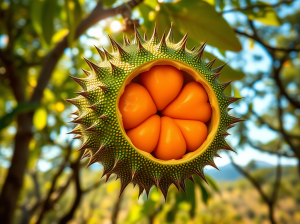
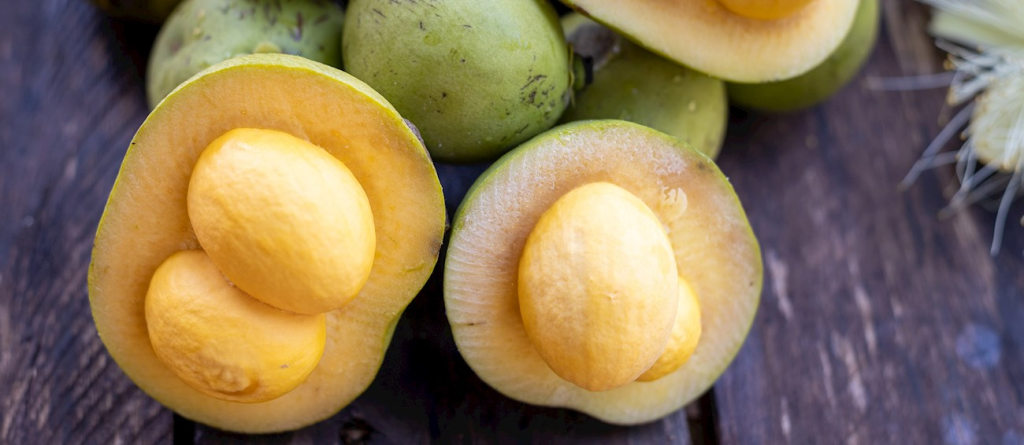
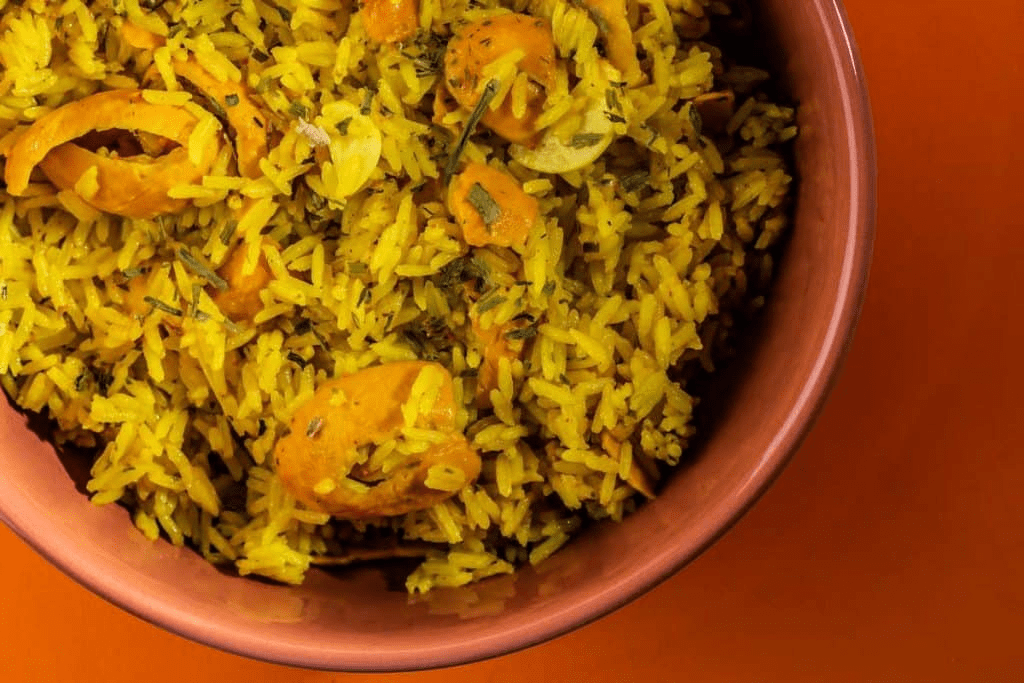
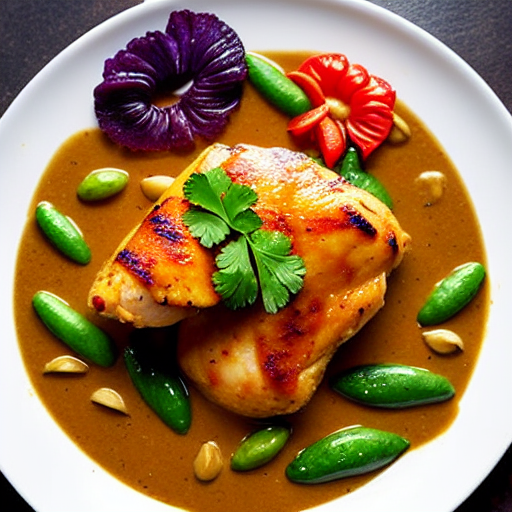
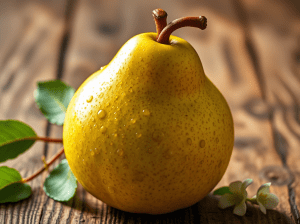


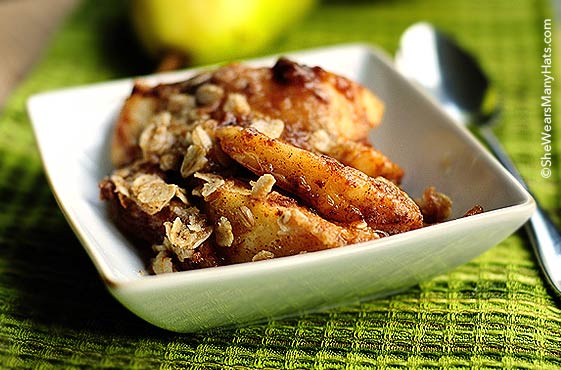
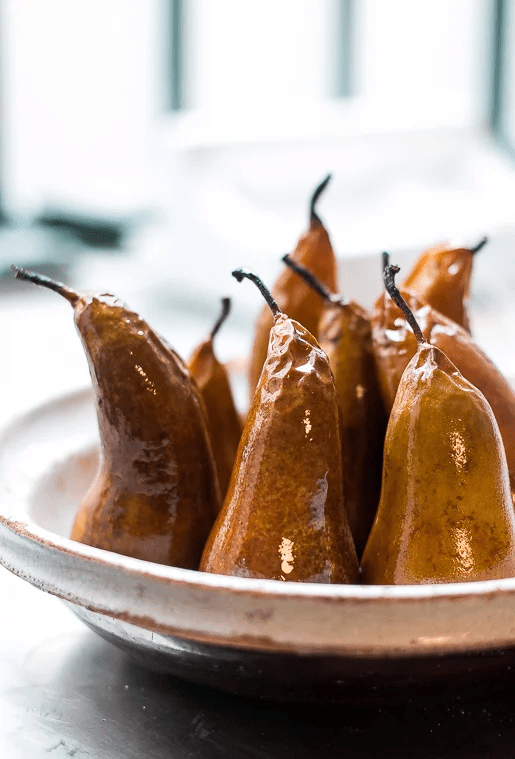
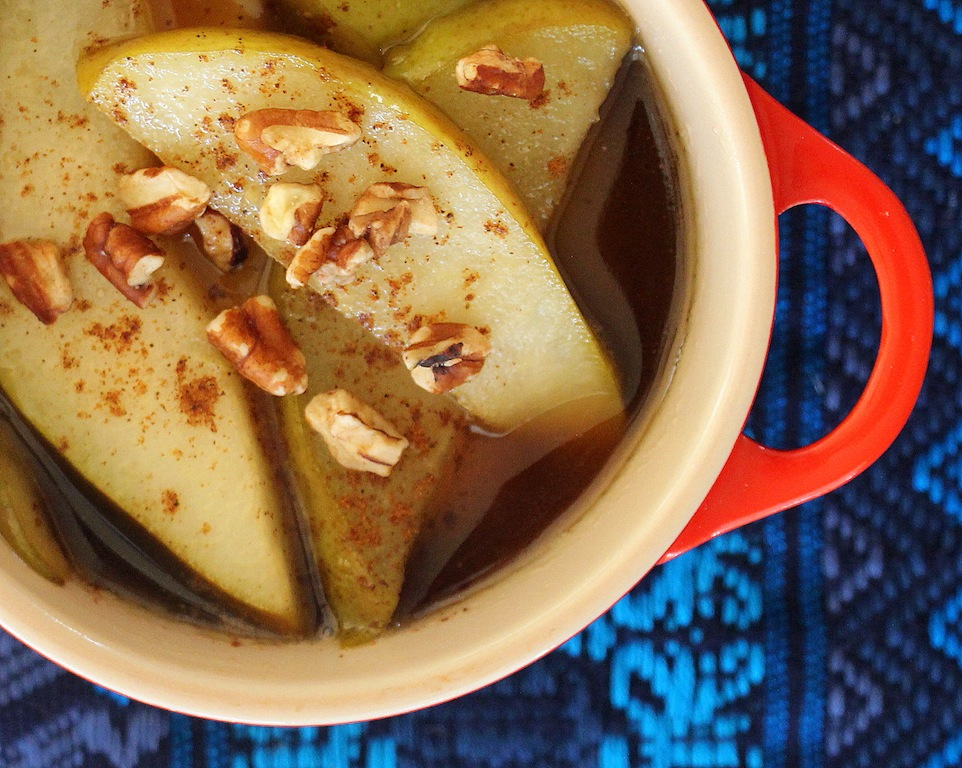
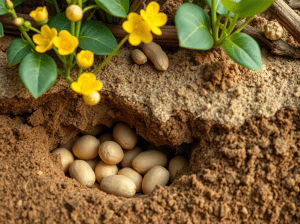
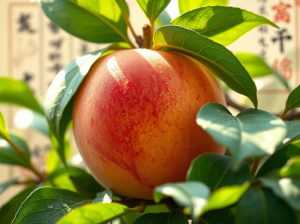
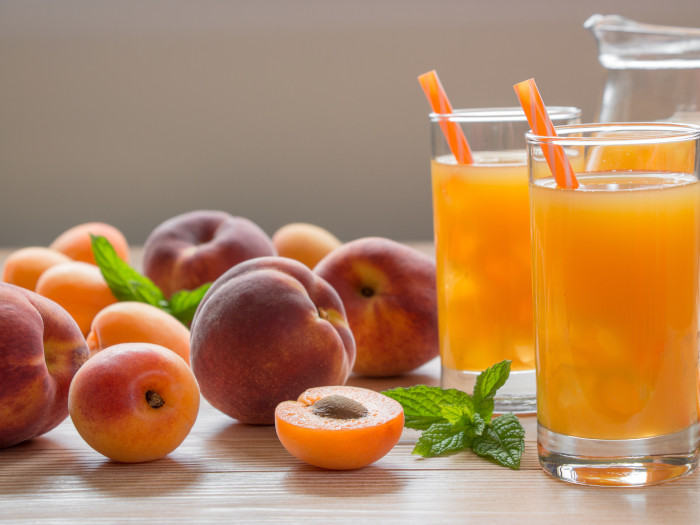
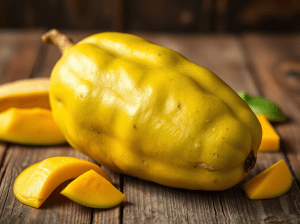
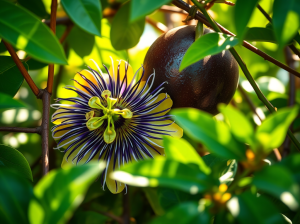
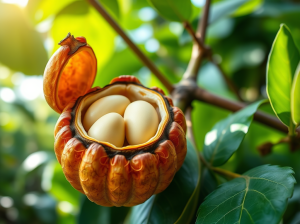
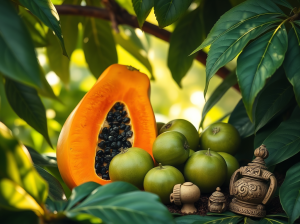
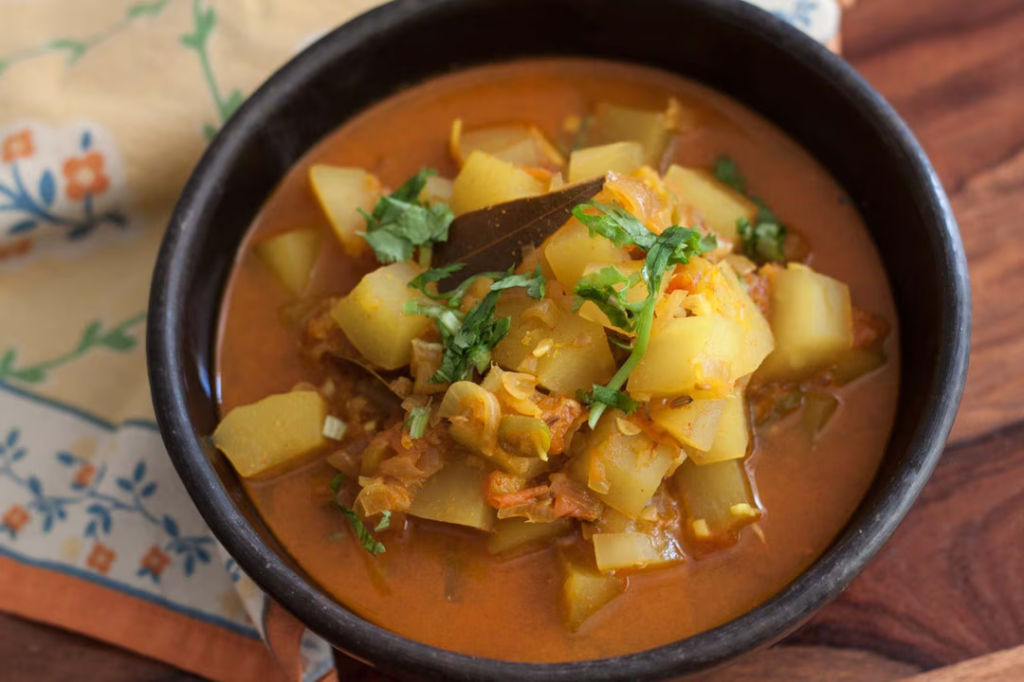
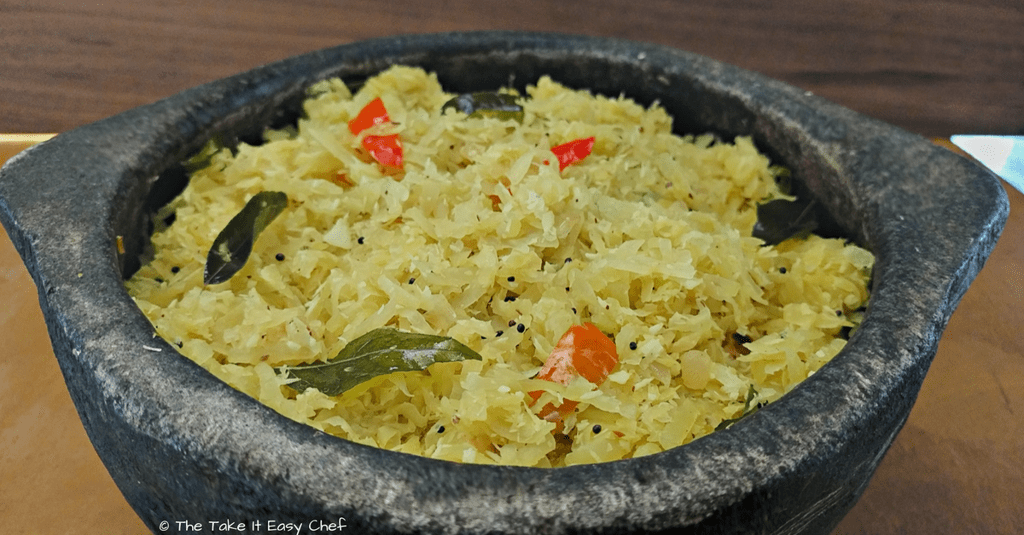
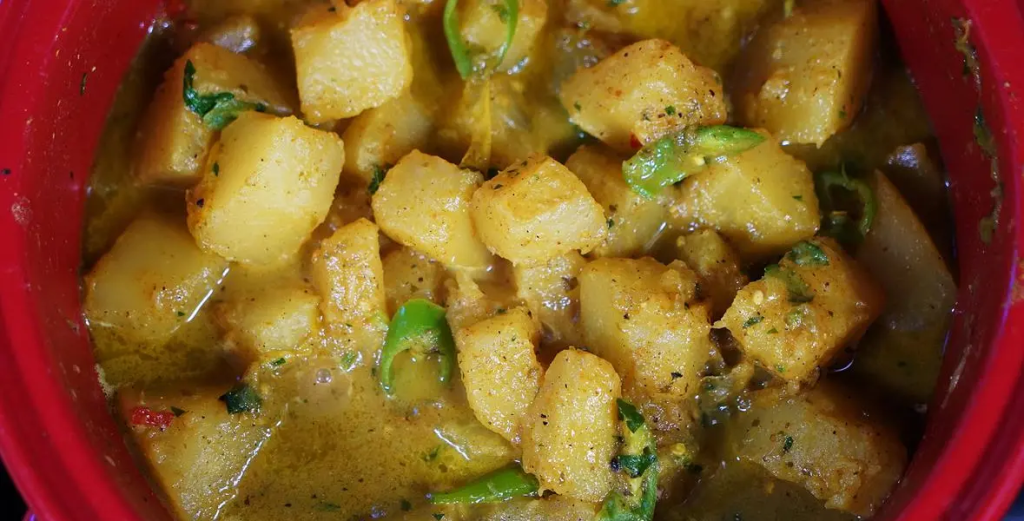
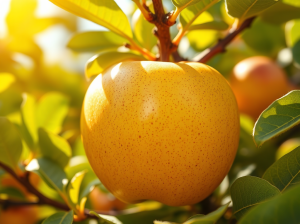





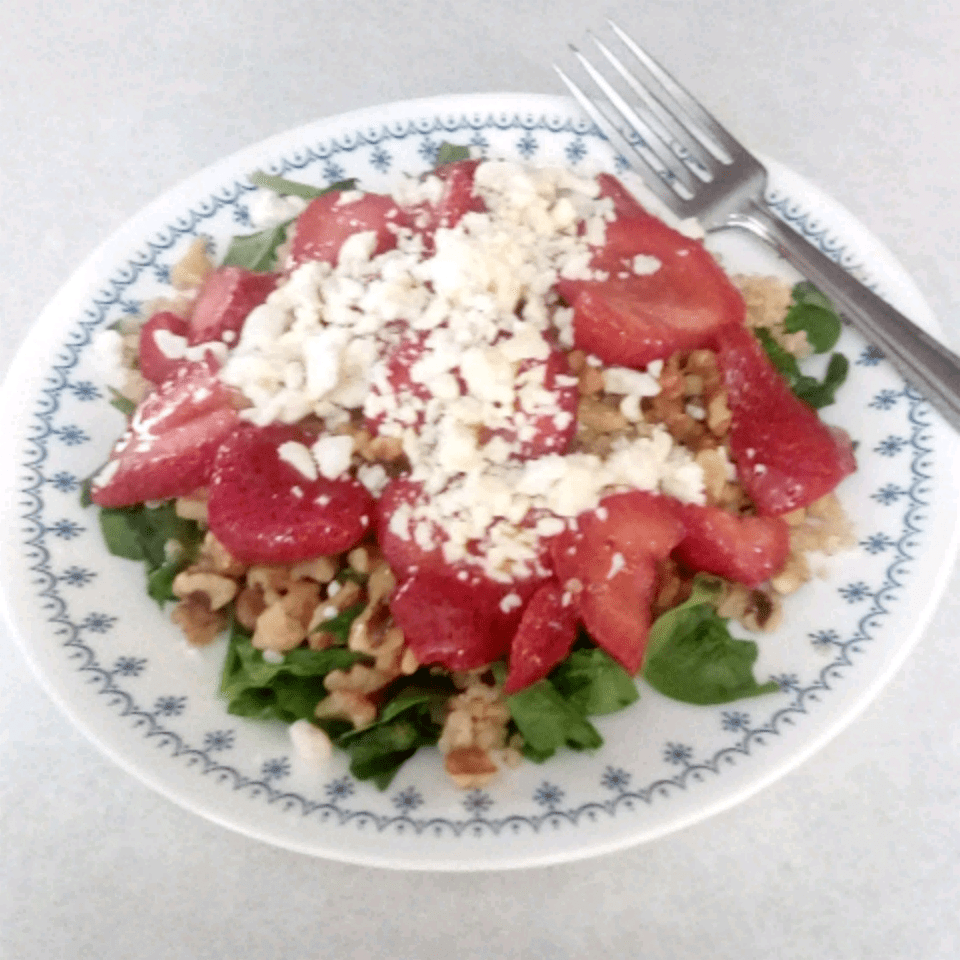

 EJADA
EJADA