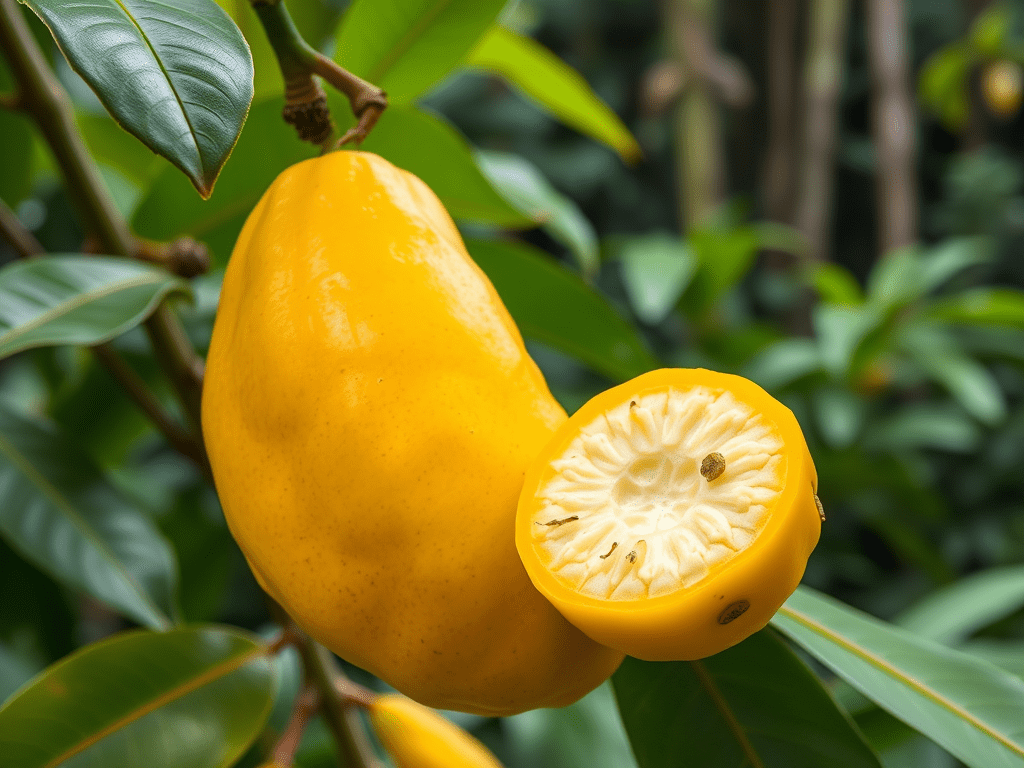
What do you know about Abiu?
Abiu, scientifically known as Pouteria caimito, is a tropical fruit native to South America, particularly the Amazon rainforest. It is also cultivated in countries like Brazil, Colombia, and Peru. The fruit is bright yellow when ripe, with a creamy texture and a sweet taste often compared to caramel or honey.
Health Benefits of Abiu:
Heart Health: Potassium in Abiu helps regulate blood pressure and supports heart function.
Rich in Nutrients: Abiu is packed with vitamins like Vitamin C and A, which support immune health, vision, and skin.
Digestive Health: Dietary fiber promotes regular bowel movements and aids digestion.
Antioxidant Properties: The fruit contains antioxidants that combat free radicals, reducing oxidative stress and supporting cellular repair.
Bone Health: Abiu provides calcium and phosphorus essential for strong bones and teeth.
Abiu stands out among tropical fruits for its unique nutritional profile. Here’s how it compares:
- Vitamin C: Abiu is rich in Vitamin C, similar to fruits like guava and papaya, which are known for their immune-boosting properties.
- Vitamin A: Like mangoes, Abiu contains Vitamin A, supporting vision and skin health.
- Fiber: While Abiu has dietary fiber, it may not be as high as bananas or passion fruit, which are fiber powerhouses.
- Potassium: Abiu provides potassium, comparable to bananas, aiding in heart health and blood pressure regulation.
- Antioxidants: Abiu’s antioxidants are on par with fruits like dragon fruit and mangosteen, helping combat oxidative stress.
Each tropical fruit has its own strengths, making them all valuable additions to a balanced diet. Have you tried any of these fruits before?
Read More @ Healthbenefitstimes.com
Abiu fruit is considered to be native to the headwaters of the Amazon. It is grown wild in the lower eastern part of the Andes from Southwestern Venezuela to Peru. It is also grown in Iquitos, Tingo Maria, Peru, and could also be found in the Province of Guayas in Ecuador. It was cultivated by Amerindians, who widely spread in the Amazon. It is found heavily in the Northern Brazilian State of Pará. It is also found in Colombian areas such as Meta, Caqueta, and Vaupes. It is found abundantly in Venezuela, Amazonas.
 EJADA
EJADA 