EJADA
Living Healthy, Natural Healing, Herbal Health, and nutritional
Category: Uncategorized
-
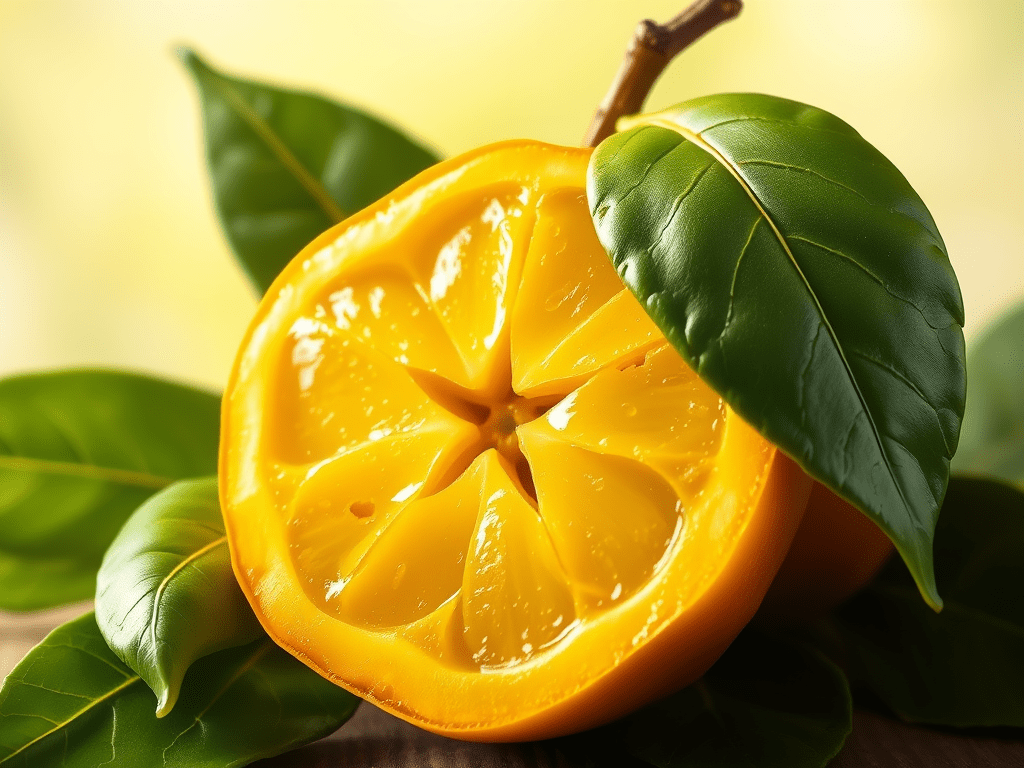
Carambola—commonly known as star fruit—is celebrated not only for its unique, attractive appearance and tangy-sweet flavor but also for its diverse health benefits. Its nutritional profile includes a generous amount of vitamin C, dietary fiber, and potent antioxidants (such as epicatechin and gallic acid), which help fight oxidative stress and inflammation. These properties make carambola…
-
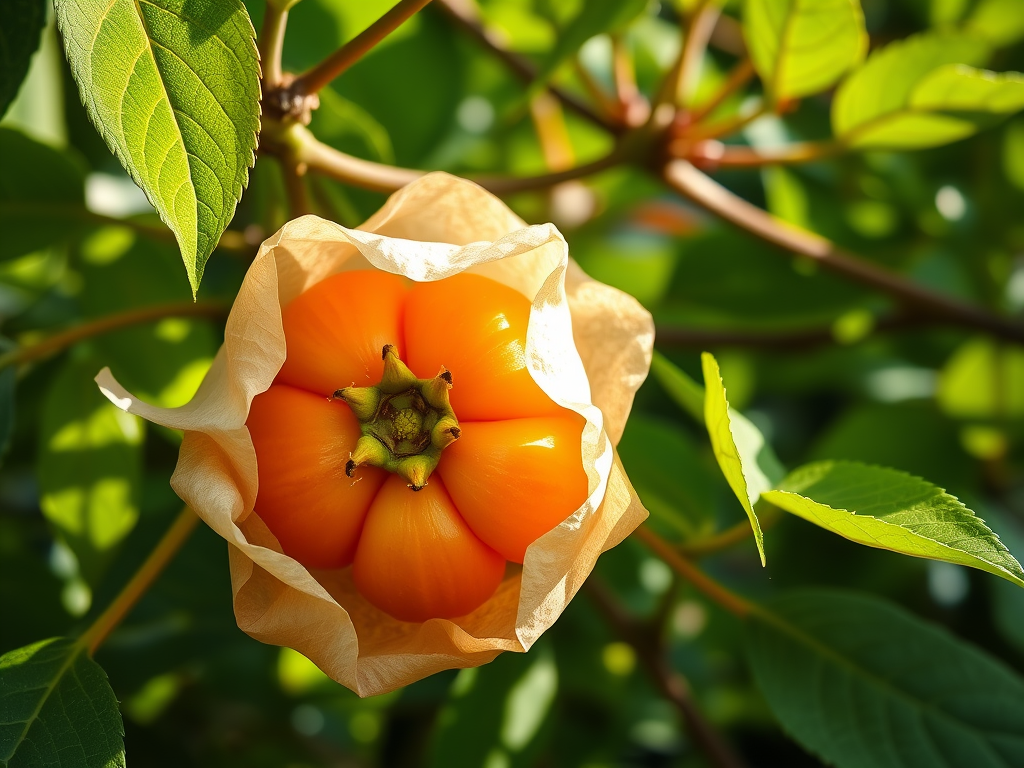
Cape gooseberry (Physalis peruviana) has a rich history that reflects both its native origins and its adaptability in cultivation across various climates. Here’s a detailed look into its early cultivation, first use, and the purposes behind it: Early Cultivation and Geographic Origins Native Roots: Cape gooseberry is indigenous to the tropical highlands of South America—specifically…
-
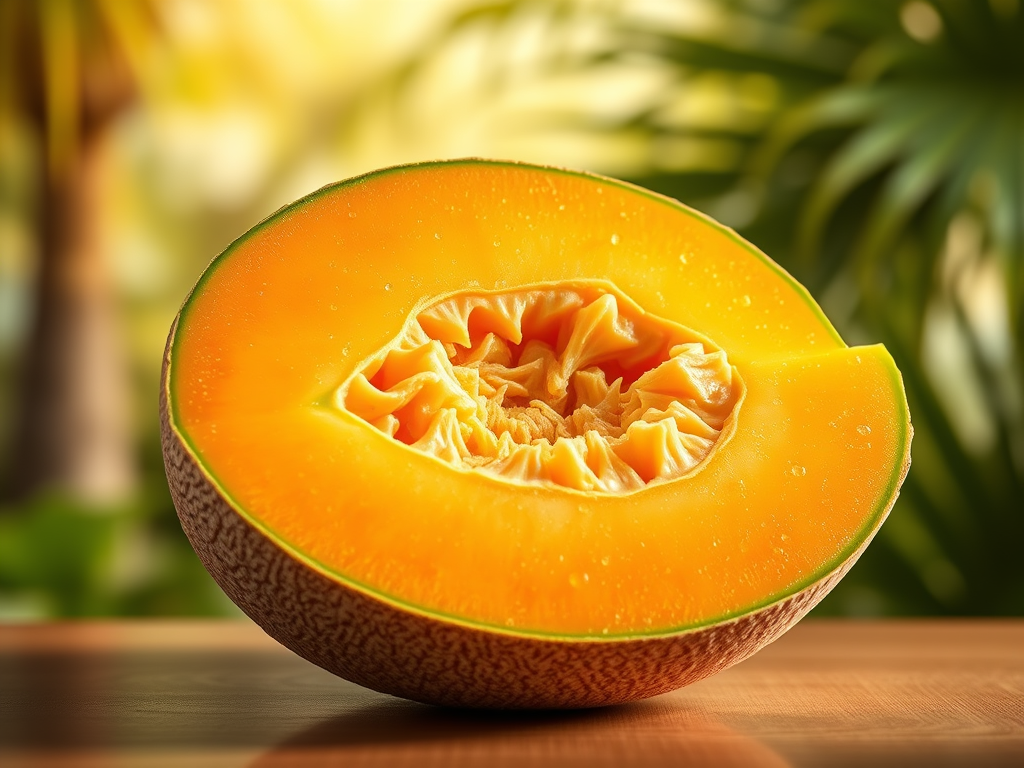
The history of cantaloupe is fascinating, though not exactly pinpointed to one moment or location. Scholars agree that the domestication of melons—including what we now term cantaloupe—dates back several millennia, with estimates often landing around 5,000 BCE. The debate continues about its precise origins: some researchers lean toward a homeland in the broader regions of ancient…
-

Canistel, also known as egg fruit, is a tropical fruit that is both delicious and nutritious. It is commonly used in desserts, smoothies, marmalades, and even baked goods like cupcakes and pancakes. The fruit has a sweet, custard-like texture, making it a great addition to various recipes. Health Benefits of Canistel Canistel is packed with…
-
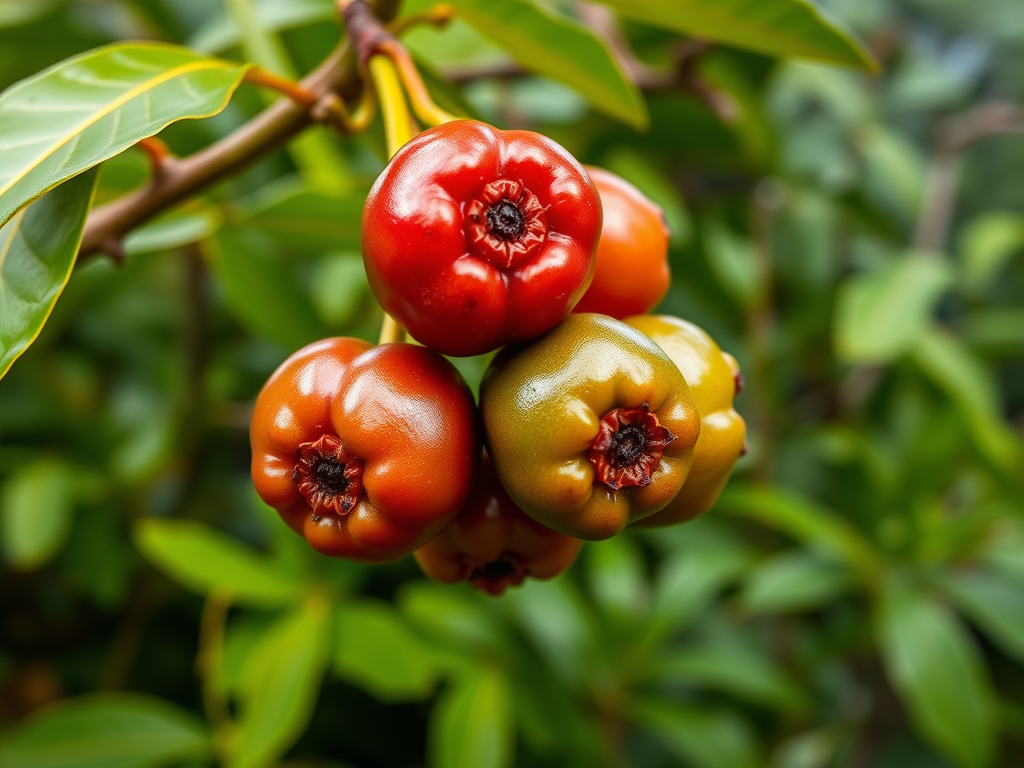
Camu Camu (Myrciaria dubia) is a small, sour berry native to the Amazon rainforest, often considered a superfood due to its impressive nutrient profile. Here’s what makes it special: Health Benefits High in Vitamin C: It contains up to 3 grams of vitamin C per 100 grams, making it one of the richest natural sources.…
-

Calamansi, also known as calamondin or Philippine lime, is a unique small citrus fruit native to the Philippines and widely cultivated across Southeast Asia. Typically about the size of a kumquat, its unripe fruits display a vibrant green color that transforms into a warm orange or yellow as they ripen. What truly sets calamansi apart…
-
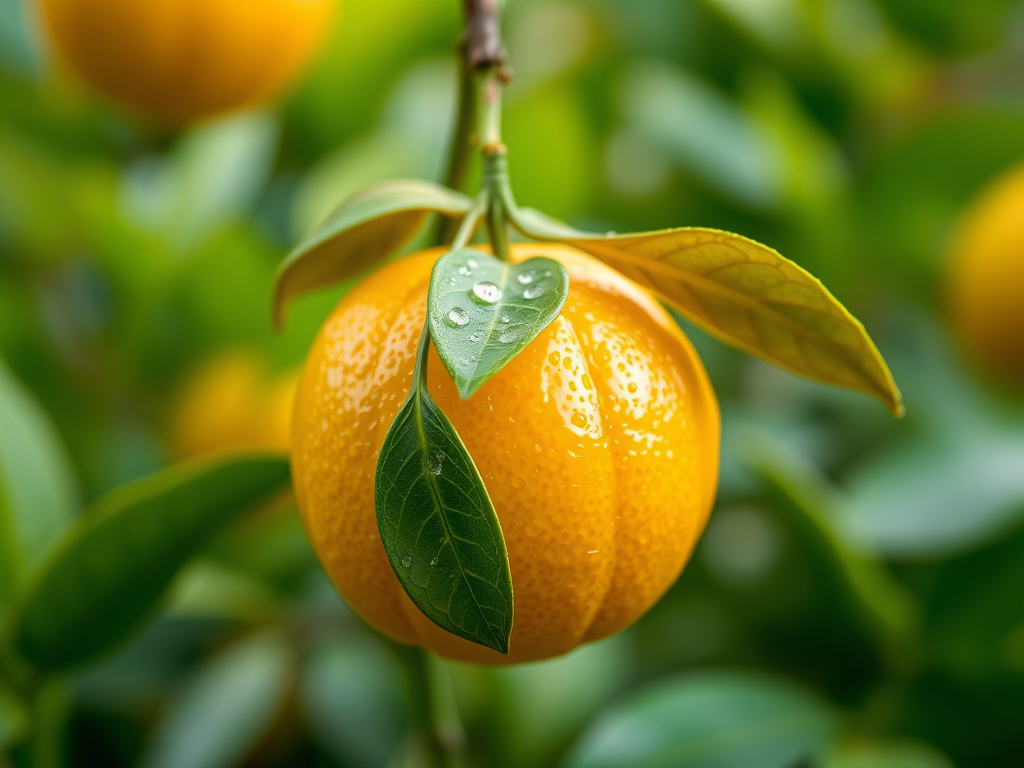
Calamondin, also known as calamansi, has been cultivated for centuries, primarily in Southeast Asia. It is believed to have originated in China or the Philippines and was introduced to other regions over time. Historically, it has been used in traditional Philippine cuisine as a souring agent for dishes, condiments, and beverages. Its first recorded use…
-

Calabash, also known as bottle gourd, is a vine-grown fruit with a variety of uses. When harvested young, it can be eaten as a vegetable, but when matured and dried, it transforms into a versatile tool—used as utensils, containers, musical instruments, and even decorative objects. In different cultures, calabash has been crafted into bowls, cups,…
-
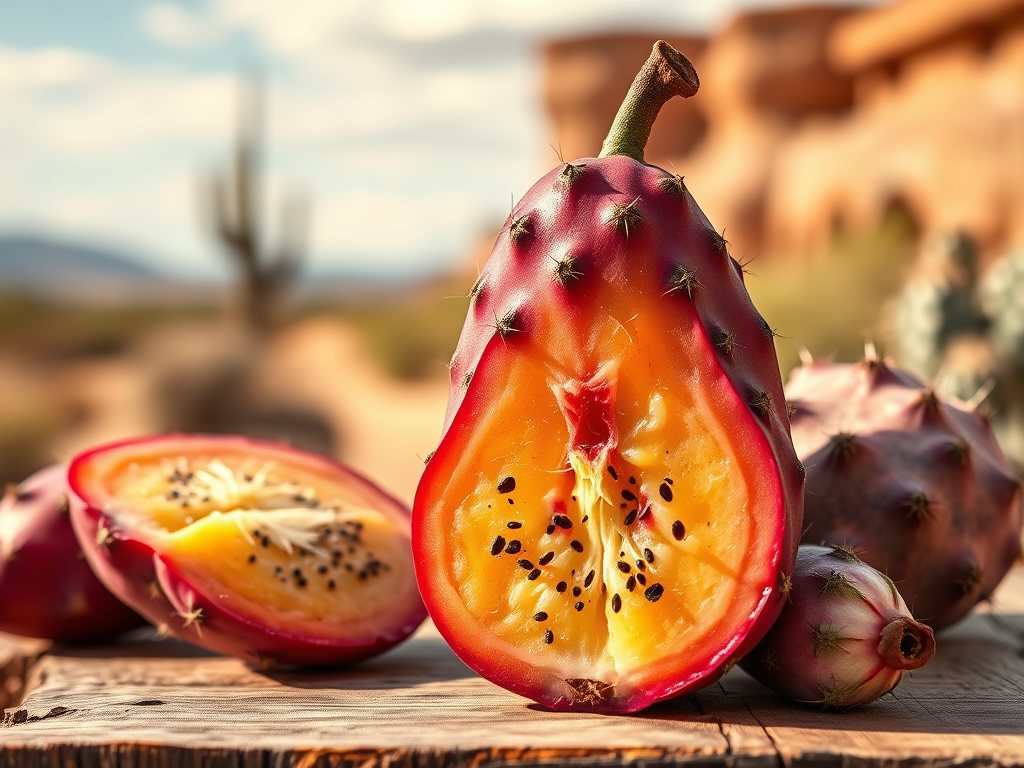
The cactus pear (often called the prickly pear) is the edible fruit of several species of cacti, primarily those belonging to the genus Opuntia, such as Opuntia ficus-indica. Characterized by its thick, spiny outer skin that needs proper handling before the fruit can be enjoyed, the inner flesh is typically juicy, sweet-tart, and colorful, ranging…
-
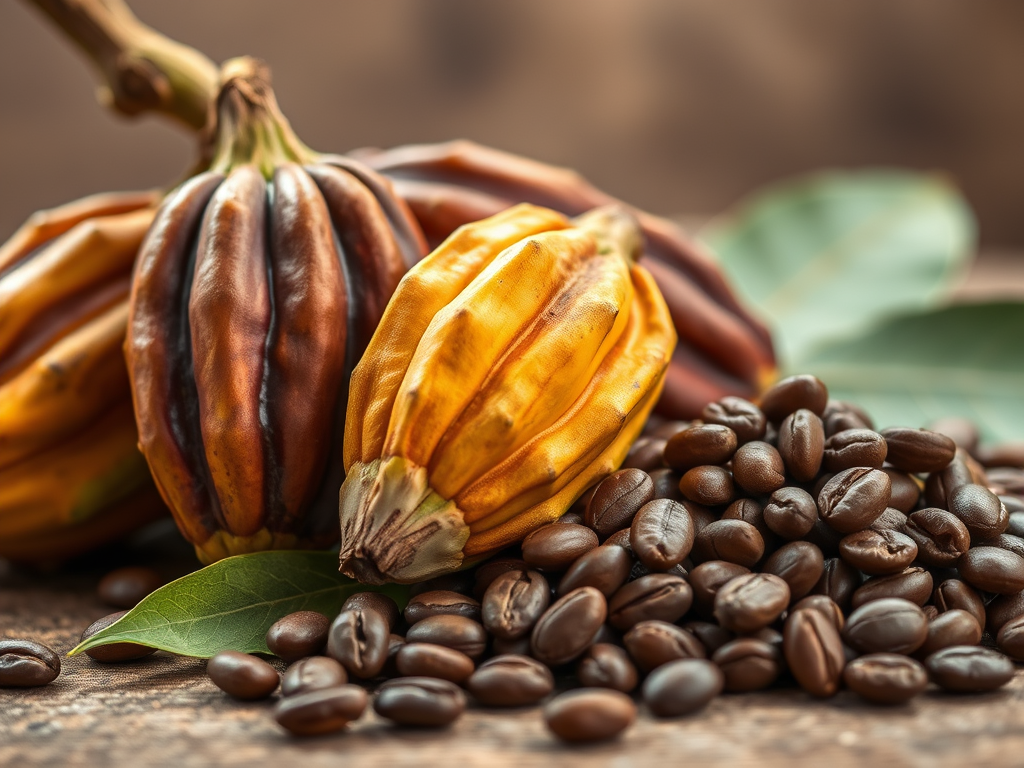
Cacao refers to the seeds (often called beans) from the cacao tree, Theobroma cacao. These seeds are found inside large, colorful pods, and they have been celebrated for centuries, not only as the primary ingredient in chocolate but also for their rich nutritional profile. Traditionally, many Mesoamerican cultures held cacao in high regard, even calling…
-
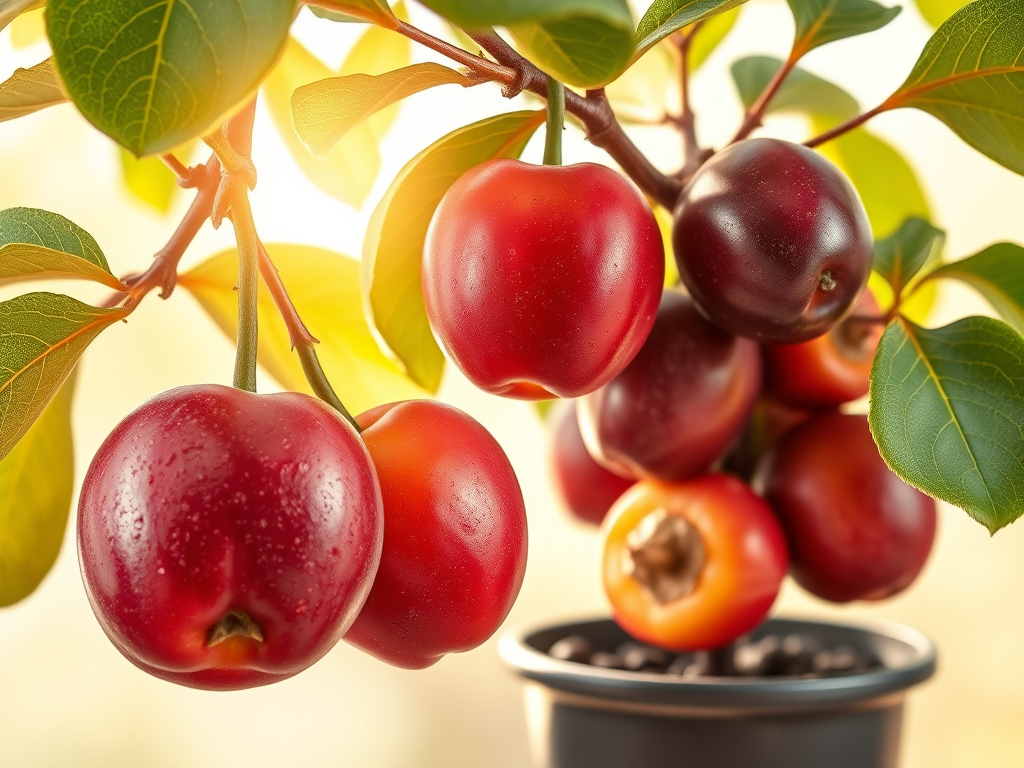
What is Burdinkin Plum? (The Burdekin plum is botanically known as Pleiogynium timorense and is a member of the Anacardiaceae family along with mangos, cashews, and pistachios. The Burdekin is an Australian fruit that though never successful commercially has historical value as a native fruit tree. In recent years growers in Australia have started experimenting…
-
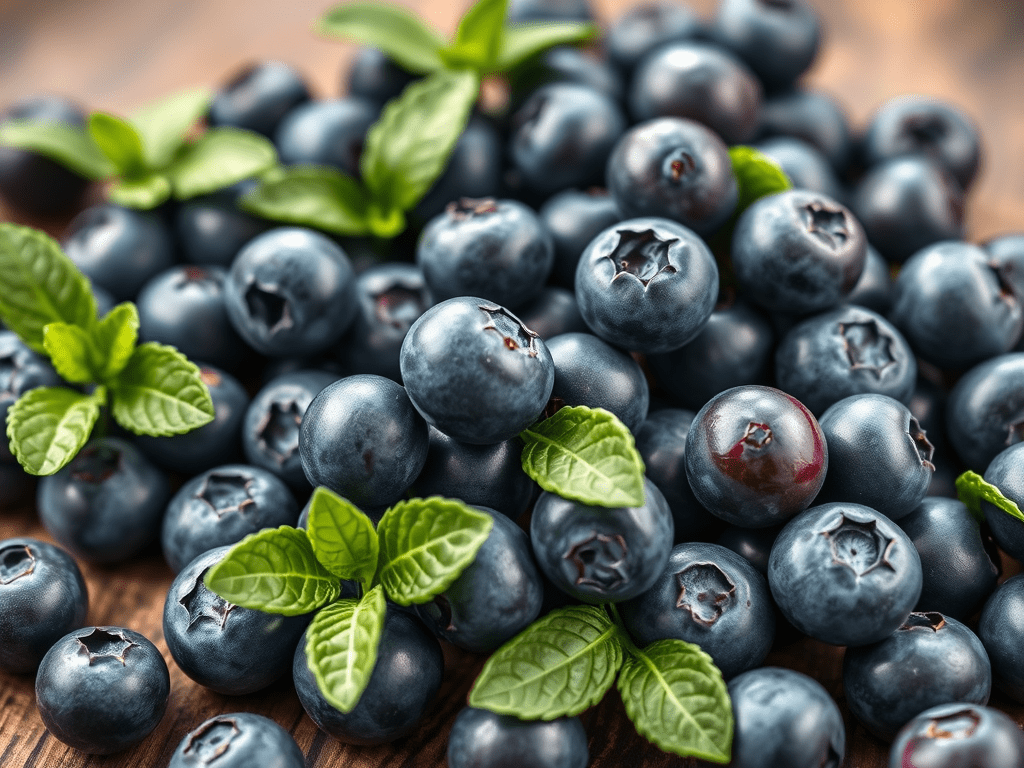
Blueberries are often called a superfood because they are packed with nutrients and antioxidants that offer a variety of health benefits. Here are some of the ways they can support your well-being: Read More: Blueberries are the dark blue edible fruit that comes from a North American shrub, or bush, with the same name. Because…
 EJADA
EJADA 