EJADA
Living Healthy, Natural Healing, Herbal Health, and nutritional
Category: stress health
-

Every year, we’re offered another “quick fix” for wellness — another routine, another supplement, another promise. But most people aren’t looking for hype anymore. They’re looking for something that actually supports them in two places that matter most: the mind and the body For years, those two worlds were treated separately. Mental clarity over here.…
-
If you’ve been fighting stubborn weight, low energy, or that “nothing works anymore” feeling… you’re about to understand exactly why. Because a small group of insiders has been quietly using a tropical metabolic trigger that’s helping everyday people break through plateaus faster than anything they’ve tried before. And no — it’s not a diet. It’s…
-

I’ve heard of a pink elephant, but never have I heard of a Pink Lemon. And unlike the elephant, this one’s not just a metaphor for your unresolved emotional baggage—it’s real, it’s citrusy, and it’s fabulous. 🍋 What in the Fruit Is a Pink Lemon? Discovered in California sometime in the early 20th century (probably…
-
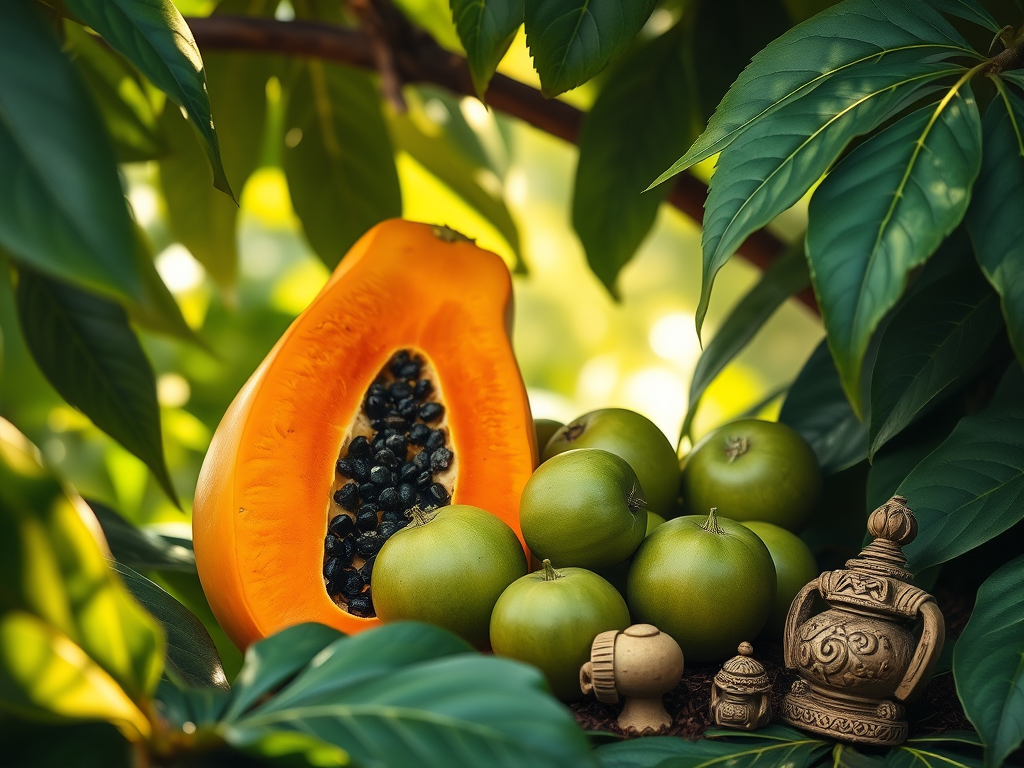
🍃 The Healthy Fruit Trail: P is for Papaya We’ve arrived at the lush gateway of the letter P, and our first companion is the Papaya—a fruit as ancient as it is enzyme-rich. Cultivated by the Maya and Aztecs as early as 4000 BCE, papaya was more than food; it was a digestive ally, a…
-
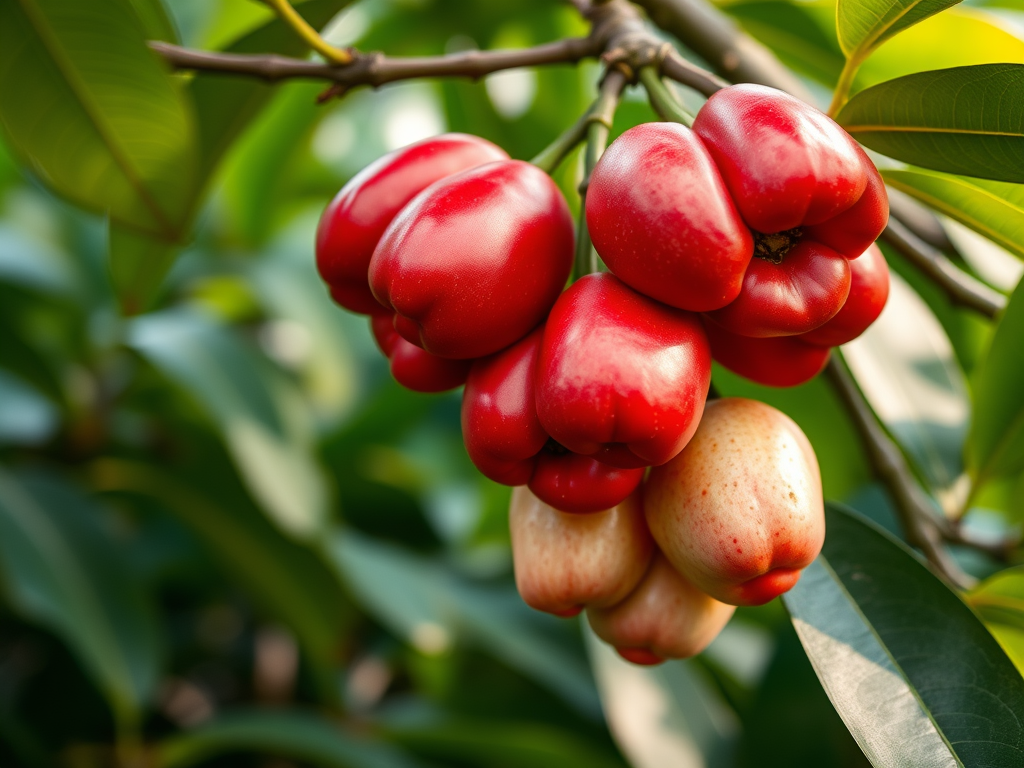
Malay Apple (Syzygium malaccense) Syzygium malaccense, commonly known as Malay apple or mountain apple, is a tropical fruit tree in the Myrtaceae family native to Southeast Asia and northern Australia. The tree bears oblong to bell-shaped fruits that range in color from deep red to pink or white streaked with red. Inside is crisp, fragrant…
-

Juneberry Joy: A Forgotten Fruit with Big Benefits When life hands you Juneberries… celebrate! 🎉 Juneberries, also known as serviceberries, are tiny gems bursting with sweet flavor and ancient wisdom. These North American natives once nourished Indigenous communities and guided early healers—and now they’re staging a delicious comeback! 🌿 Why We Love Them: 🍇 How…
-
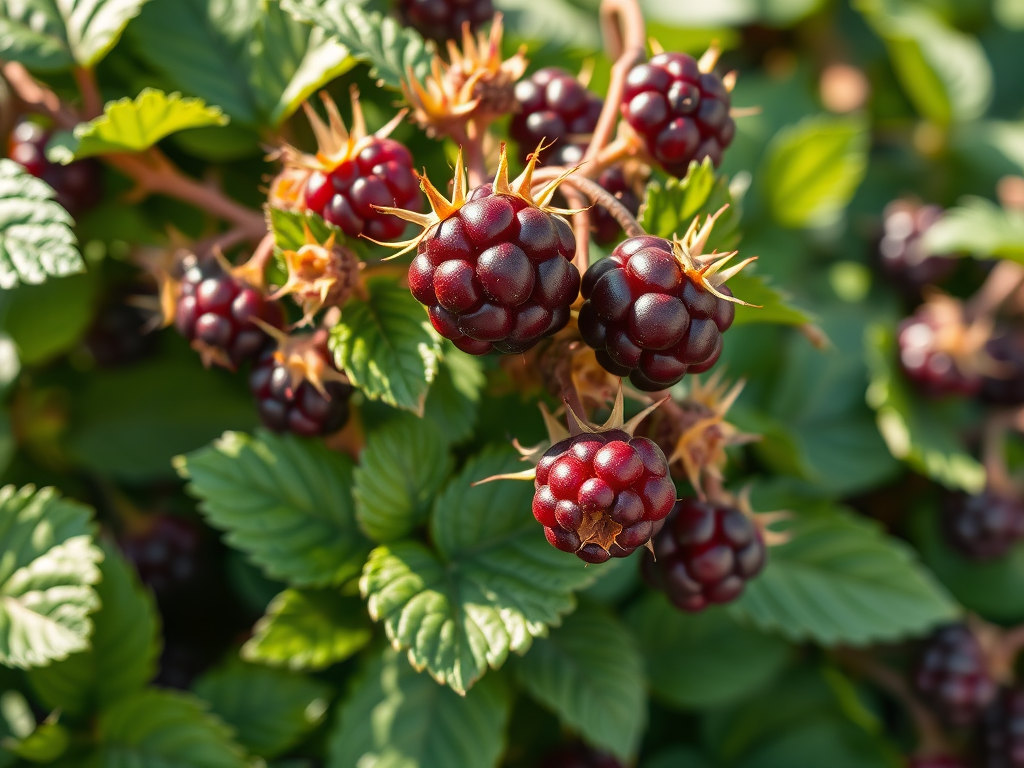
Don’t get bored, we are continuing our known and little-known fruits that begin with the letter D, and what health benefits they offer today. I offer information on Dewberry fruit. When was it first cultivated? As a tended garden plant: mid-1500s herb gardens in Europe. As a genuine commercial field crop: the 1880s dewberry plantations…
-
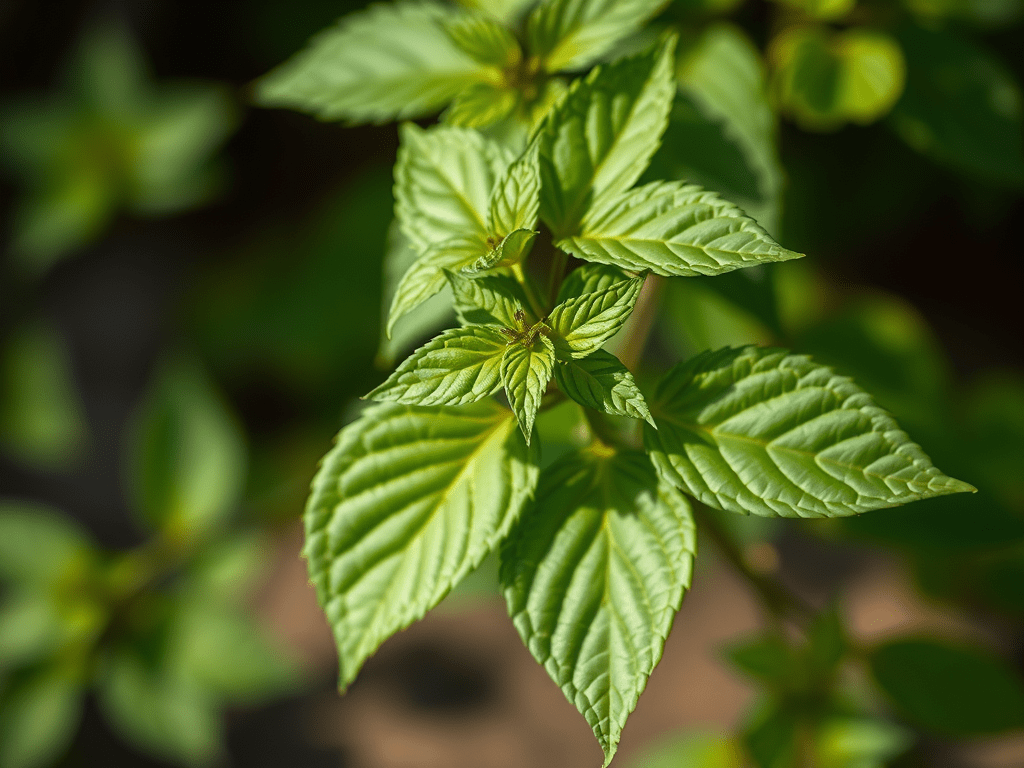
Tulsi, also known as holy basil, is a herb that has been used for centuries in traditional medicine practices. But what exactly is tulsi and what are its potential benefits? What is Tulsi? Tulsi is a sacred plant in Hindu culture and is often referred to as the “queen of herbs” for its various health…
-
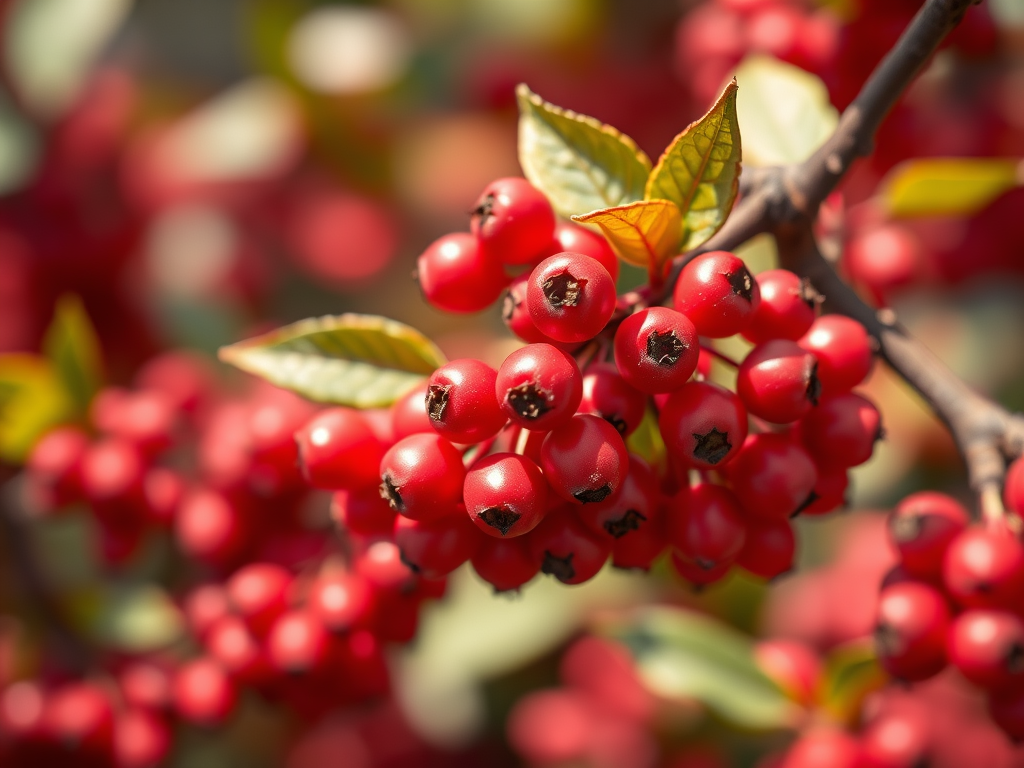
Schisandra herb, also known as Schisandra chinensis, is a versatile adaptogen with origins in China and Russia. Its unique berries offer a blend of five flavors and are used in teas, tinctures, and extracts. This herb is prized for its adaptogenic properties, rich antioxidants, and potential benefits for liver health, inflammation reduction, cognitive function, and…
-
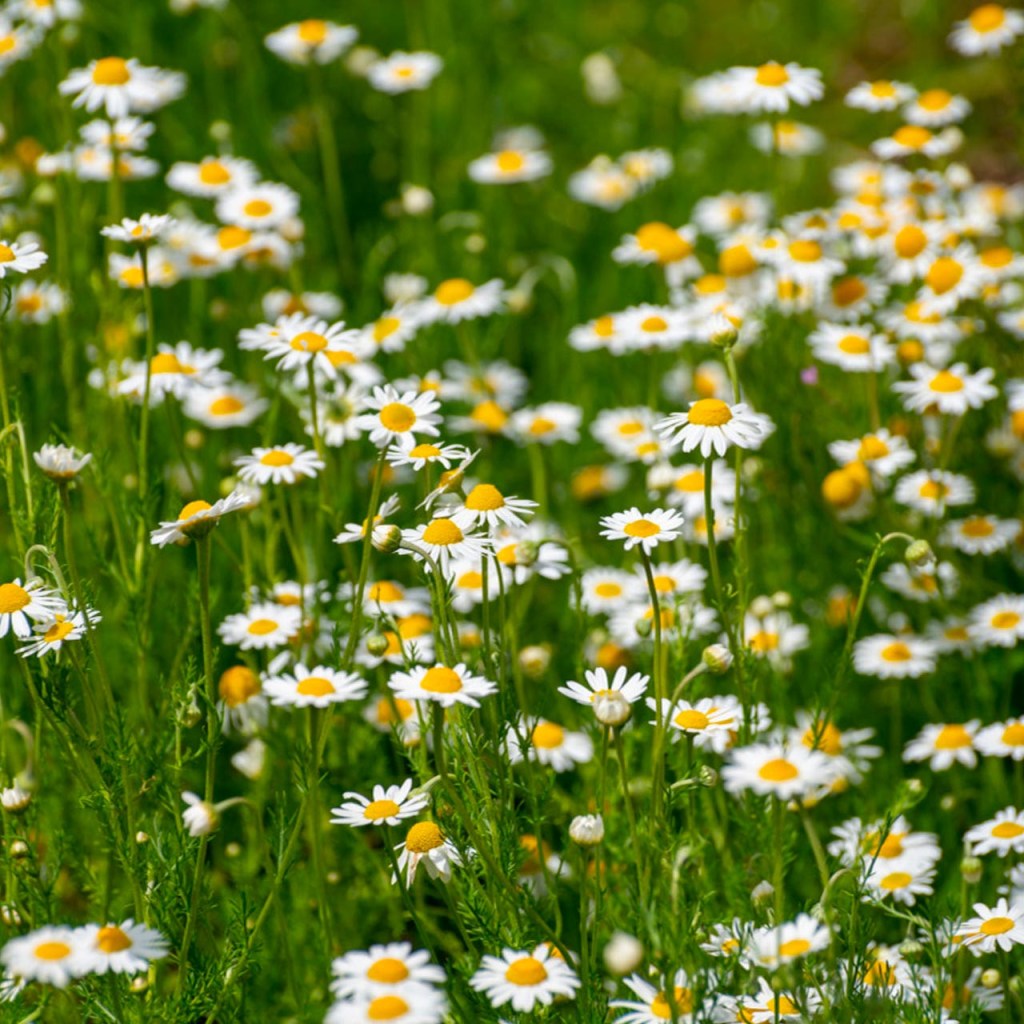
Traditionally, Roman chamomile has been used to treat nausea, vomiting, heartburn, and gas. It is often used today to relieve anxiety. Used on the skin, it may also reduce inflammation from cuts or hemorrhoids. It is sometimes used to ease the discomfort from eczema and gingivitis (swollen gums).
-
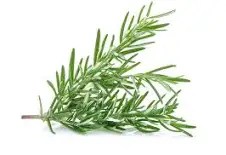
Different investigations have highlighted rosemary neuropharmacological properties as their main topics. Rosemary has significant antimicrobial, anti-inflammatory, anti-oxidant, anti-apoptotic, anti-tumorigenic, antinociceptive, and neuroprotective properties. Furthermore, it shows important clinical effects on mood, learning, memory, pain, anxiety, and sleep.
-
While Indian Bay has a long history of use in traditional medicine, there is limited scientific research on its medicinal properties. However, preliminary studies have shown promising results in terms of its anti-inflammatory and antimicrobial effects.
 EJADA
EJADA 