EJADA
Living Healthy, Natural Healing, Herbal Health, and nutritional
Category: Healthy Living
-
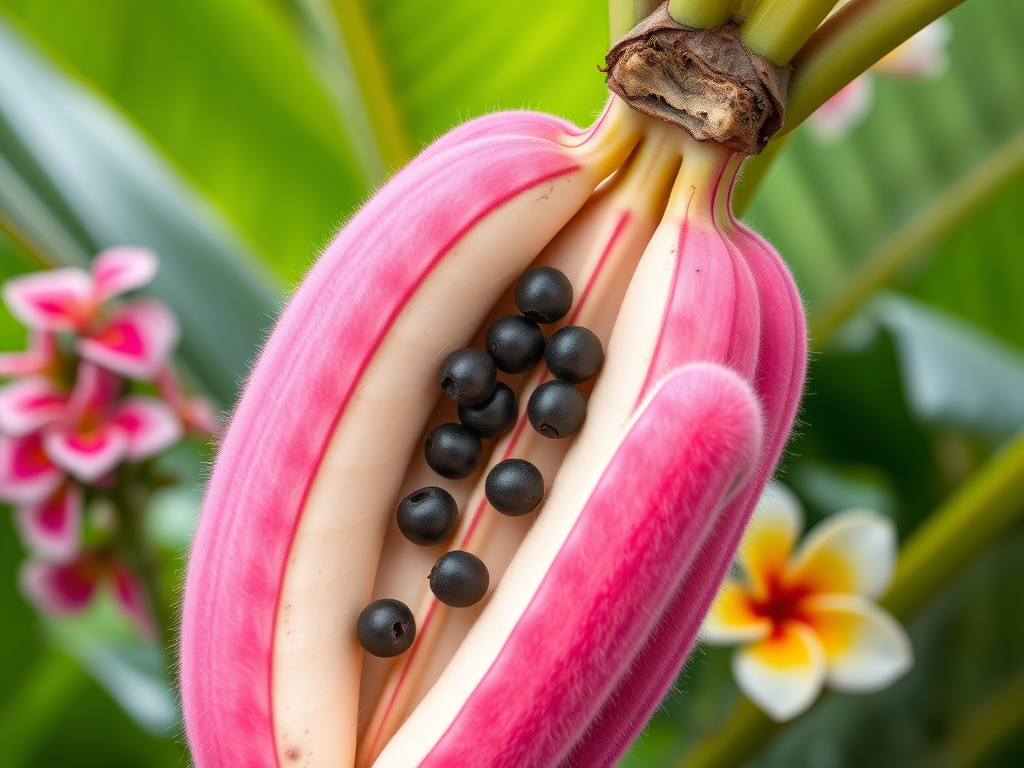
Do you know what a Pink Banana is? I have the answer, A Pink Banana is nature’s velvet paradox: a tropical perennial known as Musa velutina, native to the eastern Himalayas and Assam. With its fuzzy hot-pink peel and creamy white flesh, it looks like a botanical daydream—but don’t be fooled. Beneath its ornamental charm…
-
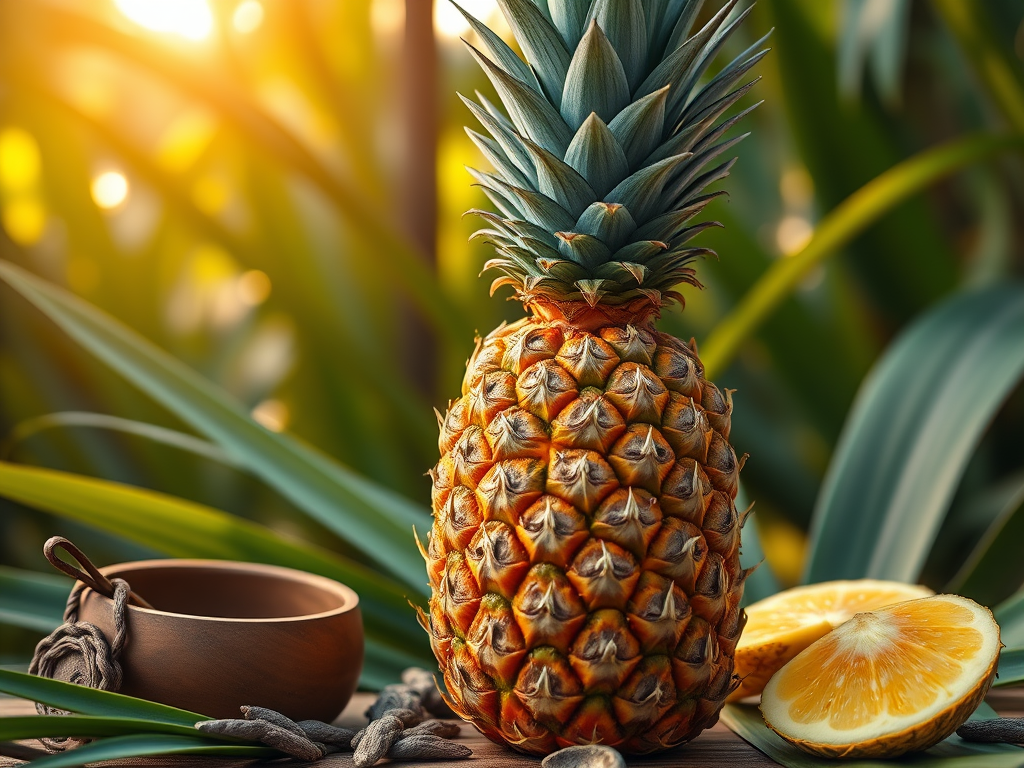
The Pineapple Origins and First Cultivation 🍍 Little-Known Pineapple Fact: It’s Not Just One Fruit Despite its familiar appearance, the pineapple is actually a composite fruit—formed from dozens of individual flowers, each producing its own fruitlet. These fruitlets fuse together around a central stalk, creating the spiky, golden body we know. 🌿 Botanical Insight 🧘…
-

🥭 Philippine Mango: Culinary Muse & Cultural Rhythm Before it nourishes, it dazzles. The Philippine mango—especially the Carabao variety—is a culinary shapeshifter: sweet, tangy, creamy, and bold. Whether ripe or raw, it dances across dishes with flair. 🍽️ Culinary Uses: From Tangy to Tender Ensaladang Mangga: Zesty green mango salad with vinegar, chili, and onions…
-
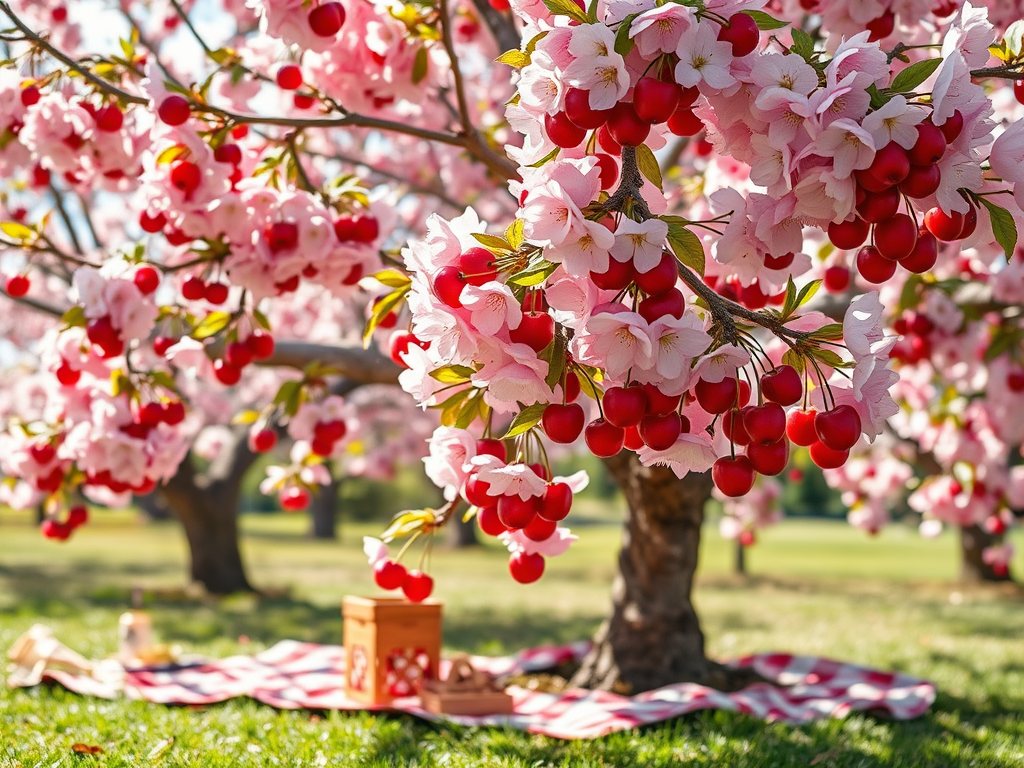
Before it became a darling of antioxidant-rich diets and tart-toned recipes, the petit cherry—often referring to the smaller cultivars of Prunus cerasus (sour cherry)—held a quiet but potent place in ancient gardens, medicinal lore, and seasonal rituals. 🌱 Cultivation Origins: Who Brought It to Life? Greek Colonies in Anatolia (c. 1180–547 BCE):@Britannica The earliest known…
-
Healthy living isn’t just about what we ingest—it’s also about what we think, feel, and dream. It’s the quiet rituals, the bold hopes, and the creative visions we dare to bring into the world. For me, one of those dreams was EJADA CM: a space where custom merchandise, designed with care and intention, could reflect…
-
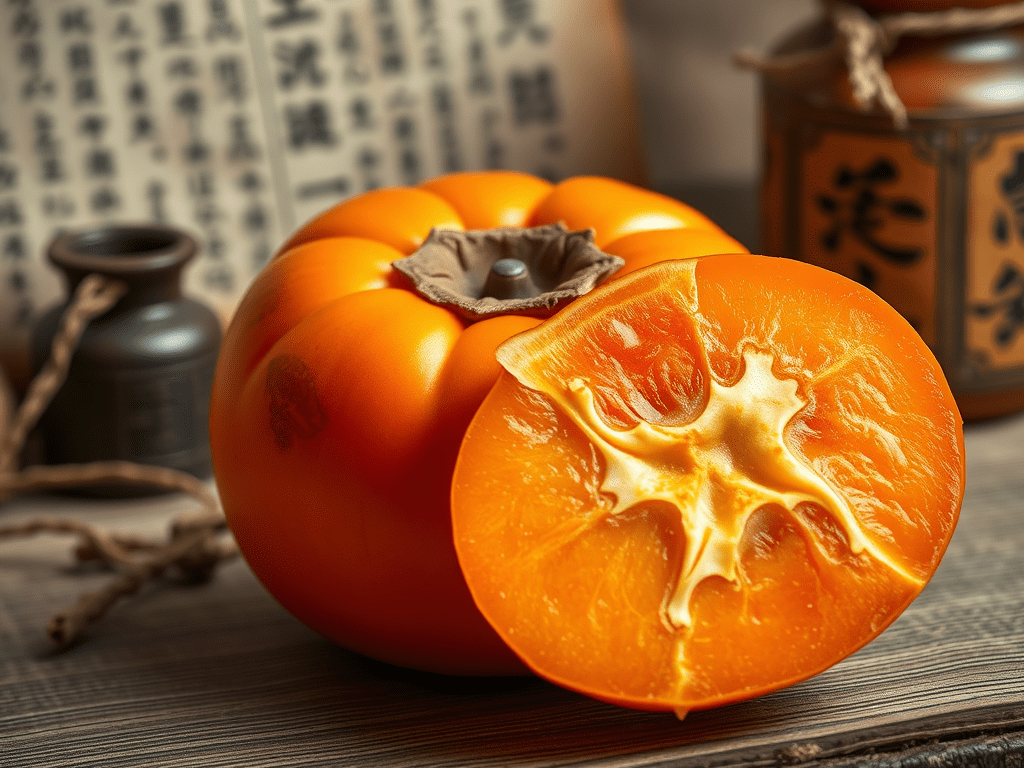
🍊 Persimmon: Core Facts 🌿 Nutritional & Medicinal Highlights Through the Ages 🏺 Ancient Wisdom & Folk Remedies 🧪 19th–20th Century Herbalism & Early Biochemistry 🧬 Modern Nutritional Science 🧿 Symbolic Nourishment & Emotional Resonance 🌀 From Cultural Heirloom to Strategic Wellness Icon Once revered as a seasonal healer tucked into oral traditions and ancestral…
-
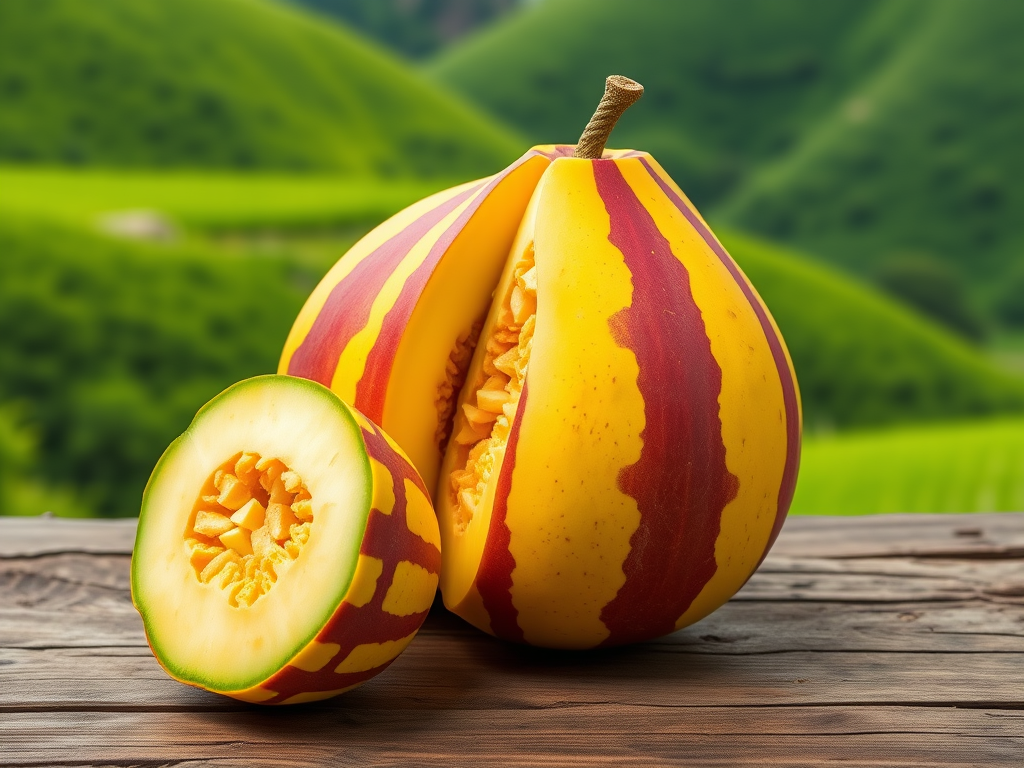
The Pepino Melon—also known as Solanum muricatum, “pepino dulce,” or “melon pear”—is a fascinating fruit with deep Andean roots and a surprisingly potent pharmacological profile. 🍈 The Pepino Melon 🌄 Origins & Cultivation History 🕰️ Pepino Melon: A Symbolic Cultivation Timeline Era Milestone Cultural & Botanical Significance Pre-1000 BCE Wild precursors emerge in Andean highlands…
-
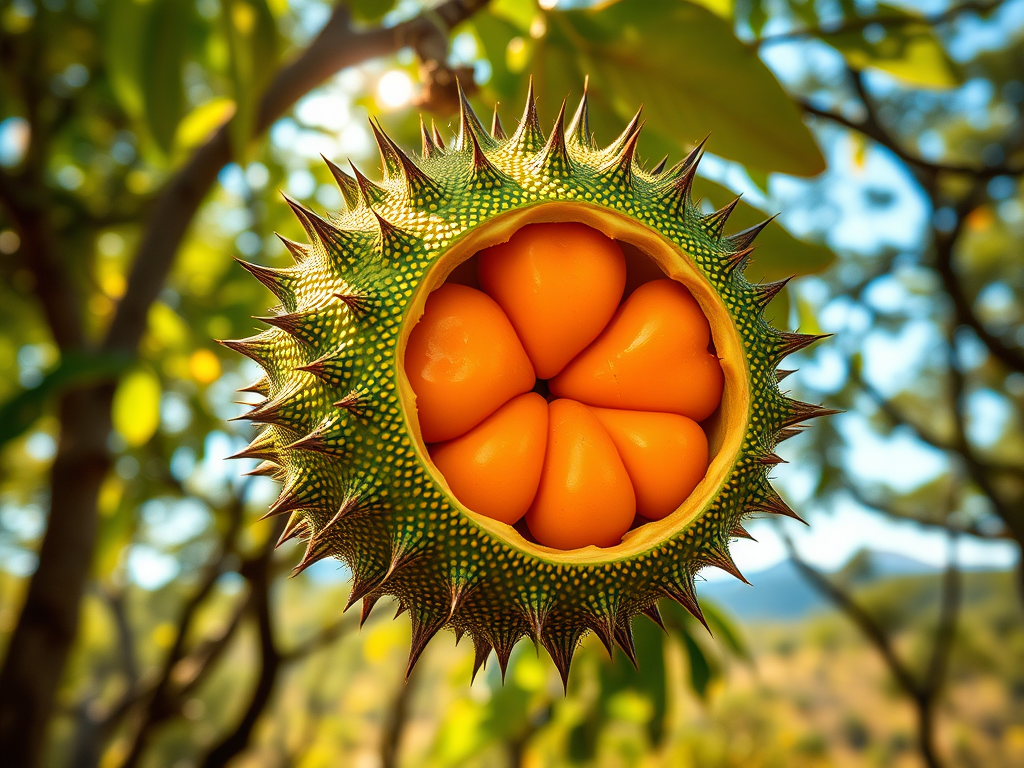
Pequi (lat. Caryocar brasiliense), also known as souari nut, is a fruit native to Brazil and commonly found in the Brazilian Cerrado region. It is a small, round fruit with thick, yellow, or orange skin that is covered in small, sharp spines. 🌿 Key Features of Pequi: 🌿 Pequi (Caryocar brasiliense) Cultivation, Seasonality & Purpose Pequi…
-
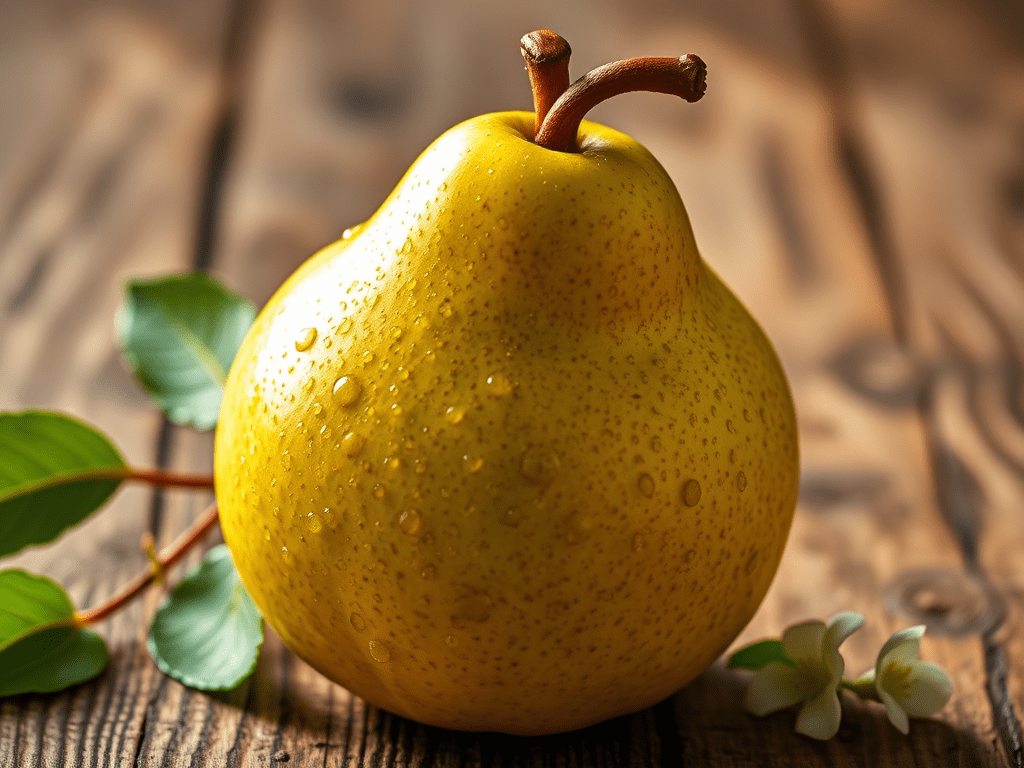
🍐 Origins & Cultural Resonance Ancient Cultivation: Pears have been cultivated for over 3,000 years, with roots in Western Asia and Europe. Divine Status: In ancient Greece, pears were considered a gift from the gods, praised by Homer himself. Global Spread: European settlers introduced pears to North America in the 1600s, while China cultivated them…
-
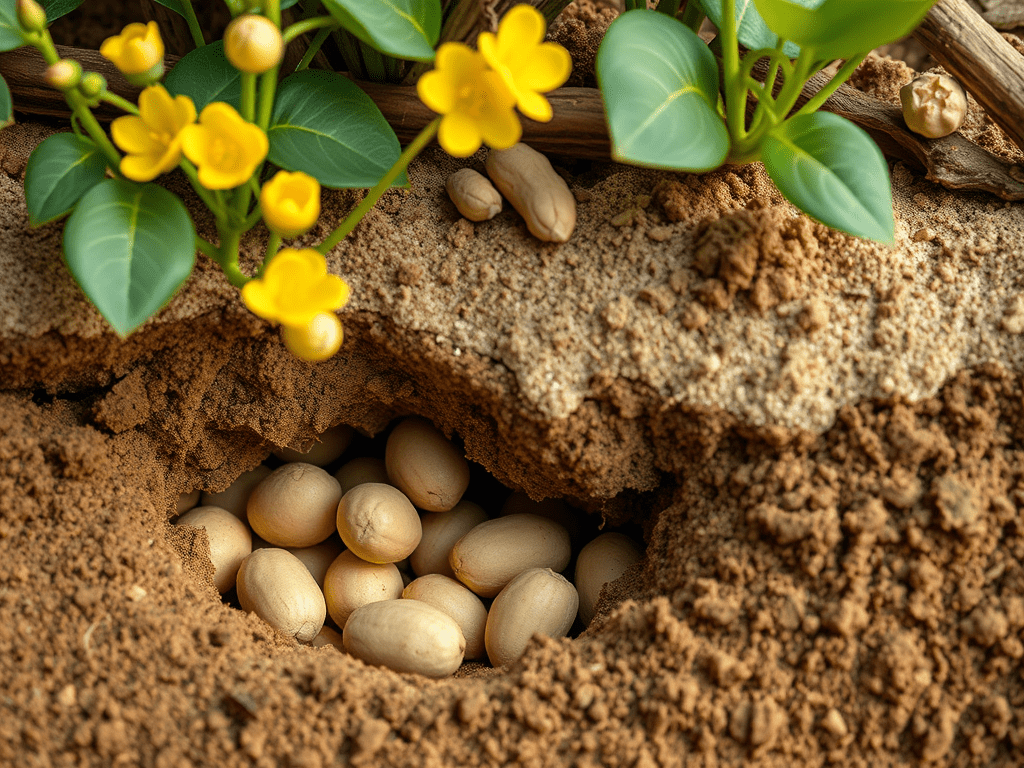
🥜 The Peanut Fruit: Earthbound Powerhouse with a Hidden Story Despite its nutty reputation, the peanut is no tree-born treasure. It’s a fruit of the earth—literally. Botanically classified as a legume, Arachis hypogaea grows underground, defying expectations with a process called geocarpy, where the flower burrows into the soil to form its pod. Botanically speaking,…
-
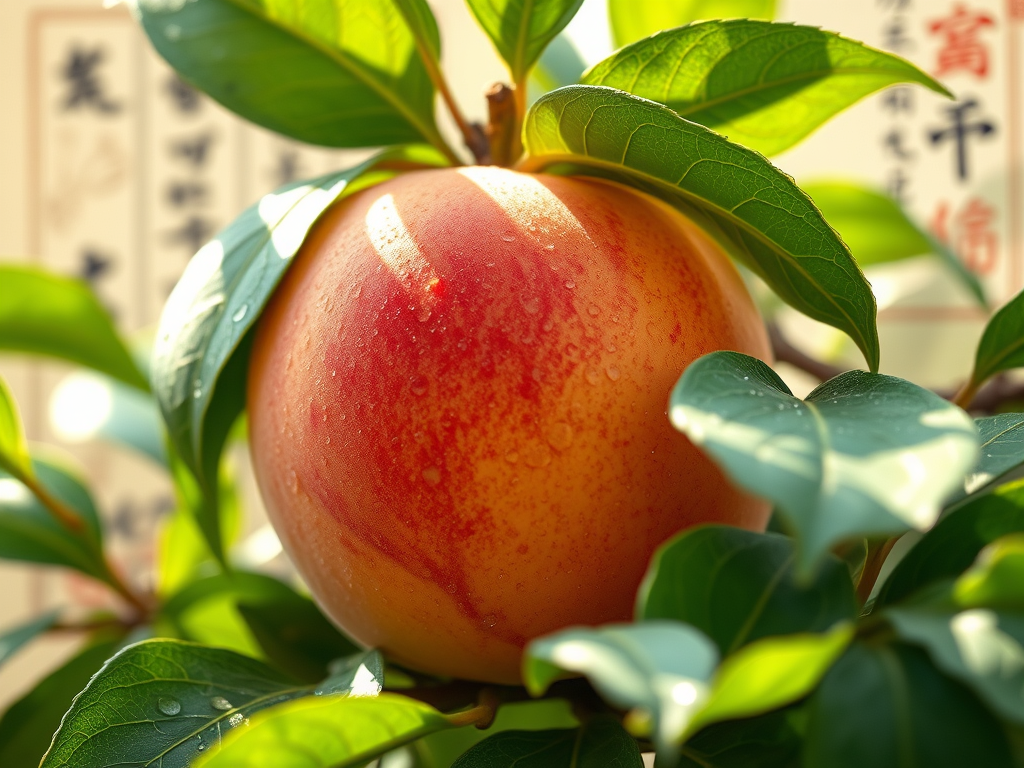
🍑 Peach: Health Benefits & Cultivation Origins 🌿 Health Benefits of Peaches Peaches (Prunus persica) are more than just juicy summer treats—they’re packed with nutrients and healing potential: Digestive Support: Rich in both soluble and insoluble fiber, peaches help regulate bowel movements and support gut health. @ healthline Heart Health: Antioxidants and potassium in peaches…
-

Pawpaw Fruit: North America’s Tropical Secret The pawpaw (Asimina triloba) is a luscious, custard-textured fruit native to the eastern United States and southern Canada. It’s the largest edible fruit indigenous to North America and belongs to the Annonaceae family—typically known for tropical species. 🌿 Quick Facts 🌳 Pawpaw’s Earliest Use: A Deep-Rooted Legacy The pawpaw…
 EJADA
EJADA 