EJADA
Living Healthy, Natural Healing, Herbal Health, and nutritional
Category: Healthy Living
-
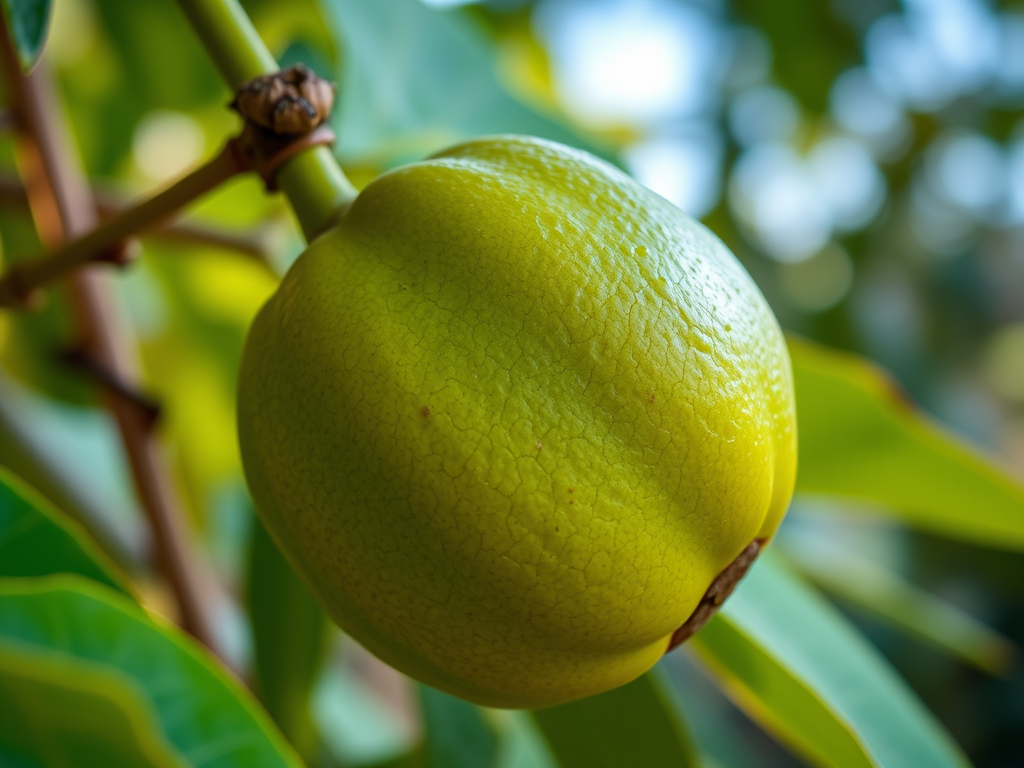
Quenepa (Melicoccus bijugatus) A tropical fruit with deep historical roots and a rich tapestry of names that reflect its spread across cultures and languages.** One fruit, many names, many traditions Puerto Rico – Quenepa Festival fruit: Central to the Festival Nacional de la Quenepa in Ponce. Culinary arc: Fresh pulp → syrups → candies →…
-
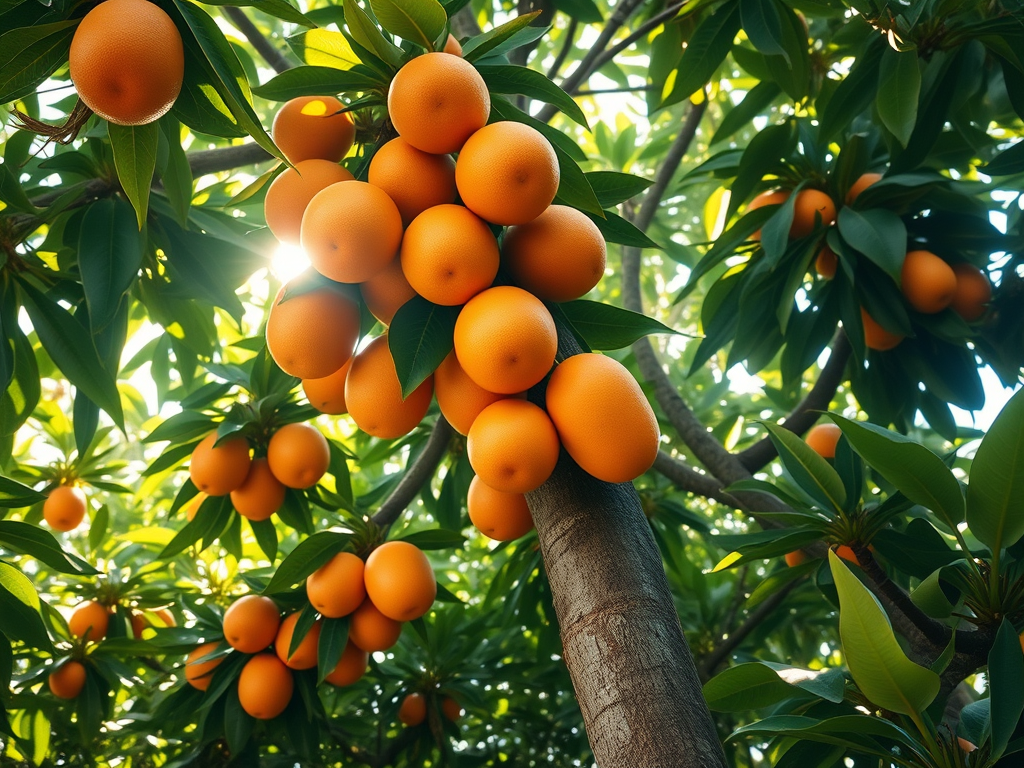
Quararibea Cordata Quararibea cordata, more commonly known as chupa-chupa or the South American sapote, is a remarkable tropical fruit tree native to the lush rainforests of the Amazon Basin, particularly in regions of Brazil, Colombia, Ecuador, and Peru. This towering tree, which can reach heights of up to 45 meters, belongs to the Malvaceae family…
-
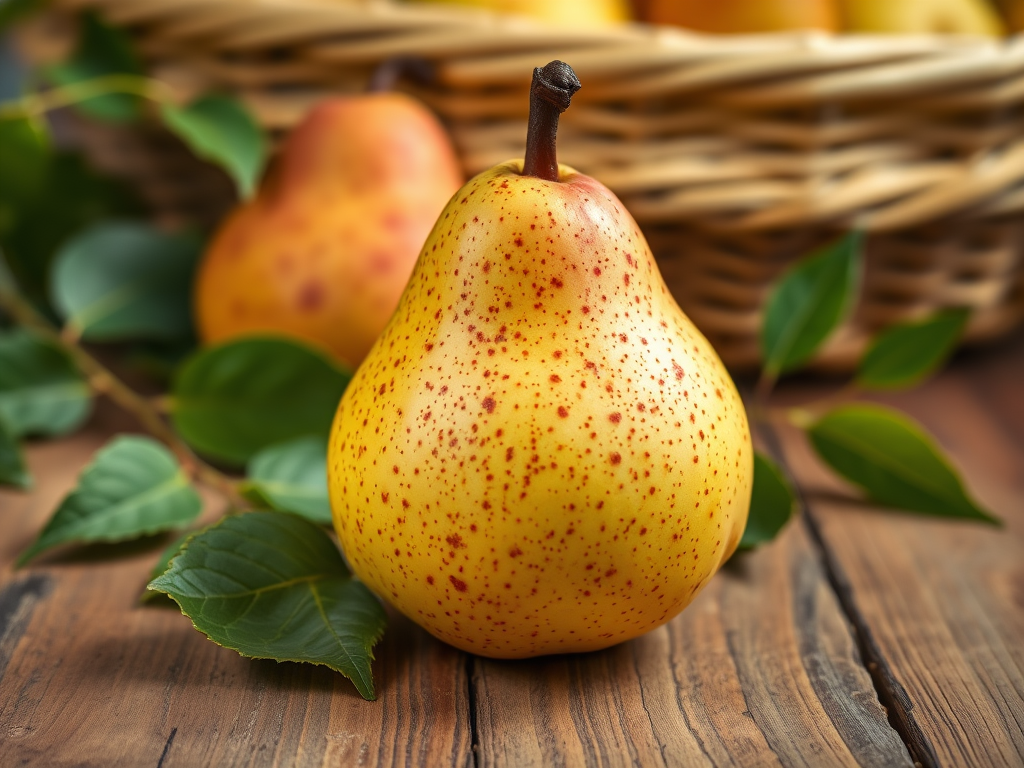
The Forelle Pear (sometimes marketed as the Queen’s Forelle Pear) is a small, bell‑shaped European pear variety that originated in Saxony, Germany in the 1600s. Its name Forelle means “trout” in German, referring to the pear’s distinctive red freckles (lenticels) that resemble the speckled skin of a rainbow trout. It was introduced to the United…
-
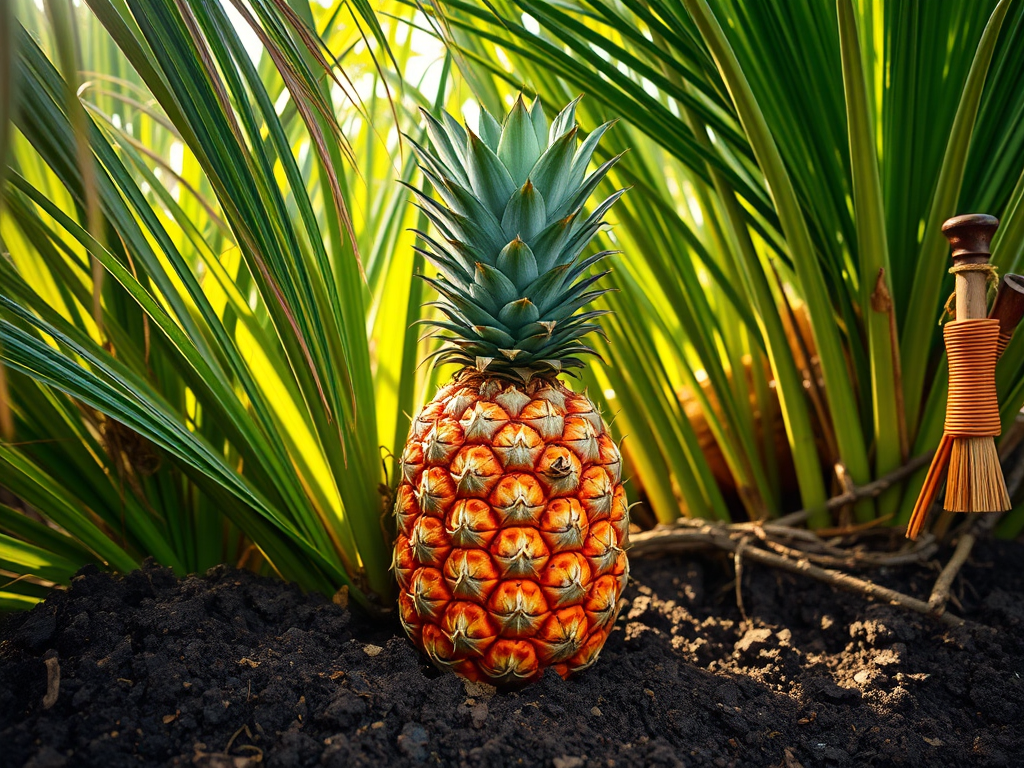
The Queen Tahiti Pineapple (also called Painapo or Moorea Pineapple) was first recorded in Tahiti in 1777 by British explorer Captain James Cook during his voyage logs. Originally native to South America, pineapples were spread globally by Spanish and British explorers. In Tahiti, the Queen Tahiti variety adapted perfectly to the volcanic soils of Moorea…
-
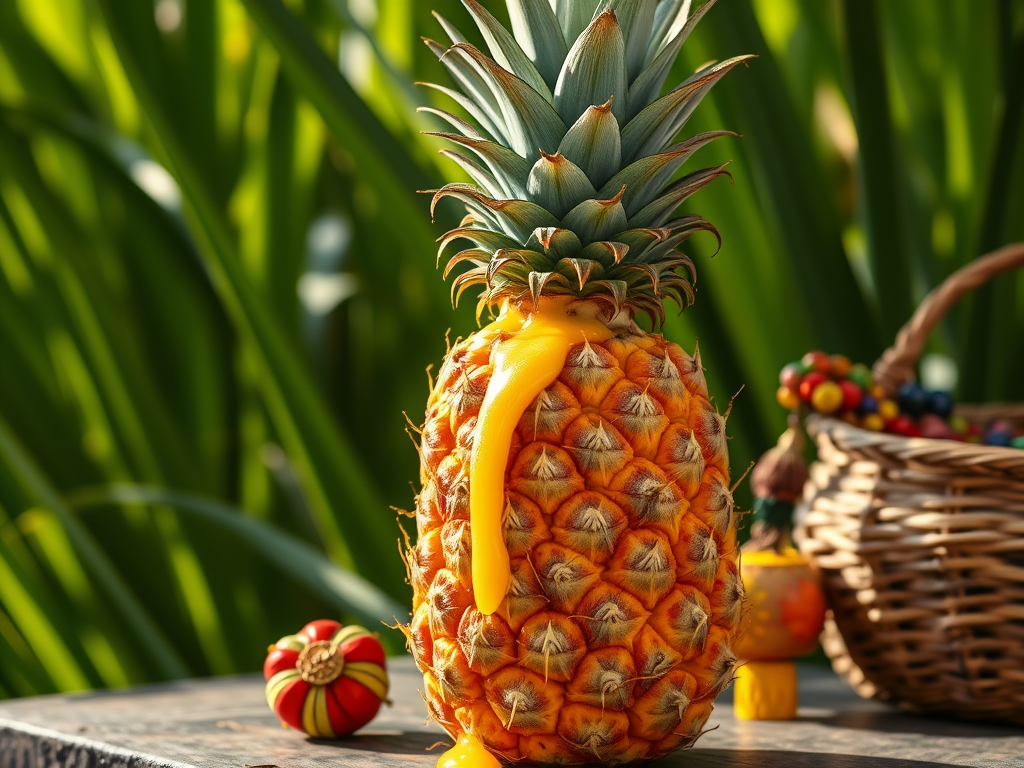
The Queen Pineapple (Ananas comosus var. Queen) is a prized variety native to Northeast India, especially Tripura. It was introduced to the region in the 19th century via Southeast Asian trade routes and cultivated by indigenous tribes. Traditionally, it was used for food, rituals, and local commerce. Medically, it is valued for its high vitamin…
-
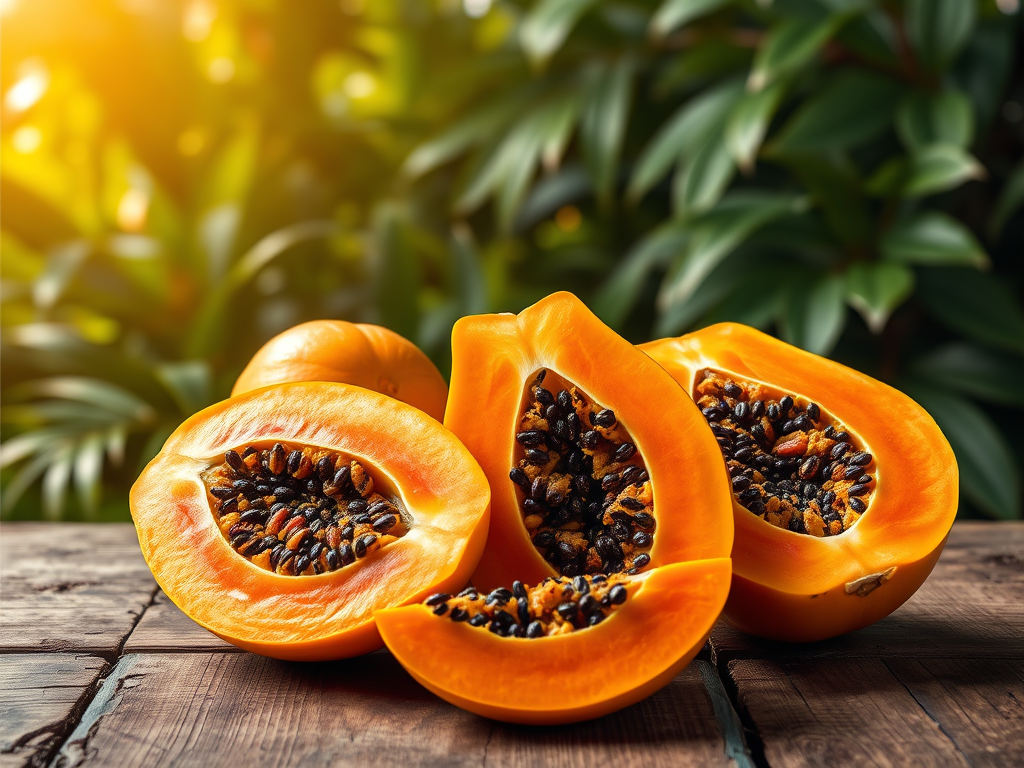
Papaya—sometimes called Queen Papaya for its rich flavor and health value and, is best known as a tropical fruit prized for its sweet taste, digestive enzyme papain, and wide-ranging health benefits. It was first cultivated in southern Mexico and Central America by Indigenous peoples, later spread globally by Spanish and Portuguese explorers. Nutritionally, papaya is…
-
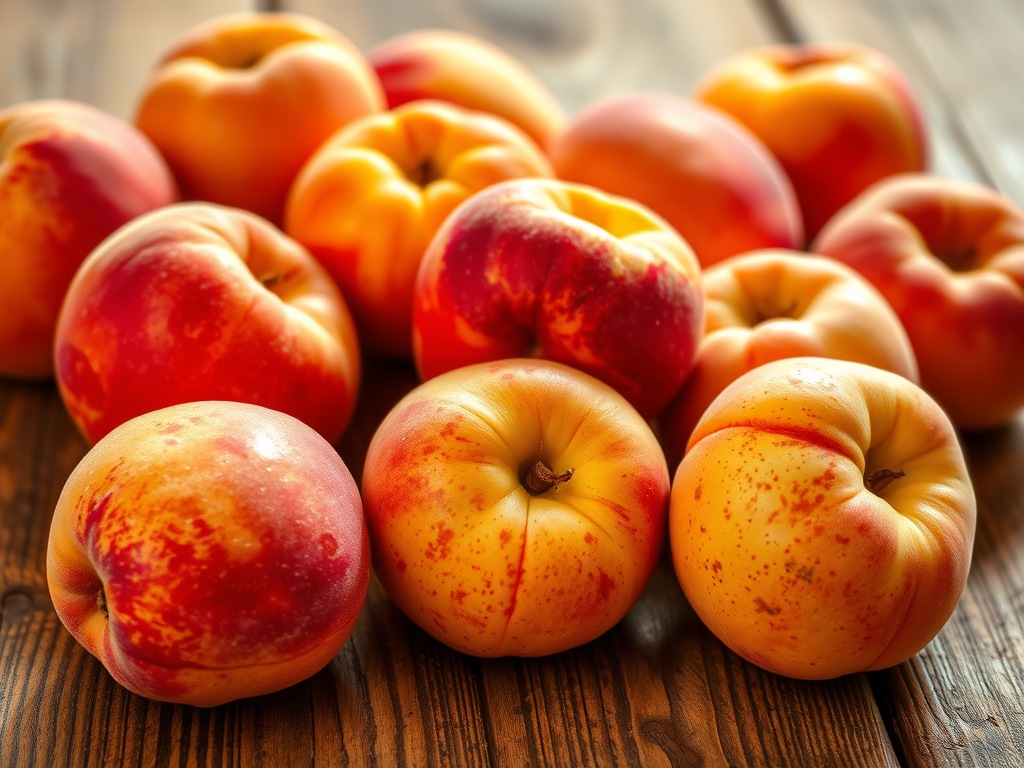
The Queen Nectarine isn’t a distinct historical fruit with a unique healing tradition. It refers to a cultivar of the nectarine (Prunus persica), which is essentially a smooth-skinned peach. Nectarines were first domesticated in China over 2,000–4,000 years ago and spread to Persia, Greece, and Europe by the 1600s. They spread via trade routes to…
-
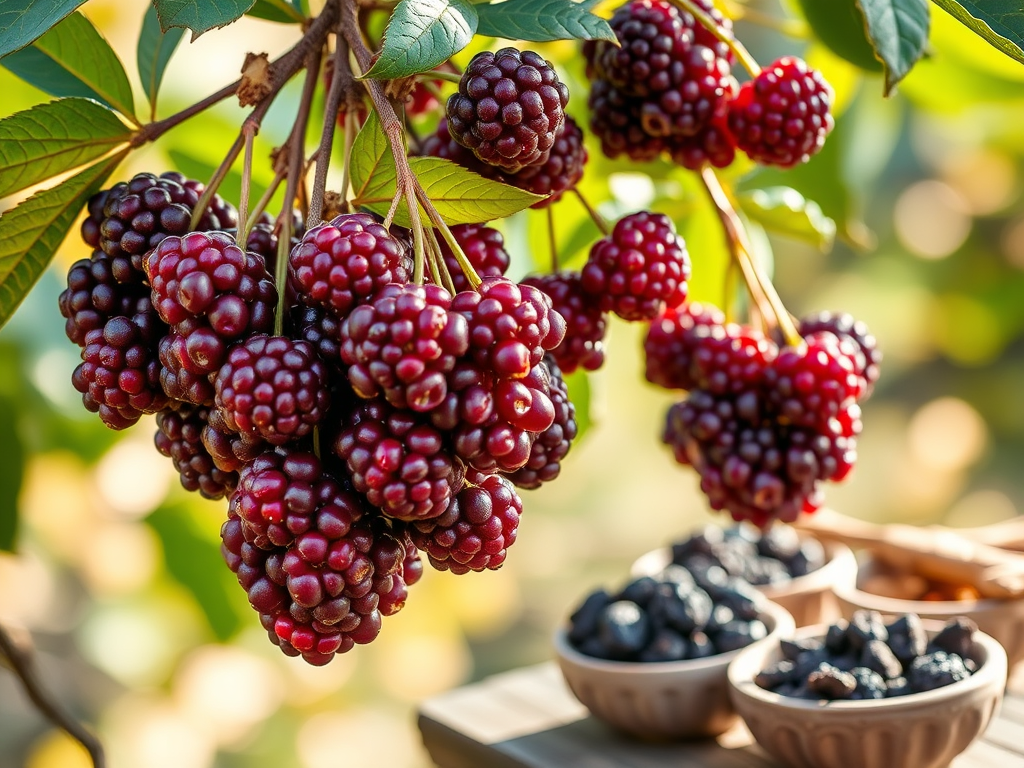
Queen Mulberry was first discovered by Indigenous peoples, first used for food, dyes, and tools, and today thrives as a culinary gem in both sweet and savory dishes. The mulberry tree, including the regal Queen Mulberry variety, traces its roots back to ancient civilizations. Red mulberries are native to North America, where Indigenous peoples harvested…
-
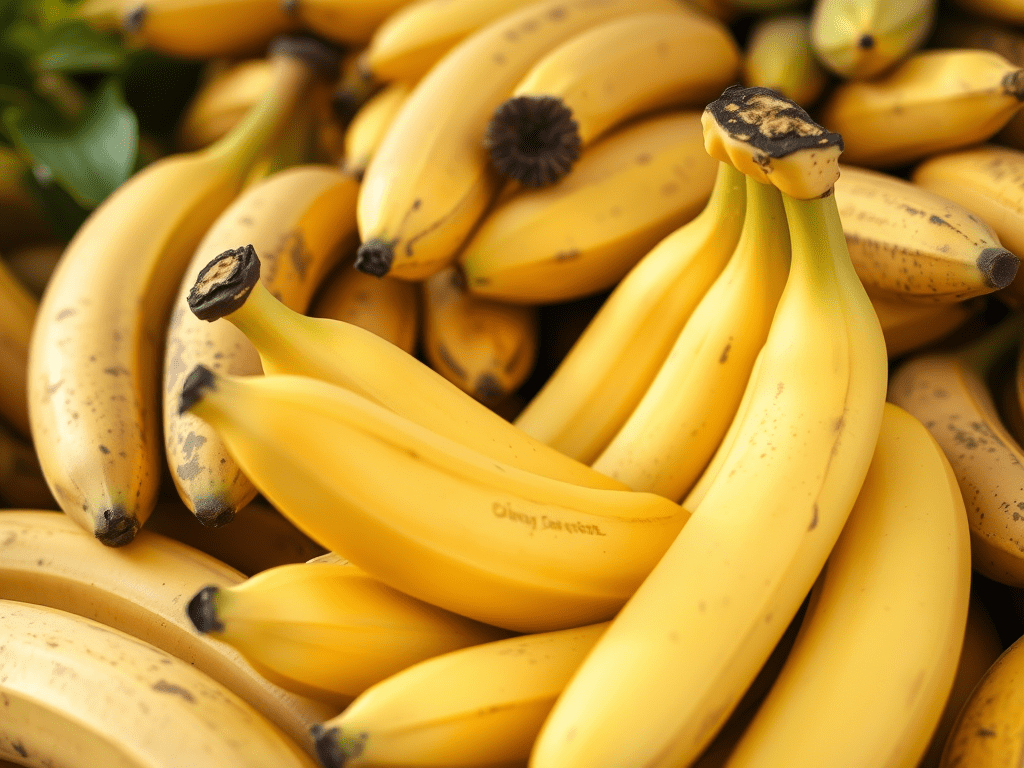
The Queen Banana traces its origins to ancient India and Southeast Asia, where it was first cultivated over 5,000 years ago. Revered as kadali phalam in Sanskrit, bananas became sacred in Hindu rituals, symbols of fertility in African folklore, and offerings of prosperity across Asia. Today, they remain both a nutritional staple and a ceremonial…
-
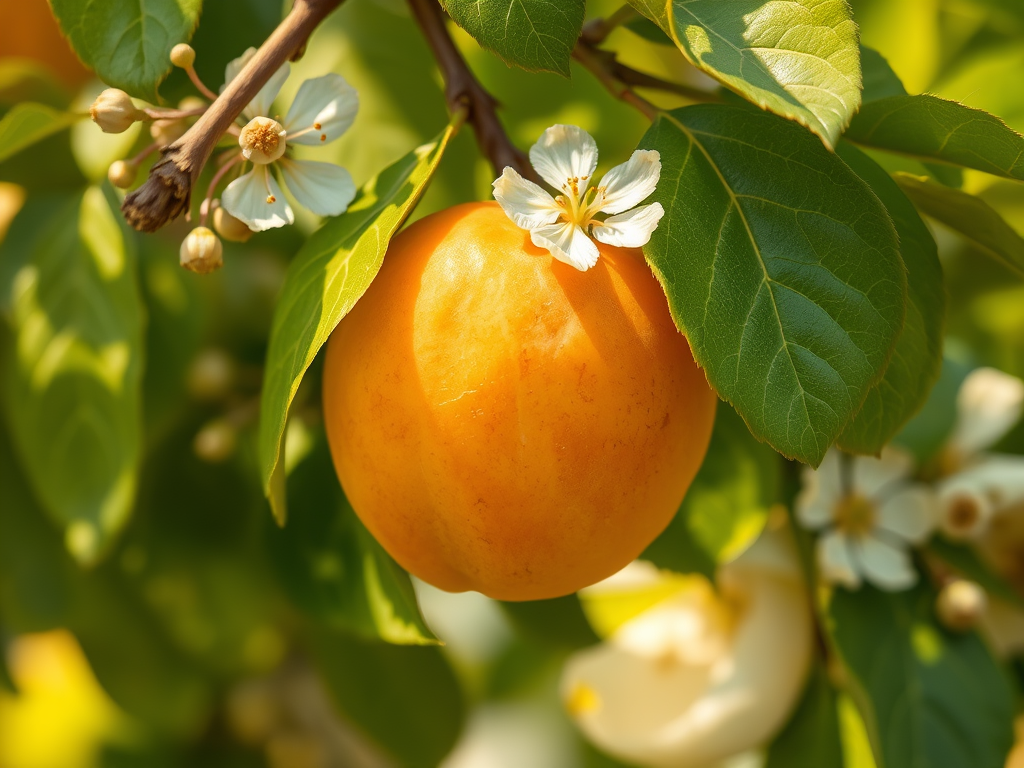
The Queen Apricot, often celebrated as a jewel among stone fruits, traces its origins back thousands of years to China and Armenia. First cultivated in Asia’s fertile valleys, it became prized not only for its sweet flavor but also for its medicinal and ritual significance. 🌸 Origins of the Queen Apricot 🌿 Medicinal Uses Across…
-
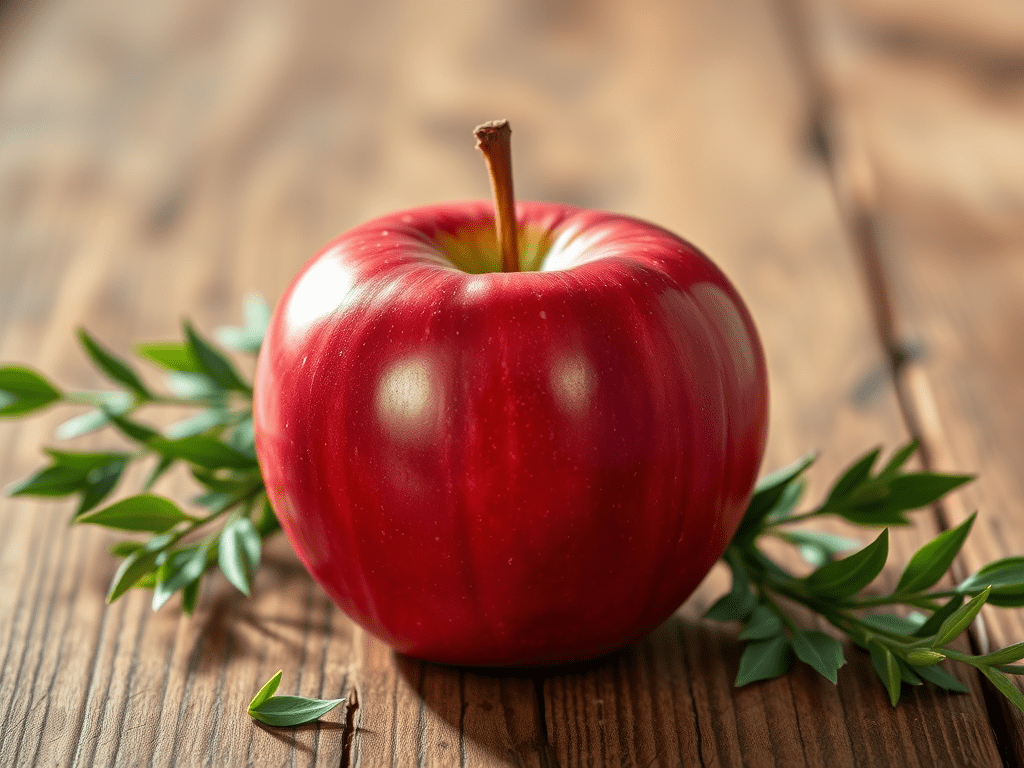
The Queen Apple was first cultivated in New Zealand in the late 20th century, specifically in the Hawke’s Bay region, where it was bred as a cross between the Gala and Splendor varieties. It became commercially recognized in the 1990s and has since grown into an export favorite, especially in Asian markets 🌱 Origins of…
-
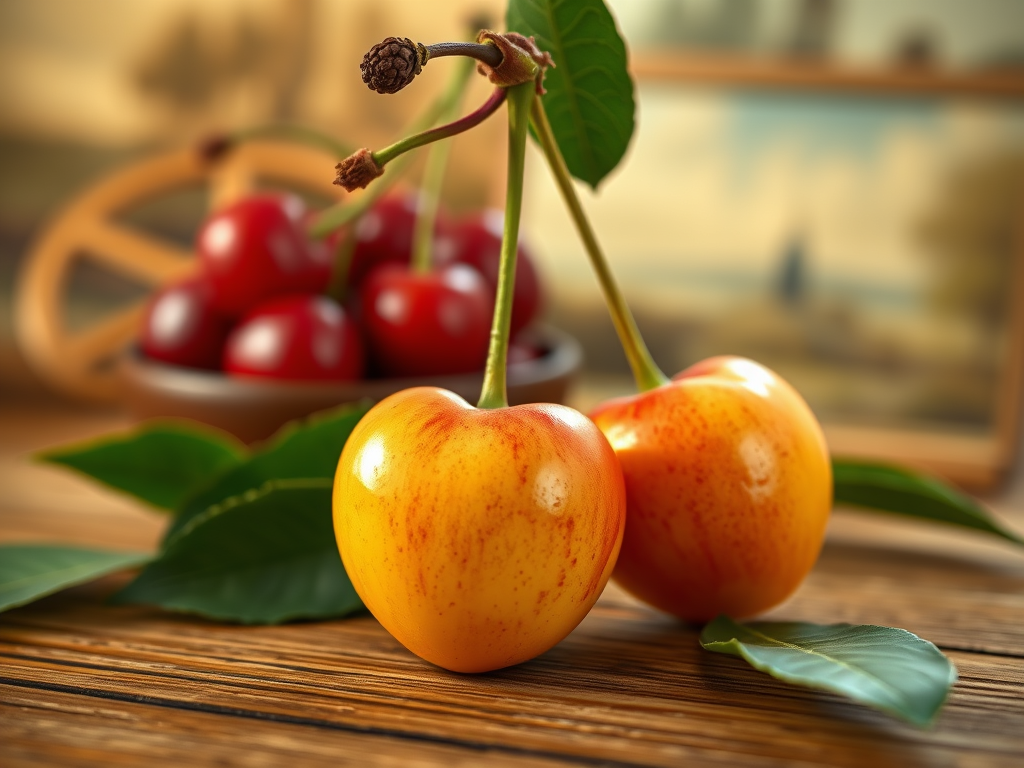
The Queen Anne cherry (also called the Royal Ann cherry) originated in Europe north of the Alps in the early 19th century, around the time of Napoleon Bonaparte’s rise. It spread widely across Europe and the British Isles before being introduced to North America. 🌍 Historical Background 🍒 Why It Was Significant Cherries were prized…
 EJADA
EJADA 