EJADA
Living Healthy, Natural Healing, Herbal Health, and nutritional
Category: Healthy Living
-

Gala apples are one of the most beloved apple varieties worldwide, known for their sweet flavor, crisp texture, and vibrant red-and-yellow skin. They’re a go-to for snacking, salads, and even sauces thanks to their mild, aromatic taste and creamy white flesh. 🌱 Origins & Development Created in the 1930s in Greytown, New Zealand by orchardist…
-
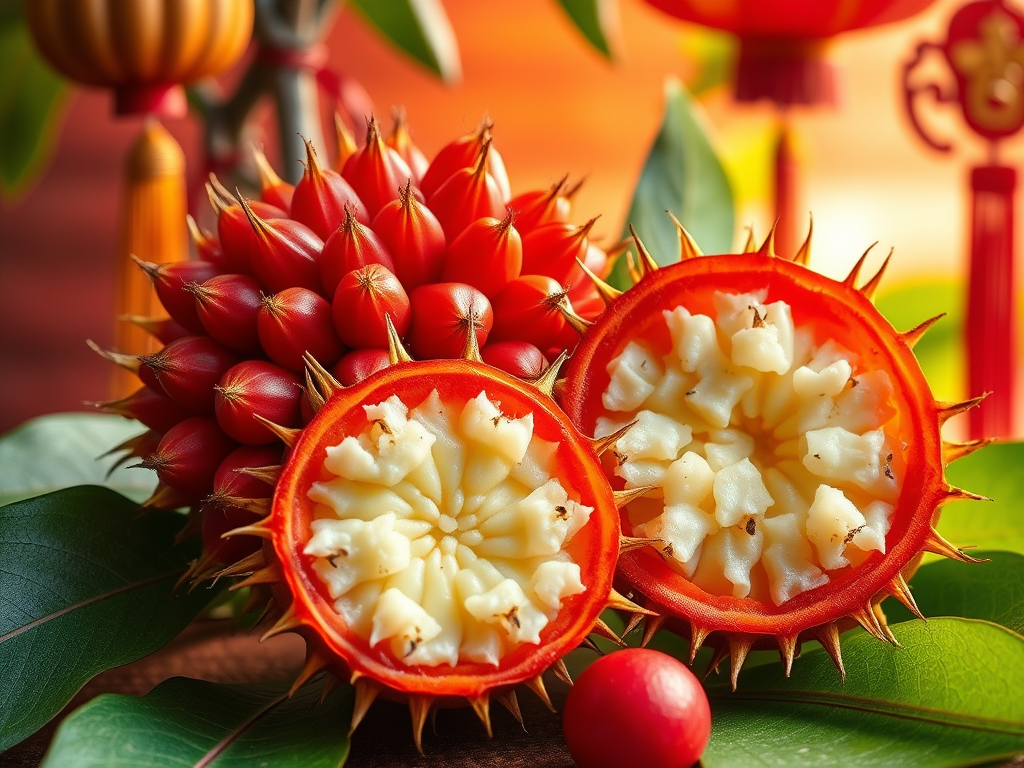
🌺 Gac Fruit: The Ancient Superfruit of Southeast Asia Scientific Name: Momordica cochinchinensis Common Names: Baby jackfruit, sweet gourd, spiny bitter gourd 🧭 A Fruit Rooted in Tradition Gac fruit has been revered for centuries across Southeast Asia, especially in Vietnam, Thailand, and Laos. Known for its vibrant red arils and spiky orange skin, Gac…
-
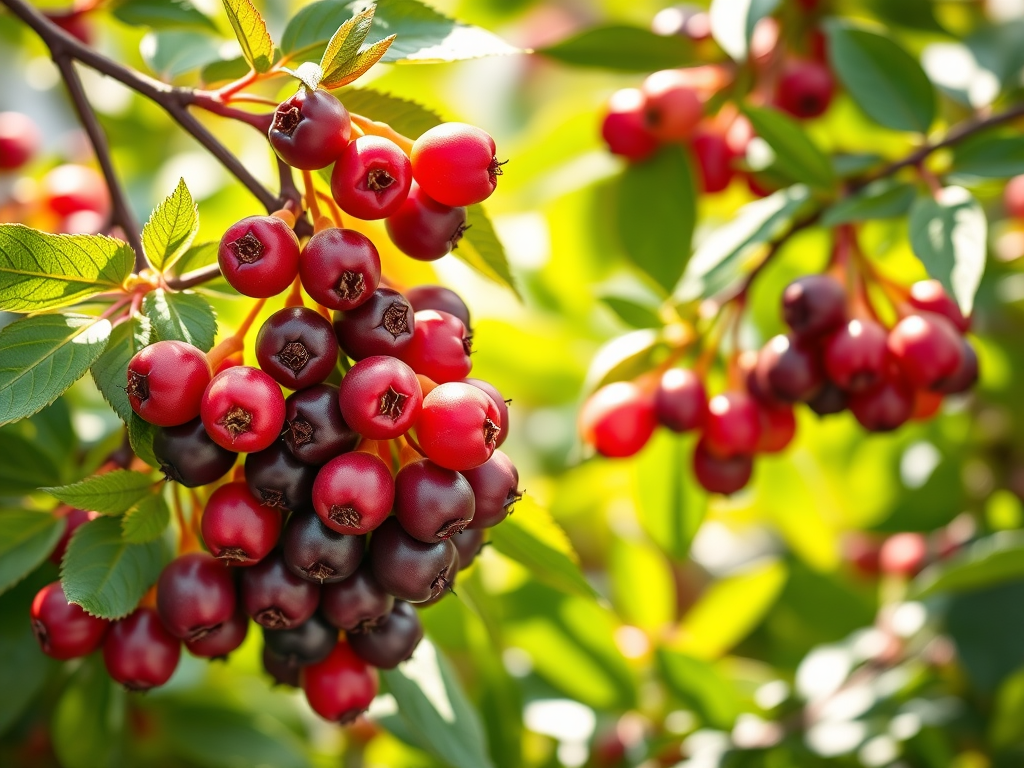
The earliest known uses of fuchsia berries trace back to Indigenous cultures in South America and New Zealand, where they were valued both as food and for their cultural significance. 🍇 South America: The Andes Fuchsia boliviana berries were traditionally consumed by native peoples such as the Incas and their descendants in Bolivia, Peru, and…
-
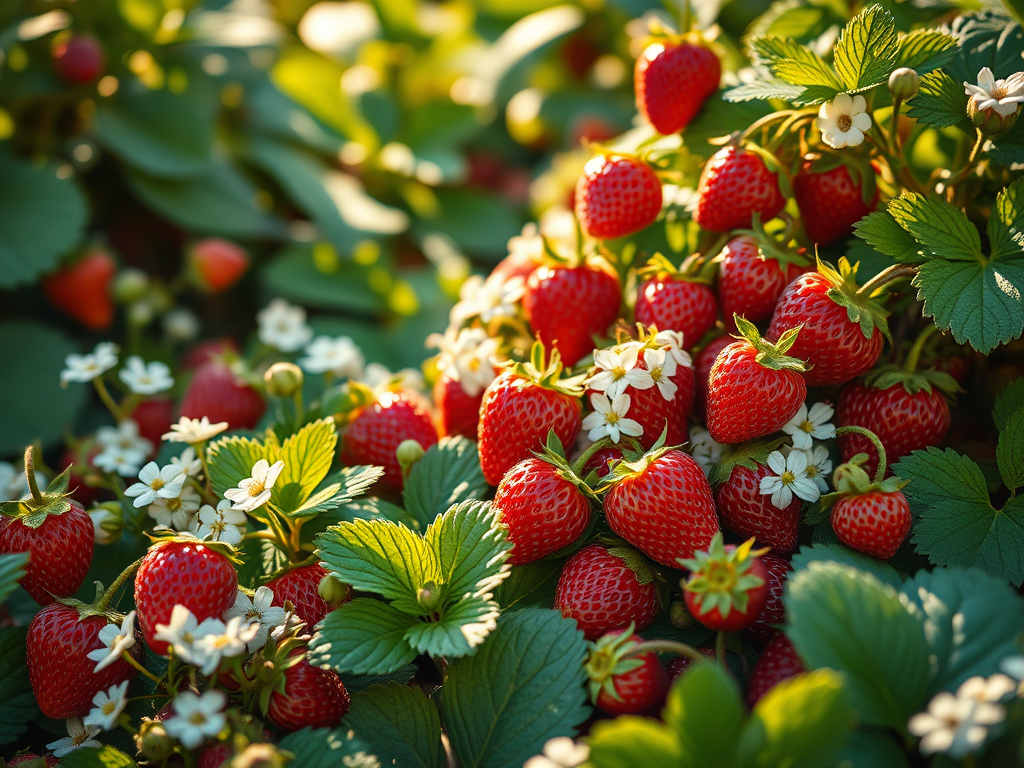
Forest strawberries, also known as wild strawberries or Fragaria vesca, weren’t so much “discovered” by a single person as they were gradually recognized and used by various cultures over thousands of years. Here’s a quick timeline of their historical journey: 🏞️ Prehistoric Use: 🧬 Archaeological Evidence of Wild Strawberries Archaeological findings suggest that wild strawberries…
-
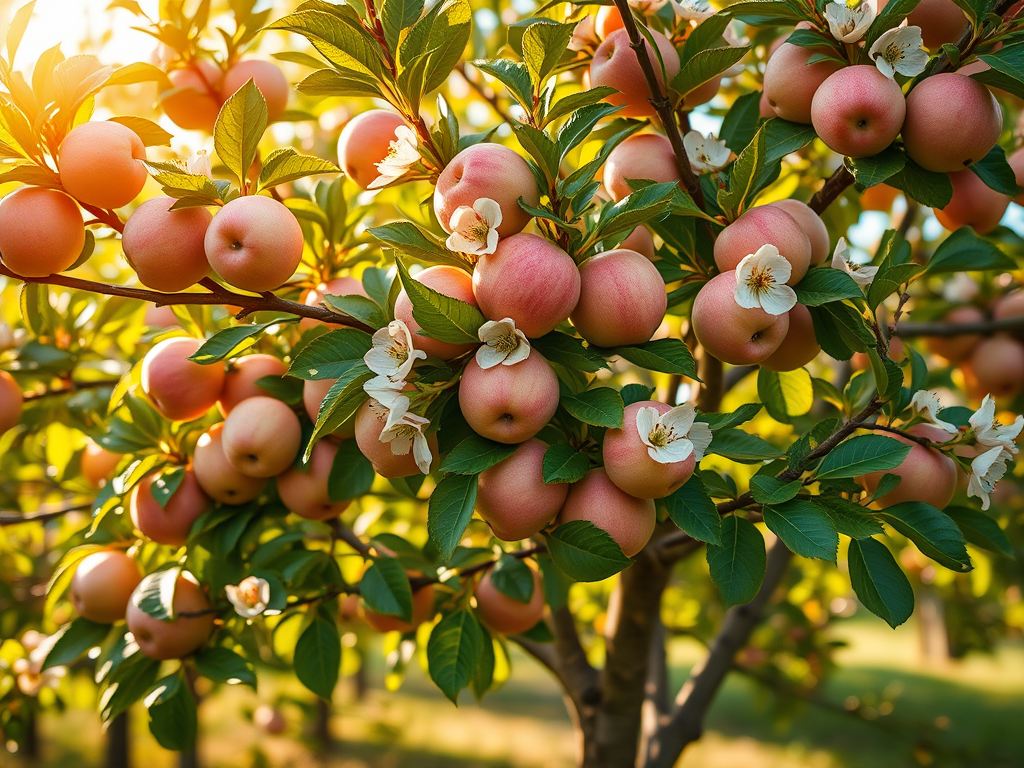
“Blushing Gold: The Fuji Apple’s Sweet Secret” Nestled beneath a canopy of emerald leaves, the Fuji apple tree stands like a quiet magician—its branches heavy with orbs of golden-pink delight. Born from a cross between Red Delicious and Ralls Janet in Japan, the Fuji apple is a global ambassador of balance, firm yet juicy, sweet…
-
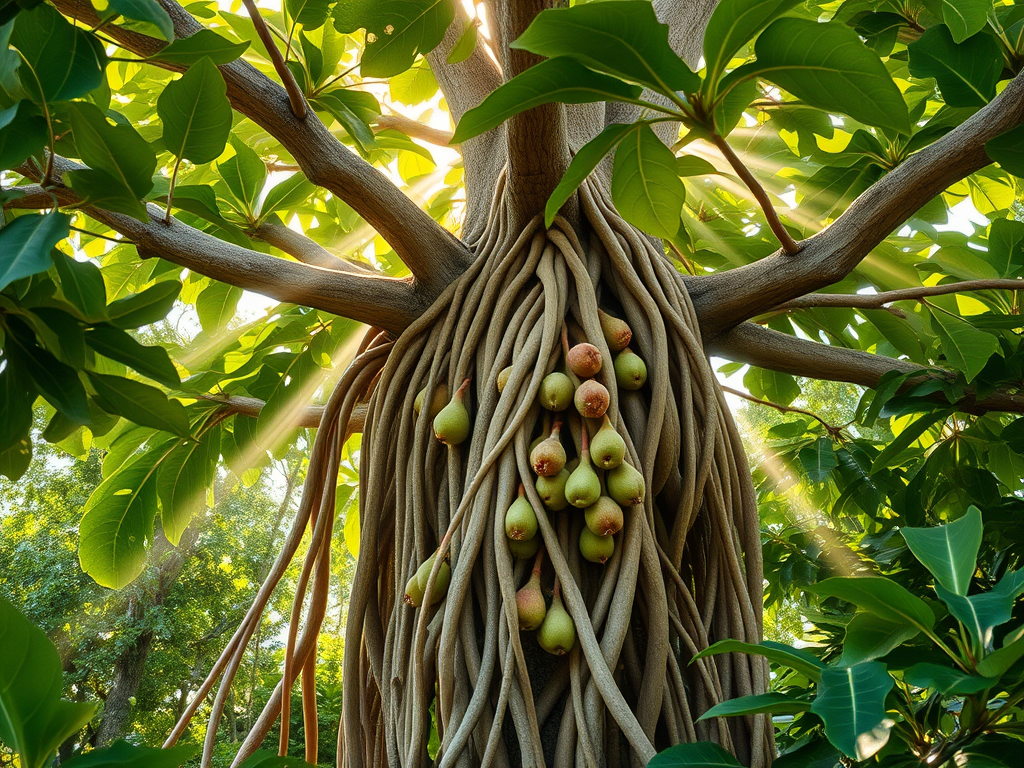
The Florida Strangler Fig (Ficus aurea), also known as the golden fig, is not a cultivated species in the traditional agricultural sense—it is a native wild species that has long existed in its natural habitat rather than being selectively bred or domesticated. The Florida Strangler Fig (Ficus aurea) gets its dramatic name from the way…
-
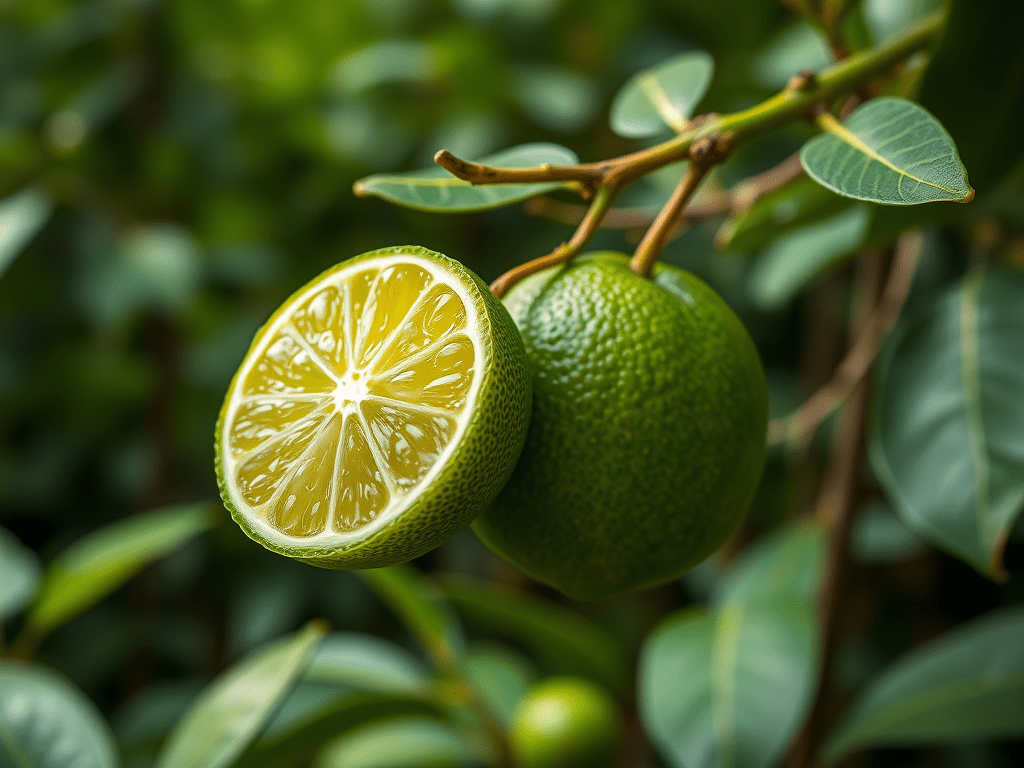
Finger lime (Citrus australasica), often called “citrus caviar,” is a remarkable fruit native to the rainforests of eastern Australia, particularly in regions traditionally inhabited by the Barunggam, Wakka Wakka, Bundjalung, Gumbainggir, and Yugambeh peoples. 🧬 Botanical & Nutritional Profile Family: Rutaceae (citrus family) Shape: Elongated, finger-like (hence the name) Pulp: Vesicles resemble caviar, bursting with…
-
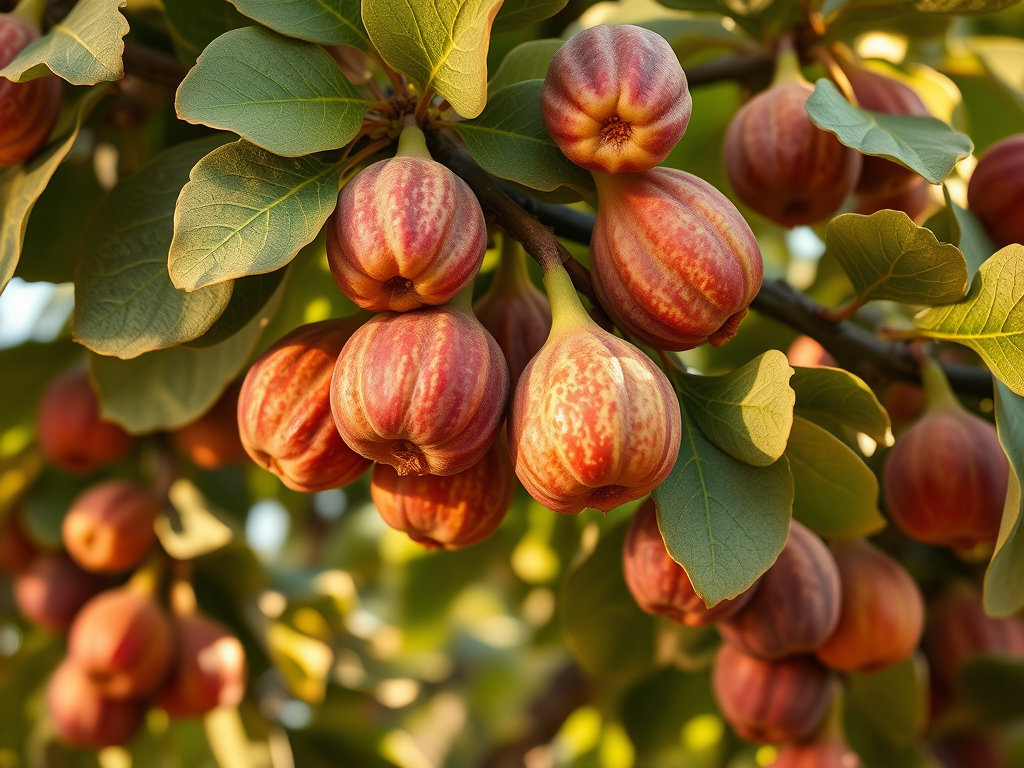
Figs are not only delicious but also historically significant—they may have been the first cultivated plant in human history. 🌿 Origins and Early Use of Figs First Domesticated Crop (~11,400 years ago) Archaeobotanical evidence from the Neolithic village of Gilgal I, near ancient Jericho in the Jordan Valley, shows that humans were cultivating parthenocarpic (seedless)…
-
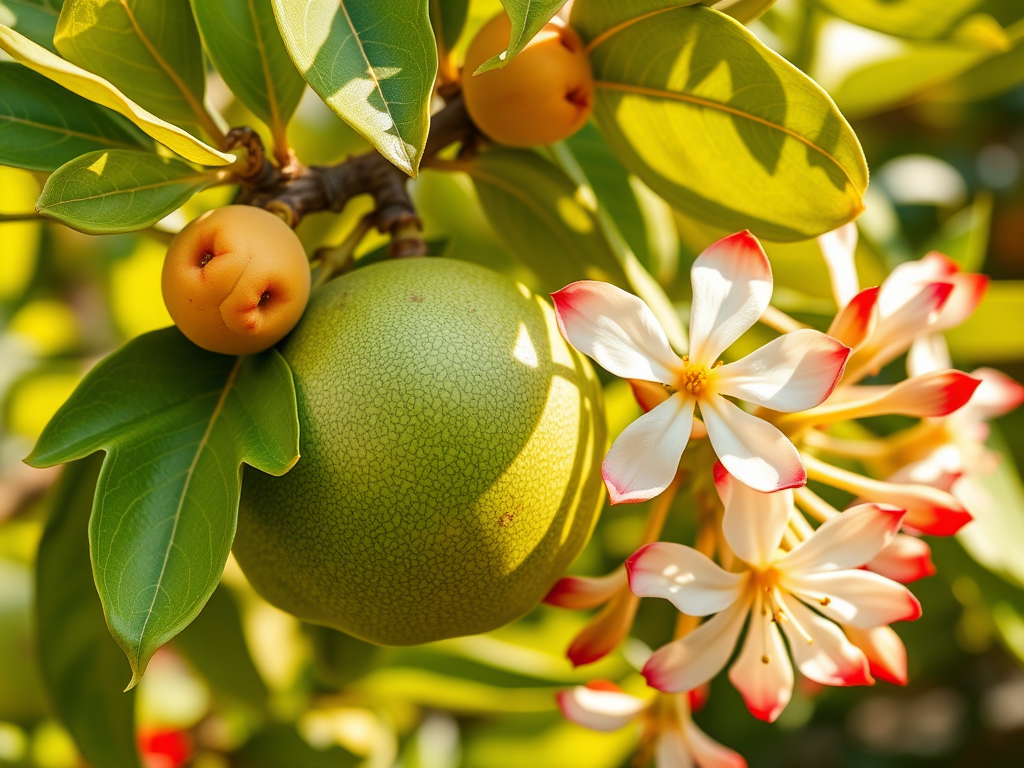
Feijoa—also known as pineapple guava or guavasteen—is a sweet, aromatic fruit from the evergreen shrub Acca sellowiana, part of the myrtle family. It’s native to the highlands of southern Brazil, northern Argentina, Paraguay, and Uruguay, and thrives in subtropical climates. As for its cultivation history, feijoa has deep roots in South American indigenous agriculture, particularly…
-
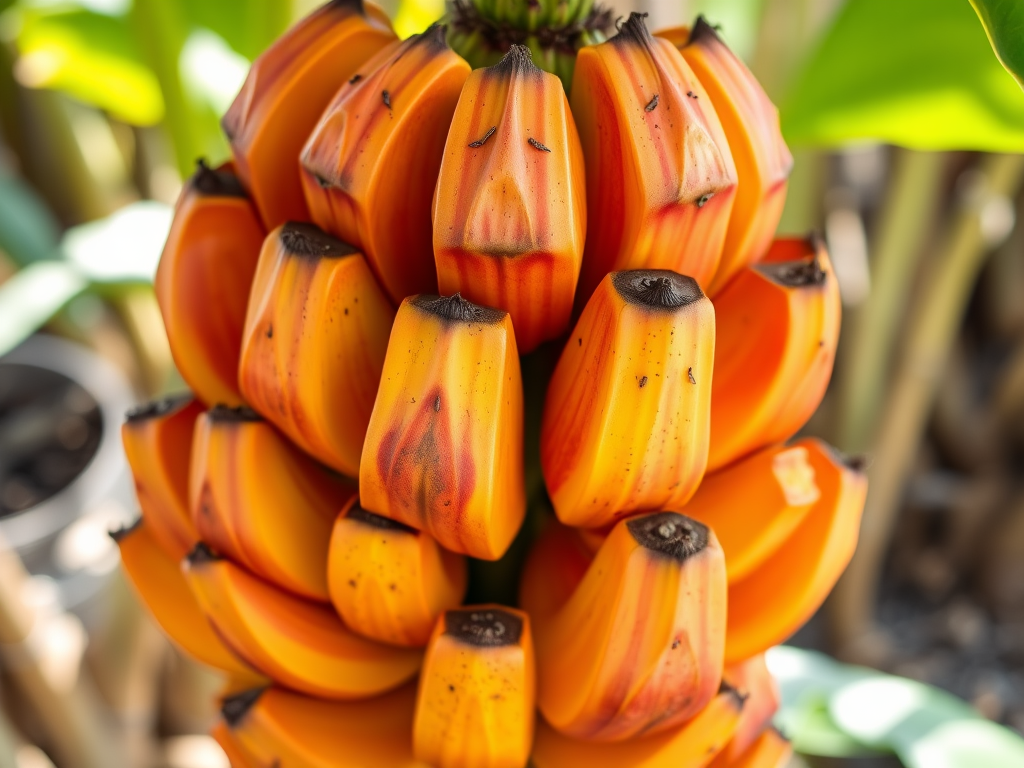
Fe’i bananas are a unique group of cultivated bananas (Musa × troglodytarum) found primarily in the Pacific islands. They stand apart from the common dessert bananas and plantains both in appearance and usage. Key Characteristics Upright fruiting stems (bunches point skyward rather than droop) Brilliant orange, copper-red, or yellow skin; flesh ranges from yellow to…
-
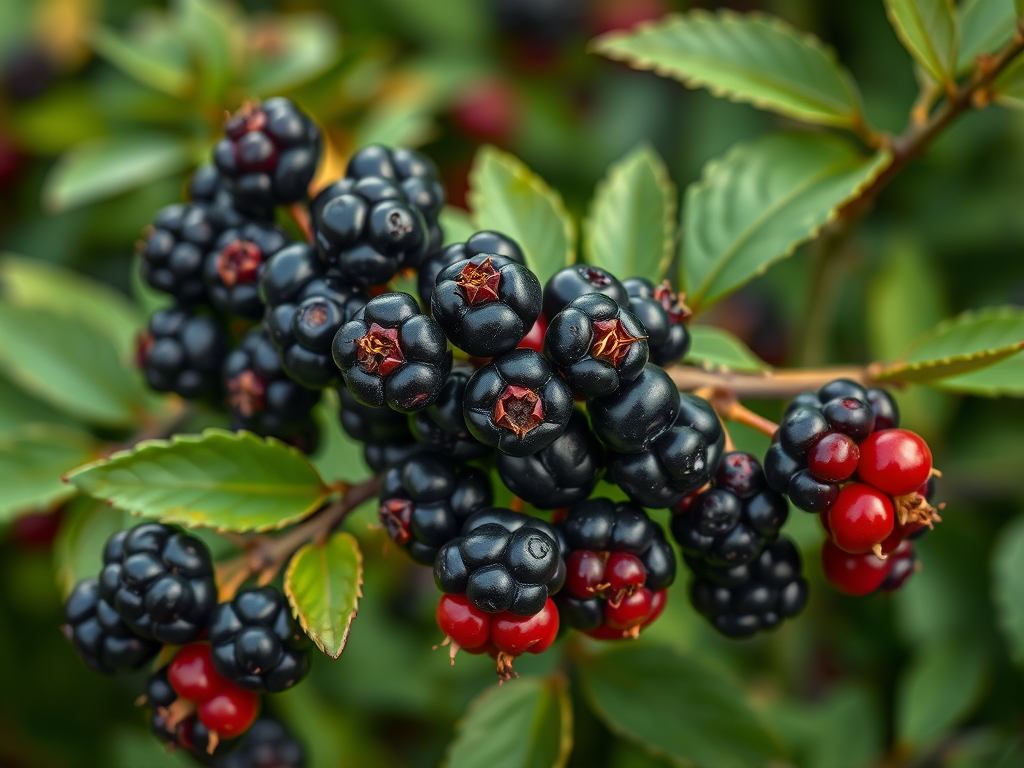
Farkleberry (Vaccinium arboreum) is best known for its small, tart, black berries—which are prized for making jams, jellies and pies—and for its value as a late-season food source for wildlife in the wild and as an ornamental, drought-tolerant shrub in landscaping. Medicinal use of Vaccinium arboreum dates back centuries among Native American tribes in the…
-
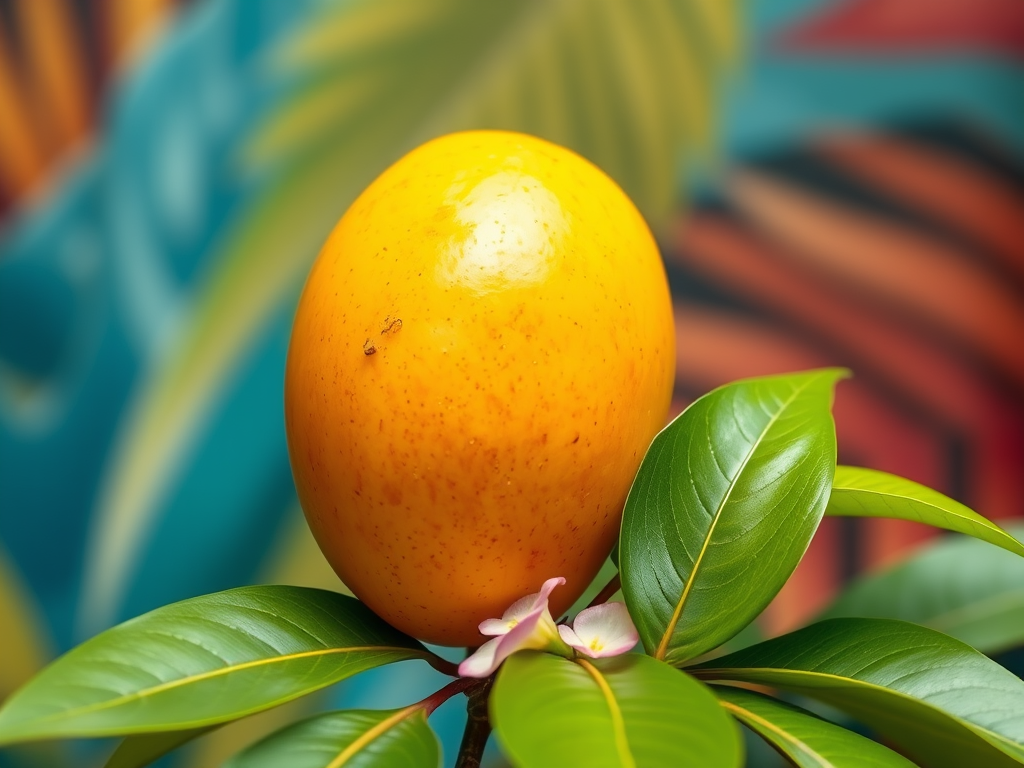
The Fascell is a type of mango—specifically, a commercial cultivar that originated in South Florida. It was developed by Michael Fascell in 1929 as a hybrid between the ‘Haden’ and ‘Brooks’ mango varieties. The tree first bore fruit in 1936 and was patented in 1941, making it one of Florida’s earliest patented mango cultivars2. As…
 EJADA
EJADA 