EJADA
Living Healthy, Natural Healing, Herbal Health, and nutritional
Category: Healthy Living
-
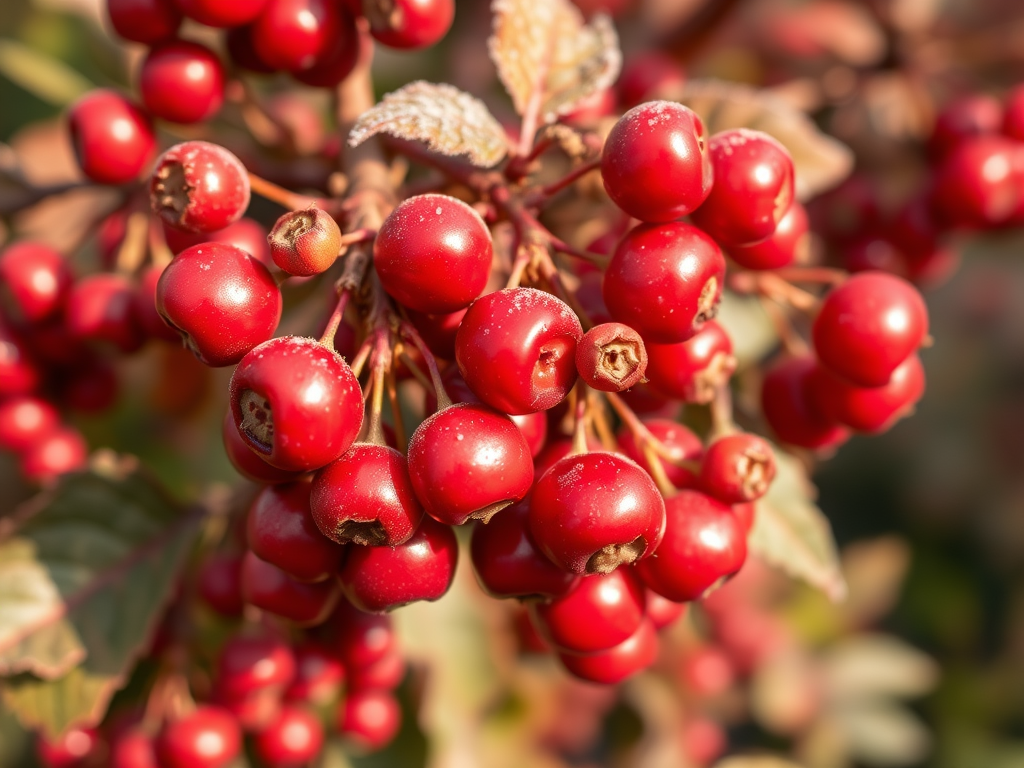
Highbush Cranberry, Discovery and Classification The highbush cranberry (Viburnum trilobum Marshall) is not a true cranberry but a member of the Adoxaceae (formerly Caprifoliaceae) family. Botanists often treat it as a variety of the European cranberry‐bush, giving it the name Viburnum opulus var. americanum Ait.. In colonial America, the berry was prized for its red…
-
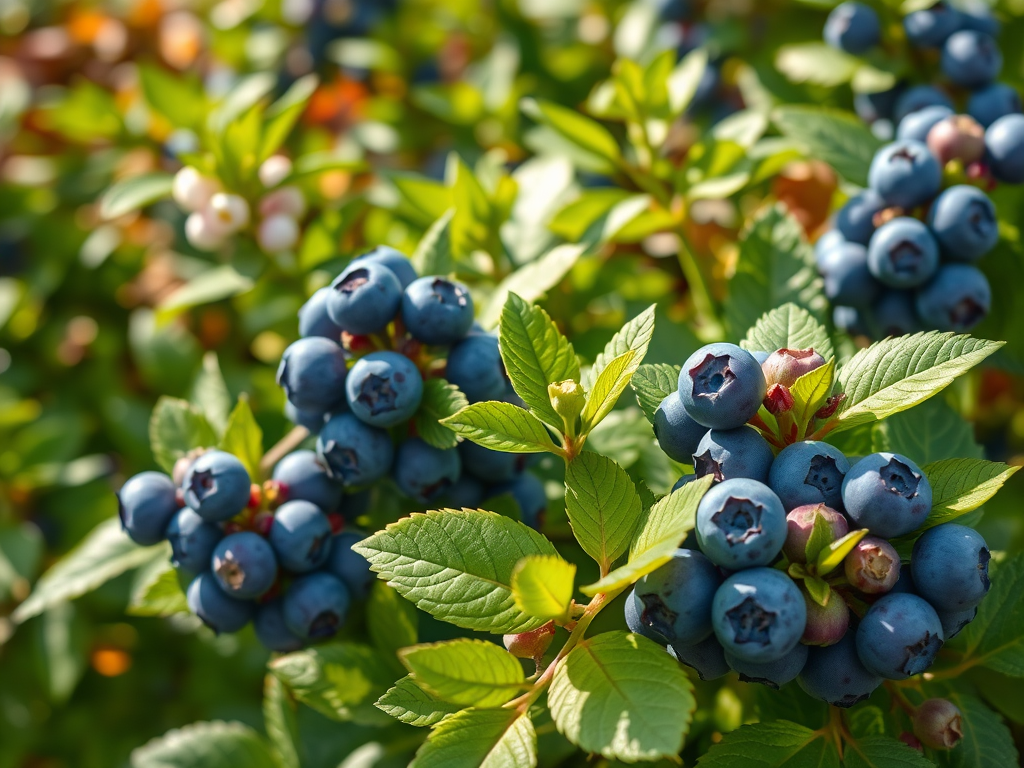
The Highbush Blueberry (Vaccinium corymbosum) is renowned for its large, sweet, antioxidant-rich berries, its ornamental beauty, and its cultural and ecological significance. Here’s a breakdown of what it’s known for and its historical roots: 🫐 What the Highbush Blueberry Is Known For Nutritional Powerhouse: Rich in antioxidants, especially anthocyanins, which give the berries their deep…
-
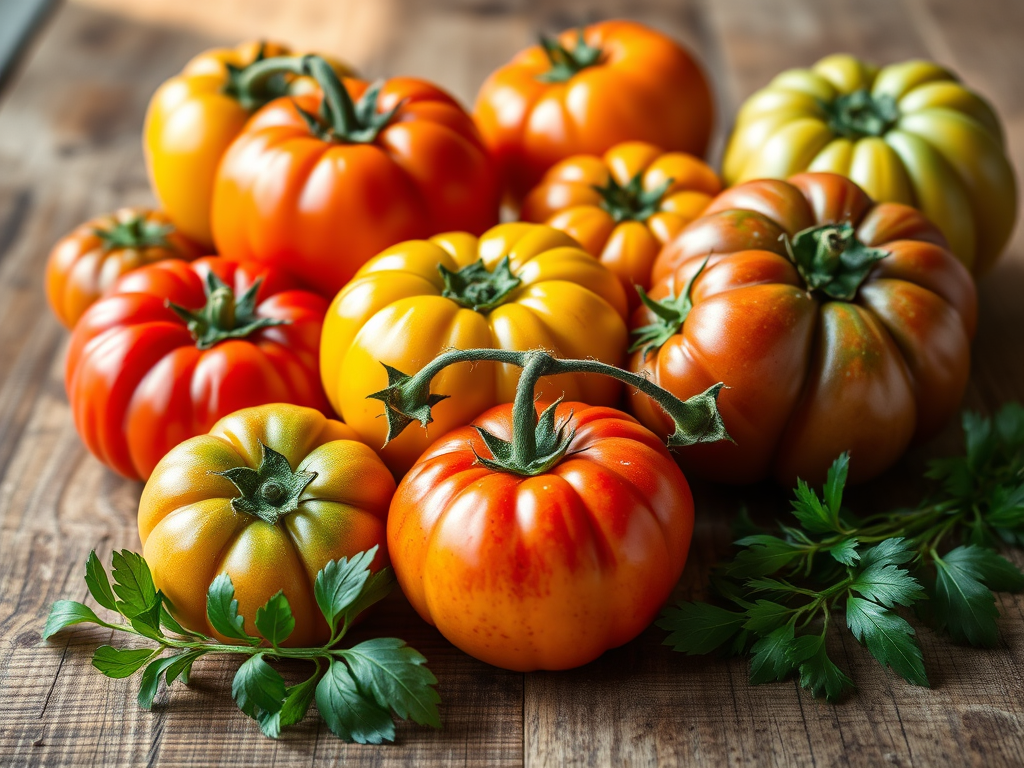
🍅 Heirloom Tomato: Fruit or Vegetable? Botanically speaking, heirloom tomatoes are fruits. Here’s why: 🧬 Botanical Classification Fruit: In botanical terms, a fruit is the mature ovary of a flower, typically containing seeds. Heirloom tomatoes fit this definition perfectly—they develop from the flower of the tomato plant and contain seeds. Vegetable (Culinary Use): In the…
-
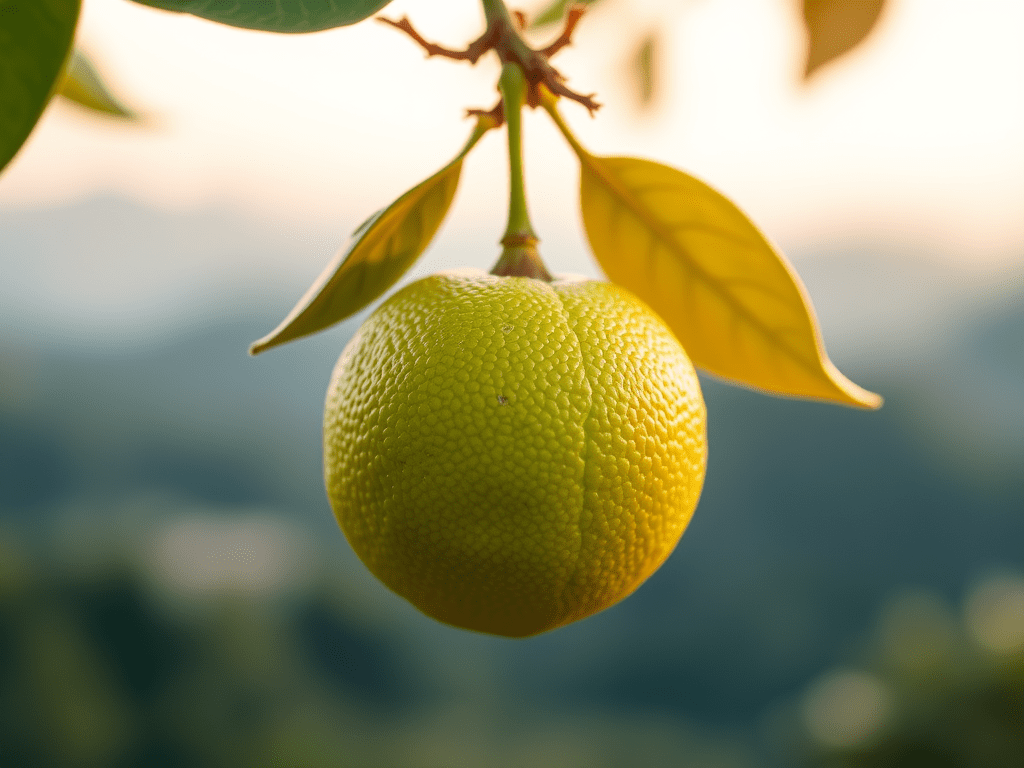
It appears that most of the fruit that begins with H is from China or Japan. That being said, let’s continue with Hebesu. Hebesu: A Unique Japanese Citrus Hebesu (also spelled hebezu) is a small, green citrus fruit native to Japan, particularly cherished in the Hyūga region of Miyazaki Prefecture. Here’s a closer look at…
-
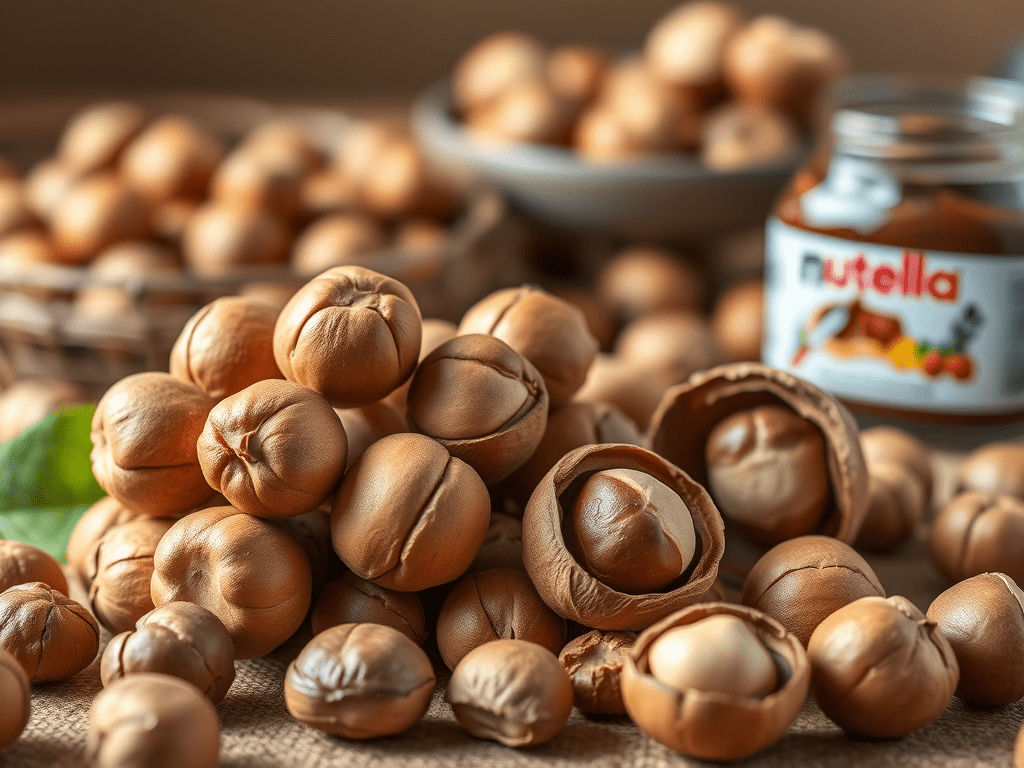
Hazelnuts are both a fruit and a nut, depending on the context—botanical or culinary. Here’s a breakdown to clarify: 🌰 Botanical Classification: A True Nut Botanically, hazelnuts are considered true nuts. A true nut is a dry, indehiscent fruit, meaning it doesn’t split open at maturity to release its seed. Hazelnuts come from the hazel…
-
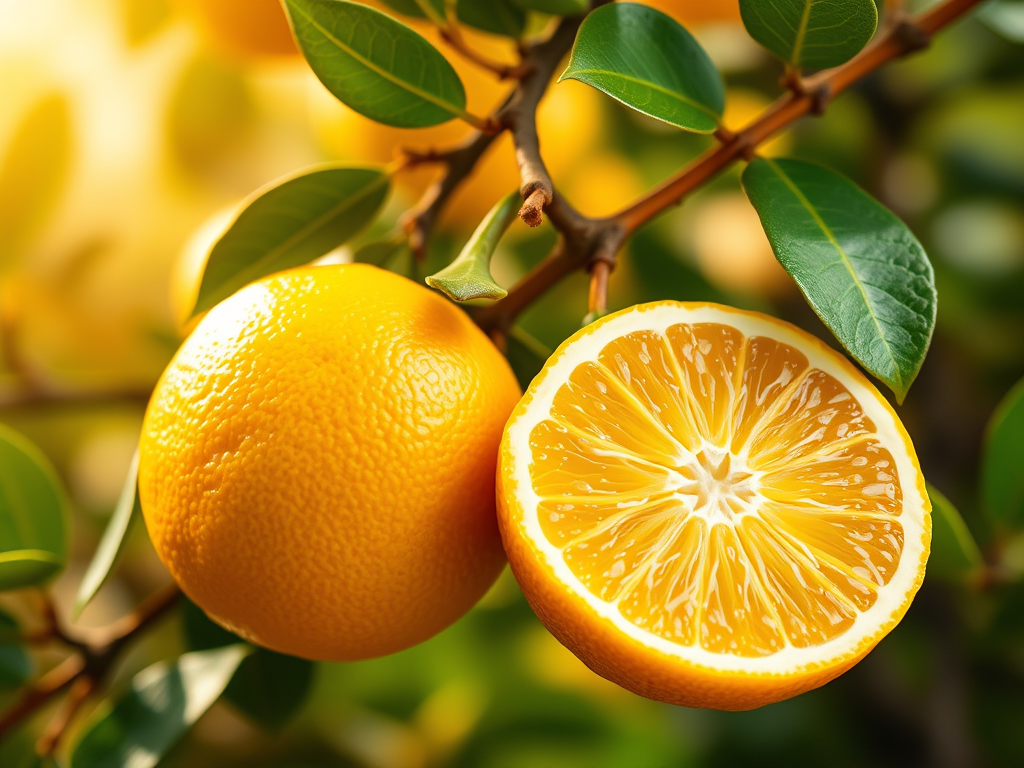
🍋 Did you know? The Haruka is a unique citrus fruit best known for its sweet, mild flavor and edible white pith, which sets it apart from many other citrus varieties. 🌱 Origins of the Haruka Fruit Discovered: In 1980, by Tokuo Ishii in Itoshima, Fukuoka Prefecture, Japan. First Fruited: The seedling was grafted in…
-
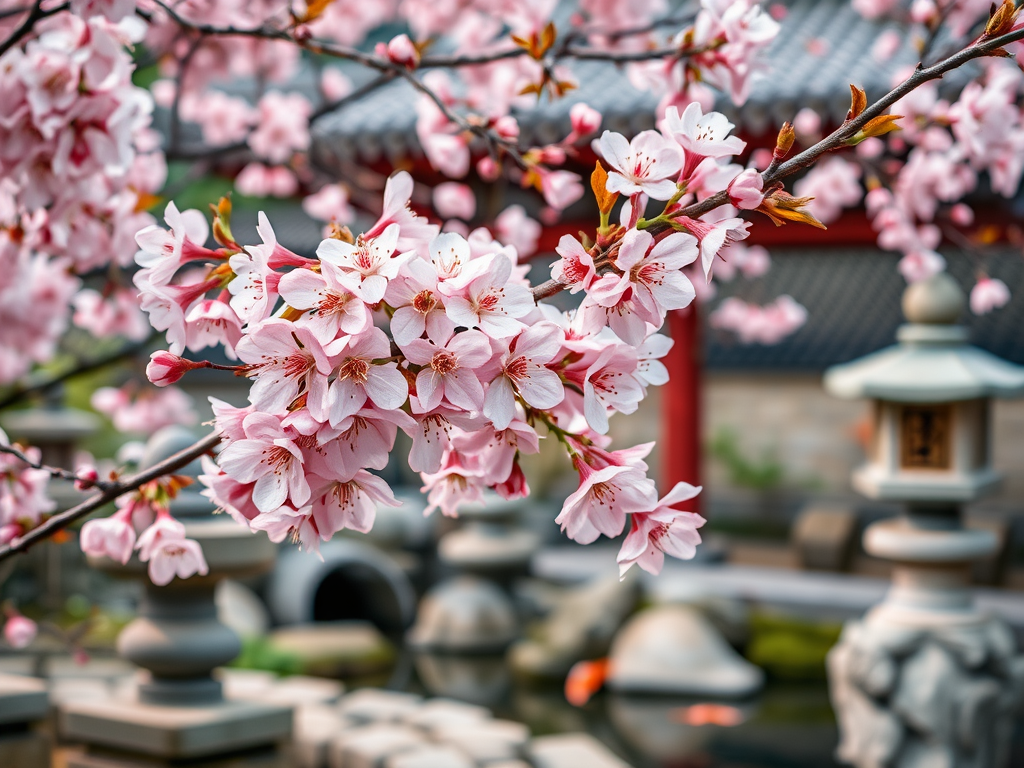
Cultural Origins of the Hall Crabapple (Malus halliana) Before its introduction to the West in the 19th century, the Hall crabapple had a long and revered history in East Asia—particularly in China and Japan—where it was cultivated for both its beauty and symbolic meaning. 📍 China: The Poetic “Weeping Silk Crabapple” Local Name: 垂丝海棠 (chui…
-
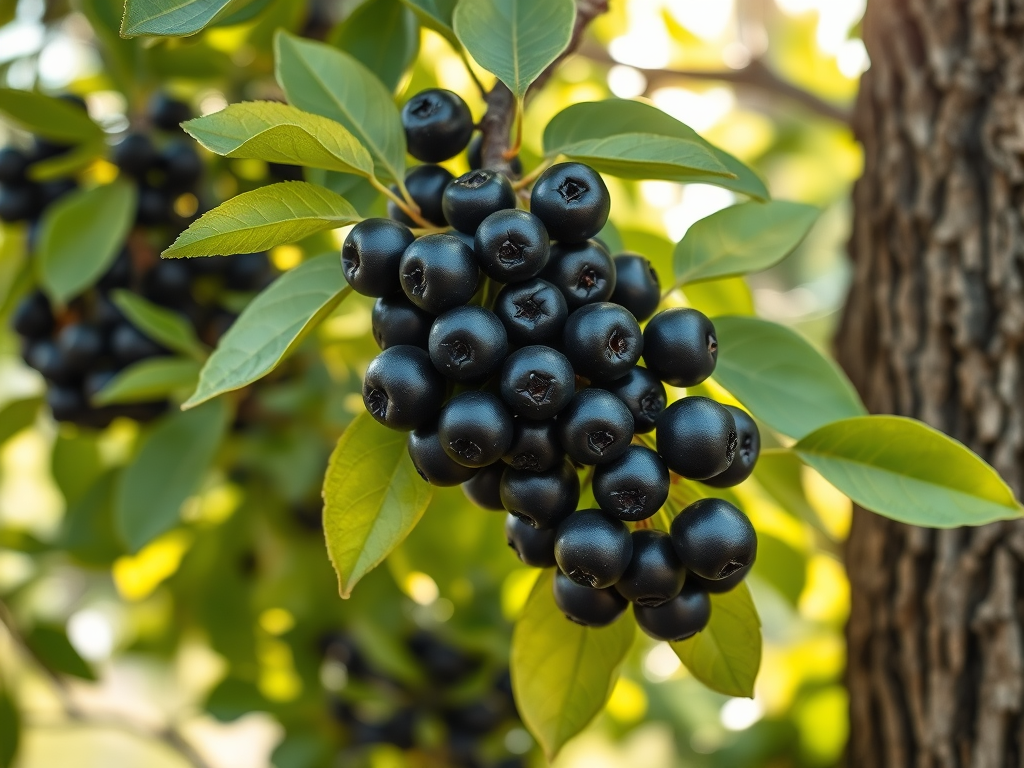
Hackberry: The Forgotten Superfruit with Ancient Roots Move over, goji and acai—there’s a wild fruit that’s been quietly thriving across continents for millennia, and it’s time we gave it the spotlight it deserves. Meet the hackberry: a rugged, resilient tree whose sweet, crunchy fruits were once a staple in Indigenous diets and survival strategies. 🍇…
-
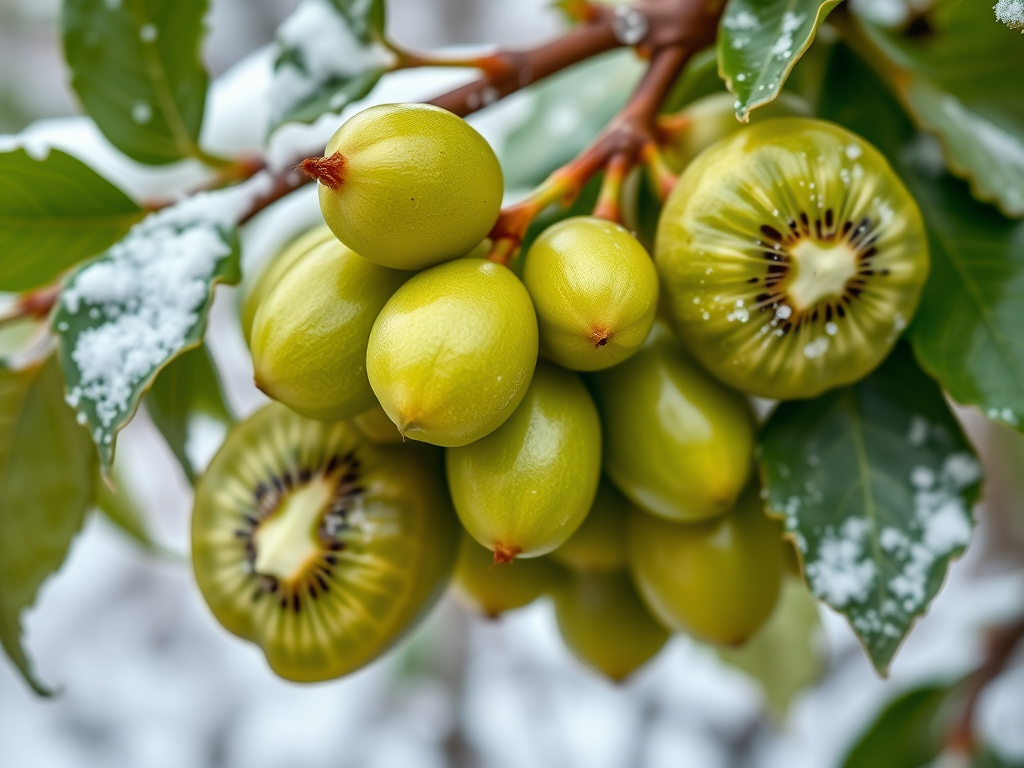
Meet the Hardy Kiwi: The Tiny Powerhouse That Laughs at Winter Think kiwis are just tropical treats? Think again. The Hardy Kiwi (Actinidia arguta), also known as Arctic Kiwi or Kiwi Berry, is a cold-defying, grape-sized fruit that thrives in climates as frigid as -40°F. Native to Japan, Korea, and parts of Siberia, this vine…
-
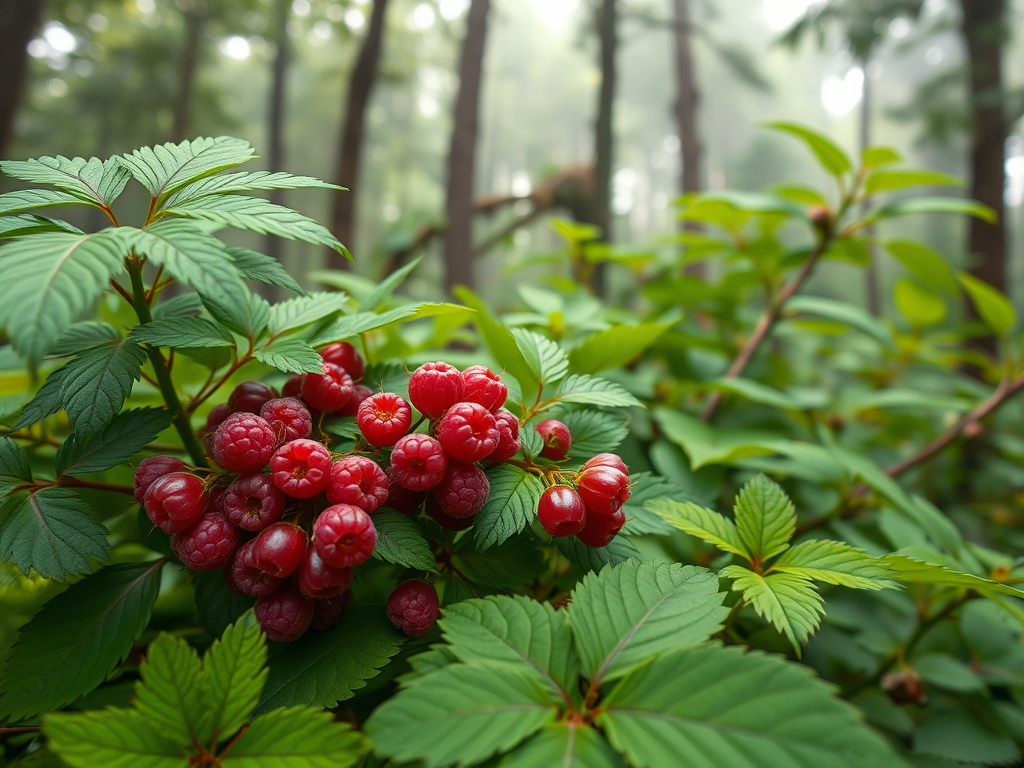
Tucked deep in Hawaii’s misty upland forests grows a berry as bold as the land itself—ʻākala, the Hawaiian raspberry. More than just a fruit, it’s a living thread in the islands’ ecological and cultural fabric. The Hawaiian Raspberry (ʻĀkala, Rubus hawaiensis) is not a cultivated species in the traditional agricultural sense. Instead, it is a…
-
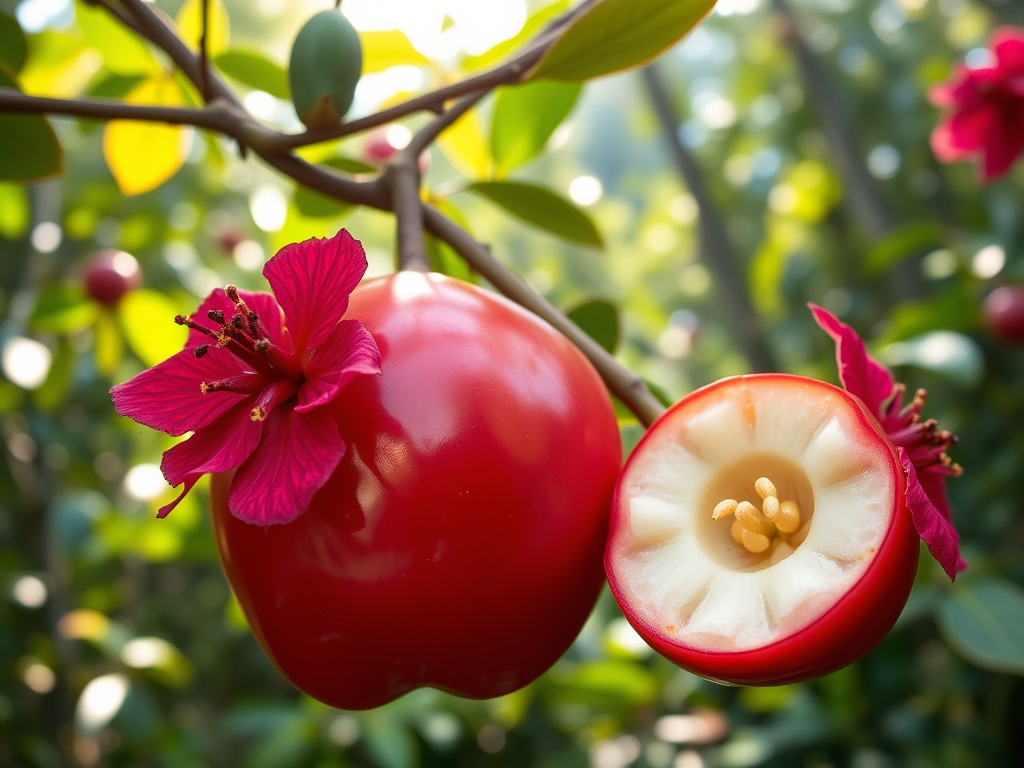
The Hawaiian Mountain Apple—ʻŌhiʻa ʻai in Hawaiian, Syzygium malaccense in science—is a stunning tropical fruit with deep cultural roots and a flavor as unique as its bloom.” 🌺 Charged by Canoes, Rooted in Rainforests: The Hawaiian Mountain Apple’s Journey 🌺 Before it ever graced backyard gardens in Hilo or burst into magenta fireworks on Big…
-
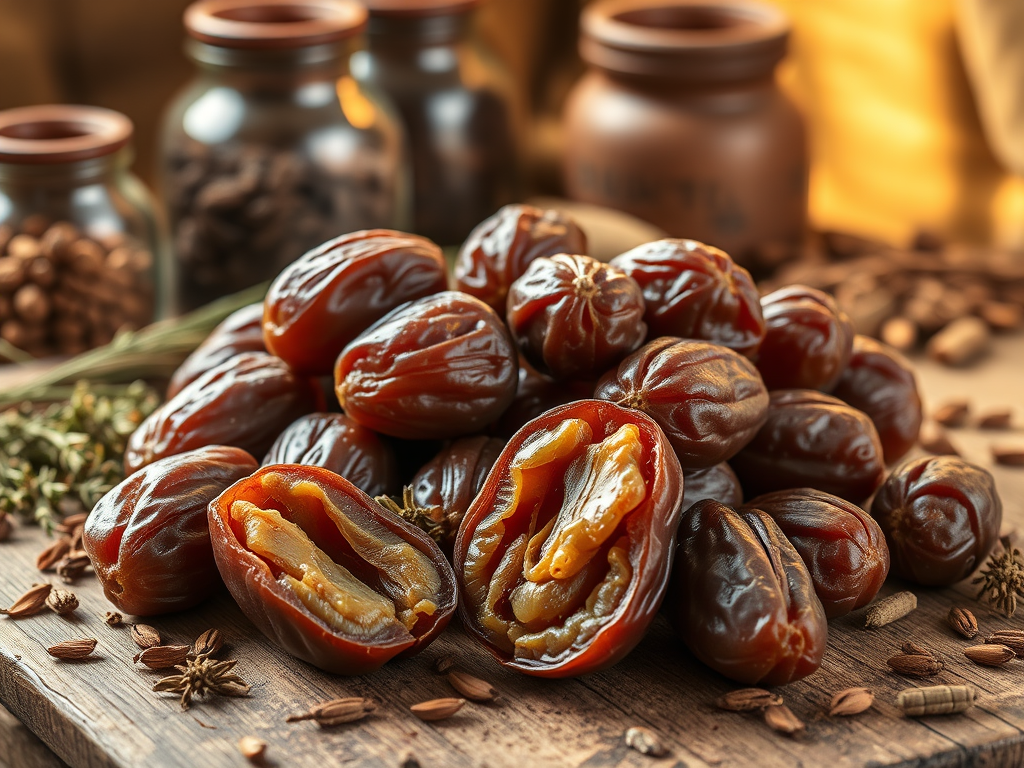
Halawi dates trace their roots to the sunbaked deserts of southern Iraq—once part of the Ottoman Empire—where they’ve been cherished for centuries for their rich, caramel-like sweetness and cultural significance. Their name—Halawi (حلاوي)—means “sweet” in Arabic, reflecting their rich, caramel-like flavor. 🏺 Medicinal Uses of Halawi Dates in the Ottoman Context 1. Digestive Health Dates…
 EJADA
EJADA 