EJADA
Living Healthy, Natural Healing, Herbal Health, and nutritional
Category: Healthy Living
-
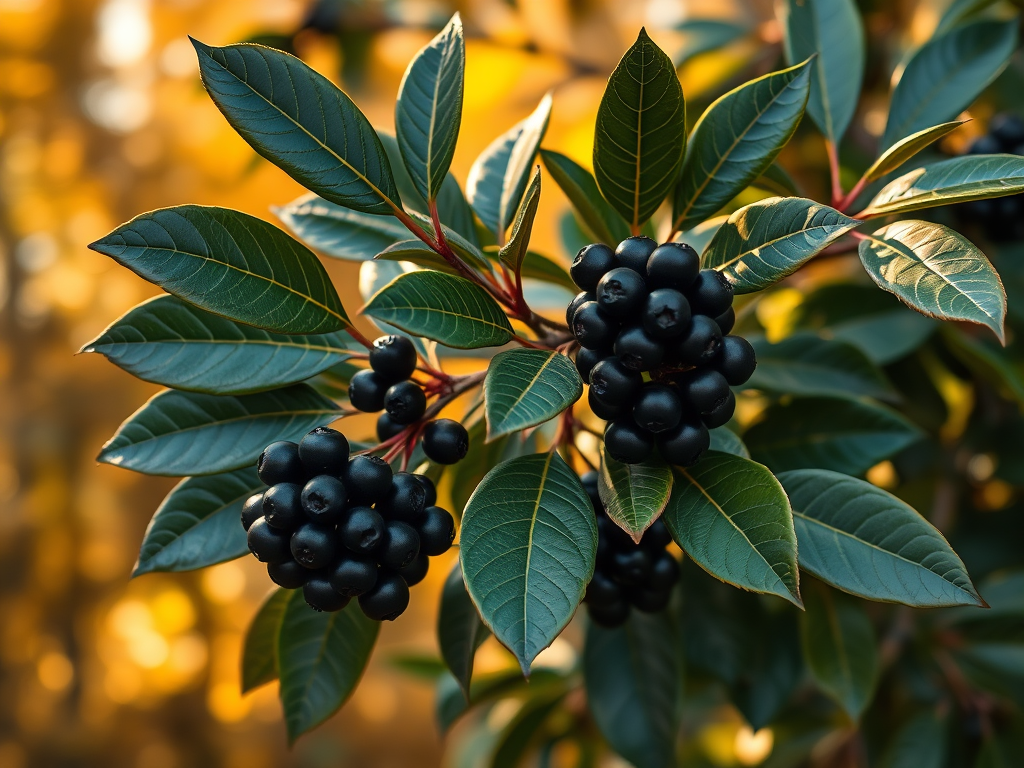
Inkberry (Ilex glabra), also known as Appalachian Tea or Gallberry, has a fascinating blend of culinary, ceremonial, and ecological significance. Let’s break it down: 🍵 Culinary Uses of Inkberry 🪶 Historical & Ceremonial Use ⚠️ Precautions for Culinary Use Winter Herbal Tea Guide: Inkberry (Ilex glabra) Inkberry leaves make a gentle, caffeine-free tea perfect for…
-
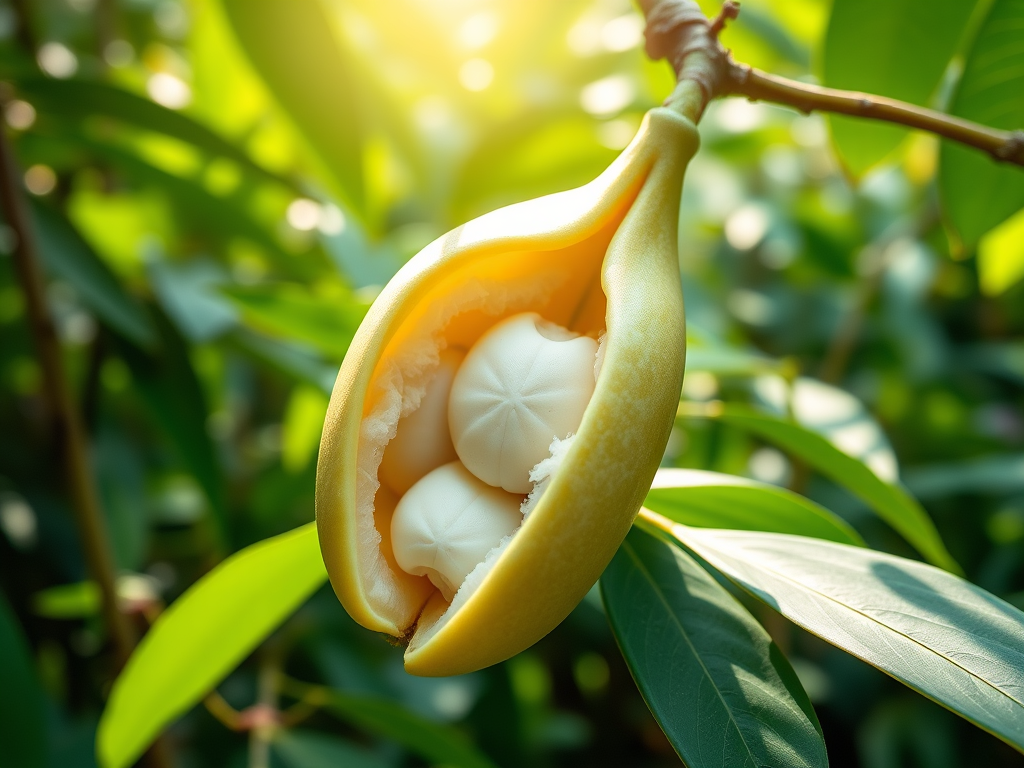
🍃 Inga laurina: Type of Fruit Inga laurina produces a fruit known as a legume pod, which is typical of plants in the Fabaceae (pea) family. Here’s what makes it unique: 🌱 Botanical Classification 🌸 Fruit Type: Legume Pod 🍬 Edible Part 🧬 Nutritional and Functional Traits Inga laurina: What and Where It Was First…
-
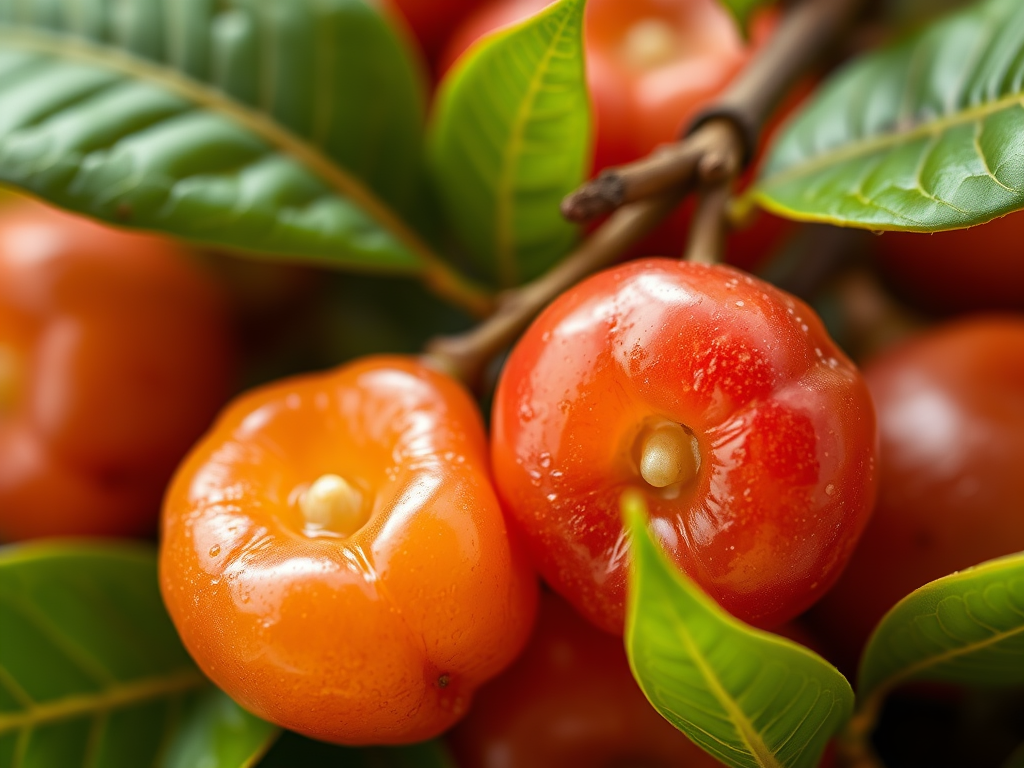
🌿 The Indian Jujube: A Fruit Rooted in Tradition and Wellness Overview Often overshadowed by trendier superfoods, the Indian Jujube (Ziziphus mauritiana) quietly holds centuries of medicinal wisdom, culinary versatility, and cultural reverence across South Asia. With its sweet-sour bite and resilient growth, this fruit thrives where stories of resilience and nourishment flourish. 🌍 Cultural…
-
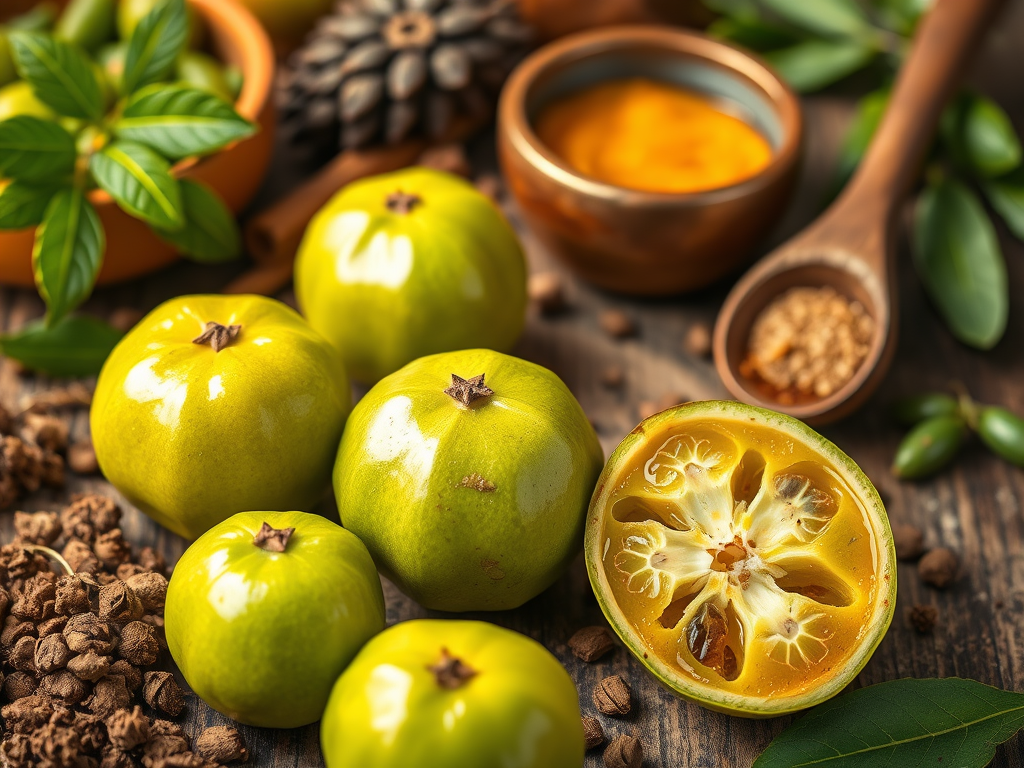
🍃 Amla: India’s Gift of Nourishment and Wisdom There’s something deeply grounding about the Indian Gooseberry—known affectionately in the East as Amla. This small, green fruit holds centuries of stories within its tart skin and nourishing pulp. In India, it’s more than a fruit—it’s a symbol of longevity, resilience, and reverence for nature’s intelligence. The…
-
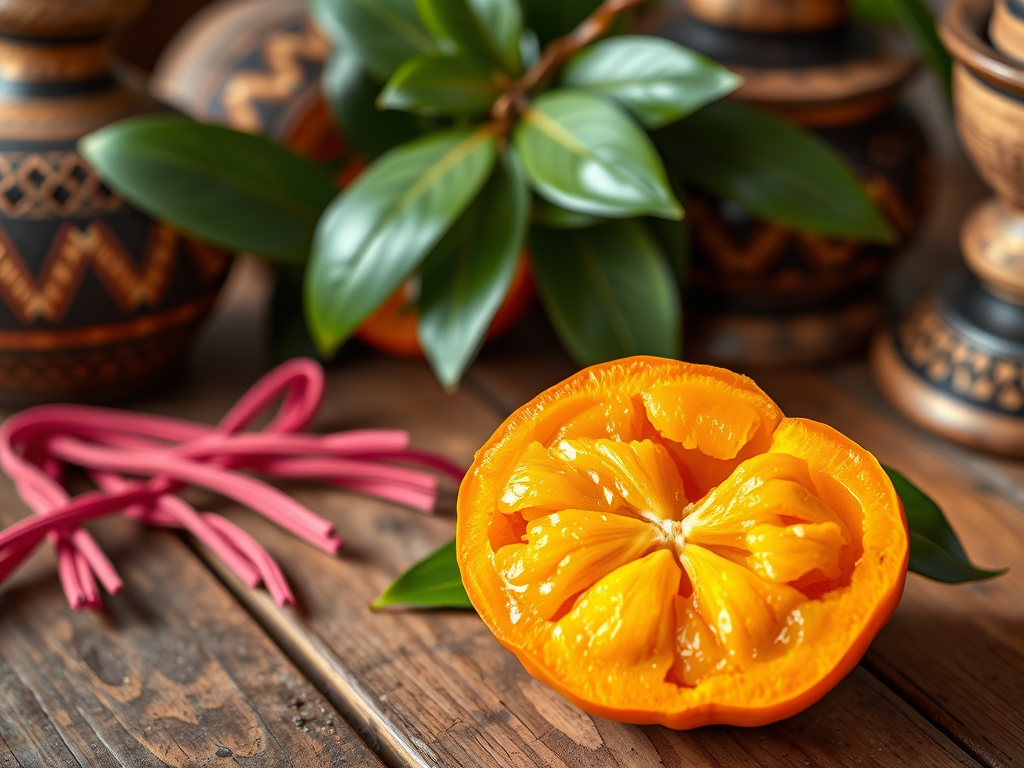
🍊 Imbe: Africa’s Citrus Gem with Medicinal Power The Imbe fruit (Garcinia livingstonei), known as African mangosteen, is a vibrant orange berry native to tropical Africa. Its sweet-tart flavor and diverse medicinal uses make it a standout among indigenous fruits. 🌿 Cultural & Culinary Significance 🌱 Medicinal Applications Indigenous communities have long revered Imbe for…
-

🍈 The Imbu fruit, also known as Spondias tuberosa, is a tropical gem native to northeastern Brazil, especially the dry Caatinga region. It’s also called Umbu or Brazil plum, and it’s cherished for both its resilience and flavor. 🌿 Key Features Appearance: Small, round fruit (2–4 cm), with smooth green to yellow skin and juicy,…
-

The Indian Fig, scientifically known as Opuntia ficus-indica, is a domesticated cactus species with deep historical roots rather than a single moment of “discovery.” It’s believed to have originated in Mexico, where Indigenous peoples like the Aztecs cultivated it for its edible fruit (tuna) and pads (nopales) long before European contact. 🌵 Key historical highlights:…
-
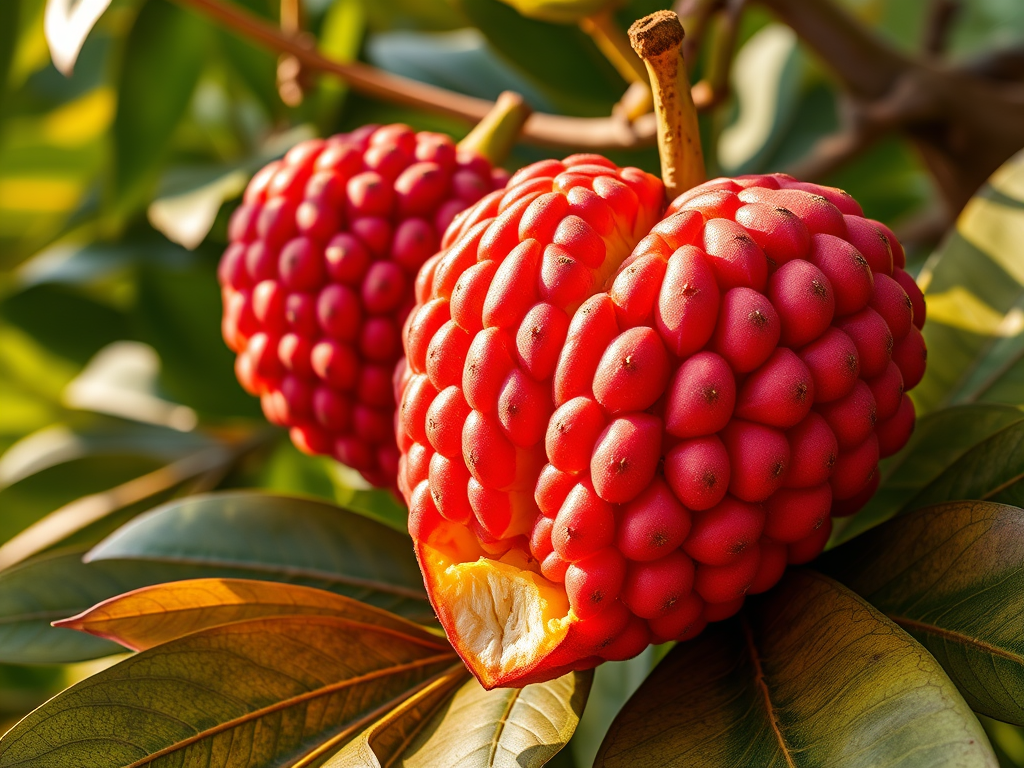
The Ilama fruit was first documented in 1570 by Francisco Hernández, a Spanish physician and naturalist sent by King Philip II to catalog the useful plants of Mexico. Also known by the synonym Annona macroprophyllata, Ilama belongs to the custard apple family and has been honored for centuries in Mesoamerican gardens and gatherings. Hernández’s early…
-
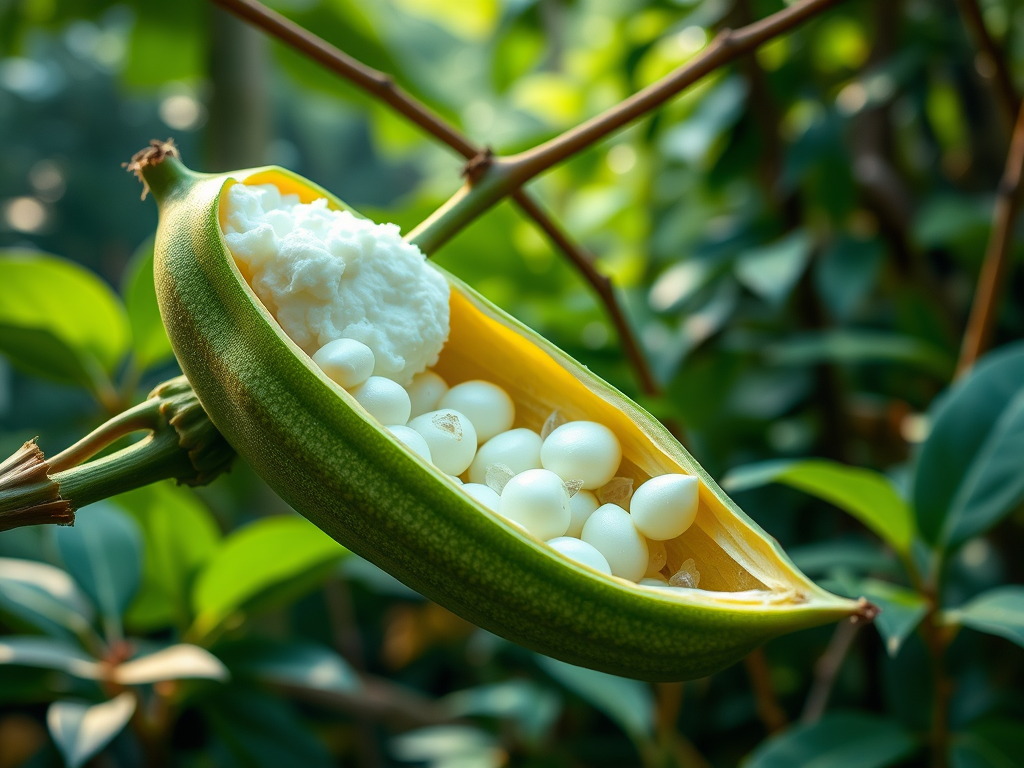
🍃The Ice cream bean is technically and botanically a fruit. It’s the seed pod of the Inga edulis tree, and pods that contain seeds and develop from flowers are considered fruits in botanical terms. The edible part is the sweet, fleshy pulp surrounding the seeds inside the pod, just like a mango or tamarind. Despite…
-
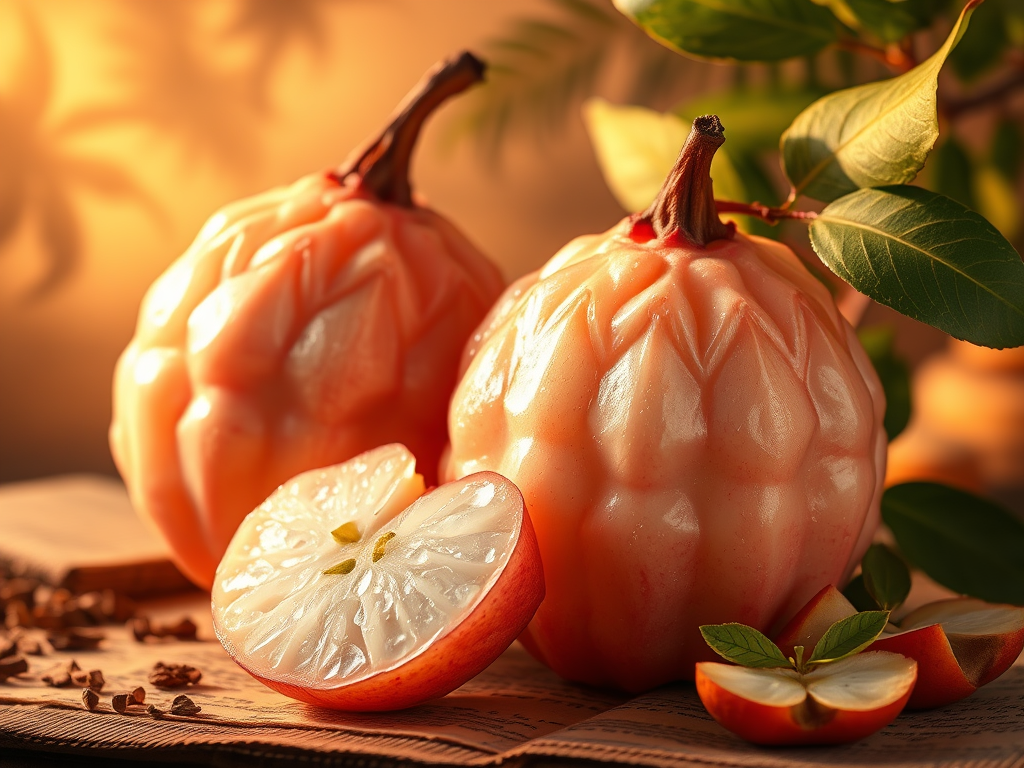
The Ice Apple, from the Palmyrah palm (Borassus flabellifer), has been cultivated for thousands of years across South and Southeast Asia. While exact dates are elusive, its domestication likely dates back to ancient Dravidian and Vedic periods, given its deep integration into traditional diets, rituals, and medicinal practices in regions like Tamil Nadu, Odisha, and…
-
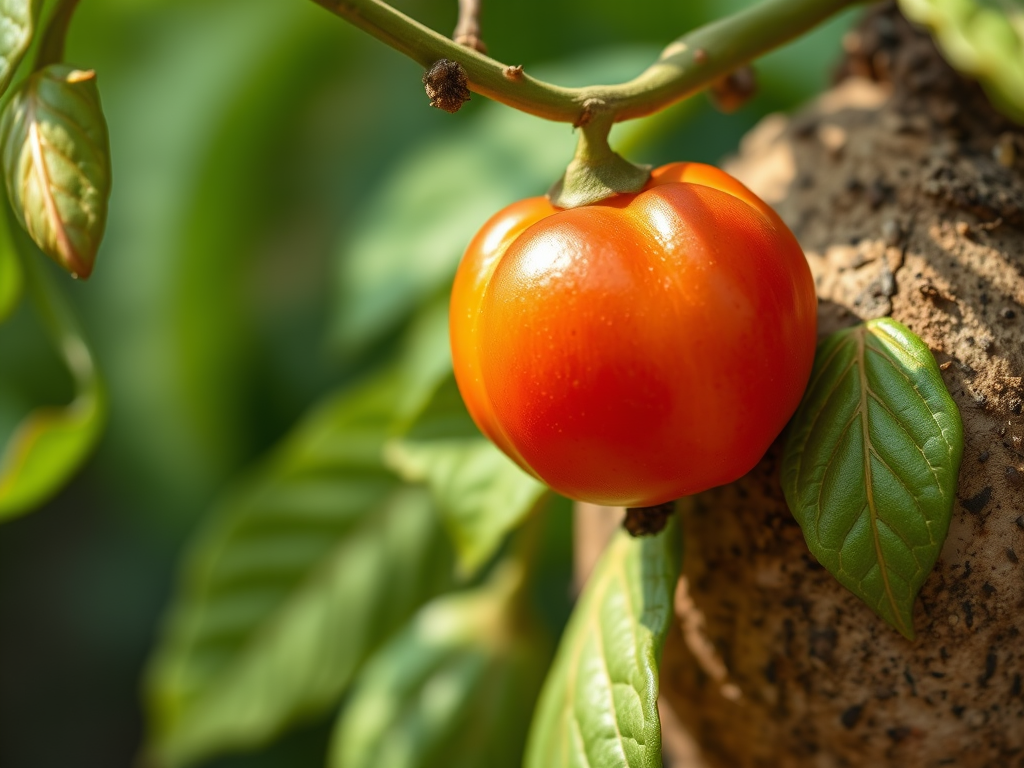
Icacunia Trichantha 🥔🍒 Is It a Fruit or a Tuber? Both—but in different ways: Fruit: Yes, it produces a drupe—a soft, pulpy fruit with a pit in the center. The outer flesh is edible and sweet, so it does qualify as a fruit in that sense. Tuber: The plant is best known for its massive…
-
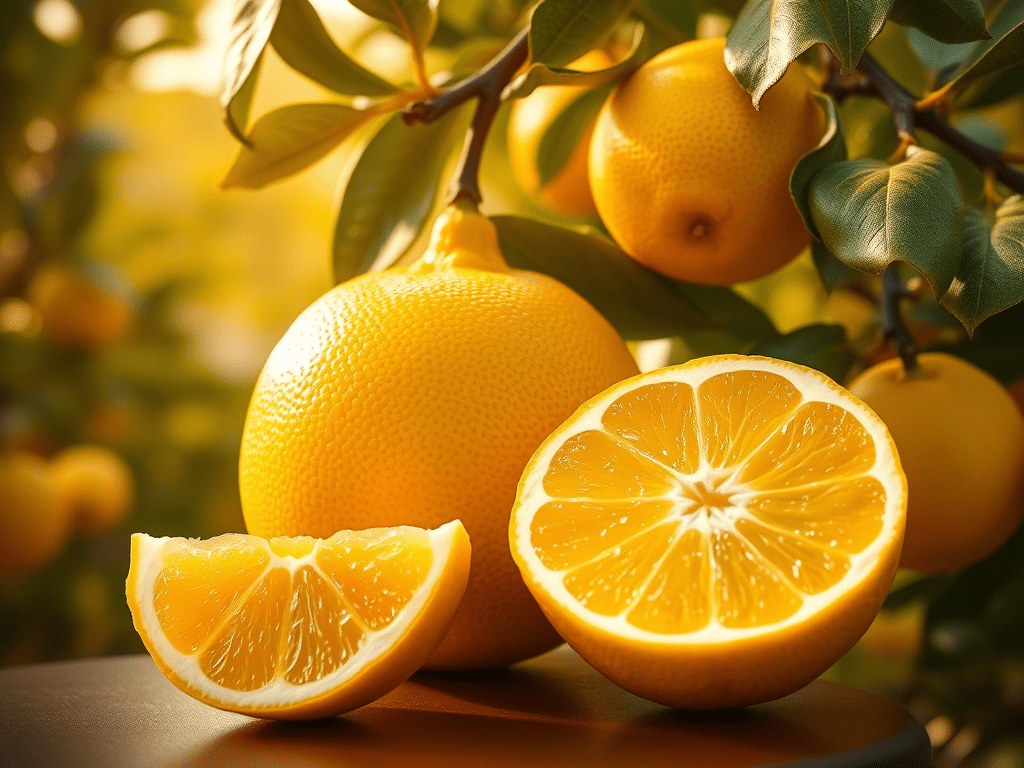
Hyuganatsu is a rare Japanese citrus fruit known for its refreshing flavor and unique edible white pith. 🍋 Here’s a quick breakdown of what makes it special: 🌱 Botanical Identity 🍊 Appearance & Taste 🍊 Hyuganatsu Cultivation 🧑🌾 Cultural & Culinary Significance The Hyuganatsu citrus isn’t just a fruit—it’s a cultural gem with ceremonial flair,…
 EJADA
EJADA 