EJADA
Living Healthy, Natural Healing, Herbal Health, and nutritional
Category: Healthy Living
-
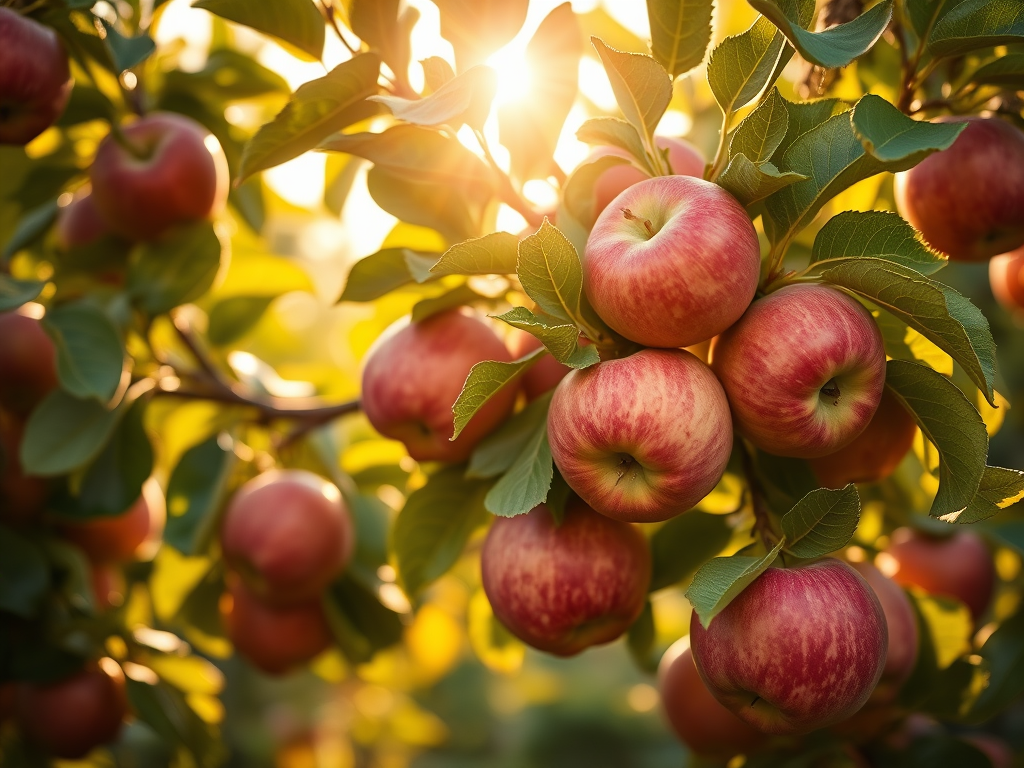
The Jonathan apple was first cultivated around 1826 in Woodstock, New York. It originated as a chance seedling on the farm of Philip Rick, and was later named by Judge Jesse Buel of the Albany Horticultural Society in honor of Jonathan Hasbrouck, who brought the apple to his attention2. There’s also an earlier, less widely…
-

🍇 Johannisbeere is the German word for currant, specifically referring to red and black currants from the Ribes genus. The name literally means “John’s berry”, tied to the feast day of St. John the Baptist on June 24th, which is traditionally when the berries ripen. 🌿 Quick Facts: Scientific name: Ribes rubrum (red currant), Ribes…
-

The Joel Bush Cherry is a compact, tart cherry-producing shrub that’s both ornamental and practical—kind of a garden multitasker 🍒. A hybrid of Prunus japonica × Prunus jacquemontii, bred by Dr. Elwyn Meader. Grows to about 4 feet tall and wide, making it ideal for small gardens or edible landscapes. Self-fertile, but planting alongside another…
-
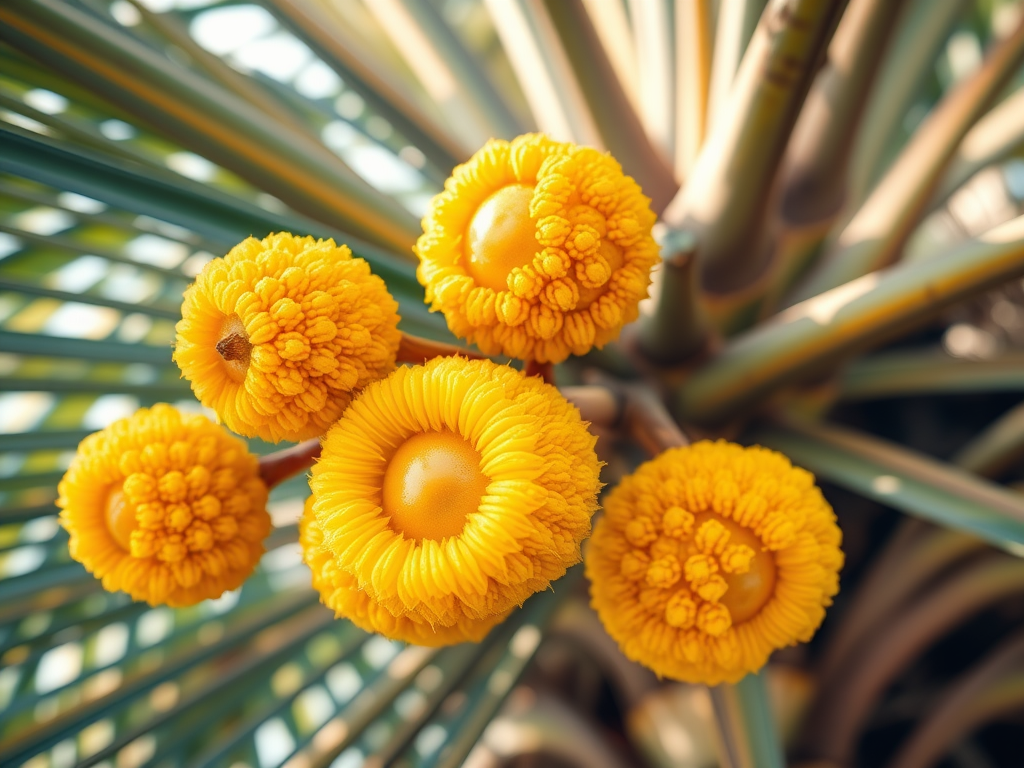
🍑 Jelly palm fruit, also known as pindo palm fruit or Butia capitata, is a tropical treat with a fascinating backstory and a flavor profile that’s anything but ordinary. Grows on the jelly palm tree, native to South America (especially Brazil, Uruguay, and Argentina) The fruit is small, round, and golden-yellow to orange, and has…
-

Jazz apples are globe-trotters in the fruit world 🌍. They’re grown under license in New Zealand, the United States (especially Washington State), the UK, Australia, France, Chile, Italy, Switzerland, and Austria. This global spread allows them to be available year-round, with harvests alternating between the northern and southern hemispheres. 🌱 Where & When Origin: Developed…
-
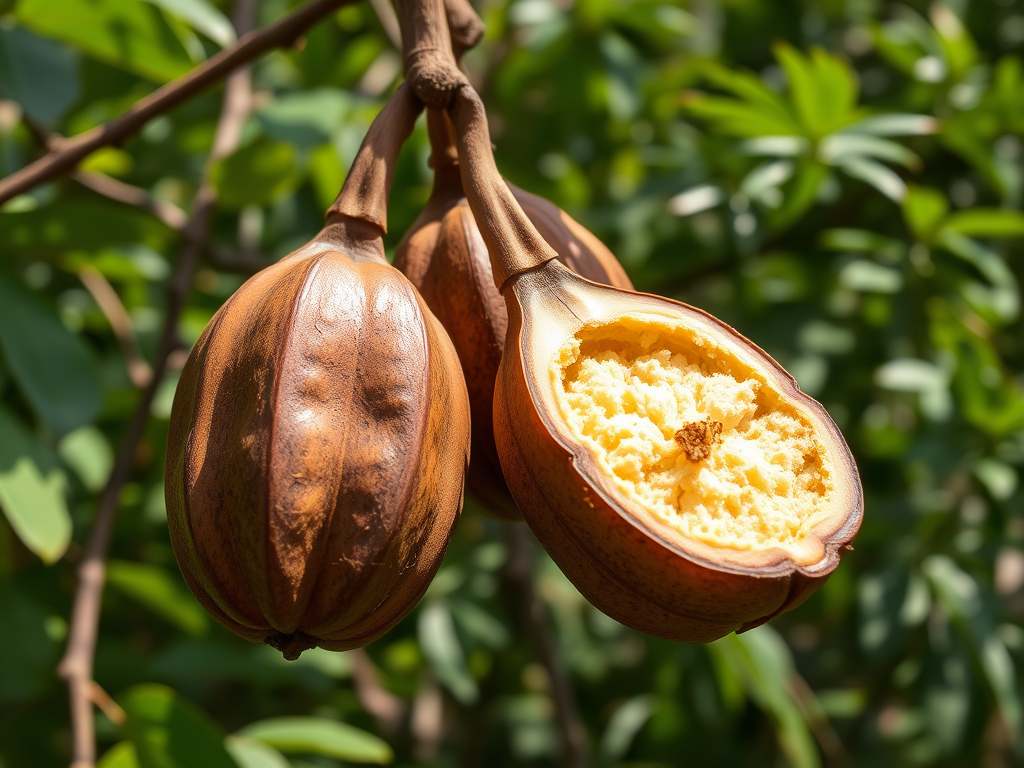
🍈 Jatoba Fruit (aka Stinking Toe Fruit) is a fascinating tropical delicacy with a pungent reputation and a rich cultural history. 🍈 What’s in a Name? Jatoba—also known as West Indian Locust or the infamous “Stinking Toe Fruit”—is a tropical marvel treasured across the Caribbean and South America. Despite its pungent reputation, it offers a…
-
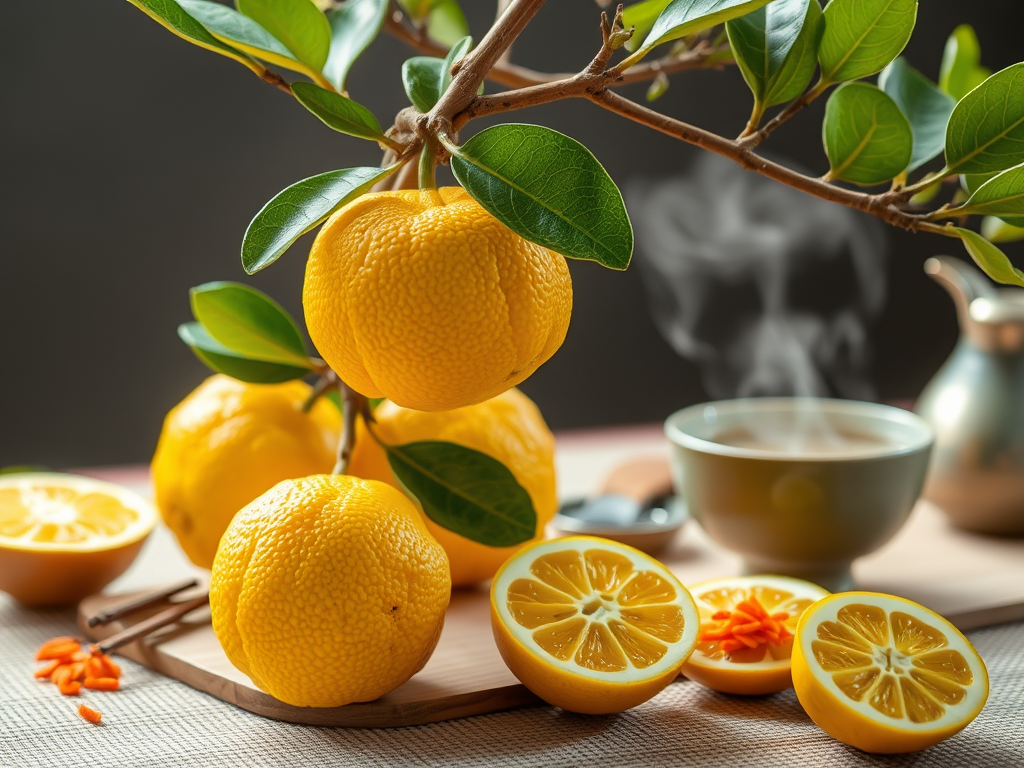
Yuzu (Citrus junos) is believed to have originated in central China, likely in the upper basin of the Yangtze River, as a hybrid between the mangshanyeju mandarin and the Ichang papeda2. It was introduced to Japan via the Korean Peninsula during the Tang Dynasty (618–907 AD)4. While the exact individual who brought it to Japan…
-
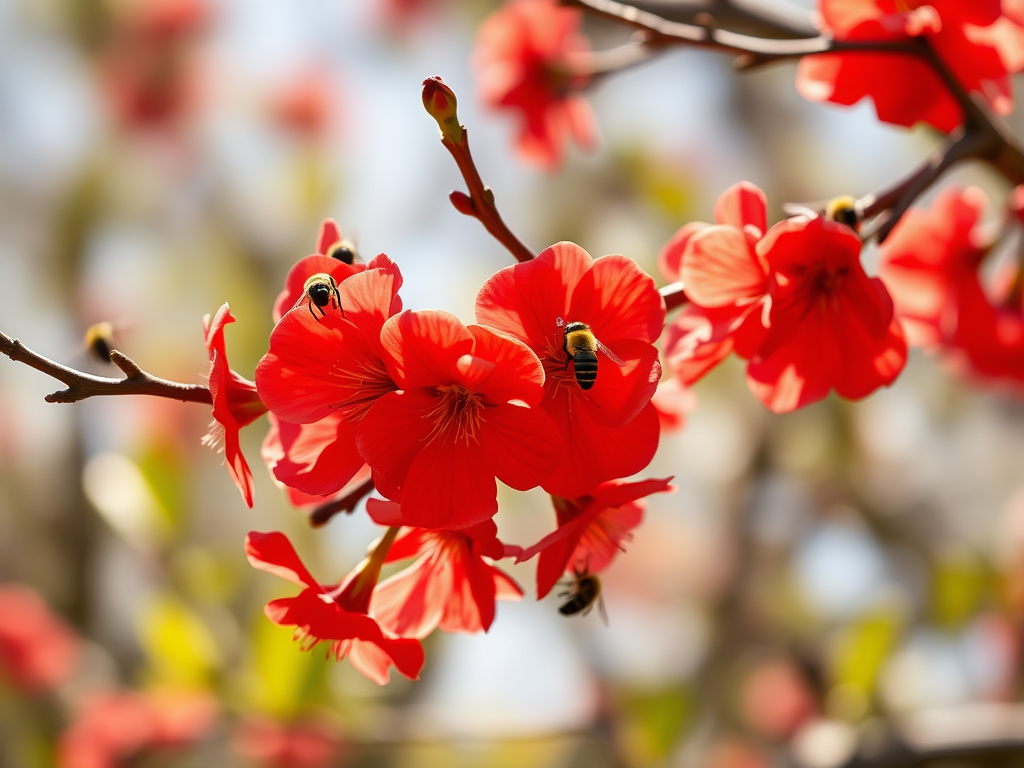
Tucked between the ornamental giants and flowering showboats of the plant world, the Japanese Quince quietly stages its own springtime spectacle—with unapologetic confidence. With fiery blossoms blazing like mini flamethrowers against early spring’s chill, it practically dares you not to notice. Here’s why it deserves a standing ovation (or at least a polite bow, Japanese…
-
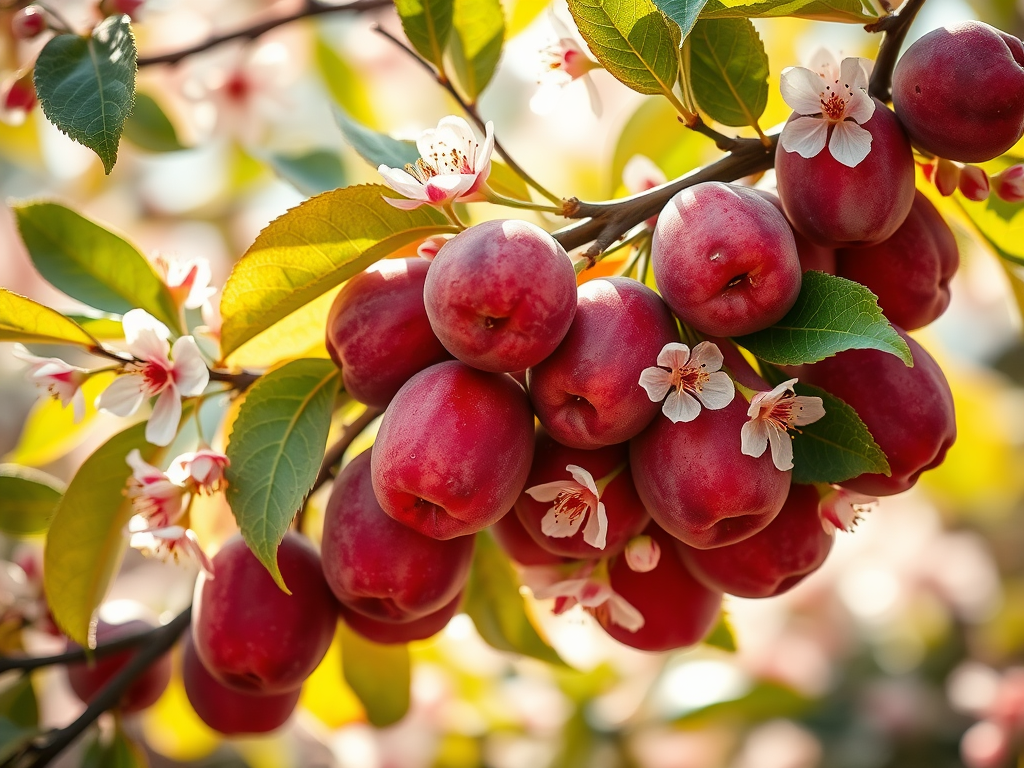
🌸 Good News About the Japanese Plum: Nature’s Tart Treasure The Japanese plum—known as ume—is more than just a fruit. It’s a symbol of resilience, renewal, and healing that has graced Japanese gardens and kitchens for centuries. And now, science is catching up to tradition with exciting news. 📜 First Uses of Japanese Plum 🏺…
-
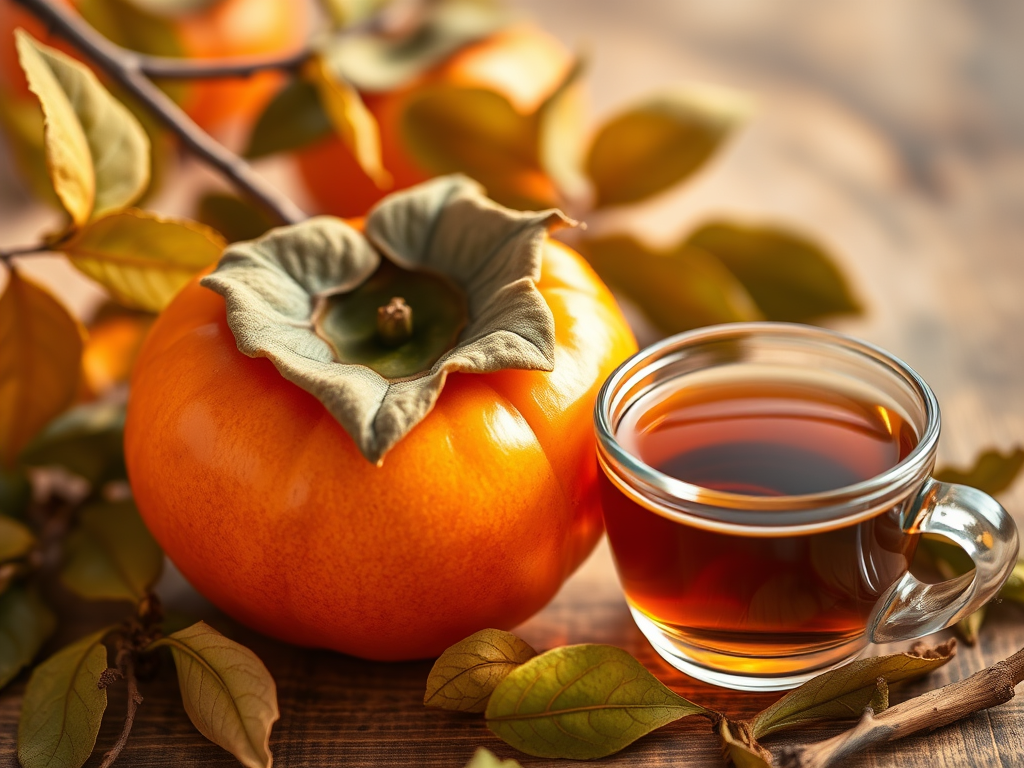
From Ancient Tonic to Modern Marvel: Medicinal Power of Japanese Persimmon Japanese Persimmon (Diospyros kaki) has stood the test of time — not just as a sweet autumn fruit, but as a revered source of wellness in both folk remedies and modern medicine. 🍂 🌿 Ancient Wisdom Since antiquity, the Japanese and Chinese have harnessed…
-
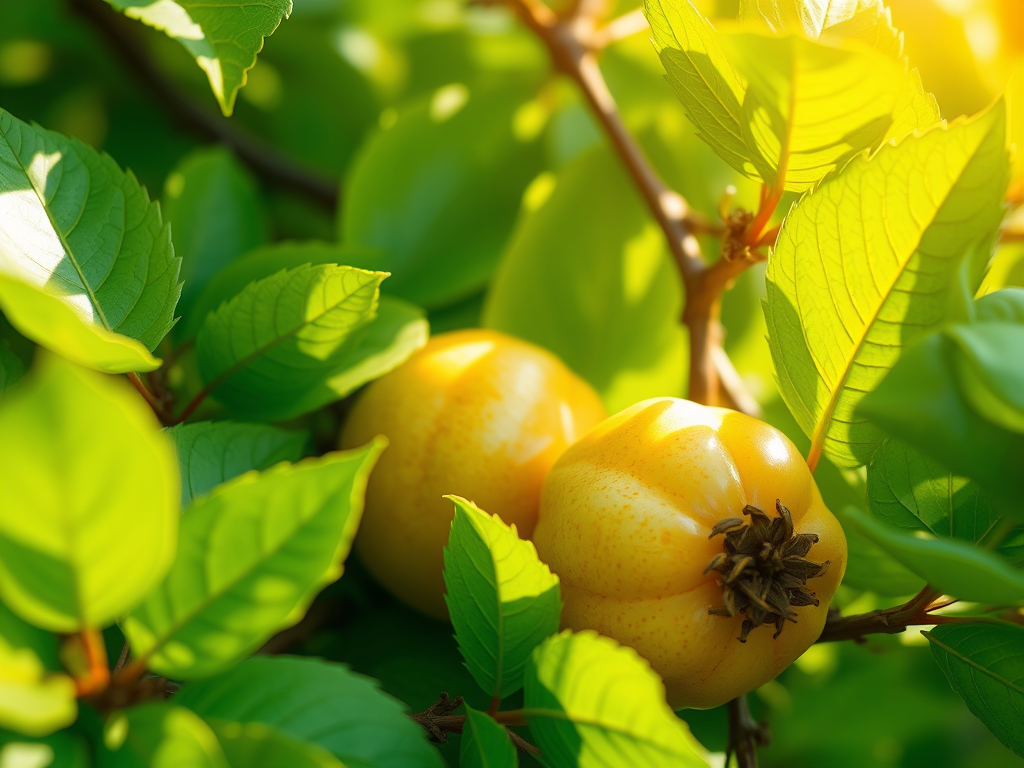
Did you know that the Japanese Medlar, also known as Loquat (Eriobotrya japonica), has been cultivated in China and Japan for over 1,000 years? It was introduced to Japan during the Tang dynasty, likely by Japanese scholars studying in China. 🌳 “Nature’s golden gift—nestled in lush foliage, the Japanese Medlar basks in sun-soaked serenity.” The…
-
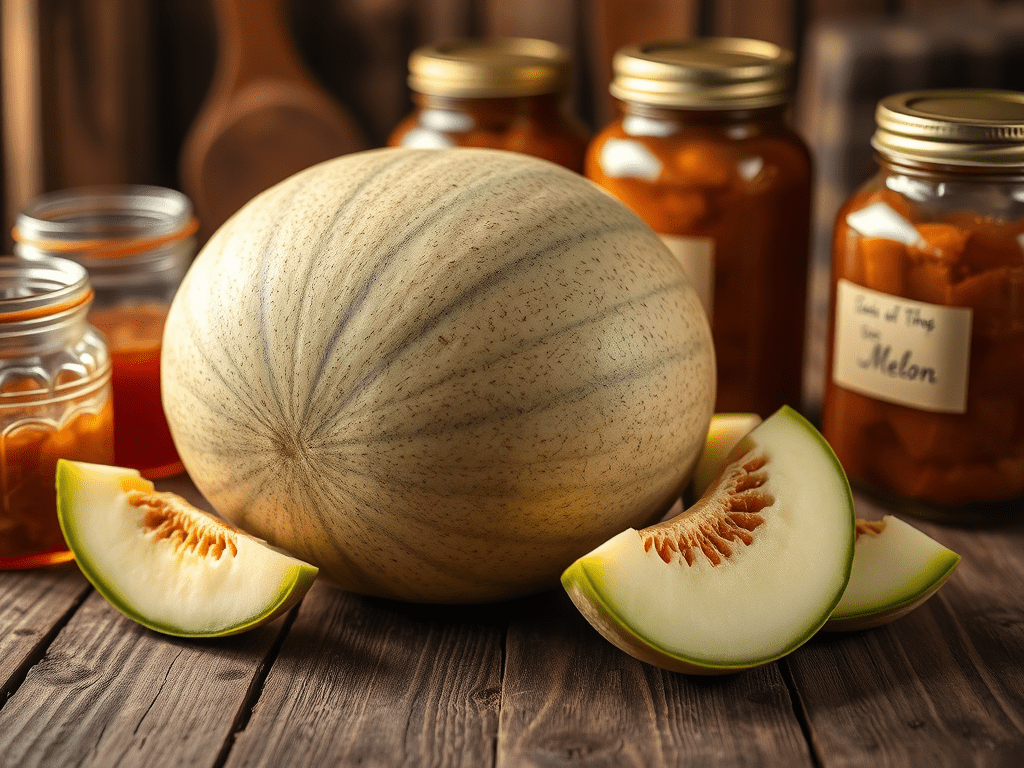
Today’s adventure kicks off with a truly underrated gem: Jam Melon. Often overshadowed by its flashy cousins like watermelon and cantaloupe, Jam Melon (Cucumis melo var. makuwa) quietly holds its ground in traditional kitchens and herbal remedies. Don’t let the name fool you—this melon isn’t just for jam. It’s a story in itself, with roots…
 EJADA
EJADA 