EJADA
Living Healthy, Natural Healing, Herbal Health, and nutritional
Category: Healthy Living
-
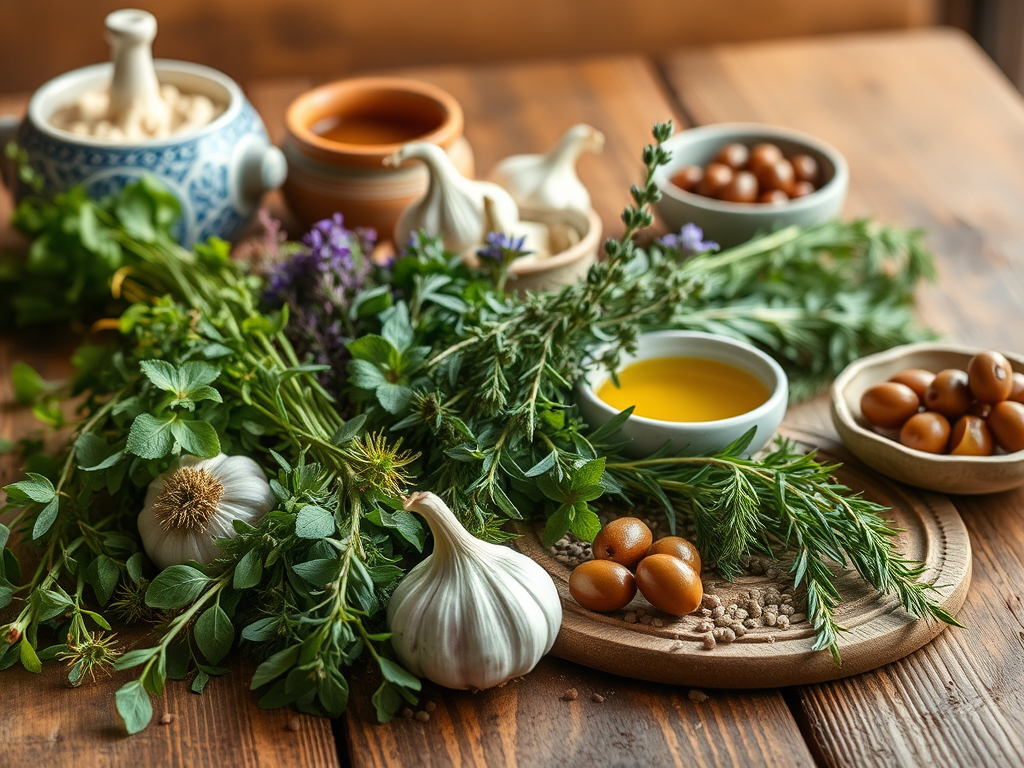
Reviving Ancient Herbs for Modern Wellness I decided to take a little breather from the fruit deep-dives and revisit some of the more interesting posts that still resonate with me. A few had that herbal spark or Mediterranean flavor that felt like a good change of pace. Problem is—I can’t seem to dig up my…
-
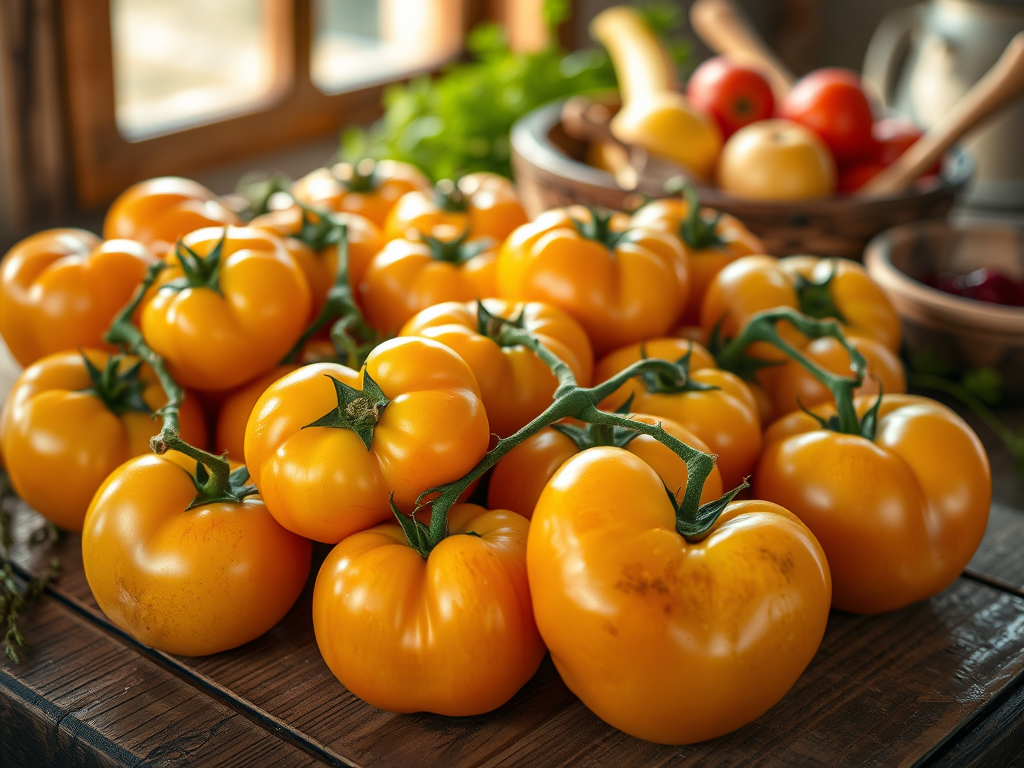
Korol is recognized as a fruit, but not as a standalone species. It’s actually part of the name of several heirloom tomato varieties from Russia and Belarus. 🌿 🍅 Golden Heirlooms of Russia: The Korol Tomato Legacy Discover the golden treasures from Eastern Europe that nourish body and soul. 👑 What Makes Them “Korol” (King)?…
-
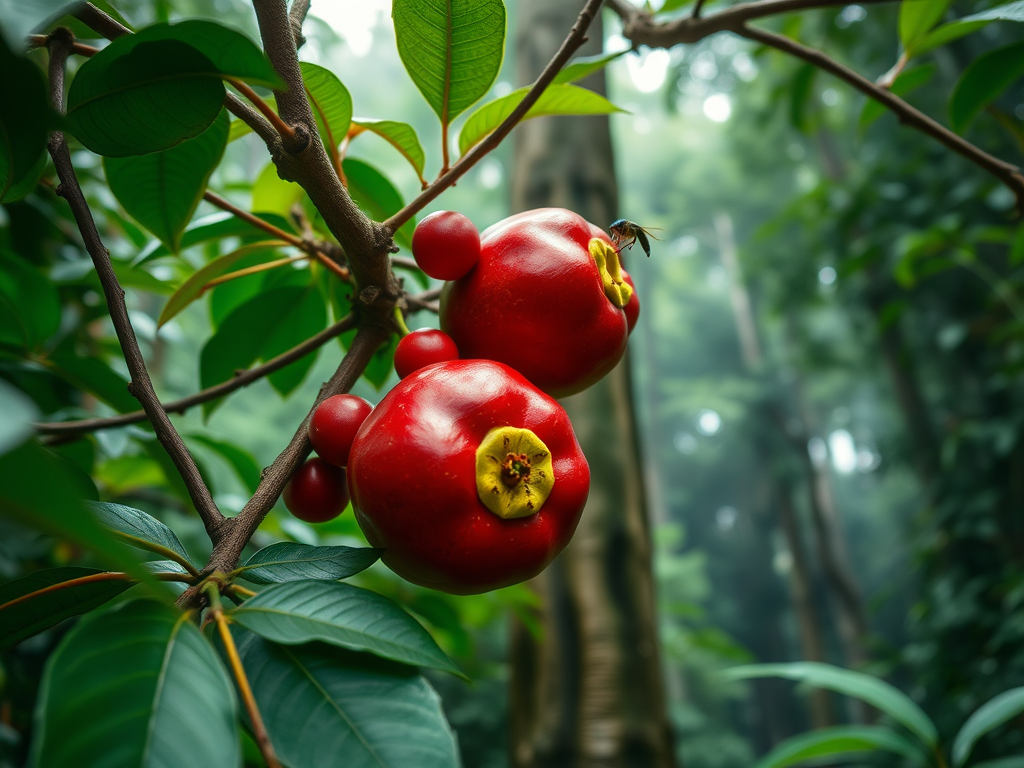
Kundong (sometimes spelled kundung or kundang) is a truly fascinating Southeast Asian gem. 🌿 Native Region of Kundong (Garcinia parvifolia) Native Region: Found mainly in Malaysia, Indonesia, and parts of the Philippines, often in tropical forests. 📍 Geographic Distribution 🏞️ Ecosystem & Elevation 🌱 Ecological Role 🌍 Cultural Geography 🟢 Forest-to-Table Spotlight: The Kundong Fruit’s…
-
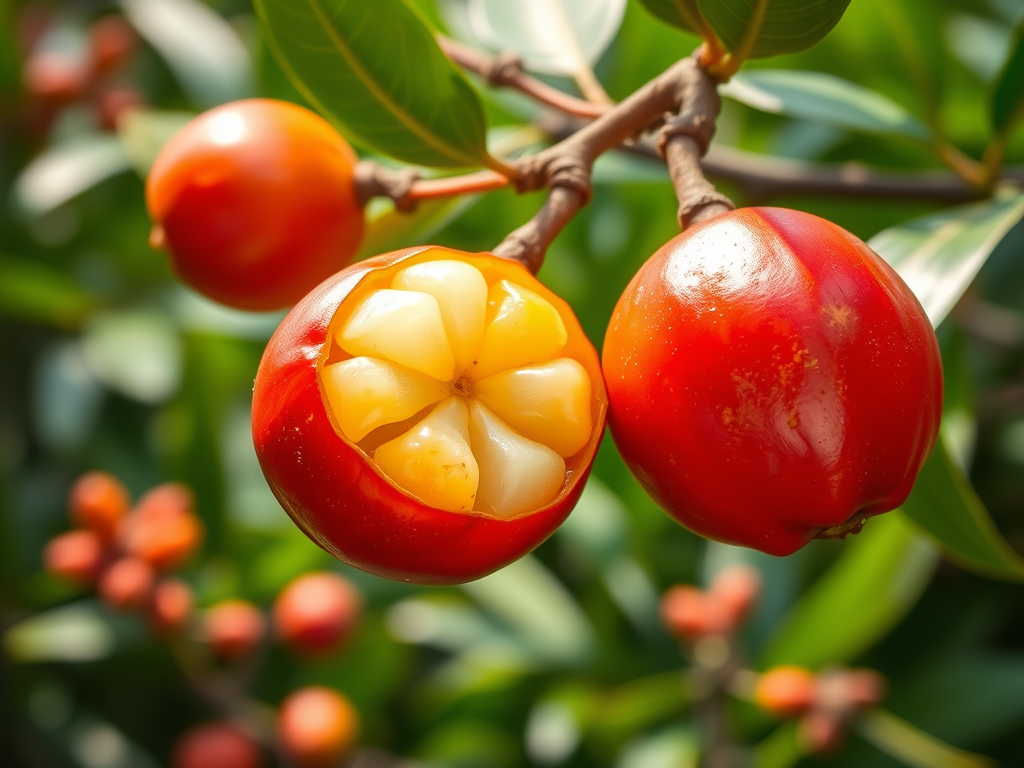
Koroi Refers to a type of Archaic Greek sculpture depicting young women, and their discovery and use are deeply tied to ancient Greek religious and social practices. Also, Koroi is a fruit—and quite a fascinating one at that! 🌿 Naming vs. Original Purpose The word koroī was first used to describe the shape and form…
-
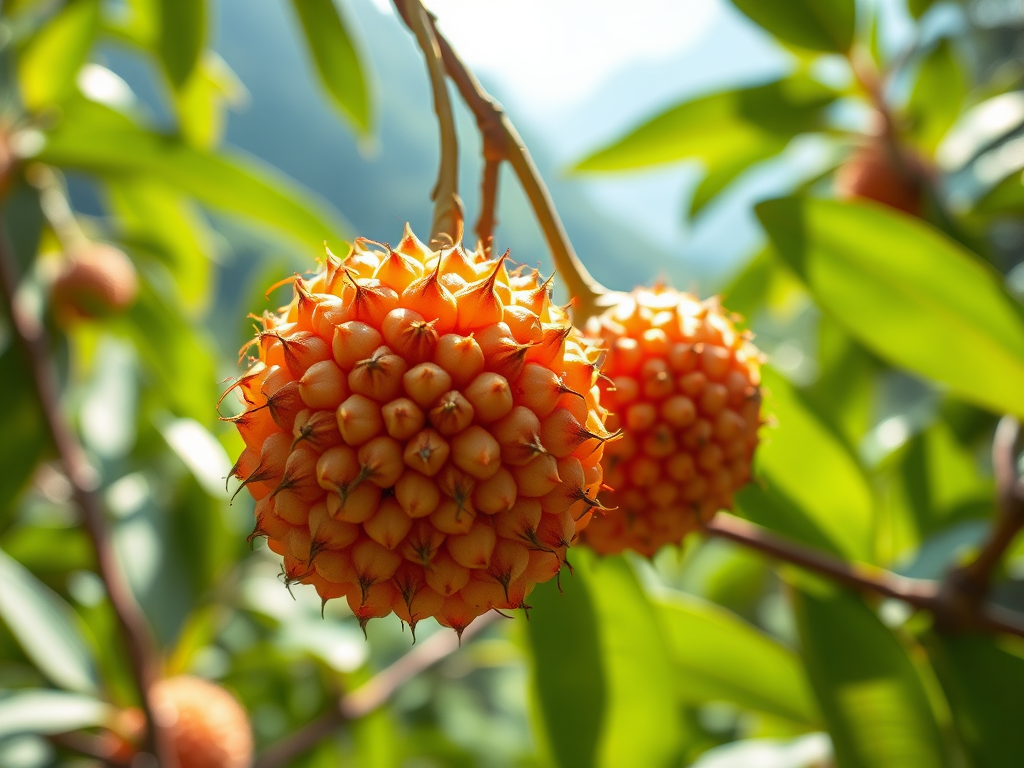
Korlan (Nephelium hypoleucum), often dubbed the “wild lychee,” is a rare tropical fruit native to Southeast Asia, especially found in the mountainous regions of Vietnam, Thailand, Malaysia, Laos, and Cambodia. 🏞️ Early Uses & Cultural Significance 🧘♀️ Cultural Insight While Korlan itself was often consumed fresh or wild-harvested, its pairing with herbs was more contextual…
-
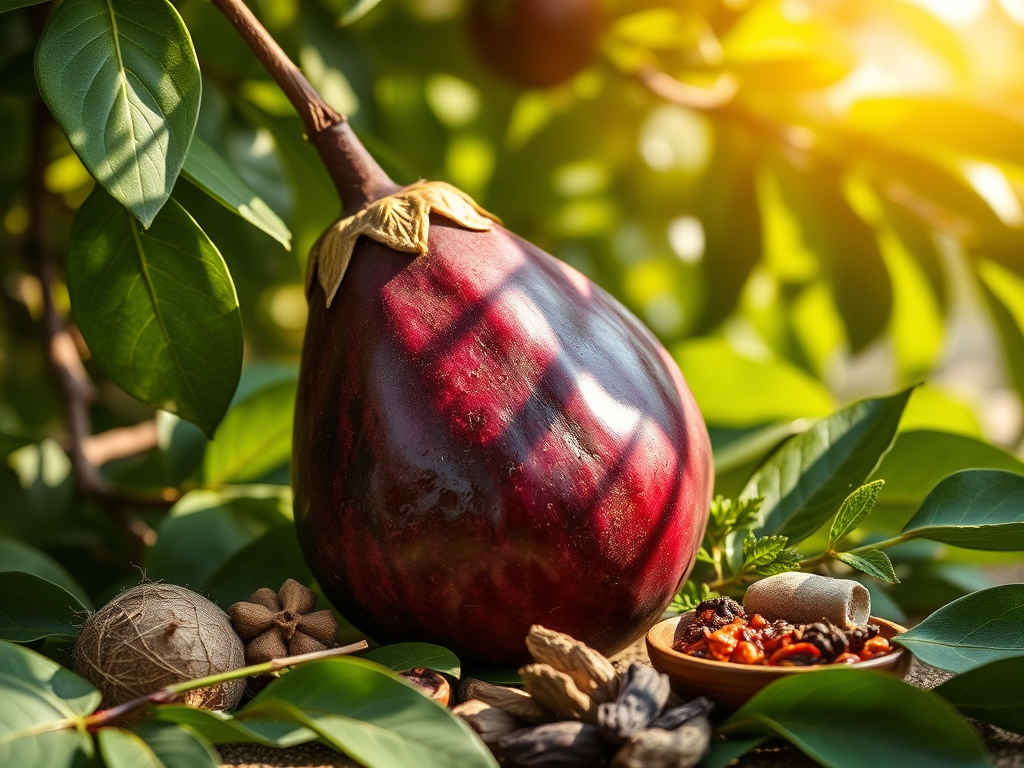
🌿 Kokum: The Healing Jewel of the Western Ghats Kokum’s cultivation history is deeply rooted in the Indigenous traditions of India’s Western Ghats, but pinpointing an exact date is tricky—it was never formally “introduced” like some commercial crops. Instead, kokum has been wild-harvested and semi-cultivated for centuries, especially in regions like Goa, Maharashtra, Karnataka, and…
-
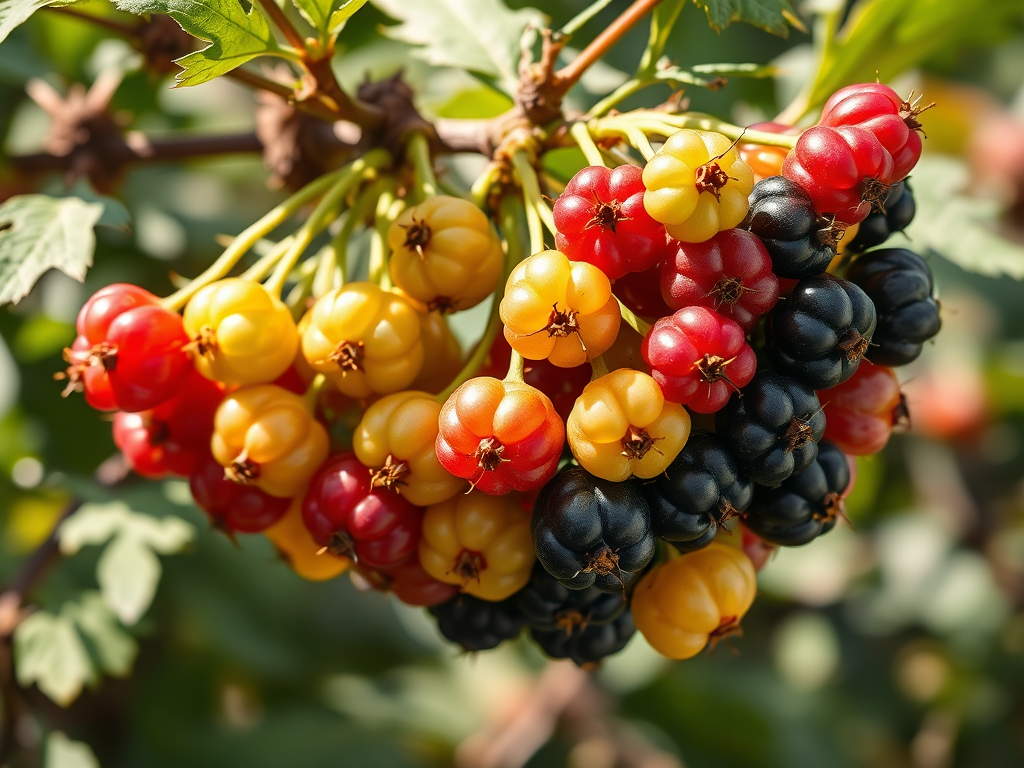
Gooseberries are small, round fruits that grow on spiny shrubs of the genus Ribes, which also includes currants. They come in a variety of colors—green, red, yellow, purple, and even black—and range in flavor from tart to sweet depending on the variety and ripeness 🧩 Theories on the Name’ Theory Explanation Literal English The Oxford…
-

Have you heard of the Grewia asiatica, commonly known as Phalsa or Sherbet Berry? It is a type of small, deciduous fruit-bearing shrub or tree that produces sour-sweet purple berries. Here’s a breakdown of its characteristics: 🍇 Fruit Type: Phalsa (Grewia asiatica) Botanical Family: Malvaceae (formerly Tiliaceae) Common Names: Phalsa, Falsa, Sherbet Berry Fruit Description:…
-

The Harlequin Glory Bower, scientifically known as Clerodendrum trichotomum, was first described by the Swedish botanist Carl Peter Thunberg in the late 18th century. The species name “trichotomum” and its binomial classification were established by Thunberg, who conducted extensive botanical work in Japan and other parts of Asia during the 1770s and 1780s. 🌿 Quick…
-
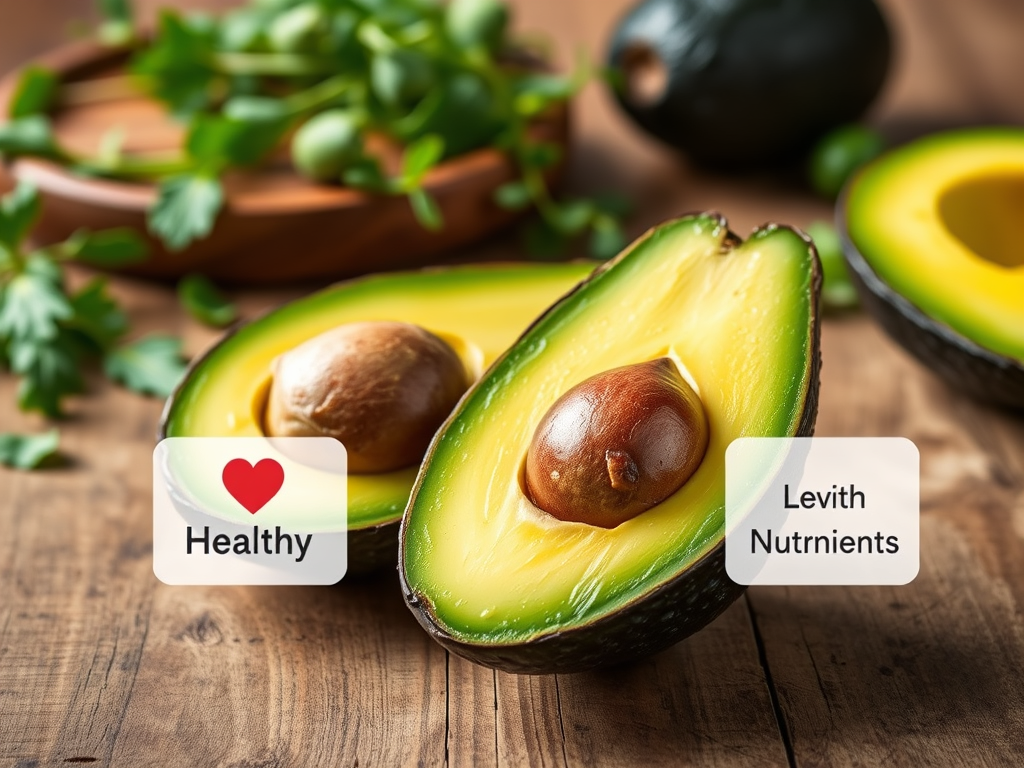
🥑 Looks Familiar to a Lot of You… But Did You Know? Most people recognize the creamy green dip as guacamole, but few realize: Guacamole wasn’t always a party dip—in ancient Mesoamerica, it was considered an aphrodisiac and a sacred food. The Hass avocado didn’t exist before 1926. It was a backyard experiment by a…
-

🏯 Historical Roots of the Hassaku Orange The Hassaku orange was first discovered in 1860 during the late Edo period at Jyoudo Temple in Innoshima, now part of Onomichi City in Hiroshima Prefecture. Initially referred to as jagada, the fruit was later renamed Hassaku (八朔), a term that refers to the first day of the…
-
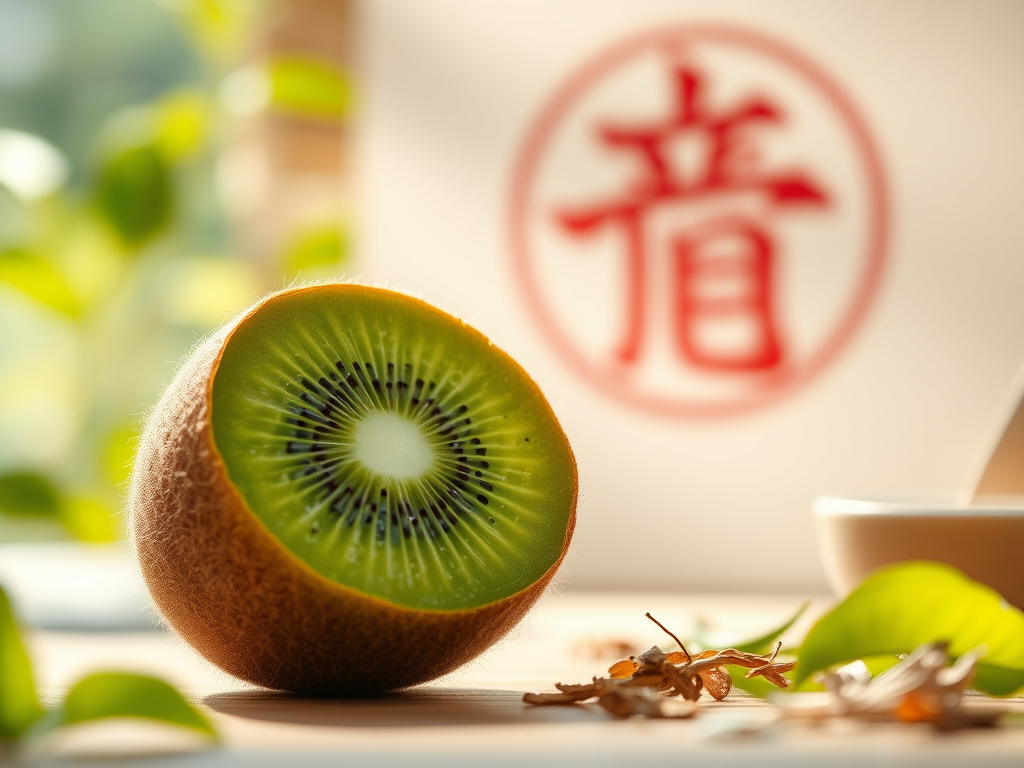
🥝 Kiwi: Ancient Origins & Modern Wisdom From Yang Tao to Global Superfruit “Most of us recognize the fuzzy brown fruit as a tangy snack or smoothie staple. But behind the vibrant green lies a tale of ancient botanical wisdom, cultural migration, and potent nutrition. 🌿 What Makes Nutrition “Potent”? In traditional Chinese medicine, yang…
 EJADA
EJADA 