EJADA
Living Healthy, Natural Healing, Herbal Health, and nutritional
Category: Healthy Living
-
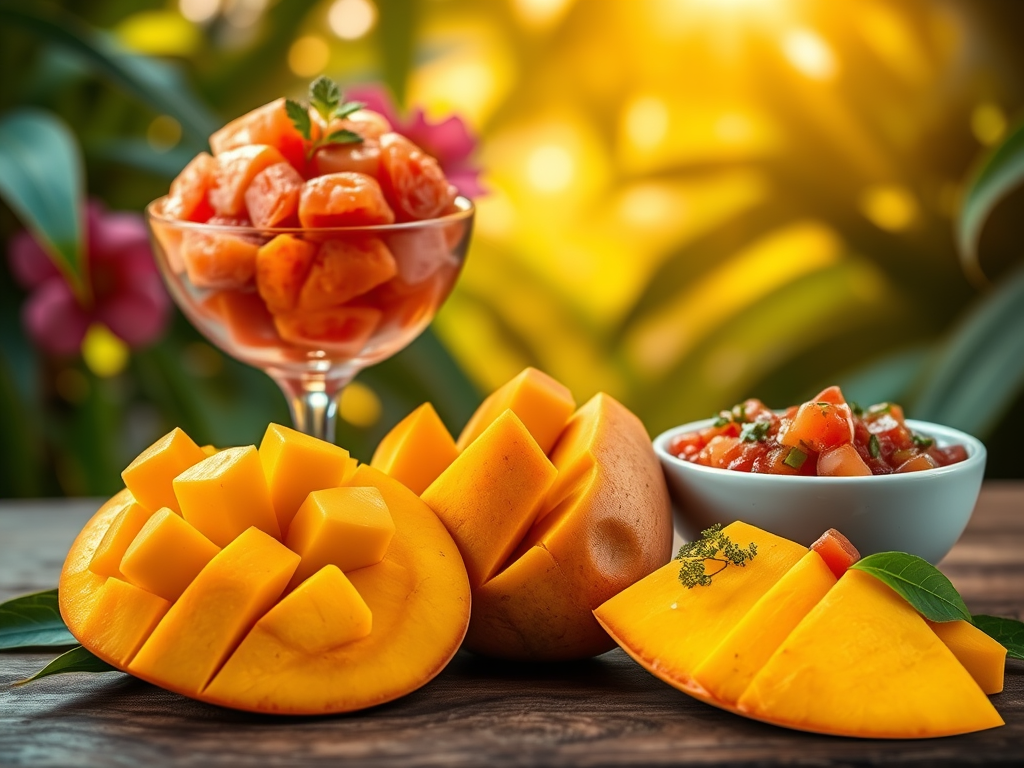
🧈 Lancetilla The Mango That Thinks Big Born from the bold fusion of Saigon spice and Mulgoba richness, the Lancetilla mango was cultivated by horticultural rebel Wilson Popenoe on his Honduran estate. With a velvety texture and gigantic proportions—often weighing 2–5 pounds each—this mango doesn’t just whisper sweetness, it shouts it. After stealing the spotlight…
-
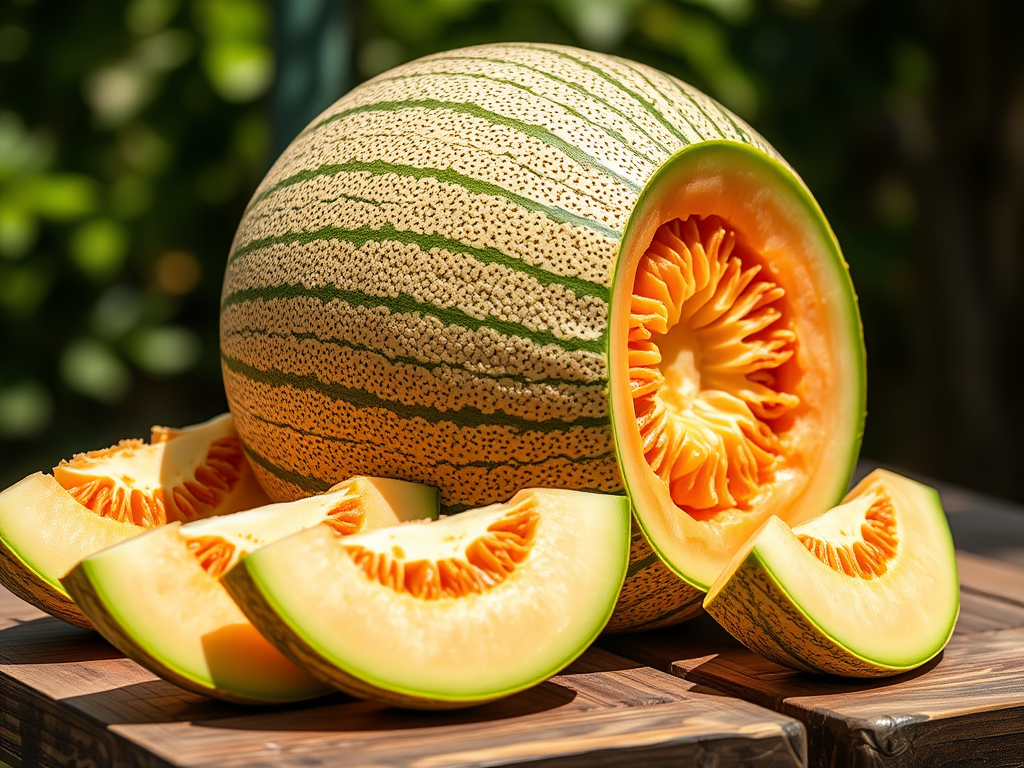
Have you ever heard of Lambkin? It’s one of those almost mythical fruits that slips under the radar, quietly holding its own in a world dominated by lychee, loquat, and the usual botanical celebrities. Lambkin’s story, much like its flavor, is subtle yet surprising. Lambkin melon, also known as sweet melon or a type of…
-
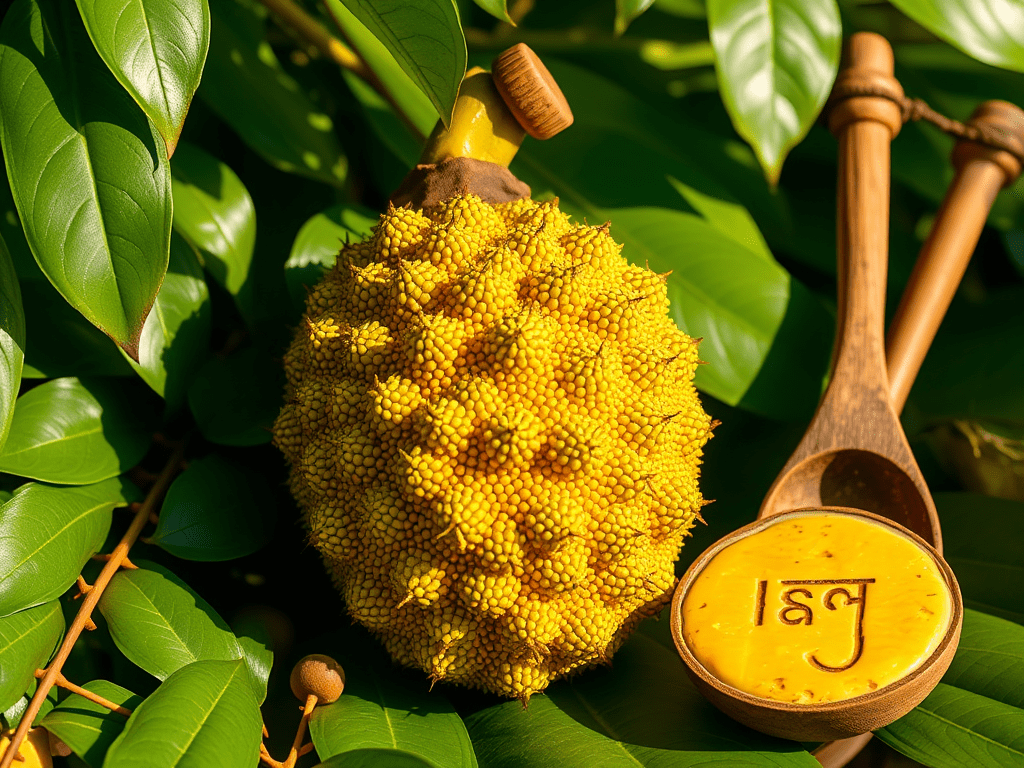
Lakoocha’s Origins & Early Uses Lakoocha, also known as monkey jackfruit (Artocarpus lacucha), is native to the humid sub-Himalayan regions of India and Southeast Asia. While it’s difficult to pinpoint a single individual or group who first cultivated it, historical texts like the Arthashastra—an ancient Indian treatise on statecraft and economics—mention the tree, suggesting its…
-
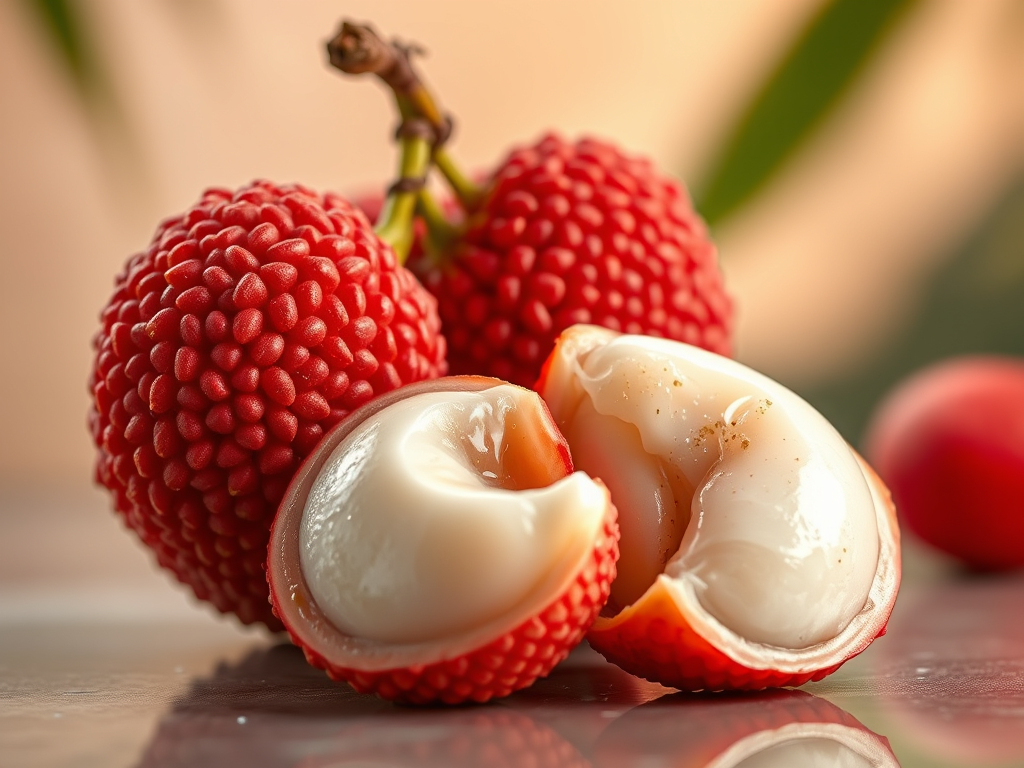
🌸 Lychee is best known for its sweet, floral flavor and distinctive appearance — a bumpy red shell encasing juicy, translucent white flesh with a single seed inside. It’s a tropical fruit native to China and Southeast Asia, often featured in desserts, drinks, and even wines.(Web MD) Lychee earned its imperial reputation thanks to a…
-
The loquat (Eriobotrya japonica) is a subtropical fruit that belongs to the rose family (Rosaceae)—the same botanical clan as apples, pears, and cherries. Here’s what makes it stand out: The loquat (Eriobotrya japonica) has ancient roots that stretch back over a thousand years. It wasn’t “discovered” in the modern sense, but rather cultivated and revered…
-
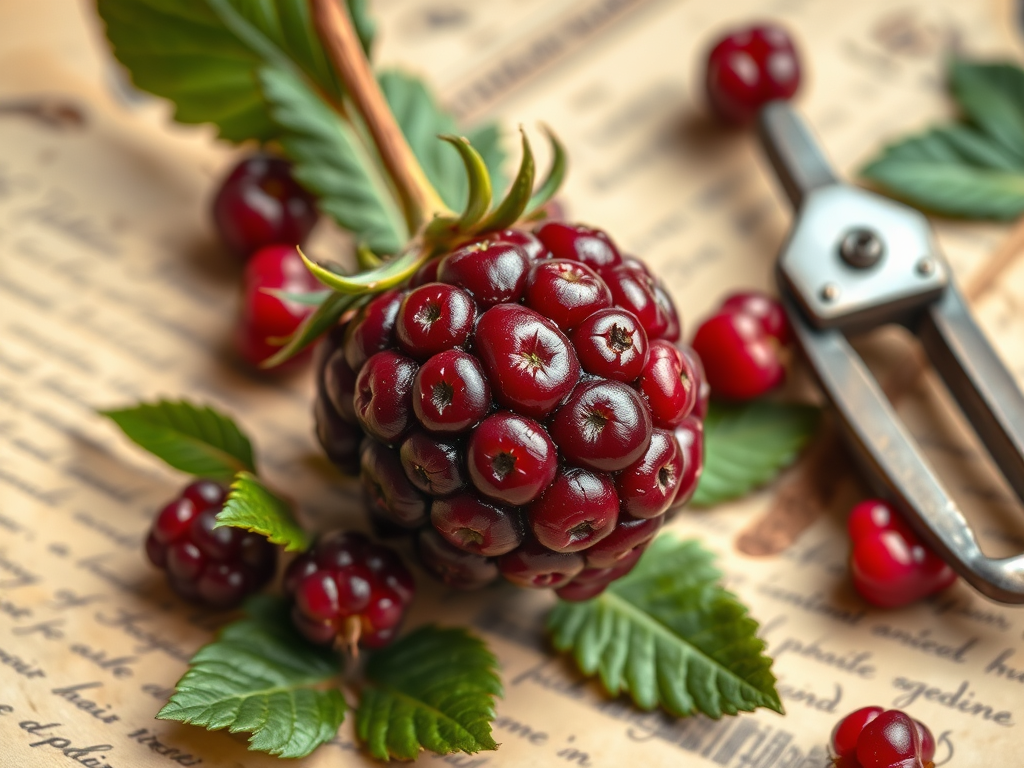
🍓 The Unlikely Birth of Loganberry: A Twist of Fate In 1881, Judge James Harvey Logan—a horticulturist by hobby and a man of curious spirit—set out to grow blackberries in Santa Cruz, California. What he got instead was something wholly unexpected: a natural cross between the blackberry (Rubus fruticosus) and raspberry (Rubus idaeus). This wasn’t…
-

🍋 Lemons and limes are tiny citrus powerhouses—and they’re good for far more than just adding zing to your water. Here’s a breakdown of what they’re both great for: 🌿 Shared Health Benefits Immune Boosting: Packed with vitamin C, they help strengthen your immune system and shorten the duration of colds. Antioxidant Rich: Contain flavonoids…
-
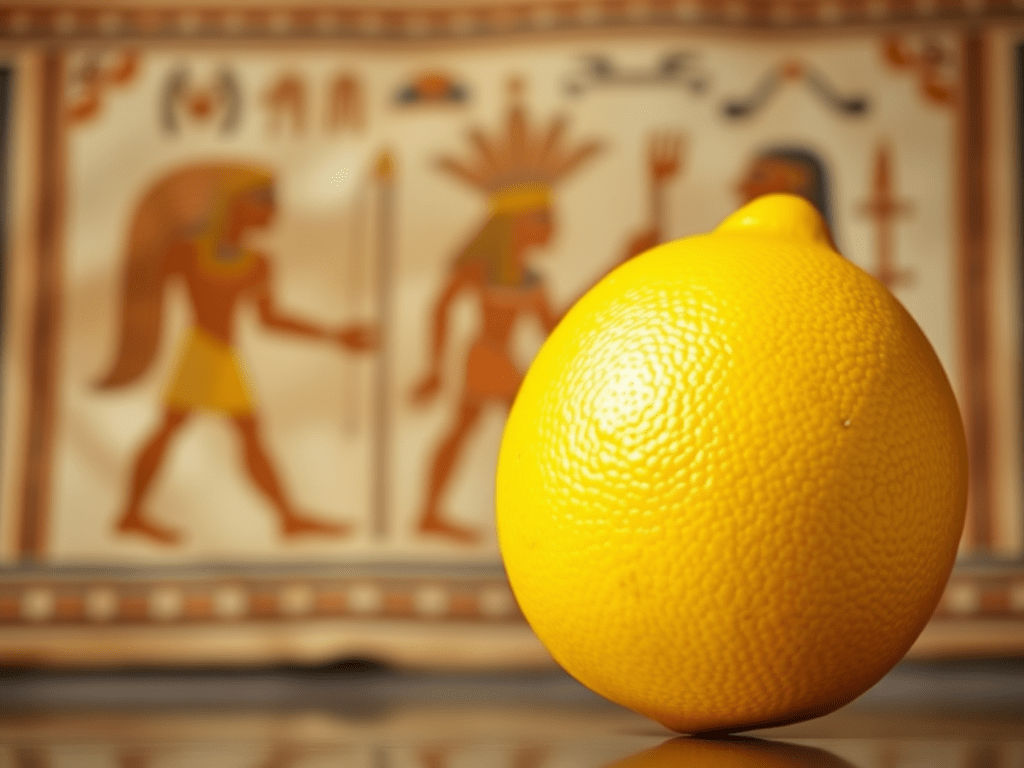
🟡 Lemon: A Familiar Fruit with Unfamiliar Roots Before it became a kitchen staple or beauty ingredient, the lemon’s journey began as a medicinal marvel and spiritual tool: 🍋 Their role in purification and protection spans continents and centuries: Ancient Rituals & Symbolism of Lemons 🍋 Lemon: A Symbol of Purification and Renewal Long before…
-
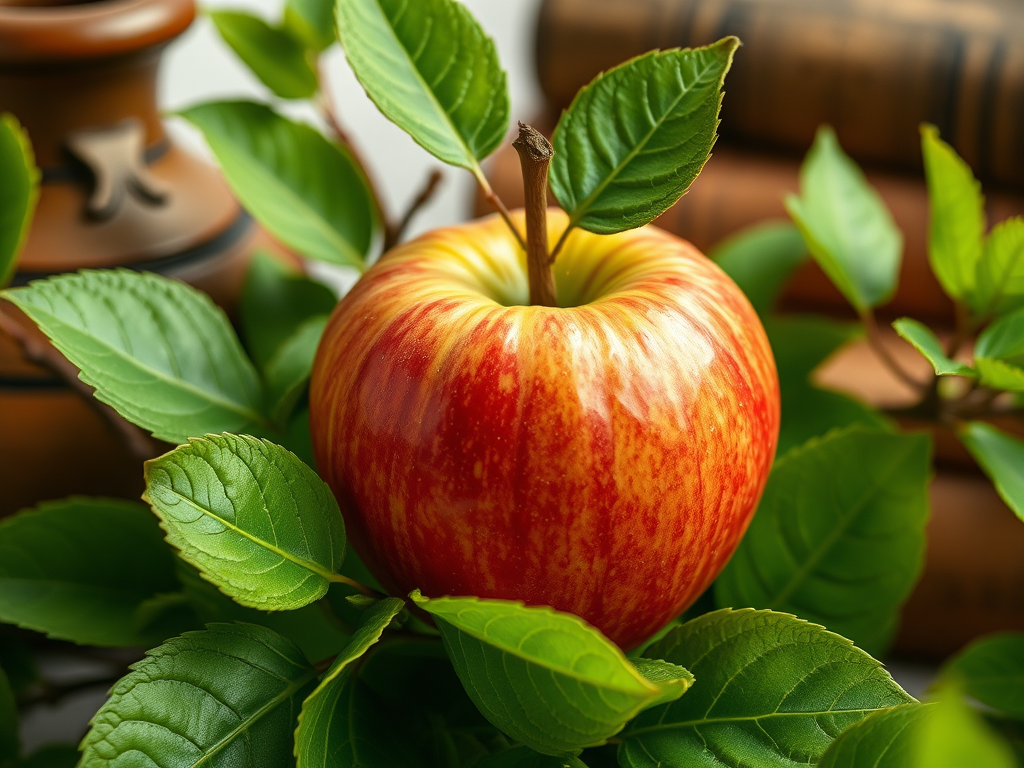
Lady Apple, or Pomme d’Api, might be small in size, but it’s mighty in legacy and health benefits. With roots tracing back to ancient Rome, this charming apple is a festive favorite that doubles as a nutritional powerhouse. 🍏 The Lady Apple — known historically as Pomme d’Api — is believed to date back to…
-
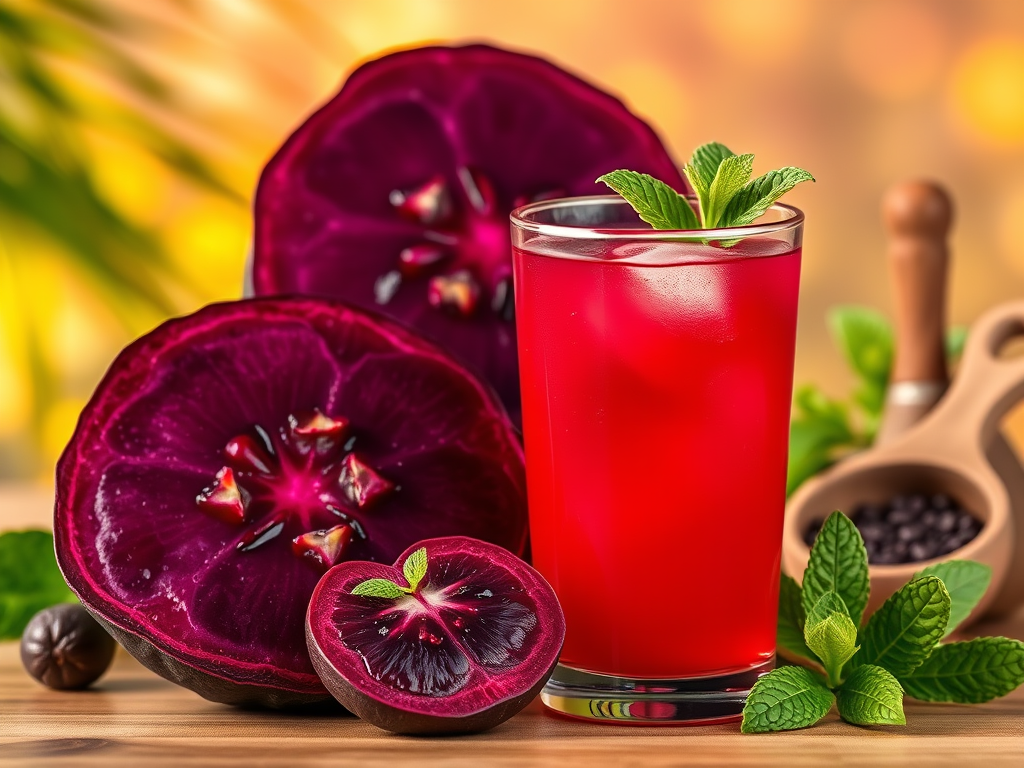
Kokum earns its place as a favorite for a whole bouquet of reasons—especially in traditional Indian wellness and culinary circles. 🌿 Here’s why it’s so beloved: Cooling & Hydrating 🧠 Antioxidant & Anti-inflammatory Power 🩺 Digestive & Metabolic Support ❤️ Heart & Immune Health 🧴 Skin & Hair Benefits Kokum isn’t just a fruit—it’s a…
-

Step aside acai and dragonfruit—there’s a new powerhouse fruit stepping into the spotlight, and it’s called Kowai. Native to select tropical regions and cherished in Indigenous cultures, this vibrant fruit doesn’t just look like a star—it performs like one too. 🧬 Nutrient-Rich and Vitamin-Packed The Kowai fruit is bursting with nutritional gifts: 🍴 How to…
-

In the arid heart of Australia, a rugged fruit thrives — Kutjera’s Chemistry of Resilience is more than poetic, it’s biochemical. Let’s explore its healing code. 🌞 This desert gem has a rich story woven through Indigenous tradition, nutrition, and resilience. Kutjera’s First Use by Aboriginal Peoples 🌾 Origins in the Dreaming 🧺 Harvesting with…
 EJADA
EJADA 