EJADA
Living Healthy, Natural Healing, Herbal Health, and nutritional
Category: Healthy Living
-
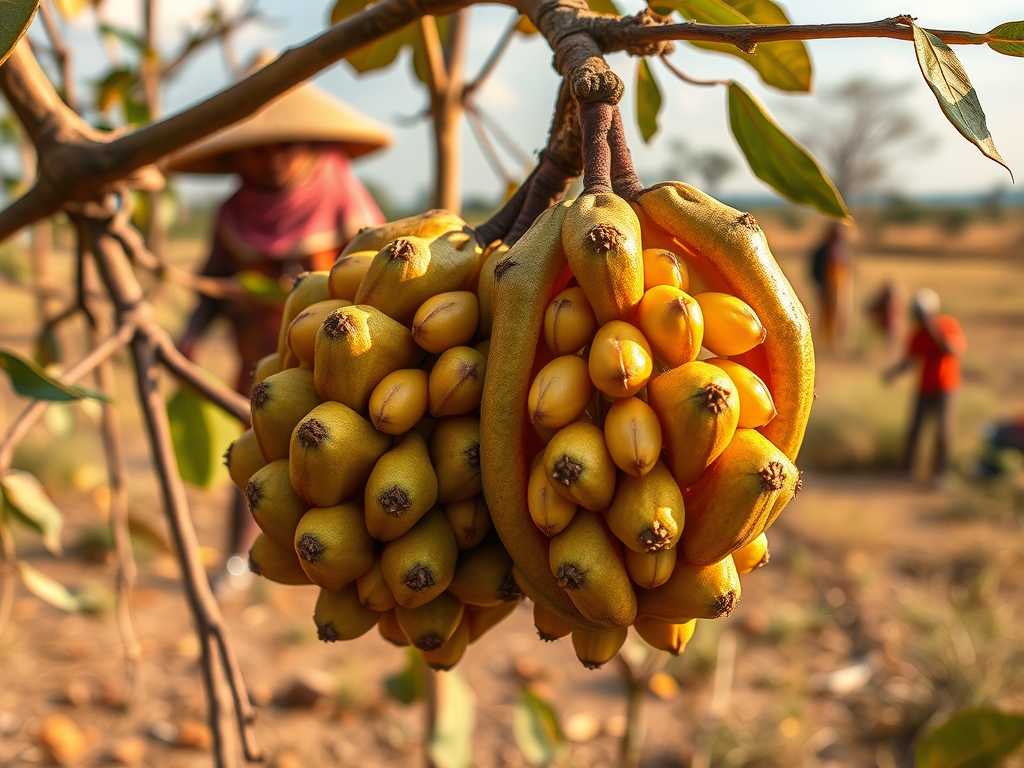
What is Néré Fruit? Parkia biglobosa, commonly known as Néré or African locust bean, is a multipurpose deciduous tree in the Fabaceae family. It can grow up to 30 m tall, features grey-brown bark, bipinnate leaves, and clusters of red or orange flowers. Its mature pods contain sweet pulp and edible seeds used for food,…
-
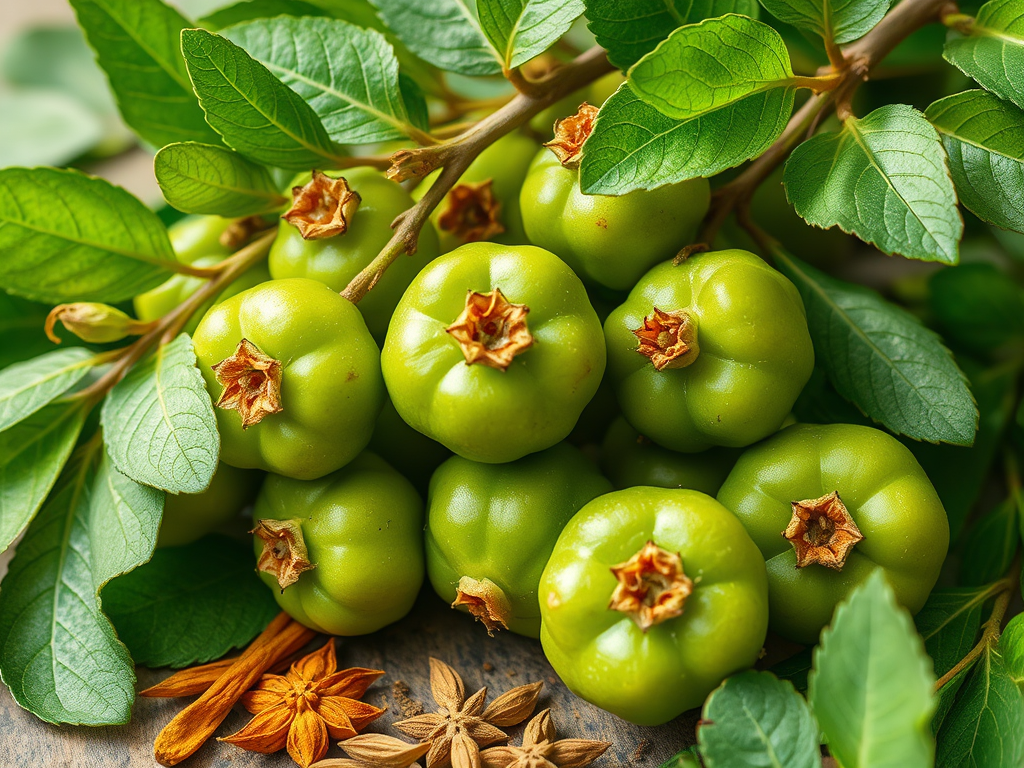
🌿 Nelli, also known as Indian gooseberry or Phyllanthus emblica, is revered for its extraordinary nutritional and medicinal properties. Here’s a breakdown of its significance and origins: 🌟 What Nelli Is Known For Superfood Status: Nelli is one of the richest natural sources of Vitamin C—up to 20 times more than oranges and 160 times…
-
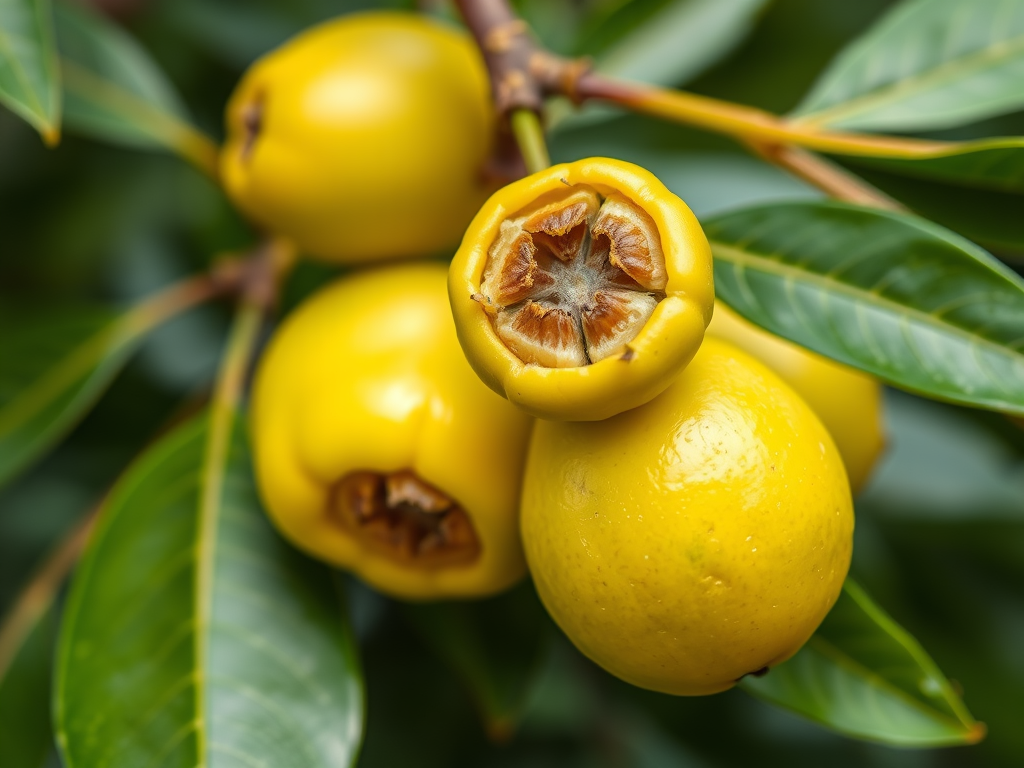
Neem fruit is a drupe—a smooth, olive-like fruit with a thin skin, fibrous pulp, and a hard inner shell that encloses one or more seeds Primary Taste: Bitter, due to compounds like azadirachtin and nimbin Secondary Notes: Slight sweetness in the pulp, especially when ripe Texture: Fibrous and soft, with a thin skin and hard…
-
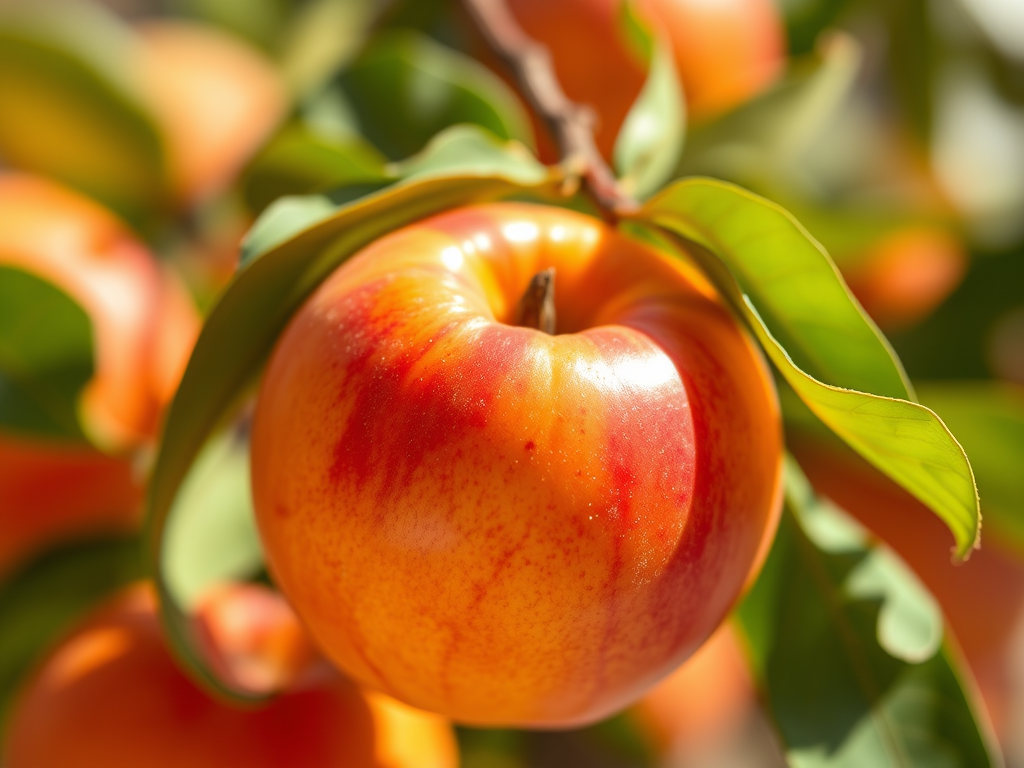
🍑 Sun-Kissed Immunity Booster Glow from the inside out with nature’s sweetest defense. Nectarines are a sweet, juicy powerhouse of nutrients wrapped in smooth skin. Here’s a breakdown of the nutritional value for one medium nectarine (about 142g): 🍑 Nutritional Profile Nutrient Amount % Daily Value (DV) Calories 63 — Carbohydrates 15g 5% Sugars 11g…
-
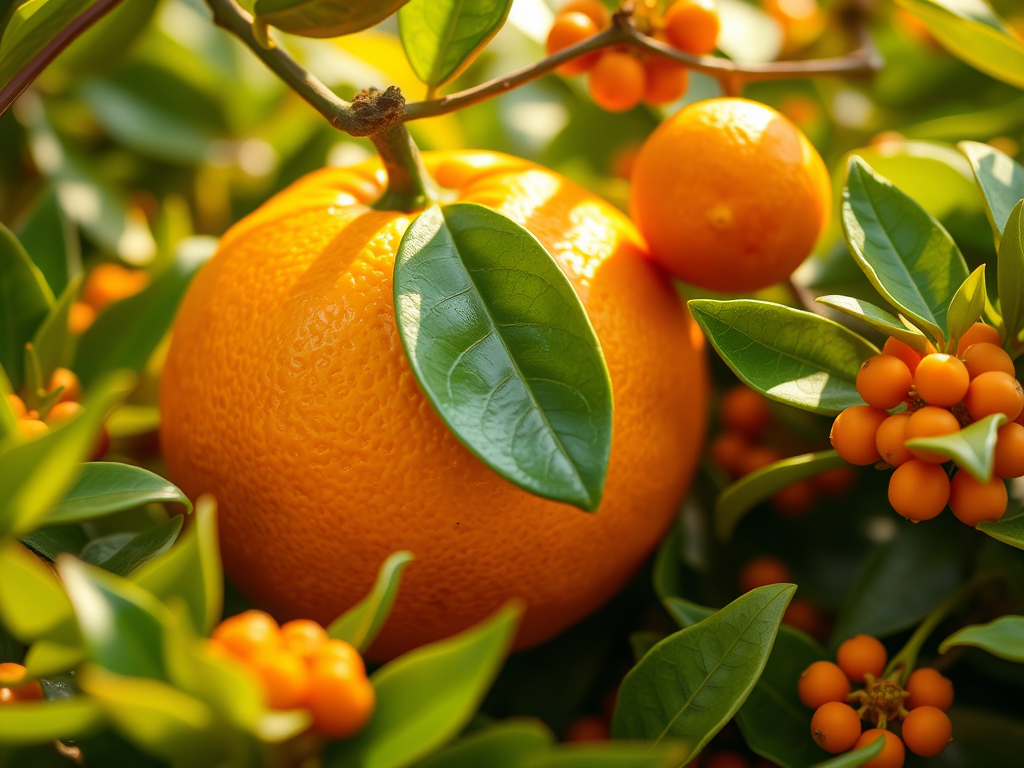
The humble Navel Orange—sweet, seedless, and surprisingly storied 🌱 Origins & Cultivation Birthplace: The Navel Orange originated from a spontaneous mutation in the early 1800s in a monastery garden in Bahia, Brazil. Cultivation History: In 1873, two cuttings were sent by the USDA to Eliza Tibbets in Riverside, California, who planted them in her front…
-
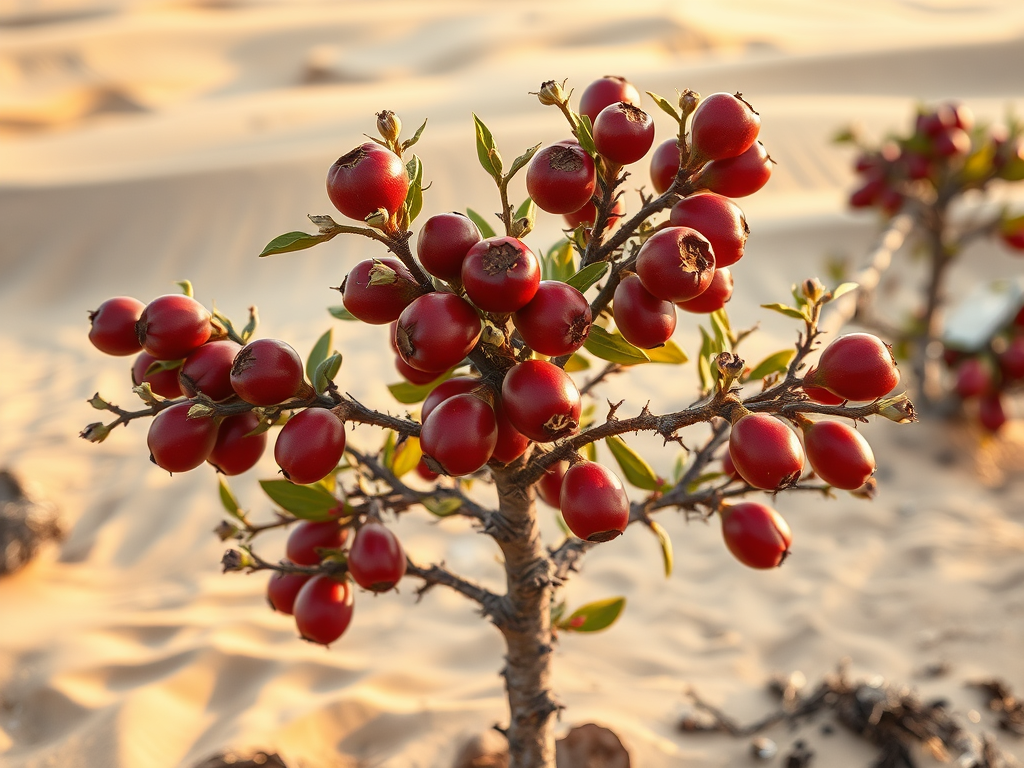
🌺 Natal Plum: First Cultivated, Forever Ceremonial Carissa macrocarpa | Amatungulu | Grootnoem-noem 🧬 First Cultivation & Botanical Origins The Natal Plum was first formally described by Danish naturalist Christian Friedrich Ecklon in the 19th century, but its cultivation predates colonial records. Indigenous communities along the coastal dunes of Natal, South Africa, had long nurtured…
-
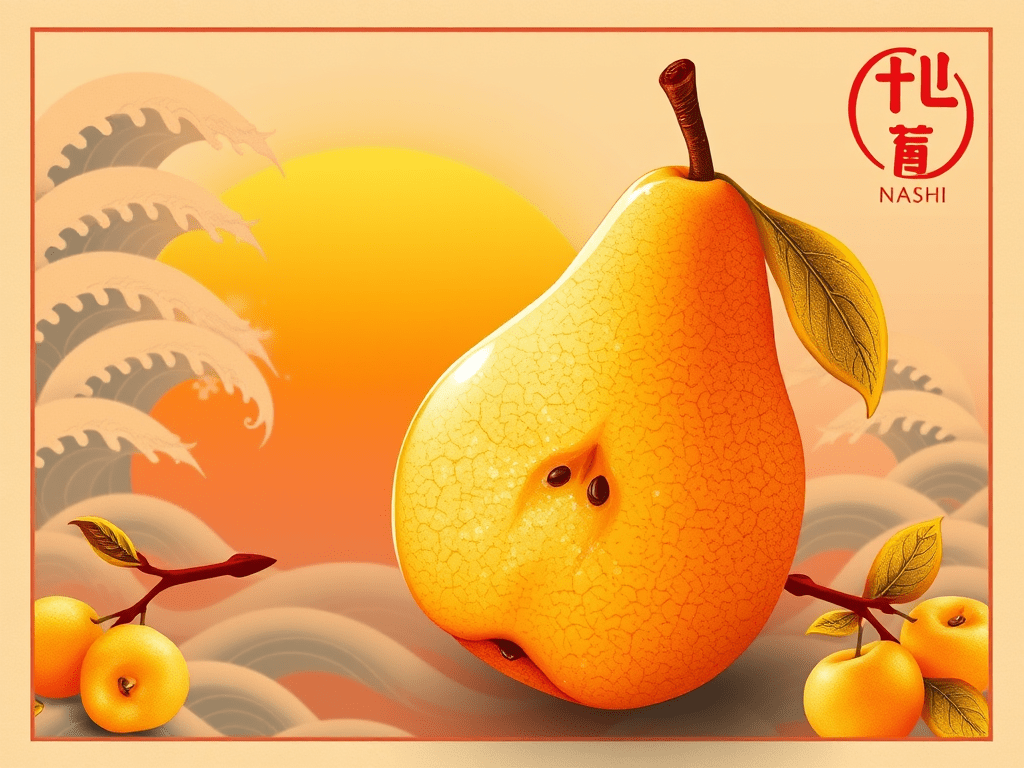
🥂 Meet the Nashi Pear: Nature’s Juicy Paradox Imagine biting into a fruit that looks like an apple, crunches like an apple… but floods your senses with the delicate sweetness of a pear. That’s the Nashi pear—Japan’s golden orb of hydration and health, cultivated for over 3,000 years and still stealing the spotlight. With its…
-
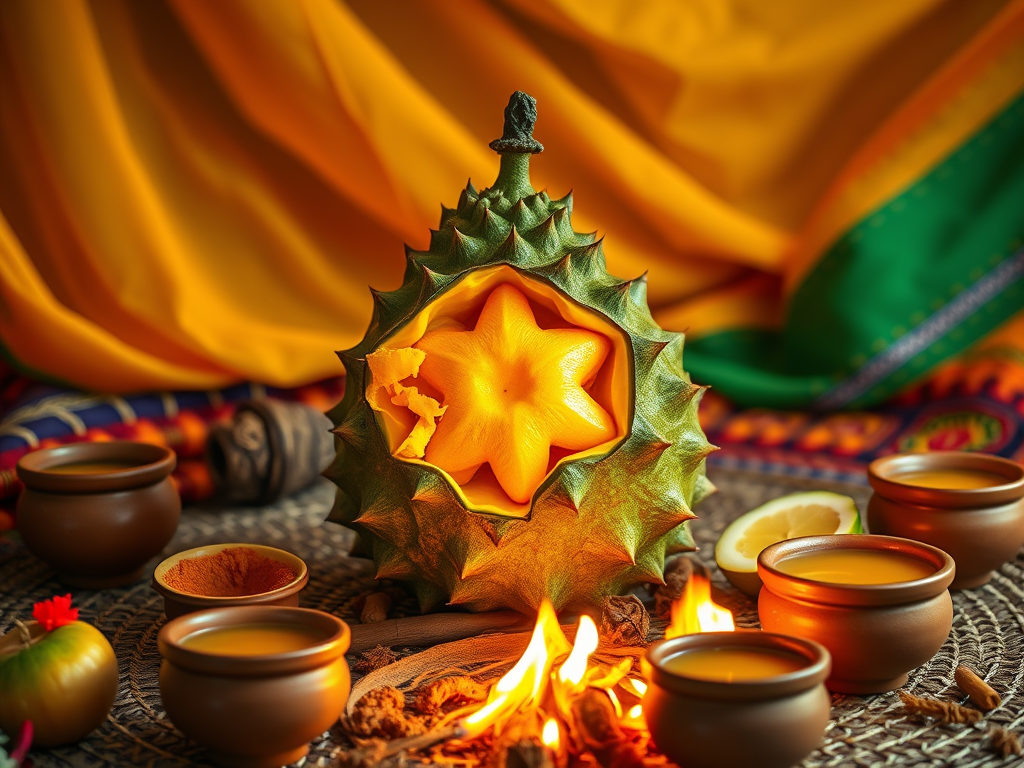
🔥🍊 Ceremony of the Ember Fruit: A Naranjilla Invocation A Pair of Fiery Festivals – The Atlantic www.theatlantic.com They evoke the ceremonial energy you’re channeling: firelight gatherings where elders chant in rhythm with the crackling flames, fruit offerings laid on woven mats dyed with annatto and turmeric, and vibrant cultural attire that mirrors the Naranjilla’s…
-
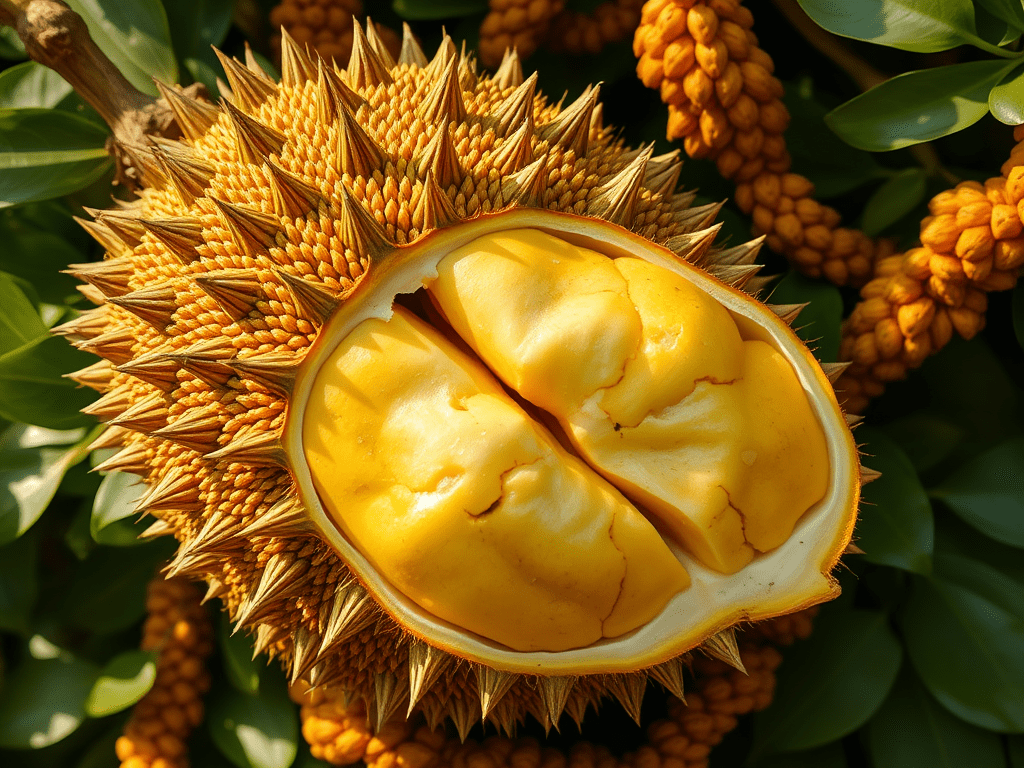
Exploring Nangka: A Traditional Fruit’s Cultural Significance Bhutanese song titled “Jigten Zamling Nangka” originally sung by Lopen Jigme Drukpa. It’s a melodic piece that blends traditional rhythm with poetic storytelling, and while “Nangka” in this context doesn’t refer to the jackfruit, the title evokes a lyrical resonance that might inspire your own fruit-themed creations. Nangka…
-

Nanceberry is a treasure trove of flavor, tradition, and cultural depth. 🌿 Origin & First Cultivation 🍯 Early Purposes & Cultural Uses Purpose Description Culinary Used in tepache (fermented drink), jams, candies like dulce de nance, and desserts like pesada de nance3 Medicinal Bark and fruit used to treat fevers, inflammation, and as a diuretic…
-
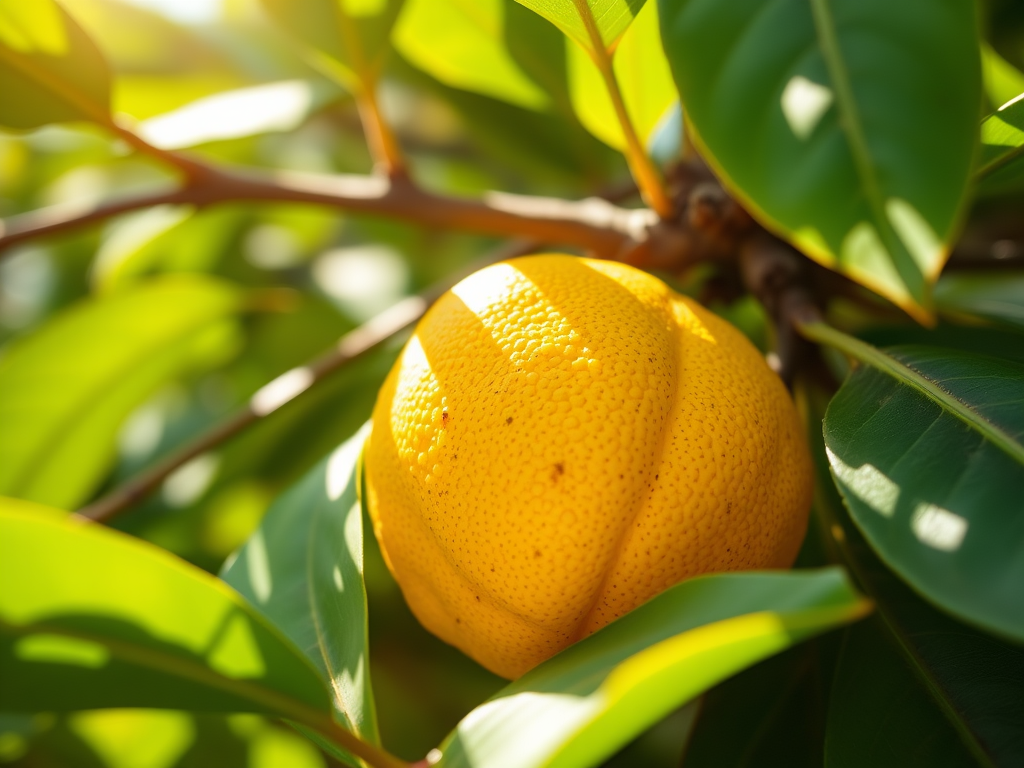
🌞 Meet Nance: Central America’s Golden Rebel of the Fruit World Tiny, tangy, and totally unforgettable—Nance (Byrsonima crassifolia) is the tropical treasure you didn’t know you needed. Native to the sun-drenched forests of Central and South America, this golden-yellow fruit packs a punch of flavor that’s part tropical dream, part cheesy surprise. 🍒 Looks Like…
-
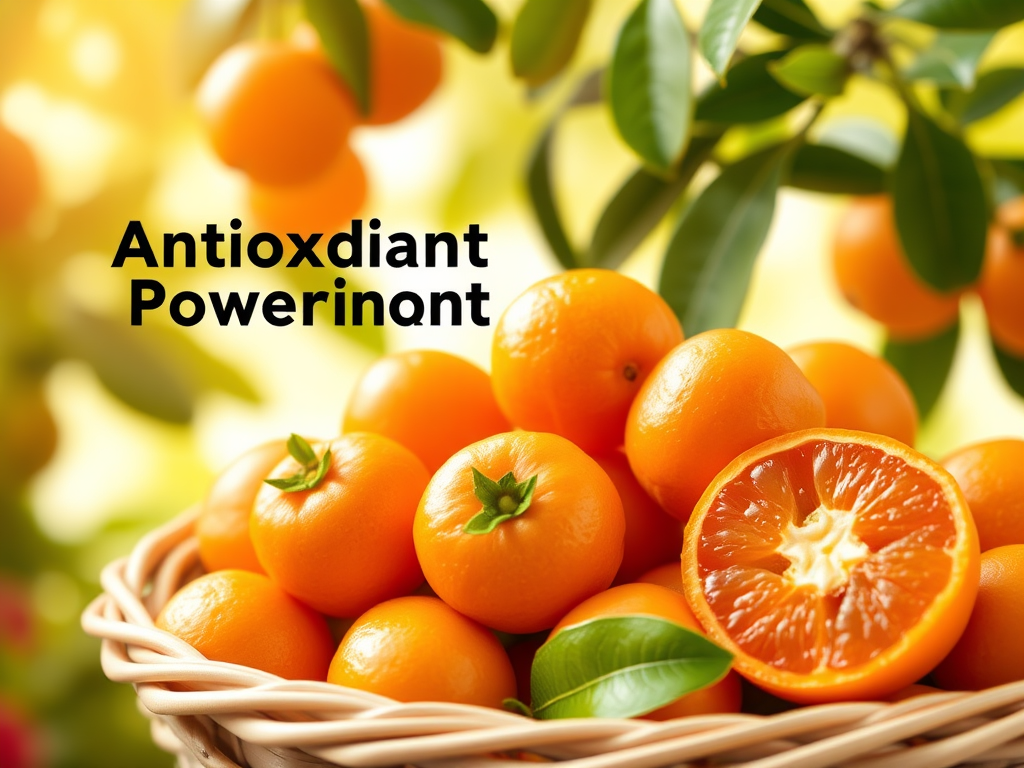
🍊 Nagami Kumquat: The Fruit That Forgot How to Be Subtle If citrus had a daredevil cousin who roller-skates into your taste buds wearing a sour cape and a sweet grin—it’d be the Nagami Kumquat. This tiny oval fruit doesn’t wait for you to peel it. Nope. It shows up fully dressed, skin and all,…
 EJADA
EJADA 