EJADA
Living Healthy, Natural Healing, Herbal Health, and nutritional
Category: Healthy Fruits
-
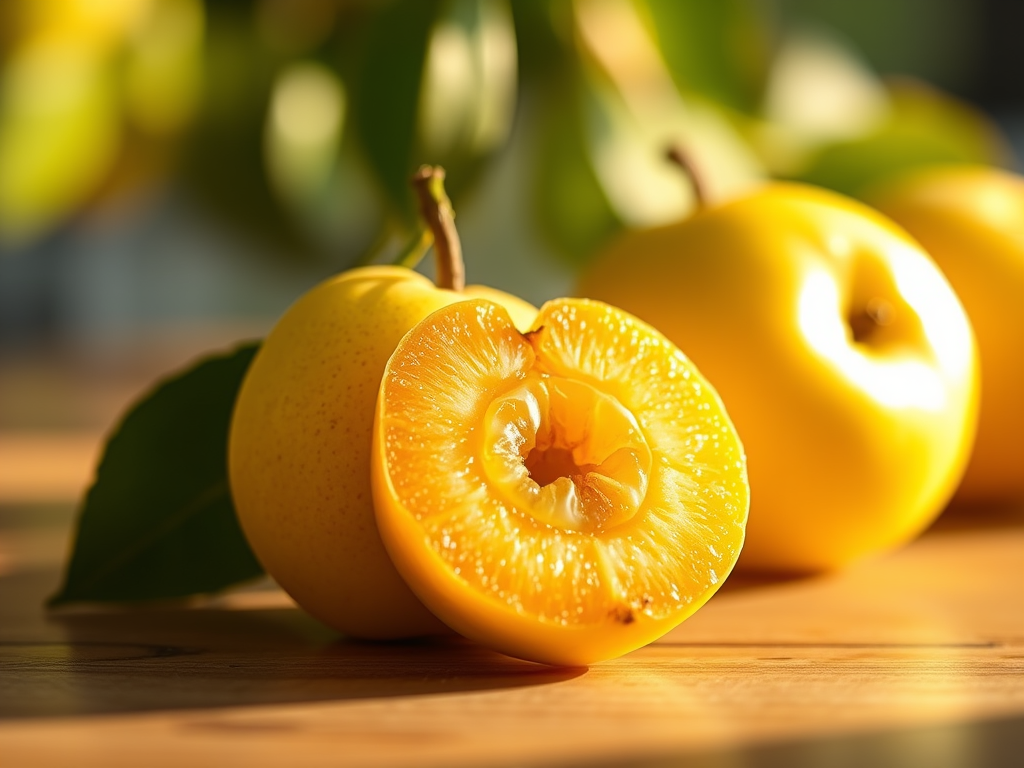
The Sierra Lemon Plum A bright, fragrant hybrid that tastes like sunshine held in the palm of your hand. Because the Sierra Lemon Plum is a modern hybrid plum variety, it does not have a single discoverer or a documented “first cultivation” date, unlike heritage fruits. Instead, it emerged through selective breeding programs in the…
-
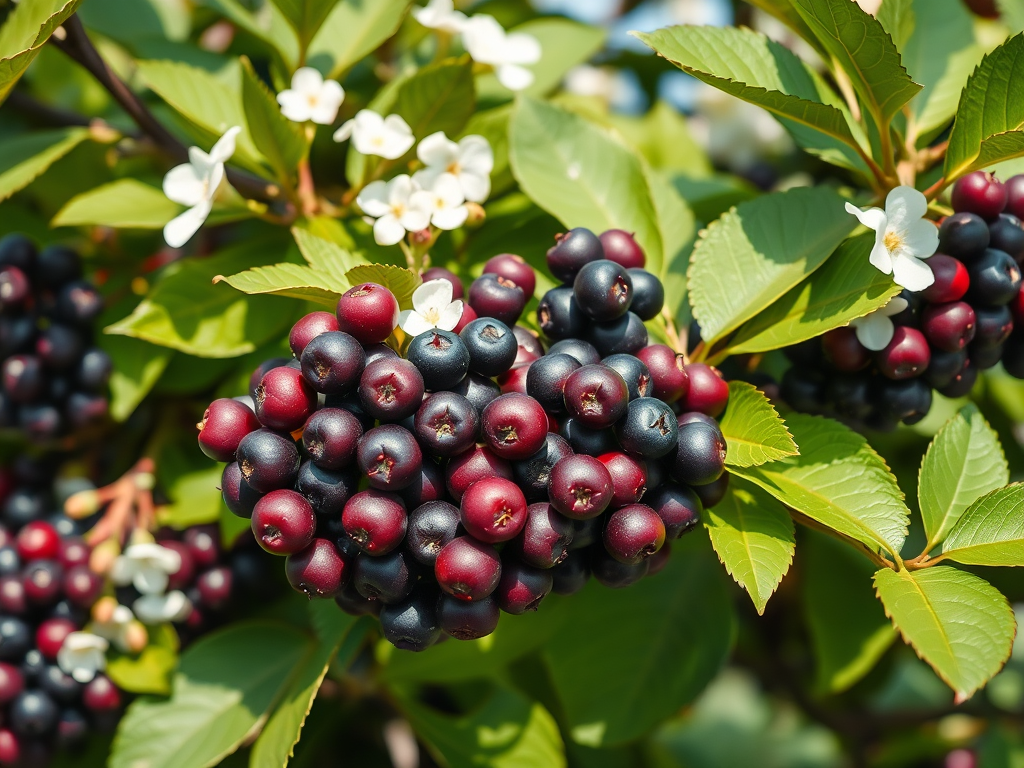
🌿 Service Berry: North America’s Forgotten Superfruit of Resilience, Ritual, and Deep Nourishment Some fruits arrive with fanfare — bright colors, loud marketing, trendy labels. And then there are fruits like the Service Berry: quiet, ancient, and profoundly generous. It doesn’t shout for attention. It simply grows — faithfully, season after season — offering nourishment…
-
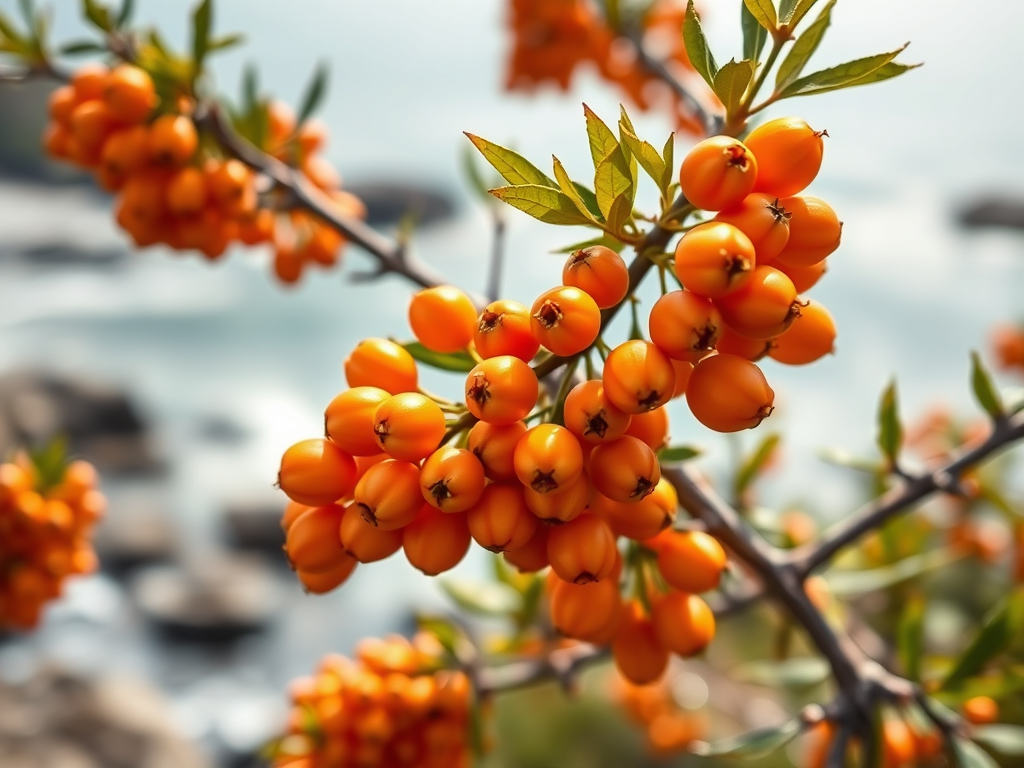
🌿 What Is Sea Buckthorn? Sea Buckthorn (Hippophae rhamnoides) is a small, vibrant orange berry that grows on thorny shrubs along coastlines, riverbanks, and high‑altitude regions. Despite its name, it has no relation to buckthorn — the name comes from its tendency to grow near the sea and its thorny branches. Its flavor is bold…
-
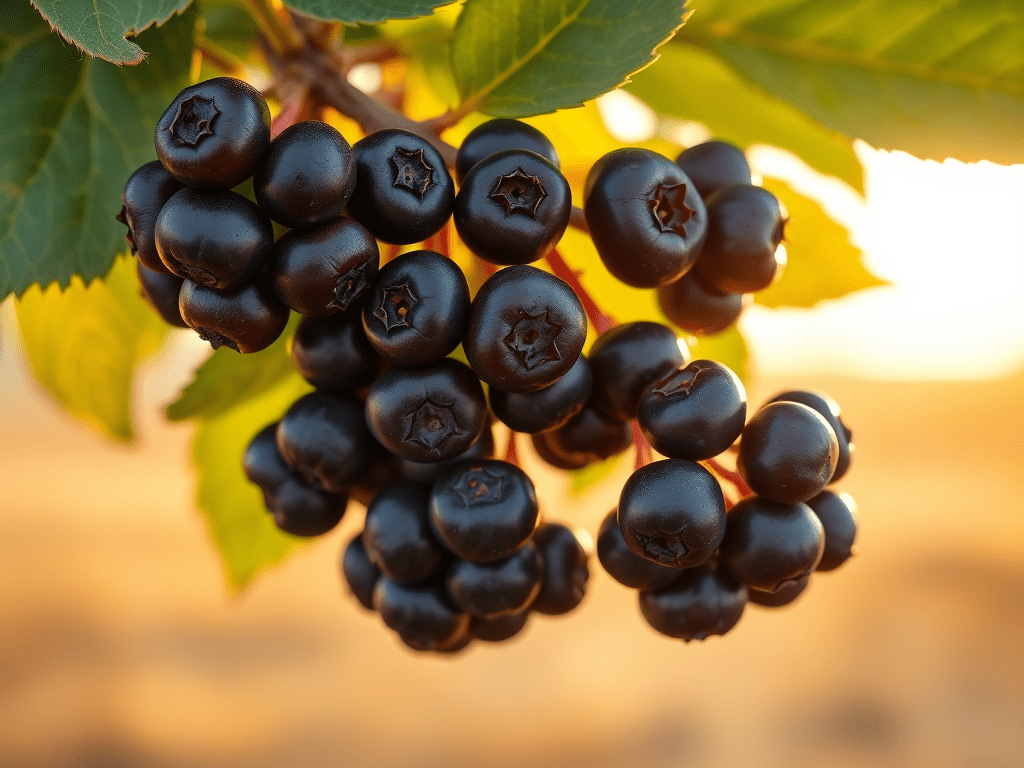
✨ The Saskatoon Berry: A Heritage Fruit Rooted in Culture, Healing, and History The Saskatoon Berry is more than a fruit — it is a story carried through generations, a small purple‑blue jewel woven into the land, the people, and the traditions of North America’s prairies. 🌿 What Kind of Fruit Is the Saskatoon Berry?…
-
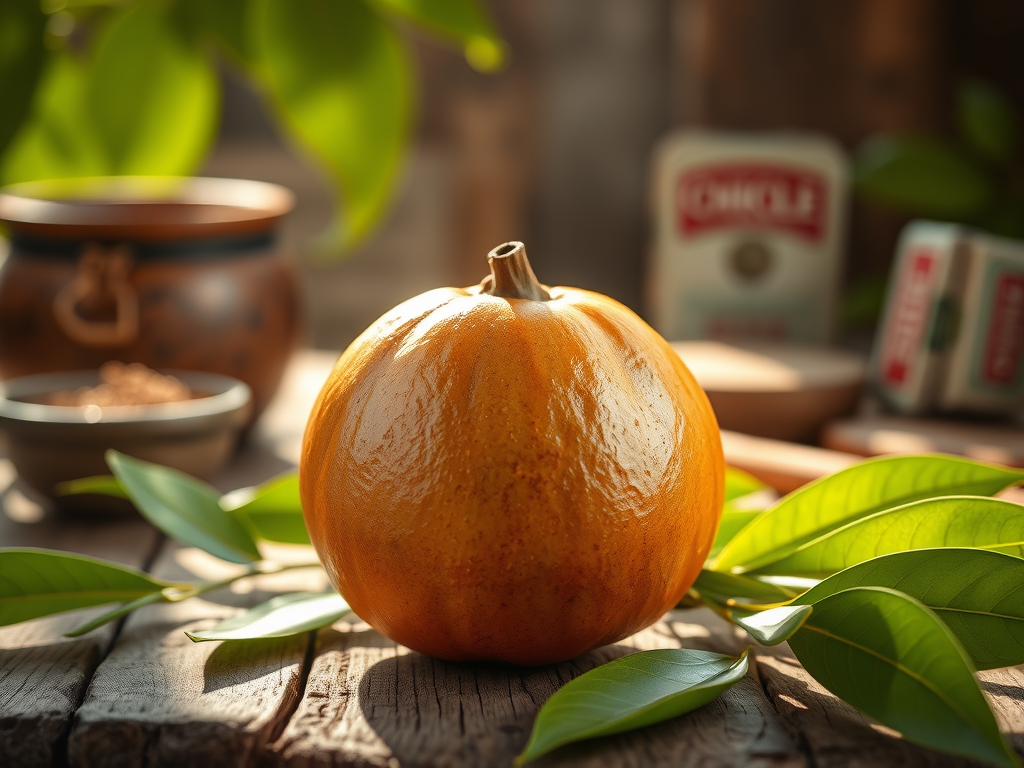
Sapodilla — also known as Manilkara zapota, chikoo, naseberry, or sapota — is one of those fruits that feels like a hidden treasure. Soft, caramel‑sweet, and deeply nourishing, it has been cherished for centuries across the Caribbean, Central America, South Asia, and beyond. But its story begins long before it reached global kitchens. 🌱 Where…
-
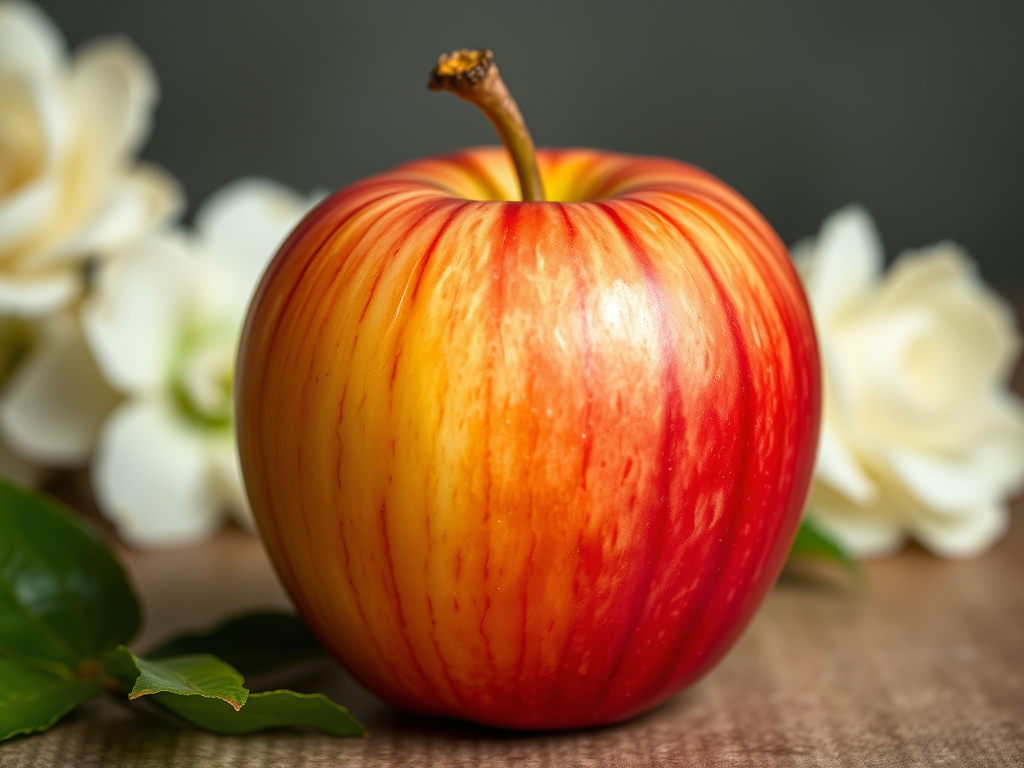
🍎 Royal Gala Apple Sweetness With a Crown, Crispness With a Story Some apples are born ordinary. Some are bred for markets. And then there are the ones that earn a title. The Royal Gala Apple is not just a fruit — it’s a crowned descendant of two legendary apple lineages, blessed by a queen,…
-

🍋 Rough Lemon: The Wild Citrus With a Story in Its Skin (Citrus × jambhiri) Some fruits announce themselves with sweetness. Some with color. Rough Lemon announces itself with texture—a thick, wrinkled, deeply creased rind that looks like it has lived a life. Native to India and carried across continents by explorers and growers, Rough…
-
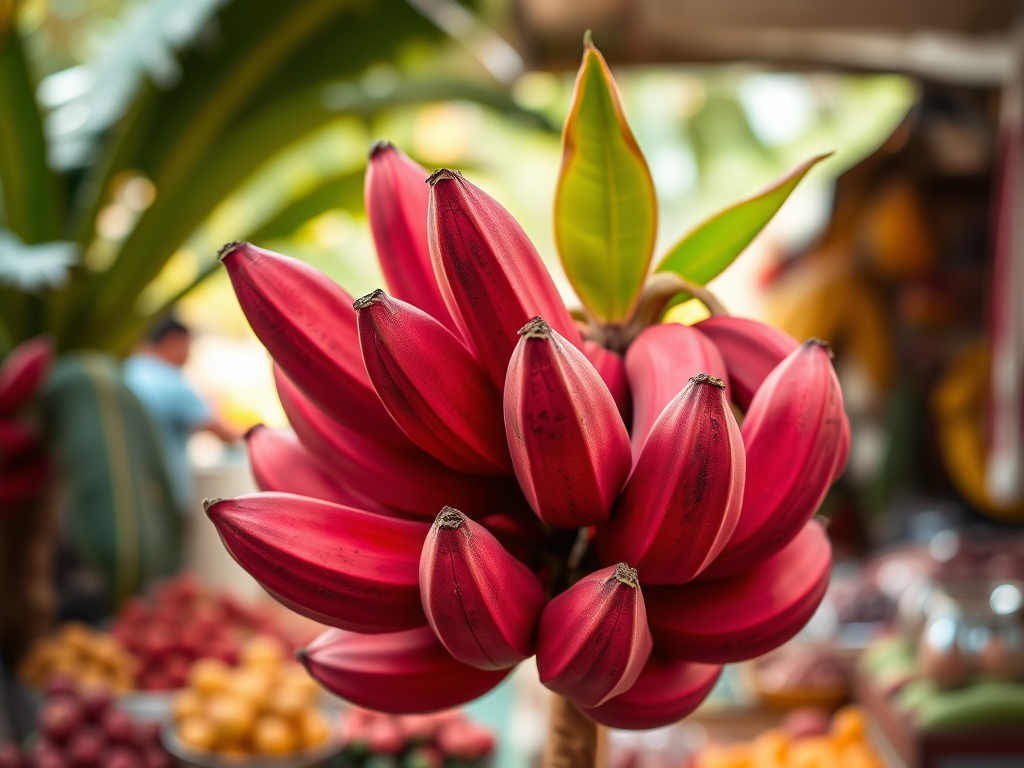
🍌 Red Bananas: The Sweet, Scarlet Jewel of the Banana World When most people picture a banana, they imagine the familiar yellow curve sitting in a fruit bowl. But tucked into tropical markets from Southeast Asia to the Caribbean is a far more intriguing cousin — the Red Banana, a fruit with a story as…
-
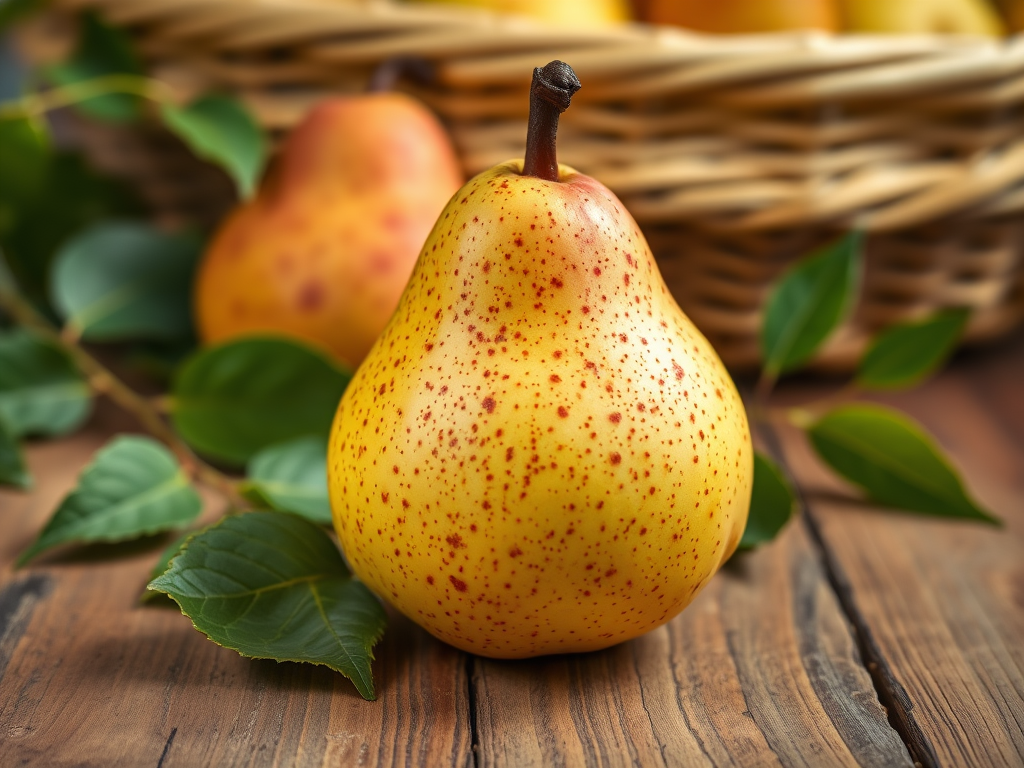
The Forelle Pear (sometimes marketed as the Queen’s Forelle Pear) is a small, bell‑shaped European pear variety that originated in Saxony, Germany in the 1600s. Its name Forelle means “trout” in German, referring to the pear’s distinctive red freckles (lenticels) that resemble the speckled skin of a rainbow trout. It was introduced to the United…
-
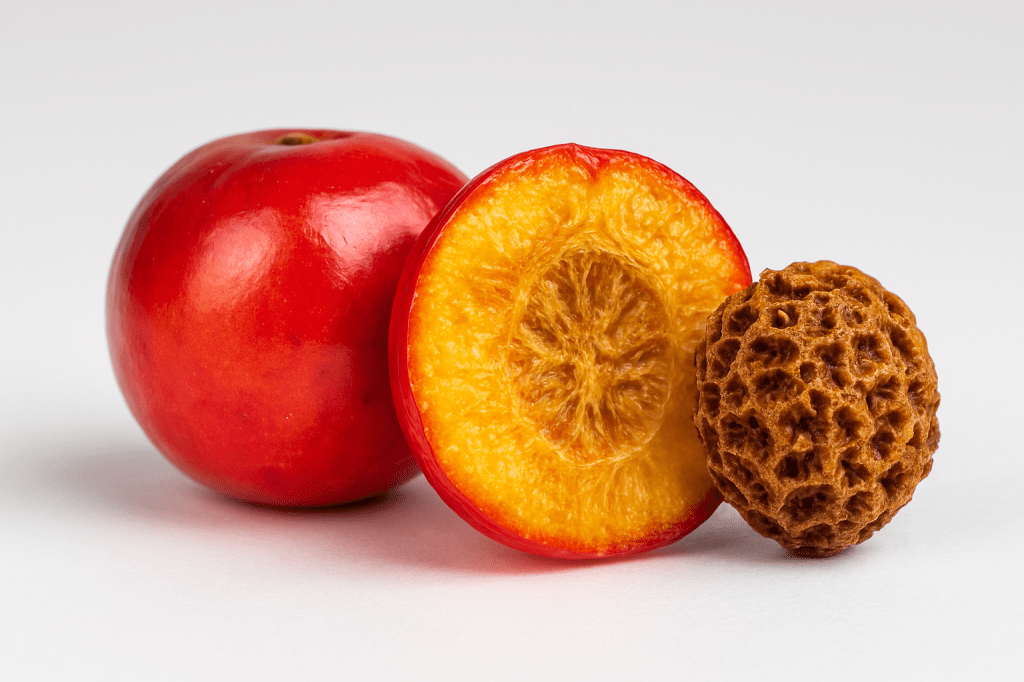
The Quandong, better known as the “native peach,” is celebrated for its vibrant red fruit and tart-sweet flavor, but lesser known for its deep ceremonial and medicinal roles in Indigenous Australian cultures. It was first cultivated and revered by Aboriginal peoples across southern and central Australia, especially in Victoria’s western plains and desert regions. 🌿…
-

I’ve heard of a pink elephant, but never have I heard of a Pink Lemon. And unlike the elephant, this one’s not just a metaphor for your unresolved emotional baggage—it’s real, it’s citrusy, and it’s fabulous. 🍋 What in the Fruit Is a Pink Lemon? Discovered in California sometime in the early 20th century (probably…
-
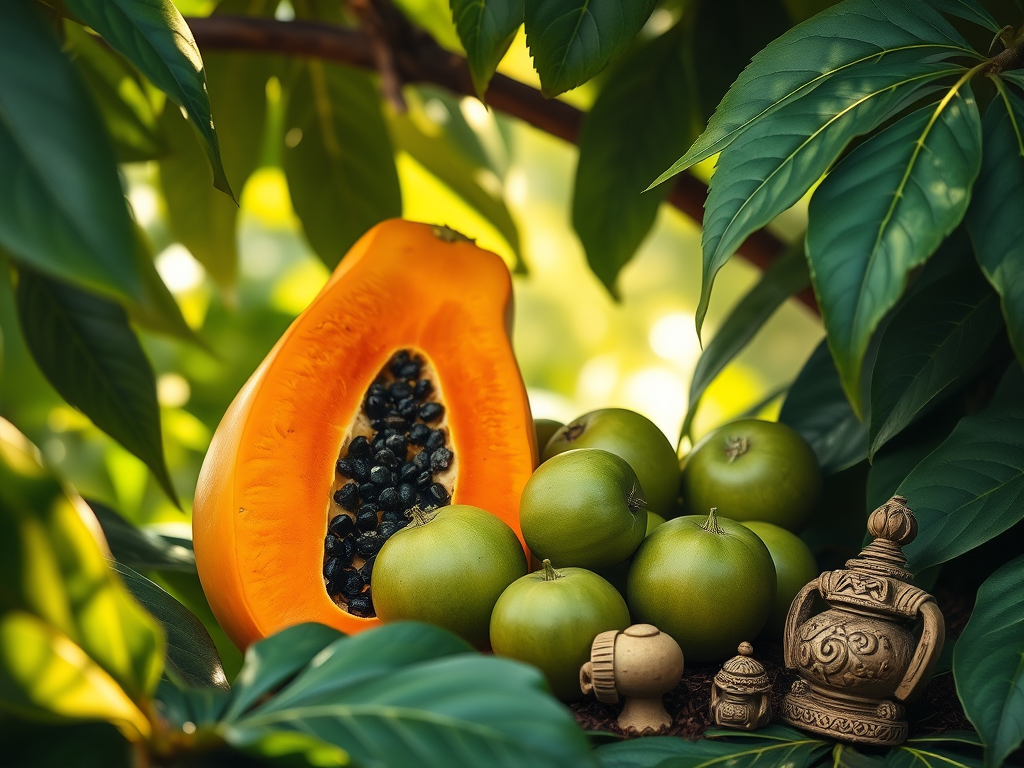
🍃 The Healthy Fruit Trail: P is for Papaya We’ve arrived at the lush gateway of the letter P, and our first companion is the Papaya—a fruit as ancient as it is enzyme-rich. Cultivated by the Maya and Aztecs as early as 4000 BCE, papaya was more than food; it was a digestive ally, a…
 EJADA
EJADA 