EJADA
Living Healthy, Natural Healing, Herbal Health, and nutritional
Category: Healthy Fruits
-
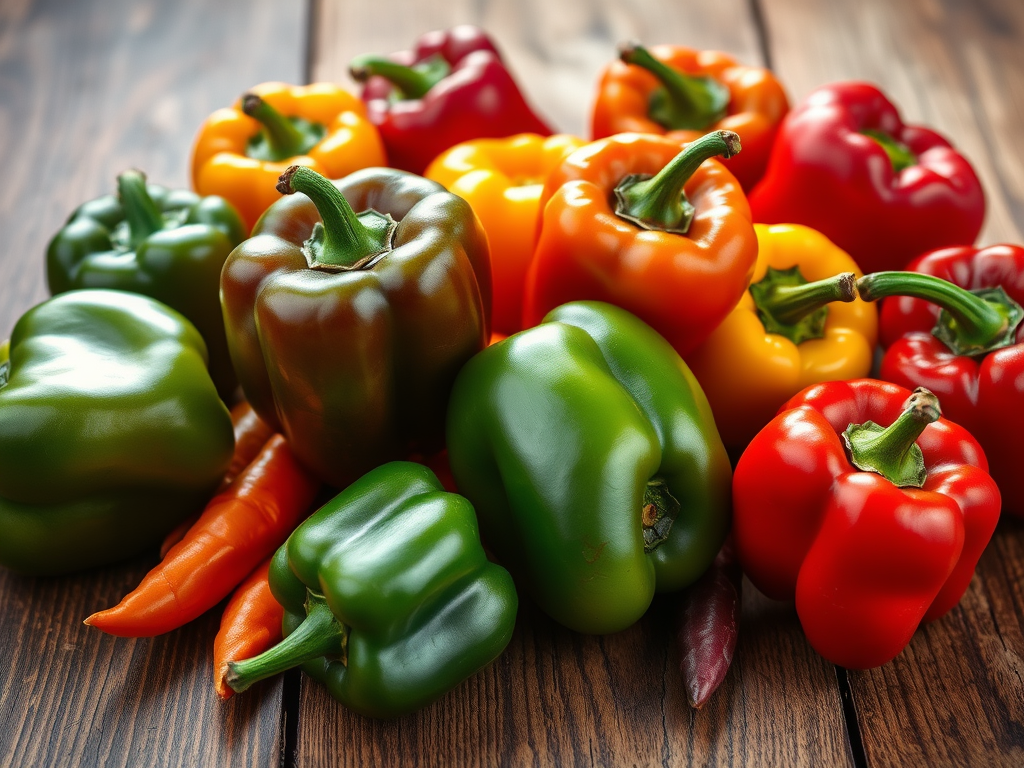
🫑 Sweet Pepper: Fruit or Vegetable? Botanically: It’s a Fruit Culinarily: It’s Used as a Vegetable 🌿 Simple Summary Sweet pepper = fruit by nature, vegetable by usage. The Sweet Pepper: Discovery, Origins, Uses, and Benefits The sweet pepper — crisp, colorful, and quietly powerful — has traveled a long path from ancient fields to…
-
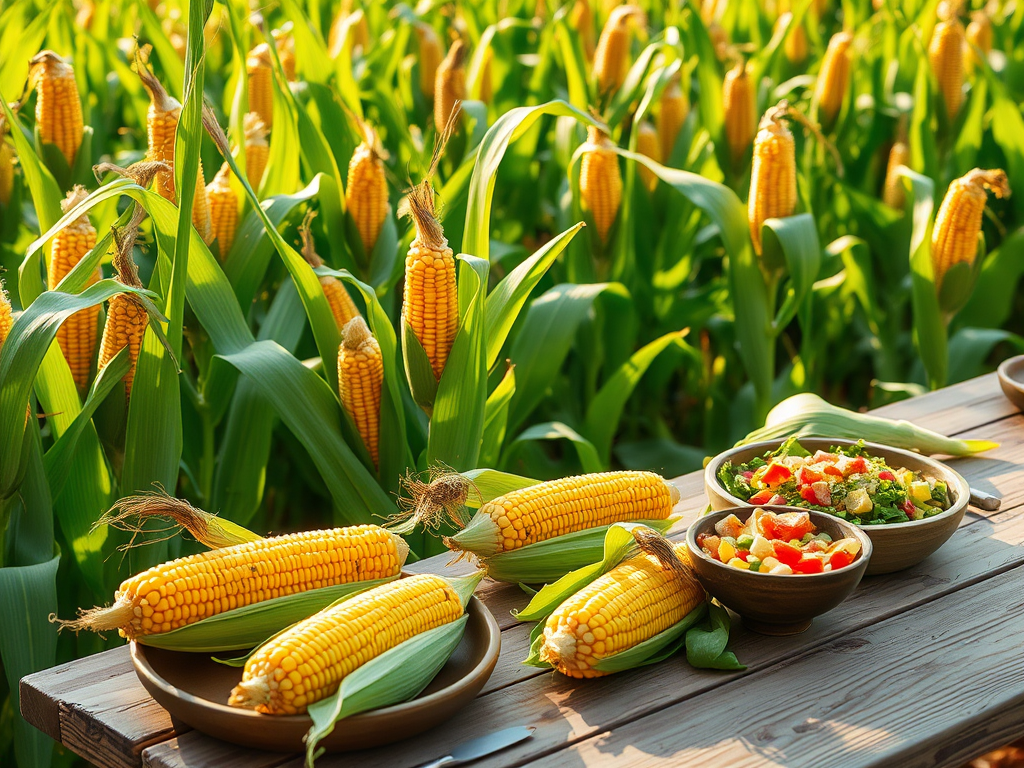
**Sweet Corn: Fruit, Vegetable, or Grain? A Food With Three Identities and One Story** A Food With History, Warmth, and Everyday Magic Sweet corn is one of those foods that feels like home — a summer table staple, a backyard‑grill companion, a comfort food that crosses cultures and generations. Yet beneath its familiar sweetness lies…
-
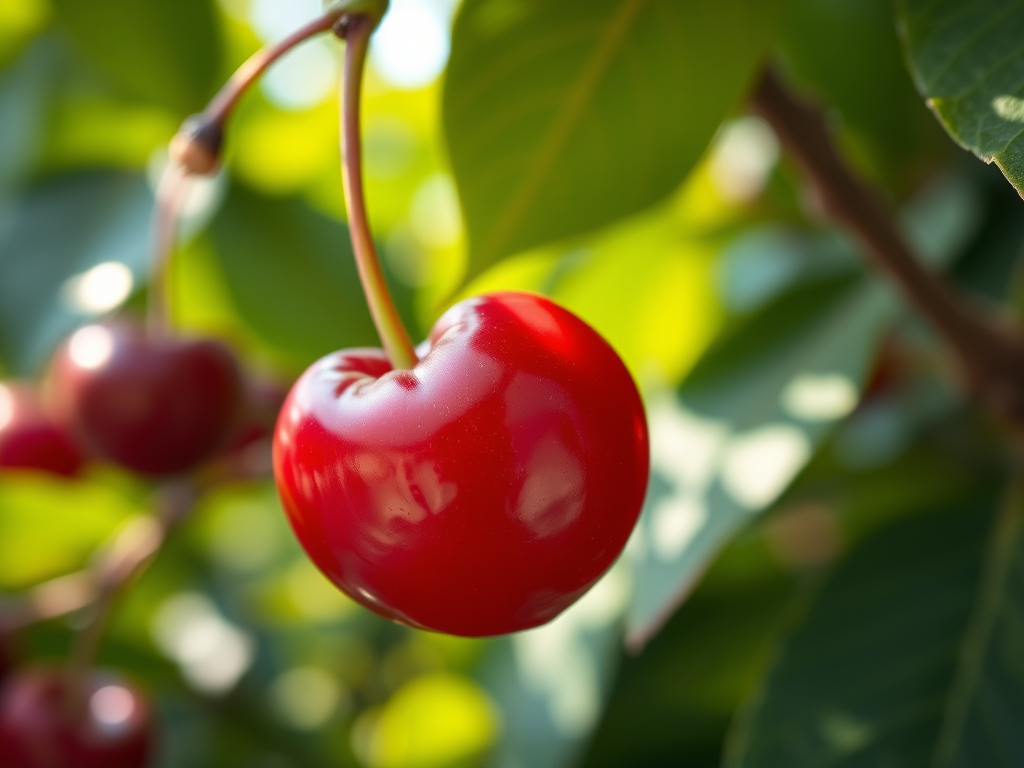
Surinam Cherry: The Scarlet Jewel of Tropical Gardens A Fruit With Fire, History, and Heart Tucked into hedges, home gardens, and wild tropical thickets, the Surinam Cherry (Eugenia uniflora) glows like a tiny lantern — ribbed, glossy, and impossibly red. Known across the Caribbean, South America, and parts of Africa, this fruit carries a story…
-
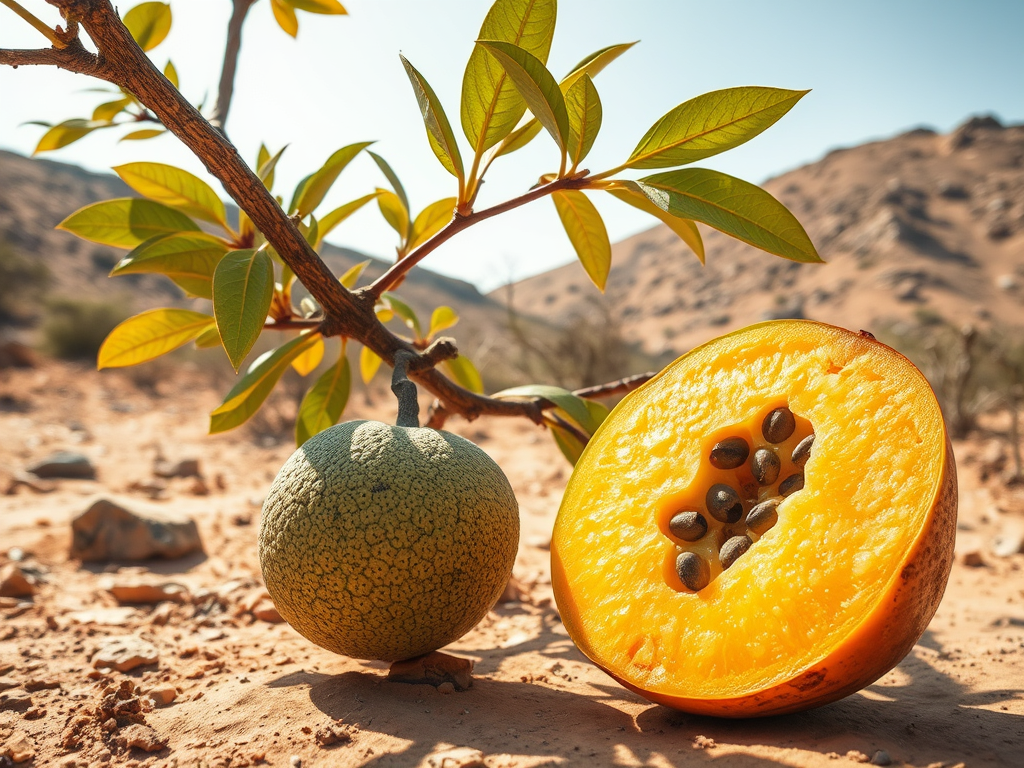
🌳 Strychnos cocculoides (Corky‑Bark Monkey Orange) A wild African fruit tree with both edible and toxic parts Strychnos cocculoides is one of southern Africa’s most intriguing wild fruits — a hard‑shelled, sweet‑pulped treasure carried through generations of Indigenous knowledge. Known for its thick, corky rind and fragrant interior, this fruit holds both nourishment and caution,…
-
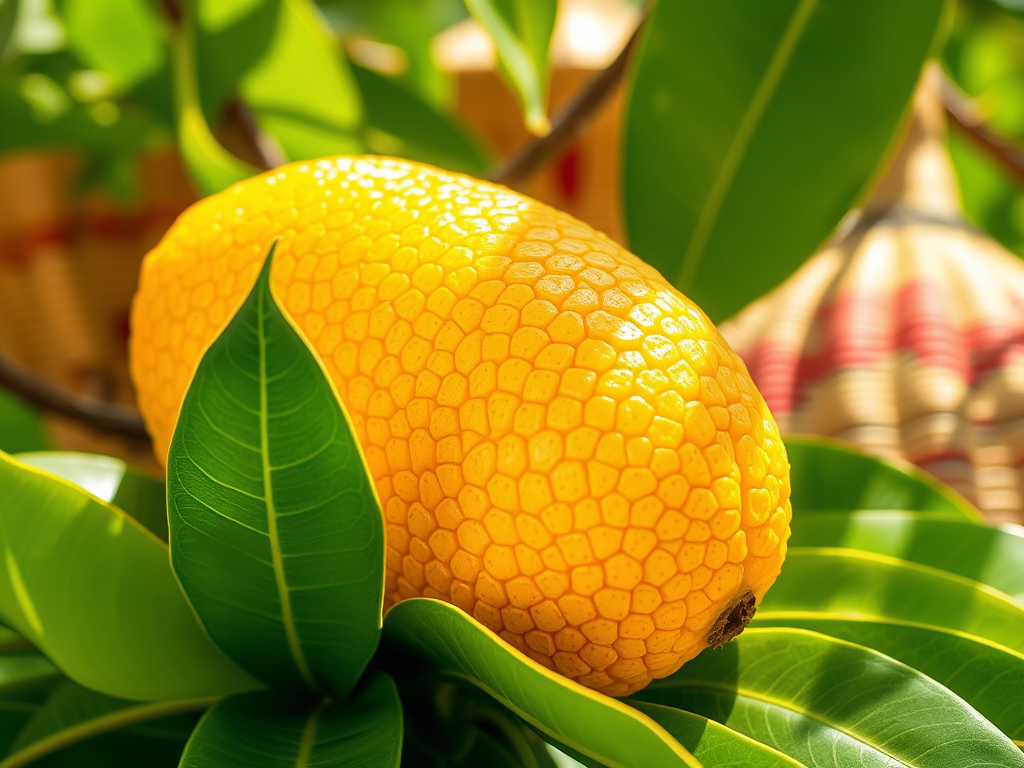
June Plum, also known as Spondias dulcis: A Bright, Tropical Jewel With Deep Roots Spondias dulcis is a beloved tropical fruit, celebrated for its refreshing acidity and its deep cultural roots across the Caribbean, Pacific, and Southeast Asia. Spondias dulcis—known across the tropics as Ambarella, June Plum, Golden Apple, Pomme Cythère, or Hog Plum—feels like…
-
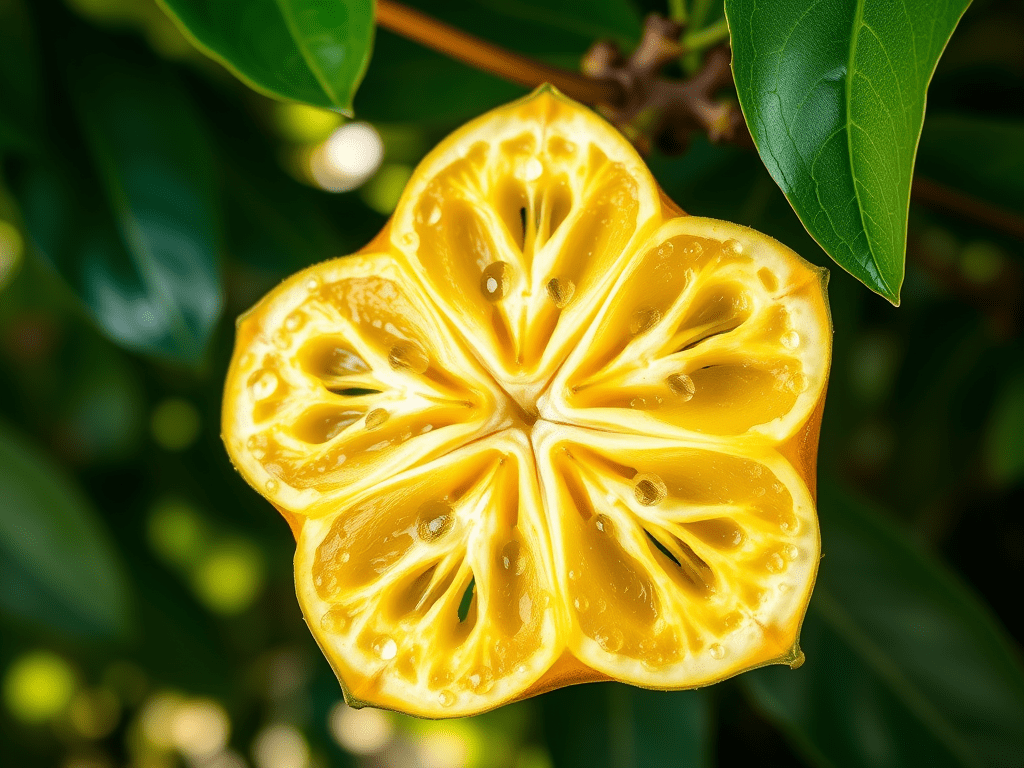
⭐ Starfruit: The Crisp, Luminous Fruit Bringing Brightness to Everyday Wellness Some fruits feel like sunlight — bright, refreshing, and quietly uplifting. Starfruit, also known as carambola, is one of those gifts. Slice it once and it reveals its natural star shape, a small moment of wonder that never gets old. But beyond its beauty,…
-
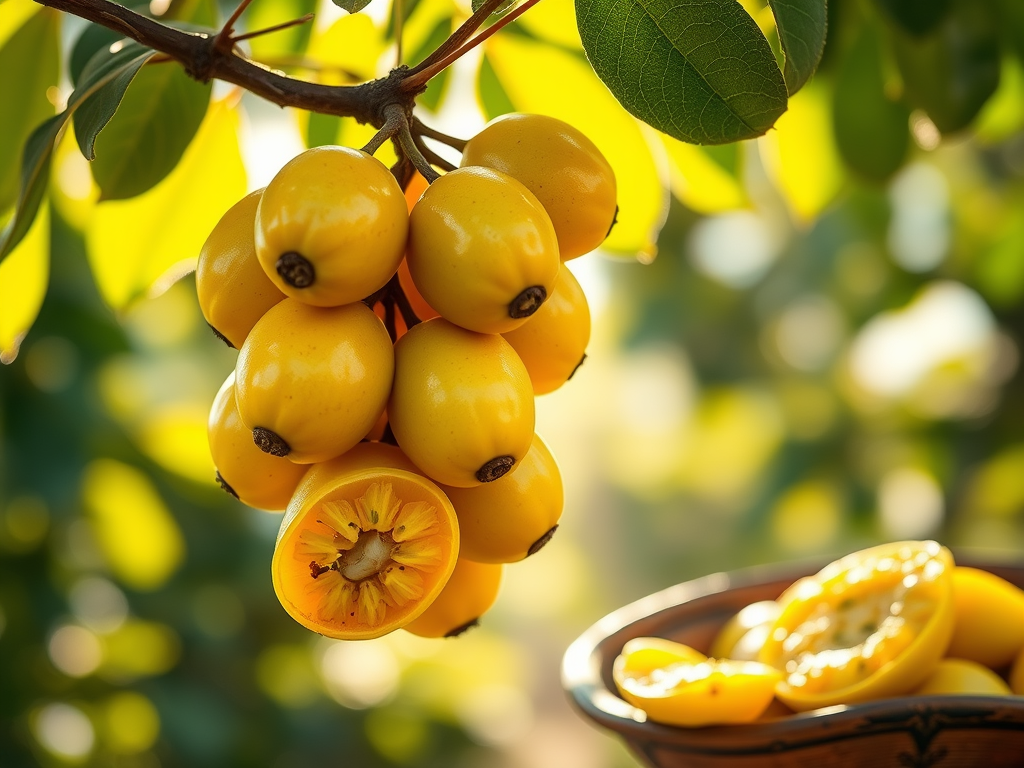
🌿 Spondias pinnata: The Wild, Tangy Fruit Rooted in Tradition & Everyday Wellness Some fruits arrive in our kitchens with a story already woven into them — a memory of forests, village paths, and the quiet rituals of home cooking. Spondias pinnata, often called hog plum or wild mango, is one of those fruits. It’s…
-
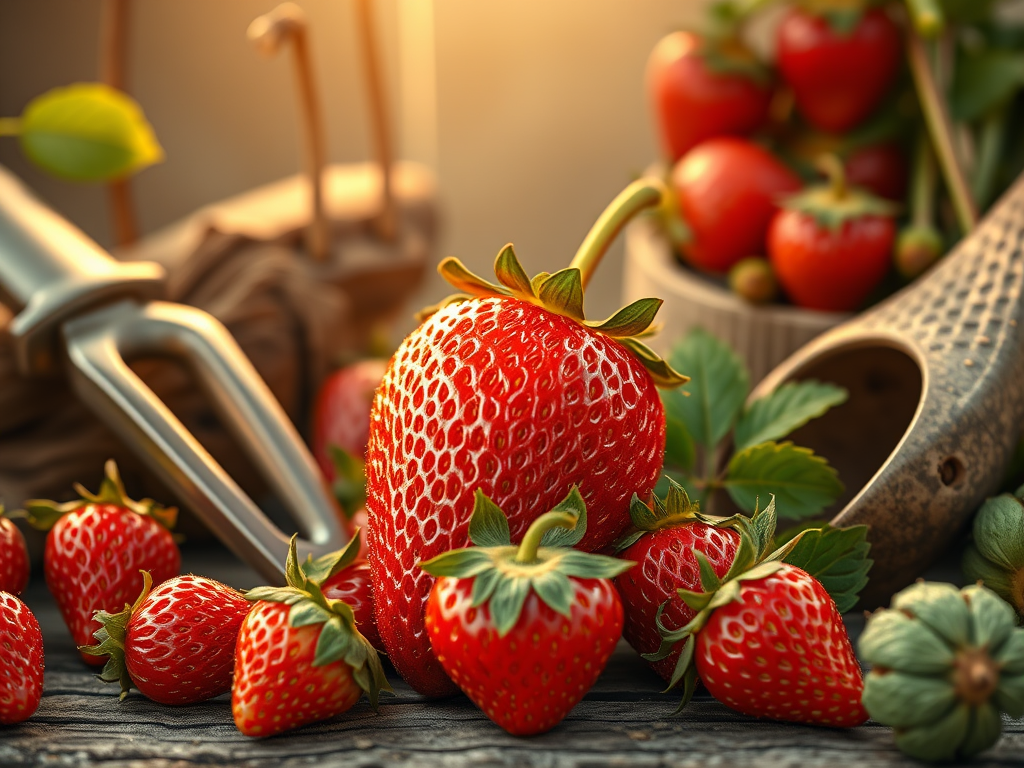
🍓 Who First Cultivated the Strawberry? Strawberries were first cultivated by the French in the 1300s, when they began transplanting the wild European wood strawberry (Fragaria vesca) from forests into gardens. This marks the earliest documented intentional cultivation of strawberries. Later, in the 1500s, the French also cultivated the musky strawberry (Fragaria moschata). By the…
-
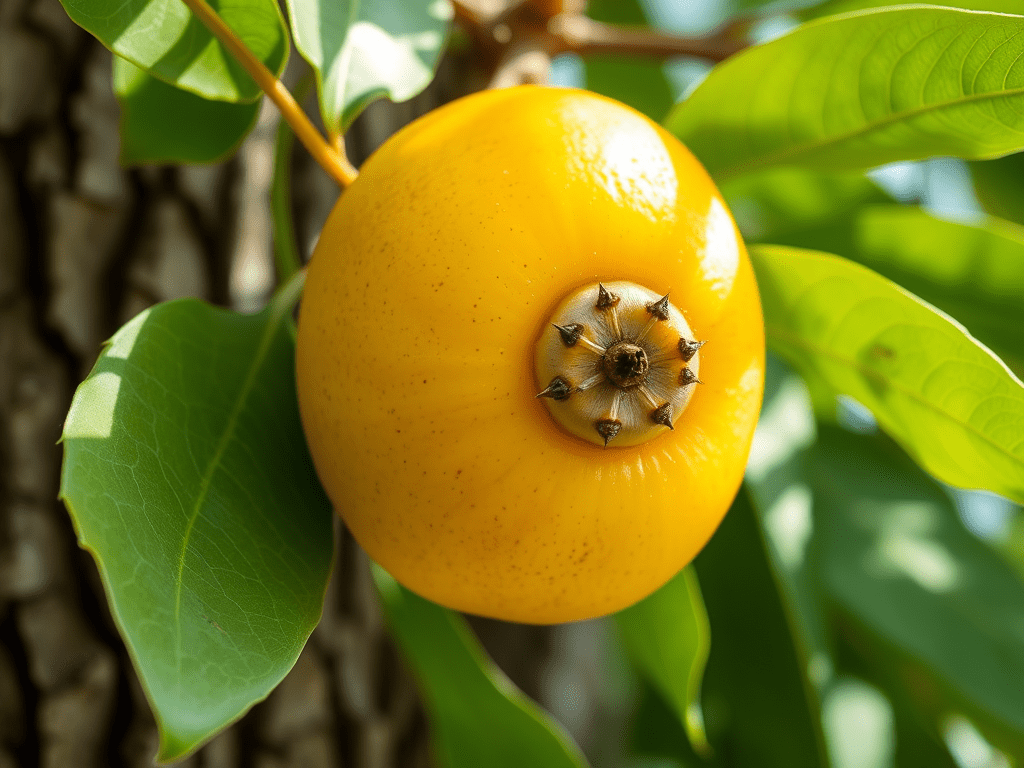
🌼 Spondias mombin (Yellow Mombin / Hog Plum / Cajá) A fruit of ancestry, migration, and bright, tangy resilience. Spondias mombin is a tropical fruit with deep Indigenous American roots, carried across continents through trade, colonization, and cultural exchange. Known by many names — yellow mombin, hog plum, cajá, amra, omora, ambazham, and cajazeira —…
-
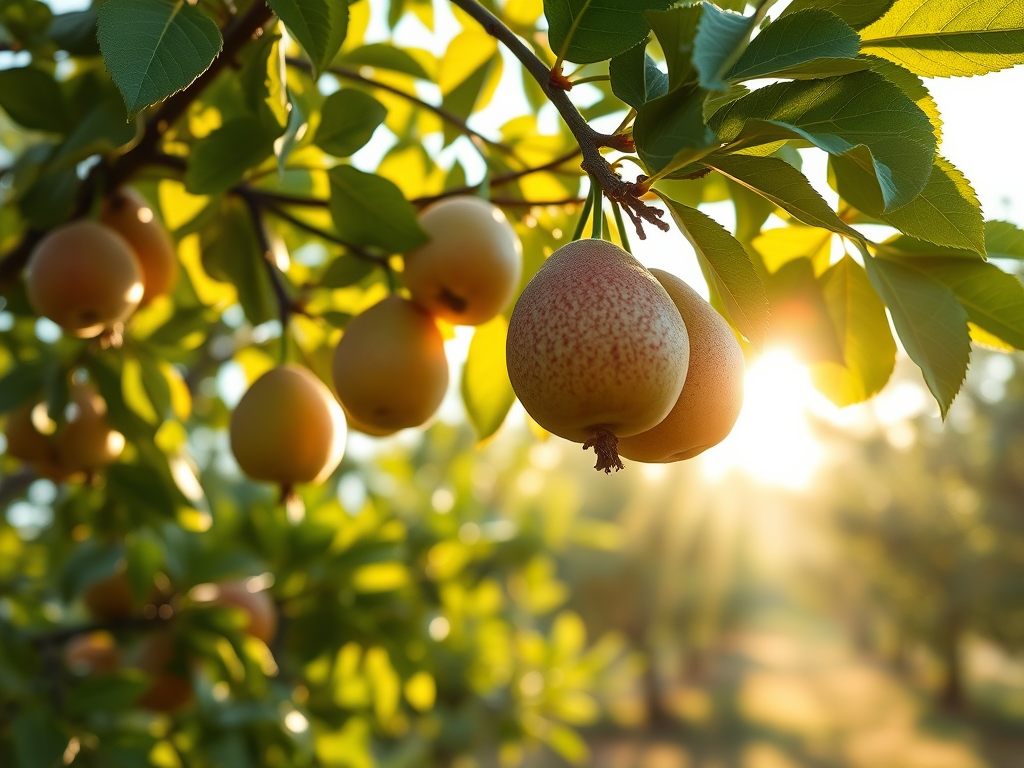
🌿 Sorbus domestica: The Ancient Fruit Tree Returning to Modern Tables A quiet European treasure with deep roots, gentle nourishment, and a story worth rediscovering Some fruits arrive with fanfare. Others arrive with history. Sorbus domestica — often called the Service Tree, Sorb Apple, or Corm Tree — belongs to the second category. It is…
-
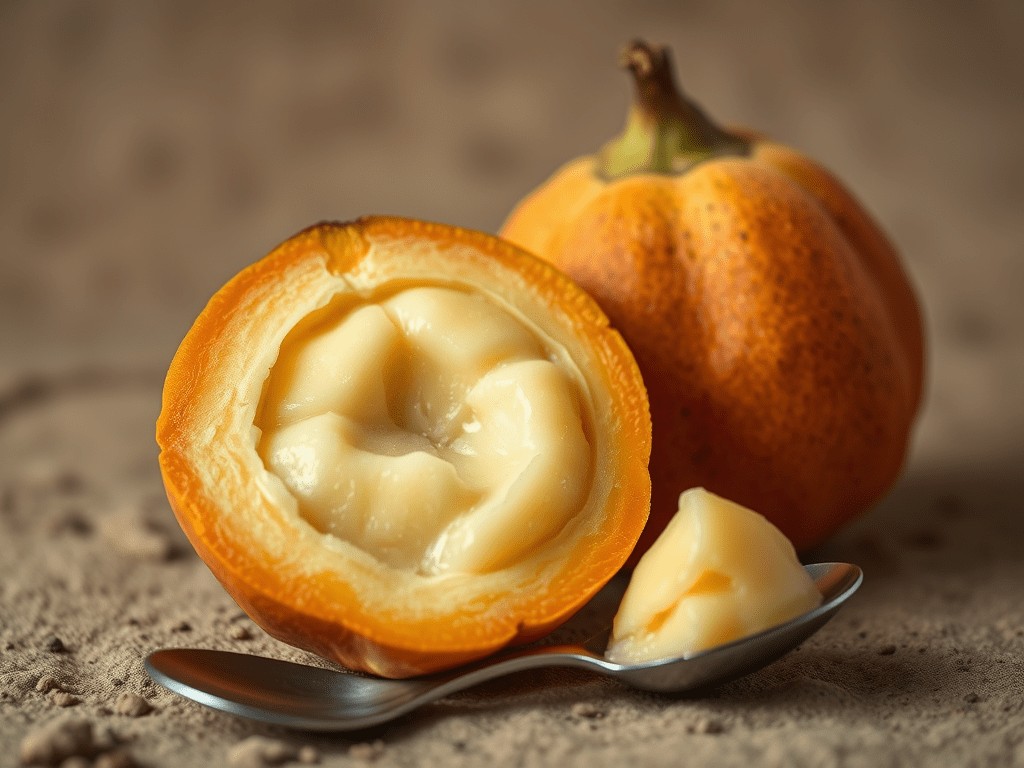
🌿 Soncoya: The Velvet‑Soft Fruit with a Nourishing Heart A gentle addition to your healthy‑living table There are fruits that nourish the body… and then there are fruits that feel like they nourish the spirit. Soncoya — with its soft, velvety rind and custard‑like flesh — belongs to that second category. Native to Central America…
-
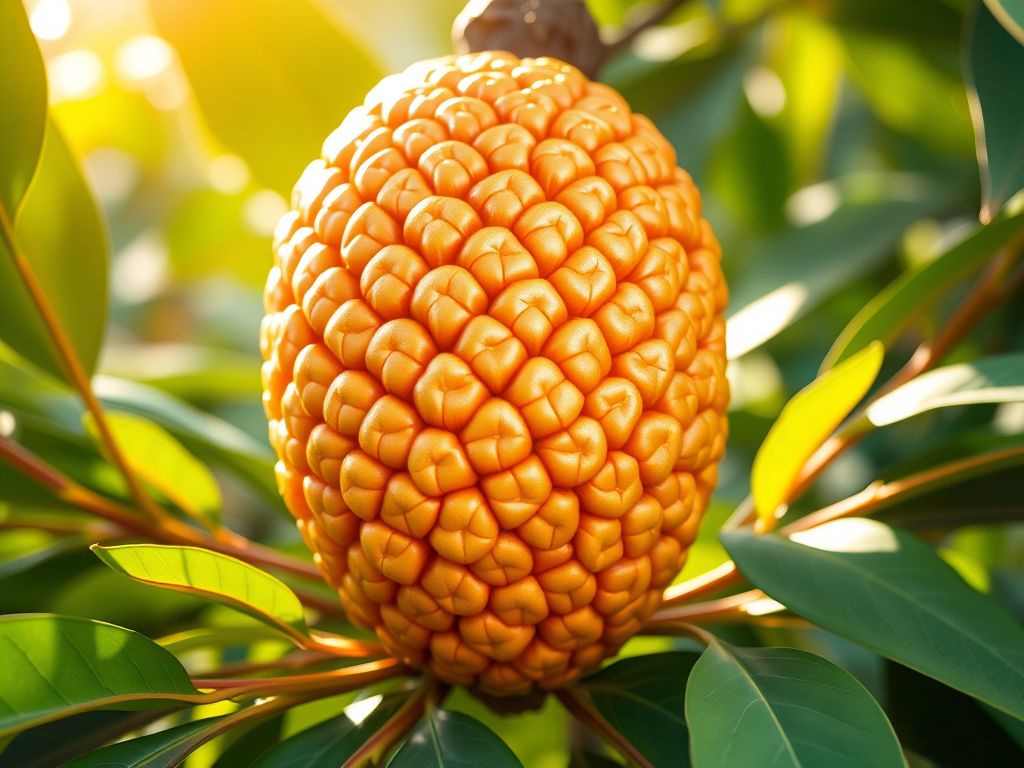
🐍 The Snake Fruit (Salak) A fruit wrapped in ancient texture, earthy sweetness, and the quiet wisdom of Southeast Asia. The Snake Fruit is one of those rare gifts from the earth that feels both mysterious and deeply familiar. Its scaly, copper‑brown skin catches the light like woven armor, yet inside it holds a crisp,…
 EJADA
EJADA 