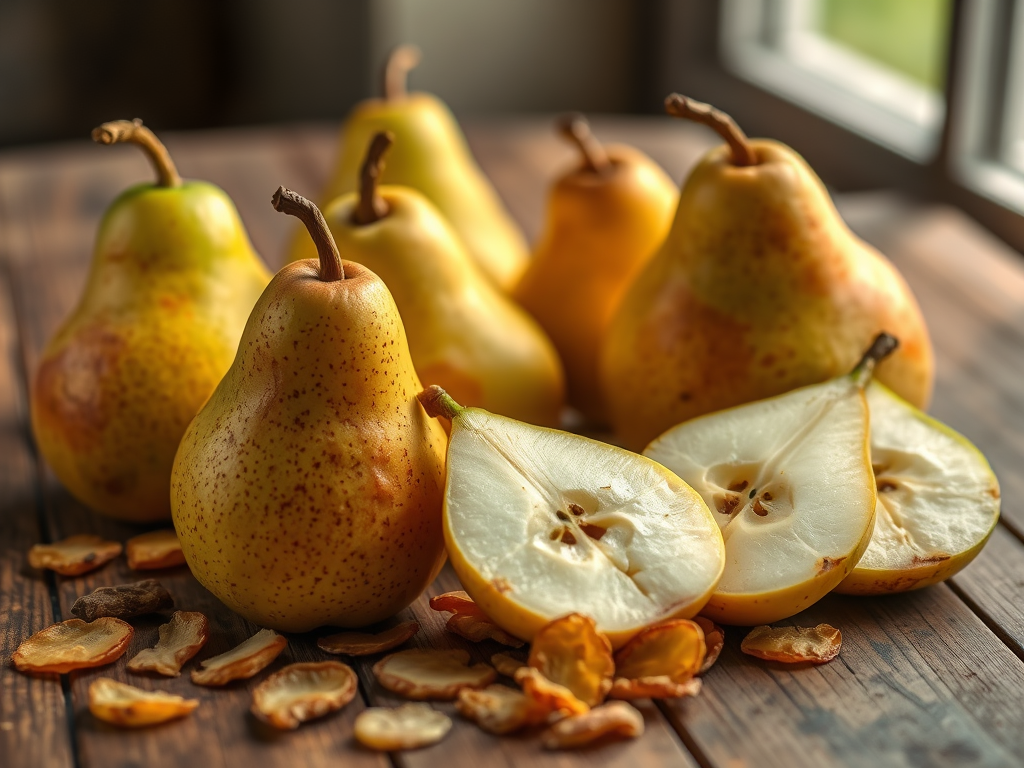
Asian pears, also known as apple pears or sand pears, are a nutritious and delicious fruit. Here are some of their health benefits:
- Rich in Fiber: Asian pears are high in dietary fiber, which aids digestion, helps manage blood sugar levels, and supports heart health.
- Low Glycemic Index: With a glycemic index of 26, they are a great choice for people managing diabetes or looking to maintain steady energy levels.
- Vitamins and Minerals: They contain Vitamin C, Vitamin K, potassium, and copper, which support immunity, bone health, and blood pressure regulation.
- Antioxidants: Asian pears are packed with antioxidants that help reduce oxidative stress and may lower the risk of certain cancers.
- Hydration: Their high water content makes them a refreshing snack that helps keep you hydrated.
Asian pears are versatile and can be enjoyed raw, baked, or roasted.Dried pears provide a sweet treat and are often found with other dried fruits in the bulk section at grocery stores or prepackaged and placed with other dried fruits and nuts. They’re a popular snack for hiking or road trips since they don’t require refrigeration.
Like other dried fruits, dried pears are the result of a dehydration process that removes the water from fresh pears (Pyrus communis), which concentrates some of the fruit’s nutrients such as amino acids and prolongs its shelf life.
Although dried pears can offer health benefits, they also have a few drawbacks. They can be healthy in moderation and help you to meet your daily recommended intake of fruit, but the high sugar content and added preservatives can pose health risks when consumed in high quantities.
Nutrition Information @ WEB MD
In a quarter-cup serving of dried pears, you get:
- Calories: 118
- Protein: 1 gram
- Fat: 0 grams
- Carbohydrates: 31 grams
- Fiber: 3 grams
- Sugar: 28 grams
Other vitamins and minerals in dried pears include:
Magnesium, Vitamin C, Vitamin K, Calcium, Potassium, Iron, Copper
Health Benefits @ WWW.webmd.com
The vitamins, minerals, and antioxidants in Asian pears can provide significant health benefits.
The copper in Asian pears, for example, helps your body form blood cells and absorb iron. Copper is an important part of nerve cells and supports your immune system. It’s also a building block of collagen, which helps cushion your joints and strengthen your bones.
Asian pear nutrients can also help with health issues like:
Heart Health
The fiber in Asian pears can bind to “bad” LDL cholesterol and carry it out of your system, keeping your cholesterol levels lower.
Potassium, on the other hand, is connected to lower blood pressure. Sodium raises your blood pressure, but eating a healthy amount of potassium can lower it again without you having to cut out salt completely.
Dietary fiber also helps your body manage its blood sugar levels more effectively. Dietary fiber is absorbed by the body more slowly than simple sugar, helping insulin handle the blood sugar swing more easily.
This can be especially helpful for people living with Type 2 diabetes.
 EJADA
EJADA 