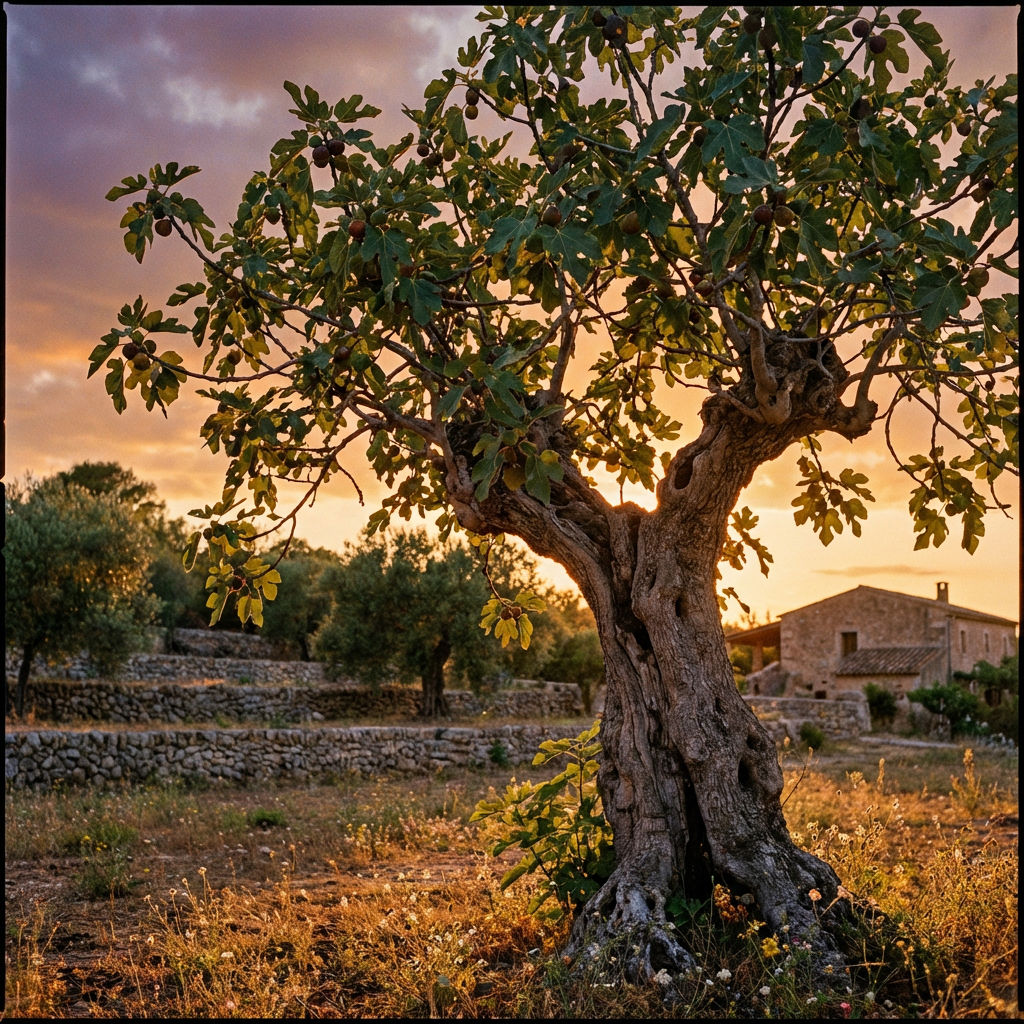
🌿 Turkash Fig (Turkish Fig)
The Turkash Fig is understood as a regional or phonetic variation of “Turkish Fig,” referring to the ancient fig varieties cultivated across Anatolia (modern‑day Turkey). These figs belong to Ficus carica, one of the oldest domesticated fruit species in human history. Known for their honeyed sweetness, soft flesh, and deep cultural roots, Turkish figs have been cherished for over 6,000 years.
🌍 Botanical Profile
| Feature | Details |
|---|---|
| Common Name | Turkash Fig (regional name), Turkish Fig |
| Scientific Name | Ficus carica |
| Family | Moraceae |
| Fruit Type | Multiple fruit (syconium) with internal florets |
| Origin | Anatolia, Eastern Mediterranean |
| Texture | Soft, jam‑like interior; thin edible skin |
| Flavor | Honey‑sweet, caramel, nutty undertones |
📜 History & Discovery
Figs are prehistoric crops, so there is no single discoverer. However, the earliest documented cultivation of Turkish figs traces to:
Ancient Anatolia (Turkey)
- One of the world’s earliest fig‑growing regions
- Figs were used in ritual offerings, trade, and daily meals
Classical Documentation
- Theophrastus (4th century BCE) described fig cultivation in detail
- Pliny the Elder (1st century CE) recorded fig varieties and medicinal uses
Cultural Spread
From Anatolia, figs spread to:
- Greece
- Rome
- Persia
- North Africa
- The Levant
The term “Turkash” likely emerged from local dialects referring to Turkish figs or Smyrna‑type figs.
🍯 Culinary Uses
Turkish figs are prized for their versatility:
Fresh
- Eaten as a snack
- Added to salads
- Paired with cheese, nuts, or honey
Dried
- One of Turkey’s major exports
- Used in:
- Breads
- Pastries
- Energy snacks
- Confectionery
Traditional Preparations
- Fig molasses (pekmez)
- Fig preserves
- Fig‑stuffed pastries
Fig & Honey Yogurt Bowl (Ceremonial Breakfast)
A quiet, grounding bowl for slow mornings — creamy yogurt, ripe figs, and a ribbon of honey.
Fig & Honey Yogurt Bowl
Prep 5 min
Cook 0 min
Serves 1
Ingredients
1 cup
Greek yogurt (plain or lightly sweetened)
2–3
Fresh figs, halved or sliced
1–2 tbsp
Honey, to drizzle
2 tbsp
Granola or toasted nuts
1 tsp
Chia seeds (optional)
A few leaves
Fresh mint (optional)
Instructions
1
Prepare the baseSpoon the Greek yogurt into a shallow bowl, smoothing the top with the back of your spoon.
2
Arrange the figsNestle the fig halves or slices on top of the yogurt, letting their color and texture show.
3
Add textureScatter granola or toasted nuts over the bowl for crunch. Add chia seeds if using.
4
Finish with honeyDrizzle honey in slow, intentional ribbons over the figs and yogurt.
5
ServeGarnish with mint and enjoy immediately.
Sources:
🌿 Traditional Medicinal Uses
Across Anatolia, Persia, and the Mediterranean, figs were used for:
Figs have been part of human healing traditions for thousands of years, and Turkish figs — the lineage behind what you’re calling the Turkash Fig — carry one of the oldest medicinal profiles in the Mediterranean world. Their sweetness is only the surface; beneath it is a long history of nourishment, cleansing, and gentle restoration.
🍃 1. Digestive Healing & Gut Support
Turkish figs were traditionally used as a natural digestive regulator, prized for their ability to bring the body back into balance.
- Natural laxative due to high soluble fiber
- Soothes constipation without harsh purgatives
- Feeds beneficial gut bacteria
- Softens stools through natural sugars and mucilage
In Anatolian households, figs soaked overnight in warm water were a morning ritual for digestive reset.
🌬 2. Respiratory Relief
Figs were often warmed, mashed, or simmered into teas to support the lungs and throat.
- Warm fig infusions were used to ease coughs
- Steamed figs were applied to the chest to soften congestion
- Fig syrups were used for dry throat and hoarseness
This practice appears in Greek, Persian, and Turkish folk medicine, showing how widely figs were trusted for respiratory comfort.
🌸 3. Skin & Wound Care
The soft flesh of the fig was believed to draw out impurities and calm inflammation.
- Poultices for boils, abscesses, and minor infections
- Crushed figs applied to inflamed skin
- Latex from the stem used (carefully) to dry warts
These uses were always external — figs were seen as a gentle healer for the skin’s surface.
💛 4. Energy, Strength & Vitality
Because figs are rich in natural sugars, minerals, and antioxidants, they were used as a strengthening food.
- Given to children, elders, and travelers
- Used as a recovery food after illness
- Considered a blood‑building fruit due to iron and minerals
- Eaten by laborers for sustained energy
In Turkish tradition, figs symbolize sweetness after hardship, making them both nourishment and metaphor.
🩸 5. Circulatory & Heart Support
While not used as “medicine” in the modern clinical sense, figs were valued for their natural support of the heart and blood.
- Potassium for blood pressure balance
- Antioxidants for vessel protection
- Fiber for cholesterol regulation
These benefits were observed through experience long before they were understood nutritionally.
🔥 6. Anti‑Inflammatory & Antioxidant Support
Turkish figs contain polyphenols, flavonoids, and natural plant compounds that were traditionally associated with:
- Reduced inflammation
- Faster recovery from fatigue
- General immune strengthening
In folk medicine, figs were considered a “cooling” fruit — something that calms the body from the inside.
🌿 7. Women’s Wellness (Traditional Use)
In some Anatolian and Middle Eastern traditions:
- Figs were eaten to support menstrual regularity
- Warm fig water was used for comfort during cramps
- Dried figs were part of postpartum nourishment
These practices were rooted in the fig’s softness, sweetness, and mineral richness.
⚠️ Important Note
These uses reflect traditional and historical practices, not modern medical advice. Figs are safe as food, but any medicinal use should be approached with awareness and care.
🥗 Nutritional Highlights (per 100g fresh figs)
| Nutrient | Amount |
|---|---|
| Calories | 74 kcal |
| Fiber | 2.9 g |
| Calcium | 35 mg |
| Potassium | 232 mg |
| Magnesium | 17 mg |
| Vitamin K | 4.7 µg |
| Antioxidants | Polyphenols, flavonoids |
⚠️ Wellness Cautions
- High natural sugar content — portion awareness recommended
- Latex in fig skin may irritate sensitive individuals
- Dried figs are calorie‑dense
- Not suitable for low‑FODMAP diets
🌸 Cultural Notes
- Turkish figs are symbols of fertility, abundance, and hospitality.
- In Anatolian folklore, figs represent sweetness after hardship.
- Fig trees are often planted near homes as a sign of blessing.
🥗 Nutritional Table (Per 100g Fresh Turkish Figs)
| Nutrient | Amount | Notes |
|---|---|---|
| Calories | 74 kcal | Naturally sweet, energy‑supportive |
| Carbohydrates | 19.2 g | Mostly natural fruit sugars |
| Fiber | 2.9 g | Supports digestion and gut motility |
| Protein | 0.75 g | Small but present |
| Fat | 0.3 g | Very low‑fat fruit |
| Calcium | 35 mg | Bone and muscle support |
| Potassium | 232 mg | Heart and electrolyte balance |
| Magnesium | 17 mg | Nervous system + muscle relaxation |
| Iron | 0.4 mg | Gentle mineral support |
| Vitamin K | 4.7 µg | Blood and bone health |
| Vitamin B6 | 0.1 mg | Metabolism + cognitive support |
| Antioxidants | High | Polyphenols, flavonoids, carotenoids |
🥭 Nutritional Table (Per 100g Dried Turkish Figs)
(More concentrated due to water loss)
| Nutrient | Amount | Notes |
|---|---|---|
| Calories | 249 kcal | Energy‑dense |
| Carbohydrates | 63.9 g | Highly concentrated natural sugars |
| Fiber | 9.8 g | Strong digestive support |
| Protein | 3.3 g | Higher than fresh figs |
| Fat | 0.9 g | Still low‑fat |
| Calcium | 162 mg | Excellent plant‑based source |
| Potassium | 680 mg | Very high — heart‑supportive |
| Magnesium | 68 mg | Strong mineral presence |
| Iron | 2.0 mg | More concentrated |
| Antioxidants | Very high | Deep, rich polyphenols |
⚠️ Wellness Cautions
Even though figs are a naturally nourishing fruit, it’s important to enjoy them with awareness — especially if you have sensitivities, dietary restrictions, or specific health considerations. These notes are not medical advice, but they help readers make informed, mindful choices.
🍬 1. Natural Sugar Content
Figs — especially dried Turkish figs — are naturally high in sugar.
- May cause blood sugar spikes in sensitive individuals
- Best enjoyed in small, intentional portions
- Pairing with protein or healthy fats can help balance sweetness
This is especially important for readers monitoring glucose levels.
🌾 2. High Fiber May Cause Digestive Upset
Figs contain soluble and insoluble fiber, which supports digestion — but too much at once can overwhelm the gut.
- May cause bloating, gas, or loose stools
- Introduce slowly if you have a sensitive digestive system
- Dried figs are more concentrated and may intensify these effects
For those with IBS or low‑FODMAP needs, figs may be difficult to tolerate.
🌿 3. Latex Sensitivity
The skin and stems of figs contain natural latex, which can irritate:
- Sensitive skin
- Mouth or lips
- People with latex allergies
If someone reacts to kiwi, papaya, or rubber latex, figs may also cause irritation.
🦷 4. Sticky Residue & Dental Care
Dried figs cling to the teeth and contain natural sugars.
- May contribute to tooth decay if not rinsed or brushed after eating
- Best enjoyed with water or after a meal
This is especially relevant for children or anyone with dental sensitivity.
🩺 5. Not Suitable for Low‑FODMAP Diets
Figs contain fructose and polyols, which may trigger symptoms in individuals with:
- IBS
- Fructose malabsorption
- FODMAP sensitivities
Fresh figs are gentler than dried, but still not recommended for strict low‑FODMAP plans.
⚖️ 6. Calorie Density in Dried Figs
Dried figs are nutrient‑dense but also calorie‑dense.
- Easy to overeat due to sweetness
- Best measured out intentionally
- A small handful is usually enough
This is helpful for readers who are tracking energy intake.
💊 7. Interactions With Certain Medications (General Awareness)
While figs are safe as food, their potassium and fiber content may require awareness for individuals on:
- Potassium‑restricted diets
- Certain heart or kidney protocols
- Medications that affect electrolyte balance
Readers with medical conditions should check with a healthcare professional.
🔥 8. Traditional Uses Are Not Modern Medical Treatments
Figs have a long history in folk medicine — but:
- They are not substitutes for medical care
- They should not be used as purgatives or poultices without guidance
- Topical use of fig latex can irritate the skin
This keeps your content responsible and aligned with your brand’s integrity.
📌 Gentle Reminder
This information is for general educational purposes only. Readers with specific health concerns should consult a qualified healthcare professional for personalized guidance.
🌿 Closing Reflection
In the quiet sweetness of the Turkash Fig, we meet a fruit shaped by centuries of sun, soil, and human hands — a small vessel carrying the memory of ancient Anatolian orchards and the tenderness of those who tended them. Its honeyed flesh reminds us that nourishment is not only about feeding the body, but about honoring the stories that traveled with each seed, each harvest, each offering shared across a table.
May this fruit invite you to slow down, to taste the lineage of those who came before, and to remember that sweetness is a form of resilience. The Turkash Fig teaches us that even the softest things endure — that gentleness, too, is a kind of strength. As you close this page, may you carry a bit of that softness with you, a reminder that nourishment can be both simple and sacred.
📦 Availability
Turkish figs — the lineage behind what you’re calling the Turkash Fig — are widely available in the United States, especially in dried form. Turkey is one of the world’s largest fig producers, and its Smyrna‑type figs are exported year‑round. Fresh figs have a shorter season, but dried figs remain consistently accessible through major retailers and specialty shops.
🛒 Where You Can Find Them (U.S.)
- Online retailers such as Amazon carry a wide range of Turkish dried figs, including organic, unsulphured, and bulk options.
- Grocery chains and natural food stores often stock Turkish Smyrna figs in their dried fruit sections.
- Specialty markets (Mediterranean, Middle Eastern, and natural food stores) frequently carry premium Turkish figs.
- Target previously carried Turkish Smyrna figs, though availability varies and some listings may be temporarily unavailable.
- Nut and dried fruit retailers like Nuts To You offer all‑natural Turkish figs with no preservatives.
🌱 Seasonal Notes
- Fresh Turkish figs are typically available in late summer to early fall (August–October), depending on import cycles.
- Dried Turkish figs are available year‑round, making them the most reliable form for U.S. shoppers.
📍 Product Forms You’ll Commonly See
- Whole dried figs (organic or conventional)
- Soft‑dried figs in resealable bags
- Bulk dried figs (1–6 lb bags)
- Unsulphured, no‑sugar‑added varieties
- Premium Smyrna/Calimyrna figs
✨ Quick Buyer’s Tip
Look for figs labeled:
- “Smyrna,” “Sarılop,” “Calimyrna,” or “Turkish Dried Figs” These are the closest matches to the traditional Turkish fig profile behind the Turkash Fig name.
 EJADA
EJADA 
Leave a comment