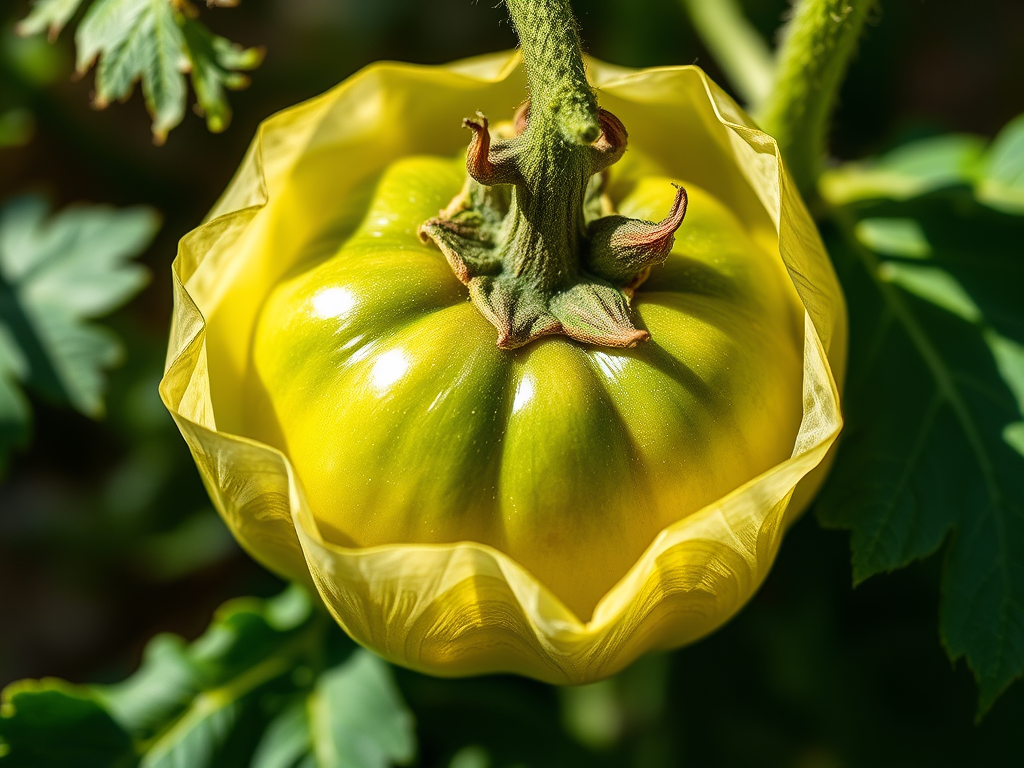
🌿Tomatillo: The Bright, Ancient Fruit of Mesoamerica
A small green globe wrapped in a papery husk — carrying centuries of culture, medicine, and flavor.
There are fruits that feel like stories, and fruits that feel like ancestors. The tomatillo is both. It arrives wrapped in its own lantern-like husk, as if carrying a message from the past. When you peel it open, you’re touching a lineage that stretches back thousands of years — to the kitchens, gardens, and healing traditions of ancient Mesoamerica.
This is a fruit that has never needed to be loud to be powerful. It has always been quietly essential.
🕰️ Origins: When the Tomatillo First Appeared
The story of the tomatillo begins long before written history, in the volcanic soils and highland valleys of ancient Mesoamerica. Archaeobotanical evidence suggests that wild tomatillos grew across central Mexico thousands of years ago, thriving in open fields and forest edges. Long before they were cultivated, Indigenous communities gathered them as a seasonal food — a bright, tart counterpoint to maize-based meals.
Early Domestication
By at least 1,000–1,500 years ago, the tomatillo had already become a domesticated crop. It was grown intentionally in home gardens and communal plots, often alongside corn, beans, and chilies — the foundational trio of Mesoamerican agriculture. Its husk, a delicate lantern-like wrapper, protected the fruit from pests and made it easy to store and transport.
Stewards of the Fruit: The Aztecs and Their Neighbors
The Aztecs, along with the Maya, Zapotec, and other Indigenous groups, cultivated tomatillos as a daily staple. They called it “tomatl,” a Nahuatl word that referred to plump, juicy fruits — a linguistic ancestor to the modern word “tomato.” But unlike the red tomato, which would later travel the world, the tomatillo remained deeply tied to its homeland.
For the Aztecs, the tomatillo wasn’t just an ingredient — it was a culinary foundation. Its acidity balanced the heat of chilies, softened the richness of meats, and brightened maize dishes. It was essential in sauces, stews, and medicinal preparations.
Spanish Encounter & Early Documentation
When Spanish explorers arrived in the 1500s, they encountered the tomatillo in bustling markets and home kitchens. Chroniclers noted its tart flavor and its importance in local cooking, but unlike the red tomato, the tomatillo didn’t immediately spread across Europe. It remained a regional treasure, preserved by Indigenous communities who continued to cultivate it with care.
Scientific Recognition
It wasn’t until 1786 that the tomatillo received its formal scientific description. French botanist Jean-Baptiste Lamarck classified it as Physalis philadelphica, placing it within the same botanical family as ground cherries and cape gooseberries.
This moment marked its entry into Western botanical literature — but its true history had already been written by centuries of Indigenous knowledge, cultivation, and culinary artistry.
🌱 Traditional Uses: Food, Medicine, and Daily Life
The tomatillo has always been more than a fruit. In ancient Mesoamerica, it was woven into the rhythm of daily life — a quiet constant in kitchens, markets, healing practices, and communal meals. Its bright acidity, protective husk, and dependable growth made it a fruit of both practicality and symbolism.
Below is a deeper look at how Indigenous communities used the tomatillo long before it entered Western awareness.
🍽️ 1. Traditional Food Uses: The Heart of Mesoamerican Flavor
A Foundational Ingredient
For the Aztecs, Maya, and other Indigenous groups, the tomatillo was a culinary cornerstone. It shaped the flavor architecture of their cuisine in the same way lemons shape Mediterranean dishes or tamarind shapes South Asian cooking.
Its tartness wasn’t just a taste — it was a balancing force.
Key Traditional Preparations
- Salsa Verde (the original form): Tomatillos were roasted on clay griddles (comales) or ground raw with chilies and herbs using a metate (stone grinder). This sauce was used on:
- maize cakes
- tamales
- roasted meats
- beans
- ceremonial dishes
- Stews & Soups: Tomatillos added acidity to long-simmered dishes, helping tenderize meats and brighten earthy flavors.
- Ground Sauces: Combined with chilies, seeds, and herbs to create thick, aromatic sauces that were poured over maize-based meals.
- Preserved Pastes: In some regions, tomatillos were cooked down into a paste for storage — a practical way to extend their use through the seasons.
Why It Was Essential
- Balanced the heat of chilies
- Added acidity to maize-heavy diets
- Provided freshness in hot climates
- Offered a stable, reliable crop
The tomatillo was not a garnish — it was a pillar.
🌿 2. Traditional Medicinal Uses: A Gentle, Everyday Healer
Indigenous healing traditions often blurred the line between food and medicine. The tomatillo was used in this holistic way — not as a dramatic cure, but as a steady, cooling, supportive plant.
Common Medicinal Uses
- Digestive Support: Eaten raw or lightly cooked to ease stomach discomfort and support digestion.
- Fever Reduction: Its cooling nature made it a food of choice during fevers or heat-related illness.
- Anti-inflammatory Support: Tomatillo infusions or cooked preparations were used to soothe internal heat and inflammation.
- General Strengthening Food: Given to those recovering from illness because it was light, hydrating, and easy to digest.
Why It Worked
Traditional uses align with modern nutritional understanding:
- Vitamin C → immune support
- Fiber → digestive health
- Antioxidants → inflammation reduction
- Hydration + acidity → cooling effect
This is a perfect example of ancestral knowledge preceding scientific explanation.
🏺 3. Daily Life: A Fruit That Fit Into Every Corner of the Home
In Markets
Tomatillos were sold in bustling open-air markets, often in woven baskets or piled high in clay bowls. Their husks kept them clean and protected — a natural packaging system long before modern storage.
In Home Gardens
Families grew tomatillos in small plots near their homes. They were:
- easy to cultivate
- resistant to pests
- reliable producers
This made them a staple in both rural and urban Indigenous communities.
In Communal Cooking
Tomatillos were part of:
- feast preparations
- everyday meals
- ceremonial dishes
- food offerings
Their presence in shared meals reinforced community bonds.
In Seasonal Rhythms
The fruit marked certain times of year — a signal of harvest, abundance, and the turning of seasons.
🔥 4. Symbolic & Cultural Meaning (Optional to Include in Your Post)
If you want a more poetic layer, here’s a subtle symbolic interpretation that fits your EJADA tone:
- The husk symbolizes protection and hidden strength.
- The brightness inside represents clarity, truth, and renewal.
- Its dependability made it a symbol of everyday resilience.
This is optional, but it adds emotional resonance if you want it.
🌎 Cultural Significance of the Tomatillo
Rituals, Symbolism, and Regional Variations
The tomatillo is one of those fruits whose cultural presence is quiet but enduring. It doesn’t appear in grand ceremonies or mythic epics the way cacao or maize do — yet it is woven into the daily rituals, healing practices, and culinary identity of Mesoamerica with a steadiness that speaks to its importance. Its husk, its brightness, and its reliability have shaped how communities cook, heal, and gather for centuries.
Below is a richly expanded look at its cultural life.
🪶 1. Rituals & Ancestral Practices
While the tomatillo is not typically the centerpiece of formal religious ceremonies, it plays a meaningful role in everyday ritual life — the kind of rituals that sustain families, communities, and the rhythm of the home.
🌿 Household Rituals
In many Indigenous and rural Mexican households, preparing tomatillos is a ritual in itself:
- Peeling the husk
- Rinsing away the natural stickiness
- Roasting them on a comal
- Grinding them by hand on a metate
These steps are not just culinary tasks — they are acts of continuity, passed down through generations.
🔥 Communal Cooking Rituals
During festivals, harvest gatherings, and communal meals, tomatillos often appear in:
- Large pots of pozole verde
- Shared bowls of salsa verde
- Sauces prepared for weddings, baptisms, and feast days
Their presence symbolizes abundance, brightness, and nourishment.
🌙 Healing Rituals
In some regions, tomatillos were included in:
- Cooling foods for fever
- Post-illness recovery meals
- Herbal preparations for digestive balance
These uses were part of a larger worldview where food and medicine were inseparable.
🪺 2. Symbolism: Protection, Clarity, and Hidden Strength
The tomatillo carries subtle but powerful symbolism rooted in its physical form and its role in daily life.
🟢 The Husk as Protection
The papery husk — delicate yet strong — symbolizes:
- Protection
- Boundaries
- Inner strength
It shields the fruit from pests, dust, and harsh weather. In some communities, this natural “armor” is seen as a metaphor for guarding one’s inner light.
💡 Brightness Within
Peeling back the husk reveals a vibrant green fruit — a symbol of:
- Truth emerging
- Clarity
- Revelation
This mirrors the way many Indigenous foods carry deeper meaning: the idea that nourishment is both physical and spiritual.
🌱 Dependability & Resilience
Because tomatillos grow easily, resist pests, and thrive in challenging conditions, they are often associated with:
- Resilience
- Adaptability
- Everyday strength
They are not dramatic; they are dependable — a trait deeply valued in Indigenous agricultural traditions.
🗺️ 3. Regional Variations Across Mesoamerica
The tomatillo’s cultural role shifts slightly across regions, reflecting local tastes, climates, and traditions.
Central Mexico
This is the heartland of tomatillo culture. Here, it is:
- A daily staple
- Essential in salsa verde
- Used in market foods, street dishes, and home cooking
- A symbol of culinary identity
In states like Puebla, Oaxaca, and Mexico City, tomatillos appear in everything from breakfast sauces to ceremonial stews.
Guatemala
Tomatillos (locally called miltomates) are used in:
- Traditional stews
- Green sauces
- Indigenous Maya dishes
They are often paired with herbs like culantro and hierba buena, giving them a distinct regional flavor.
El Salvador
Used in:
- Salsas
- Soups
- Pupusa toppings
Here, the tomatillo’s brightness balances rich, masa-based foods.
Southwestern United States
Among Mexican-American and Indigenous communities:
- Tomatillos symbolize heritage cooking
- They appear in both traditional dishes and modern fusion cuisine
- They represent a culinary bridge between ancestral roots and contemporary identity
🔥 4. The Tomatillo as Cultural Memory
More than anything, the tomatillo represents continuity.
It is a fruit that:
- Stayed close to its homeland
- Remained tied to Indigenous knowledge
- Survived colonization without losing its identity
- Continued to nourish families across generations
It is a reminder that cultural significance doesn’t always come from ceremony — sometimes it comes from presence, from being part of the everyday rituals that shape a people’s sense of home.
Culinary (Ancient Mesoamerica)
How the tomatillo shaped the earliest flavor architecture of a civilization.
Long before cookbooks, restaurants, or modern food culture, the tomatillo was already a quiet architect of Mesoamerican cuisine. It shaped the way ancient communities balanced flavor, nourished their families, and expressed identity through food. Its brightness was not just a taste — it was a technique, a philosophy, a way of bringing harmony to the plate.
Below is a deeper, more textured look at how the tomatillo lived in ancient kitchens.
🔥 1. The Tomatillo as a Foundational Flavor
In ancient Mesoamerica, food was built on balance — heat, acidity, earthiness, and freshness working together. The tomatillo was the primary source of acidity, long before citrus fruits arrived from Europe.
Its tartness:
- softened the heat of chilies
- brightened the richness of meats
- lifted the earthiness of beans and maize
- created contrast in slow-cooked stews
This made it indispensable. Without tomatillos, many iconic Mesoamerican dishes simply wouldn’t taste like themselves.
🥣 2. Early Salsa Verde: The Original Green Sauce
The earliest versions of salsa verde were made with tomatillos — not tomatoes. This sauce was a daily staple, prepared in two main ways:
🌿 Raw (Fresh & Bright)
Tomatillos were ground raw with:
- green chilies
- cilantro or wild herbs
- onions
- salt
This produced a bright, sharp, refreshing sauce used on:
- maize cakes
- tamales
- roasted vegetables
- fish and small game
🔥 Roasted (Smoky & Deep)
Tomatillos were roasted on a comal — a clay or stone griddle — until blistered and soft. They were then ground with:
- roasted chilies
- garlic
- toasted seeds
This version was richer, smokier, and used for:
- stews
- meats
- ceremonial meals
Grinding on a metate (stone grinder) gave the sauce a texture that modern blenders can’t replicate — thick, rustic, and deeply aromatic.
🍲 3. Stews, Soups & Long-Simmered Dishes
Tomatillos were essential in:
- pozole verde
- green stews with turkey or rabbit
- bean-based soups
- vegetable stews with squash and corn
Their acidity helped:
- tenderize meats
- preserve food longer in hot climates
- balance heavy or oily ingredients
This wasn’t just flavor — it was culinary science practiced intuitively.
🌾 4. Ground Sauces & Thickened Preparations
In many regions, tomatillos were ground with:
- pumpkin seeds
- sesame seeds
- chilies
- herbs
These thick sauces were poured over:
- maize dumplings
- roasted meats
- ceremonial dishes
They were the ancestors of modern pipianes and moles verdes.
🧺 5. Market Foods & Everyday Meals
In bustling pre‑colonial markets, tomatillos were sold:
- fresh in their husks
- roasted and ready to grind
- already ground into pastes
- mixed with chilies for quick sauces
They were a daily ingredient, not a luxury — accessible, abundant, and essential.
🧱 6. Preservation & Seasonal Use
Before refrigeration, tomatillos were preserved by:
- cooking them down into thick pastes
- drying them in the sun
- storing them in their husks in cool clay vessels
This allowed families to use them throughout the year, especially during lean seasons.
🌿 7. A Fruit That Defined a Cuisine
The tomatillo wasn’t a side ingredient — it was a culinary anchor. It shaped:
- the acidity of the cuisine
- the balance of flavors
- the structure of sauces
- the identity of regional dishes
It is one of the oldest flavor traditions still alive today.
Medicinal (Indigenous & Folk Practices)
For centuries, tomatillos were used as:
- A digestive aid
- A fever-reducing food
- A cooling ingredient for inflammation
- A gentle support for stomach discomfort
These uses align with the fruit’s natural antioxidants, fiber, and vitamin C.
💊 Health Benefits of Tomatillos
Bright, cooling, and quietly powerful — a fruit that nourishes from multiple angles.
Tomatillos may look small and unassuming, but they carry a surprising amount of nutritional strength. In ancient Mesoamerica, people understood this intuitively: foods that were bright, acidic, and hydrating were seen as balancing forces in the body. Today, modern nutrition echoes what Indigenous communities already knew — the tomatillo is a fruit of protection, digestion, and renewal.
Below is a deeper, more layered exploration of its health benefits.
🌿 1. Immune Support & Cellular Protection
Tomatillos are naturally rich in vitamin C, one of the body’s most essential antioxidants. This vitamin supports:
- Immune function
- Collagen production (skin, joints, connective tissue)
- Wound healing
- Protection against oxidative stress
In ancient times, tomatillos were often eaten during illness or recovery because their brightness was believed to “cool the body” and restore strength. Today, we understand that vitamin C helps defend cells from damage and supports the body’s natural healing processes.
🌾 2. Digestive Health & Gut Balance
Tomatillos contain dietary fiber, which supports:
- Smooth digestion
- Regular bowel movements
- A balanced gut microbiome
- Satiety and stable energy
Their natural acidity also stimulates digestive enzymes, helping the body break down food more efficiently. This aligns with their traditional use as a gentle digestive aid for stomach discomfort or sluggish digestion.
❤️ 3. Heart Health & Metabolic Support
Tomatillos contain niacin (vitamin B3) — a nutrient that plays a key role in:
- Cholesterol regulation
- Energy metabolism
- Circulation
- Nervous system function
Niacin helps convert food into usable energy and supports the body’s ability to manage fats. This makes tomatillos a supportive food for overall metabolic wellness.
🔥 4. Anti-Inflammatory & Antioxidant Protection
Beyond vitamin C, tomatillos contain natural plant compounds such as:
- Flavonoids
- Phytochemicals
- Antioxidants
These compounds help reduce oxidative stress — the internal “wear and tear” caused by environmental toxins, stress, and inflammation.
This mirrors their traditional use in cooling foods and fever-reducing preparations. The fruit’s natural acidity and hydration made it a soothing ingredient during times of heat, inflammation, or illness.
💧 5. Hydration & Electrolyte Balance
Tomatillos have a high water content and contain small amounts of minerals that support hydration. In hot climates, they were often eaten raw or lightly cooked to help:
- Cool the body
- Replenish fluids
- Support electrolyte balance
This made them especially valuable in regions where heat and physical labor were part of daily life.
🧠 6. Low-Calorie, Nutrient-Dense Wellness Food
Tomatillos are naturally:
- Low in calories
- Low in fat
- High in micronutrients
- Rich in antioxidants
- Easy to digest
This makes them a powerful addition to modern wellness routines — especially for those seeking foods that are light, bright, and supportive without heaviness.
🌱 7. Blood Sugar-Friendly
Because tomatillos are low in natural sugars and high in fiber, they support:
- Stable blood sugar levels
- Slow, steady digestion
- Reduced energy crashes
This makes them a smart choice for balanced meals, especially when paired with proteins and healthy fats.
🌿 8. Skin & Collagen Support
Thanks to their vitamin C content, tomatillos support:
- Collagen formation
- Skin elasticity
- Wound healing
- Protection against environmental stressors
In ancient times, foods that “brightened the body” were often associated with vitality and youthfulness — a belief that aligns beautifully with modern nutritional science.
🌟 A Fruit of Quiet Strength
The tomatillo is not a dramatic superfood — it is a steady one. It nourishes gently, supports the body’s natural rhythms, and offers the kind of everyday wellness that builds over time.
It is a fruit of:
- brightness
- balance
- protection
- resilience
Exactly the kind of ingredient that belongs in a healthy‑living series rooted in ancestral wisdom and modern clarity.
🍊 Vitamin & Nutrient Profile (Per 100g)
| Nutrient | Benefit |
|---|---|
| Vitamin C | Immune support, skin health |
| Vitamin K | Bone health, blood clotting |
| Niacin (B3) | Metabolism, cholesterol regulation |
| Fiber | Digestive support |
| Low calories | Light, nutrient-dense option |
🌎 Cultural Significance
Aztec & Mesoamerican Heritage
The tomatillo was so essential that it shaped entire flavor profiles. It was grown alongside corn and chilies — the “three pillars” of many Indigenous cuisines.
Colonial Era
Spanish explorers encountered the tomatillo in the 1500s. While the red tomato spread globally, the tomatillo remained a regional treasure, preserved by Indigenous and local communities.
Modern Day
Today, tomatillos are:
- Central to Mexican cuisine
- Used in Guatemalan, Salvadoran, and Southwestern U.S. cooking
- Grown worldwide, including the U.S., India, and parts of Europe
They remain a symbol of culinary continuity — a fruit that never lost its place.
🍽️ Culinary Uses: Traditional & Modern
Traditional Uses
- Salsa verde (raw or roasted)
- Pozole verde
- Enchilada sauces
- Stews and soups
- Chutneys and relishes
Modern Uses
- Blended into green smoothies for brightness
- Roasted for marinades
- Added to grain bowls or salads
- Pickled for a citrus-like bite
- Used in vegan sauces for acidity and depth
🍴 Simple Recipes
1. Roasted Tomatillo Salsa Verde
Ingredients: Tomatillos, jalapeño, garlic, onion, cilantro, lime, salt.
Method: Roast → blend → finish with lime + salt. Bright, smoky, and perfect for bowls, proteins, or dipping.
2. Tomatillo & Avocado Cooling Sauce
Blend raw tomatillos with avocado, lime, cilantro, and a pinch of salt. A creamy, cooling contrast to spicy dishes.
3. Tomatillo Stew Base
Simmer tomatillos with onion, garlic, cumin, and broth. Use as a base for chicken, beans, or vegetables.
⚠️ Wellness Cautions
Tomatillos are generally safe for most people, but like all fruits in the nightshade family, they come with a few considerations worth noting. These cautions help readers enjoy the fruit mindfully and with respect for their own bodies.
1. Nightshade Sensitivities
Tomatillos belong to the nightshade family, which also includes tomatoes, peppers, and eggplants. People who are sensitive to nightshades may experience:
- digestive discomfort
- joint stiffness
- skin irritation
If someone knows they react to nightshades, it’s best to introduce tomatillos slowly and pay attention to how their body responds.
2. Always Remove the Husk & Rinse Thoroughly
Tomatillos grow inside a natural papery husk that must be removed before eating. Once peeled, the fruit has a sticky coating that should be rinsed away under warm water. This step helps remove:
- natural plant residue
- dust or debris
- any lingering bitterness
This is a normal part of the fruit’s biology and not a sign of spoilage.
3. Eat Only When Ripe
Unripe tomatillos can be overly acidic and may cause stomach discomfort in sensitive individuals. A ripe tomatillo is:
- firm
- bright green
- fully filling its husk
If the fruit is very small inside a large husk, it may not be mature yet.
4. Raw vs. Cooked Considerations
While tomatillos can be eaten raw, some people find them easier to digest when cooked. Cooking can help:
- soften acidity
- reduce digestive irritation
- enhance flavor
Those with sensitive stomachs may prefer roasted or simmered preparations.
5. Allergies (Rare but Possible)
Although uncommon, some individuals may experience allergic reactions to nightshades. Signs may include:
- itching
- swelling
- digestive upset
Anyone with known fruit or nightshade allergies should proceed with caution.
6. Pesticide Residue on Conventional Crops
Like many thin‑skinned fruits, tomatillos can carry pesticide residue if conventionally grown. Washing thoroughly helps, but readers who are concerned may prefer:
- organic tomatillos
- locally grown options
- farmers’ market varieties
The husk offers some natural protection, but mindful sourcing is still helpful.
7. Children & Sensitive Digestion
For young children or individuals with very sensitive digestion, the acidity of raw tomatillos may be too strong. In these cases, cooked preparations are gentler and more suitable.
📘 Disclaimer
This information is for general educational purposes only and is not a substitute for professional medical advice, diagnosis, or treatment. Individual needs vary, and anyone with specific health concerns, allergies, or dietary restrictions should consult a qualified healthcare professional before making changes to their diet.
🌿 Closing Reflection
There is something almost tender about the way a tomatillo carries itself — wrapped in a husk, holding its brightness close until the moment you peel it open. It reminds us that not all nourishment announces itself loudly. Some arrive quietly, offering their gifts only when we take the time to uncover them.
In ancient kitchens, the tomatillo was a small green lantern of flavor and healing. In modern kitchens, it remains the same — steady, bright, and faithful. A fruit that has survived centuries not by force, but by presence. By being exactly what it is: cooling, clarifying, balancing.
As you cook with it, you join a lineage of hands that have peeled these husks, roasted these fruits, ground them into sauces that fed families and communities long before our time. You become part of a story that stretches across generations — a story of resilience, of everyday nourishment, of quiet brilliance.
May the tomatillo remind you that clarity often comes in small, bright moments. That protection can be soft and papery. That strength can be gentle. And that the foods closest to the earth often bring us closest to ourselves.
Let this fruit be a simple offering of balance — a way to return to what is bright, what is steady, and what has always sustained us.
 EJADA
EJADA 
Leave a comment