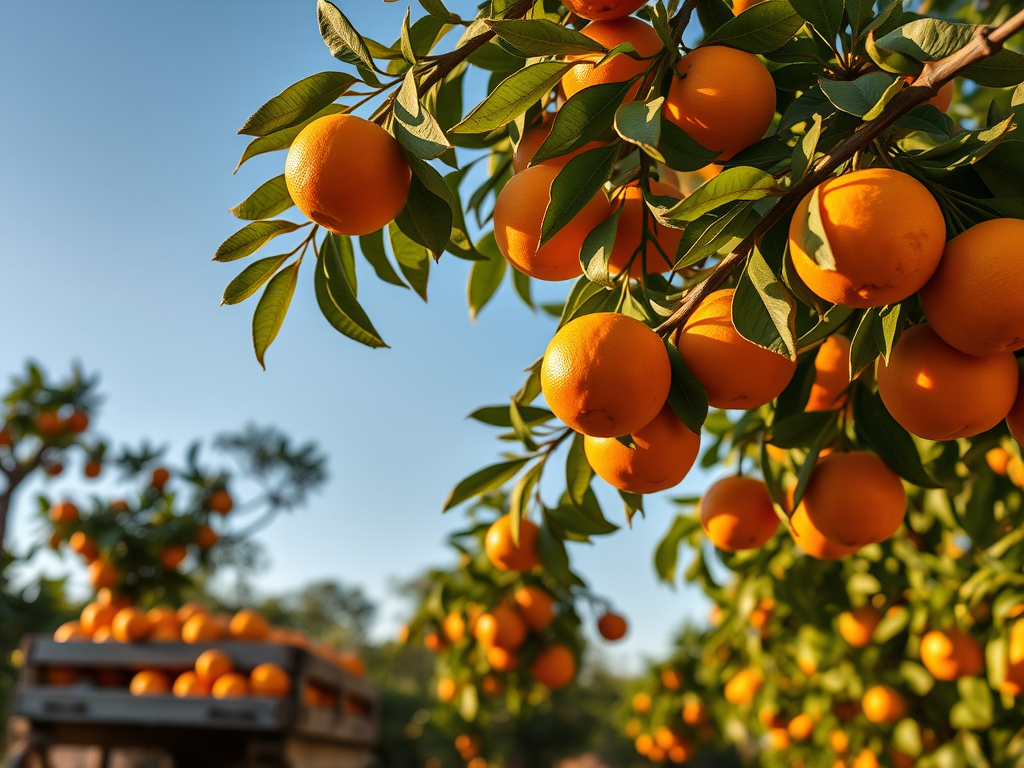
Tangerines trace a long arc from ancient Asian orchards to their modern role as a nutritious, widely loved citrus. The most important point is that tangerines are not a separate ancient species but a type or hybrid of mandarin orange, with their name tied to Tangier, Morocco, where Western traders first encountered them.
🍊 Origins and Early History
Where tangerines actually come from
- Indigenous to Southeast Asia, like other mandarins. They spread westward along trade routes into the Mediterranean and beyond.
- Their cultural history spans over 3,000 years, with deep symbolism in Asian societies—prosperity, good fortune, and imperial luxury.
When and how they were “discovered”
- Western documentation begins in the early 1700s, when the term tangerine appeared in English to describe mandarins shipped from Tangier, Morocco.
- Botanically, they were later classified as Citrus × tangerina, reflecting their hybrid nature and close relationship to mandarins.
Why they were called “tangerines”
- The name originally meant “of Tangier”, referring to the port from which the fruit was exported to Europe.
🍊 Known Facts About Tangerines
- They are small, thin‑skinned, easy to peel, and typically sweeter than oranges.
- They are a variety of mandarin orange, not a standalone species.
- They thrive in subtropical climates, especially in southern Europe and the southern United States.
- They are rich in vitamin C, antioxidants, and flavonoids.
🍊 Little‑Known or Surprising Facts
- Ancient symbolism: In China, tangerines were exchanged as gifts during New Year celebrations because their color resembled gold, symbolizing wealth.
- Hybrid complexity: Many tangerines contain pomelo ancestry, making them more genetically complex than they appear.
- Global spread: Their journey from Southeast Asia to North Africa and then to Europe and the Americas mirrors major historical trade routes.
- Cultural prestige: In some ancient courts, tangerines were considered luxury fruit reserved for elites.
🍊 How Tangerine Was Used in Traditional Medicine
Across East and Southeast Asia—especially in Chinese, Korean, and Japanese traditional medicine—the peel, not the fruit, was the main medicinal part. The dried peel is known as chenpi (aged peel) or qingpi (green/unripe peel), each with different effects.
Core traditional uses
- Digestive support — easing bloating, indigestion, sluggish digestion, and nausea.
- Respiratory support — helping loosen phlegm, calm coughs, and open the chest.
- Circulation and energy flow — used to “move qi,” especially when stagnation caused discomfort or emotional tension.
- Appetite regulation — stimulating appetite in people recovering from illness.
- Anti‑nausea — peel teas were used for morning sickness or motion sickness.
- Menstrual support — unripe peel (qingpi) was used to ease cramping related to qi stagnation.
🍊 Core Traditional Uses of Tangerine Peel
Tangerine peel was prized for its ability to regulate qi, support the spleen and stomach, and clear phlegm. These functions made it a staple in many classic herbal formulas.
- Digestive support — Used to ease bloating, nausea, vomiting, and loss of appetite by strengthening digestion and improving energy flow.
- Respiratory relief — Valued as an expectorant and antitussive, helping break down phlegm and soothe coughs.
- Qi regulation — Considered essential for smoothing stagnant qi, especially in the digestive tract.
- Dampness reduction — Used to “dry dampness,” a TCM concept associated with sluggish digestion and mucus accumulation.
🌿 Historical and Cultural Context
Tangerine peel appears in some of the oldest herbal texts:
- Shennong Bencao Jing — Listed as a top-grade herb for relieving chest congestion and aiding digestion.
- Compendium of Materia Medica (Li Shizhen) — Described as regulating qi, strengthening the spleen, clearing phlegm, and counteracting alcohol effects.
Its warm, bitter, and acrid qualities were believed to harmonize the middle burner (spleen/stomach) and support lung function.
🌬️ Additional Traditional Benefits
Beyond digestion and respiratory health, tangerine peel was used for:
- Increasing appetite — Especially after illness or digestive weakness.
- Reducing vomiting — Often combined with ginger or other warming herbs.
- Supporting overall vitality — Aged peels were thought to become more potent and harmonizing over time.
🔬 Modern Research Connections
While rooted in tradition, some modern findings echo historical uses:
- Antioxidant and anti-inflammatory effects
- Potential anti-cancer activity
- Possible liver and nerve protection These findings remain preliminary but align with the herb’s long-standing therapeutic reputation.
🧡 How It Was Commonly Prepared
Traditional preparations included:
- Herbal teas made from aged peel
- Powdered peel added to formulas
- Culinary use in soups and broths for digestive support
The peel was often aged for years to deepen its aroma and enhance its medicinal qualities.
These uses reflect traditional frameworks, not modern clinical evidence, and should not replace medical care.
🍊 The Two Main Medicinal Peels
Chenpi (aged tangerine peel)
- Made from ripe tangerine or mandarin peel.
- Aged for months or years; older peel was considered more potent.
- Used for digestive issues, phlegm, and mild nausea.
- Considered warming and aromatic.
Qingpi (unripe green peel)
- Made from unripe fruit.
- Stronger, more bitter, and more “moving.”
- Used for stagnation, abdominal discomfort, and emotional tension.
🍊 How It Was Prepared Historically
- Decoctions (boiled teas) — the most common form.
- Powdered peel — mixed into warm water or honey.
- Infused wines — used in some regions for circulation.
- Aromatics — peel oils used for mood and digestion.
- Culinary medicine — peel added to soups or broths for both flavor and function.
🍊 Why Tangerine Peel Was So Valued
Traditional physicians believed tangerine peel had a unique combination of:
- Aromatic oils (to “awaken” digestion)
- Bitterness (to move stagnation)
- Warmth (to counter cold, damp conditions)
- Drying qualities (to reduce phlegm)
This made it a versatile remedy in households for centuries.
🍊 Modern Scientific Perspective
Modern research focuses on compounds found in citrus peel, such as:
- Hesperidin
- Naringin
- Limonene
- Flavonoids and essential oils
These compounds are being studied for:
- Anti‑inflammatory effects
- Antioxidant activity
- Potential cholesterol‑modulating effects
- Digestive support
- Mild antimicrobial properties
These findings are preliminary and not a substitute for medical treatment. Anyone considering herbal use should consult a qualified healthcare professional.
🍊 How Traditional and Modern Uses Connect
Traditional uses often align with what modern chemistry suggests:
- Aromatic oils → may help with nausea and digestion
- Flavonoids → may support respiratory and immune function
- Bitter compounds → may stimulate digestive secretions
But modern medicine requires controlled studies, so these connections remain suggestive rather than proven.
🍊 A Few Lesser‑Known Traditional Facts
- Aged peel was sometimes kept for decades, and very old chenpi was considered precious.
- Peel was more valuable than the fruit in some regions.
- Tangerine peel was used in incense for calming and purification.
- In some folk traditions, peel was hung in homes to ward off dampness and illness.
🍊 Aging Was Considered a Medicine in Itself
In traditional Chinese practice, Chen Pi wasn’t just dried—it was aged for years, sometimes decades. Practitioners believed older peel became more aromatic, more balanced, and more potent at regulating qi. Some regions, especially Guangdong’s Xinhui, became famous for producing aged peels prized like fine tea or wine.
🏺 Used to “Counteract Alcohol Toxicity”
Classical texts such as Compendium of Materia Medica describe Chen Pi as helpful for reducing the negative effects of alcohol, easing nausea, and settling the stomach after drinking. This use is rarely mentioned today but was common historically.
🌬️ A Tool for Transforming “Cold” and “Wet” Phlegm
While many herbs address phlegm, Chen Pi was specifically valued for phlegm caused by cold and dampness, not heat. Its warm, aromatic nature helped “dry” and “move” stagnation in the lungs—an important nuance in TCM diagnosis.
🌱 A Key Ingredient in Foundational Formulas
Chen Pi appears in some of the most fundamental TCM formulas, such as Er Chen Tang, which is considered the base formula for treating phlegm disorders. Its presence in so many classics shows how essential it was to herbal theory.
🧪 Packed With Natural Oils That Shape Its Actions
Traditional physicians didn’t know the chemistry, but they recognized the peel’s strong aroma as medicinal. Modern analysis shows it contains limonene, β‑myrcene, linalool, and other volatile oils, which align with its traditional roles in digestion, phlegm transformation, and qi movement.
🌾 A Symbol of Regional Identity and Craftsmanship
In southern China, especially Xinhui, Chen Pi became more than medicine—it was a cultural product, with families passing down peel‑aging techniques. Some peels were stored in clay jars and turned periodically to prevent moisture buildup, almost like aging pu‑erh tea.
🧡 Not Interchangeable With Fresh Peel
Although both come from tangerines, traditional practitioners insisted that fresh peel was not a substitute. Fresh peel was considered too sharp, too moist, and lacking the harmonizing qualities that aging produced. This distinction remains emphasized today.
🍵 Used in Ritual Foods and Seasonal Remedies
Beyond medicine, Chen Pi was added to congee, soups, and festival dishes not just for flavor but to support digestion during heavy seasonal meals—a culinary‑medicinal crossover that’s easy to overlook.
🍊 Modern Medical and Nutritional Uses
Modern science focuses on nutrients and bioactive compounds rather than traditional energetics.
Evidence‑supported benefits today
- Immune support: High vitamin C content supports immune function.
- Antioxidant protection: Flavonoids help reduce oxidative stress.
- Heart health: Citrus compounds may support healthy cholesterol levels (general citrus research).
- Skin health: Vitamin C supports collagen formation.
🍊 Cultural Significance
Tangerine peel—especially aged chenpi—developed a reputation far beyond its medicinal value.
- A symbol of refinement and heritage — In regions like Guangdong, aged peel is treated almost like a vintage tea or wine. Some families store it for decades, and Xinhui’s 700‑year tradition of producing aged peel is so respected that sayings compare its value to gold.
- A treasured gift — In Chinese cultural practice, high‑quality aged peel is often given as a meaningful gift, representing health, longevity, and craftsmanship. This is reflected in modern cultural documentaries exploring how orange peel bridges medicine, cuisine, and tradition.
- A ritual ingredient — In tea culture, dropping a sliver of aged peel into a gaiwan is considered a quiet act of elegance, blending ancient wellness with modern culinary artistry.
These cultural layers helped transform tangerine peel from a household ingredient into a regional identity marker—especially in Xinhui, where terroir and technique define its prestige.
🍽️ Culinary Uses
Tangerine peel is equally at home in the kitchen, where its aroma and complexity shape both traditional and modern dishes.
- A traditional seasoning — Sun‑dried mandarin peel has long been used to flavor Chinese dishes, offering a sweet, pungent, slightly bitter profile that deepens with age.
- Aromatic enhancer in soups and stews — Its warm, citrusy notes brighten broths and help balance rich or fatty foods.
- Tea and infusions — Steeping aged peel creates a fragrant drink used for digestion and relaxation, and in gourmet settings, chefs treat it as a refined tea ingredient.
- Modern gourmet applications — Contemporary chefs incorporate aged peel into Michelin‑level cuisine, using its earthy, time‑softened citrus character to add depth to sauces, desserts, and even cocktails.
- Ingredient in specialty dishes — Recipes like chenpi chicken or chenpi duck rely on the peel’s ability to cut through richness while adding a signature aroma.
The culinary appeal comes from its transformation: fresh zest is bright and volatile, but aged peel becomes woody, mellow, and complex—almost like an aged balsamic or fermented tea.
🌏 How Culture and Cuisine Intertwine
Tangerine peel’s dual identity—medicine and food—shaped its cultural role:
- It appears in festival dishes to support digestion during heavy seasonal meals.
- It’s used in tea rituals that emphasize calmness, balance, and tradition.
- Its aging process became a craft passed down through generations, turning a simple peel into a cultural artifact.
These layers explain why chenpi is not just an ingredient but a story—one that connects agriculture, medicine, cuisine, and heritage.
⚠️ Groups traditionally advised to avoid tangerine peel
These cautions come from classical TCM texts and modern herbal references.
- People with “excess heat” conditions — Because tangerine peel is considered warm, it may worsen symptoms like fever, dryness, or inflammation.
- Individuals with citrus allergies — Anyone allergic to citrus fruits or related plants should avoid it.
- People showing internal heat signs — Such as a red tongue with scant fluids, which is listed as a contraindication.
- Those with hemoptysis or hematemesis — Traditional sources advise against its use when there is coughing or vomiting blood.
- Pregnant or breastfeeding individuals — Not strictly forbidden, but recommended only under professional supervision.
- Children, the elderly, or people who are frail — Also recommended to use only with supervision.
- People taking certain medications — Tangerine peel may interact with medications such as anticoagulants or antidiabetic drugs.
🧭 Why these cautions matter
Tangerine peel has warming, aromatic, and qi‑moving qualities. These can be helpful for sluggish digestion or dampness, but they may aggravate conditions involving heat, dryness, bleeding tendencies, or certain medication regimens.
Culinary amounts (like in soups or teas) are usually mild, but medicinal doses are where contraindications become more relevant.
🍊 Bringing It All Together
Across centuries, tangerine peel has carried a surprisingly rich identity—one that blends traditional medicine, regional craftsmanship, and everyday cooking. In herbal practice, it was valued for its ability to move qi, support digestion, and transform phlegm. In the kitchen, it became a fragrant seasoning that deepens broths, brightens rich dishes, and anchors beloved recipes like chenpi duck. Culturally, aged peel evolved into a symbol of refinement, a treasured gift, and a craft passed down through generations in places like Xinhui.
What makes tangerine peel enduring isn’t just its versatility, but the way it bridges these worlds. It’s a reminder that food, medicine, and culture have always been intertwined—and that even something as humble as a citrus peel can hold centuries of meaning, memory, and skill.
🛒 Where it’s commonly available in the U.S.
You can find chenpi through several reliable channels:
- Major online retailers — Amazon carries a wide range of dried tangerine peel products, including basic dried strips and premium aged Xinhui varieties.
- Herbal medicine suppliers — Shops like ActiveHerb offer bulk, traditionally prepared chenpi with clear sourcing and TCM‑specific details.
- Specialty Asian markets — Stores such as Wing Hop Fung sell aged peels, sometimes from specific years, similar to how tea vintages are sold.
These sources cover everything from everyday culinary peel to high‑end aged varieties prized in Cantonese cuisine.
🍊 Putting It All Together
Tangerines began as Southeast Asian mandarins, gained their Western name through Moroccan trade routes, and evolved into a globally beloved fruit with both cultural symbolism and nutritional value. Their story blends botany, trade history, and traditional medicine with modern nutritional science.
 EJADA
EJADA 
Leave a comment