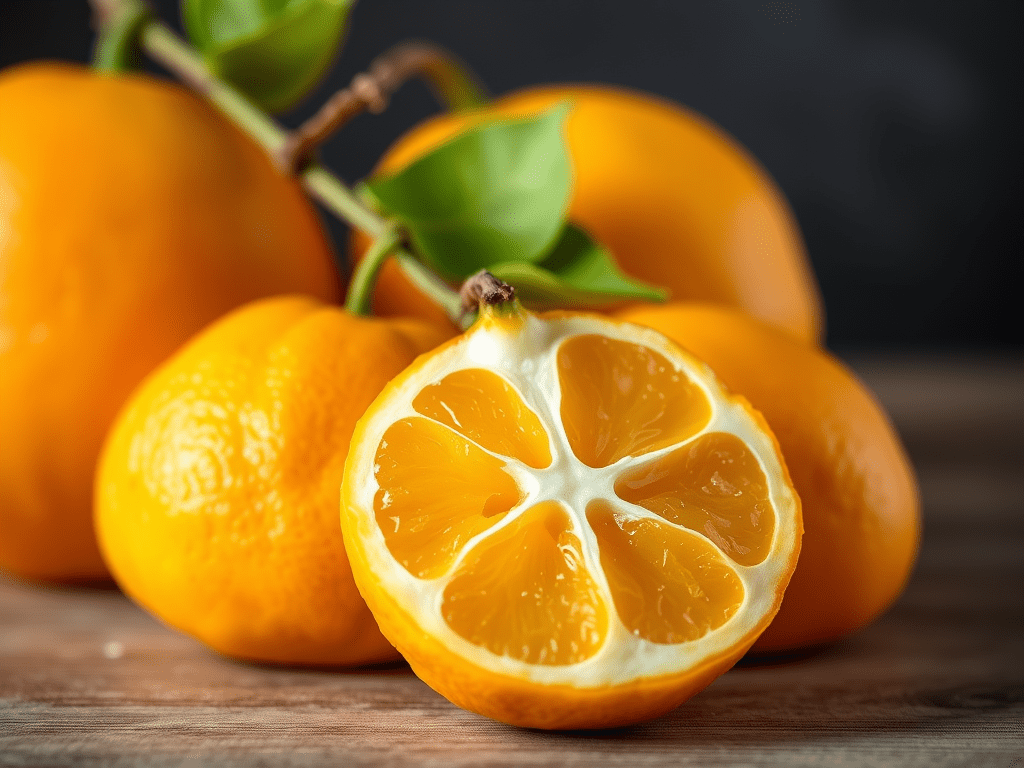
Tangelos are a hybrid citrus fruit created by crossing a tangerine/mandarin (Citrus reticulata) with either a pomelo or grapefruit (Citrus maxima or Citrus paradisi). They stand out for their bright color, juicy flesh, and the little “knob” at the stem end.
🧬 Origins & Discovery
Tangelos emerged from deliberate crossbreeding between:
Citrus reticulata (tangerine/mandarin)
Citrus maxima (pomelo) or Citrus paradisi (grapefruit)
Growers wanted a fruit that combined:
The sweetness and easy peeling of tangerines
The size, juiciness, and tangy brightness of pomelos or grapefruits
This hybridization produced a fruit with a distinctive necked or bell shape, loose peel, and a juicy, sweet‑tart flavor profile.
🌱 Early Hybrid Development
While citrus hybridization had been practiced for centuries, the modern tangelo took shape through agricultural experimentation in the U.S., especially in:
Florida — where many commercial tangelo varieties were developed
California — where research collections like the Givaudan Citrus Variety Collection maintain and study tangelo cultivars
Two of the most important early varieties are:
Minneola Tangelo Developed from crossing Dancy mandarin with Duncan grapefruit. Known for its bell shape and intense flavor.
Orlando Tangelo A sibling of Minneola, sharing the same parentage. It was introduced to growers in 1958 and is known for its sweeter, rounder fruit and slightly better cold tolerance.
These varieties helped popularize tangelos in U.S. markets and established them as a distinct citrus category.
🧬 Scientific Recognition (1975)
Although tangelos were already being grown and sold, they weren’t formally recognized in botanical literature until Ingram & Moore published the hybrid classification Citrus × tangelo in 1975. This naming:
Confirmed the fruit’s hybrid status
Standardized its identity for horticulture and research
Helped distinguish it from other mandarin–grapefruit hybrids
🌍 Why Tangelos Matter in Citrus History
Tangelos represent a turning point in citrus breeding because they:
Demonstrated how intentional hybridization could create commercially successful fruits
Offered growers a cold‑tolerant, high‑yield option in certain climates
Introduced consumers to a new flavor profile that blended sweet, tart, and aromatic notes
Inspired later hybrids, including the Ugli fruit and other mandarin–grapefruit crosses
They also remain a staple in citrus research collections, where scientists study their genetics, pollination behavior, and disease resistance.
Minneola (Honey bell) — the most popular, known for its bell shape.
Orlando tangelo — sweeter and rounder.
Cushman Honey bell — often seen in markets.
🍽️ Everyday Uses in the Kitchen
Tangelos fit naturally into quick, everyday cooking because they’re juicy, aromatic, and easy to peel.
- Fresh snacking — Their loose peel and low acidity make them a convenient, refreshing fruit to eat out of hand.
- Juicing — Their high juice content adds brightness to smoothies, cocktails, mocktails, and simple fresh juice blends.
- Salads — Segments add a sweet, tangy contrast to greens, grains, or citrus medleys, often paired with mint or herbs.
- Zest for baking — The zest brings a fragrant citrus lift to muffins, cakes, cookies, and curds.
These everyday uses make tangelos a go‑to citrus for cooks who want brightness without the bitterness of grapefruit or the acidity of lemons.
🍰 Desserts & Sweet Creations
Recipe collections show tangelos starring in a wide range of desserts thanks to their aromatic oils and balanced flavor.
- Muffins and quick breads — Tangelo muffins are a popular way to bring citrus into breakfast or snacks.
- Cakes, curds, and creamsicles — Their juice and zest create rich curds, creamy frozen treats, and moist cakes.
- Marmalade — A classic use, blending tangelo flesh, peel, sugar, and lemon juice into a bright preserve. Multiple recipe sources highlight marmalade as a signature tangelo preparation.
Because tangelos are naturally sweet with a hint of tartness, they balance sugar well and keep desserts from becoming overly heavy.
🥗 Savory Dishes & Marinades
Tangelos also work beautifully in savory cooking, where their acidity and aroma help tenderize and brighten.
- Citrus marinades — Their juice adds tang and natural sweetness to chicken, seafood, and pork marinades.
- Glazes and sauces — Reduced tangelo juice can glaze roasted vegetables or proteins.
- Salad dressings — Whisked with olive oil and herbs, tangelo juice creates a vibrant vinaigrette.
Recipe roundups frequently include tangelo‑based marinades and savory salads, showing how well the fruit pairs with herbs, greens, and proteins.
🍹 Drinks & Refreshers
Because tangelos are extremely juicy, they’re a natural fit for beverages.
- Smoothies — Their sweetness reduces the need for added sugar.
- Cocktails — Bartenders use tangelo juice for citrus-forward drinks with a softer edge than grapefruit.
- Infused waters — Sliced tangelos add aroma and flavor without bitterness.
Their juice blends well with other citrus, berries, and herbs like mint or basil.
🧂 Creative & Less Common Uses
Cooks also use tangelos in more inventive ways:
- Citrus salsas — Chopped tangelo mixed with jalapeño, cilantro, and onion for topping fish or tacos.
- Roasted fruit bowls — Segments roasted with honey or spices for breakfast bowls.
- Citrus compotes — Slow-cooked tangelo segments for topping yogurt or pancakes.
These uses take advantage of the fruit’s ability to hold its shape while still releasing plenty of juice.Tangelos are versatile and used in:
- Fresh eating — juicy, sweet-tart, and easy to peel.
- Juicing — high juice content makes them excellent for fresh juice blends.
- Desserts — zest and juice brighten cakes, tarts, and sorbets.
- Salads — segments add acidity and sweetness.
- Citrus marinades — their acidity works well for chicken, seafood, and dressings.
They can substitute for mandarins or sweet oranges in most recipes.
🍊 Vitamin & Nutrient Profile (per 100g)
💊 Core Vitamins
Tangelos deliver a concentrated mix of essential vitamins that support immunity, skin, and vision.
- Vitamin C — 28.5–53.2 mg (≈50–59% DV) This is the standout nutrient in tangelos. Vitamin C supports immune defenses, collagen production, wound healing, and antioxidant protection.
- Vitamin A — 770 IU / 11–13% DV Vitamin A contributes to eye health, skin maintenance, and immune function.
- Folate (small amounts) While not as high as oranges, tangelos contain folate that supports cell growth and metabolism.
⚡ Key Minerals
These minerals help regulate hydration, muscle function, and overall metabolic balance.
- Potassium — 170–181 mg (≈4–5% DV) Potassium supports heart rhythm, blood pressure regulation, and muscle function.
- Calcium — 40 mg (≈3% DV) Contributes to bone health and nerve signaling.
- Iron — 0.1 mg (≈1% DV) Supports oxygen transport and energy production.
🌿 Antioxidants & Phytonutrients
Tangelos contain several plant compounds that enhance their health benefits:
- Flavonoids — anti‑inflammatory and antioxidant effects
- Lycopene — supports heart and eye health
- Vitamin C (also an antioxidant)
These compounds help reduce oxidative stress, support cardiovascular health, and may contribute to long‑term disease prevention.
📊 Macronutrient Breakdown (per 100g)
- Calories: 47 kcal
- Carbohydrates: 11.5–12 g
- Sugars: 9–9.5 g (naturally occurring)
- Fiber: 1.6–2.4 g (≈5–9% DV)
- Protein: 0.6–1.0 g
- Fat: 0.12–0.3 g (virtually fat‑free)
This makes tangelos a low‑calorie, hydrating, high‑fiber fruit that fits easily into weight‑friendly or nutrient‑dense diets.
💧 Hydration & Glycemic Impact
- Water content: ~86% Helps with hydration and satiety.
- Glycemic Index: ~40 A low‑GI fruit that provides steady energy without sharp blood sugar spikes.
🧠 Why This Profile Matters for Health
The nutrient combination in tangelos supports multiple systems:
Weight management: Low calorie, high nutrient density
Immunity: High vitamin C and antioxidants
Skin health: Vitamin C + vitamin A
Heart health: Potassium + flavonoids + lycopene
Digestion: Fiber supports gut regularity
Hydration: High water content keeps you refreshed
- Vitamin C: 50% DV (28.5 mg) — supports immunity and skin health
- Vitamin A: 13% DV — supports vision and immune function
- Potassium: 170 mg — supports heart and muscle function
- Fiber: 1.6 g — aids digestion
- Calories: 47
- Water content: 86% — hydrating and refreshing
💪 Health Benefits
Tangelos offer a wide range of science-backed benefits:
🧬 Immune System Strengthening
Tangelos are rich in vitamin C, which plays several critical roles in immune defense.
- Enhances white blood cell activity — Vitamin C increases the production and efficiency of neutrophils and lymphocytes, helping the body fight infections more effectively.
- Supports epithelial barriers — Vitamin C strengthens the skin and mucous membranes, which act as the body’s first line of defense.
- Reduces oxidative stress — As a potent antioxidant, vitamin C neutralizes free radicals that weaken immune cells.
These mechanisms explain why tangelos are often recommended for preventing colds and supporting overall immune resilience.
❤️ Cardiovascular Protection
Several compounds in tangelos work together to support heart health.
- Potassium helps regulate blood pressure by balancing sodium levels and relaxing blood vessel walls. High potassium intake is linked to lower stroke risk and improved vascular function.
- Flavonoids and lycopene reduce inflammation and oxidative stress in blood vessels, slowing plaque formation.
- Soluble fiber (pectin) binds to LDL cholesterol in the digestive tract, helping lower “bad” cholesterol levels.
Together, these effects contribute to healthier arteries, improved circulation, and reduced cardiovascular risk.
🧠 Cognitive and Neurological Support
Tangelos contain B‑vitamins, potassium, and antioxidants that influence brain function.
- B‑vitamins (including folate) support neurotransmitter synthesis and help regulate mood and cognitive processing.
- Potassium supports nerve signaling, helping maintain proper electrical activity in the brain.
- Antioxidants reduce neuroinflammation, a factor associated with cognitive decline.
These mechanisms explain why tangelos are linked to improved mental clarity and long‑term brain health.
🧡 Skin Health and Collagen Production
Vitamin C and antioxidants in tangelos directly influence skin biology.
- Vitamin C is required for collagen synthesis, the protein that keeps skin firm and elastic.
- Flavonoids protect skin cells from UV‑induced oxidative damage, slowing premature aging.
- High water content improves hydration, supporting a smoother, more radiant complexion.
These effects make tangelos beneficial for maintaining youthful, resilient skin.
👁️ Eye Health
Tangelos contain vitamin A, vitamin C, and lycopene, all of which support ocular function.
- Vitamin A maintains the health of the cornea and retinal cells, reducing risk of night blindness.
- Antioxidants protect eye tissues from oxidative stress, which contributes to age‑related macular degeneration.
- Lycopene supports retinal health by reducing inflammation and protecting photoreceptor cells.
This combination makes tangelos a strong addition to eye‑supportive diets.
🦠 Anti‑Inflammatory and Antioxidant Effects
Tangelos contain several antioxidant compounds:
- Vitamin C
- Flavonoids
- Lycopene
These compounds help:
- Reduce chronic inflammation
- Neutralize free radicals
- Protect DNA and cellular structures
- Lower risk of chronic diseases such as heart disease and certain cancers
The anti‑inflammatory effects also support joint health and overall metabolic balance.
🧃 Digestive Health
Tangelos support digestion through:
- Dietary fiber, which promotes regular bowel movements and supports gut microbiome balance.
- Citrus acids, which stimulate digestive enzymes and improve nutrient absorption.
- Vitamin C, which enhances iron absorption from plant foods.
These mechanisms help prevent constipation, support gut health, and improve nutrient uptake.
⚖️ Weight Management and Metabolic Support
Tangelos are naturally low in calories and high in water and fiber.
- Fiber increases satiety, reducing overeating.
- Low glycemic index (~40) helps maintain stable blood sugar levels.
- Natural sugars provide steady energy without sharp spikes.
These properties make tangelos a strong choice for weight‑conscious or metabolic‑friendly diets.
🧂 Kidney Stone Prevention
The citric acid in tangelos binds to calcium in the urine, reducing the formation of calcium‑oxalate kidney stones. This mechanism is similar to that of lemons and oranges.
🦴 Bone and Muscle Support
Tangelos contain calcium, magnesium, and potassium, which support:
- Bone mineral density
- Muscle contraction and relaxation
- Electrolyte balance
These minerals work together to maintain skeletal strength and prevent muscle cramps.
🧘 Stress Reduction
Vitamin C helps regulate cortisol, the body’s primary stress hormone.
- Lower cortisol levels improve mood stability
- Reduced oxidative stress supports mental resilience
This explains why citrus fruits, including tangelos, are associated with improved stress response.
🧪 Summary of Scientific Mechanisms
Citric acid → kidney stone prevention
Vitamin C → immune support, collagen production, antioxidant defense
Vitamin A → eye health, skin maintenance
Potassium → blood pressure regulation, nerve function
Fiber → digestive health, cholesterol reduction
Flavonoids & Lycopene → anti‑inflammatory, heart protection, cellular defense
Citrus flavonoids help reduce inflammation and oxidative stress.
🍊 Major Tangelo Varieties
Minneola (Honeybell)
Minneola is the most recognizable tangelo, famous for its bell‑shaped “neck” and bright orange skin. It has a bold sweet‑tart flavor, very high juice content, and a loose peel that makes it easy to handle. It’s typically in season from late December through February and is often considered the premium tangelo for fresh eating and juicing.
Orlando
Orlando tangelos are rounder, slightly sweeter, and less tangy than Minneola. They have a smoother peel and fewer seeds, making them a popular choice for children and for recipes that need a milder citrus note. They’re also more cold‑tolerant, which is why they’re widely grown in Florida.
Cushman Honeybell
Cushman is a specialty Honeybell variety known for its exceptionally sweet flavor and very soft, juicy flesh. It’s often sold in limited quantities because the fruit is delicate and harder to ship. Many citrus enthusiasts consider Cushman the richest‑tasting tangelo.
Seminole
Seminole tangelos are firmer, more tart, and have a deeper orange color. They’re less common in grocery stores but valued by growers for their hardiness and strong citrus aroma. Their acidity makes them excellent for marmalades and citrus-forward desserts.
Ugli Fruit (Jamaican Tangelo)
Although not always labeled as a tangelo, the Ugli fruit is a natural hybrid of mandarin and grapefruit. It has a rough, wrinkled peel but a surprisingly sweet, mellow flavor. It’s larger than typical tangelos and works well in salads and fruit bowls.
🛒 How to Select the Best Tangelos
Look for weight
A good tangelo should feel heavy for its size. This indicates high juice content and freshness.
Check the skin
The peel should be:
- Bright orange
- Smooth or slightly pebbled
- Free of soft spots or mold
A slightly loose peel is normal and often means the fruit is easy to segment.
Avoid overly firm fruit
Tangelos should have a gentle give when pressed. Hard fruit may be underripe; overly soft fruit may be past its prime.
Smell the stem end
A strong, sweet citrus aroma signals peak ripeness.
Season matters
The best tangelos appear in winter:
- Orlando: early winter
- Minneola/Honeybell: January–February
- Ugli fruit: winter through early spring
Buying in season ensures better flavor and lower prices.
🧊 How to Store Tangelos for Maximum Freshness
Room temperature (short-term)
Tangelos keep well on the counter for 3–5 days. This is ideal if you plan to eat them quickly and want the best flavor and juiciness.
Refrigerator (long-term)
For longer storage:
- Place tangelos in the crisper drawer
- Keep them in a breathable bag (mesh or perforated plastic)
- They will stay fresh for 2–3 weeks
Cold temperatures slow moisture loss and preserve vitamin C.
Avoid sealed plastic bags
Moisture buildup can cause mold. Airflow is important.
Keep away from ethylene‑producing fruits
Apples, bananas, and avocados can cause tangelos to soften faster.
Freezing (for juice or zest)
While whole tangelos don’t freeze well, you can freeze:
- Juice (up to 6 months)
- Zest (up to 3 months)
This is useful for baking or marinades.
🍽️ When Each Variety Works Best
- Minneola/Honeybell: juicing, fresh eating, cocktails
- Orlando: salads, kids’ snacks, mild desserts
- Cushman: premium fresh eating, gourmet recipes
- Seminole: marmalades, sauces, baking
- Ugli fruit: fruit bowls, salsas, salads
🍽️ Fresh & Light Recipes (Showcasing Pure Flavor)
Tangelo & Mint Fruit Salad
Segments of tangelo mixed with berries, kiwi, and fresh mint. The natural acidity prevents browning and brightens the whole bowl.
Winter Citrus & Avocado Bowl
Tangelo segments paired with avocado, red onion, and arugula. The fruit’s acidity balances the creaminess of avocado and adds vitamin C to help absorb plant‑based iron.
Tangelo Yogurt Parfait
Layer Greek yogurt, tangelo segments, granola, and a drizzle of honey. Vitamin C enhances calcium absorption from the yogurt.
🥗 Savory Recipes (Using Tangelo as an Acid Element)
Tangelo‑Ginger Chicken Marinade
Juice + zest + ginger + garlic + olive oil. The citric acid tenderizes the protein while the zest adds aromatic oils.
Tangelo & Herb Salmon
Brush salmon with tangelo juice, dill, and a touch of honey before roasting. The sugars caramelize, creating a glossy citrus glaze.
Tangelo Salsa for Fish or Tacos
Chopped tangelo, jalapeño, cilantro, red onion, and lime. The sweet‑heat combo works especially well with grilled seafood.
🍰 Sweet Recipes (Baking & Desserts)
Tangelo Olive Oil Cake
Zest and juice folded into a moist olive‑oil batter. The zest’s essential oils carry most of the citrus aroma, while the juice adds moisture.
Tangelo Curd
A silky spread made with tangelo juice, zest, eggs, and a little butter. Perfect for scones, pancakes, or tart fillings.
Tangelo Marmalade
A classic: chopped peel + flesh + sugar + lemon. Tangelos’ thin peel and natural sweetness make a softer, less bitter marmalade than traditional orange.
Tangelo Sorbet
Blend juice with a little sugar and freeze. High water content makes it naturally smooth and refreshing.
🍹 Drinks & Refreshers (Where Tangelos Shine)
Fresh Tangelo Juice
Sweeter than grapefruit, brighter than orange—excellent on its own or mixed with sparkling water.
Tangelo Smoothie
Blend tangelo segments with banana, yogurt, and ginger. Vitamin C boosts iron absorption if you add spinach.
Tangelo Mojito or Mocktail
Muddle mint + tangelo juice + lime + sparkling water. The aromatic oils from the zest elevate the drink.
Tangelo Iced Tea
Brewed black or green tea chilled with tangelo slices. Adds natural sweetness without added sugar.
🍳 Creative & Advanced Recipes (For Foodies)
Tangelo‑Roasted Root Vegetables
Roast carrots or sweet potatoes with tangelo juice, rosemary, and olive oil. The sugars caramelize and create a glossy finish.
Tangelo‑Glazed Tofu or Tempeh
A reduction of tangelo juice, soy sauce, and garlic. Balances sweet, salty, and acidic notes.
Tangelo Chia Pudding
Mix tangelo juice with coconut milk and chia seeds. The acidity helps soften the chia and adds brightness.
🧠 Why Tangelos Work So Well in Recipes
- High juice content makes them ideal for marinades, drinks, and glazes.
- Aromatic zest carries essential oils that intensify citrus flavor in baked goods.
- Balanced sweet‑tart profile works in both sweet and savory dishes.
- Thin peel makes them easier to zest and segment than many oranges.
- Vitamin C and flavonoids remain stable in cold recipes, adding nutritional value.
🍊 People Who Should Be Cautious With Tangelos
1. Individuals with citrus allergies
A citrus allergy can cause:
- Itching or swelling of the mouth or lips
- Skin reactions
- Digestive discomfort
- In rare cases, more serious reactions
Tangelos are part of the citrus family, so anyone with known citrus sensitivity should avoid them.
2. People taking certain medications
Some citrus fruits—especially grapefruit—interact with medications. Tangelos are a hybrid of tangerine and pomelo/grapefruit, so there is a possibility of similar interactions.
Medications that may be affected include:
- Certain cholesterol‑lowering drugs (statins)
- Some blood pressure medications
- Some anti‑anxiety or sleep medications
- Some immune‑suppressing drugs
A doctor or pharmacist can confirm whether tangelos are safe with a specific medication.
3. Individuals with acid reflux or GERD
Citrus fruits can worsen symptoms such as:
- Heartburn
- Chest discomfort
- Acid regurgitation
Tangelos are less acidic than lemons or grapefruits, but still acidic enough to trigger symptoms in sensitive individuals.
4. People with kidney issues related to potassium
Tangelos contain potassium. Most people benefit from this, but those with kidney disease or who must limit potassium intake may need to avoid or restrict citrus fruits.
5. People prone to mouth ulcers or canker sores
Citrus acids can irritate:
- Existing mouth sores
- Sensitive oral tissues
This doesn’t cause harm but can be uncomfortable.
6. Infants under 1 year old
Citrus fruits can irritate an infant’s digestive system and skin. Pediatric guidance usually recommends introducing citrus after 12 months.
🧭 How to decide safely
If someone has:
- A citrus allergy
- Medication interactions
- Chronic digestive issues
- Kidney disease
- A restricted diet
they should check with a healthcare professional before adding tangelos regularly.
📚 Sources
These references support the nutritional data, health benefits, side‑effects, and usage information included in your tangelo article.
MyHealthopedia – “Tangelo: 20 Benefits, Nutrition, Side Effects & How Much to Eat” Provides detailed nutrition facts, health benefits, side effects, and who should avoid tangelos.
Organic Facts – “5 Proven Benefits of Tangelo” Covers varieties, nutritional composition, antioxidant content, and health effects.
Biology Insights – “Are Tangelos Good for You? Nutrition & Health Benefits” Explains hybrid origins, vitamin and mineral content, and medication‑interaction considerations.
General Nutrition Data (USDA‑based values) Provides standardized nutrient breakdown per 100g of raw tangelo.
⚠️ Health Disclaimer
This article is for informational and educational purposes only. It is not medical advice and should not be used to diagnose, treat, or manage any health condition. Nutritional needs and health risks vary from person to person. If you have allergies, chronic health conditions, take prescription medications, or have concerns about adding tangelos (or any citrus fruit) to your diet, consult a licensed healthcare professional before making dietary changes.
🌟 Closing
Tangelos bring together the best of tangerines and pomelos—bright flavor, refreshing juiciness, and a powerhouse of vitamins and antioxidants. Whether you enjoy them fresh, in recipes, or as part of a wellness‑focused diet, they offer a delicious way to support overall health. With their unique varieties, vibrant nutrient profile, and versatile culinary uses, tangelos earn their place as a standout fruit in any healthy‑living journey.
📝 Quick Summary
- Hybrid of: Tangerine × Pomelo/Grapefruit
- Discovered/Named by: J.W. Ingram & H.E. Moore (1975)
- Used for: Eating fresh, juicing, desserts, salads, marinades
- Key vitamins: C, A, potassium, fiber
- Health benefits: Immunity, heart health, skin/eye support, hydration, digestion, antioxidants
 EJADA
EJADA 
Leave a comment