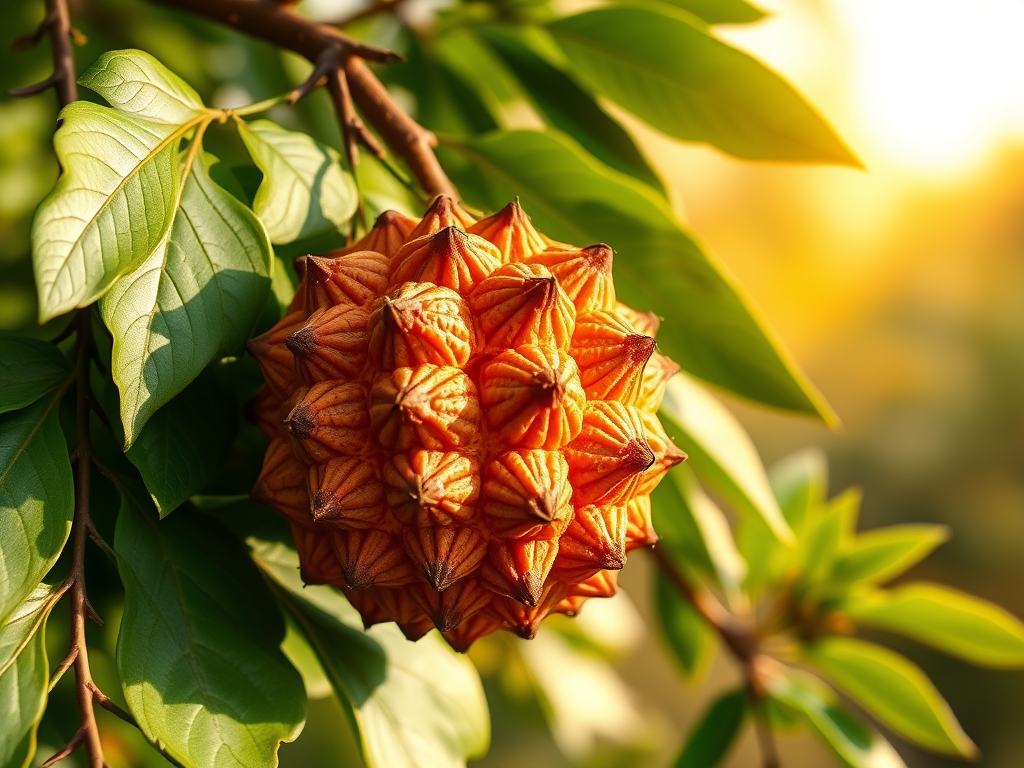
🌿 Tamarind Plum
A fruit of migration, memory, and medicinal depth
🌱 Origins & Discovery
Despite the name “Tamarind Plum,” this fruit is not a plum at all. It refers to Tamarind (Tamarindus indica)**, a pod-bearing fruit native to tropical Africa, especially the Sudanese and Sahel regions. A fruit shaped by migration, trade winds, and ancient hands
Tamarind Plum — the folk name given to the fruit of Tamarindus indica — carries one of the oldest and most geographically complex histories in the plant world. Its story begins long before written language, long before trade routes had names, in the dry tropical woodlands of East Africa, where the tree grew wild and unclaimed.
✨ Indigenous African Beginnings (Thousands of Years Ago)
The earliest botanical and archaeological evidence places tamarind firmly in Sudan and the Sahel belt, where communities used the pulp for:
- Cooling drinks during extreme heat
- Digestive relief
- Ritual foods
- Early forms of fermentation
These uses predate recorded history, making tamarind one of Africa’s oldest continuously used fruits.
✨ Early Human Movement & Cultural Adoption (c. 2000–1000 BCE)
As pastoral and trading communities moved across the continent, tamarind traveled with them. It became a staple in:
- Nubian food traditions
- Sahelian herbal medicine
- East African cooking and cooling rituals
By this time, the fruit was already woven into daily life — a quiet, reliable companion.
✨ Arrival in the Indian Subcontinent (c. 1000 BCE – 300 BCE)
Through early trade networks between Africa and India, tamarind seeds and pods reached the Indian subcontinent. Here, the fruit naturalized so deeply that many believed it originated in India.
This is where the name “Tamarind Plum” begins to take shape.
Arab traders, hearing the fruit called “imli” and seeing its date-like sweetness, named it:
“tamar al‑hind” — the Indian date.
This phrase traveled across languages and centuries, eventually inspiring the folk term Tamarind Plum.
✨ Presence in Ancient Texts (c. 300–200 BCE)
Tamarind appears in early Indian Ayurvedic texts and in the Brahma Samhita, confirming its cultural and medicinal importance more than 2,000 years ago.
By this time, it was:
- A souring agent
- A digestive tonic
- A cooling remedy
- A temple offering
Its African origin was already fading into myth.
✨ Spread Across Southeast Asia (1st–10th Century CE)
Through maritime trade, tamarind reached:
- Thailand
- Cambodia
- Malaysia
- Indonesia
- The Philippines
Each region adopted it into its own culinary and medicinal traditions, shaping the fruit into a global ingredient long before globalization existed.
✨ Arrival in the Middle East & Mediterranean (7th–12th Century CE)
Arab physicians and scholars documented tamarind in early medical texts, praising its cooling, digestive, and fever-reducing properties.
It entered:
- Persian medicine
- Middle Eastern syrups
- Early Mediterranean pharmacopeias
✨ Introduction to the Americas (16th Century CE)
Spanish and Portuguese explorers carried tamarind to:
- Mexico
- Central America
- The Caribbean
Here, it became:
- Aguas frescas
- Tamarind balls
- Syrups and candies
- Herbal remedies
Its African roots found new expression in Afro-Caribbean communities, completing a full circle of cultural memory.
✨ Scientific Naming (1753 CE)
Carl Linnaeus formally described the species as:
Tamarindus indica L. (1753)
The name reflects the long-standing misconception that the fruit originated in India — a testament to how deeply tamarind had embedded itself into South Asian life.
🌍 Why the Name “Tamarind Plum”?
The term Tamarind Plum is a folk descriptor, not a botanical one. It emerged because:
- The pulp resembles a sweet-sour date or plum
- Arab traders associated it with India
- English speakers adapted the name to something familiar
- Its sticky sweetness reminded some cultures of preserved plums
It is a name born from taste, trade, and translation, not taxonomy.
🧭 Timeline Snapshot
| Era | Event |
|---|---|
| Prehistory | Tamarind grows wild in East Africa |
| 2000–1000 BCE | Spread across Africa through early trade and migration |
| 1000–300 BCE | Introduced to India; becomes naturalized |
| 300–200 BCE | Appears in early Ayurvedic and religious texts |
| 1st–10th Century CE | Spreads across Southeast Asia |
| 7th–12th Century CE | Documented in Arab medical texts |
| 16th Century CE | Introduced to the Americas |
| 1753 CE | Linnaeus formally names Tamarindus indica |
🍃 Botanical Identity
| Feature | Description |
|---|---|
| True Name | Tamarind |
| Folk Name | Tamarind Plum |
| Scientific Name | Tamarindus indica |
| Family | Fabaceae (legume family) |
| Fruit Type | Legume pod, not a plum |
| Structure | Brittle shell, sticky pulp, glossy seeds |
Tamarind sits closer to beans, peas, and carob than to stone fruits — yet its sweet‑sour depth has earned it a place in global kitchens.
🌺 Sensory Profile
A fruit that awakens memory, palate, and body
Tamarind Plum carries a sensory presence that feels both ancient and immediate — a fruit that doesn’t simply sit on the tongue but unfolds across the senses in slow, layered waves.
✨ Flavor
The first taste is a bright, assertive tang — a sourness that feels alive, almost electric. Then, as the pulp softens on the tongue, deeper notes emerge:
- Caramel warmth
- Molasses-like sweetness
- A faint smokiness
- A mineral depth that hints at the dry African soils where it first grew
It’s a flavor that doesn’t rush. It lingers, reshapes itself, and leaves a memory behind.
✨ Aroma
The scent of tamarind is subtle but grounding:
- Earthy, like sun-warmed bark
- A whisper of citrus
- A soft date-like sweetness
- A hint of fermentation, ancient and familiar
It smells like something that has traveled — a fruit shaped by heat, wind, and time.
✨ Texture
The pulp is dense and sticky, almost ceremonial in the way it asks you to slow down:
- Thick and velvety
- Fibrous in gentle strands
- Softening with warmth
- Clinging to the fingers like honeyed resin
The seeds inside are smooth, glossy, and cool — a contrast that feels intentional, like the fruit is offering both resistance and release.
✨ Mouthfeel
Tamarind’s mouthfeel is a full-body experience:
- The initial sourness tightens the jaw.
- The sweetness follows, rounding the edges.
- The natural acidity brightens the palate.
- The lingering stickiness creates a slow, grounding finish.
It’s a fruit that activates — not just tasted, but felt.
✨ Visual Presence
Even before opening, the pod tells a story:
- A matte, cocoa-brown shell
- Slightly curved, like a crescent
- A brittle exterior that cracks with a soft, satisfying snap
- Inside, a deep mahogany pulp that looks like concentrated sunlight and soil
It’s rustic, unpolished, and beautiful in its honesty.
✨ Emotional Tone
Tamarind Plum carries a mood — warm, grounding, and quietly intense. It feels like:
- A memory of childhood candies
- A cooling drink on a hot day
- A grandmother’s remedy
- A street vendor’s sauce
- A fruit that has lived many lives before reaching your hands
It is both comforting and awakening, a fruit that holds story and sensation in equal measure.
It’s a fruit that wakes the palate — grounding, bright, and unmistakable.
🍲 Culinary Uses Across Cultures
Tamarind is one of the world’s most quietly influential ingredients:
Africa
- Cooling drinks
- Porridges
- Fermented pastes
India & Sri Lanka
- Rasam
- Chutneys
- Tamarind rice
- Temple offerings
Thailand & Southeast Asia
- Pad Thai
- Dipping sauces
- Soups
Mexico & Central America
- Aguas frescas
- Candies
- Syrups
Caribbean
- Juices
- Stews
- Tamarind balls
It is both a souring agent and a sweetener, depending on how it’s coaxed.
🌿 Traditional Medicinal Properties
Tamarind has been used for centuries in African, Ayurvedic, and Southeast Asian healing systems.
Digestive Support
- Mild natural laxative
- Helps ease constipation
- Traditionally used to soothe indigestion
Cooling & Anti‑Inflammatory
- Used in drinks to reduce fever
- Pulp applied for swelling (varies by region)
Antioxidant-Rich
- Contains tartaric acid, polyphenols, and flavonoids
- Traditionally believed to cleanse and cool the body
Antibacterial & Antimicrobial
- Contains tamarindin, a compound with documented antibacterial activity
Nutrient-Dense
- Natural source of magnesium, potassium, calcium, and B vitamins
(These reflect traditional uses, not medical advice.)
🧪 Nutritional Notes (Per 100g Pulp)
| Nutrient | Amount |
|---|---|
| Calories | ~239 |
| Carbohydrates | High (natural sugars + fiber) |
| Fiber | ~5–6 g |
| Magnesium | Significant |
| Potassium | Significant |
| B Vitamins | Present in meaningful amounts |
| Antioxidants | High |
🌍 Cultural Significance
Tamarind is woven into:
- African cooling rituals
- Indian temple offerings
- Thai street food traditions
- Caribbean home remedies
- Mexican childhood candies
It is a fruit that crosses borders effortlessly, carrying memory, medicine, and flavor wherever it goes.
🌿 Health & Vitamins
A fruit that nourishes through minerals, antioxidants, and natural digestive support
Tamarind Plum — the folk name for the fruit of Tamarindus indica — is more than a sweet‑sour flavor. It’s a nutrient‑dense, mineral‑rich fruit that has supported communities across Africa, India, Southeast Asia, and the Caribbean for centuries. Its benefits come not from hype, but from the quiet intelligence of its natural composition.
Below is a full, expanded EJADA‑style breakdown.
🍃 Vitamin Profile
Tamarind is not a high‑vitamin fruit in the way citrus or berries are, but it offers a meaningful spectrum of B‑vitamins, antioxidants, and minerals that support everyday wellness.
✨ B‑Vitamins (Energy & Metabolism Support)
Tamarind contains several B‑complex vitamins that help the body convert food into energy:
- Vitamin B1 (Thiamine) – supports energy metabolism
- Vitamin B2 (Riboflavin) – contributes to cellular function
- Vitamin B3 (Niacin) – supports skin, digestion, and nervous system health
These vitamins appear in modest but meaningful amounts, especially when tamarind is consumed as a paste or drink.
✨ Vitamin C (Light Presence)
Tamarind contains small amounts of vitamin C, offering gentle antioxidant support without the intensity of citrus fruits.
🌱 Mineral-Rich Composition
Where tamarind truly shines is in its mineral density — a quiet powerhouse.
✨ Magnesium
One of the most significant minerals in tamarind. Traditionally associated with:
- Muscle relaxation
- Nervous system balance
- Energy production
✨ Potassium
Supports:
- Fluid balance
- Heart function
- Natural hydration
✨ Calcium
Present in small but steady amounts, contributing to:
- Bone health
- Muscle function
✨ Iron
Tamarind contains trace iron, especially when consumed in concentrated forms like pastes or syrups.
🍯 Antioxidants & Plant Compounds
Tamarind carries a unique blend of natural acids and polyphenols that give it both flavor and function.
✨ Tartaric Acid
A powerful natural antioxidant responsible for tamarind’s bright tang. Traditionally associated with:
- Cooling the body
- Supporting digestion
- Neutralizing free radicals
✨ Polyphenols & Flavonoids
These plant compounds contribute to tamarind’s:
- Anti-inflammatory potential
- Antioxidant activity
- Traditional use in fever-reducing drinks
✨ Tamarindin
A naturally occurring compound studied for its antibacterial properties in traditional medicine contexts.
🌿 Traditional Wellness Benefits
These reflect cultural and historical uses, not medical claims.
✨ Digestive Support
Tamarind has long been used as a gentle, natural laxative due to its fiber and organic acids. Communities use it to:
- Ease constipation
- Support digestion
- Soothe heaviness after meals
✨ Cooling & Hydrating
In hot climates, tamarind drinks are used to:
- Reduce internal heat
- Support hydration
- Restore minerals lost through sweat
✨ Heart & Circulation Support
Its potassium and antioxidants contribute to traditional beliefs around:
- Heart balance
- Circulatory wellness
- Fluid regulation
✨ Immune Support
While not a vitamin C powerhouse, its antioxidants and minerals offer gentle, everyday support.
🧪 Nutritional Snapshot (Per 100g Pulp)
A simple, reader-friendly overview
| Nutrient | Approximate Amount |
|---|---|
| Calories | ~239 |
| Carbohydrates | High (natural sugars + fiber) |
| Fiber | ~5–6 g |
| Magnesium | Significant |
| Potassium | Significant |
| Calcium | Present |
| B Vitamins | B1, B2, B3 |
| Antioxidants | High (tartaric acid + polyphenols) |
🔗 Recommended Resource
There’s a wellness method quietly gaining attention for the way it supports natural balance, steady energy, and everyday vitality. If you’re curious about simple habits that help the body feel more grounded and regulated, this resource offers a gentle place to begin — no pressure, just possibility. Explore the Method Everyone’s Whispering About
🍯 Sweet–Sour Tamarind Plum Glaze
A bright, caramel‑tangy sauce that tastes like warmth and memory
This glaze captures everything Tamarind Plum offers — its deep mahogany sweetness, its bright tang, its grounding earthiness. It’s simple, sensual, and endlessly versatile.
🥣 Ingredients
- 3 tablespoons tamarind pulp or paste
- ¼ cup warm water
- 2 tablespoons brown sugar or coconut sugar
- 1 tablespoon honey or agave
- 1 teaspoon grated fresh ginger
- 1 small garlic clove, finely minced
- 1 tablespoon soy sauce or coconut aminos
- ½ teaspoon chili flakes (optional, for heat)
- Pinch of sea salt
- 1 teaspoon oil (neutral or toasted sesame)
🔥 Instructions
1. Soften the Tamarind
If using tamarind pulp, soak it in the warm water for 5–10 minutes. Press and squeeze until the pulp dissolves, then strain out the fibers and seeds. If using paste, simply whisk it into the warm water.
2. Build the Flavor Base
In a small saucepan over low heat:
- Add the tamarind mixture
- Stir in sugar, honey, soy sauce, ginger, garlic, and chili flakes
Let everything melt together slowly.
3. Reduce to a Glaze
Simmer for 5–7 minutes until the mixture thickens into a glossy, pourable glaze. Taste and adjust:
- More sugar for sweetness
- More tamarind for tang
- More soy for depth
4. Finish with Oil
Stir in the teaspoon of oil to give the glaze a silky finish.
🍽️ How to Use It
This glaze is magic on:
- Roasted sweet potatoes
- Grilled salmon
- Crispy tofu
- Chicken thighs
- Cauliflower steaks
- Grain bowls
- Stir‑fried vegetables
- Even drizzled over avocado toast
It brings brightness, warmth, and a caramel‑tangy depth that transforms simple dishes into something ceremonial.
🌸 Why This Recipe Works
Tamarind Plum’s natural acidity cuts through richness. Its caramel notes deepen with heat. Its sticky texture becomes glossy and luxurious when reduced.
It’s a sauce that feels both ancient and modern — a bridge between continents, kitchens, and memories.
⚠️ Who Should Avoid Tamarind Plum
A gentle, responsible guide for readers
Tamarind Plum (tamarind) is generally safe for most people, but there are a few groups who may want to limit or avoid it due to its natural acidity, sugars, and traditional laxative effect.
Here’s a calm, clear breakdown your readers will appreciate.
1. People With Sensitive Stomachs or Acid Issues
Tamarind is naturally acidic. It may be irritating for individuals who experience:
- Acid reflux
- Heartburn
- Gastritis
- Ulcer discomfort
The sourness can be too strong for these conditions.
2. Individuals Prone to Loose Stools
Because tamarind has a natural mild laxative effect, it may not be suitable for people who:
- Already experience loose stools
- Have IBS‑D
- Are recovering from stomach upset
Even small amounts can stimulate digestion.
3. People Monitoring Blood Sugar
Tamarind contains natural sugars, especially when used in pastes, syrups, or candies. Those who are:
- Managing diabetes
- Watching carbohydrate intake
may want to consume it mindfully.
4. Anyone Taking Certain Medications
Tamarind may interact with some medications because it can affect how the body absorbs or processes them. This includes:
- Certain blood‑thinning medications
- Some blood sugar medications
- Drugs that rely on slow absorption
A healthcare professional can give personalized guidance.
5. Individuals With Allergies to Legumes
Tamarind belongs to the legume family (like peanuts, peas, lentils). While rare, people with strong legume allergies may want to be cautious.
6. People With Dental Sensitivity
Because tamarind is acidic and sticky, it may:
- Increase tooth sensitivity
- Affect enamel if consumed frequently
- Linger on teeth longer than other fruits
Rinsing after eating can help.
7. Young Children (in Large Amounts)
The strong sourness and natural laxative effect may be too intense for small children, especially in concentrated forms like candies or syrups.
🌸 Closing Reflection
Tamarind Plum is a fruit that teaches us about movement, memory, and the quiet intelligence of nature. It reminds us that some flavors are not meant to be simple — they are meant to unfold, to challenge, to awaken. From its African roots to its global presence, this fruit carries a lineage of nourishment, ritual, and resilience.
To taste tamarind is to taste history: bright, grounding, and alive. May this profile invite your readers into a deeper relationship with the foods that shaped our ancestors and continue to shape our kitchens today — one tangy, caramel‑rich note at a time.
Tamarind Plum — a name born from trade, taste, and cultural memory — reminds us that fruits often carry more than flavor. They carry migration, medicine, and the quiet wisdom of the communities that tended them.
To taste tamarind is to taste history: bright, grounding, and alive.
📚 Sources
- World Agroforestry Centre – Tamarindus indica profile
https://www.worldagroforestry.org/treedb2/AFTPDFS/Tamarindus_indica.pdf(worldagroforestry.org in Bing) - Purdue University Horticulture – Tamarind (Fruits of Warm Climates)
https://hort.purdue.edu/newcrop/morton/tamarind.html(hort.purdue.edu in Bing) - USDA FoodData Central – Tamarind, raw (nutrient data)
https://fdc.nal.usda.gov/fdc-app.html#/food-details/169910/nutrients(fdc.nal.usda.gov in Bing) - NCBI – Tamarind phytochemical and antioxidant research
https://www.ncbi.nlm.nih.gov/pmc/articles/PMC4027280/(ncbi.nlm.nih.gov in Bing) - FAO (Food and Agriculture Organization) – Tamarind production & uses
https://www.fao.org/3/ad452e/ad452e.pdf(fao.org in Bing)
 EJADA
EJADA 
Leave a comment