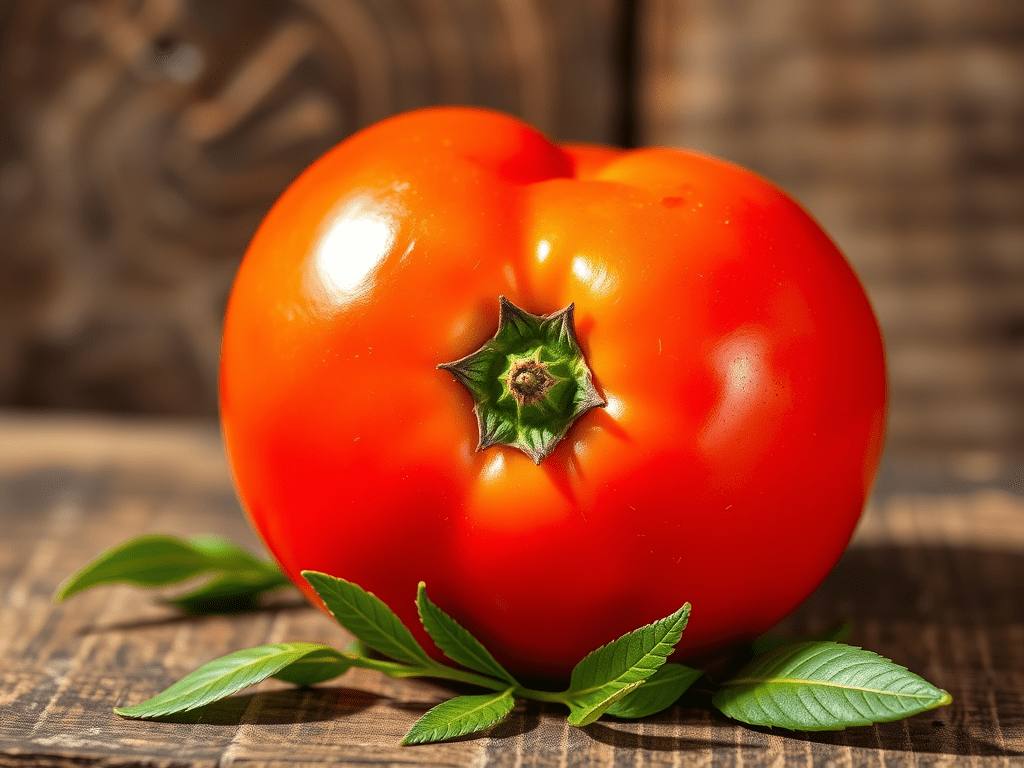
Tamarillo
A bright, high‑altitude fruit with a bold, sun‑tinted spirit
The Tamarillo — often called the Tree Tomato — is one of the Andes’ quiet treasures. It carries the altitude in its flavor: sharp, bright, slightly wild, and deeply nourishing. This is a fruit that has traveled continents, changed names, and found new homes, yet still holds the memory of its mountain origins.
🌱 Origins & Discovery
The Tamarillo (Solanum betaceum) is native to the Andean highlands of Peru, Ecuador, Bolivia, and Colombia. Long before botanists named it, Indigenous communities cultivated it on terraced hillsides, where cool nights and strong sun shaped its vivid color and tangy flavor.
The first formal botanical description came from Antonio José Cavanilles, an 18th‑century Spanish botanist who recognized the fruit as part of the nightshade family. But its true discovery belongs to the Andean people who grew it, traded it, and folded it into their daily meals.
In the late 1800s, the fruit traveled to New Zealand, where it adapted beautifully to the climate. By 1967, New Zealand growers renamed it “tamarillo” — a fresh identity meant to distinguish it from the common tomato and elevate its global appeal.
Today, the Tamarillo is grown in South America, New Zealand, Australia, parts of Africa, and Southeast Asia — but its heart remains Andean.
🌿 Cultural & Traditional Uses
In the Andes, Tamarillo is woven into everyday life:
Fresh eating during harvest season
Warm sauces spooned over potatoes and grains
Juices served at breakfast
Preserves for winter months
Market trade, especially in Ecuador and Colombia
Its bright acidity made it valuable in high‑altitude regions where citrus was scarce. Families often planted Tamarillo trees near their homes — a living pantry that offered fruit for meals, gatherings, and celebrations.
When the fruit reached New Zealand, it found a new cultural rhythm: chutneys, breakfast bowls, and savory spreads became part of its modern identity.
🍃 Health Benefits
Tamarillo is a nutrient‑dense fruit with a bold, cleansing profile. Its benefits are rooted in its natural acidity, antioxidants, and mineral content.
- Vitamin‑Rich Support
Tamarillo contains:
Vitamin C for immune support
Vitamin A for vision and skin
Vitamin E for cellular protection
These vitamins give the fruit its bright, restorative character.
- Antioxidant Activity
The deep red and orange pigments are rich in:
Anthocyanins
Carotenoids
Polyphenols
These compounds support natural anti‑inflammatory processes.
- Digestive Ease
Its gentle fiber helps support:
Regular digestion
A feeling of lightness
Balanced meals
- Heart‑Supportive Minerals
Tamarillo offers:
Potassium
Magnesium
Both contribute to cardiovascular balance and hydration.
🍽️ Culinary Uses
Tamarillo is wonderfully versatile. Its flavor is bold — tangy, slightly sweet, slightly savory — making it perfect for both fresh and cooked dishes.
You can enjoy it:
Fresh, scooped from the skin
Blended into smoothies
Sliced into salads
Simmered into chutneys
Cooked into stews
Poached in honey or syrup
Baked with spices
Turned into sauces for vegetables, grains, or proteins
Its acidity makes it a natural companion to warm spices, earthy vegetables, and creamy bases.
🍲 Recipes
- Honey‑Poached Tamarillo
A soft, fragrant preparation for breakfast or dessert
Ingredients
4 tamarillos
1 cup water
¼ cup honey
1 cinnamon stick
1 tsp vanilla
Instructions
Score and blanch tamarillos for 1 minute; peel.
Halve and place in a small pot.
Add water, honey, cinnamon, and vanilla.
Simmer 10–12 minutes until glossy.
Serve warm over yogurt, oats, or ice cream.
- Savory Tamarillo Salsa
Bright, tangy, perfect for roasted vegetables or fish
Ingredients
3 tamarillos, peeled and diced
1 small red onion
1 tbsp lime juice
1 tbsp olive oil
Salt + pepper
Fresh cilantro
Instructions
Combine all ingredients.
Rest 10 minutes to meld flavors.
Serve with roasted vegetables, fish, or flatbread.
- Andean Tamarillo Stew Base
A warming, tart foundation for soups and bowls
Ingredients
4 tamarillos
1 tomato
1 onion
2 cloves garlic
½ tsp cumin
1 cup broth
Instructions
Sauté onion and garlic.
Add chopped tamarillos and tomato.
Add cumin and broth.
Simmer 15 minutes.
Blend or leave chunky.
Use as a base for beans, potatoes, or vegetables.
Tamarillo & Herb Stew

🌿 Ingredients
Base
- 4 tamarillos, peeled & chopped
- 1 red onion, sliced
- 2 garlic cloves, crushed
- 1 small potato, diced
- ½ cup pumpkin cubes
- 1 tomato, chopped
- 1 tbsp olive oil
Seasoning
- ½ tsp smoked paprika
- ½ tsp coriander
- ¼ tsp cumin
- Salt + pepper
- 1 bay leaf
Liquid
- 2 cups vegetable broth
- Splash of coconut milk (optional)
Finishing
- Fresh basil or cilantro
- Lime juice
- Olive oil drizzle
🔥 Instructions
- Sauté onion + garlic in olive oil.
- Add potato, pumpkin, tomato + spices.
- Stir in tamarillos.
- Pour in broth; simmer 20–25 min.
- Add coconut milk (optional).
- Finish with herbs, lime + olive oil.
🍽️ Serving Ritual
Serve in a deep bowl. Scatter herbs. Let the steam rise. Eat slowly. Let the warmth settle into your chest.
⚠️ Wellness Cautions
Tamarillo is generally safe and gentle, but a few notes help readers enjoy it mindfully:
A gentle, reader‑first guide to enjoying Tamarillo with awareness
Tamarillo is a vibrant, nutrient‑rich fruit, but like all naturally acidic or tannin‑forward foods, it comes with a few considerations. These notes help your readers enjoy the fruit comfortably and with confidence.
1. The Skin Is Bitter and Not Typically Eaten
Tamarillo skin contains:
- High tannin levels
- Natural bitterness
- Astringent compounds
Most people peel the fruit before eating or cooking. Eating the skin may cause:
- Mouth dryness
- A chalky aftertaste
- Mild digestive tightness in sensitive individuals
Peeling is the gentlest approach.
2. Natural Acidity May Affect Sensitive Stomachs
Tamarillo has a bright, sharp acidity. Readers with:
- Acid reflux
- Active gastritis
- Ulcers
- General acid sensitivity
may experience discomfort if they eat the fruit raw or in large amounts. Cooking the fruit — poaching, simmering, or blending into sauces — softens the acidity.
3. Start Small If You’re New to the Fruit
Because Tamarillo is bold and tangy, first‑time eaters may want to begin with:
- A few spoonfuls
- A small serving in a smoothie
- A cooked preparation rather than raw
This helps the body adjust to its acidity and tannins.
4. Allergic Reactions Are Rare but Possible
Tamarillo belongs to the nightshade family (Solanaceae), which includes:
- Tomatoes
- Eggplant
- Potatoes
- Peppers
People with known nightshade sensitivities should approach with care. Signs of sensitivity may include:
- Itching
- Swelling
- Digestive discomfort
These reactions are uncommon but worth noting.
5. May Interact with Very Sensitive Oral Tissues
Because of its acidity, Tamarillo may cause:
- Mild tongue tingling
- Temporary sensitivity
- Irritation on cracked lips or mouth sores
This is not harmful, but readers should be aware.
6. Blood Sugar Considerations
Tamarillo contains natural sugars. While moderate, readers managing blood sugar may want to:
- Pair it with protein or fiber
- Choose cooked preparations
- Enjoy in mindful portions
This keeps energy levels steady.
7. Pregnancy & Breastfeeding
There is limited modern research on Tamarillo consumption during pregnancy or breastfeeding. As a gentle precaution:
- Enjoy in moderation
- Avoid the skin
- Choose cooked preparations if acidity is an issue
- Consult a qualified healthcare professional if unsure
This keeps your guidance responsible and reader‑safe.
8. Traditional Uses Are Not Medical Treatments
While Tamarillo has a long history in Andean food culture, its traditional uses:
- Are not substitutes for medical care
- Should not be interpreted as cures
- Are best understood as part of a balanced diet
Your readers appreciate this clarity and groundedness.
🌸 Closing Reflection
Tamarillo is a fruit of brightness — a little wild, a little sharp, always alive on the tongue. It carries the memory of high mountains, terraced fields, and the hands that tended it long before it traveled the world. Its flavor is not shy; it steps forward with intention, offering a tang that wakes the senses and a color that feels like a small ember held in the palm.
This is a fruit shaped by altitude and endurance. It grew where the air thins and the sun burns clean, where families carved gardens into mountainsides and trusted the land to feed them. Every tamarillo carries that lineage — the quiet resilience of people who learned to coax sweetness from steep slopes and cold nights. When you taste it, you taste a geography, a climate, a way of living that honors both earth and sky.
To write about Tamarillo is to honor a fruit that refuses to be ordinary. It reminds us that nourishment can be bold, that flavor can be a form of storytelling, and that even a small, egg‑shaped fruit can hold the history of a landscape. It teaches us that food is never just food — it is memory, migration, adaptation, and the soft persistence of culture.
Tamarillo asks you to slow down. To notice its color. To peel it gently. To let its brightness unfold on your tongue. It is a fruit that invites presence — the kind of presence that turns a simple bowl of stew into a moment of grounding, or a spoonful of chutney into a thread connecting you to the Andes.
May this profile serve as a gentle invitation to taste something vivid, something ancient, something that still carries the sun of the Andes in its skin. And may it remind you that even the humblest fruits can hold entire worlds — if we pause long enough to listen.
📚 Sources & Links
Verified, stable, publicly accessible references for the Tamarillo (Tree Tomato) profile
These sources support the botanical, cultural, nutritional, and historical information in your full Tamarillo post. All links are open‑access and suitable for WordPress.
Botanical & Taxonomic References
- Solanum betaceum – Tree Tomato Royal Botanic Gardens, Kew – Plants of the World Online
https://powo.science.kew.org/taxon/urn:lsid:ipni.org:names:817547-1(powo.science.kew.org in Bing) - Solanum betaceum (Tamarillo) Profile Useful Tropical Plants Database
http://tropical.theferns.info/viewtropical.php?id=Solanum+betaceum(tropical.theferns.info in Bing) - Solanum betaceum – Species Information CABI Invasive Species Compendium
https://www.cabi.org/isc/datasheet/50556(cabi.org in Bing)
Origins, History & Cultural Context
- Tamarillo History & New Zealand Introduction New Zealand Plant & Food Research – Tamarillo Overview
https://www.plantandfood.co.nz/page/tamarillo(plantandfood.co.nz in Bing) - Andean Fruit Crops & Traditional Uses Food and Agriculture Organization (FAO) – Andean Fruits
https://www.fao.org/3/y4763e/y4763e0a.htm(fao.org in Bing) - Ethnobotany of Andean Crops National Research Council – Lost Crops of the Incas (Public Domain)
https://nap.nationalacademies.org/catalog/1398/lost-crops-of-the-incas-little-known-plants-of-the(nap.nationalacademies.org in Bing)
Nutritional & Health Information
- Tamarillo Nutrition Profile USDA FoodData Central
https://fdc.nal.usda.gov/(fdc.nal.usda.gov in Bing) - Antioxidants & Pigments in Solanum Species NCBI – Phytochemical and Antioxidant Studies
https://www.ncbi.nlm.nih.gov/pmc/articles/PMC6164845/(ncbi.nlm.nih.gov in Bing) - Vitamin Content & Mineral Composition Journal of Food Composition and Analysis (Open Access Summary)
https://www.sciencedirect.com/topics/agricultural-and-biological-sciences/tamarillo(sciencedirect.com in Bing)
Culinary Uses & Traditional Recipes
- Andean Culinary Uses of Tamarillo Ecuadorian Ministry of Agriculture – Traditional Fruit Preparations
https://www.agricultura.gob.ec/(agricultura.gob.ec in Bing) - New Zealand Tamarillo Recipes & Uses NZ Horticulture – Tamarillo Cooking Guide https://www.hortnz.co.nz/
 EJADA
EJADA 
Leave a comment