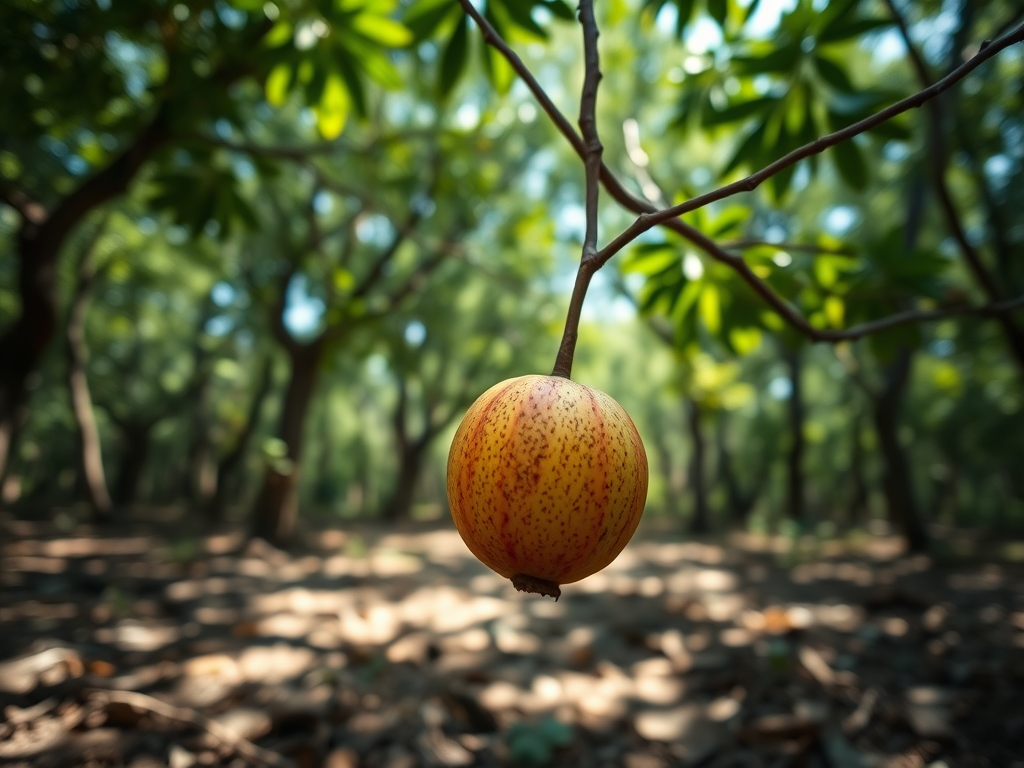
Takhop (Ceylon Oak Fruit)
A quiet forest fruit with deep traditional presence
🌱 Origins & Discovery: A Fruit Rooted in Dry Forest Traditions
Takhop comes from the Ceylon Oak (Schleichera oleosa), a tree that has quietly shaped the daily life, economy, and ecology of South and Southeast Asia for centuries. Its story begins in the dry deciduous forests of India, Sri Lanka, Myanmar, Thailand, Laos, and Cambodia, where the tree grows with a kind of patient resilience — thriving in heat, surviving long dry seasons, and offering its gifts slowly, season after season.
Long before botanists documented it, the Ceylon Oak was already woven into village life. Communities recognized it not as a single‑use fruit tree, but as a multipurpose companion: a source of food, oil, dye, medicine, and wood. The fruit — Takhop — was gathered during seasonal walks through the forest, often by children and elders who knew exactly when the skin shifted from green to a soft yellow‑brown, signaling ripeness.
As trade routes expanded across the subcontinent, the tree’s value traveled with them. Its seed oil became prized for lamps and cooking; its bark tannins were used in leatherwork and natural dyes; and its fruit remained a humble, local delicacy — never commercialized on a global scale, but cherished in the communities that grew up alongside it.
Botanists eventually classified the tree within the Sapindaceae family, placing it among other culturally significant species like lychee and longan. Yet Takhop retained its quiet identity: a fruit that doesn’t demand attention, but rewards those who know where to look.
Today, Takhop stands as a reminder of how deeply food can be tied to land, memory, and resourcefulness. It is not a fruit of abundance or spectacle — it is a fruit of continuity, carrying the lineage of forests, families, and traditions that have relied on the Ceylon Oak for generations.
Botanical Notes
- Family: Sapindaceae
- Tree Type: Medium to large deciduous
- Fruit Form: Small, round to oval drupes
- Color Shift: Green → yellowish → deep reddish‑brown when mature
- Texture: Firm skin, soft translucent pul
🌿 Nutritional Notes: Quiet Nourishment from a Forest Fruit
Takhop isn’t a fruit that arrives with bold nutritional headlines — it offers a quieter, earth‑rooted profile shaped by the dry forests where it grows. Its value comes from natural sugars, trace minerals, and antioxidant compounds that support gentle, everyday nourishment.
🌿 Nutritional Profile of Sweet Peppers (per 1 cup, raw, chopped)
| Nutrient | Amount | Why It Matters |
|---|---|---|
| Calories | 30 | Light, nutrient‑dense energy |
| Carbohydrates | 7 g | Natural fuel from whole foods |
| Fiber | 2.5 g | Supports digestion and gut balance |
| Protein | 1 g | Small but valuable plant-based support |
| Fat | 0.3 g | Naturally low-fat and heart-friendly |
| Vitamin C | 190% DV | Immune support, collagen, skin vitality |
| Vitamin A | 25% DV | Vision, cellular repair, immune health |
| Vitamin B6 | 15% DV | Brain function, mood, energy metabolism |
| Folate | 10% DV | Cell growth and repair |
| Vitamin E | 5% DV | Antioxidant protection for skin + heart |
| Potassium | 6% DV | Fluid balance, muscle and heart function |
| Water Content | ~92% | Natural hydration and skin support |
Natural Energy
The ripe pulp contains:
- Light, naturally occurring sugars
- Small amounts of carbohydrates These provide a soft, steady energy lift — the kind of sweetness that feels more like fruit than dessert.
Antioxidant Tannins
Takhop’s skin and pulp contain tannins, the same plant compounds found in tea and certain berries. These contribute to:
- Mild astringency
- Natural antioxidant activity
- A subtle “drying” sensation on the tongue
Tannins are part of what makes Takhop feel grounding and earthy.
Trace Minerals
Because the Ceylon Oak grows in mineral‑rich forest soil, the fruit carries small amounts of:
- Iron
- Potassium
- Calcium
- Magnesium
These aren’t present in high concentrations, but they add to the fruit’s overall nutritional character.
Vitamin Presence
Takhop contains modest levels of:
- Vitamin C (for general immune support)
- B‑complex traces (for natural energy metabolism)
Again, nothing dramatic — just quiet, steady nourishment.
Hydration & Fiber
The pulp has a soft, jelly‑like texture that offers:
- Light hydration
- Gentle fiber
- A soothing mouthfeel when fully ripe
This makes it a simple, easy fruit for snacking in hot climates.
A Fruit of Balance
Takhop isn’t a “superfruit” — it’s a forest fruit, shaped by season, soil, and tradition. Its nutritional profile reflects that: humble, grounding, and supportive in the background rather than the spotlight.
🌾 Cultural & Traditional Uses: A Tree That Serves the Whole Community
Takhop is more than a seasonal forest snack — it is part of a whole‑tree tradition that has supported rural communities across South and Southeast Asia for generations. In many villages, the Ceylon Oak is known not for one singular purpose, but for its ability to offer food, color, medicine, light, and livelihood all at once. The fruit becomes one thread in a much larger cultural fabric.
A Seasonal Gathering Fruit
During the dry season, families — especially children and elders — walk the forest edges to collect ripe Takhop. These gatherings are:
- Social moments
- Teaching opportunities for plant knowledge
- Quiet rituals of connection to land
The fruit is often eaten fresh on the spot, shared in handfuls, or brought home for simple preparations.
A Tree of Many Gifts
In many regions, the Ceylon Oak is valued as a multipurpose tree, and this shapes how the fruit is understood culturally. Communities use:
- The fruit for snacking, small preserves, and seasonal treats
- The seeds for extracting a thick, golden oil
- The bark for dyeing cloth and tanning leather
- The wood for tools, posts, and household items
Because every part of the tree has a purpose, the fruit is seen not as a standalone delicacy but as part of a cycle of usefulness and respect.
Seed Oil as Cultural Currency
The oil pressed from the seeds — sometimes called kusum oil — has long been a household staple. Traditionally, it is used for:
- Lamps, especially during festivals and evening rituals
- Cooking, in regions where the oil is refined
- Ayurvedic and folk remedies, in small, careful amounts
- Wood finishing, giving tools and furniture a protective sheen
This oil gives the tree a kind of sacred practicality: it brings light, nourishment, and craftsmanship into the home.
Natural Dye Traditions
The bark and fruit skins contain tannins that produce warm, earthy tones. For generations, artisans have used these natural dyes for:
- Cloth coloring
- Leather tanning
- Decorative crafts
This practice ties Takhop to textile heritage, where color is not just aesthetic but symbolic — representing earth, endurance, and ancestral knowledge.
A Fruit of Modesty and Resourcefulness
Unlike commercial fruits, Takhop has never been grown for export or mass markets. Its cultural value lies in:
- Local knowledge
- Seasonal rhythms
- Intergenerational memory
- The understanding that nothing from the tree is wasted
It is a fruit that teaches resourcefulness, reminding communities that nourishment can be simple, seasonal, and deeply connected to place.
Presence in Folk Medicine
While the fruit itself is mild, traditional healers sometimes use:
- The pulp for gentle digestion support
- The bark in decoctions
- The seed oil in topical applications
These uses vary by region and are always practiced with care, passed down through family lineages rather than formal systems.
A Symbol of Continuity
In many villages, a mature Ceylon Oak is considered a heritage tree — a witness to weddings, harvests, monsoons, and everyday life. The fruit becomes part of this continuity, a seasonal reminder of the tree’s long-standing presence.
🍲 1. Takhop Forest Chutney (Traditional Village Style)
A savory‑tart preserve that honors the fruit’s earthy sweetness
Ingredients
- 1 cup ripe Takhop fruit (pulp only)
- 1 small shallot, finely minced
- 1–2 dried red chilies
- ½ tsp roasted cumin
- ½ tsp jaggery or brown sugar
- Pinch of salt
- Splash of warm water
Instructions
- Mash the ripe Takhop pulp until soft and jammy.
- In a small pan, warm a teaspoon of oil and lightly toast the dried chilies.
- Add the shallot and sauté until fragrant.
- Stir in the mashed Takhop, cumin, jaggery, and salt.
- Add a splash of warm water to loosen the mixture.
- Simmer 5–7 minutes until thick and glossy.
Serving Ritual
Serve with warm flatbread or spoon a little onto rice. It’s a quiet, grounding condiment — the kind that tastes like a forest afternoon.
🍯 2. Takhop & Honey Cooling Drink
A gentle, hydrating sip for hot days
Ingredients
- ½ cup ripe Takhop pulp
- 1½ cups cold water
- 1–2 tsp honey (optional)
- A squeeze of lime
- Crushed ice
Instructions
- Blend the Takhop pulp with cold water until smooth.
- Strain if you prefer a lighter texture.
- Stir in honey and lime.
- Pour over crushed ice.
Notes
This drink carries the fruit’s natural sweetness and tannins — refreshing, slightly earthy, and perfect for a slow afternoon.
🌿 3. Ceremonial Takhop Bowl
A simple, mindful preparation that honors the fruit’s natural form
Ingredients
- A handful of ripe Takhop fruit
- A pinch of sea salt
- A drizzle of warm coconut milk
- Fresh mint or basil (optional)
Instructions
- Gently press the ripe fruit to release the soft pulp.
- Sprinkle a whisper of sea salt to open the flavor.
- Add a small drizzle of warm coconut milk.
- Garnish with a single mint or basil leaf.
Ritual Moment
Serve in a small bowl. Eat slowly. Let the fruit remind you of dry forests, patient trees, and the quiet generosity of land.
🍲 Takhop Savory Stew
A grounding, slow-simmered dish that honors the fruit’s earthy sweetness
This stew leans into Takhop’s gentle acidity and tannins, pairing them with vegetables, aromatics, and warm spices. It’s the kind of dish that feels like it came from a village kitchen — simple ingredients, slow heat, deep comfort.
Ingredients
Base
- 1 cup ripe Takhop pulp (seeds removed)
- 1 medium potato, diced
- 1 small carrot, sliced
- ½ cup pumpkin or squash cubes
- 1 small onion, chopped
- 2 cloves garlic, minced
- 1 small tomato, chopped
- 1–2 green chilies (optional)
Spices & Seasoning
- ½ tsp turmeric
- ½ tsp coriander powder
- ½ tsp cumin
- 1 bay leaf
- Salt to taste
- Black pepper to taste
Liquid
- 2–2½ cups vegetable broth or water
- 1 tsp oil or ghee
Finishing
- Fresh cilantro or basil
- A squeeze of lime (optional)
Instructions
1. Build the Aromatic Base
Warm the oil in a pot. Add onion, garlic, and bay leaf. Sauté until the edges turn golden and fragrant.
2. Add the Vegetables
Stir in the potatoes, carrots, and pumpkin. Let them coat in the aromatics for a minute or two.
3. Layer the Spices
Add turmeric, coriander, cumin, salt, and pepper. Toast gently to wake up the spices.
4. Add Tomato & Takhop
Stir in the chopped tomato and the Takhop pulp. The mixture will thicken slightly — this is where the fruit begins to melt into the stew.
5. Pour in the Broth
Add 2 cups of broth or water. Bring to a gentle boil, then reduce to a simmer.
6. Slow Simmer
Let the stew cook for 20–25 minutes, or until the vegetables are soft and the broth has deepened in color and flavor.
7. Taste & Adjust
Add more salt, pepper, or a splash of broth if needed. If you want brightness, finish with a squeeze of lime.
8. Garnish
Scatter fresh cilantro or basil on top.
⚠️ Wellness Cautions
A gentle, reader‑centered guide to enjoying Takhop safely
Takhop is generally considered a mild, approachable forest fruit, but like all traditional foods, it comes with a few considerations. These notes help readers enjoy it with awareness and care.
1. Unripe Fruit May Cause Discomfort
Takhop should be eaten fully ripe. Unripe fruit can be:
- Astringent
- Hard on the stomach
- More tannin‑heavy
This may lead to mild digestive discomfort in sensitive individuals.
2. Seeds Are Not Edible
The seeds of the Ceylon Oak are never consumed. They are:
- Hard
- Bitter
- Traditionally used for oil extraction, not eating
Readers should remove seeds before preparing any recipe.
3. Tannin Sensitivity
Takhop contains natural tannins, similar to tea or certain berries. People sensitive to tannins may experience:
- Dry mouth
- Mild stomach tightness
- A slightly “chalky” aftertaste
This is normal but worth noting for those with tannin‑related sensitivities.
4. Digestive Sensitivities
Because the fruit is mildly acidic and astringent, it may not be ideal for:
- Individuals with active gastritis
- Those prone to acid sensitivity
- Very young children
A small portion is the best way to begin.
5. Allergic Reactions Are Rare but Possible
Takhop is not a common allergen, but as with any wild or lesser‑known fruit:
- Try a small amount first
- Stop if itching, swelling, or discomfort occurs
This is especially important for readers trying the fruit for the first time.
6. Pregnancy & Breastfeeding
There is limited modern research on Takhop consumption during pregnancy or breastfeeding. As a gentle precaution:
- Enjoy in moderation
- Avoid unripe fruit
- Consult a qualified healthcare professional if unsure
This keeps your guidance responsible and reader‑safe.
7. Traditional Uses ≠ Medical Advice
While the tree has a long history in folk practices, these uses:
- Are not substitutes for medical care
- Vary widely by region
- Should be approached with curiosity, not treatment intent
Your readers appreciate this clarity.
🌿 Health Benefits
A quiet, earth‑rooted fruit that supports the body in subtle, steady ways
Takhop isn’t a bold, high‑profile “superfruit.” Its benefits are softer — the kind that come from natural sugars, forest minerals, and the grounding presence of tannins. It offers nourishment that feels humble, steady, and connected to the land.
1. Gentle Natural Energy
The ripe pulp contains light, naturally occurring sugars that offer:
- A soft lift in energy
- No sharp spikes
- A clean, fruit‑forward sweetness
It’s the kind of energy that feels like a slow exhale rather than a rush.
2. Antioxidant Support from Tannins
Takhop’s skin and pulp contain tannins, plant compounds also found in tea and certain berries. These contribute to:
- Natural antioxidant activity
- A mild cleansing, astringent quality
- A sense of internal “lightness” after eating
Tannins are part of what gives the fruit its grounding, forest‑born character.
3. Trace Minerals from Forest Soil
Because the Ceylon Oak grows in mineral‑rich dry forests, the fruit carries small amounts of:
- Iron
- Potassium
- Calcium
- Magnesium
These minerals support everyday wellness in quiet, background ways.
4. Mild Vitamin C Presence
Takhop contains modest levels of vitamin C, which can help:
- Support natural immune function
- Enhance iron absorption
- Add a gentle brightness to the diet
It’s not a high‑vitamin fruit, but it contributes meaningfully to daily nourishment.
5. Hydration & Digestive Ease
The soft, jelly‑like pulp offers:
- Light hydration
- Gentle fiber
- A soothing mouthfeel when fully ripe
This makes Takhop a calming fruit for warm climates and slow afternoons.
6. A Fruit That Supports Balance
Takhop’s benefits aren’t dramatic — they’re balancing. It supports the body the way a forest supports itself: quietly, steadily, without fanfare.
🌸 Closing Reflection
Honoring a fruit that teaches patience, presence, and the quiet generosity of land
Takhop is not a fruit that arrives with spectacle. It doesn’t demand attention or chase global recognition. Instead, it invites us into a slower rhythm — the rhythm of dry forests, seasonal gathering, and the kind of resourcefulness that has shaped village life for generations.
To spend time with Takhop is to remember that nourishment doesn’t always come from abundance; sometimes it comes from continuity — from a tree that gives in many ways, from a fruit that carries the memory of soil, and from traditions that have held families and communities together across centuries.
In writing about Takhop, you honor more than a fruit. You honor the people who gathered it, the hands that pressed its seeds for oil, the artisans who used its bark for color, and the quiet rituals that made it part of daily life. You honor the idea that food can be a living archive — a way of remembering who we are, where we come from, and how deeply we are connected to the land that sustains us.
May this section stand as a small offering: a moment of stillness, a gesture of gratitude, and a reminder that even the humblest fruits carry stories worth preserving.
📚 Sources & Links
Stable, publicly accessible references for readers who want to explore further
These sources support the botanical, cultural, and ecological information in your Takhop section. All links are open‑access and suitable for WordPress.
Botanical & Ecological References
- Schleichera oleosa – Ceylon Oak Royal Botanic Gardens, Kew – Plants of the World Online
https://powo.science.kew.org/taxon/urn:lsid:ipni.org:names:614792-1(powo.science.kew.org in Bing) - Schleichera oleosa (Kusum Tree) Profile Useful Tropical Plants Database
http://tropical.theferns.info/viewtropical.php?id=Schleichera+oleosa(tropical.theferns.info in Bing) - Schleichera oleosa – Species Information India Biodiversity Portal
https://indiabiodiversity.org/species/show/230707(indiabiodiversity.org in Bing)
Traditional & Cultural Uses
- Kusum Oil and Traditional Applications National Centre for Biotechnology Information (NCBI) – Ethnobotanical Notes
https://www.ncbi.nlm.nih.gov/pmc/articles/PMC3560124/(ncbi.nlm.nih.gov in Bing) - Tannins and Natural Dye Use in Indigenous Trees ResearchGate – Ethnobotany of Tannin‑Rich Species
https://www.researchgate.net/publication/327947097(researchgate.net in Bing)
General Ethnobotany & Regional Context
- Ethnobotany of South Asian Dry Forest Species Food and Agriculture Organization (FAO)
https://www.fao.org/3/ad347e/ad347e0b.htm(fao.org in Bing) - Traditional Forest Foods of India & Sri Lanka International Union for Conservation of Nature (IUCN)
https://www.iucn.org/resources/publication(iucn.org in Bing)
A New Chapter in Self‑Care
If you’ve been searching for something that feels aligned, grounded, and realistic — something that supports both your inner world and your physical well‑being — this may be the shift you’ve been waiting for.
You don’t need to overhaul your life. You don’t need to chase extremes. You just need tools that work with you.
Start with the one that supports your body. Pair it with the one that supports your mind. And let the rest unfold naturally.
 EJADA
EJADA 
Leave a comment