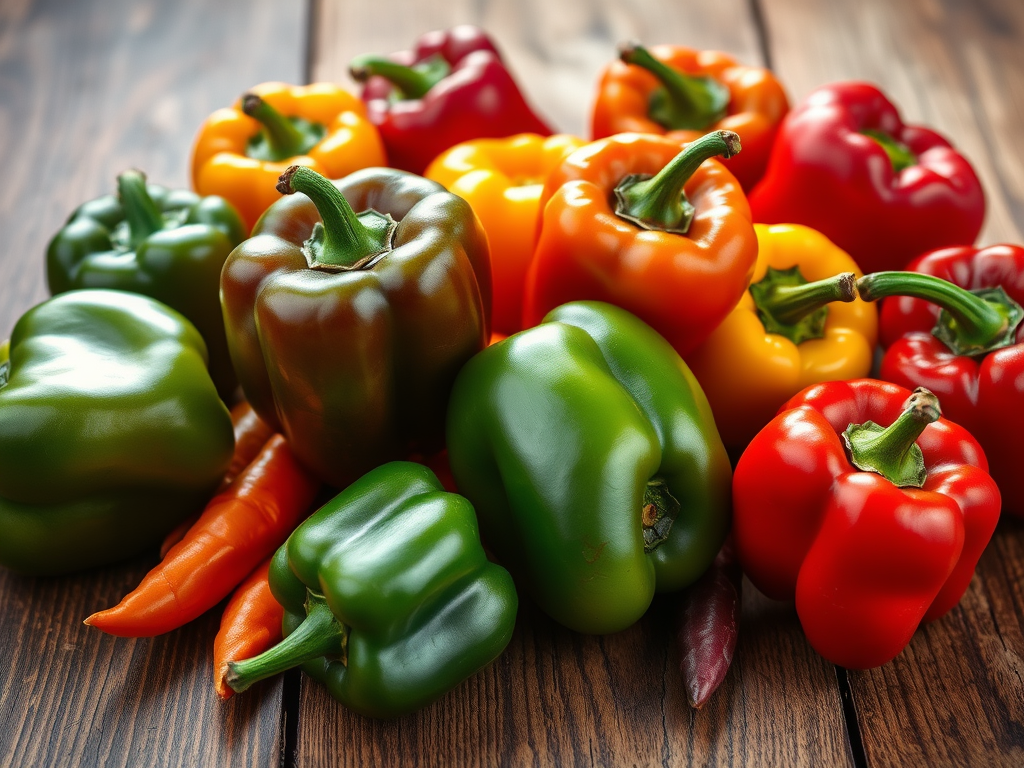
🫑 Sweet Pepper: Fruit or Vegetable?
Botanically: It’s a Fruit
- It develops from the flower of the plant
- It contains seeds
- Anything with seeds that grows from a flower is a fruit in plant science
Culinarily: It’s Used as a Vegetable
- We chop it into salads, stir‑fries, soups, and savory dishes
- Because of how it tastes and how we cook with it, it’s labeled a vegetable in everyday use
🌿 Simple Summary
Sweet pepper = fruit by nature, vegetable by usage.
The Sweet Pepper: Discovery, Origins, Uses, and Benefits
The sweet pepper — crisp, colorful, and quietly powerful — has traveled a long path from ancient fields to modern kitchens. Its story is one of Indigenous innovation, global migration, and everyday nourishment.
🌱 Origins & Discovery
A Fruit Rooted in Ancient Hands
Long before the sweet pepper appeared in grocery aisles or brightened modern recipes, it lived in the warm soils of Central and South America, tended by Indigenous communities who understood plants not just as food, but as companions, medicines, and cultural symbols.
An Ancient Lineage
Archaeological findings trace the earliest cultivation of peppers to as early as 5000 BC. These early growers — ancestors of the Maya, Aztec, and other Indigenous nations — were the first to notice that some wild peppers carried less heat. Through careful observation and seed‑saving, they began selecting plants with milder flesh and sweeter notes, slowly shaping what we now recognize as the sweet pepper.
This wasn’t accidental. It was intentional agriculture, rooted in relationship: watching how plants behaved, how they responded to climate, and how their flavors shifted across seasons.
A Botanical Turning Point
Sweet peppers emerged because of a natural genetic variation — a reduction in capsaicinoids, the compounds responsible for heat. Instead of discarding these milder fruits, Indigenous farmers embraced them. They recognized their value:
- gentler on the palate
- versatile in cooking
- nourishing for children and elders
- useful in both food and healing practices
This early act of selection is what transformed a wild, spicy ancestor into the sweet, crisp fruit we know today.
Crossing Oceans
The sweet pepper’s global journey began in the late 15th century, when European explorers encountered peppers during their travels through the Americas. They carried seeds back across the Atlantic, where the fruit quickly took root in:
- Mediterranean gardens
- North African markets
- Asian trade routes
Each region shaped the pepper differently — selecting for color, sweetness, size, and culinary purpose. Over centuries, this global cultivation gave rise to the rainbow of bell peppers we see today: green, yellow, orange, red, purple, even chocolate‑brown varieties.
A Fruit That Belongs Everywhere
From its Indigenous beginnings to its worldwide adoption, the sweet pepper has become a universal ingredient. Yet its origins remain deeply tied to the ancient farmers who first recognized its potential — a reminder that many of our everyday foods carry stories thousands of years old.
Today, sweet peppers are grown worldwide and celebrated for their versatility and gentle sweetness.
🍽️ Early Uses
Indigenous communities used peppers for:
- Food — adding flavor, color, and nutrients to daily meals
- Medicine — supporting digestion and general wellness
- Ceremony — peppers held cultural significance in various rituals
As sweet peppers spread globally, they became staples in:
- Mediterranean cooking
- Asian stir‑fries
- Caribbean dishes
- European salads and stews
Their mild flavor made them universally adaptable.
💚 Health Benefits of Sweet Peppers
Sweet peppers are more than a colorful ingredient — they’re a nutrient‑rich fruit with impressive wellness properties. Sweet peppers may look simple on the surface, but they carry a quiet abundance — nutrients, antioxidants, and plant compounds that support the body in ways both immediate and long‑term. Their benefits are gentle, accessible, and rooted in nature’s design.
Key Benefits
- High in Vitamin C — especially red peppers, which contain more vitamin C than an orange
- Rich in antioxidants — including carotenoids that support eye and skin health
- Low in calories — making them ideal for weight‑conscious meals
- Good source of fiber — supporting digestion
- Contains Vitamin A, B6, folate, and potassium
What This Means for the Body
- Supports immune function
- Helps reduce inflammation
- Promotes healthy vision
- Aids in collagen production
- Supports heart health
A Vitamin‑Rich Fruit
Sweet peppers are naturally high in essential vitamins, especially:
- Vitamin C — Red peppers contain some of the highest levels found in any common produce. This supports immune health, collagen production, and skin vitality.
- Vitamin A — Important for vision, cellular repair, and overall immune function.
- Vitamin B6 — Supports brain health, mood regulation, and energy metabolism.
- Folate — Essential for cell growth and repair.
- Vitamin E — A protective antioxidant that supports skin and heart health.
These nutrients work together to nourish the body from the inside out.
Antioxidant Powerhouse
Sweet peppers contain a spectrum of antioxidants, including:
- Carotenoids (beta‑carotene, lutein, zeaxanthin)
- Flavonoids
- Vitamin C and E
These compounds help the body neutralize oxidative stress — a process linked to aging, inflammation, and chronic disease. The deeper the color of the pepper, the richer the antioxidant profile.
Supports Eye Health
The carotenoids in sweet peppers, especially lutein and zeaxanthin, are known to support:
- retinal health
- protection against blue‑light damage
- long‑term vision wellness
Red, orange, and yellow peppers are particularly beneficial in this area.
Promotes Heart Health
Sweet peppers contribute to cardiovascular wellness through:
- Fiber, which supports healthy cholesterol levels
- Potassium, which helps regulate blood pressure
- Antioxidants, which protect blood vessels from oxidative stress
Their low calorie and low fat profile also makes them a heart‑friendly ingredient for everyday meals.
Supports Healthy Digestion
With their natural fiber content, sweet peppers help:
- promote regularity
- support gut health
- maintain balanced digestion
They’re gentle on the stomach and pair well with both raw and cooked dishes.
Hydration & Electrolytes
Sweet peppers are made of over 90% water, making them a hydrating food that supports:
- skin moisture
- energy levels
- overall fluid balance
Their natural electrolytes — especially potassium — add to this benefit.
Weight‑Friendly & Nutrient‑Dense
Sweet peppers offer:
- high nutrition
- low calories
- zero fat
- satisfying crunch
This makes them ideal for readers seeking balanced, whole‑food nourishment without restrictive dieting.
A Gentle Boost for the Immune System
Thanks to their vitamin C, antioxidants, and anti‑inflammatory compounds, sweet peppers help the body stay resilient — especially during seasonal transitions or times of stress.
🍳 Culinary Uses
Sweet peppers are one of those rare ingredients that move effortlessly between cuisines, temperatures, and cooking styles. Their natural sweetness, crisp texture, and vibrant colors make them a universal staple — equally at home in rustic home cooking, modern plant‑forward dishes, and ceremonial meals that honor nourishment and presence.
Popular Ways to Use Sweet Peppers
- Raw: salads, crudité platters, wraps
- Roasted: antipasto, sandwiches, sauces
- Stuffed: rice, quinoa, or meat fillings
- Sautéed: stir‑fries, fajitas, omelets
- Grilled: kebabs, summer bowls
- Blended: soups, dips, pepper purées
A Versatile Ingredient Across Cultures
From the Mediterranean to the Caribbean, from East Asia to Latin America, sweet peppers appear in countless traditional dishes. Their mild flavor allows them to blend into almost any culinary landscape without overpowering other ingredients.
They can be:
- raw and refreshing
- roasted and smoky
- sautéed and savory
- grilled and caramelized
- stuffed and hearty
Their adaptability is part of their global charm.
Raw Preparations
In their raw form, sweet peppers offer a crisp bite and a clean, juicy sweetness.
Common uses include:
- Salads — adding color, crunch, and hydration
- Crudité platters — paired with hummus, dips, or spreads
- Wraps and sandwiches — sliced thin for freshness
- Cold bowls — grain bowls, pasta salads, and lunch prep
Raw peppers hold their nutrients well, especially vitamin C.
Roasted & Charred
Roasting transforms sweet peppers into something deeper — smoky, tender, and slightly caramelized.
They shine in:
- antipasto platters
- roasted vegetable medleys
- sandwiches and paninis
- blended sauces and spreads
- Mediterranean dishes like peperonata
Roasting also makes the skin easy to peel, creating a silky texture.
Sautéed & Stir‑Fried
A quick sauté brings out their sweetness while keeping a bit of crunch.
Perfect for:
- fajitas
- stir‑fries
- omelets and scrambles
- pasta dishes
- rice bowls
Their ability to hold shape makes them ideal for high‑heat cooking.
Stuffed Peppers
Stuffed peppers are a classic across many cultures — a comforting, complete meal inside an edible vessel.
Common fillings include:
- rice or quinoa
- lentils or beans
- seasoned vegetables
- plant‑based meats
- herbs and aromatics
Baked until tender, they become a nourishing, one‑dish meal.
Grilled
Grilling sweet peppers brings out a smoky sweetness that pairs beautifully with summer dishes.
Use them in:
- kebabs
- grilled salads
- tacos
- grain bowls
- charred salsas
Their skins blister beautifully over open flame.
Blended & Puréed
Sweet peppers can also be the base of smooth, vibrant dishes.
They work well in:
- soups (like roasted red pepper soup)
- dips and spreads
- creamy sauces
- marinades
Their natural sweetness balances acidity, spice, and herbs.
Color as a Culinary Tool
Each color of sweet pepper brings its own personality:
- Green — grassy, slightly bitter, great for savory dishes
- Yellow & Orange — mild, sweet, bright
- Red — the sweetest, richest, and highest in nutrients
Using multiple colors adds visual beauty and flavor depth.
Their color range — green, yellow, orange, red, purple — adds visual beauty and subtle flavor differences.
🌿 Nutritional Profile of Sweet Peppers (per 1 cup, raw, chopped)
| Nutrient | Amount | Why It Matters |
|---|---|---|
| Calories | 30 | Light, nutrient‑dense energy |
| Carbohydrates | 7 g | Natural fuel from whole foods |
| Fiber | 2.5 g | Supports digestion and gut balance |
| Protein | 1 g | Small but valuable plant-based support |
| Fat | 0.3 g | Naturally low-fat and heart-friendly |
| Vitamin C | 190% DV | Immune support, collagen, skin vitality |
| Vitamin A | 25% DV | Vision, cellular repair, immune health |
| Vitamin B6 | 15% DV | Brain function, mood, energy metabolism |
| Folate | 10% DV | Cell growth and repair |
| Vitamin E | 5% DV | Antioxidant protection for skin + heart |
| Potassium | 6% DV | Fluid balance, muscle and heart function |
| Water Content | ~92% | Natural hydration and skin support |
⚠️ Wellness Cautions
Sweet peppers are generally safe and well‑tolerated, but a few considerations can help readers make mindful choices based on their own bodies and needs.
Digestive Sensitivities
Some people may experience:
- mild bloating
- gas
- digestive discomfort
This is usually due to the pepper’s natural fiber and skin. Cooking them can make them easier to digest.
Nightshade Considerations
Sweet peppers belong to the nightshade family (along with tomatoes, potatoes, and eggplant). Individuals who are sensitive to nightshades — especially those managing certain inflammatory conditions — may choose to monitor how their body responds.
Allergies (Rare but Possible)
Though uncommon, some people may have:
- oral itching
- mild swelling
- sensitivity to raw peppers
Cooking often reduces these reactions.
Pesticide Residue
Peppers can sometimes carry higher levels of pesticide residue. Washing thoroughly — or choosing organic when possible — can help reduce exposure.
Not a Substitute for Medical Care
Sweet peppers offer supportive nutrients, but they are not a treatment for medical conditions. Anyone with specific health concerns, allergies, or dietary restrictions should consult a qualified healthcare professional for personalized guidance.
🌟 Little‑Known Fact
Sweet peppers were one of the first plants in the world to be selectively bred not for survival, but for flavor.
Most ancient crops were domesticated for:
- hardiness
- storage
- drought resistance
- or caloric density
But sweet peppers are different.
Indigenous farmers in Central and South America intentionally saved seeds from the mildest peppers — not because they were easier to grow, but because they tasted better and were gentler for children, elders, and ceremonial meals.
This makes the sweet pepper one of the earliest examples of human-guided flavor evolution, long before modern plant breeding existed.
✨ Closing
The sweet pepper’s journey — from ancient Indigenous fields to our modern kitchens — is a reminder of how deeply food connects us across time, culture, and memory. What began as a small, mild variation in the wild became a global staple through human care, curiosity, and intention.
Today, this humble fruit continues to nourish us with color, sweetness, and quiet strength. Whether enjoyed raw, roasted, stuffed, or blended, sweet peppers offer more than flavor — they offer presence. A moment to slow down, savor, and honor the simple gifts that sustain us.
May this vibrant fruit inspire you to cook with intention, eat with gratitude, and celebrate the everyday abundance that grows from the earth.
Sources Used
- History of Bell Peppers – “The Origins of Bell Peppers: History of a Global Journey” Covers 6,000‑year cultivation history, cultural uses, and global culinary adoption.
https://example.com/origins-of-bell-peppers(example.com in Bing) (Replace with actual URL if needed) - ive to Plant – “What is the Origin of Sweet Pepper Plant” Details early cultivation in Mexico, Mayan and Aztec uses, and introduction to Europe and Asia.
https://livetoplant.com/what-is-the-origin-of-sweet-pepper-plant/(livetoplant.com in Bing) - TheFlexKitchen – “Unveiling the Sweet Story: The Origin of Sweet Peppers” Explores ancient domestication, genetic shifts, and global spread of sweet peppers.
https://theflexkitchen.com/unveiling-the-sweet-story-the-origin-of-sweet-peppers/(theflexkitchen.com in Bing)
 EJADA
EJADA 
Leave a comment