**Sweet Corn: Fruit, Vegetable, or Grain?
A Food With Three Identities and One Story**
A Food With History, Warmth, and Everyday Magic
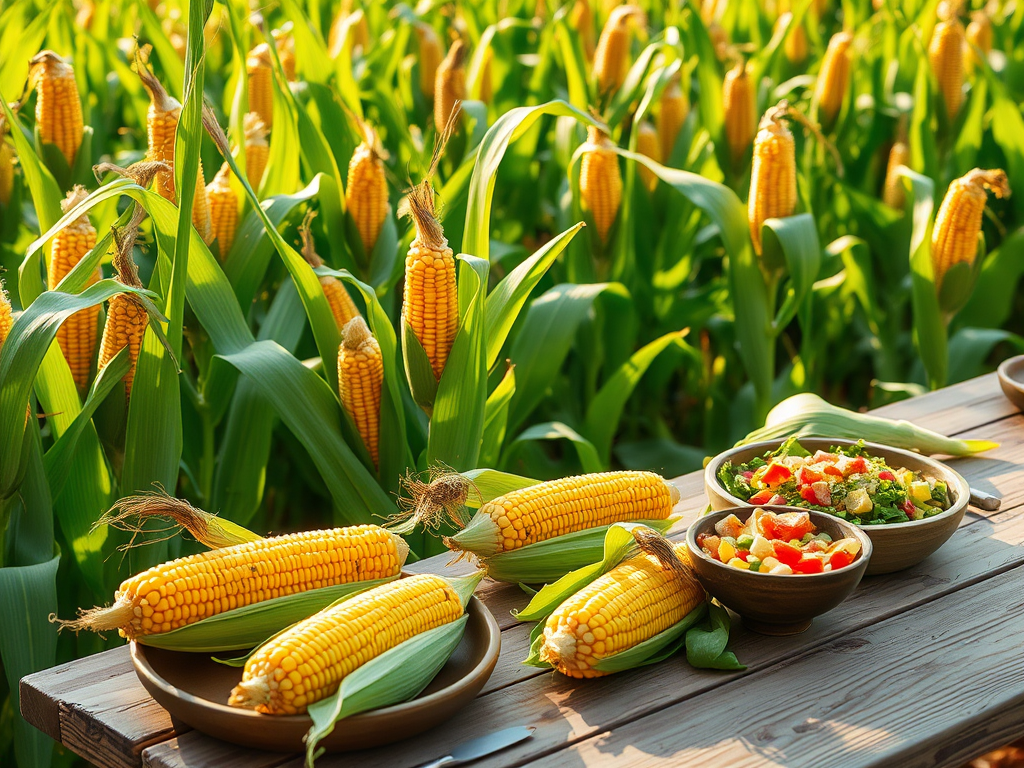
Sweet corn is one of those foods that feels like home — a summer table staple, a backyard‑grill companion, a comfort food that crosses cultures and generations. Yet beneath its familiar sweetness lies a surprising truth: sweet corn doesn’t belong to just one category. It lives in three worlds at once — fruit, vegetable, and grain — depending on how you look at it.
This is the story of a food that refuses to be boxed in. A food shaped by land, lineage, and the hands that have grown it for thousands of years. A food that carries both simplicity and complexity in every kernel.
What Exactly Is Sweet Corn?
Botanically speaking, sweet corn (Zea mays var. saccharata) is a fruit, because each kernel is a seed that develops from the ovary of the corn flower. That makes it a fruit, just like tomatoes, peppers, and squash.
But sweet corn is also harvested young, eaten fresh, and used in savory dishes, which places it firmly in the vegetable category in the culinary world.
And when corn is allowed to mature and dry, those same kernels become grain — the foundation of cornmeal, grits, masa, and countless traditional foods across the Americas.
Sweet corn is a reminder that nature doesn’t always follow our labels. Sometimes, a food simply is what it is — nourishing, versatile, and rooted in history.
A Taste That Feels Like Summer
Sweet corn carries a flavor that feels warm, familiar, and deeply seasonal.
Flavor Notes
- A natural sweetness that intensifies with heat
- A soft, juicy crunch when freshly picked
- A buttery, milky aroma
- A comforting earthiness beneath the sweetness
When corn is eaten within hours of harvest, its sugars are at their peak — which is why farm‑stand corn tastes different from anything you’ll find in a store.
Why Sweet Corn Is a Fruit (Botanically)
In botany, a fruit is the part of a plant that develops from the flower’s ovary and contains seeds. Each corn kernel is a seed. Each ear is a cluster of fruits.
So yes — sweet corn is botanically a fruit.
But that’s only one part of the story.
Why Sweet Corn Is a Vegetable (Culinarily)
In the kitchen, foods are classified by:
- flavor
- texture
- how they’re used in meals
Sweet corn is harvested young, before the kernels harden. It’s eaten fresh, steamed, grilled, sautéed, or added to soups and salads — all classic vegetable uses.
So in everyday cooking, sweet corn is treated as a vegetable.
Why Sweet Corn Is a Grain (Agriculturally)
Corn belongs to the grass family, and when fully mature, its kernels dry into hard seeds — the definition of a grain.
Dried corn becomes:
- cornmeal
- polenta
- masa harina
- hominy
- grits
- popcorn
This is the corn that has fed civilizations for thousands of years.
So in agriculture, corn is a grain.
Health Benefits of Sweet Corn
Sweet corn is more than a comfort food — it’s a nutrient‑rich plant with benefits rooted in both tradition and modern nutrition.
Sweet corn may look simple — golden kernels lined in neat rows — but it carries a surprising amount of nourishment. It’s a food that has sustained communities for thousands of years, offering energy, comfort, and essential nutrients in every bite. Here’s a deeper look at what this everyday staple brings to the table.
Rich in Fiber: Gentle Support for Digestion
Sweet corn contains natural dietary fiber that helps keep the digestive system balanced and moving with ease.
What this means for the body
- Supports regularity
- Helps maintain gut comfort
- Promotes a feeling of fullness
- Encourages a healthy microbiome
Fiber is one of the quiet heroes of plant-based eating, and sweet corn offers it in a soft, approachable way.
Packed With Antioxidants: Protection From the Inside Out
Sweet corn contains antioxidants like lutein, zeaxanthin, and ferulic acid — plant compounds that help protect cells from everyday stress.
Why this matters
- Supports long-term cellular health
- Helps the body manage oxidative stress
- Contributes to healthy aging
- Offers natural protection from environmental factors
These antioxidants are especially known for supporting eye health, making corn more than just a comfort food — it’s a protective one.
A Source of Essential Vitamins
Sweet corn provides several important vitamins that support energy, immunity, and overall wellness.
Key vitamins include
- Vitamin C — supports immune function and skin vitality
- B vitamins — help convert food into energy
- Folate — supports healthy cell growth
These nutrients work together to keep the body energized and resilient.
Natural Energy From Complex Carbohydrates
Sweet corn offers a balanced blend of natural sugars and complex carbohydrates — the kind of energy that feels steady rather than spiking.
Benefits
- Provides gentle, sustained energy
- Supports active lifestyles
- Helps stabilize appetite
- Makes meals feel satisfying and grounding
This is why corn has been a staple crop for centuries — it fuels the body in a way that feels both comforting and reliable.
Plant-Based Protein for Everyday Nourishment
While not a high-protein food, sweet corn does contain small amounts of plant-based protein that contribute to overall daily intake.
Why it matters
- Supports muscle maintenance
- Helps balance meals
- Adds nutritional value to plant-forward dishes
When paired with beans or legumes, corn becomes part of a complete protein — a traditional combination found in many cultures.
Naturally Gluten-Free
Sweet corn is naturally gluten-free, making it a safe and versatile option for people avoiding gluten.
This means
- It’s gentle on sensitive digestive systems
- It can replace wheat-based sides
- It fits easily into gluten-free cooking
Corn-based dishes like polenta, tortillas, and grits offer comforting alternatives without sacrificing flavor.
Hydration and Mineral Support
Corn contains water and small amounts of minerals like magnesium and potassium.
Benefits
- Supports hydration
- Helps maintain electrolyte balance
- Contributes to muscle and nerve function
These minerals work quietly but powerfully in the background of overall wellness.
The Heart of It All
Sweet corn is more than a summer vegetable — it’s a nourishing plant with a long history of feeding communities. Its benefits are gentle, steady, and accessible, making it a beautiful addition to a balanced, plant-forward lifestyle.
Traditional Uses Across Cultures
Corn is one of the oldest cultivated foods in the world. Indigenous peoples of the Americas developed countless ways to prepare it, many still used today.
Culinary Traditions
- roasted on an open fire
- ground into flour for breads and tortillas
- boiled into porridges and stews
- fermented into beverages
- steamed in husks for tamales
Sweet corn, the tender, sugary variety, is a more modern cultivar — but it carries the same ancestral lineage.
Sweet Corn Dessert, Fritters & Ceremonial Drink
1. Sweet Corn & Coconut Pudding (Dessert)
A soft, comforting dessert with tropical warmth.
Ingredients
- 2 cups sweet corn (fresh, canned, or frozen)
- 1 cup coconut milk
- ½ cup water
- 3 tablespoons sugar or honey
- 1 tablespoon cornstarch (or arrowroot)
- Pinch of salt
- Pinch of cinnamon or nutmeg (optional)
Instructions
- Blend the corn with water until smooth.
- Strain for a silky texture (optional).
- In a pot, whisk coconut milk, corn purée, sugar, salt, and cornstarch.
- Cook over medium heat, stirring constantly, until thick and creamy.
- Pour into small bowls and chill 1–2 hours.
- Dust with cinnamon or nutmeg before serving.
Why it works
It’s naturally sweet, dairy‑free, and deeply comforting — a dessert that feels like a warm evening breeze.
2. Crispy Sweet Corn Fritters (Savory Snack)
Golden, crisp edges with soft, sweet centers.
Ingredients
- 2 cups sweet corn
- ½ cup flour (or gluten‑free blend)
- 1 egg (or flax egg)
- ¼ cup chopped green onion
- 1 small garlic clove, minced
- ¼ teaspoon smoked paprika
- Salt & pepper
- Oil for pan‑frying
Instructions
- In a bowl, mix corn, flour, egg, green onion, garlic, and spices.
- Stir until a thick batter forms.
- Heat a thin layer of oil in a skillet.
- Drop spoonfuls of batter into the pan and flatten slightly.
- Cook 3–4 minutes per side until golden and crisp.
- Drain on a towel and serve warm.
Serving ideas
- With lime‑yogurt dip
- With chili sauce
- Alongside salads or grain bowls
Why it works
The sweetness of the corn meets the savory aromatics — a perfect balance of crisp and tender.
3. Ceremonial Sweet Corn Drink
A warm, grounding drink that feels like a quiet offering.
Ingredients
- 1 cup sweet corn
- 1½ cups warm water or warm coconut water
- 1 teaspoon honey or maple
- Pinch of sea salt
- Pinch of cinnamon or fresh grated ginger (optional)
Preparation as Ritual
1. Begin with warmth. Hold the warm water in your hands for a moment — let it soften your breath.
2. Blend the corn and warm water until smooth and golden. Strain if you prefer a lighter texture.
3. Add sweetness with intention. A small drizzle of honey or maple — just enough to honor the natural sweetness.
4. Season gently. A pinch of sea salt to ground the drink, a touch of cinnamon or ginger to awaken it.
5. Sip slowly. This is a drink meant for early mornings or quiet evenings — a moment of presence, warmth, and nourishment.
Why it works
It transforms simple ingredients into a grounding ritual — soft, sweet, and deeply soothing.
Little‑Known Ways to Serve Sweet Corn
1. Sweet Corn “Milk” (A Traditional Asian Preparation)
In parts of East and Southeast Asia, fresh sweet corn is blended with water and strained into a silky, naturally sweet “milk.” Served warm or chilled, it tastes like a gentle dessert in a cup.
Why it’s special: It highlights corn’s natural creaminess without dairy.
2. Charred Corn Ribbons (Shaved With a Vegetable Peeler)
Instead of cutting kernels, you shave long ribbons off the cob. Toss them raw or lightly charred into salads.
Why it’s special: The texture is unexpectedly elegant — almost like a vegetable pasta.
3. Corn “Caviar” (A Fine‑Dining Trick)
Chefs simmer kernels in butter, a splash of stock, and a touch of cream until they become glossy, tender pearls.
Why it’s special: It turns humble corn into a luxurious side dish.
4. Sweet Corn Ice Cream (A Latin American Classic)
In Mexico and Brazil, sweet corn is blended into ice cream bases for a dessert that’s creamy, floral, and lightly sweet.
Why it’s special: Corn’s natural sugars create a custard‑like texture without heaviness.
5. Corn Husk–Infused Broth
The husks — usually discarded — are simmered to create a fragrant, slightly sweet broth.
Why it’s special: It’s zero‑waste and adds depth to soups, risottos, and ramen.
6. Sweet Corn “Butter” (Vegan and Silky)
Blend cooked corn with a little oil and salt until it becomes a spreadable, golden butter.
Why it’s special: It’s plant‑based, naturally sweet, and perfect on toast or roasted vegetables.
7. Corn Silk Tea (A Traditional Remedy)
Corn silk — the fine threads inside the husk — is dried and steeped into a calming herbal tea.
Why it’s special: It’s been used for generations for gentle wellness support.
8. Grilled Corn “Steaks.”
Slice the cob lengthwise into thick planks and grill them like vegetable steaks.
Why it’s special: The caramelization is deeper, and the presentation is stunning.
9. Sweet Corn Pudding (African & Caribbean Roots)
A soft, spoonable dish made from blended corn, coconut milk, and warm spices.
Why it’s special: It’s comforting, ancestral, and deeply flavorful.
10. Corn & Coconut “Polenta.”
Simmer fresh corn with coconut milk until thick and creamy — a tropical twist on a classic.
Why it’s special: It’s naturally sweet, dairy‑free, and incredibly soothing.
11. Corn Kernel “Gremolata.”
A bright topping made from raw corn, lime zest, herbs, and chili.
Why it’s special: It adds crunch and brightness to roasted vegetables or grain bowls.
12. Sweet Corn Pancakes (Savory or Sweet)
A batter made with blended corn creates fluffy, golden pancakes.
Why it’s special: They taste like summer mornings.
Who Should Avoid or Limit Sweet Corn
Sweet corn is generally safe and nourishing for most people, but like any whole food, there are a few groups who may want to enjoy it with awareness. This isn’t about restriction — it’s about understanding how different bodies respond to different foods.
1. Individuals With Corn Allergies or Sensitivities
Though uncommon, corn allergies do exist. Reactions can range from mild discomfort to more noticeable symptoms. People who know they react to corn — or to corn‑based products like cornmeal, cornstarch, or corn syrup — should avoid sweet corn entirely.
Why: The proteins in corn are present in both fresh and processed forms.
2. Those With Digestive Sensitivities
Sweet corn contains fiber and a natural outer skin that can be harder for some people to digest.
You may want to limit it if you experience:
- bloating
- gas
- abdominal discomfort
- difficulty digesting high‑fiber foods
For some, blending or pureeing corn (soups, puddings, spreads) makes it easier on the stomach.
3. People Monitoring Carbohydrate Intake
Sweet corn is naturally higher in carbohydrates and natural sugars compared to many vegetables.
This may matter for:
- individuals managing blood sugar
- those following low‑carb or ketogenic eating patterns
Moderation and mindful portion sizes can help.
4. Individuals With Certain Digestive Conditions
People with conditions that affect how the body processes fiber — such as some forms of IBS or inflammatory digestive issues — may find corn challenging.
Why: The outer hull of the kernel can pass through the digestive system largely intact.
5. Anyone Sensitive to High‑Fiber Foods
If someone is transitioning to a more plant‑forward lifestyle, sweet corn’s fiber may feel intense at first.
Tip: Pairing corn with healthy fats (olive oil, avocado, coconut milk) can soften its impact.
6. People Recovering From Certain Procedures
After some digestive surgeries or procedures, doctors may recommend avoiding foods with tough skins or higher fiber until healing progresses.
Corn often falls into this category.
7. Those With Known Issues Digesting Whole Kernels
Some people simply don’t break down whole kernels well — and that’s okay. In these cases, creamed corn, blended soups, or corn‑based porridges may be gentler options.
A Gentle Reminder
Every body is different. Sweet corn can be a beautiful, nourishing part of a balanced lifestyle, but listening to your own body — and seeking professional guidance when needed — is always the wisest path.
As always, moderation and personal awareness matter.
Availability
Sweet corn is at its best during the warm months.
Peak Season
- Summer in most regions
- Late spring to early fall, depending on the climate
Fresh, local corn always tastes sweeter because its natural sugars begin converting to starch soon after harvest.
Fresh vs. Canned vs. Frozen Sweet Corn: A Simple Comparison
| Category | Fresh Sweet Corn | Canned Sweet Corn | Frozen Sweet Corn |
|---|---|---|---|
| Nutrient Retention | Highest when eaten soon after harvest; natural sugars and antioxidants are at their peak | Slight loss of vitamin C due to heat processing, but most nutrients remain | Very high — frozen at peak ripeness, preserving vitamins and antioxidants |
| Flavor & Texture | Juicy, crisp, naturally sweet; best within 24–48 hours of picking | Softer texture; flavor varies depending on brand and added ingredients | Close to fresh; firm kernels and bright flavor when cooked properly |
| Additives | None | May contain added salt or sugar; “no‑salt‑added” versions available | Typically, no additives; just corn |
| Convenience | Requires husking and quick use; seasonal | Extremely convenient; shelf‑stable and ready to eat | Convenient, long freezer life, and cooks quickly |
| Cost | Can be higher depending on season and location | Usually, the most affordable option | Moderately priced; varies by brand |
| Best Uses | Grilling, boiling, salads, and fresh recipes | Soups, casseroles, quick meals, and dips | Stir‑fries, sautés, soups, skillet dishes, year‑round cooking |
| Shelf Life | Short — best used within a few days | Long — can last years unopened |
Wrapping Up: The Story of Sweet Corn Carries
Sweet corn may seem like an everyday ingredient, but when you look closely, it holds a quiet complexity. It’s a fruit by nature, a vegetable in the kitchen, and a grain in the fields — a food that refuses to fit into a single category. It nourishes with fiber, antioxidants, steady energy, and the kind of comfort that feels familiar across cultures and generations.
Whether you enjoy it fresh from the cob, stirred into soups, blended into desserts, or transformed into ceremonial drinks, sweet corn offers more than flavor. It offers presence. Warmth. A reminder that simple foods often carry the deepest stories.
In every kernel, there’s history. In every dish, there’s creativity. And in every serving, there’s a moment to slow down and savor something golden, grounding, and beautifully ordinary.
Sweet corn isn’t just a summer staple — it’s a small, steady gift from the earth.
Wrapping Up: The Story of Sweet Corn Carries
Sweet corn may seem like an everyday ingredient, but when you look closely, it holds a quiet complexity. It’s a fruit by nature, a vegetable in the kitchen, and a grain in the fields — a food that refuses to fit into a single category. It nourishes with fiber, antioxidants, steady energy, and the kind of comfort that feels familiar across cultures and generations.
Whether you enjoy it fresh from the cob, stirred into soups, blended into desserts, or transformed into ceremonial drinks, sweet corn offers more than flavor. It offers presence. Warmth. A reminder that simple foods often carry the deepest stories.
In every kernel, there’s history. In every dish, there’s creativity. And in every serving, there’s a moment to slow down and savor something golden, grounding, and beautifully ordinary.
Sweet corn isn’t just a summer staple — it’s a small, steady gift from the earth.
The Simplest Way to Remember It
Sweet corn is:
- A fruit in science
- A vegetable in the kitchen
- A grain in agriculture
A food with three identities — and one story of nourishment.
 EJADA
EJADA 
Leave a comment